Decarbonization by 2050
Prof. Jeffrey D. Sachs
University Professor at Columbia University
Director of the UN Sustainable Development Solutions Network
The Unavoidable Transformation
Iberdrola Campus
May 28, 2019
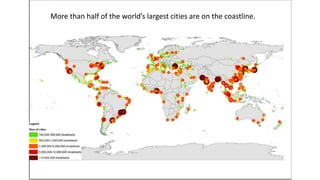
More than half of the world’s largest cities are on the coastline.
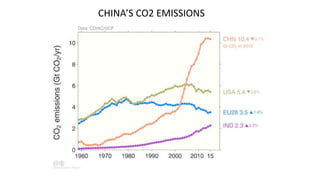
CHINA’S CO2 EMISSIONS
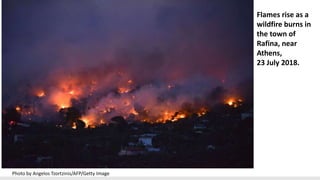
Flames rise as a
wildfire burns in
the town of
Rafina, near
Athens,
23 July 2018.
Photo by Angelos Tzortzinis/AFP/Getty Image
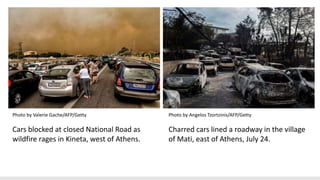
Photo by Valerie Gache/AFP/Getty
Cars blocked at closed National Road as
wildfire rages in Kineta, west of Athens.
Photo by Angelos Tzortzinis/AFP/Getty
Charred cars lined a roadway in the village
of Mati, east of Athens, July 24.
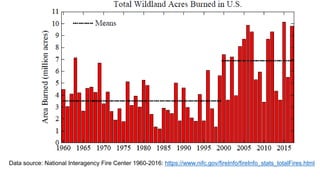
Data source: National Interagency Fire Center 1960-2016: https://www.nifc.gov/fireInfo/fireInfo_stats_totalFires.html
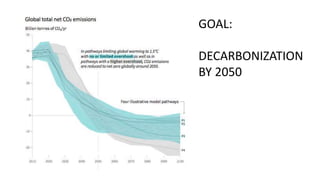
GOAL:
DECARBONIZATION
BY 2050
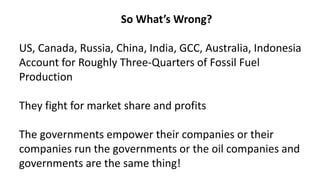
So What’s Wrong?
US, Canada, Russia, China, India, GCC, Australia, Indonesia
Account for Roughly Three-Quarters of Fossil Fuel
Production
They fight for market share and profits
The governments empower their companies or their
companies run the governments or the oil companies and
governments are the same thing!
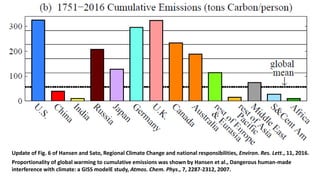
Update of Fig. 6 of Hansen and Sato, Regional Climate Change and national responsibilities, Environ. Res. Lett., 11, 2016.
Proportionality of global warming to cumulative emissions was shown by Hansen et al., Dangerous human-made
interference with climate: a GISS modelE study, Atmos. Chem. Phys., 7, 2287-2312, 2007.
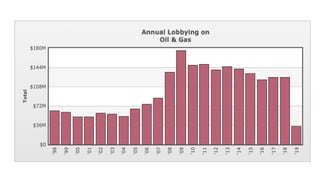
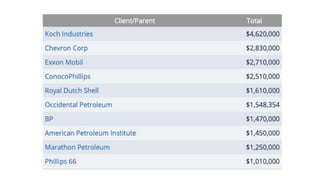
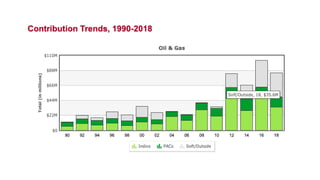
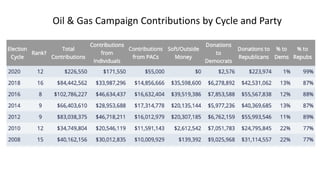
Oil & Gas Campaign Contributions by Cycle and Party
The Way Forward
180 Countries, led by Europe, should set bold 2050
Decarbonization Plans
Europe should engage China, India, Africa and Latin
America in Decarbonization Partnerships
Show Wall Street that new Oil and Gas Investments will
be Stranded Assets
European Roadmap to Decarbonization
Every Signatory Should Prepare a 2050 Roadmap
(Article 4.19 of the Paris Climate Agreement) by 2020
2050 European Roadmap Should Include
• Power
• Transport
• Buildings
• Industry
• Land Use
• Adaptation, Resilience, Disaster Preparedness
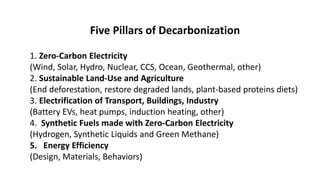
Five Pillars of Decarbonization
1. Zero-Carbon Electricity
(Wind, Solar, Hydro, Nuclear, CCS, Ocean, Geothermal, other)
2. Sustainable Land-Use and Agriculture
(End deforestation, restore degraded lands, plant-based proteins diets)
3. Electrification of Transport, Buildings, Industry
(Battery EVs, heat pumps, induction heating, other)
4. Synthetic Fuels made with Zero-Carbon Electricity
(Hydrogen, Synthetic Liquids and Green Methane)
5. Energy Efficiency
(Design, Materials, Behaviors)
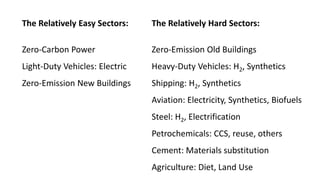
The Relatively Easy Sectors:
Zero-Carbon Power
Light-Duty Vehicles: Electric
Zero-Emission New Buildings
The Relatively Hard Sectors:
Zero-Emission Old Buildings
Heavy-Duty Vehicles: H2, Synthetics
Shipping: H2, Synthetics
Aviation: Electricity, Synthetics, Biofuels
Steel: H2, Electrification
Petrochemicals: CCS, reuse, others
Cement: Materials substitution
Agriculture: Diet, Land Use
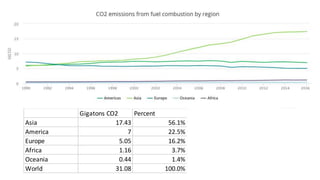
The Asian Drama
Gigatons CO2 Percent
Asia 17.43 56.1%
America 7 22.5%
Europe 5.05 16.2%
Africa 1.16 3.7%
Oceania 0.44 1.4%
World 31.08 100.0%
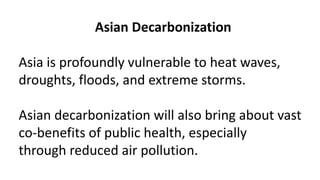
Asian Decarbonization
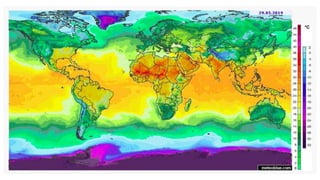
Asia is profoundly vulnerable to heat waves,
droughts, floods, and extreme storms.
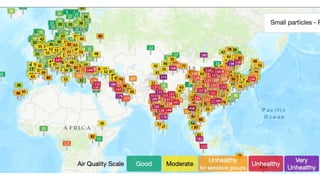
Asian decarbonization will also bring about vast
co-benefits of public health, especially
through reduced air pollution.
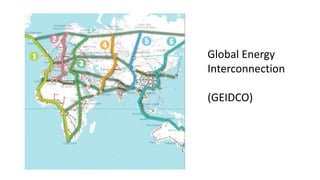
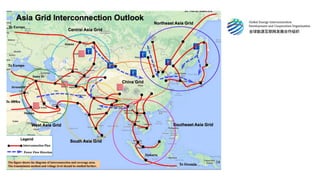
Global Energy
Interconnection
(GEIDCO)
Decarbonization by 2050

Decarbonization by 2050

  • 1.
    Decarbonization by 2050 Prof.Jeffrey D. Sachs University Professor at Columbia University Director of the UN Sustainable Development Solutions Network The Unavoidable Transformation Iberdrola Campus May 28, 2019
  • 5.
    More than halfof the world’s largest cities are on the coastline.
  • 9.
  • 10.
    Flames rise asa wildfire burns in the town of Rafina, near Athens, 23 July 2018. Photo by Angelos Tzortzinis/AFP/Getty Image
  • 11.
    Photo by ValerieGache/AFP/Getty Cars blocked at closed National Road as wildfire rages in Kineta, west of Athens. Photo by Angelos Tzortzinis/AFP/Getty Charred cars lined a roadway in the village of Mati, east of Athens, July 24.
  • 12.
    Data source: NationalInteragency Fire Center 1960-2016: https://www.nifc.gov/fireInfo/fireInfo_stats_totalFires.html
  • 13.
  • 15.
    So What’s Wrong? US,Canada, Russia, China, India, GCC, Australia, Indonesia Account for Roughly Three-Quarters of Fossil Fuel Production They fight for market share and profits The governments empower their companies or their companies run the governments or the oil companies and governments are the same thing!
  • 16.
    Update of Fig.6 of Hansen and Sato, Regional Climate Change and national responsibilities, Environ. Res. Lett., 11, 2016. Proportionality of global warming to cumulative emissions was shown by Hansen et al., Dangerous human-made interference with climate: a GISS modelE study, Atmos. Chem. Phys., 7, 2287-2312, 2007.
  • 20.
    Oil & GasCampaign Contributions by Cycle and Party
  • 22.
    The Way Forward 180Countries, led by Europe, should set bold 2050 Decarbonization Plans Europe should engage China, India, Africa and Latin America in Decarbonization Partnerships Show Wall Street that new Oil and Gas Investments will be Stranded Assets
  • 23.
    European Roadmap toDecarbonization Every Signatory Should Prepare a 2050 Roadmap (Article 4.19 of the Paris Climate Agreement) by 2020
  • 24.
    2050 European RoadmapShould Include • Power • Transport • Buildings • Industry • Land Use • Adaptation, Resilience, Disaster Preparedness
  • 25.
    Five Pillars ofDecarbonization 1. Zero-Carbon Electricity (Wind, Solar, Hydro, Nuclear, CCS, Ocean, Geothermal, other) 2. Sustainable Land-Use and Agriculture (End deforestation, restore degraded lands, plant-based proteins diets) 3. Electrification of Transport, Buildings, Industry (Battery EVs, heat pumps, induction heating, other) 4. Synthetic Fuels made with Zero-Carbon Electricity (Hydrogen, Synthetic Liquids and Green Methane) 5. Energy Efficiency (Design, Materials, Behaviors)
  • 26.
    The Relatively EasySectors: Zero-Carbon Power Light-Duty Vehicles: Electric Zero-Emission New Buildings The Relatively Hard Sectors: Zero-Emission Old Buildings Heavy-Duty Vehicles: H2, Synthetics Shipping: H2, Synthetics Aviation: Electricity, Synthetics, Biofuels Steel: H2, Electrification Petrochemicals: CCS, reuse, others Cement: Materials substitution Agriculture: Diet, Land Use
  • 27.
  • 28.
    Gigatons CO2 Percent Asia17.43 56.1% America 7 22.5% Europe 5.05 16.2% Africa 1.16 3.7% Oceania 0.44 1.4% World 31.08 100.0%
  • 29.
    Asian Decarbonization Asia isprofoundly vulnerable to heat waves, droughts, floods, and extreme storms. Asian decarbonization will also bring about vast co-benefits of public health, especially through reduced air pollution.
  • 33.

Editor's Notes

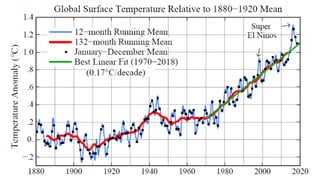
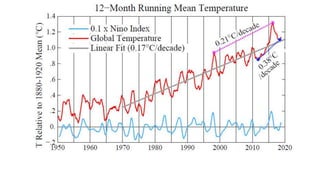
  • #3 The principal climate metric is global temperature, and it is a useful metric. Seems that global warming has been almost a linear warming since 1970, despite UN agreements that we need to slow the warming
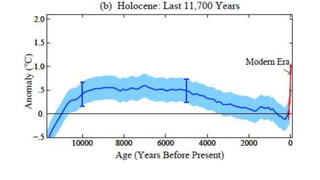
  • #4 However, Earth is now warmer than any time in the current interglacial period, the Holocene, the period in which civilization developed. And there is more warming in the pipeline.
  • #6 That would be a problem, if we let it happen. Cities become dysfunctional long before they are totally under water. These are all of the world’s largest cities. More than half are on coastlines.
  • #7 In fact, the warming seems to be accelerating.
  • #11 These things are happening. Dry regions are having more extreme events. Here are fires in Greece.
  • #12 More images from the fires in Greece.
  • #13 Fires have always occurred, but despite massive efforts to extinguish fires in the U.S., the area burned is increasing.
  • #17 Human-made climate change is proportional to cumulative emissions. The U.S., the UK and Germany are much more responsible for climate change than the developing countries. We in the West burned most of the carbon budget allowed, if we want to avoid losing coastal cities. But we are all in the same boat. We must cooperate to move the world to clean energies.