Principles of business ,
marketing and sales,
financial management
Afternoon June 16th 2016
Trainers
Bev Gilder and Diane Eaton
Objectives for this session….
• Understand the characteristics of different business
markets
• Understand how businesses and organisations interact
with each other.
• Understand the effects of wider world on businesses.
• Understand the legal obligations of businesses
• Understand what drives innovation and product
development.
• Understand the role of budgets and financial planning
• Understand the principles of marketing and branding
• Ideas.
What is a business market
• A market is a place where buyers and sellers
come together
• May exist physically or virtually
• Has to be dynamic
• Has to know its business customers
• Has to innovate and develop
• Has to know its market segment
• Is where goods and services are amended or
reprocessed by their own production
What makes B2B markets different
• More complex decision
making units
• Buying may be more
‘rational’
• Products may be more
complex
• Less buying units
• Fewer behavioural
• Personal relationships
may be more important
• May be longer term
relationships
• Drive innovation more
• Packaging not as
important
• Sub brands less
effective
• Very demanding
Exercise….
• Identify 5 different types of organisation
which would buy and sell on a business to
business basis. What would they likely to be
buying and selling ?
• Consider service industries ?
• Production industries ?
• Resellers ?
• Public sector ?
Organisational goals and innovation
are affected by
Internal factors
• Management and
leadership
• Culture
• Products and processes
• Innovation
• Resources
• Staffing
• Skills available
External factors
• Political
• Economic
• Social
• Technological
• Legal
• Environmental
• …. PESTLE
Different types of business structure
• Sole trader
• Partnerships
• Private Limited Company
• Public Limited Company
• Co-operatives
• Franchises
• Charitable status
Innovation ….a definition
• Business innovation is an organisation's
process for introducing new ideas, workflows,
methodologies, services or products.
Innovation Process Models- Linear
or flexible ?
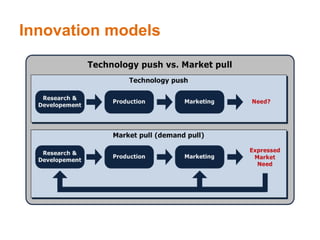
• Technology Push Model
• Market Pull Model
Innovation models
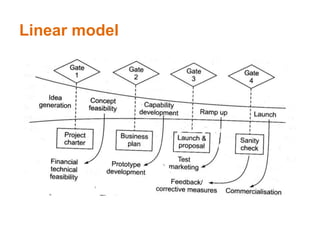
Linear models
• Product or service concept is frozen at early
stage so as to minimise risk.
• Involves series of sequential steps
• Innovation project must through pass each
stage or gate with the permission of a
gatekeeper before moving to next
Linear model
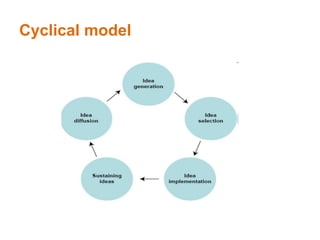
Cyclical model
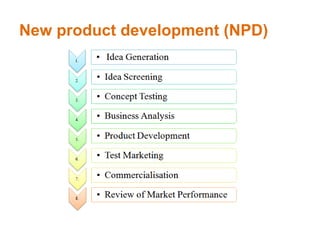
New product development (NPD)
Financial viability … why ?
Exercise
• Who is affected by your financial viability
overall ?
• How would lack of financial viability affect
these groups ?
• Think about who your stakeholders ?
• How would you find out about your financial
viability ?
Budgets …are a plan of action not a
statement of fact…. why do them ?
• Planning
• Control
• Communication
• Coordination
• Predictability
• Cash flow management
• Progress monitoring
… if you don’t manage a budget talk to your manager
and research how they manage theirs
What is marketing ?
Chartered Institute of Marketing (CIM) defines
marketing as:
'The management process responsible for
identifying , anticipating and satisfying customer
requirements profitably'
Philip Kotler
‘Satisfying needs and wants through an
exchange process’
Or ..
• "Marketing is not the art of finding clever
ways to dispose of what you make. It is the art
of creating genuine customer value.“
• ‘Satisfying needs and wants through an
exchange process’
Philip Kotler
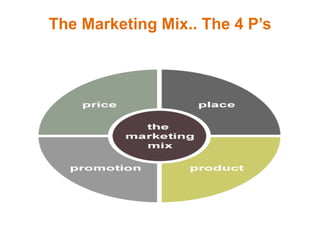
The Marketing Mix.. The 4 P’s
Price and Place
• Price – How you price your product or service
so that your price remains competitive but
allows you to make a good profit.
• Place (Also referred to as Distribution) – Where
your business sells its products or services and
how it gets those products or services to your
customers.
Product and Promotion
• Product – The products or services offered to
your customer: Their physical attributes, what
they do, how they differ from your
competitors and what benefits they provide.
• Promotion – The methods used to
communicate the features and benefits of
your products or services to your target
customers.
Exercise .. How does the University
of Westminster market itself ?
• Who to ?
• How ?
• Which channels ?
• Who is involved at the university ?
So how do you know your market …
market research … why do it ?
• Gives focus
• Help understand
present and future
needs and wants of
customers supports
decision making
• Minimises risk
• Identifies other areas
for research
• Supports pricing.
• Can measure existing
customer satisfaction
• Shows how you
measure up to the
competition.
• Totally supports and
drives marketing
strategy
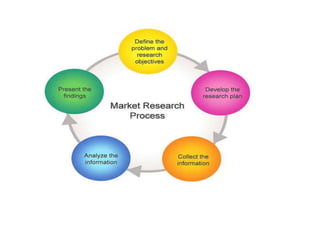
Key elements of reliable market
research
• Specific area to be researched
• Covering the 4 P’s Price,Place, promotion and
product
• Must be data based and include statistical
analysis
• Data should quantitative and qualitative
• Managed as a distinct project
Seven Step sales process
• Initial contact
• Planning the sale
• Identifying needs
• Assessing needs
• Presenting
• Dealing with objections
• Gaining commitment
• Follow up
Short answer questions for Level
3… please
• Use the electronic version which is on you stick
• Answer each part separately
• Read the question carefully and look at the notes
• Use the resources from the workshops and links
supplied
• Principles of leadership and management (ML 15)
• Principles of people management ( ML 24)
• Principles of business ( BA 59)
• Submit to your assessor for group marking by 8th
September

Day 4 part 2

  • 1.
    Principles of business, marketing and sales, financial management Afternoon June 16th 2016 Trainers Bev Gilder and Diane Eaton
  • 2.
    Objectives for thissession…. • Understand the characteristics of different business markets • Understand how businesses and organisations interact with each other. • Understand the effects of wider world on businesses. • Understand the legal obligations of businesses • Understand what drives innovation and product development. • Understand the role of budgets and financial planning • Understand the principles of marketing and branding • Ideas.
  • 3.
    What is abusiness market • A market is a place where buyers and sellers come together • May exist physically or virtually • Has to be dynamic • Has to know its business customers • Has to innovate and develop • Has to know its market segment • Is where goods and services are amended or reprocessed by their own production
  • 4.
    What makes B2Bmarkets different • More complex decision making units • Buying may be more ‘rational’ • Products may be more complex • Less buying units • Fewer behavioural • Personal relationships may be more important • May be longer term relationships • Drive innovation more • Packaging not as important • Sub brands less effective • Very demanding
  • 5.
    Exercise…. • Identify 5different types of organisation which would buy and sell on a business to business basis. What would they likely to be buying and selling ? • Consider service industries ? • Production industries ? • Resellers ? • Public sector ?
  • 6.
    Organisational goals andinnovation are affected by Internal factors • Management and leadership • Culture • Products and processes • Innovation • Resources • Staffing • Skills available External factors • Political • Economic • Social • Technological • Legal • Environmental • …. PESTLE
  • 7.
    Different types ofbusiness structure • Sole trader • Partnerships • Private Limited Company • Public Limited Company • Co-operatives • Franchises • Charitable status
  • 8.
    Innovation ….a definition •Business innovation is an organisation's process for introducing new ideas, workflows, methodologies, services or products.
  • 9.
    Innovation Process Models-Linear or flexible ? • Technology Push Model • Market Pull Model
  • 10.
  • 11.
    Linear models • Productor service concept is frozen at early stage so as to minimise risk. • Involves series of sequential steps • Innovation project must through pass each stage or gate with the permission of a gatekeeper before moving to next
  • 12.
  • 13.
  • 14.
  • 15.
    Financial viability …why ? Exercise • Who is affected by your financial viability overall ? • How would lack of financial viability affect these groups ? • Think about who your stakeholders ? • How would you find out about your financial viability ?
  • 16.
    Budgets …are aplan of action not a statement of fact…. why do them ? • Planning • Control • Communication • Coordination • Predictability • Cash flow management • Progress monitoring … if you don’t manage a budget talk to your manager and research how they manage theirs
  • 17.
    What is marketing? Chartered Institute of Marketing (CIM) defines marketing as: 'The management process responsible for identifying , anticipating and satisfying customer requirements profitably' Philip Kotler ‘Satisfying needs and wants through an exchange process’
  • 18.
    Or .. • "Marketingis not the art of finding clever ways to dispose of what you make. It is the art of creating genuine customer value.“ • ‘Satisfying needs and wants through an exchange process’ Philip Kotler
  • 19.
  • 20.
    Price and Place •Price – How you price your product or service so that your price remains competitive but allows you to make a good profit. • Place (Also referred to as Distribution) – Where your business sells its products or services and how it gets those products or services to your customers.
  • 21.
    Product and Promotion •Product – The products or services offered to your customer: Their physical attributes, what they do, how they differ from your competitors and what benefits they provide. • Promotion – The methods used to communicate the features and benefits of your products or services to your target customers.
  • 22.
    Exercise .. Howdoes the University of Westminster market itself ? • Who to ? • How ? • Which channels ? • Who is involved at the university ?
  • 23.
    So how doyou know your market … market research … why do it ? • Gives focus • Help understand present and future needs and wants of customers supports decision making • Minimises risk • Identifies other areas for research • Supports pricing. • Can measure existing customer satisfaction • Shows how you measure up to the competition. • Totally supports and drives marketing strategy
  • 25.
    Key elements ofreliable market research • Specific area to be researched • Covering the 4 P’s Price,Place, promotion and product • Must be data based and include statistical analysis • Data should quantitative and qualitative • Managed as a distinct project
  • 26.
    Seven Step salesprocess • Initial contact • Planning the sale • Identifying needs • Assessing needs • Presenting • Dealing with objections • Gaining commitment • Follow up
  • 27.
    Short answer questionsfor Level 3… please • Use the electronic version which is on you stick • Answer each part separately • Read the question carefully and look at the notes • Use the resources from the workshops and links supplied • Principles of leadership and management (ML 15) • Principles of people management ( ML 24) • Principles of business ( BA 59) • Submit to your assessor for group marking by 8th September