NITRATE ASSIMILATION
(Essential for the Synthesis of
Organic Matter)
(CS 701) Advanced Biochemistry
ARNOLD V. DAMASO
MS in Crop Science- Agronomy
Central Luzon State University
Nitrate Assimilation
(Essential for the Synthesis of
Organic Matter)
• Introduction
• Living matter contains a large amount of nitrogen
incorporated in proteins, nucleic acids, and many
other biomolecules.
• This organic nitrogen is present in oxidation state
–III (as in NH3).
• During autotrophic growth the nitrogen demand
for the formation of cellular matter is met by
inorganic nitrogen in two alternative ways:
1. Fixation of molecular nitrogen from
air; or
2. Assimilation of the nitrate or ammonia
contained in water or soil.
• Nitrogen assimilation is the formation
of organic nitrogen compounds like
amino acids from inorganic nitrogen
compounds present in the
environment. Organisms like plants,
fungi and certain bacteria that cannot
fix nitrogen gas (N2) depend on the
ability to assimilate nitrate or ammonia
for their needs.
• Other organisms, like animals, depend
entirely on organic nitrogen from their
food. Plants absorb nitrogen from the
soil in the form of nitrate (NO3
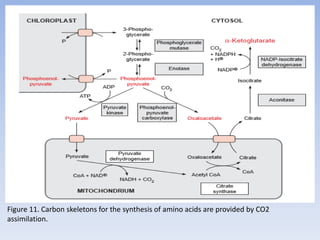
−) and
ammonia (NH3). In aerobic soils where
nitrification can occur, nitrate is usually
the predominant form of available
nitrogen that is absorbed
Importance and Significance
The reduction of nitrate to NH3
(Proceeds in two partial
reactions)
• Nitrate is assimilated in the leaves and also
in the roots.
• In most fully grown herbaceous plants,
nitrate assimilation occurs primarily in the
leaves, although nitrate assimilation in the
roots often plays a major role at an early
growth state of these plants. In contrast,
many woody plants (e.g., trees, shrubs), as
well as legumes such as soybean, assimilate
nitrate mainly in the roots.
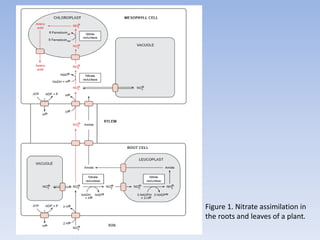
• The transport of nitrate into the root
cells proceeds as symport with two
protons (Fig. 1). A proton gradient across
the plasma membrane, generated by an
H+-P-ATPase drives the uptake of nitrate
against a concentration gradient.
• The ATP required for the formation of
the proton gradient is mostly provided
by mitochondrial respiration
• The nitrate taken up into the root
cells can be stored there temporarily
in the vacuole. As discussed, nitrate is
reduced to NH4+ in the epidermal
and cortical cells of the root. This
NH4
+ is mainly used for the synthesis
of glutamine and asparagine
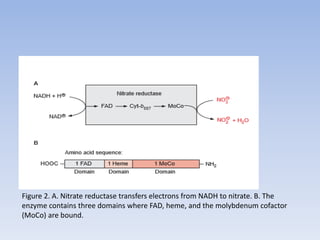
Figure 2. A. Nitrate reductase transfers electrons from NADH to nitrate. B. The
enzyme contains three domains where FAD, heme, and the molybdenum cofactor
(MoCo) are bound.
Figure 1. Nitrate assimilation in
the roots and leaves of a plant.
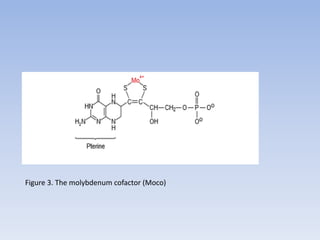
Figure 3. The molybdenum cofactor (Moco)
Nitrate is reduced to nitrite
in the cytosol
• Nitrate reduction uses mostly NADH as
reductant, although some plants contain a
nitrate reductase reacting with NADPH as well
as with NADH. The nitrate reductase of higher
plants consists of two identical subunits. The
molecular mass of each subunit varies from 99
to 104 kDa, depending on the species
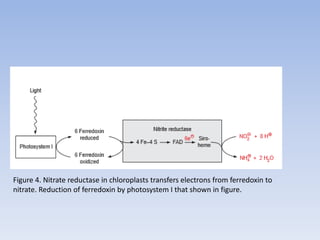
Figure 4. Nitrate reductase in chloroplasts transfers electrons from ferredoxin to
nitrate. Reduction of ferredoxin by photosystem I that shown in figure.
The reduction of nitrite to
ammonia proceeds in the
plastids
• To a much lesser extent, the ferredoxin
required for nitrite reduction in a leaf can
also be provided during darkness via
reduction by NADPH, which is generated by
the oxidative pentose phosphate pathway
present in chloroplasts and leucoplasts.
• Nitrite reductase contains a covalently
bound 4Fe-4S cluster, one molecule of
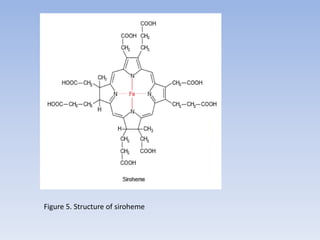
FAD, and one siroheme. Siroheme (Fig.
5) is a cyclic tetrapyrrole with one Fe-
atom in the center. Its structure is
different from that of heme as it
contains additional acetyl and propionyl
residues deriving from pyrrole synthesis
Figure 5. Structure of siroheme
• The 4Fe-4S cluster, FAD, and siroheme
form an electron transport chain by which
electrons are transferred from ferredoxin
to nitrite. Nitrite reductase has a very high
affinity for nitrite. The capacity for nitrite
reduction in the chloroplasts is much
greater than that for nitrate reduction in
the cytosol
The fixation of NH4+ proceeds
in the same way as in
photorespiration cycle
• Glutamine synthetase in the chloroplasts
transfers the newly formed NH4
+ at the expense
of ATP to glutamate, forming glutamine. The
activity of glutamine synthetase and its affinity
for NH4+ (Km ≈510-6 mol/L) are so high that
the NH4
+ produced by nitrite reductase is taken
up completely. The same reaction also fixes the
NH4+ released during photorespiration
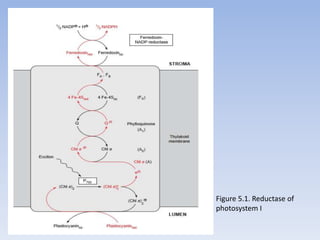
Figure 5.1. Reductase of
photosystem I
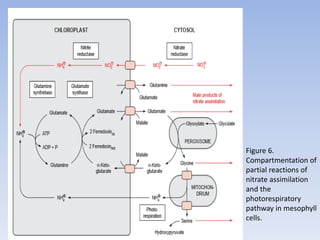
Figure 6.
Compartmentation of
partial reactions of
nitrate assimilation
and the
photorespiratory
pathway in mesophyll
cells.
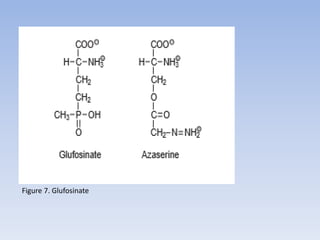
• Glufosinate (Fig. 7), a substrate analogue
of glutamate, inhibits glutamine synthesis.
Plants in which the addition of glufosinate
has inhibited the synthesis of glutamine
accumulate toxic levels of ammonia and
die off. NH4+-glufosinate is distributed as
an herbicide under the trade name Liberty
(Aventis).
Figure 7. Glufosinate
Nitrate assimilation
(also takes place in the roots)
• As mentioned, nitrate assimilation occurs
in part, and in some species even mainly,
in the roots. NH4+ taken up from the soil
is normally fixed in the roots.
• The reduction of nitrate and nitrite as
well as the fixation of NH4+ proceeds in
the root cells in an analogous way to the
mesophyll cells.
The oxidative pentose
phosphate pathway provides
reducing equivalents for nitrite
reduction in leucoplasts
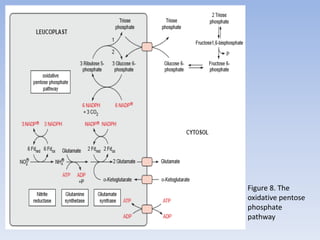
• The reducing equivalents required for the
reduction of nitrite and the formation of
glutamate are provided in leucoplasts by
oxidation of glucose 6 phosphate via the
oxidative pentose phosphate pathway
discussed in (Fig. 8).
• As in chloroplasts, nitrite reduction in
leucoplasts also requires reduced ferredoxin
as reductant. In the leucoplasts, ferredoxin is
reduced by NADPH, which is generated by the
oxidative pentose phosphate pathway. The
ATP required for glutamine synthesis in the
leucoplasts can be generated by the
mitochondria and transported into the
leucoplasts by a plastid ATP translocator in
counter-exchange for ADP
Figure 8. The
oxidative pentose
phosphate
pathway
Nitrate assimilation
(is strictly controlled)
• During photosynthesis, CO2 assimilation and
nitrate assimilation have to be matched to
each other. Nitrate assimilation can progress
only when CO2 assimilation provides the
carbon skeletons for the amino acids.
• Moreover, nitrate assimilation must be
regulated in such a way that the production of
amino acids does not exceed demand
• Finally, it is important that nitrate reduction
does not proceed faster than nitrite reduction,
since otherwise toxic levels of nitrite would
accumulate in the cells.
• Under certain conditions such a dangerous
accumulation of nitrite can indeed occur in
roots when excessive moisture makes the soil
anaerobic
The synthesis of the nitrate
reductase protein is regulated
at the level of gene expression
• Nitrate reductase is an exceptionally short-
lived protein. Its half-life is only a few hours.
The rate of de novo synthesis of this enzyme is
therefore very high. Thus, by regulating its
synthesis, the activity of nitrate reductase can
be altered within hours.
Nitrate reductase is also
regulated by reversible covalent
modification
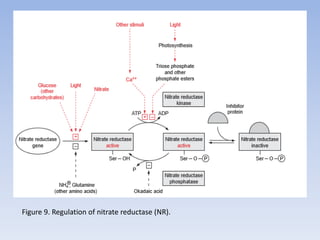
• The regulation of de novo synthesis of nitrate
reductase (NR) allows regulation of the enzyme
activity within a time span of hours.
• This would not be sufficient to prevent an
accumulation of nitrite in the plants during
darkening or sudden shading of the plant.
Rapid inactivation of nitrate reductase in the
time span of minutes occurs via
phosphorylation of the nitrate reductase
protein (Fig. 9).
Figure 9. Regulation of nitrate reductase (NR).
14-3-3 Proteins are important
metabolic regulators
• It was discovered that the nitrate reductase
inhibitor protein belongs to a family of
regulatory proteins called 14-3-3 proteins,
which are widely spread throughout the
animal and plant worlds.
• 14-3-3 proteins bind to a specific binding site
of the target protein with six amino acids,
containing a serine phosphate in position 4
The regulation of nitrate
reductase and sucrose
phosphate synthase have great
similarities
• The mechanism of the regulation of nitrate
reduction by phosphorylation of serine
residues of the enzyme protein by special
protein kinases and protein phosphatases is
remarkably similar to the regulation of sucrose
phosphate synthase.
The end product of nitrate
assimilation
(is a whole spectrum of amino acids)
• The carbohydrates formed as the product of
CO2 assimilation are transported from the
leaves via the sieve tubes to various parts of the
plants only in defined transport forms, such as
sucrose, sugar alcohols (e.g., sorbitol), or
raffinoses, depending on the species.
CO2 assimilation provides the carbon
skeletons to synthesize the end
products of nitrate assimilation
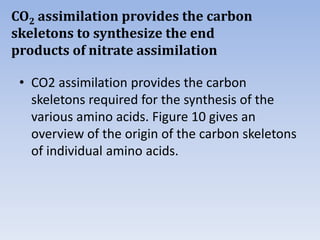
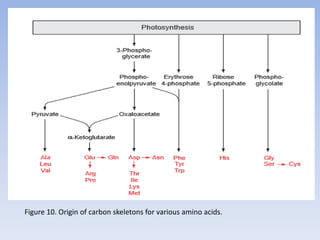
• CO2 assimilation provides the carbon
skeletons required for the synthesis of the
various amino acids. Figure 10 gives an
overview of the origin of the carbon skeletons
of individual amino acids.
Figure 10. Origin of carbon skeletons for various amino acids.
Figure 11. Carbon skeletons for the synthesis of amino acids are provided by CO2
assimilation.
The synthesis of glutamate requires
the participation of mitochondrial
metabolism
• That glutamate is formed from -ketoglutarate,
which can be provided by a partial sequence of
the mitochondrial citrate cycle (Fig. 11). Pyruvate
and oxaloacetate are transported from the
cytosol to the mitochondria by specific
translocators. Pyruvate is oxidized by pyruvate
dehydrogenase, and the acetyl-CoA thus
generated condenses with oxaloacetate to citrate.
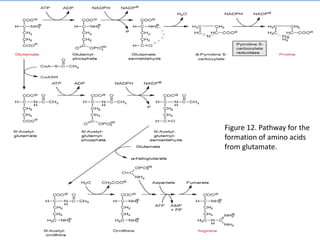
Biosynthesis of proline and arginine
• proline has a special function as a protective
substance against dehydration damage in
leaves. When exposed to aridity or to a high
salt content in the soil (both leading to water
stress), many plants accumulate very high
amounts of proline in their leaves, in some
cases several times the sum of all the other
amino acids
Figure 12. Pathway for the
formation of amino acids
from glutamate.
Aspartate is the precursor of
five amino acids
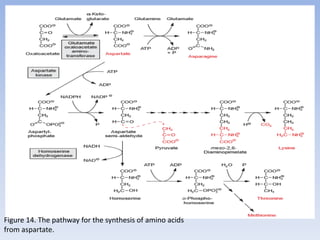
• Aspartate is formed from oxaloacetate by
transamination with glutamate by glutamate-
oxaloacetate amino transferase (Fig. 14).
• The synthesis of asparagine from aspartate
requires a transitory phosphorylation of the
terminal carboxylic group by ATP, as in the
synthesis of glutamine. In contrast to glutamine
synthesis, however, it is not NH4+ but the amide
group of glutamine that usually serves as the
amino donor in asparagine synthesis
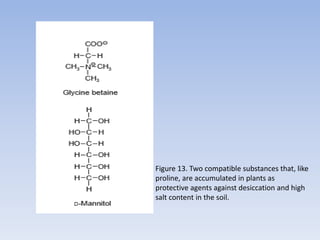
Figure 13. Two compatible substances that, like
proline, are accumulated in plants as
protective agents against desiccation and high
salt content in the soil.
Figure 14. The pathway for the synthesis of amino acids
from aspartate.
Figure 15. Feedback inhibition by end products regulates the entrance enzyme for
the synthesis of amino acids from aspartate according to demand. [-] indicates
inhibition. Aspartate kinase exists in two isoforms
Acetolactate synthase
participates in the synthesis of
hydrophobic amino acids
• Acetolactate synthase, catalyzing this reaction,
contains thiamine pyrophosphate (TPP) as its
prosthetic group. The reaction of TPP with
pyruvate yields hydroxyethyl-TPP and CO2, in
the same way as in the pyruvate
dehydrogenase reaction.
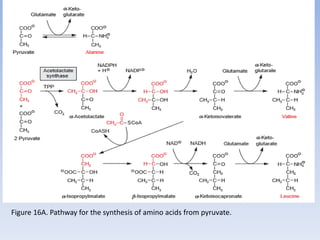
Figure 16A. Pathway for the synthesis of amino acids from pyruvate.
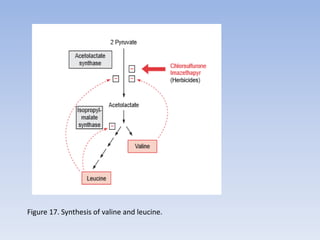
Figure 17. Synthesis of valine and leucine.
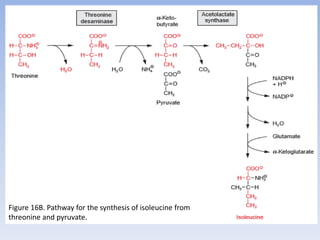
Figure 16B. Pathway for the synthesis of isoleucine from
threonine and pyruvate.
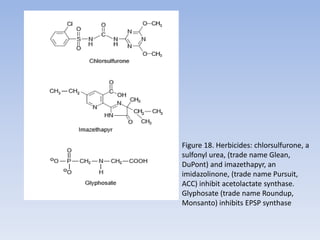
Figure 18. Herbicides: chlorsulfurone, a
sulfonyl urea, (trade name Glean,
DuPont) and imazethapyr, an
imidazolinone, (trade name Pursuit,
ACC) inhibit acetolactate synthase.
Glyphosate (trade name Roundup,
Monsanto) inhibits EPSP synthase
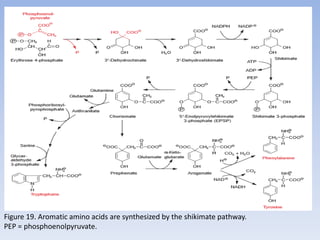
Aromatic amino acids are
synthesized via the
shikimate pathway
• Precursors for the formation of aromatic
amino acids are erythrose 4phosphate and
phosphoenolpyruvate.
• These two compounds condense to form
cyclic dehydrochinate accompanied by the
liberation of both phosphate groups (Fig. 19)
Figure 19. Aromatic amino acids are synthesized by the shikimate pathway.
PEP = phosphoenolpyruvate.
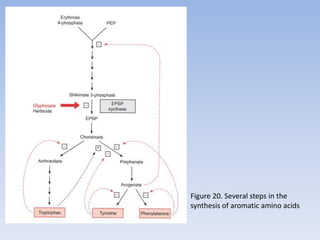
Figure 20. Several steps in the
synthesis of aromatic amino acids
A large proportion of the total
plant matter can be formed by the
shikimate pathway
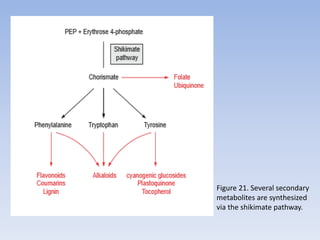
• The function of the shikimate pathway is not
restricted to the generation of amino acids for
protein biosynthesis. It also provides
precursors for a large variety of other
substances (Fig. 21) formed by plants in large
quantities, particularly phenylpropanoids such
as flavonoids and lignin
Figure 21. Several secondary
metabolites are synthesized
via the shikimate pathway.
Glutamate is the precursor
(for synthesis of chlorophylls
and cytochromes)
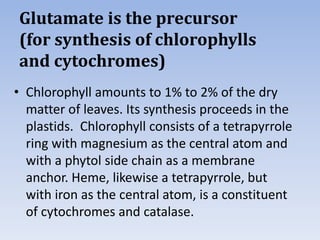
• Chlorophyll amounts to 1% to 2% of the dry
matter of leaves. Its synthesis proceeds in the
plastids. Chlorophyll consists of a tetrapyrrole
ring with magnesium as the central atom and
with a phytol side chain as a membrane
anchor. Heme, likewise a tetrapyrrole, but
with iron as the central atom, is a constituent
of cytochromes and catalase.
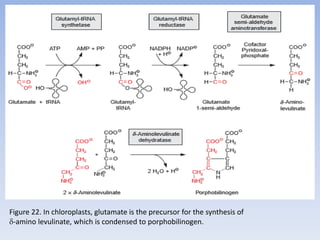
Figure 22. In chloroplasts, glutamate is the precursor for the synthesis of
-amino levulinate, which is condensed to porphobilinogen.
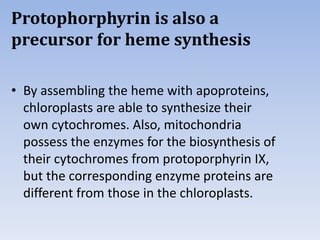
Protophorphyrin is also a
precursor for heme synthesis
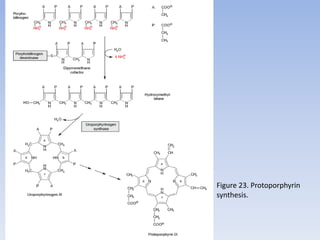
• By assembling the heme with apoproteins,
chloroplasts are able to synthesize their
own cytochromes. Also, mitochondria
possess the enzymes for the biosynthesis of
their cytochromes from protoporphyrin IX,
but the corresponding enzyme proteins are
different from those in the chloroplasts.
Figure 23. Protoporphyrin
synthesis.
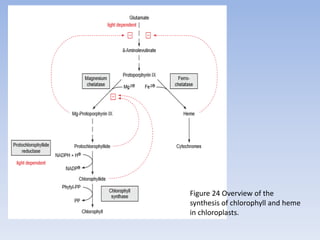
Figure 24 Overview of the
synthesis of chlorophyll and heme
in chloroplasts.
Summary
• Nitrate assimilation is the formation of organic
nitrogen compounds like amino acids from
inorganic nitrogen compounds present in the
environment. Organisms like plants, fungi and
certain bacteria that cannot fix nitrogen gas (N2)
depend on the ability to assimilate nitrate or
ammonia for their needs.
• Plants like castor reduce a lot of nitrate in the
root itself, and excrete the resulting base. Some
of the base produced in the shoots is transported
to the roots as salts of organic acids while a small
amount of the carboxylates are just stored in the
shoot itself
• However, about 99% of the organic
nitrogen in the biosphere is derived
from the assimilation of nitrate. NH4
+ is
formed as an end product of the
degradation of organic matter,
primarily by the metabolism of animals
and bacteria, and is oxidized to nitrate
again by nitrifying bacteria in the soil.
Thus a continuous cycle exists between
the nitrate in the soil and the organic
nitrogen in the plants growing on it.
• While nearly all the ammonia in the
root is usually incorporated into amino
acids at the root itself, plants may
transport significant amounts of
ammonium ions in the xylem to be
fixed in the shoots. This may help avoid
the transport of organic compounds
down to the roots just to carry the
nitrogen back as amino acids.
End of Report

CS_701_Nitrate Assimilation by arnold_damaso

  • 1.
    NITRATE ASSIMILATION (Essential forthe Synthesis of Organic Matter) (CS 701) Advanced Biochemistry ARNOLD V. DAMASO MS in Crop Science- Agronomy Central Luzon State University
  • 2.
    Nitrate Assimilation (Essential forthe Synthesis of Organic Matter) • Introduction • Living matter contains a large amount of nitrogen incorporated in proteins, nucleic acids, and many other biomolecules. • This organic nitrogen is present in oxidation state –III (as in NH3). • During autotrophic growth the nitrogen demand for the formation of cellular matter is met by inorganic nitrogen in two alternative ways:
  • 3.
    1. Fixation ofmolecular nitrogen from air; or 2. Assimilation of the nitrate or ammonia contained in water or soil.
  • 4.
    • Nitrogen assimilationis the formation of organic nitrogen compounds like amino acids from inorganic nitrogen compounds present in the environment. Organisms like plants, fungi and certain bacteria that cannot fix nitrogen gas (N2) depend on the ability to assimilate nitrate or ammonia for their needs.
  • 5.
    • Other organisms,like animals, depend entirely on organic nitrogen from their food. Plants absorb nitrogen from the soil in the form of nitrate (NO3 −) and ammonia (NH3). In aerobic soils where nitrification can occur, nitrate is usually the predominant form of available nitrogen that is absorbed
  • 6.
  • 7.
    The reduction ofnitrate to NH3 (Proceeds in two partial reactions) • Nitrate is assimilated in the leaves and also in the roots. • In most fully grown herbaceous plants, nitrate assimilation occurs primarily in the leaves, although nitrate assimilation in the roots often plays a major role at an early growth state of these plants. In contrast, many woody plants (e.g., trees, shrubs), as well as legumes such as soybean, assimilate nitrate mainly in the roots.
  • 8.
    • The transportof nitrate into the root cells proceeds as symport with two protons (Fig. 1). A proton gradient across the plasma membrane, generated by an H+-P-ATPase drives the uptake of nitrate against a concentration gradient. • The ATP required for the formation of the proton gradient is mostly provided by mitochondrial respiration
  • 9.
    • The nitratetaken up into the root cells can be stored there temporarily in the vacuole. As discussed, nitrate is reduced to NH4+ in the epidermal and cortical cells of the root. This NH4 + is mainly used for the synthesis of glutamine and asparagine
  • 10.
    Figure 2. A.Nitrate reductase transfers electrons from NADH to nitrate. B. The enzyme contains three domains where FAD, heme, and the molybdenum cofactor (MoCo) are bound.
  • 11.
    Figure 1. Nitrateassimilation in the roots and leaves of a plant.
  • 12.
    Figure 3. Themolybdenum cofactor (Moco)
  • 13.
    Nitrate is reducedto nitrite in the cytosol • Nitrate reduction uses mostly NADH as reductant, although some plants contain a nitrate reductase reacting with NADPH as well as with NADH. The nitrate reductase of higher plants consists of two identical subunits. The molecular mass of each subunit varies from 99 to 104 kDa, depending on the species
  • 14.
    Figure 4. Nitratereductase in chloroplasts transfers electrons from ferredoxin to nitrate. Reduction of ferredoxin by photosystem I that shown in figure.
  • 15.
    The reduction ofnitrite to ammonia proceeds in the plastids • To a much lesser extent, the ferredoxin required for nitrite reduction in a leaf can also be provided during darkness via reduction by NADPH, which is generated by the oxidative pentose phosphate pathway present in chloroplasts and leucoplasts.
  • 16.
    • Nitrite reductasecontains a covalently bound 4Fe-4S cluster, one molecule of FAD, and one siroheme. Siroheme (Fig. 5) is a cyclic tetrapyrrole with one Fe- atom in the center. Its structure is different from that of heme as it contains additional acetyl and propionyl residues deriving from pyrrole synthesis
  • 17.
  • 18.
    • The 4Fe-4Scluster, FAD, and siroheme form an electron transport chain by which electrons are transferred from ferredoxin to nitrite. Nitrite reductase has a very high affinity for nitrite. The capacity for nitrite reduction in the chloroplasts is much greater than that for nitrate reduction in the cytosol
  • 19.
    The fixation ofNH4+ proceeds in the same way as in photorespiration cycle • Glutamine synthetase in the chloroplasts transfers the newly formed NH4 + at the expense of ATP to glutamate, forming glutamine. The activity of glutamine synthetase and its affinity for NH4+ (Km ≈510-6 mol/L) are so high that the NH4 + produced by nitrite reductase is taken up completely. The same reaction also fixes the NH4+ released during photorespiration
  • 20.
    Figure 5.1. Reductaseof photosystem I
  • 21.
    Figure 6. Compartmentation of partialreactions of nitrate assimilation and the photorespiratory pathway in mesophyll cells.
  • 22.
    • Glufosinate (Fig.7), a substrate analogue of glutamate, inhibits glutamine synthesis. Plants in which the addition of glufosinate has inhibited the synthesis of glutamine accumulate toxic levels of ammonia and die off. NH4+-glufosinate is distributed as an herbicide under the trade name Liberty (Aventis).
  • 23.
  • 24.
    Nitrate assimilation (also takesplace in the roots) • As mentioned, nitrate assimilation occurs in part, and in some species even mainly, in the roots. NH4+ taken up from the soil is normally fixed in the roots. • The reduction of nitrate and nitrite as well as the fixation of NH4+ proceeds in the root cells in an analogous way to the mesophyll cells.
  • 25.
    The oxidative pentose phosphatepathway provides reducing equivalents for nitrite reduction in leucoplasts • The reducing equivalents required for the reduction of nitrite and the formation of glutamate are provided in leucoplasts by oxidation of glucose 6 phosphate via the oxidative pentose phosphate pathway discussed in (Fig. 8).
  • 26.
    • As inchloroplasts, nitrite reduction in leucoplasts also requires reduced ferredoxin as reductant. In the leucoplasts, ferredoxin is reduced by NADPH, which is generated by the oxidative pentose phosphate pathway. The ATP required for glutamine synthesis in the leucoplasts can be generated by the mitochondria and transported into the leucoplasts by a plastid ATP translocator in counter-exchange for ADP
  • 27.
    Figure 8. The oxidativepentose phosphate pathway
  • 28.
    Nitrate assimilation (is strictlycontrolled) • During photosynthesis, CO2 assimilation and nitrate assimilation have to be matched to each other. Nitrate assimilation can progress only when CO2 assimilation provides the carbon skeletons for the amino acids. • Moreover, nitrate assimilation must be regulated in such a way that the production of amino acids does not exceed demand
  • 29.
    • Finally, itis important that nitrate reduction does not proceed faster than nitrite reduction, since otherwise toxic levels of nitrite would accumulate in the cells. • Under certain conditions such a dangerous accumulation of nitrite can indeed occur in roots when excessive moisture makes the soil anaerobic
  • 30.
    The synthesis ofthe nitrate reductase protein is regulated at the level of gene expression • Nitrate reductase is an exceptionally short- lived protein. Its half-life is only a few hours. The rate of de novo synthesis of this enzyme is therefore very high. Thus, by regulating its synthesis, the activity of nitrate reductase can be altered within hours.
  • 31.
    Nitrate reductase isalso regulated by reversible covalent modification • The regulation of de novo synthesis of nitrate reductase (NR) allows regulation of the enzyme activity within a time span of hours. • This would not be sufficient to prevent an accumulation of nitrite in the plants during darkening or sudden shading of the plant. Rapid inactivation of nitrate reductase in the time span of minutes occurs via phosphorylation of the nitrate reductase protein (Fig. 9).
  • 32.
    Figure 9. Regulationof nitrate reductase (NR).
  • 33.
    14-3-3 Proteins areimportant metabolic regulators • It was discovered that the nitrate reductase inhibitor protein belongs to a family of regulatory proteins called 14-3-3 proteins, which are widely spread throughout the animal and plant worlds. • 14-3-3 proteins bind to a specific binding site of the target protein with six amino acids, containing a serine phosphate in position 4
  • 34.
    The regulation ofnitrate reductase and sucrose phosphate synthase have great similarities • The mechanism of the regulation of nitrate reduction by phosphorylation of serine residues of the enzyme protein by special protein kinases and protein phosphatases is remarkably similar to the regulation of sucrose phosphate synthase.
  • 35.
    The end productof nitrate assimilation (is a whole spectrum of amino acids) • The carbohydrates formed as the product of CO2 assimilation are transported from the leaves via the sieve tubes to various parts of the plants only in defined transport forms, such as sucrose, sugar alcohols (e.g., sorbitol), or raffinoses, depending on the species.
  • 36.
    CO2 assimilation providesthe carbon skeletons to synthesize the end products of nitrate assimilation • CO2 assimilation provides the carbon skeletons required for the synthesis of the various amino acids. Figure 10 gives an overview of the origin of the carbon skeletons of individual amino acids.
  • 37.
    Figure 10. Originof carbon skeletons for various amino acids.
  • 38.
    Figure 11. Carbonskeletons for the synthesis of amino acids are provided by CO2 assimilation.
  • 39.
    The synthesis ofglutamate requires the participation of mitochondrial metabolism • That glutamate is formed from -ketoglutarate, which can be provided by a partial sequence of the mitochondrial citrate cycle (Fig. 11). Pyruvate and oxaloacetate are transported from the cytosol to the mitochondria by specific translocators. Pyruvate is oxidized by pyruvate dehydrogenase, and the acetyl-CoA thus generated condenses with oxaloacetate to citrate.
  • 40.
    Biosynthesis of prolineand arginine • proline has a special function as a protective substance against dehydration damage in leaves. When exposed to aridity or to a high salt content in the soil (both leading to water stress), many plants accumulate very high amounts of proline in their leaves, in some cases several times the sum of all the other amino acids
  • 41.
    Figure 12. Pathwayfor the formation of amino acids from glutamate.
  • 42.
    Aspartate is theprecursor of five amino acids • Aspartate is formed from oxaloacetate by transamination with glutamate by glutamate- oxaloacetate amino transferase (Fig. 14). • The synthesis of asparagine from aspartate requires a transitory phosphorylation of the terminal carboxylic group by ATP, as in the synthesis of glutamine. In contrast to glutamine synthesis, however, it is not NH4+ but the amide group of glutamine that usually serves as the amino donor in asparagine synthesis
  • 43.
    Figure 13. Twocompatible substances that, like proline, are accumulated in plants as protective agents against desiccation and high salt content in the soil.
  • 44.
    Figure 14. Thepathway for the synthesis of amino acids from aspartate.
  • 45.
    Figure 15. Feedbackinhibition by end products regulates the entrance enzyme for the synthesis of amino acids from aspartate according to demand. [-] indicates inhibition. Aspartate kinase exists in two isoforms
  • 46.
    Acetolactate synthase participates inthe synthesis of hydrophobic amino acids • Acetolactate synthase, catalyzing this reaction, contains thiamine pyrophosphate (TPP) as its prosthetic group. The reaction of TPP with pyruvate yields hydroxyethyl-TPP and CO2, in the same way as in the pyruvate dehydrogenase reaction.
  • 47.
    Figure 16A. Pathwayfor the synthesis of amino acids from pyruvate.
  • 48.
    Figure 17. Synthesisof valine and leucine.
  • 49.
    Figure 16B. Pathwayfor the synthesis of isoleucine from threonine and pyruvate.
  • 50.
    Figure 18. Herbicides:chlorsulfurone, a sulfonyl urea, (trade name Glean, DuPont) and imazethapyr, an imidazolinone, (trade name Pursuit, ACC) inhibit acetolactate synthase. Glyphosate (trade name Roundup, Monsanto) inhibits EPSP synthase
  • 51.
    Aromatic amino acidsare synthesized via the shikimate pathway • Precursors for the formation of aromatic amino acids are erythrose 4phosphate and phosphoenolpyruvate. • These two compounds condense to form cyclic dehydrochinate accompanied by the liberation of both phosphate groups (Fig. 19)
  • 52.
    Figure 19. Aromaticamino acids are synthesized by the shikimate pathway. PEP = phosphoenolpyruvate.
  • 53.
    Figure 20. Severalsteps in the synthesis of aromatic amino acids
  • 54.
    A large proportionof the total plant matter can be formed by the shikimate pathway • The function of the shikimate pathway is not restricted to the generation of amino acids for protein biosynthesis. It also provides precursors for a large variety of other substances (Fig. 21) formed by plants in large quantities, particularly phenylpropanoids such as flavonoids and lignin
  • 55.
    Figure 21. Severalsecondary metabolites are synthesized via the shikimate pathway.
  • 56.
    Glutamate is theprecursor (for synthesis of chlorophylls and cytochromes) • Chlorophyll amounts to 1% to 2% of the dry matter of leaves. Its synthesis proceeds in the plastids. Chlorophyll consists of a tetrapyrrole ring with magnesium as the central atom and with a phytol side chain as a membrane anchor. Heme, likewise a tetrapyrrole, but with iron as the central atom, is a constituent of cytochromes and catalase.
  • 57.
    Figure 22. Inchloroplasts, glutamate is the precursor for the synthesis of -amino levulinate, which is condensed to porphobilinogen.
  • 58.
    Protophorphyrin is alsoa precursor for heme synthesis • By assembling the heme with apoproteins, chloroplasts are able to synthesize their own cytochromes. Also, mitochondria possess the enzymes for the biosynthesis of their cytochromes from protoporphyrin IX, but the corresponding enzyme proteins are different from those in the chloroplasts.
  • 59.
  • 60.
    Figure 24 Overviewof the synthesis of chlorophyll and heme in chloroplasts.
  • 61.
    Summary • Nitrate assimilationis the formation of organic nitrogen compounds like amino acids from inorganic nitrogen compounds present in the environment. Organisms like plants, fungi and certain bacteria that cannot fix nitrogen gas (N2) depend on the ability to assimilate nitrate or ammonia for their needs. • Plants like castor reduce a lot of nitrate in the root itself, and excrete the resulting base. Some of the base produced in the shoots is transported to the roots as salts of organic acids while a small amount of the carboxylates are just stored in the shoot itself
  • 62.
    • However, about99% of the organic nitrogen in the biosphere is derived from the assimilation of nitrate. NH4 + is formed as an end product of the degradation of organic matter, primarily by the metabolism of animals and bacteria, and is oxidized to nitrate again by nitrifying bacteria in the soil. Thus a continuous cycle exists between the nitrate in the soil and the organic nitrogen in the plants growing on it.
  • 63.
    • While nearlyall the ammonia in the root is usually incorporated into amino acids at the root itself, plants may transport significant amounts of ammonium ions in the xylem to be fixed in the shoots. This may help avoid the transport of organic compounds down to the roots just to carry the nitrogen back as amino acids.
  • 64.

Editor's Notes

  • #5 NH4+ accumulates only in poorly aerated soils with insufficient drainage, where, due to lack of oxygen, nitrifying bacteria cannot grow. Mass animal production can lead to a high ammonia input into the soil, from manure as well as from the air. If it is available, many plants can also utilize NH4+ instead of nitrate as a nitrogen source.
  • #6 However this need not always be the case as ammonia can predominate in grasslands and in flooded, anaerobic soils like rice paddies. Plant roots themselves can affect the abundance of various forms of nitrogen by changing the pH and secreting organic compounds or oxygen. This influences microbial activities like the inter-conversion of various nitrogen species, the release of ammonia from organic matter in the soil and the fixation of nitrogen by non-nodule-forming bacteria.
  • #10 However, when the capacity for nitrate assimilation in the roots is exhausted, nitrate is released from the roots into the xylem vessels and is carried by the transpiration stream to the leaves. There it is taken up into the mesophyll cells, probably also by a proton symport.
  • #11 Each subunit contains an electron transport chain (Fig. 2) consisting of one flavin adenine dinucleotide molecule (FAD), one heme of the cytochrome-b type (cyt-b557), and one cofactor containing molybdenum (Fig. 3). This cofactor is a pterin with a side chain to which the molybdenum is attached by two sulfur bonds and is called the molybdenum cofactor, MoCo.
  • #12 Nitrate is taken up from the soil by the root. It can be stored in the vacuoles of the root cells or assimilated in the cells of the epidermis and the cortex. Surplus nitrate is carried via the xylem vessels to the mesophyll cells, where nitrate can be stored temporarily in the vacuole. Nitrate is reduced to nitrite in the cytosol and then nitrite reduced further in the chloroplasts to NH4+, from which amino acids are formed. H+ transport out of the cells of the root and the mesophyll proceeds via an H+ -P –ATPase.
  • #15 This reaction is catalyzed by only one enzyme, the nitrite reductase (Fig. 4), which is located exclusively in plastids. This enzyme utilizes reduced ferredoxin as electron donor, which is supplied by photosystem I as a product of photosynthetic electron transport
  • #19 Therefore all nitrite formed by nitrate reductase can be completely converted to ammonia. This is important since nitrite is toxic to the cell. It forms diazo compounds with amino groups of nucleobases (R–NH2), which are converted into alcohols with the release of nitrogen.
  • #20 Because of the high rate of photorespiration, the amount of NH4+ produced by the oxidation of glycine is about 5 to 10 times higher than the amount of NH4+ generated by nitrate assimilation. Thus only a minor proportion of glutamine synthesis in the leaves is actually involved in nitrate assimilation. Leaves also contain an isoenzyme of glutamine synthetase in their cytosol.
  • #21 (This is the reaction scheme of electron transport in photosystem I. The negatively charged chlorophyll radical formed after excitation of a chlorophyll pair results in reduction of NADP+ via chl-a, phylloquinone, and three iron-sulfur proteins. The electron deficit in the positively charged chlorophyll radical is compensated by an electron delivered from plasticynain).
  • #22 NH4+ formed in the photorespiratory pathway is colored black and NH4+ formed by nitrate assimilation is colored red. The main products of nitrate assimilation are marked with a red arrow.
  • #24 (also called phosphinotricin) is a substrate analogue of glutamate and a strong inhibitor of glutamine synthetase. Ammonium glufosinate is an herbicide (Liberty, Aventis). Azaserine is a substrate analogue of glutamate and an inhibitor of glutamate synthase.
  • #25 However, in the root cells the necessary reducing equivalents are supplied exclusively by oxidation of carbohydrates. The reduction of nitrite and the subsequent fixation of NH4+ (Fig. 8) occur in the leucoplasts, a differentiated form of plastids.
  • #26 The subsequent reactions yield one molecule of triose phosphate and two molecules of fructose 6-phosphate; the latter are reconverted to glucose 6-phosphate via hexose phosphate isomerase. In the cytosol, glucose 6-phosphate is regenerated from two molecules of triose phosphate via aldolase, cytosolic fructose 1, 6-bisphosphatase, and hexose phosphate isomerase. In this way glucose 6phosphate can be completely oxidized to CO2 in order to produce NADPH.
  • #28 provides the reducing equivalents for nitrite reduction in plastids (leucoplasts) from non-green tissues In some plastids, glucose 1-phosphate is transported in counter-exchange for triose phosphate or phosphate. Fd, ferredoxin.
  • #30 Therefore, during darkness nitrate reduction in the leaves has to be slowed down or even switched off to prevent an accumulation of nitrite. This illustrates how essential it is for a plant to regulate the activity of nitrate reductase, the entrance step of nitrate assimilation.
  • #33 Synthesis of the NR protein is stimulated by carbohydrates (perhaps glucose or its metabolic products) and light [+], and inhibited by glutamine or other amino acids [-]. The newly formed NR protein is degraded within a time span of a few hours. Nitrate reductase is inhibited by phosphorylation of a serine residue and the subsequent interaction with an inhibitor protein. After hydrolytic liberation of the phosphate residue by a protein phosphatase, the inhibitor is dissociated and nitrate reductase regains its full activity. The activity of the nitrate reductase kinase is inhibited by triose phosphate and other phosphate esters—products of photosynthesis in the light—and in this way nitrate reductase is active in the light. Through the effect of Ca++ on nitrate reductase kinase other still not identified factors may modulate the activity of nitrate reductase. Okadaic acid, an inhibitor of protein phosphatases, counteracts the activation of nitrate reductase. (After Huber et al., 1996.)
  • #34 Thus 14-3-3 proteins regulate in plants the activity of the H+P-ATPase of the plasma membrane. 14-3-3 Proteins regulate the function of transcription factors and protein transport into chloroplasts. There are indications that 14-3-3 proteins are involved in the regulation of signal transduction, as they bind to various protein kinases, and play a role in defense processes against biotic and abiotic stress. The elucidation of these various functions of 14.3.3 proteins is at present a very hot topic in research.
  • #36 Therefore the sum of amino acids can be regarded as the final product of nitrate assimilation. Synthesis of these amino acids takes place mainly in the chloroplasts.
  • #39 Important precursors for amino acid synthesis are colored red.
  • #42 Glutamate is the precursor for the synthesis of proline (Fig. 12). Its dcarboxylic group is first converted by a glutamate kinase to an energy-rich phosphoric acid anhydride and is then reduced by NADPH to an aldehyde. The accompanying hydrolysis of the energy-rich phosphate drives the reaction, resembling the reduction of 3-phosphoglycerate to glyceraldehyde 3phosphate in the Calvin cycle. A ring is formed by the condensation of the carbonyl group with the a-amino group. Reduction by NADPH results in the formation of proline. In the first step of the synthesis of arginine, the a-amino group of glutamate is acetylated by reaction with acetyl-CoA and is thus protected. Subsequently, the d-carboxylic group is phosphorylated and reduced to a semi-aldehyde in basically the same reaction as in proline synthesis. Here the a-amino group is protected and the formation of a ring is not possible. By transamination with glutamate, the aldehyde group is converted to an amino group, and after cleavage of the acetyl residue, ornithine is formed. The conversion of ornithine to arginine proceeds in the same way as in the urea cycle of animals, by condensation with carbamoyl phosphate to citrulline. An amino group is transferred from aspartate to citrulline, resulting in the formation of arginine and fumarate.
  • #49 is adjusted to demand by the inhibitory effect of both amino acids on acetolactate synthase and the inhibition of isopropyl malate synthase by leucine. The herbicides chlorsulfurone and imazethapyr inhibit acetolactate synthase. [-] indicates inhibition.
  • #51 Glyphosate (Fig. 18), a structural analogue of phosphoenolpyruvate, is a very strong inhibitor of EPSP synthase. Glyphosate inhibits specifically the synthesis of aromatic amino acids but has only a low effect on other phosphoenolpyruvate metabolizing enzymes (e.g., pyruvate kinase or PEP carboxykinase).
  • #53 Since the shikimate pathway is not present in animals; glyphosate (under the trade name Roundup, Monsanto) is used as an herbicide. Due to its simple structure, glyphosate is relatively rapidly degraded by bacteria present in the soil. Glyphosate is the herbicide with the highest sales worldwide.
  • #54 are regulated by product feedback inhibition, thus adjusting the rate of synthesis to demand. Tryptophan stimulates the synthesis of tyrosine and phenylalanine [+]. The herbicide glyphosate (Fig. 19) inhibits EPSP synthase [-].
  • #58 Because of the light dependence of protochlorophyllide reductase, the shoot starts greening only when it reaches the light. Also, synthesis of the chlorophyll binding proteins of the light harvesting complexes is light dependent. The only exceptions are some gymnosperms (e.g.,pine),in which protochlorophyllide reduction as well as the synthesis of chlorophyll binding proteins also progresses during darkness. Porphyrins are photooxidized in light, which may lead to photochemical cell damage. It is therefore important that intermediates of chlorophyll biosynthesis do not accumulate. To prevent this, the synthesis of -amino levulinate is light-dependent, but the mechanism of this regulation is not yet understood. Moreover, -amino levulinate synthesis is subject to feedback inhibition by Mg-protoporphyrin IX and by heme. The end products protochlorophyllide and chlorophyllide inhibit magnesium chelatase (Fig. 24). Moreover, intermediates of chlorophyll synthesis control the synthesis of light harvesting proteins via the regulation of gene expression.
  • #61 The dashed red lines symbolize inhibition of enzymes by products of the biosynthesis chain. Enzymes of the biosynthesis chain from protoporphyrin IX to cytochromes are also present in the mitochondria; these proteins, however, are different from those in the chloroplasts.