CROWD MANAGEMENT
Presented by GURURAJ KULKARNI
GUEST LECTURER POLICE TRAINING
COLLEGE KALBURAGI (GULBARGA)
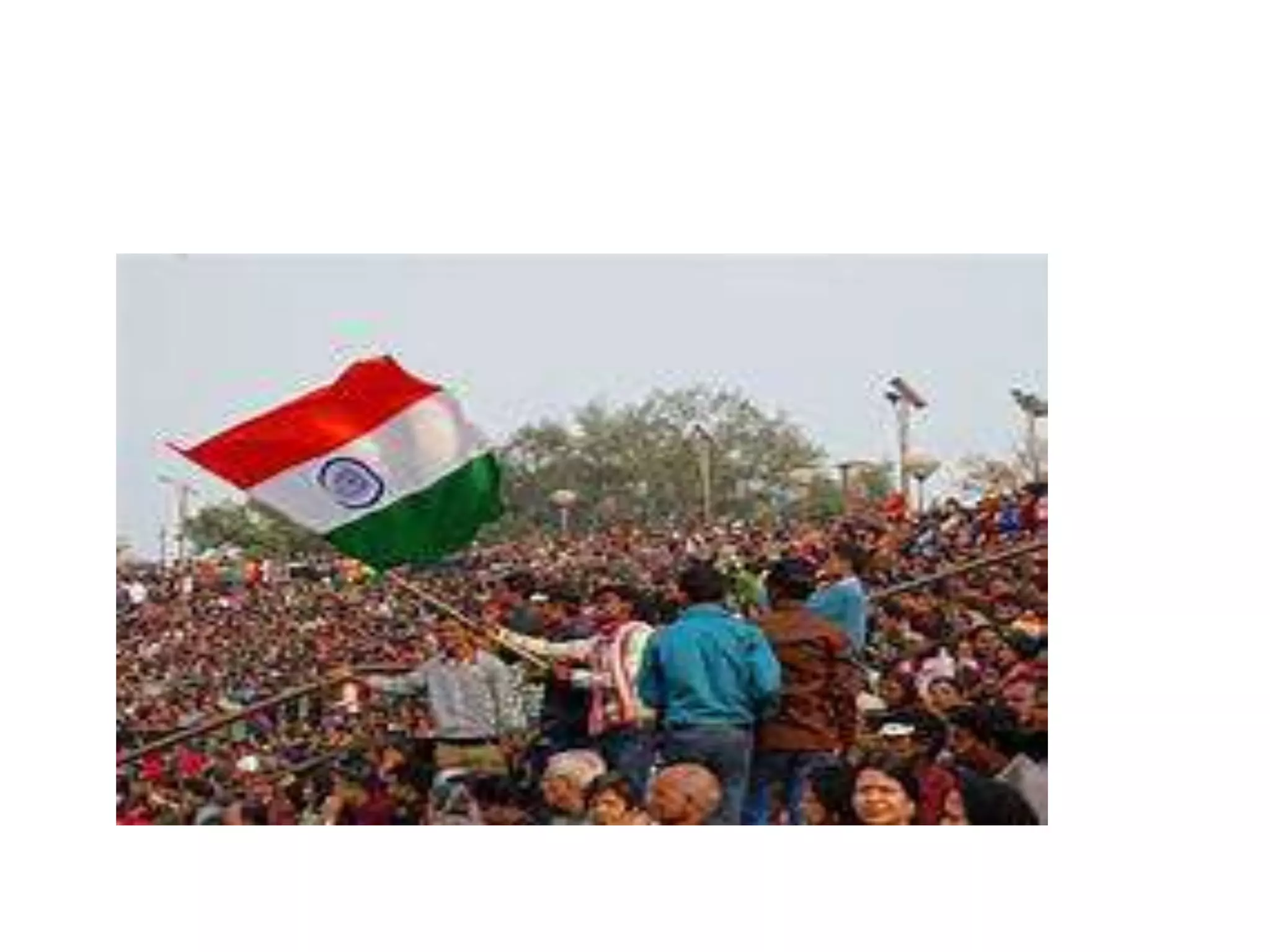
• In these modern times, demonstrations,
• civil unrest,
• public disorder, and riots happen for a number
of reasons.
• Some of these reasons are:
• economic hardships,
• social injustices,
• ethnic differences (leading to oppression),
• objections to world organizations or certain
governments,
• political grievances,
• terrorist acts
• Demonstrations may range from simple,
nonviolent protests that address specific
issues, to events that turn into full-scale riots.
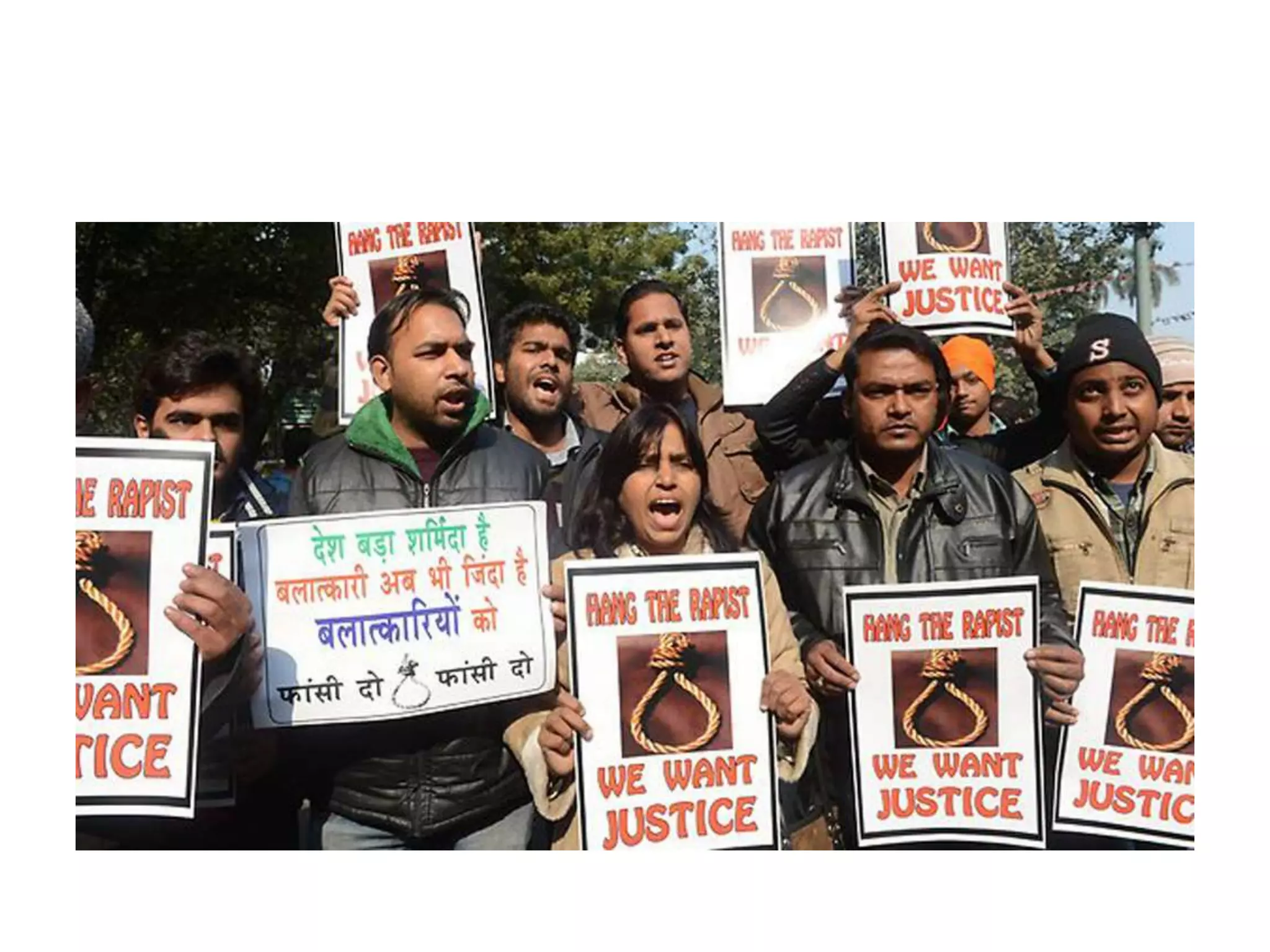
• Gatherings in protest are recognized rights of
any person or group, regardless of where
police or armed forces may be operating.
• This fundamental rights are protected under
the Constitution.
• During peacekeeping or peace enforcement
operations, the police or armed forces should
never violate basic civil or human rights.
• Violence is often the result of demonstrators
beginning to conduct unlawful or criminal acts
and authorities who are responsible for the
safety and welfare of all enforcing the laws of
the nation
• Community unrest results in urban conflicts
that arise from highly emotional social and
economic issues.
• Tensions can build quickly in a community
over a variety of issues, such as hunger, poor
employment opportunities, inadequate
community services, poor housing, and labor
issues.
• Tension in the above mentioned areas creates
the potential for violence
• When tensions are high, it takes a small
incident, rumor, or act of injustice to ignite
groups within a crowd to riot and act violently.
This is particularly true if community relations
with authorities are part of the problem.
• Significant ethnic differences in a community
can create an atmosphere of distrust, even
hatred.
• Unrest among ethnic groups competing for
jobs, living areas, and sparse essentials can
cause an eruption of civil disorder and/ or
riots.
• Terrorist organizations or mafia or antisocial
elements may infiltrate groups within a
demonstrating crowd.
• These antisocial or antinational groups may
intend to embarrass their government or other
governments.
• These antisocial element or terrorists or mafia
infiltrators can be used to provoke crowds as a
diversion, as part of a demonstration, or as cover
for their acts
CROWD DYNAMICS
• Understanding crowds and how individuals
and groups form crowds through the
gathering process is important because these
issues apply to the dynamics of a crowd.
• Crowds consist of people who, although very
motivated and passionate, are also subject to
their own need for creature comforts.
The Crowd usually fall into the
following three categories:
• Public disorder.
• Public disturbance.
• Riot
Public disorder.
• Public disorder is a basic breach of civic order.
Individuals or small groups assembling have a
tendency to disrupt the normal flow of things
around them.
Public disturbance.
• Public disturbance is designed to cause
turmoil on top of the disruption.
• Individuals and groups assembling into a
crowd begin chanting, yelling, singing, and
voicing individual or collective opinions.
Riot.
• A riot is a disturbance that turns violent.
Assembled crowds become a mob that
violently expresses itself by
• destroying property,
• assaulting others,
• creating an extremely volatile environment
• Being part of a crowd of people has certain
effects on different people.
• Each individual in a crowd is susceptible to
behaving in a way that is contrary to their
normal behavior.
• Some reasons for these behaviors are as
follows:
• Crowds provide individuals with a sense of
anonymity.
• With so many others, an individual realizes
that he is just another face in the crowd,
giving a sense of invulnerability.
• Crowd and individual behaviors are
impersonal by nature.
• The “them-against-us” attitude affords those
within the crowd the ability to freely (without
hesitation or reservation) be verbally abusive,
throw objects, or attack anyone who gets in
the way.
• Crowds provide individuals with the idea that
their moral responsibilities have shifted from
themselves as a person to the crowd as a
whole.
• Large numbers of people discourage individual
behavior, and the urge to imitate others within
the crowd is strong.
• Individuals look to others around them for
cues of what to do next, disregarding their
own background and training.
• Often, it is only the strong, well disciplined
person who can resist the prevailing behavior
of a crowd.
• Crowd behavior influences the actions of both
the disorderly individuals of the crowd and
the authorities tasked to control them.
• Individuals within a crowd are at times driven
by deep-felt emotions.
• Emotional contagion is the most dramatic
psychological factor of crowd dynamics.
• It provides the crowd with a temporary bond
of psychological unity.
• Lasting long enough, this unity can push a
simple organized crowd into a mob.
• Panic can erupt quickly, especially when crowds
turn into mobs.
• Individuals within the mob can easily sense that
their safety and well-being are at risk, putting
them in a “fight-or-flight” mentality.
• Individuals in a mob, during the heat of
confrontation, may attempt to leave and find that
there are no escape routes and that roads are
blocked. This can often lead to violent, physical
attacks.
• Gaining an understanding of crowds and the
dynamics that cause individuals or groups to
join together in a crowd should be every
leader’s responsibility.
• Active, expressive, acquisitive, and hostile are
not acceptable terms used to describe a
crowd.
• They are the motives inferred from the actions
the crowd takes.
• No gathering of a crowd is persistently or
exclusively active, expressive, acquisitive, or
hostile.
TYPES OF CROWD
• CASUAL CROWDS.
• SIGHTING CROWDS.
• AGITATED CROWDS.
• MOB-LIKE CROWDS.
CASUAL CROWDS.
• Casual crowds are made up of individuals or
small groups occupying the same common
place, such as a shopping mall where these
individuals or small groups meet
• Casual crowds are identified as individuals or
small groups with nothing in common to bind
them together.
• If they have an agenda, it is their own.
• They arrive separately and leave separately
SIGHTING CROWDS
• Sighting crowds are similar to casual crowds
with one additional element—an event.
People migrate as a crowd to sporting events,
are attracted to fires and accidents, and
attend music concerts.
AGITATED CROWDS
• Agitated crowds add responses that are based
on the elements.
• Individuals with strong emotional feelings
within a crowd can quickly spread and infect
the rest of the crowd.
• As more people within the crowd become
emotionally involved, a sense of unity can
develop, causing changes in the overall
demeanor of the crowd.
• Yelling, screaming, crying, and profane name-
calling are all associated with an agitated
crowd.
MOB-LIKE CROWDS
• Mobs have all the elements found in the first
three types of crowds, with the addition of
aggressive, physical, and sometimes violent
actions.
• Extreme acts of violence and property damage
are often a part of mob activities.
• Mobs consist of (or involve) the elements of
people and groups being mixed together and
becoming fluid.
Crowd management

Crowd management

  • 1.
    CROWD MANAGEMENT Presented byGURURAJ KULKARNI GUEST LECTURER POLICE TRAINING COLLEGE KALBURAGI (GULBARGA)
  • 2.
    • In thesemodern times, demonstrations, • civil unrest, • public disorder, and riots happen for a number of reasons.
  • 3.
    • Some ofthese reasons are: • economic hardships, • social injustices, • ethnic differences (leading to oppression), • objections to world organizations or certain governments, • political grievances, • terrorist acts
  • 5.
    • Demonstrations mayrange from simple, nonviolent protests that address specific issues, to events that turn into full-scale riots. • Gatherings in protest are recognized rights of any person or group, regardless of where police or armed forces may be operating. • This fundamental rights are protected under the Constitution.
  • 6.
    • During peacekeepingor peace enforcement operations, the police or armed forces should never violate basic civil or human rights. • Violence is often the result of demonstrators beginning to conduct unlawful or criminal acts and authorities who are responsible for the safety and welfare of all enforcing the laws of the nation
  • 7.
    • Community unrestresults in urban conflicts that arise from highly emotional social and economic issues. • Tensions can build quickly in a community over a variety of issues, such as hunger, poor employment opportunities, inadequate community services, poor housing, and labor issues.
  • 8.
    • Tension inthe above mentioned areas creates the potential for violence • When tensions are high, it takes a small incident, rumor, or act of injustice to ignite groups within a crowd to riot and act violently. This is particularly true if community relations with authorities are part of the problem.
  • 9.
    • Significant ethnicdifferences in a community can create an atmosphere of distrust, even hatred. • Unrest among ethnic groups competing for jobs, living areas, and sparse essentials can cause an eruption of civil disorder and/ or riots.
  • 10.
    • Terrorist organizationsor mafia or antisocial elements may infiltrate groups within a demonstrating crowd. • These antisocial or antinational groups may intend to embarrass their government or other governments. • These antisocial element or terrorists or mafia infiltrators can be used to provoke crowds as a diversion, as part of a demonstration, or as cover for their acts
  • 11.
    CROWD DYNAMICS • Understandingcrowds and how individuals and groups form crowds through the gathering process is important because these issues apply to the dynamics of a crowd. • Crowds consist of people who, although very motivated and passionate, are also subject to their own need for creature comforts.
  • 12.
    The Crowd usuallyfall into the following three categories: • Public disorder. • Public disturbance. • Riot
  • 13.
    Public disorder. • Publicdisorder is a basic breach of civic order. Individuals or small groups assembling have a tendency to disrupt the normal flow of things around them.
  • 14.
    Public disturbance. • Publicdisturbance is designed to cause turmoil on top of the disruption. • Individuals and groups assembling into a crowd begin chanting, yelling, singing, and voicing individual or collective opinions.
  • 15.
    Riot. • A riotis a disturbance that turns violent. Assembled crowds become a mob that violently expresses itself by • destroying property, • assaulting others, • creating an extremely volatile environment
  • 16.
    • Being partof a crowd of people has certain effects on different people. • Each individual in a crowd is susceptible to behaving in a way that is contrary to their normal behavior. • Some reasons for these behaviors are as follows:
  • 17.
    • Crowds provideindividuals with a sense of anonymity. • With so many others, an individual realizes that he is just another face in the crowd, giving a sense of invulnerability.
  • 18.
    • Crowd andindividual behaviors are impersonal by nature. • The “them-against-us” attitude affords those within the crowd the ability to freely (without hesitation or reservation) be verbally abusive, throw objects, or attack anyone who gets in the way.
  • 19.
    • Crowds provideindividuals with the idea that their moral responsibilities have shifted from themselves as a person to the crowd as a whole. • Large numbers of people discourage individual behavior, and the urge to imitate others within the crowd is strong.
  • 20.
    • Individuals lookto others around them for cues of what to do next, disregarding their own background and training. • Often, it is only the strong, well disciplined person who can resist the prevailing behavior of a crowd.
  • 21.
    • Crowd behaviorinfluences the actions of both the disorderly individuals of the crowd and the authorities tasked to control them.
  • 22.
    • Individuals withina crowd are at times driven by deep-felt emotions. • Emotional contagion is the most dramatic psychological factor of crowd dynamics. • It provides the crowd with a temporary bond of psychological unity. • Lasting long enough, this unity can push a simple organized crowd into a mob.
  • 23.
    • Panic canerupt quickly, especially when crowds turn into mobs. • Individuals within the mob can easily sense that their safety and well-being are at risk, putting them in a “fight-or-flight” mentality. • Individuals in a mob, during the heat of confrontation, may attempt to leave and find that there are no escape routes and that roads are blocked. This can often lead to violent, physical attacks.
  • 24.
    • Gaining anunderstanding of crowds and the dynamics that cause individuals or groups to join together in a crowd should be every leader’s responsibility. • Active, expressive, acquisitive, and hostile are not acceptable terms used to describe a crowd. • They are the motives inferred from the actions the crowd takes.
  • 25.
    • No gatheringof a crowd is persistently or exclusively active, expressive, acquisitive, or hostile.
  • 26.
    TYPES OF CROWD •CASUAL CROWDS. • SIGHTING CROWDS. • AGITATED CROWDS. • MOB-LIKE CROWDS.
  • 27.
    CASUAL CROWDS. • Casualcrowds are made up of individuals or small groups occupying the same common place, such as a shopping mall where these individuals or small groups meet • Casual crowds are identified as individuals or small groups with nothing in common to bind them together. • If they have an agenda, it is their own. • They arrive separately and leave separately
  • 29.
    SIGHTING CROWDS • Sightingcrowds are similar to casual crowds with one additional element—an event. People migrate as a crowd to sporting events, are attracted to fires and accidents, and attend music concerts.
  • 31.
    AGITATED CROWDS • Agitatedcrowds add responses that are based on the elements. • Individuals with strong emotional feelings within a crowd can quickly spread and infect the rest of the crowd. • As more people within the crowd become emotionally involved, a sense of unity can develop, causing changes in the overall demeanor of the crowd.
  • 33.
    • Yelling, screaming,crying, and profane name- calling are all associated with an agitated crowd.
  • 34.
    MOB-LIKE CROWDS • Mobshave all the elements found in the first three types of crowds, with the addition of aggressive, physical, and sometimes violent actions. • Extreme acts of violence and property damage are often a part of mob activities. • Mobs consist of (or involve) the elements of people and groups being mixed together and becoming fluid.