Operational, Analytical & Collaborative
                CRM
Learning Objectives
At the end of this course, participants should
  be able to do the following:
Identify key components of CRM
Identify the relationship between
  operational CRM and analytical CRM
Identify the relationship between
  analytical CRM and collaborative CRM
Implement operational, analytical and
  collaborative CRM for enhancing customer
  value and corporate profitability
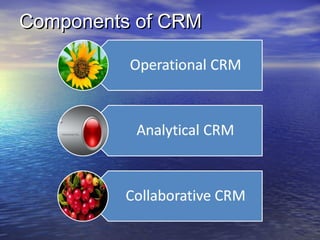
Components of CRM
Operational CRM

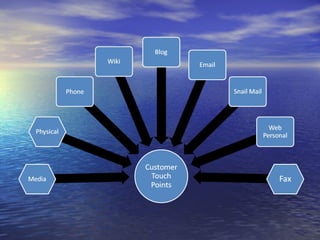
Operational customer relationship
 management facilitates and streamlines
 communication with customers, and
 connects to customer touch points.
General Areas of Operational
CRM
•   Sales Force Automation
•   Customer Service and Support
•   Enterprise Marketing Automation
Sales Force Automation

This involves the whole sales process which
 comprise lead generation, lead
 qualification, needs identification,
 specifications development, development
 of proposal, handling objections, and
 closing sale.
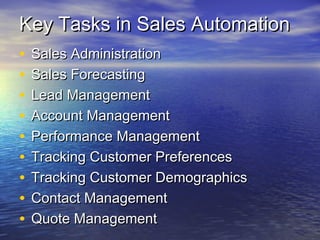
Key Tasks in Sales Automation
•   Sales Administration
•   Sales Forecasting
•   Lead Management
•   Account Management
•   Performance Management
•   Tracking Customer Preferences
•   Tracking Customer Demographics
•   Contact Management
•   Quote Management
Customer Service and Support

This involves automation and coordination
 of all the service operations and customer
 support processes which include service
 requests, product returns, customer
 complaints, and enquiries. These services
 and support can be provided through
 contact center, call center, web portal, or
 face-to-face interaction at a remote
 location in the field.
Enterprise Marketing
Automation
This involves application of technology to
 marketing processes for provision of
 information pertaining to industry trends,
 macro-environmental factors and
 competitors. This facilitates appropriate
 engagement and control of campaign
 management, event-based marketing,
 cluster customer segmentation, individual
 customer segmentation, thereby increasing
 marketing efficiency.
Analytical CRM

Analytical customer relationship
 management focus on blending the
 customer data collected in Operational
 CRM with data from external sources in
 order to ascertain key customer identities
 and directions required for boosting
 organisational and customer values.
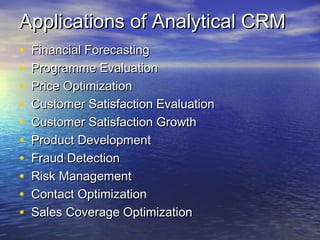
Applications of Analytical CRM
•   Financial Forecasting
•   Programme Evaluation
•   Price Optimization
•   Customer Satisfaction Evaluation
•   Customer Satisfaction Growth
•   Product Development
•   Fraud Detection
•   Risk Management
•   Contact Optimization
•   Sales Coverage Optimization
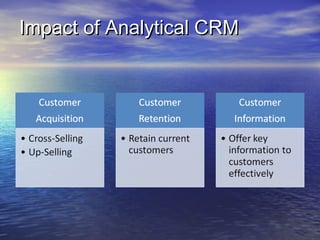
Impact of Analytical CRM
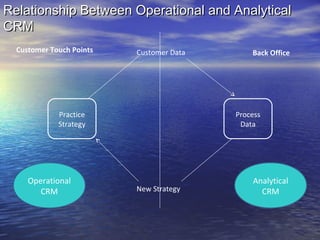
Relationship Between Operational and Analytical
CRM
  Customer Touch Points   Customer Data       Back Office


             Practice                     Process
             Strategy                      Data


     Operational                              Analytical
        CRM               New Strategy          CRM
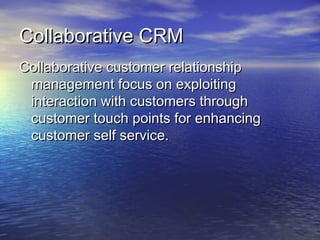
Collaborative CRM
Collaborative customer relationship
 management focus on exploiting
 interaction with customers through
 customer touch points for enhancing
 customer self service.
Applications of Collaborative
CRM
• Online services for enhancement of
  convenience and cost reduction
• Effective communication through many
  channels including automated phone,
  email and internet.
• profiling customer information during
  customer interaction

Example: Web Page Personalization
Relationship Between Analytical
CRM and Collaborative CRM

Collaborative customer relationship
 management uses the output of Analytical
 customer relationship management to
 enhance the participatory strength of
 customers.

crm, customer realtionship

  • 1.
    Operational, Analytical &Collaborative CRM
  • 2.
    Learning Objectives At theend of this course, participants should be able to do the following: Identify key components of CRM Identify the relationship between operational CRM and analytical CRM Identify the relationship between analytical CRM and collaborative CRM Implement operational, analytical and collaborative CRM for enhancing customer value and corporate profitability
  • 3.
  • 4.
    Operational CRM Operational customerrelationship management facilitates and streamlines communication with customers, and connects to customer touch points.
  • 6.
    General Areas ofOperational CRM • Sales Force Automation • Customer Service and Support • Enterprise Marketing Automation
  • 7.
    Sales Force Automation Thisinvolves the whole sales process which comprise lead generation, lead qualification, needs identification, specifications development, development of proposal, handling objections, and closing sale.
  • 8.
    Key Tasks inSales Automation • Sales Administration • Sales Forecasting • Lead Management • Account Management • Performance Management • Tracking Customer Preferences • Tracking Customer Demographics • Contact Management • Quote Management
  • 9.
    Customer Service andSupport This involves automation and coordination of all the service operations and customer support processes which include service requests, product returns, customer complaints, and enquiries. These services and support can be provided through contact center, call center, web portal, or face-to-face interaction at a remote location in the field.
  • 10.
    Enterprise Marketing Automation This involvesapplication of technology to marketing processes for provision of information pertaining to industry trends, macro-environmental factors and competitors. This facilitates appropriate engagement and control of campaign management, event-based marketing, cluster customer segmentation, individual customer segmentation, thereby increasing marketing efficiency.
  • 11.
    Analytical CRM Analytical customerrelationship management focus on blending the customer data collected in Operational CRM with data from external sources in order to ascertain key customer identities and directions required for boosting organisational and customer values.
  • 12.
    Applications of AnalyticalCRM • Financial Forecasting • Programme Evaluation • Price Optimization • Customer Satisfaction Evaluation • Customer Satisfaction Growth • Product Development • Fraud Detection • Risk Management • Contact Optimization • Sales Coverage Optimization
  • 13.
  • 14.
    Relationship Between Operationaland Analytical CRM Customer Touch Points Customer Data Back Office Practice Process Strategy Data Operational Analytical CRM New Strategy CRM
  • 15.
    Collaborative CRM Collaborative customerrelationship management focus on exploiting interaction with customers through customer touch points for enhancing customer self service.
  • 16.
    Applications of Collaborative CRM •Online services for enhancement of convenience and cost reduction • Effective communication through many channels including automated phone, email and internet. • profiling customer information during customer interaction Example: Web Page Personalization
  • 17.
    Relationship Between Analytical CRMand Collaborative CRM Collaborative customer relationship management uses the output of Analytical customer relationship management to enhance the participatory strength of customers.