
Creativity and Design 2017
Day 2: Who?
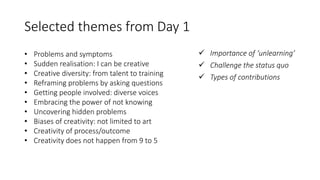
Selected themes from Day 1
• Problems and symptoms
• Sudden realisation: I can be creative
• Creative diversity: from talent to training
• Reframing problems by asking questions
• Getting people involved: diverse voices
• Embracing the power of not knowing
• Uncovering hidden problems
• Biases of creativity: not limited to art
• Creativity of process/outcome
• Creativity does not happen from 9 to 5
 Importance of ‘unlearning’
 Challenge the status quo
 Types of contributions
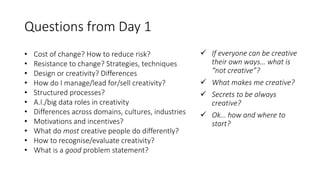
Questions from Day 1
• Cost of change? How to reduce risk?
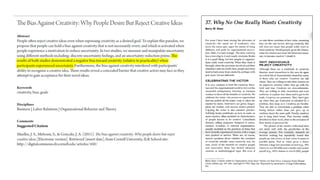
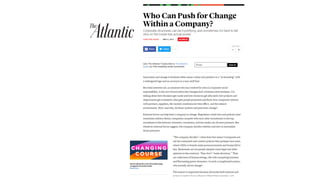
• Resistance to change? Strategies, techniques
• Design or creativity? Differences
• How do I manage/lead for/sell creativity?
• Structured processes?
• A.I./big data roles in creativity
• Differences across domains, cultures, industries
• Motivations and incentives?
• What do most creative people do differently?
• How to recognise/evaluate creativity?
• What is a good problem statement?
 If everyone can be creative
their own ways… what is
“not creative”?
 What makes me creative?
 Secrets to be always
creative?
 Ok… how and where to
start?
http://amorebeautifulquestion.com/
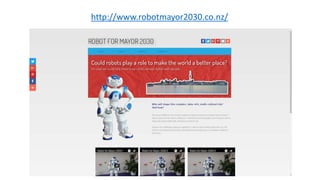
http://www.robotmayor2030.co.nz/
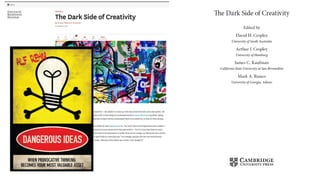
Everyone loves creative ideas, right?
Activity 2.1: Resistance to change
Duration: 30 minutes
Mode: Pairs
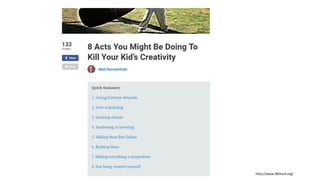
http://www.lifehack.org/
Morning break
15 minutes
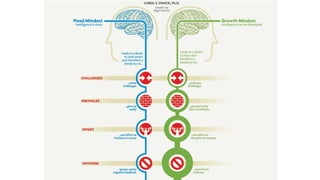
Activity 2.2: Growth mindset
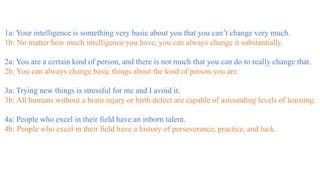
1a: Your intelligence is something very basic about you that you can’t change very much.
1b: No matter how much intelligence you have, you can always change it substantially.
2a: You are a certain kind of person, and there is not much that you can do to really change that.
2b: You can always change basic things about the kind of person you are.
3a: Trying new things is stressful for me and I avoid it.
3b: All humans without a brain injury or birth defect are capable of astounding levels of learning.
4a: People who excel in their field have an inborn talent.
4b: People who excel in their field have a history of perseverance, practice, and luck.
http://www.wall321.com/
WRONG
Please define yourself in 10 statements
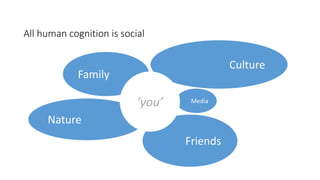
All human cognition is social
http://www.todayonline.com/
Family
Culture
Nature
Friends
Media‘you’
Re-framing problems
Activity 2.3: Wicked framings
Duration: 45 minutes
Mode: Think, Pair, Share
Framing hard problems as wicked problems
• No definite initial state and no definite
end state: open ended
• Vast solution space
• Co-evolution of problem and solution
• No definite set of operators, algorithms
• High complexity, high ambiguity, high
unpredictability, high uncertainty
• Variable constraints, externalities
• Tip: brainstorm problems, not solutions
• The main flaw of “design
thinking” is to hide the framing
of situations as wicked
problems
Activity 2.4: Powerful questions
Duration: 30 minutes
Mode: Think, Pair, Share
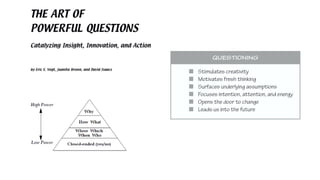
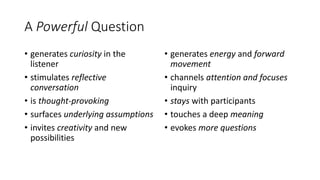
A Powerful Question
• generates curiosity in the
listener
• stimulates reflective
conversation
• is thought-provoking
• surfaces underlying assumptions
• invites creativity and new
possibilities
• generates energy and forward
movement
• channels attention and focuses
inquiry
• stays with participants
• touches a deep meaning
• evokes more questions
Activity 2.5 A creative person is…
Duration: 15 minutes
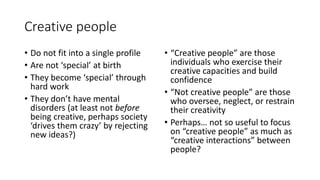
Creative people
• Do not fit into a single profile
• Are not ‘special’ at birth
• They become ‘special’ through
hard work
• They don’t have mental
disorders (at least not before
being creative, perhaps society
‘drives them crazy’ by rejecting
new ideas?)
• “Creative people” are those
individuals who exercise their
creative capacities and build
confidence
• “Not creative people” are those
who oversee, neglect, or restrain
their creativity
• Perhaps… not so useful to focus
on “creative people” as much as
“creative interactions” between
people?
Lunch
1 hour
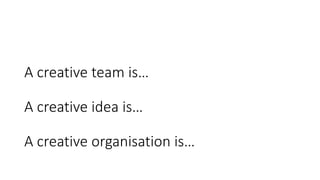
A creative team is…
A creative idea is…
A creative organisation is…
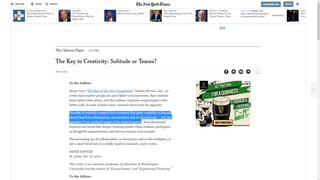
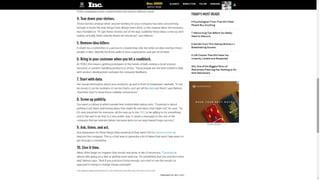
http://www.innovationmanagement.se/imtool-articles/10-rules-for-creative-teams/
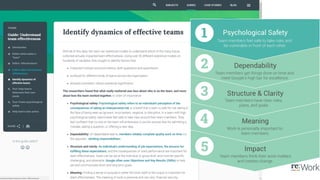
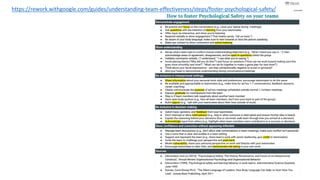
https://rework.withgoogle.com/guides/understanding-team-effectiveness/steps/foster-psychological-safety/
Activity 2.6: Creative teams
Duration: 15 minutes
What type of creativity may fit
your team and organisation?
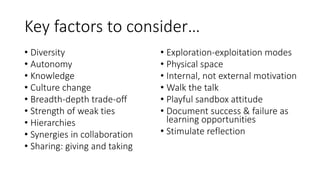
Key factors to consider…
• Diversity
• Autonomy
• Knowledge
• Culture change
• Breadth-depth trade-off
• Strength of weak ties
• Hierarchies
• Synergies in collaboration
• Sharing: giving and taking
• Exploration-exploitation modes
• Physical space
• Internal, not external motivation
• Walk the talk
• Playful sandbox attitude
• Document success & failure as
learning opportunities
• Stimulate reflection
Afternoon break
15 minutes
DIY Activity: Idea tournament
Duration: 15 minutes
Mode: Recruit supporters
End of Day 2 Activity
Duration: 30 minutes
Mode: Individual journaling
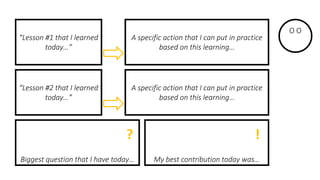
“Lesson #1 that I learned
today…”
A specific action that I can put in practice
based on this learning…
“Lesson #2 that I learned
today…”
A specific action that I can put in practice
based on this learning…
Biggest question that I have today… My best contribution today was…
? !
O O
Creativity and Design 2017
Day 2: Ok, sounds good… but… who? Me, really? And
who else?

Creativity and design 2017 day 2

  • 1.
    Creativity and Design2017 Day 2: Who?
  • 2.
    Selected themes fromDay 1 • Problems and symptoms • Sudden realisation: I can be creative • Creative diversity: from talent to training • Reframing problems by asking questions • Getting people involved: diverse voices • Embracing the power of not knowing • Uncovering hidden problems • Biases of creativity: not limited to art • Creativity of process/outcome • Creativity does not happen from 9 to 5  Importance of ‘unlearning’  Challenge the status quo  Types of contributions
  • 3.
    Questions from Day1 • Cost of change? How to reduce risk? • Resistance to change? Strategies, techniques • Design or creativity? Differences • How do I manage/lead for/sell creativity? • Structured processes? • A.I./big data roles in creativity • Differences across domains, cultures, industries • Motivations and incentives? • What do most creative people do differently? • How to recognise/evaluate creativity? • What is a good problem statement?  If everyone can be creative their own ways… what is “not creative”?  What makes me creative?  Secrets to be always creative?  Ok… how and where to start?
  • 4.
  • 6.
  • 7.
  • 11.
    Activity 2.1: Resistanceto change Duration: 30 minutes Mode: Pairs
  • 14.
  • 15.
  • 16.
  • 17.
    1a: Your intelligenceis something very basic about you that you can’t change very much. 1b: No matter how much intelligence you have, you can always change it substantially. 2a: You are a certain kind of person, and there is not much that you can do to really change that. 2b: You can always change basic things about the kind of person you are. 3a: Trying new things is stressful for me and I avoid it. 3b: All humans without a brain injury or birth defect are capable of astounding levels of learning. 4a: People who excel in their field have an inborn talent. 4b: People who excel in their field have a history of perseverance, practice, and luck.
  • 19.
  • 20.
    Please define yourselfin 10 statements
  • 21.
    All human cognitionis social http://www.todayonline.com/ Family Culture Nature Friends Media‘you’
  • 22.
  • 25.
    Activity 2.3: Wickedframings Duration: 45 minutes Mode: Think, Pair, Share
  • 26.
    Framing hard problemsas wicked problems • No definite initial state and no definite end state: open ended • Vast solution space • Co-evolution of problem and solution • No definite set of operators, algorithms • High complexity, high ambiguity, high unpredictability, high uncertainty • Variable constraints, externalities • Tip: brainstorm problems, not solutions • The main flaw of “design thinking” is to hide the framing of situations as wicked problems
  • 27.
    Activity 2.4: Powerfulquestions Duration: 30 minutes Mode: Think, Pair, Share
  • 29.
    A Powerful Question •generates curiosity in the listener • stimulates reflective conversation • is thought-provoking • surfaces underlying assumptions • invites creativity and new possibilities • generates energy and forward movement • channels attention and focuses inquiry • stays with participants • touches a deep meaning • evokes more questions
  • 30.
    Activity 2.5 Acreative person is… Duration: 15 minutes
  • 32.
    Creative people • Donot fit into a single profile • Are not ‘special’ at birth • They become ‘special’ through hard work • They don’t have mental disorders (at least not before being creative, perhaps society ‘drives them crazy’ by rejecting new ideas?) • “Creative people” are those individuals who exercise their creative capacities and build confidence • “Not creative people” are those who oversee, neglect, or restrain their creativity • Perhaps… not so useful to focus on “creative people” as much as “creative interactions” between people?
  • 33.
  • 34.
    A creative teamis… A creative idea is… A creative organisation is…
  • 36.
  • 38.
  • 40.
    Activity 2.6: Creativeteams Duration: 15 minutes
  • 41.
    What type ofcreativity may fit your team and organisation?
  • 42.
    Key factors toconsider… • Diversity • Autonomy • Knowledge • Culture change • Breadth-depth trade-off • Strength of weak ties • Hierarchies • Synergies in collaboration • Sharing: giving and taking • Exploration-exploitation modes • Physical space • Internal, not external motivation • Walk the talk • Playful sandbox attitude • Document success & failure as learning opportunities • Stimulate reflection
  • 43.
  • 44.
    DIY Activity: Ideatournament Duration: 15 minutes Mode: Recruit supporters
  • 45.
    End of Day2 Activity Duration: 30 minutes Mode: Individual journaling
  • 46.
    “Lesson #1 thatI learned today…” A specific action that I can put in practice based on this learning… “Lesson #2 that I learned today…” A specific action that I can put in practice based on this learning… Biggest question that I have today… My best contribution today was… ? ! O O
  • 47.
    Creativity and Design2017 Day 2: Ok, sounds good… but… who? Me, really? And who else?