Barbarians
by design
Scott, J. C. (2009). The Art of Not Being Governed: An Anarchist
History of Upland Southeast Asia, Yale University Press.
“Zomia is an expanse of 2.5 million km2 containing about
one hundred million minority peoples of truly
bewildering ethnic and linguistic variety. This area
(massif) is at the periphery of nine states and at the
center of none.
Zo is a relational term meaning “remote” and hence
carries the connotation of living in the hills; Mi means
“people”.
The signal, distinguishing trait of Zomia, vis-à-vis the
lowland regions it borders, is that it is relatively stateless.
Zomia is marginal in almost every respect. It lies at a
great distance from the main centers of economic
activity; it bestrides a contact zone between eight
nation-states and several religious traditions and
cosmologies.”
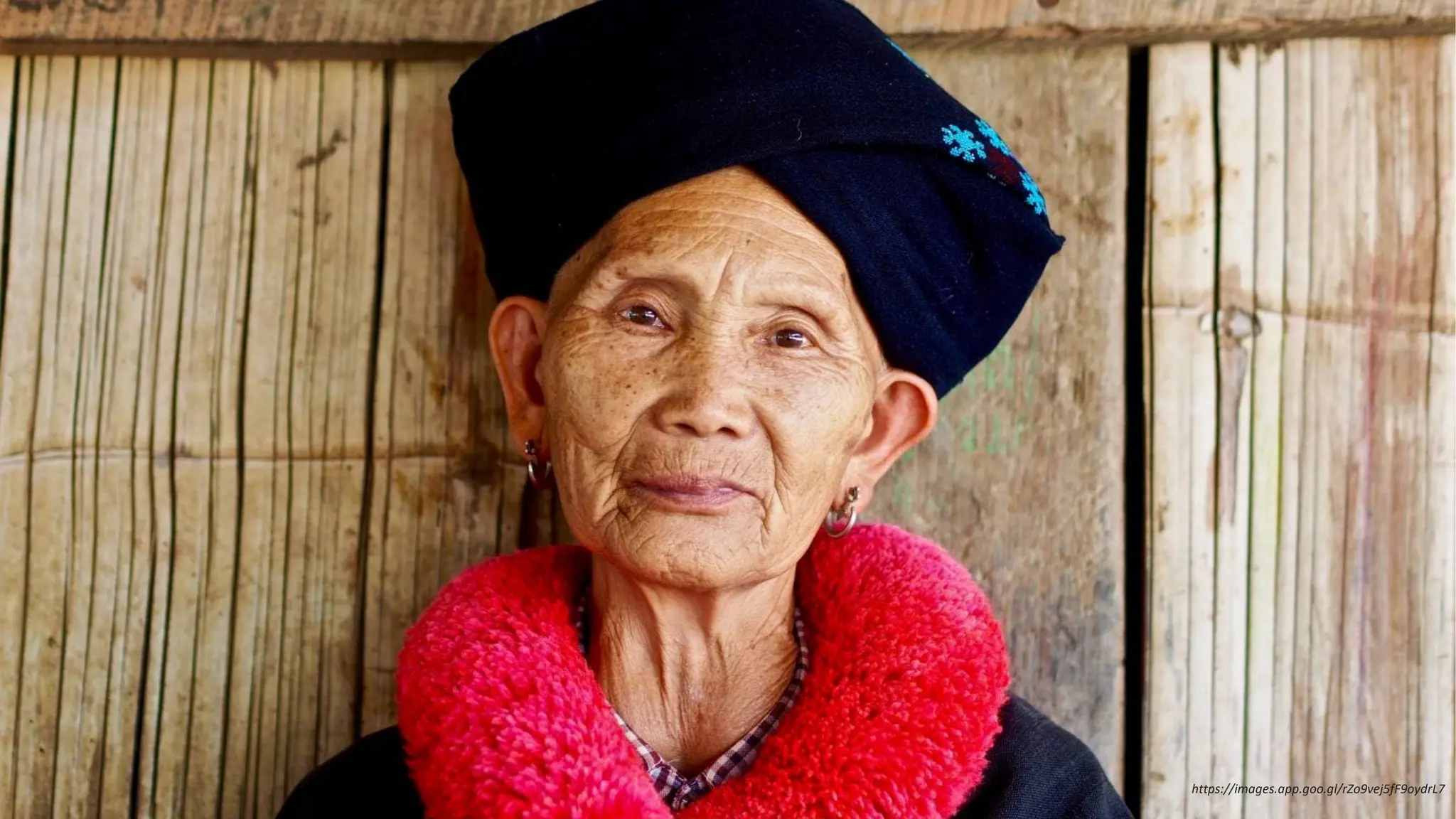
https://images.app.goo.gl/rZo9vej5fF9oydrL7
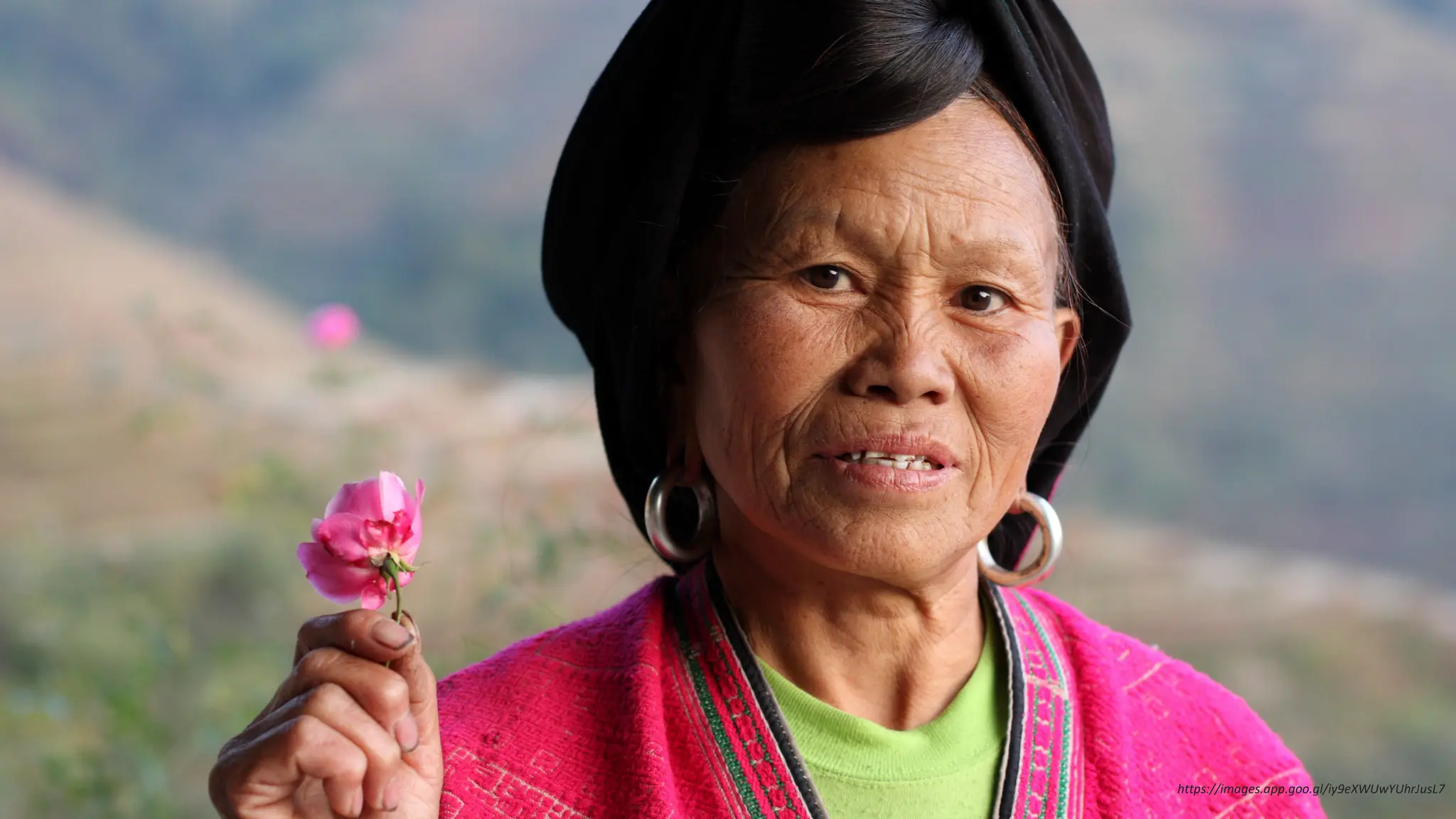
https://images.app.goo.gl/iy9eXWUwYUhrJusL7
“I have come to see this study of
Zomia, or the massif, not so
much as a study of hill peoples
per se but as a fragment of what
might properly be considered a
global history of populations
trying to avoid, or having been
extruded by, the state.”
https://images.app.goo.gl/N9L9Rag6oC1w7C2w7
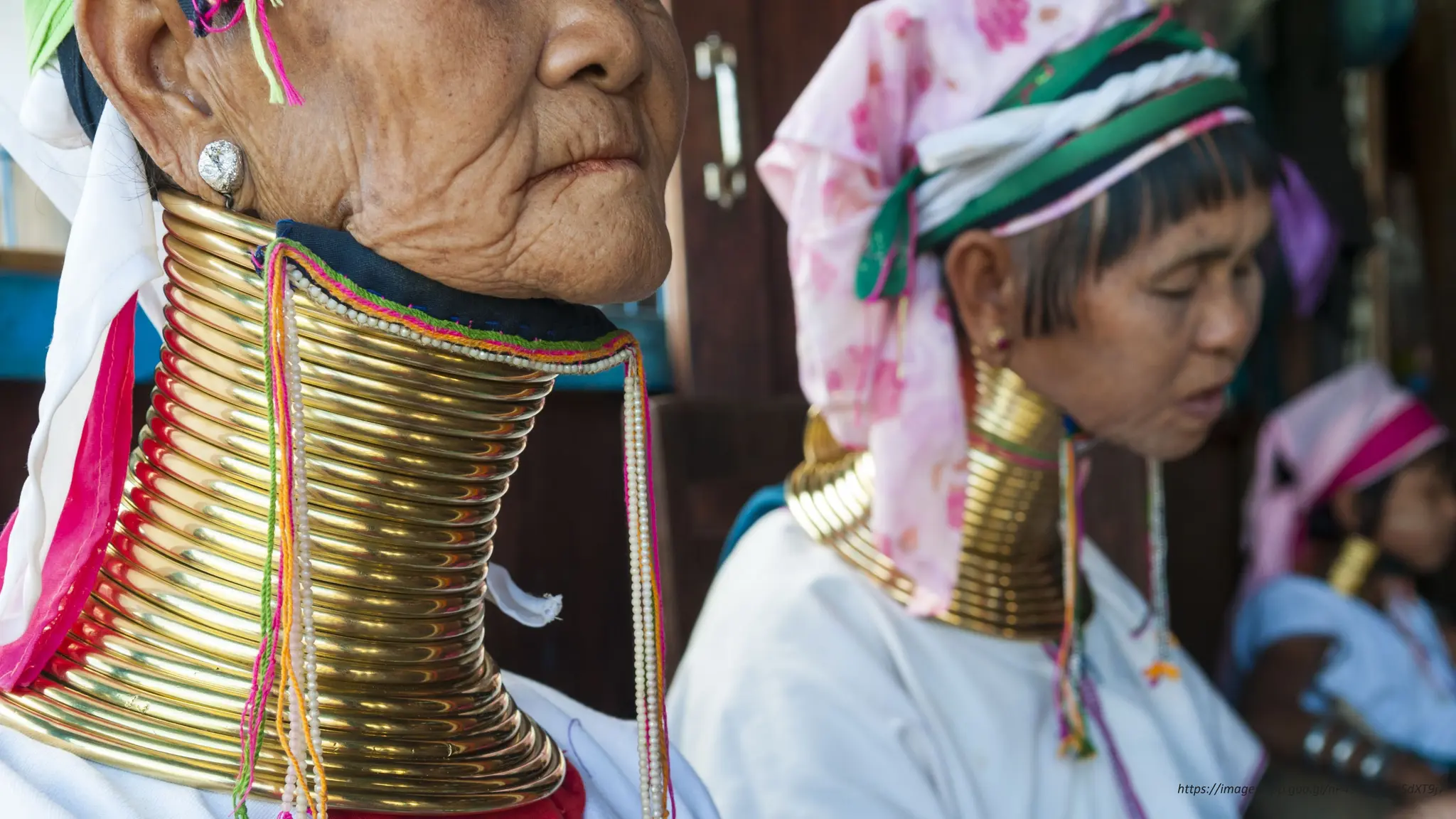
https://images.app.goo.gl/nP43Kp98UHSdXT9j7
https://images.app.goo.gl/3zvJpLegfm918WD58
“My argument is a deconstruction of civilizational discourses
about the “barbarian,” the “raw,” the “primitive.” On close
inspection those terms, practically, mean ungoverned, not-yet-
incorporated. Civilizational discourses never entertain the
possibility of people voluntarily going over to the barbarians,
hence such statuses are stigmatized and ethnicized.
Barbarian is used to describe any
selfgoverning, nonsubject people.”
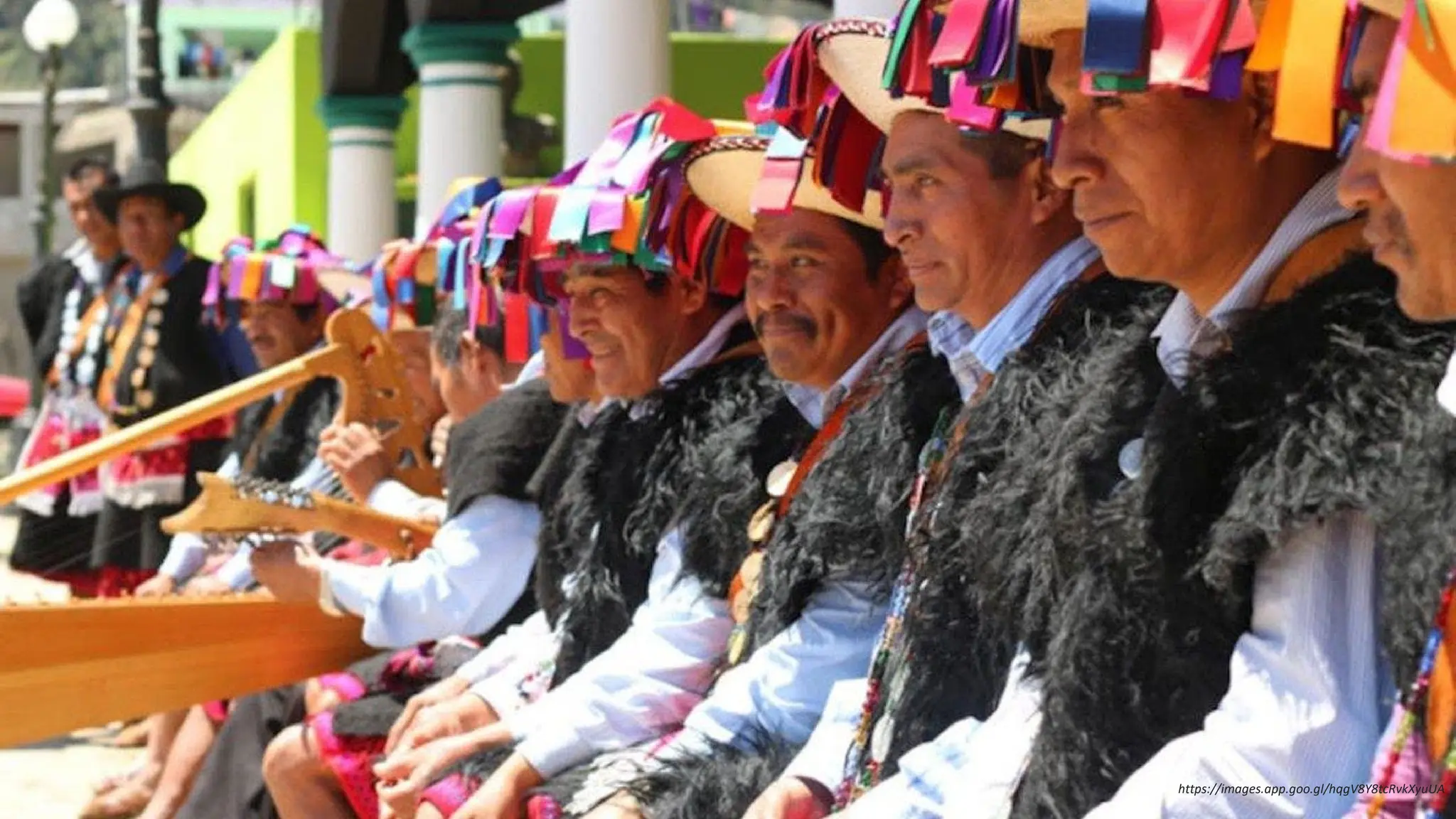
https://images.app.goo.gl/hqgV8Y8tcRvkXyuUA
https://images.app.goo.gl/eJqNxDrZBpewPGkN6
“Once we entertain the possibility that the “barbarians” are not just “there”
as a residue but may well have chosen their location, their subsistence
practices, and their social structure to maintain their autonomy, the standard
civilizational story of social evolution collapses utterly.
Most, if not all, the characteristics that appear to
stigmatize hill peoples far from being the mark of
primitives left behind by civilization, are better seen on a
long view as adaptations designed to evade both state
capture and state formation.”
https://images.app.goo.gl/Zdvb7hLQsdyqLLxy7
“Living in the absence of state structures has
been the standard human condition.”
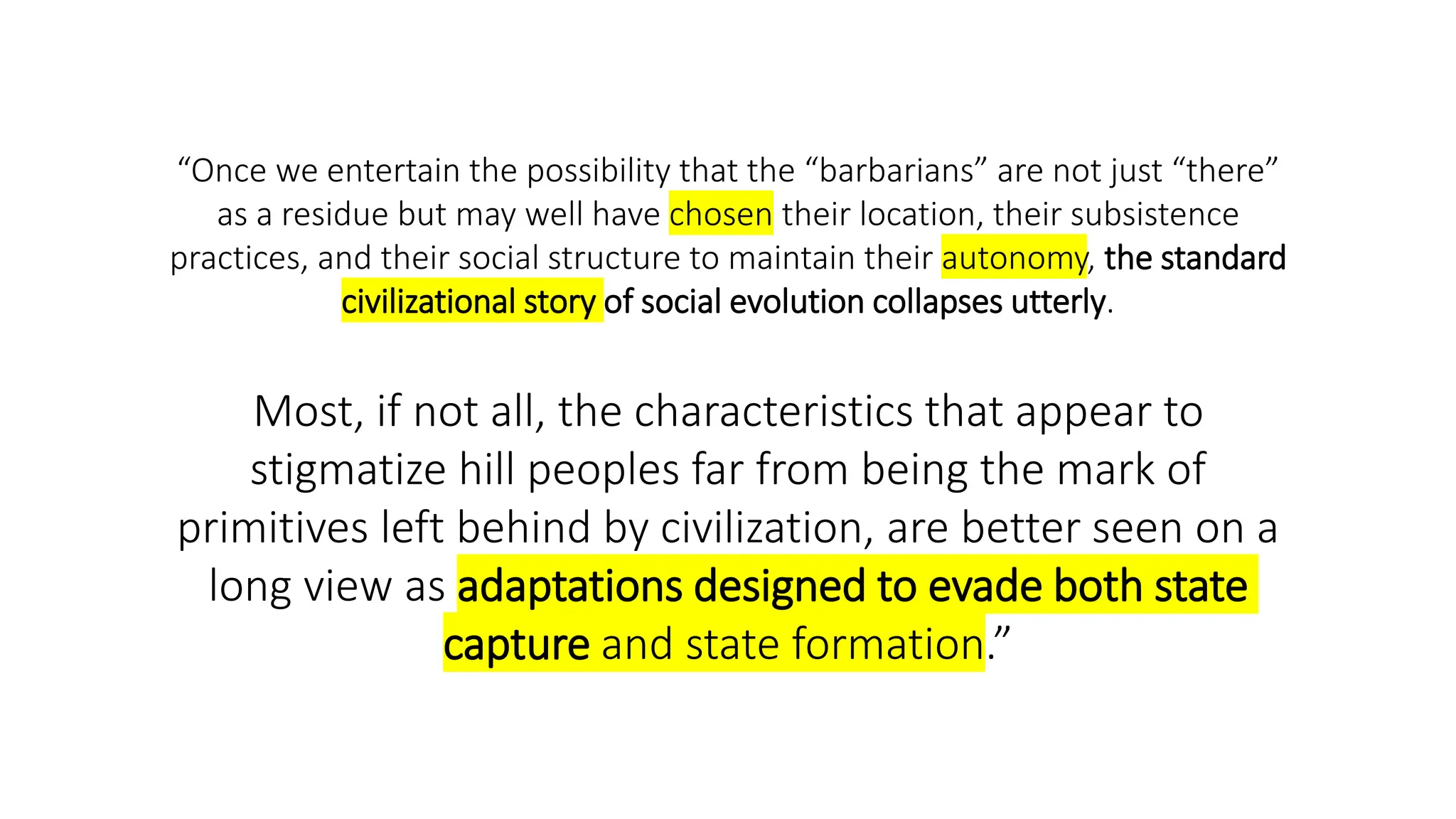
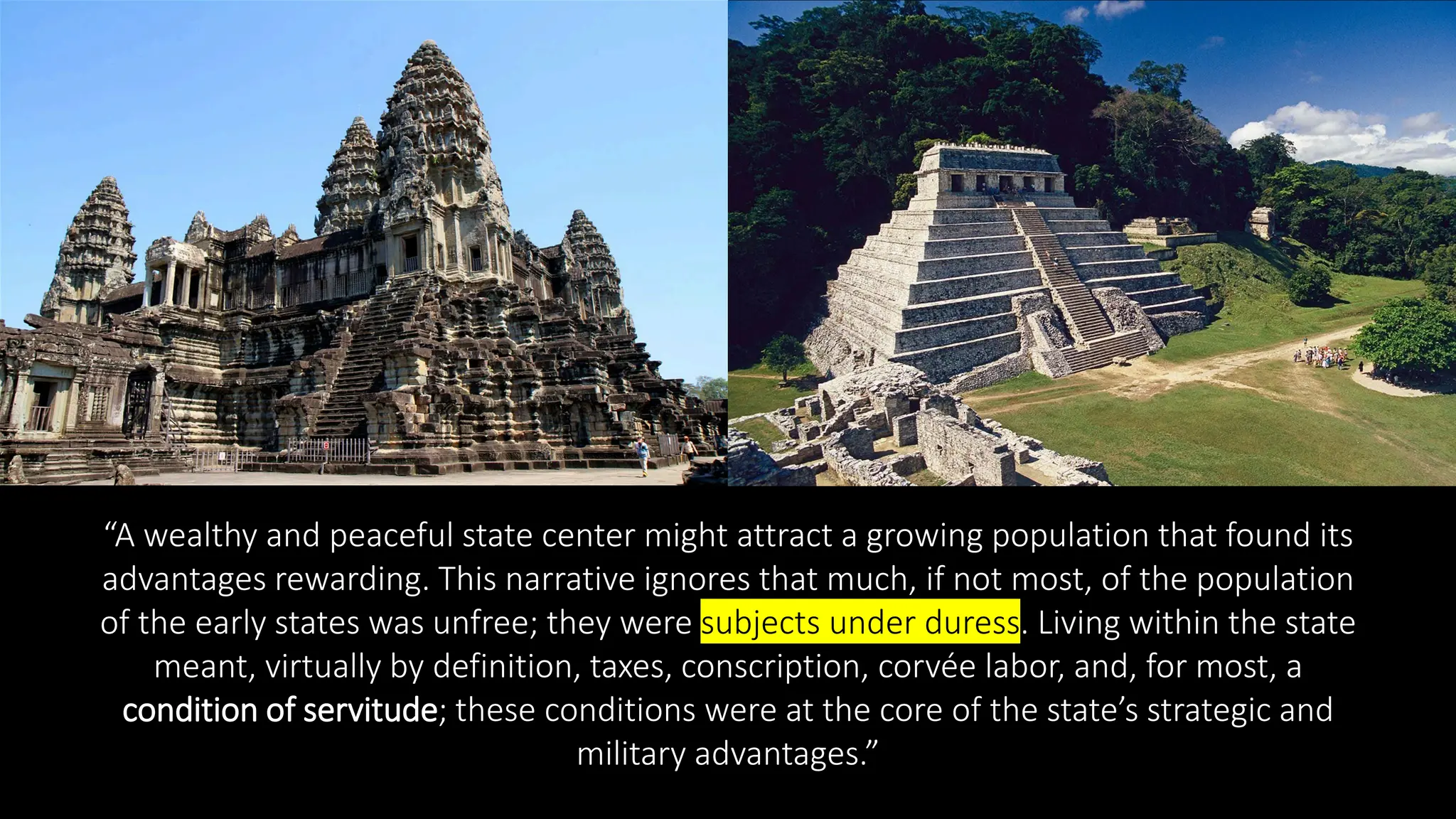
“A wealthy and peaceful state center might attract a growing population that found its
advantages rewarding. This narrative ignores that much, if not most, of the population
of the early states was unfree; they were subjects under duress. Living within the state
meant, virtually by definition, taxes, conscription, corvée labor, and, for most, a
condition of servitude; these conditions were at the core of the state’s strategic and
military advantages.”
“Internal colonialism involved the absorption, displacement, and/or extermination of
the previous inhabitants. It involved a botanical colonization in which the landscape
was transformed—by deforestation, drainage, irrigation, and levees—to
accommodate crops, settlement patterns, and systems of administration familiar to
the state and to the colonists.
One way of appreciating the effect of this
colonization is to view it as a massive reduction of
vernaculars of all kinds: of vernacular languages,
minority peoples, vernacular cultivation
techniques, vernacular religion, and so on.”
https://images.app.goo.gl/giTwhHdWkLyoYEEg9
https://images.app.goo.gl/5zTYoksUQLmhUz198
“States, being associated with concentrated grain production, typically
arise where there is a substantial expanse of arable land.
Nonstate space, by contrast, points to locations where, owing
largely to geographical obstacles, the state has particular
difficulty in establishing and maintaining its authority.
Beyond merely taking advantage of their geographical
isolation from centers of state power, much of Zomia
has resisted the projects of nation-building and state-
making of the states to which it belonged.”
https://images.app.goo.gl/g2ay89CRrgfZeFsU6
https://images.app.goo.gl/UduamGrHaJ8CBEoi8
“Hill societies do produce a surplus, but they do not use
that surplus to support kings and monks. The absence of
large, permanent, surplus-absorbing religious and
political establishments makes for a sociological pyramid
in the hills that is rather flat and local when compared
with that of valley societies.
Distinctions of status and wealth abound in the hills, as in the valleys. The
difference is that in the valleys they tend to be supralocal and enduring, while in
the hills they are both unstable and geographically confined.”
https://images.app.goo.gl/79VWzyGbJ3jcQ5an6
“Zomia is not simply a region of resistance to valley states, but a region of refuge
as well. By “refuge,” I mean to imply that much of the population in the hills has,
for more than a millennium and a half, come there to evade the manifold
afflictions of state-making projects in the valleys.
Far from being “left behind” by the progress of
civilization in the valleys, they have, over long periods
of time, chosen to place themselves out of the reach
of the state.”
https://images.app.goo.gl/VH1b9RPseXeZEdn69
https://images.app.goo.gl/wmGEVP9JAjBQoRiB6
“There, in regions beyond the states’ immediate writ and, thus, at some
remove from taxes, corvée labor, conscription, and the more than occasional
epidemics and crop failures associated with population concentration and
monocropping, such groups found relative freedom and safety.
There, they practiced what I will call escape agriculture: forms
of cultivation designed to thwart state appropriation. Even
their social structure could fairly be called escape social
structure inasmuch as it was designed to aid dispersal and
autonomy and to ward off political subordination.”
“I emphasize the term political order to avoid conveying the mistaken
impression that outside the realm of the state lay mere disorder.
State rulers find it well nigh impossible to install an
effective sovereignty over people who are constantly in
motion, who have no permanent pattern of organization,
no permanent address, whose leadership is ephemeral,
whose subsistence patterns are pliable and fugitive, who
have few permanent allegiances, and who are liable, over
time, to shift their linguistic practices and their ethnic
identity.”
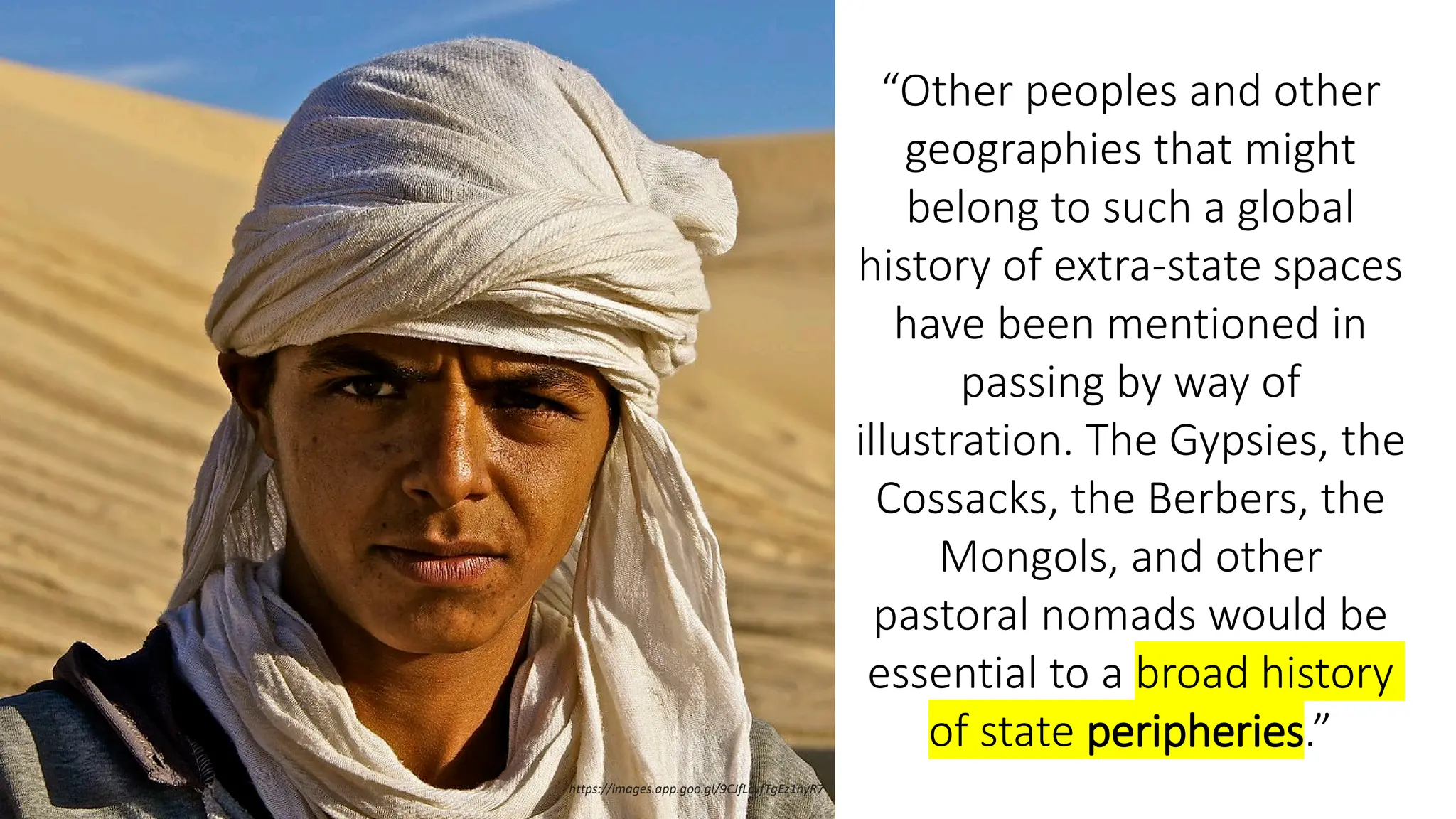
“Other peoples and other
geographies that might
belong to such a global
history of extra-state spaces
have been mentioned in
passing by way of
illustration. The Gypsies, the
Cossacks, the Berbers, the
Mongols, and other
pastoral nomads would be
essential to a broad history
of state peripheries.”
https://images.app.goo.gl/9CJfLcyfTgEz1nyR7
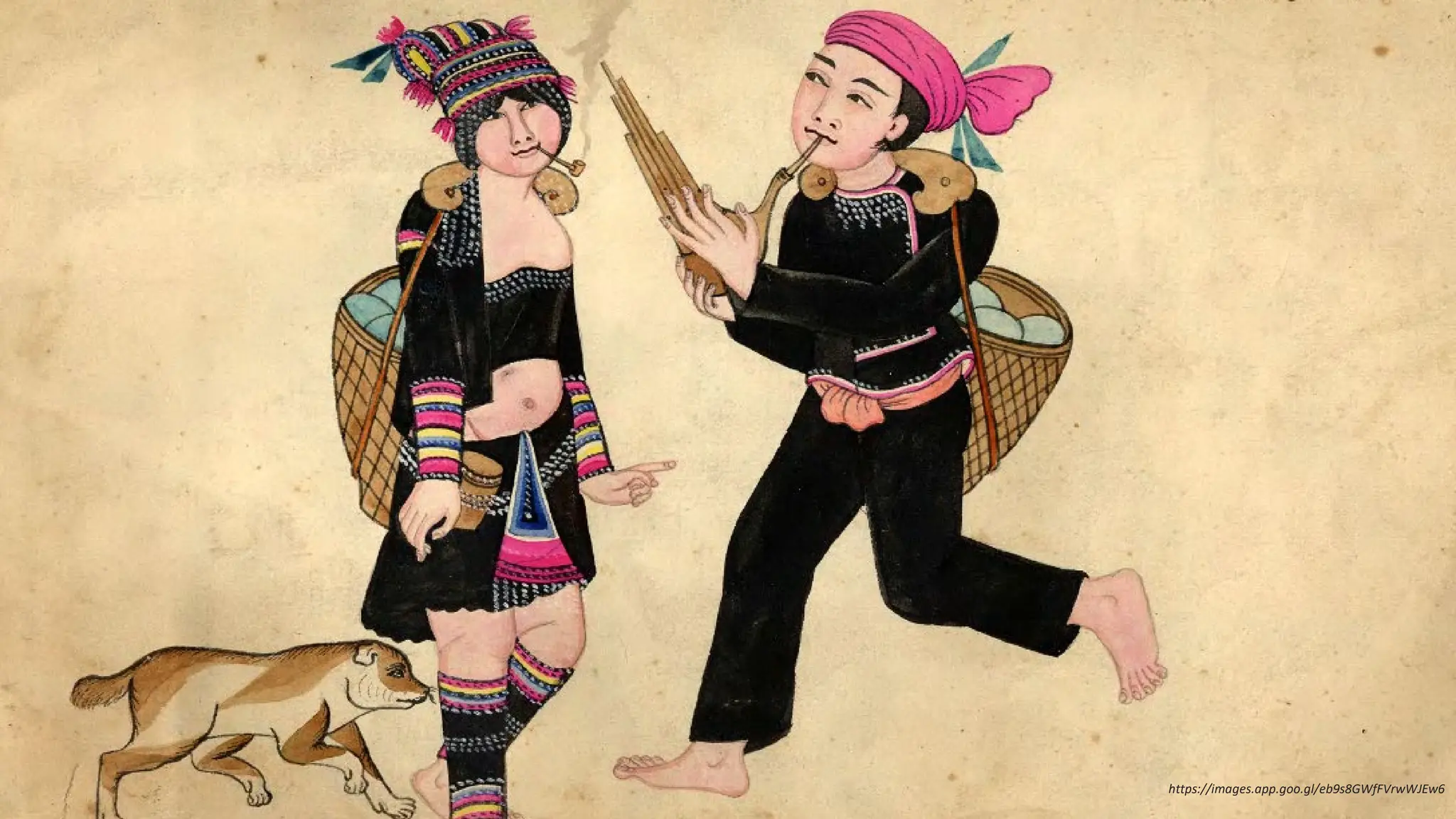
“Aside from being located in remote, marginal areas that
are difficult of access, such peoples are also likely to have
developed subsistence routines that maximize
dispersion, mobility, and resistance to appropriation.
Their social structure as well is likely to favour dispersion,
fission, and reformulation and to present to the outside
world a kind of formlessness that offers no obvious
institutional point of entry for would-be projects of
unified rule. Finally, many, but by no means all, groups in
extra-state space appear to have strong, even fierce,
traditions of egalitarianism and autonomy both at the
village and familial level that represent an effective
barrier to tyranny and permanent hierarchy.”
https://images.app.goo.gl/eb9s8GWfFVrwWJEw6
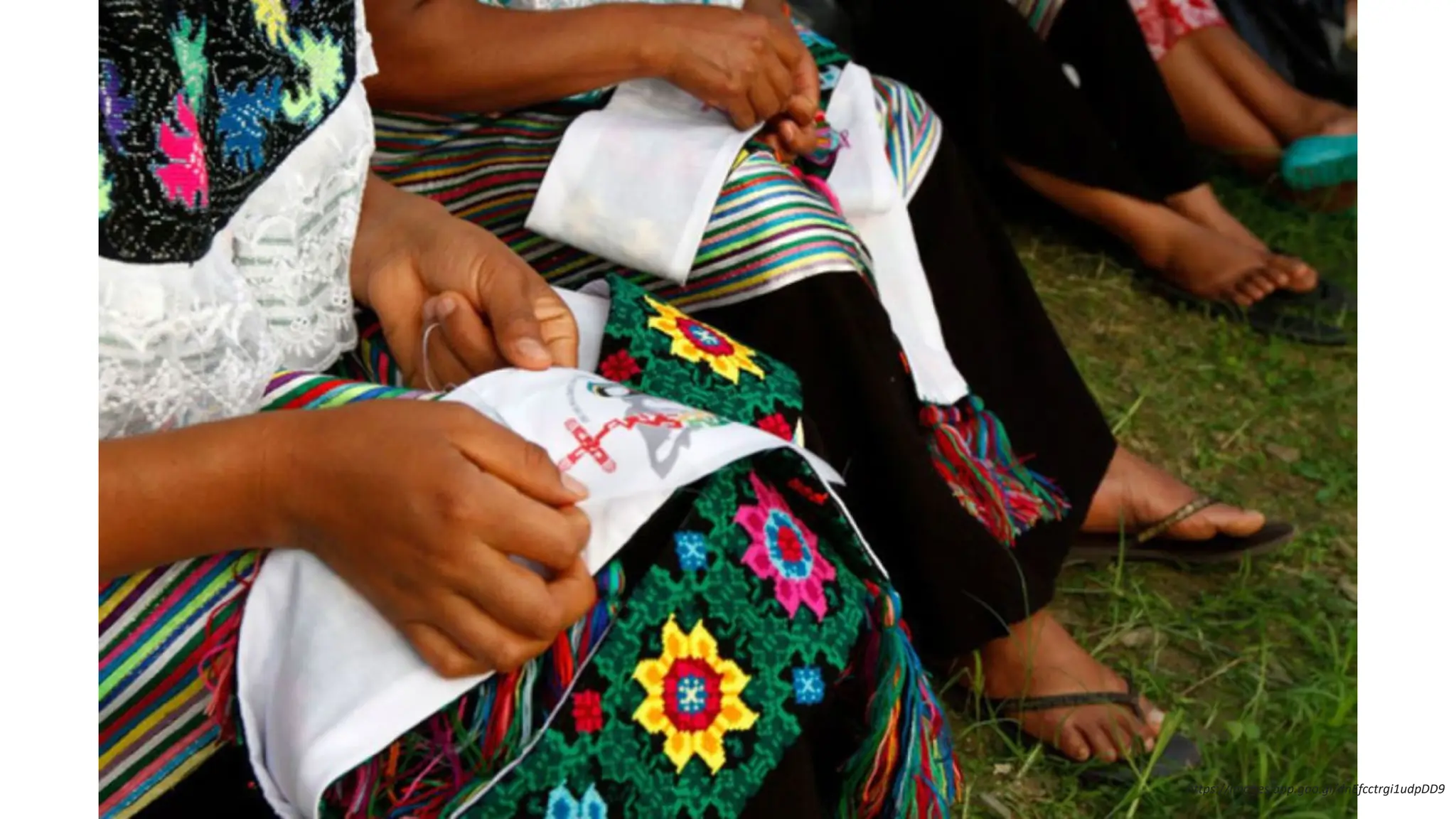
“Ideas from the great valley states are cast loose
from their lowland moorings and are reformulated
in the hills to serve local purposes. The term
bricolage is particularly apt for this process,
inasmuch as lowland fragments of cosmology,
regalia, dress, architecture, and titles are
rearranged and assembled into unique amalgams
by prophets, healers, and ambitious chiefs.”
https://images.app.goo.gl/dnEfcctrgi1udpDD9
https://images.app.goo.gl/2qKh4cbbYbuAD3cW8
“Virtually all hill societies exhibit a range of state-
evading behavior. For some, such characteristics
are compatible with a degree of internal hierarchy
and, from time to time, imitative state-making. For
other groups, however, state evasion is coupled
with practices that might be termed the
prevention of internal state-making.”
https://images.app.goo.gl/K9dkQEseooPyDAxT6
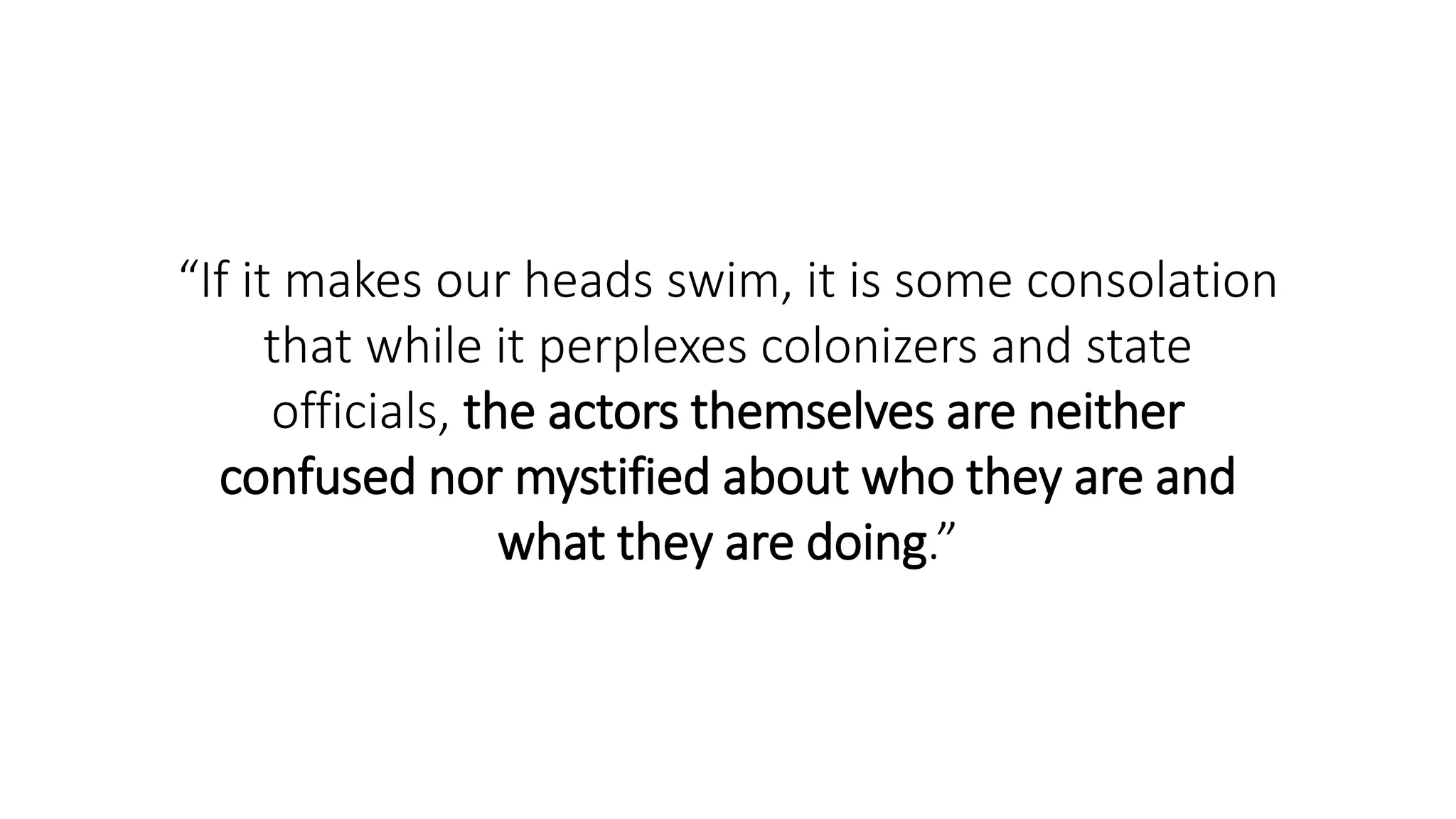
“If it makes our heads swim, it is some consolation
that while it perplexes colonizers and state
officials, the actors themselves are neither
confused nor mystified about who they are and
what they are doing.”
https://images.app.goo.gl/6tPLXTwRmL7Xc7Bs6
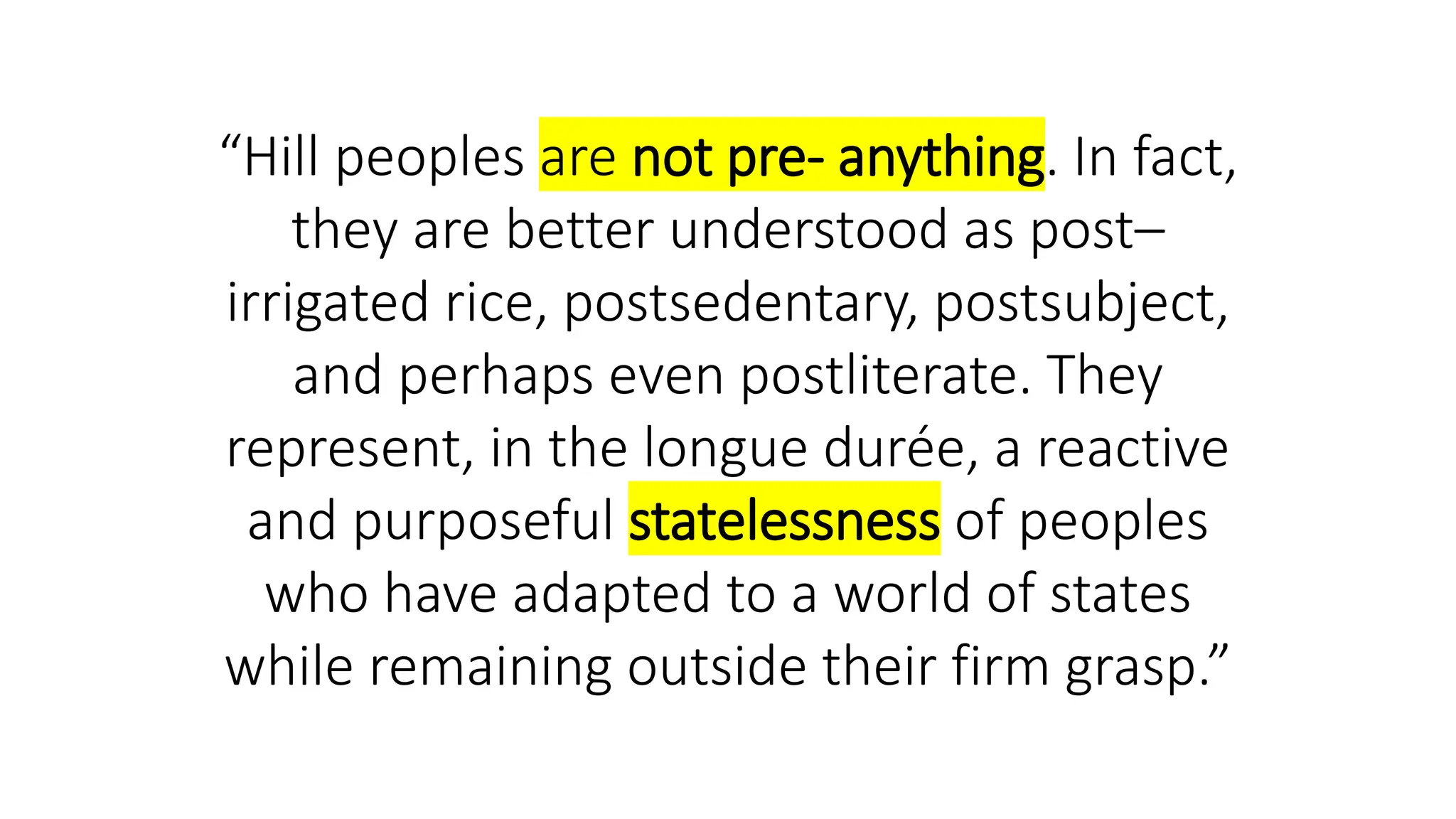
“Hill peoples are not pre- anything. In fact,
they are better understood as post–
irrigated rice, postsedentary, postsubject,
and perhaps even postliterate. They
represent, in the longue durée, a reactive
and purposeful statelessness of peoples
who have adapted to a world of states
while remaining outside their firm grasp.”
https://images.app.goo.gl/Zsd65KAUMofidHaN6
https://yalebooks.yale.edu/book/9780300169171/art-not-being-governed
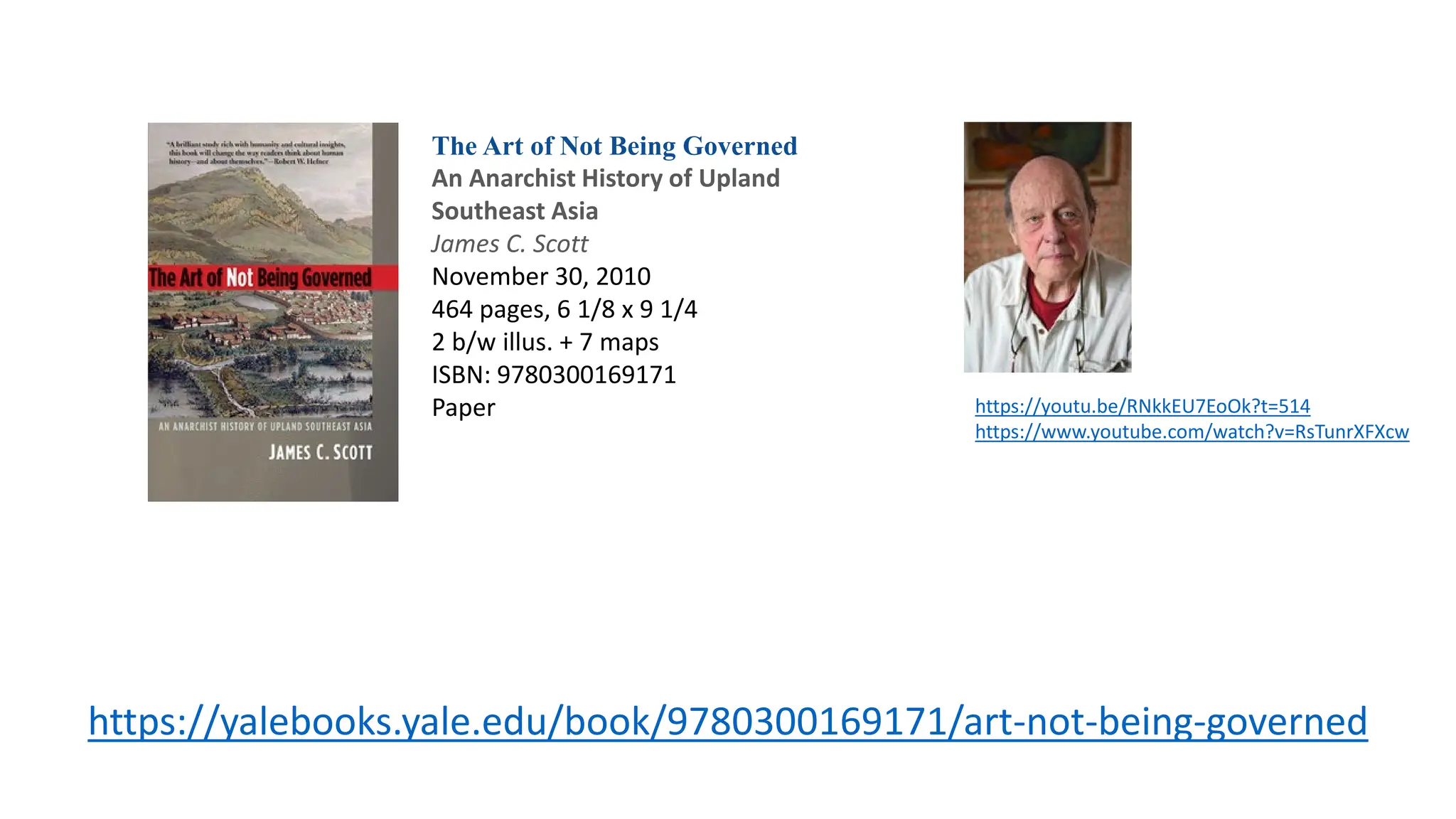
The Art of Not Being Governed
An Anarchist History of Upland
Southeast Asia
James C. Scott
November 30, 2010
464 pages, 6 1/8 x 9 1/4
2 b/w illus. + 7 maps
ISBN: 9780300169171
Paper https://youtu.be/RNkkEU7EoOk?t=514
https://www.youtube.com/watch?v=RsTunrXFXcw

Zomia Barbarians by Design. Autonomy and Resistance

  • 1.
    Barbarians by design Scott, J.C. (2009). The Art of Not Being Governed: An Anarchist History of Upland Southeast Asia, Yale University Press.
  • 2.
    “Zomia is anexpanse of 2.5 million km2 containing about one hundred million minority peoples of truly bewildering ethnic and linguistic variety. This area (massif) is at the periphery of nine states and at the center of none. Zo is a relational term meaning “remote” and hence carries the connotation of living in the hills; Mi means “people”. The signal, distinguishing trait of Zomia, vis-à-vis the lowland regions it borders, is that it is relatively stateless. Zomia is marginal in almost every respect. It lies at a great distance from the main centers of economic activity; it bestrides a contact zone between eight nation-states and several religious traditions and cosmologies.”
  • 3.
  • 4.
  • 5.
    “I have cometo see this study of Zomia, or the massif, not so much as a study of hill peoples per se but as a fragment of what might properly be considered a global history of populations trying to avoid, or having been extruded by, the state.”
  • 6.
  • 7.
  • 8.
  • 9.
    “My argument isa deconstruction of civilizational discourses about the “barbarian,” the “raw,” the “primitive.” On close inspection those terms, practically, mean ungoverned, not-yet- incorporated. Civilizational discourses never entertain the possibility of people voluntarily going over to the barbarians, hence such statuses are stigmatized and ethnicized. Barbarian is used to describe any selfgoverning, nonsubject people.”
  • 10.
  • 11.
  • 12.
    “Once we entertainthe possibility that the “barbarians” are not just “there” as a residue but may well have chosen their location, their subsistence practices, and their social structure to maintain their autonomy, the standard civilizational story of social evolution collapses utterly. Most, if not all, the characteristics that appear to stigmatize hill peoples far from being the mark of primitives left behind by civilization, are better seen on a long view as adaptations designed to evade both state capture and state formation.”
  • 13.
  • 14.
    “Living in theabsence of state structures has been the standard human condition.”
  • 15.
    “A wealthy andpeaceful state center might attract a growing population that found its advantages rewarding. This narrative ignores that much, if not most, of the population of the early states was unfree; they were subjects under duress. Living within the state meant, virtually by definition, taxes, conscription, corvée labor, and, for most, a condition of servitude; these conditions were at the core of the state’s strategic and military advantages.”
  • 16.
    “Internal colonialism involvedthe absorption, displacement, and/or extermination of the previous inhabitants. It involved a botanical colonization in which the landscape was transformed—by deforestation, drainage, irrigation, and levees—to accommodate crops, settlement patterns, and systems of administration familiar to the state and to the colonists. One way of appreciating the effect of this colonization is to view it as a massive reduction of vernaculars of all kinds: of vernacular languages, minority peoples, vernacular cultivation techniques, vernacular religion, and so on.”
  • 17.
  • 18.
  • 19.
    “States, being associatedwith concentrated grain production, typically arise where there is a substantial expanse of arable land. Nonstate space, by contrast, points to locations where, owing largely to geographical obstacles, the state has particular difficulty in establishing and maintaining its authority. Beyond merely taking advantage of their geographical isolation from centers of state power, much of Zomia has resisted the projects of nation-building and state- making of the states to which it belonged.”
  • 20.
  • 21.
  • 22.
    “Hill societies doproduce a surplus, but they do not use that surplus to support kings and monks. The absence of large, permanent, surplus-absorbing religious and political establishments makes for a sociological pyramid in the hills that is rather flat and local when compared with that of valley societies. Distinctions of status and wealth abound in the hills, as in the valleys. The difference is that in the valleys they tend to be supralocal and enduring, while in the hills they are both unstable and geographically confined.”
  • 23.
  • 24.
    “Zomia is notsimply a region of resistance to valley states, but a region of refuge as well. By “refuge,” I mean to imply that much of the population in the hills has, for more than a millennium and a half, come there to evade the manifold afflictions of state-making projects in the valleys. Far from being “left behind” by the progress of civilization in the valleys, they have, over long periods of time, chosen to place themselves out of the reach of the state.”
  • 25.
  • 26.
  • 27.
    “There, in regionsbeyond the states’ immediate writ and, thus, at some remove from taxes, corvée labor, conscription, and the more than occasional epidemics and crop failures associated with population concentration and monocropping, such groups found relative freedom and safety. There, they practiced what I will call escape agriculture: forms of cultivation designed to thwart state appropriation. Even their social structure could fairly be called escape social structure inasmuch as it was designed to aid dispersal and autonomy and to ward off political subordination.”
  • 28.
    “I emphasize theterm political order to avoid conveying the mistaken impression that outside the realm of the state lay mere disorder. State rulers find it well nigh impossible to install an effective sovereignty over people who are constantly in motion, who have no permanent pattern of organization, no permanent address, whose leadership is ephemeral, whose subsistence patterns are pliable and fugitive, who have few permanent allegiances, and who are liable, over time, to shift their linguistic practices and their ethnic identity.”
  • 29.
    “Other peoples andother geographies that might belong to such a global history of extra-state spaces have been mentioned in passing by way of illustration. The Gypsies, the Cossacks, the Berbers, the Mongols, and other pastoral nomads would be essential to a broad history of state peripheries.” https://images.app.goo.gl/9CJfLcyfTgEz1nyR7
  • 30.
    “Aside from beinglocated in remote, marginal areas that are difficult of access, such peoples are also likely to have developed subsistence routines that maximize dispersion, mobility, and resistance to appropriation. Their social structure as well is likely to favour dispersion, fission, and reformulation and to present to the outside world a kind of formlessness that offers no obvious institutional point of entry for would-be projects of unified rule. Finally, many, but by no means all, groups in extra-state space appear to have strong, even fierce, traditions of egalitarianism and autonomy both at the village and familial level that represent an effective barrier to tyranny and permanent hierarchy.”
  • 31.
  • 32.
    “Ideas from thegreat valley states are cast loose from their lowland moorings and are reformulated in the hills to serve local purposes. The term bricolage is particularly apt for this process, inasmuch as lowland fragments of cosmology, regalia, dress, architecture, and titles are rearranged and assembled into unique amalgams by prophets, healers, and ambitious chiefs.”
  • 33.
  • 34.
  • 35.
    “Virtually all hillsocieties exhibit a range of state- evading behavior. For some, such characteristics are compatible with a degree of internal hierarchy and, from time to time, imitative state-making. For other groups, however, state evasion is coupled with practices that might be termed the prevention of internal state-making.”
  • 36.
  • 37.
    “If it makesour heads swim, it is some consolation that while it perplexes colonizers and state officials, the actors themselves are neither confused nor mystified about who they are and what they are doing.”
  • 38.
  • 39.
    “Hill peoples arenot pre- anything. In fact, they are better understood as post– irrigated rice, postsedentary, postsubject, and perhaps even postliterate. They represent, in the longue durée, a reactive and purposeful statelessness of peoples who have adapted to a world of states while remaining outside their firm grasp.”
  • 40.
  • 41.
    https://yalebooks.yale.edu/book/9780300169171/art-not-being-governed The Art ofNot Being Governed An Anarchist History of Upland Southeast Asia James C. Scott November 30, 2010 464 pages, 6 1/8 x 9 1/4 2 b/w illus. + 7 maps ISBN: 9780300169171 Paper https://youtu.be/RNkkEU7EoOk?t=514 https://www.youtube.com/watch?v=RsTunrXFXcw