Karthik Jeganathan
PGDAM 2016-2017
karthik@purplemango.co.in
Definition
Stakeholders
Objectives of Corporate Communication
Role of Corporate Communication (Aditya Birla)
Identity, Trust, Image & Reputation
Tools of Corporate Communication
Marcomm vs Corp.comm
Is Corporate Communication Boring?
Case Studies: Tata, Maggi
Classroom Discussion
Conclusion
Corporate communication is a set of activities
involved in managing and orchestrating all
internal and external communications aimed at
creating favourable point of view among
stakeholders on whom the company depends.
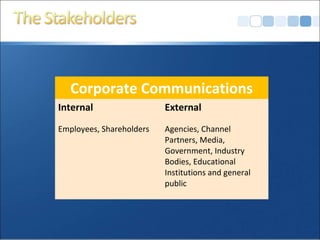
Corporate Communications
Internal
Employees, Shareholders
External
Agencies, Channel
Partners, Media,
Government, Industry
Bodies, Educational
Institutions and general
public
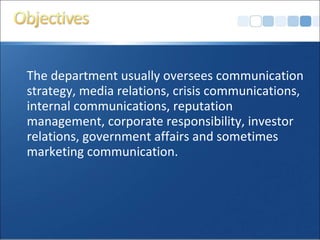
The department usually oversees communication
strategy, media relations, crisis communications,
internal communications, reputation
management, corporate responsibility, investor
relations, government affairs and sometimes
marketing communication.
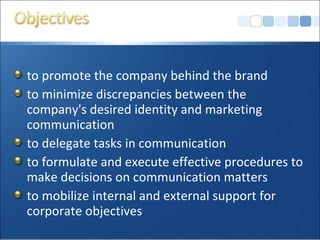
to promote the company behind the brand
to minimize discrepancies between the
company's desired identity and marketing
communication
to delegate tasks in communication
to formulate and execute effective procedures to
make decisions on communication matters
to mobilize internal and external support for
corporate objectives
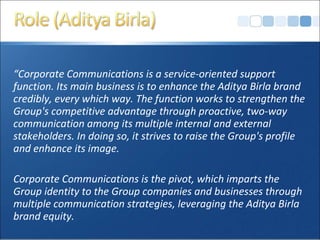
“Corporate Communications is a service-oriented support
function. Its main business is to enhance the Aditya Birla brand
credibly, every which way. The function works to strengthen the
Group's competitive advantage through proactive, two-way
communication among its multiple internal and external
stakeholders. In doing so, it strives to raise the Group's profile
and enhance its image.
Corporate Communications is the pivot, which imparts the
Group identity to the Group companies and businesses through
multiple communication strategies, leveraging the Aditya Birla
brand equity.
The function is responsible for media relations across the entire
Group. It assists the top management's interface with the
outside public, comprising besides media, professional bodies
and institutions who have the potential to impact the Group's
image.
Corporate Communications provides Group companies and
corporate functions with strategic advice and professional
inputs in their communication processes. Alongside, its portfolio
of services includes internal communications, corporate
intranet, corporate branding, image measurement,
publications, websites, creative arts, supporting Investor
Relations and building up the Group's archives.”
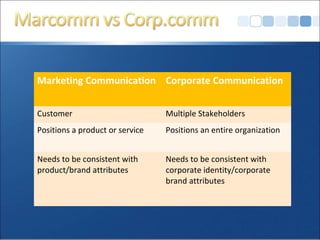
Marketing Communication Corporate Communication
Customer Multiple Stakeholders
Positions a product or service Positions an entire organization
Needs to be consistent with
product/brand attributes
Needs to be consistent with
corporate identity/corporate
brand attributes
Identity
Trust
Image
Reputation
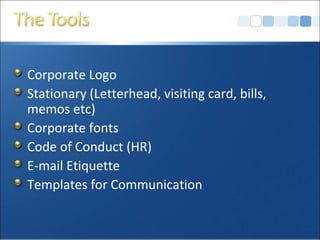
Corporate Logo
Stationary (Letterhead, visiting card, bills,
memos etc)
Corporate fonts
Code of Conduct (HR)
E-mail Etiquette
Templates for Communication
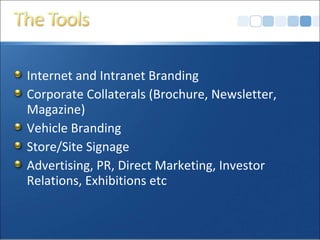
Internet and Intranet Branding
Corporate Collaterals (Brochure, Newsletter,
Magazine)
Vehicle Branding
Store/Site Signage
Advertising, PR, Direct Marketing, Investor
Relations, Exhibitions etc
The past few years have been dominated by seismic
cultural shifts brought about by digital technologies,
new communication channels and nonstop chatter
across multiple social networks. This new
"conversation economy" is an always-on world
where stakeholders can create and distribute
content, react to messages in real time and skip
messages that fail to add value.
Companies face unique challenges in this new
communications environment. One person can
alter a long-standing corporate reputation with a
few keystrokes or by posting a mobile video short
on YouTube. Corporate reputation is hard won and
easily eroded. Protecting it has never been
tougher. With online activism, social media scrutiny
and 24/7 global news, companies require
intelligence, insights and advice to make the
decisions that matter.
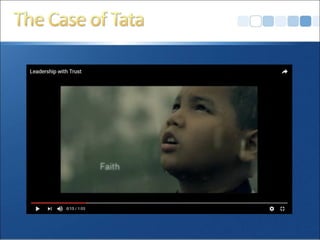
On October 24, Cyrus Mistry was ousted from
the chairmanship of Tata Sons in a boardroom
coup and replaced by his predecessor Ratan
Tata. Ever since, Bombay House, the
headquarters of Tata Group, has been the
epicentre of action
http://www.moneycontrol.com/news/business/bat
tle-royale-a-timelinetata-mistry-saga-so-
far_7915601.html
Nestlé spent three decades building a beloved
noodle brand in India. Then the world’s biggest
food and beverage company stumbled into a
public relations debacle that cost it half a billion
dollars. A cautionary tale of mangled crisis
management on an epic scale.
http://fortune.com/nestle-maggi-noodle-crisis/
John Kimberly (Wharton Professor) recommends
a five-point crisis management strategy for
companies in such situations to restore
credibility: “One, acknowledge that there is an
issue that needs to be examined carefully. Two,
buy time to get the facts. Three, do not deny
involvement/responsibility. Four, do not attempt
to estimate the magnitude of the problem. And
five, commit to a speedy but thorough
investigation.”
Demonetization
Corporate Communication

Corporate Communication

  • 1.
  • 2.
    Definition Stakeholders Objectives of CorporateCommunication Role of Corporate Communication (Aditya Birla) Identity, Trust, Image & Reputation Tools of Corporate Communication Marcomm vs Corp.comm Is Corporate Communication Boring? Case Studies: Tata, Maggi Classroom Discussion Conclusion
  • 3.
    Corporate communication isa set of activities involved in managing and orchestrating all internal and external communications aimed at creating favourable point of view among stakeholders on whom the company depends.
  • 4.
    Corporate Communications Internal Employees, Shareholders External Agencies,Channel Partners, Media, Government, Industry Bodies, Educational Institutions and general public
  • 5.
    The department usuallyoversees communication strategy, media relations, crisis communications, internal communications, reputation management, corporate responsibility, investor relations, government affairs and sometimes marketing communication.
  • 6.
    to promote thecompany behind the brand to minimize discrepancies between the company's desired identity and marketing communication to delegate tasks in communication to formulate and execute effective procedures to make decisions on communication matters to mobilize internal and external support for corporate objectives
  • 7.
    “Corporate Communications isa service-oriented support function. Its main business is to enhance the Aditya Birla brand credibly, every which way. The function works to strengthen the Group's competitive advantage through proactive, two-way communication among its multiple internal and external stakeholders. In doing so, it strives to raise the Group's profile and enhance its image. Corporate Communications is the pivot, which imparts the Group identity to the Group companies and businesses through multiple communication strategies, leveraging the Aditya Birla brand equity.
  • 8.
    The function isresponsible for media relations across the entire Group. It assists the top management's interface with the outside public, comprising besides media, professional bodies and institutions who have the potential to impact the Group's image. Corporate Communications provides Group companies and corporate functions with strategic advice and professional inputs in their communication processes. Alongside, its portfolio of services includes internal communications, corporate intranet, corporate branding, image measurement, publications, websites, creative arts, supporting Investor Relations and building up the Group's archives.”
  • 9.
    Marketing Communication CorporateCommunication Customer Multiple Stakeholders Positions a product or service Positions an entire organization Needs to be consistent with product/brand attributes Needs to be consistent with corporate identity/corporate brand attributes
  • 10.
  • 11.
    Corporate Logo Stationary (Letterhead,visiting card, bills, memos etc) Corporate fonts Code of Conduct (HR) E-mail Etiquette Templates for Communication
  • 12.
    Internet and IntranetBranding Corporate Collaterals (Brochure, Newsletter, Magazine) Vehicle Branding Store/Site Signage Advertising, PR, Direct Marketing, Investor Relations, Exhibitions etc
  • 13.
    The past fewyears have been dominated by seismic cultural shifts brought about by digital technologies, new communication channels and nonstop chatter across multiple social networks. This new "conversation economy" is an always-on world where stakeholders can create and distribute content, react to messages in real time and skip messages that fail to add value.
  • 14.
    Companies face uniquechallenges in this new communications environment. One person can alter a long-standing corporate reputation with a few keystrokes or by posting a mobile video short on YouTube. Corporate reputation is hard won and easily eroded. Protecting it has never been tougher. With online activism, social media scrutiny and 24/7 global news, companies require intelligence, insights and advice to make the decisions that matter.
  • 16.
    On October 24,Cyrus Mistry was ousted from the chairmanship of Tata Sons in a boardroom coup and replaced by his predecessor Ratan Tata. Ever since, Bombay House, the headquarters of Tata Group, has been the epicentre of action http://www.moneycontrol.com/news/business/bat tle-royale-a-timelinetata-mistry-saga-so- far_7915601.html
  • 17.
    Nestlé spent threedecades building a beloved noodle brand in India. Then the world’s biggest food and beverage company stumbled into a public relations debacle that cost it half a billion dollars. A cautionary tale of mangled crisis management on an epic scale. http://fortune.com/nestle-maggi-noodle-crisis/
  • 18.
    John Kimberly (WhartonProfessor) recommends a five-point crisis management strategy for companies in such situations to restore credibility: “One, acknowledge that there is an issue that needs to be examined carefully. Two, buy time to get the facts. Three, do not deny involvement/responsibility. Four, do not attempt to estimate the magnitude of the problem. And five, commit to a speedy but thorough investigation.”
  • 19.