COOLING SYSTEM
MUNEER SHAREEF
NEED OF COOLING SYSTEM
The need of cooling system is to keep the
engine at its most efficient operating
temperature at all speeds and under all
operating conditions
to ensure proper combustion
to ensure mechanical operation &
reliability
During the combustion of the air fuel
mixture in engine cylinder reaches the
temperature of 2300*c to 2500*c if
temperature higher then these .
Its cause lubricating oil film to break down
and lose its properties
Cooling system are design to remove
about one third (33%) of heat produced in
the combustion chamber by the burning of
air fuel mixture.
Effect of over-cooling
the thermal efficiency is decreased due to
more loss of heat carried by the coolant
the vaporization of the fuel is less resulting
in lower combustion efficiency
TYPES OF COOLING SYSTEM
AIR COOLING SYSTEM
WATER COOLING SYSTEM
AIR COOLING SYSTEM
Air cooled system is generally used in
small engines say up to 15-20 KW
Used in two wheeler and three wheelers
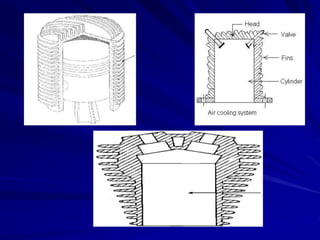
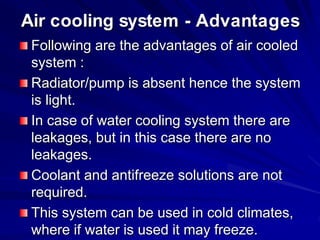
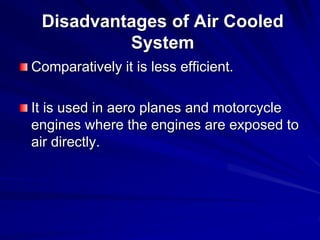
In these system fins or extended surface
are provided on the cylinder walls, cylinder
head etc.
Heat generated due to combustion in the
engine cylinder will be conducted to the
fins and when the air flows over the fins,
heat will be dissipated to air.
The amount of heat dissipated to air
depends upon :
Amount of air flowing through the fins.
Fin surface area.
Thermal conductivity of metal used for
fins.
Air cooling system - Advantages
Following are the advantages of air cooled
system :
Radiator/pump is absent hence the system
is light.
In case of water cooling system there are
leakages, but in this case there are no
leakages.
Coolant and antifreeze solutions are not
required.
This system can be used in cold climates,
where if water is used it may freeze.
Disadvantages of Air Cooled
System
Comparatively it is less efficient.
It is used in aero planes and motorcycle
engines where the engines are exposed to
air directly.
WATER COOLING SYSTEM
It will be used in four wheeler, six wheeler
etc
In water cooling system water is filled in
the radiator and is pumped into the engine
jacket with help of a water pump driven by
a belt connected to the crankshaft of a
engine
These hot water will then be cooling in the
radiator partially by a fan and partially by
flow developed by forward motion of the
vehicle .
The cooled water it again recirculated
through the water jacket.
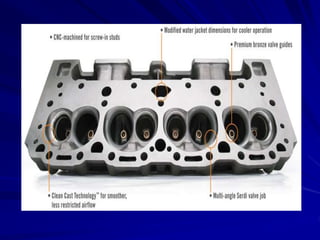
In this method, cooling water jackets are
provided around the cylinder, cylinder
head, valve seats etc. The water when
circulated through the jackets, it absorbs
heat of combustion. This hot water will
then be cooling in the radiator partially by
a fan and partially by the flow developed
by the forward motion of the vehicle. The
cooled water is again recirculated through
the water jackets
Types of cooling system
Thermo Siphon system
Pump circulating system
Forced circulating system
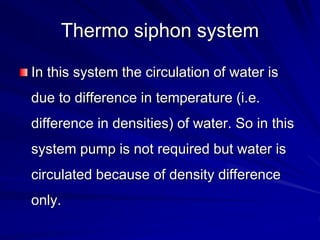
Thermo siphon system
In this system the circulation of water is
due to difference in temperature (i.e.
difference in densities) of water. So in this
system pump is not required but water is
circulated because of density difference
only.
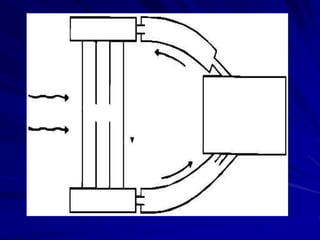
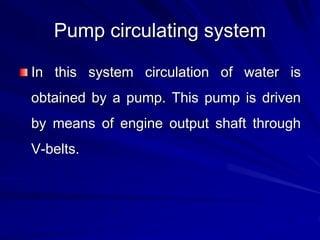
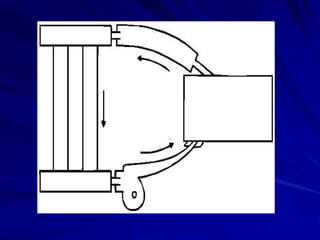
Pump circulating system
In this system circulation of water is
obtained by a pump. This pump is driven
by means of engine output shaft through
V-belts.
Forced circulation cooling
system
This system is used in a large number
of vehicles like cars, buses, trucks and
other heavy vehicles. Here, circulation
of water takes place with convection
currents helped by a pump
The water or coolant is circulated through
jackets around the parts of the engine to
be cooled and is kept in motion by a
centrifugal, pump,driven from the engine
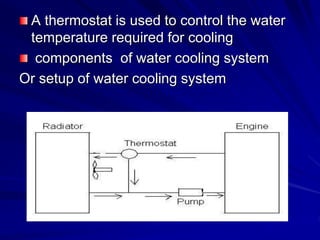
A thermostat is used to control the water
temperature required for cooling
components of water cooling system
Or setup of water cooling system
Water cooling system mainly
consists of
1) radiator
2) thermostat valve
3) water pump
4) fan
5) water jacket 6) antifreeze mixture
Radiator (heat exchanger)
It mainly consists of an upper tank and
lower tank and between them is a core.
The upper tank is connected to the water
outlets from the engines jackets by a hose
pipe and the lover tank is connect to the
jacket inlet through water pump by means
of hose pipes.
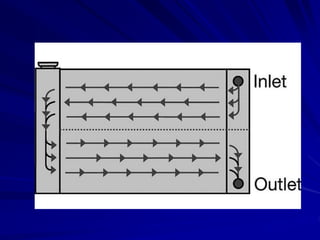
There are 2-types of cores :
Tubular
Cellular as shown.
When the water is flowing down through
the radiator core, it is cooled partially by
the fan which blows air and partially by the
air flow developed by the forward motion
of the vehicle.
As shown through water passages and air
passages, wafer and air will be flowing for
cooling purpose.
Thermostat Valve
It is a valve which prevents flow of water
from the engine to radiator, so that engine
readily reaches to its maximum efficient
operating temperature. After attaining
maximum efficient operating temperature,
it automatically begins functioning.
Generally, it prevents the water below
70°C.
Water Pump
It is used to pump the circulating water.
Impeller type pump will be mounted at the
front end.
Pump consists of an impeller mounted on
a shaft and enclosed in the pump casing.
The pump casing has inlet and outlet
openings.
The pump is driven by means of engine
output shaft only through belts. When it is
driven water will be pumped.
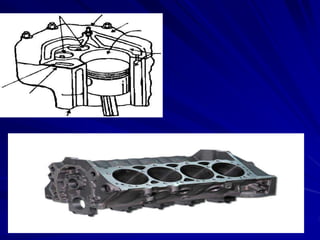
Water Jackets
Cooling water jackets are provided around
the cylinder, cylinder head, valve seats
and any hot parts which are to be cooled.
Heat generated in the engine cylinder,
conducted through the cylinder walls to the
jackets. The water flowing through the
jackets absorbs this heat and gets hot.
This hot water will then be cooled in the
radiator
Antifreeze Mixture
In western countries if the water used in
the radiator freezes because of cold
climates, then ice formed has more
volume and produces cracks in the
cylinder blocks, pipes, and radiator. So, to
prevent freezing antifreeze mixtures or
solutions are added in the cooling water.

Cooling system

  • 2.
  • 3.
    NEED OF COOLINGSYSTEM The need of cooling system is to keep the engine at its most efficient operating temperature at all speeds and under all operating conditions to ensure proper combustion to ensure mechanical operation & reliability
  • 4.
    During the combustionof the air fuel mixture in engine cylinder reaches the temperature of 2300*c to 2500*c if temperature higher then these . Its cause lubricating oil film to break down and lose its properties
  • 5.
    Cooling system aredesign to remove about one third (33%) of heat produced in the combustion chamber by the burning of air fuel mixture. Effect of over-cooling the thermal efficiency is decreased due to more loss of heat carried by the coolant the vaporization of the fuel is less resulting in lower combustion efficiency
  • 6.
    TYPES OF COOLINGSYSTEM AIR COOLING SYSTEM WATER COOLING SYSTEM
  • 7.
    AIR COOLING SYSTEM Aircooled system is generally used in small engines say up to 15-20 KW Used in two wheeler and three wheelers In these system fins or extended surface are provided on the cylinder walls, cylinder head etc.
  • 8.
    Heat generated dueto combustion in the engine cylinder will be conducted to the fins and when the air flows over the fins, heat will be dissipated to air.
  • 9.
    The amount ofheat dissipated to air depends upon : Amount of air flowing through the fins. Fin surface area. Thermal conductivity of metal used for fins.
  • 11.
    Air cooling system- Advantages Following are the advantages of air cooled system : Radiator/pump is absent hence the system is light. In case of water cooling system there are leakages, but in this case there are no leakages. Coolant and antifreeze solutions are not required. This system can be used in cold climates, where if water is used it may freeze.
  • 12.
    Disadvantages of AirCooled System Comparatively it is less efficient. It is used in aero planes and motorcycle engines where the engines are exposed to air directly.
  • 13.
    WATER COOLING SYSTEM Itwill be used in four wheeler, six wheeler etc In water cooling system water is filled in the radiator and is pumped into the engine jacket with help of a water pump driven by a belt connected to the crankshaft of a engine
  • 14.
    These hot waterwill then be cooling in the radiator partially by a fan and partially by flow developed by forward motion of the vehicle . The cooled water it again recirculated through the water jacket.
  • 15.
    In this method,cooling water jackets are provided around the cylinder, cylinder head, valve seats etc. The water when circulated through the jackets, it absorbs heat of combustion. This hot water will then be cooling in the radiator partially by a fan and partially by the flow developed by the forward motion of the vehicle. The cooled water is again recirculated through the water jackets
  • 17.
    Types of coolingsystem Thermo Siphon system Pump circulating system Forced circulating system
  • 18.
    Thermo siphon system Inthis system the circulation of water is due to difference in temperature (i.e. difference in densities) of water. So in this system pump is not required but water is circulated because of density difference only.
  • 20.
    Pump circulating system Inthis system circulation of water is obtained by a pump. This pump is driven by means of engine output shaft through V-belts.
  • 22.
    Forced circulation cooling system Thissystem is used in a large number of vehicles like cars, buses, trucks and other heavy vehicles. Here, circulation of water takes place with convection currents helped by a pump The water or coolant is circulated through jackets around the parts of the engine to be cooled and is kept in motion by a centrifugal, pump,driven from the engine
  • 23.
    A thermostat isused to control the water temperature required for cooling components of water cooling system Or setup of water cooling system
  • 24.
    Water cooling systemmainly consists of 1) radiator 2) thermostat valve 3) water pump 4) fan 5) water jacket 6) antifreeze mixture
  • 25.
    Radiator (heat exchanger) Itmainly consists of an upper tank and lower tank and between them is a core. The upper tank is connected to the water outlets from the engines jackets by a hose pipe and the lover tank is connect to the jacket inlet through water pump by means of hose pipes.
  • 27.
    There are 2-typesof cores : Tubular Cellular as shown. When the water is flowing down through the radiator core, it is cooled partially by the fan which blows air and partially by the air flow developed by the forward motion of the vehicle. As shown through water passages and air passages, wafer and air will be flowing for cooling purpose.
  • 28.
    Thermostat Valve It isa valve which prevents flow of water from the engine to radiator, so that engine readily reaches to its maximum efficient operating temperature. After attaining maximum efficient operating temperature, it automatically begins functioning. Generally, it prevents the water below 70°C.
  • 29.
    Water Pump It isused to pump the circulating water. Impeller type pump will be mounted at the front end. Pump consists of an impeller mounted on a shaft and enclosed in the pump casing. The pump casing has inlet and outlet openings. The pump is driven by means of engine output shaft only through belts. When it is driven water will be pumped.
  • 30.
    Water Jackets Cooling waterjackets are provided around the cylinder, cylinder head, valve seats and any hot parts which are to be cooled. Heat generated in the engine cylinder, conducted through the cylinder walls to the jackets. The water flowing through the jackets absorbs this heat and gets hot. This hot water will then be cooled in the radiator
  • 32.
    Antifreeze Mixture In westerncountries if the water used in the radiator freezes because of cold climates, then ice formed has more volume and produces cracks in the cylinder blocks, pipes, and radiator. So, to prevent freezing antifreeze mixtures or solutions are added in the cooling water.