BUSINESS
STUDIES
PROF RAMAN
DHIMAN
chapter
controlling
Topics covered in this
slideshare


■:Understanding the concept of
controlling
■: explain the importance of
Controlling
■: discuss the steps in the process
of controlling
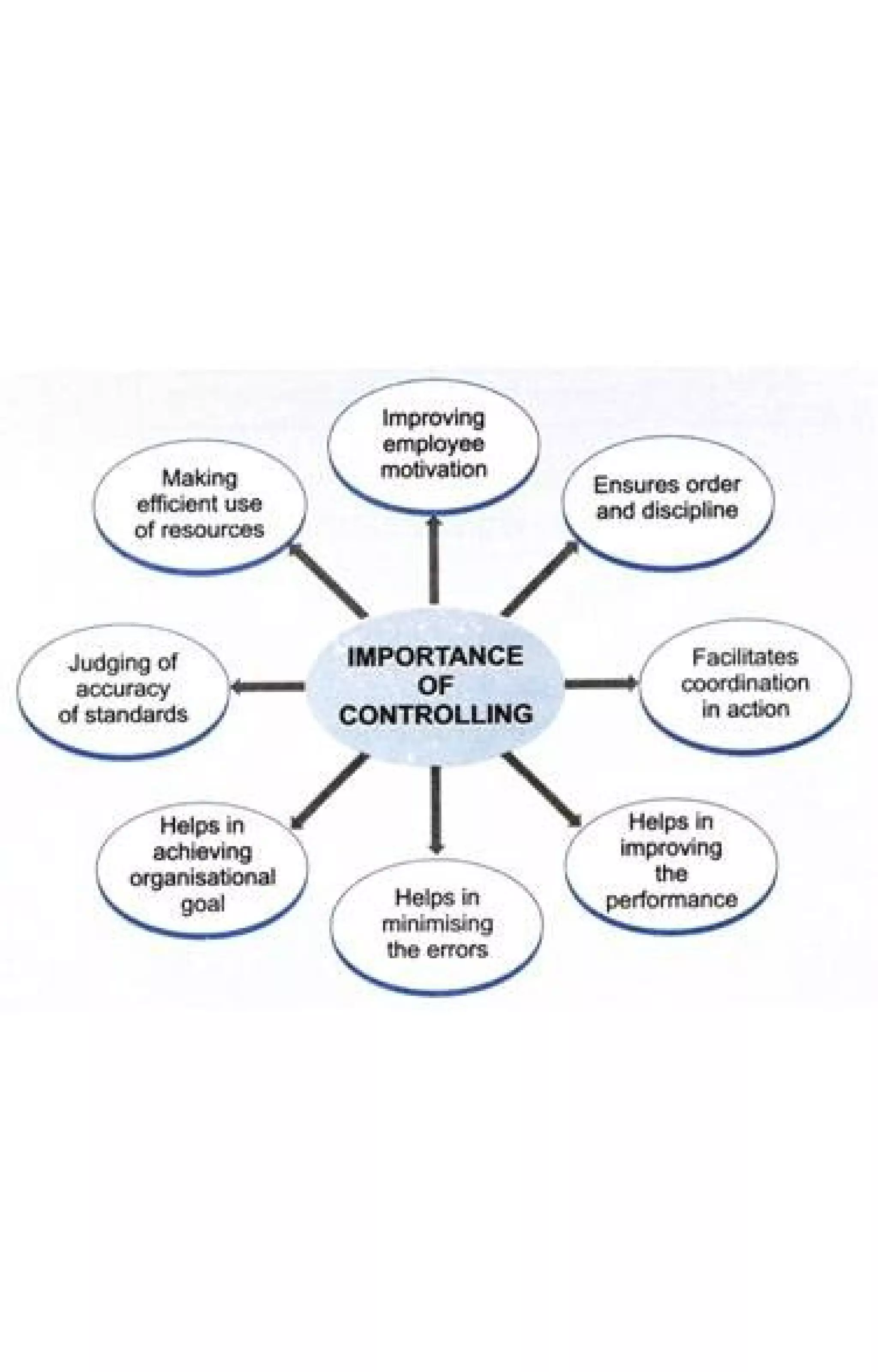
a) Decentralization of authority


Since managers at every level of
an organization have to
exercise control, the controlling
process leads to
decentralization. This, in turn,
enables middle and lower level
managers to have some
autonomy in making decisions.
An organization that distributes
authority at every level always
works smoothly and efficiently.
b) Increasing managerial abilities


By enabling all managers to
possess the autonomy to make
decisions, controlling enhances
their managerial abilities. With
these skills, managers can further
their organization’s goals by
adapting to diverse situations and
problems. Furthermore, this also
helps managers grow and develop
at an individual level by giving
them new experiences.
c) Using resources effectively


The most important function of
controlling is to compare actual
performances with expected
results. This, in turn, helps
managers understand where they
are lacking and how they can
improve their performances.
Using this knowledge, managers
can use all available resources
optimally and prevent their
wastage.
d) Facilitating coordination
In every business organization,
managers and employees always
have to coordinate and work with
each other collectively. Controlling
improves this coordination by
basically demarcating all activities
and efforts into fixed boundaries. It
brings together all the resources of
an organization and enables its
personnel to work together with
unified efforts.
e) Structuring human behaviour
Since all organizations have to
depend on humans for functioning,
they need to regulate human
behaviour of their employees.
Controlling rationalizes this human
behaviour and prevents employees
from behaving arbitrarily and badly.
It basically does so by providing for
sanctions in case employees do not
prescribe to expected standards of
behaviour. For example, managers
often take disciplinary action against
employees who take unauthorized
leaves.
f) Achieving efficiency and
effectiveness
A good control system can always
greatly boost an organization’s
efficiency and effectiveness. It
generally does this by identifying
deficiencies in an organization’s
functioning and suggesting
improvement measures. Managers
use control to achieve their targets in
this manner.
Solved Questions on Importance of
Controlling
(1) Controlling creates a __________
impact on an organization as well as
its employees.
(2) By distributing autonomy at all
levels, controlling facilitates
__________ of authority.
(3) Controlling bridges the gap
between an organization’s actual
performances and __________.
Answers: (1) positive (2)
decentralization (3) expected
results
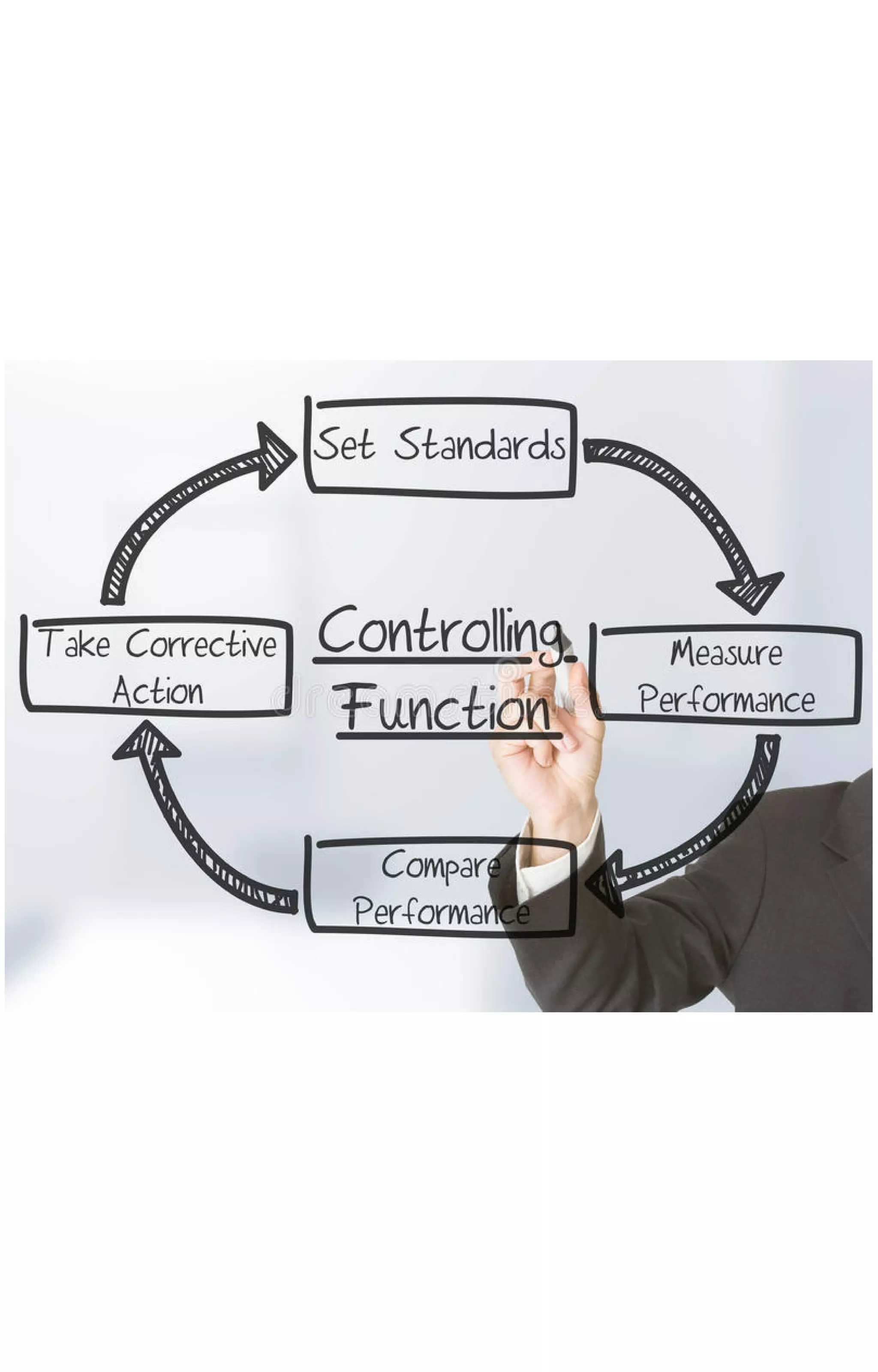
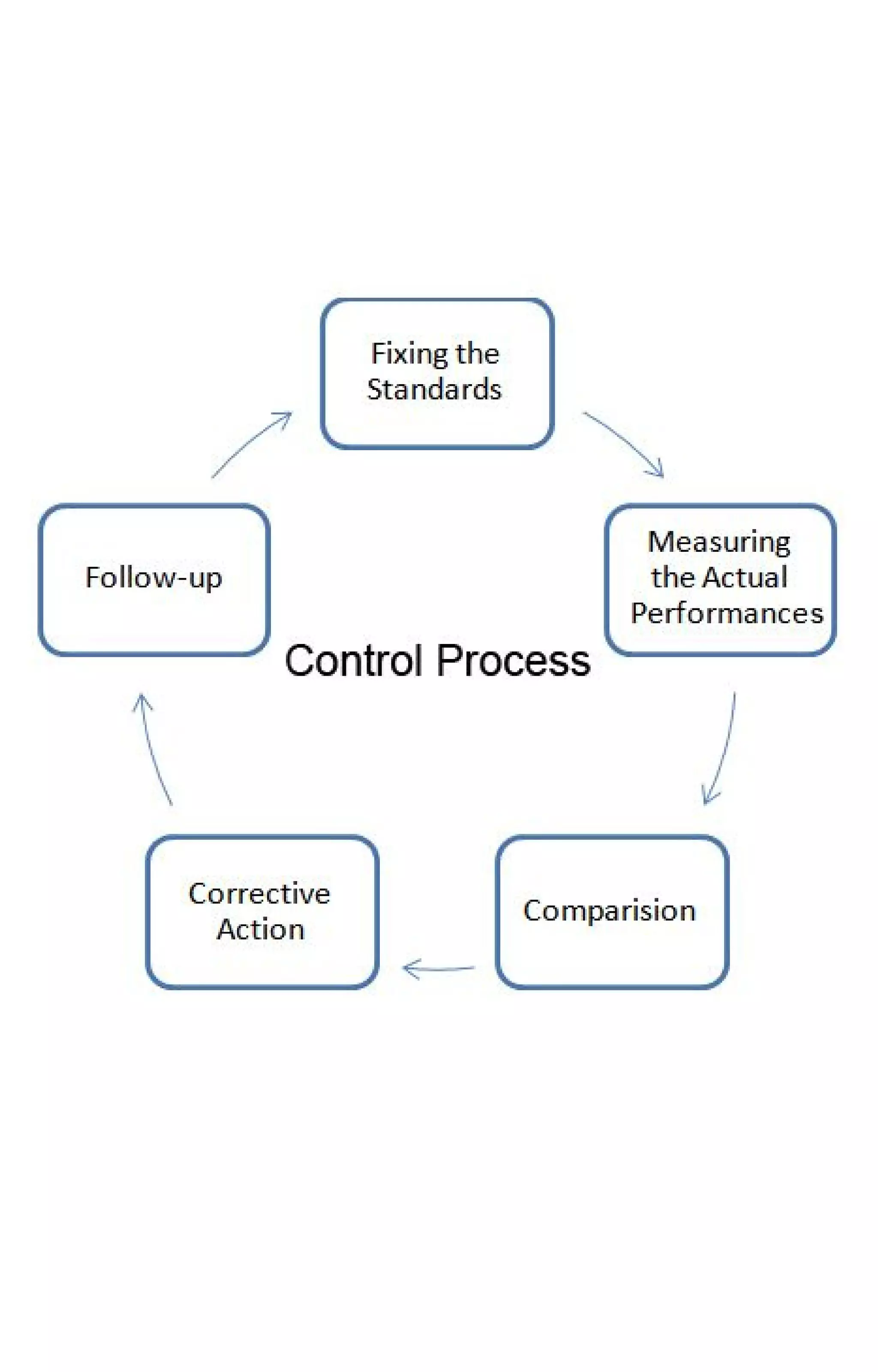
1. Set Performance Standards


You need a goal for your business, but you
also need guidance for your team to keep
them working towards that goal. Without
such standards, it’s possible that they’ll
move away from the plan, whether
intentionally or not.


Standards are like goals that are tasked to a
specific department or team member. They
must achieve these standards through
cooperation, teamwork and a collaborative
effort. To ensure these standards are being
met, though, you must have criteria to
measure them by.
2. Measure Performance


Setting a standard makes it
possible to measure
performance using a control
function. Through this
measurement of performance,
you can quickly catch and
correct any deviation from the
plan before it goes off-track and
runs production into the ground
3. Compare Actual Performance
Against Performance Standards


Once you have a baseline for how
your teams are performing when
manufacturing, packaging,
delivering, etc., you can compare
the actual to the planned
performance and determine the
extent of the deviation. This is
called variance, or the difference
between actual performance and
goals. Schedules can be
immensely helpful when it comes
to analyzing variance.
4. Analyze Deviations


This brings us to the next step:
where you analyze data using the
acceptable limits. If standards
weren’t met, the manager must
then figure out whether more
control is required—or if maybe,
the standard itself should be
changed.
5. Take Corrective Actions


Once you have analyzed the
deviation and determined its
cause, the manager will have to
set up a plan in which corrective
measures, critical point control
and other means are used to
resolve the issue. This is to reduce
the deviation and ensure the
standard is met. This might
involve changes to processes
and/or behaviors.
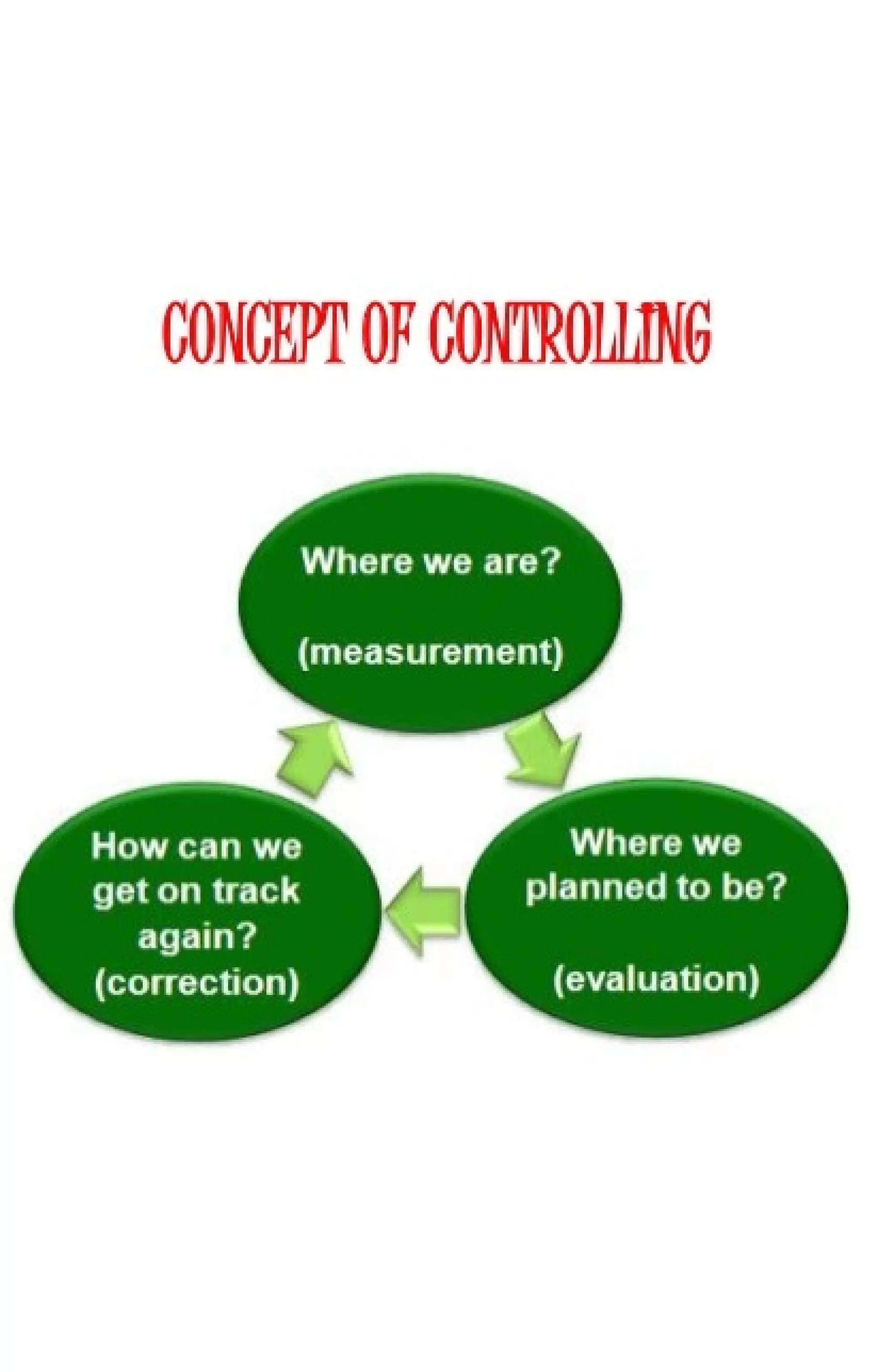
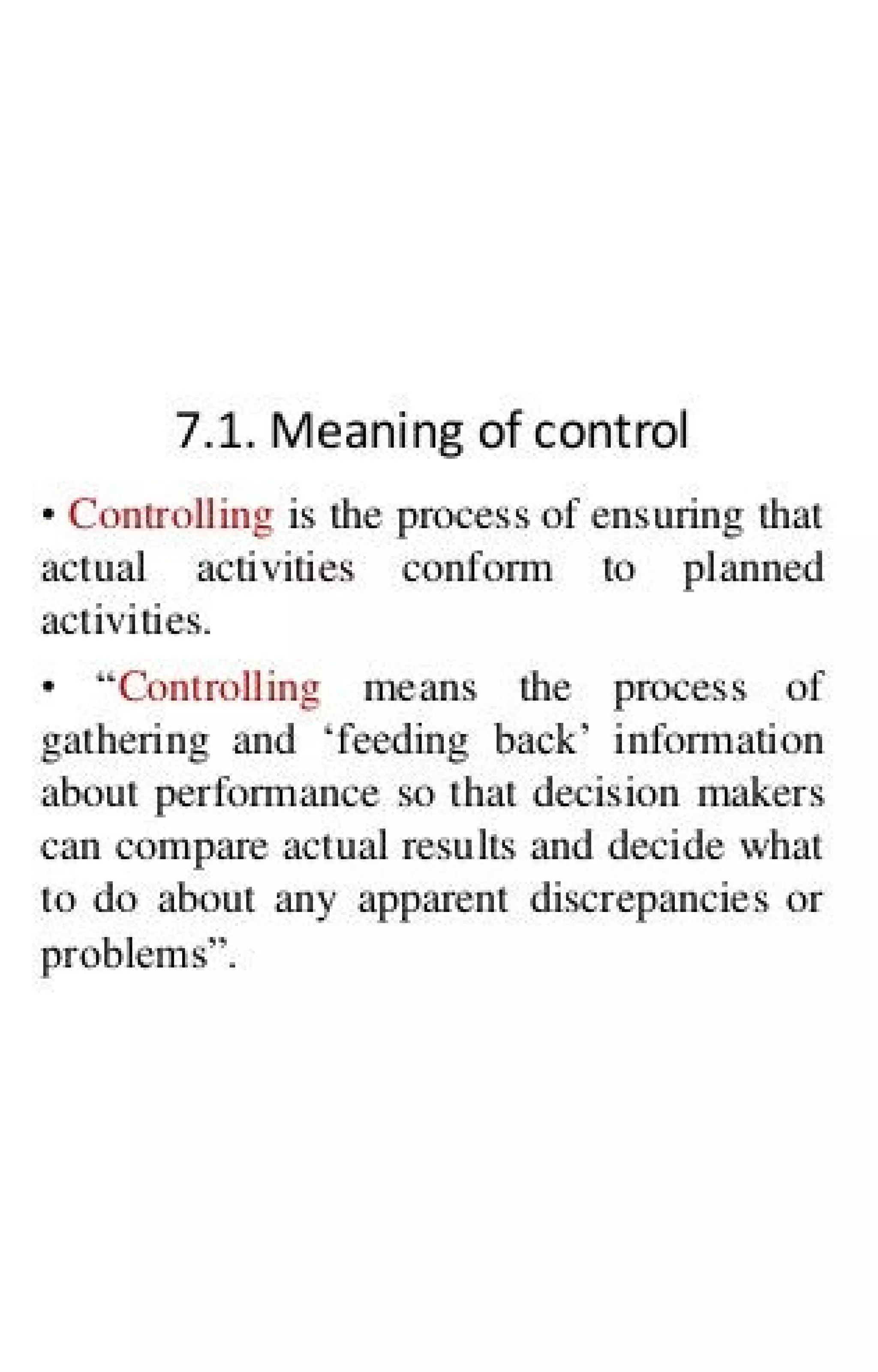
Controlling, importance of Controlling, discuss the steps involved in controlling.

Controlling, importance of Controlling, discuss the steps involved in controlling.

  • 1.
  • 2.
    Topics covered inthis slideshare ■:Understanding the concept of controlling ■: explain the importance of Controlling ■: discuss the steps in the process of controlling
  • 7.
    a) Decentralization ofauthority Since managers at every level of an organization have to exercise control, the controlling process leads to decentralization. This, in turn, enables middle and lower level managers to have some autonomy in making decisions. An organization that distributes authority at every level always works smoothly and efficiently.
  • 8.
    b) Increasing managerialabilities By enabling all managers to possess the autonomy to make decisions, controlling enhances their managerial abilities. With these skills, managers can further their organization’s goals by adapting to diverse situations and problems. Furthermore, this also helps managers grow and develop at an individual level by giving them new experiences.
  • 9.
    c) Using resourceseffectively The most important function of controlling is to compare actual performances with expected results. This, in turn, helps managers understand where they are lacking and how they can improve their performances. Using this knowledge, managers can use all available resources optimally and prevent their wastage.
  • 10.
    d) Facilitating coordination Inevery business organization, managers and employees always have to coordinate and work with each other collectively. Controlling improves this coordination by basically demarcating all activities and efforts into fixed boundaries. It brings together all the resources of an organization and enables its personnel to work together with unified efforts.
  • 11.
    e) Structuring humanbehaviour Since all organizations have to depend on humans for functioning, they need to regulate human behaviour of their employees. Controlling rationalizes this human behaviour and prevents employees from behaving arbitrarily and badly. It basically does so by providing for sanctions in case employees do not prescribe to expected standards of behaviour. For example, managers often take disciplinary action against employees who take unauthorized leaves.
  • 12.
    f) Achieving efficiencyand effectiveness A good control system can always greatly boost an organization’s efficiency and effectiveness. It generally does this by identifying deficiencies in an organization’s functioning and suggesting improvement measures. Managers use control to achieve their targets in this manner.
  • 13.
    Solved Questions onImportance of Controlling (1) Controlling creates a __________ impact on an organization as well as its employees. (2) By distributing autonomy at all levels, controlling facilitates __________ of authority. (3) Controlling bridges the gap between an organization’s actual performances and __________. Answers: (1) positive (2) decentralization (3) expected results
  • 15.
    1. Set PerformanceStandards You need a goal for your business, but you also need guidance for your team to keep them working towards that goal. Without such standards, it’s possible that they’ll move away from the plan, whether intentionally or not. Standards are like goals that are tasked to a specific department or team member. They must achieve these standards through cooperation, teamwork and a collaborative effort. To ensure these standards are being met, though, you must have criteria to measure them by.
  • 16.
    2. Measure Performance Settinga standard makes it possible to measure performance using a control function. Through this measurement of performance, you can quickly catch and correct any deviation from the plan before it goes off-track and runs production into the ground
  • 17.
    3. Compare ActualPerformance Against Performance Standards Once you have a baseline for how your teams are performing when manufacturing, packaging, delivering, etc., you can compare the actual to the planned performance and determine the extent of the deviation. This is called variance, or the difference between actual performance and goals. Schedules can be immensely helpful when it comes to analyzing variance.
  • 18.
    4. Analyze Deviations Thisbrings us to the next step: where you analyze data using the acceptable limits. If standards weren’t met, the manager must then figure out whether more control is required—or if maybe, the standard itself should be changed.
  • 19.
    5. Take CorrectiveActions Once you have analyzed the deviation and determined its cause, the manager will have to set up a plan in which corrective measures, critical point control and other means are used to resolve the issue. This is to reduce the deviation and ensure the standard is met. This might involve changes to processes and/or behaviors.