Clinical enzymology
Dr. Walid AL-Dubai
Associate professor of clinical biochemistry and
cytogenetic
Clinical enzymology
Clinical enzymology is a branch of biochemistry
concerned with the study of enzymes, the
measurement of enzyme activity for the
diagnosis and treatment of diseases.
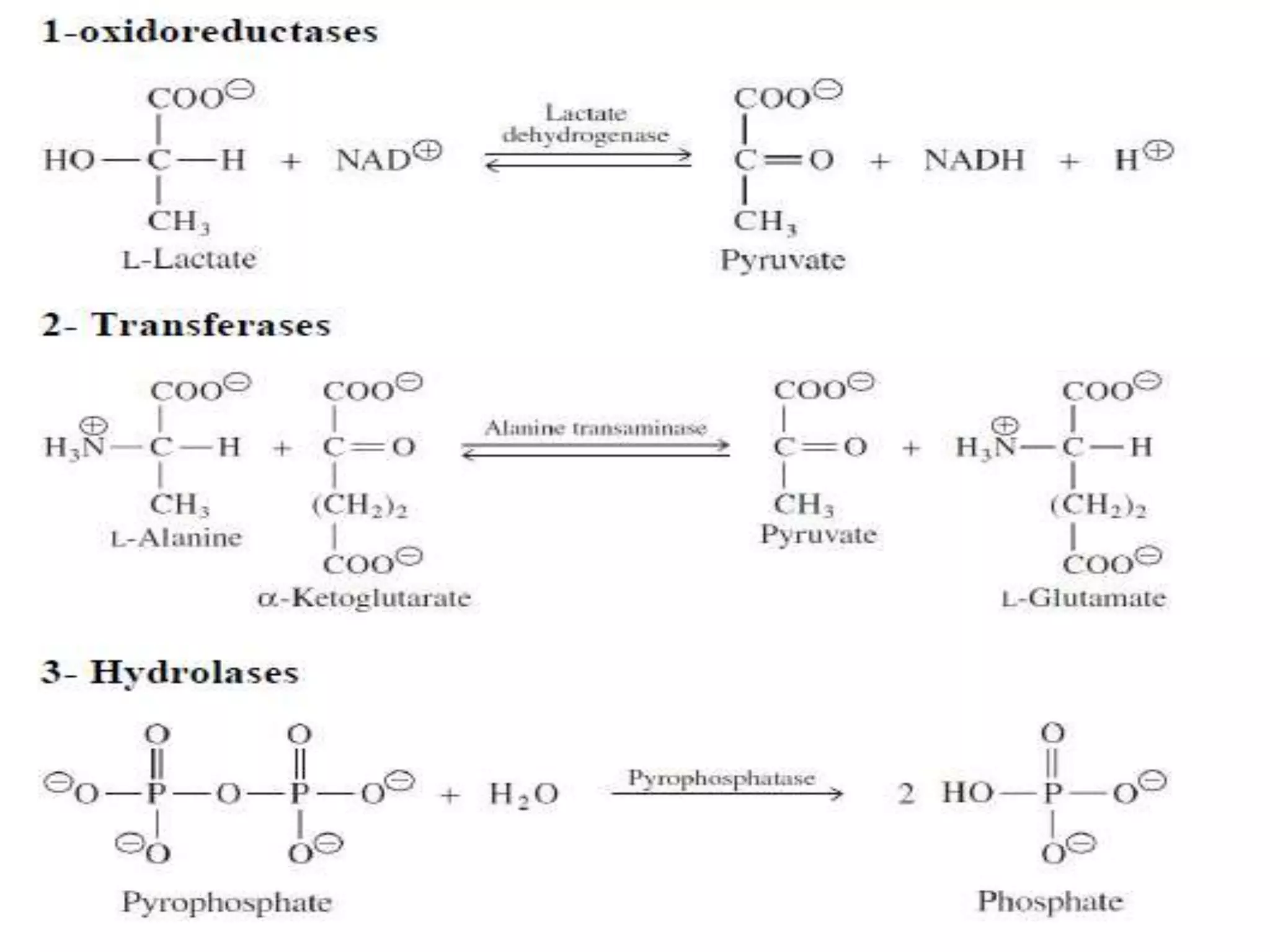
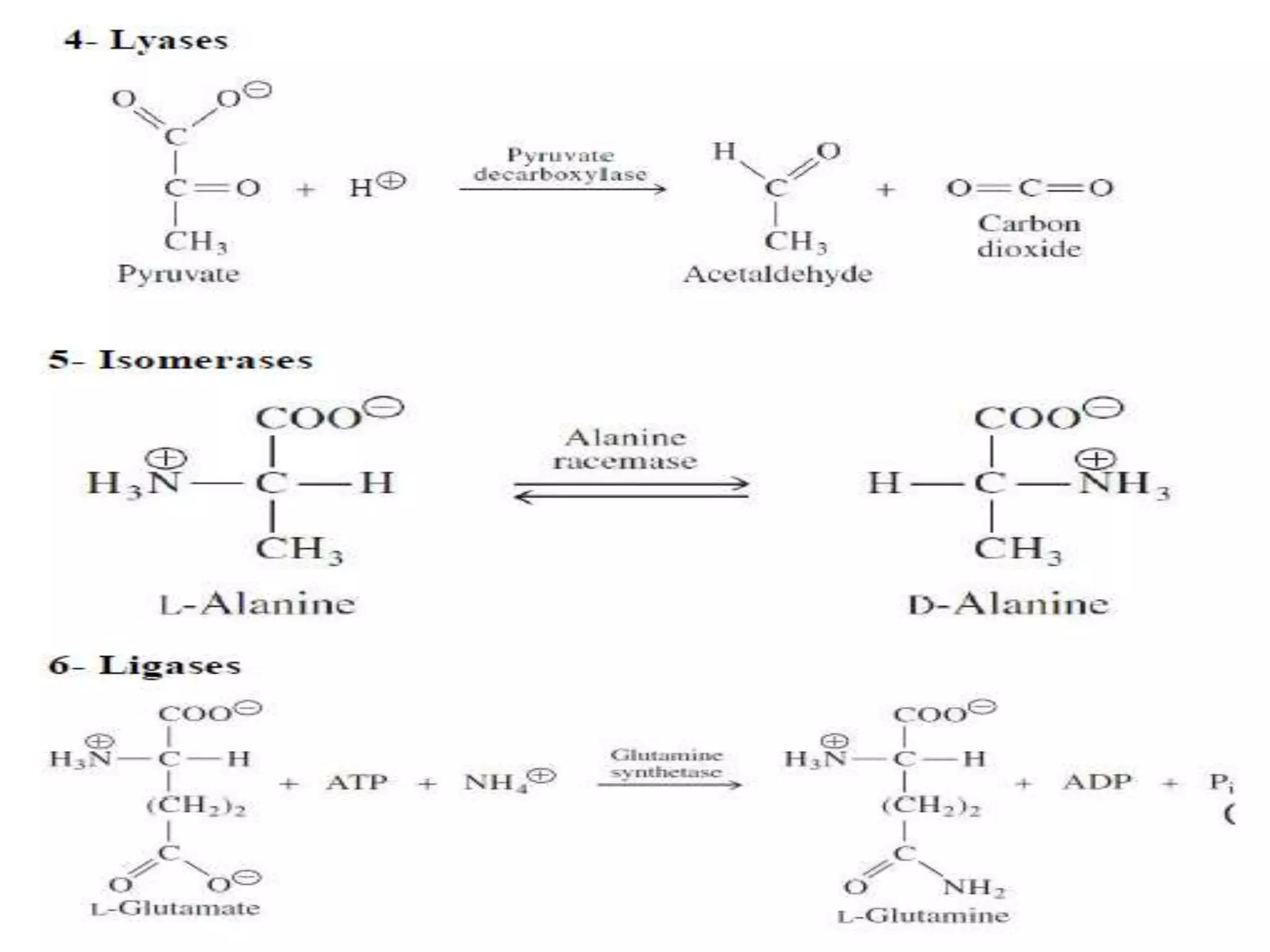
Enzymes are biocatalysts that increase the
velocity of a chemical reaction, the name of
enzyme come from the Greek word en (in)
and zyme (yeast), because the first catalysts
are described in yeast for fermentation.
Factors affecting the activity of enzymes

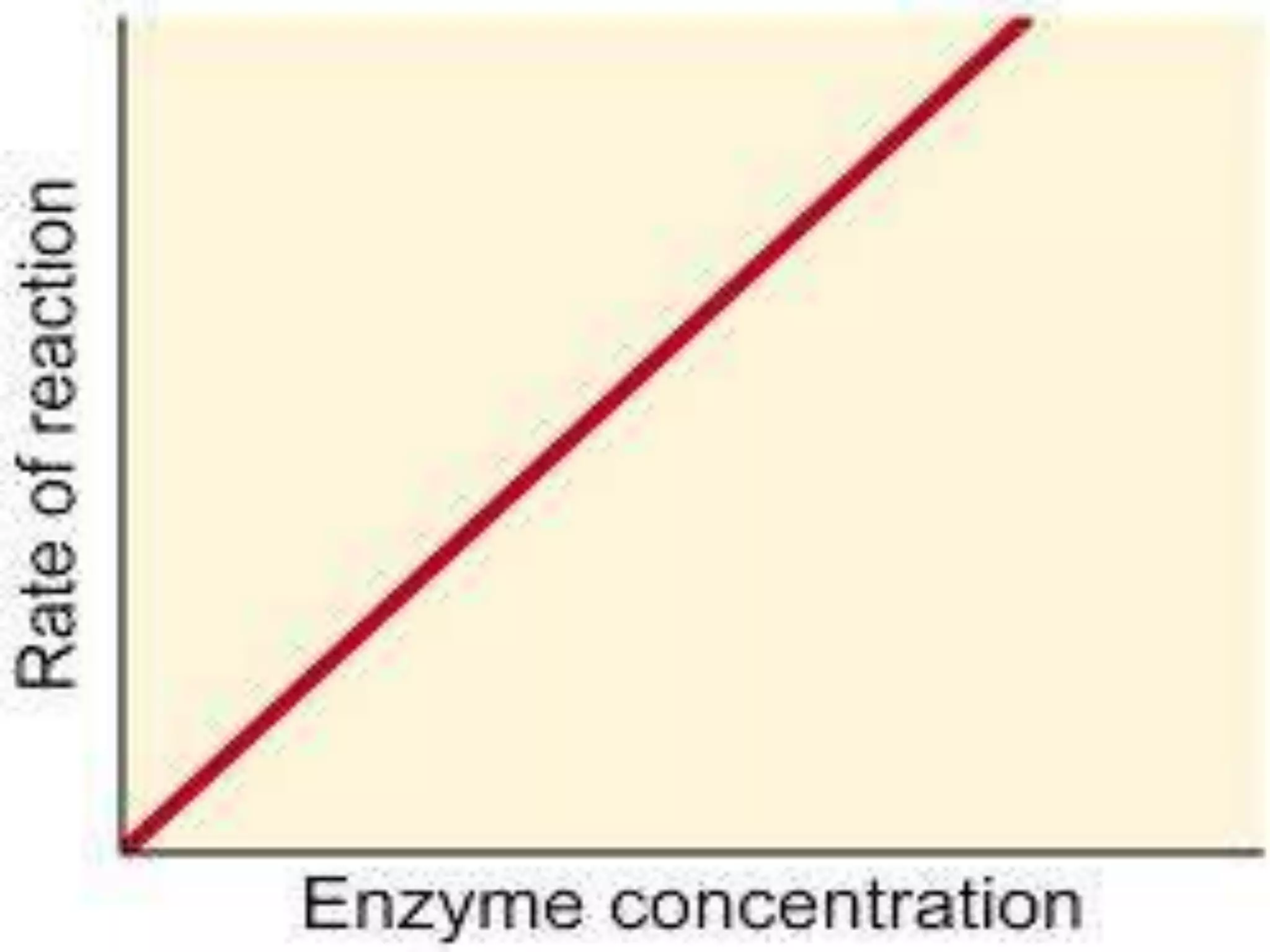
1-Enzyme Concentration [ E ]
2-Substrate concentration [S]
3-Temperature
4-pH (Hydrogen ion concentration)
Regulation of enzyme activity
 Enzyme activity can be regulated :

A-By changing the activity of enzyme by

1- Allosteric regulation which includes:

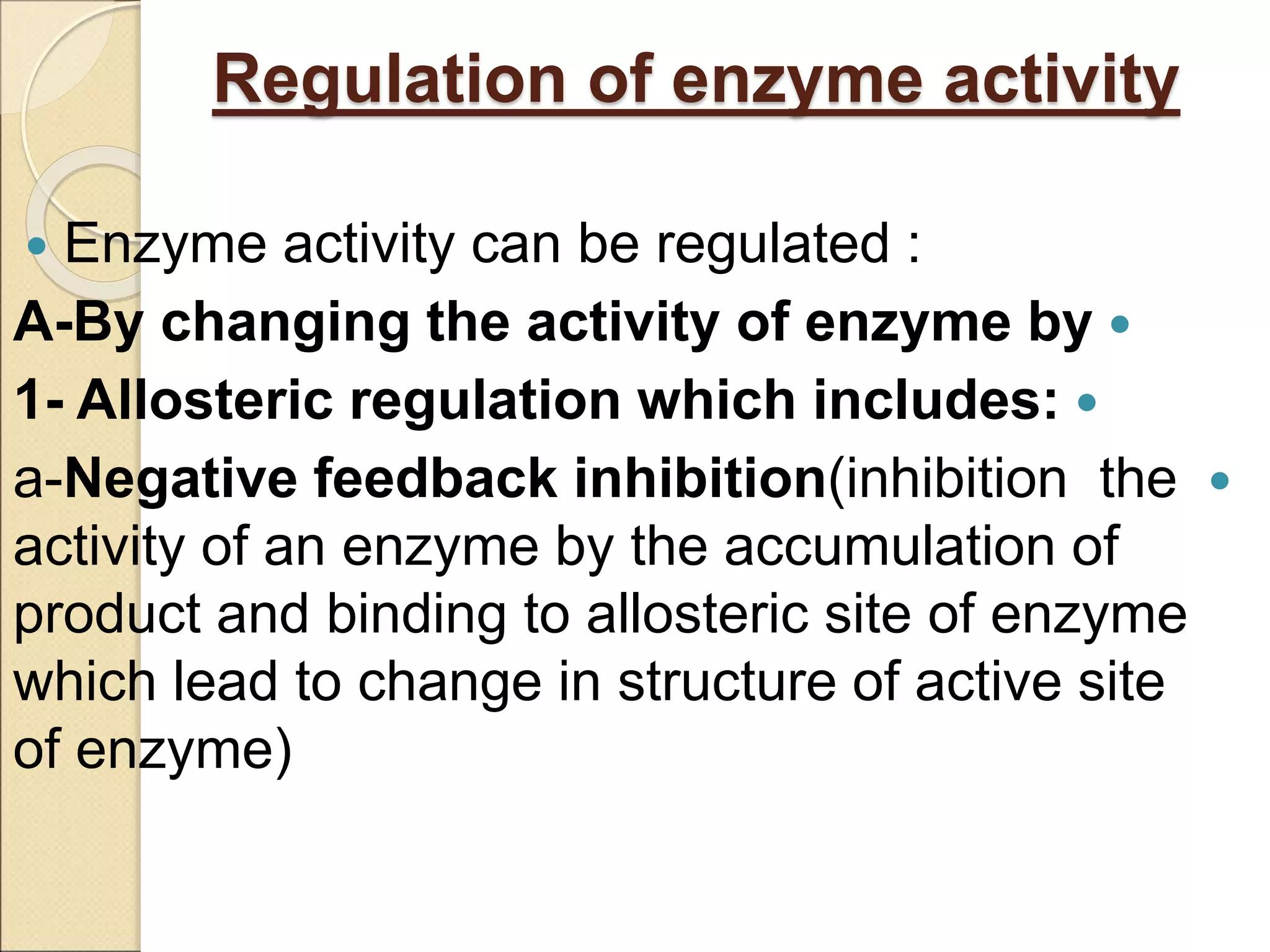
a-Negative feedback inhibition(inhibition the
activity of an enzyme by the accumulation of
product and binding to allosteric site of enzyme
which lead to change in structure of active site
of enzyme)
Regulation of enzyme activity

b- Feed-forward activation (stimulation the
activity of enzyme by intermediate substrates
which bind to allosteric site of enzyme which
lead to change the structure of the active site
of the enzyme)

2-Covalent modification (phosphorylation and
dephosphorylation of enzyme lead to change in
structure of the active site of enzyme which
may inhibit or activate the enzyme)
Regulation of enzyme activity
 3- Protein–protein interactions (binding of
Ca+2-calmodulin with enzyme or G-protein with
enzyme which lead to change in structure of the
active site of enzyme which may inhibit or
activate the enzyme)

4- Zymogen cleavage (digestive enzymes are
synthesized as inactive precursors called
zymogens, which are activated by removing
the peptide chain that cover the active site).
B-By changing the amount of enzyme
1-Induction (stimulate synthesis of enzyme
from DNA)
2-Repression (inhibit synthesis of enzyme from
DNA)
3-Degradation (breakdown of enzyme)
Isoenzymes

Isoenzymes are multiple forms of one enzyme
which have the same function but different in
primary structure (the linear sequence of amino
acids), degree of affinity to substrate,
immunological and elcrophoretic properties.
Isoenzymes are used in diagnosis and
prognosis of diseases.

Note

The unit of enzyme activity is called Unite/Liter
(U/L), so 1 U/L mean transformation of 1 μmol
Clinical enzymology

Enzymes present in plasma can be classified
into :

1-Functional Plasma enzymes and

2-Non-functional plasma enzymes
1-Functional plasma enzymes

:

Functional enzymes are present in plasma at
higher concentration than tissues, mostly
synthesized by the liver, they function in
plasma, and decreased in disease (e.,g
hemophilia), these enzymes include clotting
factors, lipoprotein lipase.
2-Non-functional plasma enzymes

Non-functional plasma enzymes are Present in
plasma at lower concentration than tissues, do
not have any function in plasma, Mostly
synthesized by liver, skeletal muscle, heart,
brain and other tissues, Usually increased in
disease.
Clinical enzymology

Non-functional plasma enzymes activity increase
in plasma due to

1- Increase proliferation of cells

2-Increase in the rate of cell turnover
(Replacement of old cells by new cells).

3- Cell damage

4-Increase enzyme synthesis (induction) as a
result of using drugs or alcohol

5-Reduced clearance of enzyme from plasma

6-Leakage of enzyme from cells due to decrease
ATP production

7-In rare cases, enzymes may bind with
immunoglobulin, for example
Enzymes of clinical significant

A-Liver enzymes

1-Alanine transaminase (ALT) or

Glutamic pyruvic transaminase (GPT)
1-Alanine transaminase (ALT)

Alanine transaminase present in cytosol of cells
of many tissues, but in liver found with high
concentrations , so, it is considered the more liver-
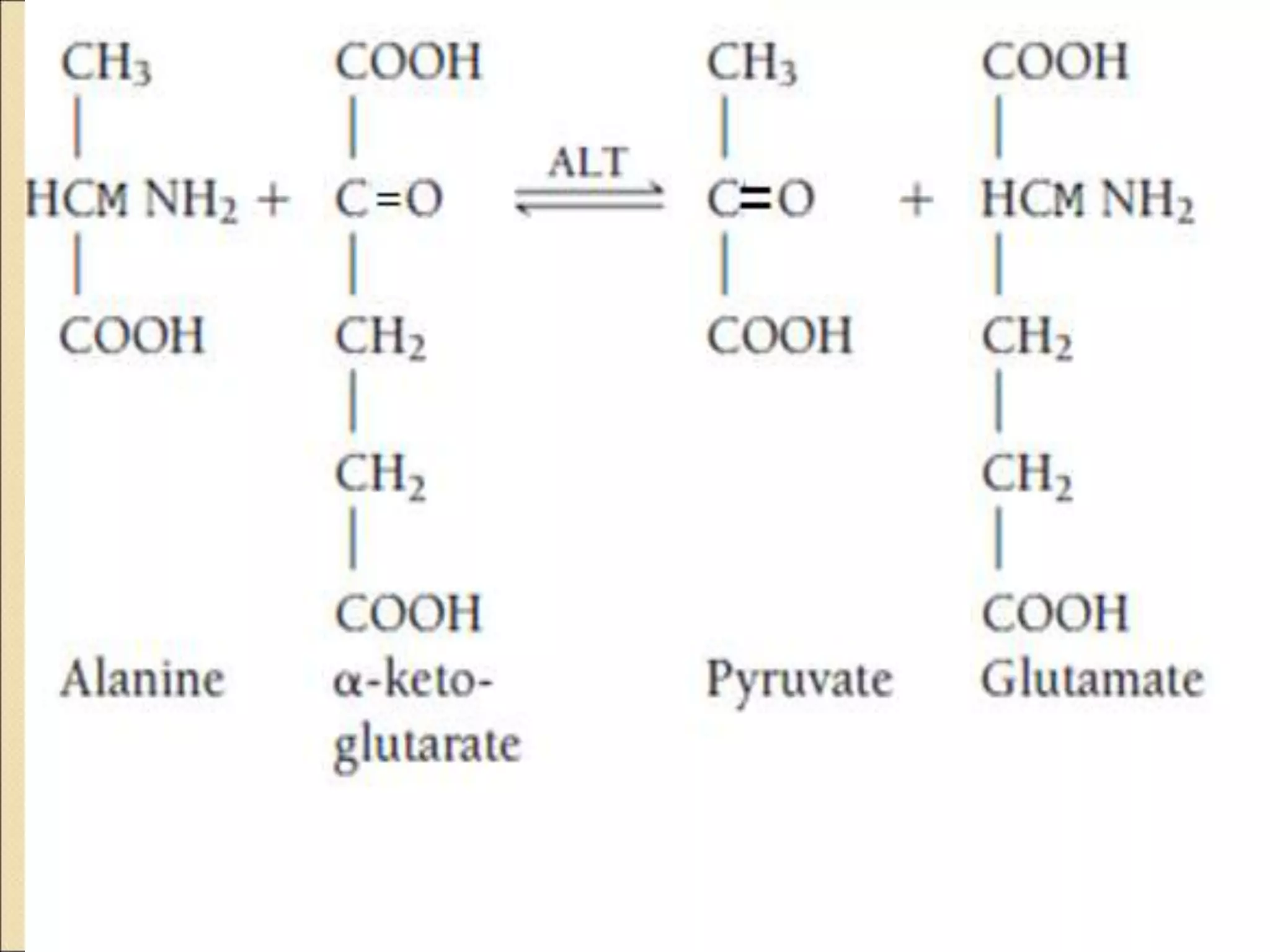
specific enzyme. Alanine aminotransferase
catalyzes the transfer of an amino group from
alanine to α-ketoglutarate to produce glutamate
and pyruvate.The half-life alanine transaminase in
blood is 47 hrs.. Alanine transaminase is a
sensitive indicator of liver disease and is released
from the cytoplasm into the bloodstream, before
jaundice appears.

The normal range

Up to 40 U/L for male

Up to 35 U/L for female
Alanine transaminase (ALT)

Stability

Serum alanine transaminase is stable for 4
days at 4°C

Source of errors

1- ALT may increase or not affected in
collected sample due to hemolysis (because
ALT release from red blood cells in vitro in
very little amount )
Causes of increase Alanine transaminase activity in blood

1-Alanine transaminase increase in case of
extensive liver damage from toxins or drugs,
viral hepatitis, or autoimmune hepatitis, fatty
liver.

2-Skeetal muscles damage

3-Myocardial infarction

4-Sever burns

5-Liver tumors
2-Aspartate transaminase (AST) or Glutamic
oxaloacetate transaminase (GOT)
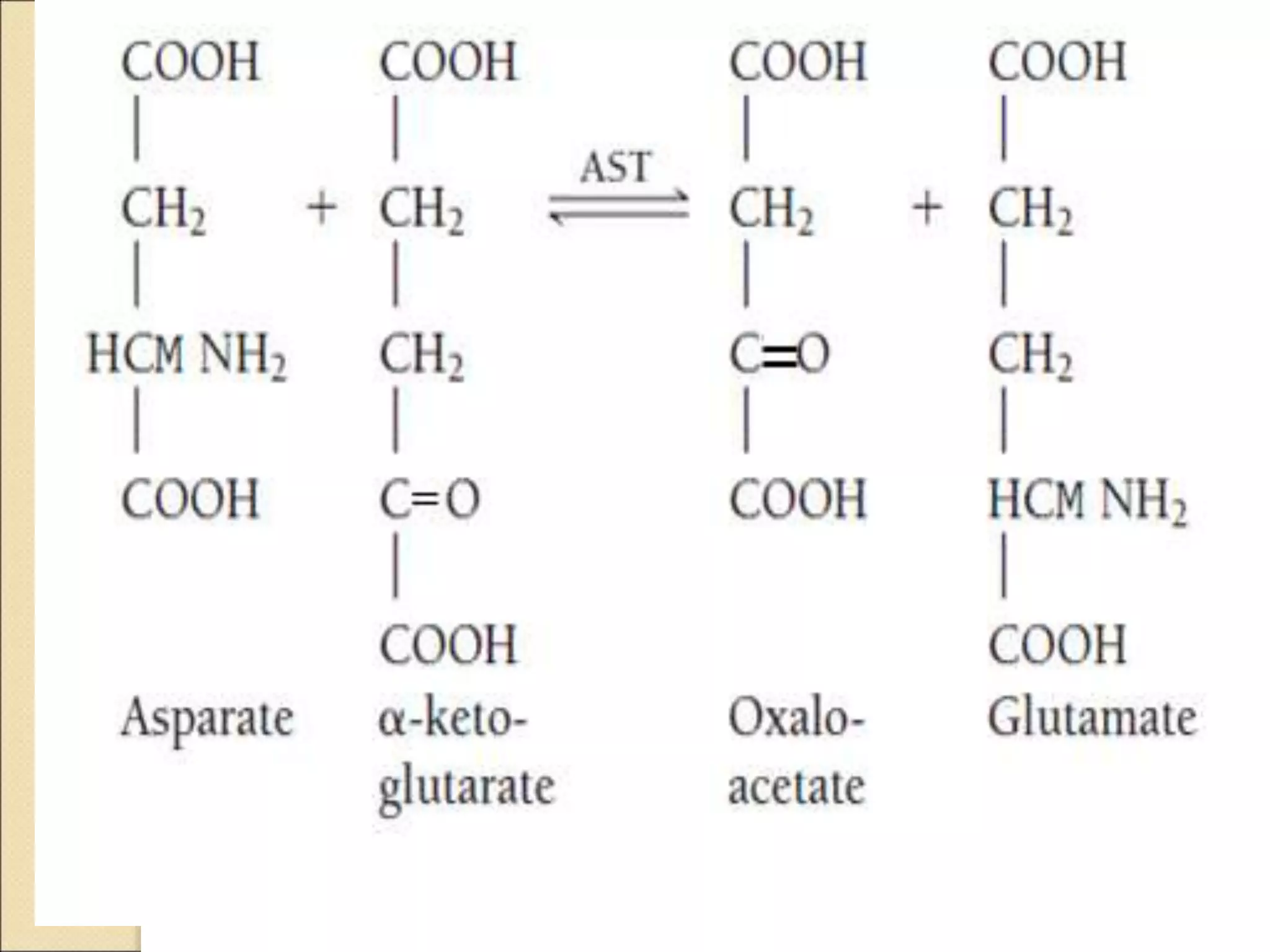
 Aspartate aminotransferase (AST), formerly
known as glutamic-oxaloacetic transaminase
(GOT),catalyzes the transfer of an amino
group from aspartate, to α-ketoglutarate, AST
exists in large amounts in heart and liver and in
moderate amount in skeletal muscles, kidneys,
pancreas, and brain, and in little amount in
other tissues, AST exists in cytosol and
mitochondria of cells, and have half-life of about
17 hours, AST released from the cytoplasm into
the bloodstream, before jaundice appears
Aspartate transaminase (AST)
 The normal range
 Up to 40 U/L for male
 Up to 35 U/L for female
 Stability
 Serum aspartate transaminase is stable for 4
days at 4°C
 Source of errors
 1- AST may increase in collected sample due
to hemolysis (because AST release from red
blood cells in vitro )
Causes of increase aspartate transaminase activity in blood

1-Liver diseases (e,g viral acute and chronic hepatitis,
active cirrhosis, liver tumors, toxic hepatitis,
autoimmune hepatitis)

2-Myocardial infarction

3-Skeltal muscles damage

Important notes

1-ALT increase more than AST in acute hepatitis, but
AST increase more than ALT in chronic hepatitis (in
chronic hepatitis ALT production by hepatocytes
decrease and clearnce of AST from circulation
decrease)
3-Alkaline phosphatase (ALP)

Alkaline phosphatase (ALP) liberate inorganic
phosphate from any organic compound has
phosphate at alkaline pH (9-10). ALP present
in most organs, and associated with
membranes and cell surfaces of liver cells,
osteoblasts of bone, mucosa of the small
intestine, cells of kidney and placenta.ALP has
a half -life in blood of about 10 days.
Alkaline phosphatase (ALP)
 The normal range
 Adult 40 to 279 U/L
 Children 60 to 640 U/L
 Stability
 Serum ALP is stable for 4 days at 2-8°C
 Source of errors
 1- The activity of ALP decrease when using EDTA plasma
because, EDTA chelating magnesium which is activator of ALP.
 2-Hemolysis may cause increase of ALP
 3-ALP increase after taking a meal rich by fat (ALP enter the
blood while fats are absorbed)
Causes of increase alkaline phosphatase activity in blood
 1-Intrahepatic and extrahepatic cholestasis
(obstructive jaundice)
 2-Hepatic carcinoma
 3-Hepatitis
 4-Bone diseases e.,g rickets, osteomalacia
 5-Malignancy (bone or liver involvement or direct
tumor production)
 6-Hyperparathyroidism
 7-Chronic renal failure
 8-Pimary biliary cirrhosis (autoimmune disease lead to
destruction of bile ducts)
Causes of decrease alkaline phosphatase activity in
blood
 1-Hypophosphatasia: an autosomal recessive
metabolic disorder, characterized by a deficiency of
alkaline phosphatase and usually resulting in
demineralization of bone.
 2-Cretinism
 Note:
 1-In biliary tract obstruction, ALP level increases more
(very high) than other diseases as a result of
increased synthesis of the enzyme induced by
cholestasis in epithelial cells of bile duct, but in
hepatocellular disorders, such as hepatitis, show only
slight increases due to release from damaged
4-γ-Glutamyl transferase (GGT)
 Gamma Glutamyl transferase (GGT) is involved
in peptide and protein synthesis, regulation of
tissue glutathione levels, and the transport of
amino acids across cell membranes.GTT
involved in the transfer of the γ-glutamyl
residue from peptides and compounds to
acceptor (amino acid, peptide, or water), GGT
present in cytoplasm in microsome (piece of
endoplasmic reticulum) and in the cell
membrane of intestinal cells ,pancreatic cells,
liver, renal , prostate cells.GGT used to
γ-Glutamyl transferase (GGT)
 The normal range
 Up to 55 U/L for male (GGT present in
prostate in high concentration)
 Up to 40 U/L for female
 Stability
 Serum GGT is stable for 7 days at 2-8°C
Source of errors
 Source of errors
 2-Drugs like warferin and alcohol lead to
increase activity of GGT becuse drugs and
alcohol induce synthesis of GTT by induce
synthesis of large amount of endoplasmic
reticulum.
 2-Oral contraceptive decrease GGT activity
because estrogen and progestin inhibit
synthesis of GGT.
 3-Hemolysis does not affect the GGT levels
Causes of increase activity of γ-Glutamyl
transferase
 1-Intrahepatic and extrahepatic cholestasis
(obstructive jaundice)
 2-Hepatic carcinoma
 3-Hepatitis
 4-Alcholism
 5-Pancreatitis
Note:
 1-GGT not found in bone , so increase ALP ,
and normal GGT, mean the source of ALP is
bone not liver, and if ALP and GGT increase
,this mean the source of ALP is liver.
 2-GGT test are useful in monitoring the effects
of abstention from alcohol in treatment centers,
GGT levels return to normal level within 2 to 3
weeks after cessation.
2-Pancrearic enzymes

1-α-Amylase (AMS)

Amylase is small enzyme, has a molecular
weight of 50-55 KD. Because of its small size, it
is removed by renal and appears in the urine,
the major tissue sources of amylase found in
the acinar cells of the pancreas and the
salivary glands, and less amount found in
skeletal muscle , the small intestine and
fallopian tubes. Amylase is a hydrolase which
catalyzes the breakdown of starch (consist of
amylose and amylopectin) and glycogen to
Amylase

The normal range

Adult in serum 25 to 130 U/L

Stability

Serum AMS is stable for 60 days at 2-8°C

Source of errors

1- Amylase activity decrease in Sample with
hyperlipemia, because plasma triglycerides inhibit
serum AMS activity.

2- Morphine may increase pancreatic enzyme
release, because morphine cause spasm of
hepatopancreatic sphincter (sphincter of Oddi) which
Causes of increase activity of Amylase in
blood

1- Acute Pancreatitis

2-Salivary gland disorders (e.g mumps)

3-Intestinal obstruction

4-Renal failure

5-Pncreatic tumor

6-Tumor of lung or ovary

7-Macroamylasemia (is asymptomatic condition
in which amylase bind with protein and become
macromolecule and not remove by renal)
Amylase

Note:

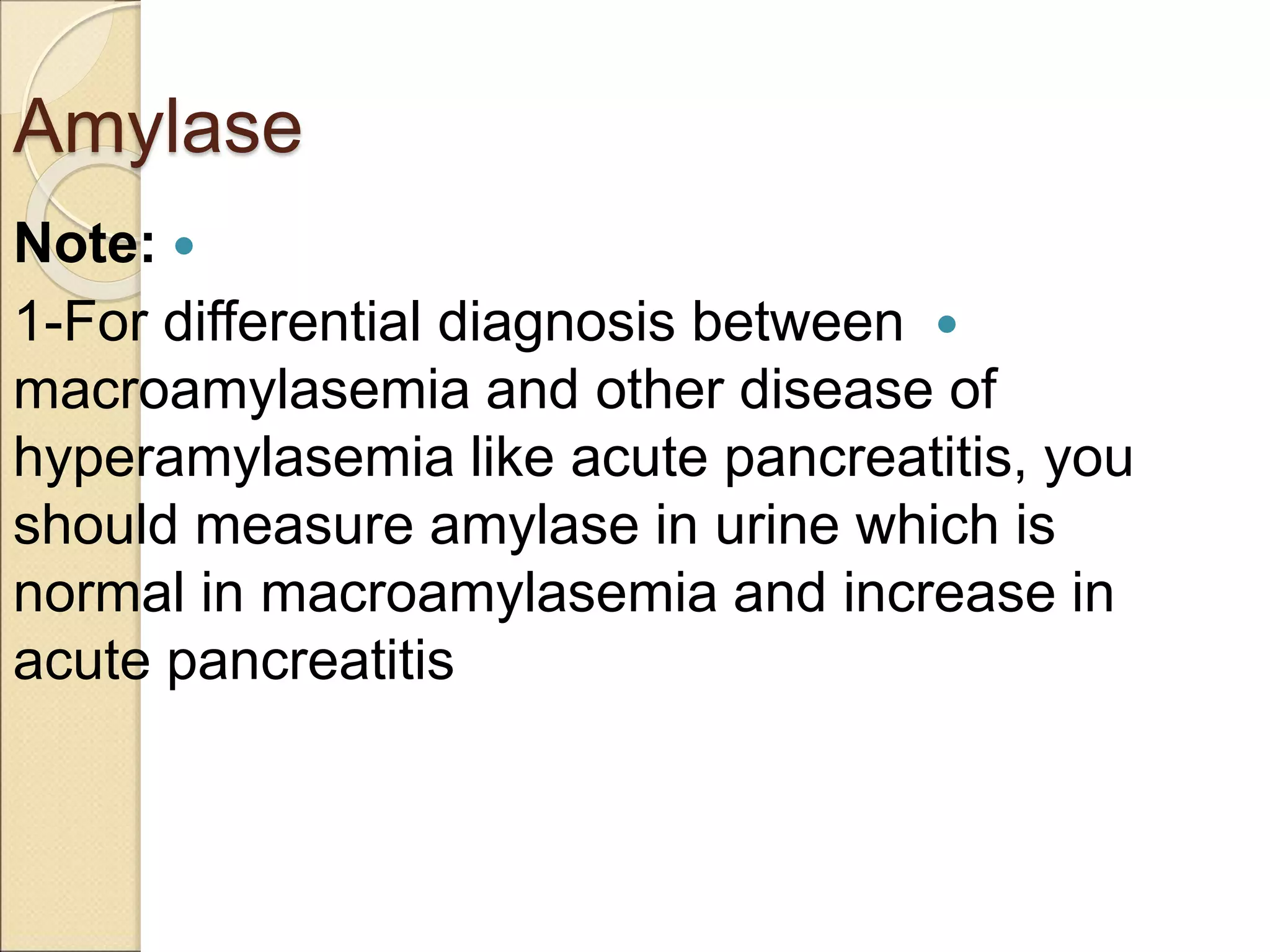
1-For differential diagnosis between
macroamylasemia and other disease of
hyperamylasemia like acute pancreatitis, you
should measure amylase in urine which is
normal in macroamylasemia and increase in
acute pancreatitis
2-Lipase (LPS)
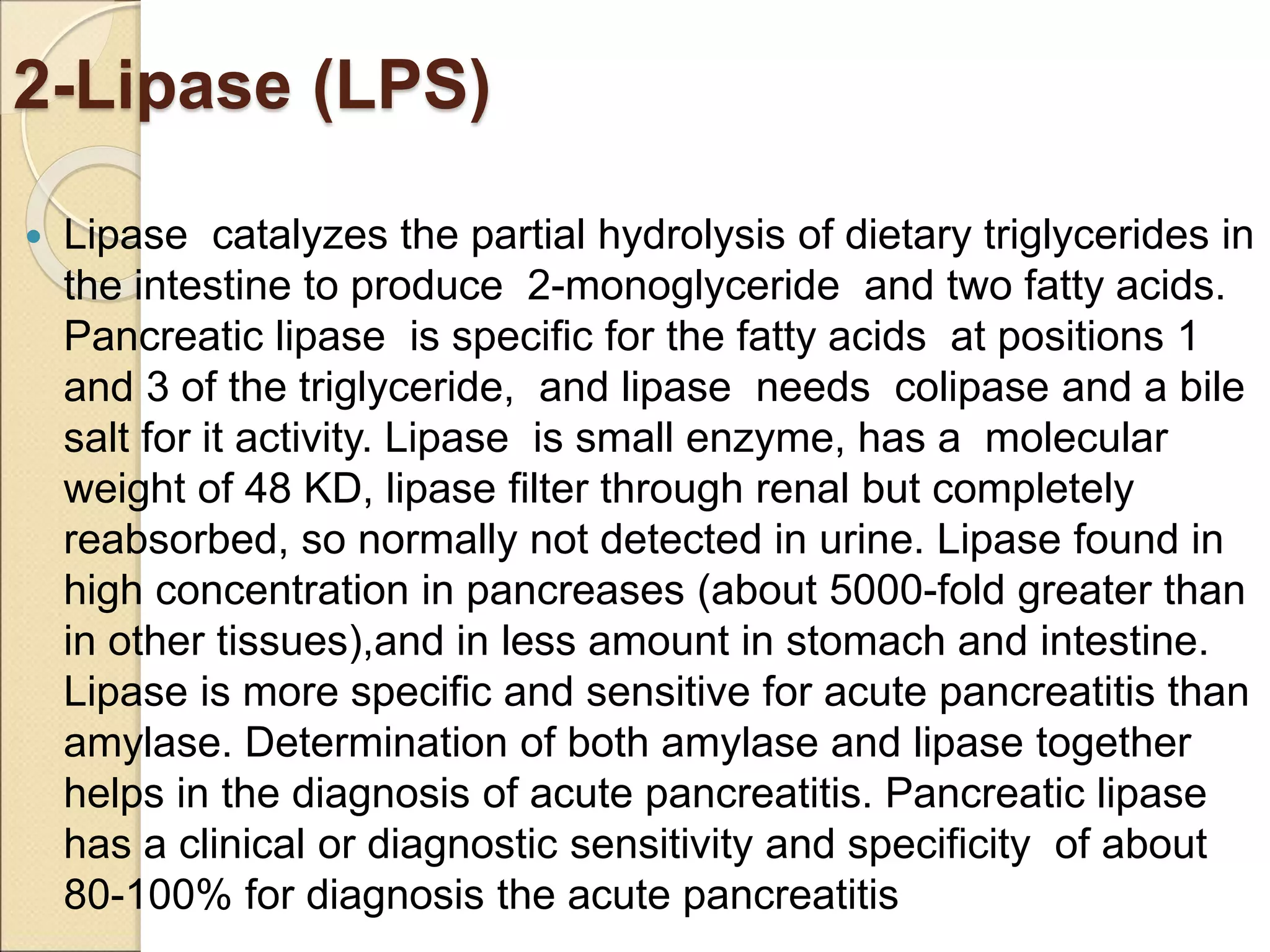
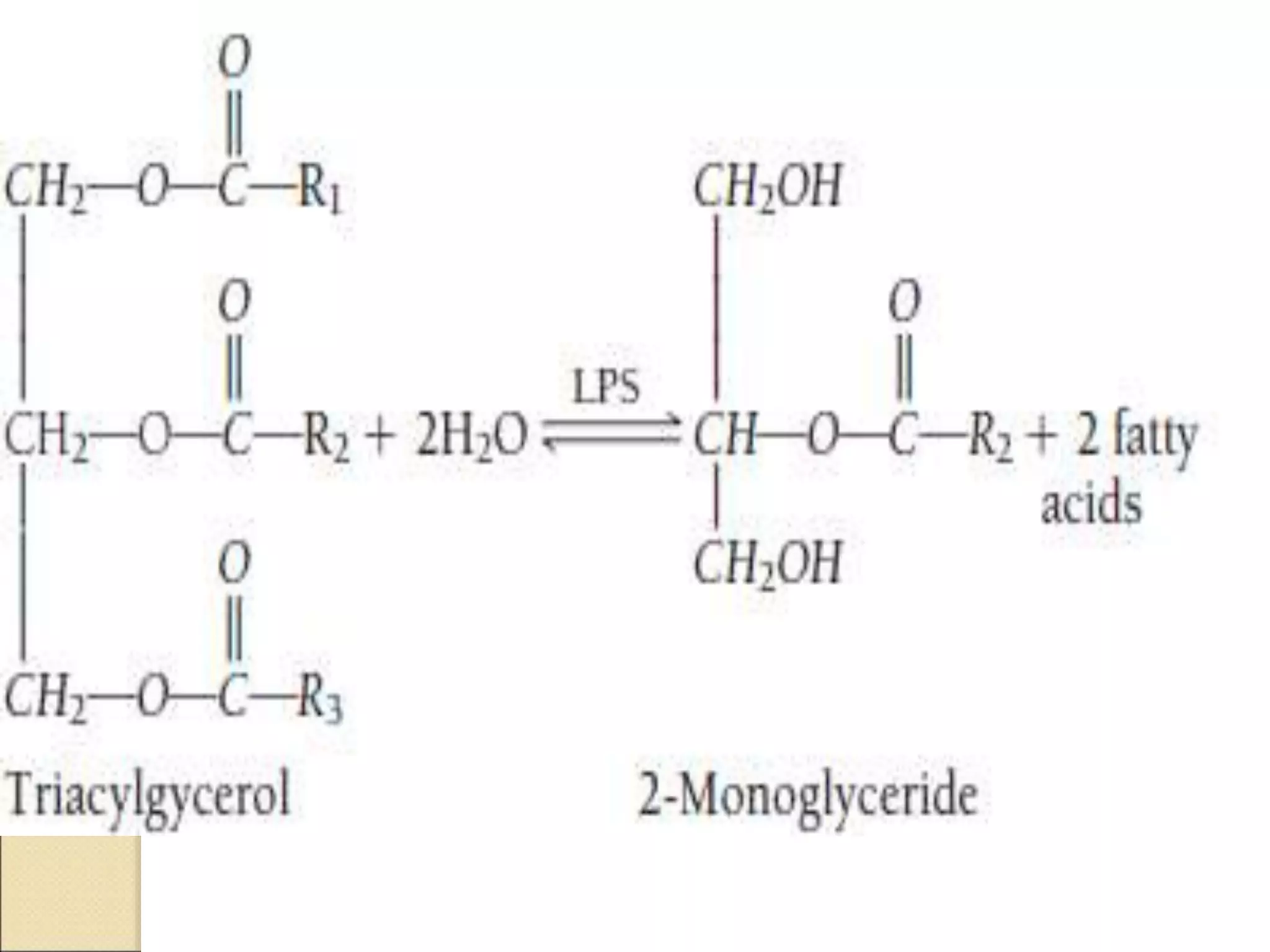
 Lipase catalyzes the partial hydrolysis of dietary triglycerides in
the intestine to produce 2-monoglyceride and two fatty acids.
Pancreatic lipase is specific for the fatty acids at positions 1
and 3 of the triglyceride, and lipase needs colipase and a bile
salt for it activity. Lipase is small enzyme, has a molecular
weight of 48 KD, lipase filter through renal but completely
reabsorbed, so normally not detected in urine. Lipase found in
high concentration in pancreases (about 5000-fold greater than
in other tissues),and in less amount in stomach and intestine.
Lipase is more specific and sensitive for acute pancreatitis than
amylase. Determination of both amylase and lipase together
helps in the diagnosis of acute pancreatitis. Pancreatic lipase
has a clinical or diagnostic sensitivity and specificity of about
80-100% for diagnosis the acute pancreatitis
Lipase
 The normal range
 Adult in serum Up to 140 U/L
 Stability
 Serum lipase is stable for 21 days at 2-8°C
 Source of errors
 1-Hemolysis lead to decrease the activity of
lipase because hemoglobin inhibits its activity.
 Causes of increase activity of lipase in
blood
 1-Acute pancreatitis
3-Cardiac enzymes

1-Creatine kinase (CK)

Creatine kinase (CK) found in most tissues but high
amount found in Skeletal muscles, and cardiac
muscles and brain. Creatine kinase has a role in
formation of creatine phosphate and ATP, it consist of
two subunits and has three isoenzymes.The three
isoenzymes are CK-BB (brain type), CK-MB
(Cardiac type), and CK-MM (muscle type). On
electrophoretic separation, CK-BB will migrate fastest
toward the anode, so called CK-1, followed by CK-MB
(CK-2) and, finally, by CK-MM (CK-3).Creatine kinase
has a short half-life (1–5 hours)
CK

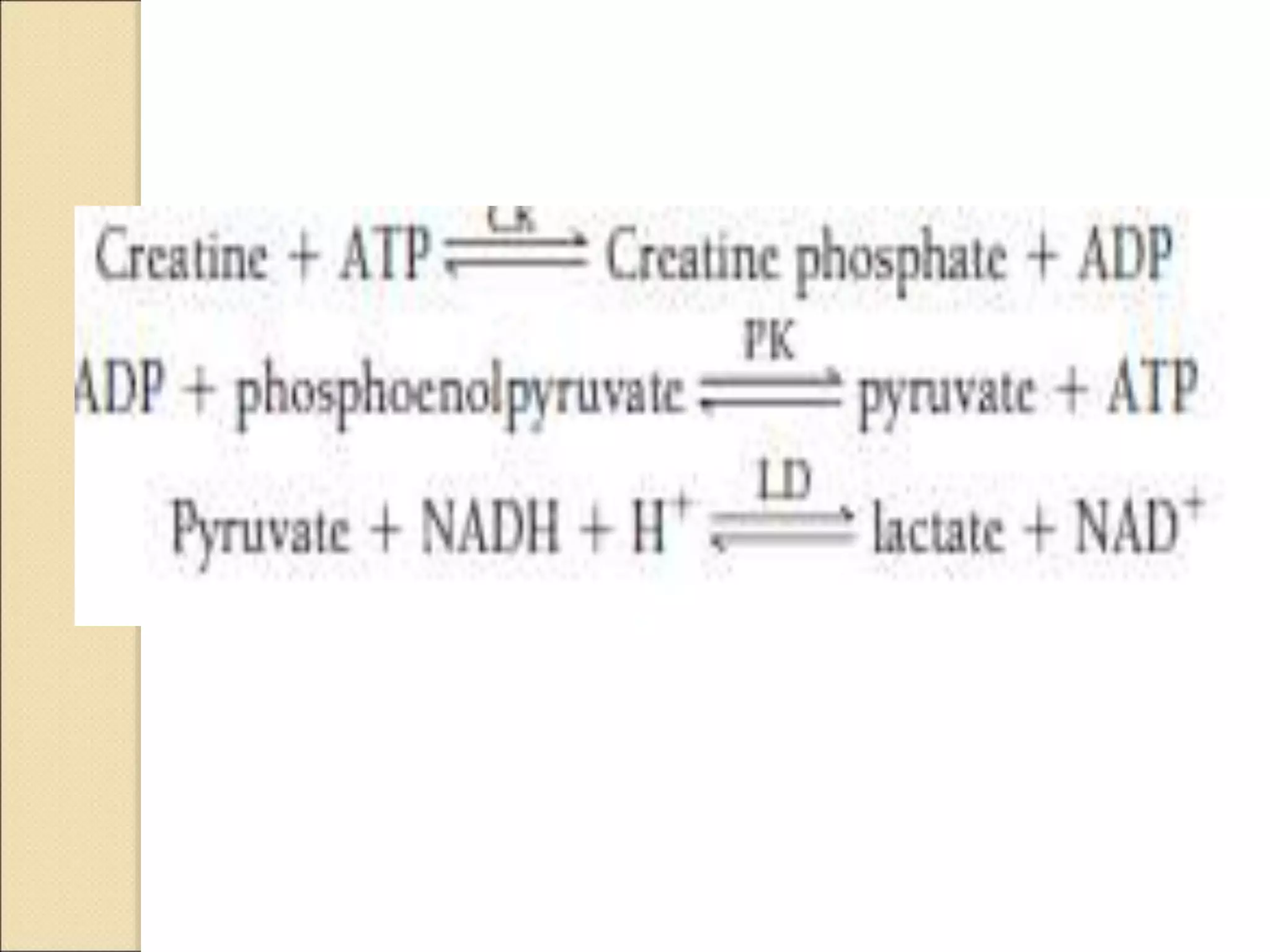
Creatine +ATP CK Creatin phosphate
+ADP
CK
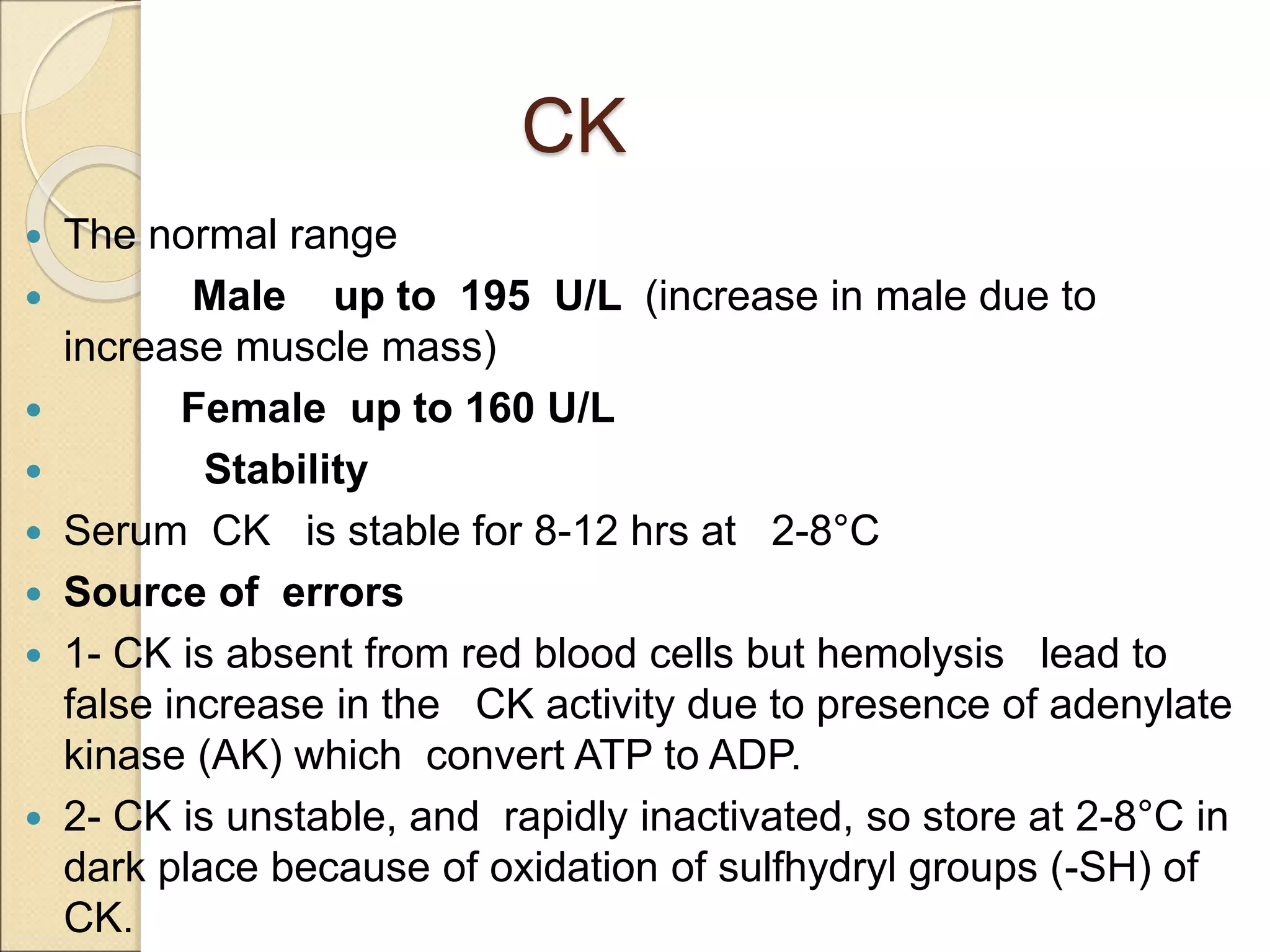
 The normal range
 Male up to 195 U/L (increase in male due to
increase muscle mass)
 Female up to 160 U/L
 Stability
 Serum CK is stable for 8-12 hrs at 2-8°C
 Source of errors
 1- CK is absent from red blood cells but hemolysis lead to
false increase in the CK activity due to presence of adenylate
kinase (AK) which convert ATP to ADP.
 2- CK is unstable, and rapidly inactivated, so store at 2-8°C in
dark place because of oxidation of sulfhydryl groups (-SH) of
CK.
Causes of increase activity of CK in blood
 A- CK-MM ( found in large amount in skeletal
muscles, but in heart little amount)
 1-Myocardial infarction (Cell damage)
 2- Skeletal muscle disorder
 3-Muscular dystrophy
 4-Polymyositis (Cell damage)
 5-Hypothyroidism (due to increase permeability of
muscle cells and decrease clearance of CK)
 6-Physical activity(due to increase permeability of
muscle cells)
 7-Intramuscular injection (Cell damage)
B-CK-MB (found in large amount in heart, but in
skeletal muscles little amount)

1- Myocardial infarction

2- Myocardial injury

3-Ischemia

4-Angina

5-Cardiac surgery

6-Duchenne muscular dystrophy
C-CK-BB( found in large amount in brain, but in lung,
prostate and other tissues found in little amount)
 1- Stroke (The sudden death of brain cells due
to lack of oxygen, caused by blockage of blood
flow or rupture of an artery to the brain)
2-Lactate Dehydrogenase (LDH)

Lactate dehydrogenase catalyses the reversible
interconversion of lactate and pyruvate. Lactate
dehydrogenase is found in most tissues but found in
high concentration in the cells of cardiac and skeletal
muscle, liver, kidney, brain and erythrocytes, so
measurement of serum total LDH activity is non-
specific marker of cell damage. Lactate
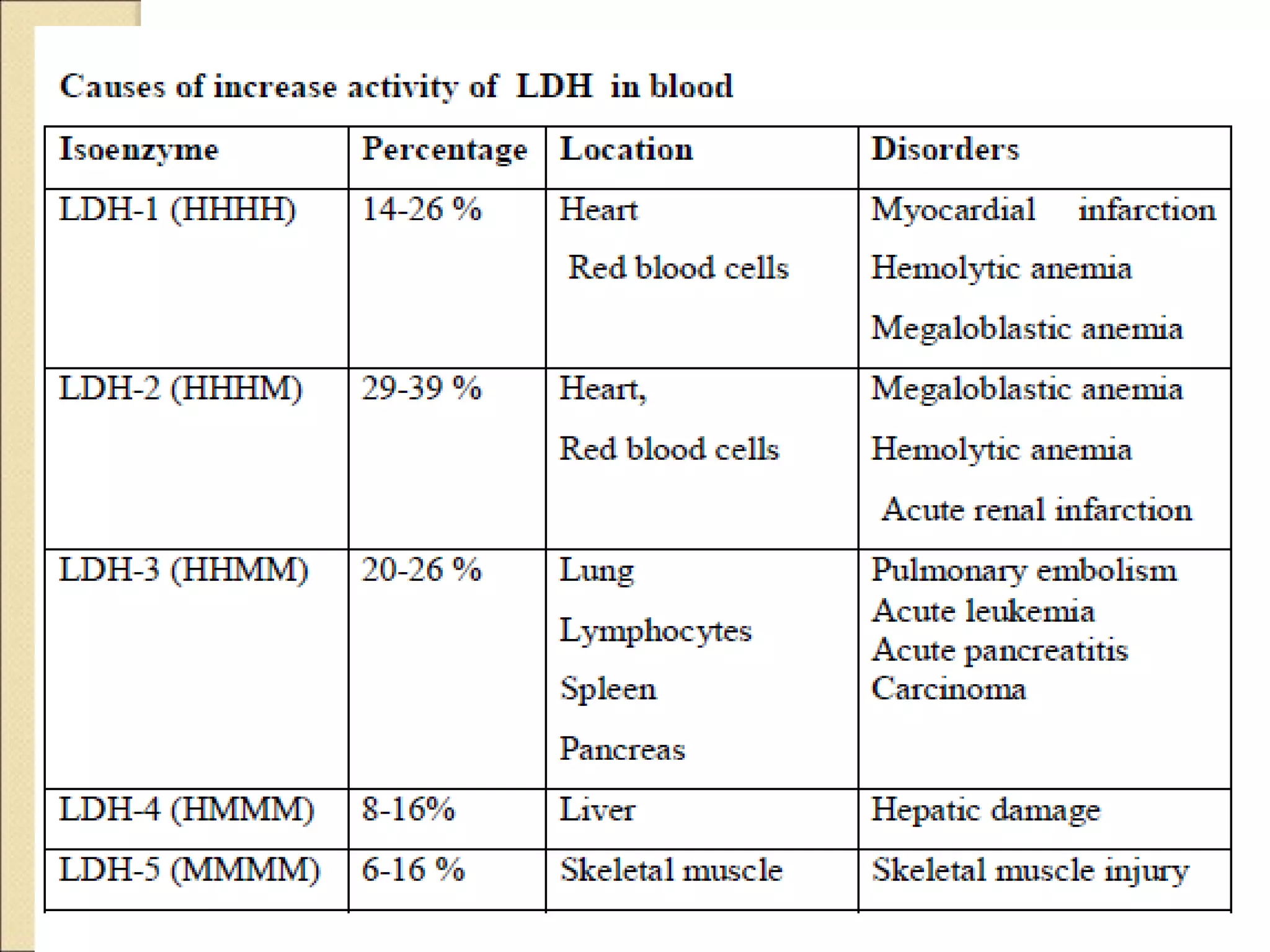
dehydrogenase consist of four polypeptide called H
subunit (heart) and M subunit (muscle), which form
five isoenzymes called LDH-1 (HHHH), LD-2
(HHHM), LDH-3 (HHMM), LDH-4 (HMMM), and LDH-
5 (MMMM) The highest levels of total LDH are seen in
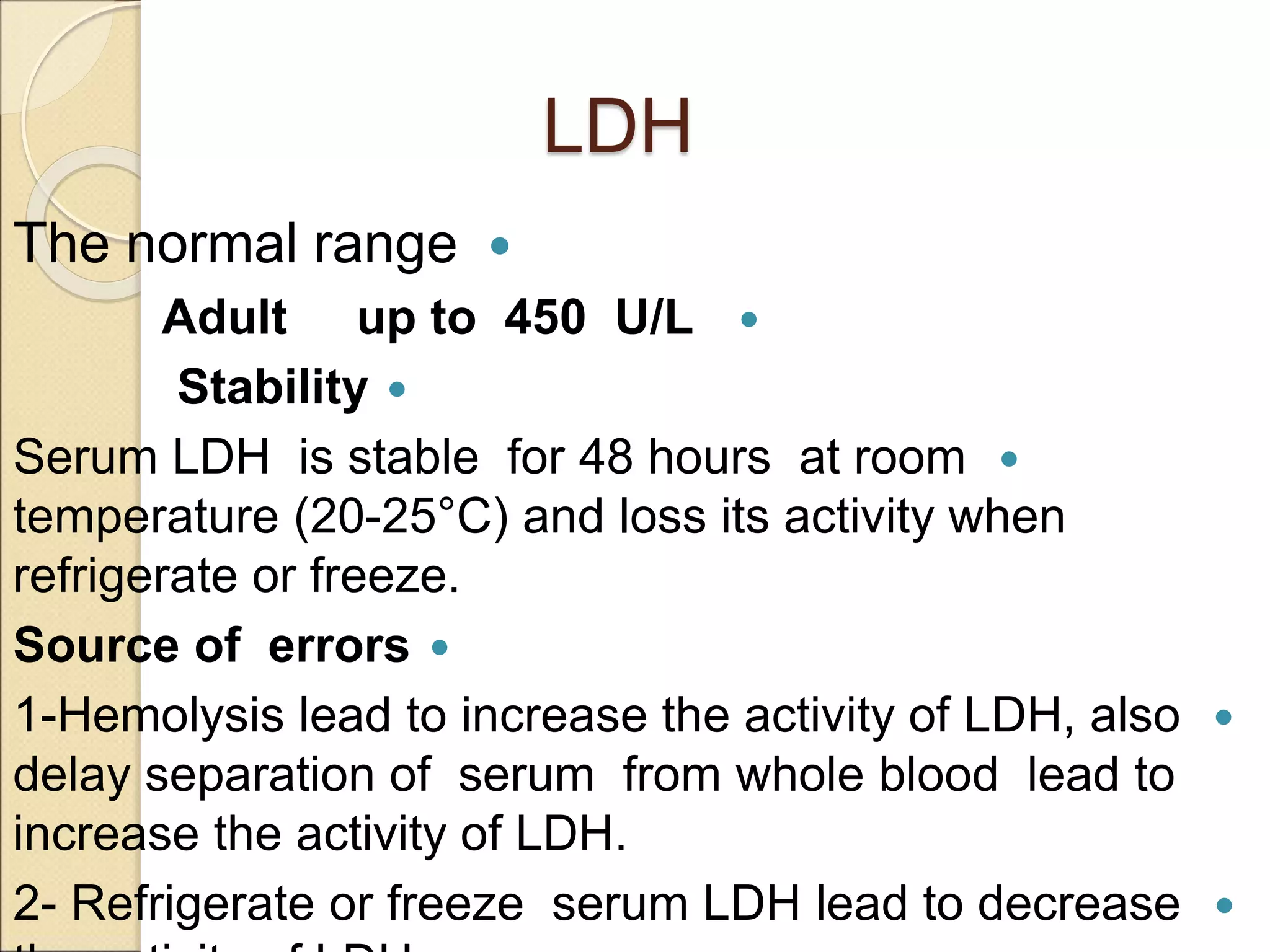
LDH

The normal range

Adult up to 450 U/L

Stability

Serum LDH is stable for 48 hours at room
temperature (20-25°C) and loss its activity when
refrigerate or freeze.

Source of errors

1-Hemolysis lead to increase the activity of LDH, also
delay separation of serum from whole blood lead to
increase the activity of LDH.

2- Refrigerate or freeze serum LDH lead to decrease
Enzymes of prostate

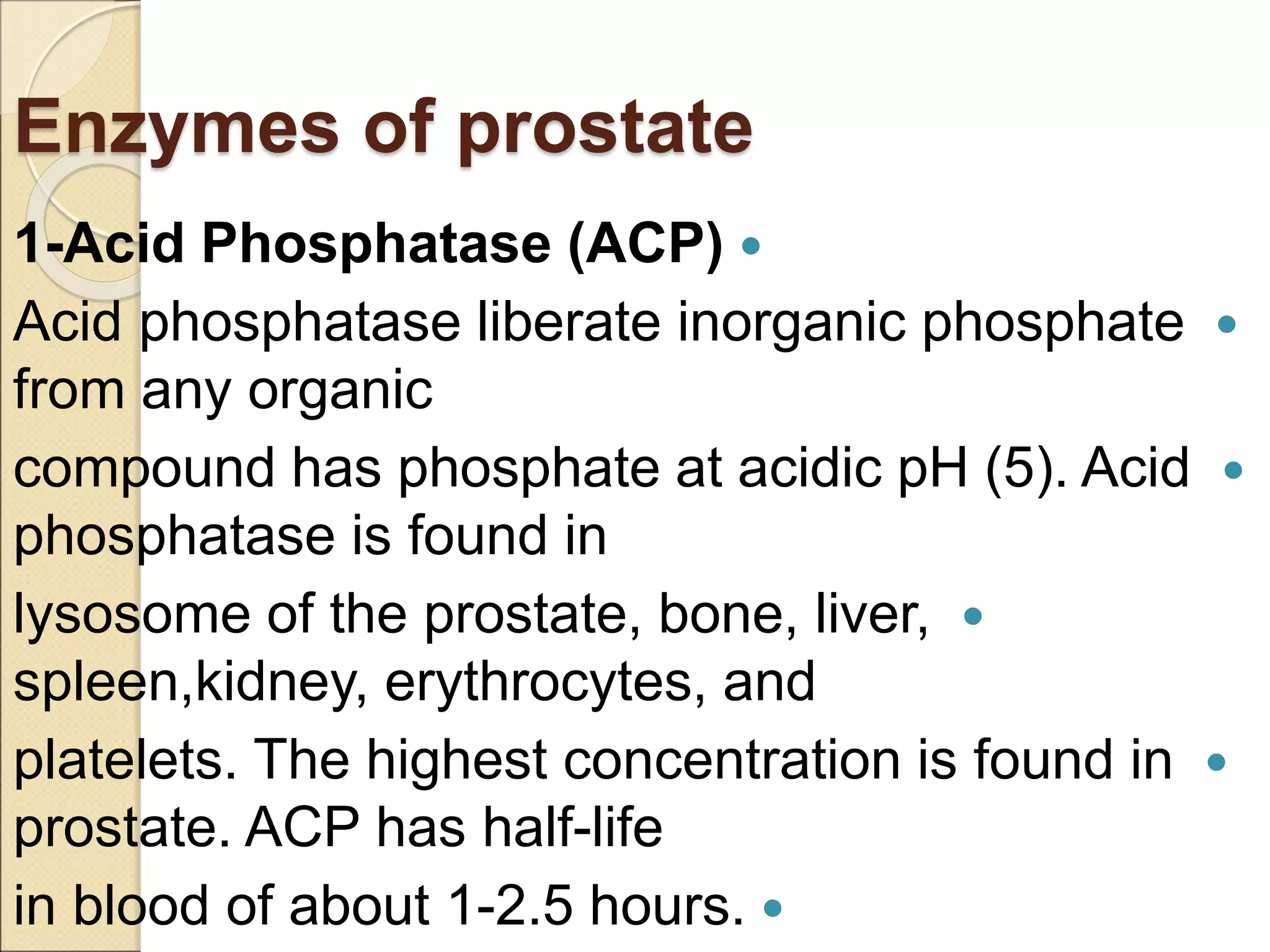
1-Acid Phosphatase (ACP)

Acid phosphatase liberate inorganic phosphate
from any organic

compound has phosphate at acidic pH (5). Acid
phosphatase is found in

lysosome of the prostate, bone, liver,
spleen,kidney, erythrocytes, and

platelets. The highest concentration is found in
prostate. ACP has half-life

in blood of about 1-2.5 hours.
ACP

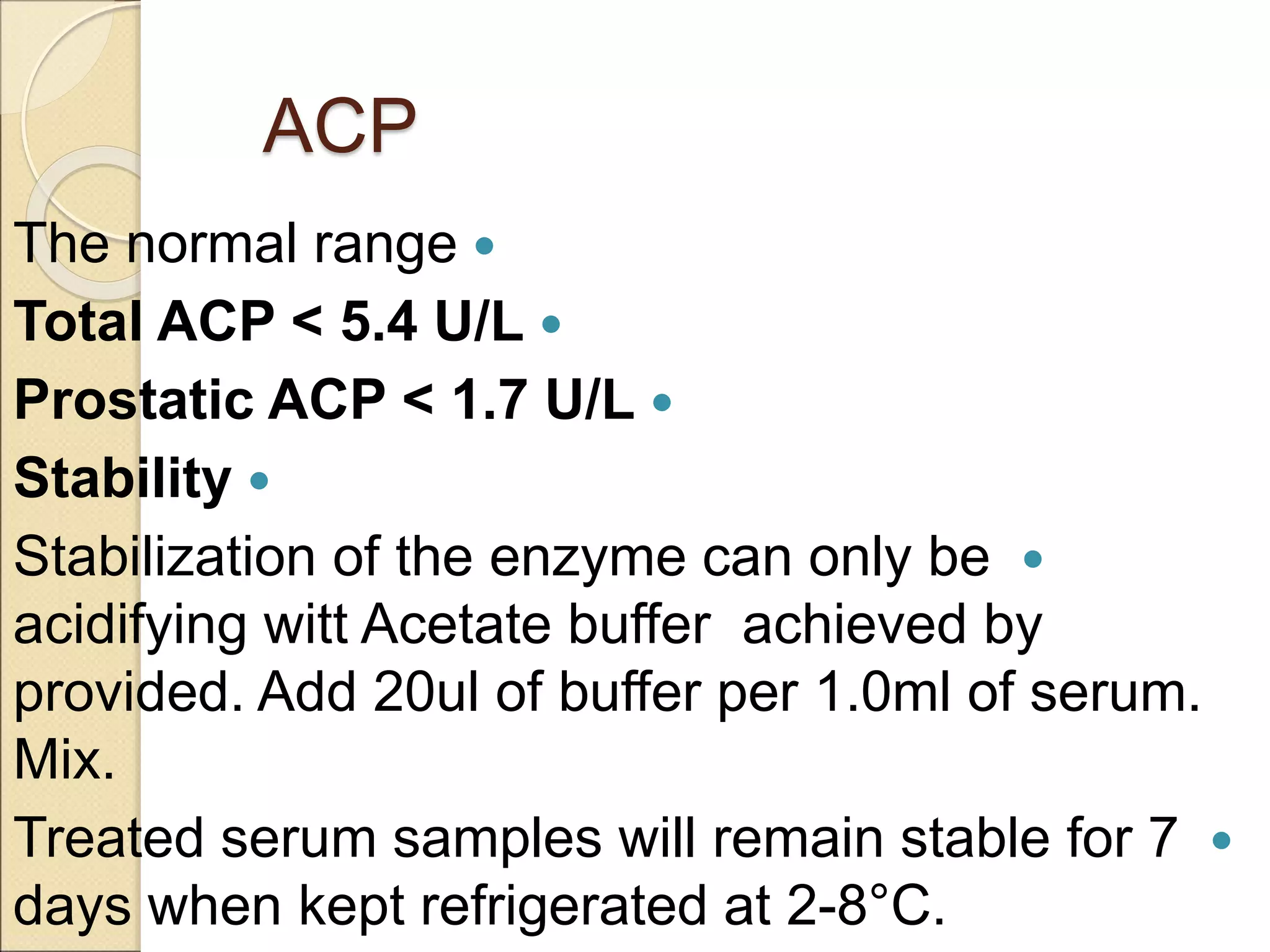
The normal range

Total ACP < 5.4 U/L

Prostatic ACP < 1.7 U/L

Stability

Stabilization of the enzyme can only be
achieved by
acidifying witt Acetate buffer
provided. Add 20ul of buffer per 1.0ml of serum.
Mix.

Treated serum samples will remain stable for 7
days when kept refrigerated at 2-8°C.
Source of errors

1-Delay separation of serum from whole blood lead to
increase the

activity of ACP due to leakage of ACP from
erythrocytes and platelets.

2-Serum ACP activity decreases within 1 to 2 hours if
the sample is left at

room temperature without the addition of acetate
buffer, due to loss of

carbon dioxide from the serum, with a resultant
increase in pH.

3--Hemolysis lead to increase the activity of ACP.
Causes of increase activity of Acid
phoaphatase in blood

a-Total acid phosphatase

1-Bone disease (Paget’s disease)

2- Lysosomal disorders (Gaucher’s disease)

3- Idiopathic thrombocytopenia purpura.

4-Thrombocytosis

5-Hyperparathyroidism

6-Prostatic carcinoma

7-Benign prostatic hypertrophy
Causes of increase activity of Acid
phoaphatase in blood

b- Prostatic acid phosphatase

1- prostatic cancer.

2-Benign prostatic hypertrophy

3-Prostatitis
Clinical enzymology.ppt

Clinical enzymology.ppt

  • 1.
    Clinical enzymology Dr. WalidAL-Dubai Associate professor of clinical biochemistry and cytogenetic
  • 2.
    Clinical enzymology Clinical enzymologyis a branch of biochemistry concerned with the study of enzymes, the measurement of enzyme activity for the diagnosis and treatment of diseases. Enzymes are biocatalysts that increase the velocity of a chemical reaction, the name of enzyme come from the Greek word en (in) and zyme (yeast), because the first catalysts are described in yeast for fermentation.
  • 9.
    Factors affecting theactivity of enzymes  1-Enzyme Concentration [ E ]
  • 11.
  • 13.
  • 15.
    4-pH (Hydrogen ionconcentration)
  • 17.
    Regulation of enzymeactivity  Enzyme activity can be regulated :  A-By changing the activity of enzyme by  1- Allosteric regulation which includes:  a-Negative feedback inhibition(inhibition the activity of an enzyme by the accumulation of product and binding to allosteric site of enzyme which lead to change in structure of active site of enzyme)
  • 19.
    Regulation of enzymeactivity  b- Feed-forward activation (stimulation the activity of enzyme by intermediate substrates which bind to allosteric site of enzyme which lead to change the structure of the active site of the enzyme)  2-Covalent modification (phosphorylation and dephosphorylation of enzyme lead to change in structure of the active site of enzyme which may inhibit or activate the enzyme)
  • 20.
    Regulation of enzymeactivity  3- Protein–protein interactions (binding of Ca+2-calmodulin with enzyme or G-protein with enzyme which lead to change in structure of the active site of enzyme which may inhibit or activate the enzyme)  4- Zymogen cleavage (digestive enzymes are synthesized as inactive precursors called zymogens, which are activated by removing the peptide chain that cover the active site).
  • 21.
    B-By changing theamount of enzyme 1-Induction (stimulate synthesis of enzyme from DNA) 2-Repression (inhibit synthesis of enzyme from DNA) 3-Degradation (breakdown of enzyme)
  • 22.
    Isoenzymes  Isoenzymes are multipleforms of one enzyme which have the same function but different in primary structure (the linear sequence of amino acids), degree of affinity to substrate, immunological and elcrophoretic properties. Isoenzymes are used in diagnosis and prognosis of diseases.  Note  The unit of enzyme activity is called Unite/Liter (U/L), so 1 U/L mean transformation of 1 μmol
  • 23.
    Clinical enzymology  Enzymes presentin plasma can be classified into :  1-Functional Plasma enzymes and  2-Non-functional plasma enzymes
  • 24.
    1-Functional plasma enzymes  :  Functionalenzymes are present in plasma at higher concentration than tissues, mostly synthesized by the liver, they function in plasma, and decreased in disease (e.,g hemophilia), these enzymes include clotting factors, lipoprotein lipase.
  • 25.
    2-Non-functional plasma enzymes  Non-functionalplasma enzymes are Present in plasma at lower concentration than tissues, do not have any function in plasma, Mostly synthesized by liver, skeletal muscle, heart, brain and other tissues, Usually increased in disease.
  • 26.
    Clinical enzymology  Non-functional plasmaenzymes activity increase in plasma due to  1- Increase proliferation of cells  2-Increase in the rate of cell turnover (Replacement of old cells by new cells).  3- Cell damage  4-Increase enzyme synthesis (induction) as a result of using drugs or alcohol  5-Reduced clearance of enzyme from plasma  6-Leakage of enzyme from cells due to decrease ATP production  7-In rare cases, enzymes may bind with immunoglobulin, for example
  • 31.
    Enzymes of clinicalsignificant  A-Liver enzymes  1-Alanine transaminase (ALT) or  Glutamic pyruvic transaminase (GPT)
  • 32.
    1-Alanine transaminase (ALT)  Alaninetransaminase present in cytosol of cells of many tissues, but in liver found with high concentrations , so, it is considered the more liver- specific enzyme. Alanine aminotransferase catalyzes the transfer of an amino group from alanine to α-ketoglutarate to produce glutamate and pyruvate.The half-life alanine transaminase in blood is 47 hrs.. Alanine transaminase is a sensitive indicator of liver disease and is released from the cytoplasm into the bloodstream, before jaundice appears.  The normal range  Up to 40 U/L for male  Up to 35 U/L for female
  • 34.
    Alanine transaminase (ALT)  Stability  Serumalanine transaminase is stable for 4 days at 4°C  Source of errors  1- ALT may increase or not affected in collected sample due to hemolysis (because ALT release from red blood cells in vitro in very little amount )
  • 35.
    Causes of increaseAlanine transaminase activity in blood  1-Alanine transaminase increase in case of extensive liver damage from toxins or drugs, viral hepatitis, or autoimmune hepatitis, fatty liver.  2-Skeetal muscles damage  3-Myocardial infarction  4-Sever burns  5-Liver tumors
  • 36.
    2-Aspartate transaminase (AST)or Glutamic oxaloacetate transaminase (GOT)  Aspartate aminotransferase (AST), formerly known as glutamic-oxaloacetic transaminase (GOT),catalyzes the transfer of an amino group from aspartate, to α-ketoglutarate, AST exists in large amounts in heart and liver and in moderate amount in skeletal muscles, kidneys, pancreas, and brain, and in little amount in other tissues, AST exists in cytosol and mitochondria of cells, and have half-life of about 17 hours, AST released from the cytoplasm into the bloodstream, before jaundice appears
  • 38.
    Aspartate transaminase (AST) The normal range  Up to 40 U/L for male  Up to 35 U/L for female  Stability  Serum aspartate transaminase is stable for 4 days at 4°C  Source of errors  1- AST may increase in collected sample due to hemolysis (because AST release from red blood cells in vitro )
  • 39.
    Causes of increaseaspartate transaminase activity in blood  1-Liver diseases (e,g viral acute and chronic hepatitis, active cirrhosis, liver tumors, toxic hepatitis, autoimmune hepatitis)  2-Myocardial infarction  3-Skeltal muscles damage  Important notes  1-ALT increase more than AST in acute hepatitis, but AST increase more than ALT in chronic hepatitis (in chronic hepatitis ALT production by hepatocytes decrease and clearnce of AST from circulation decrease)
  • 40.
    3-Alkaline phosphatase (ALP)  Alkalinephosphatase (ALP) liberate inorganic phosphate from any organic compound has phosphate at alkaline pH (9-10). ALP present in most organs, and associated with membranes and cell surfaces of liver cells, osteoblasts of bone, mucosa of the small intestine, cells of kidney and placenta.ALP has a half -life in blood of about 10 days.
  • 42.
    Alkaline phosphatase (ALP) The normal range  Adult 40 to 279 U/L  Children 60 to 640 U/L  Stability  Serum ALP is stable for 4 days at 2-8°C  Source of errors  1- The activity of ALP decrease when using EDTA plasma because, EDTA chelating magnesium which is activator of ALP.  2-Hemolysis may cause increase of ALP  3-ALP increase after taking a meal rich by fat (ALP enter the blood while fats are absorbed)
  • 43.
    Causes of increasealkaline phosphatase activity in blood  1-Intrahepatic and extrahepatic cholestasis (obstructive jaundice)  2-Hepatic carcinoma  3-Hepatitis  4-Bone diseases e.,g rickets, osteomalacia  5-Malignancy (bone or liver involvement or direct tumor production)  6-Hyperparathyroidism  7-Chronic renal failure  8-Pimary biliary cirrhosis (autoimmune disease lead to destruction of bile ducts)
  • 44.
    Causes of decreasealkaline phosphatase activity in blood  1-Hypophosphatasia: an autosomal recessive metabolic disorder, characterized by a deficiency of alkaline phosphatase and usually resulting in demineralization of bone.  2-Cretinism  Note:  1-In biliary tract obstruction, ALP level increases more (very high) than other diseases as a result of increased synthesis of the enzyme induced by cholestasis in epithelial cells of bile duct, but in hepatocellular disorders, such as hepatitis, show only slight increases due to release from damaged
  • 45.
    4-γ-Glutamyl transferase (GGT) Gamma Glutamyl transferase (GGT) is involved in peptide and protein synthesis, regulation of tissue glutathione levels, and the transport of amino acids across cell membranes.GTT involved in the transfer of the γ-glutamyl residue from peptides and compounds to acceptor (amino acid, peptide, or water), GGT present in cytoplasm in microsome (piece of endoplasmic reticulum) and in the cell membrane of intestinal cells ,pancreatic cells, liver, renal , prostate cells.GGT used to
  • 47.
    γ-Glutamyl transferase (GGT) The normal range  Up to 55 U/L for male (GGT present in prostate in high concentration)  Up to 40 U/L for female  Stability  Serum GGT is stable for 7 days at 2-8°C
  • 48.
    Source of errors Source of errors  2-Drugs like warferin and alcohol lead to increase activity of GGT becuse drugs and alcohol induce synthesis of GTT by induce synthesis of large amount of endoplasmic reticulum.  2-Oral contraceptive decrease GGT activity because estrogen and progestin inhibit synthesis of GGT.  3-Hemolysis does not affect the GGT levels
  • 49.
    Causes of increaseactivity of γ-Glutamyl transferase  1-Intrahepatic and extrahepatic cholestasis (obstructive jaundice)  2-Hepatic carcinoma  3-Hepatitis  4-Alcholism  5-Pancreatitis
  • 50.
    Note:  1-GGT notfound in bone , so increase ALP , and normal GGT, mean the source of ALP is bone not liver, and if ALP and GGT increase ,this mean the source of ALP is liver.  2-GGT test are useful in monitoring the effects of abstention from alcohol in treatment centers, GGT levels return to normal level within 2 to 3 weeks after cessation.
  • 51.
    2-Pancrearic enzymes  1-α-Amylase (AMS)  Amylaseis small enzyme, has a molecular weight of 50-55 KD. Because of its small size, it is removed by renal and appears in the urine, the major tissue sources of amylase found in the acinar cells of the pancreas and the salivary glands, and less amount found in skeletal muscle , the small intestine and fallopian tubes. Amylase is a hydrolase which catalyzes the breakdown of starch (consist of amylose and amylopectin) and glycogen to
  • 53.
    Amylase  The normal range  Adultin serum 25 to 130 U/L  Stability  Serum AMS is stable for 60 days at 2-8°C  Source of errors  1- Amylase activity decrease in Sample with hyperlipemia, because plasma triglycerides inhibit serum AMS activity.  2- Morphine may increase pancreatic enzyme release, because morphine cause spasm of hepatopancreatic sphincter (sphincter of Oddi) which
  • 54.
    Causes of increaseactivity of Amylase in blood  1- Acute Pancreatitis  2-Salivary gland disorders (e.g mumps)  3-Intestinal obstruction  4-Renal failure  5-Pncreatic tumor  6-Tumor of lung or ovary  7-Macroamylasemia (is asymptomatic condition in which amylase bind with protein and become macromolecule and not remove by renal)
  • 55.
    Amylase  Note:  1-For differential diagnosisbetween macroamylasemia and other disease of hyperamylasemia like acute pancreatitis, you should measure amylase in urine which is normal in macroamylasemia and increase in acute pancreatitis
  • 56.
    2-Lipase (LPS)  Lipasecatalyzes the partial hydrolysis of dietary triglycerides in the intestine to produce 2-monoglyceride and two fatty acids. Pancreatic lipase is specific for the fatty acids at positions 1 and 3 of the triglyceride, and lipase needs colipase and a bile salt for it activity. Lipase is small enzyme, has a molecular weight of 48 KD, lipase filter through renal but completely reabsorbed, so normally not detected in urine. Lipase found in high concentration in pancreases (about 5000-fold greater than in other tissues),and in less amount in stomach and intestine. Lipase is more specific and sensitive for acute pancreatitis than amylase. Determination of both amylase and lipase together helps in the diagnosis of acute pancreatitis. Pancreatic lipase has a clinical or diagnostic sensitivity and specificity of about 80-100% for diagnosis the acute pancreatitis
  • 58.
    Lipase  The normalrange  Adult in serum Up to 140 U/L  Stability  Serum lipase is stable for 21 days at 2-8°C  Source of errors  1-Hemolysis lead to decrease the activity of lipase because hemoglobin inhibits its activity.  Causes of increase activity of lipase in blood  1-Acute pancreatitis
  • 59.
    3-Cardiac enzymes  1-Creatine kinase(CK)  Creatine kinase (CK) found in most tissues but high amount found in Skeletal muscles, and cardiac muscles and brain. Creatine kinase has a role in formation of creatine phosphate and ATP, it consist of two subunits and has three isoenzymes.The three isoenzymes are CK-BB (brain type), CK-MB (Cardiac type), and CK-MM (muscle type). On electrophoretic separation, CK-BB will migrate fastest toward the anode, so called CK-1, followed by CK-MB (CK-2) and, finally, by CK-MM (CK-3).Creatine kinase has a short half-life (1–5 hours)
  • 61.
    CK  Creatine +ATP CKCreatin phosphate +ADP
  • 62.
    CK  The normalrange  Male up to 195 U/L (increase in male due to increase muscle mass)  Female up to 160 U/L  Stability  Serum CK is stable for 8-12 hrs at 2-8°C  Source of errors  1- CK is absent from red blood cells but hemolysis lead to false increase in the CK activity due to presence of adenylate kinase (AK) which convert ATP to ADP.  2- CK is unstable, and rapidly inactivated, so store at 2-8°C in dark place because of oxidation of sulfhydryl groups (-SH) of CK.
  • 63.
    Causes of increaseactivity of CK in blood  A- CK-MM ( found in large amount in skeletal muscles, but in heart little amount)  1-Myocardial infarction (Cell damage)  2- Skeletal muscle disorder  3-Muscular dystrophy  4-Polymyositis (Cell damage)  5-Hypothyroidism (due to increase permeability of muscle cells and decrease clearance of CK)  6-Physical activity(due to increase permeability of muscle cells)  7-Intramuscular injection (Cell damage)
  • 64.
    B-CK-MB (found inlarge amount in heart, but in skeletal muscles little amount)  1- Myocardial infarction  2- Myocardial injury  3-Ischemia  4-Angina  5-Cardiac surgery  6-Duchenne muscular dystrophy
  • 65.
    C-CK-BB( found inlarge amount in brain, but in lung, prostate and other tissues found in little amount)  1- Stroke (The sudden death of brain cells due to lack of oxygen, caused by blockage of blood flow or rupture of an artery to the brain)
  • 66.
    2-Lactate Dehydrogenase (LDH)  Lactatedehydrogenase catalyses the reversible interconversion of lactate and pyruvate. Lactate dehydrogenase is found in most tissues but found in high concentration in the cells of cardiac and skeletal muscle, liver, kidney, brain and erythrocytes, so measurement of serum total LDH activity is non- specific marker of cell damage. Lactate dehydrogenase consist of four polypeptide called H subunit (heart) and M subunit (muscle), which form five isoenzymes called LDH-1 (HHHH), LD-2 (HHHM), LDH-3 (HHMM), LDH-4 (HMMM), and LDH- 5 (MMMM) The highest levels of total LDH are seen in
  • 68.
    LDH  The normal range  Adultup to 450 U/L  Stability  Serum LDH is stable for 48 hours at room temperature (20-25°C) and loss its activity when refrigerate or freeze.  Source of errors  1-Hemolysis lead to increase the activity of LDH, also delay separation of serum from whole blood lead to increase the activity of LDH.  2- Refrigerate or freeze serum LDH lead to decrease
  • 70.
    Enzymes of prostate  1-AcidPhosphatase (ACP)  Acid phosphatase liberate inorganic phosphate from any organic  compound has phosphate at acidic pH (5). Acid phosphatase is found in  lysosome of the prostate, bone, liver, spleen,kidney, erythrocytes, and  platelets. The highest concentration is found in prostate. ACP has half-life  in blood of about 1-2.5 hours.
  • 72.
    ACP  The normal range  TotalACP < 5.4 U/L  Prostatic ACP < 1.7 U/L  Stability  Stabilization of the enzyme can only be achieved by acidifying witt Acetate buffer provided. Add 20ul of buffer per 1.0ml of serum. Mix.  Treated serum samples will remain stable for 7 days when kept refrigerated at 2-8°C.
  • 73.
    Source of errors  1-Delayseparation of serum from whole blood lead to increase the  activity of ACP due to leakage of ACP from erythrocytes and platelets.  2-Serum ACP activity decreases within 1 to 2 hours if the sample is left at  room temperature without the addition of acetate buffer, due to loss of  carbon dioxide from the serum, with a resultant increase in pH.  3--Hemolysis lead to increase the activity of ACP.
  • 74.
    Causes of increaseactivity of Acid phoaphatase in blood  a-Total acid phosphatase  1-Bone disease (Paget’s disease)  2- Lysosomal disorders (Gaucher’s disease)  3- Idiopathic thrombocytopenia purpura.  4-Thrombocytosis  5-Hyperparathyroidism  6-Prostatic carcinoma  7-Benign prostatic hypertrophy
  • 75.
    Causes of increaseactivity of Acid phoaphatase in blood  b- Prostatic acid phosphatase  1- prostatic cancer.  2-Benign prostatic hypertrophy  3-Prostatitis