CLASS VIII GEOGRAPHY
CHAPTER 1
(RESOURCES)
Main points
• Resources- definition
• Deciding factors
• Major types
• Natural resources
• Human resources
• Human made resources
• Classifications based on various criterias
• Conserving resources-Need and ways
• Sustainable development
• Principles
• Illustrations
• Conclusion
• Review
• Answers
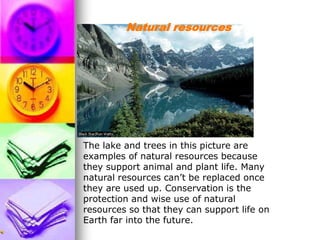
The lake and trees in this picture are
examples of natural resources because
they support animal and plant life. Many
natural resources can’t be replaced once
they are used up. Conservation is the
protection and wise use of natural
resources so that they can support life on
Earth far into the future.
Natural resources
Suppose you have a candy bar. You could
eat the whole candy bar now, or you could
divide it into pieces to eat later. Saving
some of the candy bar to eat later would be
a kind of conservation. You would be
saving, or conserving, your candy bar so
that it would last longer.
Conservationists are people who want to
save Earth’s natural resources so they will
last longer. Conservation is the protection
and wise use of natural resources.
TWO MAIN FACTORS
The two main factors that can change
substances into resources are
Time
Technology
Time indicates the different periods
Technology refers the techniques
adoped by the humans.
MEANING
Any substance that can be
used to satisfy a need is a
resource. Each one has its
own utility value
CLASSIFICATION
• Generally resources are classified into
three broad divisions.They are;
• 1. Natural resources
• 2.Humun resources
• 3. Humun made resources.
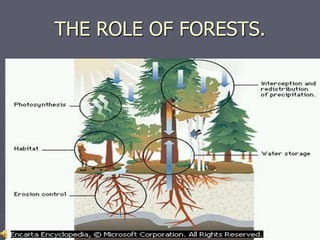
THE ROLE OF FORESTS.
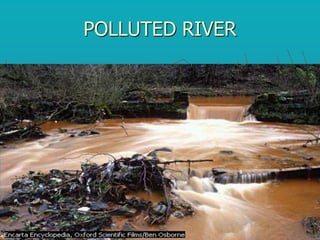
POLLUTED RIVER
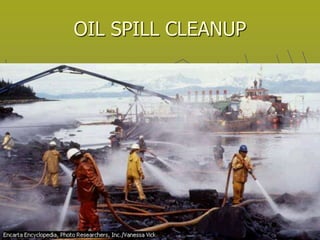
OIL SPILL CLEANUP
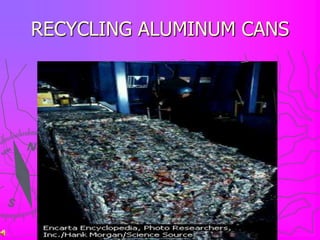
RECYCLING ALUMINUM CANS
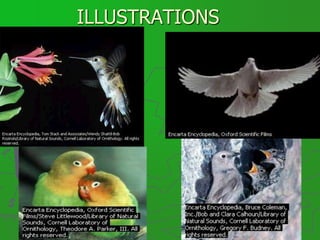
ILLUSTRATIONS
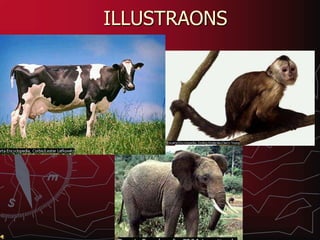
ILLUSTRAONS
NATURAL RESOURCES
 Resources are drawn from nature
 (air,water,soil and minerals)
 They are both renewable and non-renewable.
 They are abiotic and non-abiotic.
 The natural substances present on the earth with
out any modifications are called natural resources.
HUMAN RESOURCES
► Human beings are the most valuable and a special
resorce
► Education,Health and Skills are the important
factors making the people to become a valuable
resource.
► Therefore we have Human Resource Development
Ministry to improve the quality of the people’s skill.
► Resource development is based on human efforts.
HUMAN MADE RESOURCES
►Human made resources are the resources
which are getting value by the efforts
putforth by the human beings.
►The natural substances are changed from
their original form into a developed formby
means of humans’ skill and technology
adopted.
►For example, make buildings, roads
machinery and vehicles
CLASSIFICATIONS BASED ON
VARIOUS CRITERIAS
LEVEL OF DEVELOPMENT
►origin------ -living and non living
► stock------amount of resources
available for use.
► distribution----UBIQUITOUS AND
LOCALISED
Development and use
►ACTUAL RESOURCES --QUANTITY IS
KNOWNAND USED IN THE
PRESENT.eg.BLACK SOILS IN DECCAN
►POTENTIAL RESOURCES---ENTIRE
QUANTITY MAY NOT BE KNOWN they are
used in future than for present.eg. The
uranium deposits found in ladakh.
ORIGIN
►ABIOTIC------Non -living resources like soils
and minerals
►BIOTIC--------Living resources such as
plants and animals
EXHAUSTIBILITY
►Renewable--------the resources are able to
get back again eg.water, soiletc.
►Non-renewable-----not able to get back. Eg.
►Minerals like coal .copper etc.
DISTRIBUTION OF
RESOURCES
Ubiquitus-----found
everywhere.eg.air we breathe.
Localised ------found only in certain
places. Eg.. Copper deposits in
certain areas.
Factors responsible for
the distribution of
resources
 Physical factors like terrain ,
climate and altitude’
 The distribution of resources are
unequal when these factors differ.
CONSERVING RESOURCES
Careful utilisation of resources and
giving them to get renewed is
called resource conservation.
It is needed for present and future
purposes.
There are many ways to conserve
the resources
They are ;1.reducing consumption
2.Recycling and reusing things
SUSTAINABLE DEVELOPMENT
Carefully utilising resources so that
besides meeting the requirements of
the present, also takes care of future
generations.
Some principles
• Careful utilisation of resources
• Minimise the depletion natural
resources
• Brings awareness and change personal
attitude and practices
• Improve the quality of human life
►Sustainable development
CONCLUSION
Therefore it is our duty to ensure that :
All uses of renewable resources are
sustainable.
The diversity of life on the earth is
conserved.
The damage to natural environment
system is minimised.
REVIEW
ANSWER THE FOLLOWING :
1. Define the term Resource.
2. Name the three main types of
Resource.
3. Draw a flow chart on the
classifications of Resource?
4. What is resource conservation?
5. In which three ways we can
conserve the Resources?
6. What is sustainable
development? Mention a few principles of it
ANSWERS
The students should find the
answers from the power point
presentation.
All your answers are correct
THANK YOU

Class VIII Resource

  • 1.
  • 2.
    Main points • Resources-definition • Deciding factors • Major types • Natural resources • Human resources • Human made resources • Classifications based on various criterias • Conserving resources-Need and ways • Sustainable development • Principles • Illustrations • Conclusion • Review • Answers
  • 3.
    The lake andtrees in this picture are examples of natural resources because they support animal and plant life. Many natural resources can’t be replaced once they are used up. Conservation is the protection and wise use of natural resources so that they can support life on Earth far into the future. Natural resources
  • 5.
    Suppose you havea candy bar. You could eat the whole candy bar now, or you could divide it into pieces to eat later. Saving some of the candy bar to eat later would be a kind of conservation. You would be saving, or conserving, your candy bar so that it would last longer. Conservationists are people who want to save Earth’s natural resources so they will last longer. Conservation is the protection and wise use of natural resources.
  • 6.
    TWO MAIN FACTORS Thetwo main factors that can change substances into resources are Time Technology Time indicates the different periods Technology refers the techniques adoped by the humans.
  • 7.
    MEANING Any substance thatcan be used to satisfy a need is a resource. Each one has its own utility value
  • 8.
    CLASSIFICATION • Generally resourcesare classified into three broad divisions.They are; • 1. Natural resources • 2.Humun resources • 3. Humun made resources.
  • 9.
    THE ROLE OFFORESTS.
  • 10.
  • 11.
  • 12.
  • 13.
  • 14.
  • 15.
    NATURAL RESOURCES  Resourcesare drawn from nature  (air,water,soil and minerals)  They are both renewable and non-renewable.  They are abiotic and non-abiotic.  The natural substances present on the earth with out any modifications are called natural resources.
  • 16.
    HUMAN RESOURCES ► Humanbeings are the most valuable and a special resorce ► Education,Health and Skills are the important factors making the people to become a valuable resource. ► Therefore we have Human Resource Development Ministry to improve the quality of the people’s skill. ► Resource development is based on human efforts.
  • 17.
    HUMAN MADE RESOURCES ►Humanmade resources are the resources which are getting value by the efforts putforth by the human beings. ►The natural substances are changed from their original form into a developed formby means of humans’ skill and technology adopted. ►For example, make buildings, roads machinery and vehicles
  • 18.
    CLASSIFICATIONS BASED ON VARIOUSCRITERIAS LEVEL OF DEVELOPMENT ►origin------ -living and non living ► stock------amount of resources available for use. ► distribution----UBIQUITOUS AND LOCALISED
  • 19.
    Development and use ►ACTUALRESOURCES --QUANTITY IS KNOWNAND USED IN THE PRESENT.eg.BLACK SOILS IN DECCAN ►POTENTIAL RESOURCES---ENTIRE QUANTITY MAY NOT BE KNOWN they are used in future than for present.eg. The uranium deposits found in ladakh.
  • 20.
    ORIGIN ►ABIOTIC------Non -living resourceslike soils and minerals ►BIOTIC--------Living resources such as plants and animals
  • 21.
    EXHAUSTIBILITY ►Renewable--------the resources areable to get back again eg.water, soiletc. ►Non-renewable-----not able to get back. Eg. ►Minerals like coal .copper etc.
  • 22.
    DISTRIBUTION OF RESOURCES Ubiquitus-----found everywhere.eg.air webreathe. Localised ------found only in certain places. Eg.. Copper deposits in certain areas.
  • 23.
    Factors responsible for thedistribution of resources  Physical factors like terrain , climate and altitude’  The distribution of resources are unequal when these factors differ.
  • 24.
    CONSERVING RESOURCES Careful utilisationof resources and giving them to get renewed is called resource conservation. It is needed for present and future purposes. There are many ways to conserve the resources They are ;1.reducing consumption 2.Recycling and reusing things
  • 25.
    SUSTAINABLE DEVELOPMENT Carefully utilisingresources so that besides meeting the requirements of the present, also takes care of future generations.
  • 26.
    Some principles • Carefulutilisation of resources • Minimise the depletion natural resources • Brings awareness and change personal attitude and practices • Improve the quality of human life ►Sustainable development
  • 27.
    CONCLUSION Therefore it isour duty to ensure that : All uses of renewable resources are sustainable. The diversity of life on the earth is conserved. The damage to natural environment system is minimised.
  • 28.
    REVIEW ANSWER THE FOLLOWING: 1. Define the term Resource. 2. Name the three main types of Resource. 3. Draw a flow chart on the classifications of Resource? 4. What is resource conservation? 5. In which three ways we can conserve the Resources? 6. What is sustainable development? Mention a few principles of it
  • 29.
    ANSWERS The students shouldfind the answers from the power point presentation.
  • 30.
    All your answersare correct THANK YOU