CHRONIC DAILY HEADACHE
IHS CLASSIFICATION       Part I: The Primary Headaches   1. Migraine   2. Tension-type headache   3. Cluster headache and other trigeminal autonomic cephalalgias   4. Other primary headaches           Part II: The Secondary Headaches   5. Headache attributed to head and/or neck trauma   6. Headache attributed to cranial or cervical vascular disorder   7. Headache attributed to non-vascular intracranial disorder   8. Headache attributed to a substance or its withdrawal   9. Headache attributed to infection   10. Headache attributed to disorder of homoeostasis   11. Headache or facial pain attributed to disorder of cranium, neck, eyes, ears, nose, sinuses, teeth, mouth or other facial or cranial structures   12. Headache attributed to psychiatric disorder           Part III: Cranial Neuralgias Central and Primary Facial Pain and Other Headaches   13. Cranial neuralgias and central causes of facial pain   14. Other headache, cranial neuralgia, central or primary facial pain
DEFINITION Presence of a headache more than 15 days per month for longer than 3 months. CDH is not a diagnosis. Secondary causes must be ruled out before the diagnosis of a primary headache disorder is made. 3 to 5 percent of the population worldwide.  70 to 80 percent of patients presenting to headache clinics in the United States .
Chronic daily headache Primary chronic daily headache   Headache duration >4 hours    Chronic migraine (previously transformed migraine)    Chronic tension-type headache    New daily persistent headache   Hemicrania continua Headache duration <4 hours    Cluster headache    Paroxysmal hemicranias    Hypnic headache    Idiopathic stabbing headache Secondary chronic daily headache   Post-traumatic headache   Cervical spine disorders Headache associated with vascular disorders (arteriovenous malformation; arteritis, including giant cell arteritis; dissection; and subdural hematoma) Headache associated with nonvascular intracranial disorders [intracranial hypertension, infection (EBV, HIV), neoplasm] Other (temporomandibular joint disorder, sinus infection)
SEX RATIO,PREVALENCE,C/F
 
Secondary causes Careful consideration and exclusion. Cervicogenic  headache (pain referred from a source in the neck and perceived in one or more regions of the head, face, or both). Intracranial hypertension or hypotension. Intracranial infection (meningitis or sinusitis). Space-occupying lesions. Post-traumatic headache.  Arterial dissection.  Venous sinus thrombosis. Giant-cell arteritis.
Modified from Silberstein, S.D., R.B. Lipton, S. Solomon et al. (1994). Classification of daily and near daily headaches: Proposed revisions to the IHS classification.  Headache  34:1-7 Daily or near-daily headache lasting >4 hours for >15 days/month   1.8 Chronic migraine (previously transformed migraine)    1.8.1 with medication overuse     1.8.2 without medication overuse   2.2 Chronic tension-type headache    2.2.1 with medication overuse    2.2.2 without medication overuse   4.7 New daily persistent headache   4.7.1 with medication overuse    4.7.2 without medication overuse 4.8 Hemicrania continua   4.8.1 with medication overuse    4.8.2 without medication overuse
Risk factors for chronic daily headache Obesity. H/o frequent headache (more than one per week). Caffeine consumption. Overuse (more than 10 days per month) of acute-headache medications, including analgesics,ergots, and triptans. Sleep disturbances . Mood disorders such as depression or anxiety.
How migraine and ETTH progress to CDH,  CLINICAL PRACTICE GUIDELINES,2004
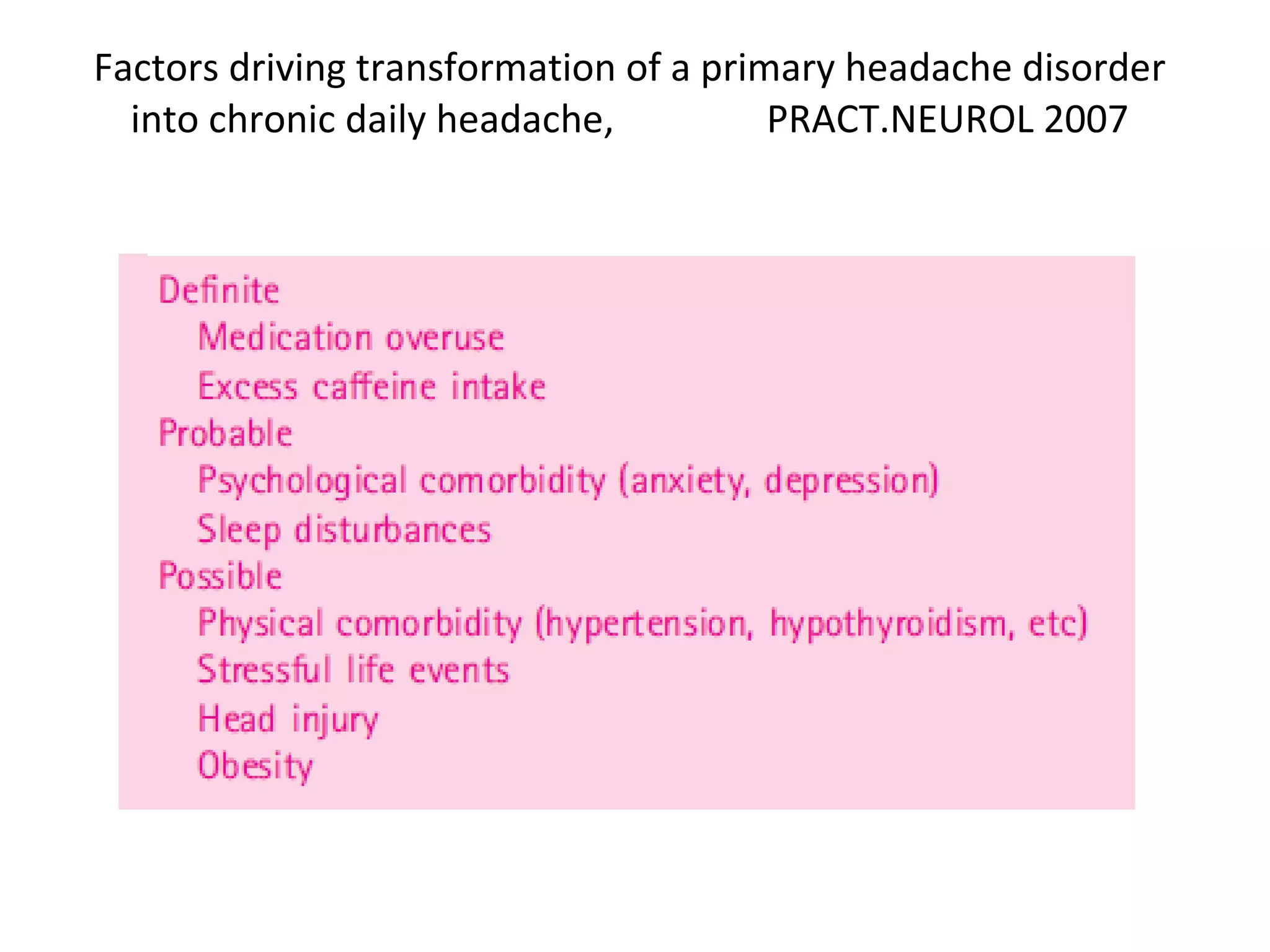
Factors driving transformation of a primary headache disorder into chronic daily headache,  PRACT.NEUROL 2007
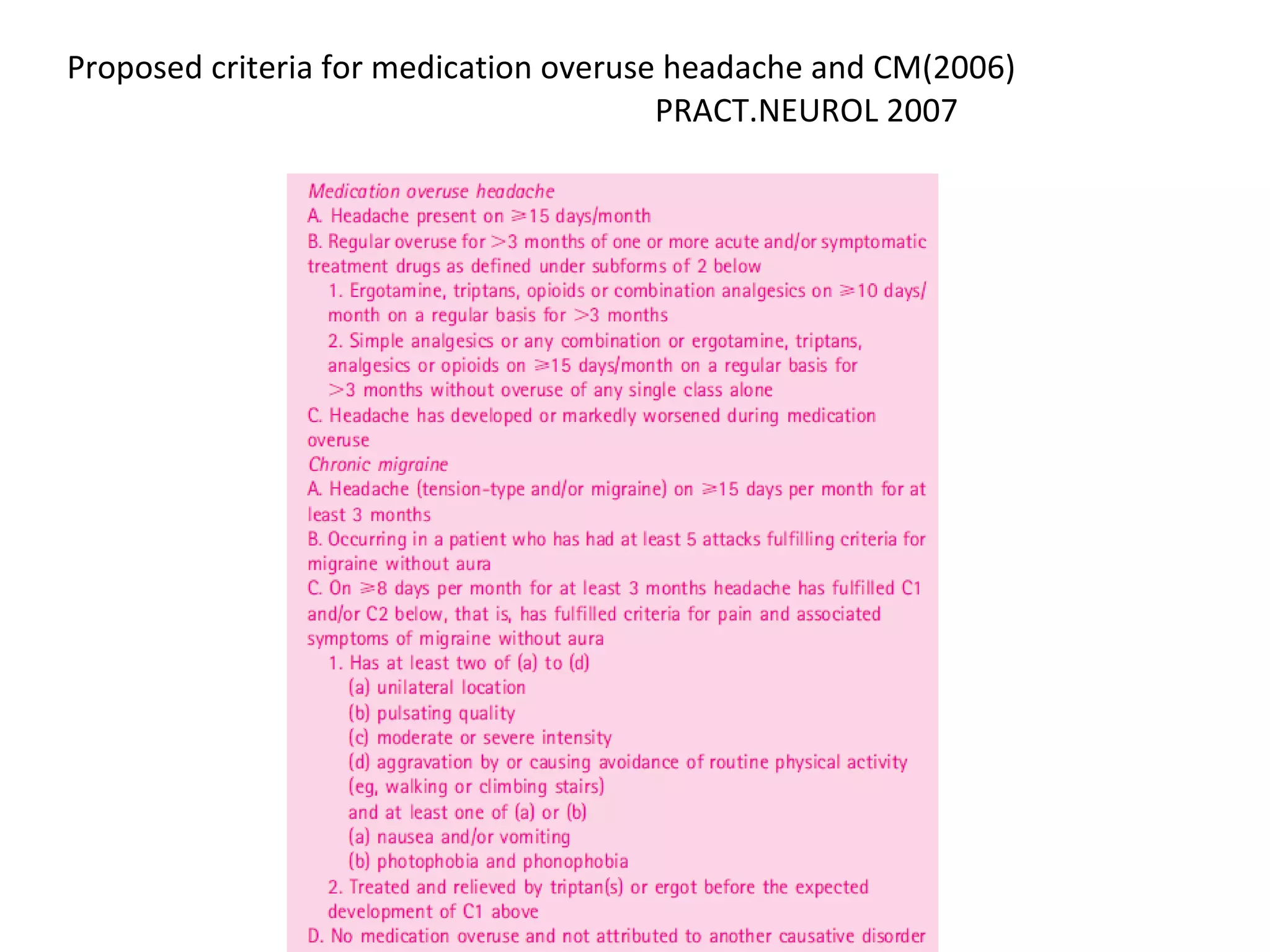
Proposed criteria for medication overuse headache and CM(2006)  PRACT.NEUROL 2007
CTTH
How to distinguish migraine from tension-type headache, after the International Headache Society (IHS) classification (2nd edn)
 
HC
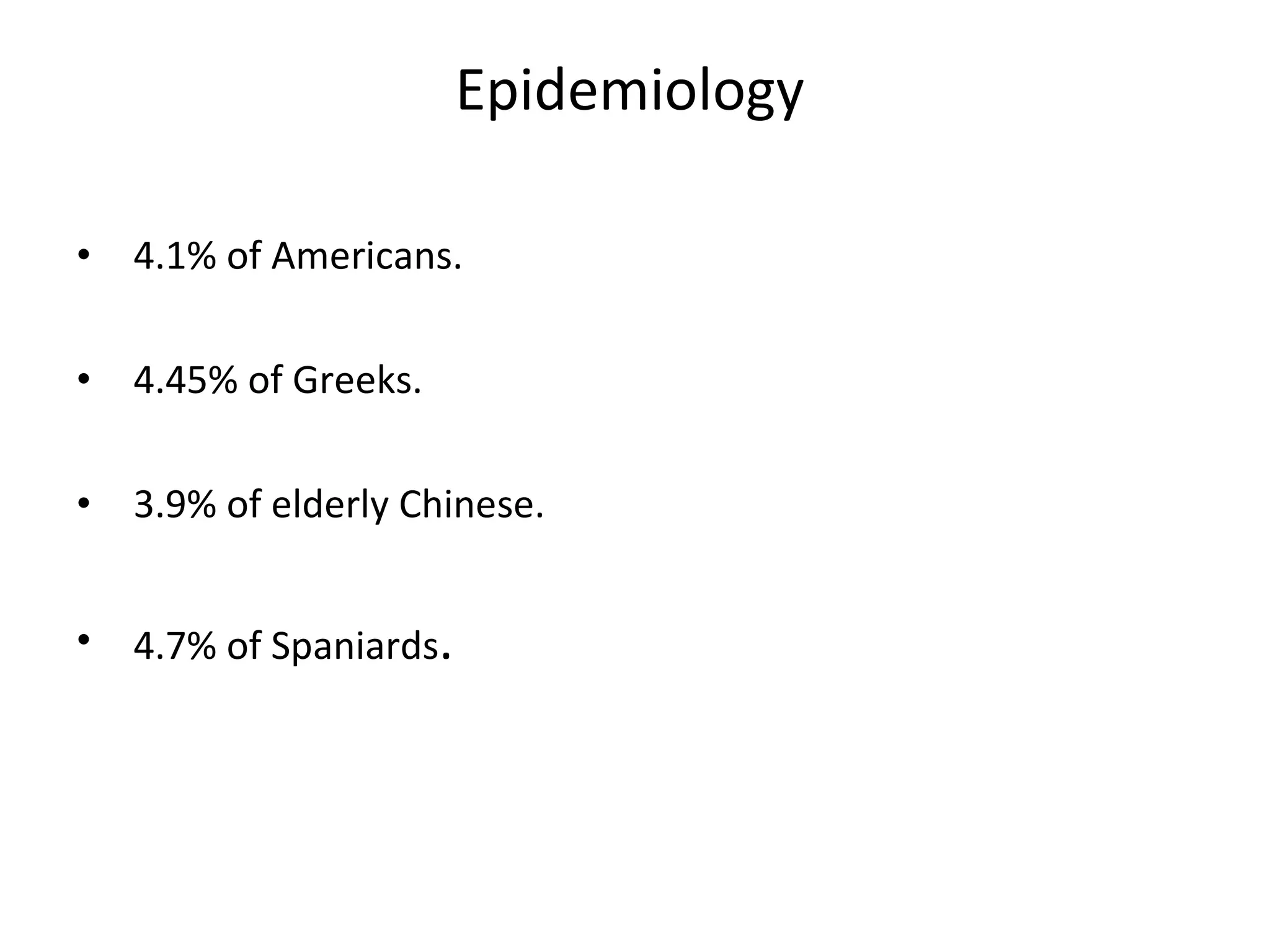
Epidemiology 4.1% of Americans. 4.45% of Greeks. 3.9% of elderly Chinese.  4.7% of Spaniards .
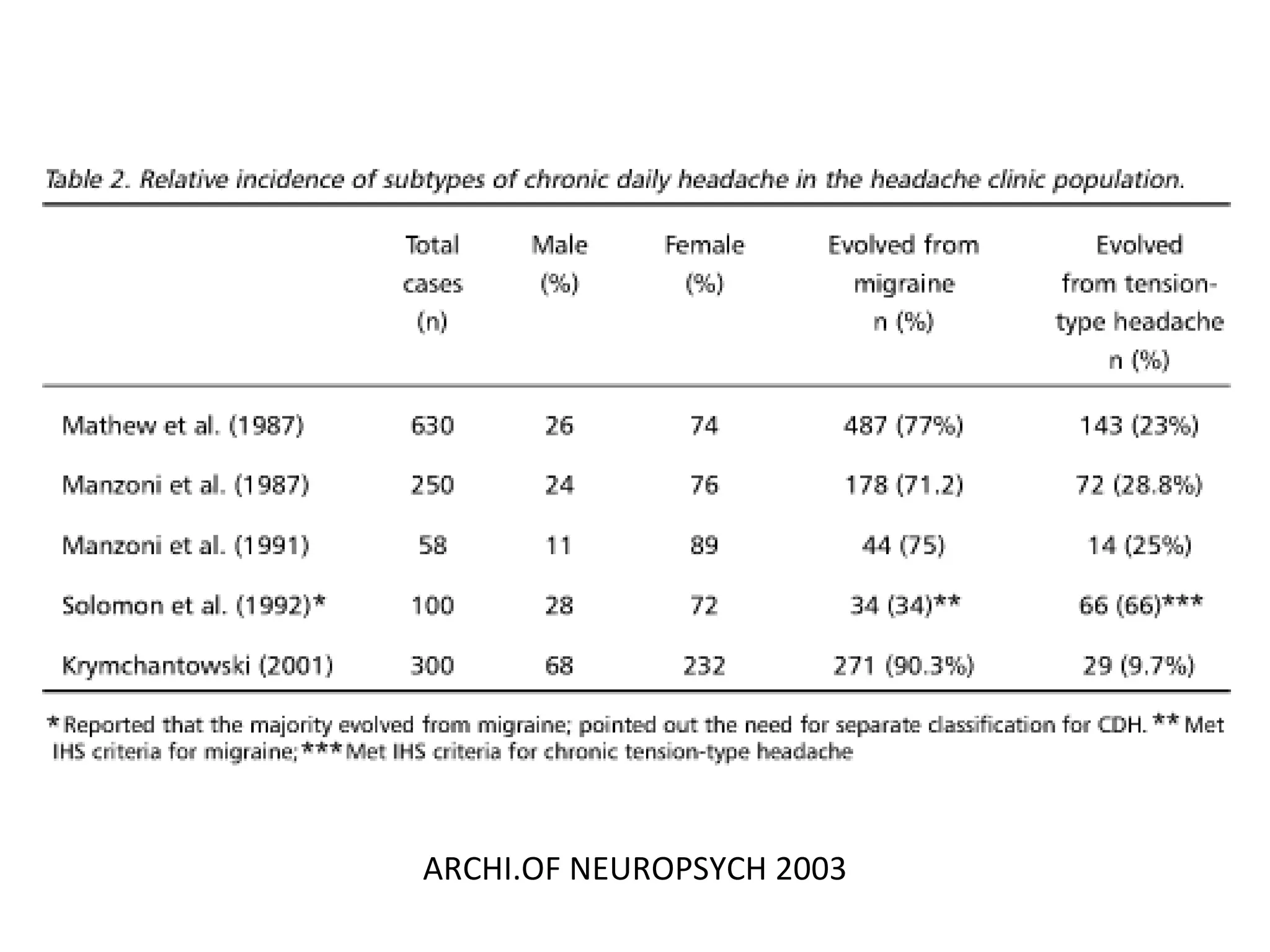
Epidemiology The overall prevalence of primary CDH was 4.1% (5.0% women, 2.8% men; 1.8:1 women-to-men ratio). Frequent headache was 33% more common in Caucasians (4.4%) than in African-Americans (3.3%).  In both men and women, prevalence was highest in the lowest educational category.
ARCHI.OF NEUROPSYCH 2003
Psychiatric Comorbidity  Anxiety. Depression. Panic disorder. Bipolar disease .
Hormonal factors: menopause Migraine and tension-type headache may become worse at menopause (grade C). However, as studies have used different designs, it is not yet possible to determine: - the proportion of migraines or tension-type headaches that worsen at menopause; - the effect of spontaneous or surgical menopause on progression from episodic headache to CDH; - the effect of hormone replacement therapy on progression. The effect of menopause on progression from episodic headache to CDH may be related to complex relationships between hormonal and neurobiological,  and psychological and cultural factors (grade C) .
Musculoskeletal factors Muscle tension may be a factor in the persistence of CDH.  It can be diagnosed by palpation of scalp and facial muscles and the cervical musculature.  If muscle tension is present, causal factors such as posture (especially at work), trauma, temporomandibular joint dysfunction, etc., should be investigated. Psychological factors such as anxiety, by increasing muscle tone, also contribute to musculoskeletal factors becoming chronic (grade C).
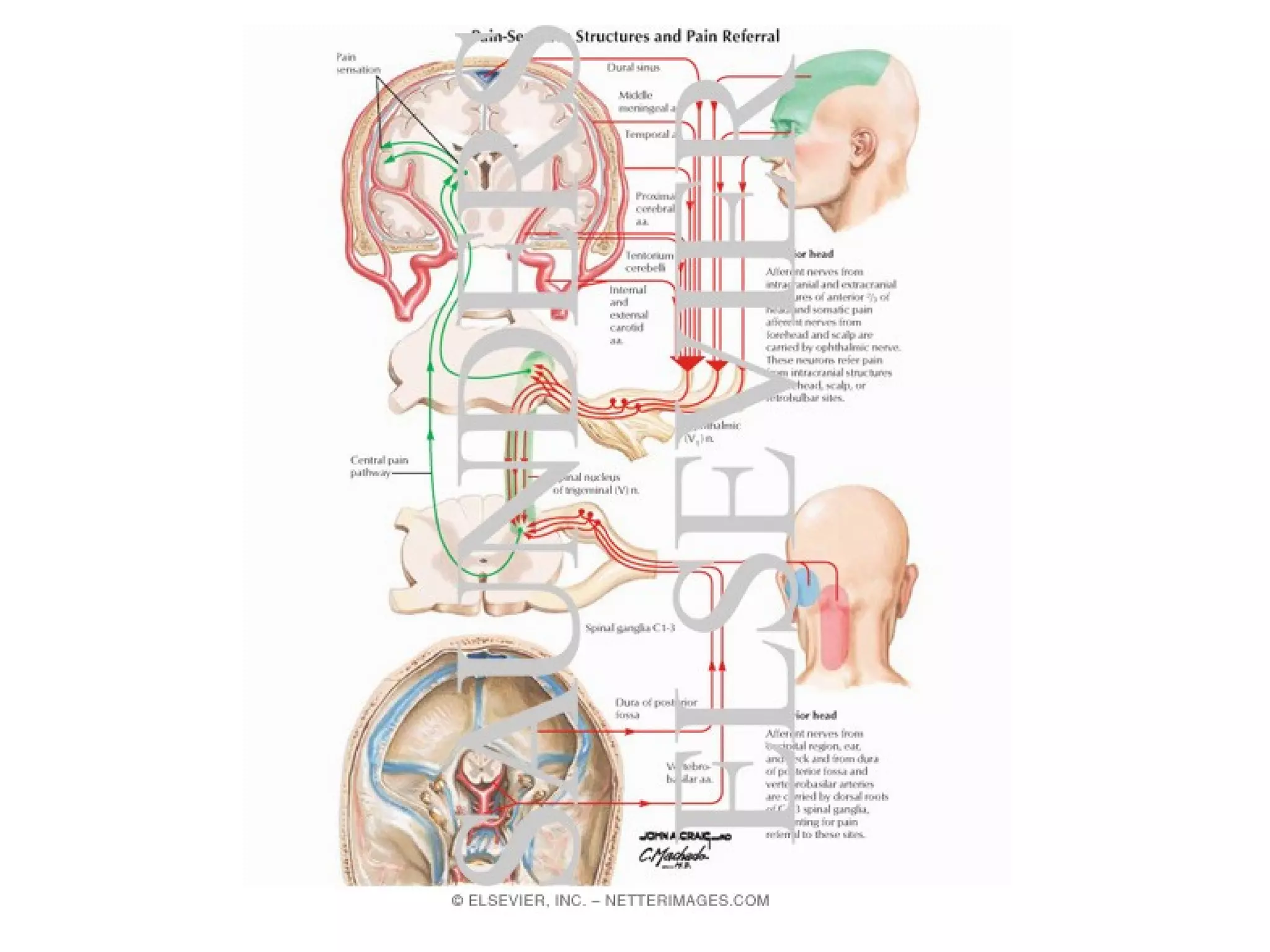
PAIN SENSITIVE STRUCTURES OF HEAD PAIN SENSITIVE SCALP MIDDLE MENINGEAL ARTERY DURAL SINUSES FALX CEREBRI PROX.SEGMENTS OF LARGE PLAIL ARTERIES PAIN INSENSITIVE VENTRICULAR EPENDYMA CHOROID PLEXUS PIAL VEINS MOST OF BRAIN PARENCHYMA
 
PATHOGENESIS OF MIGRAINE GENETIC BASIS VASCULAR THEORY(SPREADING OLIGAEMIA) NEURONAL THEORY(DORSAL RAPHE ) TRIGEMINOVASCULAR(N C) EMPTY NEURON THEORY
 
Pathophysiology of Chronic Daily Headache  The nucleus caudalis (NC) of the trigeminal complex, the major relay nucleus for head and face pain, receives nociceptive input from cephalic blood vessels and pericranial muscles, as well as inhibitory and facilitatory supraspinal input.  Recent evidence suggests that central pain facilitatory neurons (on-cells) are present in the ventromedial medulla .
Pathophysiology of Chronic Daily Headache Abnormal excitation of peripheral  nociceptive afferent fibers (perhaps due to chronic neurogenic inflammation). Enhanced responsiveness of NC neurons  (central sensitization). Decreased pain modulation. Spontaneous central pain. Combination of these.
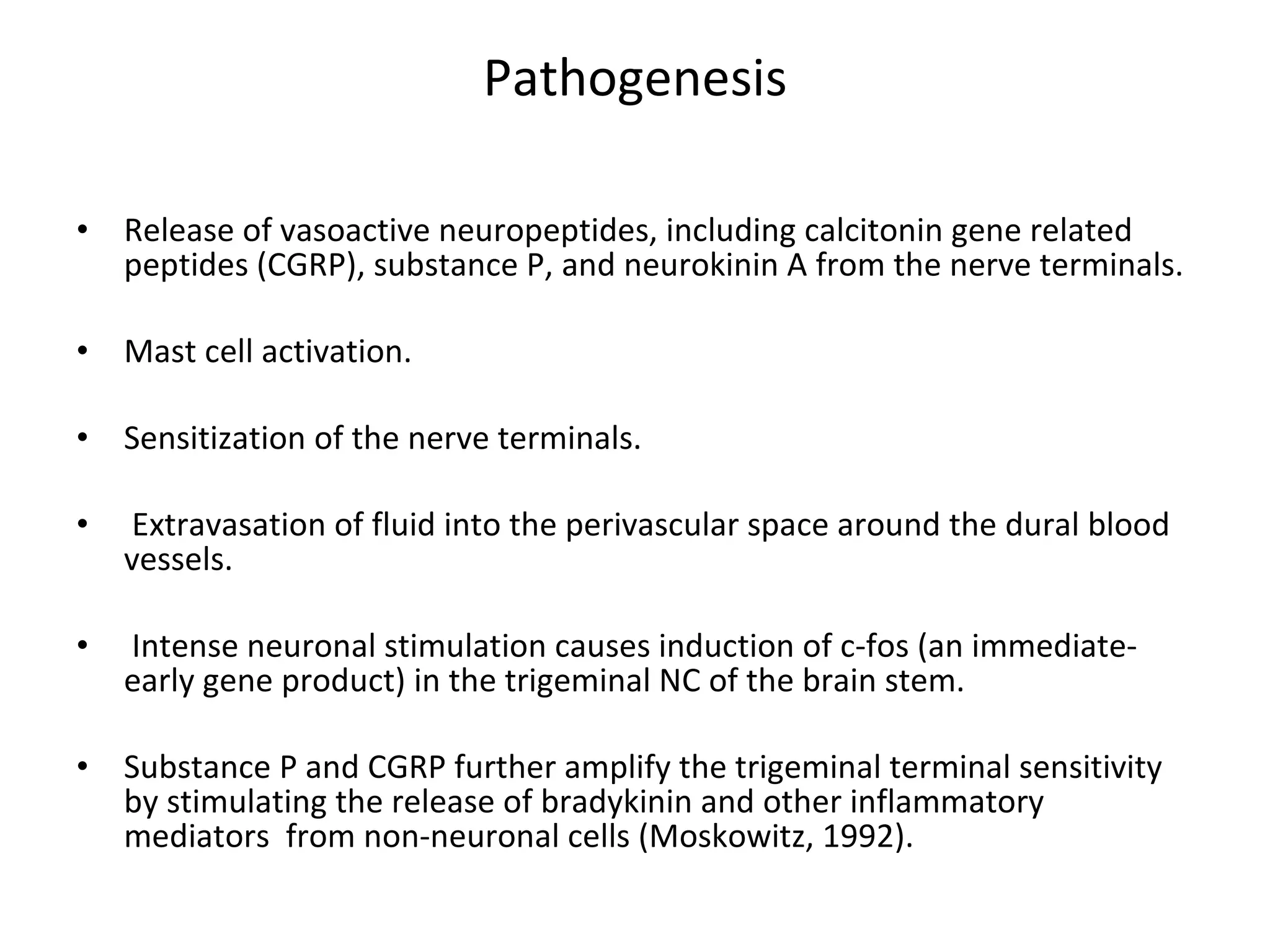
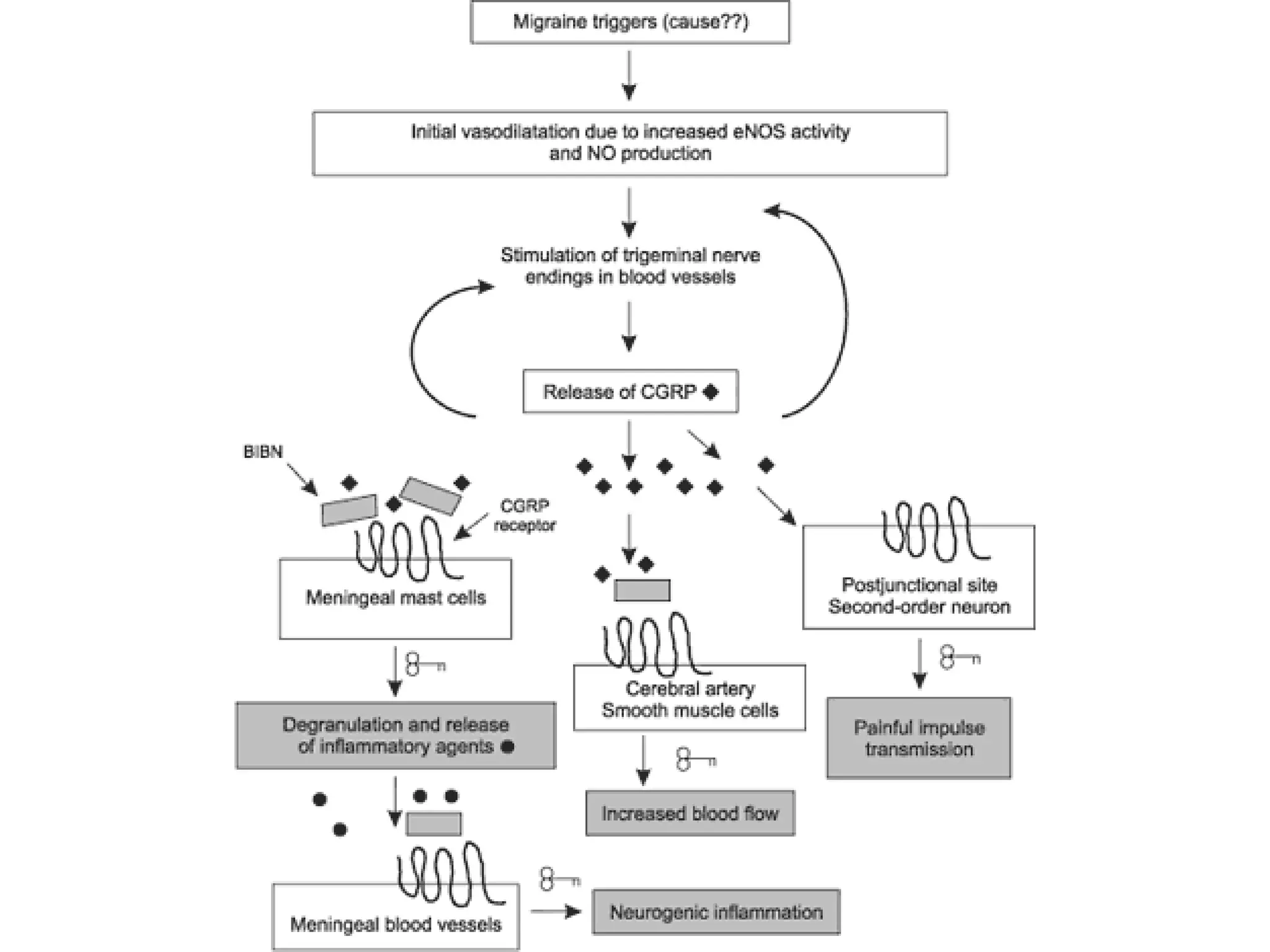
Pathogenesis Release of vasoactive neuropeptides, including calcitonin gene related peptides (CGRP), substance P, and neurokinin A from the nerve terminals. Mast cell activation.  Sensitization of the nerve terminals. Extravasation of fluid into the perivascular space around the dural blood vessels. Intense neuronal stimulation causes induction of c-fos (an immediate-early gene product) in the trigeminal NC of the brain stem.  Substance P and CGRP further amplify the trigeminal terminal sensitivity by stimulating the release of bradykinin and other inflammatory mediators  from non-neuronal cells (Moskowitz, 1992).
Pain Modulation  Off-cells  In the rostroventromedial medulla which inhibit on-cells, which facilitate nociception . Enhanced neuronal activity in the NC as a result of enhanced on-cell or decreased off-cell activity  .  Long-term potentiation of nociceptive neurons and decreased activity in the antinociceptive system could cause primary CDH .
 
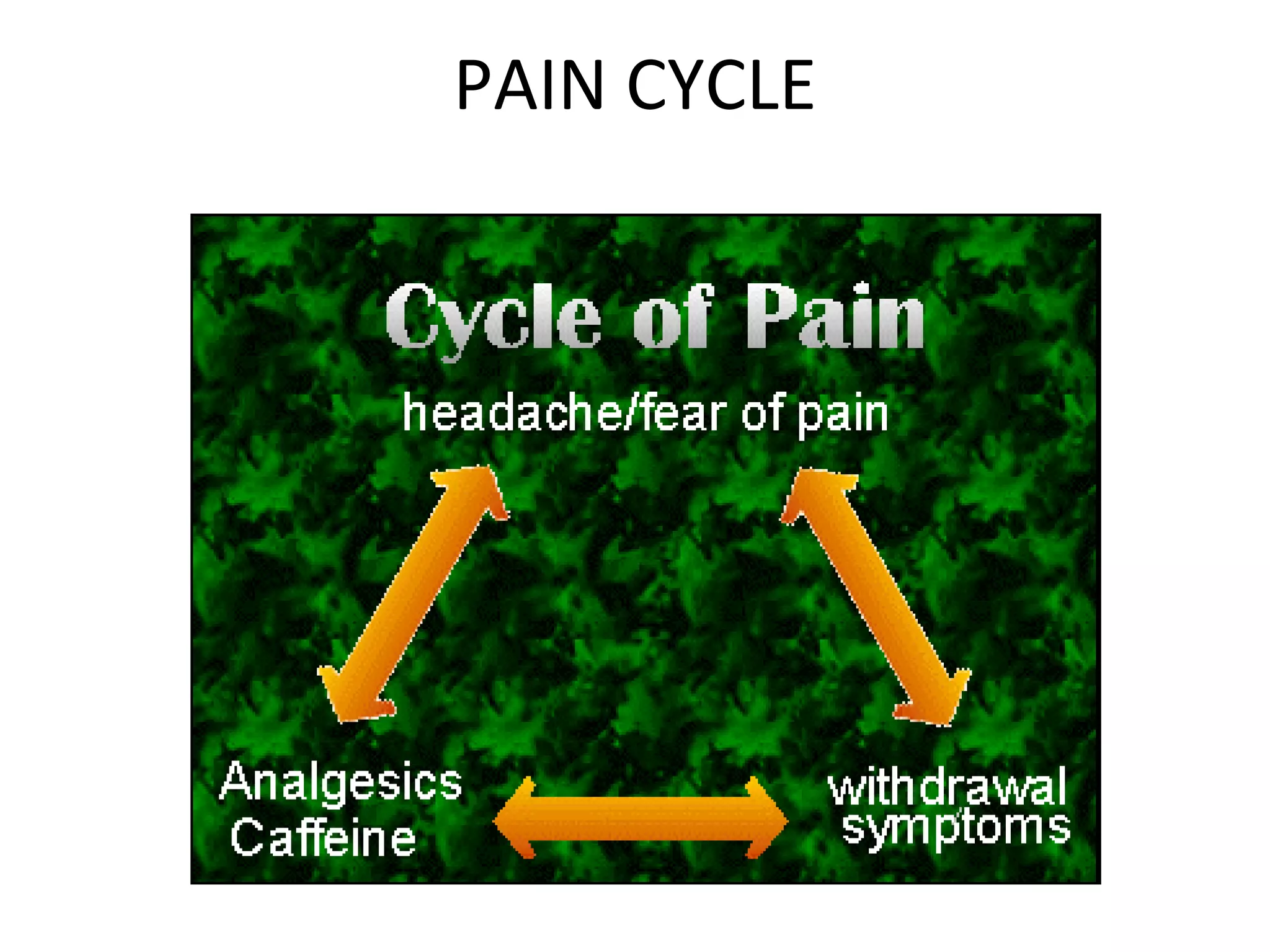
Drug-Induced Headache Mechanisms  Overuse of analgesics, opioids, barbiturates, ergotamine-containing compounds, or triptans may contribute to the transformation of episodic into chronic migraine. Drug-induced primary CDH is due to a rebound effect wherein medication withdrawal triggers the next headache, which in turn leads to the consumption of more drug.  This may produce a vicious cycle, resulting in more frequent drug use and drug-induced primary CDH (Post and Silberstein, 1994).
PAIN CYCLE
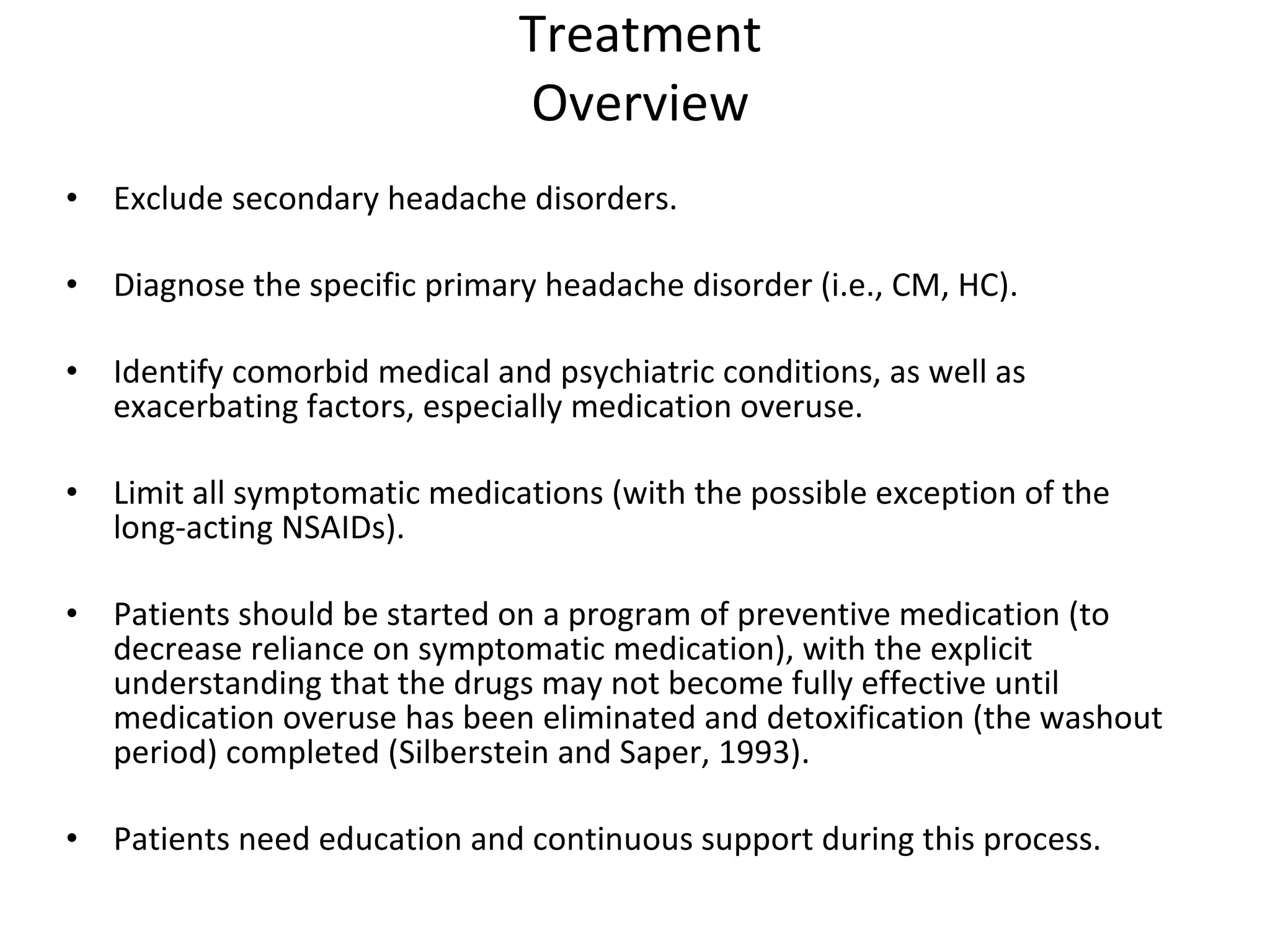
Treatment Overview Exclude secondary headache disorders. Diagnose the specific primary headache disorder (i.e., CM, HC). Identify comorbid medical and psychiatric conditions, as well as exacerbating factors, especially medication overuse.  Limit all symptomatic medications (with the possible exception of the long-acting NSAIDs).  Patients should be started on a program of preventive medication (to decrease reliance on symptomatic medication), with the explicit understanding that the drugs may not become fully effective until medication overuse has been eliminated and detoxification (the washout period) completed (Silberstein and Saper, 1993).  Patients need education and continuous support during this process.
Exclusion criteria for OP withdrawal of overused headache medication,  PRACT.NEUROL .COM  Severe dehydration, nausea or vomiting. Use of strong opiates, barbiturates,  tranquilisers. Significant psychiatric  co morbidities, particularly where there is a possibility of these conditions being worsened by medication withdrawal. Significant medical co morbidity (eg, uncontrolled hypertension, severe  ischaemic  heart disease, etc). Previous failure of outpatient withdrawal .
Suggested Treatment of Transformed Migraine or Medication-Overuse Headache,NEJM  2006 Education, support, and close follow-up for 8–12 wk. Lifestyle modifications (quitting smoking, eliminating caffeine consumption, exercising, eating regular meals , and establishing regular sleep schedule). Behavioral therapy (relaxation therapy, biofeedback). Abrupt withdrawal of overused medications for acute headache, except barbiturates or opioids*. Prednisone (100 mg for 5 days [optional]). Acute-headache treatment (for moderate or severe headache). Non steroidal antiinflammatory drugs (e.g., 500 mg of naproxen sodium). Dihydroergotamine (1 mg) intranasally, subcutaneously, or intramuscularly. Antiemetics (10–20 mg of metoclopramide, 10 mg of prochlorperazine, or 4–8 mg of ondansetron). Preventive therapy.
 
HEADACHE DAIRY, ANAES (National Agency for Accreditation and Evaluation in Healthcare) GUIDE LINES
SUCCESSFUL WITHDRAWAL
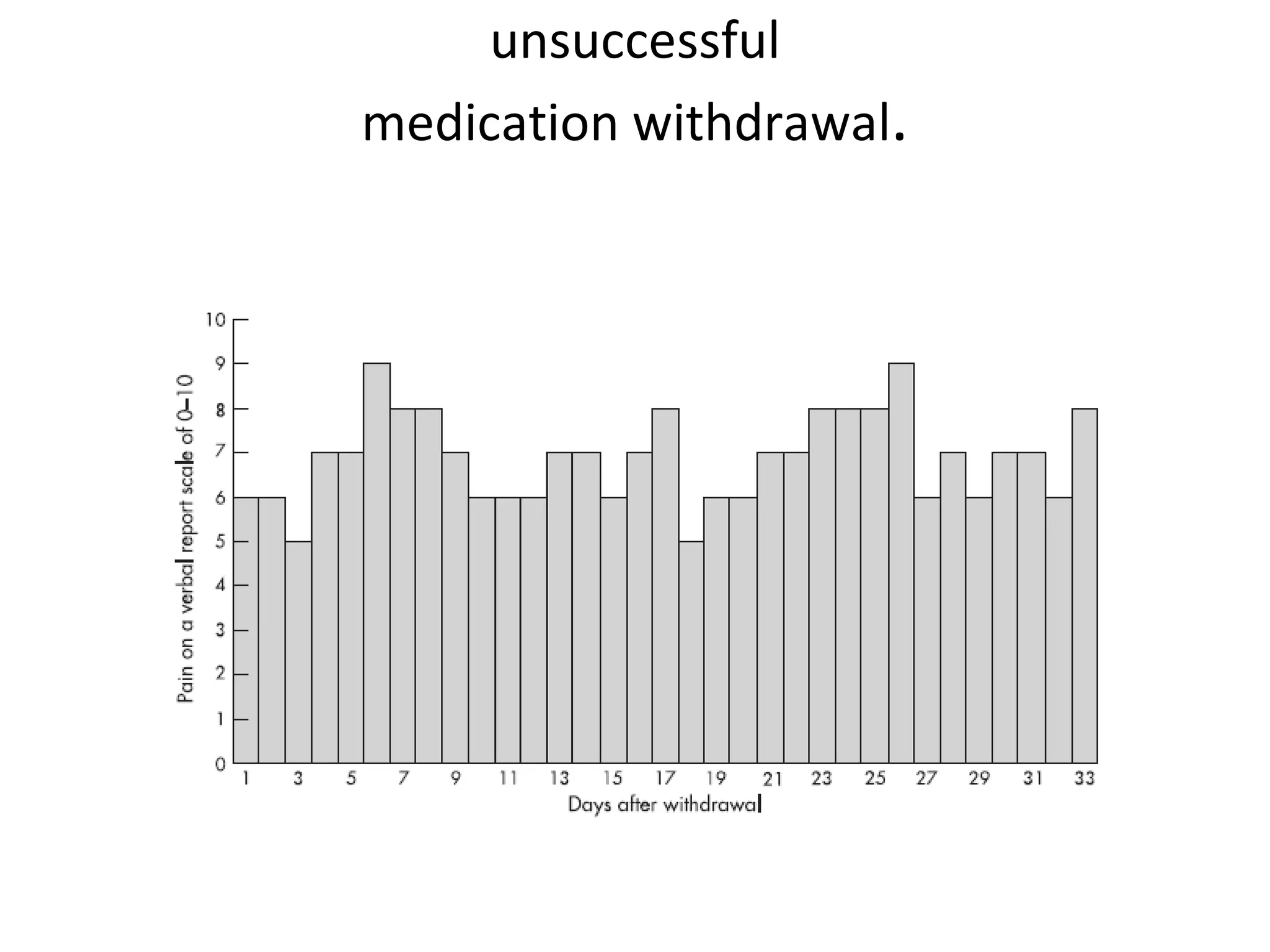
unsuccessful medication withdrawal .
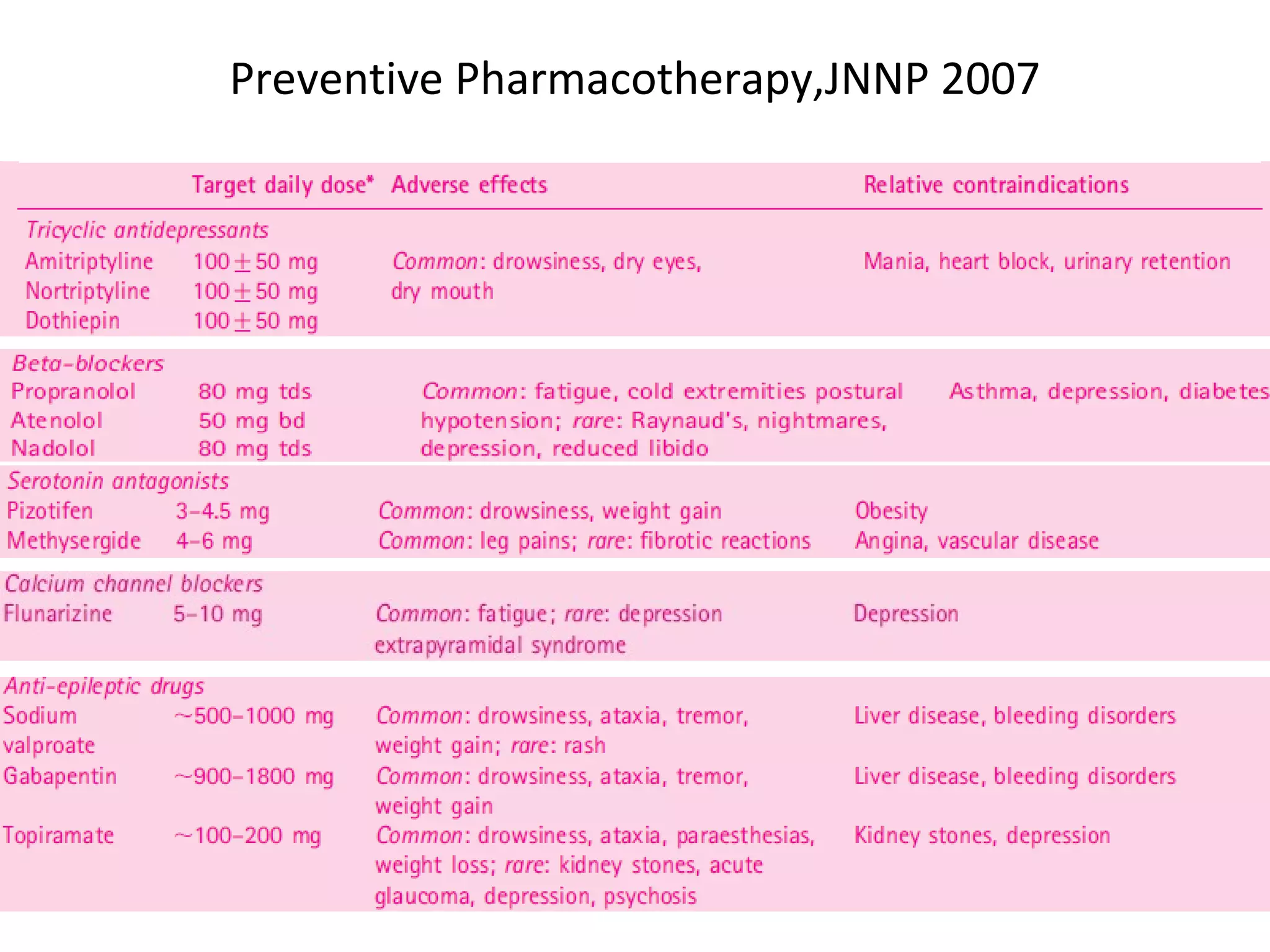
Preventive Pharmacotherapy,JNNP 2007
Nonpharmacologic Therapy lifestyle modifications such as limiting or eliminating caffeine consumption, engaging in regular exercise, and establishing regular mealtimes and sleep schedules can be beneficial for some patients.  Depression, anxiety, and sleep disturbances should be addressed. Training in relaxation techniques  and biofeedback may be beneficial. Patients should be provided with support and close follow-up, particularly during the first eight weeks after treatment is initiated.
Migraine avoidance diet Avoid:  Ripened cheeses* (cheddar, Emmenthaler, Stilton, Brie, Camembert) Herring (pickled or dried) Chocolate Any fermented, pickled, or marinated food Nuts, peanut butter Sourdough bread, breads and crackers that contain cheese or chocolate Broad beans, lima beans, fava beans, snow peas Foods that contain monosodium glutamate (eg, soy sauce, meat tenderizers, seasoned salt) or artificial sweeteners (aspartame) Pizza Foods that contain nitrates (eg, bacon, bologna, pepperoni, salami, hot dogs) Chicken liver paté  Limit:  Sour cream (no more than ½ cup daily) Figs, raisins, papayas, avocados, and red plums (no more than ½ cup daily) Citrus fruits (no more than ½ cup daily) Bananas (no more than ½ banana daily) Tea, coffee, or cola beverages Alcoholic beverages *Permissible cheeses include American, cottage, and cream cheese. Adapted from the National Headache Foundation. Diet and headache.
Why treatment fails  Diagnosis is incomplete or incorrect An undiagnosed secondary headache disorder is present A primary headache disorder is misdiagnosed Two or more different headache disorders are present Important exacerbating factors may have been missed Medication overuse (including over-the-counter) Caffeine overuse Dietary or lifestyle triggers Hormonal triggers Psychosocial factors Other medications that trigger headaches Pharmacotherapy has been inadequate Ineffective drug Excessive initial doses Inadequate final doses Inadequate duration of treatment Other factors Unrealistic expectations Comorbid conditions complicate therapy Inpatient treatment required
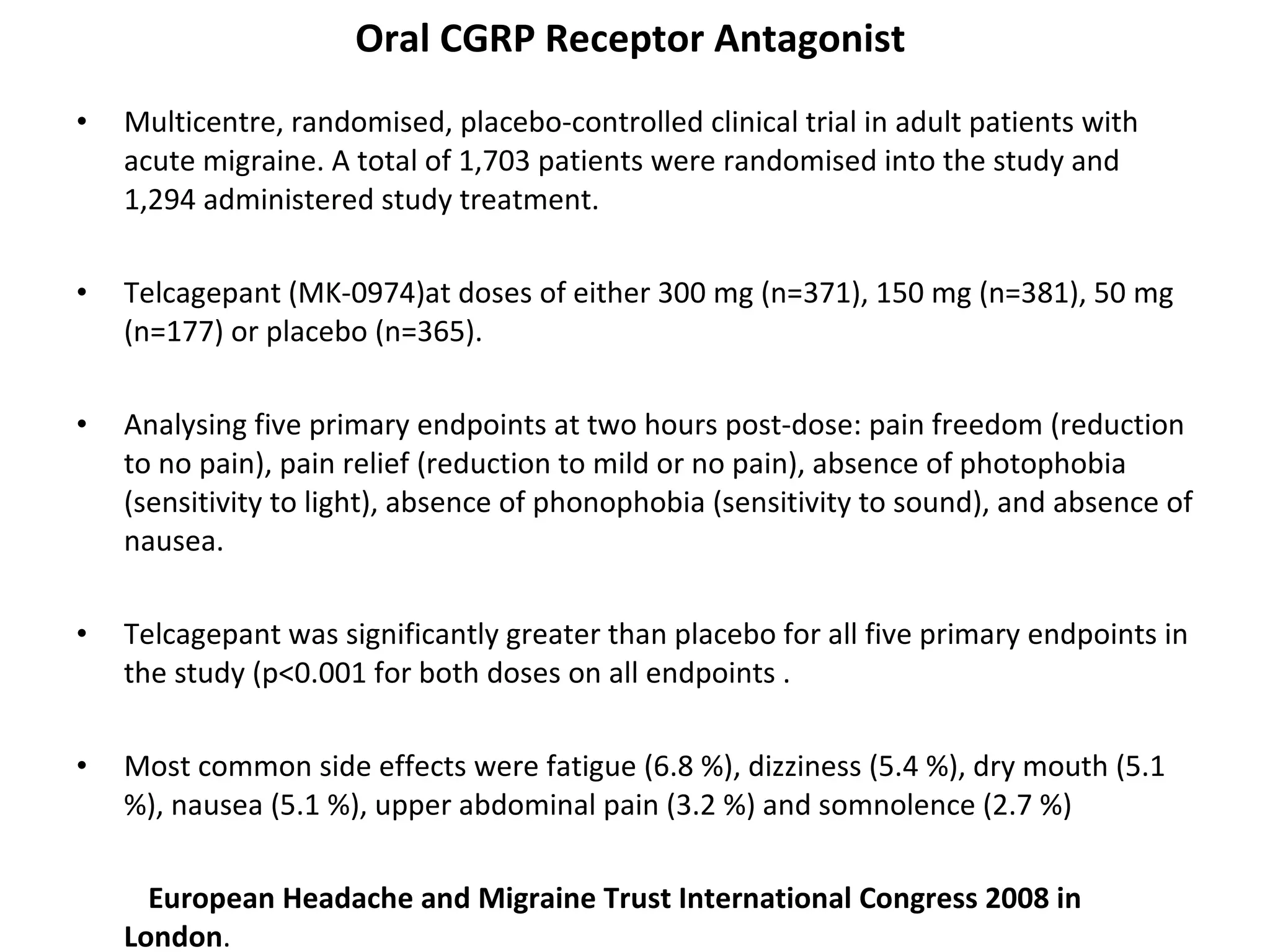
Oral CGRP Receptor Antagonist  Multicentre, randomised, placebo-controlled clinical trial in adult patients with acute migraine. A total of 1,703 patients were randomised into the study and 1,294 administered study treatment.  Telcagepant (MK-0974)at doses of either 300 mg (n=371), 150 mg (n=381), 50 mg (n=177) or placebo (n=365).  Analysing five primary endpoints at two hours post-dose: pain freedom (reduction to no pain), pain relief (reduction to mild or no pain), absence of photophobia (sensitivity to light), absence of phonophobia (sensitivity to sound), and absence of nausea. Telcagepant was significantly greater than placebo for all five primary endpoints in the study (p<0.001 for both doses on all endpoints . Most common side effects were fatigue (6.8 %), dizziness (5.4 %), dry mouth (5.1 %), nausea (5.1 %), upper abdominal pain (3.2 %) and somnolence (2.7 %)  European Headache and Migraine Trust International Congress 2008 in London .
 

chronic daily headache

  • 1.
  • 2.
    IHS CLASSIFICATION Part I: The Primary Headaches 1. Migraine 2. Tension-type headache 3. Cluster headache and other trigeminal autonomic cephalalgias 4. Other primary headaches Part II: The Secondary Headaches 5. Headache attributed to head and/or neck trauma 6. Headache attributed to cranial or cervical vascular disorder 7. Headache attributed to non-vascular intracranial disorder 8. Headache attributed to a substance or its withdrawal 9. Headache attributed to infection 10. Headache attributed to disorder of homoeostasis 11. Headache or facial pain attributed to disorder of cranium, neck, eyes, ears, nose, sinuses, teeth, mouth or other facial or cranial structures 12. Headache attributed to psychiatric disorder Part III: Cranial Neuralgias Central and Primary Facial Pain and Other Headaches 13. Cranial neuralgias and central causes of facial pain 14. Other headache, cranial neuralgia, central or primary facial pain
  • 3.
    DEFINITION Presence ofa headache more than 15 days per month for longer than 3 months. CDH is not a diagnosis. Secondary causes must be ruled out before the diagnosis of a primary headache disorder is made. 3 to 5 percent of the population worldwide. 70 to 80 percent of patients presenting to headache clinics in the United States .
  • 4.
    Chronic daily headachePrimary chronic daily headache   Headache duration >4 hours    Chronic migraine (previously transformed migraine)    Chronic tension-type headache    New daily persistent headache   Hemicrania continua Headache duration <4 hours    Cluster headache    Paroxysmal hemicranias    Hypnic headache    Idiopathic stabbing headache Secondary chronic daily headache   Post-traumatic headache   Cervical spine disorders Headache associated with vascular disorders (arteriovenous malformation; arteritis, including giant cell arteritis; dissection; and subdural hematoma) Headache associated with nonvascular intracranial disorders [intracranial hypertension, infection (EBV, HIV), neoplasm] Other (temporomandibular joint disorder, sinus infection)
  • 5.
  • 6.
  • 7.
    Secondary causes Carefulconsideration and exclusion. Cervicogenic headache (pain referred from a source in the neck and perceived in one or more regions of the head, face, or both). Intracranial hypertension or hypotension. Intracranial infection (meningitis or sinusitis). Space-occupying lesions. Post-traumatic headache. Arterial dissection. Venous sinus thrombosis. Giant-cell arteritis.
  • 8.
    Modified from Silberstein,S.D., R.B. Lipton, S. Solomon et al. (1994). Classification of daily and near daily headaches: Proposed revisions to the IHS classification. Headache 34:1-7 Daily or near-daily headache lasting >4 hours for >15 days/month   1.8 Chronic migraine (previously transformed migraine)    1.8.1 with medication overuse    1.8.2 without medication overuse   2.2 Chronic tension-type headache    2.2.1 with medication overuse    2.2.2 without medication overuse   4.7 New daily persistent headache   4.7.1 with medication overuse    4.7.2 without medication overuse 4.8 Hemicrania continua   4.8.1 with medication overuse    4.8.2 without medication overuse
  • 9.
    Risk factors forchronic daily headache Obesity. H/o frequent headache (more than one per week). Caffeine consumption. Overuse (more than 10 days per month) of acute-headache medications, including analgesics,ergots, and triptans. Sleep disturbances . Mood disorders such as depression or anxiety.
  • 10.
    How migraine andETTH progress to CDH, CLINICAL PRACTICE GUIDELINES,2004
  • 11.
    Factors driving transformationof a primary headache disorder into chronic daily headache, PRACT.NEUROL 2007
  • 12.
    Proposed criteria formedication overuse headache and CM(2006) PRACT.NEUROL 2007
  • 13.
  • 14.
    How to distinguishmigraine from tension-type headache, after the International Headache Society (IHS) classification (2nd edn)
  • 15.
  • 16.
  • 17.
    Epidemiology 4.1% ofAmericans. 4.45% of Greeks. 3.9% of elderly Chinese. 4.7% of Spaniards .
  • 18.
    Epidemiology The overallprevalence of primary CDH was 4.1% (5.0% women, 2.8% men; 1.8:1 women-to-men ratio). Frequent headache was 33% more common in Caucasians (4.4%) than in African-Americans (3.3%). In both men and women, prevalence was highest in the lowest educational category.
  • 19.
  • 20.
  • 21.
    Psychiatric Comorbidity Anxiety. Depression. Panic disorder. Bipolar disease .
  • 22.
    Hormonal factors: menopauseMigraine and tension-type headache may become worse at menopause (grade C). However, as studies have used different designs, it is not yet possible to determine: - the proportion of migraines or tension-type headaches that worsen at menopause; - the effect of spontaneous or surgical menopause on progression from episodic headache to CDH; - the effect of hormone replacement therapy on progression. The effect of menopause on progression from episodic headache to CDH may be related to complex relationships between hormonal and neurobiological, and psychological and cultural factors (grade C) .
  • 23.
    Musculoskeletal factors Muscletension may be a factor in the persistence of CDH. It can be diagnosed by palpation of scalp and facial muscles and the cervical musculature. If muscle tension is present, causal factors such as posture (especially at work), trauma, temporomandibular joint dysfunction, etc., should be investigated. Psychological factors such as anxiety, by increasing muscle tone, also contribute to musculoskeletal factors becoming chronic (grade C).
  • 24.
    PAIN SENSITIVE STRUCTURESOF HEAD PAIN SENSITIVE SCALP MIDDLE MENINGEAL ARTERY DURAL SINUSES FALX CEREBRI PROX.SEGMENTS OF LARGE PLAIL ARTERIES PAIN INSENSITIVE VENTRICULAR EPENDYMA CHOROID PLEXUS PIAL VEINS MOST OF BRAIN PARENCHYMA
  • 25.
  • 26.
    PATHOGENESIS OF MIGRAINEGENETIC BASIS VASCULAR THEORY(SPREADING OLIGAEMIA) NEURONAL THEORY(DORSAL RAPHE ) TRIGEMINOVASCULAR(N C) EMPTY NEURON THEORY
  • 27.
  • 28.
    Pathophysiology of ChronicDaily Headache The nucleus caudalis (NC) of the trigeminal complex, the major relay nucleus for head and face pain, receives nociceptive input from cephalic blood vessels and pericranial muscles, as well as inhibitory and facilitatory supraspinal input. Recent evidence suggests that central pain facilitatory neurons (on-cells) are present in the ventromedial medulla .
  • 29.
    Pathophysiology of ChronicDaily Headache Abnormal excitation of peripheral nociceptive afferent fibers (perhaps due to chronic neurogenic inflammation). Enhanced responsiveness of NC neurons (central sensitization). Decreased pain modulation. Spontaneous central pain. Combination of these.
  • 30.
    Pathogenesis Release ofvasoactive neuropeptides, including calcitonin gene related peptides (CGRP), substance P, and neurokinin A from the nerve terminals. Mast cell activation. Sensitization of the nerve terminals. Extravasation of fluid into the perivascular space around the dural blood vessels. Intense neuronal stimulation causes induction of c-fos (an immediate-early gene product) in the trigeminal NC of the brain stem. Substance P and CGRP further amplify the trigeminal terminal sensitivity by stimulating the release of bradykinin and other inflammatory mediators from non-neuronal cells (Moskowitz, 1992).
  • 31.
    Pain Modulation Off-cells In the rostroventromedial medulla which inhibit on-cells, which facilitate nociception . Enhanced neuronal activity in the NC as a result of enhanced on-cell or decreased off-cell activity . Long-term potentiation of nociceptive neurons and decreased activity in the antinociceptive system could cause primary CDH .
  • 32.
  • 33.
    Drug-Induced Headache Mechanisms Overuse of analgesics, opioids, barbiturates, ergotamine-containing compounds, or triptans may contribute to the transformation of episodic into chronic migraine. Drug-induced primary CDH is due to a rebound effect wherein medication withdrawal triggers the next headache, which in turn leads to the consumption of more drug. This may produce a vicious cycle, resulting in more frequent drug use and drug-induced primary CDH (Post and Silberstein, 1994).
  • 34.
  • 35.
    Treatment Overview Excludesecondary headache disorders. Diagnose the specific primary headache disorder (i.e., CM, HC). Identify comorbid medical and psychiatric conditions, as well as exacerbating factors, especially medication overuse. Limit all symptomatic medications (with the possible exception of the long-acting NSAIDs). Patients should be started on a program of preventive medication (to decrease reliance on symptomatic medication), with the explicit understanding that the drugs may not become fully effective until medication overuse has been eliminated and detoxification (the washout period) completed (Silberstein and Saper, 1993). Patients need education and continuous support during this process.
  • 36.
    Exclusion criteria forOP withdrawal of overused headache medication, PRACT.NEUROL .COM Severe dehydration, nausea or vomiting. Use of strong opiates, barbiturates, tranquilisers. Significant psychiatric co morbidities, particularly where there is a possibility of these conditions being worsened by medication withdrawal. Significant medical co morbidity (eg, uncontrolled hypertension, severe ischaemic heart disease, etc). Previous failure of outpatient withdrawal .
  • 37.
    Suggested Treatment ofTransformed Migraine or Medication-Overuse Headache,NEJM 2006 Education, support, and close follow-up for 8–12 wk. Lifestyle modifications (quitting smoking, eliminating caffeine consumption, exercising, eating regular meals , and establishing regular sleep schedule). Behavioral therapy (relaxation therapy, biofeedback). Abrupt withdrawal of overused medications for acute headache, except barbiturates or opioids*. Prednisone (100 mg for 5 days [optional]). Acute-headache treatment (for moderate or severe headache). Non steroidal antiinflammatory drugs (e.g., 500 mg of naproxen sodium). Dihydroergotamine (1 mg) intranasally, subcutaneously, or intramuscularly. Antiemetics (10–20 mg of metoclopramide, 10 mg of prochlorperazine, or 4–8 mg of ondansetron). Preventive therapy.
  • 38.
  • 39.
    HEADACHE DAIRY, ANAES(National Agency for Accreditation and Evaluation in Healthcare) GUIDE LINES
  • 40.
  • 41.
  • 42.
  • 43.
    Nonpharmacologic Therapy lifestylemodifications such as limiting or eliminating caffeine consumption, engaging in regular exercise, and establishing regular mealtimes and sleep schedules can be beneficial for some patients. Depression, anxiety, and sleep disturbances should be addressed. Training in relaxation techniques and biofeedback may be beneficial. Patients should be provided with support and close follow-up, particularly during the first eight weeks after treatment is initiated.
  • 44.
    Migraine avoidance dietAvoid:  Ripened cheeses* (cheddar, Emmenthaler, Stilton, Brie, Camembert) Herring (pickled or dried) Chocolate Any fermented, pickled, or marinated food Nuts, peanut butter Sourdough bread, breads and crackers that contain cheese or chocolate Broad beans, lima beans, fava beans, snow peas Foods that contain monosodium glutamate (eg, soy sauce, meat tenderizers, seasoned salt) or artificial sweeteners (aspartame) Pizza Foods that contain nitrates (eg, bacon, bologna, pepperoni, salami, hot dogs) Chicken liver paté  Limit:  Sour cream (no more than ½ cup daily) Figs, raisins, papayas, avocados, and red plums (no more than ½ cup daily) Citrus fruits (no more than ½ cup daily) Bananas (no more than ½ banana daily) Tea, coffee, or cola beverages Alcoholic beverages *Permissible cheeses include American, cottage, and cream cheese. Adapted from the National Headache Foundation. Diet and headache.
  • 45.
    Why treatment fails Diagnosis is incomplete or incorrect An undiagnosed secondary headache disorder is present A primary headache disorder is misdiagnosed Two or more different headache disorders are present Important exacerbating factors may have been missed Medication overuse (including over-the-counter) Caffeine overuse Dietary or lifestyle triggers Hormonal triggers Psychosocial factors Other medications that trigger headaches Pharmacotherapy has been inadequate Ineffective drug Excessive initial doses Inadequate final doses Inadequate duration of treatment Other factors Unrealistic expectations Comorbid conditions complicate therapy Inpatient treatment required
  • 46.
    Oral CGRP ReceptorAntagonist Multicentre, randomised, placebo-controlled clinical trial in adult patients with acute migraine. A total of 1,703 patients were randomised into the study and 1,294 administered study treatment. Telcagepant (MK-0974)at doses of either 300 mg (n=371), 150 mg (n=381), 50 mg (n=177) or placebo (n=365). Analysing five primary endpoints at two hours post-dose: pain freedom (reduction to no pain), pain relief (reduction to mild or no pain), absence of photophobia (sensitivity to light), absence of phonophobia (sensitivity to sound), and absence of nausea. Telcagepant was significantly greater than placebo for all five primary endpoints in the study (p<0.001 for both doses on all endpoints . Most common side effects were fatigue (6.8 %), dizziness (5.4 %), dry mouth (5.1 %), nausea (5.1 %), upper abdominal pain (3.2 %) and somnolence (2.7 %) European Headache and Migraine Trust International Congress 2008 in London .
  • 47.