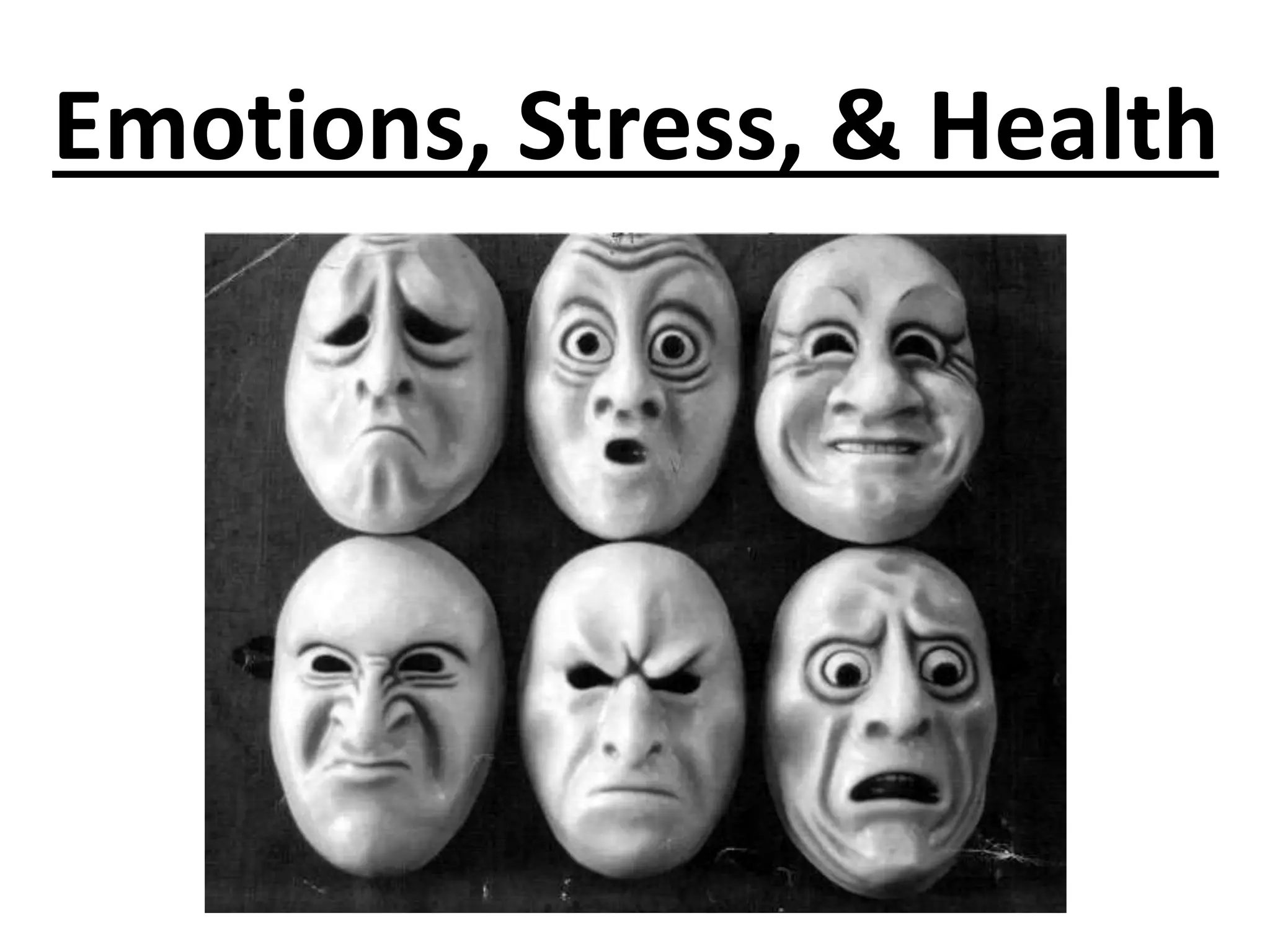
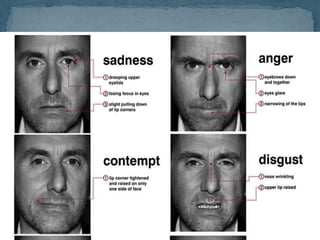
Emotions, Stress, & Health
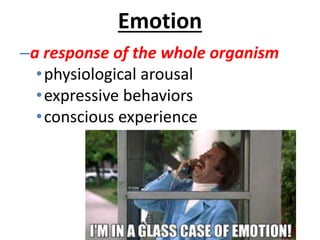
Emotion
–a response of the whole organism
•physiological arousal
•expressive behaviors
•conscious experience
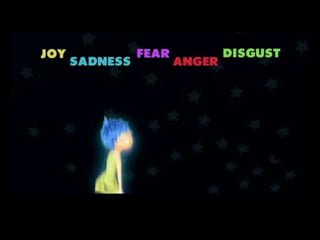
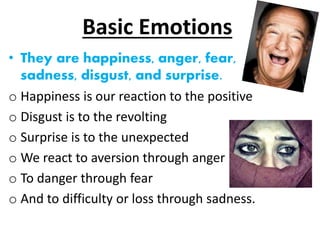
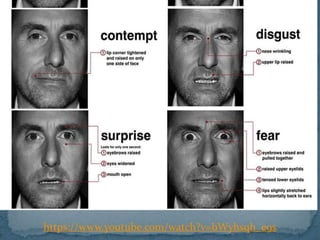
Basic Emotions
• They are happiness, anger, fear,
sadness, disgust, and surprise.
o Happiness is our reaction to the positive
o Disgust is to the revolting
o Surprise is to the unexpected
o We react to aversion through anger
o To danger through fear
o And to difficulty or loss through sadness.
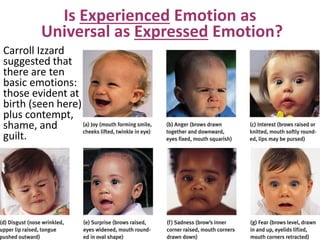
Carroll Izzard
suggested that
there are ten
basic emotions:
those evident at
birth (seen here)
plus contempt,
shame, and
guilt.
Is Experienced Emotion as
Universal as Expressed Emotion?
6
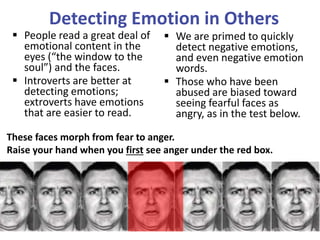
Detecting Emotion in Others
 People read a great deal of
emotional content in the
eyes (“the window to the
soul”) and the faces.
 Introverts are better at
detecting emotions;
extroverts have emotions
that are easier to read.
 We are primed to quickly
detect negative emotions,
and even negative emotion
words.
 Those who have been
abused are biased toward
seeing fearful faces as
angry, as in the test below.
These faces morph from fear to anger.
Raise your hand when you first see anger under the red box.
7
https://www.youtube.com/watch?v=bWyhsqh_e9s
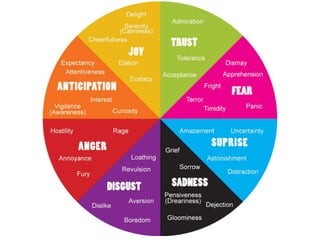
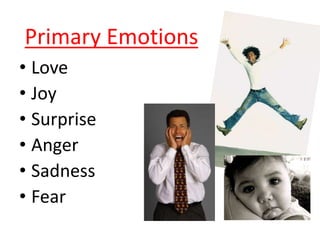
Primary Emotions
• Love
• Joy
• Surprise
• Anger
• Sadness
• Fear
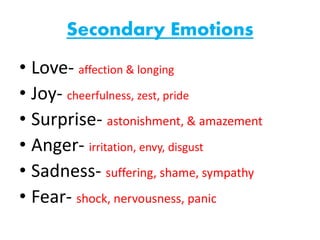
Secondary Emotions
• Love- affection & longing
• Joy- cheerfulness, zest, pride
• Surprise- astonishment, & amazement
• Anger- irritation, envy, disgust
• Sadness- suffering, shame, sympathy
• Fear- shock, nervousness, panic
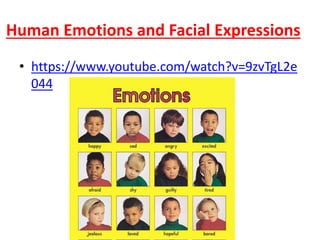
Human Emotions and Facial Expressions
• https://www.youtube.com/watch?v=9zvTgL2e
044
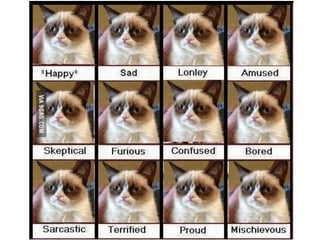
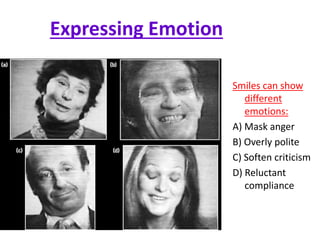
Expressing Emotion
Smiles can show
different
emotions:
A) Mask anger
B) Overly polite
C) Soften criticism
D) Reluctant
compliance
Expressing Emotion
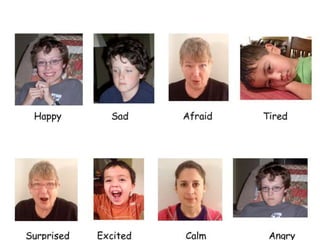
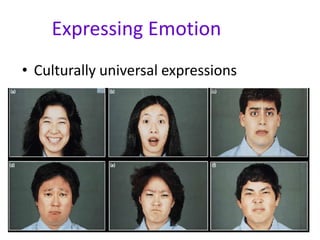
• Culturally universal expressions
Expressing Emotion
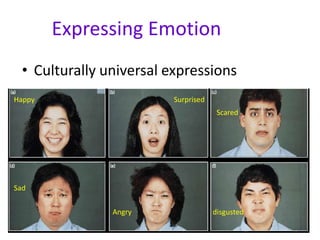
• Culturally universal expressions
Happy Surprised
Scared
Sad
Angry disgusted
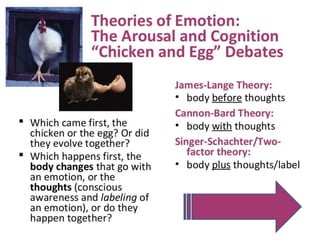
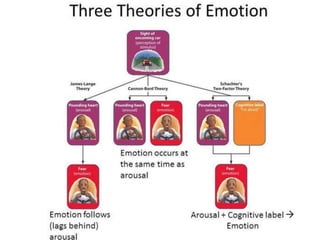
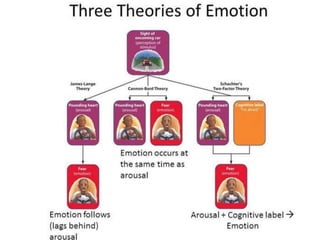
3 Theories on Emotion
• James-Lange Theory
• Cannon-Bard Theory
• Two-Factor Theory
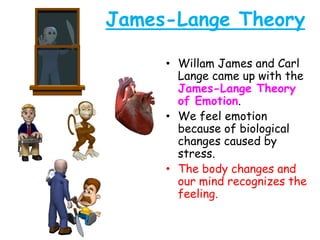
James-Lange Theory
• Willam James and Carl
Lange came up with the
James-Lange Theory
of Emotion.
• We feel emotion
because of biological
changes caused by
stress.
• The body changes and
our mind recognizes the
feeling.
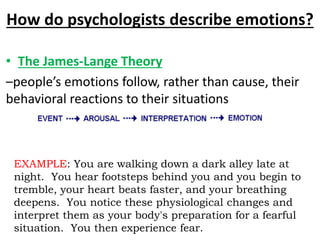
How do psychologists describe emotions?
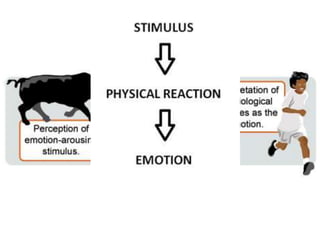
• The James-Lange Theory
–people’s emotions follow, rather than cause, their
behavioral reactions to their situations
EXAMPLE: You are walking down a dark alley late at
night. You hear footsteps behind you and you begin to
tremble, your heart beats faster, and your breathing
deepens. You notice these physiological changes and
interpret them as your body's preparation for a fearful
situation. You then experience fear.
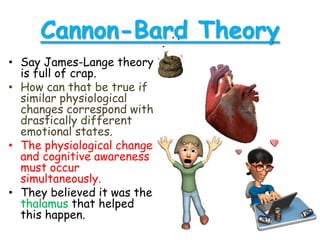
Cannon-Bard Theory
• Say James-Lange theory
is full of crap.
• How can that be true if
similar physiological
changes correspond with
drastically different
emotional states.
• The physiological change
and cognitive awareness
must occur
simultaneously.
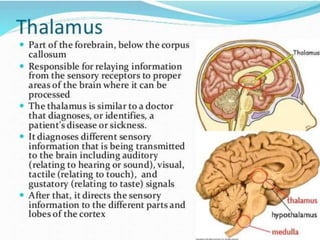
• They believed it was the
thalamus that helped
this happen.
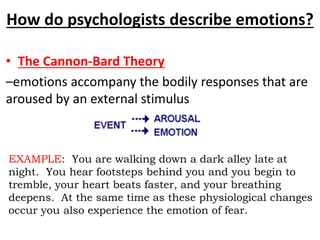
How do psychologists describe emotions?
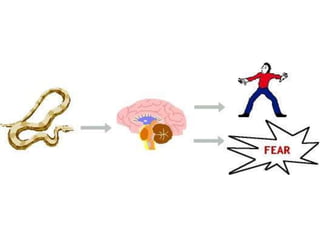
• The Cannon-Bard Theory
–emotions accompany the bodily responses that are
aroused by an external stimulus
EXAMPLE: You are walking down a dark alley late at
night. You hear footsteps behind you and you begin to
tremble, your heart beats faster, and your breathing
deepens. At the same time as these physiological changes
occur you also experience the emotion of fear.
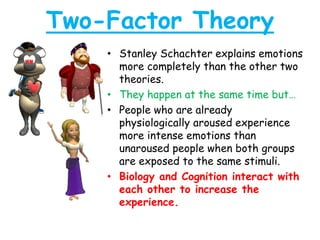
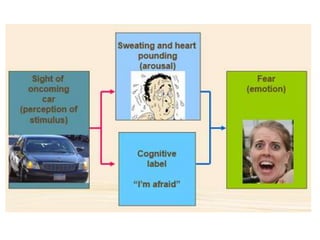
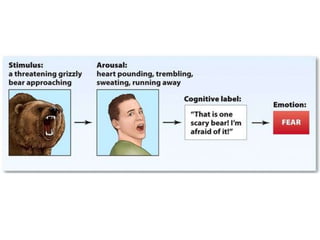
Two-Factor Theory
• Stanley Schachter explains emotions
more completely than the other two
theories.
• They happen at the same time but…
• People who are already
physiologically aroused experience
more intense emotions than
unaroused people when both groups
are exposed to the same stimuli.
• Biology and Cognition interact with
each other to increase the
experience.
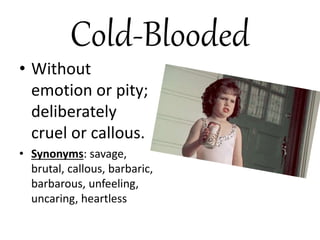
Cold-Blooded
• Without
emotion or pity;
deliberately
cruel or callous.
• Synonyms: savage,
brutal, callous, barbaric,
barbarous, unfeeling,
uncaring, heartless
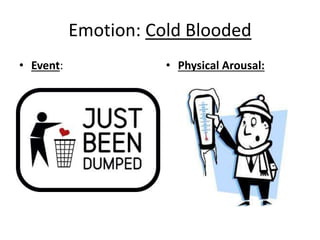
Emotion: Cold Blooded
• Event: • Physical Arousal:
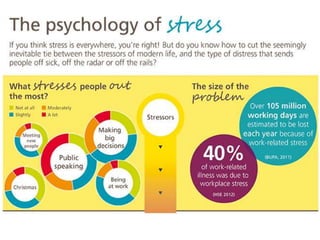
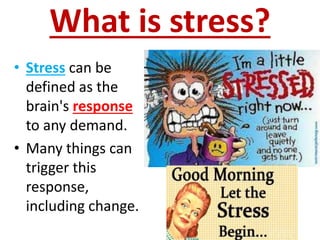
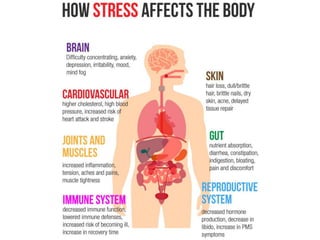
What is stress?
• Stress can be
defined as the
brain's response
to any demand.
• Many things can
trigger this
response,
including change.
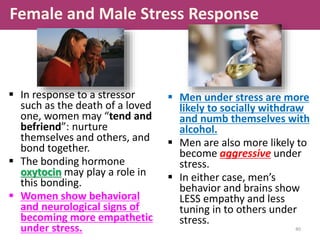
Female and Male Stress Response
 In response to a stressor
such as the death of a loved
one, women may “tend and
befriend”: nurture
themselves and others, and
bond together.
 The bonding hormone
oxytocin may play a role in
this bonding.
 Women show behavioral
and neurological signs of
becoming more empathetic
under stress.
 Men under stress are more
likely to socially withdraw
and numb themselves with
alcohol.
 Men are also more likely to
become aggressive under
stress.
 In either case, men’s
behavior and brains show
LESS empathy and less
tuning in to others under
stress.
40
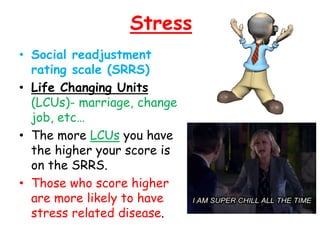
Stress
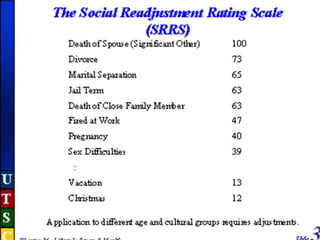
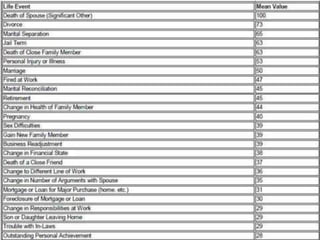
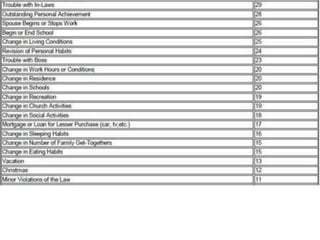
• Social readjustment
rating scale (SRRS)
• Life Changing Units
(LCUs)- marriage, change
job, etc…
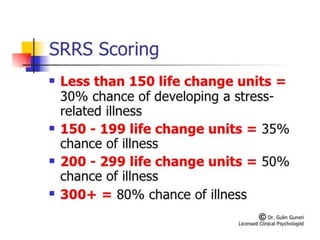
• The more LCUs you have
the higher your score is
on the SRRS.
• Those who score higher
are more likely to have
stress related disease.
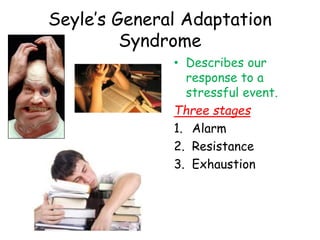
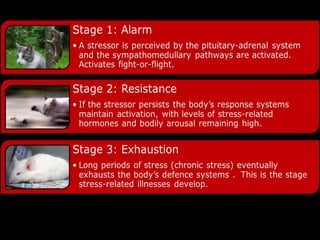
Seyle’s General Adaptation
Syndrome
• Describes our
response to a
stressful event.
Three stages
1. Alarm
2. Resistance
3. Exhaustion
Ch. 12: Human Emotions & Stress

Ch. 12: Human Emotions & Stress

  • 1.
  • 2.
    Emotion –a response ofthe whole organism •physiological arousal •expressive behaviors •conscious experience
  • 5.
    Basic Emotions • Theyare happiness, anger, fear, sadness, disgust, and surprise. o Happiness is our reaction to the positive o Disgust is to the revolting o Surprise is to the unexpected o We react to aversion through anger o To danger through fear o And to difficulty or loss through sadness.
  • 6.
    Carroll Izzard suggested that thereare ten basic emotions: those evident at birth (seen here) plus contempt, shame, and guilt. Is Experienced Emotion as Universal as Expressed Emotion? 6
  • 7.
    Detecting Emotion inOthers  People read a great deal of emotional content in the eyes (“the window to the soul”) and the faces.  Introverts are better at detecting emotions; extroverts have emotions that are easier to read.  We are primed to quickly detect negative emotions, and even negative emotion words.  Those who have been abused are biased toward seeing fearful faces as angry, as in the test below. These faces morph from fear to anger. Raise your hand when you first see anger under the red box. 7
  • 10.
  • 13.
    Primary Emotions • Love •Joy • Surprise • Anger • Sadness • Fear
  • 14.
    Secondary Emotions • Love-affection & longing • Joy- cheerfulness, zest, pride • Surprise- astonishment, & amazement • Anger- irritation, envy, disgust • Sadness- suffering, shame, sympathy • Fear- shock, nervousness, panic
  • 15.
    Human Emotions andFacial Expressions • https://www.youtube.com/watch?v=9zvTgL2e 044
  • 16.
    Expressing Emotion Smiles canshow different emotions: A) Mask anger B) Overly polite C) Soften criticism D) Reluctant compliance
  • 17.
    Expressing Emotion • Culturallyuniversal expressions
  • 18.
    Expressing Emotion • Culturallyuniversal expressions Happy Surprised Scared Sad Angry disgusted
  • 21.
    3 Theories onEmotion • James-Lange Theory • Cannon-Bard Theory • Two-Factor Theory
  • 22.
    James-Lange Theory • WillamJames and Carl Lange came up with the James-Lange Theory of Emotion. • We feel emotion because of biological changes caused by stress. • The body changes and our mind recognizes the feeling.
  • 23.
    How do psychologistsdescribe emotions? • The James-Lange Theory –people’s emotions follow, rather than cause, their behavioral reactions to their situations EXAMPLE: You are walking down a dark alley late at night. You hear footsteps behind you and you begin to tremble, your heart beats faster, and your breathing deepens. You notice these physiological changes and interpret them as your body's preparation for a fearful situation. You then experience fear.
  • 25.
    Cannon-Bard Theory • SayJames-Lange theory is full of crap. • How can that be true if similar physiological changes correspond with drastically different emotional states. • The physiological change and cognitive awareness must occur simultaneously. • They believed it was the thalamus that helped this happen.
  • 27.
    How do psychologistsdescribe emotions? • The Cannon-Bard Theory –emotions accompany the bodily responses that are aroused by an external stimulus EXAMPLE: You are walking down a dark alley late at night. You hear footsteps behind you and you begin to tremble, your heart beats faster, and your breathing deepens. At the same time as these physiological changes occur you also experience the emotion of fear.
  • 29.
    Two-Factor Theory • StanleySchachter explains emotions more completely than the other two theories. • They happen at the same time but… • People who are already physiologically aroused experience more intense emotions than unaroused people when both groups are exposed to the same stimuli. • Biology and Cognition interact with each other to increase the experience.
  • 33.
    Cold-Blooded • Without emotion orpity; deliberately cruel or callous. • Synonyms: savage, brutal, callous, barbaric, barbarous, unfeeling, uncaring, heartless
  • 34.
    Emotion: Cold Blooded •Event: • Physical Arousal:
  • 37.
    What is stress? •Stress can be defined as the brain's response to any demand. • Many things can trigger this response, including change.
  • 40.
    Female and MaleStress Response  In response to a stressor such as the death of a loved one, women may “tend and befriend”: nurture themselves and others, and bond together.  The bonding hormone oxytocin may play a role in this bonding.  Women show behavioral and neurological signs of becoming more empathetic under stress.  Men under stress are more likely to socially withdraw and numb themselves with alcohol.  Men are also more likely to become aggressive under stress.  In either case, men’s behavior and brains show LESS empathy and less tuning in to others under stress. 40
  • 41.
    Stress • Social readjustment ratingscale (SRRS) • Life Changing Units (LCUs)- marriage, change job, etc… • The more LCUs you have the higher your score is on the SRRS. • Those who score higher are more likely to have stress related disease.
  • 46.
    Seyle’s General Adaptation Syndrome •Describes our response to a stressful event. Three stages 1. Alarm 2. Resistance 3. Exhaustion

Editor's Notes

  • #7 No animation.
  • #8 Click to reveal bullets. Then, when you see the red box appear, the next click starts the animation.
  • #41 Click to reveal bullets under each picture.