ECU/EM
S
Car engine
13me80 Khan Fahad
13me81 Khan Gulfam
Presented by
Prof . Incharge
Arshad Qureshi
OPERATION
PARAMETERS
Power/Mech.
Efficiency
A/F Ratio
Volumetric
Efficiency
Specific O/P
Specific Fuel
Consumptn
Thermal
Eff/Ht. Balance
Exhaust
Smoke
Effective Pr’
Torque
Sensor
I/P
ECU
Stage
Actuator
O/P
EMS
SCHEMATI
C
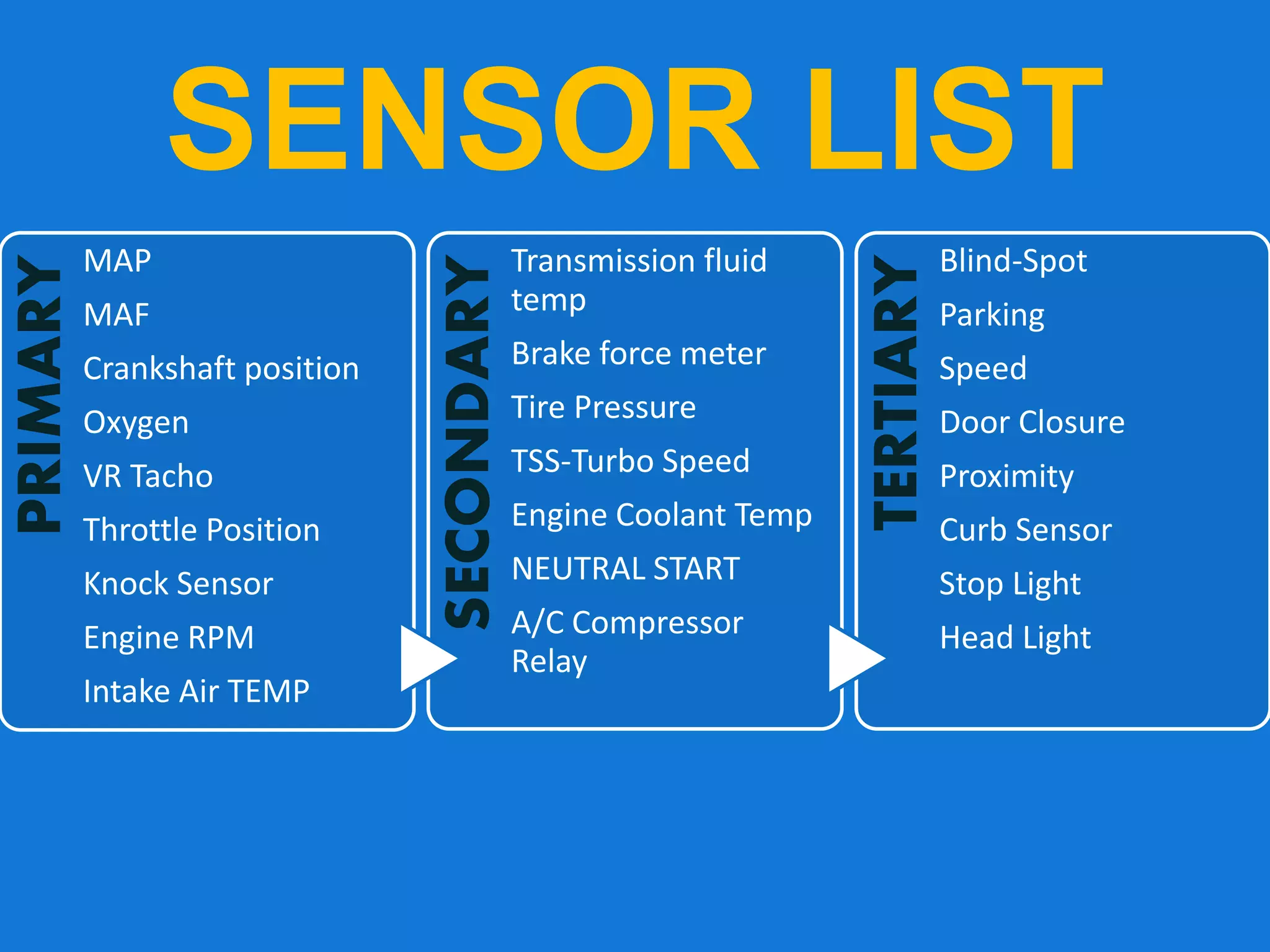
SENSOR LIST
PRIMARY
MAP
MAF
Crankshaft position
Oxygen
VR Tacho
Throttle Position
Knock Sensor
Engine RPM
Intake Air TEMP
SECONDARY
Transmission fluid
temp
Brake force meter
Tire Pressure
TSS-Turbo Speed
Engine Coolant Temp
NEUTRAL START
A/C Compressor
Relay
TERTIARY
Blind-Spot
Parking
Speed
Door Closure
Proximity
Curb Sensor
Stop Light
Head Light
CONTROL
SYSTEMS
• Mechanical Design Solution
• Non-adaptiveSTAGE I
• Hardwired Chip
• Application Specific
• Non Programmable
STAGE II
• Common base hardware
• ProgrammableSTAGE III
Standard ECU
Systems
Airbag Control
Module
Body Control
Module
PSCU-Steering
Power train
Control
Module(PCM)
HMI
BCU/ABS/ESC TCU
DCU
Power-train Control
Module [PCM]
 SENSOR INPUTS:
 MAF/MAP- Intake air
density
 VR TACHO- Engine RPM
 CR POS- Crankshaft
Angle
 IDLE SET-Idle Speed
 THROTTLE POS
 KNOCK
 TRANSMISSION ECU
 CONTROL OUTPUT:
 A/F Ratio- Inj. Timing/Pr
 Ig. Timing
 Idle Speed Set
 VVT
 Transient Fueling
 Gear Control Ig. Cutoff
 Rev Limit
 Turbo Waste-gate limit
ADVANTAGES
 Ease of Control
 Adaptable to multiple scenarios
 Very low cost compared to mechanical systems
 Occupy lesser space-compact engine bay
 Less complicated design
 Zero wear
FEATURES
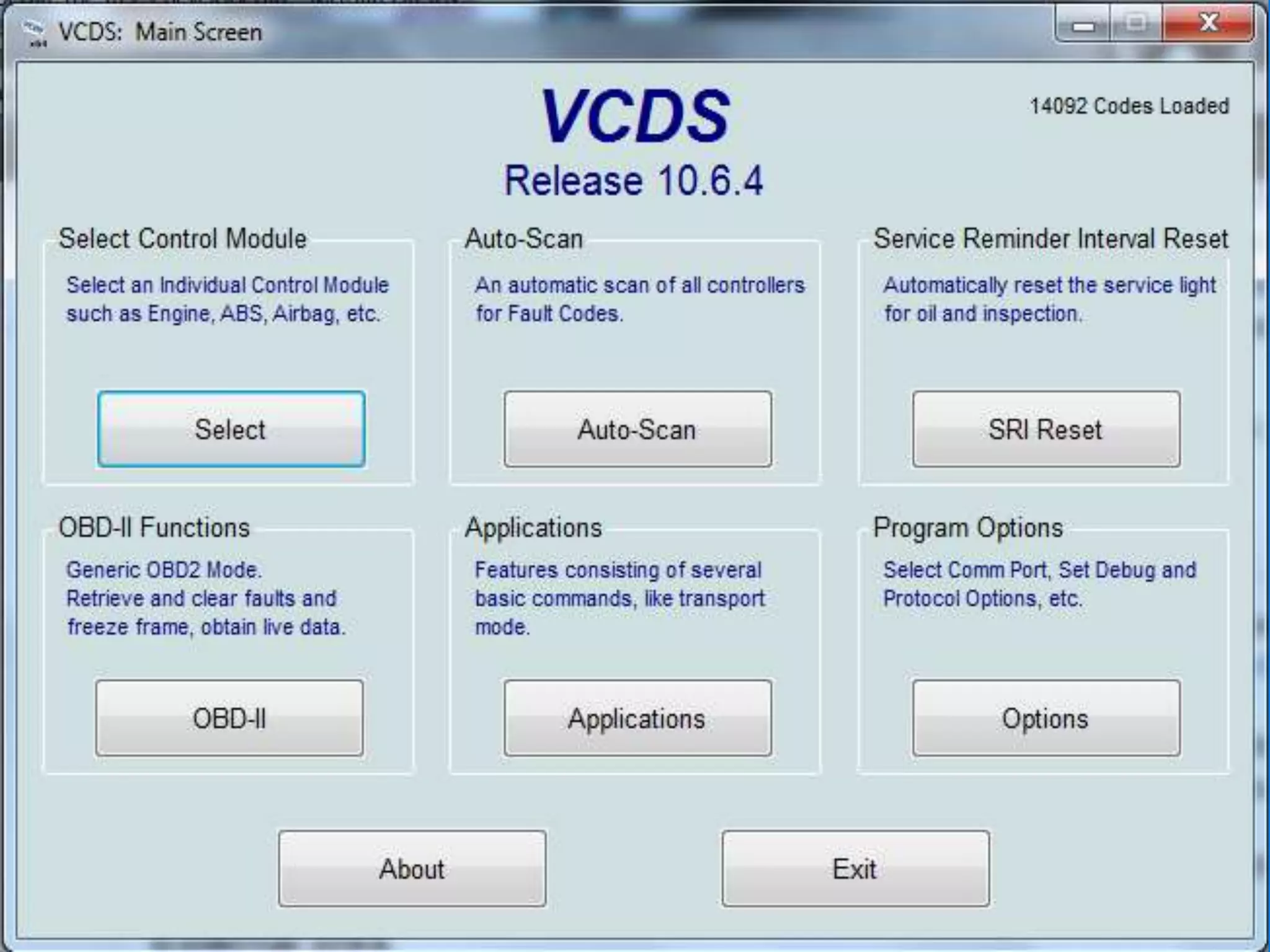
 SERVICE SETTING:
 List of service
parameters
 Range of acceptable
values OR time limits
(modifiable)
 Service Indicator Light
 Program reset
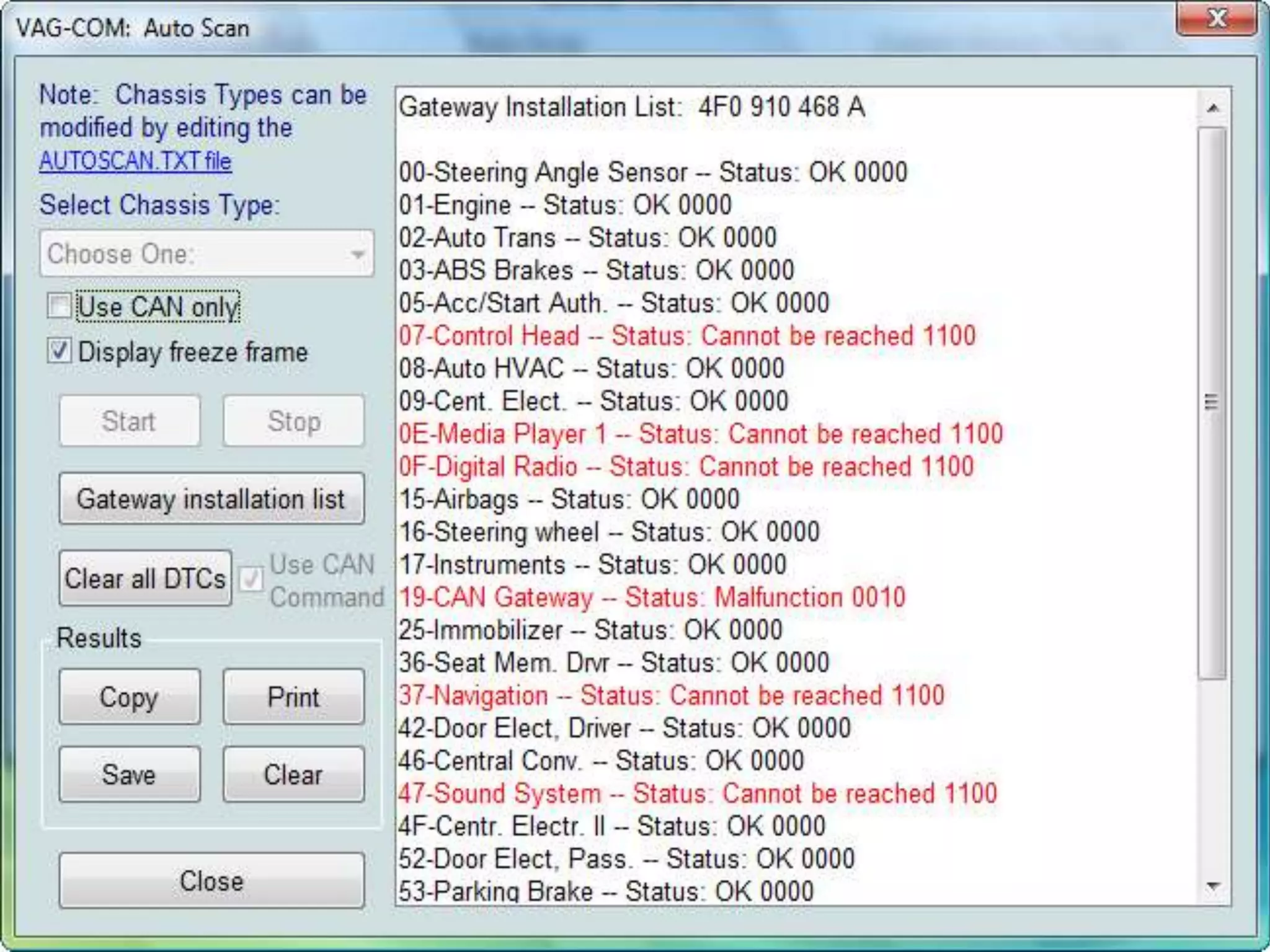
 OBD-
 On Board Diagnostics
 Self detection of possible
faults
 Sensor scanning
subsystems
 Fault codes stored in ECU
memory
 All cars after 1996 OBD-II
compliant
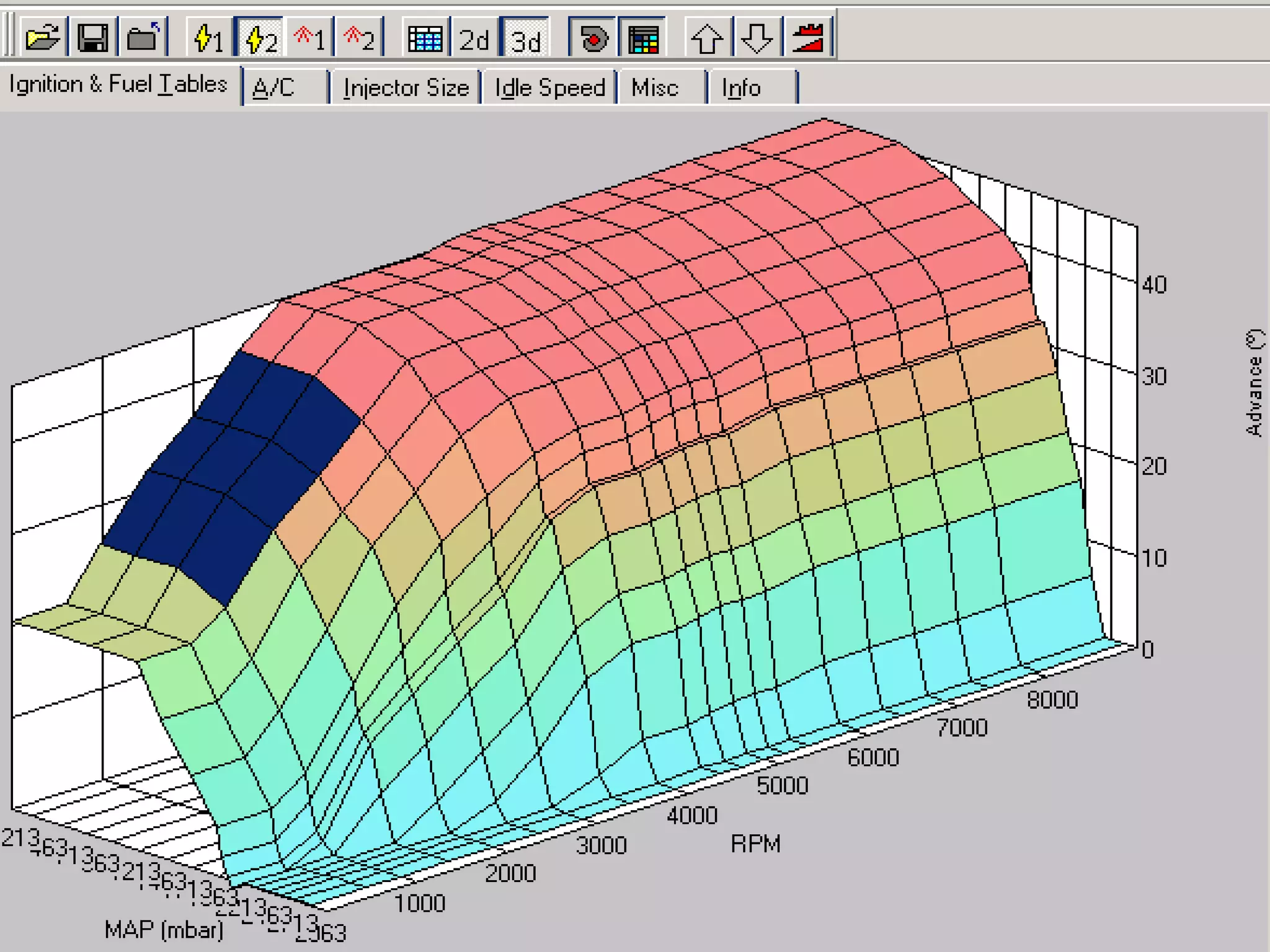
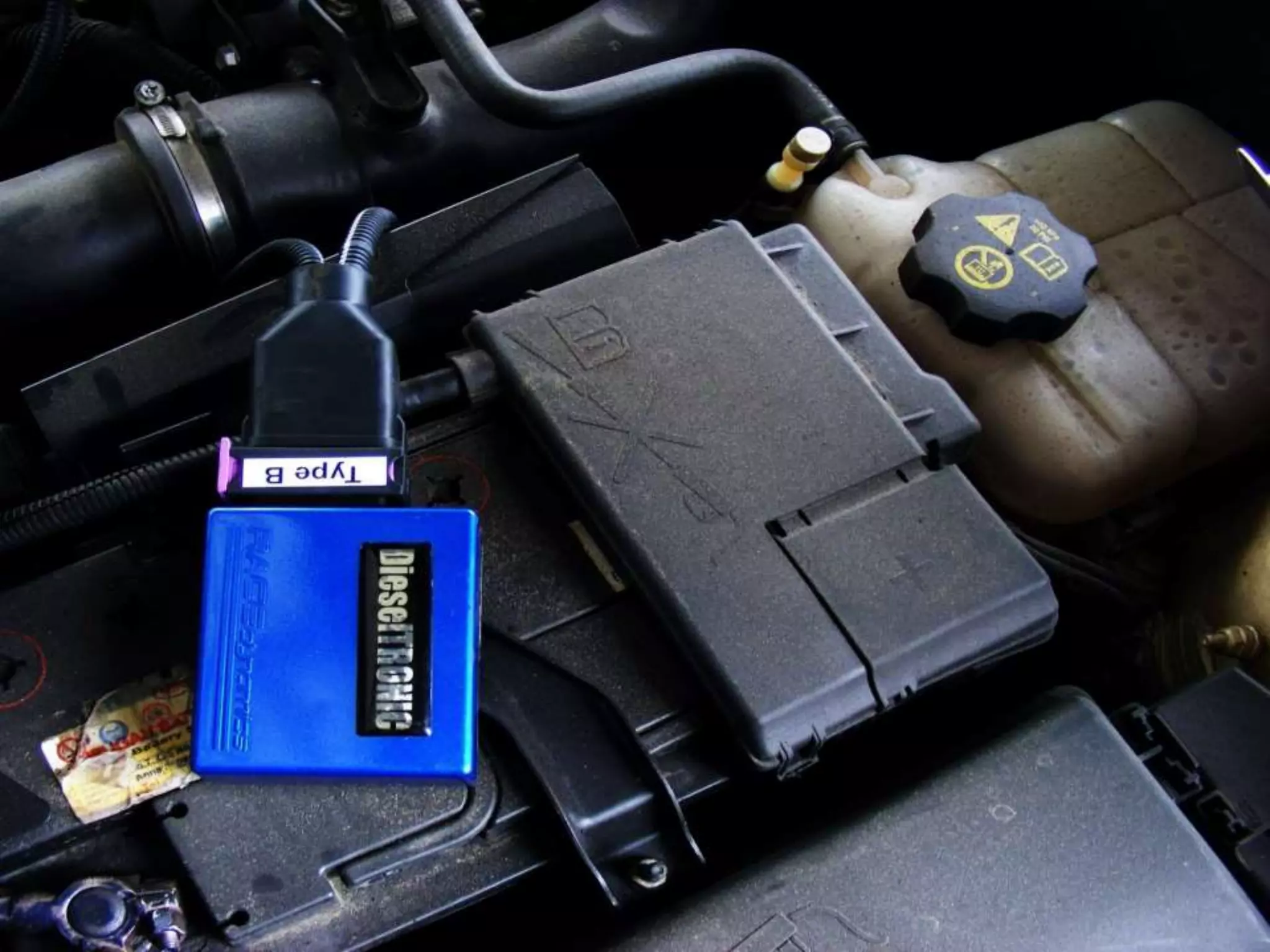
AUTO TUNING
 Software on ECU known as a map
 New maps can be loaded to ECU [ process known as re-
mapping or flashing]
 Complete access to parameters such as fuel injection
quantity, boost pressure, ignition timing, idle speed
setting
 No costly equipment required, laptop, Tuner EMS s/w &
ODB cable
 Plug & play ECU’s with multiple maps available.
Car engine manager
Car engine manager

Car engine manager

  • 1.
    ECU/EM S Car engine 13me80 KhanFahad 13me81 Khan Gulfam Presented by Prof . Incharge Arshad Qureshi
  • 3.
    OPERATION PARAMETERS Power/Mech. Efficiency A/F Ratio Volumetric Efficiency Specific O/P SpecificFuel Consumptn Thermal Eff/Ht. Balance Exhaust Smoke Effective Pr’ Torque
  • 4.
  • 5.
    SENSOR LIST PRIMARY MAP MAF Crankshaft position Oxygen VRTacho Throttle Position Knock Sensor Engine RPM Intake Air TEMP SECONDARY Transmission fluid temp Brake force meter Tire Pressure TSS-Turbo Speed Engine Coolant Temp NEUTRAL START A/C Compressor Relay TERTIARY Blind-Spot Parking Speed Door Closure Proximity Curb Sensor Stop Light Head Light
  • 6.
    CONTROL SYSTEMS • Mechanical DesignSolution • Non-adaptiveSTAGE I • Hardwired Chip • Application Specific • Non Programmable STAGE II • Common base hardware • ProgrammableSTAGE III
  • 7.
    Standard ECU Systems Airbag Control Module BodyControl Module PSCU-Steering Power train Control Module(PCM) HMI BCU/ABS/ESC TCU DCU
  • 8.
    Power-train Control Module [PCM] SENSOR INPUTS:  MAF/MAP- Intake air density  VR TACHO- Engine RPM  CR POS- Crankshaft Angle  IDLE SET-Idle Speed  THROTTLE POS  KNOCK  TRANSMISSION ECU  CONTROL OUTPUT:  A/F Ratio- Inj. Timing/Pr  Ig. Timing  Idle Speed Set  VVT  Transient Fueling  Gear Control Ig. Cutoff  Rev Limit  Turbo Waste-gate limit
  • 9.
    ADVANTAGES  Ease ofControl  Adaptable to multiple scenarios  Very low cost compared to mechanical systems  Occupy lesser space-compact engine bay  Less complicated design  Zero wear
  • 10.
    FEATURES  SERVICE SETTING: List of service parameters  Range of acceptable values OR time limits (modifiable)  Service Indicator Light  Program reset  OBD-  On Board Diagnostics  Self detection of possible faults  Sensor scanning subsystems  Fault codes stored in ECU memory  All cars after 1996 OBD-II compliant
  • 15.
    AUTO TUNING  Softwareon ECU known as a map  New maps can be loaded to ECU [ process known as re- mapping or flashing]  Complete access to parameters such as fuel injection quantity, boost pressure, ignition timing, idle speed setting  No costly equipment required, laptop, Tuner EMS s/w & ODB cable  Plug & play ECU’s with multiple maps available.