Principles of planning
Prepared by
- Prof. Vaibhav Kulkarni
Planning
 Planning of abuilding depends upon various factors like bye-laws, requirement
of owner, location of site, climatic conditions, etc.
 The principle of planning are only the guidelines and not the rules.
Principles of planning
 Aspect
 Prospect
 Privacy
 Circulation
 Roominess
 Grouping
 Elegance
 Sanitation
 Flexibility
 Economy
 Practical considerations
Aspect
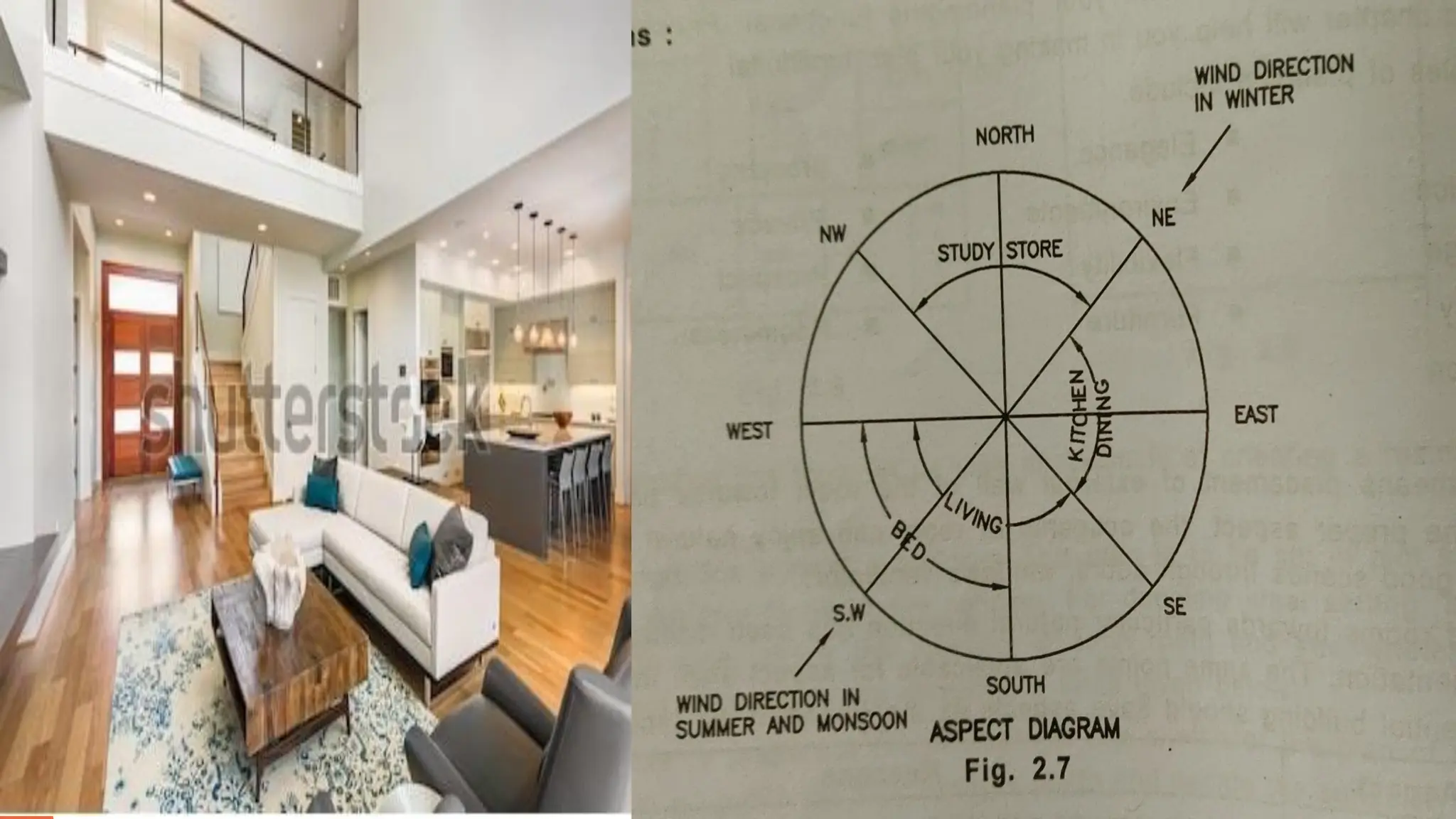
 Aspect is the positioning of rooms in buildings with respect to 4 directions in
such a way that the occupants of the building would enjoy the natural
comforts like sunshine, breeze, scenery etc. to the maximum possible extent.
 A room receiving light and air from any particular direction is said to have the
aspect of that direction. All the rooms of a dwelling need particular aspect.
listed below some necessary aspects of commonly constructed rooms –
Aspect
 Living Room; It should have southern or south-east aspect. The sun is
towards the south during winter and north or overhead during summer which
will provide sunshine during winter and cooler during summer time.
 Bedroom; It should have west or south-west aspect, as the breeze required
particularly in summer would prevail from this side.
 Kitchen; should have eastern aspect so as to admit morning sun to refresh
and purify the air.
 Verandah or Gallery; It should be north or north-east aspect.
 Reading room, Classrooms & studies; should be laid with the north aspect as
light received from the north will be diffused and evenly distributed.
Prospect
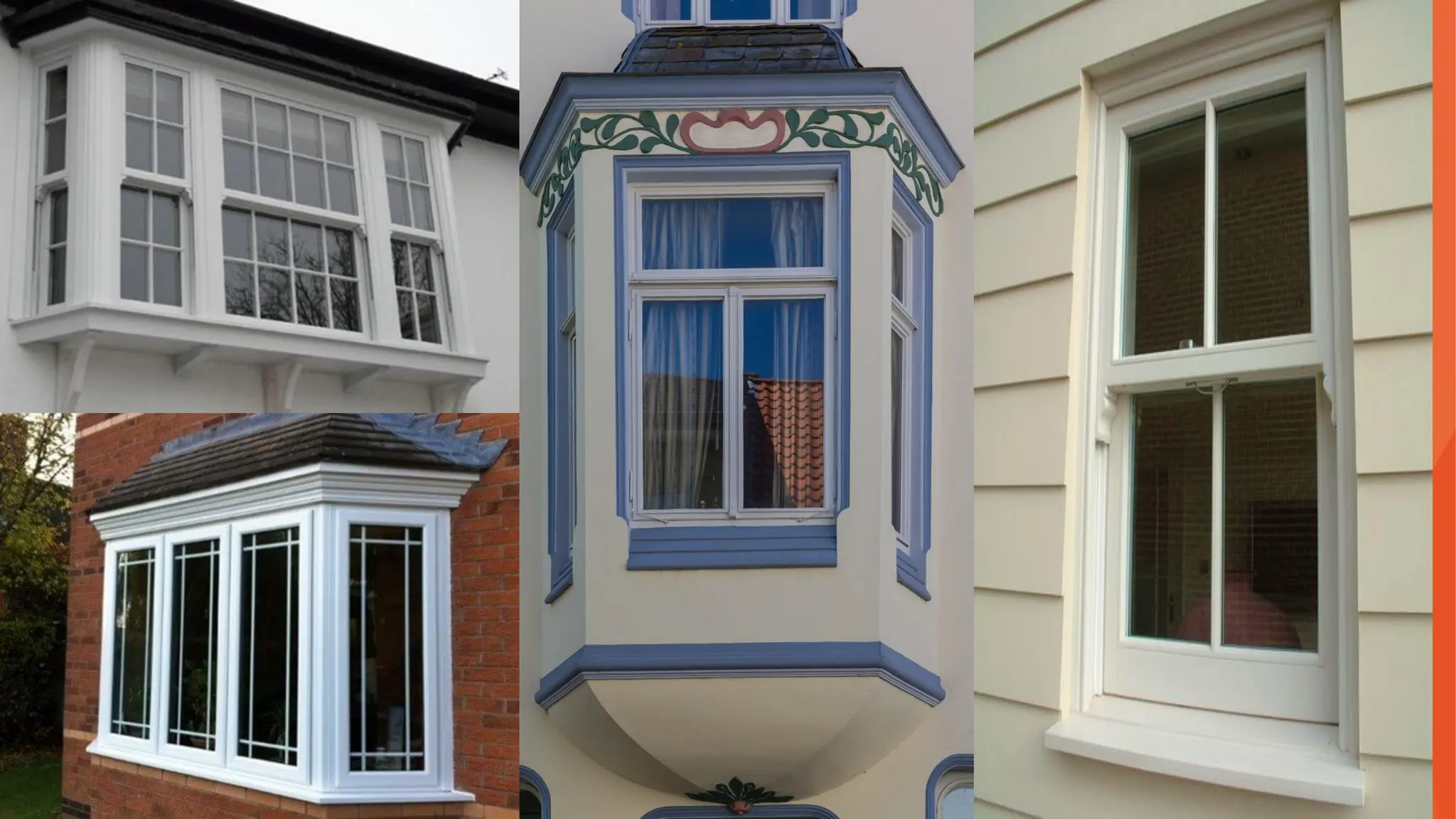
 Prospect of the building is the desired view from the window and doors
located in the outer wall.
 This depends on the orientation of the building on the site.
 A beautiful landscape consisting of garden or hill as viewed from the window
or an external door is a good prospect.
 However it may be necessary to conceal some of the objectionable views on
religious or social considerations.
 This may be achieved by planning a dead wall in that direction butt in doing
so, one may be required to compromise with some natural gift of sunshine
and ventilation.
Privacy
 Privacy is an important part of building planning. Privacy may be from one part to other of the
same building or it could be from neighboring buildings, streets, etc.
 In residential buildings, every room should have certain privacy which can be secured by
careful planning the entrance, path-ways, and drives.
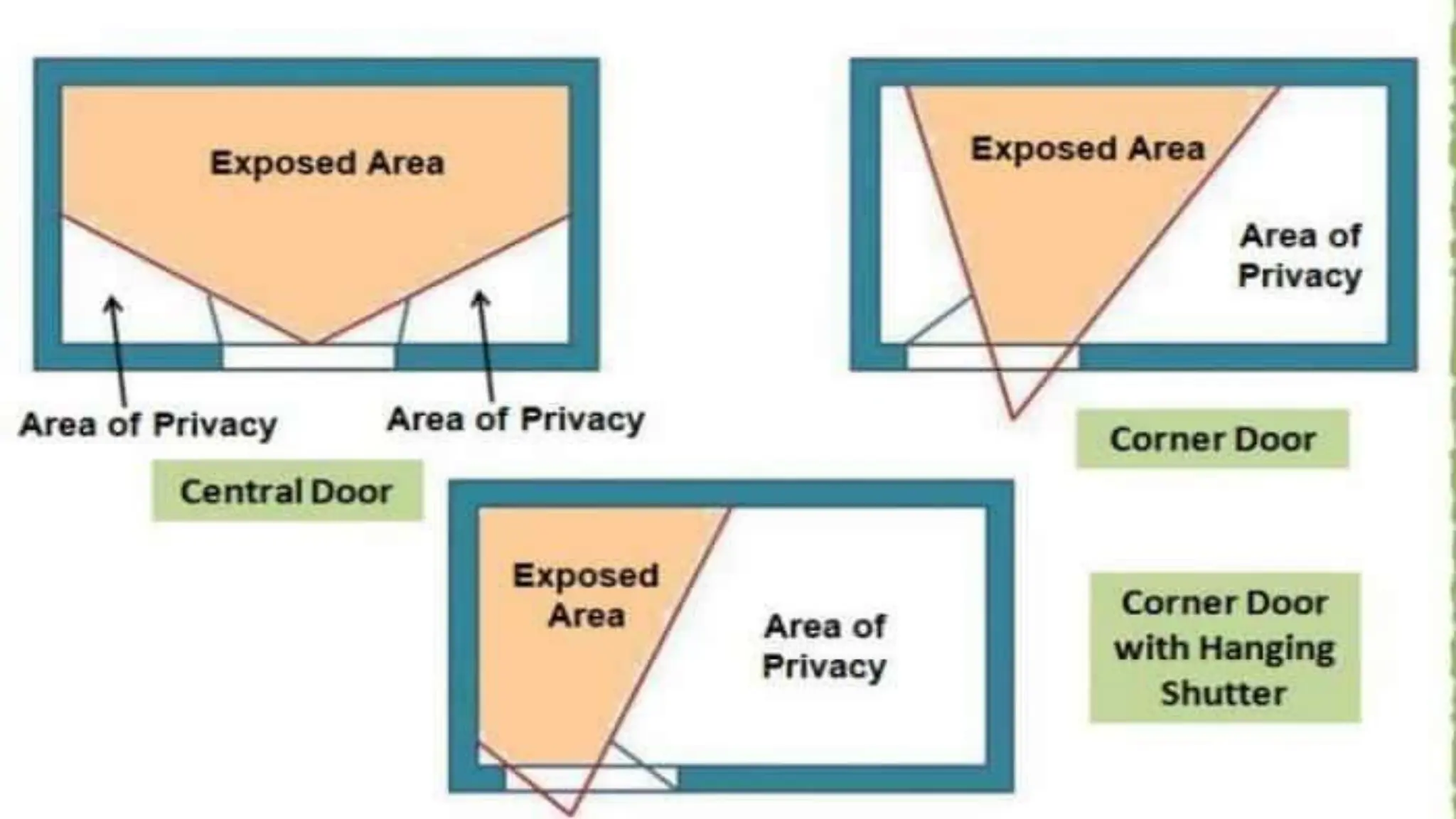
 Proper grouping of rooms, good positioning of doors and windows, lobbies or screens can give
required internal privacy. Toilet rooms, bedrooms, w.c., urinals, should have absolute privacy.
 For maintaining privacy, peace, calmness or lonely atmosphere.
 The room should not be easily approachable.
 Noise should bot be easily enter the room
 Vision of inside area of room should be obstructed.
Privacy
 Lobbies and moving partitions can also provide
adequate privacy.
 The privacy from external sides can be secured
by providing planned entrance and pathways.
 This can be achieved by screening the front and
rear entrances.
 Planting trees and creepers helps a lot in
screening the entrance.
Circulation
 Access or internal connection between rooms of the same floor or between
floors is known a circulation.
 Circulation between rooms of the same floor is called horizontal circulation
like – passages, corridors, halls etc.
 Circulation among various floors is known as vertical circulation, like – Stairs,
lifts.
 horizontal circulation should be independent, short, and straight and should
not invade the privacy of any room. All the passages should be well ventilated
and lighted.
 Stairs should also be well lighted and ventilated and properly planned in
regard to width, rise and tread. stairs should not have wider steps.
Roominess
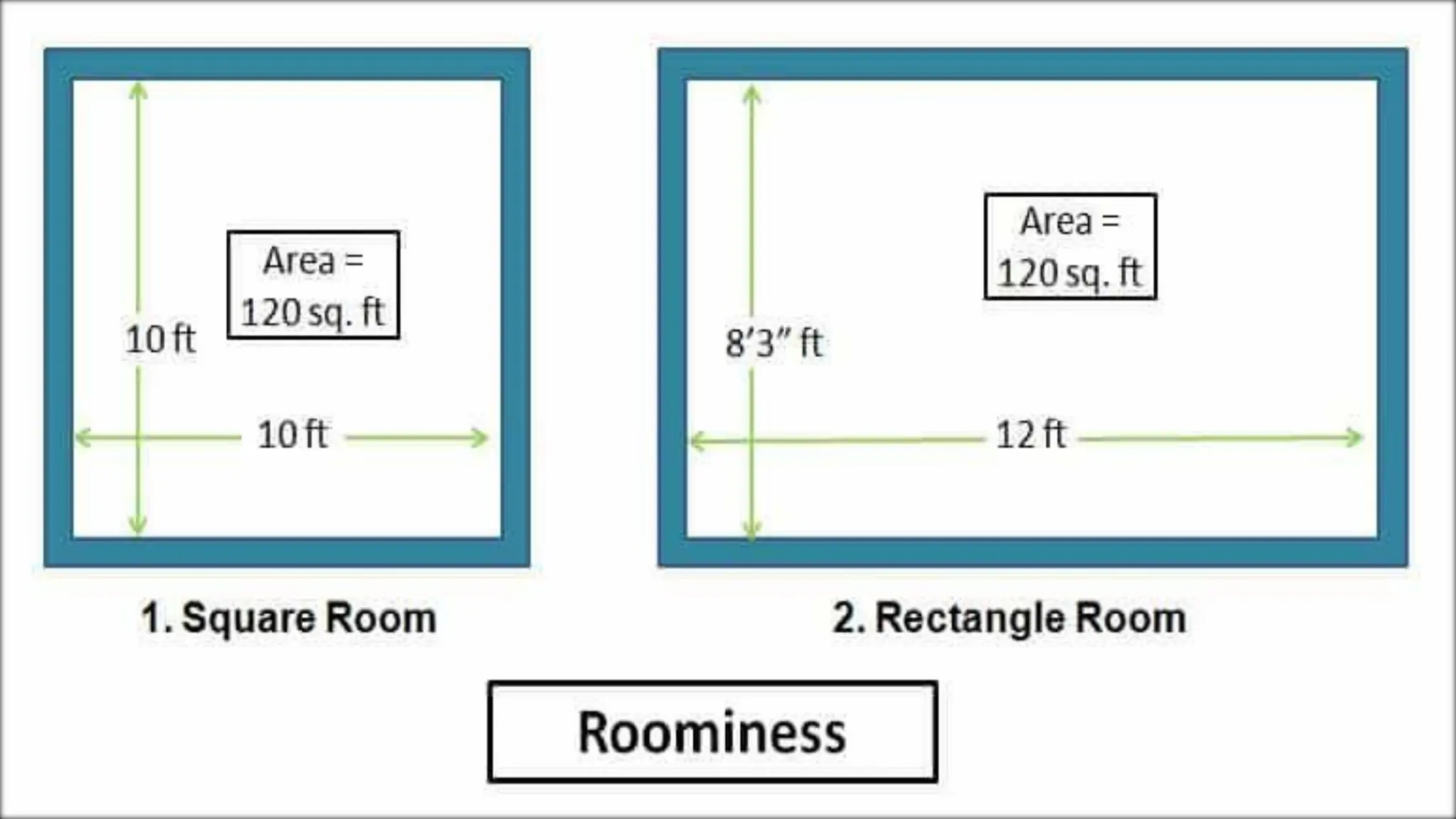
 Roominess is obtained by getting the maximum benefit from the minimum
dimension of a room without cramping of the plan. By using every nook and
corner of the building to the maximum advantage roominess is derived.
 In residential buildings, considerable storage space is required for various
purposes which are provided by making space for wall cupboards, lofts,
wooden shelves etc.
Grouping
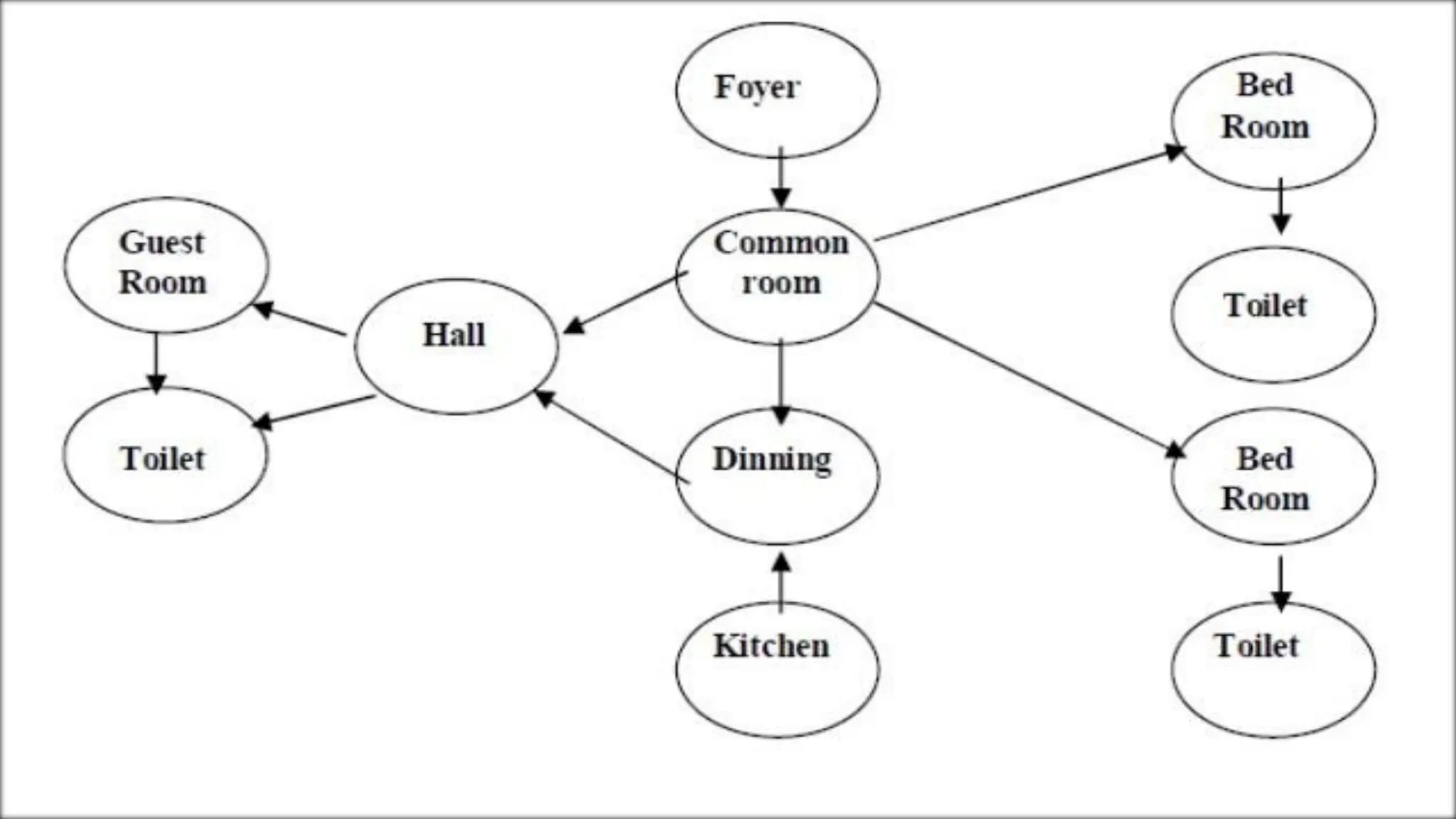
 Grouping means setting different rooms of a building according to their inter-
relationship of invitation and transition. The rooms are arranged in the layout in a
proper correlation of their functions and in due proximity with each other.
 Grouping of a residential building
 The dining room should be close to the kitchen.
 The kitchen should be kept away from the main living room
 Main bedrooms should have independent and separate access from each room
towards the sanitary units.
 Bath and W.C should be approachable directly or through rooms like drawing,
living, stair, dining, etc.
 In an office building, hospitals etc. the administrative department should be
located centrally for convenience and economy of services.
Sanitation
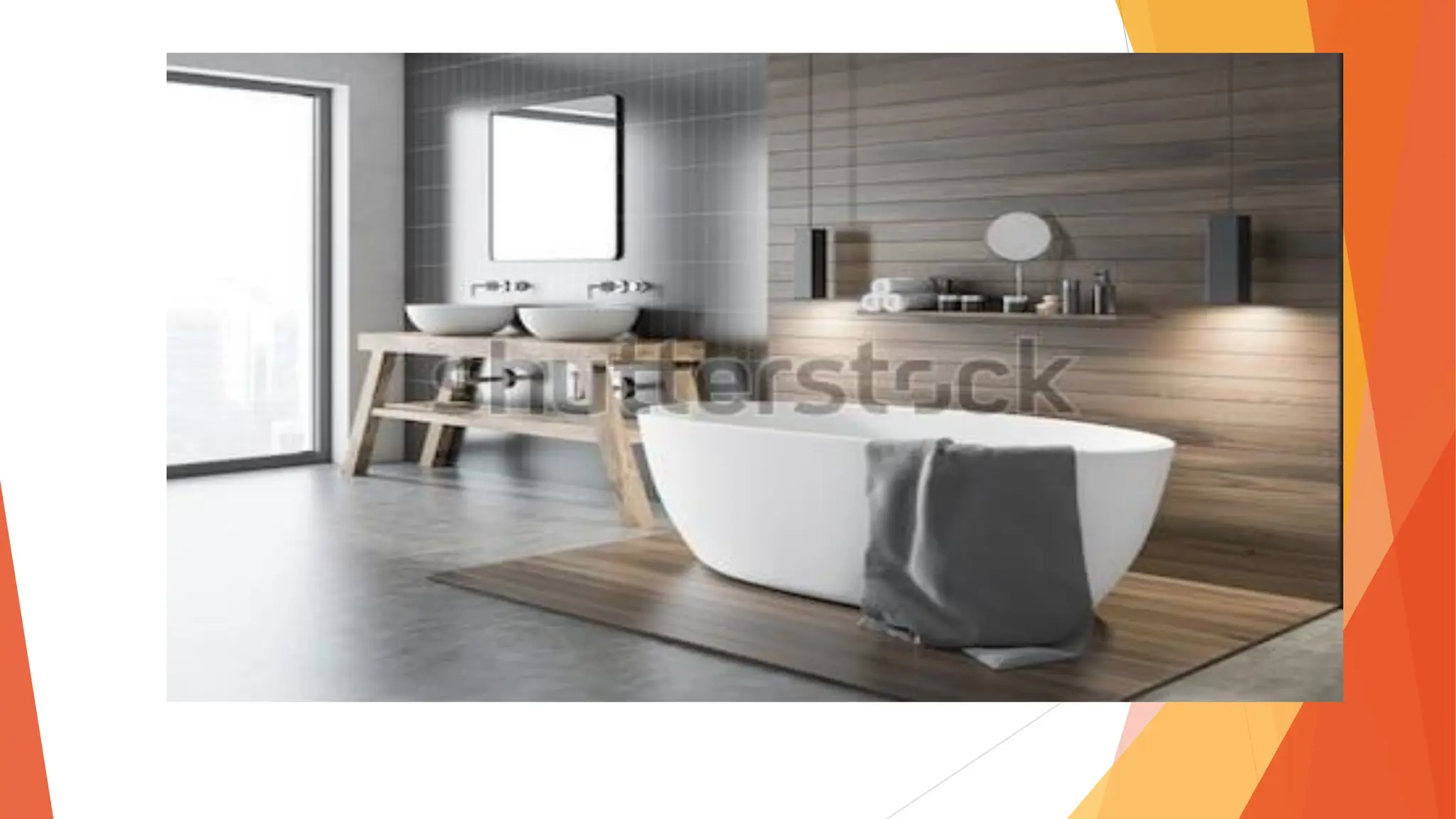
 Sanitation of a building not only associates with urinals, bath-rooms, wash-
basins, sinks but also the overall lighting and ventilation.
 All the parts of a building should have well lighting and ventilation to
maintain good hygienic conditions. This could be done with natural way or in
an artificial way (air condition).
 Necessary provision to facilitate the cleaning of the building should be
installed. Washing closet, lavatories, urinals, bathrooms like sanitary
conveniences should be installed adequate in number in relation to the
occupant load.
Flexibility
 Flexibility means planning the rooms in such a way which though originally
designed for a specific purpose, may be used for other purposes also when
desired.
 For designing of houses for middle-class families or other buildings where the
economy is the main consideration flexibility should always be considered.
 If large space needed in a certain time in a house to accommodate the
gathering, it can be obtained by removing a removable partition wall or
curtain between the drawing room and dining room. Alternatively, open yard,
garden, or verandah can also be provided.
Economy
 The economy is a major factor in building planning. To fit the proposed
scheme within the limitations of the resources and funds certain alteration
and omissions in the original plan have to make.
 But while considering the economy, the required strength and durability of
the structure should not be compromised.
 Some simple economy achieving approaches in buildings are –
 Simple elevation, dispensing of porches, lobbies,
 steeper rise to the stair, wider steps in stairs.
 reducing the storey height to bare-minimum
 standardization of sizes of various components, and materials.
Elegance
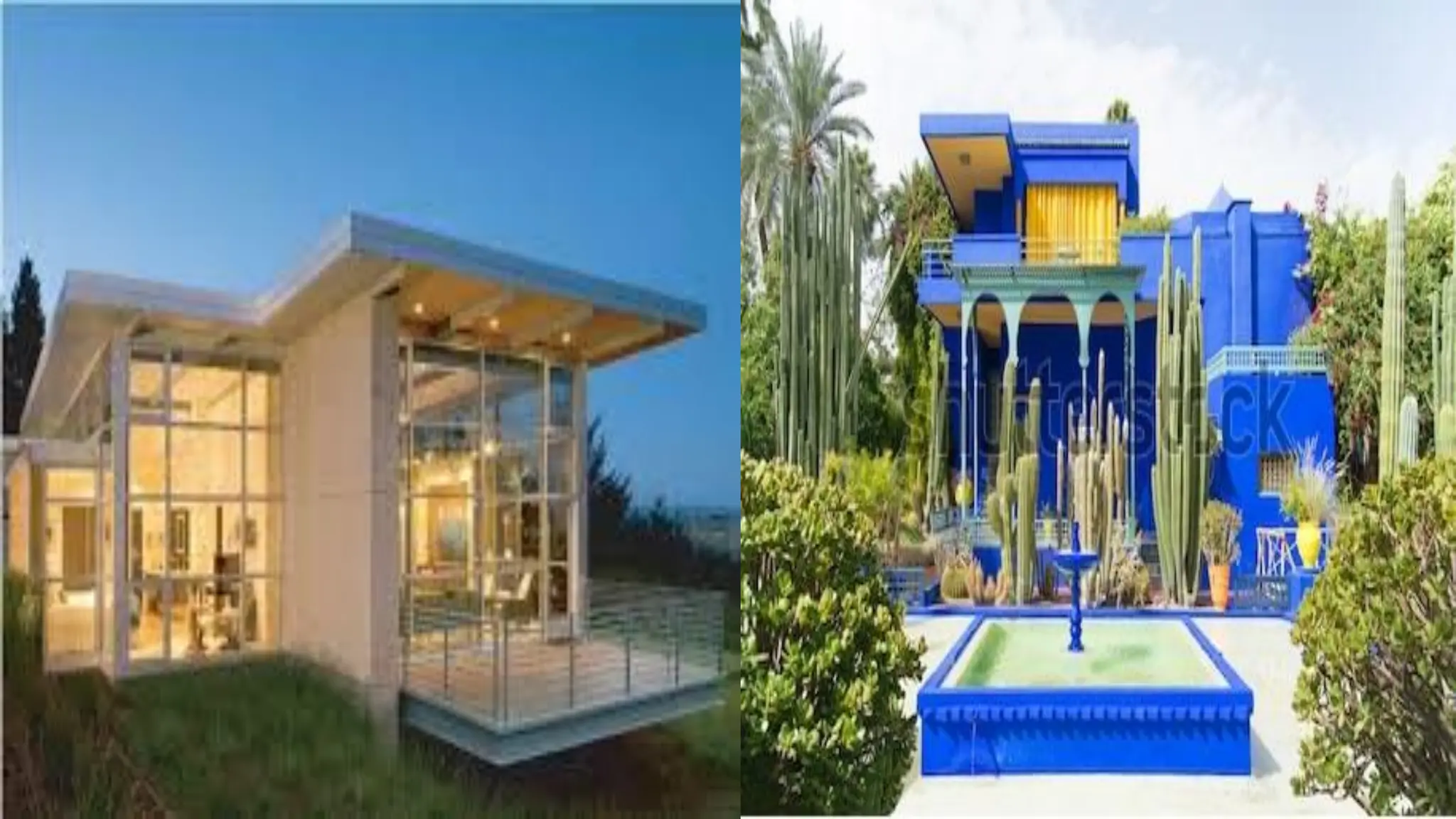
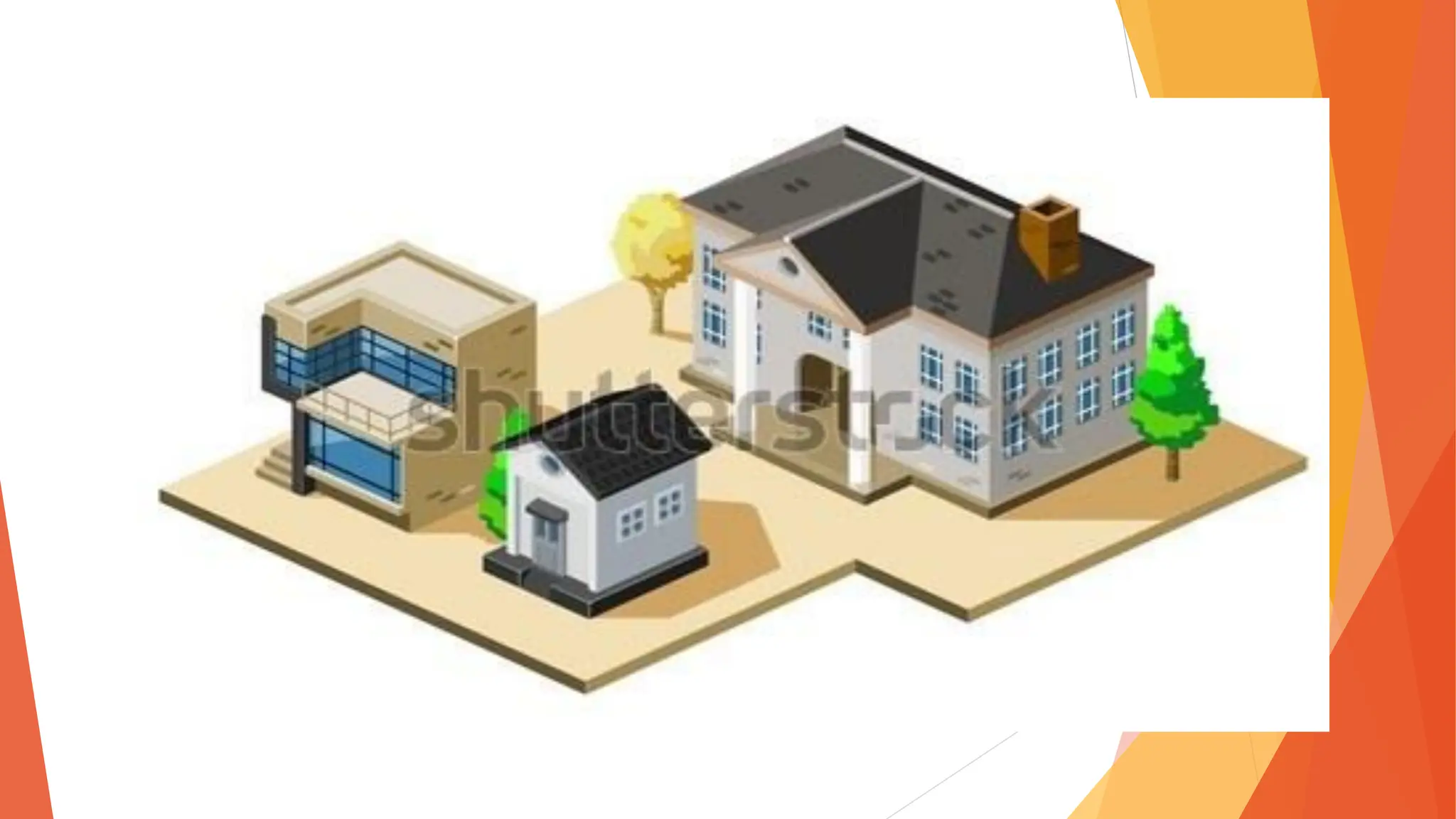
 The elegance is the overall effect produced by elevation and general layout of the plan of a
building. To get a good elegance of a building it is better if elevation is developed first and
then the plan is adjusted accordingly.
THANK YOU

Building technology and Principles of Planning.pdf

  • 1.
    Principles of planning Preparedby - Prof. Vaibhav Kulkarni
  • 2.
    Planning  Planning ofabuilding depends upon various factors like bye-laws, requirement of owner, location of site, climatic conditions, etc.  The principle of planning are only the guidelines and not the rules.
  • 3.
    Principles of planning Aspect  Prospect  Privacy  Circulation  Roominess  Grouping  Elegance  Sanitation  Flexibility  Economy  Practical considerations
  • 4.
    Aspect  Aspect isthe positioning of rooms in buildings with respect to 4 directions in such a way that the occupants of the building would enjoy the natural comforts like sunshine, breeze, scenery etc. to the maximum possible extent.  A room receiving light and air from any particular direction is said to have the aspect of that direction. All the rooms of a dwelling need particular aspect. listed below some necessary aspects of commonly constructed rooms –
  • 5.
    Aspect  Living Room;It should have southern or south-east aspect. The sun is towards the south during winter and north or overhead during summer which will provide sunshine during winter and cooler during summer time.  Bedroom; It should have west or south-west aspect, as the breeze required particularly in summer would prevail from this side.  Kitchen; should have eastern aspect so as to admit morning sun to refresh and purify the air.  Verandah or Gallery; It should be north or north-east aspect.  Reading room, Classrooms & studies; should be laid with the north aspect as light received from the north will be diffused and evenly distributed.
  • 7.
    Prospect  Prospect ofthe building is the desired view from the window and doors located in the outer wall.  This depends on the orientation of the building on the site.  A beautiful landscape consisting of garden or hill as viewed from the window or an external door is a good prospect.  However it may be necessary to conceal some of the objectionable views on religious or social considerations.  This may be achieved by planning a dead wall in that direction butt in doing so, one may be required to compromise with some natural gift of sunshine and ventilation.
  • 9.
    Privacy  Privacy isan important part of building planning. Privacy may be from one part to other of the same building or it could be from neighboring buildings, streets, etc.  In residential buildings, every room should have certain privacy which can be secured by careful planning the entrance, path-ways, and drives.  Proper grouping of rooms, good positioning of doors and windows, lobbies or screens can give required internal privacy. Toilet rooms, bedrooms, w.c., urinals, should have absolute privacy.  For maintaining privacy, peace, calmness or lonely atmosphere.  The room should not be easily approachable.  Noise should bot be easily enter the room  Vision of inside area of room should be obstructed.
  • 11.
    Privacy  Lobbies andmoving partitions can also provide adequate privacy.  The privacy from external sides can be secured by providing planned entrance and pathways.  This can be achieved by screening the front and rear entrances.  Planting trees and creepers helps a lot in screening the entrance.
  • 12.
    Circulation  Access orinternal connection between rooms of the same floor or between floors is known a circulation.  Circulation between rooms of the same floor is called horizontal circulation like – passages, corridors, halls etc.  Circulation among various floors is known as vertical circulation, like – Stairs, lifts.  horizontal circulation should be independent, short, and straight and should not invade the privacy of any room. All the passages should be well ventilated and lighted.  Stairs should also be well lighted and ventilated and properly planned in regard to width, rise and tread. stairs should not have wider steps.
  • 14.
    Roominess  Roominess isobtained by getting the maximum benefit from the minimum dimension of a room without cramping of the plan. By using every nook and corner of the building to the maximum advantage roominess is derived.  In residential buildings, considerable storage space is required for various purposes which are provided by making space for wall cupboards, lofts, wooden shelves etc.
  • 16.
    Grouping  Grouping meanssetting different rooms of a building according to their inter- relationship of invitation and transition. The rooms are arranged in the layout in a proper correlation of their functions and in due proximity with each other.  Grouping of a residential building  The dining room should be close to the kitchen.  The kitchen should be kept away from the main living room  Main bedrooms should have independent and separate access from each room towards the sanitary units.  Bath and W.C should be approachable directly or through rooms like drawing, living, stair, dining, etc.  In an office building, hospitals etc. the administrative department should be located centrally for convenience and economy of services.
  • 19.
    Sanitation  Sanitation ofa building not only associates with urinals, bath-rooms, wash- basins, sinks but also the overall lighting and ventilation.  All the parts of a building should have well lighting and ventilation to maintain good hygienic conditions. This could be done with natural way or in an artificial way (air condition).  Necessary provision to facilitate the cleaning of the building should be installed. Washing closet, lavatories, urinals, bathrooms like sanitary conveniences should be installed adequate in number in relation to the occupant load.
  • 21.
    Flexibility  Flexibility meansplanning the rooms in such a way which though originally designed for a specific purpose, may be used for other purposes also when desired.  For designing of houses for middle-class families or other buildings where the economy is the main consideration flexibility should always be considered.  If large space needed in a certain time in a house to accommodate the gathering, it can be obtained by removing a removable partition wall or curtain between the drawing room and dining room. Alternatively, open yard, garden, or verandah can also be provided.
  • 22.
    Economy  The economyis a major factor in building planning. To fit the proposed scheme within the limitations of the resources and funds certain alteration and omissions in the original plan have to make.  But while considering the economy, the required strength and durability of the structure should not be compromised.  Some simple economy achieving approaches in buildings are –  Simple elevation, dispensing of porches, lobbies,  steeper rise to the stair, wider steps in stairs.  reducing the storey height to bare-minimum  standardization of sizes of various components, and materials.
  • 24.
    Elegance  The eleganceis the overall effect produced by elevation and general layout of the plan of a building. To get a good elegance of a building it is better if elevation is developed first and then the plan is adjusted accordingly.
  • 25.