Laboratory Diagnosis of Infectious Disease: From Gram-stain to Genomes Professor Mark Pallen
Outline Laboratory Diagnosis of Infection Appropriate use of the lab M icroscopy Culture Sensitivities Immunoassays Rapid Methods High-throughput sequencing
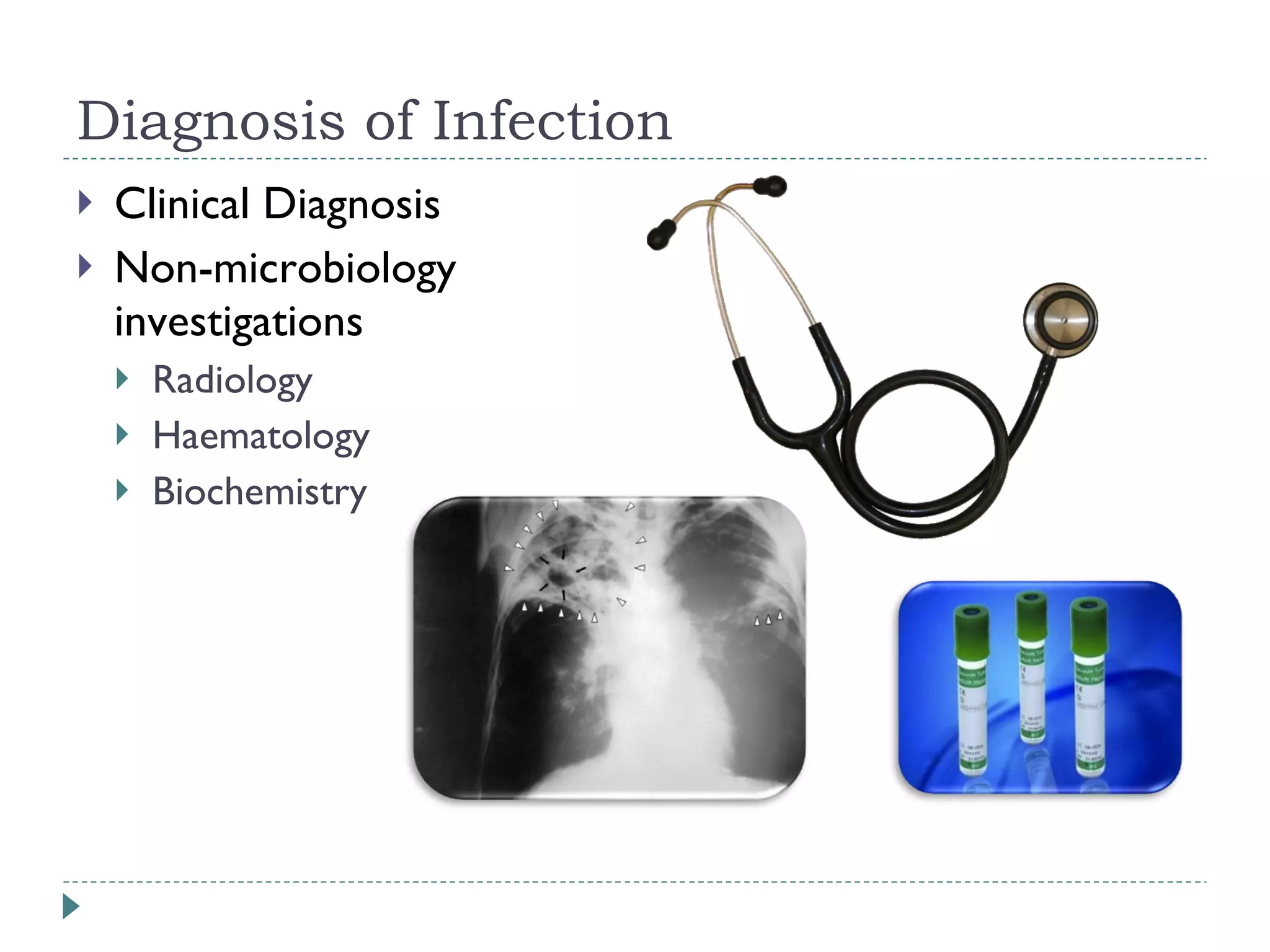
Clinical Diagnosis Non-microbiology investigations Radiology Haematology Biochemistry Diagnosis of Infection
Laboratory Diagnosis of Infection If physician suspects infection, samples of tissue or fluid collected for  Microbiological analyses Immunological analyses Molecular-biological analyses Samples include  blood urine faeces sputum cerebrospinal fluid pus
Diagnostic workflow Specimen collection Specimen receipt Specimen processing Testing Interpretation Reporting
A proper clinical assessment is essential for optimal use of laboratory services!
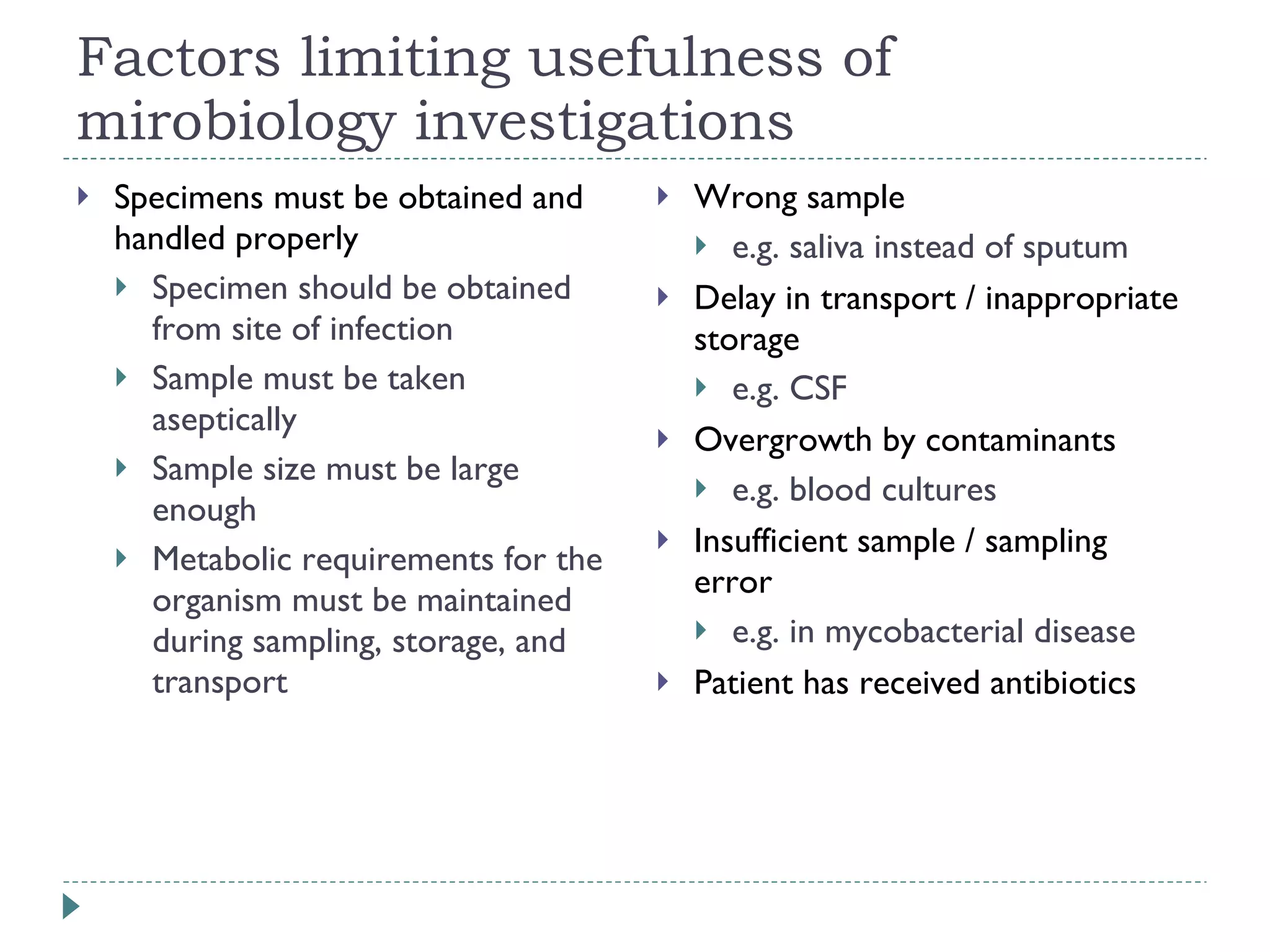
Factors limiting usefulness of mirobiology investigations Specimens must be obtained and handled properly Specimen should be obtained from site of infection Sample must be taken aseptically Sample size must be large enough Metabolic requirements for the organism must be maintained during sampling, storage, and transport Wrong sample  e.g. saliva instead of sputum Delay in transport / inappropriate storage  e.g. CSF Overgrowth by contaminants  e.g. blood cultures Insufficient sample / sampling error  e.g. in mycobacterial disease Patient has received antibiotics
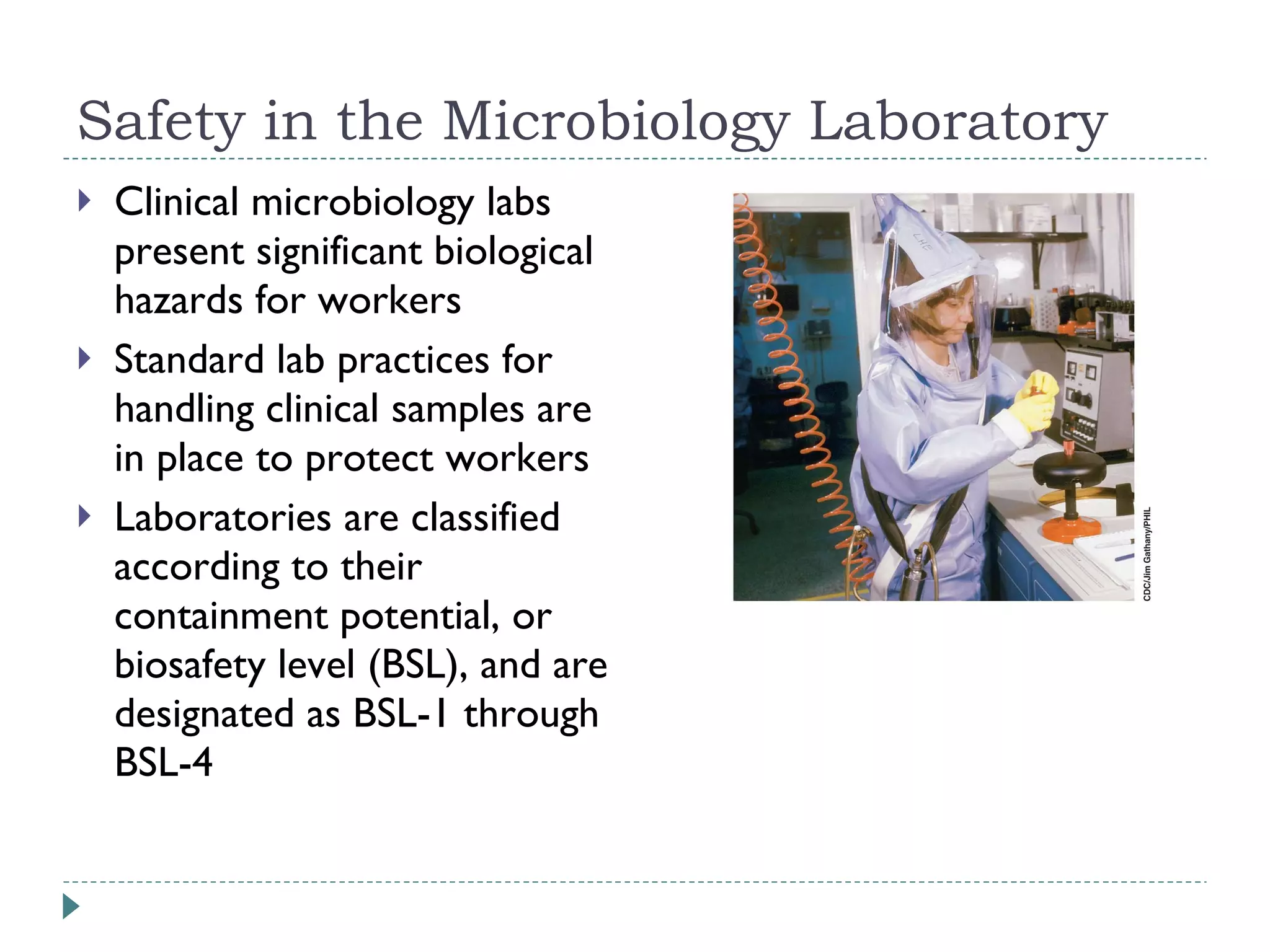
Safety in the Microbiology Laboratory Clinical microbiology labs present significant biological hazards for workers Standard lab practices for handling clinical samples are in place to protect workers Laboratories are classified according to their containment potential, or biosafety level (BSL), and are designated as BSL-1 through BSL-4
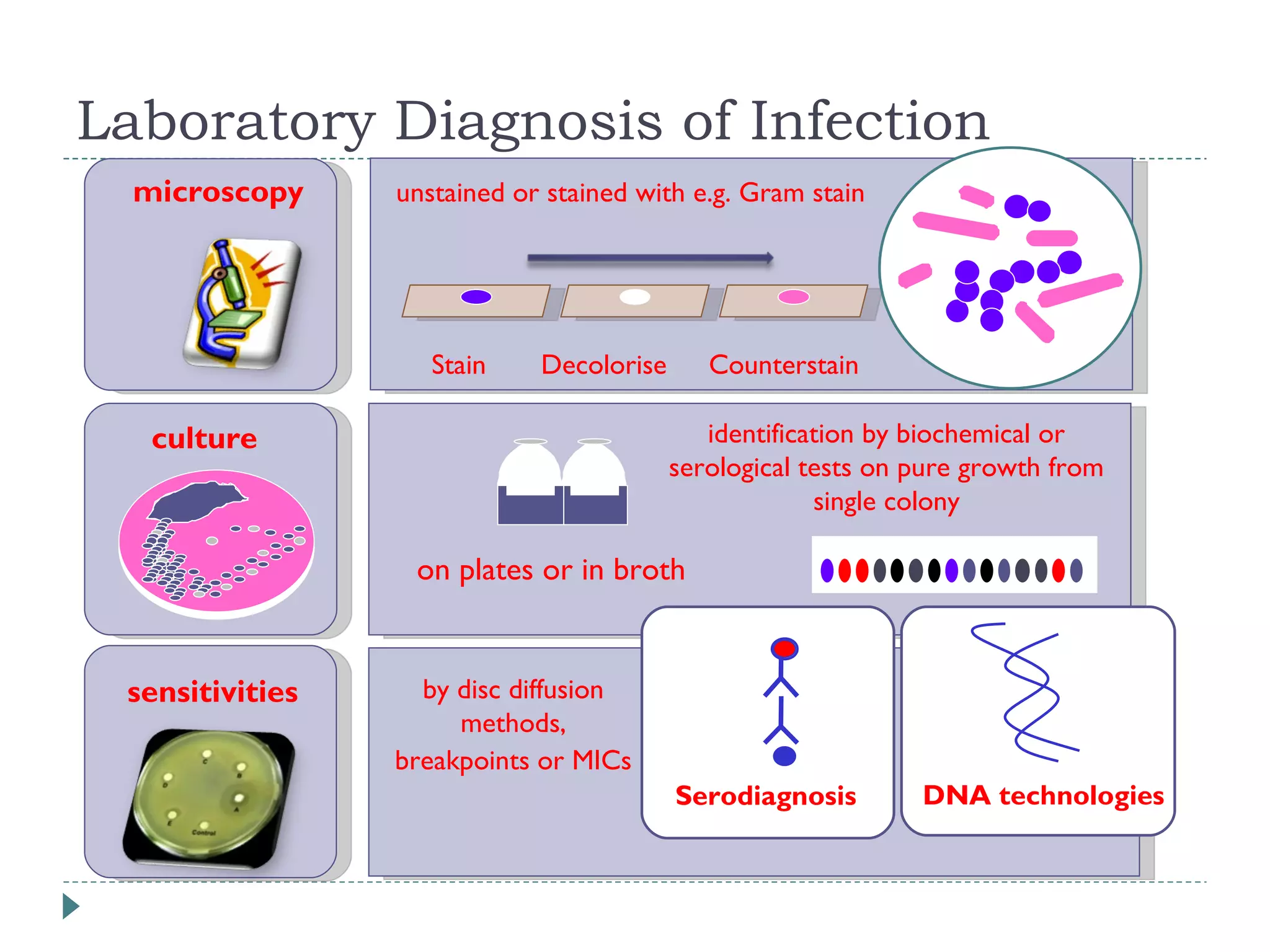
Laboratory Diagnosis of Infection culture on plates or in broth  identification by biochemical or serological tests on pure growth from single colony microscopy Decolorise  Counterstain Stain unstained or stained with e.g. Gram stain   sensitivities Serodiagnosis DNA technologies by disc diffusion methods, breakpoints or MICs
Microscopy Unstained preparations “ Wet prep” Dark-ground illumination for syphilis Stained preparations Gram-stain Acid-fast stain Ziehl-Neelsen Fluorescence Direct, e.g. auramine Immunofluorescence
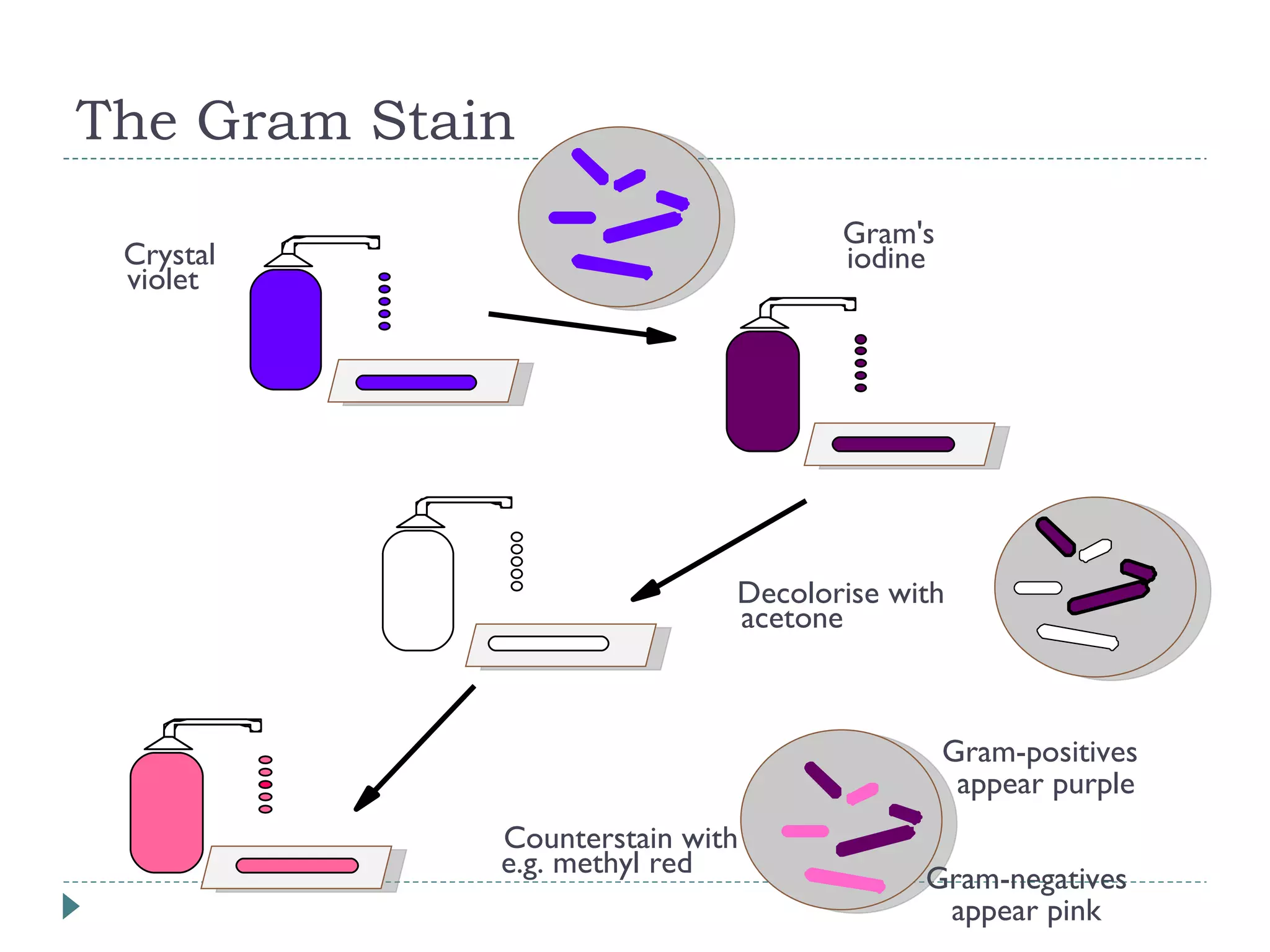
The Gram Stain Crystal  violet Gram's  iodine Decolorise with  acetone Counterstain with e.g. methyl red Gram-positives  appear purple Gram-negatives  appear pink
The Gram Stain Gram-positive rods Gram-negative rods Gram-positive cocci Gram-negative cocci
The Gram Stain The Gram stain can be applied to pure cultures of bacteria or to clinical specimens Gram-stain not useful for all bacteria Mycobacteria have very thick walls and are best seen using an acid-fast staining procedure Spirochaetes are long spiral bacteria that are too thin to be seen by Gram-stain Specialised intra-cellular bacteria  such as  chlamydias and  rickettsias cannot be seen by Gram stain Pure culture of  E. coli  (Gram-negative rods) Neisseria gonorrhoeae  in a smear of urethral pus ( Gram-negative cocci, with pus cells )
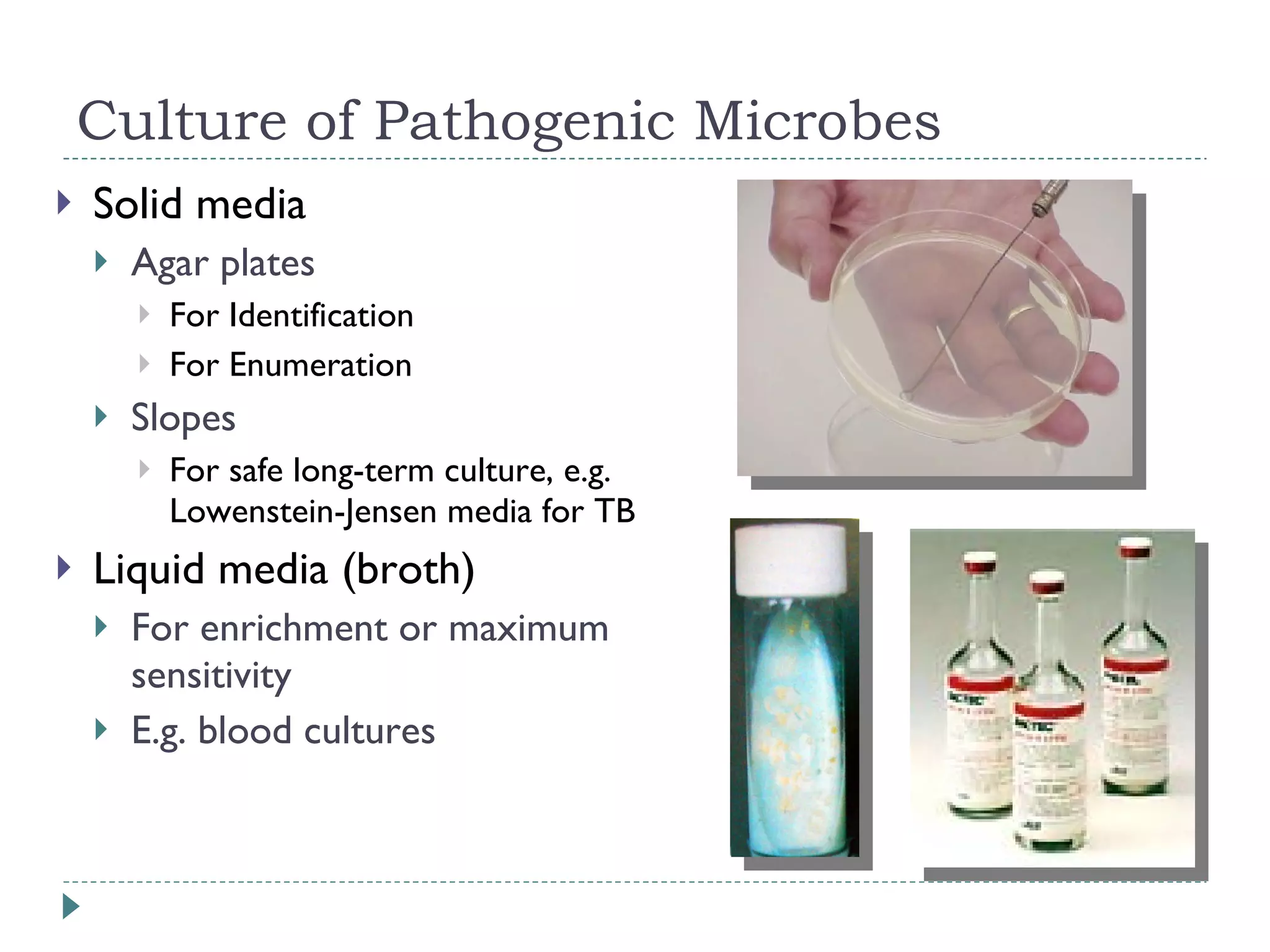
Culture of Pathogenic Microbes Solid media Agar plates For Identification For Enumeration Slopes For safe long-term culture, e.g. Lowenstein-Jensen media for TB Liquid media (broth) For enrichment or maximum sensitivity E.g. blood cultures
Culture of Pathogenic Microbes Although most pathogenic microbes can be grown after overnight culture in vitro, there are some important exceptions Anaerobes or fastidious bacteria may take several days/weks Mycobacteria grow very slowly, if at all ( M. leprae  uncultivable) Treponema pallidum cannot be cultured in vitro Obligate intracellular bacteria (e.g.  Chlamydia, Rickettsia ) need to be grown in cell culture Diagnosis of infection with slow-growing or non-culturable bacteria tends to rely on molecular methods (PCR) or serodiagnosis (antibody detection)
Culture of Pathogenic Microbes Most microbes of clinical importance can be grown, isolated, and identified with specialised growth media General Purpose Media Support growth of most aerobic and facultatively aerobic organisms (e.g., blood agar) Enriched Media Contain specific growth factors that enhance growth of certain fastidious pathogens Selective Media Allow some organisms to grow while inhibiting others Differential Media Allow identification of organisms based on their growth and appearance on the medium
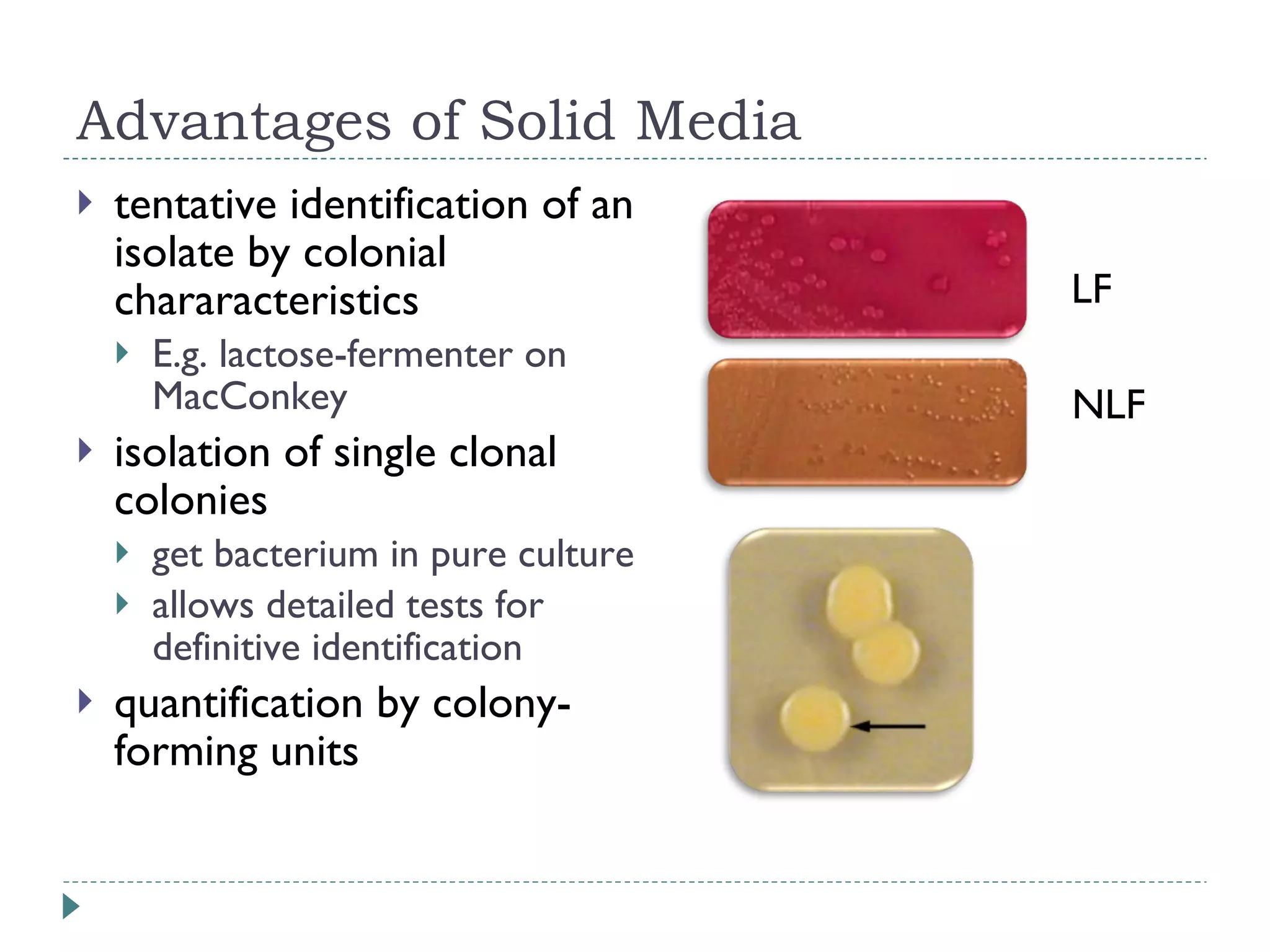
Advantages of Solid Media tentative identification of an isolate  by colonial chararacteristics E.g. lactose-fermenter on MacConkey isolation of single clonal colonies get bacterium in pure culture allows detailed tests for definitive identification quantification by colony-forming units LF NLF
Identification of Bacteria Morphology Growth requirements Biochemistry Enzymes Antigens
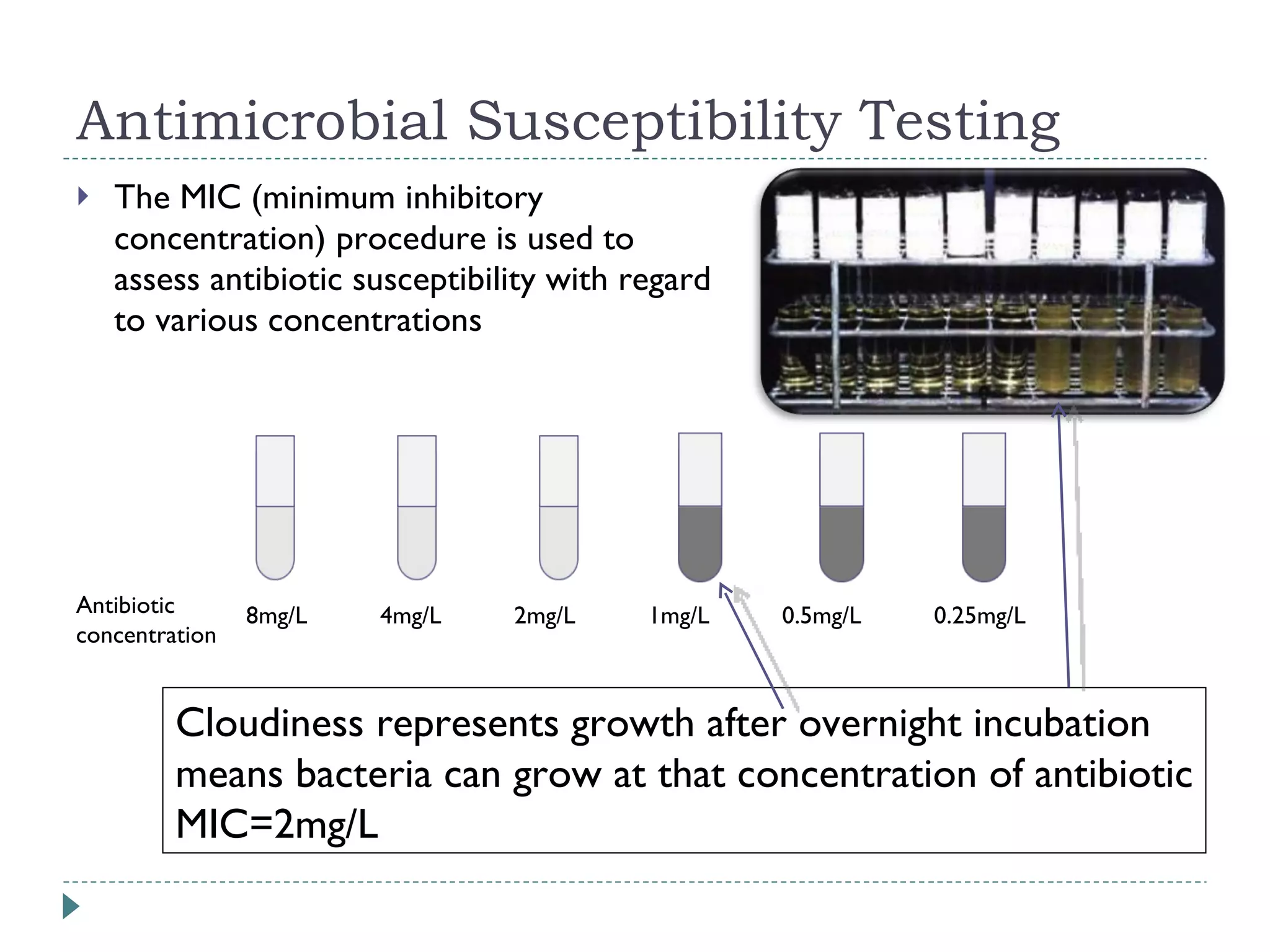
Sensitivity tests on solid medium disc diffusion technique E-test in liquid medium minimum inhibitory concentration  (MIC) test
Antimicrobial Susceptibility Testing Disk Diffusion Test Standard procedure for assessing antimicrobial activity Inhibition Zones Used to determine an organism’s susceptibility to an antimicrobial agent
The E Test
Antimicrobial Susceptibility Testing The MIC (minimum inhibitory concentration) procedure is used to assess antibiotic susceptibility with regard to various concentrations 8mg/L 4mg/L 2mg/L 1mg/L 0.5mg/L 0.25mg/L Antibiotic concentration Cloudiness represents growth after overnight incubation means bacteria can grow at that concentration of antibiotic MIC=2mg/L
Diagnosis of Viral Infection Electron microscopy Antigen detection Antibody detection  Virus culture Detect cytopathic effect or antigen Molecular methods Polymerase Chain Reaction
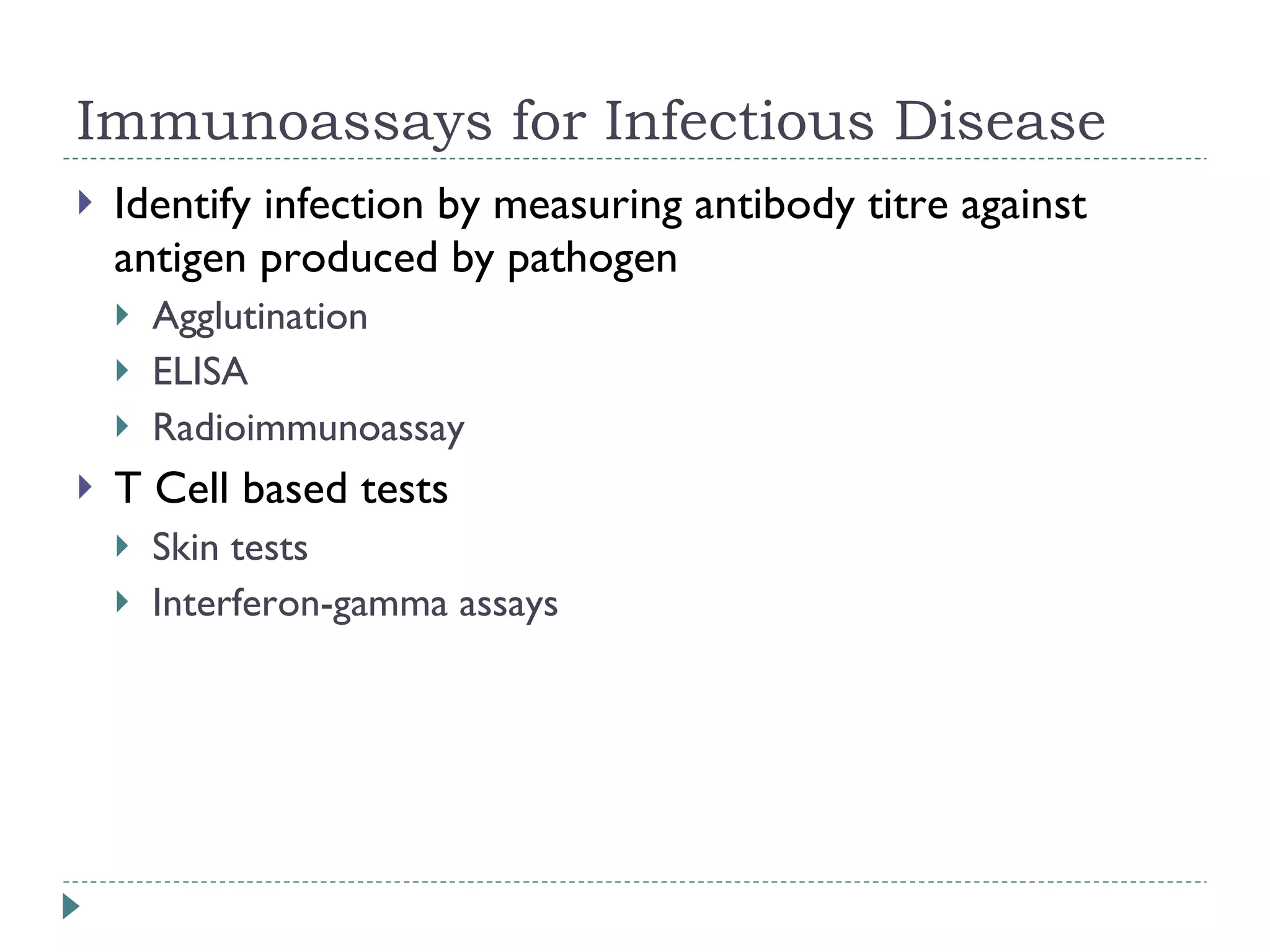
Immunoassays for Infectious Disease Identify infection by measuring antibody titre against antigen produced by pathogen Agglutination ELISA Radioimmunoassay T Cell based tests Skin tests  Interferon-gamma assays
Agglutination Passive Agglutination The agglutination of soluble antigens or antibodies that have been adsorbed or chemically coupled to cells or insoluble particles (e.g., latex beads, charcoal) Reactions can be up to five times more sensitive than direct agglutination tests Latex Bead Agglutination Test for  Staphylococcus aureus
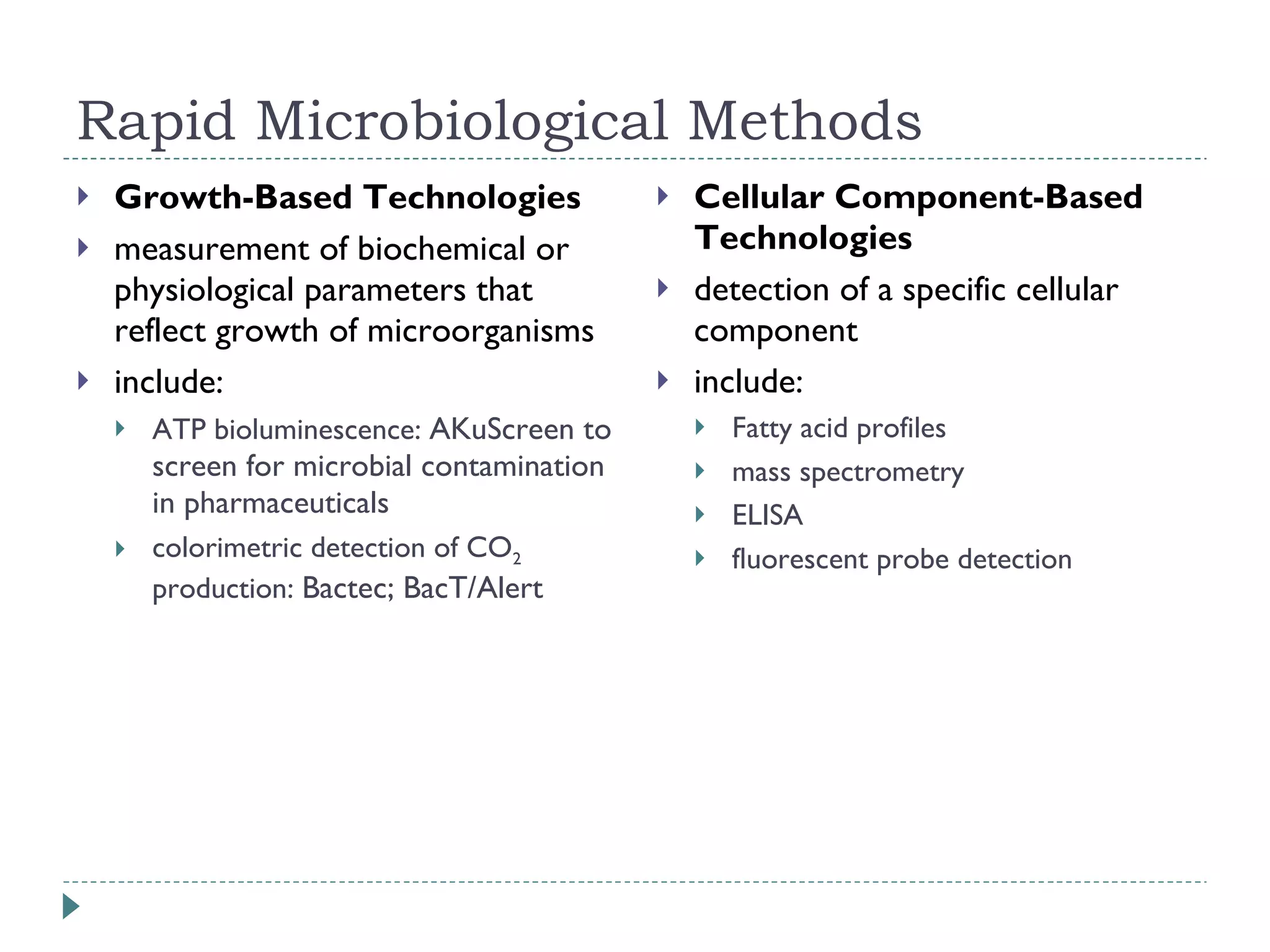
Rapid Microbiological Methods Growth-Based Technologies measurement of biochemical or physiological parameters that reflect growth of microorganisms include: ATP bioluminescence:  AKuScreen to screen for microbial contamination in pharmaceuticals colorimetric detection of CO 2  production:  Bactec; BacT/Alert Cellular Component-Based Technologies detection of a specific cellular component  include:  Fatty acid profiles mass spectrometry  ELISA fluorescent probe detection
Rapid Microbiological Methods Nucleic Acid-Based Technologies DNA probes: Gene-Trak; Gene-Probe molecular typing polymerase chain reaction (PCR) and other nucleic acid amplification technologies (NAATs) sequencing Automated Methods Simplest use classical method for processing sample, then detect colorimetric change to spot growth earlier than visual detection  Replace human detection methods with machine detection; human judgment with machine intelligence include:  BacT/ALERT, VITEK
VITEK 2  fully automated system for bacterial/fungal identification and antibiotic susceptibility testing  reduces set-up time and minimizes manual steps Compact sealed ID/AST cards  Rapid microorganism identification Rapid, same-day antimicrobial susceptibility testing  Advanced Expert System validates IDs Data management software allows for generation of epidemiology reports and antibiograms
Xpert MTB/Rif Sealed cartridge Robust sonication/mechanical DNA extraction procedure Hemi-nested PCR targets  rpoB  gene associated with rifampicin resistance 2 hour result
‘ Next-generation’ High-throughput sequencing  ~100x faster, ~100x cheaper than conventional approaches Clonal template populations obtained by new methods:  amplification on solid phase to grow a ‘molecular colony’ Massive increase in number of ‘clones’ but shorter read length New chemistries for sequence reading Pyrophosphate detection (PPi release upon base addition): 454 Single (reversibly 3’-blocked) fluorescent  base (quenchable) added per step: Solexa Sequencing by Ligation (ABI SOLiD)
 
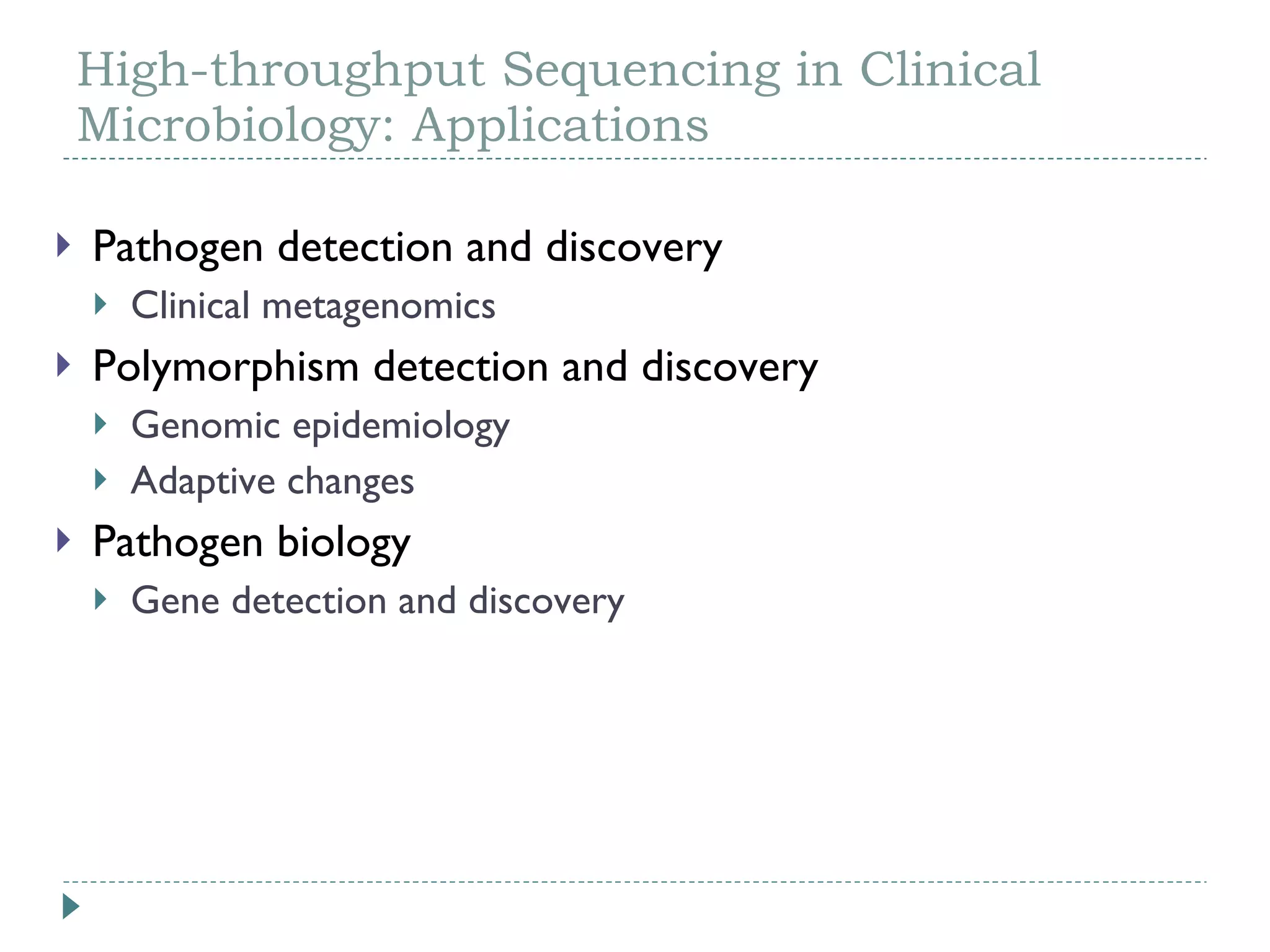
High-throughput Sequencing in Clinical Microbiology: Applications Pathogen detection and discovery Clinical metagenomics Polymorphism detection and discovery Genomic epidemiology Adaptive changes Pathogen biology Gene detection and discovery
Sequencing Methodologies Culture-dependent Culture-independent Shotgun library of purified genomic DNA Delivers whole-genome sequence Phylogenetic profiling: PCR with 16S primers Metagenomics: shotgun sequence community DNA
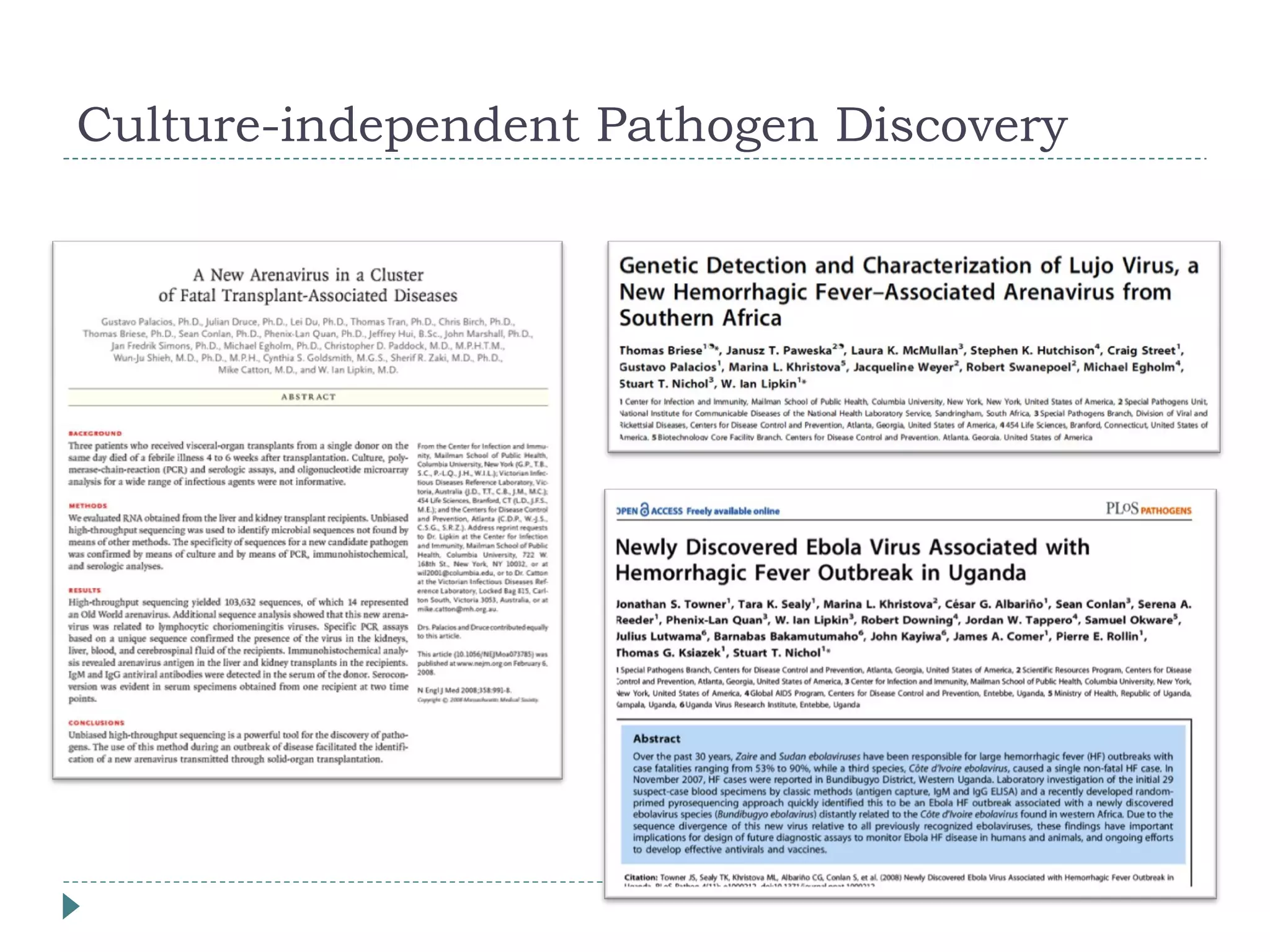
Culture-independent Pathogen Discovery
 
The Birth of Genomic Epidemiology for Bacteria
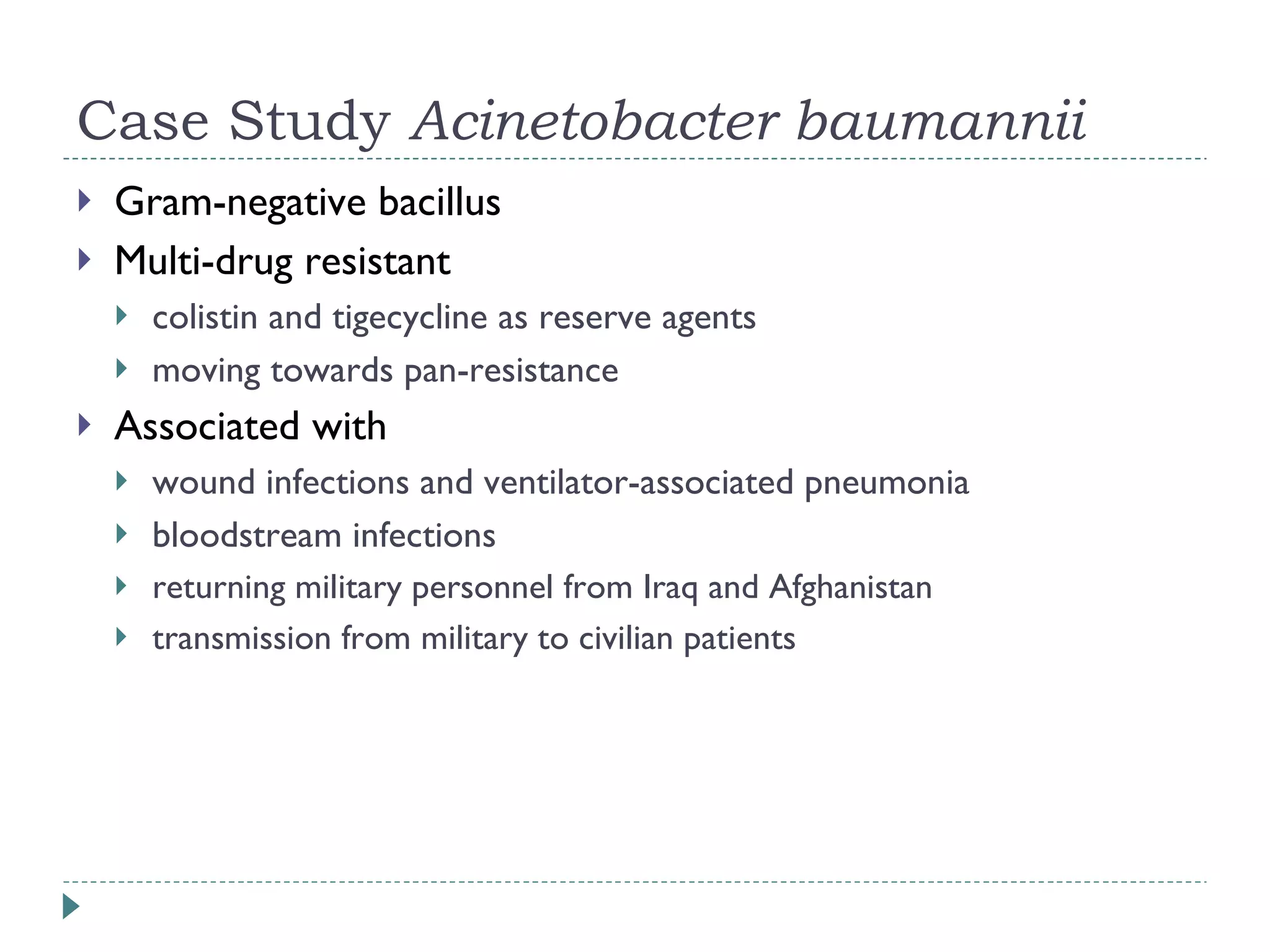
Case Study  Acinetobacter baumannii Gram-negative bacillus Multi-drug resistant colistin and tigecycline as reserve agents moving towards pan-resistance Associated with  wound infections and ventilator-associated pneumonia bloodstream infections returning military personnel from Iraq and Afghanistan transmission from military to civilian patients
Acinetobacter  Genomic Epidemiology Outbreak in Birmingham Hospital in 2008 Isolates indistinguishable by current typing methods
Acinetobacter  Genomic Epidemiology 454 whole-genome sequencing of 6 isolates SNP detection by mapping reads against draft reference assembly SNP filtering for false positives SNP validation with Sanger sequencing of PCR amplicons
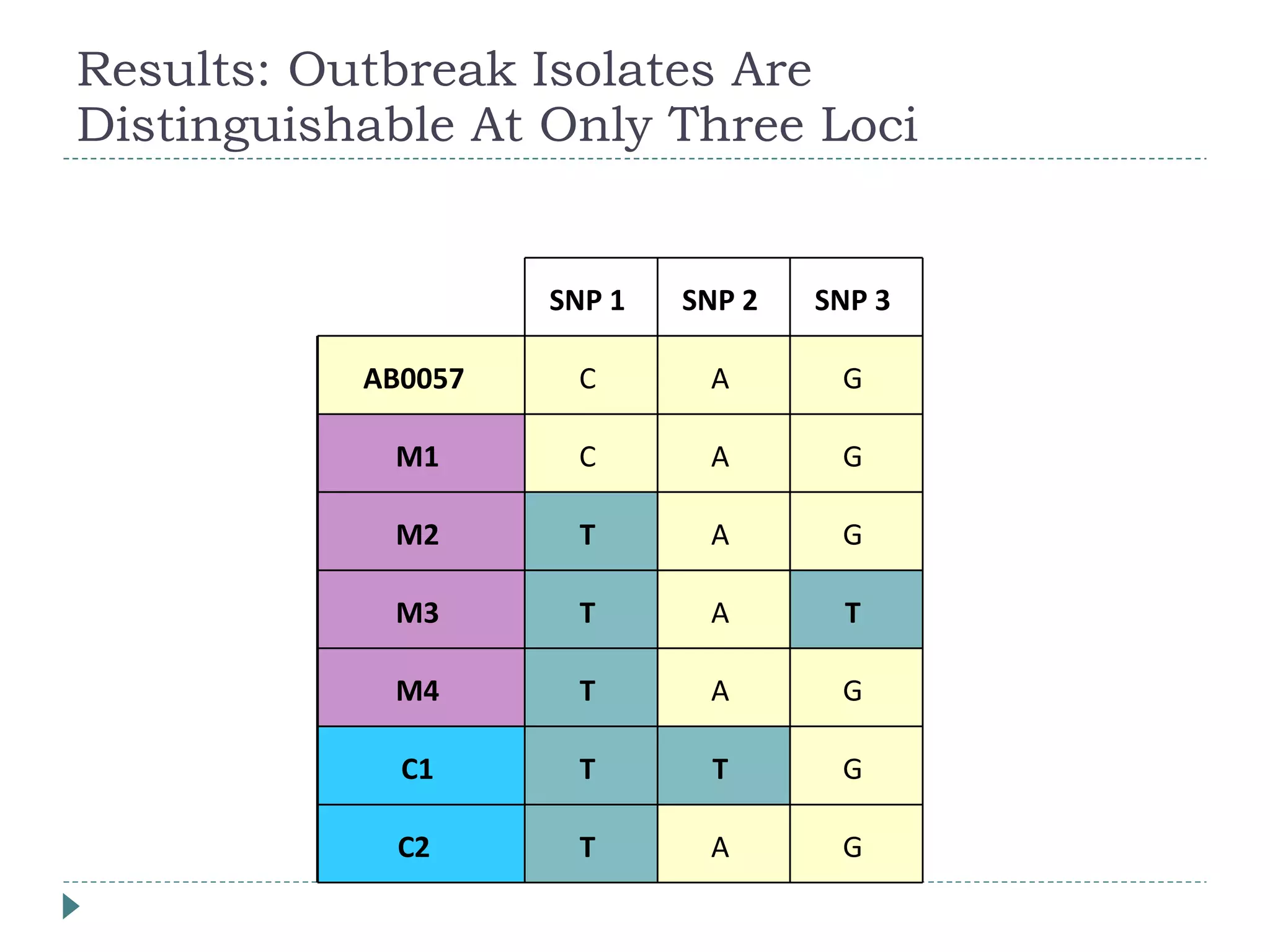
Results: Outbreak Isolates Are Distinguishable At Only Three Loci   SNP 1  SNP 2  SNP 3  AB0057  C  A  G  M1  C  A  G  M2  T  A  G  M3  T  A  T  M4  T  A  G  C1  T  T  G  C2  T  A  G
 
 
Take-away messages Genome sequencing brings the advantages of  open-endedness (revealing the “unknown unknowns”),  universal applicability  ultimate in resolution Bench-top sequencing platforms now generate data sufficiently quickly and cheaply to have an impact on real-world clinical and epidemiological problems
http://pathogenomics.bham.ac.uk/blog/2011/08/are-diagnostic-and-public-health-bacteriology-ready-to-become-branches-of-genomic-medicine/
19 th  Century 21 st  Century 20 th  Century

Bio303 laboratory diagnosis of infection

  • 1.
    Laboratory Diagnosis ofInfectious Disease: From Gram-stain to Genomes Professor Mark Pallen
  • 2.
    Outline Laboratory Diagnosisof Infection Appropriate use of the lab M icroscopy Culture Sensitivities Immunoassays Rapid Methods High-throughput sequencing
  • 3.
    Clinical Diagnosis Non-microbiologyinvestigations Radiology Haematology Biochemistry Diagnosis of Infection
  • 4.
    Laboratory Diagnosis ofInfection If physician suspects infection, samples of tissue or fluid collected for Microbiological analyses Immunological analyses Molecular-biological analyses Samples include blood urine faeces sputum cerebrospinal fluid pus
  • 5.
    Diagnostic workflow Specimencollection Specimen receipt Specimen processing Testing Interpretation Reporting
  • 6.
    A proper clinicalassessment is essential for optimal use of laboratory services!
  • 7.
    Factors limiting usefulnessof mirobiology investigations Specimens must be obtained and handled properly Specimen should be obtained from site of infection Sample must be taken aseptically Sample size must be large enough Metabolic requirements for the organism must be maintained during sampling, storage, and transport Wrong sample e.g. saliva instead of sputum Delay in transport / inappropriate storage e.g. CSF Overgrowth by contaminants e.g. blood cultures Insufficient sample / sampling error e.g. in mycobacterial disease Patient has received antibiotics
  • 8.
    Safety in theMicrobiology Laboratory Clinical microbiology labs present significant biological hazards for workers Standard lab practices for handling clinical samples are in place to protect workers Laboratories are classified according to their containment potential, or biosafety level (BSL), and are designated as BSL-1 through BSL-4
  • 9.
    Laboratory Diagnosis ofInfection culture on plates or in broth identification by biochemical or serological tests on pure growth from single colony microscopy Decolorise Counterstain Stain unstained or stained with e.g. Gram stain sensitivities Serodiagnosis DNA technologies by disc diffusion methods, breakpoints or MICs
  • 10.
    Microscopy Unstained preparations“ Wet prep” Dark-ground illumination for syphilis Stained preparations Gram-stain Acid-fast stain Ziehl-Neelsen Fluorescence Direct, e.g. auramine Immunofluorescence
  • 11.
    The Gram StainCrystal violet Gram's iodine Decolorise with acetone Counterstain with e.g. methyl red Gram-positives appear purple Gram-negatives appear pink
  • 12.
    The Gram StainGram-positive rods Gram-negative rods Gram-positive cocci Gram-negative cocci
  • 13.
    The Gram StainThe Gram stain can be applied to pure cultures of bacteria or to clinical specimens Gram-stain not useful for all bacteria Mycobacteria have very thick walls and are best seen using an acid-fast staining procedure Spirochaetes are long spiral bacteria that are too thin to be seen by Gram-stain Specialised intra-cellular bacteria such as chlamydias and rickettsias cannot be seen by Gram stain Pure culture of E. coli (Gram-negative rods) Neisseria gonorrhoeae in a smear of urethral pus ( Gram-negative cocci, with pus cells )
  • 14.
    Culture of PathogenicMicrobes Solid media Agar plates For Identification For Enumeration Slopes For safe long-term culture, e.g. Lowenstein-Jensen media for TB Liquid media (broth) For enrichment or maximum sensitivity E.g. blood cultures
  • 15.
    Culture of PathogenicMicrobes Although most pathogenic microbes can be grown after overnight culture in vitro, there are some important exceptions Anaerobes or fastidious bacteria may take several days/weks Mycobacteria grow very slowly, if at all ( M. leprae uncultivable) Treponema pallidum cannot be cultured in vitro Obligate intracellular bacteria (e.g. Chlamydia, Rickettsia ) need to be grown in cell culture Diagnosis of infection with slow-growing or non-culturable bacteria tends to rely on molecular methods (PCR) or serodiagnosis (antibody detection)
  • 16.
    Culture of PathogenicMicrobes Most microbes of clinical importance can be grown, isolated, and identified with specialised growth media General Purpose Media Support growth of most aerobic and facultatively aerobic organisms (e.g., blood agar) Enriched Media Contain specific growth factors that enhance growth of certain fastidious pathogens Selective Media Allow some organisms to grow while inhibiting others Differential Media Allow identification of organisms based on their growth and appearance on the medium
  • 17.
    Advantages of SolidMedia tentative identification of an isolate by colonial chararacteristics E.g. lactose-fermenter on MacConkey isolation of single clonal colonies get bacterium in pure culture allows detailed tests for definitive identification quantification by colony-forming units LF NLF
  • 18.
    Identification of BacteriaMorphology Growth requirements Biochemistry Enzymes Antigens
  • 19.
    Sensitivity tests onsolid medium disc diffusion technique E-test in liquid medium minimum inhibitory concentration (MIC) test
  • 20.
    Antimicrobial Susceptibility TestingDisk Diffusion Test Standard procedure for assessing antimicrobial activity Inhibition Zones Used to determine an organism’s susceptibility to an antimicrobial agent
  • 21.
  • 22.
    Antimicrobial Susceptibility TestingThe MIC (minimum inhibitory concentration) procedure is used to assess antibiotic susceptibility with regard to various concentrations 8mg/L 4mg/L 2mg/L 1mg/L 0.5mg/L 0.25mg/L Antibiotic concentration Cloudiness represents growth after overnight incubation means bacteria can grow at that concentration of antibiotic MIC=2mg/L
  • 23.
    Diagnosis of ViralInfection Electron microscopy Antigen detection Antibody detection Virus culture Detect cytopathic effect or antigen Molecular methods Polymerase Chain Reaction
  • 24.
    Immunoassays for InfectiousDisease Identify infection by measuring antibody titre against antigen produced by pathogen Agglutination ELISA Radioimmunoassay T Cell based tests Skin tests Interferon-gamma assays
  • 25.
    Agglutination Passive AgglutinationThe agglutination of soluble antigens or antibodies that have been adsorbed or chemically coupled to cells or insoluble particles (e.g., latex beads, charcoal) Reactions can be up to five times more sensitive than direct agglutination tests Latex Bead Agglutination Test for Staphylococcus aureus
  • 26.
    Rapid Microbiological MethodsGrowth-Based Technologies measurement of biochemical or physiological parameters that reflect growth of microorganisms include: ATP bioluminescence: AKuScreen to screen for microbial contamination in pharmaceuticals colorimetric detection of CO 2 production: Bactec; BacT/Alert Cellular Component-Based Technologies detection of a specific cellular component include: Fatty acid profiles mass spectrometry ELISA fluorescent probe detection
  • 27.
    Rapid Microbiological MethodsNucleic Acid-Based Technologies DNA probes: Gene-Trak; Gene-Probe molecular typing polymerase chain reaction (PCR) and other nucleic acid amplification technologies (NAATs) sequencing Automated Methods Simplest use classical method for processing sample, then detect colorimetric change to spot growth earlier than visual detection Replace human detection methods with machine detection; human judgment with machine intelligence include: BacT/ALERT, VITEK
  • 28.
    VITEK 2 fully automated system for bacterial/fungal identification and antibiotic susceptibility testing  reduces set-up time and minimizes manual steps Compact sealed ID/AST cards Rapid microorganism identification Rapid, same-day antimicrobial susceptibility testing Advanced Expert System validates IDs Data management software allows for generation of epidemiology reports and antibiograms
  • 29.
    Xpert MTB/Rif Sealedcartridge Robust sonication/mechanical DNA extraction procedure Hemi-nested PCR targets rpoB gene associated with rifampicin resistance 2 hour result
  • 30.
    ‘ Next-generation’ High-throughputsequencing ~100x faster, ~100x cheaper than conventional approaches Clonal template populations obtained by new methods: amplification on solid phase to grow a ‘molecular colony’ Massive increase in number of ‘clones’ but shorter read length New chemistries for sequence reading Pyrophosphate detection (PPi release upon base addition): 454 Single (reversibly 3’-blocked) fluorescent base (quenchable) added per step: Solexa Sequencing by Ligation (ABI SOLiD)
  • 31.
  • 32.
    High-throughput Sequencing inClinical Microbiology: Applications Pathogen detection and discovery Clinical metagenomics Polymorphism detection and discovery Genomic epidemiology Adaptive changes Pathogen biology Gene detection and discovery
  • 33.
    Sequencing Methodologies Culture-dependentCulture-independent Shotgun library of purified genomic DNA Delivers whole-genome sequence Phylogenetic profiling: PCR with 16S primers Metagenomics: shotgun sequence community DNA
  • 34.
  • 35.
  • 36.
    The Birth ofGenomic Epidemiology for Bacteria
  • 37.
    The Birth ofGenomic Epidemiology for Bacteria
  • 38.
    Case Study Acinetobacter baumannii Gram-negative bacillus Multi-drug resistant colistin and tigecycline as reserve agents moving towards pan-resistance Associated with wound infections and ventilator-associated pneumonia bloodstream infections returning military personnel from Iraq and Afghanistan transmission from military to civilian patients
  • 39.
    Acinetobacter GenomicEpidemiology Outbreak in Birmingham Hospital in 2008 Isolates indistinguishable by current typing methods
  • 40.
    Acinetobacter GenomicEpidemiology 454 whole-genome sequencing of 6 isolates SNP detection by mapping reads against draft reference assembly SNP filtering for false positives SNP validation with Sanger sequencing of PCR amplicons
  • 41.
    Results: Outbreak IsolatesAre Distinguishable At Only Three Loci   SNP 1 SNP 2 SNP 3 AB0057 C A G M1 C A G M2 T A G M3 T A T M4 T A G C1 T T G C2 T A G
  • 42.
  • 43.
  • 44.
    Take-away messages Genomesequencing brings the advantages of open-endedness (revealing the “unknown unknowns”), universal applicability ultimate in resolution Bench-top sequencing platforms now generate data sufficiently quickly and cheaply to have an impact on real-world clinical and epidemiological problems
  • 45.
  • 46.
    19 th Century 21 st Century 20 th Century

Editor's Notes

  • #37 95 & 63 strains
  • #38 95 & 63 strains
  • #42 Change shading Ultimately, we detected three SNP loci which allowed us to distinguish between isolates in the outbreak. These are presented with reference to an unrelated Acinetobacter reference, AB57 which we consider has the “ancestral” state at these loci.
  • #43 Referring back to the outbreak diagram we can plot these consequent genotypes onto each isolate. So when considering C1 it can be seen that it has a unique genotype compared with the others thus making it hard to make a compelling case for transmission from any of the military patients. But when we consider the case of C2 it can be seen that it shares the same genotype as M2 and M4. Given that M2 and C2 were in neighboring beds around week 4 but M4 did not come into contact with C2 at any point, we believe we can make a strong case for transmission from M2 and C2.
  • #44 You can read the full story of these study in the Journal of Hospital Infection where it is available as an online pre-print. Our analyses support transmission of MDR-Aci from the wound of a military patient M2 to the respiratory tract of a civilian patient C2. As MDR-Aci was not isolated from C2 until several weeks after M2 left the adjacent bed, however, we cannot determine when and how transmission occurred. One possibility is that C2 became colonised when the two patients were nursed together, but that colonisation did not reach detectable levels in the sputum until much later. Another possibility is that M2 contaminated the local environment and C2 acquired the organism from the environment only after M2 had left the ward. This latter option would be consistent with a significant role of the environment.