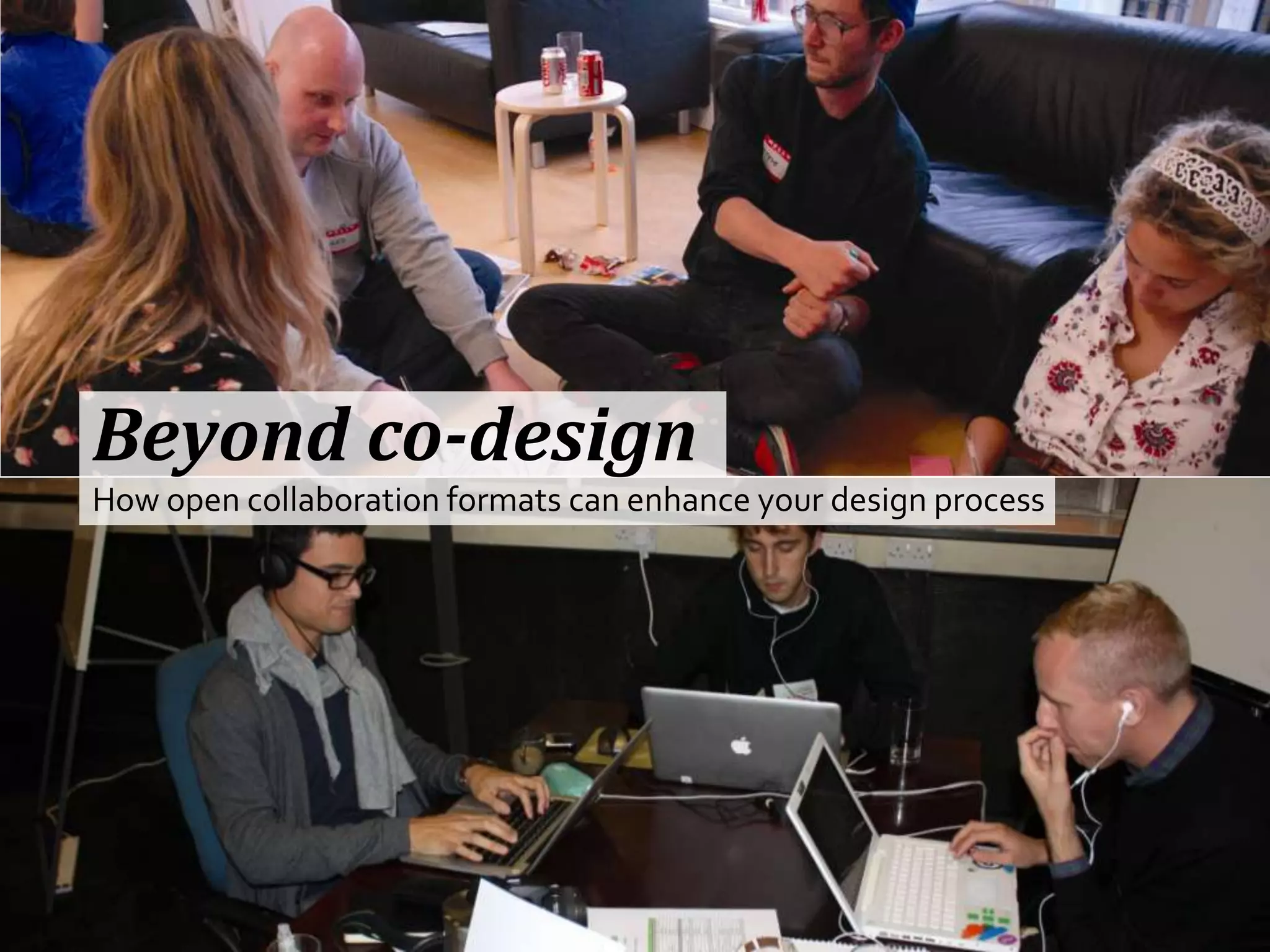
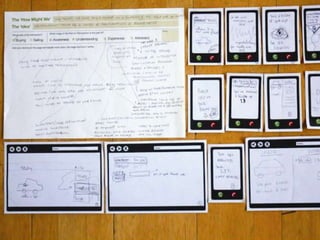
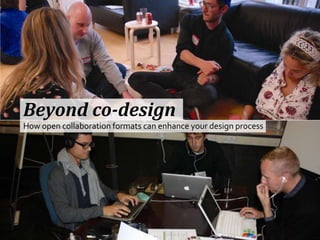
Beyond co-designHow open collaboration formats can enhance your design process
Franco Papeschi - @bobbywatsonJohanna Kollmann - @johannakollUser Experience @ Vodafone Group Services
Co-design……is about developing a service or a product by a process that  involves all perspectives that are related to the design.…has its origin in systems-thinking. …involves different groups of people actively in the design process, and all perspectives are equally important.
Collaboration…… is defined as ‘working jointly with others or together, especially in an intellectual endeavour.’ (Merriam Webster Online dictionary)Collaborating openly with others means that ideas are shared rather than protected. Open collaboration activities, such as barcamps or Hack-a-thons, encourage participants to share information, their work, and reflect and learn together.
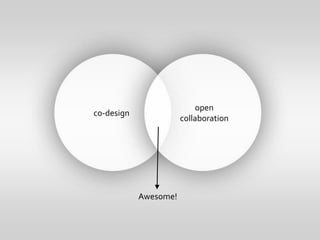
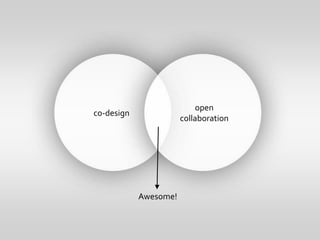
open collaborationco-designAwesome!
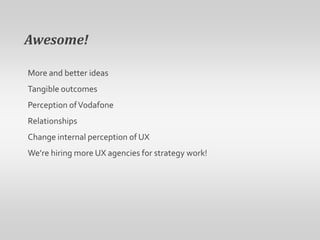
Awesome! More and better ideasTangible outcomesPerception of VodafoneRelationshipsChange internal perception of UXWe’re hiring more UX agencies for strategy work!
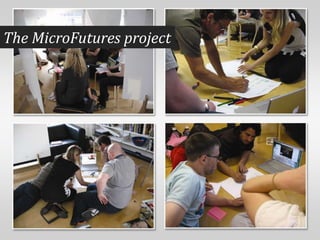
The MicroFutures project
MicroFutures: GoalsWhatInternal ideas around marketplaces and transactionsQuickly turn these ideas into tangible product conceptsWhyDo more than one designer can doExpose ideas to fresh perspectivesCollaborate more with users and internal stakeholdersLearn for future co-design projects
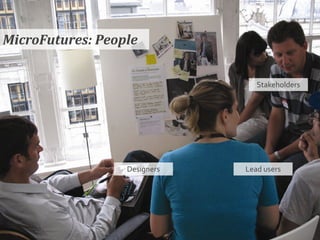
MicroFutures: PeopleStakeholdersDesignersLead users
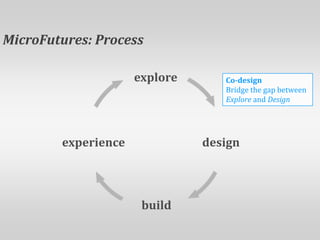
MicroFutures: ProcessexploreCo-designBridge the gap between Explore and Designdesignexperiencebuild
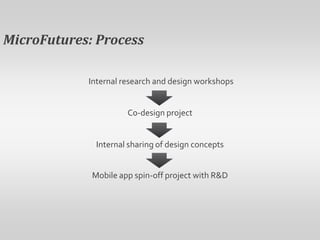
MicroFutures: ProcessInternal research and design workshopsCo-design projectInternal sharing of design conceptsMobile app spin-off project with R&D
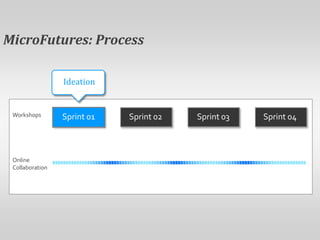
MicroFutures: ProcessIdeationWorkshopsSprint 01Sprint 02Sprint 03Sprint 04OnlineCollaboration
MicroFutures: Process
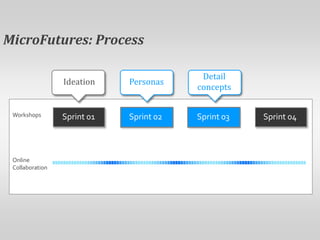
MicroFutures: ProcessDetailconceptsPersonasIdeationSprint 03WorkshopsSprint 01Sprint 02Sprint 04OnlineCollaboration
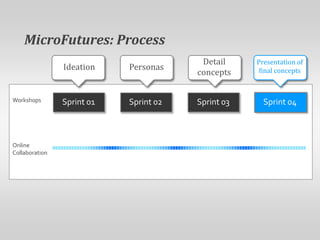
MicroFutures: ProcessDetailconceptsPresentation of final conceptsIdeationPersonasWorkshopsSprint 01Sprint 02Sprint 03Sprint 04OnlineCollaboration
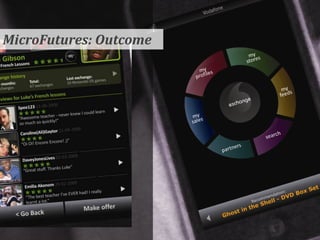
MicroFutures: Outcome
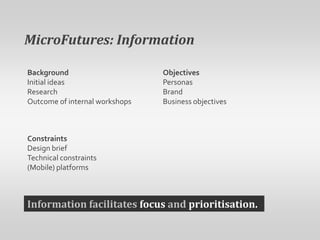
MicroFutures: InformationObjectivesPersonasBrandBusiness objectivesBackgroundInitial ideasResearchOutcome of internal workshopsConstraintsDesign briefTechnical constraints(Mobile) platformsInformation facilitates focus and prioritisation.
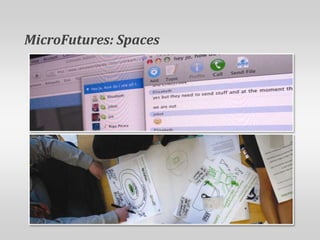
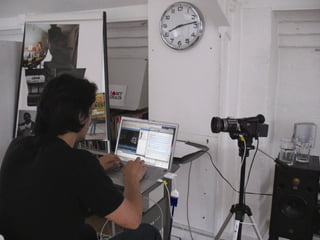
MicroFutures: Spaces
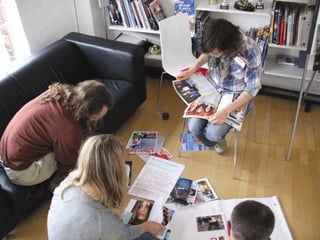
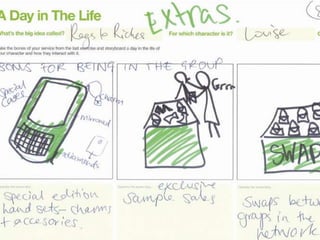
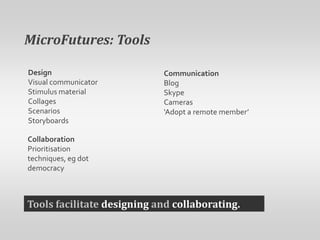
MicroFutures: ToolsDesignVisual communicatorStimulus materialCollagesScenariosStoryboardsCommunicationBlogSkypeCameras‘Adopt a remote member’CollaborationPrioritisation techniques, eg dot democracyTools facilitate designing and collaborating.
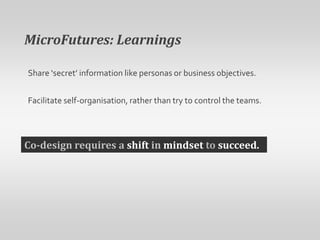
MicroFutures: LearningsShare ‘secret’ information like personas or business objectives. Facilitate self-organisation, rather than try to control the teams.Co-design requires a shift in mindset to succeed.
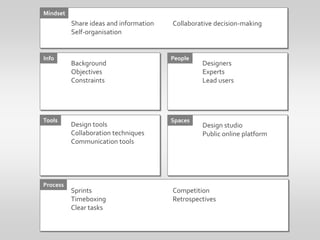
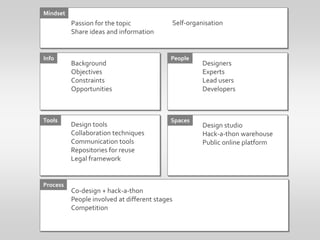
MindsetShare ideas and informationSelf-organisationCollaborative decision-makingInfoPeopleDesignersExpertsLead usersBackgroundObjectivesConstraintsToolsSpacesDesign toolsCollaboration techniquesCommunication toolsDesign studioPublic online platformProcessSprintsTimeboxingClear tasksCompetitionRetrospectives
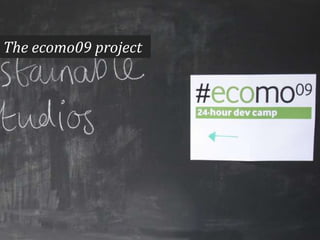
The ecomo09 project
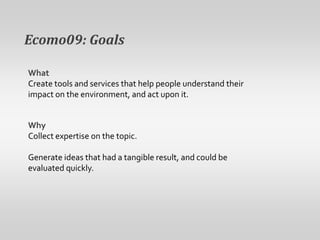
Ecomo09: GoalsWhatCreate tools and services that help people understand their impact on the environment, and act upon it.WhyCollect expertise on the topic. Generate ideas that had a tangible result, and could be evaluated quickly.
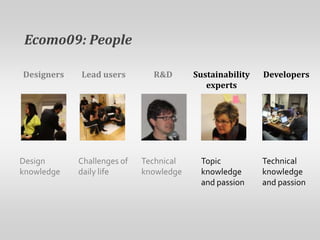
Ecomo09: PeopleDesignersLead usersSustainability expertsDevelopersR&DDesign knowledgeChallenges of daily lifeTopic knowledge and passionTechnical knowledge and passionTechnical knowledge
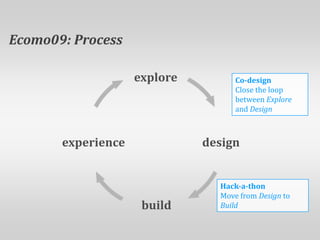
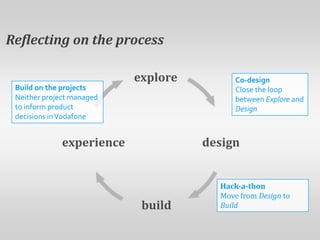
  Ecomo09: ProcessexploreCo-designClose the loop between Explore and DesigndesignexperienceHack-a-thonMove from Design to Buildbuild
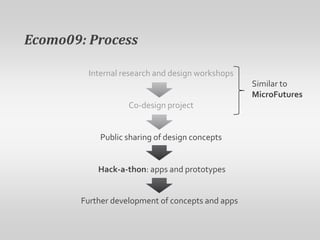
Ecomo09: ProcessInternal research and design workshopsCo-design projectPublic sharing of design conceptsSimilar to MicroFuturesHack-a-thon: apps and prototypesFurther development of concepts and apps
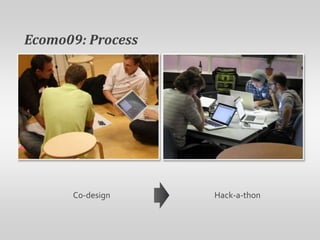
Ecomo09: ProcessCo-designHack-a-thon
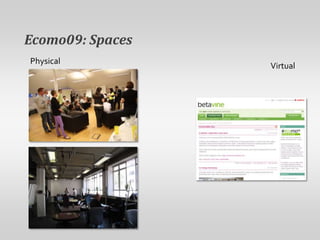
Ecomo09: SpacesPhysical Virtual
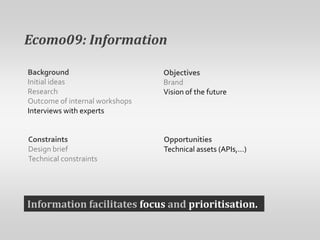
Ecomo09: InformationBackgroundInitial ideasResearchOutcome of internal workshopsInterviews with expertsObjectivesBrandVision of the futureConstraintsDesign briefTechnical constraintsOpportunitiesTechnical assets (APIs,…)Information facilitates focus and prioritisation.
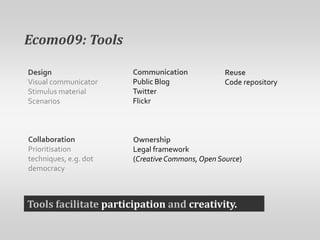
Ecomo09: ToolsCommunicationPublic BlogTwitter FlickrDesignVisual communicatorStimulus materialScenariosReuseCode repositoryCollaborationPrioritisation techniques, e.g. dot democracyOwnershipLegal framework (Creative Commons, Open Source)Tools facilitate participation and creativity.
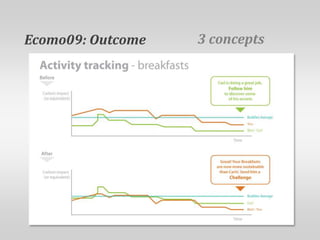
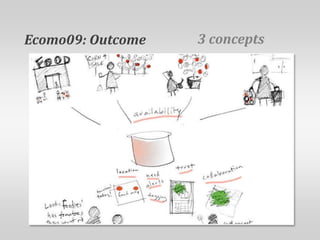
3 conceptsEcomo09: Outcome
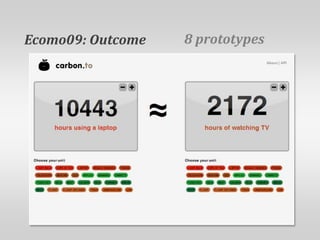
8 prototypesEcomo09: Outcome
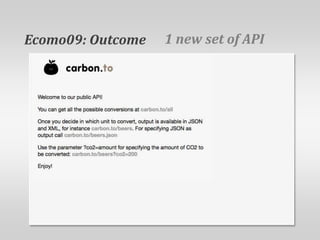
1 new set of APIEcomo09: Outcome
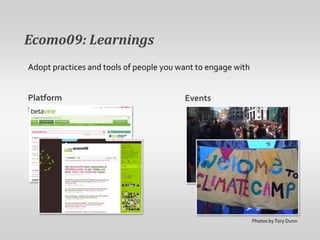
Ecomo09: LearningsAdopt practices and tools of people you want to engage withPlatforms EventsPhotos by Tory Dunn
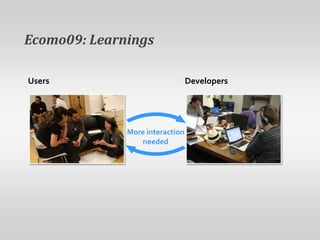
Ecomo09: LearningsUsersDevelopersMore interactionneeded
Ecomo09: LearningsIt saved money – but we didn’t tell the business!
MindsetSelf-organisationPassion for the topicShare ideas and information InfoPeopleDesignersExpertsLead usersDevelopersBackgroundObjectivesConstraintsOpportunitiesToolsSpacesDesign toolsCollaboration techniquesCommunication toolsRepositories for reuseLegal frameworkDesign studioHack-a-thon warehousePublic online platformProcessCo-design + hack-a-thonPeople involved at different stagesCompetition
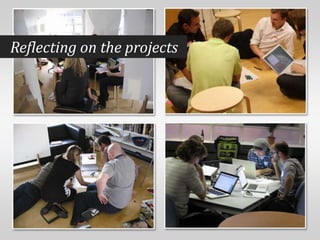
  Reflecting on the projects
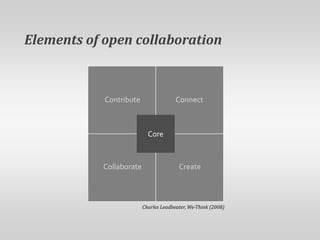
Elements of open collaborationContributeConnectCoreCollaborateCreateCharles Leadbeater, We-Think (2008)
 Reflecting on the processexploreCo-designClose the loop between Explore and DesignBuild on the projectsNeither project managed to inform product decisions in VodafonedesignexperienceHack-a-thonMove from Design to Buildbuild
  How to go beyond co-design
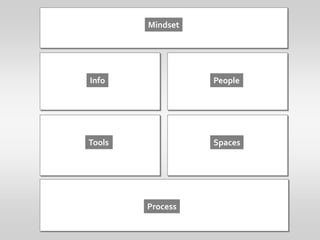
MindsetInfoPeopleToolsSpacesProcess
InfoInformation gives focus If you want your participants to be like a design team, give them all the information a design team would need!
Pick tools and spaces thatfacilitate creativity SpacesToolsProvide visual design / sketch supportProvide access to sources of data (API) if you want people to create something tangible
Pick tools and spaces thatfacilitate collaborationSpacesToolsHack-a-thonsDesign studiosRetrospectives, dot democracy and other collaboration tools
PeopleEngage the right peopleWho?Why?When?Give strong incentives - ideally intrinsic motivation
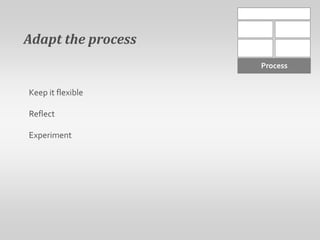
Adapt the processProcessKeep it flexibleReflectExperiment
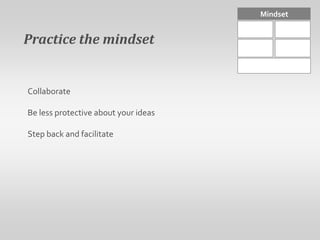
MindsetPractice the mindsetCollaborateBe less protective about your ideasStep back and facilitate
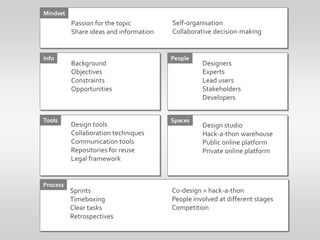
MindsetSelf-organisationCollaborative decision-makingPassion for the topicShare ideas and information InfoPeopleDesignersExpertsLead usersStakeholders DevelopersBackgroundObjectivesConstraintsOpportunitiesToolsSpacesDesign toolsCollaboration techniquesCommunication toolsRepositories for reuseLegal frameworkDesign studioHack-a-thon warehousePublic online platformPrivate online platformProcessCo-design + hack-a-thonPeople involved at different stagesCompetitionSprintsTimeboxingClear tasksRetrospectives
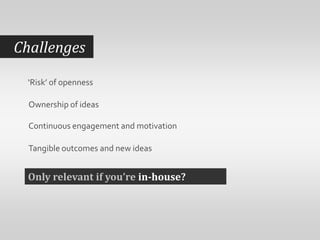
   Challenges‘Risk’ of opennessOwnership of ideasContinuous engagement and motivationTangible outcomes and new ideasOnly relevant if you’re in-house?
open collaborationco-designAwesome!
Awesome! More and better ideasTangible outcomesPerception of VodafoneRelationshipsChange internal perception of UXWe’re hiring more UX agencies for strategy work!
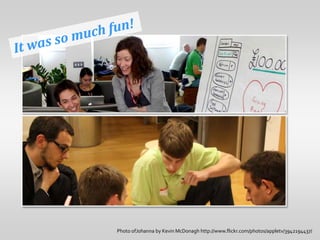
It was so much fun!Photo ofJohanna by Kevin McDonagh http://www.flickr.com/photos/appletv/3942194437/
Thank you. Questions?@bobbywatsonfranco.papeschi@gmail.com@johannakollkollmann.johanna@gmail.com
ResourcesHicks, Mark: Collaborate to Innovate? Getting Fresh Small Company Thinking into Big Company Innovation. Interactions, XVII.3 - May / June, 2010. http://interactions.acm.org/content/?p=1363Leadbetter, Charles: We-Think. Mass innovation, not mass production. Profile books, 2008. http://www.charlesleadbeater.net/orange-buttons/we-think.aspxMore about ecomo: http://tinyurl.com/betavine-sustainabilityThank youMicroFutures team: Mark Hicks, Dug FalbyEcomo 09 team: Tory DunnHeather Moore, Dan Appelquist, Steve Wolak, Tracey Lee-Joe, Richard Child, Bryce Ashdown, Phill Julian, Josh Ulm, FJ van Wingerde, Russell SeseSense Networks, Seren, BASH Studio, Sprung Studios All our collaborators and hackers! London IA community, Matthew Solle and the Vodafone UE team for valuable feedback on our dry-runs.
Beyond co-designHow open collaboration formats can enhance your design process

Beyond Co-design. How open collaboration formats can enhance your design process

Editor's Notes

  • #2 Good afternoon everyone and welcome to ‘beyond codesign’. In the next 40 minutes or so we’ll talk about how open collaboration formats can be improve the way you involve different types of people in a design process, and hopefully this will inspire you next time that you start a new project
  • #3 I’m Franco, and together with Johanna I work in the user experience team of one of the largest telecom operators in the world, Vodafone. One of the points of excellence of our team – I think – is the expertise in co-design: we have run many projects with this approach, and we have people who have done codesign even before it was invented ^_^ It’s not only the experience during working hours the one that Johanna and myself have: we are both regular attendees and sometimes organisers of what we have called ‘open collaboration’ events: barcamps, meet-up, hackathons.Today we are going to reflect on how to mix codesign and this type of collaborations, using 2 projects we run in Vodafone in 2009. Johanna, can we clarify what do we mean by codesign and collaboration?
  • #26 What: sustainability and Vodafone and peopleThe process: invite experts, interested, activists together with designersAlso, bring the ideas generated in codesign to a further stage, by co-prototyping these with developers and tinkerers Objectives: collect expertise on the topic. Generate ideas that had a tangible result, and could be evaluated in a quicker way. Be able to extrapolate enablers an services.
  • #27 How did we sell it?Make all the Corporate Social Responsibility efforts visible to ‘consumers’.Generate brand differentiation.
  • #28 The goals of the project influenced the type of people we asked to participate---And – of course – everyone contributes with ideasThe grey ones mean: like Microfutures. Unlike microfutures, marketing stakeholders were less involved
  • #30 The grey ones mean: like MicrofuturesBenchmark of existing solutions + Internal workshop: first ideas and conceptsCo-design workshops: conceptsFurther development of concepts (internal) Publication of conceptsHack-a-thon: apps and prototypesFurther development of concepts and apps
  • #34 You do not have to assign ownership of any intellectual property rights arising from Your developments to Vodafone, but in the interests of sustainable development, You must make available any code which is part of your competition entry under a recognised open source licence of your choice, along with the complete corresponding machine-readable source code, on the Betavine platform, or such other platform as provided by us, and You must neither use any third party code which is incompatible with distribution under your chosen licence, nor knowingly infringe any third party intellectual property rights.
  • #40 Participants in the codesign workshops appreciated a lot the availability of a panorama of existing solutionsParticipants in the co-prototyping day appreciated the briefs and ‘stimulus material’ coming from the concepts created during the co-designWe realised – maybe too late – that it would have been beneficial to break this barrier, and mix the 2 groups of participants.Why? Users have needs and desires. Developers know what is possible, and this can make users discover needs they weren’t aware of
  • #41 Our stakeholders were mainly inside our team, and part of the corporate responsibility department. A proper engagement with product teams would have made the differenceThe output of the project is not just what you deliver: it’s the chances to follow-up and continue working on it
  • #42 An attention to the process helped us open-up the project to new sources of knowledge. Tools and spaces supported this not-so-typical collaboration style with people like experts, lead users, developers.But most important for us was to attract people that had a certain mindset: an interest for the topic and a will to share ideas and code.
  • #43 What do they have in common?Our goals were: Tangible outcome‘Make it real’ quickerNeeds drive technology drives needsTransform vague ideas into tangible prototypesParticipation of different people / codesignExperiments with processes, information given, tools, spaces used for designing
  • #46 What do they have in common?Transform vague ideas into tangible prototypesParticipation of different people / codesignExperiments with processes, information given, tools, spaces used for designingOur goals were: Tangible outcome‘Make it real’ quickerNeeds drive technology drives needs
  • #53 "All of these initiatives, whether they apply to brand, CRM, product development, R&D, customer service, or HR, exhibit some similar characteristics:- easy access;- open platforms that harness the creativity and expertise from people outside of the organization or untapped sources inside;- open-ended formats that can evolve as the problem statement changes;- ample room for participation and emergent self-organization;- easy mechanisms for tinkering and hacking (e.g. through open-source formats);- small formats that can be easily shared- strong incentives (ideally intrinsic motivation or social currency);- real-time visibility (through sharable content);- tie-ins to dormant or active social networks;- and distributed decision-making."
  • #61 Good afternoon everyone and welcome to ‘beyond codesign’. In the next 40 minutes or so we’ll talk about how open collaboration formats can be improve the way you involve different types of people in a design process, and hopefully this will inspire you next time that you start a new project