Sustainable Behaviour Change
for Sanitation
S.N.Srikanth
Past President
Rotary Club of Madras
RI Dist 3230, India
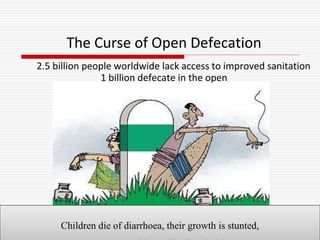
The Curse of Open Defecation
2.5 billion people worldwide lack access to improved sanitation
1 billion defecate in the open
Children die of diarrhoea, their growth is stunted,
Is building toilets the obvious solution?
Not quite
India: Toilet Construction
0
20
40
60
80
100
1993 2002 2009 2012
85.8
76.3
65.2
59.4
30.6
17.9
11.3 8.8
Rural
Urban
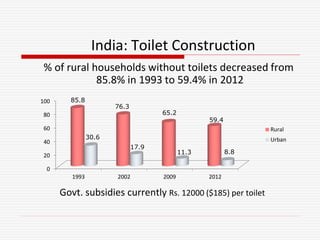
% of rural households without toilets decreased from
85.8% in 1993 to 59.4% in 2012
Govt. subsidies currently Rs. 12000 ($185) per toilet
India: Toilet Usage
SQUAT Survey Results (2014)
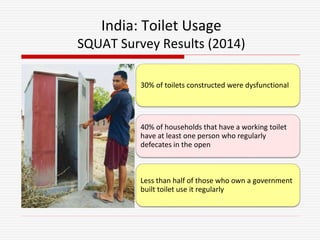
30% of toilets constructed were dysfunctional
40% of households that have a working toilet
have at least one person who regularly
defecates in the open
Less than half of those who own a government
built toilet use it regularly
Poverty doesn’t explain it either
Country % of population
defecating in the
open*
Per capita GDP
(in USD)*
India 44 1593
Bangladesh 1 1212
Bhutan 2 2656
Dem. Republic
Congo
10 456
Myanmar 4 1162
Cameroon 6 1217
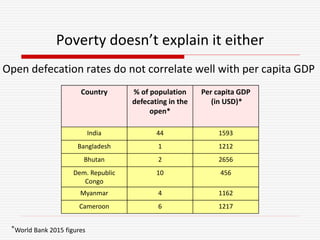
Open defecation rates do not correlate well with per capita GDP
*World Bank 2015 figures
We need to stimulate demand by changing
people’s attitudes and behaviour
Supply led approaches
to sanitation have failed
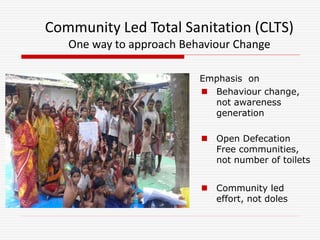
Emphasis on
 Behaviour change,
not awareness
generation
 Open Defecation
Free communities,
not number of toilets
 Community led
effort, not doles
Community Led Total Sanitation (CLTS)
One way to approach Behaviour Change
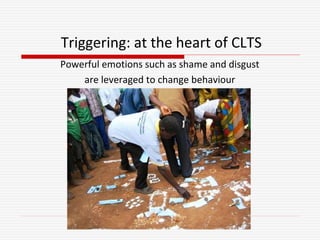
Triggering: at the heart of CLTS
Powerful emotions such as shame and disgust
are leveraged to change behaviour
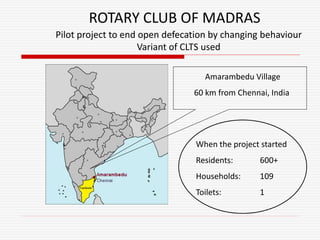
Amarambedu Village
60 km from Chennai, India
When the project started
Residents: 600+
Households: 109
Toilets: 1
ROTARY CLUB OF MADRAS
Pilot project to end open defecation by changing behaviour
Variant of CLTS used
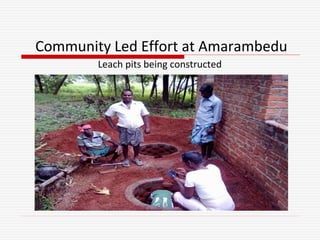
Community Led Effort at Amarambedu
Leach pits being constructed
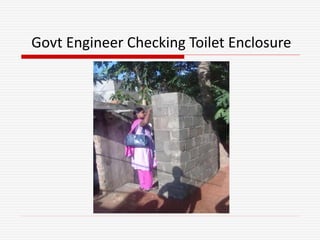
Govt Engineer Checking Toilet Enclosure
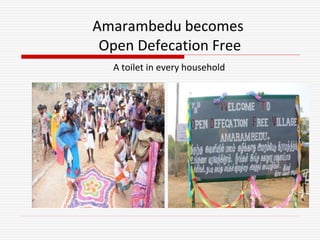
Amarambedu becomes
Open Defecation Free
A toilet in every household
How do we
Sustain Behaviour Change?
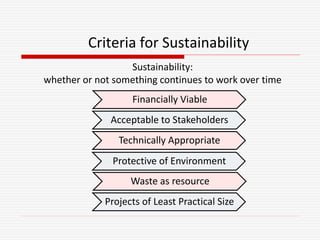
Criteria for Sustainability
Financially Viable
Acceptable to Stakeholders
Technically Appropriate
Protective of Environment
Waste as resource
Projects of Least Practical Size
Sustainability:
whether or not something continues to work over time
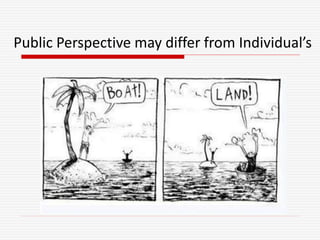
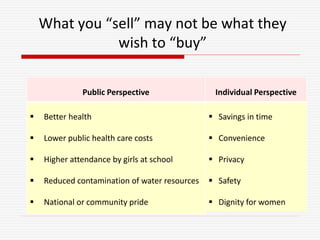
Public Perspective may differ from Individual’s
Individual Perspective
 Savings in time
 Convenience
 Privacy
 Safety
 Dignity for women
Public Perspective
 Better health
 Lower public health care costs
 Higher attendance by girls at school
 Reduced contamination of water resources
 National or community pride
What you “sell” may not be what they
wish to “buy”
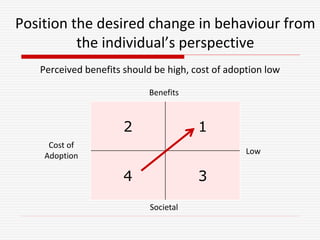
Position the desired change in behaviour from
the individual’s perspective
2 1
4 3
Benefits
Societal
High
Low
Cost of
Adoption
Perceived benefits should be high, cost of adoption low
Thank You

Behavior Change: The Key to Ending Open Defecation (Srikanth)

  • 1.
    Sustainable Behaviour Change forSanitation S.N.Srikanth Past President Rotary Club of Madras RI Dist 3230, India
  • 2.
    The Curse ofOpen Defecation 2.5 billion people worldwide lack access to improved sanitation 1 billion defecate in the open Children die of diarrhoea, their growth is stunted,
  • 3.
    Is building toiletsthe obvious solution? Not quite
  • 4.
    India: Toilet Construction 0 20 40 60 80 100 19932002 2009 2012 85.8 76.3 65.2 59.4 30.6 17.9 11.3 8.8 Rural Urban % of rural households without toilets decreased from 85.8% in 1993 to 59.4% in 2012 Govt. subsidies currently Rs. 12000 ($185) per toilet
  • 5.
    India: Toilet Usage SQUATSurvey Results (2014) 30% of toilets constructed were dysfunctional 40% of households that have a working toilet have at least one person who regularly defecates in the open Less than half of those who own a government built toilet use it regularly
  • 6.
    Poverty doesn’t explainit either Country % of population defecating in the open* Per capita GDP (in USD)* India 44 1593 Bangladesh 1 1212 Bhutan 2 2656 Dem. Republic Congo 10 456 Myanmar 4 1162 Cameroon 6 1217 Open defecation rates do not correlate well with per capita GDP *World Bank 2015 figures
  • 7.
    We need tostimulate demand by changing people’s attitudes and behaviour Supply led approaches to sanitation have failed
  • 8.
    Emphasis on  Behaviourchange, not awareness generation  Open Defecation Free communities, not number of toilets  Community led effort, not doles Community Led Total Sanitation (CLTS) One way to approach Behaviour Change
  • 9.
    Triggering: at theheart of CLTS Powerful emotions such as shame and disgust are leveraged to change behaviour
  • 10.
    Amarambedu Village 60 kmfrom Chennai, India When the project started Residents: 600+ Households: 109 Toilets: 1 ROTARY CLUB OF MADRAS Pilot project to end open defecation by changing behaviour Variant of CLTS used
  • 11.
    Community Led Effortat Amarambedu Leach pits being constructed
  • 12.
    Govt Engineer CheckingToilet Enclosure
  • 13.
    Amarambedu becomes Open DefecationFree A toilet in every household
  • 14.
    How do we SustainBehaviour Change?
  • 15.
    Criteria for Sustainability FinanciallyViable Acceptable to Stakeholders Technically Appropriate Protective of Environment Waste as resource Projects of Least Practical Size Sustainability: whether or not something continues to work over time
  • 16.
    Public Perspective maydiffer from Individual’s
  • 17.
    Individual Perspective  Savingsin time  Convenience  Privacy  Safety  Dignity for women Public Perspective  Better health  Lower public health care costs  Higher attendance by girls at school  Reduced contamination of water resources  National or community pride What you “sell” may not be what they wish to “buy”
  • 18.
    Position the desiredchange in behaviour from the individual’s perspective 2 1 4 3 Benefits Societal High Low Cost of Adoption Perceived benefits should be high, cost of adoption low
  • 19.