WATER SANITATION AND HYGIENE
(WASH)
DR SUSHMA SINGH SOCIAL INTERNSHIP COORDINATOR & TEACHER VOLUNTEER DOE GNCT DELHI
AGENDA
OVERVIEW
CATEGORIES
THE BARE FACTS
UNICEF’s RESPONSE
BENEFITS OF IMPROVING
SANITATION
WASH IN SCHOOLS
WASH IN HEALTHCARE
FACILITIES &,
WASH IN URBAN AREA
WHY-HOW WASH
SUSTAINABITY ?
SUMMARY
OVERVIEW
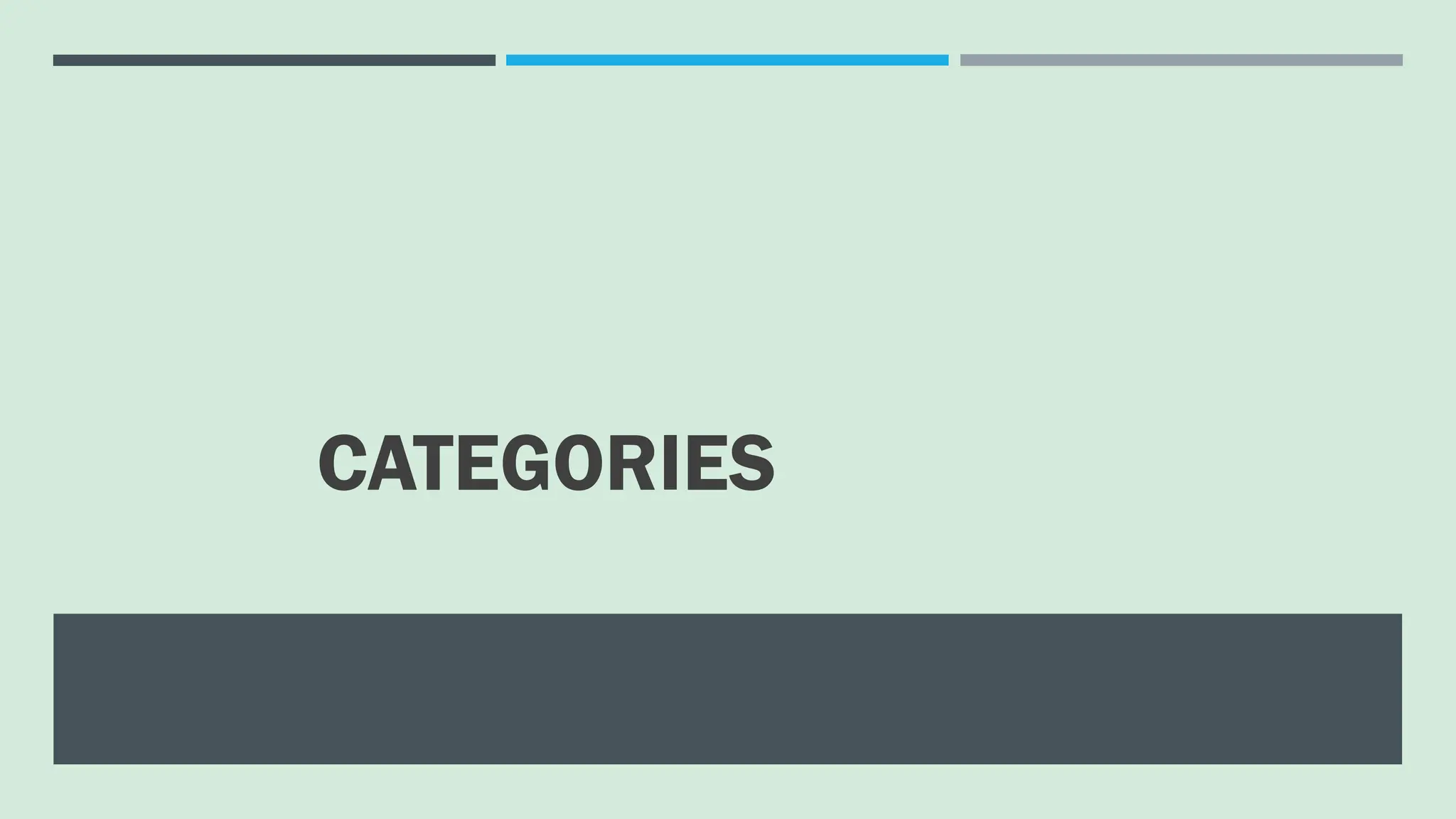
Growing up in a clean and safe environment is every child’s right. Access to clean water, basic toilets, and good hygiene practices not only keeps
children thriving, but also gives them a healthier start in life.
Despite COVID-19 putting the spotlight on the importance of hand hygiene to prevent the spread of disease, three billion people worldwide, including
hundreds of millions of school-going children, do not have access to handwashing facilities with soap. People living in rural areas, urban slums,
disaster-prone areas and low-income countries are the most vulnerable and the most affected.
3
DR SUSHMA SINGH 3
CATEGORIES
WATER SANITATION AND HYGIENE
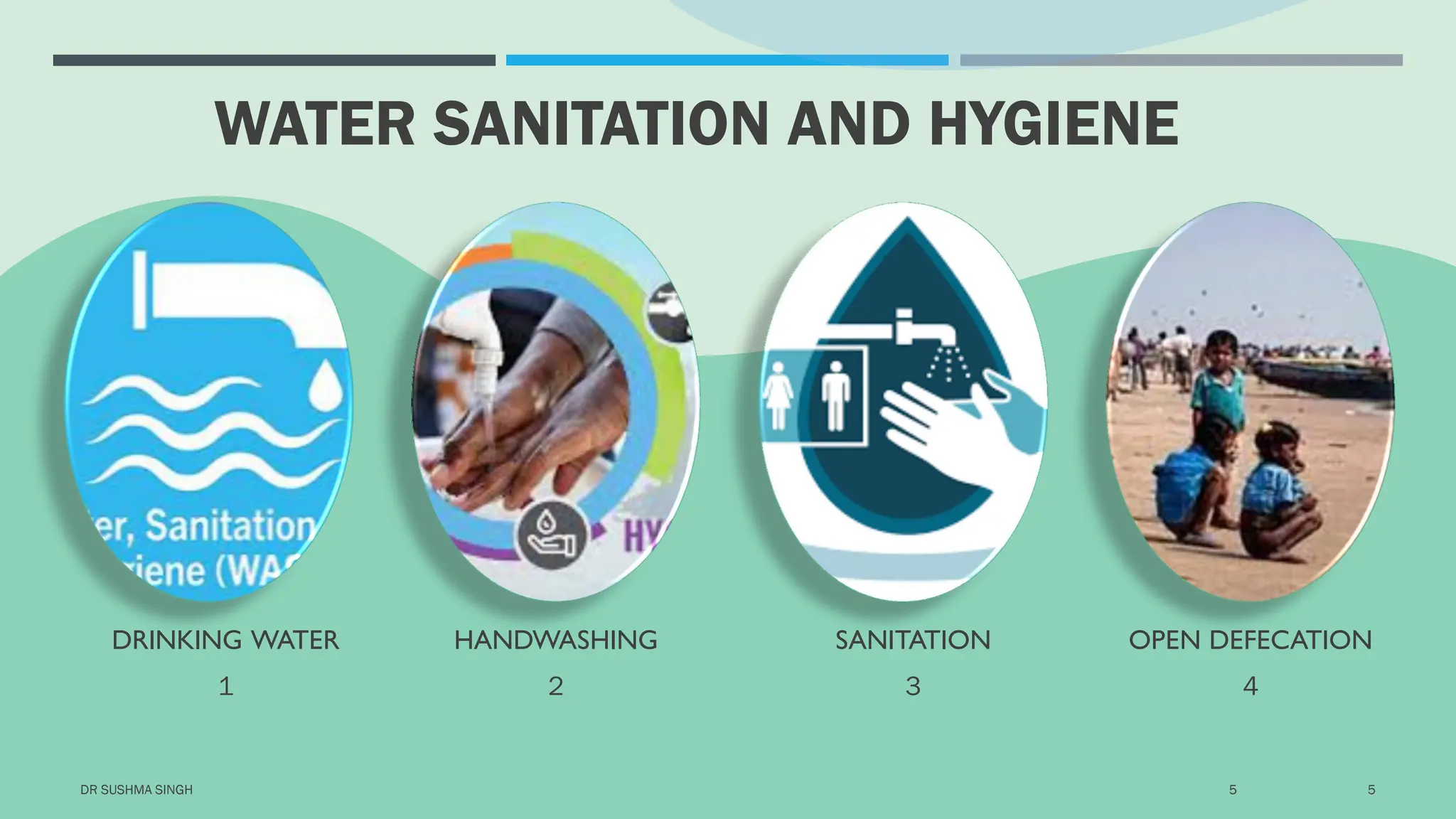
DRINKING WATER HANDWASHING SANITATION OPEN DEFECATION
1 2 3 4
5
DR SUSHMA SINGH 5
THE BARE FACTS
“factsheet”
6
DR SUSHMA SINGH 6
THE BARE FACTS
Drinking water Worldwide, 2.2 billion people still lack access to safe drinking water.
Sanitation Nearly half of the global population does not have access to safe sanitation.
Handwashing Two billion people do not have access to handwashing facilities with soap.
Open defecation. Still, 419 million people practice open defecation.
Connection Over 700 children under age 5 die every day of diarrheal diseases due to lack of
appropriate WASH services
7
DR SUSHMA SINGH 7
UNICEF’S RESPONSE
UNICEF works in over 100 countries to help provide access to clean water and
reliable sanitation, and to promote basic hygiene practices in rural and urban areas,
including in emergency situations. We achieve better WASH results for children by:
1 Empowering communities, Partnerships
2
Supporting schools, Increasing focus on sustainability
3 Humanitarian action, Responding to COVID-19
8
DR SUSHMA SINGH 8
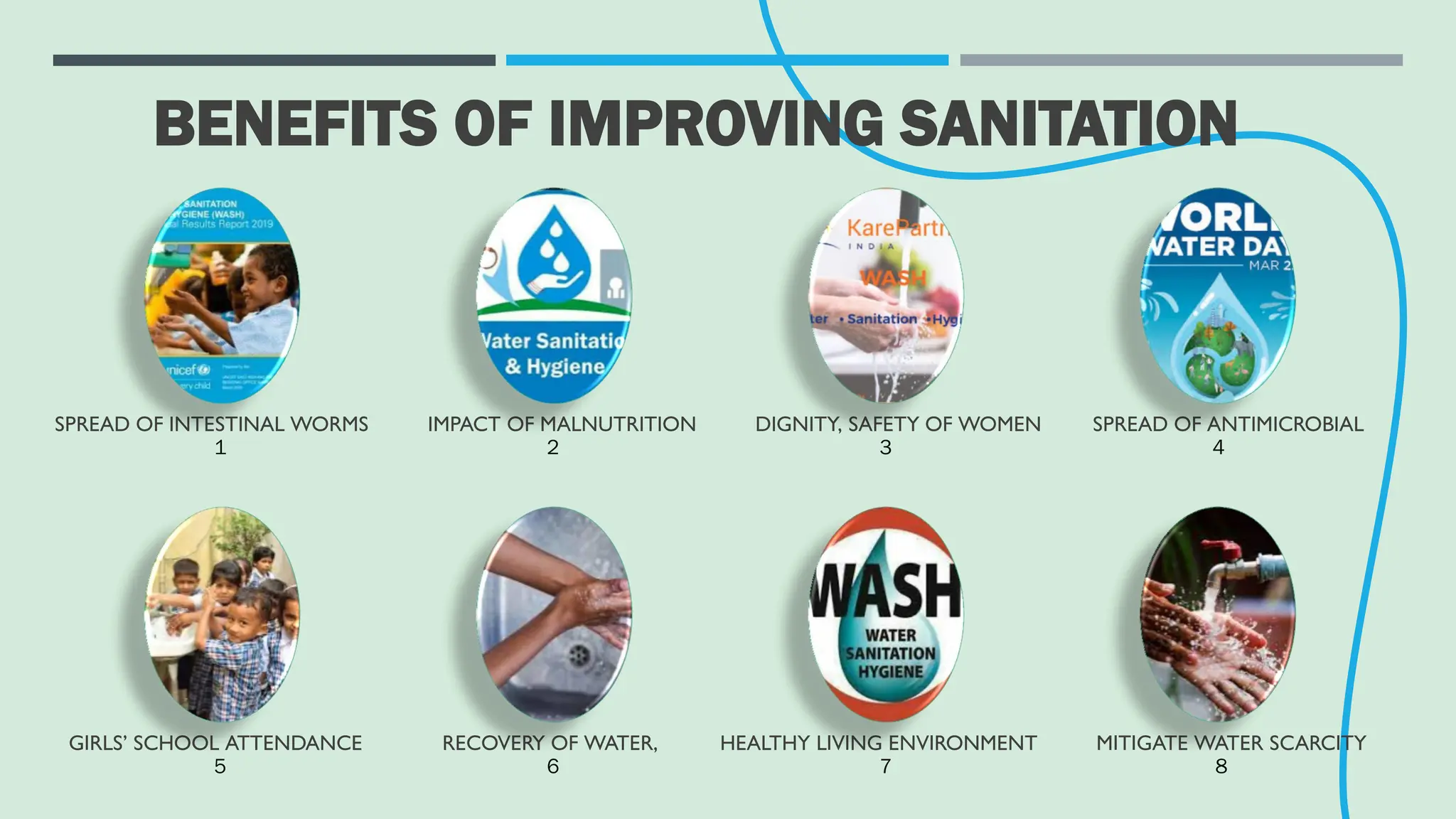
BENEFITS OF IMPROVING SANITATION
SPREAD OF INTESTINAL WORMS IMPACT OF MALNUTRITION DIGNITY, SAFETY OF WOMEN SPREAD OF ANTIMICROBIAL
1 2 3 4
GIRLS’ SCHOOL ATTENDANCE RECOVERY OF WATER, HEALTHY LIVING ENVIRONMENT MITIGATE WATER SCARCITY
5 6 7 8
WASH IN SCHOOLS
1
o Millions of children go
to schools with no
drinking water, no
toilets and no soap for
handwashing, making
learning difficult – with
devastating
consequences for their
future.
2
o Nearly half of all schools
do not have basic
hygiene services, with1 in
3 primary schools lacking
basic sanitation and
water. Children who
cannot wash their hands
face a greater risk of
infection and diarrhoeal
disease than those who
can, putting them at risk
of missing more school
days.
3
o UNICEF supports over 100
countries in establishing
and rehabilitating WASH
facilities in schools. We
help governments develop
strategies and standards,
create or improve
monitoring systems to
track and report progress,
and review budgets and
coordination efforts for
greater efficiency.
12
DR SUSHMA SINGH 10
WASH IN HEALTHCARE FACILITIES
Why
 WASH in health-care facilities helps reduce the risk
of infection and improves prevention and control —
crucial during outbreaks like cholera, Ebola, COVID-
19 and other infectious diseases.
 As of 2019, UNICEF has been working in over 80
countries to improve access to WASH in health-care
facilities.
What- Fact
 Some 1 in 4 health-care facilities do not have basic
water services. Around 1 in 5 lack sanitation, and 1
in 6 have no hand hygiene facilities and no soap
and no water in toilets
 In partnership with the World Health Organization,
UNICEF works with governments to implement and
monitor the Eight Practical Steps to universal
access to WASH .
11
DR SUSHMA SINGH 11
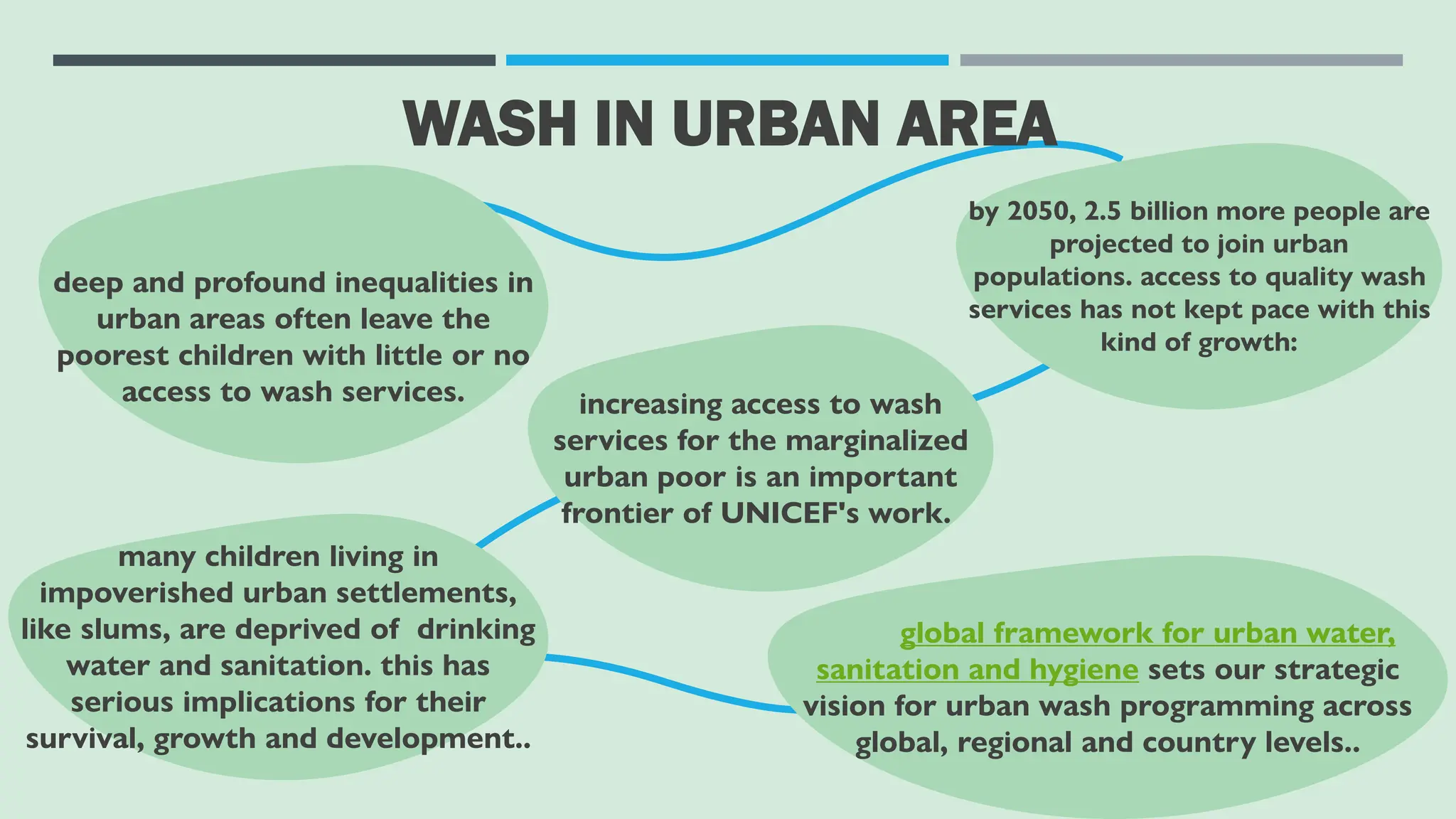
WASH IN URBAN AREA
deep and profound inequalities in
urban areas often leave the
poorest children with little or no
access to wash services.
by 2050, 2.5 billion more people are
projected to join urban
populations. access to quality wash
services has not kept pace with this
kind of growth:
increasing access to wash
services for the marginalized
urban poor is an important
frontier of UNICEF's work.
many children living in
impoverished urban settlements,
like slums, are deprived of drinking
water and sanitation. this has
serious implications for their
survival, growth and development..
global framework for urban water,
sanitation and hygiene sets our strategic
vision for urban wash programming across
global, regional and country levels..
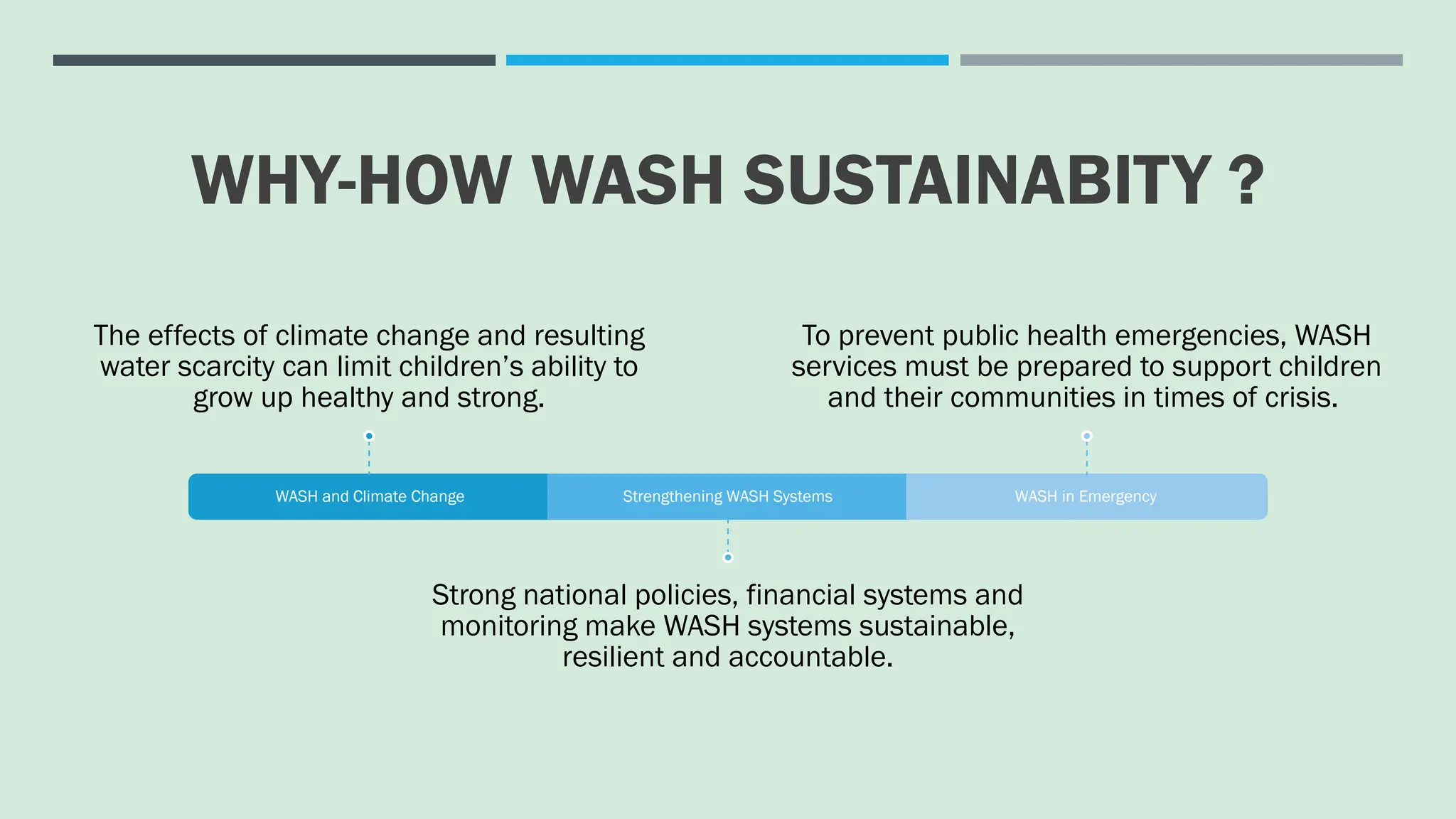
WHY-HOW WASH SUSTAINABITY ?
WASH and Climate Change
The effects of climate change and resulting
water scarcity can limit children’s ability to
grow up healthy and strong.
Strengthening WASH Systems
Strong national policies, financial systems and
monitoring make WASH systems sustainable,
resilient and accountable.
WASH in Emergency
To prevent public health emergencies, WASH
services must be prepared to support children
and their communities in times of crisis.
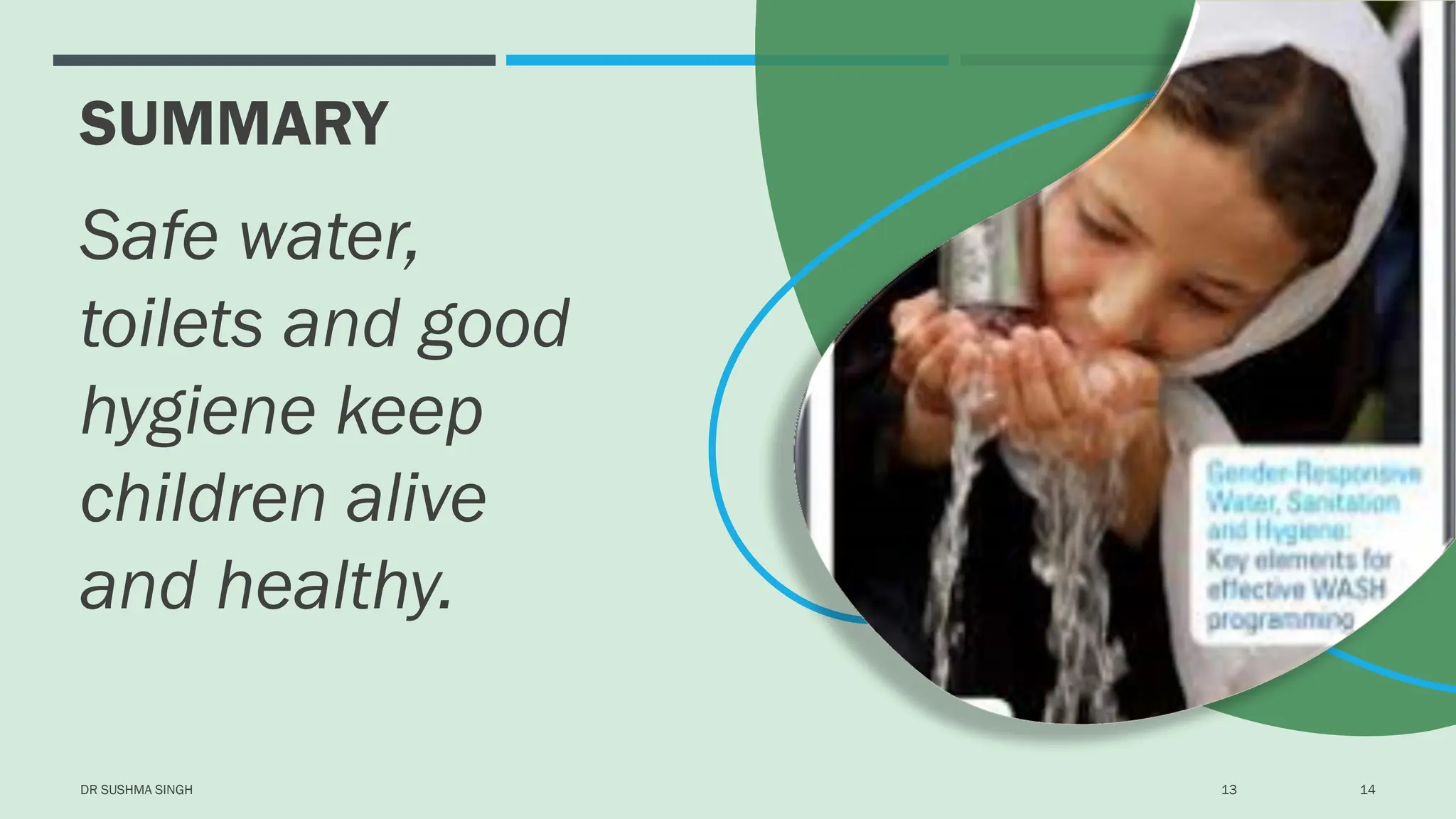
SUMMARY
Safe water,
toilets and good
hygiene keep
children alive
and healthy.
13
DR SUSHMA SINGH 14
THANK YOU
DIRECTOR OF EDUCATION GNCT DELHI
LADLI FOUNDATION
PRINCIPAL
ALL BENEFICIARIES

WASH( Water Sanitation and Hygiene) by Dr Sushma Singh

  • 1.
    WATER SANITATION ANDHYGIENE (WASH) DR SUSHMA SINGH SOCIAL INTERNSHIP COORDINATOR & TEACHER VOLUNTEER DOE GNCT DELHI
  • 2.
    AGENDA OVERVIEW CATEGORIES THE BARE FACTS UNICEF’sRESPONSE BENEFITS OF IMPROVING SANITATION WASH IN SCHOOLS WASH IN HEALTHCARE FACILITIES &, WASH IN URBAN AREA WHY-HOW WASH SUSTAINABITY ? SUMMARY
  • 3.
    OVERVIEW Growing up ina clean and safe environment is every child’s right. Access to clean water, basic toilets, and good hygiene practices not only keeps children thriving, but also gives them a healthier start in life. Despite COVID-19 putting the spotlight on the importance of hand hygiene to prevent the spread of disease, three billion people worldwide, including hundreds of millions of school-going children, do not have access to handwashing facilities with soap. People living in rural areas, urban slums, disaster-prone areas and low-income countries are the most vulnerable and the most affected. 3 DR SUSHMA SINGH 3
  • 4.
  • 5.
    WATER SANITATION ANDHYGIENE DRINKING WATER HANDWASHING SANITATION OPEN DEFECATION 1 2 3 4 5 DR SUSHMA SINGH 5
  • 6.
  • 7.
    THE BARE FACTS Drinkingwater Worldwide, 2.2 billion people still lack access to safe drinking water. Sanitation Nearly half of the global population does not have access to safe sanitation. Handwashing Two billion people do not have access to handwashing facilities with soap. Open defecation. Still, 419 million people practice open defecation. Connection Over 700 children under age 5 die every day of diarrheal diseases due to lack of appropriate WASH services 7 DR SUSHMA SINGH 7
  • 8.
    UNICEF’S RESPONSE UNICEF worksin over 100 countries to help provide access to clean water and reliable sanitation, and to promote basic hygiene practices in rural and urban areas, including in emergency situations. We achieve better WASH results for children by: 1 Empowering communities, Partnerships 2 Supporting schools, Increasing focus on sustainability 3 Humanitarian action, Responding to COVID-19 8 DR SUSHMA SINGH 8
  • 9.
    BENEFITS OF IMPROVINGSANITATION SPREAD OF INTESTINAL WORMS IMPACT OF MALNUTRITION DIGNITY, SAFETY OF WOMEN SPREAD OF ANTIMICROBIAL 1 2 3 4 GIRLS’ SCHOOL ATTENDANCE RECOVERY OF WATER, HEALTHY LIVING ENVIRONMENT MITIGATE WATER SCARCITY 5 6 7 8
  • 10.
    WASH IN SCHOOLS 1 oMillions of children go to schools with no drinking water, no toilets and no soap for handwashing, making learning difficult – with devastating consequences for their future. 2 o Nearly half of all schools do not have basic hygiene services, with1 in 3 primary schools lacking basic sanitation and water. Children who cannot wash their hands face a greater risk of infection and diarrhoeal disease than those who can, putting them at risk of missing more school days. 3 o UNICEF supports over 100 countries in establishing and rehabilitating WASH facilities in schools. We help governments develop strategies and standards, create or improve monitoring systems to track and report progress, and review budgets and coordination efforts for greater efficiency. 12 DR SUSHMA SINGH 10
  • 11.
    WASH IN HEALTHCAREFACILITIES Why  WASH in health-care facilities helps reduce the risk of infection and improves prevention and control — crucial during outbreaks like cholera, Ebola, COVID- 19 and other infectious diseases.  As of 2019, UNICEF has been working in over 80 countries to improve access to WASH in health-care facilities. What- Fact  Some 1 in 4 health-care facilities do not have basic water services. Around 1 in 5 lack sanitation, and 1 in 6 have no hand hygiene facilities and no soap and no water in toilets  In partnership with the World Health Organization, UNICEF works with governments to implement and monitor the Eight Practical Steps to universal access to WASH . 11 DR SUSHMA SINGH 11
  • 12.
    WASH IN URBANAREA deep and profound inequalities in urban areas often leave the poorest children with little or no access to wash services. by 2050, 2.5 billion more people are projected to join urban populations. access to quality wash services has not kept pace with this kind of growth: increasing access to wash services for the marginalized urban poor is an important frontier of UNICEF's work. many children living in impoverished urban settlements, like slums, are deprived of drinking water and sanitation. this has serious implications for their survival, growth and development.. global framework for urban water, sanitation and hygiene sets our strategic vision for urban wash programming across global, regional and country levels..
  • 13.
    WHY-HOW WASH SUSTAINABITY? WASH and Climate Change The effects of climate change and resulting water scarcity can limit children’s ability to grow up healthy and strong. Strengthening WASH Systems Strong national policies, financial systems and monitoring make WASH systems sustainable, resilient and accountable. WASH in Emergency To prevent public health emergencies, WASH services must be prepared to support children and their communities in times of crisis.
  • 14.
    SUMMARY Safe water, toilets andgood hygiene keep children alive and healthy. 13 DR SUSHMA SINGH 14
  • 15.
    THANK YOU DIRECTOR OFEDUCATION GNCT DELHI LADLI FOUNDATION PRINCIPAL ALL BENEFICIARIES