BASIC HUMAN NEEDS
CREATED BY: DR. PALLAVI
DEFINITION
1. Human needs a number of essentials to
survive.
1. Needs are a kind of natural, mental
programming that make us want things.
They essentially motivate us in action as
a stimulated. Needs leads to inner
tension that drives us into action.
THEORIES OF BASIC HUMAN
NEEDS
1. Conservative personalist theory.
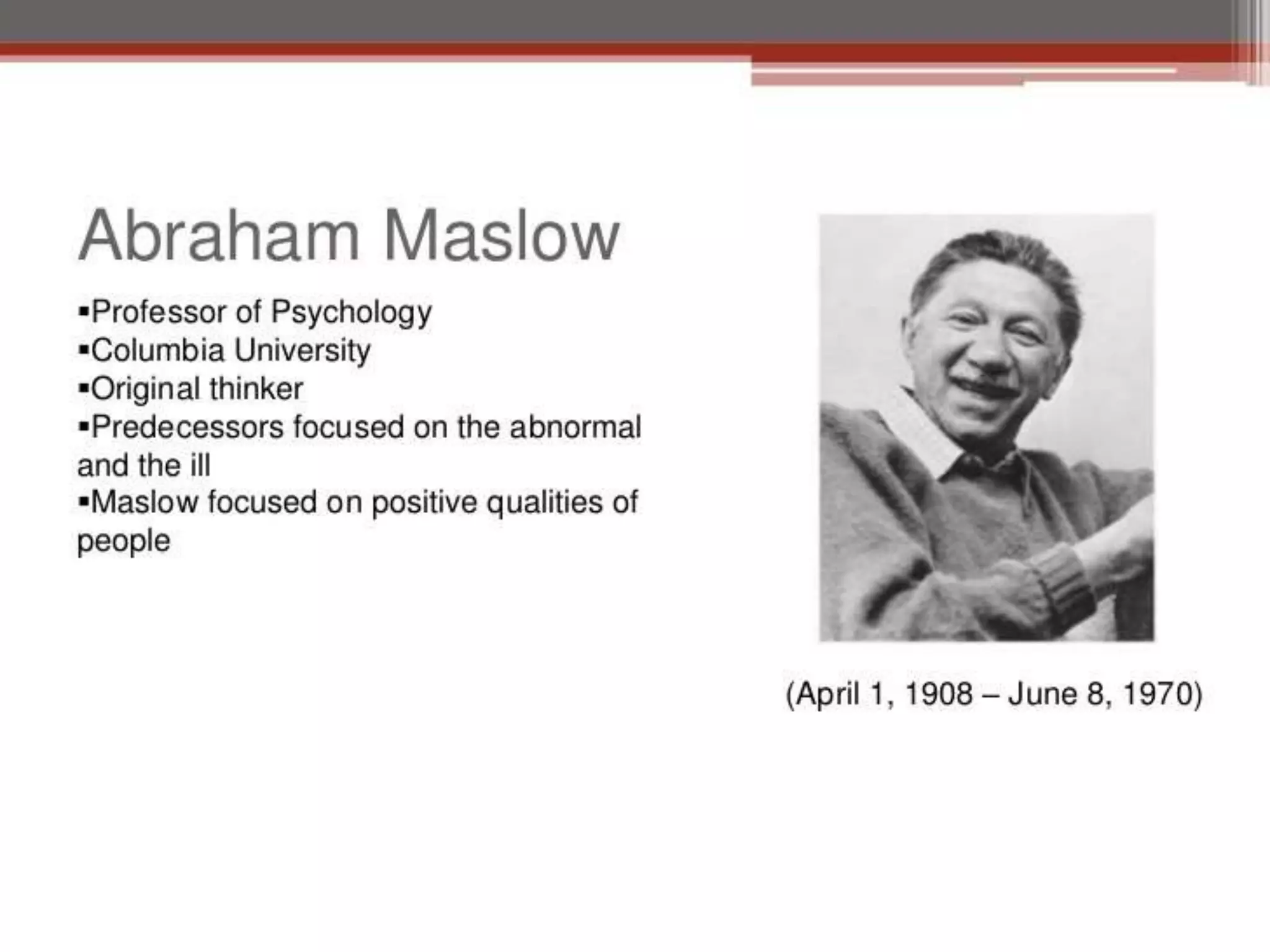
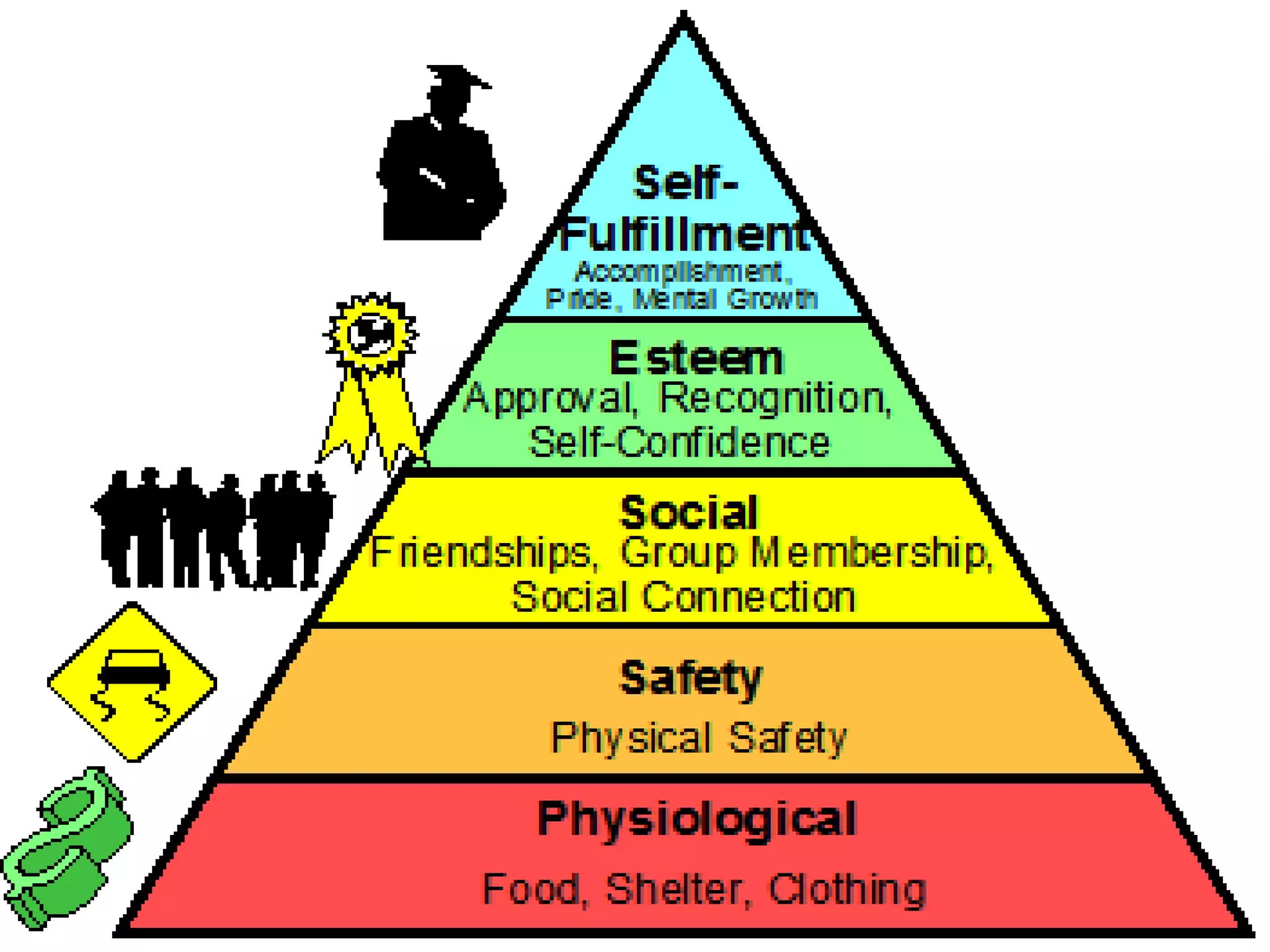
2. Abraham Maslow theory
3. Motivation theory
a) Need Achievement theory
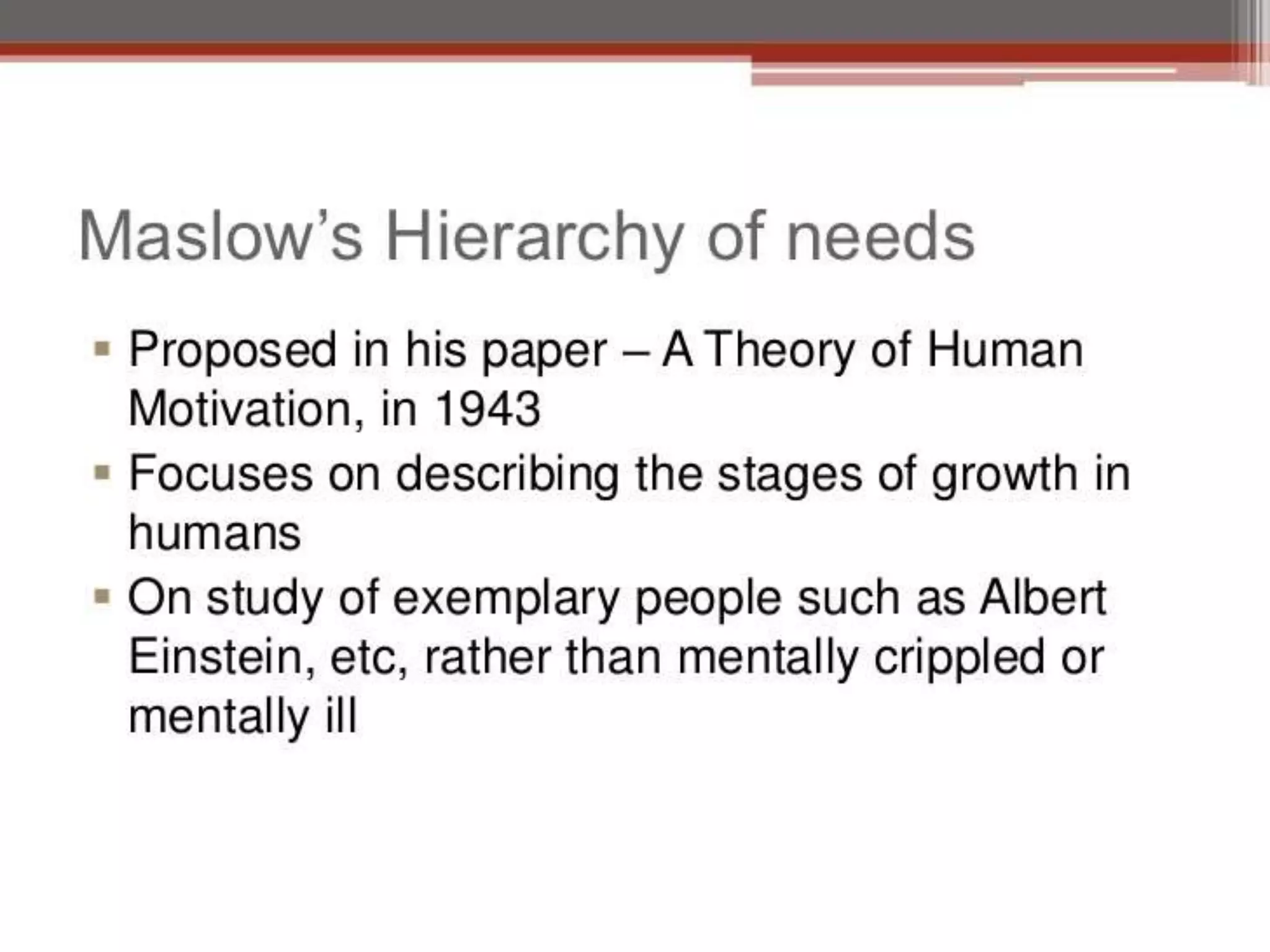
b) Need hierarchy theory
4. Personality Theory
a) Humanistic theory
i) Awareness
ii) Reality and problem centered
iii) Acceptance / spontaneity
iv) Unhostile sense or human / democratic
5. Henderson’s Theory and Nursing process 14th Components.
1) Nursing Assessment –
Assess needs of human being based on the 14th components of basic
nursing care
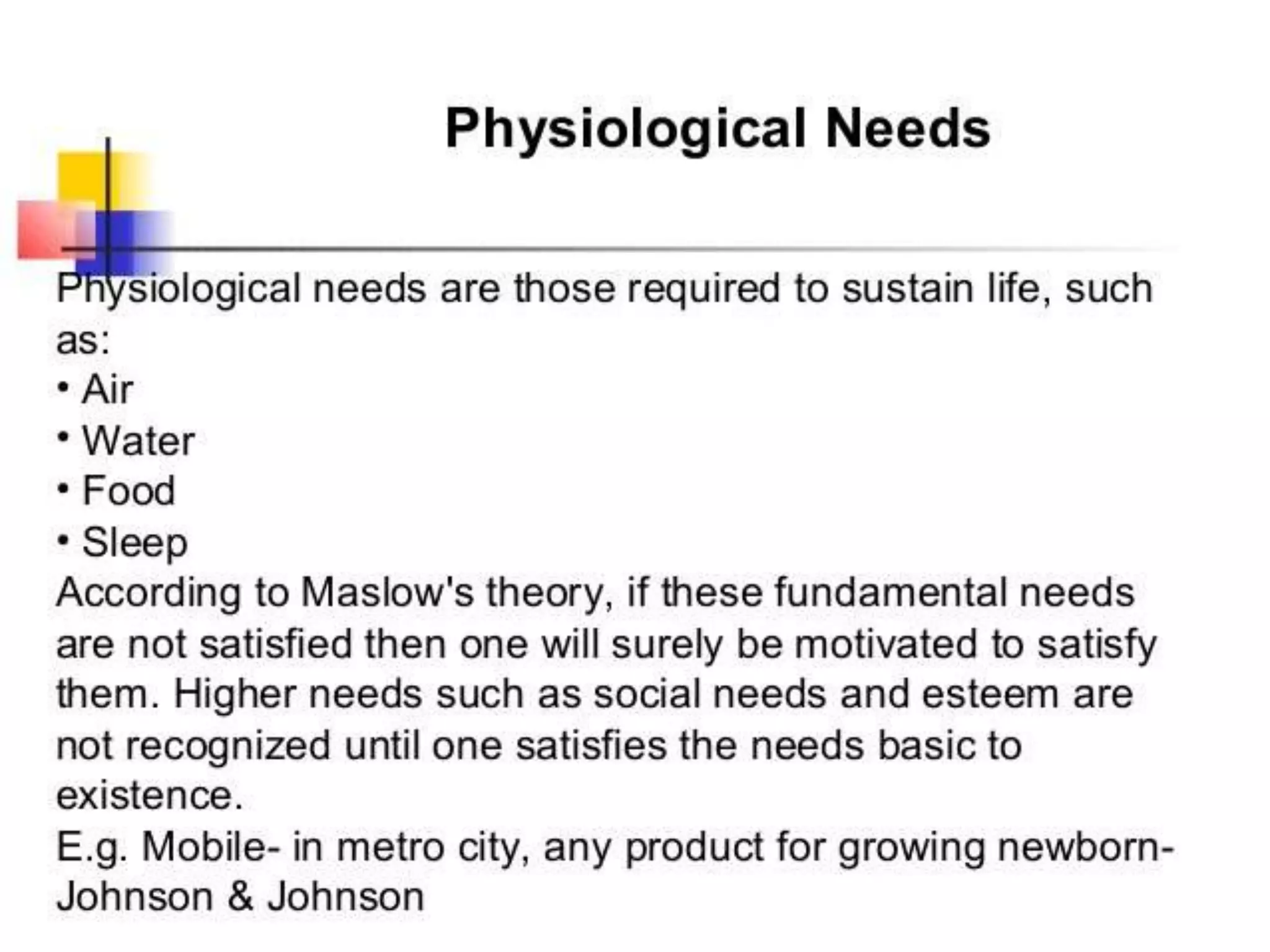
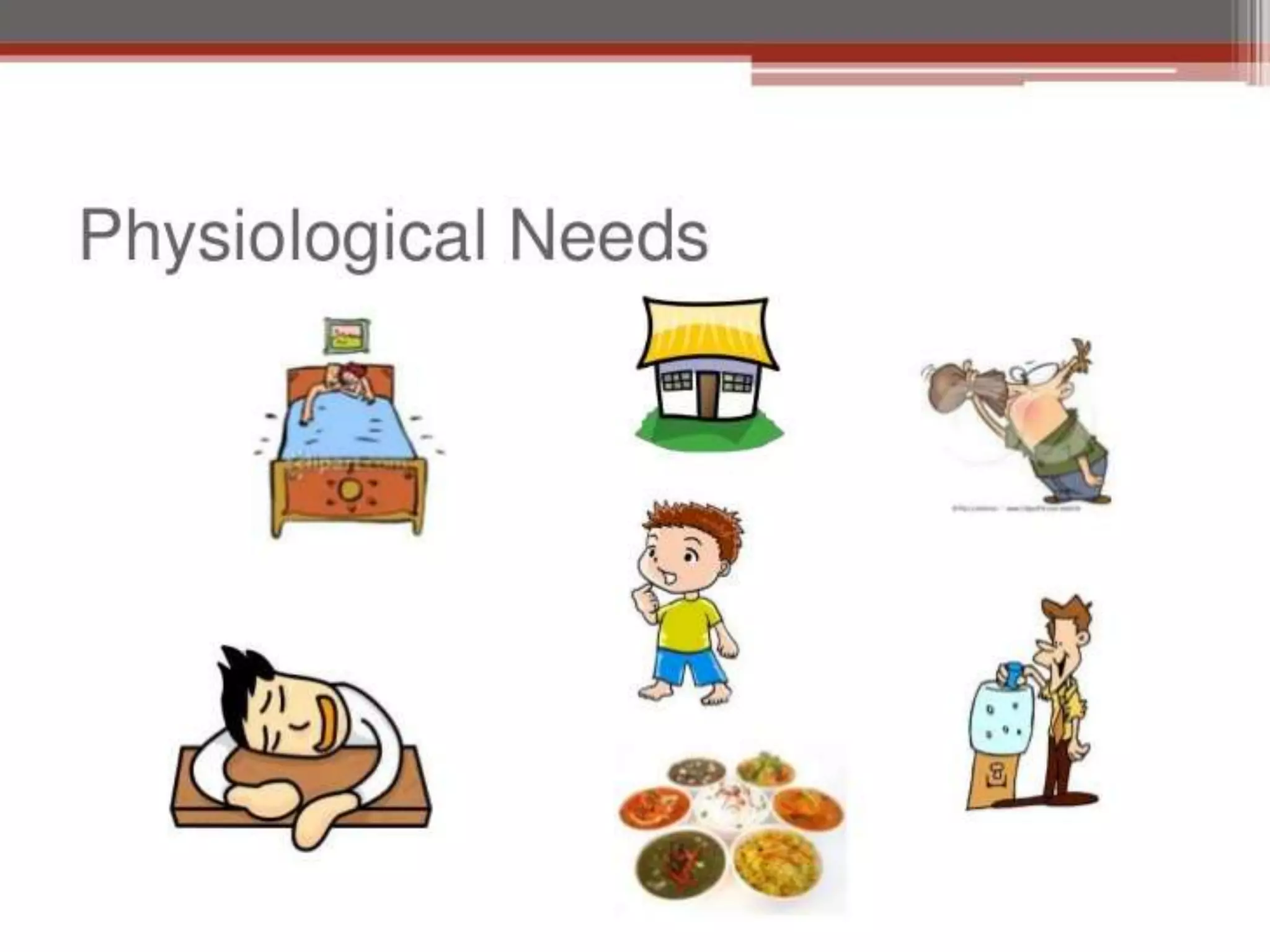
Nine Physiological Components
1. Breathing Normally
• Eat and Drink adequately
• Elimination of body wastes :
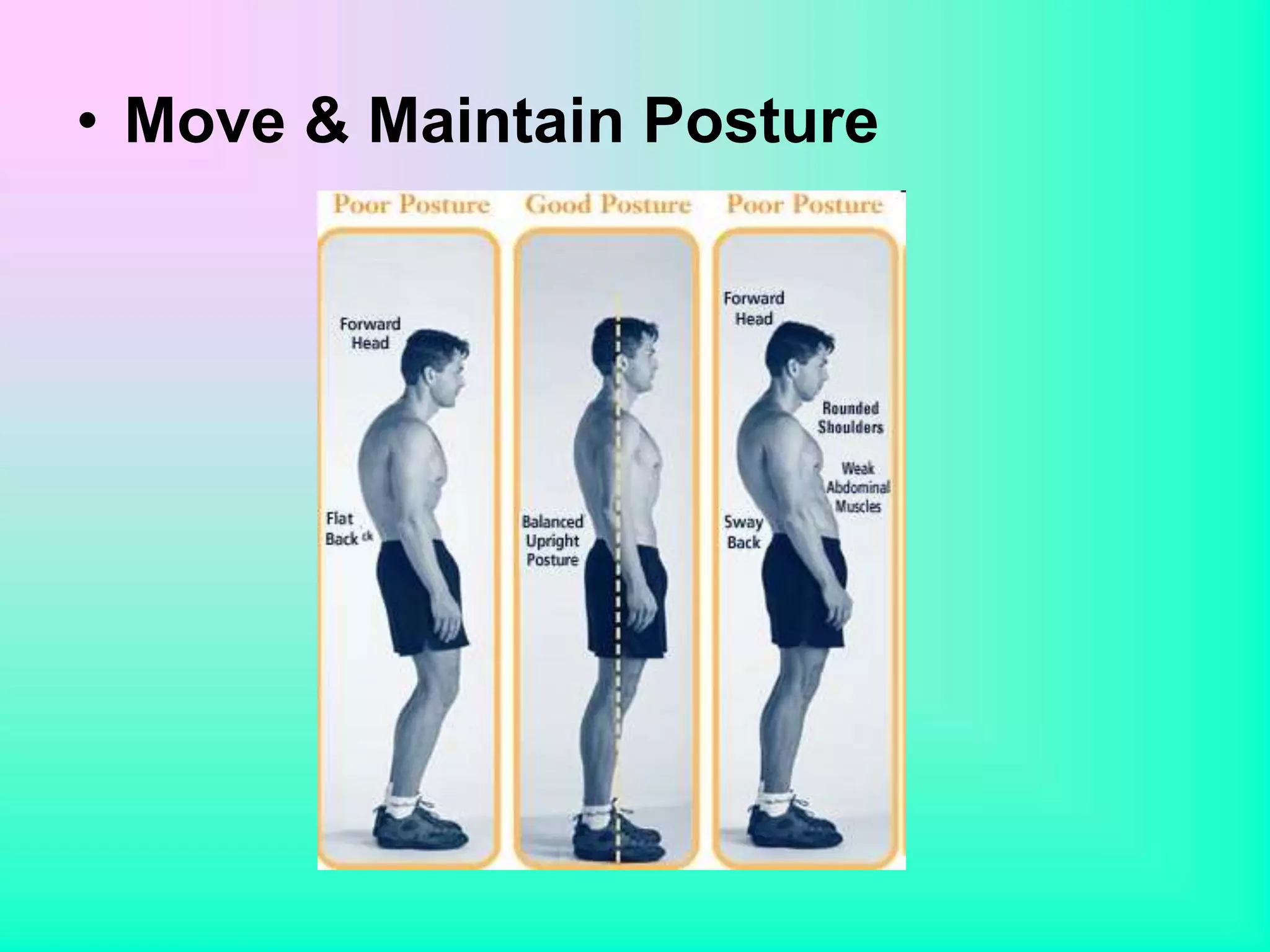
• Move & Maintain Posture
• Sleep & Rest
• Suitable Clothing
• Maintain Body Temperature
• Keep Body Clean and Well
Groomed
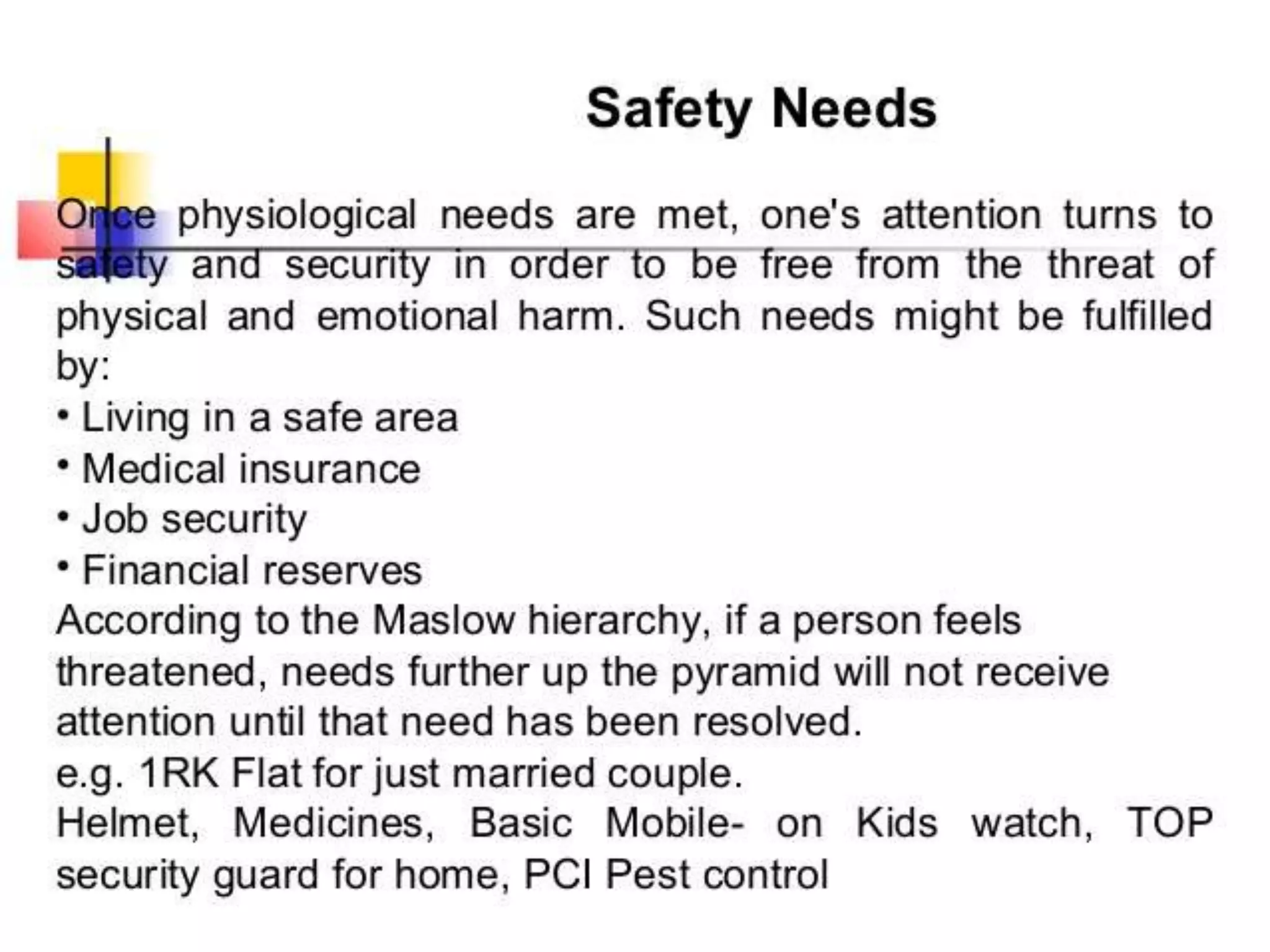
• Avoid Dangers in Environment
PSYCHOLOGICAL
COMPONENTS
• Communication
• Learn Discover or Satisfy Curiosity
Spiritual and Moral Component
• Worship according to one’s faith
SOCIOLOGICAL COMPONENTS
• Work accomplishment
• Recreation
NURSING DIAGNOSIS
• Document how the nurse can assist the
individual, sick or well.
NURSING PLAN
• Identify individuals ability to meet own
needs with or without assistance, taking
into consideration strength, will or
knowledge,
NURSING IMPLIMENTATION
• Assist the sick or well individual in the
performance of activities in meeting human need
to maintain health, recover from illness, or to aid
in peaceful death. Implementation based on
physiological principles, Age, Culture,
Background, emotional balance & physical &
intellectual capacities. Carryout treatment
prescribed by the physician.
NURSING EVALUATION
ABDELLAH’S TWENTY-ONE
NURSING PROBLEMS
1. To maintain good hygiene and physical comfort
2. To promote optimal activity, exercise, rest and
sleep.
3. To promote safety through the prevention of
accidents, injury or other trauma & through the
prevention of spread of infection.
4. To maintain good body mechanics and prevent
and correct deformities.
5. To facilitate the maintenance of a supply of
oxygen to all body cells.
6. To facilitate the maintenance of nutrition of all
body cells.
7. To facilitate the maintenance of elimination
8. To facilitate the maintenance of fluid and
electrolyte balance.
9. To recognize the physiological responses of
the body to disease conditions pathological,
physiological and compensatory.
10. To facilitate the maintenance of regulatory
mechanisms and functions.
11. To facilitate the maintenance of sensory
function.
12. To identify and accept positive and negative
expressions, feeling and reactions.
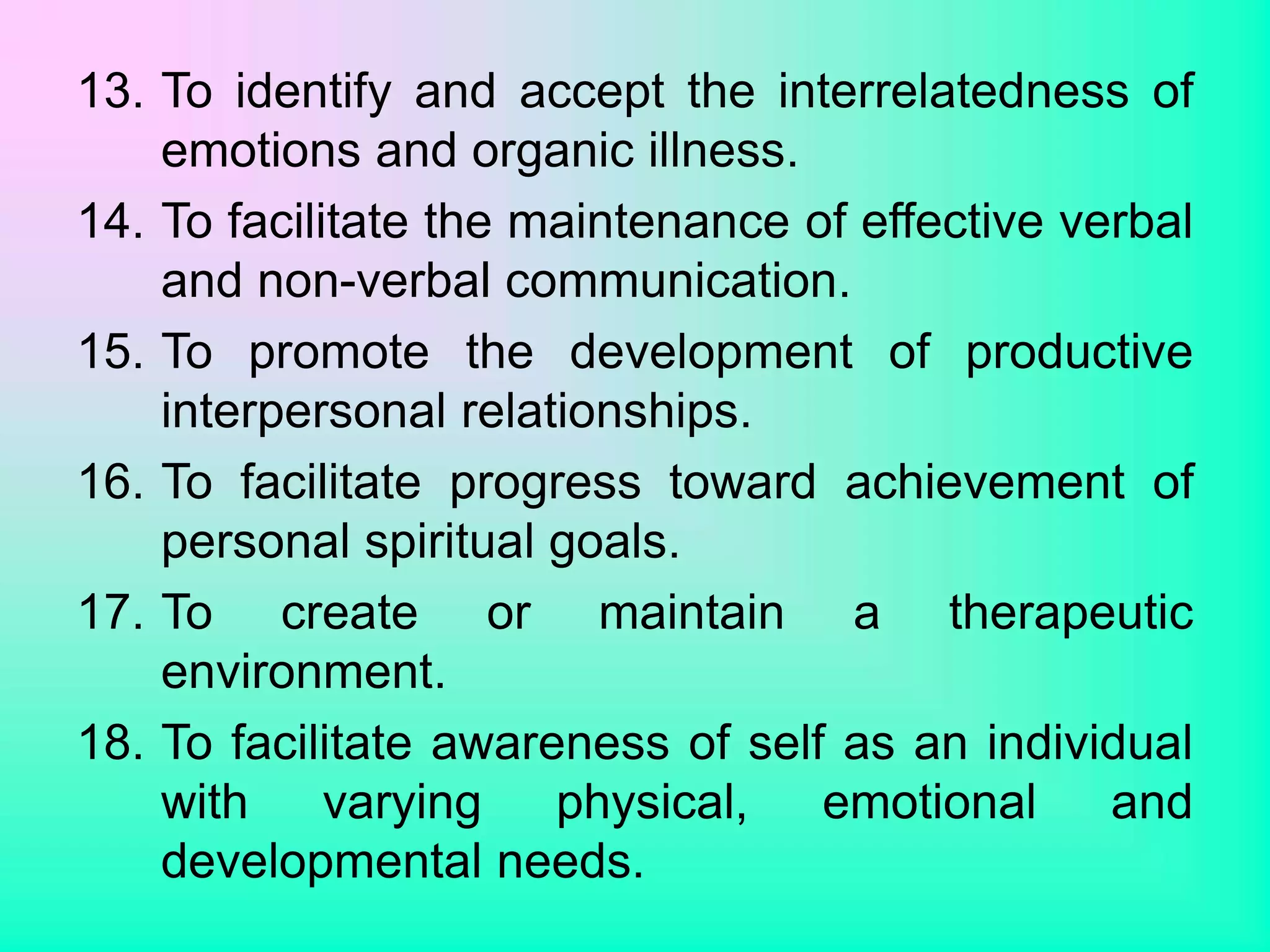
13. To identify and accept the interrelatedness of
emotions and organic illness.
14. To facilitate the maintenance of effective verbal
and non-verbal communication.
15. To promote the development of productive
interpersonal relationships.
16. To facilitate progress toward achievement of
personal spiritual goals.
17. To create or maintain a therapeutic
environment.
18. To facilitate awareness of self as an individual
with varying physical, emotional and
developmental needs.
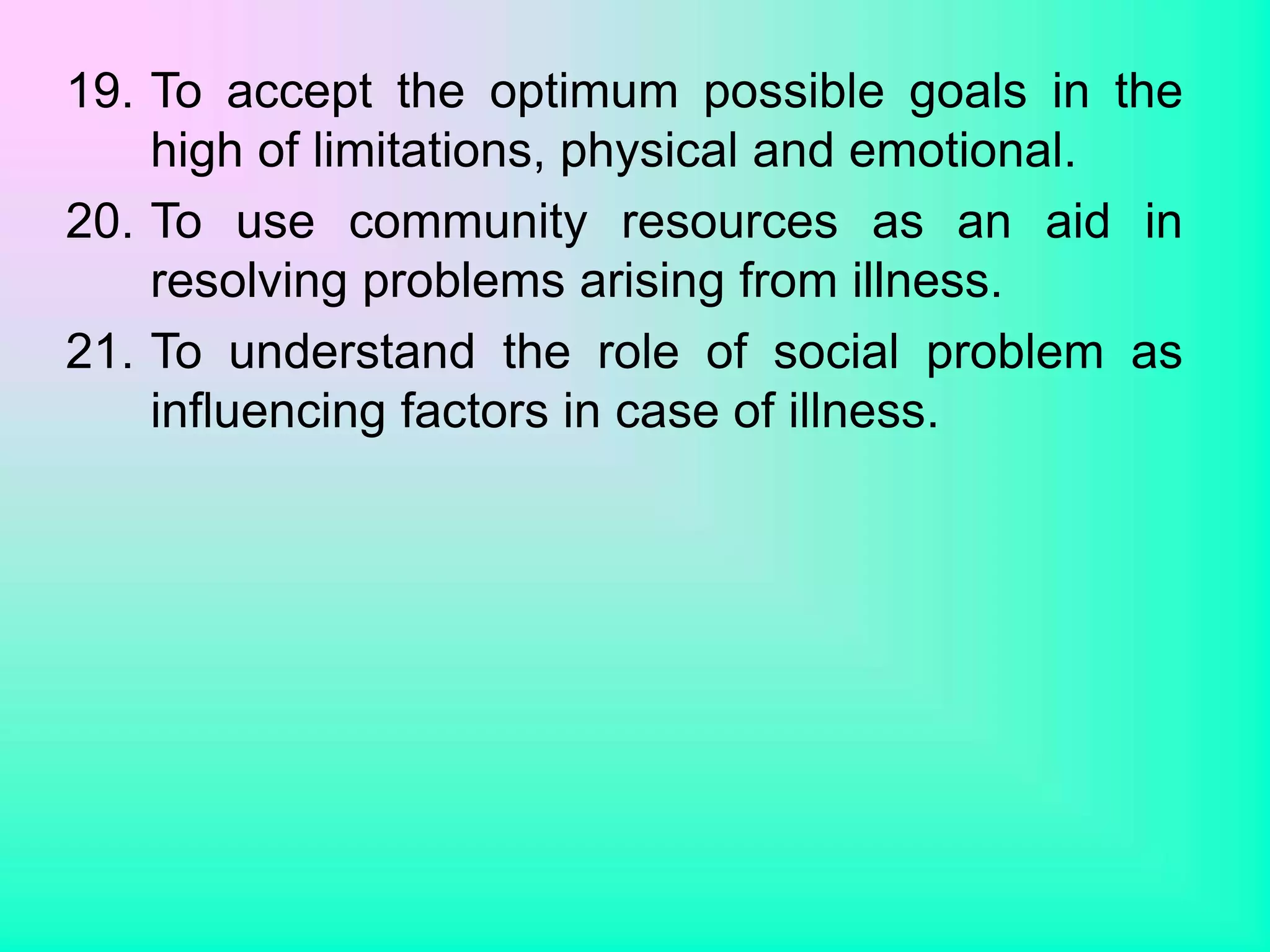
19. To accept the optimum possible goals in the
high of limitations, physical and emotional.
20. To use community resources as an aid in
resolving problems arising from illness.
21. To understand the role of social problem as
influencing factors in case of illness.
Basic human needs
Basic human needs
Basic human needs
Basic human needs
Basic human needs
Basic human needs
Basic human needs
Basic human needs
Basic human needs
Basic human needs
Basic human needs
Basic human needs
Basic human needs

Basic human needs

  • 1.
  • 2.
    DEFINITION 1. Human needsa number of essentials to survive. 1. Needs are a kind of natural, mental programming that make us want things. They essentially motivate us in action as a stimulated. Needs leads to inner tension that drives us into action.
  • 3.
    THEORIES OF BASICHUMAN NEEDS 1. Conservative personalist theory. 2. Abraham Maslow theory 3. Motivation theory a) Need Achievement theory b) Need hierarchy theory 4. Personality Theory a) Humanistic theory i) Awareness ii) Reality and problem centered iii) Acceptance / spontaneity iv) Unhostile sense or human / democratic 5. Henderson’s Theory and Nursing process 14th Components. 1) Nursing Assessment – Assess needs of human being based on the 14th components of basic nursing care
  • 4.
  • 5.
    • Eat andDrink adequately
  • 6.
    • Elimination ofbody wastes :
  • 7.
    • Move &Maintain Posture
  • 8.
  • 9.
  • 10.
    • Maintain BodyTemperature
  • 11.
    • Keep BodyClean and Well Groomed
  • 12.
    • Avoid Dangersin Environment
  • 13.
  • 14.
    • Learn Discoveror Satisfy Curiosity
  • 15.
    Spiritual and MoralComponent • Worship according to one’s faith
  • 16.
    SOCIOLOGICAL COMPONENTS • Workaccomplishment • Recreation
  • 17.
    NURSING DIAGNOSIS • Documenthow the nurse can assist the individual, sick or well. NURSING PLAN • Identify individuals ability to meet own needs with or without assistance, taking into consideration strength, will or knowledge,
  • 18.
    NURSING IMPLIMENTATION • Assistthe sick or well individual in the performance of activities in meeting human need to maintain health, recover from illness, or to aid in peaceful death. Implementation based on physiological principles, Age, Culture, Background, emotional balance & physical & intellectual capacities. Carryout treatment prescribed by the physician. NURSING EVALUATION
  • 19.
    ABDELLAH’S TWENTY-ONE NURSING PROBLEMS 1.To maintain good hygiene and physical comfort 2. To promote optimal activity, exercise, rest and sleep. 3. To promote safety through the prevention of accidents, injury or other trauma & through the prevention of spread of infection. 4. To maintain good body mechanics and prevent and correct deformities. 5. To facilitate the maintenance of a supply of oxygen to all body cells.
  • 20.
    6. To facilitatethe maintenance of nutrition of all body cells. 7. To facilitate the maintenance of elimination 8. To facilitate the maintenance of fluid and electrolyte balance. 9. To recognize the physiological responses of the body to disease conditions pathological, physiological and compensatory. 10. To facilitate the maintenance of regulatory mechanisms and functions. 11. To facilitate the maintenance of sensory function. 12. To identify and accept positive and negative expressions, feeling and reactions.
  • 21.
    13. To identifyand accept the interrelatedness of emotions and organic illness. 14. To facilitate the maintenance of effective verbal and non-verbal communication. 15. To promote the development of productive interpersonal relationships. 16. To facilitate progress toward achievement of personal spiritual goals. 17. To create or maintain a therapeutic environment. 18. To facilitate awareness of self as an individual with varying physical, emotional and developmental needs.
  • 22.
    19. To acceptthe optimum possible goals in the high of limitations, physical and emotional. 20. To use community resources as an aid in resolving problems arising from illness. 21. To understand the role of social problem as influencing factors in case of illness.