
ACHARYA N.G RANGAAGRICULTURAL UNIVERSITY
Submitted by :-
P.TEJASREE
TAD/2023-10
Ph.D. 1st Year
Dept. of GPBR
DEPARTMENT OF GENETICS AND PLANT BREEDING
Course No :- GPB-605
Course Title :- GENOMICS IN PLANT BREEDING
Submitted to :-
Dr. M. Shanthi Priya
Professor & Head
Dept. of GPBR
1
S.V AGRICULTURAL COLLEGE, TIRUPATHI
Applications of sequence information: structural,
functional, comparative genomics
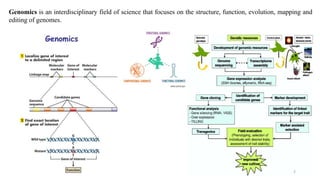
Genomics is an interdisciplinary field of science that focuses on the structure, function, evolution, mapping and
editing of genomes.
2
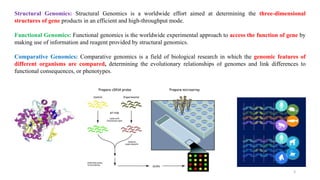
Structural Genomics: Structural Genomics is a worldwide effort aimed at determining the three-dimensional
structures of gene products in an efficient and high-throughput mode.
Functional Genomics: Functional genomics is the worldwide experimental approach to access the function of gene by
making use of information and reagent provided by structural genomics.
Comparative Genomics: Comparative genomics is a field of biological research in which the genomic features of
different organisms are compared, determining the evolutionary relationships of genomes and link differences to
functional consequences, or phenotypes.
3
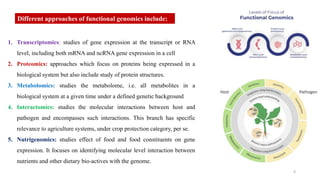
1. Transcriptomics: studies of gene expression at the transcript or RNA
level, including both mRNA and ncRNA gene expression in a cell
2. Proteomics: approaches which focus on proteins being expressed in a
biological system but also include study of protein structures.
3. Metabolomics: studies the metabolome, i.e. all metabolites in a
biological system at a given time under a defined genetic background
4. Interactomics: studies the molecular interactions between host and
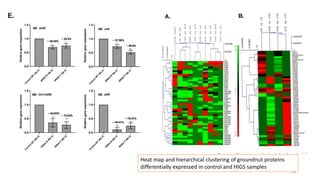
pathogen and encompasses such interactions. This branch has specific
relevance to agriculture systems, under crop protection category, per se.
5. Nutrigenomics: studies effect of food and food constituents on gene
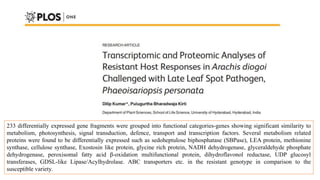
expression. It focuses on identifying molecular level interaction between
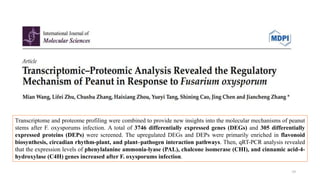
nutrients and other dietary bio-actives with the genome.
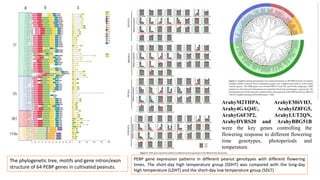
Different approaches of functional genomics include:
4
Structural genomics
Structural genomics involves a range of methods to understand the physical structure of genomes, including the identification,
mapping, and sequencing of genes.
1. Genome Sequencing
Whole Genome Sequencing (WGS): This method involves sequencing the entire genome of an organism. It provides
comprehensive information about the genome's structure.
• The sequencing of the Arabidopsis thaliana genome, which serves as a reference for plant genomics.
Next-Generation Sequencing (NGS): High-throughput sequencing technologies such as Illumina, PacBio and Oxford
Nanopore offer rapid and cost-effective sequencing of large genomes.
• Sequencing of crop genomes like rice and maize to identify genetic variations.
2. Physical Mapping
Restriction Mapping: Uses restriction enzymes to cut DNA at specific sites, generating fragments that can be mapped.
• Early physical maps of yeast and human genomes.
Optical Mapping: Involves imaging DNA molecules to create high-resolution maps, which help in assembling genome
sequences.
• Optical mapping of the wheat genome to aid in its complex assembly. 5
3. Genetic Mapping
Linkage Mapping: Identifies the relative positions of genes based on genetic recombination frequencies.
• Linkage maps of maize used to locate QTLs for yield-related traits.
Association Mapping: Links genetic variations with phenotypic traits across a population.
• Association mapping in barley to identify disease resistance genes.
4. CRISPR/Cas9 and Genome Editing
Gene Knockouts and Knock-ins: Precise editing of specific genes to study their functions or improve traits.
• CRISPR/Cas9 editing in rice to create varieties with improved yield and disease resistance.
5. Pangenomics
Pangenome Construction: Building a comprehensive genome that includes core and accessory genes from multiple individuals
of a species.
• Pangenome of Brassica oleracea to capture genetic diversity within the species.
6. Synthetic Biology Approaches
•Synthetic Genome Construction: Designing and synthesizing entire genomes or large genomic regions to study their
functions.
• Synthetic biology approaches in model plants like Arabidopsis to test gene function and interactions. 6
7. Chromosome Conformation Capture
•Hi-C and 3C Technologies: Techniques to study the three-dimensional organization of the genome.
• Hi-C analysis in maize to understand chromatin structure and its impact on gene regulation.
Bioinformatics and Computational Tools
Genome Assembly Algorithms: Tools like Phred, Phrap, TIGR Assembler, ARACHNE, SPAdes, SOAPdenovo and
Canu are used for assembling short and long sequencing reads into complete genomes.
• Assembly of complex genomes
Annotation Tools: Software like BLAST, MAKER, AUGUSTUS and Ensembl are used to annotate genes and predict
their functions.
• Annotation of the genome to identify genes involved in growth and development.
7
Applications of Structural Genomics
1. Marker-Assisted Selection (MAS)
•Rice: Molecular markers linked to traits such as disease resistance and yield have been identified. Markers associated
with the resistance to the bacterial blight pathogen Xanthomonas oryzae pv. oryzae are used to breed resistant varieties.
2. Genome-Wide Association Studies (GWAS)
•Wheat: GWAS has been used to identify loci associated with grain size, shape and yield. These insights help in breeding
wheat varieties with better yield and adaptability.
3. Quantitative Trait Loci (QTL) Mapping
•Maize: QTL mapping has been used to improve drought tolerance. Identifying QTLs linked to drought resistance traits
enables the development of maize varieties that can thrive in arid conditions.
4. Genomic Selection (GS)
•Soybean: GS is used to predict traits such as yield and disease resistance. This approach significantly shortens the
breeding cycle and enhances the efficiency of developing high-performing soybean varieties.
8
9
5. De Novo Genome Assembly
Sequencing and assembling genomes of non-model plants to explore genetic diversity and identify novel traits.
•Quinoa: De novo genome assembly of quinoa has provided insights into its high nutritional value and stress tolerance,
aiding in the breeding of improved varieties.
6. Synthetic Biology
•Synthetic Pathways in Crops: Introducing synthetic pathways into plants like tobacco to enhance the production of
valuable compounds such as pharmaceuticals or biofuels.
Functional genomics
1. Transcriptomics
•RNA Sequencing (RNA-Seq): This technique measures the quantity and sequences of RNA in a sample using high-
throughput sequencing, providing insights into gene expression levels.
•Example: RNA-Seq analysis in maize to identify genes responsive to drought stress.
•Microarrays: These are used to measure gene expression levels of thousands of genes simultaneously by hybridizing cDNA
to a chip.
• Example: Microarray studies in Arabidopsis to explore gene expression changes under different environmental
conditions.
2. Proteomics
•Mass Spectrometry (MS): Identifies and quantifies proteins in a sample by measuring the mass-to-charge ratio of ionized
particles.
• Example: MS-based proteomic analysis in wheat to identify proteins involved in grain quality.
•Two-Dimensional Gel Electrophoresis (2-DE): Separates proteins based on isoelectric point and molecular weight,
allowing for protein profiling and identification.
• Example: 2-DE in soybean to compare protein expression under various stress conditions. 10
3. Metabolomics
•Gas Chromatography-Mass Spectrometry (GC-MS): Analyzes volatile metabolites by separating and identifying
compounds based on their mass spectra. Metabolomics can be used to determine differences between the levels of thousands of
molecules between a healthy and diseased plant.
• Example: GC-MS in tomato to profile metabolic changes during fruit ripening.
•Liquid Chromatography-Mass Spectrometry (LC-MS): Analyzes non-volatile metabolites in complex biological samples.
• Example: LC-MS in rice to study the metabolic pathways involved in disease resistance.
4. Functional Assays
•Yeast Two-Hybrid Screening: Identifies protein-protein interactions by expressing two proteins of interest in yeast cells and
detecting their interaction through reporter gene activation.
• Example: Yeast two-hybrid screening in Arabidopsis to map interaction networks of stress response proteins.
•Reporter Gene Assays: Use of reporter genes like GFP or luciferase to study gene expression and regulation in vivo.
• Example: GFP reporter assays in tobacco to visualize expression patterns of stress-inducible promoters.
5. Gene Silencing and Knockdown Techniques: RNA Interference (RNAi): Silences gene expression by introducing double-
stranded RNA molecules that trigger the degradation of target mRNA. Example: RNAi in tomato to silence genes involved in
ethylene production, delaying fruit ripening. 11
6. Gene Knockout and Knock-in Techniques
•CRISPR/Cas9: Allows precise editing of the genome to create knockouts (gene deletions) or knock-ins (gene insertions).
• Example: CRISPR/Cas9 in maize to create knockouts of genes involved in kernel development, leading to improved
yield traits.
•TALENs and Zinc Finger Nucleases (ZFNs): Engineered nucleases that create targeted double-strand breaks in DNA,
allowing for gene editing.
• Example: TALENs in rice to modify genes related to disease resistance.
7. Mutagenesis
•Chemical Mutagenesis: Uses chemicals like EMS (ethyl methane sulfonate) to induce random mutations in the genome.
Example: EMS mutagenesis in Arabidopsis to create mutant libraries for gene function studies.
•Insertional Mutagenesis: Uses transposons or T-DNA to insert into the genome, disrupting gene function.
Example: T-DNA insertional mutagenesis in rice to identify genes involved in nutrient uptake.
8. Single-Cell Genomics
•Single-Cell RNA-Seq (scRNA-Seq): Analyzes gene expression at the single-cell level to understand cellular heterogeneity and
gene function.
Example: scRNA-Seq in Arabidopsis root cells to study cell-specific gene expression during development. 12
13
9. Chromatin Immunoprecipitation (ChIP)
•ChIP-Seq: Combines chromatin immunoprecipitation with sequencing to identify binding sites of DNA-associated proteins,
such as transcription factors.
Example: ChIP-Seq in rice to map binding sites of transcription factors involved in stress responses.
10. Epigenomics
•Bisulfite Sequencing: Used to map DNA methylation patterns across the genome, providing insights into epigenetic
regulation.
Example: Bisulfite sequencing in barley to study the role of DNA methylation in gene regulation under different
environmental conditions.
Applications of functional genomics
Functional genomics has revolutionized plant breeding by providing deeper insights into gene functions, interactions, and regulatory networks.
1. Enhanced Disease, Pest Resistance, Improved Abiotic Stress Tolerance, Increased Yield and Biomass, Nutrient Use Efficiency
Functional genomics helps identify genes involved in plant immunity and pathogen resistance, enabling the development of disease-resistant
varieties.
Example:Wheat: By identifying and manipulating genes related to resistance against rust diseases using RNA-Seq and CRISPR/Cas9, breeders
can create wheat varieties that are more resilient to fungal infections.
2. Understanding the molecular basis of tolerance to abiotic stresses such as drought, salinity, and extreme temperatures is crucial for
developing resilient crops.
Example:Rice: Transcriptomic studies have identified drought-responsive genes, which are then targeted for overexpression or knockout to
produce drought-tolerant rice varieties.
3. Functional genomics can reveal key genes and regulatory pathways that control plant growth, development and yield.
Example:Maize: Gene editing technologies like CRISPR/Cas9 are used to manipulate genes involved in kernel development and plant
architecture, resulting in higher yield and biomass.
4. Functional genomics enables the identification of genes that enhance nutrient uptake and utilization, leading to more efficient use of
fertilizers.
Example:Soybean: By studying the expression of genes involved in nitrogen fixation and assimilation, researchers can breed soybean varieties
that require less nitrogen fertilizer while maintaining high productivity. 14
5. Enhanced Nutritional Quality, Improved Flavor and Shelf Life, Development of Hybrid Varieties
Functional genomics facilitates the improvement of nutritional profiles of crops by identifying and manipulating genes responsible for the
biosynthesis of vitamins, minerals, and other beneficial compounds.
Example:Tomato: Functional genomics has been used to enhance the production of lycopene, a beneficial antioxidant, by overexpressing key
biosynthetic genes.
6. By understanding the genetic basis of flavor and ripening processes, breeders can develop varieties with better taste and longer shelf life.
Example:Tomato: Functional genomics has identified genes involved in ethylene production and signaling, allowing the creation of tomato
varieties that ripen more slowly and have an extended shelf life.
7. Functional genomics aids in understanding the genetic basis of traits that contribute to hybrid vigor (heterosis), leading to the development of
superior hybrid varieties.
Example:Sorghum: Genomic studies have identified key genes contributing to hybrid vigor, enabling the production of hybrid sorghum
varieties with improved yield and stress tolerance.
8. Metabolic Engineering
Functional genomics allows for the manipulation of metabolic pathways to enhance the production of valuable secondary metabolites.
Example:Mint: By manipulating genes involved in the biosynthesis of essential oils, functional genomics can enhance the production of
specific compounds used in flavorings and pharmaceuticals.
15
9. Epigenetic Modifications
Functional genomics includes the study of epigenetic changes, which can be harnessed to create crops with desirable traits
without altering the DNA sequence.
Example:Arabidopsis: Epigenetic modifications have been used to regulate gene expression involved in stress responses,
providing insights that can be applied to crop species.
10. Synthetic Biology and Pathway Engineering
Using synthetic biology, functional genomics enables the redesign of metabolic pathways to produce novel compounds or
enhance the production of existing ones.
Example:Rice: Synthetic biology approaches have been used to engineer rice for the production of beta-carotene (Golden Rice),
enhancing its nutritional value.
16
1. Evolutionary Studies
•Phylogenetic Analysis: Constructing phylogenetic trees to study evolutionary relationships.
• Phylogenetic analysis of legume species helped understand the evolution of nitrogen fixation, a key trait for
improving soil fertility .
2. Gene Conservation and Diversification
•Ortholog and Paralog Identification: Identifying conserved and divergent genes across species.
• Comparative genomics in Solanaceae species identified conserved disease resistance genes used in breeding
programs .
3. Pangenome Analysis
•Core and Accessory Genes: Constructing pangenomes to capture the full genetic diversity within a species.
• Pangenome analysis in Brassica species identified genes associated with oil content, aiding in the development of
high-oil-yielding varieties .
17
Comparative Genomics
18
4. Identification of Conserved Regulatory Elements
•Comparative Epigenomics: Studying conserved epigenetic marks across species to understand gene regulation.
• Comparative analysis of DNA methylation patterns in maize lines identified epigenetic markers associated with stress
tolerance .
5. Cross-Species GWAS
•Trait Mapping: Using genome-wide association studies (GWAS) across species to identify genetic loci associated with traits.
• GWAS in wheat and barley identified loci associated with drought tolerance, providing targets for breeding programs.
6. Synteny and Collinearity Studies
•Genomic Synteny: Analyzing synteny to identify conserved gene order and organization.
• Synteny analysis between maize and sorghum identified conserved drought resistance genes, facilitating the transfer of
these traits between species .
Applications of comparative genomics
Comparative genomics has numerous applications in plant breeding, leveraging the comparison of genomic information across
different species or varieties to enhance crop traits. Here are some key applications:
1. Identification of Beneficial Traits
By comparing the genomes of different plant species or varieties, breeders can identify genes associated with desirable traits
such as disease resistance, drought tolerance, and high yield.
•Disease Resistance in Wheat: Comparative genomics has been used to identify resistance genes from wild relatives of wheat,
which are then introduced into cultivated varieties to enhance resistance to rust diseases.
2. Gene Discovery and Functional Annotation
Comparative genomics helps in discovering new genes and understanding their functions, which can be targeted in breeding
programs.
•Nitrogen Fixation in Legumes: Comparing genomes of different legume species has led to the discovery of genes involved in
symbiotic nitrogen fixation, improving the efficiency of breeding programs aimed at enhancing this trait.
3. Detecting Copy Number Variations: Copy number variations may result from deletions, causing some individuals to
contain only a single copy of a DNA sequence, or may be due to duplications, having certain individuals with more than two
copies. Comparative genomic hybridization (CGH) is a method for genome-wide screening for DNA copy number variations.
19
4. Understanding Evolutionary Relationships
By studying the evolutionary relationships between different plant species, breeders can identify conserved genetic regions that
are critical for important traits.
•Stress Tolerance in Cereals: Comparative genomic analysis between rice, wheat, and barley has identified conserved regions
associated with drought and salinity tolerance, providing targets for breeding programs.
5. Pangenome Construction
Building a pangenome, which includes core and accessory genes from multiple varieties, helps capture the genetic diversity
within a species. This diversity can be harnessed to develop improved varieties.
•Soybean: The construction of the soybean pangenome has revealed genes linked to disease resistance and yield, facilitating the
development of robust varieties.
6. Pathway Reconstruction and Enhancement
Comparing metabolic pathways across species helps identify key regulatory genes and pathways that can be enhanced to
improve traits such as nutrient content or stress resilience.
Example:Brassica: Comparative analysis of metabolic pathways in Brassica species has led to the identification and
enhancement of glucosinolate biosynthesis pathways, improving pest resistance.
20
21
7. Hybrid Development
Understanding the genetic basis of heterosis (hybrid vigor) through comparative genomics enables the development of superior
hybrid varieties.
Example:Sorghum: Comparative genomics has identified genes contributing to hybrid vigor, aiding in the development of
high-yielding sorghum hybrids.
8. Epigenetic Regulation
Comparative epigenomics helps in understanding how epigenetic modifications affect gene expression and trait development,
providing new targets for breeding.
Example:Arabidopsis and Brassica: Comparative epigenomics has revealed epigenetic markers associated with stress
tolerance, guiding the development of resilient crop varieties.
9. Microbiome Engineering
Comparative genomics of plant-associated microbiomes helps identify beneficial microbes that can be harnessed to improve
plant health and productivity.
Example:Maize: Comparative studies of maize root microbiomes have identified beneficial microbes that enhance nutrient
uptake and disease resistance, which can be introduced into breeding programs.
22
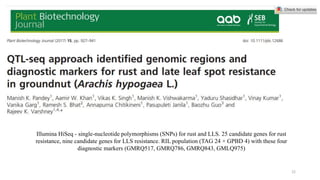
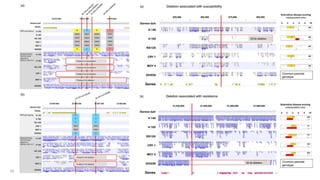
Illumina HiSeq - single-nucleotide polymorphisms (SNPs) for rust and LLS. 25 candidate genes for rust
resistance, nine candidate genes for LLS resistance. RIL population (TAG 24 × GPBD 4) with these four
diagnostic markers (GMRQ517, GMRQ786, GMRQ843, GMLQ975)
23
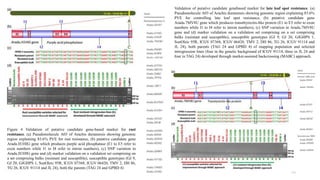
Figure 4 Validation of putative candidate gene-based marker for rust
resistance. (a) Pseudomolecule A03 of Arachis duranensis showing genomic
region explaining 83.6% PVE for rust resistance, (b) putative candidate gene
Aradu.H1HIG gene which produces purple acid phosphatase (E1 to E5 refer to
exon numbers while I1 to I4 refer to intron numbers), (c) SNP variation in
Aradu.H1HIG gene and (d) marker validation on a validation set comprising on
a set comprising bulks (resistant and susceptible), susceptible genotypes (GJ 9,
GJ 20, GJGHPS 1, SunOleic 95R, ICGV 07368, ICGV 06420, TMV 2, DH 86,
TG 26, ICGV 91114 and JL 24), both the parents (TAG 24 and GPBD 4)
Validation of putative candidate genebased marker for late leaf spot resistance. (a)
Pseudomolecule A03 of Arachis duranensis showing genomic region explaining 83.6%
PVE for controlling late leaf spot resistance, (b) putative candidate gene
Aradu.7MV8U gene which produces transthyrectin-like protein (E1 to E5 refer to exon
numbers while I1 to I4 refer to intron numbers), (c) SNP variation in Aradu.7MV8U
gene and (d) marker validation on a validation set comprising on a set comprising
bulks (resistant and susceptible), susceptible genotypes (GJ 9, GJ 20, GJGHPS 1,
SunOleic 95R, ICGV 07368, ICGV 06420, TMV 2, DH 86, TG 26, ICGV 91114 and
JL 24), both parents (TAG 24 and GPBD 4) of mapping population and selected
introgression lines (four in the genetic background of ICGV 91114, three in JL 24 and
four in TAG 24) developed through marker-assisted backcrossing (MABC) approach.
24
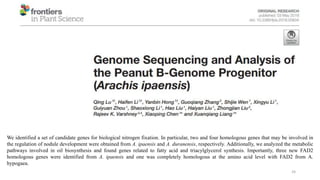
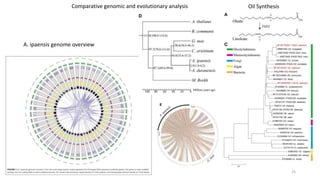
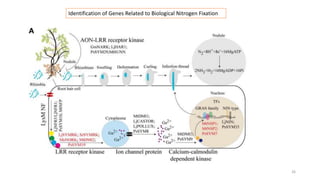
We identified a set of candidate genes for biological nitrogen fixation. In particular, two and four homologous genes that may be involved in
the regulation of nodule development were obtained from A. ipaensis and A. duranensis, respectively. Additionally, we analyzed the metabolic
pathways involved in oil biosynthesis and found genes related to fatty acid and triacylglycerol synthesis. Importantly, three new FAD2
homologous genes were identified from A. ipaensis and one was completely homologous at the amino acid level with FAD2 from A.
hypogaea.
25
A. ipaensis genome overview
Comparative genomic and evolutionary analysis Oil Synthesis
26
Identification of Genes Related to Biological Nitrogen Fixation
27
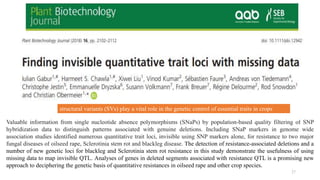
Valuable information from single nucleotide absence polymorphisms (SNaPs) by population-based quality filtering of SNP
hybridization data to distinguish patterns associated with genuine deletions. Including SNaP markers in genome wide
association studies identified numerous quantitative trait loci, invisible using SNP markers alone, for resistance to two major
fungal diseases of oilseed rape, Sclerotinia stem rot and blackleg disease. The detection of resistance-associated deletions and a
number of new genetic loci for blackleg and Sclerotinia stem rot resistance in this study demonstrate the usefulness of using
missing data to map invisible QTL. Analyses of genes in deleted segments associated with resistance QTL is a promising new
approach to deciphering the genetic basis of quantitative resistances in oilseed rape and other crop species.
structural variants (SVs) play a vital role in the genetic control of essential traits in crops
28
29
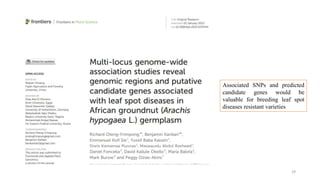
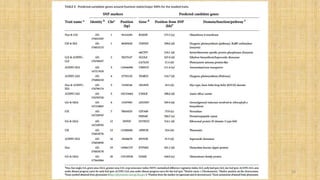
Associated SNPs and predicted
candidate genes would be
valuable for breeding leaf spot
diseases resistant varieties
30
31
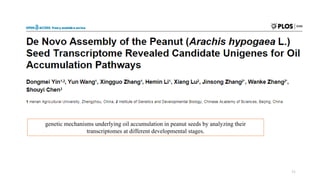
genetic mechanisms underlying oil accumulation in peanut seeds by analyzing their
transcriptomes at different developmental stages.
32
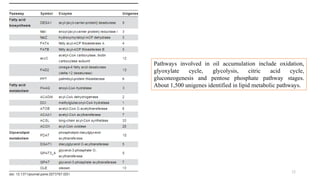
Pathways involved in oil accumulation include oxidation,
glyoxylate cycle, glycolysis, citric acid cycle,
gluconeogenesis and pentose phosphate pathway stages.
About 1,500 unigenes identified in lipid metabolic pathways.
33
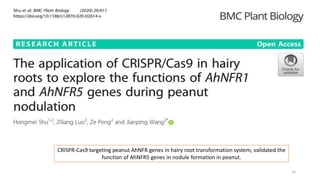
CRISPR-Cas9 targeting peanut AhNFR genes in hairy root transformation system, validated the
function of AhNFR5 genes in nodule formation in peanut.
34
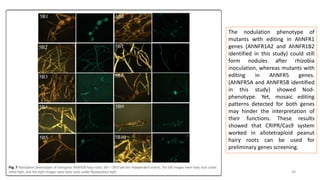
The nodulation phenotype of
mutants with editing in AhNFR1
genes (AhNFR1A2 and AhNFR1B2
identified in this study) could still
form nodules after rhizobia
inoculation, whereas mutants with
editing in AhNFR5 genes.
(AhNFR5A and AhNFR5B identified
in this study) showed Nod-
phenotype. Yet, mosaic editing
patterns detected for both genes
may hinder the interpretation of
their functions. These results
showed that CRIPR/Cas9 system
worked in allotetraploid peanut
hairy roots can be used for
preliminary genes screening.
35
Fungal differentiation and pathogenicity proteins, including calmodulin, transcriptional activator-HacA, kynurenine 3-
monooxygenase 2, VeA, VelC, and several aflatoxin pathway biosynthetic enzymes, were downregulated in Aspergillus
infecting the HIGS lines. Additionally, in the resistant HIGS lines, a number of host resistance proteins associated with
fatty acid metabolism were strongly induced, including phosphatidylinositol phosphate kinase, lysophosphatidic
acyltransferase-5, palmitoyl-monogalactosyldiacylglycerol ∆-7 desaturase, ceramide kinase-related protein, sphingolipid
∆-8 desaturase, and phospholipase-D.
36
Heat map and hierarchical clustering of groundnut proteins
differentially expressed in control and HIGS samples
37
38
233 differentially expressed gene fragments were grouped into functional categories-genes showing significant similarity to
metabolism, photosynthesis, signal transduction, defence, transport and transcription factors. Several metabolism related
proteins were found to be differentially expressed such as sedoheptulose biphosphatase (SBPase), LEA protein, methionine
synthase, cellulose synthase, Exostosin like protein, glycine rich protein, NADH dehydrogenase, glyceraldehyde phosphate
dehydrogenase, peroxisomal fatty acid β-oxidation multifunctional protein, dihydroflavonol reductase, UDP glucosyl
transferases, GDSL-like Lipase/Acylhydrolase. ABC transporters etc. in the resistant genotype in comparison to the
susceptible variety.
39
Transcriptome and proteome profiling were combined to provide new insights into the molecular mechanisms of peanut
stems after F. oxysporums infection. A total of 3746 differentially expressed genes (DEGs) and 305 differentially
expressed proteins (DEPs) were screened. The upregulated DEGs and DEPs were primarily enriched in flavonoid
biosynthesis, circadian rhythm-plant, and plant–pathogen interaction pathways. Then, qRT-PCR analysis revealed
that the expression levels of phenylalanine ammonia-lyase (PAL), chalcone isomerase (CHI), and cinnamic acid-4-
hydroxylase (C4H) genes increased after F. oxysporums infection.
40
Phosphatidyl ethanolamine-binding proteins (PEBPs) are involved in regulating flowering time and various
developmental processes. Gene collinearity and phylogenetic analysis explain that some PEBP genes play key roles
in evolution. Further detection of its response to temperature and photoperiod revealed that PEBPs
ArahyM2THPA, ArahyEM6VH3, Arahy4GAQ4U, ArahyIZ8FG5, ArahyG6F3P2, ArahyLUT2QN,
ArahyDYRS20 and ArahyBBG51B were the key genes controlling the flowering response to different flowering
time genotypes, photoperiods and temperature.
41
The phylogenetic tree, motifs and gene intron/exon
structure of 64 PEBP genes in cultivated peanuts.
PEBP gene expression patterns in different peanut genotypes with different flowering
times. The short-day high temperature group (SDHT) was compared with the long-day
high temperature (LDHT) and the short-day low temperature group (SDLT)
ArahyM2THPA, ArahyEM6VH3,
Arahy4GAQ4U, ArahyIZ8FG5,
ArahyG6F3P2, ArahyLUT2QN,
ArahyDYRS20 and ArahyBBG51B
were the key genes controlling the
flowering response to different flowering
time genotypes, photoperiods and
temperature.
42
43
Challenges:
• Large size of plant genomes
• Paralogues genes
• Transposable elements
• High proportion of repeated sequences
A major problem with genomic sequences is how to distinguish coding regions from noncoding intergenic sequences and
introns !!
A gene-prediction algorithm based on neuronal networks was developed for plant sequences. The program, NetPlantGene,
which is freely available, allows for a reliable prediction of introns (Hebsgaard et al., 1996; Tolstrup et al., 1997).
44
Thank
you
45

APPLICATIONS OF SEQUENCE INFORMATION-STRUCTURAL,FUNCTIONAL,COMPARATIVE GENOMICS.pptx

  • 1.
    ACHARYA N.G RANGAAGRICULTURALUNIVERSITY Submitted by :- P.TEJASREE TAD/2023-10 Ph.D. 1st Year Dept. of GPBR DEPARTMENT OF GENETICS AND PLANT BREEDING Course No :- GPB-605 Course Title :- GENOMICS IN PLANT BREEDING Submitted to :- Dr. M. Shanthi Priya Professor & Head Dept. of GPBR 1 S.V AGRICULTURAL COLLEGE, TIRUPATHI Applications of sequence information: structural, functional, comparative genomics
  • 2.
    Genomics is aninterdisciplinary field of science that focuses on the structure, function, evolution, mapping and editing of genomes. 2
  • 3.
    Structural Genomics: StructuralGenomics is a worldwide effort aimed at determining the three-dimensional structures of gene products in an efficient and high-throughput mode. Functional Genomics: Functional genomics is the worldwide experimental approach to access the function of gene by making use of information and reagent provided by structural genomics. Comparative Genomics: Comparative genomics is a field of biological research in which the genomic features of different organisms are compared, determining the evolutionary relationships of genomes and link differences to functional consequences, or phenotypes. 3
  • 4.
    1. Transcriptomics: studiesof gene expression at the transcript or RNA level, including both mRNA and ncRNA gene expression in a cell 2. Proteomics: approaches which focus on proteins being expressed in a biological system but also include study of protein structures. 3. Metabolomics: studies the metabolome, i.e. all metabolites in a biological system at a given time under a defined genetic background 4. Interactomics: studies the molecular interactions between host and pathogen and encompasses such interactions. This branch has specific relevance to agriculture systems, under crop protection category, per se. 5. Nutrigenomics: studies effect of food and food constituents on gene expression. It focuses on identifying molecular level interaction between nutrients and other dietary bio-actives with the genome. Different approaches of functional genomics include: 4
  • 5.
    Structural genomics Structural genomicsinvolves a range of methods to understand the physical structure of genomes, including the identification, mapping, and sequencing of genes. 1. Genome Sequencing Whole Genome Sequencing (WGS): This method involves sequencing the entire genome of an organism. It provides comprehensive information about the genome's structure. • The sequencing of the Arabidopsis thaliana genome, which serves as a reference for plant genomics. Next-Generation Sequencing (NGS): High-throughput sequencing technologies such as Illumina, PacBio and Oxford Nanopore offer rapid and cost-effective sequencing of large genomes. • Sequencing of crop genomes like rice and maize to identify genetic variations. 2. Physical Mapping Restriction Mapping: Uses restriction enzymes to cut DNA at specific sites, generating fragments that can be mapped. • Early physical maps of yeast and human genomes. Optical Mapping: Involves imaging DNA molecules to create high-resolution maps, which help in assembling genome sequences. • Optical mapping of the wheat genome to aid in its complex assembly. 5
  • 6.
    3. Genetic Mapping LinkageMapping: Identifies the relative positions of genes based on genetic recombination frequencies. • Linkage maps of maize used to locate QTLs for yield-related traits. Association Mapping: Links genetic variations with phenotypic traits across a population. • Association mapping in barley to identify disease resistance genes. 4. CRISPR/Cas9 and Genome Editing Gene Knockouts and Knock-ins: Precise editing of specific genes to study their functions or improve traits. • CRISPR/Cas9 editing in rice to create varieties with improved yield and disease resistance. 5. Pangenomics Pangenome Construction: Building a comprehensive genome that includes core and accessory genes from multiple individuals of a species. • Pangenome of Brassica oleracea to capture genetic diversity within the species. 6. Synthetic Biology Approaches •Synthetic Genome Construction: Designing and synthesizing entire genomes or large genomic regions to study their functions. • Synthetic biology approaches in model plants like Arabidopsis to test gene function and interactions. 6
  • 7.
    7. Chromosome ConformationCapture •Hi-C and 3C Technologies: Techniques to study the three-dimensional organization of the genome. • Hi-C analysis in maize to understand chromatin structure and its impact on gene regulation. Bioinformatics and Computational Tools Genome Assembly Algorithms: Tools like Phred, Phrap, TIGR Assembler, ARACHNE, SPAdes, SOAPdenovo and Canu are used for assembling short and long sequencing reads into complete genomes. • Assembly of complex genomes Annotation Tools: Software like BLAST, MAKER, AUGUSTUS and Ensembl are used to annotate genes and predict their functions. • Annotation of the genome to identify genes involved in growth and development. 7
  • 8.
    Applications of StructuralGenomics 1. Marker-Assisted Selection (MAS) •Rice: Molecular markers linked to traits such as disease resistance and yield have been identified. Markers associated with the resistance to the bacterial blight pathogen Xanthomonas oryzae pv. oryzae are used to breed resistant varieties. 2. Genome-Wide Association Studies (GWAS) •Wheat: GWAS has been used to identify loci associated with grain size, shape and yield. These insights help in breeding wheat varieties with better yield and adaptability. 3. Quantitative Trait Loci (QTL) Mapping •Maize: QTL mapping has been used to improve drought tolerance. Identifying QTLs linked to drought resistance traits enables the development of maize varieties that can thrive in arid conditions. 4. Genomic Selection (GS) •Soybean: GS is used to predict traits such as yield and disease resistance. This approach significantly shortens the breeding cycle and enhances the efficiency of developing high-performing soybean varieties. 8
  • 9.
    9 5. De NovoGenome Assembly Sequencing and assembling genomes of non-model plants to explore genetic diversity and identify novel traits. •Quinoa: De novo genome assembly of quinoa has provided insights into its high nutritional value and stress tolerance, aiding in the breeding of improved varieties. 6. Synthetic Biology •Synthetic Pathways in Crops: Introducing synthetic pathways into plants like tobacco to enhance the production of valuable compounds such as pharmaceuticals or biofuels.
  • 10.
    Functional genomics 1. Transcriptomics •RNASequencing (RNA-Seq): This technique measures the quantity and sequences of RNA in a sample using high- throughput sequencing, providing insights into gene expression levels. •Example: RNA-Seq analysis in maize to identify genes responsive to drought stress. •Microarrays: These are used to measure gene expression levels of thousands of genes simultaneously by hybridizing cDNA to a chip. • Example: Microarray studies in Arabidopsis to explore gene expression changes under different environmental conditions. 2. Proteomics •Mass Spectrometry (MS): Identifies and quantifies proteins in a sample by measuring the mass-to-charge ratio of ionized particles. • Example: MS-based proteomic analysis in wheat to identify proteins involved in grain quality. •Two-Dimensional Gel Electrophoresis (2-DE): Separates proteins based on isoelectric point and molecular weight, allowing for protein profiling and identification. • Example: 2-DE in soybean to compare protein expression under various stress conditions. 10
  • 11.
    3. Metabolomics •Gas Chromatography-MassSpectrometry (GC-MS): Analyzes volatile metabolites by separating and identifying compounds based on their mass spectra. Metabolomics can be used to determine differences between the levels of thousands of molecules between a healthy and diseased plant. • Example: GC-MS in tomato to profile metabolic changes during fruit ripening. •Liquid Chromatography-Mass Spectrometry (LC-MS): Analyzes non-volatile metabolites in complex biological samples. • Example: LC-MS in rice to study the metabolic pathways involved in disease resistance. 4. Functional Assays •Yeast Two-Hybrid Screening: Identifies protein-protein interactions by expressing two proteins of interest in yeast cells and detecting their interaction through reporter gene activation. • Example: Yeast two-hybrid screening in Arabidopsis to map interaction networks of stress response proteins. •Reporter Gene Assays: Use of reporter genes like GFP or luciferase to study gene expression and regulation in vivo. • Example: GFP reporter assays in tobacco to visualize expression patterns of stress-inducible promoters. 5. Gene Silencing and Knockdown Techniques: RNA Interference (RNAi): Silences gene expression by introducing double- stranded RNA molecules that trigger the degradation of target mRNA. Example: RNAi in tomato to silence genes involved in ethylene production, delaying fruit ripening. 11
  • 12.
    6. Gene Knockoutand Knock-in Techniques •CRISPR/Cas9: Allows precise editing of the genome to create knockouts (gene deletions) or knock-ins (gene insertions). • Example: CRISPR/Cas9 in maize to create knockouts of genes involved in kernel development, leading to improved yield traits. •TALENs and Zinc Finger Nucleases (ZFNs): Engineered nucleases that create targeted double-strand breaks in DNA, allowing for gene editing. • Example: TALENs in rice to modify genes related to disease resistance. 7. Mutagenesis •Chemical Mutagenesis: Uses chemicals like EMS (ethyl methane sulfonate) to induce random mutations in the genome. Example: EMS mutagenesis in Arabidopsis to create mutant libraries for gene function studies. •Insertional Mutagenesis: Uses transposons or T-DNA to insert into the genome, disrupting gene function. Example: T-DNA insertional mutagenesis in rice to identify genes involved in nutrient uptake. 8. Single-Cell Genomics •Single-Cell RNA-Seq (scRNA-Seq): Analyzes gene expression at the single-cell level to understand cellular heterogeneity and gene function. Example: scRNA-Seq in Arabidopsis root cells to study cell-specific gene expression during development. 12
  • 13.
    13 9. Chromatin Immunoprecipitation(ChIP) •ChIP-Seq: Combines chromatin immunoprecipitation with sequencing to identify binding sites of DNA-associated proteins, such as transcription factors. Example: ChIP-Seq in rice to map binding sites of transcription factors involved in stress responses. 10. Epigenomics •Bisulfite Sequencing: Used to map DNA methylation patterns across the genome, providing insights into epigenetic regulation. Example: Bisulfite sequencing in barley to study the role of DNA methylation in gene regulation under different environmental conditions.
  • 14.
    Applications of functionalgenomics Functional genomics has revolutionized plant breeding by providing deeper insights into gene functions, interactions, and regulatory networks. 1. Enhanced Disease, Pest Resistance, Improved Abiotic Stress Tolerance, Increased Yield and Biomass, Nutrient Use Efficiency Functional genomics helps identify genes involved in plant immunity and pathogen resistance, enabling the development of disease-resistant varieties. Example:Wheat: By identifying and manipulating genes related to resistance against rust diseases using RNA-Seq and CRISPR/Cas9, breeders can create wheat varieties that are more resilient to fungal infections. 2. Understanding the molecular basis of tolerance to abiotic stresses such as drought, salinity, and extreme temperatures is crucial for developing resilient crops. Example:Rice: Transcriptomic studies have identified drought-responsive genes, which are then targeted for overexpression or knockout to produce drought-tolerant rice varieties. 3. Functional genomics can reveal key genes and regulatory pathways that control plant growth, development and yield. Example:Maize: Gene editing technologies like CRISPR/Cas9 are used to manipulate genes involved in kernel development and plant architecture, resulting in higher yield and biomass. 4. Functional genomics enables the identification of genes that enhance nutrient uptake and utilization, leading to more efficient use of fertilizers. Example:Soybean: By studying the expression of genes involved in nitrogen fixation and assimilation, researchers can breed soybean varieties that require less nitrogen fertilizer while maintaining high productivity. 14
  • 15.
    5. Enhanced NutritionalQuality, Improved Flavor and Shelf Life, Development of Hybrid Varieties Functional genomics facilitates the improvement of nutritional profiles of crops by identifying and manipulating genes responsible for the biosynthesis of vitamins, minerals, and other beneficial compounds. Example:Tomato: Functional genomics has been used to enhance the production of lycopene, a beneficial antioxidant, by overexpressing key biosynthetic genes. 6. By understanding the genetic basis of flavor and ripening processes, breeders can develop varieties with better taste and longer shelf life. Example:Tomato: Functional genomics has identified genes involved in ethylene production and signaling, allowing the creation of tomato varieties that ripen more slowly and have an extended shelf life. 7. Functional genomics aids in understanding the genetic basis of traits that contribute to hybrid vigor (heterosis), leading to the development of superior hybrid varieties. Example:Sorghum: Genomic studies have identified key genes contributing to hybrid vigor, enabling the production of hybrid sorghum varieties with improved yield and stress tolerance. 8. Metabolic Engineering Functional genomics allows for the manipulation of metabolic pathways to enhance the production of valuable secondary metabolites. Example:Mint: By manipulating genes involved in the biosynthesis of essential oils, functional genomics can enhance the production of specific compounds used in flavorings and pharmaceuticals. 15
  • 16.
    9. Epigenetic Modifications Functionalgenomics includes the study of epigenetic changes, which can be harnessed to create crops with desirable traits without altering the DNA sequence. Example:Arabidopsis: Epigenetic modifications have been used to regulate gene expression involved in stress responses, providing insights that can be applied to crop species. 10. Synthetic Biology and Pathway Engineering Using synthetic biology, functional genomics enables the redesign of metabolic pathways to produce novel compounds or enhance the production of existing ones. Example:Rice: Synthetic biology approaches have been used to engineer rice for the production of beta-carotene (Golden Rice), enhancing its nutritional value. 16
  • 17.
    1. Evolutionary Studies •PhylogeneticAnalysis: Constructing phylogenetic trees to study evolutionary relationships. • Phylogenetic analysis of legume species helped understand the evolution of nitrogen fixation, a key trait for improving soil fertility . 2. Gene Conservation and Diversification •Ortholog and Paralog Identification: Identifying conserved and divergent genes across species. • Comparative genomics in Solanaceae species identified conserved disease resistance genes used in breeding programs . 3. Pangenome Analysis •Core and Accessory Genes: Constructing pangenomes to capture the full genetic diversity within a species. • Pangenome analysis in Brassica species identified genes associated with oil content, aiding in the development of high-oil-yielding varieties . 17 Comparative Genomics
  • 18.
    18 4. Identification ofConserved Regulatory Elements •Comparative Epigenomics: Studying conserved epigenetic marks across species to understand gene regulation. • Comparative analysis of DNA methylation patterns in maize lines identified epigenetic markers associated with stress tolerance . 5. Cross-Species GWAS •Trait Mapping: Using genome-wide association studies (GWAS) across species to identify genetic loci associated with traits. • GWAS in wheat and barley identified loci associated with drought tolerance, providing targets for breeding programs. 6. Synteny and Collinearity Studies •Genomic Synteny: Analyzing synteny to identify conserved gene order and organization. • Synteny analysis between maize and sorghum identified conserved drought resistance genes, facilitating the transfer of these traits between species .
  • 19.
    Applications of comparativegenomics Comparative genomics has numerous applications in plant breeding, leveraging the comparison of genomic information across different species or varieties to enhance crop traits. Here are some key applications: 1. Identification of Beneficial Traits By comparing the genomes of different plant species or varieties, breeders can identify genes associated with desirable traits such as disease resistance, drought tolerance, and high yield. •Disease Resistance in Wheat: Comparative genomics has been used to identify resistance genes from wild relatives of wheat, which are then introduced into cultivated varieties to enhance resistance to rust diseases. 2. Gene Discovery and Functional Annotation Comparative genomics helps in discovering new genes and understanding their functions, which can be targeted in breeding programs. •Nitrogen Fixation in Legumes: Comparing genomes of different legume species has led to the discovery of genes involved in symbiotic nitrogen fixation, improving the efficiency of breeding programs aimed at enhancing this trait. 3. Detecting Copy Number Variations: Copy number variations may result from deletions, causing some individuals to contain only a single copy of a DNA sequence, or may be due to duplications, having certain individuals with more than two copies. Comparative genomic hybridization (CGH) is a method for genome-wide screening for DNA copy number variations. 19
  • 20.
    4. Understanding EvolutionaryRelationships By studying the evolutionary relationships between different plant species, breeders can identify conserved genetic regions that are critical for important traits. •Stress Tolerance in Cereals: Comparative genomic analysis between rice, wheat, and barley has identified conserved regions associated with drought and salinity tolerance, providing targets for breeding programs. 5. Pangenome Construction Building a pangenome, which includes core and accessory genes from multiple varieties, helps capture the genetic diversity within a species. This diversity can be harnessed to develop improved varieties. •Soybean: The construction of the soybean pangenome has revealed genes linked to disease resistance and yield, facilitating the development of robust varieties. 6. Pathway Reconstruction and Enhancement Comparing metabolic pathways across species helps identify key regulatory genes and pathways that can be enhanced to improve traits such as nutrient content or stress resilience. Example:Brassica: Comparative analysis of metabolic pathways in Brassica species has led to the identification and enhancement of glucosinolate biosynthesis pathways, improving pest resistance. 20
  • 21.
    21 7. Hybrid Development Understandingthe genetic basis of heterosis (hybrid vigor) through comparative genomics enables the development of superior hybrid varieties. Example:Sorghum: Comparative genomics has identified genes contributing to hybrid vigor, aiding in the development of high-yielding sorghum hybrids. 8. Epigenetic Regulation Comparative epigenomics helps in understanding how epigenetic modifications affect gene expression and trait development, providing new targets for breeding. Example:Arabidopsis and Brassica: Comparative epigenomics has revealed epigenetic markers associated with stress tolerance, guiding the development of resilient crop varieties. 9. Microbiome Engineering Comparative genomics of plant-associated microbiomes helps identify beneficial microbes that can be harnessed to improve plant health and productivity. Example:Maize: Comparative studies of maize root microbiomes have identified beneficial microbes that enhance nutrient uptake and disease resistance, which can be introduced into breeding programs.
  • 22.
    22 Illumina HiSeq -single-nucleotide polymorphisms (SNPs) for rust and LLS. 25 candidate genes for rust resistance, nine candidate genes for LLS resistance. RIL population (TAG 24 × GPBD 4) with these four diagnostic markers (GMRQ517, GMRQ786, GMRQ843, GMLQ975)
  • 23.
    23 Figure 4 Validationof putative candidate gene-based marker for rust resistance. (a) Pseudomolecule A03 of Arachis duranensis showing genomic region explaining 83.6% PVE for rust resistance, (b) putative candidate gene Aradu.H1HIG gene which produces purple acid phosphatase (E1 to E5 refer to exon numbers while I1 to I4 refer to intron numbers), (c) SNP variation in Aradu.H1HIG gene and (d) marker validation on a validation set comprising on a set comprising bulks (resistant and susceptible), susceptible genotypes (GJ 9, GJ 20, GJGHPS 1, SunOleic 95R, ICGV 07368, ICGV 06420, TMV 2, DH 86, TG 26, ICGV 91114 and JL 24), both the parents (TAG 24 and GPBD 4) Validation of putative candidate genebased marker for late leaf spot resistance. (a) Pseudomolecule A03 of Arachis duranensis showing genomic region explaining 83.6% PVE for controlling late leaf spot resistance, (b) putative candidate gene Aradu.7MV8U gene which produces transthyrectin-like protein (E1 to E5 refer to exon numbers while I1 to I4 refer to intron numbers), (c) SNP variation in Aradu.7MV8U gene and (d) marker validation on a validation set comprising on a set comprising bulks (resistant and susceptible), susceptible genotypes (GJ 9, GJ 20, GJGHPS 1, SunOleic 95R, ICGV 07368, ICGV 06420, TMV 2, DH 86, TG 26, ICGV 91114 and JL 24), both parents (TAG 24 and GPBD 4) of mapping population and selected introgression lines (four in the genetic background of ICGV 91114, three in JL 24 and four in TAG 24) developed through marker-assisted backcrossing (MABC) approach.
  • 24.
    24 We identified aset of candidate genes for biological nitrogen fixation. In particular, two and four homologous genes that may be involved in the regulation of nodule development were obtained from A. ipaensis and A. duranensis, respectively. Additionally, we analyzed the metabolic pathways involved in oil biosynthesis and found genes related to fatty acid and triacylglycerol synthesis. Importantly, three new FAD2 homologous genes were identified from A. ipaensis and one was completely homologous at the amino acid level with FAD2 from A. hypogaea.
  • 25.
    25 A. ipaensis genomeoverview Comparative genomic and evolutionary analysis Oil Synthesis
  • 26.
    26 Identification of GenesRelated to Biological Nitrogen Fixation
  • 27.
    27 Valuable information fromsingle nucleotide absence polymorphisms (SNaPs) by population-based quality filtering of SNP hybridization data to distinguish patterns associated with genuine deletions. Including SNaP markers in genome wide association studies identified numerous quantitative trait loci, invisible using SNP markers alone, for resistance to two major fungal diseases of oilseed rape, Sclerotinia stem rot and blackleg disease. The detection of resistance-associated deletions and a number of new genetic loci for blackleg and Sclerotinia stem rot resistance in this study demonstrate the usefulness of using missing data to map invisible QTL. Analyses of genes in deleted segments associated with resistance QTL is a promising new approach to deciphering the genetic basis of quantitative resistances in oilseed rape and other crop species. structural variants (SVs) play a vital role in the genetic control of essential traits in crops
  • 28.
  • 29.
    29 Associated SNPs andpredicted candidate genes would be valuable for breeding leaf spot diseases resistant varieties
  • 30.
  • 31.
    31 genetic mechanisms underlyingoil accumulation in peanut seeds by analyzing their transcriptomes at different developmental stages.
  • 32.
    32 Pathways involved inoil accumulation include oxidation, glyoxylate cycle, glycolysis, citric acid cycle, gluconeogenesis and pentose phosphate pathway stages. About 1,500 unigenes identified in lipid metabolic pathways.
  • 33.
    33 CRISPR-Cas9 targeting peanutAhNFR genes in hairy root transformation system, validated the function of AhNFR5 genes in nodule formation in peanut.
  • 34.
    34 The nodulation phenotypeof mutants with editing in AhNFR1 genes (AhNFR1A2 and AhNFR1B2 identified in this study) could still form nodules after rhizobia inoculation, whereas mutants with editing in AhNFR5 genes. (AhNFR5A and AhNFR5B identified in this study) showed Nod- phenotype. Yet, mosaic editing patterns detected for both genes may hinder the interpretation of their functions. These results showed that CRIPR/Cas9 system worked in allotetraploid peanut hairy roots can be used for preliminary genes screening.
  • 35.
    35 Fungal differentiation andpathogenicity proteins, including calmodulin, transcriptional activator-HacA, kynurenine 3- monooxygenase 2, VeA, VelC, and several aflatoxin pathway biosynthetic enzymes, were downregulated in Aspergillus infecting the HIGS lines. Additionally, in the resistant HIGS lines, a number of host resistance proteins associated with fatty acid metabolism were strongly induced, including phosphatidylinositol phosphate kinase, lysophosphatidic acyltransferase-5, palmitoyl-monogalactosyldiacylglycerol ∆-7 desaturase, ceramide kinase-related protein, sphingolipid ∆-8 desaturase, and phospholipase-D.
  • 36.
    36 Heat map andhierarchical clustering of groundnut proteins differentially expressed in control and HIGS samples
  • 37.
  • 38.
    38 233 differentially expressedgene fragments were grouped into functional categories-genes showing significant similarity to metabolism, photosynthesis, signal transduction, defence, transport and transcription factors. Several metabolism related proteins were found to be differentially expressed such as sedoheptulose biphosphatase (SBPase), LEA protein, methionine synthase, cellulose synthase, Exostosin like protein, glycine rich protein, NADH dehydrogenase, glyceraldehyde phosphate dehydrogenase, peroxisomal fatty acid β-oxidation multifunctional protein, dihydroflavonol reductase, UDP glucosyl transferases, GDSL-like Lipase/Acylhydrolase. ABC transporters etc. in the resistant genotype in comparison to the susceptible variety.
  • 39.
    39 Transcriptome and proteomeprofiling were combined to provide new insights into the molecular mechanisms of peanut stems after F. oxysporums infection. A total of 3746 differentially expressed genes (DEGs) and 305 differentially expressed proteins (DEPs) were screened. The upregulated DEGs and DEPs were primarily enriched in flavonoid biosynthesis, circadian rhythm-plant, and plant–pathogen interaction pathways. Then, qRT-PCR analysis revealed that the expression levels of phenylalanine ammonia-lyase (PAL), chalcone isomerase (CHI), and cinnamic acid-4- hydroxylase (C4H) genes increased after F. oxysporums infection.
  • 40.
    40 Phosphatidyl ethanolamine-binding proteins(PEBPs) are involved in regulating flowering time and various developmental processes. Gene collinearity and phylogenetic analysis explain that some PEBP genes play key roles in evolution. Further detection of its response to temperature and photoperiod revealed that PEBPs ArahyM2THPA, ArahyEM6VH3, Arahy4GAQ4U, ArahyIZ8FG5, ArahyG6F3P2, ArahyLUT2QN, ArahyDYRS20 and ArahyBBG51B were the key genes controlling the flowering response to different flowering time genotypes, photoperiods and temperature.
  • 41.
    41 The phylogenetic tree,motifs and gene intron/exon structure of 64 PEBP genes in cultivated peanuts. PEBP gene expression patterns in different peanut genotypes with different flowering times. The short-day high temperature group (SDHT) was compared with the long-day high temperature (LDHT) and the short-day low temperature group (SDLT) ArahyM2THPA, ArahyEM6VH3, Arahy4GAQ4U, ArahyIZ8FG5, ArahyG6F3P2, ArahyLUT2QN, ArahyDYRS20 and ArahyBBG51B were the key genes controlling the flowering response to different flowering time genotypes, photoperiods and temperature.
  • 42.
  • 43.
  • 44.
    Challenges: • Large sizeof plant genomes • Paralogues genes • Transposable elements • High proportion of repeated sequences A major problem with genomic sequences is how to distinguish coding regions from noncoding intergenic sequences and introns !! A gene-prediction algorithm based on neuronal networks was developed for plant sequences. The program, NetPlantGene, which is freely available, allows for a reliable prediction of introns (Hebsgaard et al., 1996; Tolstrup et al., 1997). 44
  • 45.

Editor's Notes

  • #3 Structural genomics depends on molecular markers that may be useful for tagging and mapping genes of interest and their subsequent deployment in crop breeding programs. The genetic resources developed provide the basis for gene expression analysis (SSH libraries, Affymetrix array hybridisations, RNA-seq) and significantly contribute to the identification and characterisation of candidate gene(s). The use of functional genomic approaches will enhance the efficiency of functional validation of the identified candidate genes and lead to the development of improved legume varieties through molecular breeding. 
  • #4 The expression levels of healthy and tumor sample are compared.
  • #26 Approximately 75.97% of the A. ipaensis genome is composed of transposable elements. divergence of the two species occurred ∼2.9 million years ago. Syntenic blocks identified between A. ipaensis and other species was found to be extensively conserved. The largest number of syntenic blocks was identified between A. ipaensis and G. max . FAD2, encoding δ-12 oleic acid desaturase, is the essential gene that controls linoleic acid biosynthesis (López et al., 2000). It converts oleic acid to linoleic acid by desaturating the δ-12 carbon and determines the multi-polyunsaturated fatty acid content and proportion in most oil seed plants (Figure 4A). In this study, three new FAD2 homologous genes (XP_004497897.1-D3, XP_007162321.1, and XP_007162321.1- D2) were identified in A. ipaensisFAD2, LACS, and KAS
  • #27 The GO analyses suggested that the four homologous genes are involved in ion binding and signal transducer activity
  • #32 reconstruct the genome or transcriptome of an organism from short DNA or RNA sequences, known as reads, without a reference genome. genetic mechanisms underlying oil accumulation in peanut seeds by analyzing their transcriptomes at different developmental stages .
  • #36 multiplexed host-induced gene silencing (HIGS) of Aspergillus flavus genes essential for fungal sporulation and aflatoxin production (nsdC, veA, aflR, and aflM) confers enhanced resistance to Aspergillus infection and aflatoxin contamination in groundnut. Fungal differentiation and pathogenicity proteins, including calmodulin, transcriptional activator-HacA, kynurenine 3-monooxygenase 2, VeA, VelC, and several aflatoxin pathway biosynthetic enzymes, were downregulated in Aspergillus infecting the HIGS lines. Additionally, in the resistant HIGS lines, a number of host resistance proteins associated with fatty acid metabolism were strongly induced, including phosphatidylinositol phosphate kinase, lysophosphatidic acyltransferase-5, palmitoyl-monogalactosyldiacylglycerol ∆-7 desaturase, ceramide kinase-related protein, sphingolipid ∆-8 desaturase, and phospholipase-D.
  • #37 Fungal differentiation and pathogenicity proteins, including calmodulin, transcriptional activator-HacA, kynurenine 3-monooxygenase 2, VeA, VelC, and several aflatoxin pathway biosynthetic enzymes, were downregulated in Aspergillus infecting the HIGS lines. Additionally, in the resistant HIGS lines, a number of host resistance proteins associated with fatty acid metabolism were strongly induced, including phosphatidylinositol phosphate kinase, lysophosphatidic acyltransferase-5, palmitoyl-monogalactosyldiacylglycerol ∆-7 desaturase, ceramide kinase-related protein, sphingolipid ∆-8 desaturase, and phospholipase-D.
  • #38 microsatellite markers associated with late leaf spot and rust resistance for foreground selection and high-throughput SNP genotyping for background selection.
  • #42 64 protein candidate sequences have been identified in three Arachis genomes including 16 of A. ipaensis, 16 of A. duranensis and 32 of A. hypogaea. FT-like subfamily - promote the transition from vegetative to reproductive growth. TSF, the homologous gene of FT, promotes A. thaliana early flowering. TFL1 has a role in inhibiting flowering and plant architectural control by regulating the meristem genes. MOTHER OF FT AND TFL1 (MFT) is the ancestor gene of FT and TFL1 and is involved in seed germination and development. MFT is found in high concentrations in seeds and roots and induces seed dormancy.