Cardiac Issues With Non-cardiac
Surgery and role of antiplatelets
and anticoagulants
Dr Hiralal Pawar
• With progressive aging of the populations,the
prevalence of coronary artery disease is
increasing.
• Antiplatelet agents are prescribed widely for
primary and secondary prevention of
cardiovascular disease and especially after
percutaneous coronary interventions
(PCI)and acute coronary syndromes
• Currently ,over 90% of all PCI involve stents
used for a variety of indications
• A rare but serious complications after coronary
stent implantation is stent thrombosis
• Different factors are known to be independantly
correlated with an increase risk of stent
thrombosis including high risk lesions, small
vessel lesions,bifurcations,DM ,renal failure
• Most important risk factor , however,is
premature cessation of dual antiplatelet
therapy with aspirin and thienopyridines
• Recent report suggest that 5% of post PCI
patients requires non cardiac surgery
within 1 year period
Objectives
• Preoperative risk assessment
• Antiplatelets
• Anticoagulation and antithrombotic issues
• Postoperative Management
• We have patients with following
characteristics
• 1)Post ACS—STEMI,NSTEMI,UA
• 2)chronic stable angina
• 3)post PCI
• 4)post CABG
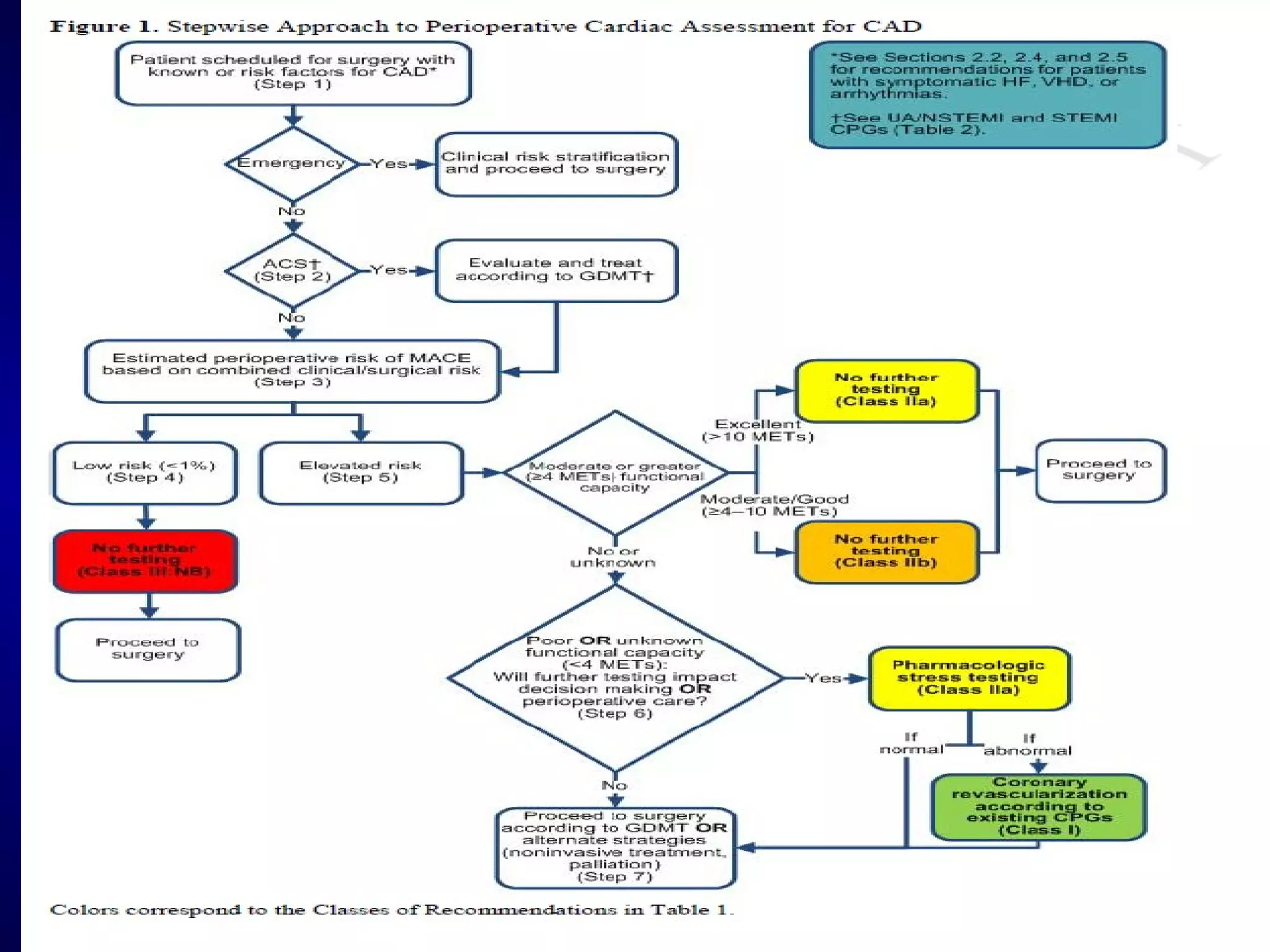
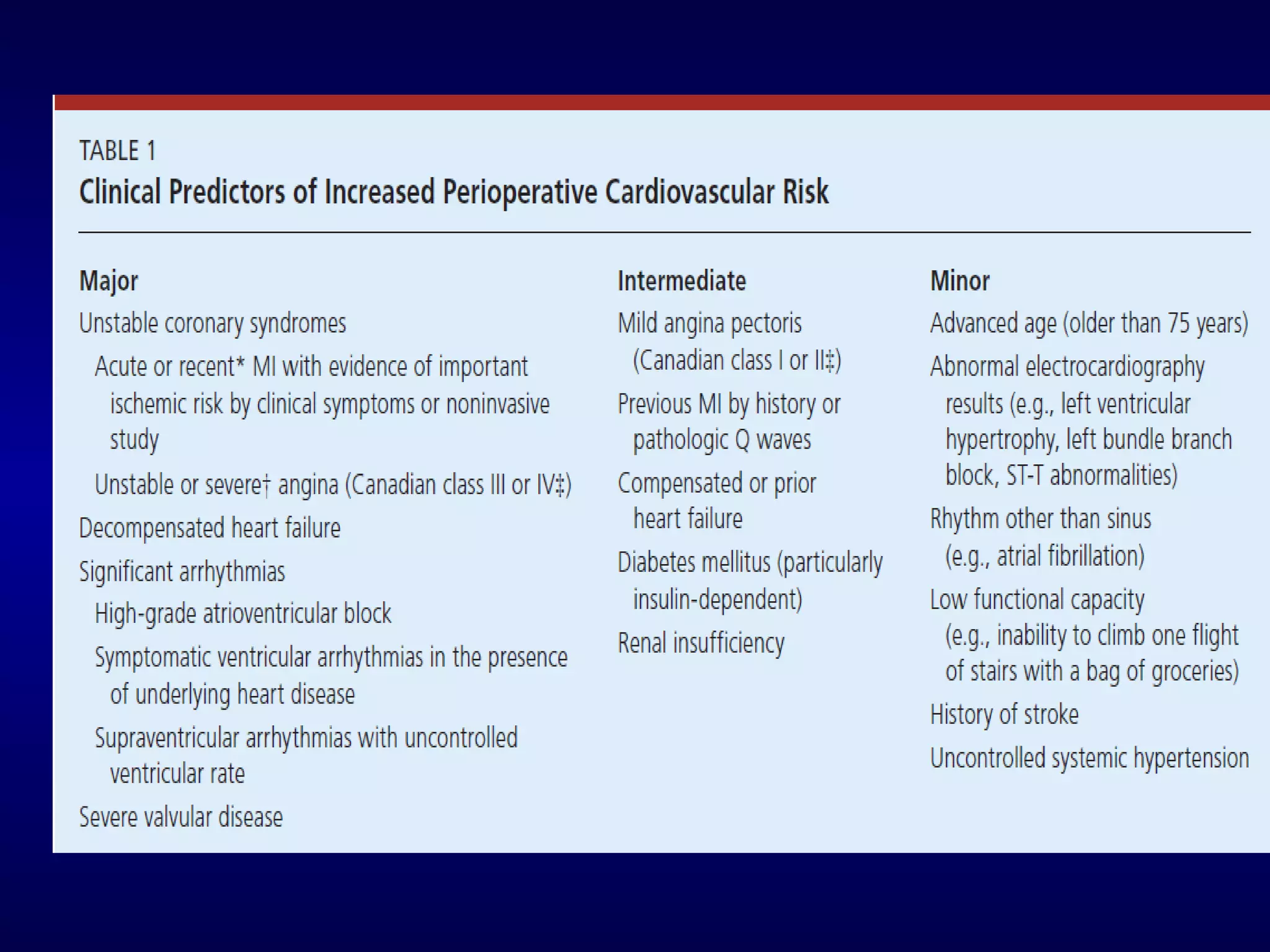
Preoperative cardiac issues
• How healthy is the patient?
• How active is the patient?
• How risky in the planned surgery?
• Is preoperative cardiac testing necessary?
• What preventive measures can be taken
to reduce cardiac risk?
• In describing the temporal necessity of operations in this
CPG, the GWC developed the following definitions by
• consensus.
• An emergency procedure is one in which life or limb is
threatened if not in the operating room where there is
time for no or very limited or minimal clinical evaluation,
typically within <6 hours.
• An urgent procedure is one in which there may be time
for a limited clinical evaluation, usually when life or limb
is threatened if not in the operating room, typically
between 6 and 24 hours.
• A time-sensitive procedure is one in which a delay of >1
to 6 weeks to allow for an evaluation and significant
changes in management will negatively affect outcome
• Most oncologic procedures would fall into this category
•An elective procedure is one in which the procedure could be delayed
for up to 1 year. Individual institutions may use slightly different
definitions, but this framework could be mapped to local categories.
•A low-risk procedure is one in which the combined surgical and patient
characteristics predict a risk of a major adverse cardiac event (MACE)
of death or myocardial infarction (MI) of <1%. Selected examples of
low-risk procedures include cataract and plastic surgery .
• Procedures with a risk of MACE of ≥1% are considered elevated risk.
L’Italien JACC 1996;27:779
JACC 2002; 39:542
JACC 2002 39:542
Who to test?
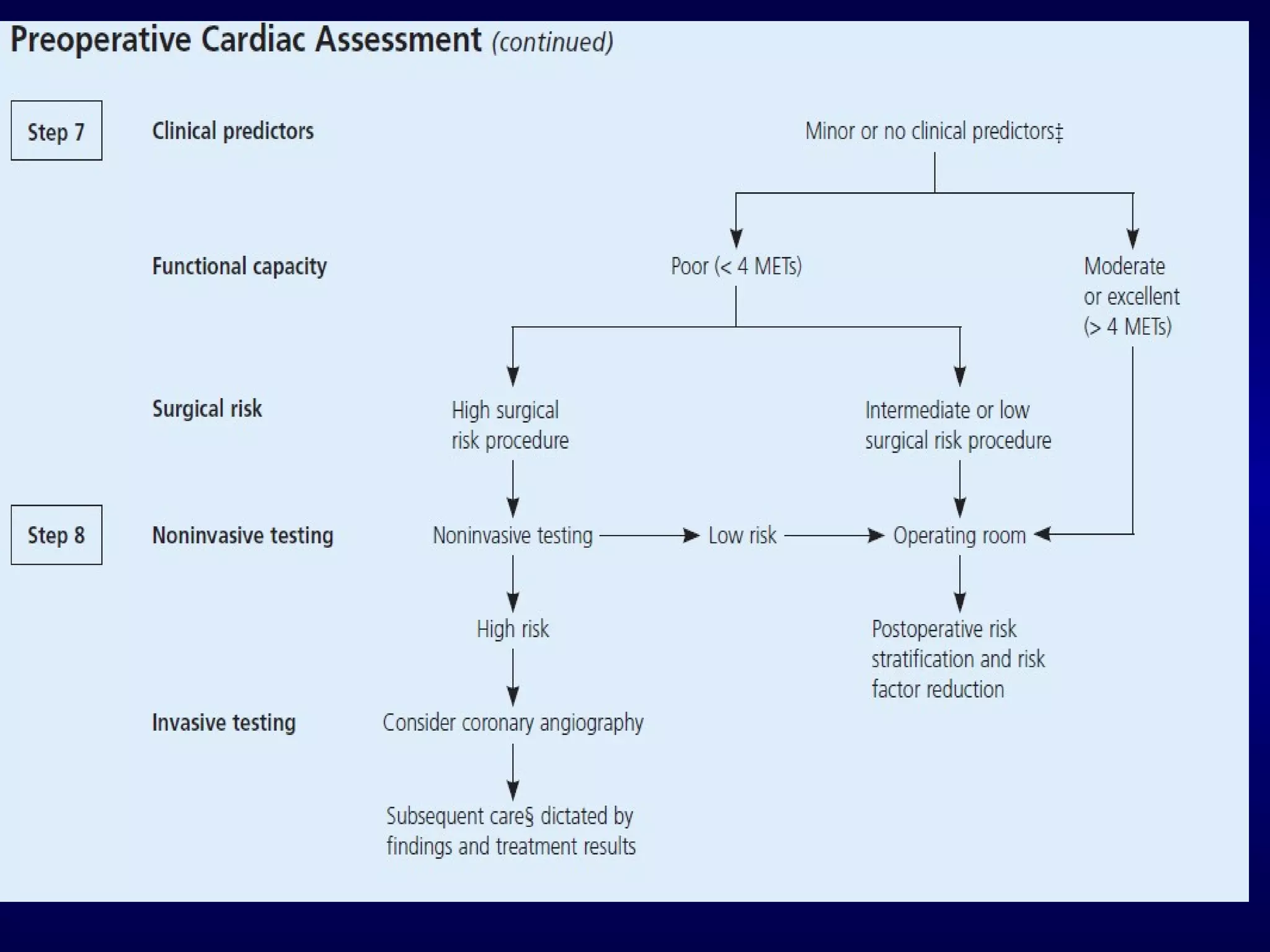
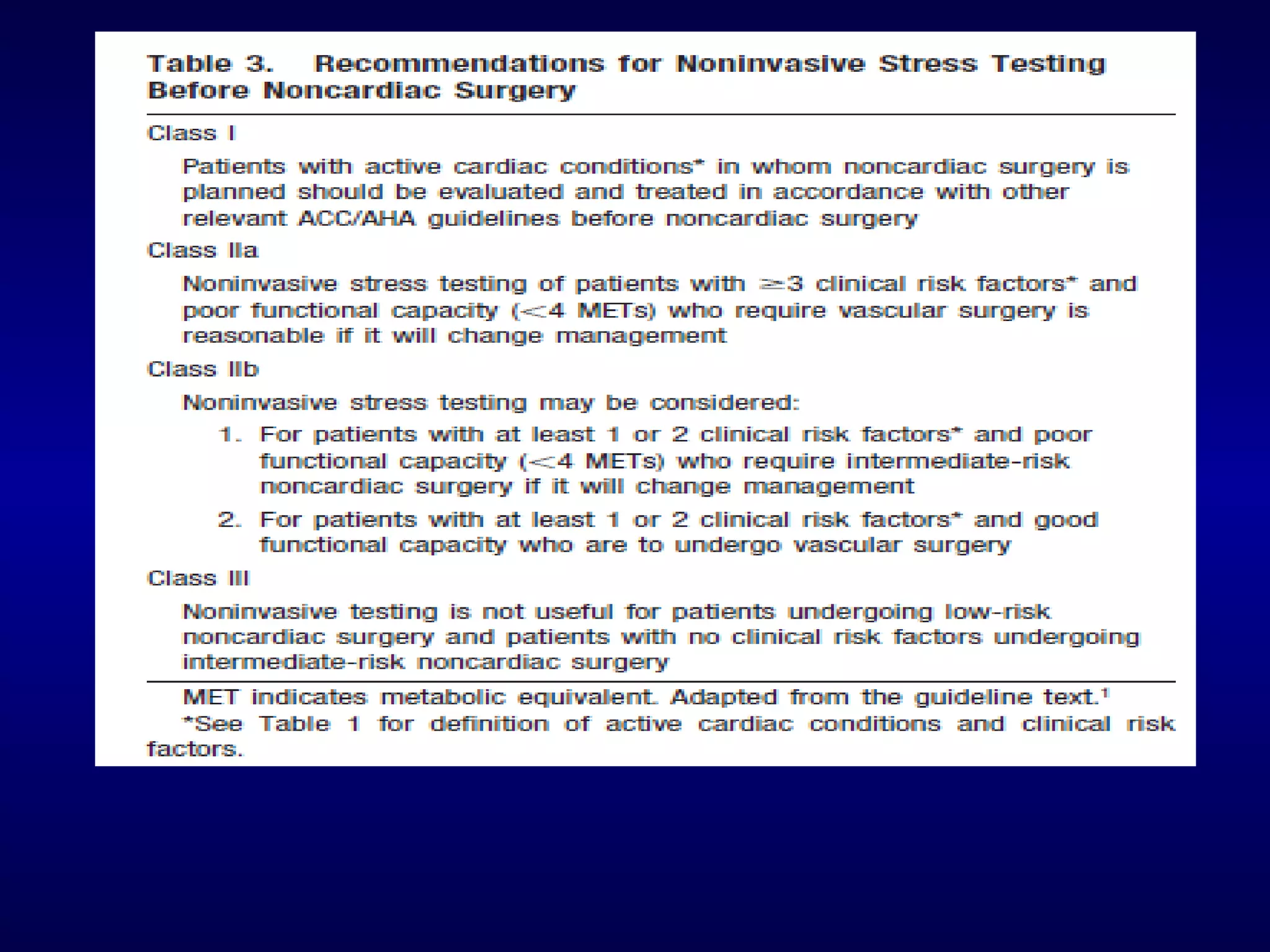
• Intermediate risk patients undergoing
intermediate or high risk surgery
• Testing does not add additional
information in low risk or high risk patient
groups.
What test?
• Well validated
– Exercise or
pharmacologic
echocardiography
– Exercise or
pharmacologic
Cardiolite
– CTA
– MRI
– Cardiac angiography*
Therapies to reduce perioperative
cardiac complications
• Revascularization
– Percutaneous revascularization
– CABG
• Medical therapy
• The Coronary Artery Revascularization Prophylaxis (CARP)
trial compared optimal medical therapy with revascularization
(CABG or PCI) in patients with stable IHD before major non
cardiac surgery.
• The results of the CARP study indicated that systematic
prophylactic revascularization before vascular surgery does not
improve clinical outcomes in stable patients.
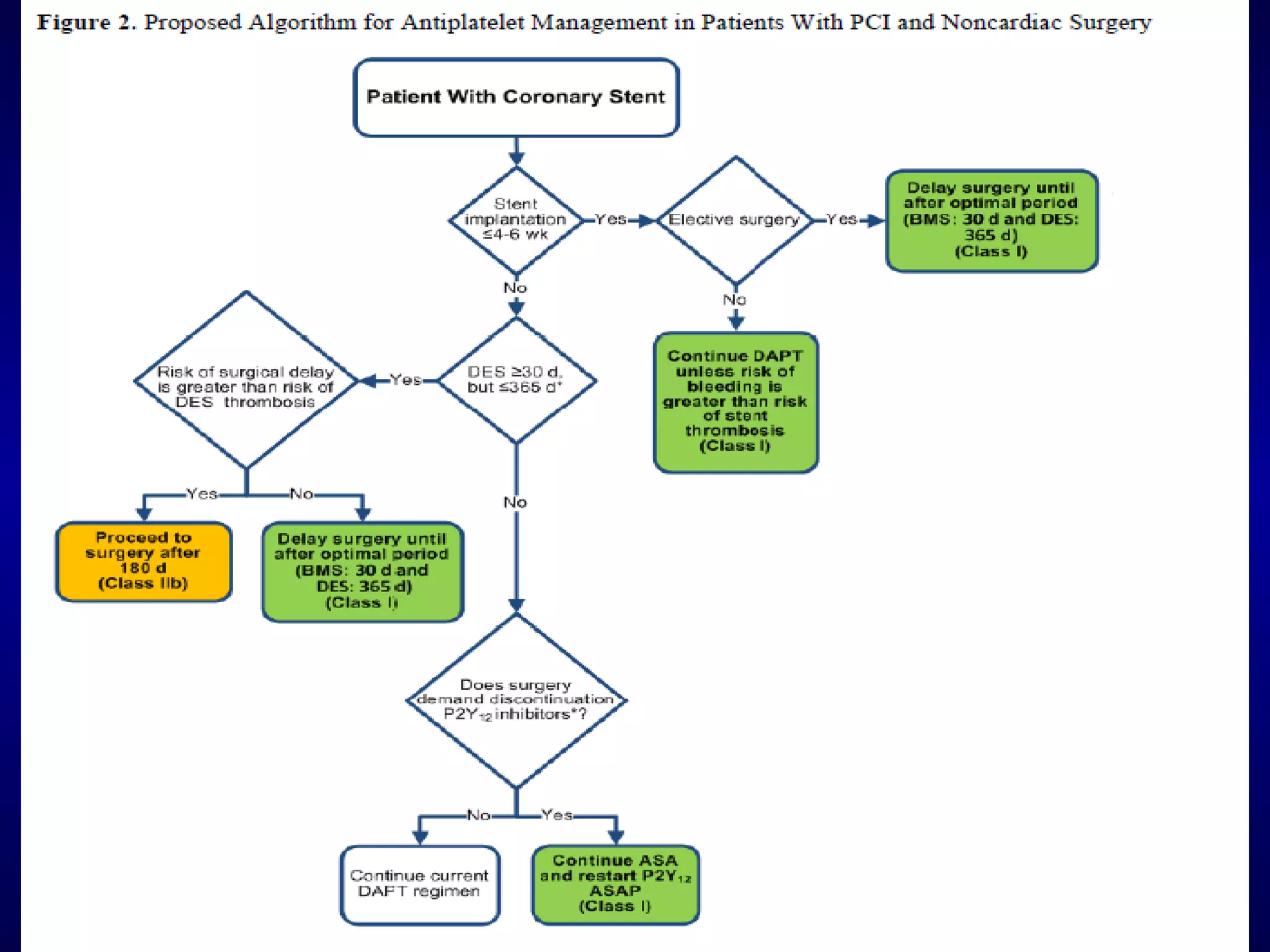
Timing of Elective Noncardiac Surgery in Patients With
Previous PCI: ACC/AHA 2014
• Recommendations
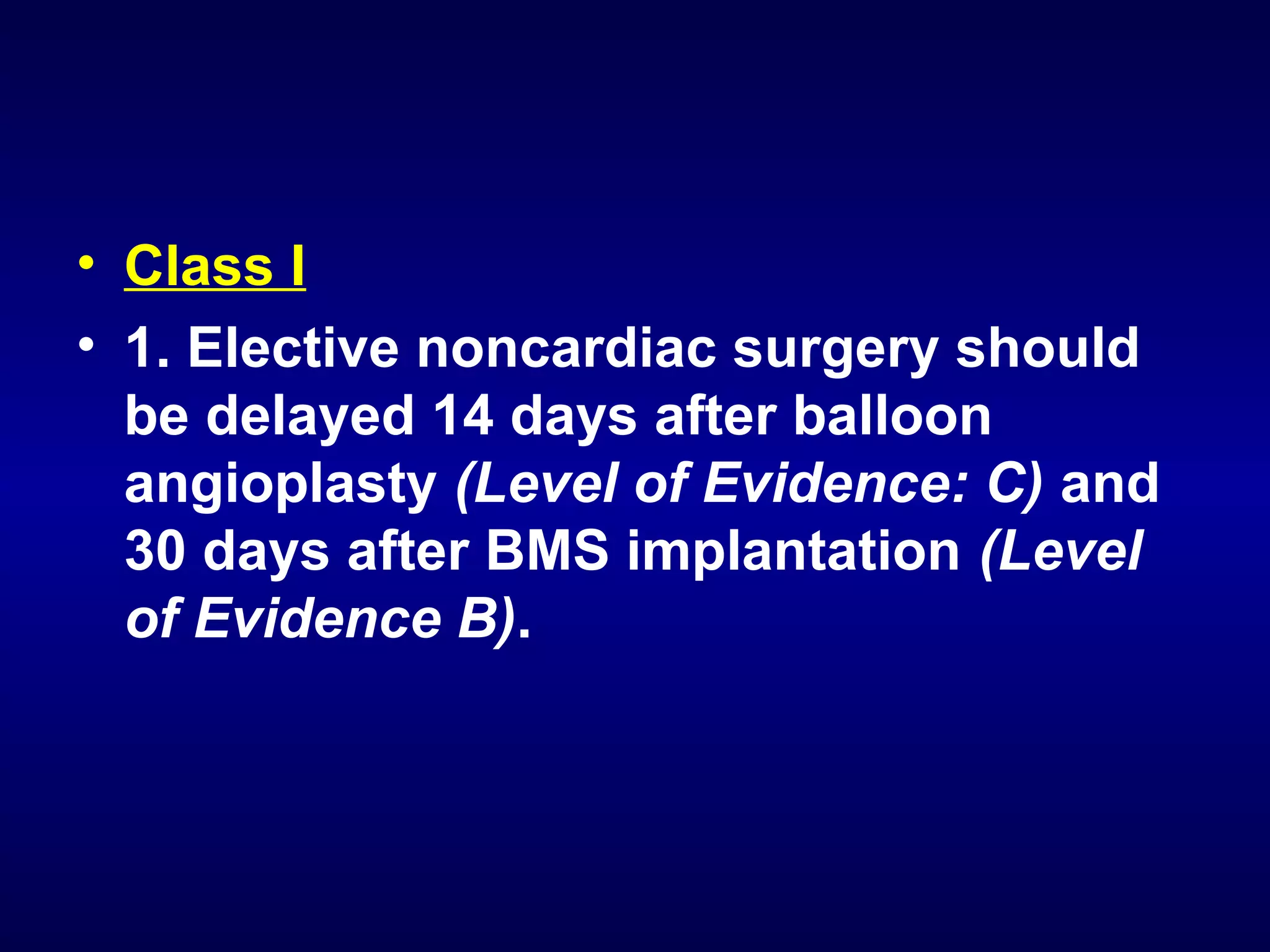
• Class I
• 1. Elective noncardiac surgery should
be delayed 14 days after balloon
angioplasty (Level of Evidence: C) and
30 days after BMS implantation (Level
of Evidence B).
• 2. Elective noncardiac surgery should
optimally be delayed 365 days after
drug-eluting stent (DES) implantation.
(Level of Evidence: B)
• Antiplatelet Agents: Recommendations
• ACC/AHA 2014
• Class I
• 1. In patients undergoing urgent noncardiac surgery
during the first 4 to 6 weeks after BMS or DES
implantation, DAPT should be continued unless the
relative risk of bleeding outweighs the benefit of the
prevention of stent thrombosis. (Level of Evidence:
C)
• 2. In patients who have received coronary stents and
must undergo surgical procedures that mandate the
discontinuation of P2Y12 platelet receptor–inhibitor
therapy, it is recommended that aspirin be continued
if possible and the P2Y12 platelet receptor–inhibitor
be restarted as soon as possible after surgery.
(Level of Evidence: C)
• 3. Management of the perioperative
antiplatelet therapy should be determined by a
consensus of the surgeon,anesthesiologist,
cardiologist, and patient, who should weigh
the relative risk of bleeding versus prevention
of stent thrombosis. (Level of Evidence: C)
• Class IIb
1. In patients undergoing nonemergency/nonurgent
noncardiac surgery who have not had previous
coronary stenting, it may be reasonable to continue
aspirin when the risk of potential increased
cardiac events outweighs the risk of increased
bleeding (298, 306). (Level of Evidence: B)
ANTITHROMBOTICS
• Use of therapeutic or full-dose anticoagulants
(as opposed to the lower-dose anticoagulation
often used for prevention of deep venous
thrombosis) is generally discouraged because of
their harmful effect on the ability to control and
contain surgical blood loss.
• Vitamin K antagonists (warfarin) are prescribed for stroke prevention
in patients with AF, for prevention of thrombotic and thromboembolic
complications in patients with prosthetic valves, and in patients
requiring deep venous thrombosis prophylaxis and treatment.
• Factor Xa inhibitors are prescribed for prevention of stroke in the
management of AF. Factor Xa inhibitors are not recommended for
long-term anticoagulation of prosthetic valves because of an
increased risk of thrombosis when compared with warfarin.
• The role of anticoagulants other than platelet inhibitors in the
secondary prevention of myocardial ischemia or MI has not
• been elucidated.
Weighing the Risks
HEMORRHAGE
THROMBOSIS
•Venous
•5-10% fatal
•<5% disabling
•Arterial
•20-40% fatal
•20-50% disabling
•Major bleeding
•9-13% fatal
•Rarely disabling
• The risks of bleeding for any surgical procedure must be
weighed against the benefit of remaining on anticoagulants
on a case-by-case basis.
• In some instances in which there is minimal to no risk of
bleeding, such as cataract surgery or minor dermatologic
procedures, it may be reasonable to continue
anticoagulation perioperatively.
Warfarin
• The most common indications for oral anticoagulant therapy are atrial fibrillation,
the presence of a mechanical heart valve, and venous thromboembolism. Warfarin
is the most common oral anticoagulant prescribed for the treatment and prophylaxis
of venous or arterial thromboembolism in India.
• The mean half-life of warfarin activity is approximately 40 hours and the
anticoagulant effect lasts 2–5 days.
• For most patients, the therapeutic target for the international normalised ratio (INR)
range is 2.0–3.0.
• For patients with a mechanical heart valve, the recommended INR range is 2.5–3.5.
• When considering how to manage patients on warfarin who require
surgery, it is helpful to weigh up the risk of bleeding versus the risk of
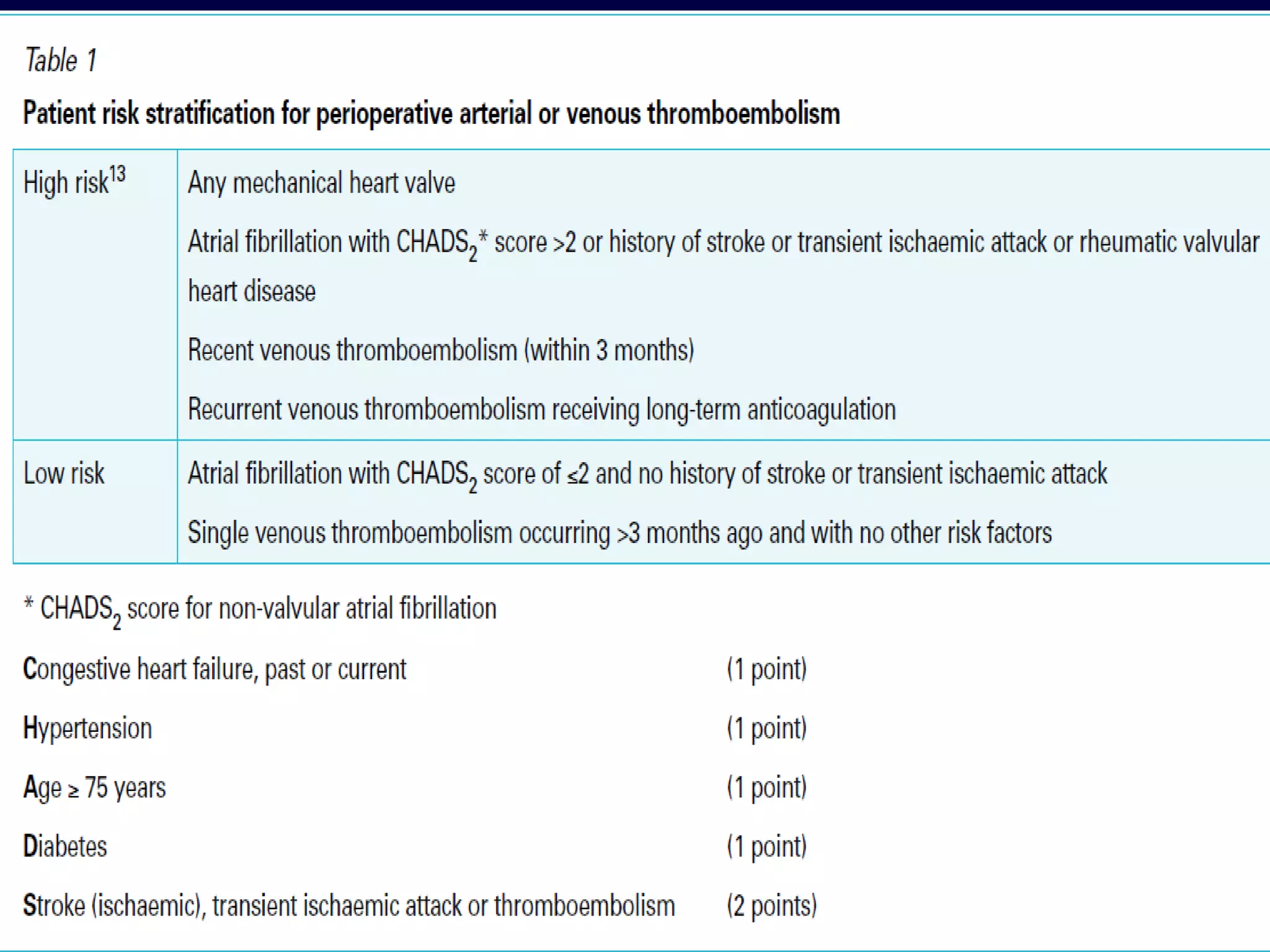
thromboembolism (Table 1). This requires consideration of:
• ■ indication for anticoagulation
• ■ history of any thrombotic events
• ■ type of surgery and its associated risks of bleeding and
thromboembolism, particularly with respect to postoperative venous
thromboembolism.
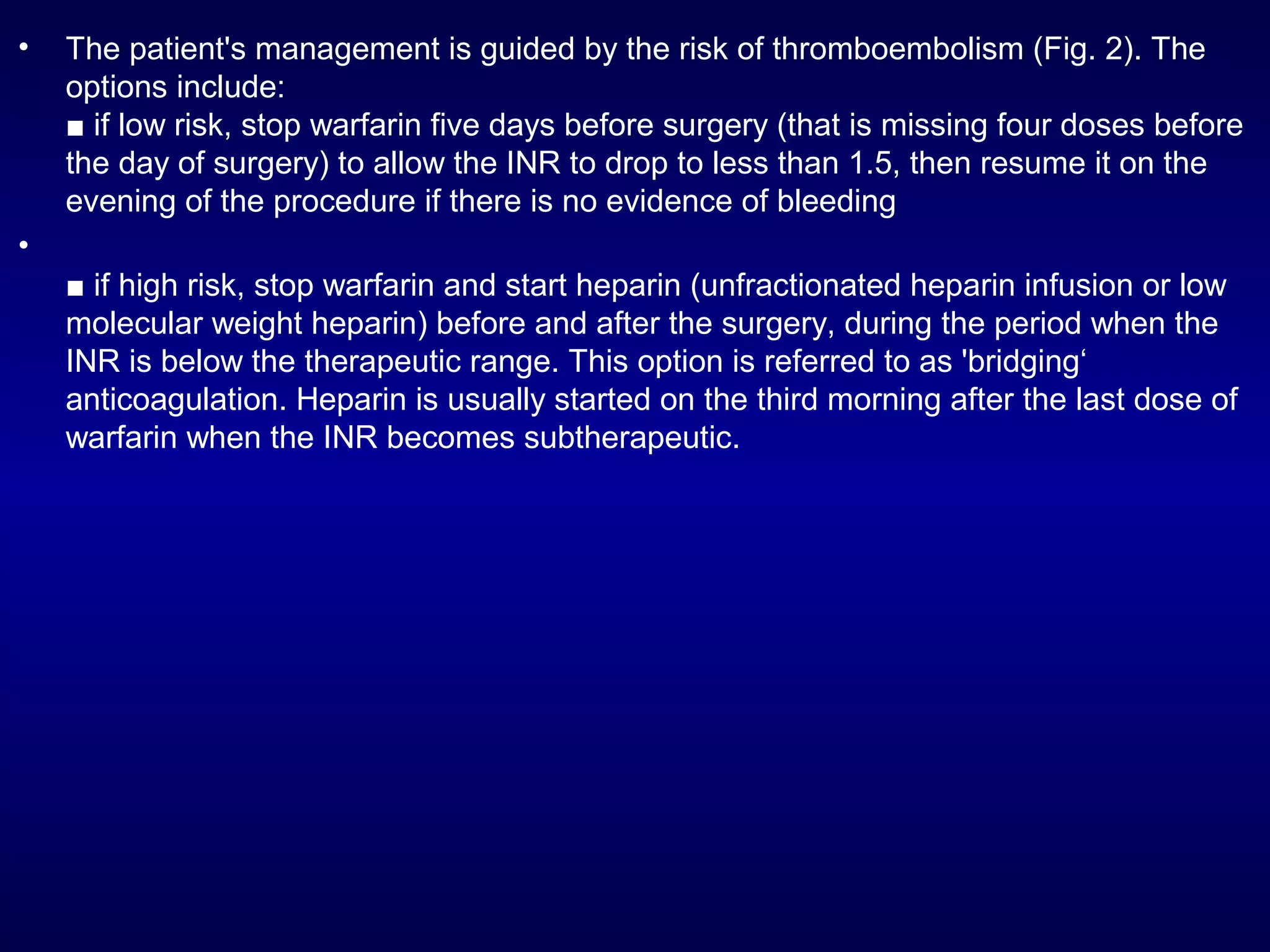
• The patient's management is guided by the risk of thromboembolism (Fig. 2). The
options include:
■ if low risk, stop warfarin five days before surgery (that is missing four doses before
the day of surgery) to allow the INR to drop to less than 1.5, then resume it on the
evening of the procedure if there is no evidence of bleeding
•
■ if high risk, stop warfarin and start heparin (unfractionated heparin infusion or low
molecular weight heparin) before and after the surgery, during the period when the
INR is below the therapeutic range. This option is referred to as 'bridging‘
anticoagulation. Heparin is usually started on the third morning after the last dose of
warfarin when the INR becomes subtherapeutic.
• Stopping heparin preoperatively
• For patients who receive bridging anticoagulation with therapeutic
doses of low molecular weight heparin, the last dose should be
administered at least 24 hours before the procedure. There is
evidence suggesting that there will be a residual anticoagulant effect
if low molecular weight heparin is given too close to the time of the
procedure. It is recommended that the last preoperative dose be
half the usual total daily dose.
• For unfractionated heparin, it is recommended that the infusion be
stopped 4–6 hours before the procedure.
• Resuming heparin postoperatively
• The factors that affect the risk of postoperative bleeding include the timing of the
anticoagulant dose after surgery, the dose of anticoagulant and the type of surgery along
with its associated bleeding risk.The following recommendations take all of these factors
into consideration:
• ■ warfarin can be resumed on the evening of the procedure (regardless of whether the
procedure is performed in the morning or afternoon), at the usual maintenance dose (no
loading dose)
• ■low molecular weight heparin or unfractionated heparin can be resumed 12–24 hours
following the procedure for mminor surgery. For major surgery, the first dose should be
24–72 hours post surgery.9 The initial dose will vary from the prophylactic dose (for
example, enoxaparin 40 mg daily) to the therapeutic dose (for example, enoxaparin 1
mg/kg twice daily) depending on the risk of thrombosis, and the risk of bleeding. This
needs to be individualised for each patient
Other anticoagulant drugs
• There are an increasing number of patients participating in clinical
trials that evaluate the efficacy and safety of other oral
anticoagulants such as rivaroxaban and dabigatran for the treatment
and prevention of venous and arterial thrombosis.
• Rivaroxaban, a direct factor Xa inhibitor, has a half-life of 4–9 hours.
• Dabigatran has a longer half-life of 14–17 hours.
• Bridging anticoagulation with a heparin can be used if indicated.
• This can be started 24 hours after the last dose of rivaroxaban or
dabigatran.
• Factor Xa inhibitors do not have a reversible agent available at this
time. For patients with AF and
• normal renal function undergoing elective procedures during which
hemostatic control is essential, such as
• major surgery, spine surgery, and epidural catheterization,
discontinuation of anticoagulants for ≥48 hours is
• suggested. Monitoring activated partial thromboplastin time for
dabigatran and prothrombin time for apixaban
• and rivaroxaban may be helpful; a level consistent with control
levels suggests a low serum concentration of the
• anticoagulant
Recommendations
• Revascularization for appropriate clinical
indications
• Maximize adjuvant medical therapy
– Aspirin
– Statin
– Beta blocker
• Close perioperative follow-up
Cardiac Issues in noncardiac
surgery
• Establish patient risk
• Assign procedural risk
• Test intermediate risk patients undergoing
intermediate or high risk surgery
• Optimize medical therapy
• Revascularization when clinically indicated
• ACC/AHA Guidelines
Anticoagulation / Antiplatelet Agents
• 55 year old male s/p
CABG in 2000. Drug
eluting stent placed to
native vessel in
August of 2008.
• Needs colonoscopy
• Can plavix and aspirin
be safely stopped?
• 70 year old white
female with chronic
AF needs shoulder
surgery
• History of CVA
• Warfarin 5 mg daily
• Does the patient need
some form of bridging
preoperatively?
CHADS score - AF
Circulation 2004; 110:2287 JAMA 2001; 285:2864
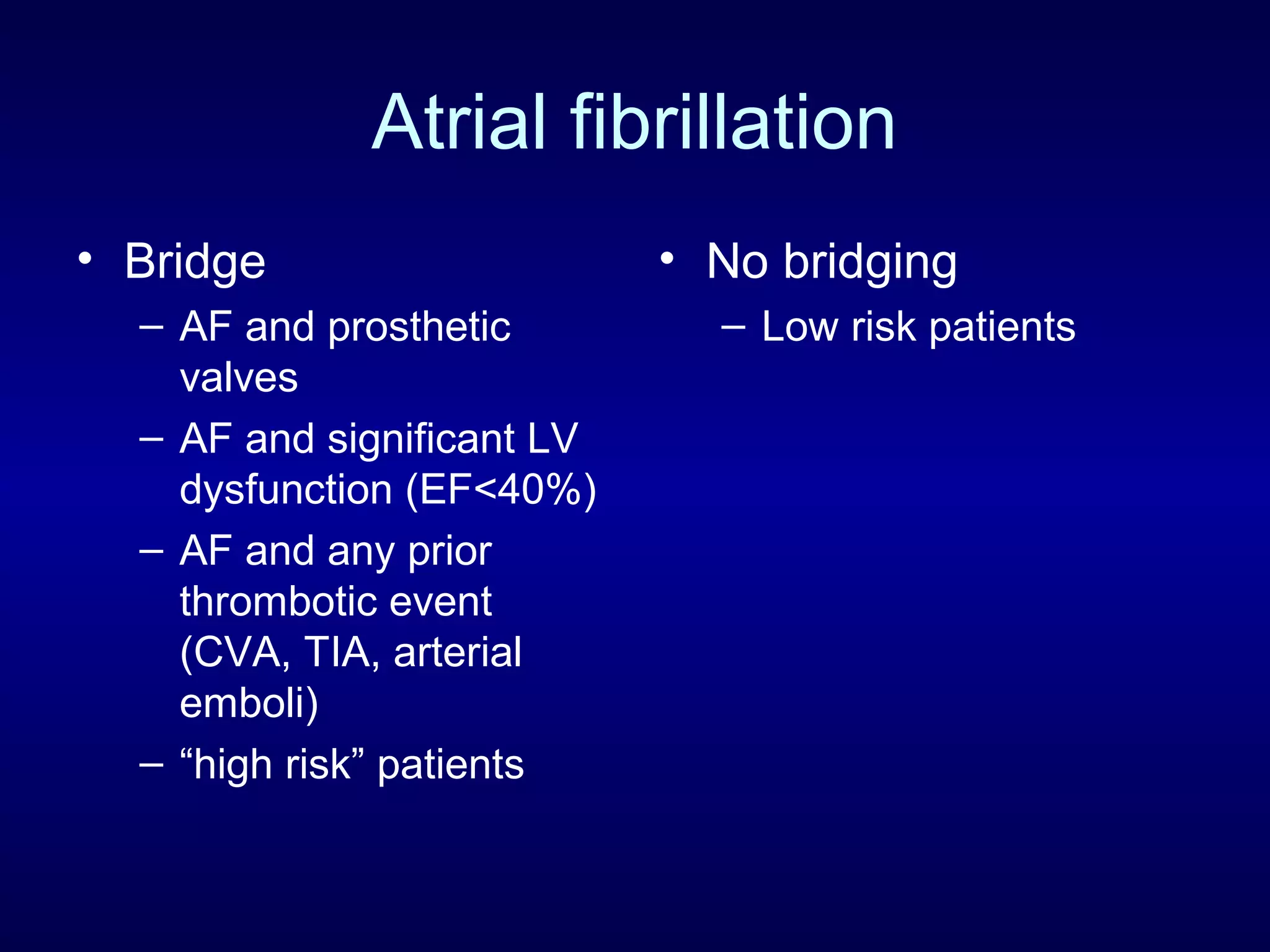
Atrial fibrillation
• Bridge
– AF and prosthetic
valves
– AF and significant LV
dysfunction (EF<40%)
– AF and any prior
thrombotic event
(CVA, TIA, arterial
emboli)
– “high risk” patients
• No bridging
– Low risk patients
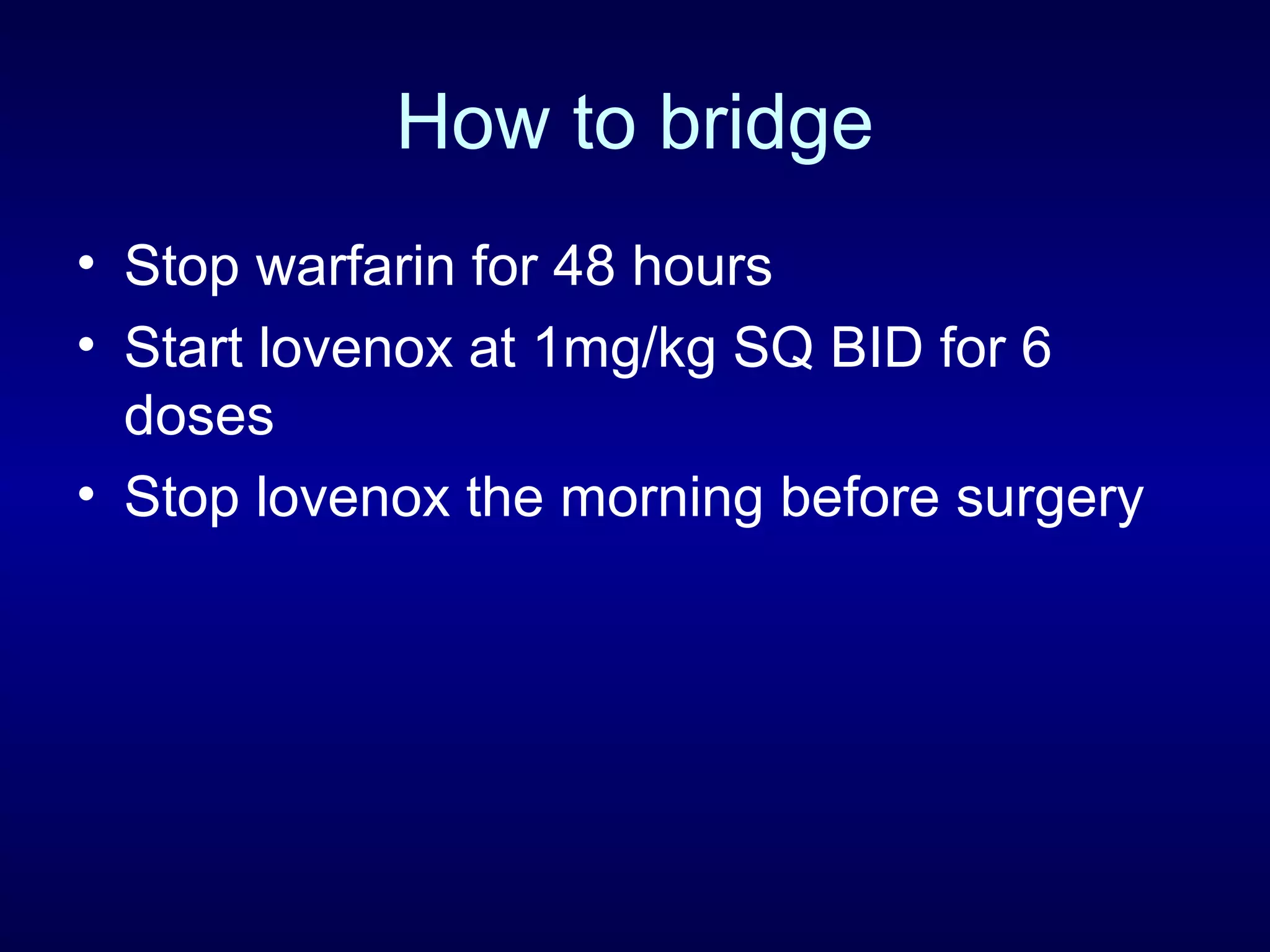
How to bridge
• Stop warfarin for 48 hours
• Start lovenox at 1mg/kg SQ BID for 6
doses
• Stop lovenox the morning before surgery
Prosthetic heart valves
• Bioprosthetic valves
– All, if in atrial fibrillation
• Mechanical valves
– All, regardless of rhythm
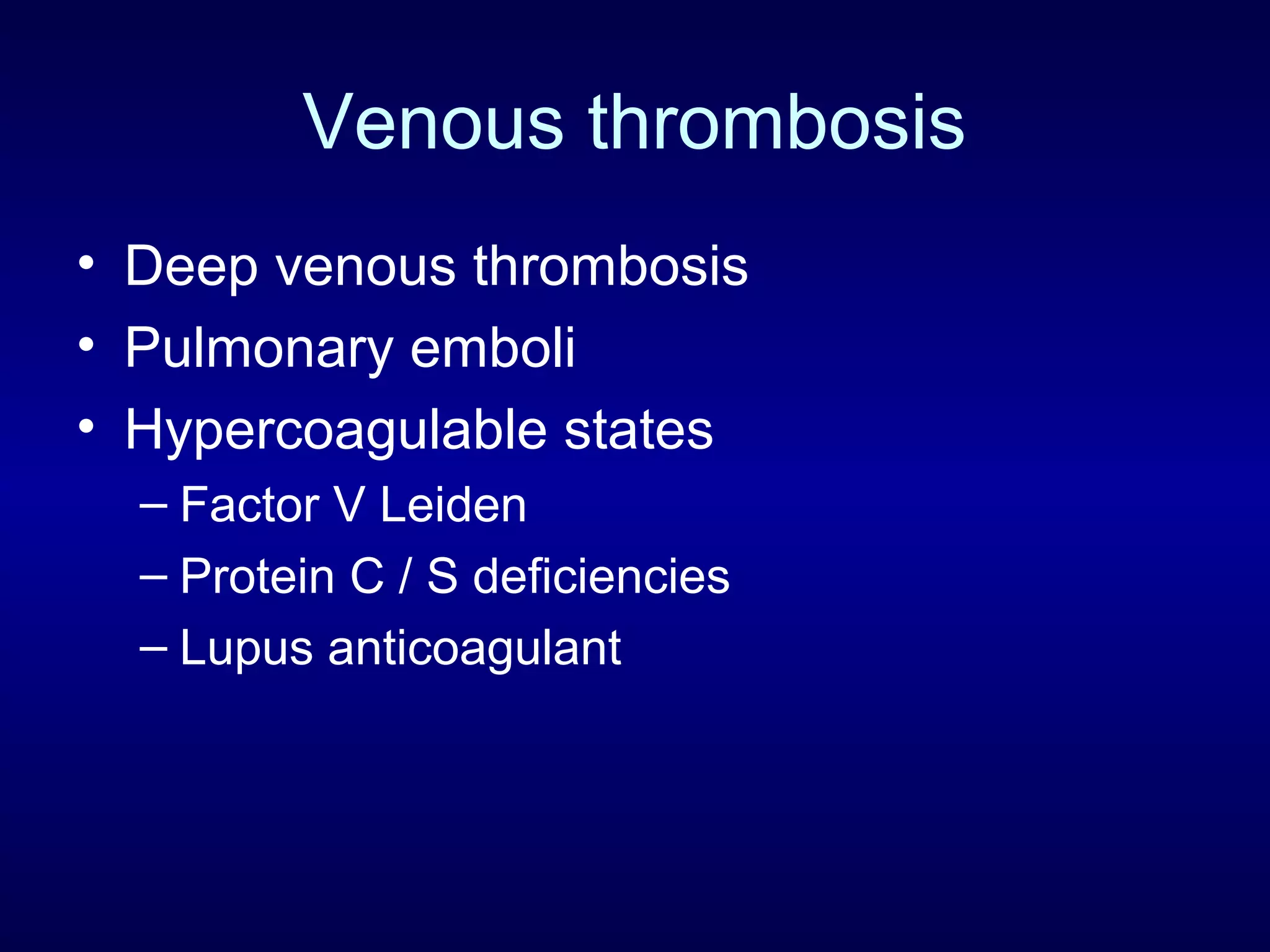
Venous thrombosis
• Deep venous thrombosis
• Pulmonary emboli
• Hypercoagulable states
– Factor V Leiden
– Protein C / S deficiencies
– Lupus anticoagulant
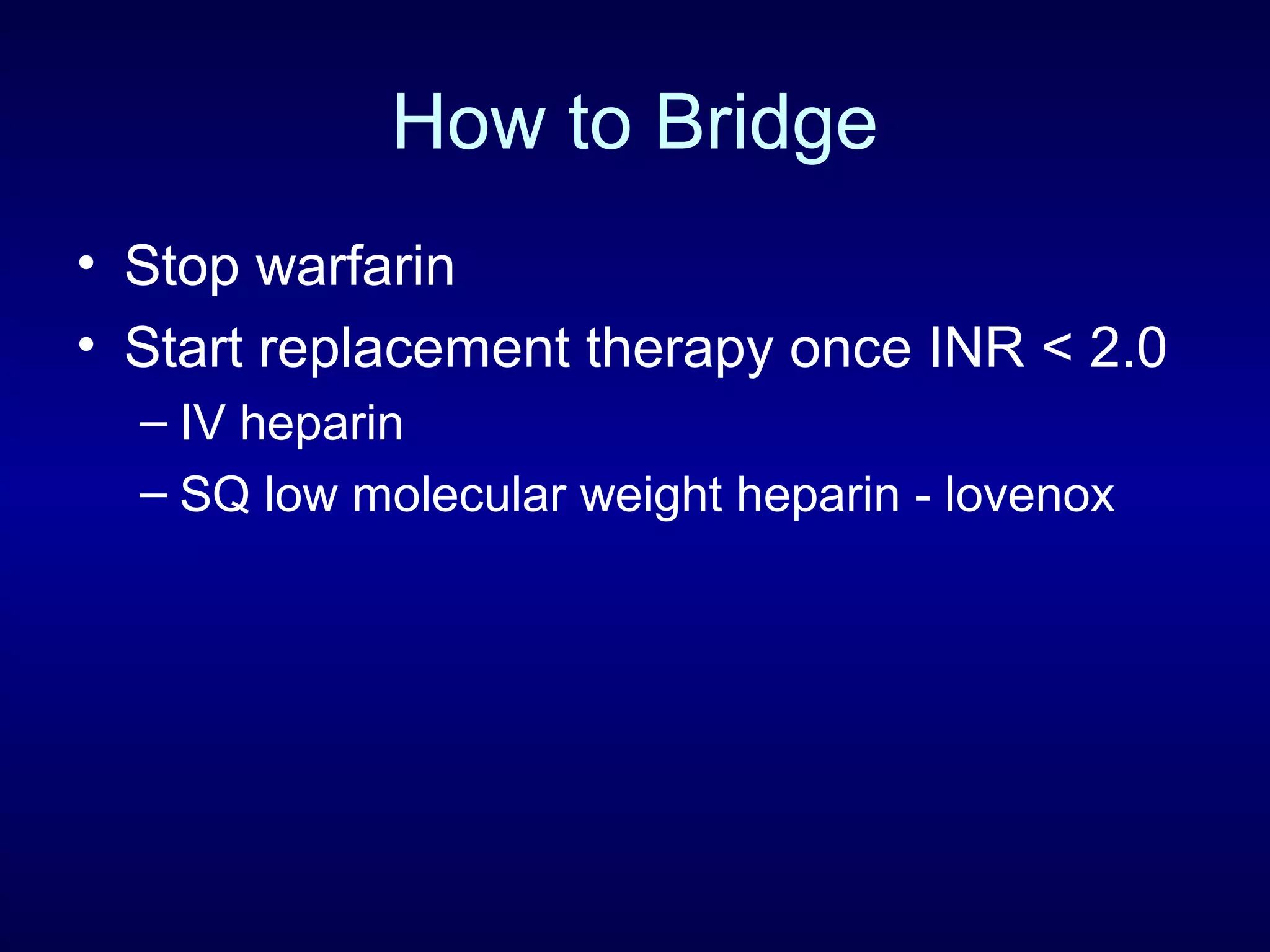
How to Bridge
• Stop warfarin
• Start replacement therapy once INR < 2.0
– IV heparin
– SQ low molecular weight heparin - lovenox
Improved cardiac care for
noncardiac surgery?
Yes, we can!
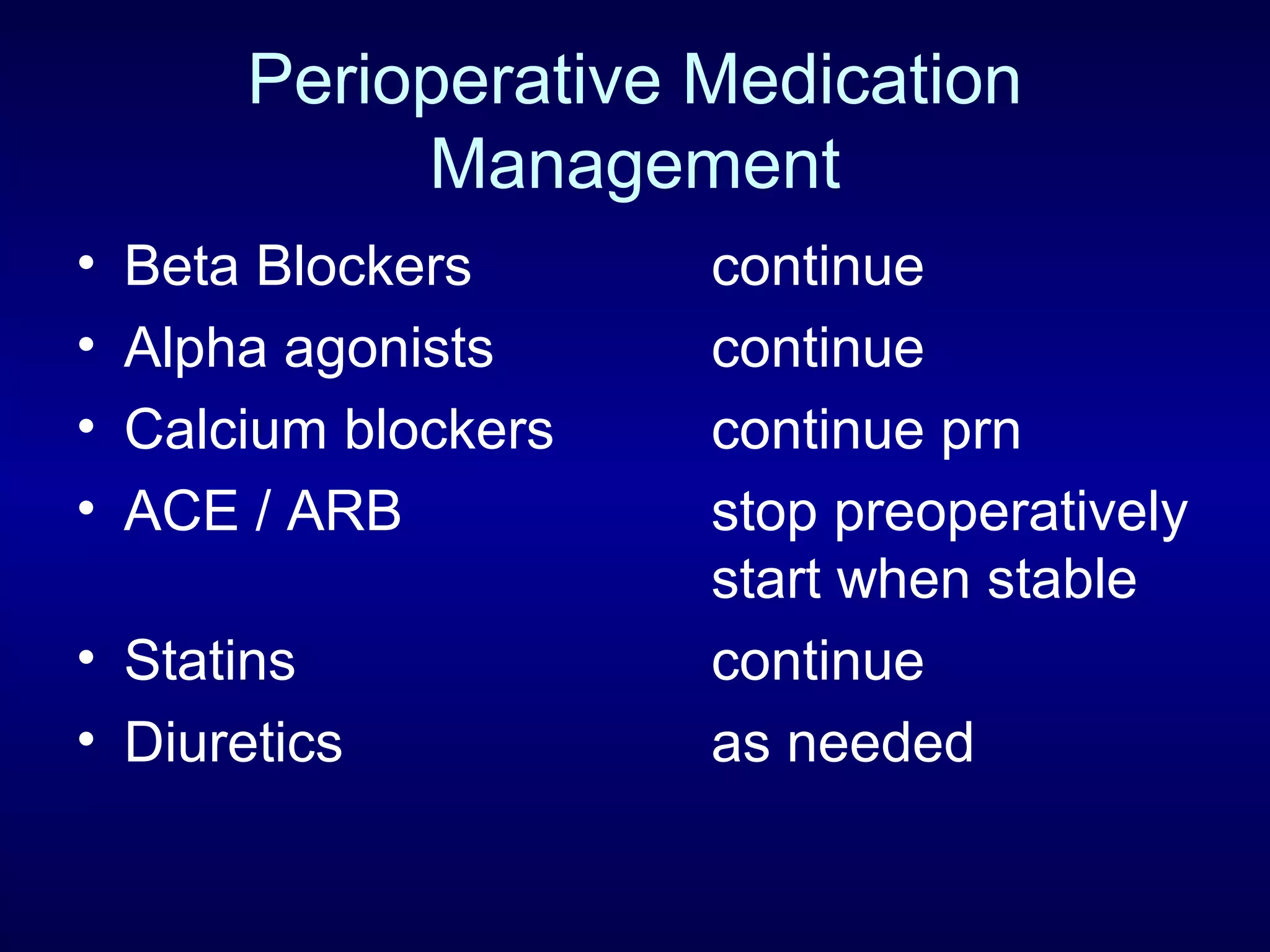
Perioperative Medication
Management
• Beta Blockers continue
• Alpha agonists continue
• Calcium blockers continue prn
• ACE / ARB stop preoperatively
start when stable
• Statins continue
• Diuretics as needed
• THANK YOU

Antiplatelets and anticoagulants in noncardiac surgeries

  • 1.
    Cardiac Issues WithNon-cardiac Surgery and role of antiplatelets and anticoagulants Dr Hiralal Pawar
  • 3.
    • With progressiveaging of the populations,the prevalence of coronary artery disease is increasing. • Antiplatelet agents are prescribed widely for primary and secondary prevention of cardiovascular disease and especially after percutaneous coronary interventions (PCI)and acute coronary syndromes
  • 4.
    • Currently ,over90% of all PCI involve stents used for a variety of indications • A rare but serious complications after coronary stent implantation is stent thrombosis • Different factors are known to be independantly correlated with an increase risk of stent thrombosis including high risk lesions, small vessel lesions,bifurcations,DM ,renal failure
  • 5.
    • Most importantrisk factor , however,is premature cessation of dual antiplatelet therapy with aspirin and thienopyridines • Recent report suggest that 5% of post PCI patients requires non cardiac surgery within 1 year period
  • 6.
    Objectives • Preoperative riskassessment • Antiplatelets • Anticoagulation and antithrombotic issues • Postoperative Management
  • 7.
    • We havepatients with following characteristics • 1)Post ACS—STEMI,NSTEMI,UA • 2)chronic stable angina • 3)post PCI • 4)post CABG
  • 8.
    Preoperative cardiac issues •How healthy is the patient? • How active is the patient? • How risky in the planned surgery? • Is preoperative cardiac testing necessary? • What preventive measures can be taken to reduce cardiac risk?
  • 11.
    • In describingthe temporal necessity of operations in this CPG, the GWC developed the following definitions by • consensus. • An emergency procedure is one in which life or limb is threatened if not in the operating room where there is time for no or very limited or minimal clinical evaluation, typically within <6 hours.
  • 12.
    • An urgentprocedure is one in which there may be time for a limited clinical evaluation, usually when life or limb is threatened if not in the operating room, typically between 6 and 24 hours. • A time-sensitive procedure is one in which a delay of >1 to 6 weeks to allow for an evaluation and significant changes in management will negatively affect outcome • Most oncologic procedures would fall into this category
  • 13.
    •An elective procedureis one in which the procedure could be delayed for up to 1 year. Individual institutions may use slightly different definitions, but this framework could be mapped to local categories. •A low-risk procedure is one in which the combined surgical and patient characteristics predict a risk of a major adverse cardiac event (MACE) of death or myocardial infarction (MI) of <1%. Selected examples of low-risk procedures include cataract and plastic surgery . • Procedures with a risk of MACE of ≥1% are considered elevated risk.
  • 17.
  • 18.
  • 22.
  • 28.
    Who to test? •Intermediate risk patients undergoing intermediate or high risk surgery • Testing does not add additional information in low risk or high risk patient groups.
  • 29.
    What test? • Wellvalidated – Exercise or pharmacologic echocardiography – Exercise or pharmacologic Cardiolite – CTA – MRI – Cardiac angiography*
  • 30.
    Therapies to reduceperioperative cardiac complications • Revascularization – Percutaneous revascularization – CABG • Medical therapy
  • 31.
    • The CoronaryArtery Revascularization Prophylaxis (CARP) trial compared optimal medical therapy with revascularization (CABG or PCI) in patients with stable IHD before major non cardiac surgery. • The results of the CARP study indicated that systematic prophylactic revascularization before vascular surgery does not improve clinical outcomes in stable patients.
  • 32.
    Timing of ElectiveNoncardiac Surgery in Patients With Previous PCI: ACC/AHA 2014 • Recommendations
  • 33.
    • Class I •1. Elective noncardiac surgery should be delayed 14 days after balloon angioplasty (Level of Evidence: C) and 30 days after BMS implantation (Level of Evidence B).
  • 34.
    • 2. Electivenoncardiac surgery should optimally be delayed 365 days after drug-eluting stent (DES) implantation. (Level of Evidence: B)
  • 35.
    • Antiplatelet Agents:Recommendations • ACC/AHA 2014
  • 36.
    • Class I •1. In patients undergoing urgent noncardiac surgery during the first 4 to 6 weeks after BMS or DES implantation, DAPT should be continued unless the relative risk of bleeding outweighs the benefit of the prevention of stent thrombosis. (Level of Evidence: C) • 2. In patients who have received coronary stents and must undergo surgical procedures that mandate the discontinuation of P2Y12 platelet receptor–inhibitor therapy, it is recommended that aspirin be continued if possible and the P2Y12 platelet receptor–inhibitor be restarted as soon as possible after surgery. (Level of Evidence: C)
  • 37.
    • 3. Managementof the perioperative antiplatelet therapy should be determined by a consensus of the surgeon,anesthesiologist, cardiologist, and patient, who should weigh the relative risk of bleeding versus prevention of stent thrombosis. (Level of Evidence: C)
  • 38.
    • Class IIb 1.In patients undergoing nonemergency/nonurgent noncardiac surgery who have not had previous coronary stenting, it may be reasonable to continue aspirin when the risk of potential increased cardiac events outweighs the risk of increased bleeding (298, 306). (Level of Evidence: B)
  • 41.
    ANTITHROMBOTICS • Use oftherapeutic or full-dose anticoagulants (as opposed to the lower-dose anticoagulation often used for prevention of deep venous thrombosis) is generally discouraged because of their harmful effect on the ability to control and contain surgical blood loss.
  • 42.
    • Vitamin Kantagonists (warfarin) are prescribed for stroke prevention in patients with AF, for prevention of thrombotic and thromboembolic complications in patients with prosthetic valves, and in patients requiring deep venous thrombosis prophylaxis and treatment. • Factor Xa inhibitors are prescribed for prevention of stroke in the management of AF. Factor Xa inhibitors are not recommended for long-term anticoagulation of prosthetic valves because of an increased risk of thrombosis when compared with warfarin. • The role of anticoagulants other than platelet inhibitors in the secondary prevention of myocardial ischemia or MI has not • been elucidated.
  • 43.
    Weighing the Risks HEMORRHAGE THROMBOSIS •Venous •5-10%fatal •<5% disabling •Arterial •20-40% fatal •20-50% disabling •Major bleeding •9-13% fatal •Rarely disabling
  • 44.
    • The risksof bleeding for any surgical procedure must be weighed against the benefit of remaining on anticoagulants on a case-by-case basis. • In some instances in which there is minimal to no risk of bleeding, such as cataract surgery or minor dermatologic procedures, it may be reasonable to continue anticoagulation perioperatively.
  • 45.
  • 46.
    • The mostcommon indications for oral anticoagulant therapy are atrial fibrillation, the presence of a mechanical heart valve, and venous thromboembolism. Warfarin is the most common oral anticoagulant prescribed for the treatment and prophylaxis of venous or arterial thromboembolism in India. • The mean half-life of warfarin activity is approximately 40 hours and the anticoagulant effect lasts 2–5 days. • For most patients, the therapeutic target for the international normalised ratio (INR) range is 2.0–3.0. • For patients with a mechanical heart valve, the recommended INR range is 2.5–3.5.
  • 47.
    • When consideringhow to manage patients on warfarin who require surgery, it is helpful to weigh up the risk of bleeding versus the risk of thromboembolism (Table 1). This requires consideration of: • ■ indication for anticoagulation • ■ history of any thrombotic events • ■ type of surgery and its associated risks of bleeding and thromboembolism, particularly with respect to postoperative venous thromboembolism.
  • 49.
    • The patient'smanagement is guided by the risk of thromboembolism (Fig. 2). The options include: ■ if low risk, stop warfarin five days before surgery (that is missing four doses before the day of surgery) to allow the INR to drop to less than 1.5, then resume it on the evening of the procedure if there is no evidence of bleeding • ■ if high risk, stop warfarin and start heparin (unfractionated heparin infusion or low molecular weight heparin) before and after the surgery, during the period when the INR is below the therapeutic range. This option is referred to as 'bridging‘ anticoagulation. Heparin is usually started on the third morning after the last dose of warfarin when the INR becomes subtherapeutic.
  • 52.
    • Stopping heparinpreoperatively • For patients who receive bridging anticoagulation with therapeutic doses of low molecular weight heparin, the last dose should be administered at least 24 hours before the procedure. There is evidence suggesting that there will be a residual anticoagulant effect if low molecular weight heparin is given too close to the time of the procedure. It is recommended that the last preoperative dose be half the usual total daily dose. • For unfractionated heparin, it is recommended that the infusion be stopped 4–6 hours before the procedure.
  • 53.
    • Resuming heparinpostoperatively • The factors that affect the risk of postoperative bleeding include the timing of the anticoagulant dose after surgery, the dose of anticoagulant and the type of surgery along with its associated bleeding risk.The following recommendations take all of these factors into consideration: • ■ warfarin can be resumed on the evening of the procedure (regardless of whether the procedure is performed in the morning or afternoon), at the usual maintenance dose (no loading dose) • ■low molecular weight heparin or unfractionated heparin can be resumed 12–24 hours following the procedure for mminor surgery. For major surgery, the first dose should be 24–72 hours post surgery.9 The initial dose will vary from the prophylactic dose (for example, enoxaparin 40 mg daily) to the therapeutic dose (for example, enoxaparin 1 mg/kg twice daily) depending on the risk of thrombosis, and the risk of bleeding. This needs to be individualised for each patient
  • 54.
    Other anticoagulant drugs •There are an increasing number of patients participating in clinical trials that evaluate the efficacy and safety of other oral anticoagulants such as rivaroxaban and dabigatran for the treatment and prevention of venous and arterial thrombosis. • Rivaroxaban, a direct factor Xa inhibitor, has a half-life of 4–9 hours. • Dabigatran has a longer half-life of 14–17 hours. • Bridging anticoagulation with a heparin can be used if indicated. • This can be started 24 hours after the last dose of rivaroxaban or dabigatran.
  • 56.
    • Factor Xainhibitors do not have a reversible agent available at this time. For patients with AF and • normal renal function undergoing elective procedures during which hemostatic control is essential, such as • major surgery, spine surgery, and epidural catheterization, discontinuation of anticoagulants for ≥48 hours is • suggested. Monitoring activated partial thromboplastin time for dabigatran and prothrombin time for apixaban • and rivaroxaban may be helpful; a level consistent with control levels suggests a low serum concentration of the • anticoagulant
  • 59.
    Recommendations • Revascularization forappropriate clinical indications • Maximize adjuvant medical therapy – Aspirin – Statin – Beta blocker • Close perioperative follow-up
  • 60.
    Cardiac Issues innoncardiac surgery • Establish patient risk • Assign procedural risk • Test intermediate risk patients undergoing intermediate or high risk surgery • Optimize medical therapy • Revascularization when clinically indicated • ACC/AHA Guidelines
  • 61.
    Anticoagulation / AntiplateletAgents • 55 year old male s/p CABG in 2000. Drug eluting stent placed to native vessel in August of 2008. • Needs colonoscopy • Can plavix and aspirin be safely stopped? • 70 year old white female with chronic AF needs shoulder surgery • History of CVA • Warfarin 5 mg daily • Does the patient need some form of bridging preoperatively?
  • 62.
    CHADS score -AF Circulation 2004; 110:2287 JAMA 2001; 285:2864
  • 63.
    Atrial fibrillation • Bridge –AF and prosthetic valves – AF and significant LV dysfunction (EF<40%) – AF and any prior thrombotic event (CVA, TIA, arterial emboli) – “high risk” patients • No bridging – Low risk patients
  • 64.
    How to bridge •Stop warfarin for 48 hours • Start lovenox at 1mg/kg SQ BID for 6 doses • Stop lovenox the morning before surgery
  • 65.
    Prosthetic heart valves •Bioprosthetic valves – All, if in atrial fibrillation • Mechanical valves – All, regardless of rhythm
  • 66.
    Venous thrombosis • Deepvenous thrombosis • Pulmonary emboli • Hypercoagulable states – Factor V Leiden – Protein C / S deficiencies – Lupus anticoagulant
  • 67.
    How to Bridge •Stop warfarin • Start replacement therapy once INR < 2.0 – IV heparin – SQ low molecular weight heparin - lovenox
  • 68.
    Improved cardiac carefor noncardiac surgery? Yes, we can!
  • 69.
    Perioperative Medication Management • BetaBlockers continue • Alpha agonists continue • Calcium blockers continue prn • ACE / ARB stop preoperatively start when stable • Statins continue • Diuretics as needed
  • 70.