By-
Dr. Prerana B. Jadhav
M. Pharm, Ph.D.
Pharmaceutical Chemistry
Assistant Professor,
Sanjivani College of Pharmaceutical Education and
Research, Kopargaon.
ANTIDIABETIC
AGENTS
Introduction
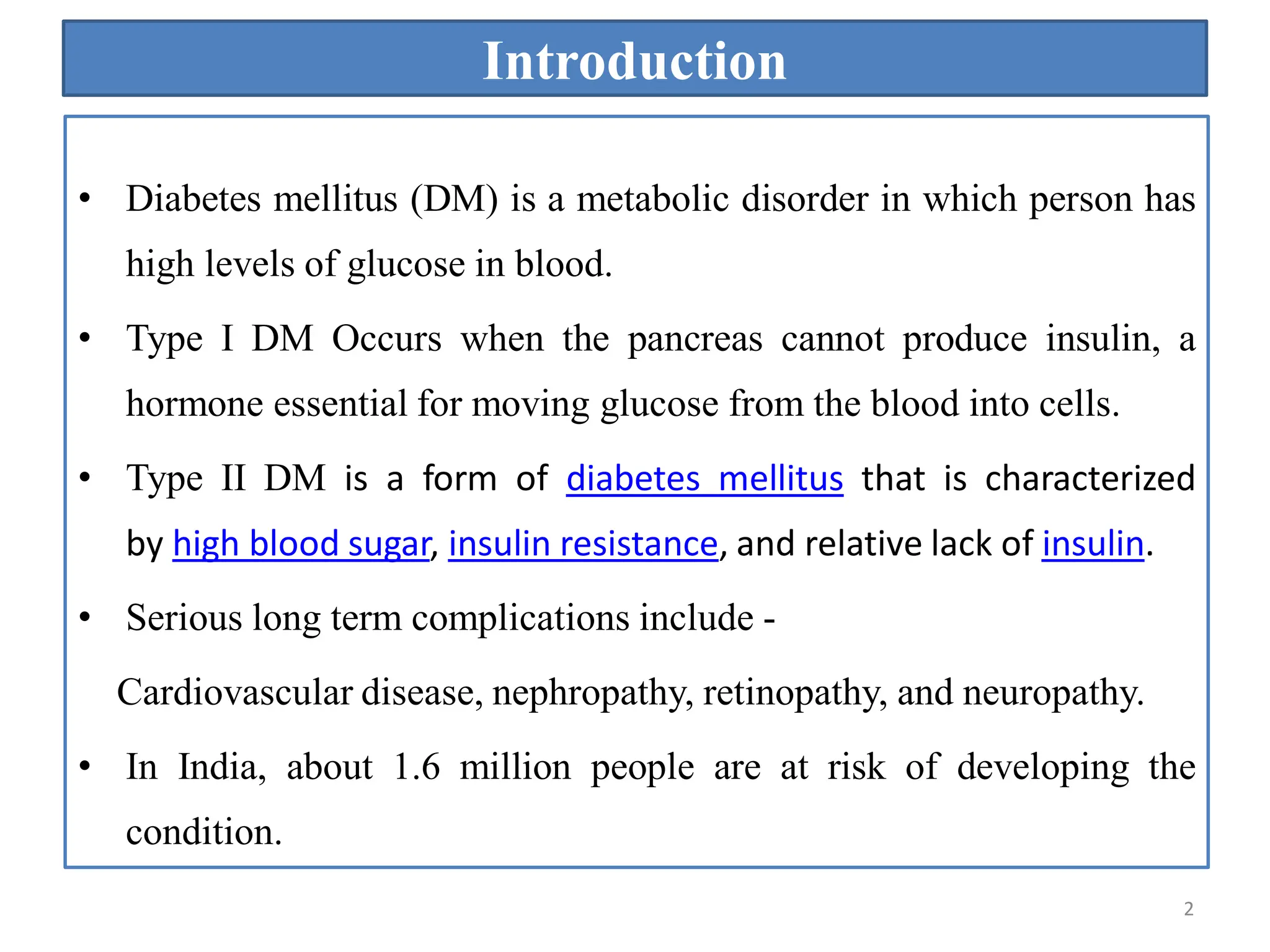
• Diabetes mellitus (DM) is a metabolic disorder in which person has
high levels of glucose in blood.
• Type I DM Occurs when the pancreas cannot produce insulin, a
hormone essential for moving glucose from the blood into cells.
• Type II DM is a form of diabetes mellitus that is characterized
by high blood sugar, insulin resistance, and relative lack of insulin.
• Serious long term complications include -
Cardiovascular disease, nephropathy, retinopathy, and neuropathy.
• In India, about 1.6 million people are at risk of developing the
condition.
2
Introduction
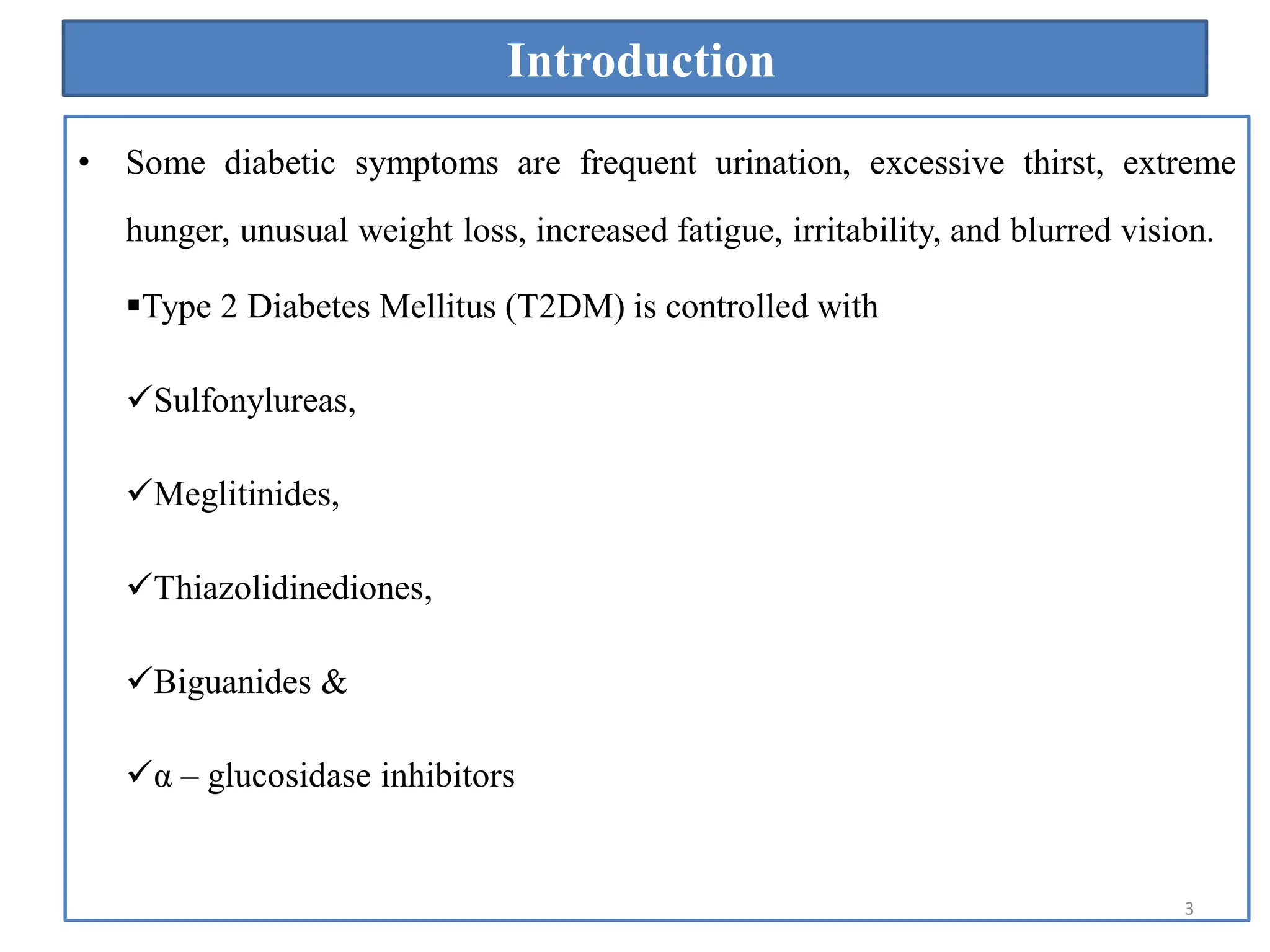
• Some diabetic symptoms are frequent urination, excessive thirst, extreme
hunger, unusual weight loss, increased fatigue, irritability, and blurred vision.
Type 2 Diabetes Mellitus (T2DM) is controlled with
Sulfonylureas,
Meglitinides,
Thiazolidinediones,
Biguanides &
α – glucosidase inhibitors
3
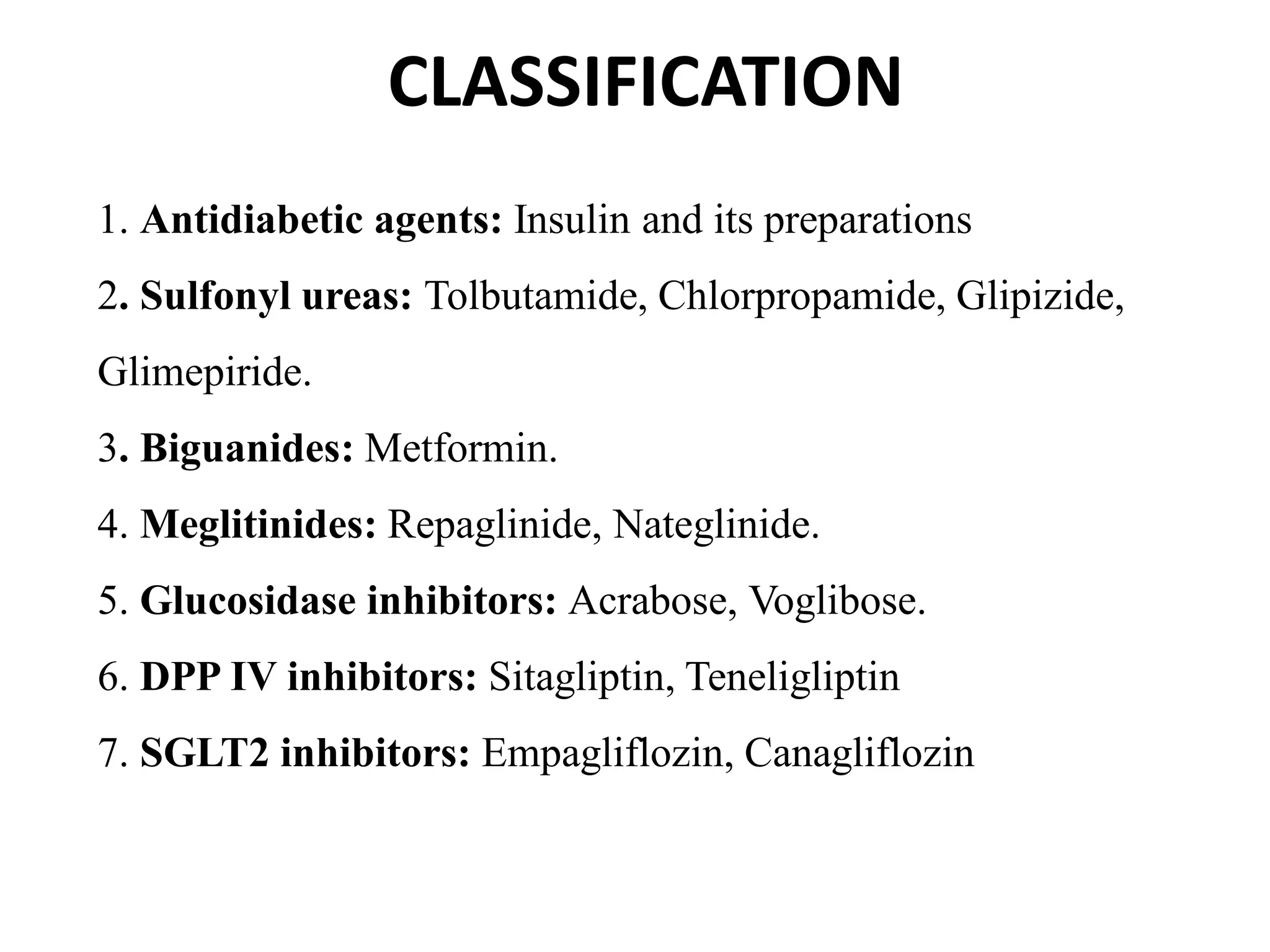
CLASSIFICATION
1. Antidiabetic agents: Insulin and its preparations
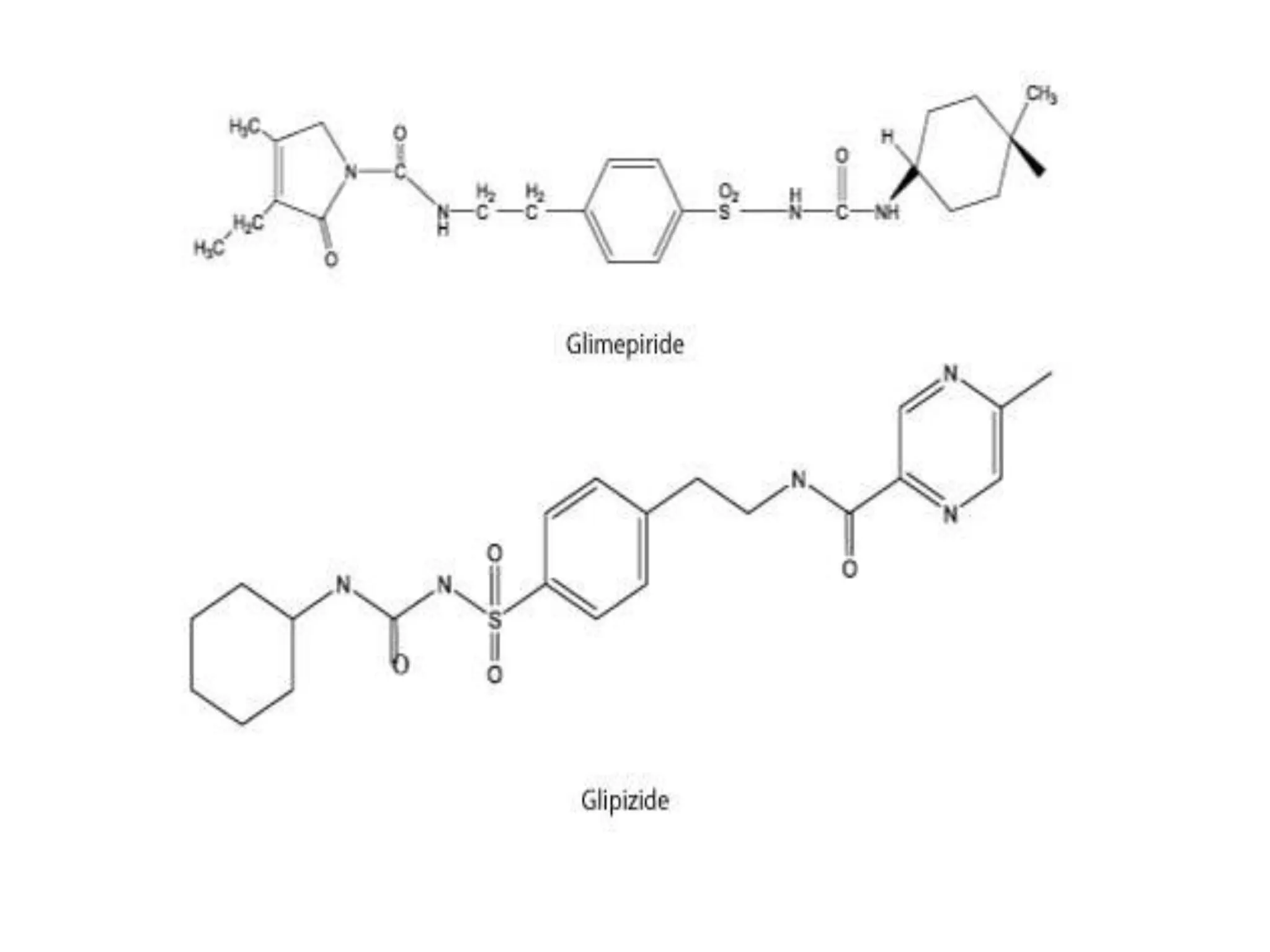
2. Sulfonyl ureas: Tolbutamide, Chlorpropamide, Glipizide,
Glimepiride.
3. Biguanides: Metformin.
4. Meglitinides: Repaglinide, Nateglinide.
5. Glucosidase inhibitors: Acrabose, Voglibose.
6. DPP IV inhibitors: Sitagliptin, Teneligliptin
7. SGLT2 inhibitors: Empagliflozin, Canagliflozin
INSULIN
• Insulin, a pancreatic hormone, is a specific
antidiabetic agent, especially for type-I diabetes.
• Human insulin is a double-chain protein that
contains 51 amino acids (chain A-21 amino acids,
and chain B-30 amino acids), which are bound
together by disulphide bridges.
• In the body, insulin is synthesized by β cells of Langerhans islets in the pancreas.
• In β cells, insulin is synthesized from the proinsulin precursor
molecule (pro-insulin consists of three domains: an amino-terminal
B chain, a carboxy-terminal A chain, and a connecting peptide in
the middle known as the C peptide) by the action of proteolytic
enzymes, known as prohormone convertases (PC1 and PC2),as well
as the exoprotease carboxypeptidase E. These modifications of pro-
insulin remove the centre portion of the molecule (i.e., C peptide)
from the C- and N-terminal ends of pro-insulin.
• The remaining polypeptides (51 amino acids in total), the B- and A-chains, are
bound together by disulphide bonds.
MOA of Insulin
• Insulin acts by binding with specific receptors on the
surface of the insulin-sensitive tissues such as skeletal
muscle, cardiac muscle, fatty tissue, and leukocytes. Insulin
lowers the sugar content in the blood by turning glucose
into glycogen.
• Using insulin in diabetes mellitus leads to lower levels of
sugar in the blood, and a build-up of glycogen in tissues.
• Insulin is usually taken as subcutaneous
injections by single-use syringes with needles.
Oral hypoglycaemic agents
• Antidiabetic drugs are drugs that lower the level of glucose (sugar)
in the blood.
• Sulfonylureas: Tolbutamide, Chlorpropamide, Glipizide,
Glimepiride.
• Biguanides: Metformin.
• Meglitinides: Repaglinide, Nateglinide.
• Glucosidase inhibitors: Acrabose, Voglibose.
• DPP IV inhibitors: Sitagliptin, Teneligliptin
• SGLT2 inhibitors: Empagliflozin, Canagliflozin
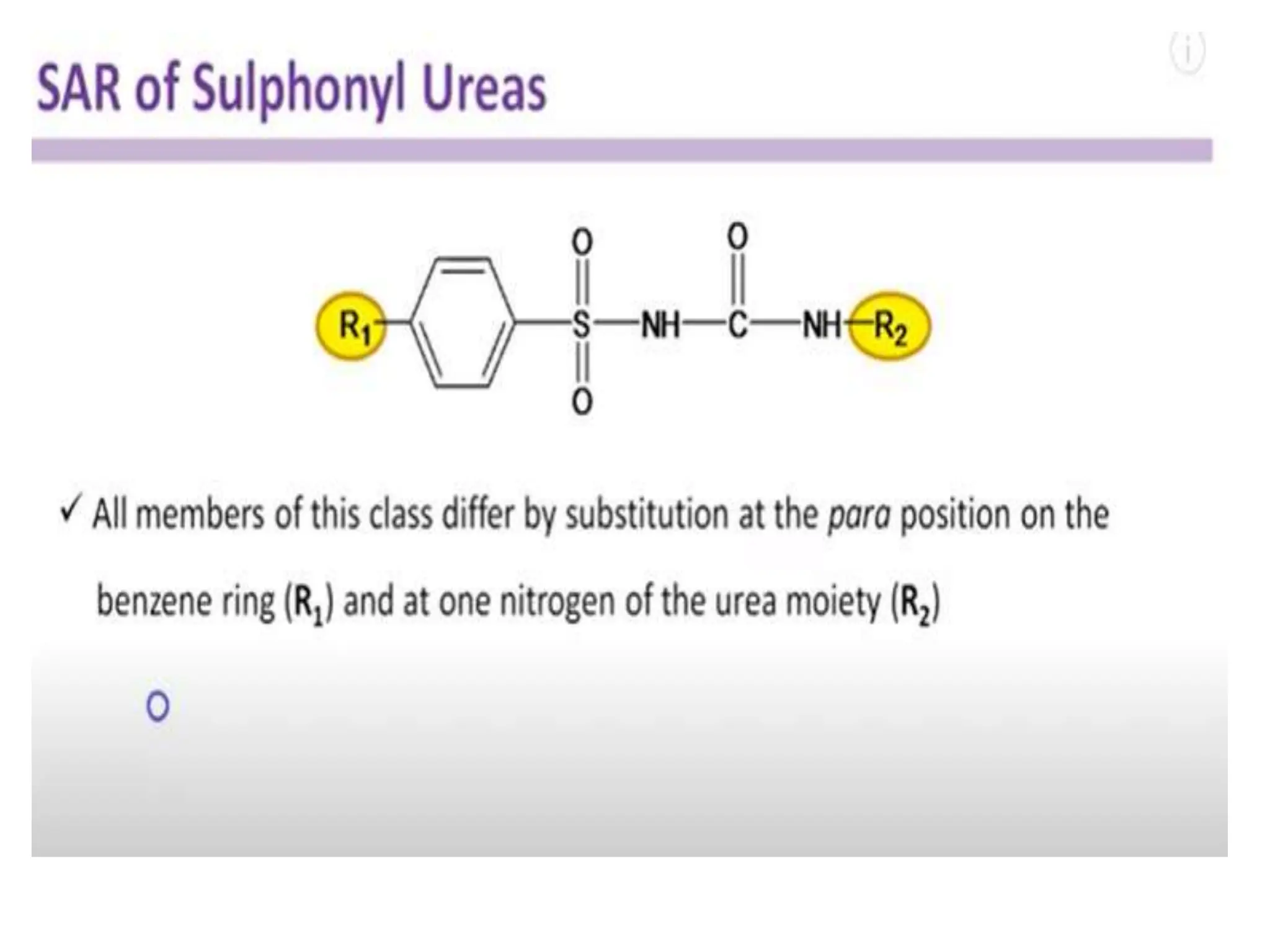
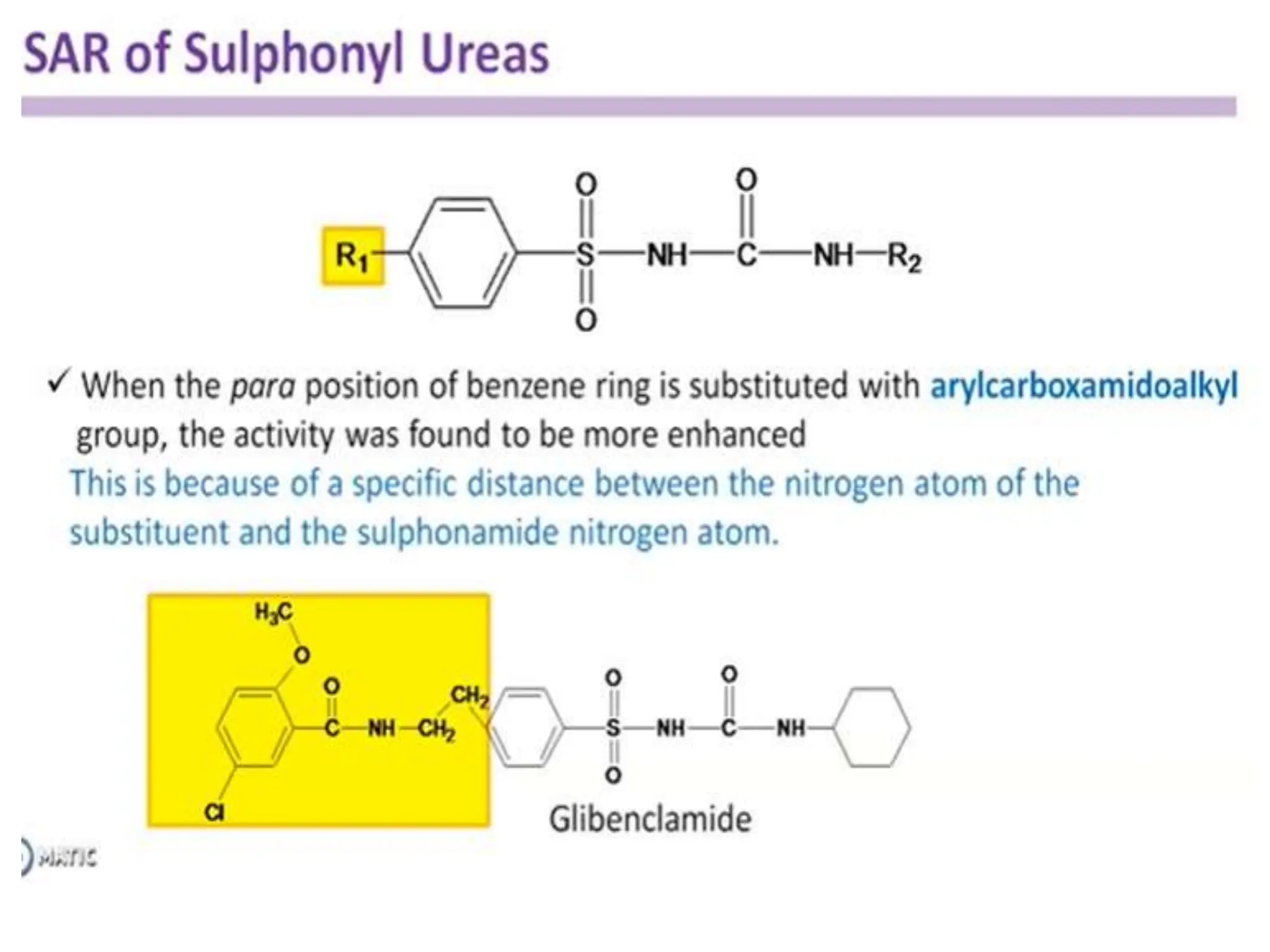
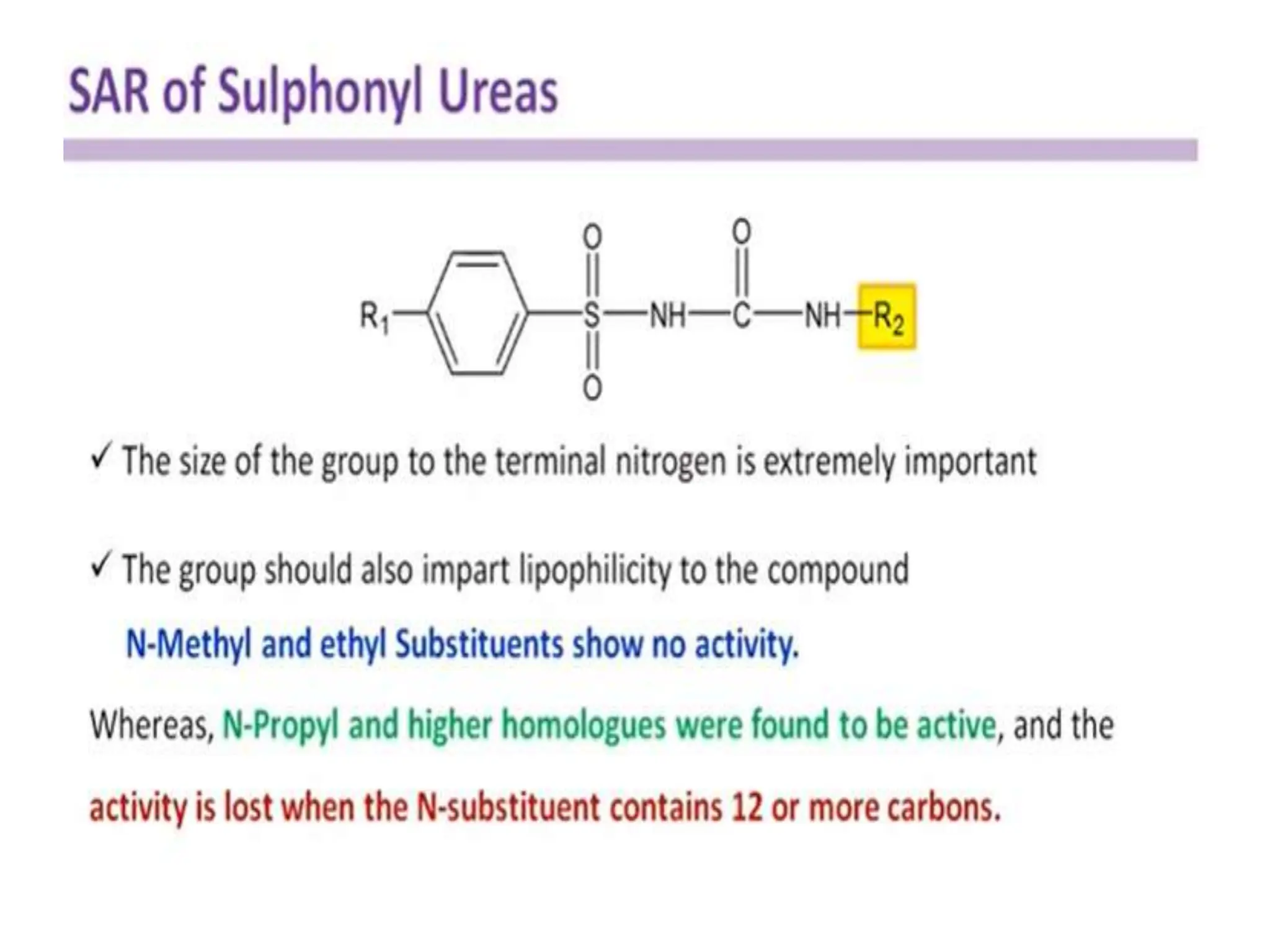
Sulfonylureas
• Discovery
• The compound 2-(p -aminobenzenesulphonamido)-5-isopropyl -thiadiazole
(IPTD) was used in the treatment of typhoid fever in the early 1940s.
• However, many patients died from being treated with heavy doses of the drug.
• These deaths were eventually attributed to acute and prolonged hypoglycaemia.
• IPTD did not come to be used as hypoglycaemic agents because a second drug,
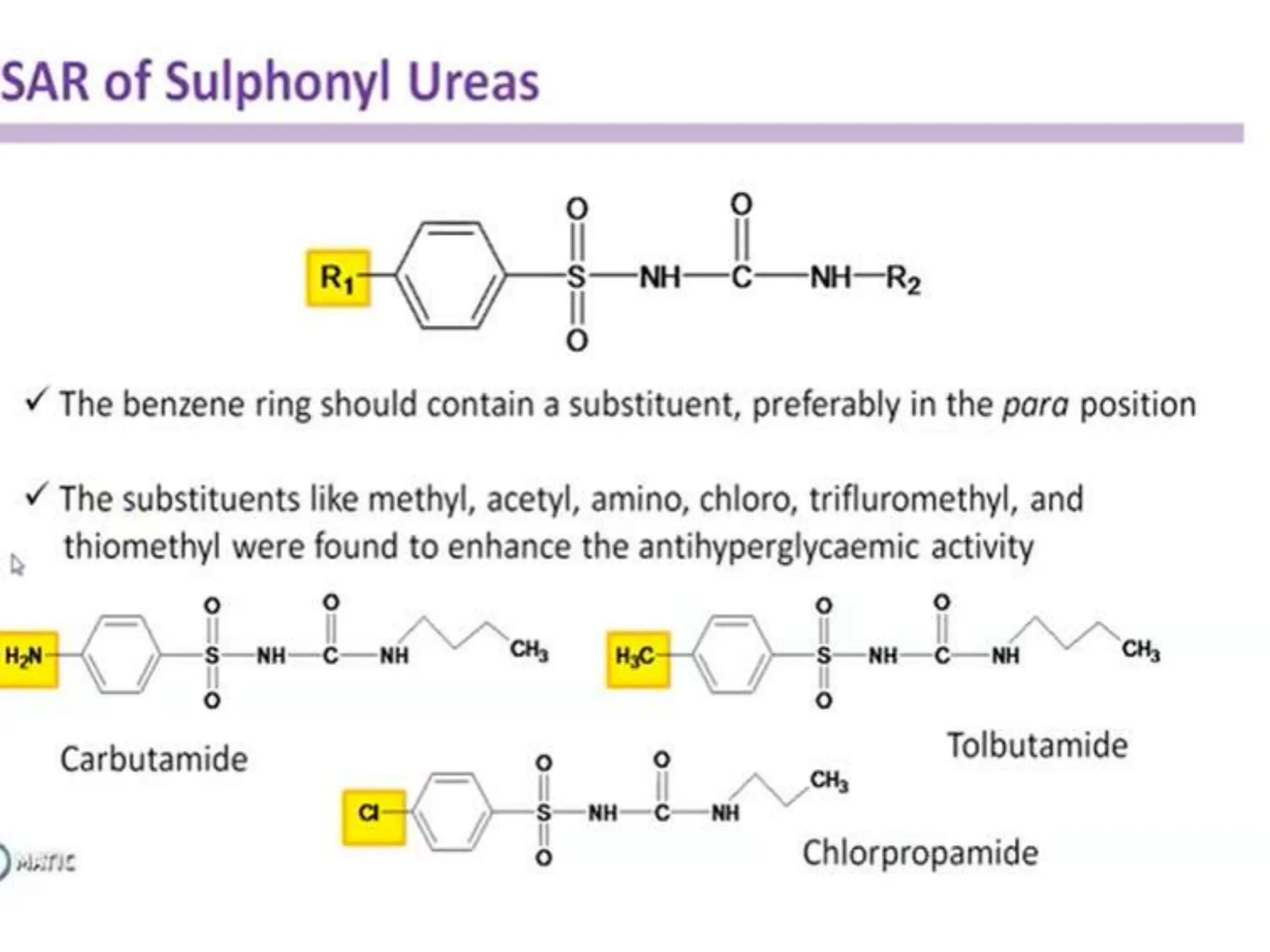
carbutamide, was found to be an effective oral hypoglycaemic agent.
• Carbutamide was more active than IPTD and was the first sulphonylurea
hypoglycaemic agent to be marketed.
Mechanism of action
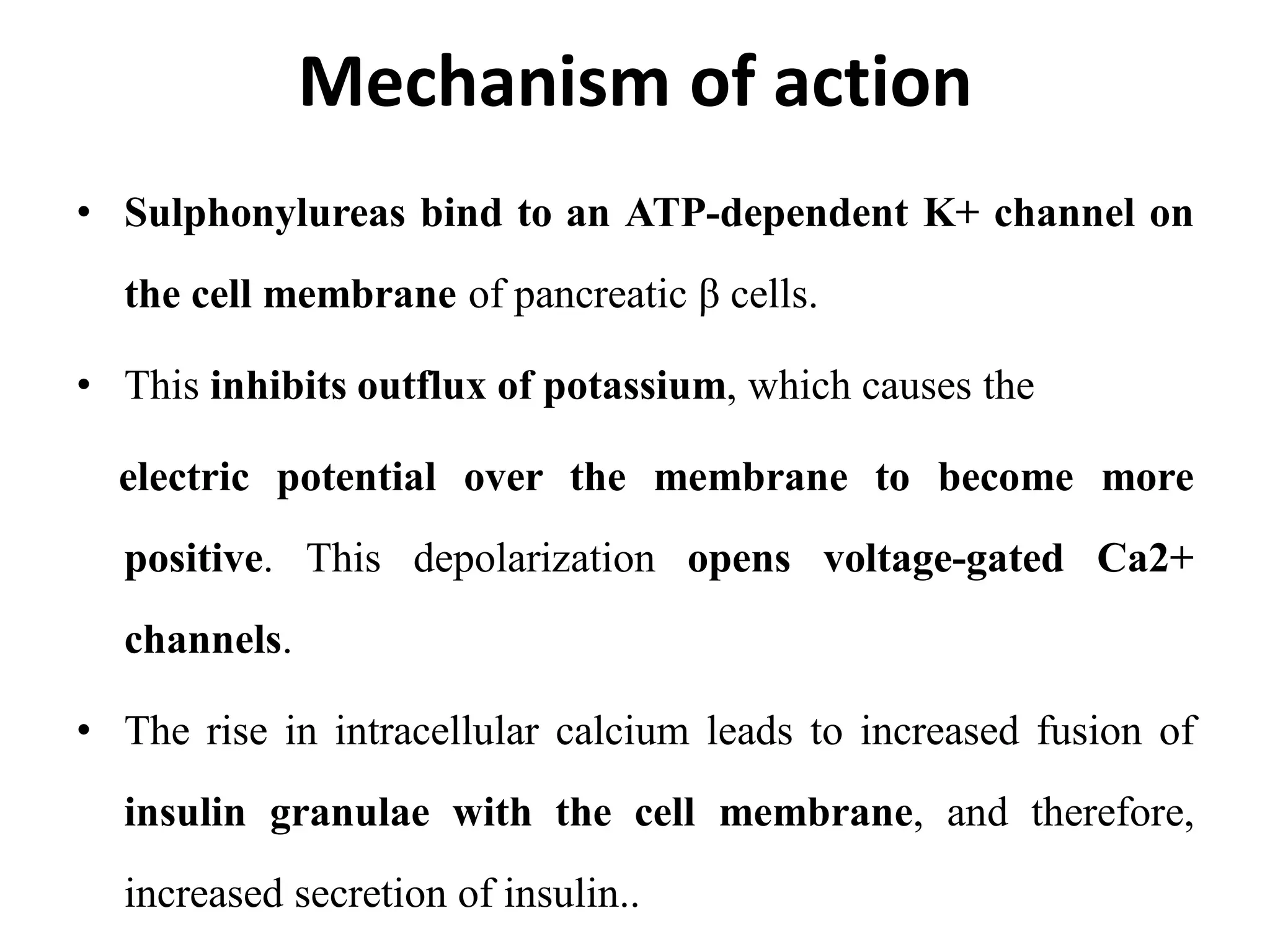
• Sulphonylureas bind to an ATP-dependent K+ channel on
the cell membrane of pancreatic β cells.
• This inhibits outflux of potassium, which causes the
electric potential over the membrane to become more
positive. This depolarization opens voltage-gated Ca2+
channels.
• The rise in intracellular calcium leads to increased fusion of
insulin granulae with the cell membrane, and therefore,
increased secretion of insulin..
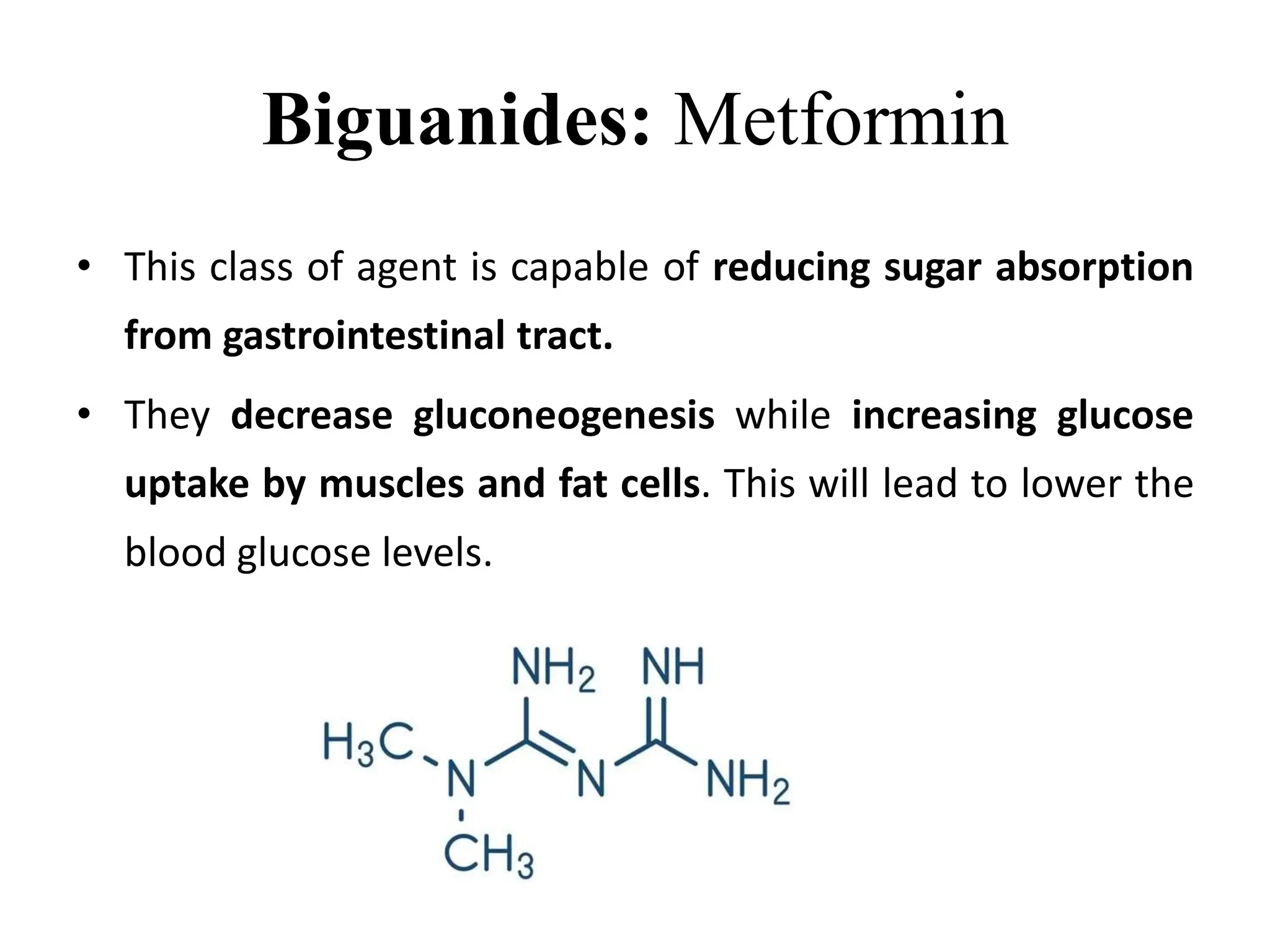
Biguanides: Metformin
• This class of agent is capable of reducing sugar absorption
from gastrointestinal tract.
• They decrease gluconeogenesis while increasing glucose
uptake by muscles and fat cells. This will lead to lower the
blood glucose levels.
α-Glucosidase inhibitors
• The enzyme α-Glucosidase is present in the brush
border of the small intestine and is responsible for
cleaving dietary carbohydrates and facilitating
their absorption into the body.
• Inhibition of this enzyme allows less dietary
carbohydrate to be available for absorption and less
available in the blood.
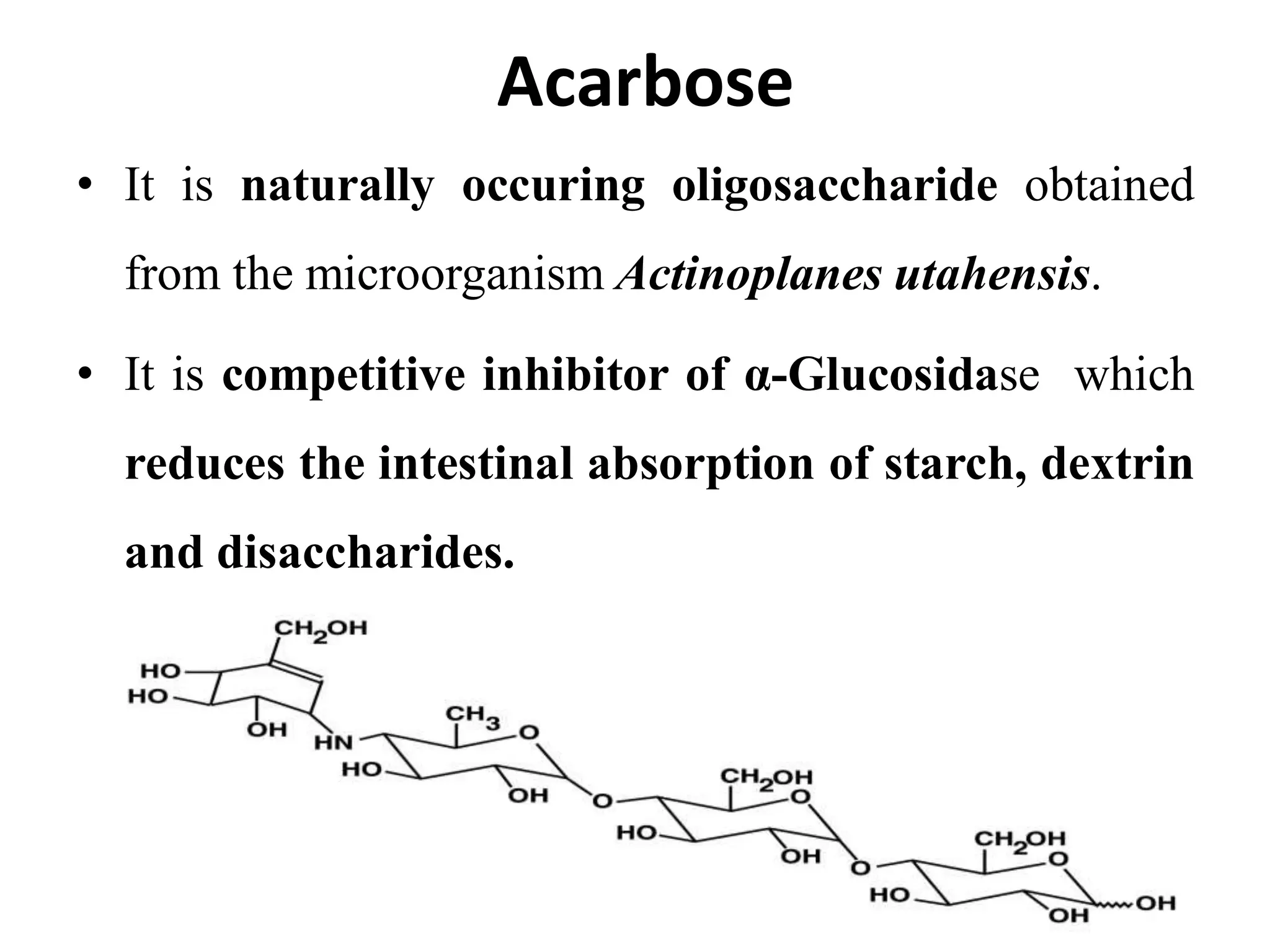
Acarbose
• It is naturally occuring oligosaccharide obtained
from the microorganism Actinoplanes utahensis.
• It is competitive inhibitor of α-Glucosidase which
reduces the intestinal absorption of starch, dextrin
and disaccharides.
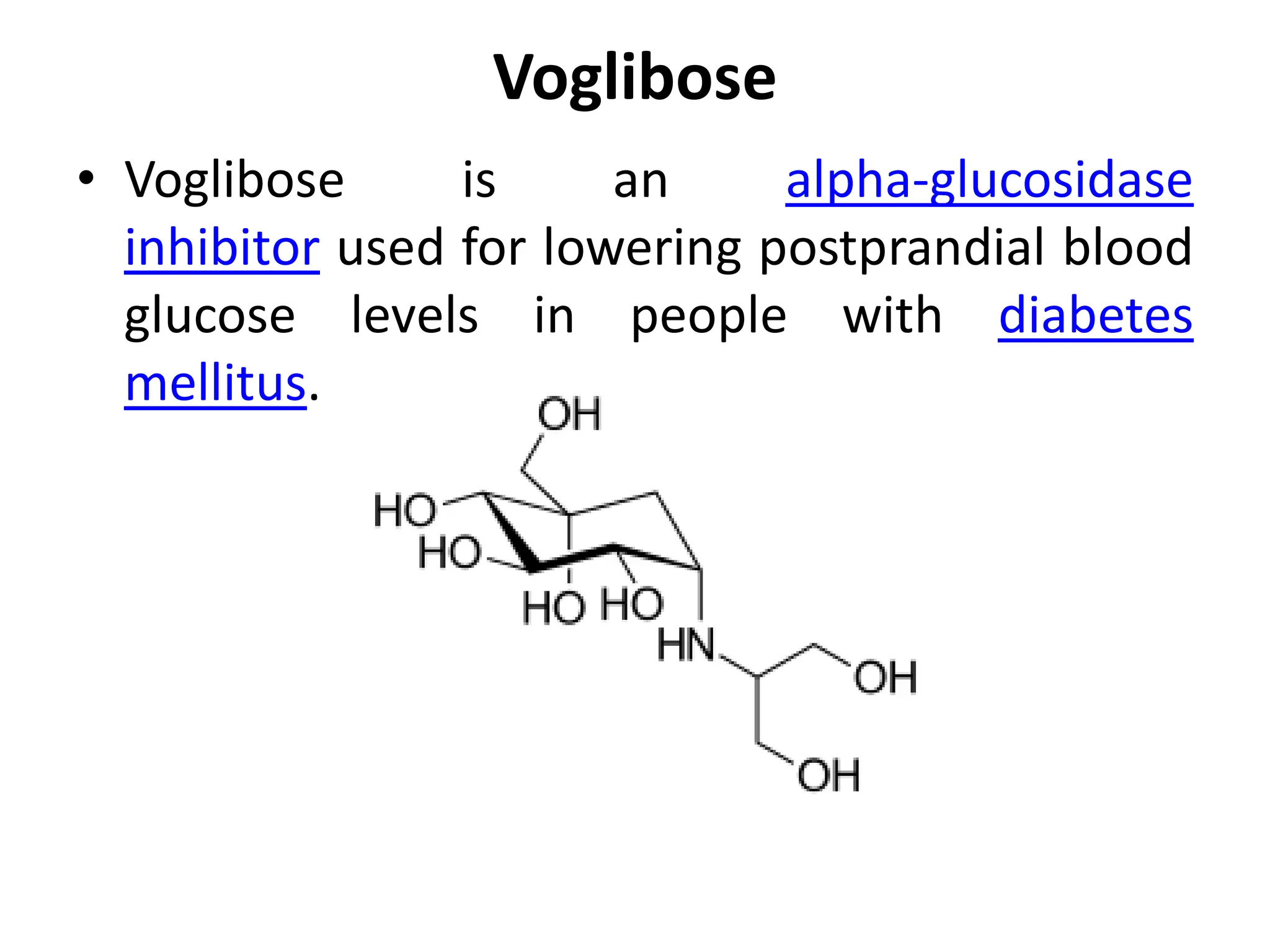
Voglibose
• Voglibose is an alpha-glucosidase
inhibitor used for lowering postprandial blood
glucose levels in people with diabetes
mellitus.
Meglitinides: Repaglinide,
Nateglinide.
• The metaglinides are nonsulfonylurea oral hypoglycemic agents used in the
management of type 2 diabetes.
• These agents end to have a rapid onset and a short duration of action.
• Much like the sulfonylureas, these induce insulin release from functioning
pancreatic ẞ cells.
• The mechanism of action is through binding specific receptors in
the B-cell membrane, leading to the closure of ATP-dependent
K+ channels. The K channel blockade depolarizes the B-cell
membrane, which in turn leads to Ca2+ influx, increased
intracellular Ca2+ and stimulation of insulin secretion.
• The effect of metaglinides do not last as long as
effect of sulphonylureas.
• The effects of this class appear to last less than 1
hour, whereas sulphonylureas continue to
stimulate insulin production for several hours.
• One advantage of short duration of action is less
risk of hypoglycemia.
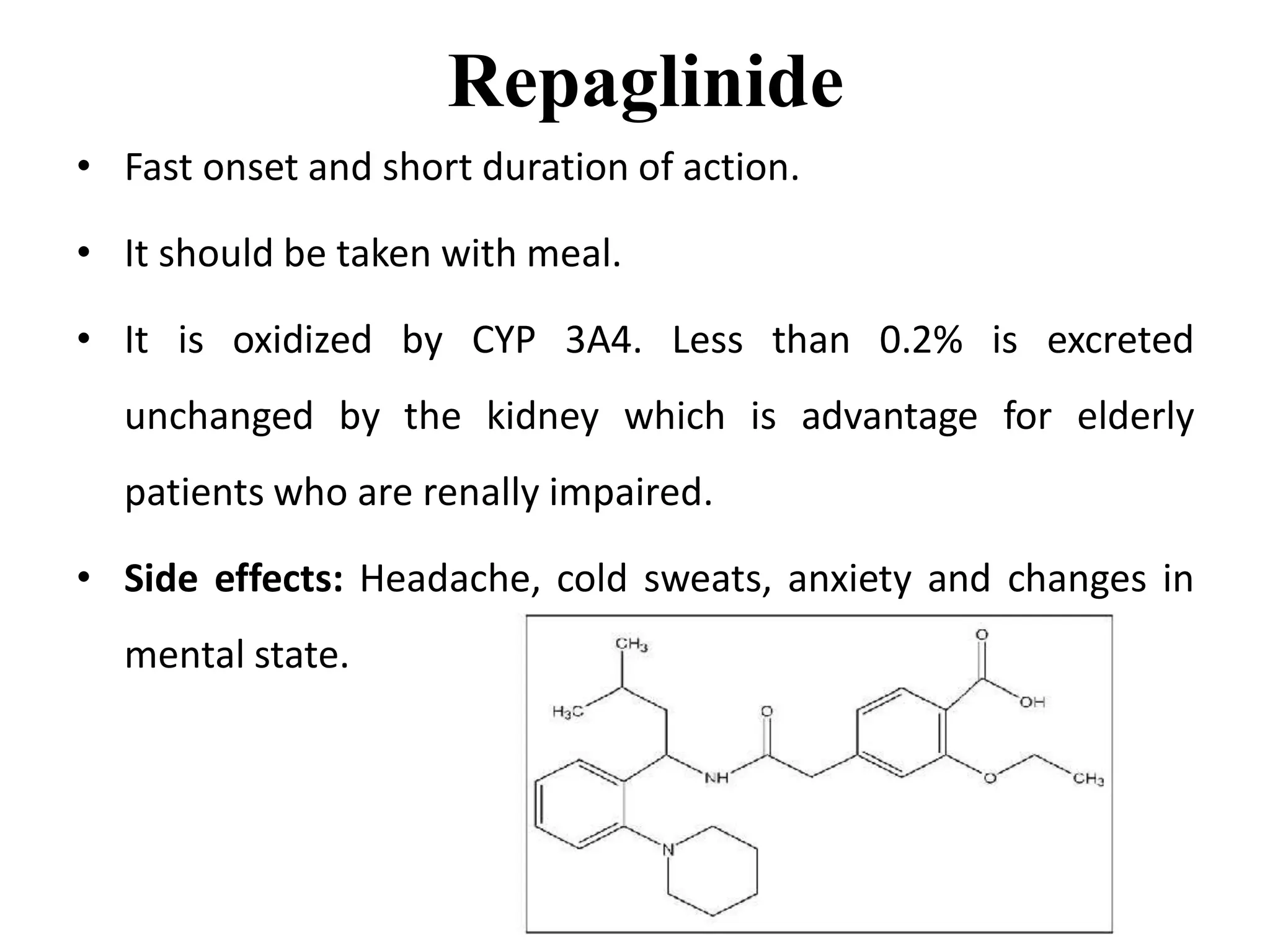
Repaglinide
• Fast onset and short duration of action.
• It should be taken with meal.
• It is oxidized by CYP 3A4. Less than 0.2% is excreted
unchanged by the kidney which is advantage for elderly
patients who are renally impaired.
• Side effects: Headache, cold sweats, anxiety and changes in
mental state.
Nateglinide
• It is phenylalanine derivative and represents a
novel drug in the management of type 2
diabetes.
• Nateglinide is used alone or in combination
with other medications to treat type 2
diabetes.
• Side effects:
• Hypoglycemia
• dizziness
• sweating
• nervousness
• sudden changes in behavior or mood
• Headache
• weakness
• pale skin
• hunger
C
H3
C
H3 O
NH
OH
O
DPP IV inhibitors
• Incretin hormones, such as GLP-1. These are rapidly secreted
from the gut following food intake.
• GLP-1 is responsible for metabolism of glucose and glucose
reuptake from body. It is rapidly get destroyed by the enzyme
DPP IV.
• Dipeptidyl-peptidase IV inhibitors inhibit the degradation of the
incretins, glucagon-like peptide-1 (GLP-1) and glucose-
dependent insulinotropic peptide (GIP).
• Prolong the action of incretin hormones.
DPP IV inhibitors
Sitagliptin Teneligliptin
F
F
NH2 O
N
N
N
N
F
F
F
F
Advantages of DPP IV inhibitors
• Safety
DPP-4 inhibitors are generally well tolerated and have a low risk of hypoglycemia.
• Efficacy
DPP-4 inhibitors are effective at reducing blood glucose levels and improving glycemic
control.
• Mechanism of action
DPP-4 inhibitors work by stimulating the secretion of insulin in response to glucose.
• Heart health
DPP-4 inhibitors may have a protective effect on the heart. For example, sitagliptin may
improve heart function and coronary artery perfusion in diabetic patients with coronary
heart disease
SGLT2 inhibitors: Empagliflozin,
Canagliflozin
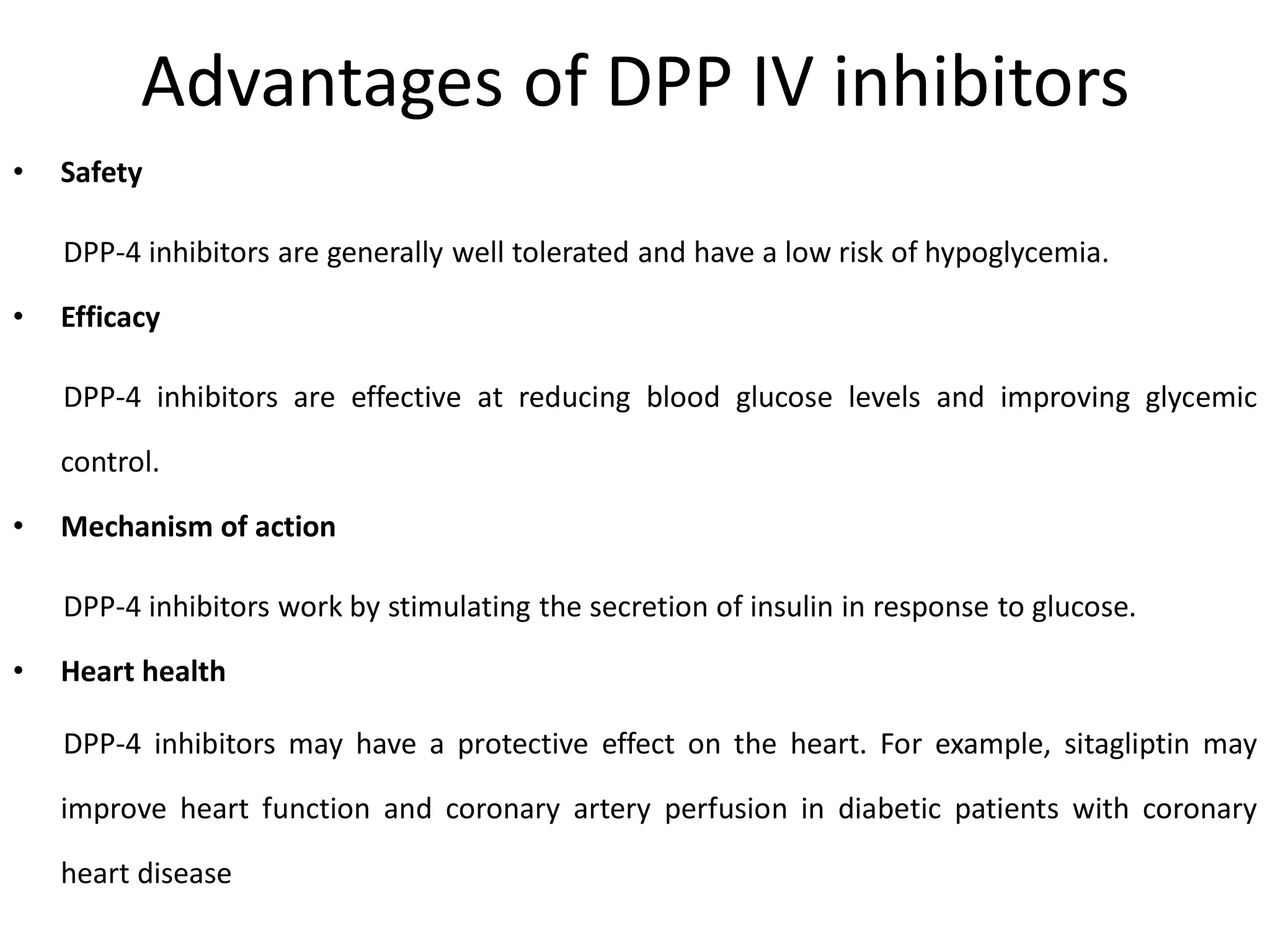
• Sodium-glucose cotransporter 2 (SGLT2) inhibitors that
are used to treat type 2 diabetes.
• SGLT2 inhibitors lower blood sugar by preventing the
kidneys from reabsorbing glucose. This causes the body to
remove excess glucose through urine.
• SGLT2 inhibitors can improve glycemic control, reduce the
risk of cardiovascular complications, and slow the
progression of diabetic kidney disease.
• Side effects:
Urinary frequency, dehydration, genitourinary
tract infections, and rarely, diabetic
ketoacidosis
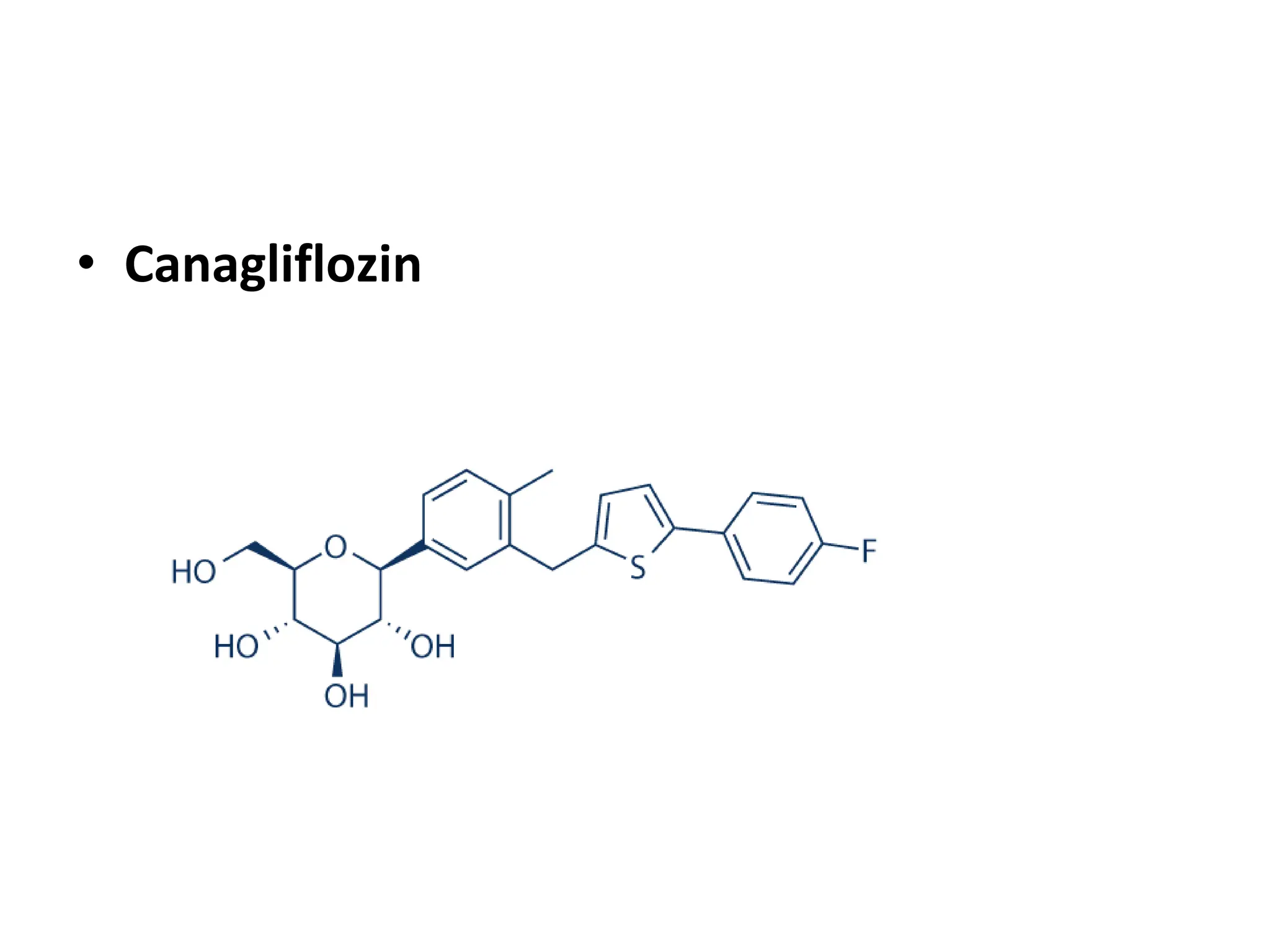
Canagliflozin
• Canagliflozin was the first SGLT-2 inhibitor approved on March 29,
2013;
• It is indicated in adult patients with type 2 DM to improve blood
glucose control in addition to diet and exercise.
• It is also shown to decrease the risk of cardiovascular (CV) adverse
events in type 2 DM subjects with underlying CV illness and
minimize the risk of end-stage renal disease
• The initial dose is 100 mg once daily and may be increased to 300
mg daily.
• Canagliflozin
Empagliflozin
• Empagliflozin was the third SGLT inhibitor to receive approval from
the FDA in August 2014.
• Empagliflozin is indicated in adult patients with type 2 DM to
improve the control of blood glucose in addition to diet and
exercise, decrease the risk of CV adverse events in type 2 DM
subjects.
• The initial dose is 10 mg once daily; the dose may be increased to
25 mg daily to achieve the targeted glycemic goal.
Empagliflozin

Classification of Antidiabetic agents.pdf

  • 1.
    By- Dr. Prerana B.Jadhav M. Pharm, Ph.D. Pharmaceutical Chemistry Assistant Professor, Sanjivani College of Pharmaceutical Education and Research, Kopargaon. ANTIDIABETIC AGENTS
  • 2.
    Introduction • Diabetes mellitus(DM) is a metabolic disorder in which person has high levels of glucose in blood. • Type I DM Occurs when the pancreas cannot produce insulin, a hormone essential for moving glucose from the blood into cells. • Type II DM is a form of diabetes mellitus that is characterized by high blood sugar, insulin resistance, and relative lack of insulin. • Serious long term complications include - Cardiovascular disease, nephropathy, retinopathy, and neuropathy. • In India, about 1.6 million people are at risk of developing the condition. 2
  • 3.
    Introduction • Some diabeticsymptoms are frequent urination, excessive thirst, extreme hunger, unusual weight loss, increased fatigue, irritability, and blurred vision. Type 2 Diabetes Mellitus (T2DM) is controlled with Sulfonylureas, Meglitinides, Thiazolidinediones, Biguanides & α – glucosidase inhibitors 3
  • 4.
    CLASSIFICATION 1. Antidiabetic agents:Insulin and its preparations 2. Sulfonyl ureas: Tolbutamide, Chlorpropamide, Glipizide, Glimepiride. 3. Biguanides: Metformin. 4. Meglitinides: Repaglinide, Nateglinide. 5. Glucosidase inhibitors: Acrabose, Voglibose. 6. DPP IV inhibitors: Sitagliptin, Teneligliptin 7. SGLT2 inhibitors: Empagliflozin, Canagliflozin
  • 5.
    INSULIN • Insulin, apancreatic hormone, is a specific antidiabetic agent, especially for type-I diabetes. • Human insulin is a double-chain protein that contains 51 amino acids (chain A-21 amino acids, and chain B-30 amino acids), which are bound together by disulphide bridges.
  • 6.
    • In thebody, insulin is synthesized by β cells of Langerhans islets in the pancreas. • In β cells, insulin is synthesized from the proinsulin precursor molecule (pro-insulin consists of three domains: an amino-terminal B chain, a carboxy-terminal A chain, and a connecting peptide in the middle known as the C peptide) by the action of proteolytic enzymes, known as prohormone convertases (PC1 and PC2),as well as the exoprotease carboxypeptidase E. These modifications of pro- insulin remove the centre portion of the molecule (i.e., C peptide) from the C- and N-terminal ends of pro-insulin. • The remaining polypeptides (51 amino acids in total), the B- and A-chains, are bound together by disulphide bonds.
  • 7.
    MOA of Insulin •Insulin acts by binding with specific receptors on the surface of the insulin-sensitive tissues such as skeletal muscle, cardiac muscle, fatty tissue, and leukocytes. Insulin lowers the sugar content in the blood by turning glucose into glycogen. • Using insulin in diabetes mellitus leads to lower levels of sugar in the blood, and a build-up of glycogen in tissues.
  • 8.
    • Insulin isusually taken as subcutaneous injections by single-use syringes with needles.
  • 9.
    Oral hypoglycaemic agents •Antidiabetic drugs are drugs that lower the level of glucose (sugar) in the blood. • Sulfonylureas: Tolbutamide, Chlorpropamide, Glipizide, Glimepiride. • Biguanides: Metformin. • Meglitinides: Repaglinide, Nateglinide. • Glucosidase inhibitors: Acrabose, Voglibose. • DPP IV inhibitors: Sitagliptin, Teneligliptin • SGLT2 inhibitors: Empagliflozin, Canagliflozin
  • 10.
    Sulfonylureas • Discovery • Thecompound 2-(p -aminobenzenesulphonamido)-5-isopropyl -thiadiazole (IPTD) was used in the treatment of typhoid fever in the early 1940s. • However, many patients died from being treated with heavy doses of the drug. • These deaths were eventually attributed to acute and prolonged hypoglycaemia. • IPTD did not come to be used as hypoglycaemic agents because a second drug, carbutamide, was found to be an effective oral hypoglycaemic agent. • Carbutamide was more active than IPTD and was the first sulphonylurea hypoglycaemic agent to be marketed.
  • 11.
    Mechanism of action •Sulphonylureas bind to an ATP-dependent K+ channel on the cell membrane of pancreatic β cells. • This inhibits outflux of potassium, which causes the electric potential over the membrane to become more positive. This depolarization opens voltage-gated Ca2+ channels. • The rise in intracellular calcium leads to increased fusion of insulin granulae with the cell membrane, and therefore, increased secretion of insulin..
  • 18.
    Biguanides: Metformin • Thisclass of agent is capable of reducing sugar absorption from gastrointestinal tract. • They decrease gluconeogenesis while increasing glucose uptake by muscles and fat cells. This will lead to lower the blood glucose levels.
  • 19.
    α-Glucosidase inhibitors • Theenzyme α-Glucosidase is present in the brush border of the small intestine and is responsible for cleaving dietary carbohydrates and facilitating their absorption into the body. • Inhibition of this enzyme allows less dietary carbohydrate to be available for absorption and less available in the blood.
  • 20.
    Acarbose • It isnaturally occuring oligosaccharide obtained from the microorganism Actinoplanes utahensis. • It is competitive inhibitor of α-Glucosidase which reduces the intestinal absorption of starch, dextrin and disaccharides.
  • 21.
    Voglibose • Voglibose isan alpha-glucosidase inhibitor used for lowering postprandial blood glucose levels in people with diabetes mellitus.
  • 22.
    Meglitinides: Repaglinide, Nateglinide. • Themetaglinides are nonsulfonylurea oral hypoglycemic agents used in the management of type 2 diabetes. • These agents end to have a rapid onset and a short duration of action. • Much like the sulfonylureas, these induce insulin release from functioning pancreatic ẞ cells. • The mechanism of action is through binding specific receptors in the B-cell membrane, leading to the closure of ATP-dependent K+ channels. The K channel blockade depolarizes the B-cell membrane, which in turn leads to Ca2+ influx, increased intracellular Ca2+ and stimulation of insulin secretion.
  • 23.
    • The effectof metaglinides do not last as long as effect of sulphonylureas. • The effects of this class appear to last less than 1 hour, whereas sulphonylureas continue to stimulate insulin production for several hours. • One advantage of short duration of action is less risk of hypoglycemia.
  • 24.
    Repaglinide • Fast onsetand short duration of action. • It should be taken with meal. • It is oxidized by CYP 3A4. Less than 0.2% is excreted unchanged by the kidney which is advantage for elderly patients who are renally impaired. • Side effects: Headache, cold sweats, anxiety and changes in mental state.
  • 25.
    Nateglinide • It isphenylalanine derivative and represents a novel drug in the management of type 2 diabetes. • Nateglinide is used alone or in combination with other medications to treat type 2 diabetes.
  • 26.
    • Side effects: •Hypoglycemia • dizziness • sweating • nervousness • sudden changes in behavior or mood • Headache • weakness • pale skin • hunger C H3 C H3 O NH OH O
  • 27.
    DPP IV inhibitors •Incretin hormones, such as GLP-1. These are rapidly secreted from the gut following food intake. • GLP-1 is responsible for metabolism of glucose and glucose reuptake from body. It is rapidly get destroyed by the enzyme DPP IV. • Dipeptidyl-peptidase IV inhibitors inhibit the degradation of the incretins, glucagon-like peptide-1 (GLP-1) and glucose- dependent insulinotropic peptide (GIP). • Prolong the action of incretin hormones.
  • 28.
    DPP IV inhibitors SitagliptinTeneligliptin F F NH2 O N N N N F F F F
  • 29.
    Advantages of DPPIV inhibitors • Safety DPP-4 inhibitors are generally well tolerated and have a low risk of hypoglycemia. • Efficacy DPP-4 inhibitors are effective at reducing blood glucose levels and improving glycemic control. • Mechanism of action DPP-4 inhibitors work by stimulating the secretion of insulin in response to glucose. • Heart health DPP-4 inhibitors may have a protective effect on the heart. For example, sitagliptin may improve heart function and coronary artery perfusion in diabetic patients with coronary heart disease
  • 30.
    SGLT2 inhibitors: Empagliflozin, Canagliflozin •Sodium-glucose cotransporter 2 (SGLT2) inhibitors that are used to treat type 2 diabetes. • SGLT2 inhibitors lower blood sugar by preventing the kidneys from reabsorbing glucose. This causes the body to remove excess glucose through urine. • SGLT2 inhibitors can improve glycemic control, reduce the risk of cardiovascular complications, and slow the progression of diabetic kidney disease.
  • 31.
    • Side effects: Urinaryfrequency, dehydration, genitourinary tract infections, and rarely, diabetic ketoacidosis
  • 32.
    Canagliflozin • Canagliflozin wasthe first SGLT-2 inhibitor approved on March 29, 2013; • It is indicated in adult patients with type 2 DM to improve blood glucose control in addition to diet and exercise. • It is also shown to decrease the risk of cardiovascular (CV) adverse events in type 2 DM subjects with underlying CV illness and minimize the risk of end-stage renal disease • The initial dose is 100 mg once daily and may be increased to 300 mg daily.
  • 33.
  • 34.
    Empagliflozin • Empagliflozin wasthe third SGLT inhibitor to receive approval from the FDA in August 2014. • Empagliflozin is indicated in adult patients with type 2 DM to improve the control of blood glucose in addition to diet and exercise, decrease the risk of CV adverse events in type 2 DM subjects. • The initial dose is 10 mg once daily; the dose may be increased to 25 mg daily to achieve the targeted glycemic goal.
  • 35.