DR SUMIT KUMAR
Assistant professor I ECMO
NEIGRIHMS, Shillong
Introduction to Antibody Drug Conjugates
• Definition: ADCs are a class of biopharmaceuticals designed to deliver cytotoxic (cell-killing) drugs
directly to cancer cells while minimizing harm to normal, healthy cells.
• Structure: three main components:
Monoclonal Antibody
(mAb):Specifically
targets cancer cells by
recognizing and binding
to antigens (proteins)
present on the surface
of tumor cells.
Cytotoxic Payload
(Drug):A potent
chemotherapy drug
that kills cancer cells
after being released
inside the targeted cell.
Linker: A chemical
structure that attaches
the cytotoxic drug to
the antibody
Concept: The ADC’s monoclonal antibody binds to the target antigen on the cancer cell, and the whole complex is internalized by
the cell. Once inside, the linker is cleaved, and the cytotoxic drug is released, leading to the death of the cancer cell
Components of Antibody Drug Conjugates
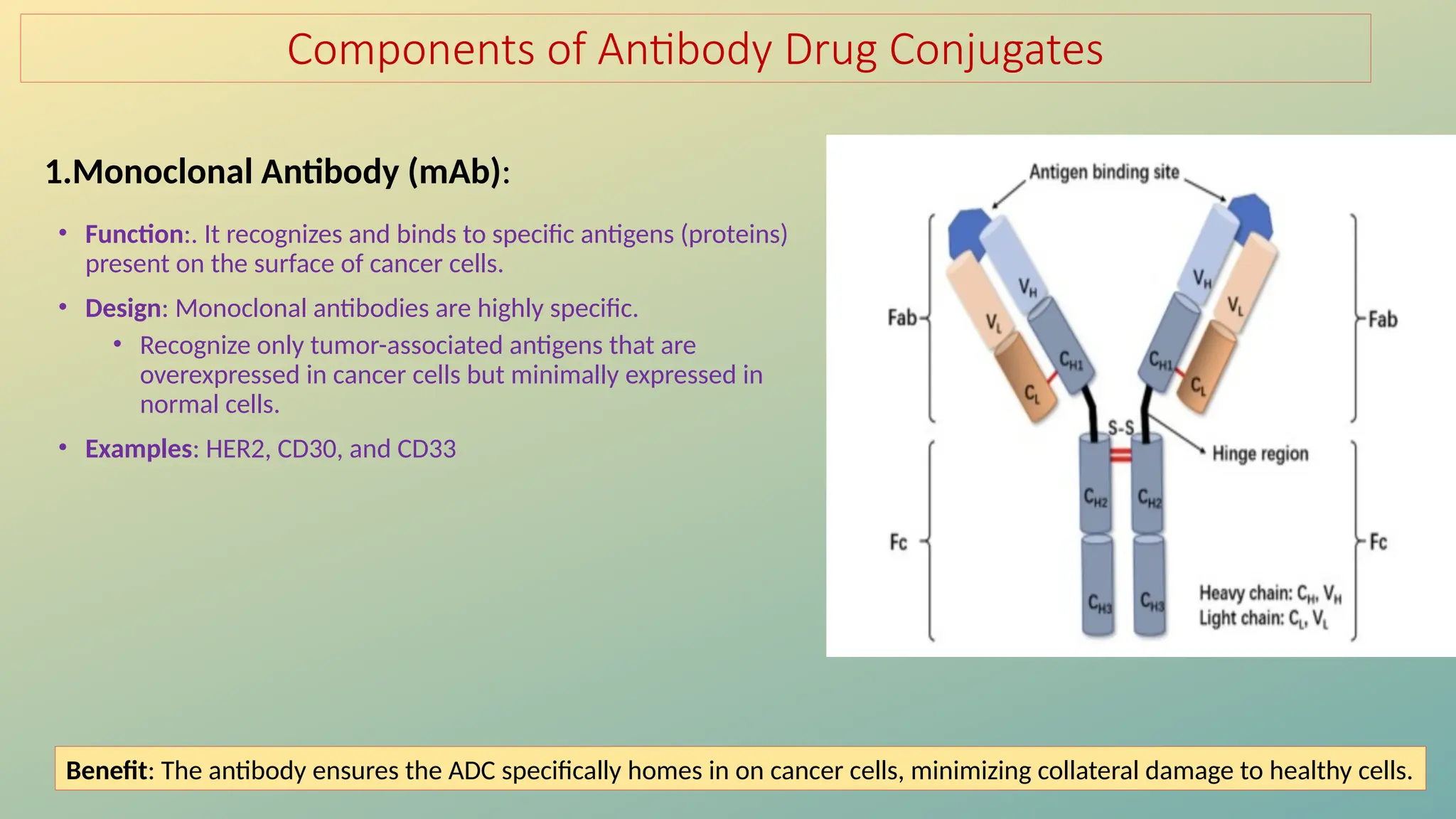
• Function:. It recognizes and binds to specific antigens (proteins)
present on the surface of cancer cells.
• Design: Monoclonal antibodies are highly specific.
• Recognize only tumor-associated antigens that are
overexpressed in cancer cells but minimally expressed in
normal cells.
• Examples: HER2, CD30, and CD33
1.Monoclonal Antibody (mAb):
Benefit: The antibody ensures the ADC specifically homes in on cancer cells, minimizing collateral damage to healthy cells.
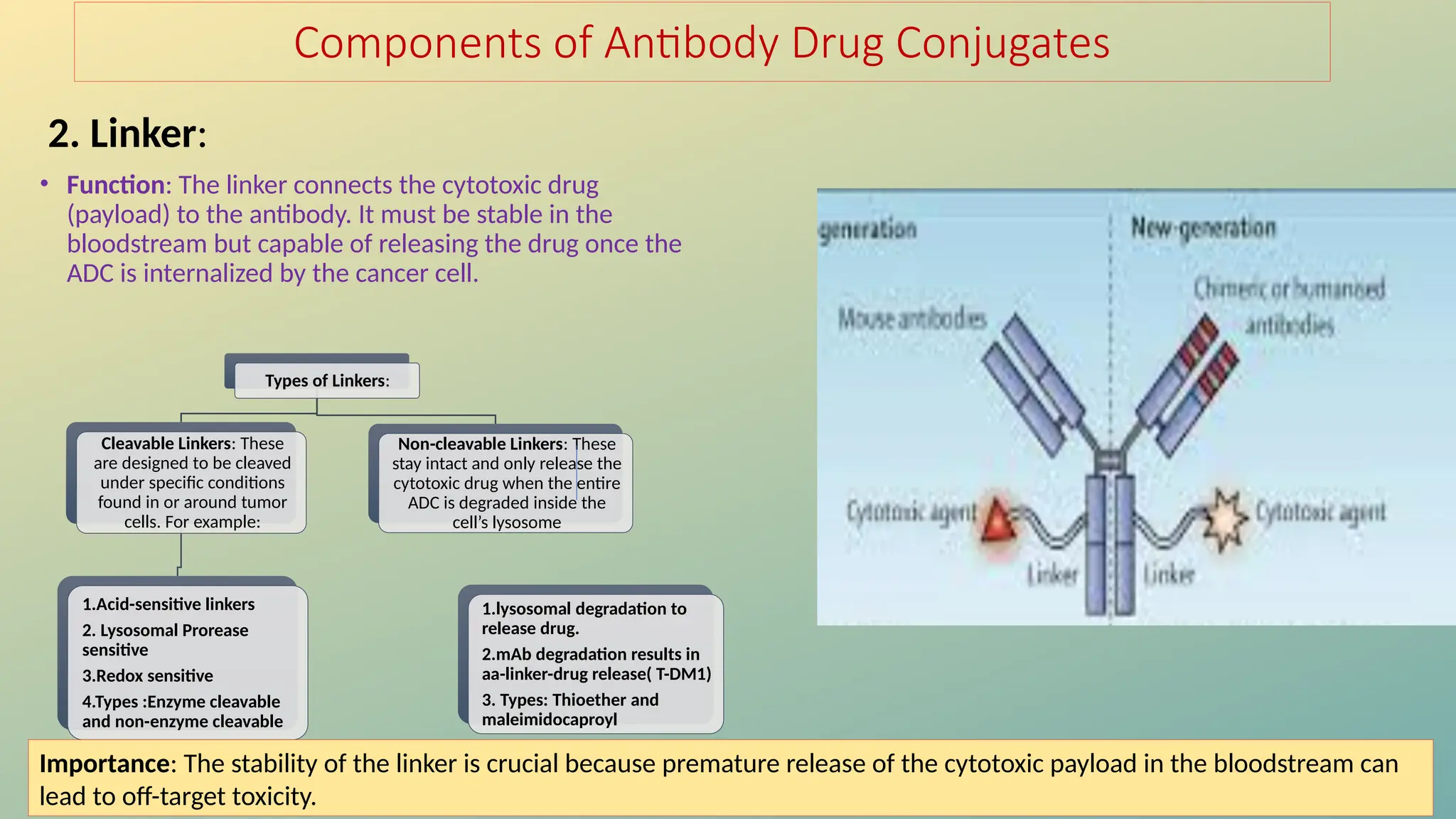
• Function: The linker connects the cytotoxic drug
(payload) to the antibody. It must be stable in the
bloodstream but capable of releasing the drug once the
ADC is internalized by the cancer cell.
Components of Antibody Drug Conjugates
2. Linker:
Types of Linkers:
Cleavable Linkers: These
are designed to be cleaved
under specific conditions
found in or around tumor
cells. For example:
1.Acid-sensitive linkers
2. Lysosomal Prorease
sensitive
3.Redox sensitive
4.Types :Enzyme cleavable
and non-enzyme cleavable
Non-cleavable Linkers: These
stay intact and only release the
cytotoxic drug when the entire
ADC is degraded inside the
cell’s lysosome
1.lysosomal degradation to
release drug.
2.mAb degradation results in
aa-linker-drug release( T-DM1)
3. Types: Thioether and
maleimidocaproyl
Importance: The stability of the linker is crucial because premature release of the cytotoxic payload in the bloodstream can
lead to off-target toxicity.
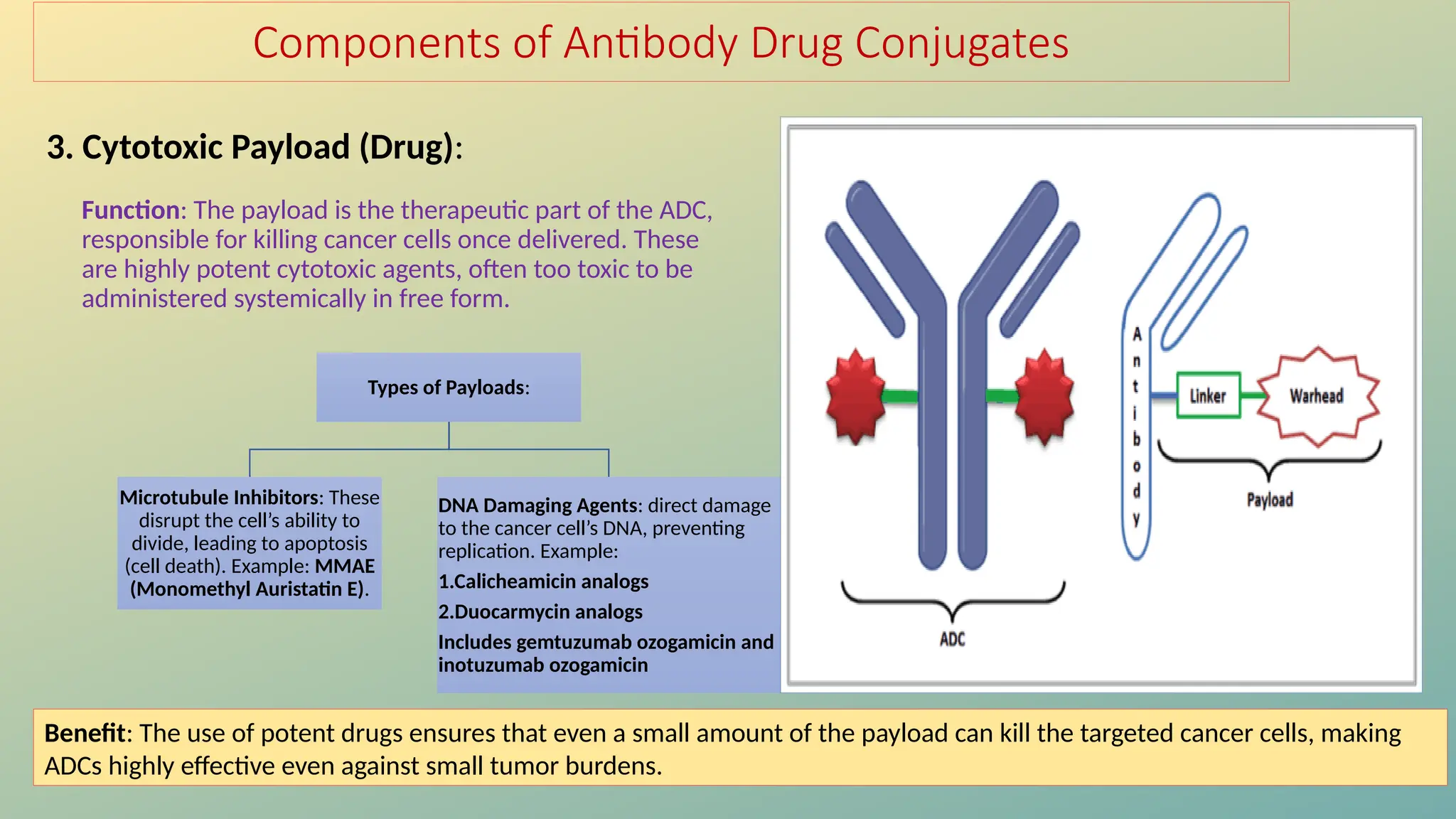
Function: The payload is the therapeutic part of the ADC,
responsible for killing cancer cells once delivered. These
are highly potent cytotoxic agents, often too toxic to be
administered systemically in free form.
Components of Antibody Drug Conjugates
3. Cytotoxic Payload (Drug):
Types of Payloads:
Microtubule Inhibitors: These
disrupt the cell’s ability to
divide, leading to apoptosis
(cell death). Example: MMAE
(Monomethyl Auristatin E).
DNA Damaging Agents: direct damage
to the cancer cell’s DNA, preventing
replication. Example:
1.Calicheamicin analogs
2.Duocarmycin analogs
Includes gemtuzumab ozogamicin and
inotuzumab ozogamicin
Benefit: The use of potent drugs ensures that even a small amount of the payload can kill the targeted cancer cells, making
ADCs highly effective even against small tumor burdens.
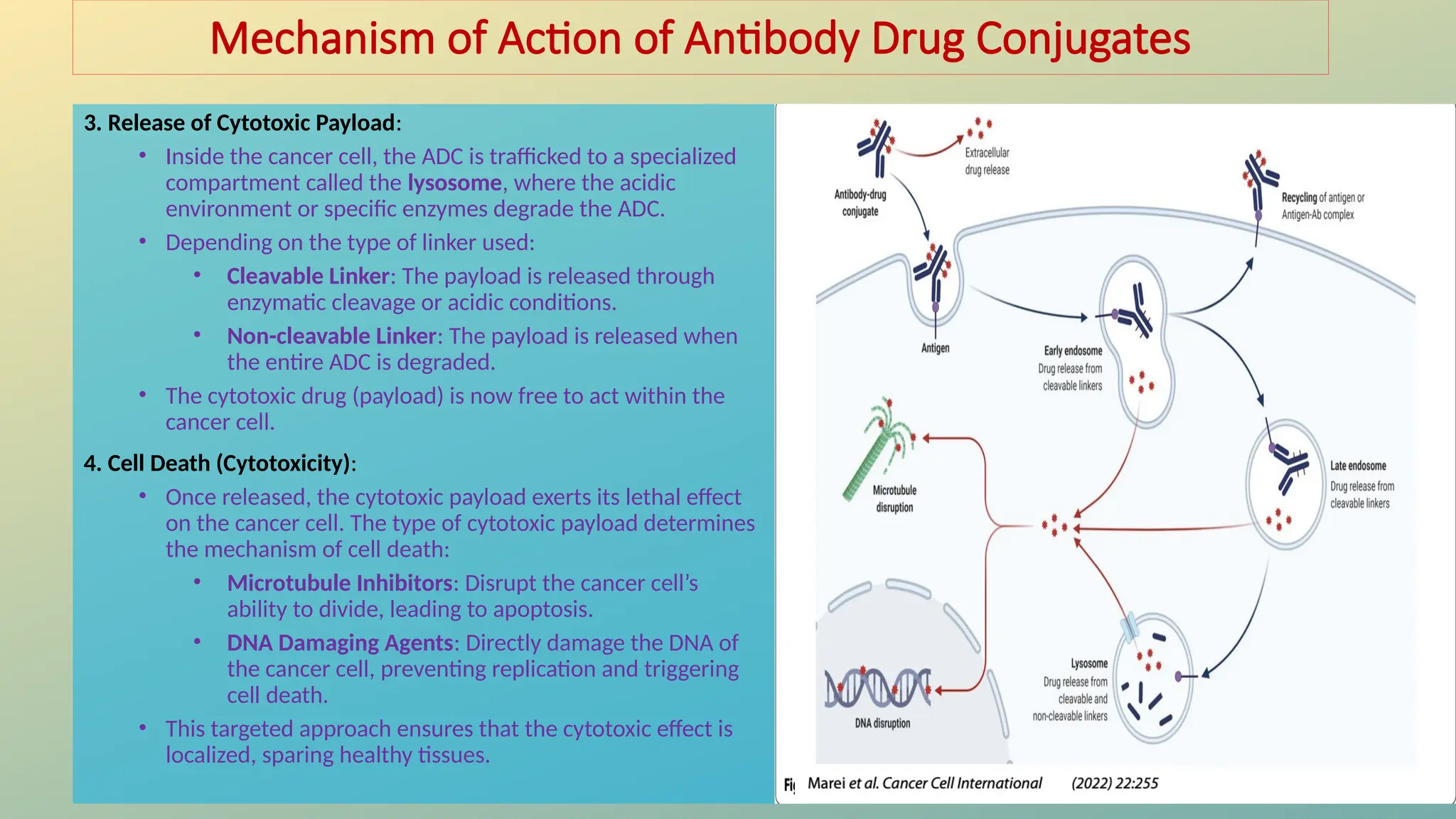
Mechanism of Action of Antibody Drug Conjugates
Antibody Drug Conjugates (ADCs) use a multi-step process to target
and kill cancer cells with high precision.
1. Target Recognition and Binding:
• The monoclonal antibody (mAb) component of the ADC
specifically recognizes and binds to a target antigen
expressed on the surface of cancer cells.
• These antigens are often overexpressed on cancer cells but
are minimally present on normal, healthy cells (e.g., HER2,
CD30, CD33).
• Specificity: This selective binding ensures that the ADC delivers
the cytotoxic drug directly to the cancer cells, minimizing off-
target effects on healthy tissues.
2. Internalization:
• Once the ADC binds to the target antigen, the entire
complex (ADC-antigen) is internalized into the cancer cell
through a process called receptor-mediated endocytosis.
• The ADC is enclosed within a small vesicle inside the cell
called an endosome.
3. Release of Cytotoxic Payload:
• Inside the cancer cell, the ADC is trafficked to a specialized
compartment called the lysosome, where the acidic
environment or specific enzymes degrade the ADC.
• Depending on the type of linker used:
• Cleavable Linker: The payload is released through
enzymatic cleavage or acidic conditions.
• Non-cleavable Linker: The payload is released when
the entire ADC is degraded.
• The cytotoxic drug (payload) is now free to act within the
cancer cell.
4. Cell Death (Cytotoxicity):
• Once released, the cytotoxic payload exerts its lethal effect
on the cancer cell. The type of cytotoxic payload determines
the mechanism of cell death:
• Microtubule Inhibitors: Disrupt the cancer cell’s
ability to divide, leading to apoptosis.
• DNA Damaging Agents: Directly damage the DNA of
the cancer cell, preventing replication and triggering
cell death.
• This targeted approach ensures that the cytotoxic effect is
localized, sparing healthy tissues.
Mechanism of Action of Antibody Drug Conjugates
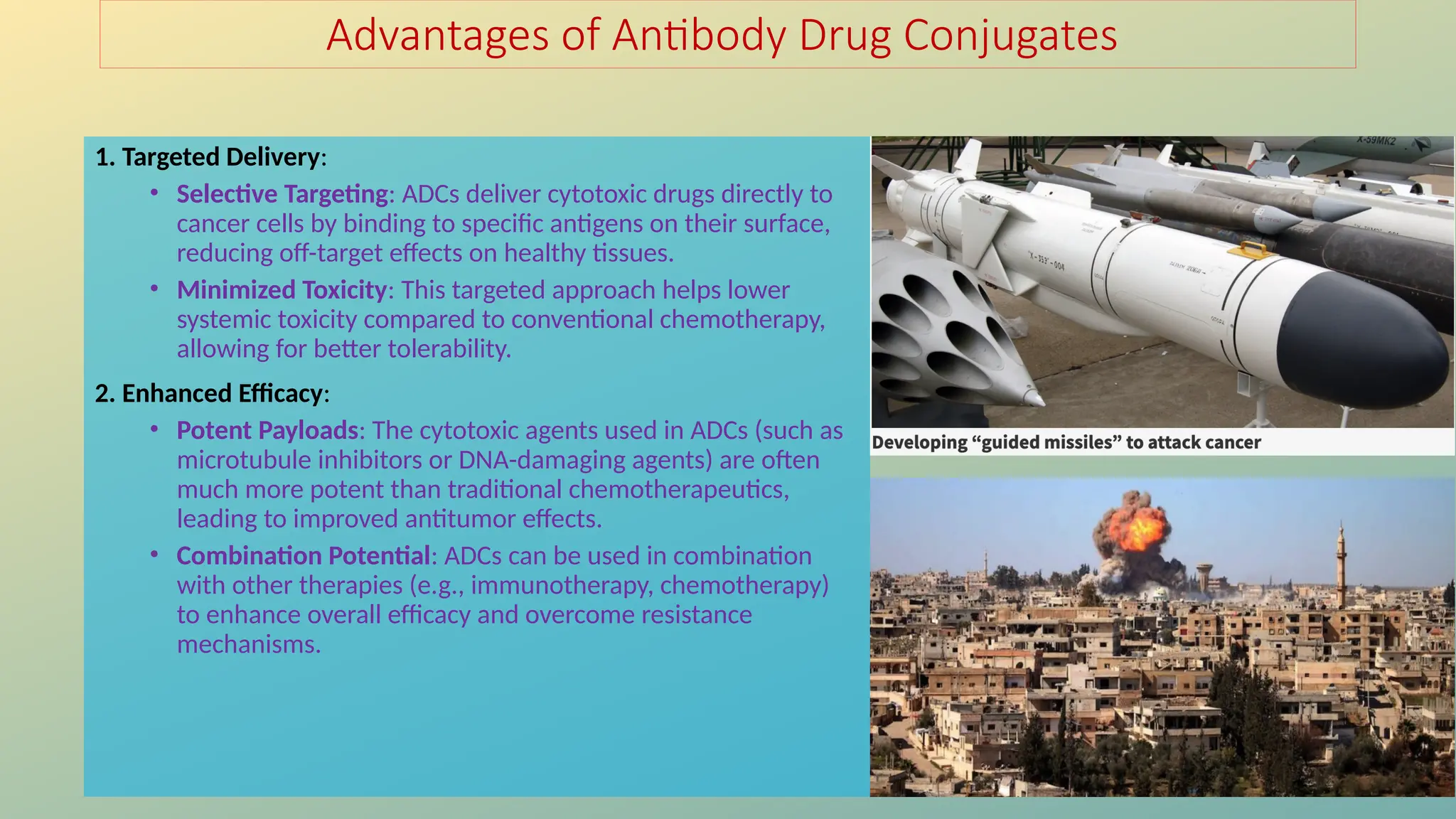
Advantages of Antibody Drug Conjugates
1. Targeted Delivery:
• Selective Targeting: ADCs deliver cytotoxic drugs directly to
cancer cells by binding to specific antigens on their surface,
reducing off-target effects on healthy tissues.
• Minimized Toxicity: This targeted approach helps lower
systemic toxicity compared to conventional chemotherapy,
allowing for better tolerability.
2. Enhanced Efficacy:
• Potent Payloads: The cytotoxic agents used in ADCs (such as
microtubule inhibitors or DNA-damaging agents) are often
much more potent than traditional chemotherapeutics,
leading to improved antitumor effects.
• Combination Potential: ADCs can be used in combination
with other therapies (e.g., immunotherapy, chemotherapy)
to enhance overall efficacy and overcome resistance
mechanisms.
3. Personalized Treatment:
• Biomarker-Driven Therapy: ADCs can be tailored to individual
patients based on the expression of specific target antigens, allowing
for more personalized treatment plans and improved outcomes.
• Adaptive Treatment Strategies: The ability to monitor responses and
adjust treatment regimens based on biomarker status enhances the
personalization of care.
4. Improved Survival Rates:
• Clinical Outcomes: ADCs have shown promising results in clinical
trials, with many leading to improved overall survival (OS) and
progression-free survival (PFS) in patients with specific malignancies.
• Treatment of Relapsed/Refractory Cases: ADCs provide options for
patients with relapsed or refractory diseases, offering new hope for
those who have exhausted other therapies
Advantages of Antibody Drug Conjugates
5. Convenient Administration:
• Infusion Protocols: Many ADCs are administered via
intravenous infusion, which can be more convenient for
patients compared to daily oral medications.
• Fewer Treatment Cycles: Some ADCs may require fewer
treatment cycles than traditional chemotherapy,
contributing to an improved quality of life during
treatment.
6. Versatile Applications:
• Multiple Cancer Types: ADCs are being developed for a
wide range of cancers, including hematologic
malignancies and solid tumors, expanding their
applicability in oncology.
• Innovative Designs: Ongoing research into new
payloads, linkers, and antibodies is leading to the
development of ADCs targeting various mechanisms and
tumor characteristics.
Advantages of Antibody Drug Conjugates
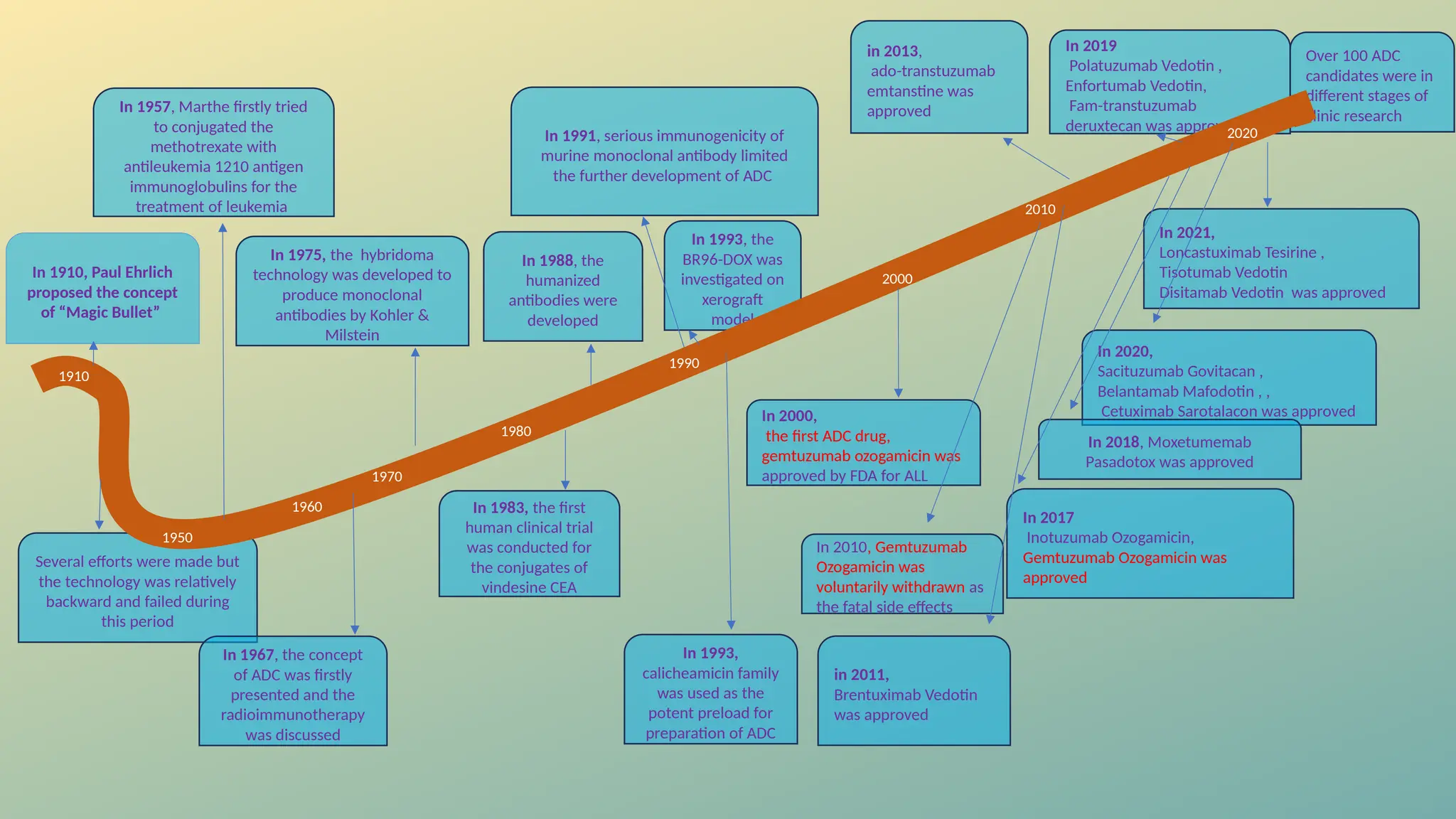
In 1910, Paul Ehrlich
proposed the concept
of “Magic Bullet”
Several efforts were made but
the technology was relatively
backward and failed during
this period
In 1957, Marthe firstly tried
to conjugated the
methotrexate with
antileukemia 1210 antigen
immunoglobulins for the
treatment of leukemia
In 1967, the concept
of ADC was firstly
presented and the
radioimmunotherapy
was discussed
In 1975, the hybridoma
technology was developed to
produce monoclonal
antibodies by Kohler &
Milstein
In 1983, the first
human clinical trial
was conducted for
the conjugates of
vindesine CEA
In 1988, the
humanized
antibodies were
developed
In 1993, the
BR96-DOX was
investigated on
xerograft
model
In 1991, serious immunogenicity of
murine monoclonal antibody limited
the further development of ADC
In 1993,
calicheamicin family
was used as the
potent preload for
preparation of ADC
In 2000,
the first ADC drug,
gemtuzumab ozogamicin was
approved by FDA for ALL
in 2013,
ado-transtuzumab
emtanstine was
approved
in 2011,
Brentuximab Vedotin
was approved
In 2010, Gemtuzumab
Ozogamicin was
voluntarily withdrawn as
the fatal side effects
In 2017
Inotuzumab Ozogamicin,
Gemtuzumab Ozogamicin was
approved
In 2020,
Sacituzumab Govitacan ,
Belantamab Mafodotin , ,
Cetuximab Sarotalacon was approved
In 2018, Moxetumemab
Pasadotox was approved
In 2019
Polatuzumab Vedotin ,
Enfortumab Vedotin,
Fam-transtuzumab
deruxtecan was approved
Over 100 ADC
candidates were in
different stages of
clinic research
In 2021,
Loncastuximab Tesirine ,
Tisotumab Vedotin
Disitamab Vedotin was approved
1910
1950
1960
1970
1980
1990
2000
2010
2020
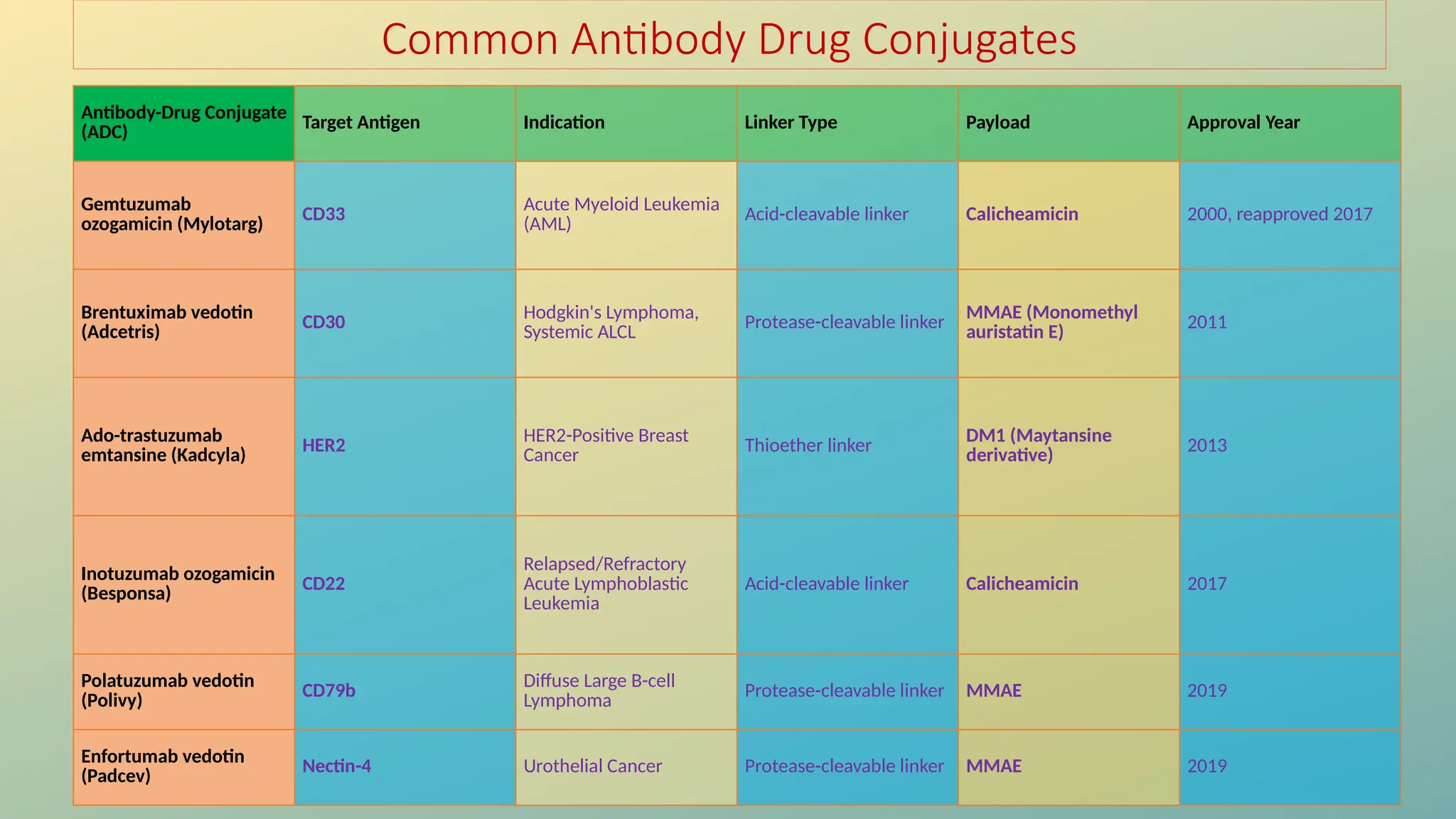
Antibody-Drug Conjugate
(ADC) Target Antigen Indication Linker Type Payload Approval Year
Gemtuzumab
ozogamicin (Mylotarg)
CD33 Acute Myeloid Leukemia
(AML)
Acid-cleavable linker Calicheamicin 2000, reapproved 2017
Brentuximab vedotin
(Adcetris) CD30 Hodgkin's Lymphoma,
Systemic ALCL Protease-cleavable linker MMAE (Monomethyl
auristatin E) 2011
Ado-trastuzumab
emtansine (Kadcyla) HER2 HER2-Positive Breast
Cancer Thioether linker DM1 (Maytansine
derivative) 2013
Inotuzumab ozogamicin
(Besponsa) CD22
Relapsed/Refractory
Acute Lymphoblastic
Leukemia
Acid-cleavable linker Calicheamicin 2017
Polatuzumab vedotin
(Polivy) CD79b
Diffuse Large B-cell
Lymphoma Protease-cleavable linker MMAE 2019
Enfortumab vedotin
(Padcev)
Nectin-4 Urothelial Cancer Protease-cleavable linker MMAE 2019
Common Antibody Drug Conjugates
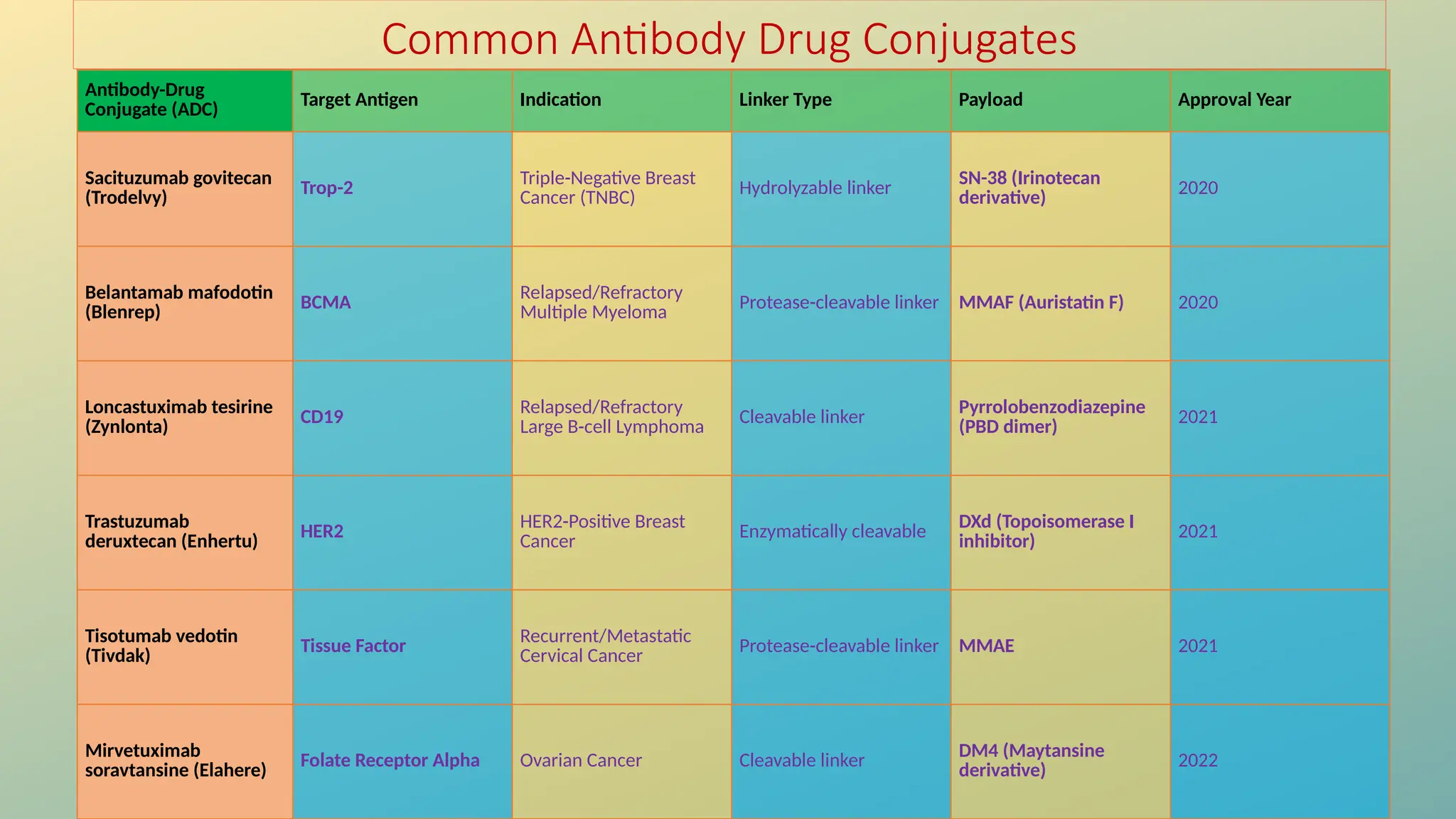
Antibody-Drug
Conjugate (ADC) Target Antigen Indication Linker Type Payload Approval Year
Sacituzumab govitecan
(Trodelvy) Trop-2 Triple-Negative Breast
Cancer (TNBC) Hydrolyzable linker SN-38 (Irinotecan
derivative) 2020
Belantamab mafodotin
(Blenrep) BCMA
Relapsed/Refractory
Multiple Myeloma Protease-cleavable linker MMAF (Auristatin F) 2020
Loncastuximab tesirine
(Zynlonta) CD19 Relapsed/Refractory
Large B-cell Lymphoma Cleavable linker Pyrrolobenzodiazepine
(PBD dimer) 2021
Trastuzumab
deruxtecan (Enhertu)
HER2 HER2-Positive Breast
Cancer
Enzymatically cleavable DXd (Topoisomerase I
inhibitor)
2021
Tisotumab vedotin
(Tivdak) Tissue Factor Recurrent/Metastatic
Cervical Cancer Protease-cleavable linker MMAE 2021
Mirvetuximab
soravtansine (Elahere)
Folate Receptor Alpha Ovarian Cancer Cleavable linker DM4 (Maytansine
derivative)
2022
Common Antibody Drug Conjugates
Antibody-Drug
Conjugate (ADC)
Target Antigen Indication Linker Type Payload Approval Year
Moxetumomab
pasudotox (Lumoxiti)
CD22 Hairy Cell Leukemia Acid-cleavable linker
PE38 (Pseudomonas
exotoxin)
2022
Fam-trastuzumab
deruxtecan (Enhertu)
HER2-Low
HER2-Low Breast
Cancer
Enzymatically
cleavable
DXd 2022
Disitamab vedotin HER2 HER2-Positive Gastric
Cancer
Protease-cleavable
linker
MMAE 2023
Zilovertamab vedotin ROR1 Non-Hodgkin’s
Lymphoma
Protease-cleavable
linker
MMAE 2023
Telisotuzumab vedotin c-Met
Non-Small Cell Lung
Cancer (NSCLC)
Protease-cleavable
linker MMAE 2023
Datopotamab
deruxtecan
Trop-2
Triple-Negative Breast
Cancer
Enzymatically
cleavable
DXd 2023
Common Antibody Drug Conjugates
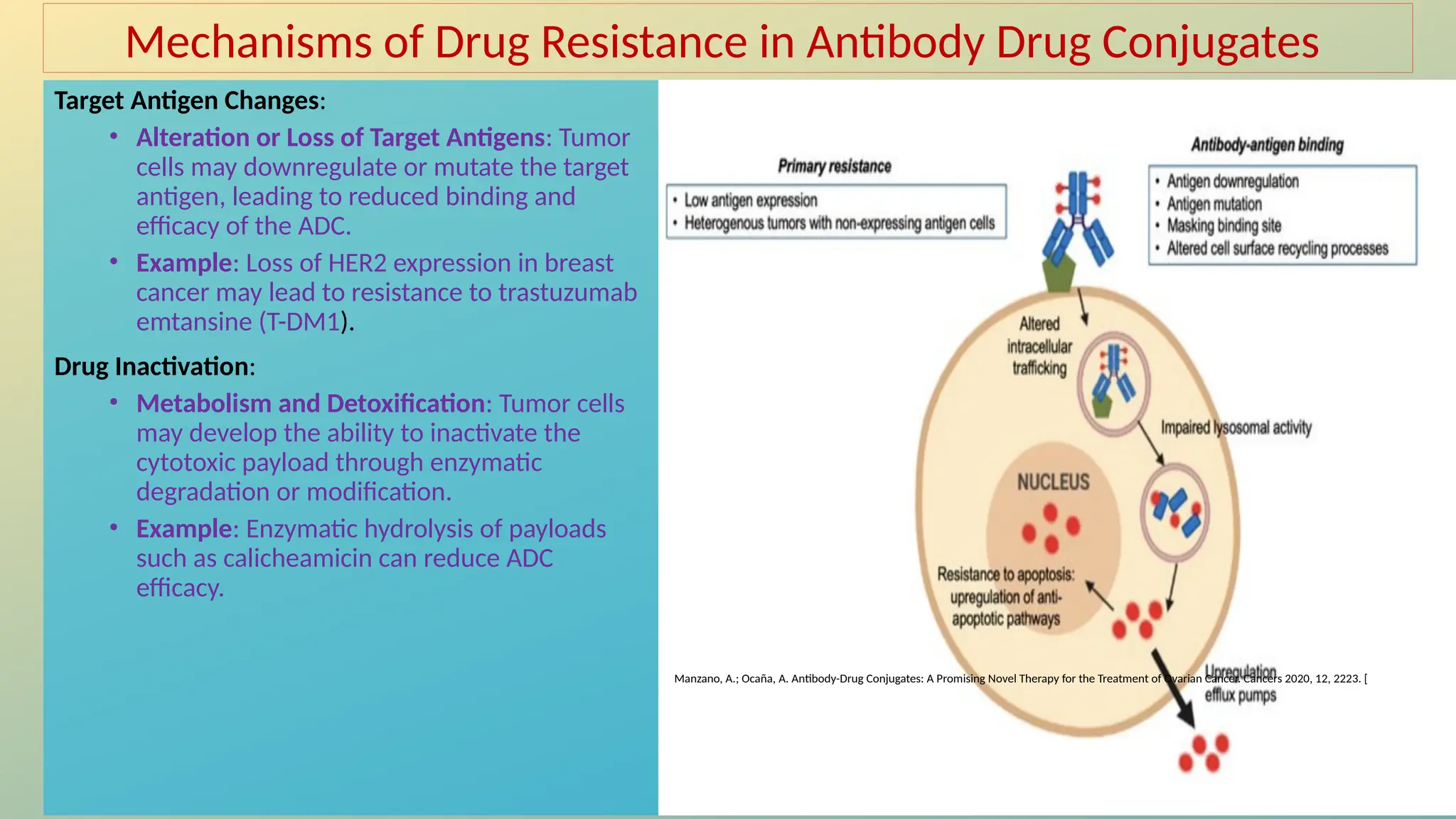
Target Antigen Changes:
• Alteration or Loss of Target Antigens: Tumor
cells may downregulate or mutate the target
antigen, leading to reduced binding and
efficacy of the ADC.
• Example: Loss of HER2 expression in breast
cancer may lead to resistance to trastuzumab
emtansine (T-DM1).
Drug Inactivation:
• Metabolism and Detoxification: Tumor cells
may develop the ability to inactivate the
cytotoxic payload through enzymatic
degradation or modification.
• Example: Enzymatic hydrolysis of payloads
such as calicheamicin can reduce ADC
efficacy.
Mechanisms of Drug Resistance in Antibody Drug Conjugates
Manzano, A.; Ocaña, A. Antibody-Drug Conjugates: A Promising Novel Therapy for the Treatment of Ovarian Cancer. Cancers 2020, 12, 2223. [
Enhanced Drug Efflux:
• Overexpression of Efflux Pumps: Cancer cells may express high
levels of efflux transporters (e.g., P-glycoprotein) that pump the
cytotoxic drug out of the cells, reducing intracellular
concentrations.
• Example: Increased expression of ABC transporters can lead to
reduced effectiveness of ADCs.
Altered Drug Targeting:
• Changes in Internalization Mechanisms: ADCs rely on
internalization after binding to their target. Tumor cells may alter
their uptake mechanisms, leading to decreased internalization of
the ADC.
• Example: Changes in receptor-mediated endocytosis can hinder
the delivery of the cytotoxic payload.
Tumor Microenvironment Factors:
• Hypoxia and Acidosis: The tumor microenvironment can
influence drug activity. Conditions like low oxygen (hypoxia) or
acidic pH may impair drug efficacy.
• Example: Hypoxic conditions can affect the stability and release
of certain cytotoxic agents from linker
Mechanisms of Drug Resistance in Antibody Drug Conjugates
A. Combination Therapies:
Using ADCs in combination with other therapeutic agents (e.g., chemotherapy, targeted
therapy, immunotherapy) can help overcome resistance mechanisms.
B. Targeting Multiple Antigens:
Developing bispecific ADCs that target multiple antigens on tumor cells may reduce the
likelihood of resistance through antigen loss.
C. Novel Payloads:
Researching new cytotoxic agents with different mechanisms of action can provide
alternatives to overcome resistance to existing ADCs.
Strategies to Overcome Resistance
Limitations and Challenges of Antibody Drug Conjugates
1. Target Antigen Heterogeneity:
• Variable Expression: Tumors often exhibit heterogeneity in target antigen expression, leading to
inconsistent responses among patients. Not all tumor cells may express the target antigen, which can
limit the efficacy of ADCs.
• Resistance Mechanisms: Tumors may develop resistance through downregulation of the target antigen
or through alterations in downstream signaling pathways.
2. Toxicity Concerns:
• Off-Target Effects: Although ADCs are designed for targeted action, off-target effects can still occur,
leading to toxicity in normal tissues expressing low levels of the target antigen or in adjacent tissues.
• Specific Side Effects: ADCs may cause specific adverse effects related to the payload, such as
hepatotoxicity, peripheral neuropathy, or myelosuppression, which can limit their use.
3. Complex Manufacturing and Quality Control:
• Production Challenges: The production of ADCs involves complex processes, including the conjugation
of antibodies to cytotoxic agents. Ensuring consistency, stability, and purity can be challenging.
• Regulatory Hurdles: ADCs face stringent regulatory scrutiny, and variations in manufacturing processes
can complicate approval and market entry.
• efficacy.
4. High Development Costs:
• Cost of Research and Development: The complexity of ADCs contributes to high research and
development costs, impacting pricing and accessibility for patients.
• Insurance Coverage: The high cost of ADC therapies may limit patient access, as insurance coverage can
be inconsistent and vary by region.
5. Limited Clinical Experience:
• Emerging Therapies: While ADCs have shown promise, the long-term effects and outcomes of many
ADCs in diverse populations are still being studied, necessitating ongoing research and data collection.
• Need for Continued Research: More clinical trials are needed to fully understand the optimal use,
combinations, and sequencing of ADC therapies in various cancer types.
6. Resistance to Therapy:
• Adaptive Resistance: Some tumors may adapt to ADC treatment by activating alternative pathways or
compensatory mechanisms, which can lead to treatment failure.
• Relapse Rates: Patients may experience relapse after initial responses, highlighting the need for
combination strategies to maintain
Limitations and Challenges of Antibody Drug Conjugates
This Photo by Unknown Author is
licensed under CC BY
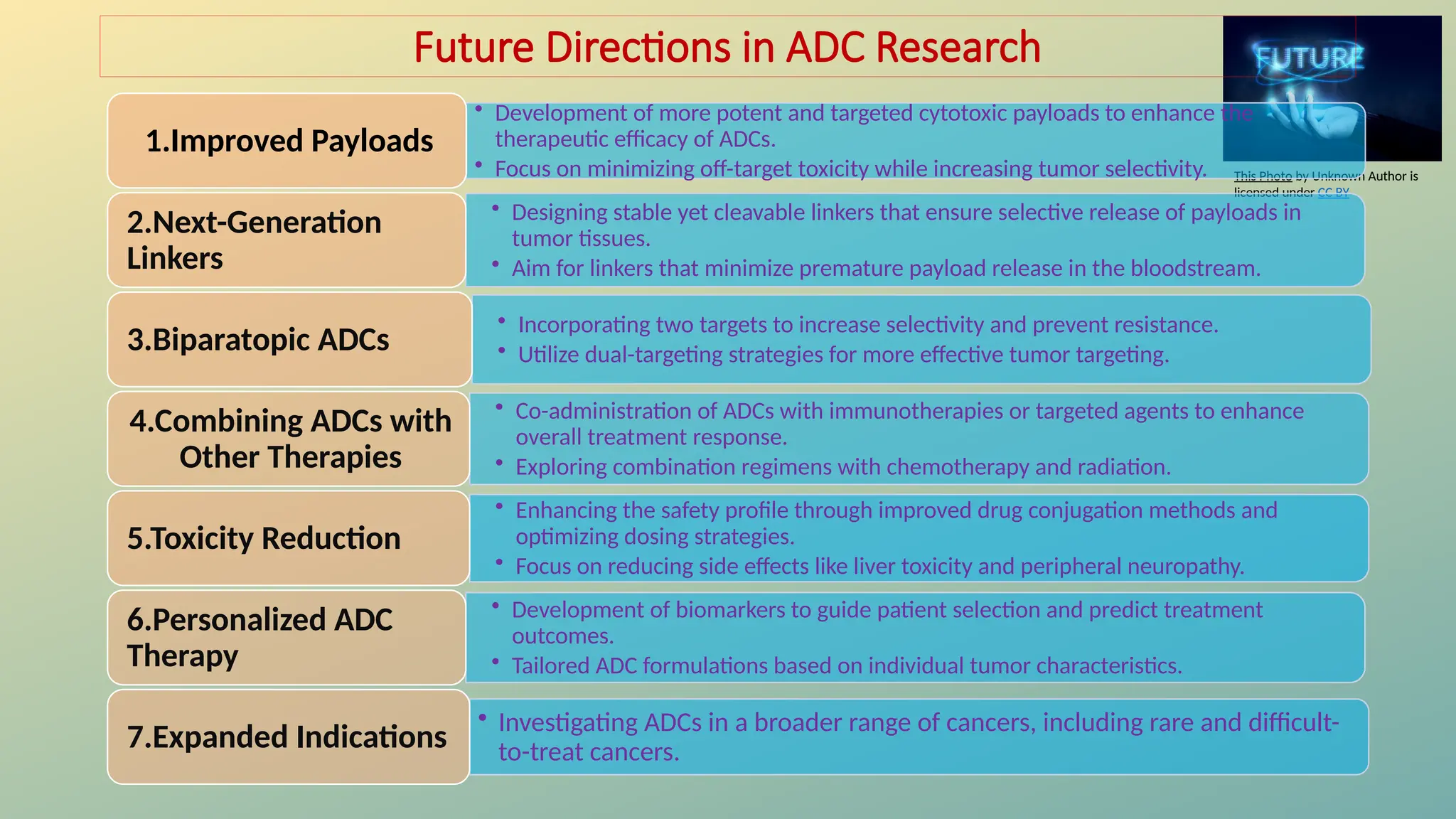
Future Directions in ADC Research
• Development of more potent and targeted cytotoxic payloads to enhance the
therapeutic efficacy of ADCs.
• Focus on minimizing off-target toxicity while increasing tumor selectivity.
1.Improved Payloads
• Designing stable yet cleavable linkers that ensure selective release of payloads in
tumor tissues.
• Aim for linkers that minimize premature payload release in the bloodstream.
2.Next-Generation
Linkers
• Incorporating two targets to increase selectivity and prevent resistance.
• Utilize dual-targeting strategies for more effective tumor targeting.
3.Biparatopic ADCs
• Co-administration of ADCs with immunotherapies or targeted agents to enhance
overall treatment response.
• Exploring combination regimens with chemotherapy and radiation.
4.Combining ADCs with
Other Therapies
• Enhancing the safety profile through improved drug conjugation methods and
optimizing dosing strategies.
• Focus on reducing side effects like liver toxicity and peripheral neuropathy.
5.Toxicity Reduction
• Development of biomarkers to guide patient selection and predict treatment
outcomes.
• Tailored ADC formulations based on individual tumor characteristics.
6.Personalized ADC
Therapy
• Investigating ADCs in a broader range of cancers, including rare and difficult-
to-treat cancers.
7.Expanded Indications
Summary of Antibody-Drug Conjugates
Targeted cancer therapies combining antibodies, linkers, and potent drugs to destroy cancer cells.
Key Components:
• Antibody: Targets cancer-specific antigens.
• Linker: Attaches the drug to the antibody.
• Payload: Delivers potent cytotoxic effects.
Advantages:
• Specific delivery reduces side effects.
• Effective against resistant cancers.
Challenges:
• Drug resistance and off-target toxicity.
• Complex manufacturing and high costs.
Applications:
• Treats hematologic and solid tumors.
• Expanding research into non-cancer diseases.
Future Directions:
• Improved designs and combination therapies for better outcomes.
Antibody Drug Conjugates (ADCs): Basics.pptx

Antibody Drug Conjugates (ADCs): Basics.pptx

  • 1.
    DR SUMIT KUMAR Assistantprofessor I ECMO NEIGRIHMS, Shillong
  • 2.
    Introduction to AntibodyDrug Conjugates • Definition: ADCs are a class of biopharmaceuticals designed to deliver cytotoxic (cell-killing) drugs directly to cancer cells while minimizing harm to normal, healthy cells. • Structure: three main components: Monoclonal Antibody (mAb):Specifically targets cancer cells by recognizing and binding to antigens (proteins) present on the surface of tumor cells. Cytotoxic Payload (Drug):A potent chemotherapy drug that kills cancer cells after being released inside the targeted cell. Linker: A chemical structure that attaches the cytotoxic drug to the antibody Concept: The ADC’s monoclonal antibody binds to the target antigen on the cancer cell, and the whole complex is internalized by the cell. Once inside, the linker is cleaved, and the cytotoxic drug is released, leading to the death of the cancer cell
  • 3.
    Components of AntibodyDrug Conjugates • Function:. It recognizes and binds to specific antigens (proteins) present on the surface of cancer cells. • Design: Monoclonal antibodies are highly specific. • Recognize only tumor-associated antigens that are overexpressed in cancer cells but minimally expressed in normal cells. • Examples: HER2, CD30, and CD33 1.Monoclonal Antibody (mAb): Benefit: The antibody ensures the ADC specifically homes in on cancer cells, minimizing collateral damage to healthy cells.
  • 4.
    • Function: Thelinker connects the cytotoxic drug (payload) to the antibody. It must be stable in the bloodstream but capable of releasing the drug once the ADC is internalized by the cancer cell. Components of Antibody Drug Conjugates 2. Linker: Types of Linkers: Cleavable Linkers: These are designed to be cleaved under specific conditions found in or around tumor cells. For example: 1.Acid-sensitive linkers 2. Lysosomal Prorease sensitive 3.Redox sensitive 4.Types :Enzyme cleavable and non-enzyme cleavable Non-cleavable Linkers: These stay intact and only release the cytotoxic drug when the entire ADC is degraded inside the cell’s lysosome 1.lysosomal degradation to release drug. 2.mAb degradation results in aa-linker-drug release( T-DM1) 3. Types: Thioether and maleimidocaproyl Importance: The stability of the linker is crucial because premature release of the cytotoxic payload in the bloodstream can lead to off-target toxicity.
  • 5.
    Function: The payloadis the therapeutic part of the ADC, responsible for killing cancer cells once delivered. These are highly potent cytotoxic agents, often too toxic to be administered systemically in free form. Components of Antibody Drug Conjugates 3. Cytotoxic Payload (Drug): Types of Payloads: Microtubule Inhibitors: These disrupt the cell’s ability to divide, leading to apoptosis (cell death). Example: MMAE (Monomethyl Auristatin E). DNA Damaging Agents: direct damage to the cancer cell’s DNA, preventing replication. Example: 1.Calicheamicin analogs 2.Duocarmycin analogs Includes gemtuzumab ozogamicin and inotuzumab ozogamicin Benefit: The use of potent drugs ensures that even a small amount of the payload can kill the targeted cancer cells, making ADCs highly effective even against small tumor burdens.
  • 6.
    Mechanism of Actionof Antibody Drug Conjugates Antibody Drug Conjugates (ADCs) use a multi-step process to target and kill cancer cells with high precision. 1. Target Recognition and Binding: • The monoclonal antibody (mAb) component of the ADC specifically recognizes and binds to a target antigen expressed on the surface of cancer cells. • These antigens are often overexpressed on cancer cells but are minimally present on normal, healthy cells (e.g., HER2, CD30, CD33). • Specificity: This selective binding ensures that the ADC delivers the cytotoxic drug directly to the cancer cells, minimizing off- target effects on healthy tissues. 2. Internalization: • Once the ADC binds to the target antigen, the entire complex (ADC-antigen) is internalized into the cancer cell through a process called receptor-mediated endocytosis. • The ADC is enclosed within a small vesicle inside the cell called an endosome.
  • 7.
    3. Release ofCytotoxic Payload: • Inside the cancer cell, the ADC is trafficked to a specialized compartment called the lysosome, where the acidic environment or specific enzymes degrade the ADC. • Depending on the type of linker used: • Cleavable Linker: The payload is released through enzymatic cleavage or acidic conditions. • Non-cleavable Linker: The payload is released when the entire ADC is degraded. • The cytotoxic drug (payload) is now free to act within the cancer cell. 4. Cell Death (Cytotoxicity): • Once released, the cytotoxic payload exerts its lethal effect on the cancer cell. The type of cytotoxic payload determines the mechanism of cell death: • Microtubule Inhibitors: Disrupt the cancer cell’s ability to divide, leading to apoptosis. • DNA Damaging Agents: Directly damage the DNA of the cancer cell, preventing replication and triggering cell death. • This targeted approach ensures that the cytotoxic effect is localized, sparing healthy tissues. Mechanism of Action of Antibody Drug Conjugates
  • 9.
    Advantages of AntibodyDrug Conjugates 1. Targeted Delivery: • Selective Targeting: ADCs deliver cytotoxic drugs directly to cancer cells by binding to specific antigens on their surface, reducing off-target effects on healthy tissues. • Minimized Toxicity: This targeted approach helps lower systemic toxicity compared to conventional chemotherapy, allowing for better tolerability. 2. Enhanced Efficacy: • Potent Payloads: The cytotoxic agents used in ADCs (such as microtubule inhibitors or DNA-damaging agents) are often much more potent than traditional chemotherapeutics, leading to improved antitumor effects. • Combination Potential: ADCs can be used in combination with other therapies (e.g., immunotherapy, chemotherapy) to enhance overall efficacy and overcome resistance mechanisms.
  • 10.
    3. Personalized Treatment: •Biomarker-Driven Therapy: ADCs can be tailored to individual patients based on the expression of specific target antigens, allowing for more personalized treatment plans and improved outcomes. • Adaptive Treatment Strategies: The ability to monitor responses and adjust treatment regimens based on biomarker status enhances the personalization of care. 4. Improved Survival Rates: • Clinical Outcomes: ADCs have shown promising results in clinical trials, with many leading to improved overall survival (OS) and progression-free survival (PFS) in patients with specific malignancies. • Treatment of Relapsed/Refractory Cases: ADCs provide options for patients with relapsed or refractory diseases, offering new hope for those who have exhausted other therapies Advantages of Antibody Drug Conjugates
  • 11.
    5. Convenient Administration: •Infusion Protocols: Many ADCs are administered via intravenous infusion, which can be more convenient for patients compared to daily oral medications. • Fewer Treatment Cycles: Some ADCs may require fewer treatment cycles than traditional chemotherapy, contributing to an improved quality of life during treatment. 6. Versatile Applications: • Multiple Cancer Types: ADCs are being developed for a wide range of cancers, including hematologic malignancies and solid tumors, expanding their applicability in oncology. • Innovative Designs: Ongoing research into new payloads, linkers, and antibodies is leading to the development of ADCs targeting various mechanisms and tumor characteristics. Advantages of Antibody Drug Conjugates
  • 12.
    In 1910, PaulEhrlich proposed the concept of “Magic Bullet” Several efforts were made but the technology was relatively backward and failed during this period In 1957, Marthe firstly tried to conjugated the methotrexate with antileukemia 1210 antigen immunoglobulins for the treatment of leukemia In 1967, the concept of ADC was firstly presented and the radioimmunotherapy was discussed In 1975, the hybridoma technology was developed to produce monoclonal antibodies by Kohler & Milstein In 1983, the first human clinical trial was conducted for the conjugates of vindesine CEA In 1988, the humanized antibodies were developed In 1993, the BR96-DOX was investigated on xerograft model In 1991, serious immunogenicity of murine monoclonal antibody limited the further development of ADC In 1993, calicheamicin family was used as the potent preload for preparation of ADC In 2000, the first ADC drug, gemtuzumab ozogamicin was approved by FDA for ALL in 2013, ado-transtuzumab emtanstine was approved in 2011, Brentuximab Vedotin was approved In 2010, Gemtuzumab Ozogamicin was voluntarily withdrawn as the fatal side effects In 2017 Inotuzumab Ozogamicin, Gemtuzumab Ozogamicin was approved In 2020, Sacituzumab Govitacan , Belantamab Mafodotin , , Cetuximab Sarotalacon was approved In 2018, Moxetumemab Pasadotox was approved In 2019 Polatuzumab Vedotin , Enfortumab Vedotin, Fam-transtuzumab deruxtecan was approved Over 100 ADC candidates were in different stages of clinic research In 2021, Loncastuximab Tesirine , Tisotumab Vedotin Disitamab Vedotin was approved 1910 1950 1960 1970 1980 1990 2000 2010 2020
  • 13.
    Antibody-Drug Conjugate (ADC) TargetAntigen Indication Linker Type Payload Approval Year Gemtuzumab ozogamicin (Mylotarg) CD33 Acute Myeloid Leukemia (AML) Acid-cleavable linker Calicheamicin 2000, reapproved 2017 Brentuximab vedotin (Adcetris) CD30 Hodgkin's Lymphoma, Systemic ALCL Protease-cleavable linker MMAE (Monomethyl auristatin E) 2011 Ado-trastuzumab emtansine (Kadcyla) HER2 HER2-Positive Breast Cancer Thioether linker DM1 (Maytansine derivative) 2013 Inotuzumab ozogamicin (Besponsa) CD22 Relapsed/Refractory Acute Lymphoblastic Leukemia Acid-cleavable linker Calicheamicin 2017 Polatuzumab vedotin (Polivy) CD79b Diffuse Large B-cell Lymphoma Protease-cleavable linker MMAE 2019 Enfortumab vedotin (Padcev) Nectin-4 Urothelial Cancer Protease-cleavable linker MMAE 2019 Common Antibody Drug Conjugates
  • 14.
    Antibody-Drug Conjugate (ADC) TargetAntigen Indication Linker Type Payload Approval Year Sacituzumab govitecan (Trodelvy) Trop-2 Triple-Negative Breast Cancer (TNBC) Hydrolyzable linker SN-38 (Irinotecan derivative) 2020 Belantamab mafodotin (Blenrep) BCMA Relapsed/Refractory Multiple Myeloma Protease-cleavable linker MMAF (Auristatin F) 2020 Loncastuximab tesirine (Zynlonta) CD19 Relapsed/Refractory Large B-cell Lymphoma Cleavable linker Pyrrolobenzodiazepine (PBD dimer) 2021 Trastuzumab deruxtecan (Enhertu) HER2 HER2-Positive Breast Cancer Enzymatically cleavable DXd (Topoisomerase I inhibitor) 2021 Tisotumab vedotin (Tivdak) Tissue Factor Recurrent/Metastatic Cervical Cancer Protease-cleavable linker MMAE 2021 Mirvetuximab soravtansine (Elahere) Folate Receptor Alpha Ovarian Cancer Cleavable linker DM4 (Maytansine derivative) 2022 Common Antibody Drug Conjugates
  • 15.
    Antibody-Drug Conjugate (ADC) Target AntigenIndication Linker Type Payload Approval Year Moxetumomab pasudotox (Lumoxiti) CD22 Hairy Cell Leukemia Acid-cleavable linker PE38 (Pseudomonas exotoxin) 2022 Fam-trastuzumab deruxtecan (Enhertu) HER2-Low HER2-Low Breast Cancer Enzymatically cleavable DXd 2022 Disitamab vedotin HER2 HER2-Positive Gastric Cancer Protease-cleavable linker MMAE 2023 Zilovertamab vedotin ROR1 Non-Hodgkin’s Lymphoma Protease-cleavable linker MMAE 2023 Telisotuzumab vedotin c-Met Non-Small Cell Lung Cancer (NSCLC) Protease-cleavable linker MMAE 2023 Datopotamab deruxtecan Trop-2 Triple-Negative Breast Cancer Enzymatically cleavable DXd 2023 Common Antibody Drug Conjugates
  • 16.
    Target Antigen Changes: •Alteration or Loss of Target Antigens: Tumor cells may downregulate or mutate the target antigen, leading to reduced binding and efficacy of the ADC. • Example: Loss of HER2 expression in breast cancer may lead to resistance to trastuzumab emtansine (T-DM1). Drug Inactivation: • Metabolism and Detoxification: Tumor cells may develop the ability to inactivate the cytotoxic payload through enzymatic degradation or modification. • Example: Enzymatic hydrolysis of payloads such as calicheamicin can reduce ADC efficacy. Mechanisms of Drug Resistance in Antibody Drug Conjugates Manzano, A.; Ocaña, A. Antibody-Drug Conjugates: A Promising Novel Therapy for the Treatment of Ovarian Cancer. Cancers 2020, 12, 2223. [
  • 17.
    Enhanced Drug Efflux: •Overexpression of Efflux Pumps: Cancer cells may express high levels of efflux transporters (e.g., P-glycoprotein) that pump the cytotoxic drug out of the cells, reducing intracellular concentrations. • Example: Increased expression of ABC transporters can lead to reduced effectiveness of ADCs. Altered Drug Targeting: • Changes in Internalization Mechanisms: ADCs rely on internalization after binding to their target. Tumor cells may alter their uptake mechanisms, leading to decreased internalization of the ADC. • Example: Changes in receptor-mediated endocytosis can hinder the delivery of the cytotoxic payload. Tumor Microenvironment Factors: • Hypoxia and Acidosis: The tumor microenvironment can influence drug activity. Conditions like low oxygen (hypoxia) or acidic pH may impair drug efficacy. • Example: Hypoxic conditions can affect the stability and release of certain cytotoxic agents from linker Mechanisms of Drug Resistance in Antibody Drug Conjugates
  • 18.
    A. Combination Therapies: UsingADCs in combination with other therapeutic agents (e.g., chemotherapy, targeted therapy, immunotherapy) can help overcome resistance mechanisms. B. Targeting Multiple Antigens: Developing bispecific ADCs that target multiple antigens on tumor cells may reduce the likelihood of resistance through antigen loss. C. Novel Payloads: Researching new cytotoxic agents with different mechanisms of action can provide alternatives to overcome resistance to existing ADCs. Strategies to Overcome Resistance
  • 19.
    Limitations and Challengesof Antibody Drug Conjugates 1. Target Antigen Heterogeneity: • Variable Expression: Tumors often exhibit heterogeneity in target antigen expression, leading to inconsistent responses among patients. Not all tumor cells may express the target antigen, which can limit the efficacy of ADCs. • Resistance Mechanisms: Tumors may develop resistance through downregulation of the target antigen or through alterations in downstream signaling pathways. 2. Toxicity Concerns: • Off-Target Effects: Although ADCs are designed for targeted action, off-target effects can still occur, leading to toxicity in normal tissues expressing low levels of the target antigen or in adjacent tissues. • Specific Side Effects: ADCs may cause specific adverse effects related to the payload, such as hepatotoxicity, peripheral neuropathy, or myelosuppression, which can limit their use. 3. Complex Manufacturing and Quality Control: • Production Challenges: The production of ADCs involves complex processes, including the conjugation of antibodies to cytotoxic agents. Ensuring consistency, stability, and purity can be challenging. • Regulatory Hurdles: ADCs face stringent regulatory scrutiny, and variations in manufacturing processes can complicate approval and market entry. • efficacy.
  • 20.
    4. High DevelopmentCosts: • Cost of Research and Development: The complexity of ADCs contributes to high research and development costs, impacting pricing and accessibility for patients. • Insurance Coverage: The high cost of ADC therapies may limit patient access, as insurance coverage can be inconsistent and vary by region. 5. Limited Clinical Experience: • Emerging Therapies: While ADCs have shown promise, the long-term effects and outcomes of many ADCs in diverse populations are still being studied, necessitating ongoing research and data collection. • Need for Continued Research: More clinical trials are needed to fully understand the optimal use, combinations, and sequencing of ADC therapies in various cancer types. 6. Resistance to Therapy: • Adaptive Resistance: Some tumors may adapt to ADC treatment by activating alternative pathways or compensatory mechanisms, which can lead to treatment failure. • Relapse Rates: Patients may experience relapse after initial responses, highlighting the need for combination strategies to maintain Limitations and Challenges of Antibody Drug Conjugates
  • 21.
    This Photo byUnknown Author is licensed under CC BY Future Directions in ADC Research • Development of more potent and targeted cytotoxic payloads to enhance the therapeutic efficacy of ADCs. • Focus on minimizing off-target toxicity while increasing tumor selectivity. 1.Improved Payloads • Designing stable yet cleavable linkers that ensure selective release of payloads in tumor tissues. • Aim for linkers that minimize premature payload release in the bloodstream. 2.Next-Generation Linkers • Incorporating two targets to increase selectivity and prevent resistance. • Utilize dual-targeting strategies for more effective tumor targeting. 3.Biparatopic ADCs • Co-administration of ADCs with immunotherapies or targeted agents to enhance overall treatment response. • Exploring combination regimens with chemotherapy and radiation. 4.Combining ADCs with Other Therapies • Enhancing the safety profile through improved drug conjugation methods and optimizing dosing strategies. • Focus on reducing side effects like liver toxicity and peripheral neuropathy. 5.Toxicity Reduction • Development of biomarkers to guide patient selection and predict treatment outcomes. • Tailored ADC formulations based on individual tumor characteristics. 6.Personalized ADC Therapy • Investigating ADCs in a broader range of cancers, including rare and difficult- to-treat cancers. 7.Expanded Indications
  • 22.
    Summary of Antibody-DrugConjugates Targeted cancer therapies combining antibodies, linkers, and potent drugs to destroy cancer cells. Key Components: • Antibody: Targets cancer-specific antigens. • Linker: Attaches the drug to the antibody. • Payload: Delivers potent cytotoxic effects. Advantages: • Specific delivery reduces side effects. • Effective against resistant cancers. Challenges: • Drug resistance and off-target toxicity. • Complex manufacturing and high costs. Applications: • Treats hematologic and solid tumors. • Expanding research into non-cancer diseases. Future Directions: • Improved designs and combination therapies for better outcomes.