
YOUR MOST IMPORTANT
CUSTOMER IS YOUR EMPLOYEE
How to change culture through
experience design
Andrew Walpole
Manager of Experience Design
Jack in the Box inc.
@walpolea
Your customer knows
when you care. And when
you don’t.
You care when you believe
in something.
Belief is driven by
experience.
Who we were
in 2009
● Training & Development
● Order-takers & paper-
pushers
● Doing things the way
they’ve always been done
● No strategy, no vision
OUR SPARK
What if we cared more about learning? So
much so, that it was a core value for all
employees? What if we were a learning
organization?
-Our CEO, Lenny Comma
A leader’s job is to
design the experience of
work
Have a
vision, but
co-construct
the strategy
● It’s okay to be fuzzy
● Let the team provide the lens to
focus it
● The strategy should move you
toward the vision state
● Let your vision evolve
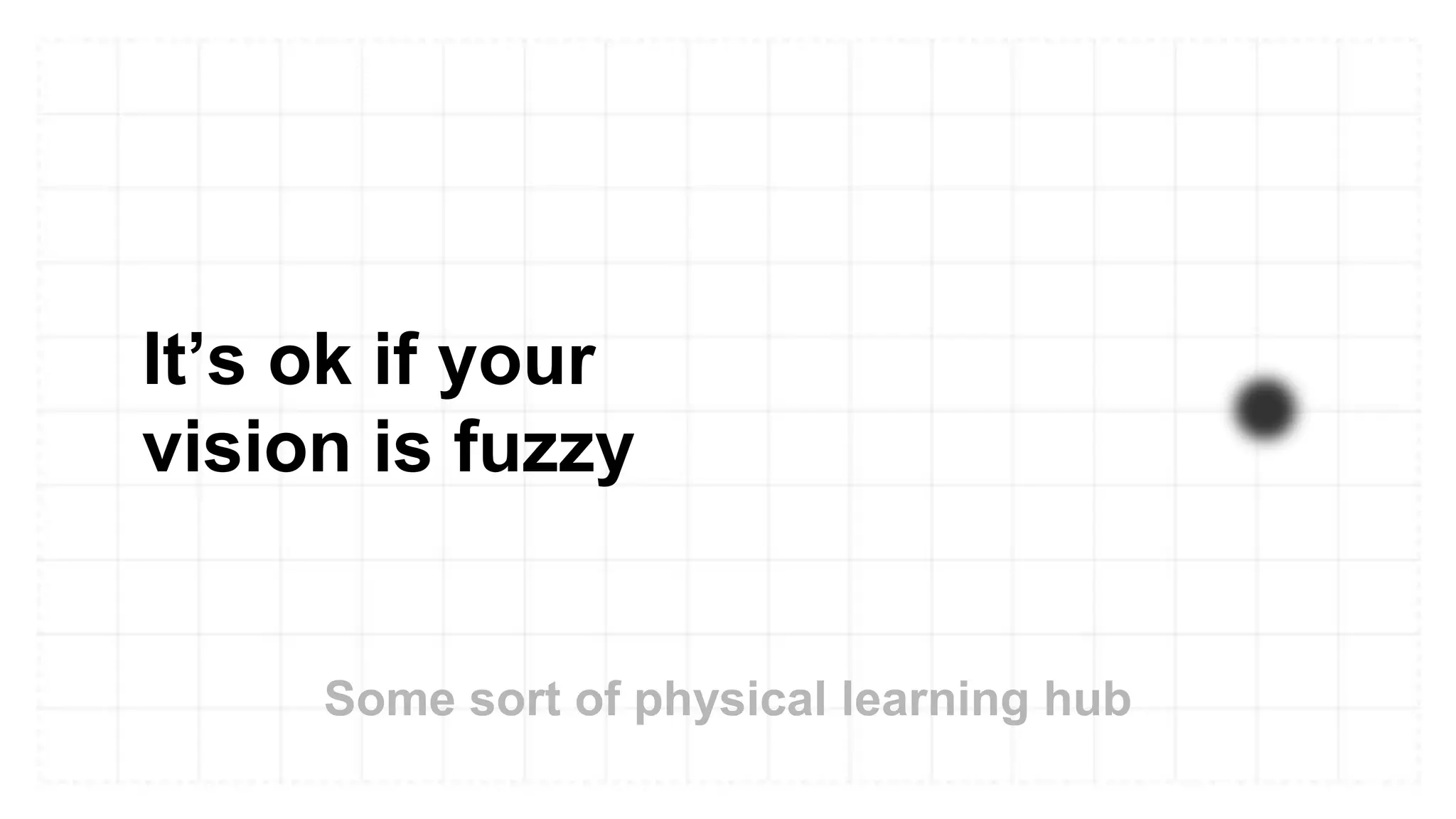
It’s ok if your
vision is fuzzy
Some sort of physical learning hub
Let the team
provide the
lens to focus it.
2-day Strategy Planning Meeting
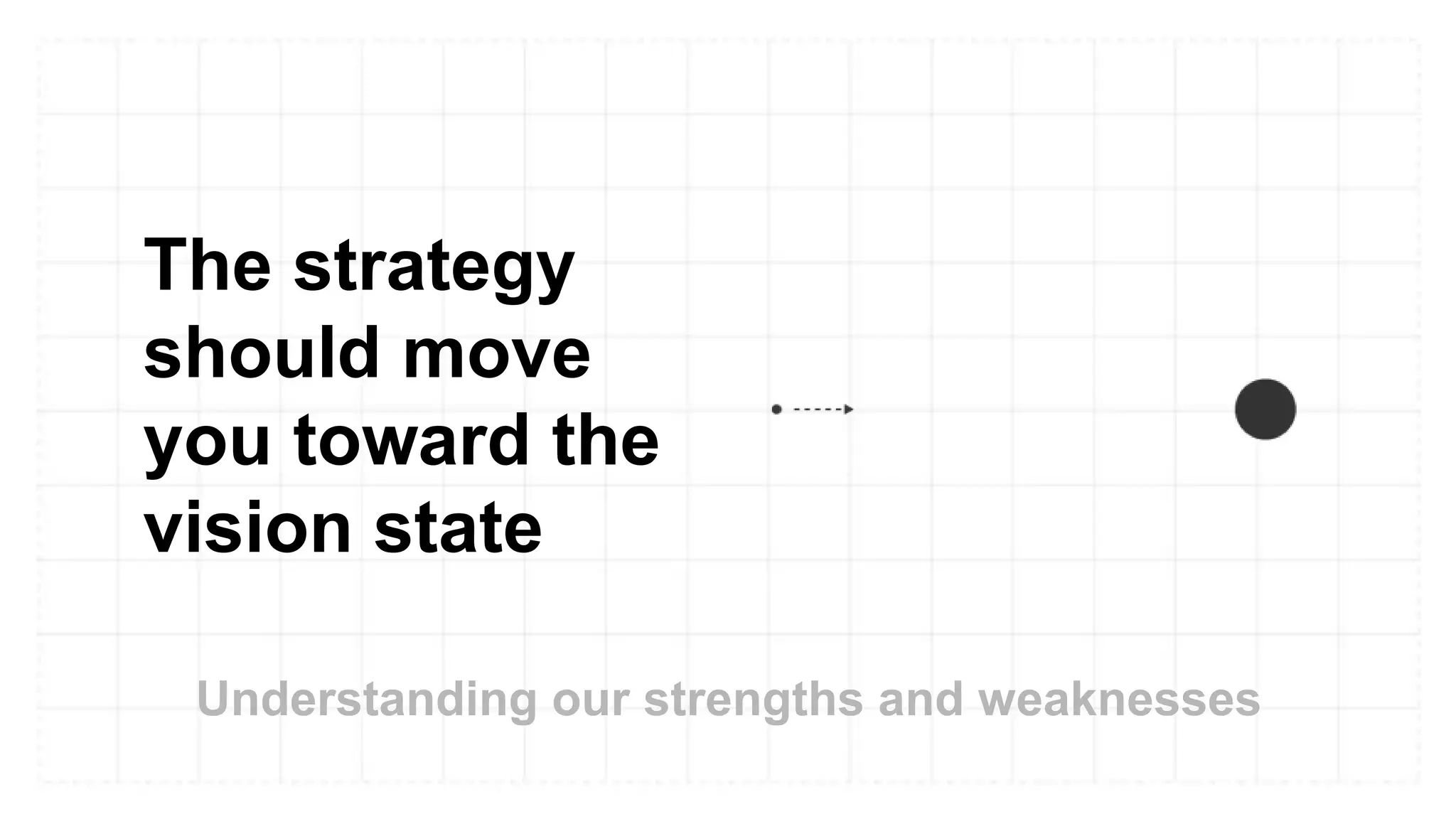
The strategy
should move
you toward the
vision state
Understanding our strengths and weaknesses
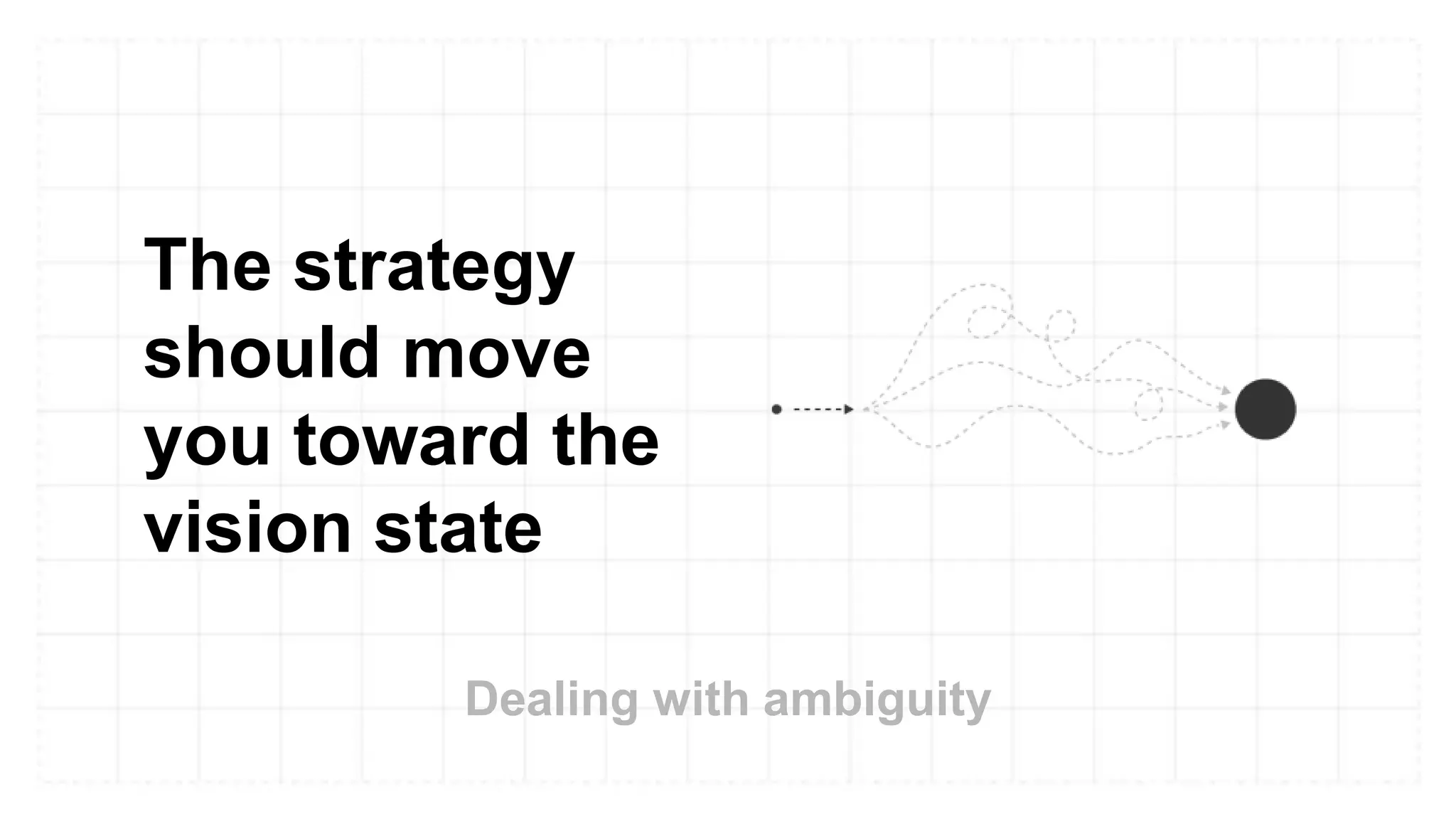
The strategy
should move
you toward the
vision state
Dealing with ambiguity
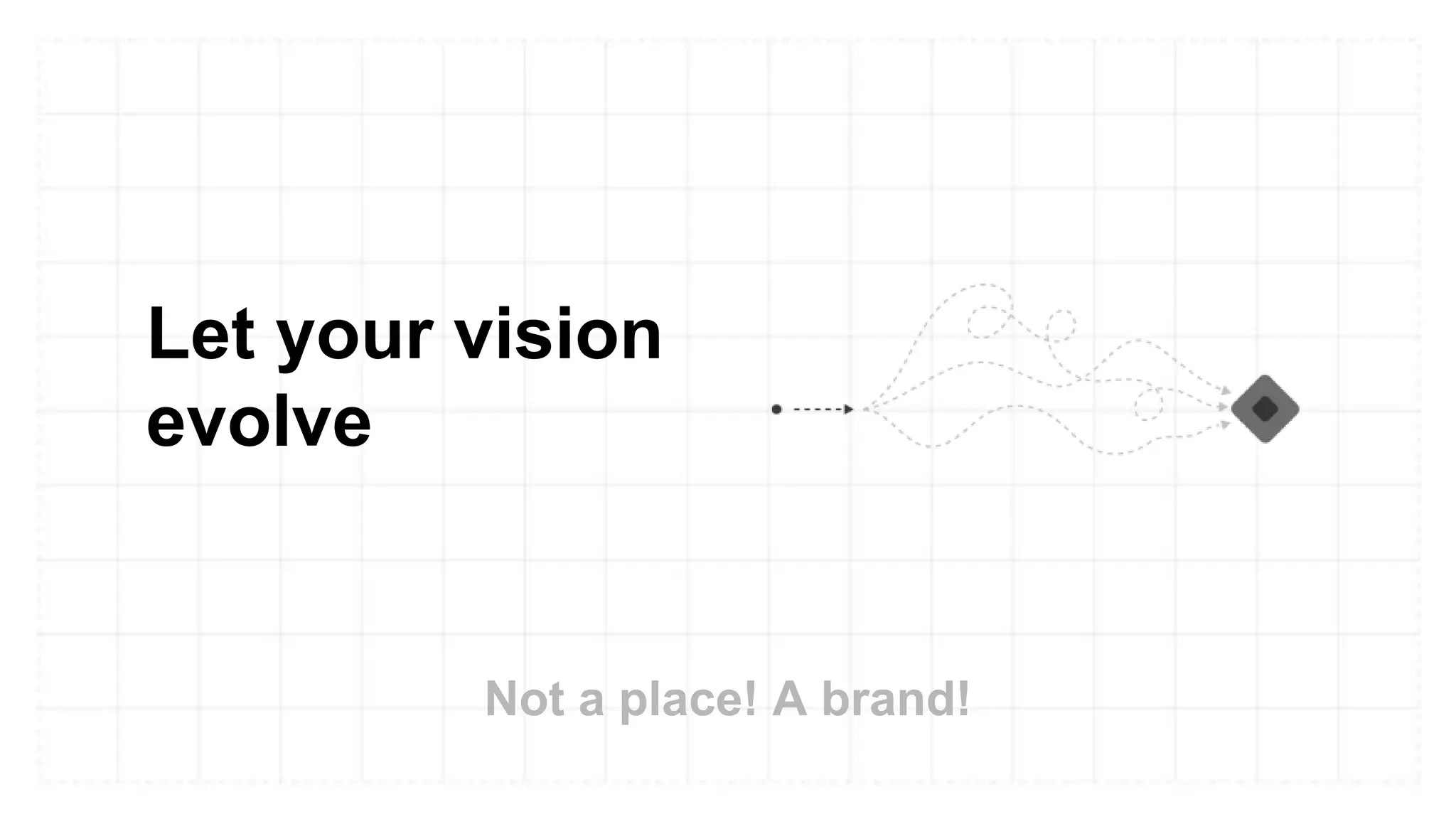
Let your vision
evolve
Not a place! A brand!
Set clear
expectations
for everyone
● Promote change and
movement toward your vision
● Hold people accountable
● Role-model your expectations
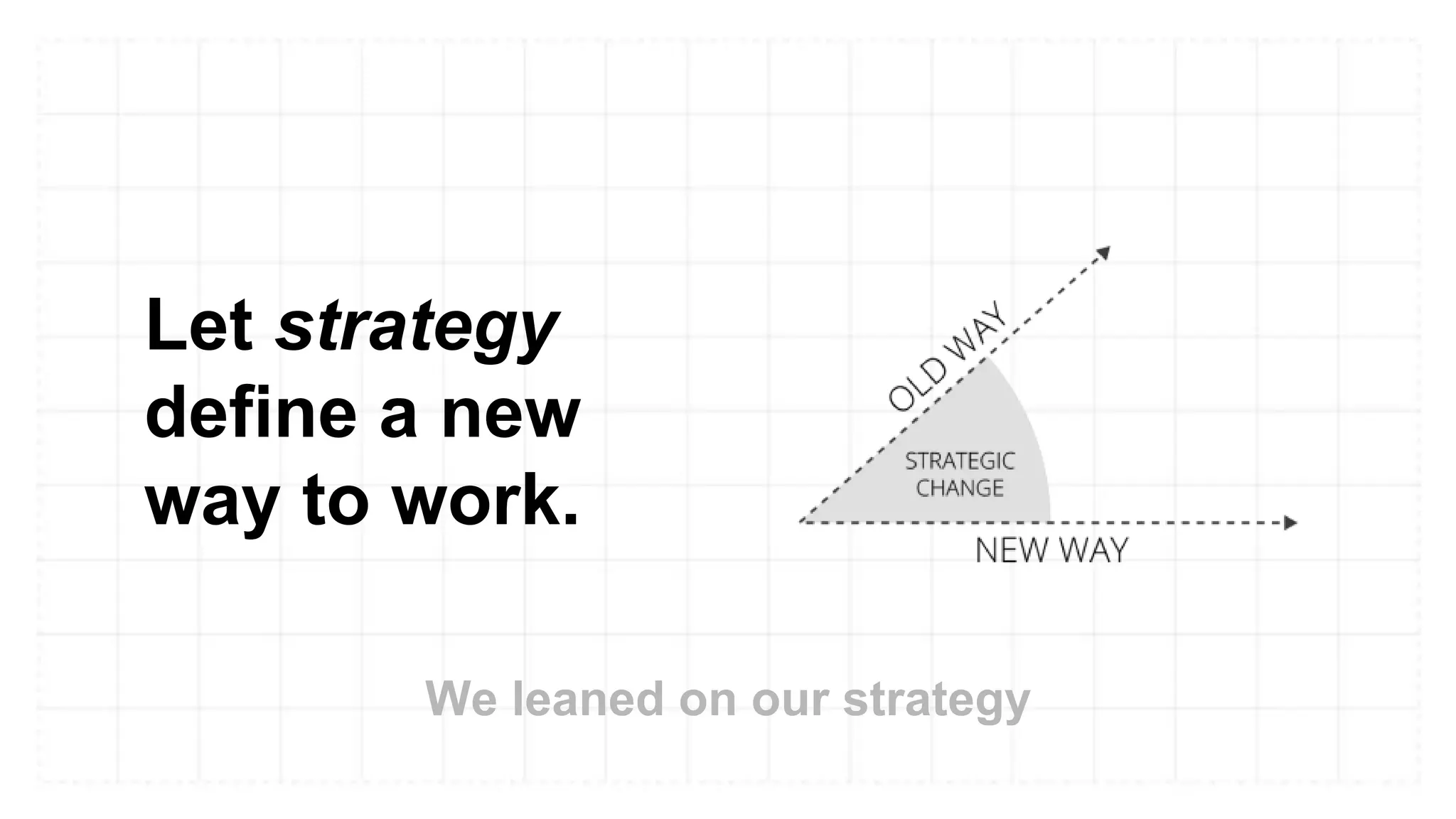
● Let strategy define a new way
to work.
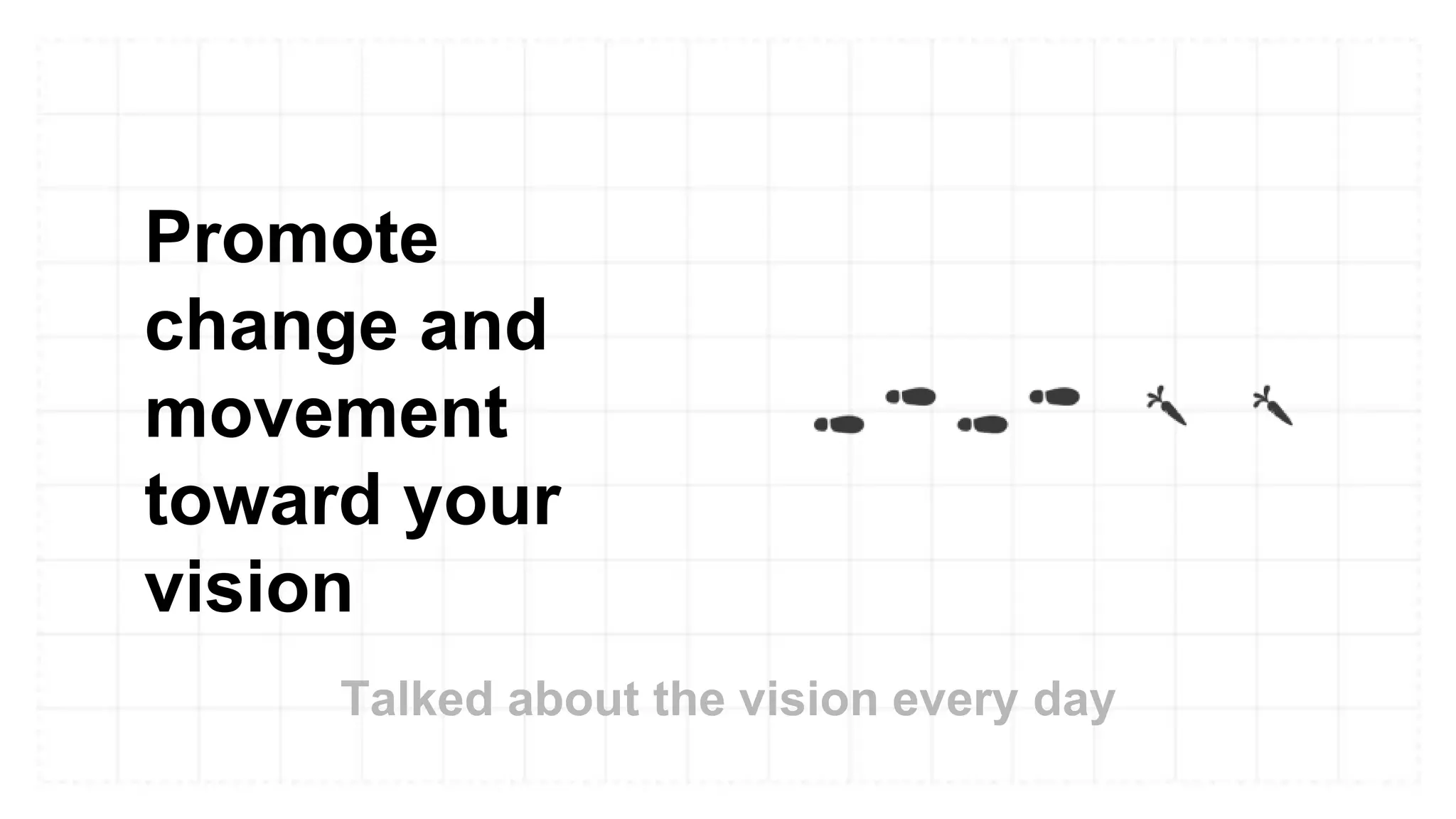
Promote
change and
movement
toward your
vision
Talked about the vision every day
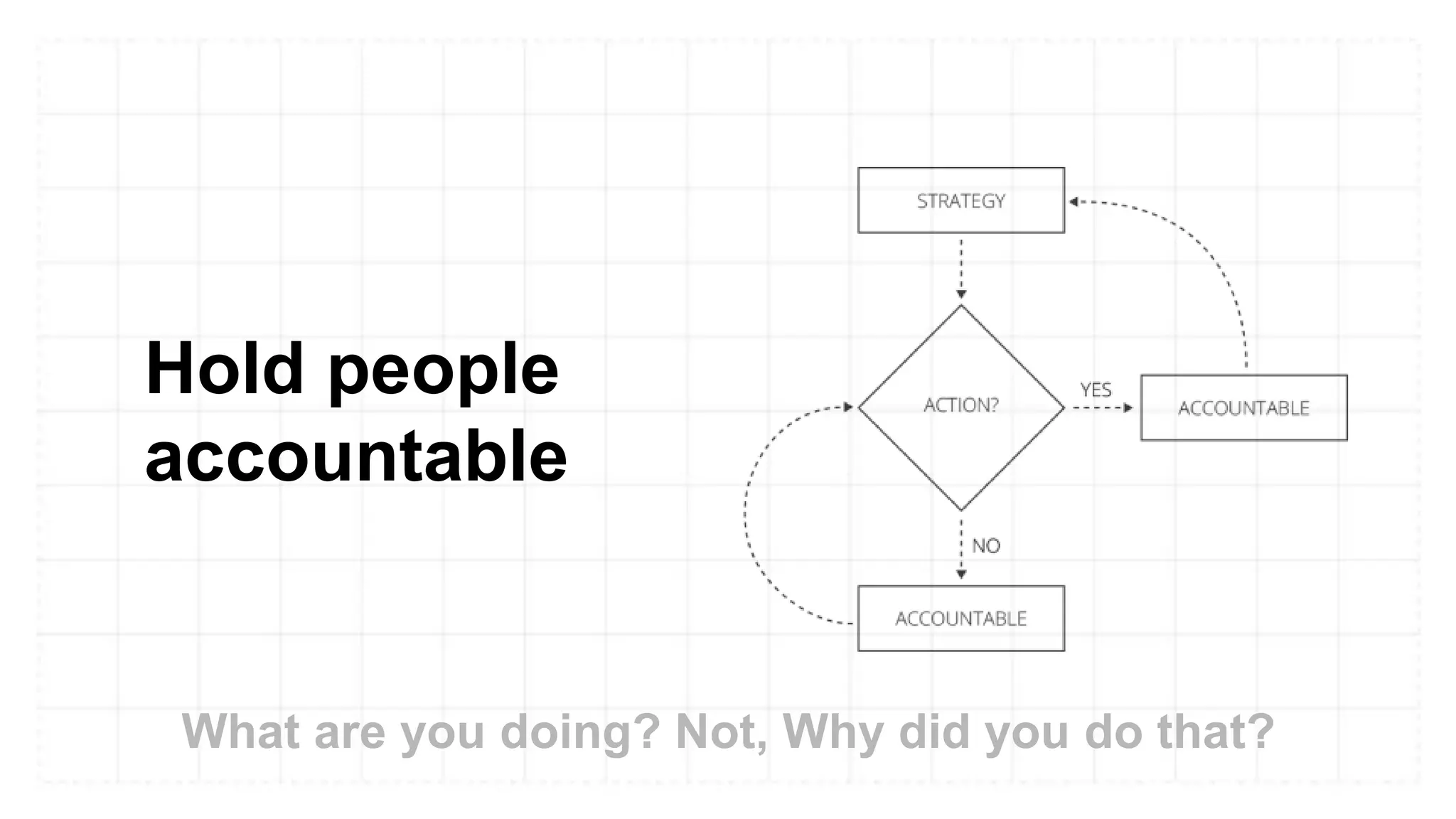
Hold people
accountable
What are you doing? Not, Why did you do that?
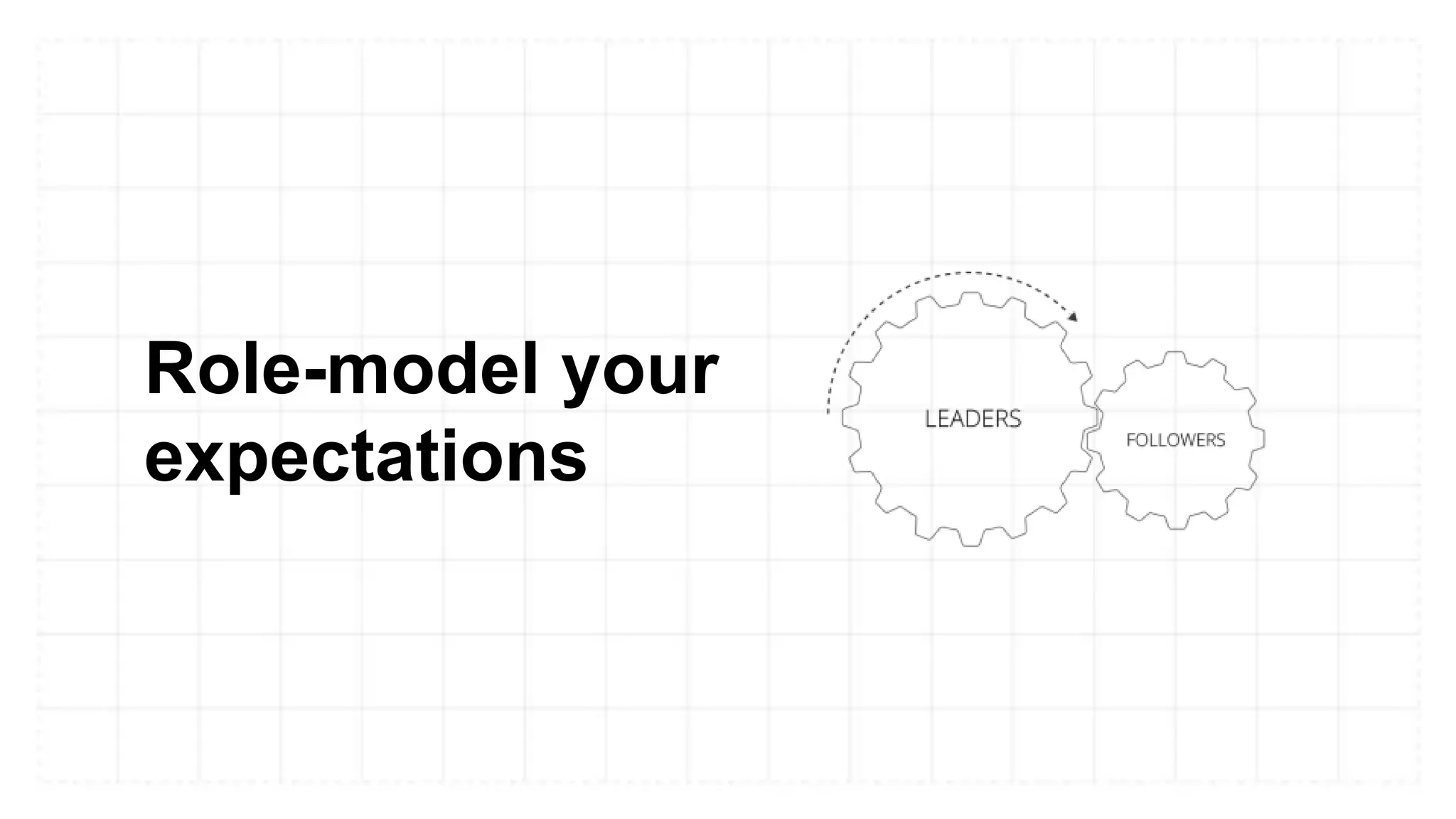
Role-model your
expectations
Let strategy
define a new
way to work.
We leaned on our strategy
Inspire a
movement
● Start doing something
● Be public about it
● Commit to your strategy, own it,
don’t let culture steer you off
course
START
DOING
SOMETHING
Be public
about it
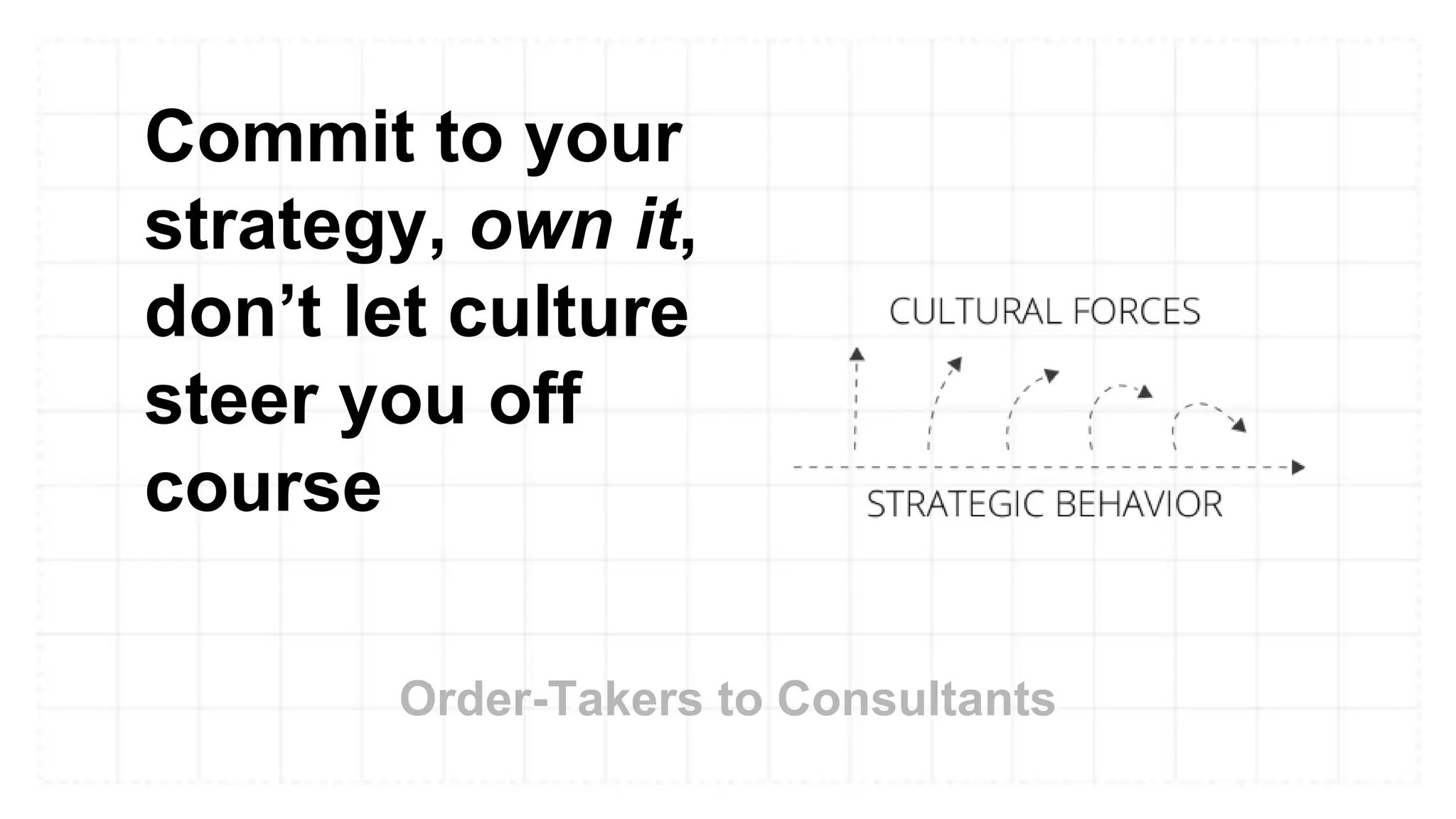
Commit to your
strategy, own it,
don’t let culture
steer you off
course
Order-Takers to Consultants
Empower
employees
to own their
expertise
● Give them purpose beyond the
needs of the business
● Let them write it into their job
description
● Align what people want to do
with what needs to be done
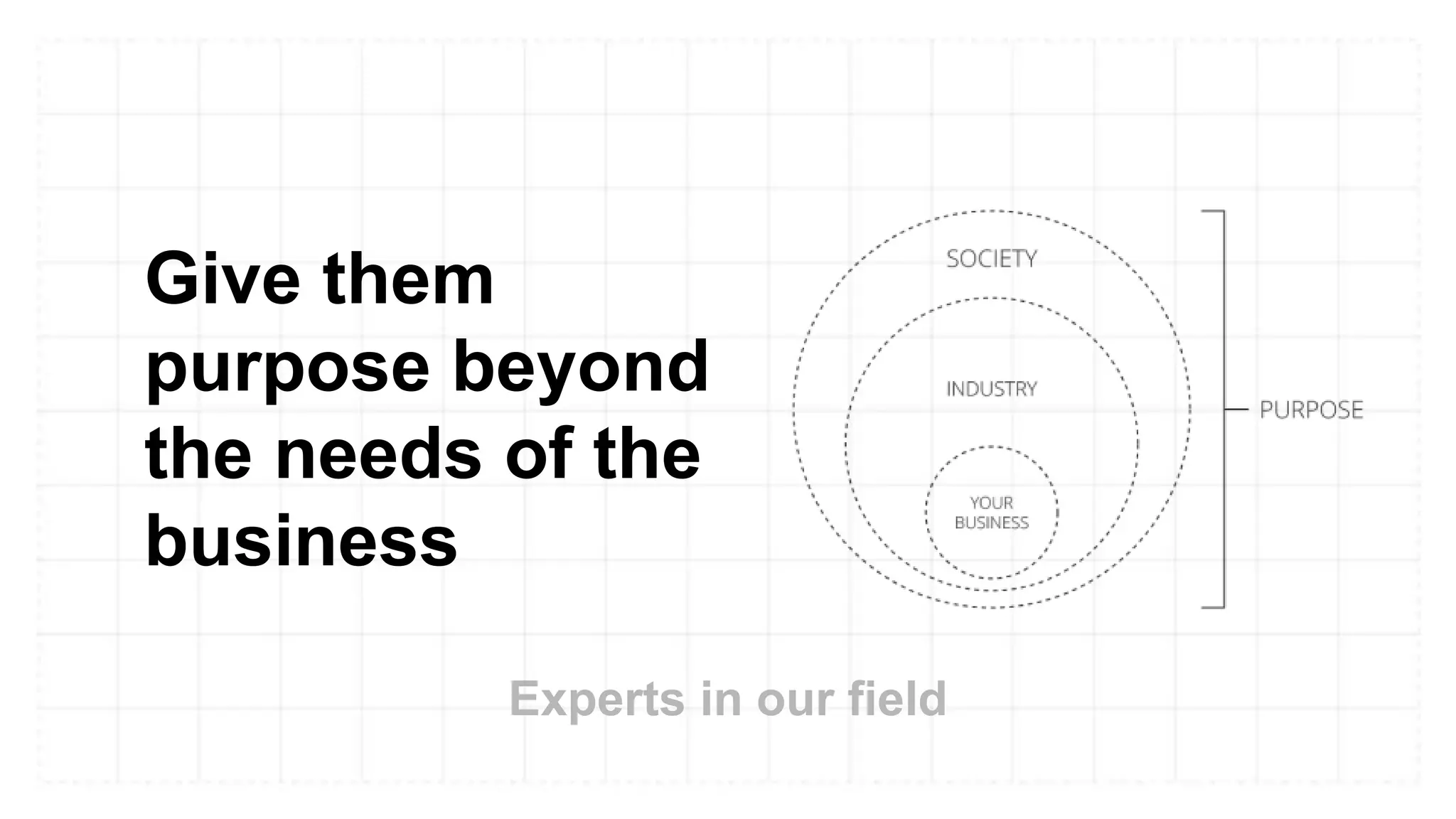
Give them
purpose beyond
the needs of the
business
Experts in our field
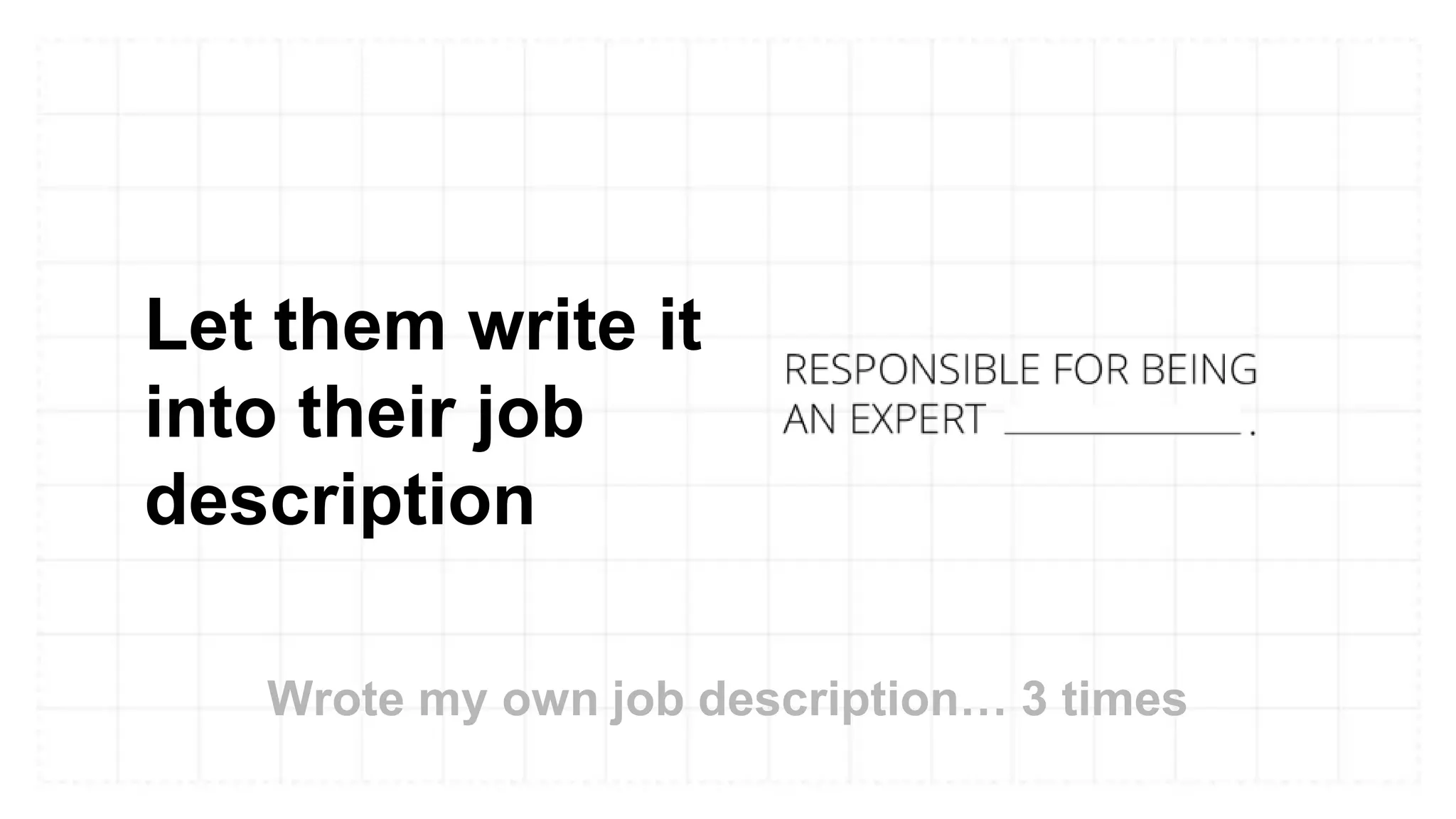
Let them write it
into their job
description
Wrote my own job description… 3 times
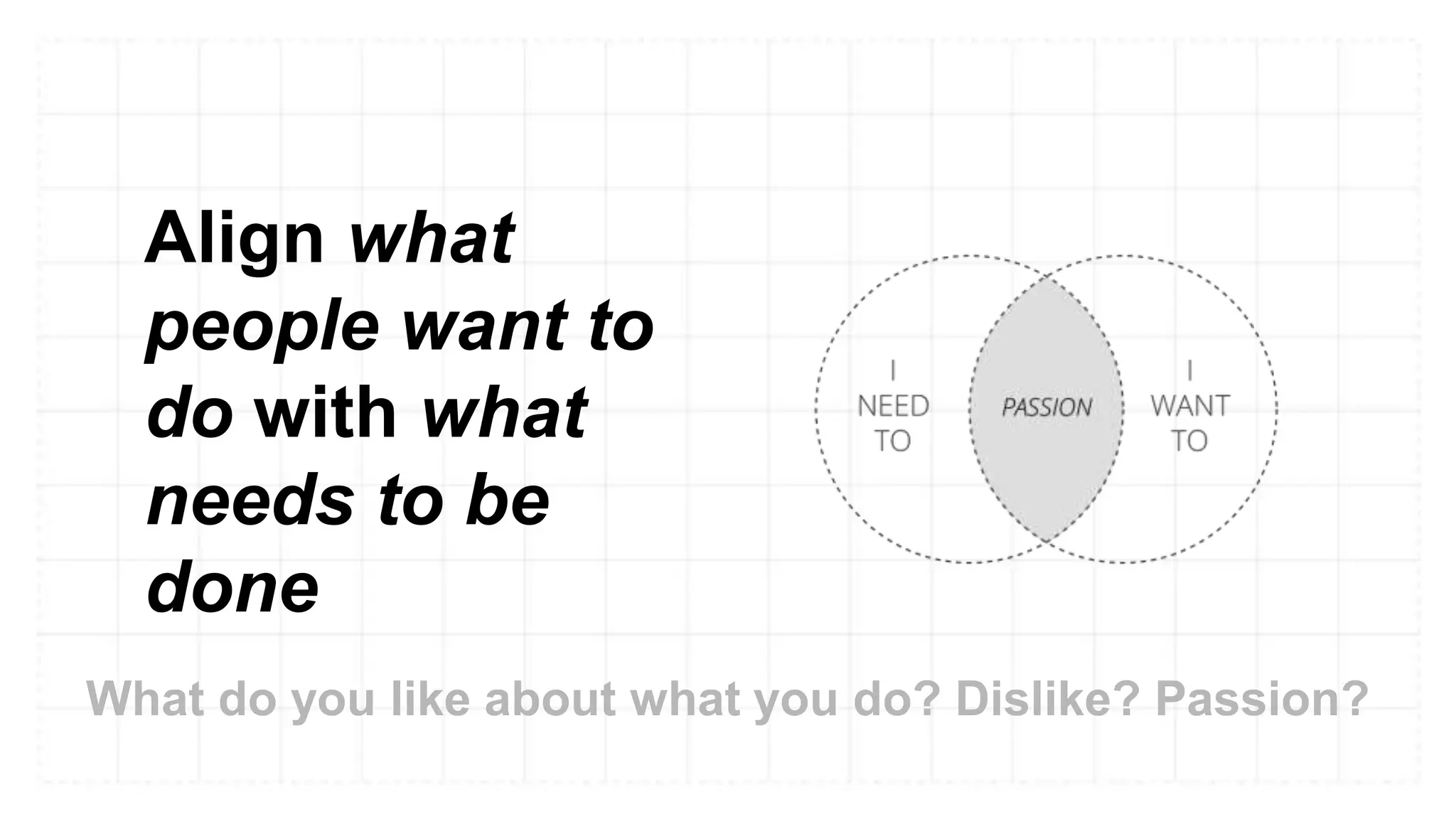
Align what
people want to
do with what
needs to be
done
What do you like about what you do? Dislike? Passion?
Who we are
today
● Whole new department structure: JU and
XD
● Organization added a CLO
● Our departments grew in a time of G&A
shrinking
● New work environment
● Every role has changed: new departmental
capabilities
● An empowered, motivated, successful
group recognized by company leaders.
● New vision and strategy
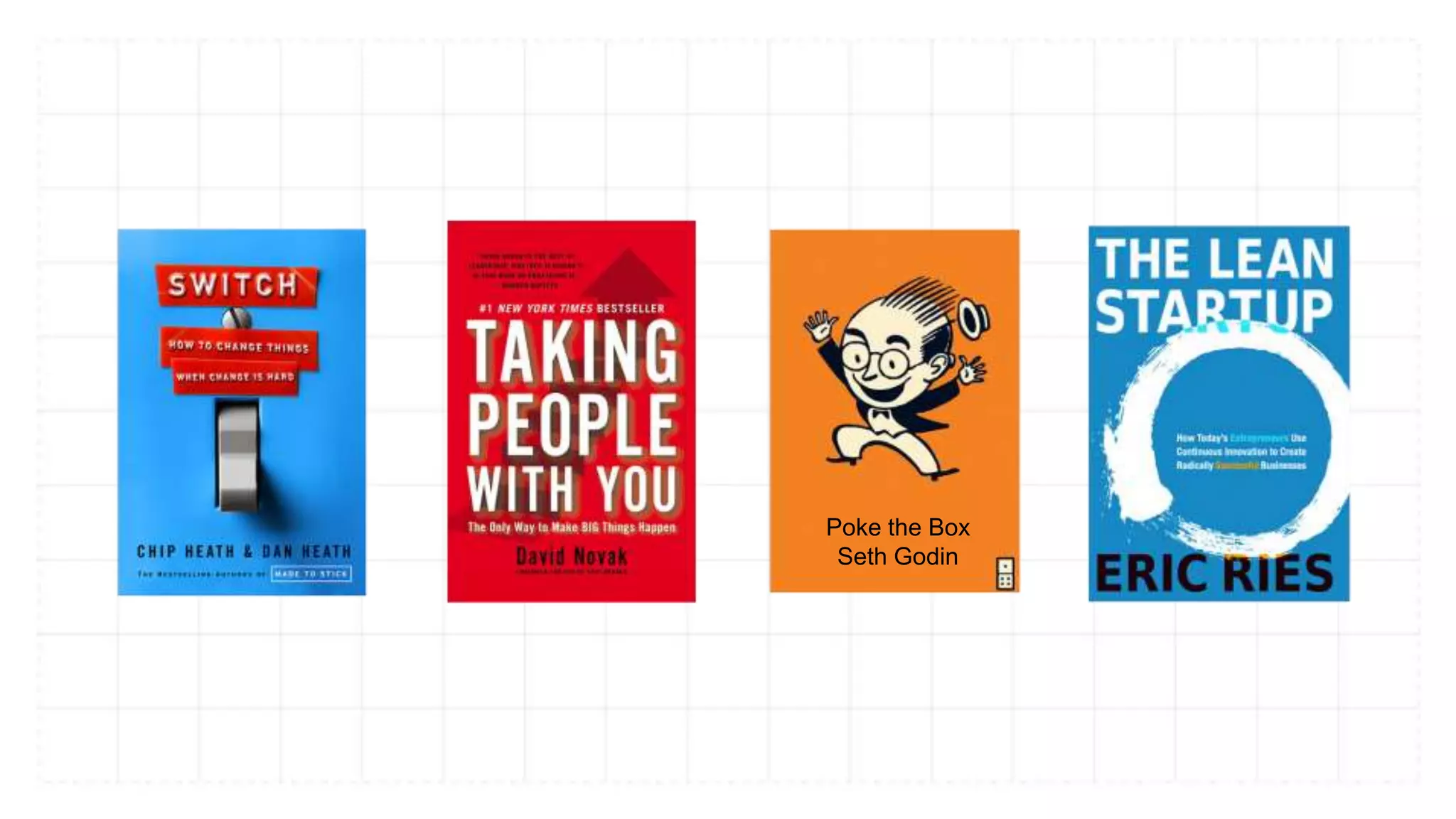
Poke the Box
Seth Godin
https://www.youtube.com/watch?v=fW8amMCVAJQ
Leadership Lessons from Dancing Guy
Thank you!
andrew.walpole@jackinthebox.com
twitter: @walpolea

Andrew walpole 12pm - total cx presentation

Editor's Notes

  • #2 Today I’m going to share with you why I think focusing on your employees your team your co-workers with like-minded agendas is essential to being a great leader, and ultimately the best way to impact what you do for your customer over the long term.
  • #3 But first! Who am I? Andrew Walpole I’m a software engineer web developer web designer graphic designer sort of all around media and technology dude. Manager of the recently formed Experience Design team at Jack in the Box inc. And for those of you that may not know of us, Jack in the Box is a fast food restaurant chain located in 21 states Known for our diverse menu including burgers, chicken sandwiches, tacos, breakfast all day and more. We are also the parent company for Qdoba: a quick-casual mexican restaurant chain
  • #4 Your customer knows when you care and when you don’t. This statement is more believable today than ever, with social media and the boundary between company behavior and customer feedback being reduced entirely. When we dive into what caring is all about we find that it is often driven by strong belief in something. And belief is driven by experience. So to work backwards, this talk is really about paying attention to the experience you create as a leader And how you create experiences that affect the beliefs of the people around you, which in turn makes them care more about what they are doing. All of which will reflect back on to your customer and how they perceive you through actions, products and services. Your customer knows when you care and when you don’t. believeable - social media, glassdoor.com You care when you believe in something And belief is driven by experience work backwards - leaders can create experiences instill belief in people inspires caring reflects back on customer - perceptions of actions, products, services
  • #5 Before we jump into that, let me set the stage for you. Joined Jack in the Box in 2009 - Multimedia Developer in Training & Development We facilitated training, but we took orders - “I need a job-aid with XYZ” “Here’s a scene-by-scene script of a training module - make it happen” Very little strategy around what training meant No clear vision to evolve the team into something better - just ideas and wishes, little action
  • #6 Then something happened actually, 2 things happened: Our CEO said something, and the director of our department, Megan McGuinness - actually Megan Patel as of a few weeks ago - listened. This is paraphrased, but he said something like… He put out there an idea that we could be a better organization if we valued learning and development more as an organization. And Megan heard this and it was her call to action, her and eventually our spark, a vision that she felt empowered to take and run with. Something happened, 2 things Our CEO said something and Director of Training, Listened Paraphrased: idea: be better company by valuing learning and development Megan’s call to action, our spark A vision she took and ran with
  • #7 And so we took this spark and after we got over the shock of how huge of a shift this would be we sort of just knew that there was no way to get there without carefully nurturing the experience of getting there. And so what this really says is that in order to lead people anywhere you have to define the experiences they have, the experience of work, that allows them to really believe and become engaged in any vision or shift you want to lead them towards. Megan and I took a really in-depth look back at the path we took and out of that we came up with these 4 concepts along with action items that we think were essential to making our vision a reality. Took the spark got over the shock, huge shift nurture the experience In order to lead people: define experiences, the experience of work creates engagement toward the vision. sat down, in-depth look back 4 concepts, and action items that go with them, we learned to accomplish a vision
  • #8 CONCEPT: The first thing we learned was that having a vision was key. Hard time reaching that vision state if you don’t co-construct the strategy. You could define the strategy yourself, but then selling that package to your employees can often be hard. STORY: For us, we knew we had to bring people with us, the vision was too big no way we could get buy-in otherwise
  • #9 CONCEPT: When you hear about visions, they get portrayed as these crystal clear things. When visions happen, they are often fuzzy to begin with. As things begin to come into focus, hindsight will make it seem like it was that way all along. STORY: Megan had a fuzzy vision - a physical university a brand built around learning and development not a lot beyond that In the story of our department, it was Megan via our CEO Lenny, who had this vision that training could mean so much more to people at all levels of the company, but beyond that she didn’t have a full understanding of what that meant. She just knew that having some sort of physical university to represent the importance of learning was the way to get closer to Lenny’s “what if”. So instead of struggling to figure it out herself she brought together her team to help her figure it out, and something cool happened...
  • #10 STORY: first time ever, 2-day department strategy planning meeting. first ever comprehensive learning and development strategy that aligned with our vision: to become a learning organization. What the vision meant what behaviors looked like in that world CONCEPT: Paint the fuzzy vision you have for your team and lead them to provide the focus for your vision. Focus is hard because it comes from: knowing strengths and weaknesses capabilities tribal knowledge different perspectives passions Your team can provide all of these things, often in abundance And you’ll be amazed that by co-constructing a strategy not only will your vision seem so clear and achievable than you ever thought, but you will have begun to ignite a flame inside of your team as a collective. They will already be aligned and energized.
  • #11 CONCEPT: Your job as a leader is to push the strategy toward the vision state There are 2 big things that are critical to this: To know what direction to go in, you not only need to know where your vision state is, but where you are today. It’s your job to plot those 2 points. STORY: For us this meant understanding where we were organizationally What were our collective capabilities and deficiencies
  • #12 CONCEPT: Second, don’t get bogged down in the details. An initial strategy will bring clarity and provide you with a general direction. But don’t think that you have to map out every freeway, back-road, rest-stop and itinerary bullet-point that you’ll need to get there. That type of planning will paralyze you from taking even a single step. STORY: This was really hard for us. Should be easy, but uncertainty is uncomfortable Dealing with ambiguity became a huge organizational need.
  • #13 CONCEPT: Your vision will want to and should evolve. Be open to that, expect it. It has the potential to get: bigger more targeted or just different Always revisit the strategy STORY: Not about being a physical place to learn More about being a meaningful brand
  • #14 CONCEPT: Once you have some sort of initial strategy in place. You can set clear expectations for everyone. With great vision and strategy comes great responsibility. It’s ok to expect people to own or share that responsibility, but it’s not ok to not tell them that. This is also an opportunity to: wipe the slate clean inspire change challenge your team to rise to this occasion
  • #15 Getting people moving toward a vision is hard. Talk about the vision and strategy every day Help people identify quick wins that get them moving Supply a few carrots here and there to get people in the right mindset to move.
  • #16 Hold people accountable. This is a very misunderstood phrase today. A lot of folks might see this and cringe. Because we often feel like we only do this when someone makes a mistake. It has become synonymous with discipline. But I challenge you to hold people accountable for making informed decisions, regardless of success or failure. Hold them accountable for action and inaction, not for right and wrong. misunderstood cringe - mistakes only like discipline accountable for informed decisions - regardless success/failure accountable for action and inaction not right and wrong
  • #17 CONCEPT: Being a role-model for your expectations is essential. Going back to belief created from experiences, if you just tell people how you want them to act, they won’t really believe in that behavior. But if you show them what it means, they will follow your lead. On top of that, look for your role model. It might be from within your company or outside in the industry, or somewhere else entirely. STORY: For me it was our CEO, Lenny Comma. I met with him around the time that I was starting to form a new vision for my team; how we could impact the business in a way beyond the scope of our current roles. I presented the idea and Lenny said, what you’re doing is great, but I expect you not to let fear hold you back. He set an expectation that was contrary to the culture’s expectation.
  • #18 When you create a strategy, it usually means working in some new way. Changing behaviors. The key here is not to fight the need to change. Trying to fit your strategy into how you currently work isn’t a solution. So let it happen, and measure it. Understand the changes and communicate them to your team and peers as often as possible.
  • #19 I once attended an HR seminar, and on the presenter’s first slide he said something like: Bad leaders manage. Good leaders lead. Great leaders inspire others to lead. And I thought, “man, did you just used your best line on the first slide?” He totally did. But it’s true: It’s not easy to do. But it’s impossible to inspire people if you don’t even know you’re supposed to. So think about it, constantly, ask yourself, “How can I inspire people, what does that even mean?”
  • #20 Start doing something - movements don’t start on their own. Strategy needs to be executed on. Put your money where your mouth is. Walk the talk. Show people that your strategy is more than just words on a page.
  • #21 ...And be public about it. Make a fool out of yourself if you have to. Sometimes doing new things isn’t very graceful. But you need to show people how to move if you want them to follow your lead.
  • #22 Showing commitment and ownership, especially in the face of opposition, inspires. When a new way to work presents itself, there will almost always be cultural forces that try to pull you in another direction, but having resolve and leaning on your strategy and goals can eventually start to change the culture to align more with your vision. STORY: A good example of this is when we began with our commitment to make learning and personal development a priority. On a quarterly basis, we had a department development day
  • #23 Leaders should empower their employees, but I’ve seen a lot who do just the opposite. Leaders who don’t empower people are usually afraid to lose control, but if you’re setting expectations and keeping people aligned to the vision and strategy, there is no reason to fear this. And you’ll find that it takes a lot less energy to empower people than to control them, which in turn will let you focus on being the navigator that you should be. Here are some ways that we found work really well to empower people. Leaders should empower But a lot don’t Afraid to lose control Set expectations, align people to vision and strategy Less energy to empower than control Lets you focus on being navigator
  • #24 CONCEPT: It’s really easy to get stuck in your work bubble. The work bubble is where everything you do is compared only to the things your company does. That’s just a small piece of the empowerment pie. Look beyond your company, to your industry, and the greater society to find purpose for each individual’s work. STORY: For us this manifests itself as being leaders in the industry of digital media. We strive to be experts in our field, and we compare ourselves with the industry. We hold ourselves individually and collectively accountable to being
  • #25 STORY: I’ve been with Jack in the Box for 6 years and in that time I’ve rewritten my own job description 3 times. Lucky to have leadership that was opened to this. The first 2 times asked. The 3rd I just did it myself. “Hey, my role has changed” CONCEPT: There are 2 things that are especially great about this: Writing your own job description creates self accountability: instead of being told what to do, you get to hold yourself to a higher set of responsibilities What you do and why you do it - your purpose - come together in a place that allows the company to expect you to behave in new ways.
  • #26 Are your employees engaged and passionate about what they do for you and your customer? Are you? Passion can come from a lot of places. But an easy way to get it is to ask your employees what they want to do, what they love to do. You can’t force people to be passionate about their work, but you can allow them to bring the things they are passionate about to their work. STORY: When I first became the leader of the team I was on, the first thing I did was ask my people if they liked what they did, and if they wanted to keep doing it. The idea wasn’t to just stop doing things that the business needs, but it set us up to change how we did what we didn’t like, and do more of the things we did like.