Alpha-1 adrenergic receptor
Sabah Mansoor
2014-PhD-1070
Alpha-1 adrenergic receptor
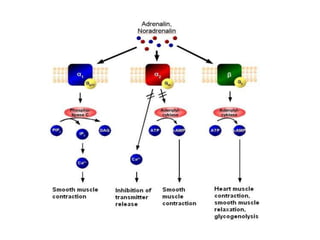
• alpha-1 (α1) adrenergic receptor is a G protein Coupled
Receptor (GPCR) associated with the Gq, heterotrimeric
protein.
• more responsive to Norepinephrine than to epinephrine.
• Catecholamines like norepinephrine (noradrenaline) and
epinephrine (adrenaline) signal through the α1-adrenergic
receptor in the central and peripheral nervous systems.
Types of alpha receptors
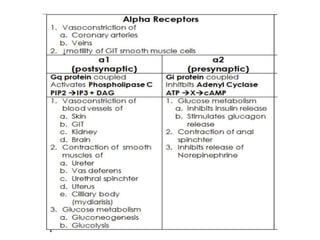
• α-adrenoceptors exist on peripheral sympathetic nerve
terminals and are divided into two subtypes α1, and α2.
• α1 is found mostly postsynaptically, whilst α2 although
typically sited presynaptically, can also occur
postsynaptically.
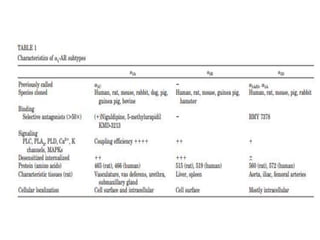
• Alpha 1 adrenergic receptor consists of three highly
homologous subtypes, including α1A, α1B, α1D- adrenergic.
α-Adrenoceptor Location and function
Alpha 1 receptors are located on:
• all vascular smooth muscle, although densities vary
throughout the body
• GI & urinary sphincters
• dilator muscle of the iris
• arrector pili muscle of hair follicles
• On central and peripheral nervous system
• In the Central Nervous System they are found mostly
postsynaptically and have an excitatory function.
• Peripherally they are responsible for contraction and are
situated on vascular and on non-vascular smooth muscle.
• α1-adrenoceptors on vascular smooth muscle are located
intrasynaptically and function in response to neurotransmitter
release.
• For non-vascular smooth muscle they can be found on the
liver, where they cause hepatic glycogenolysis and potassium
release. On the heart they mediate a positive inotropic effect.
• Cause relaxation of Gastro Intestinal smooth muscle and
decrease salivary secretion.
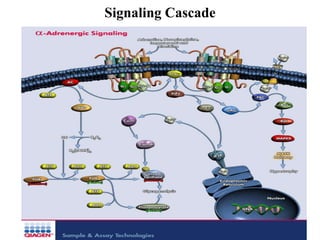
Signaling Cascade
agonists and antigonists
Alpha 1 agonists
vasoconstrictive agents they are used to reduce edema and
inflammation. naphazoline, phenylephrine and
propylhexedrine.
Alpha 1 antagonists
causes vasodilation and decreased peripheral resistance;
therefore they are used in the treatment of hypertension
(prazosin). Treatment of benign prostatic hyperplasia.
tamsulosin is a subtype-selective alpha 1A receptor that has
more specificity toward smooth muscle in genitourinary
tract.
REFERENCES
• Stedeford T, Cardozo-PF, Vultaggio B, Muro CC, Luzardo GE, Harbison
RD. 2001. Alpha1-andrenergic receptors and their significance to
chemical-induced nephrotoxicity—a brief review. Res. Commun. Mol.
Pathol. Pharmacol. 110 (1-2): 59-72.
• Chen ZJ, Minneman KP. 2005. Recent progress in alpha 1-andrenergic
receptor research. Acta Pharmacol Sin. 26 (11): 1281-7.
• Piascik MT, Perez DM. 2001. Alpha1-angrenergic receptors: new
insights and directions. J. Pharmacol. Exp. Ther. 298 (2): 403-10.
• Sushmita P,Peter BR. 2011. The functional role of the alpha-1
andrenergic receptors in cerebral blood flow regulation. Indian J.
Pharmacol. 43 (5): 502-506.

Alpha 1 adrenergic receptor

  • 1.
    Alpha-1 adrenergic receptor SabahMansoor 2014-PhD-1070
  • 2.
    Alpha-1 adrenergic receptor •alpha-1 (α1) adrenergic receptor is a G protein Coupled Receptor (GPCR) associated with the Gq, heterotrimeric protein. • more responsive to Norepinephrine than to epinephrine. • Catecholamines like norepinephrine (noradrenaline) and epinephrine (adrenaline) signal through the α1-adrenergic receptor in the central and peripheral nervous systems.
  • 3.
    Types of alphareceptors • α-adrenoceptors exist on peripheral sympathetic nerve terminals and are divided into two subtypes α1, and α2. • α1 is found mostly postsynaptically, whilst α2 although typically sited presynaptically, can also occur postsynaptically. • Alpha 1 adrenergic receptor consists of three highly homologous subtypes, including α1A, α1B, α1D- adrenergic.
  • 5.
    α-Adrenoceptor Location andfunction Alpha 1 receptors are located on: • all vascular smooth muscle, although densities vary throughout the body • GI & urinary sphincters • dilator muscle of the iris • arrector pili muscle of hair follicles • On central and peripheral nervous system
  • 6.
    • In theCentral Nervous System they are found mostly postsynaptically and have an excitatory function. • Peripherally they are responsible for contraction and are situated on vascular and on non-vascular smooth muscle. • α1-adrenoceptors on vascular smooth muscle are located intrasynaptically and function in response to neurotransmitter release. • For non-vascular smooth muscle they can be found on the liver, where they cause hepatic glycogenolysis and potassium release. On the heart they mediate a positive inotropic effect. • Cause relaxation of Gastro Intestinal smooth muscle and decrease salivary secretion.
  • 7.
  • 9.
    agonists and antigonists Alpha1 agonists vasoconstrictive agents they are used to reduce edema and inflammation. naphazoline, phenylephrine and propylhexedrine. Alpha 1 antagonists causes vasodilation and decreased peripheral resistance; therefore they are used in the treatment of hypertension (prazosin). Treatment of benign prostatic hyperplasia. tamsulosin is a subtype-selective alpha 1A receptor that has more specificity toward smooth muscle in genitourinary tract.
  • 11.
    REFERENCES • Stedeford T,Cardozo-PF, Vultaggio B, Muro CC, Luzardo GE, Harbison RD. 2001. Alpha1-andrenergic receptors and their significance to chemical-induced nephrotoxicity—a brief review. Res. Commun. Mol. Pathol. Pharmacol. 110 (1-2): 59-72. • Chen ZJ, Minneman KP. 2005. Recent progress in alpha 1-andrenergic receptor research. Acta Pharmacol Sin. 26 (11): 1281-7. • Piascik MT, Perez DM. 2001. Alpha1-angrenergic receptors: new insights and directions. J. Pharmacol. Exp. Ther. 298 (2): 403-10. • Sushmita P,Peter BR. 2011. The functional role of the alpha-1 andrenergic receptors in cerebral blood flow regulation. Indian J. Pharmacol. 43 (5): 502-506.