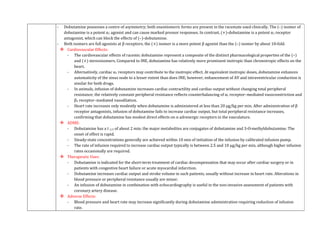
ADRENERGIC TRANSMISSION
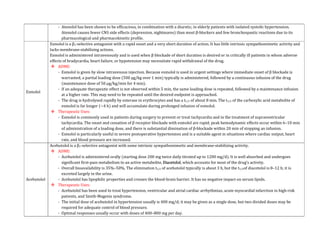
SATYAJIT GHOSH
B. PHARM 4TH
SEMESTER
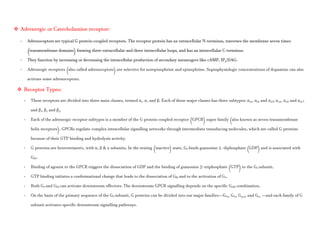
 Adrenergic or Catecholamine receptor:
- Adrenoceptors are typical G protein-coupled receptors. The receptor protein has an extracellular N-terminus, traverses the membrane seven times
(transmembrane domains) forming three extracellular and three intracellular loops, and has an intracellular C-terminus.
- They function by increasing or decreasing the intracellular production of secondary messengers like cAMP, IP3/DAG.
- Adrenergic receptors (also called adrenoceptors) are selective for norepinephrine and epinephrine. Supraphysiologic concentrations of dopamine can also
activate some adrenoceptors.
 Receptor Types:
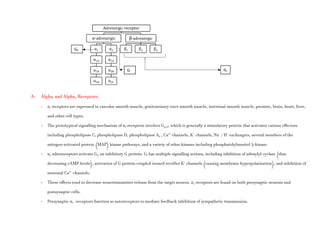
- These receptors are divided into three main classes, termed α1, α2 and β. Each of these major classes has three subtypes: α1A, α1B and α1D; α2A, α2B and α2C;
and β1, β2 and β3.
- Each of the adrenergic receptor subtypes is a member of the G protein-coupled receptor (GPCR) super family (also known as seven-transmembrane
helix receptors). GPCRs regulate complex intracellular signalling networks through intermediate transducing molecules, which are called G proteins
because of their GTP binding and hydrolysis activity.
- G proteins are heterotrimeric, with α, β & γ subunits. In the resting (inactive) state, Gα binds guanosine 5 -diphosphate (GDP) and is associated with
Gβγ.
- Binding of agonist to the GPCR triggers the dissociation of GDP and the binding of guanosine 5′-triphosphate (GTP) to the Gα subunit.
- GTP binding initiates a conformational change that leads to the dissociation of Gβγ and to the activation of Gα.
- Both Gα and Gβγ can activate downstream effectors. The downstream GPCR signalling depends on the specific Gαβγ combination.
- On the basis of the primary sequence of the Gα subunit, G proteins can be divided into our major families—Gαs, Gαi, Gq/11, and G12 —and each family of G
subunit activates specific downstream signalling pathways.
A- Alpha1 and Alpha2 Receptors:
- α1 receptors are expressed in vascular smooth muscle, genitourinary tract smooth muscle, intestinal smooth muscle, prostate, brain, heart, liver,
and other cell types.
- The prototypical signalling mechanism of α1-receptors involves Gq/11, which is generally a stimulatory protein that activates various effectors
including phospholipase C, phospholipase D, phospholipase A2 , Ca2+
channels, K+
channels, Na+
/ H+
exchangers, several members of the
mitogen-activated protein (MAP) kinase pathways, and a variety of other kinases including phosphatidylinositol 3-kinase.
- α2 adrenoceptors activate Gi, an inhibitory G protein. Gi has multiple signalling actions, including inhibition of adenylyl cyclase (thus
decreasing cAMP levels), activation of G protein-coupled inward rectifier K+
channels (causing membrane hyperpolarization), and inhibition of
neuronal Ca2+
channels.
- These effects tend to decrease neurotransmitter release from the target neuron. α2 receptors are found on both presynaptic neurons and
postsynaptic cells.
- Presynaptic α2 -receptors function as autoreceptors to mediate feedback inhibition of sympathetic transmission.
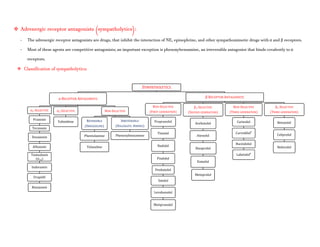
Adrenergic receptor
α-adrenergic
α1
α1A
α1B
α1D
α2
α2A
α2B
α2C
β-adrenergic
β1 β2 β3
Gq
Gi Gs
B- Beta Adrenoceptors:
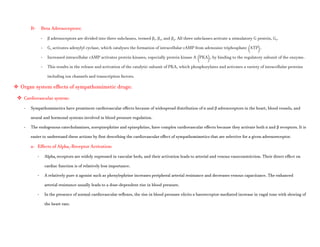
- β adrenoceptors are divided into three subclasses, termed β1, β2, and β3. All three subclasses activate a stimulatory G protein, Gs.
- Gs activates adenylyl cyclase, which catalyses the formation of intracellular cAMP from adenosine triphosphate (ATP).
- Increased intracellular cAMP activates protein kinases, especially protein kinase A (PKA), by binding to the regulatory subunit of the enzyme.
- This results in the release and activation of the catalytic subunit of PKA, which phosphorylates and activates a variety of intracellular proteins
including ion channels and transcription factors.
 Organ system effects of sympathomimetic drugs:
 Cardiovascular system:
- Sympathomimetics have prominent cardiovascular effects because of widespread distribution of α and β adrenoceptors in the heart, blood vessels, and
neural and hormonal systems involved in blood pressure regulation.
- The endogenous catecholamines, norepinephrine and epinephrine, have complex cardiovascular effects because they activate both α and β receptors. It is
easier to understand these actions by first describing the cardiovascular effect of sympathomimetics that are selective for a given adrenoreceptor.
a- Effects of Alpha1-Receptor Activation:
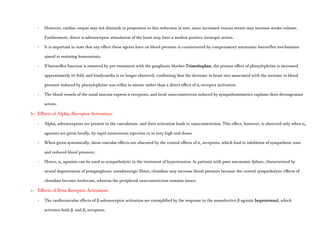
- Alpha1 receptors are widely expressed in vascular beds, and their activation leads to arterial and venous vasoconstriction. Their direct effect on
cardiac function is of relatively less importance.
- A relatively pure α agonist such as phenylephrine increases peripheral arterial resistance and decreases venous capacitance. The enhanced
arterial resistance usually leads to a dose-dependent rise in blood pressure.
- In the presence of normal cardiovascular reflexes, the rise in blood pressure elicits a baroreceptor-mediated increase in vagal tone with slowing of
the heart rate.
- However, cardiac output may not diminish in proportion to this reduction in rate, since increased venous return may increase stroke volume.
Furthermore, direct α-adrenoceptor stimulation of the heart may have a modest positive inotropic action.
- It is important to note that any effect these agents have on blood pressure is counteracted by compensatory autonomic baroreflex mechanisms
aimed at restoring homeostasis.
- If baroreflex function is removed by pre-treatment with the ganglionic blocker Trimethaphan, the pressor effect of phenylephrine is increased
approximately 10-fold, and bradycardia is no longer observed, confirming that the decrease in heart rate associated with the increase in blood
pressure induced by phenylephrine was reflex in nature rather than a direct effect of α1-receptor activation.
- The blood vessels of the nasal mucosa express α receptors, and local vasoconstriction induced by sympathomimetics explains their decongestant
action.
b- Effects of Alpha2-Receptor Activation:
- Alpha2 adrenoceptors are present in the vasculature, and their activation leads to vasoconstriction. This effect, however, is observed only when α2
agonists are given locally, by rapid intravenous injection or in very high oral doses.
- When given systemically, these vascular effects are obscured by the central effects of α2 receptors, which lead to inhibition of sympathetic tone
and reduced blood pressure.
- Hence, α2 agonists can be used as sympatholytic in the treatment of hypertension. In patients with pure autonomic failure, characterized by
neural degeneration of postganglionic noradrenergic fibres, clonidine may increase blood pressure because the central sympatholytic effects of
clonidine become irrelevant, whereas the peripheral vasoconstriction remains intact.
c- Effects of Beta-Receptor Activation:
- The cardiovascular effects of β-adrenoceptor activation are exemplified by the response to the nonselective β agonist Isoproterenol, which
activates both β1 and β2 receptors.
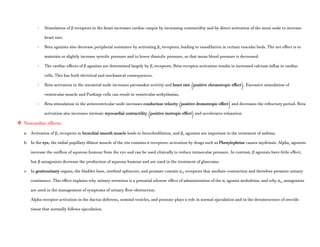
- Stimulation of β receptors in the heart increases cardiac output by increasing contractility and by direct activation of the sinus node to increase
heart rate.
- Beta agonists also decrease peripheral resistance by activating β2 receptors, leading to vasodilation in certain vascular beds. The net effect is to
maintain or slightly increase systolic pressure and to lower diastolic pressure, so that mean blood pressure is decreased.
- The cardiac effects of β agonists are determined largely by β1 receptors. Beta-receptor activation results in increased calcium influx in cardiac
cells. This has both electrical and mechanical consequences.
- Beta-activation in the sinoatrial node increases pacemaker activity and heart rate (positive chronotropic effect). Excessive stimulation of
ventricular muscle and Purkinje cells can result in ventricular arrhythmias.
- Beta stimulation in the atrioventricular node increases conduction velocity (positive dromotropic effect) and decreases the refractory period. Beta
activation also increases intrinsic myocardial contractility (positive inotropic effect) and accelerates relaxation.
 Noncardiac effects:
a- Activation of β2 receptors in bronchial smooth muscle leads to bronchodilation, and β2 agonists are important in the treatment of asthma.
b- In the eye, the radial pupillary dilator muscle of the iris contains α receptors; activation by drugs such as Phenylephrine causes mydriasis. Alpha2 agonists
increase the outflow of aqueous humour from the eye and can be used clinically to reduce intraocular pressure. In contrast, β agonists have little effect,
but β antagonists decrease the production of aqueous humour and are used in the treatment of glaucoma.
c- In genitourinary organs, the bladder base, urethral sphincter, and prostate contain α1A receptors that mediate contraction and therefore promote urinary
continence. This effect explains why urinary retention is a potential adverse effect of administration of the α1 agonist midodrine, and why α1A antagonists
are used in the management of symptoms of urinary flow obstruction.
Alpha-receptor activation in the ductus deferens, seminal vesicles, and prostate plays a role in normal ejaculation and in the detumescence of erectile
tissue that normally follows ejaculation.
d- The salivary glands contain adrenoceptors that regulate the secretion of amylase and water. However, centrally acting sympathomimetic drugs, e.g.,
clonidine, produce symptoms of dry mouth. It is likely that CNS effects are responsible for this side effect, although peripheral effects may contribute.
e- The apocrine sweat glands, located on the palms of the hands and a few other areas, are nonthermoregulatory glands that respond to psychological stress
and adrenoceptor stimulation with increased sweat production.
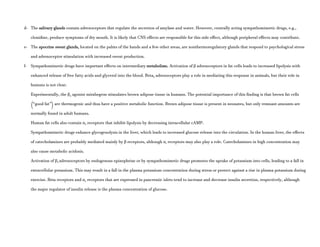
f- Sympathomimetic drugs have important effects on intermediary metabolism. Activation of β adrenoceptors in fat cells leads to increased lipolysis with
enhanced release of free fatty acids and glycerol into the blood. Beta3 adrenoceptors play a role in mediating this response in animals, but their role in
humans is not clear.
Experimentally, the β3 agonist mirabegron stimulates brown adipose tissue in humans. The potential importance of this finding is that brown fat cells
(“good fat”) are thermogenic and thus have a positive metabolic function. Brown adipose tissue is present in neonates, but only remnant amounts are
normally found in adult humans.
Human fat cells also contain α2 receptors that inhibit lipolysis by decreasing intracellular cAMP.
Sympathomimetic drugs enhance glycogenolysis in the liver, which leads to increased glucose release into the circulation. In the human liver, the effects
of catecholamines are probably mediated mainly by β receptors, although α1 receptors may also play a role. Catecholamines in high concentration may
also cause metabolic acidosis.
Activation of β2 adrenoceptors by endogenous epinephrine or by sympathomimetic drugs promotes the uptake of potassium into cells, leading to a fall in
extracellular potassium. This may result in a fall in the plasma potassium concentration during stress or protect against a rise in plasma potassium during
exercise. Beta receptors and α2 receptors that are expressed in pancreatic islets tend to increase and decrease insulin secretion, respectively, although
the major regulator of insulin release is the plasma concentration of glucose.
g- Catecholamines are important endogenous regulators of hormone secretion from a number of glands. As mentioned above, insulin secretion is stimulated
by β receptors and inhibited by α2 receptors. Similarly, renin secretion is stimulated by β1 and inhibited by α2 receptors; indeed, β-receptor antagonist
drugs may lower blood pressure in patients with hypertension at least in part by lowering plasma renin.
 Distribution & function of adrenoreceptors:
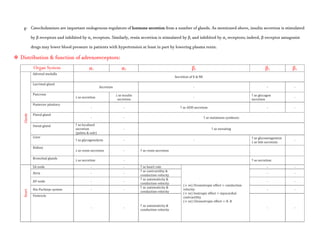
Organ System α1 α2 β1 β2 β3
Glands
Adrenal medulla
Secretion of E & NE
Lacrimal gland
Secretion - - -
Pancreas
↓ se secretion
↓ se insulin
secretion
-
↑ se glucagon
secretion
-
Posterior pituitary
- - ↑ se ADH secretion - -
Pineal gland
- - ↑ se melatonin synthesis
Sweat gland ↑ se localised
secretion
(palms & sole)
- ↑ se sweating
Liver
↑ se glycogenolysis - -
↑ se gluconeogenesis
↓ se bile secretion
-
Kidney
↓ se renin secretion - ↑ se renin secretion
Bronchial glands
↓ se secretion - ↑ se secretion
Heart
SA node - - ↑ se heart rate
(+ ve) Dromotropic effect = conduction
velocity
(+ ve) Inotropic effect = myocardial
contractility
(+ ve) Chronotropic effect = H. R
- -
Atria - -
↑ se contractility &
conduction velocity
- -
AV node - -
↑ se automaticity &
conduction velocity
- -
His-Purkinje system - -
↑ se automaticity &
conduction velocity
- -
Ventricle
- -
↑ se automaticity &
conduction velocity
- -
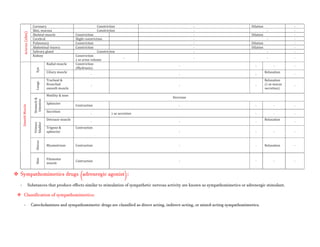
Arteries
(oles) Coronary Constriction - Dilation -
Skin, mucosa Constriction - - -
Skeletal muscle Constriction - Dilation -
Cerebral Slight constriction - - -
Pulmonary Constriction - Dilation -
Abdominal viscera Constriction - Dilation -
Salivary gland Constriction - - -
Kidney Constriction
↓ se urine volume
- - - -
Smooth
Muscle
Eye
Radial muscle Constriction
(Mydriasis)
- - - -
Ciliary muscle
- - -
Relaxation
-
Lungs
Tracheal &
Bronchial
smooth muscle
- - -
Relaxation
(↓ se mucus
secretion)
-
Stomach
&
Intestine
Motility & tone
Decrease
Sphincter
Contraction - - - -
Secretion
- ↓ se secretion - - -
Urinary
bladder
Detrusor muscle
- - -
Relaxation
-
Trigone &
sphincter
Contraction
- - - -
Uterus
Myometrium Contraction - - Relaxation -
Skin
Pilomotor
muscle
Contraction - - - -
 Sympathomimetics drugs (adrenergic agonist):
- Substances that produce effects similar to stimulation of sympathetic nervous activity are known as sympathomimetics or adrenergic stimulant.
 Classification of sympathomimetics:
- Catecholamines and sympathomimetic drugs are classified as direct acting, indirect-acting, or mixed-acting sympathomimetics.
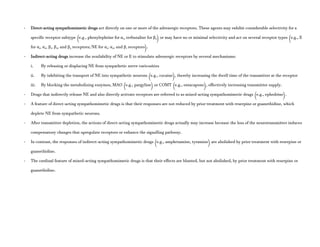
- Direct-acting sympathomimetic drugs act directly on one or more of the adrenergic receptors. These agents may exhibit considerable selectivity for a
specific receptor subtype (e.g., phenylephrine for α1, terbutaline for β2) or may have no or minimal selectivity and act on several receptor types (e.g., E
for α1, α2, β1, β2, and β3 receptors; NE for α1, α2, and β1 receptors).
- Indirect-acting drugs increase the availability of NE or E to stimulate adrenergic receptors by several mechanisms:
i. By releasing or displacing NE from sympathetic nerve varicosities
ii. By inhibiting the transport of NE into sympathetic neurons (e.g., cocaine), thereby increasing the dwell time of the transmitter at the receptor
iii. By blocking the metabolizing enzymes, MAO (e.g., pargyline) or COMT (e.g., entacapone), effectively increasing transmitter supply.
- Drugs that indirectly release NE and also directly activate receptors are referred to as mixed-acting sympathomimetic drugs (e.g., ephedrine).
- A feature of direct-acting sympathomimetic drugs is that their responses are not reduced by prior treatment with reserpine or guanethidine, which
deplete NE from sympathetic neurons.
- After transmitter depletion, the actions of direct-acting sympathomimetic drugs actually may increase because the loss of the neurotransmitter induces
compensatory changes that upregulate receptors or enhance the signalling pathway.
- In contrast, the responses of indirect-acting sympathomimetic drugs (e.g., amphetamine, tyramine) are abolished by prior treatment with reserpine or
guanethidine.
- The cardinal feature of mixed-acting sympathomimetic drugs is that their effects are blunted, but not abolished, by prior treatment with reserpine or
guanethidine.
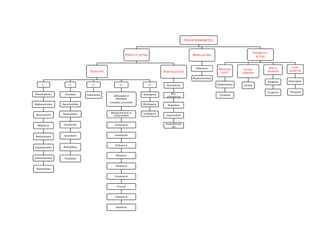
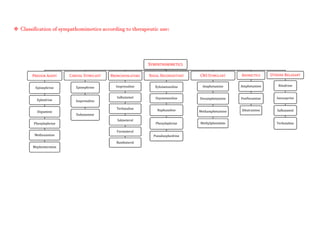
SYMPATHOMIMETICS
DIRECTLY ACTING
SELECTIVE
𝛼1
Phenylephrine
Mephentermine
Metaraminol
Midodrine
Methoxamine
Oxymetazoline
Xylometazoline
Naphazoline
𝛼2
Clonidine
Apraclonidine
Brimonidine
Guanfacine
Guanabenz
Methyldopa
Tizanidine
𝛽1
Dobutamine
𝛽2
Salbutamol or
albutamol
(ventolin, proventil)
Metaproterenol or
orciprenaline
Terbutaline
Isoetharine
Pributerol
Bitolterol
Fenoterol
Formoterol
Procaol
Salmeterol
Ritodrine
𝛽3
Amibegron
Mirabegron
Solabegron
NON-SELECTIVE
Epinephrine
Nor-
epinephrine
Dopamine
Isoprenaline
Isoproterenol
(β)
MIXED ACTING
Ephedrine
Mephentermine
INDIRECTLY
ACTING
RELEASING
AGENT
Amphetamine
Tyramine
UPTAKE
INHIBITOR
Cocaine
MAO-B
INHIBITOR
Selegiline
Pargyline
COMT
INHIBITOR
Entacapone
Tolcapone
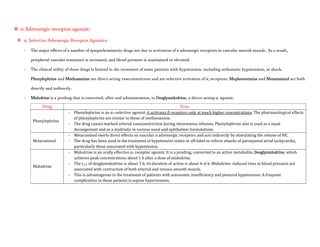
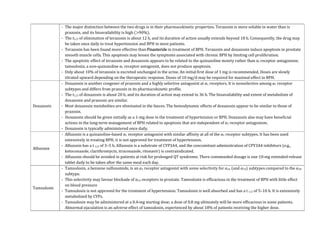
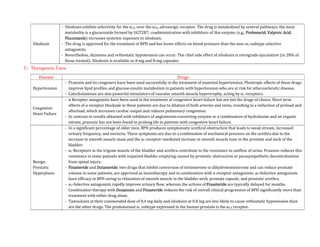
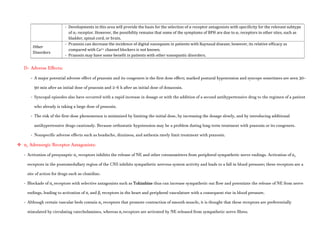
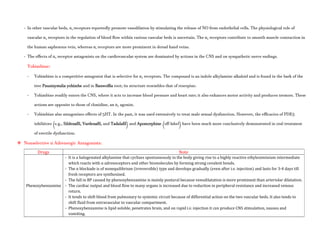
 α Adrenergic receptor agonist:
 α1 Selective Adrenergic Receptor Agonists:
- The major effects of a number of sympathomimetic drugs are due to activation of α adrenergic receptors in vascular smooth muscle. As a result,
peripheral vascular resistance is increased, and blood pressure is maintained or elevated.
- The clinical utility of these drugs is limited to the treatment of some patients with hypotension, including orthostatic hypotension, or shock.
Phenylephrine and Methoxamine are direct-acting vasoconstrictors and are selective activators of α1 receptors. Mephentermine and Metaraminol act both
directly and indirectly.
- Midodrine is a prodrug that is converted, after oral administration, to Desglymidodrine, a direct-acting α1 agonist.
Drug Note
Phenylephrine
- Phenylephrine is an α1-selective agonist; it activates β receptors only at much higher concentrations. The pharmacological effects
of phenylephrine are similar to those of methoxamine.
- The drug causes marked arterial vasoconstriction during intravenous infusion. Phenylephrine also is used as a nasal
decongestant and as a mydriatic in various nasal and ophthalmic formulations.
Metaraminol
- Metaraminol exerts direct effects on vascular α adrenergic receptors and acts indirectly by stimulating the release of NE.
- The drug has been used in the treatment of hypotensive states or off-label to relieve attacks of paroxysmal atrial tachycardia,
particularly those associated with hypotension.
Midodrine
- Midodrine is an orally effective α1 receptor agonist. It is a prodrug, converted to an active metabolite, Desglymidodrine, which
achieves peak concentrations about 1 h after a dose of midodrine.
- The t1/2 of desglymidodrine is about 3 h; its duration of action is about 4–6 h. Midodrine- induced rises in blood pressure are
associated with contraction of both arterial and venous smooth muscle.
- This is advantageous in the treatment of patients with autonomic insufficiency and postural hypotension. A frequent
complication in these patients is supine hypertension.
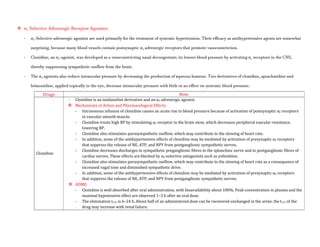
 α2 Selective Adrenergic Receptor Agonists:
- α2-Selective adrenergic agonists are used primarily for the treatment of systemic hypertension. Their efficacy as antihypertensive agents are somewhat
surprising, because many blood vessels contain postsynaptic α2 adrenergic receptors that promote vasoconstriction.
- Clonidine, an α2-agonist, was developed as a vasoconstricting nasal decongestant; its lowers blood pressure by activating α2 receptors in the CNS,
thereby suppressing sympathetic outflow from the brain.
- The α2 agonists also reduce intraocular pressure by decreasing the production of aqueous humour. Two derivatives of clonidine, apraclonidine and
brimonidine, applied topically to the eye, decrease intraocular pressure with little or no effect on systemic blood pressure.
Drugs Note
Clonidine
- Clonidine is an imidazoline derivative and an α2 adrenergic agonist.
 Mechanisms of Action and Pharmacological Effects:
- Intravenous infusion of clonidine causes an acute rise in blood pressure because of activation of postsynaptic α2 receptors
in vascular smooth muscle.
- Clonidine treats high BP by stimulating α2 receptor in the brain stem, which decreases peripheral vascular resistance,
lowering BP.
- Clonidine also stimulates parasympathetic outflow, which may contribute to the slowing of heart rate.
- In addition, some of the antihypertensive effects of clonidine may be mediated by activation of presynaptic α2 receptors
that suppress the release of NE, ATP, and NPY from postganglionic sympathetic nerves.
- Clonidine decreases discharges in sympathetic preganglionic fibres in the splanchnic nerve and in postganglionic fibres of
cardiac nerves. These effects are blocked by α2-selective antagonists such as yohimbine.
- Clonidine also stimulates parasympathetic outflow, which may contribute to the slowing of heart rate as a consequence of
increased vagal tone and diminished sympathetic drive.
- In addition, some of the antihypertensive effects of clonidine may be mediated by activation of presynaptic α2 receptors
that suppress the release of NE, ATP, and NPY from postganglionic sympathetic nerves.
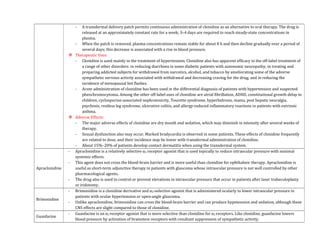
 ADME:
- Clonidine is well absorbed after oral administration, with bioavailability about 100%. Peak concentration in plasma and the
maximal hypotensive effect are observed 1–3 h after an oral dose.
- The elimination t1/2 is 6–24 h. About half of an administered dose can be recovered unchanged in the urine; the t1/2 of the
drug may increase with renal failure.
- A transdermal delivery patch permits continuous administration of clonidine as an alternative to oral therapy. The drug is
released at an approximately constant rate for a week; 3–4 days are required to reach steady-state concentrations in
plasma.
- When the patch is removed, plasma concentrations remain stable for about 8 h and then decline gradually over a period of
several days; this decrease is associated with a rise in blood pressure.
 Therapeutic Uses:
- Clonidine is used mainly in the treatment of hypertension. Clonidine also has apparent efficacy in the off-label treatment of
a range of other disorders: in reducing diarrhoea in some diabetic patients with autonomic neuropathy; in treating and
preparing addicted subjects for withdrawal from narcotics, alcohol, and tobacco by ameliorating some of the adverse
sympathetic nervous activity associated with withdrawal and decreasing craving for the drug; and in reducing the
incidence of menopausal hot flashes.
- Acute administration of clonidine has been used in the differential diagnosis of patients with hypertension and suspected
pheochromocytoma. Among the other off-label uses of clonidine are atrial fibrillation, ADHD, constitutional growth delay in
children, cyclosporine-associated nephrotoxicity, Tourette syndrome, hyperhidrosis, mania, post hepatic neuralgia,
psychosis, restless leg syndrome, ulcerative colitis, and allergy-induced inflammatory reactions in patients with extrinsic
asthma.
 Adverse Effects:
- The major adverse effects of clonidine are dry mouth and sedation, which may diminish in intensity after several weeks of
therapy.
- Sexual dysfunction also may occur. Marked bradycardia is observed in some patients. These effects of clonidine frequently
are related to dose, and their incidence may be lower with transdermal administration of clonidine.
- About 15%–20% of patients develop contact dermatitis when using the transdermal system.
Apraclonidine
- Apraclonidine is a relatively selective α2 receptor agonist that is used topically to reduce intraocular pressure with minimal
systemic effects.
- This agent does not cross the blood-brain barrier and is more useful than clonidine for ophthalmic therapy. Apraclonidine is
useful as short-term adjunctive therapy in patients with glaucoma whose intraocular pressure is not well controlled by other
pharmacological agents.
- The drug also is used to control or prevent elevations in intraocular pressure that occur in patients after laser trabeculoplasty
or iridotomy.
Brimonidine
- Brimonidine is a clonidine derivative and α2-selective agonist that is administered ocularly to lower intraocular pressure in
patients with ocular hypertension or open-angle glaucoma.
- Unlike apraclonidine, brimonidine can cross the blood-brain barrier and can produce hypotension and sedation, although these
CNS effects are slight compared to those of clonidine.
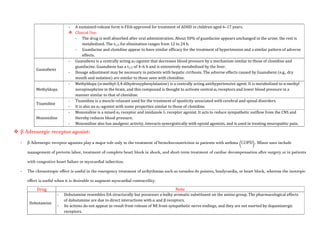
Guanfacine
- Guanfacine is an α2 receptor agonist that is more selective than clonidine for α2 receptors. Like clonidine, guanfacine lowers
blood pressure by activation of brainstem receptors with resultant suppression of sympathetic activity.
- A sustained-release form is FDA-approved for treatment of ADHD in children aged 6–17 years.
 Clinical Use:
- The drug is well absorbed after oral administration. About 50% of guanfacine appears unchanged in the urine; the rest is
metabolized. The t1/2 for elimination ranges from 12 to 24 h.
- Guanfacine and clonidine appear to have similar efficacy for the treatment of hypertension and a similar pattern of adverse
effects.
Guanabenz
- Guanabenz is a centrally acting α2-agonist that decreases blood pressure by a mechanism similar to those of clonidine and
guanfacine. Guanabenz has a t1/2 of 4–6 h and is extensively metabolized by the liver.
- Dosage adjustment may be necessary in patients with hepatic cirrhosis. The adverse effects caused by Guanabenz (e.g., dry
mouth and sedation) are similar to those seen with clonidine.
Methyldopa
- Methyldopa (α-methyl-3,4-dihydroxyphenylalanine) is a centrally acting antihypertensive agent. It is metabolized to α-methyl
norepinephrine in the brain, and this compound is thought to activate central α2 receptors and lower blood pressure in a
manner similar to that of clonidine.
Tizanidine
- Tizanidine is a muscle relaxant used for the treatment of spasticity associated with cerebral and spinal disorders.
- It is also an α2-agonist with some properties similar to those of clonidine.
Moxonidine
- Moxonidine is a mixed α2 receptor and imidazole I1 receptor agonist. It acts to reduce sympathetic outflow from the CNS and
thereby reduces blood pressure.
- Moxonidine also has analgesic activity, interacts synergistically with opioid agonists, and is used in treating neuropathic pain.
 β Adrenergic receptor agonist:
- β Adrenergic receptor agonists play a major role only in the treatment of bronchoconstriction in patients with asthma (COPD). Minor uses include
management of preterm labor, treatment of complete heart block in shock, and short-term treatment of cardiac decompensation after surgery or in patients
with congestive heart failure or myocardial infarction.
- The chronotropic effect is useful in the emergency treatment of arrhythmias such as torsades de pointes, bradycardia, or heart block, whereas the inotropic
effect is useful when it is desirable to augment myocardial contractility.
Drug Note
Dobutamine
- Dobutamine resembles DA structurally but possesses a bulky aromatic substituent on the amino group. The pharmacological effects
of dobutamine are due to direct interactions with α and β receptors.
- Its actions do not appear to result from release of NE from sympathetic nerve endings, and they are not exerted by dopaminergic
receptors.
- Dobutamine possesses a centre of asymmetry; both enantiomeric forms are present in the racemate used clinically. The (–) isomer of
dobutamine is a potent α1 agonist and can cause marked pressor responses. In contrast, (+)-dobutamine is a potent α1 receptor
antagonist, which can block the effects of (–)-dobutamine.
- Both isomers are full agonists at β receptors; the (+) isomer is a more potent β agonist than the (–) isomer by about 10-fold.
 Cardiovascular Effects:
- The cardiovascular effects of racemic dobutamine represent a composite of the distinct pharmacological properties of the (–)
and (+) stereoisomers. Compared to INE, dobutamine has relatively more prominent inotropic than chronotropic effects on the
heart.
- Alternatively, cardiac α1 receptors may contribute to the inotropic effect. At equivalent inotropic doses, dobutamine enhances
automaticity of the sinus node to a lesser extent than does INE; however, enhancement of AV and intraventricular conduction is
similar for both drugs.
- In animals, infusion of dobutamine increases cardiac contractility and cardiac output without changing total peripheral
resistance; the relatively constant peripheral resistance reflects counterbalancing of α1 receptor–mediated vasoconstriction and
β2 receptor–mediated vasodilation.
- Heart rate increases only modestly when dobutamine is administered at less than 20 μg/kg per min. After administration of β
receptor antagonists, infusion of dobutamine fails to increase cardiac output, but total peripheral resistance increases,
confirming that dobutamine has modest direct effects on α adrenergic receptors in the vasculature.
 ADME:
- Dobutamine has a t 1/2 of about 2 min; the major metabolites are conjugates of dobutamine and 3-O-methyldobutamine. The
onset of effect is rapid.
- Steady-state concentrations generally are achieved within 10 min of initiation of the infusion by calibrated infusion pump.
- The rate of infusion required to increase cardiac output typically is between 2.5 and 10 μg/kg per min, although higher infusion
rates occasionally are required.
 Therapeutic Uses:
- Dobutamine is indicated for the short-term treatment of cardiac decompensation that may occur after cardiac surgery or in
patients with congestive heart failure or acute myocardial infarction.
- Dobutamine increases cardiac output and stroke volume in such patients, usually without increase in heart rate. Alterations in
blood pressure or peripheral resistance usually are minor.
- An infusion of dobutamine in combination with echocardiography is useful in the non-invasive assessment of patients with
coronary artery disease.
 Adverse Effects:
- Blood pressure and heart rate may increase significantly during dobutamine administration requiring reduction of infusion
rate.
- Patients with a history of hypertension may exhibit an exaggerated pressor response more frequently. Because dobutamine
facilitates AV conduction, patients with atrial fibrillation are at risk of increases in ventricular response rates; digoxin or other
measures may be required to prevent this from occurring.
- Some patients may develop ventricular ectopic activity. Dobutamine may increase the size of a myocardial infarct by increasing
myocardial O2 demand, a property common to inotropic agents.
Isoproterenol
- Isoproterenol (INE, isopropyl norepinephrine, isoprenaline, isopropylarterenol, isopropyl noradrenaline, d, l-β-[3,4-
dihydroxyphenyl]-α- isopropylaminoethanol) is a potent, nonselective β receptor agonist with very low affinity for α receptors.
 Pharmacological Actions:
- Intravenous infusion of INE lowers peripheral vascular resistance, primarily in skeletal muscle but also in renal and mesenteric
vascular beds. Diastolic pressure falls.
- Systolic blood pressure may remain unchanged or rise, although mean arterial pressure typically falls. Cardiac output is
increased because of the positive inotropic and chronotropic effects of the drug in the face of diminished peripheral vascular
resistance.
- The cardiac effects of INE may lead to palpitations, sinus tachycardia, and more serious arrhythmias; large doses of INE cause
myocardial necrosis in experimental animals.
- Isoproterenol relaxes almost all varieties of smooth muscle when the tone is high, an action that is most pronounced on
bronchial and GI smooth muscle.
- INE prevents or relieves bronchoconstriction. Its effect in asthma may be due in part to an additional action to inhibit antigen
induced release of histamine and other mediators of inflammation, an action shared by β2-selective stimulants.
 ADME:
- Isoproterenol is readily absorbed when given parenterally or as an aerosol.
- It is metabolized by COMT, primarily in the liver but also by other tissues.
- INE is a relatively poor substrate for MAO and NET (SLC6A2) and is not taken up by sympathetic neurons to the same extent as
are EPI and NE.
- The duration of action of INE therefore may be longer than that of EPI, but it still is relatively brief.
 Therapeutic Uses:
- Isoproterenol may be used in emergencies to stimulate heart rate in patients with bradycardia or heart block, particularly in
anticipation of inserting an artificial cardiac pacemaker or in patients with the ventricular arrhythmia torsades de pointes.
 Adverse Effects:
- Palpitations, tachycardia, headache, and flushing are common.
- Cardiac ischemia and arrhythmias may occur, particularly in patients with underlying coronary artery disease.
 β2 Selective Adrenergic Receptor Agonists:
- Some of the major adverse effects of β receptor agonists in the treatment of asthma or COPD are caused by stimulation of β1 receptors in the heart. β2-
Selective agents have been developed to avoid these adverse effects.
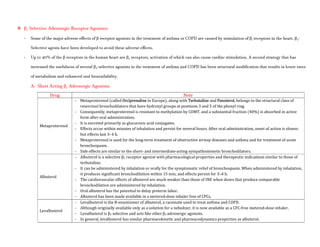
- Up to 40% of the β receptors in the human heart are β2 receptors, activation of which can also cause cardiac stimulation. A second strategy that has
increased the usefulness of several β2-selective agonists in the treatment of asthma and COPD has been structural modification that results in lower rates
of metabolism and enhanced oral bioavailability.
A- Short Acting β2 Adrenergic Agonists:
Drug Note
Metaproterenol
- Metaproterenol (called Orciprenaline in Europe), along with Terbutaline and Fenoterol, belongs to the structural class of
resorcinol bronchodilators that have hydroxyl groups at positions 3 and 5 of the phenyl ring.
- Consequently, metaproterenol is resistant to methylation by COMT, and a substantial fraction (40%) is absorbed in active
form after oral administration.
- It is excreted primarily as glucuronic acid conjugates.
- Effects occur within minutes of inhalation and persist for several hours. After oral administration, onset of action is slower,
but effects last 3–4 h.
- Metaproterenol is used for the long-term treatment of obstructive airway diseases and asthma and for treatment of acute
bronchospasm.
- Side effects are similar to the short- and intermediate-acting sympathomimetic bronchodilators.
Albuterol
- Albuterol is a selective β2 receptor agonist with pharmacological properties and therapeutic indications similar to those of
terbutaline.
- It can be administered by inhalation or orally for the symptomatic relief of bronchospasm. When administered by inhalation,
it produces significant bronchodilation within 15 min, and effects persist for 3–4 h.
- The cardiovascular effects of albuterol are much weaker than those of INE when doses that produce comparable
bronchodilation are administered by inhalation.
- Oral albuterol has the potential to delay preterm labor.
- Albuterol has been made available in a metered-dose inhaler free of CFCs.
Levalbuterol
- Levalbuterol is the R-enantiomer of albuterol, a racemate used to treat asthma and COPD.
- Although originally available only as a solution for a nebulizer, it is now available as a CFC-free metered-dose inhaler.
- Levalbuterol is β2 selective and acts like other β2 adrenergic agonists.
- In general, levalbuterol has similar pharmacokinetic and pharmacodynamics properties as albuterol.
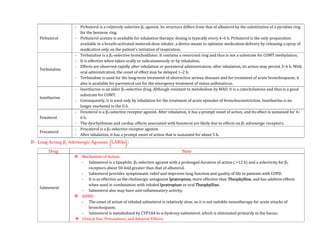
Pirbuterol
- Pirbuterol is a relatively selective β2 agonist. Its structure differs from that of albuterol by the substitution of a pyridine ring
for the benzene ring.
- Pirbuterol acetate is available for inhalation therapy; dosing is typically every 4–6 h. Pirbuterol is the only preparation
available in a breath-activated metered-dose inhaler, a device meant to optimize medication delivery by releasing a spray of
medication only on the patient’s initiation of inspiration.
Terbutaline
- Terbutaline is a β2-selective bronchodilator. It contains a resorcinol ring and thus is not a substrate for COMT methylation.
- It is effective when taken orally or subcutaneously or by inhalation.
- Effects are observed rapidly after inhalation or parenteral administration; after inhalation, its action may persist 3–6 h. With
oral administration, the onset of effect may be delayed 1–2 h.
- Terbutaline is used for the long-term treatment of obstructive airway diseases and for treatment of acute bronchospasm; it
also is available for parenteral use for the emergency treatment of status asthmaticus.
Isoetharine
- Isoetharine is an older β2-selective drug. Although resistant to metabolism by MAO, it is a catecholamine and thus is a good
substrate for COMT.
- Consequently, it is used only by inhalation for the treatment of acute episodes of bronchoconstriction. Isoetharine is no
longer marketed in the U.S.
Fenoterol
- Fenoterol is a β2-selective receptor agonist. After inhalation, it has a prompt onset of action, and its effect is sustained for 4–
6 h.
- The dysrhythmias and cardiac effects associated with fenoterol are likely due to effects on β1 adrenergic receptors.
Procaterol
- Procaterol is a β2-selective receptor agonist.
- After inhalation, it has a prompt onset of action that is sustained for about 5 h.
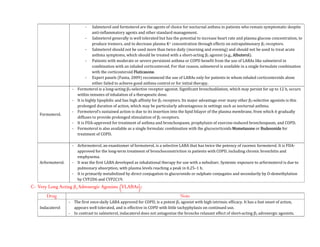
B- Long Acting β2 Adrenergic Agonists (LABAs):
Drug Note
Salmeterol
 Mechanism of Action:
- Salmeterol is a lipophilic β2-selective agonist with a prolonged duration of action (>12 h) and a selectivity for β2
receptors about 50-fold greater than that of albuterol.
- Salmeterol provides symptomatic relief and improves lung function and quality of life in patients with COPD.
- It is as effective as the cholinergic antagonist Ipratropium, more effective than Theophylline, and has additive effects
when used in combination with inhaled Ipratropium or oral Theophylline.
- Salmeterol also may have anti-inflammatory activity.
 ADME:
- The onset of action of inhaled salmeterol is relatively slow, so it is not suitable monotherapy for acute attacks of
bronchospasm.
- Salmeterol is metabolized by CYP3A4 to α-hydroxy-salmeterol, which is eliminated primarily in the faeces.
 Clinical Use, Precautions, and Adverse Effects:
- Salmeterol and formoterol are the agents of choice for nocturnal asthma in patients who remain symptomatic despite
anti-inflammatory agents and other standard management.
- Salmeterol generally is well tolerated but has the potential to increase heart rate and plasma glucose concentration, to
produce tremors, and to decrease plasma K+ concentration through effects on extrapulmonary β2 receptors.
- Salmeterol should not be used more than twice daily (morning and evening) and should not be used to treat acute
asthma symptoms, which should be treated with a short-acting β2 agonist (e.g., Albuterol).
- Patients with moderate or severe persistent asthma or COPD benefit from the use of LABAs like salmeterol in
combination with an inhaled corticosteroid. For that reason, salmeterol is available in a single formulate combination
with the corticosteroid Fluticasone.
- Expert panels (Fanta, 2009) recommend the use of LABAs only for patients in whom inhaled corticosteroids alone
either failed to achieve good asthma control or for initial therapy.
Formoterol.
- Formoterol is a long-acting β2-selective receptor agonist. Significant bronchodilation, which may persist for up to 12 h, occurs
within minutes of inhalation of a therapeutic dose.
- It is highly lipophilic and has high affinity for β2 receptors. Its major advantage over many other β2-selective agonists is this
prolonged duration of action, which may be particularly advantageous in settings such as nocturnal asthma.
- Formoterol’s sustained action is due to its insertion into the lipid bilayer of the plasma membrane, from which it gradually
diffuses to provide prolonged stimulation of β2 receptors.
- It is FDA-approved for treatment of asthma and bronchospasm, prophylaxis of exercise-induced bronchospasm, and COPD.
- Formoterol is also available as a single formulaic combination with the glucocorticoids Mometasone or Budesonide for
treatment of COPD.
Arformoterol.
- Arformoterol, an enantiomer of formoterol, is a selective LABA that has twice the potency of racemic formoterol. It is FDA-
approved for the long-term treatment of bronchoconstriction in patients with COPD, including chronic bronchitis and
emphysema.
- It was the first LABA developed as inhalational therapy for use with a nebulizer. Systemic exposure to arformoterol is due to
pulmonary absorption, with plasma levels reaching a peak in 0.25–1 h.
- It is primarily metabolized by direct conjugation to glucuronide or sulphate conjugates and secondarily by O-demethylation
by CYP2D6 and CYP2C19.
C- Very Long Acting β2 Adrenergic Agonists (VLABAs):
Drug Note
Indacaterol
- The first once-daily LABA approved for COPD, is a potent β2 agonist with high intrinsic efficacy. It has a fast onset of action,
appears well tolerated, and is effective in COPD with little tachyphylaxis on continued use.
- In contrast to salmeterol, indacaterol does not antagonize the broncho relaxant effect of short-acting β2 adrenergic agonists.
Olodaterol
- It is also a once-daily, long-acting β2 agonist approved for use in COPD. It is also offered in combination with Tiotropium
Bromide, an antagonist at M3 muscarinic receptors.
Vilanterol
- It is a VLABA approved for use in combination with Fluticasone.
- Vilanterol is available in Europe in combination with the long-acting muscarinic antagonist Umeclidinium.
D- Other β2 Selective Agonists:
Drug Note
Ritodrine
- Ritodrine is a β2-selective agonist that was developed specifically for use as a uterine relaxant. Its pharmacological properties
closely resemble those of the other agents in this group.
- Ritodrine is rapidly but incompletely (30%) absorbed following oral administration.
- The drug may be administered intravenously to selected patients to arrest premature labor.
 β3 Adrenergic Receptor Agonists:
- The β3 receptor couples to the Gs-cAMP pathway and has a much stronger affinity for NE than EPI. The β3 receptor displays much lower affinities for
classic β antagonists (such as Propranolol or Atenolol) than β1 and β2 receptors.
- In humans, the β3 receptor is expressed in brown adipose tissue, gallbladder, and ileum and to a lesser extent in white adipose tissue and the detrusor
muscle of the bladder.
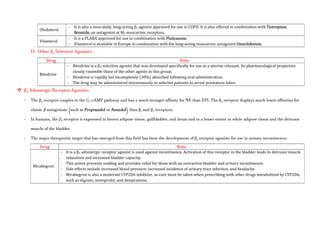
- The major therapeutic target that has emerged from this field has been the development of β3 receptor agonists for use in urinary incontinence.
Drug Note
Mirabegron
- It is a β3 adrenergic receptor agonist is used against incontinence. Activation of this receptor in the bladder leads to detrusor muscle
relaxation and increased bladder capacity.
- This action prevents voiding and provides relief for those with an overactive bladder and urinary incontinence.
- Side effects include increased blood pressure, increased incidence of urinary tract infection, and headache.
- Mirabegron is also a moderate CYP2D6 inhibitor, so care must be taken when prescribing with other drugs metabolized by CYP2D6,
such as digoxin, metoprolol, and desipramine.
 Non selective Adrenergic agonist:
 Epinephrine:
Epinephrine (adrenaline) is a potent stimulant of both α and β adrenergic receptors, and its effects on target organs are thus complex.
 Actions on Organ Systems:
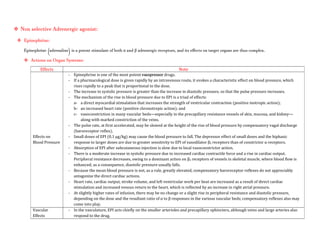
Effects Note
Effects on
Blood Pressure
- Epinephrine is one of the most potent vasopressor drugs.
- If a pharmacological dose is given rapidly by an intravenous route, it evokes a characteristic effect on blood pressure, which
rises rapidly to a peak that is proportional to the dose.
- The increase in systolic pressure is greater than the increase in diastolic pressure, so that the pulse pressure increases.
- The mechanism of the rise in blood pressure due to EPI is a triad of effects:
a- a direct myocardial stimulation that increases the strength of ventricular contraction (positive inotropic action);
b- an increased heart rate (positive chronotropic action); and
c- vasoconstriction in many vascular beds—especially in the precapillary resistance vessels of skin, mucosa, and kidney—
along with marked constriction of the veins.
- The pulse rate, at first accelerated, may be slowed at the height of the rise of blood pressure by compensatory vagal discharge
(baroreceptor reflex).
- Small doses of EPI (0.1 μg/kg) may cause the blood pressure to fall. The depressor effect of small doses and the biphasic
response to larger doses are due to greater sensitivity to EPI of vasodilator β2 receptors than of constrictor α receptors.
- Absorption of EPI after subcutaneous injection is slow due to local vasoconstrictor action.
- There is a moderate increase in systolic pressure due to increased cardiac contractile force and a rise in cardiac output.
Peripheral resistance decreases, owing to a dominant action on β2 receptors of vessels in skeletal muscle, where blood flow is
enhanced; as a consequence, diastolic pressure usually falls.
- Because the mean blood pressure is not, as a rule, greatly elevated, compensatory baroreceptor reflexes do not appreciably
antagonize the direct cardiac actions.
- Heart rate, cardiac output, stroke volume, and left ventricular work per beat are increased as a result of direct cardiac
stimulation and increased venous return to the heart, which is reflected by an increase in right atrial pressure.
- At slightly higher rates of infusion, there may be no change or a slight rise in peripheral resistance and diastolic pressure,
depending on the dose and the resultant ratio of α to β responses in the various vascular beds; compensatory reflexes also may
come into play.
Vascular
Effects
- In the vasculature, EPI acts chiefly on the smaller arterioles and precapillary sphincters, although veins and large arteries also
respond to the drug.
- Various vascular beds react differently. Injected EPI markedly decreases cutaneous blood flow, constricting precapillary vessels
and small venules. Cutaneous vasoconstriction accounts for a marked decrease in blood flow in the hands and feet.
- Blood flow to skeletal muscles is increased by therapeutic doses in humans. This is due in part to a powerful β2-mediated
vasodilator action that is only partially counterbalanced by a vasoconstrictor action on the α receptors that also are present in
the vascular bed.
- The effect of EPI on cerebral circulation is related to systemic blood pressure. In usual therapeutic doses, the drug has relatively
little constrictor action on cerebral arterioles.
- Doses of EPI that have little effect on mean arterial pressure consistently increase renal vascular resistance and reduce renal
blood flow by as much as 40%. All segments of the renal vascular bed contribute to the increased resistance. Because the
glomerular filtration rate is only slightly and variably altered, the filtration fraction is consistently increased.
- Excretion of Na+, K+, and Cl– is decreased; urine volume may be increased, decreased, or unchanged. Maximal tubular
reabsorptive and excretory capacities are unchanged.
- The secretion of renin is increased as a consequence of a direct action of EPI on β1 receptors in the juxtaglomerular apparatus.
- Arterial and venous pulmonary pressures are raised. Although direct pulmonary vasoconstriction occurs, redistribution of
blood from the systemic to the pulmonary circulation, due to constriction of the more powerful musculature in the systemic
great veins, plays an important part in the increase in pulmonary pressure.
- Coronary blood flow is enhanced by EPI or by cardiac sympathetic stimulation under physiological conditions. The increased
flow is the result higher heart rates, this is partially offset by decreased blood flow during systole because of more forceful
contraction of the surrounding myocardium and an increase in mechanical compression of the coronary vessels.
- The increased flow during diastole is further enhanced if aortic blood pressure is elevated by EPI; as a consequence, total
coronary flow may be increased.
- The second factor is a metabolic dilator effect that results from the increased strength of contraction and myocardial O2
consumption due to the direct effects of EPI on cardiac myocytes. This vasodilation is mediated in part by adenosine released
from cardiac myocytes, which tends to override a direct vasoconstrictor effect of EPI that results from activation of α receptors
in coronary vessels.
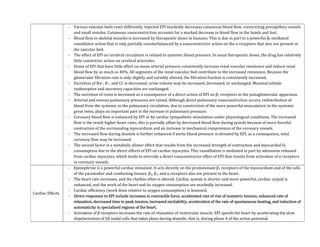
Cardiac Effects
- Epinephrine is a powerful cardiac stimulant. It acts directly on the predominant β1 receptors of the myocardium and of the cells
of the pacemaker and conducting tissues; β2, β3, and α receptors also are present in the heart.
- The heart rate increases, and the rhythm often is altered. Cardiac systole is shorter and more powerful, cardiac output is
enhanced, and the work of the heart and its oxygen consumption are markedly increased.
- Cardiac efficiency (work done relative to oxygen consumption) is lessened.
- Direct responses to EPI include increases in contractile force, accelerated rate of rise of isometric tension, enhanced rate of
relaxation, decreased time to peak tension, increased excitability, acceleration of the rate of spontaneous beating, and induction of
automaticity in specialized regions of the heart.
- Activation of β receptors increases the rate of relaxation of ventricular muscle. EPI speeds the heart by accelerating the slow
depolarization of SA nodal cells that takes place during diastole, that is, during phase 4 of the action potential.
- Some effects of EPI on cardiac tissues are largely secondary to the increase in heart rate and are small or inconsistent when the
heart rate is kept constant. For example, the effect of EPI on repolarization of atrial muscle, Purkinje fibres, or ventricular
muscle is small if the heart rate is unchanged.
- When the heart rate is increased, the duration of the action potential is consistently shortened, and the refractory period is
correspondingly decreased.
- Conduction through the Purkinje system depends on the level of membrane potential at the time of excitation. Excessive
reduction of this potential results in conduction disturbances, ranging from slowed conduction to complete block. EPI often
increases the membrane potential and improves conduction in Purkinje fibres that have been excessively depolarized.
- Epinephrine normally shortens the refractory period of the human AV node by direct effects on the heart, although doses of EPI
that slow the heart through reflex vagal discharge may indirectly tend to prolong it.
- The actions of EPI in enhancing cardiac automaticity and in causing arrhythmias are effectively antagonized by β receptor
antagonists such as propranolol.
- However, α1 receptors exist in most regions of the heart, and their activation prolongs the refractory period and strengthens
myocardial contractions.
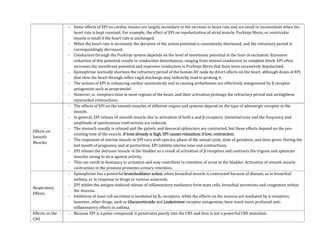
Effects on
Smooth
Muscles
- The effects of EPI on the smooth muscles of different organs and systems depend on the type of adrenergic receptor in the
muscle.
- In general, EPI relaxes GI smooth muscle due to activation of both α and β receptors. Intestinal tone and the frequency and
amplitude of spontaneous contractions are reduced.
- The stomach usually is relaxed and the pyloric and ileocecal sphincters are contracted, but these effects depend on the pre-
existing tone of the muscle. If tone already is high, EPI causes relaxation; if low, contraction.
- The responses of uterine muscle to EPI vary with species, phase of the sexual cycle, state of gestation, and dose given. During the
last month of pregnancy and at parturition, EPI inhibits uterine tone and contractions.
- EPI relaxes the detrusor muscle of the bladder as a result of activation of β receptors and contracts the trigone and sphincter
muscles owing to its α agonist activity.
- This can result in hesitancy in urination and may contribute to retention of urine in the bladder. Activation of smooth muscle
contraction in the prostate promotes urinary retention.
Respiratory
Effects
- Epinephrine has a powerful bronchodilator action, when bronchial muscle is contracted because of disease, as in bronchial
asthma, or in response to drugs or various autacoids.
- EPI inhibit the antigen-induced release of inflammatory mediators from mast cells, bronchial secretions and congestion within
the mucosa.
- Inhibition of mast cell secretion is mediated by β2 receptors, while the effects on the mucosa are mediated by α receptors;
however, other drugs, such as Glucocorticoids and Leukotriene receptor antagonists, have much more profound anti-
inflammatory effects in asthma.
Effects on the
CNS
- Because EPI is a polar compound, it penetrates poorly into the CNS and thus is not a powerful CNS stimulant.
- While the drug may cause restlessness, headache, and tremor in many persons, these effects is secondary to the effects of EPI on
the cardiovascular system, skeletal muscles, and intermediary metabolism; that is, they may be the result of somatic
manifestations of anxiety.
Metabolic
Effects
- Epinephrine elevates the concentrations of glucose and lactate in blood.
- EPI inhibits secretion of insulin through an interaction with α2 receptors, whereas activation of β2 receptors enhances insulin
secretions; the predominant effect of EPI is inhibition.
- Glucagon secretion is enhanced via activation of β receptors of the α cells of pancreatic islets.
- EPI also decreases the uptake of glucose by peripheral tissues.
- The effect of EPI to stimulate glycogenolysis in most tissues involves β receptors.
- EPI raises the concentration of free fatty acids in blood by stimulating β receptors in adipocytes. The result is activation of
triglyceride lipase, which accelerates the triglyceride breakdown to free fatty acids and glycerol.
- The calorigenic action of EPI (increase in metabolism) is reflected in humans by an increase of 20%–30% in O2 consumption
after conventional doses.
Miscellaneous
Effects
- Epinephrine reduces circulating plasma volume by loss of protein-free fluid to the extracellular space, thereby increasing
hematocrit and plasma protein concentration.
- EPI rapidly increases the number of circulating polymorphonuclear leukocytes, likely due to β receptor–mediated demargination
of these cells. EPI accelerates blood coagulation and promotes fibrinolysis.
- Secretions usually is inhibited by secretory gland, due to the reduced blood flow caused by vasoconstriction.
- EPI stimulates lacrimation and scanty mucus secretion from salivary glands.
- Mydriasis occurs with physiological sympathetic stimulation but not when EPI is instilled into the conjunctival sac of normal
eyes. EPI usually lowers intraocular pressure, as a result of reduced production of aqueous humour due to vasoconstriction and
enhanced outflow.
- EPI facilitates neuromuscular transmission in skeletal muscle, followed by prolonged rapid stimulation of motor nerves.
Stimulation of α receptors causes a more rapid increase in transmitter release from the somatic motor neuron, as a result of
enhanced influx of Ca2+.
- Epinephrine promotes a fall in plasma K+, largely due to stimulation of K+ uptake into cells, particularly skeletal muscle, due to
activation of β2 receptors. This is associated with decreased renal K+ excretion.
- These receptors have been used in the management of hyperkalemic familial periodic paralysis, which is characterized by
episodic flaccid paralysis, hyperkalemia, and depolarization of skeletal muscle.
- The administration of large or repeated doses of EPI or other sympathomimetic amines to experimental animal damages
arterial walls and myocardium, even inducing necrosis in the heart.
 ADME:
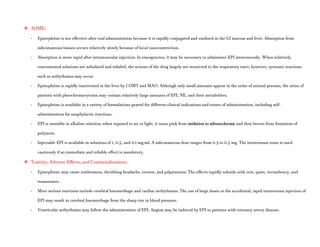
- Epinephrine is not effective after oral administration because it is rapidly conjugated and oxidized in the GI mucosa and liver. Absorption from
subcutaneous tissues occurs relatively slowly because of local vasoconstriction.
- Absorption is more rapid after intramuscular injection. In emergencies, it may be necessary to administer EPI intravenously. When relatively
concentrated solutions are nebulized and inhaled, the actions of the drug largely are restricted to the respiratory tract; however, systemic reactions
such as arrhythmias may occur.
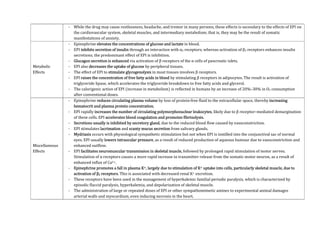
- Epinephrine is rapidly inactivated in the liver by COMT and MAO. Although only small amounts appear in the urine of normal persons, the urine of
patients with pheochromocytoma may contain relatively large amounts of EPI, NE, and their metabolites.
- Epinephrine is available in a variety of formulations geared for different clinical indications and routes of administration, including self-
administration for anaphylactic reactions.
- EPI is unstable in alkaline solution; when exposed to air or light, it turns pink from oxidation to adrenochrome and then brown from formation of
polymers.
- Injectable EPI is available in solutions of 1, 0.5, and 0.1 mg/ml. A subcutaneous dose ranges from 0.3 to 0.5 mg. The intravenous route is used
cautiously if an immediate and reliable effect is mandatory.
 Toxicity, Adverse Effects, and Contraindications:
- Epinephrine may cause restlessness, throbbing headache, tremor, and palpitations. The effects rapidly subside with rest, quiet, recumbency, and
reassurance.
- More serious reactions include cerebral haemorrhage and cardiac arrhythmias. The use of large doses or the accidental, rapid intravenous injection of
EPI may result in cerebral haemorrhage from the sharp rise in blood pressure.
- Ventricular arrhythmias may follow the administration of EPI. Angina may be induced by EPI in patients with coronary artery disease.
- The use of EPI generally is contraindicated in patients who are receiving nonselective β receptor antagonists because its unopposed actions on
vascular α1 receptors may lead to severe hypertension and cerebral haemorrhage.
 Therapeutic Uses:
- A major use of EPI is to provide rapid, emergency relief of hypersensitivity reactions, including anaphylaxis, to drugs and other allergens.
- EPI also is used to prolong the action of local anaesthetics, presumably by decreasing local blood flow and reducing systemic absorption.
- It also is used as a topical hemostatic agent on bleeding surfaces, such as in the mouth or in bleeding peptic ulcers during endoscopy of the stomach
and duodenum.
- Systemic absorption of the drug can occur with dental application.
 Norepinephrine:
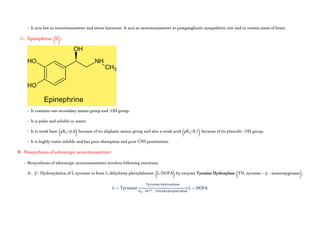
- Norepinephrine (levarterenol, l-noradrenaline, l-β-[3,4-dihydroxyphenyl]- α-aminoethanol) is a major chemical mediator liberated by mammalian
postganglionic sympathetic nerves. It differs from EPI only by lacking the methyl substitution in the amino group.
- NE constitutes 10%–20% of the catecholamine content of human adrenal medulla and as much as 97% in some pheochromocytomas, which may not
express the enzyme phenyl ethanolamine-N-methyltransferase.
 Pharmacological Properties:
- Both EPI & NE are direct agonists on effector cells, and their actions differ mainly in the ratio of their effectiveness in stimulating α and β2
receptors. They are approximately equipotent in stimulating β1 receptors.
- NE is a potent α agonist and has relatively little action on β2 receptors; however, it is somewhat less potent than EPI on the α receptors of most
organs.
 Cardiovascular Effects:
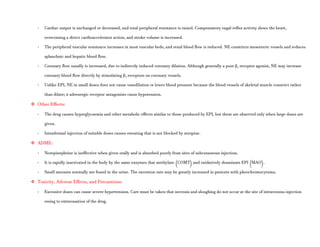
- In response to intravenous infusion of NE in humans, systolic and diastolic pressures, and usually pulse pressure, are increased.
- Cardiac output is unchanged or decreased, and total peripheral resistance is raised. Compensatory vagal reflex activity slows the heart,
overcoming a direct cardioaccelerator action, and stroke volume is increased.
- The peripheral vascular resistance increases in most vascular beds, and renal blood flow is reduced. NE constricts mesenteric vessels and reduces
splanchnic and hepatic blood flow.
- Coronary flow usually is increased, due to indirectly induced coronary dilation. Although generally a poor β2 receptor agonist, NE may increase
coronary blood flow directly by stimulating β2 receptors on coronary vessels.
- Unlike EPI, NE in small doses does not cause vasodilation or lower blood pressure because the blood vessels of skeletal muscle constrict rather
than dilate; α adrenergic receptor antagonists cause hypotension.
 Other Effects:
- The drug causes hyperglycaemia and other metabolic effects similar to those produced by EPI, but these are observed only when large doses are
given.
- Intradermal injection of suitable doses causes sweating that is not blocked by atropine.
 ADME:
- Norepinephrine is ineffective when given orally and is absorbed poorly from sites of subcutaneous injection.
- It is rapidly inactivated in the body by the same enzymes that methylate (COMT) and oxidatively deaminate EPI (MAO).
- Small amounts normally are found in the urine. The excretion rate may be greatly increased in patients with pheochromocytoma.
 Toxicity, Adverse Effects, and Precautions:
- Excessive doses can cause severe hypertension. Care must be taken that necrosis and sloughing do not occur at the site of intravenous injection
owing to extravasation of the drug.
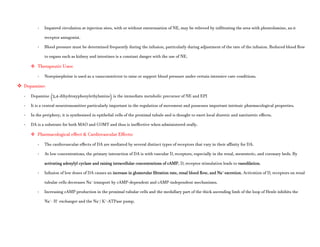
- Impaired circulation at injection sites, with or without extravasation of NE, may be relieved by infiltrating the area with phentolamine, an α
receptor antagonist.
- Blood pressure must be determined frequently during the infusion, particularly during adjustment of the rate of the infusion. Reduced blood flow
to organs such as kidney and intestines is a constant danger with the use of NE.
 Therapeutic Uses:
- Norepinephrine is used as a vasoconstrictor to raise or support blood pressure under certain intensive care conditions.
 Dopamine:
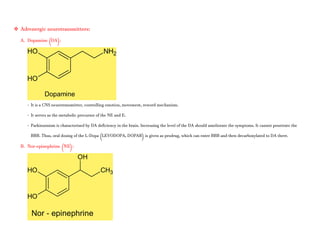
- Dopamine (3,4-dihydroxyphenylethylamine) is the immediate metabolic precursor of NE and EPI
- It is a central neurotransmitter particularly important in the regulation of movement and possesses important intrinsic pharmacological properties.
- In the periphery, it is synthesized in epithelial cells of the proximal tubule and is thought to exert local diuretic and natriuretic effects.
- DA is a substrate for both MAO and COMT and thus is ineffective when administered orally.
 Pharmacological effect & Cardiovascular Effects:
- The cardiovascular effects of DA are mediated by several distinct types of receptors that vary in their affinity for DA.
- At low concentrations, the primary interaction of DA is with vascular D1 receptors, especially in the renal, mesenteric, and coronary beds. By
activating adenylyl cyclase and raising intracellular concentrations of cAMP, D1 receptor stimulation leads to vasodilation.
- Infusion of low doses of DA causes an increase in glomerular filtration rate, renal blood flow, and Na+
excretion. Activation of D1 receptors on renal
tubular cells decreases Na+
transport by cAMP-dependent and cAMP-independent mechanisms.
- Increasing cAMP production in the proximal tubular cells and the medullary part of the thick ascending limb of the loop of Henle inhibits the
Na+
- H+
exchanger and the Na+
/ K+
-ATPase pump.
- The renal tubular actions of DA that cause natriuresis (excretion of sodium in urine) may be increased by the increase in renal blood flow and the
small increase in the glomerular filtration rate that follows its administration.
- The resulting increase in hydrostatic pressure in the peritubular capillaries and reduction in oncotic pressure may contribute to diminished
reabsorption of Na+
by the proximal tubular cells.
- As a consequence, DA has pharmacologically appropriate effects in the management of states of low cardiac output associated with compromised
renal function, such as severe congestive heart failure.
- At higher concentrations, DA exerts a positive inotropic effect on the myocardium, acting on β1 adrenergic receptors. DA also causes the release
of NE from nerve terminals, which contributes to its effects on the heart.
- DA usually increases systolic blood pressure and pulse pressure and either has no effect on diastolic blood pressure or increases it slightly. Total
peripheral resistance usually is unchanged when low or intermediate doses of DA are given, probably because of the ability of DA to reduce
regional arterial resistance in some vascular beds. At high concentrations, DA activates vascular α1 receptors, leading to more general
vasoconstriction.
 CNS Effects:
- Although there are specific DA receptors in the CNS, injected DA usually has no central effects because it does not readily cross the blood-brain
barrier.
 Precautions, Adverse Reactions, and Contraindications:
- Before DA is administered to patients in shock, hypovolemia should be corrected by transfusion of whole blood, plasma, or other appropriate
fluid.
- Untoward effects due to overdosage generally are attributable to excessive sympathomimetic activity.
- Nausea, vomiting, tachycardia, anginal pain, arrhythmias, headache, hypertension, and peripheral vasoconstriction may be encountered during
DA infusion. Extravasation of large amounts of DA during infusion may cause ischemic necrosis and sloughing.
- Rarely, gangrene of the fingers or toes has followed prolonged infusion of the drug. DA should be avoided or used at a much-reduced dosage if the
patient has received a MAO inhibitor. Careful adjustment of dosage also is necessary in patients who are taking tricyclic antidepressants.
 Therapeutic Uses:
- Dopamine is used in the treatment of severe congestive heart failure, particularly in patients with oliguria and low or normal peripheral vascular
resistance.
- The drug also may improve physiological parameters in the treatment of cardiogenic and septic shock.
- Dopamine hydrochloride is used only intravenously, preferably into a large vein to prevent perivascular infiltration; extravasation may cause
necrosis and sloughing of the surrounding tissue.
- The drug is administered at a rate of 2–5 μg/kg per min; this rate may be increased gradually up to 20–50 μg/kg per min or more as the clinical
situation dictates.
- During the infusion, patients require clinical assessment of myocardial function, perfusion of vital organs such as the brain, and the production of
urine. Reduction in urine flow, tachycardia, or the development of arrhythmias may be indications to slow or terminate the infusion.
 Miscellaneous sympathomimetics:
Drug Note
Amphetamine
- Amphetamine, racemic β phenylisopropylamine, has powerful CNS stimulant actions, in addition to the peripheral α and β
actions common to indirect-acting sympathomimetic drugs.
- It is effective after oral administration, and its effects last for several hours.
 Cardiovascular System:
- Amphetamine given orally raises both systolic and diastolic blood pressure. Heart rate often is reflexly slowed; with large
doses, cardiac arrhythmias may occur.
- Cardiac output is not enhanced by therapeutic doses, and cerebral blood flow does not change much.
- The l-isomer is slightly more potent than the d-isomer in its cardiovascular actions.
 Other Smooth Muscles:
- In general, smooth muscles respond to amphetamine as they do to other sympathomimetic amines. The contractile effect on
the sphincter of the urinary bladder is particularly marked, and for this reason amphetamine has been used in treating
enuresis and incontinence.
- Pain and difficulty in micturition occasionally occur. Amphetamine cause relaxation and delay the movement of intestinal
contents.
- If the gut already is relaxed, the opposite effect may occur. The response of the human uterus varies, but there usually is an
increase in tone.
 CNS:
- Amphetamine is one of the most potent sympathomimetic amines in stimulating the CNS. It stimulates the medullary
respiratory centre, decreases the degree of central depression caused by various drugs, and produces other signs of CNS
stimulation.
- In eliciting CNS excitatory effects, the d-isomer (dextroamphetamine) is three to four times more potent than the l-isomer.
The psychic effects depend on the dose and the mental state and personality of the individual.
- The main results of an oral dose of 10–30 mg include wakefulness, alertness, and a decreased sense of fatigue; elevation of
mood, with increased initiative, self-confidence, and ability to concentrate; often, elation and euphoria; and increase in
motor and speech activities.
- Physical performance (e.g., in athletes) is improved, and the drug often is abused for this purpose.
- These effects are variable and may be reversed by overdosage or repeated usage. Prolonged use or large doses are nearly
always followed by depression and fatigue.
- Many individuals given amphetamine experience headache, palpitation, dizziness, vasomotor disturbances, agitation,
confusion, dysphoria, apprehension, delirium, or fatigue.
 Analgesia:
- Amphetamine and some other sympathomimetic amines have a small analgesic effect that is not sufficiently pronounced
to be therapeutically useful. However, amphetamine can enhance the analgesia produced by opiates.
 Respiration:
- Amphetamine stimulates the respiratory centre, increasing the rate and depth of respiration.
- In normal individuals, usual doses of the drug do not appreciably increase respiratory rate or minute volume.
Nevertheless, when respiration is depressed by centrally acting drugs, amphetamine may stimulate respiration.
 Appetite:
- Amphetamine and similar drugs have been used for the treatment of obesity. Weight loss in obese humans treated with
amphetamine is almost entirely due to reduced food intake and only in small measure to increased metabolism.
- The site of action probably is in the lateral hypothalamic feeding centre; injection of amphetamine into this area,
suppresses food intake.
- Neurochemical mechanisms of action are unclear but may involve increased release of NE or DA. In humans, tolerance
to the appetite suppression develops rapidly.
- Hence, continuous weight reduction usually is not observed in obese individuals without dietary restriction.
 Mechanisms of Action in the CNS:
- Amphetamine exerts most or all of its effects in the CNS by releasing biogenic amines from their storage sites in nerve
terminals.
- The neuronal dopamine active transporter, DAT, SLC6A3 (membrane spanning protein that removes dopamine from
synaptic cleft) and the vesicular monoamine transporter 2, VMAT2, SLC18A2 (transport monoamine such as dopamine,
NE, serotonin, histamine) are the two of the principal targets of amphetamine’s action.
- These mechanisms include amphetamine-induced exchange diffusion, reverse transport, channel-like transport
phenomena.
- Amphetamine analogues affect monoamine transporters through phosphorylation, transporter trafficking, and the
production of reactive oxygen and nitrogen species. These mechanisms may have potential implications for
neurotoxicity as well as dopaminergic neurodegenerative diseases (discussed further in the chapter).
- The alerting effect of amphetamine, its anorectic effect, and at least a component of its locomotor-stimulating action
presumably is mediated by release of NE from central noradrenergic neurons.
- Some aspects of locomotor activity and the stereotyped behaviour induced by amphetamine probably are a
consequence of the release of DA from dopaminergic nerve terminals, particularly in the neostriatum.
 Toxicity and Adverse Effects:
- The acute toxic effects of amphetamine usually are extensions of its therapeutic actions and as a rule result from
overdosage. CNS effects commonly include restlessness, dizziness, tremor, hyperactive reflexes, talkativeness, tenseness,
irritability, weakness, insomnia, fever, and sometimes euphoria.
- Confusion, aggressiveness, changes in libido, anxiety, delirium, paranoid hallucinations, panic states, and suicidal or
homicidal tendencies occur, especially in mentally ill patients.
- Cardiovascular effects are common and include headache, chilliness, pallor or flushing, palpitation, cardiac arrhythmias,
anginal pain, hypertension or hypotension, and circulatory collapse.
- GI symptoms include dry mouth, metallic taste, anorexia, nausea, vomiting, diarrhoea, and abdominal cramps.
- Fatal poisoning usually terminates in convulsions and coma, and cerebral haemorrhages are the main pathological findings.
- Toxic manifestations occasionally occur as an idiosyncratic reaction after as little as 2 mg but are rare with doses less than
15 mg. Severe reactions have occurred with 30 mg, yet doses of 400–500 mg are not uniformly fatal.
- Larger doses can be tolerated after chronic use of the drug. Treatment of acute amphetamine intoxication may include
acidification of the urine by administration of ammonium chloride; this enhances the rate of elimination.
- Sedatives may be required for the CNS symptoms. Severe hypertension may require administration of Sodium Nitroprusside
or an α adrenergic receptor antagonist.
 Therapeutic Uses:
- Amphetamine is used chiefly for its CNS effects. Dextroamphetamine, with greater CNS action and less peripheral action, is
FDA-approved for the treatment of narcolepsy and attention deficit hyperactive disorder (ADHD).
Methamphetamine
- Methamphetamine is closely related chemically to amphetamine and ephedrine. The drug acts centrally to release DA and other
biogenic amines and to inhibit neuronal and VMATs as well as MAO.
- Small doses have prominent central stimulant effects without significant peripheral actions; somewhat larger doses produce a
sustained rise in systolic and diastolic blood pressures, due mainly to cardiac stimulation.
- Cardiac output is increased, although the heart rate may be reflexly slowed. Venous constriction causes peripheral venous
pressure to increase. These factors tend to increase the venous return and thus cardiac output; pulmonary arterial pressure is
raised.
- Methamphetamine is a schedule-II drug under federal regulations and has high potential for abuse. It is widely abused as a
cheap, accessible recreational drug.
Methylphenidate
- Methylphenidate is a piperidine derivative that is structurally related to amphetamine. Methylphenidate is a mild CNS stimulant
with more prominent effects on mental than on motor activities.
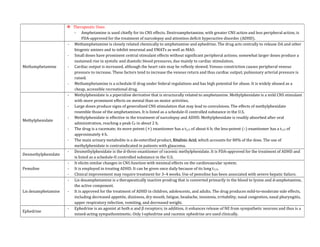
- Large doses produce signs of generalized CNS stimulation that may lead to convulsions. The effects of methylphenidate
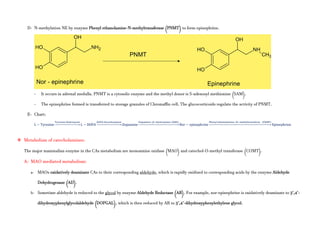
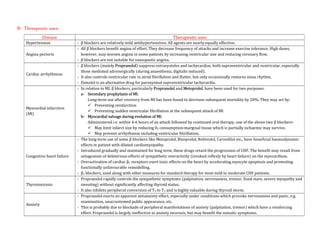
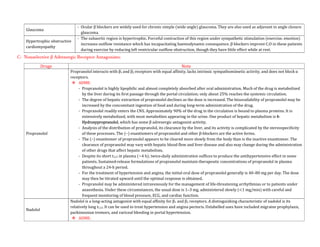
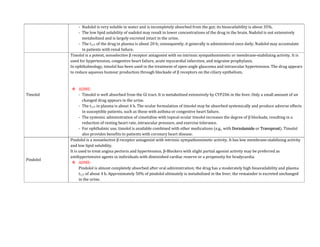
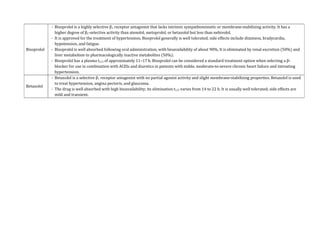
resemble those of the amphetamines. It is listed as a schedule-II controlled substance in the U.S.
- Methylphenidate is effective in the treatment of narcolepsy and ADHD. Methylphenidate is readily absorbed after oral
administration, reaching a peak CP in about 2 h.
- The drug is a racemate; its more potent (+) enantiomer has a t1/2 of about 6 h; the less-potent (–) enantiomer has a t1/2 of
approximately 4 h.
- The main urinary metabolite is a de-esterified product, Ritalinic Acid, which accounts for 80% of the dose. The use of
methylphenidate is contraindicated in patients with glaucoma.
Dexmethylphenidate
- Dexmethylphenidate is the d-threo enantiomer of racemic methylphenidate. It is FDA-approved for the treatment of ADHD and
is listed as a schedule-II controlled substance in the U.S.
Pemoline
- It elicits similar changes in CNS function with minimal effects on the cardiovascular system.
- It is employed in treating ADHD. It can be given once daily because of its long t1/2.
- Clinical improvement may require treatment for 3–4 weeks. Use of pemoline has been associated with severe hepatic failure.
Lis dexamphetamine
- Lis dexamphetamine is a therapeutically inactive prodrug that is converted primarily in the blood to lysine and d-amphetamine,
the active component.
- It is approved for the treatment of ADHD in children, adolescents, and adults. The drug produces mild-to-moderate side effects,
including decreased appetite, dizziness, dry mouth, fatigue, headache, insomnia, irritability, nasal congestion, nasal pharyngitis,
upper respiratory infection, vomiting, and decreased weight.
Ephedrine
- Ephedrine is an agonist at both α and β receptors; in addition, it enhances release of NE from sympathetic neurons and thus is a
mixed-acting sympathomimetic. Only l-ephedrine and racemic ephedrine are used clinically.
 ADME and Pharmacological Actions:
- Ephedrine is effective after oral administration; effects may persist for several hours. Ephedrine is eliminated in the urine
largely as unchanged drug, with a t1/2 of 3–6 h.
- The drug stimulates heart rate and cardiac output and variably increases peripheral resistance; as a result, ephedrine
usually increases blood pressure.
- Stimulation of the α receptors of smooth muscle cells in the bladder base may increase the resistance to the outflow of
urine. Activation of β receptors in the lungs promotes bronchodilation.
 Therapeutic Uses and Untoward Effects:
- The use of ephedrine as a bronchodilator in asthmatic patients is less common with the availability of β2-selective agonists.
- Ephedrine has been used to promote urinary continence. Indeed, the drug may cause urinary retention, particularly in men
with benign prostate enlargement (BPH).
- Ephedrine also has been used to treat the hypotension that may occur with spinal anaesthesia.
- Untoward effects of ephedrine include hypertension and insomnia. Tachyphylaxis may occur with repetitive dosing.
 Therapeutic Uses of the sympathomimetics:
 Shock:
- Shock is a clinical syndrome characterized by inadequate perfusion of tissues; it usually is associated with hypotension and ultimately with the failure
of organ systems. Shock is an immediately life-threatening impairment of delivery of O2 and nutrients to the organs of the body.
- Causes of shock include hypovolemia; cardiac failure; obstruction to cardiac output (due to pulmonary embolism, pericardial tamponade, or aortic
dissection); and peripheral circulatory dysfunction (sepsis or anaphylaxis).
- Recent research on shock has focused on the accompanying increased permeability of the GI mucosa to pancreatic proteases, and on the role of these
degradative enzymes on microvascular inflammation and multiorgan failure.
- The treatment of shock consists of specific efforts to reverse the underlying pathogenesis as well as nonspecific measures aimed at correcting
hemodynamic abnormalities. The accompanying fall in blood pressure generally leads to marked activation of the sympathetic nervous system. This, in
turn, causes peripheral vasoconstriction and an increase in the rate and force of cardiac contraction.
- In the initial stages of shock, these mechanisms may maintain blood pressure and cerebral blood flow, although blood flow to the kidneys, skin, and
other organs may be decreased, leading to impaired production of urine and metabolic acidosis.
- The initial therapy of shock involves the maintenance of blood volume. Specific therapy (e.g., antibiotics for patients in septic shock) should be
initiated immediately.
- If these measures do not lead to an adequate therapeutic response, it may be necessary to use vasoactive drugs in an effort to improve abnormalities in
blood pressure and flow.
- Adrenergic receptor agonists may be used in an attempt to increase myocardial contractility or to modify peripheral vascular resistance. In general
terms, β receptor agonists increase heart rate and force of contraction, α receptor agonists increase peripheral vascular resistance, and DA promotes
dilation of renal and splanchnic vascular beds, in addition to activating β and α receptors.
- Therapy of cardiogenic shock due to myocardial infarction is aimed at improving peripheral blood flow. Medical intervention is designed to optimize
cardiac filling pressure (preload), myocardial contractility, and peripheral resistance (afterload).
- Preload may be increased by administration of intravenous fluids or reduced with drugs such as diuretics and nitrates. A number of sympathomimetic
amines have been used to increase the force of contraction of the heart.
- Some of these drugs have disadvantages: INE is a powerful chronotropic agent and can greatly increase myocardial O2 demand; NE intensifies
peripheral vasoconstriction; and EPI increases heart rate and may predispose the heart to dangerous arrhythmias.
- DA is an effective inotropic agent that causes less increase in heart rate than does INE. DA also promotes renal arterial dilation; this may be useful in
preserving renal function. When given in high doses (>10–20 μg/kg per min), DA activates α receptors, causing peripheral and renal vasoconstriction.
- Dobutamine has complex pharmacological actions that are mediated by its stereoisomers; the clinical effects of the drug are to increase myocardial
contractility with little increase in heart rate or peripheral resistance. In some patients in shock, hypotension is so severe that vasoconstricting drugs
are required to maintain a blood pressure that is adequate for CNS perfusion. The α agonists such as NE, phenylephrine, metaraminol,
mephentermine, midodrine, ephedrine, EPI, DA, and methoxamine all have been used for this purpose.
- Most patients with septic shock initially have low or barely normal peripheral vascular resistance, possibly owing to excessive effects of endogenously
produced NO as well as normal or increased cardiac output. If the syndrome progresses, myocardial depression, increased peripheral resistance, and
impaired tissue oxygenation occur. The primary treatment of septic shock is antibiotics. Therapy with drugs such as DA or dobutamine is guided by
hemodynamic monitoring.
 Hypotension:
- Drugs with predominantly α agonist activity can be used to raise blood pressure in patients with decreased peripheral resistance in conditions such as
spinal anaesthesia or intoxication with antihypertensive medications.
- Patients with orthostatic hypotension (excessive fall in blood pressure with standing) often represent a pharmacological challenge. There are diverse
causes for this disorder, including the Shy-Drager syndrome and idiopathic autonomic failure. Therapeutic approaches include physical manoeuvres
and a variety of drugs (fludrocortisone, prostaglandin synthesis inhibitors, somatostatin analogues, caffeine, vasopressin analogues, and DA
antagonists).
- A number of sympathomimetic drugs also have been used in treating this disorder. The ideal agent would enhance venous constriction prominently
and produce relatively little arterial constriction to avoid supine hypertension.
 Hypertension:
- Centrally acting α2 receptor agonists such as clonidine are useful in the treatment of hypertension.
 Cardiac Arrhythmias:
- Cardiopulmonary resuscitation in patients with cardiac arrest due to ventricular fibrillation, electromechanical dissociation, or asystole may be
facilitated by drug treatment. EPI is an important therapeutic agent in patients with cardiac arrest; EPI and other α agonists increase diastolic pressure
and improve coronary blood flow.
- The α agonists also help to preserve cerebral blood flow during resuscitation. Cerebral blood vessels are relatively insensitive to the vasoconstricting
effects of catecholamines, and perfusion pressure is increased. Consequently, during external cardiac massage, EPI facilitates distribution of the limited
cardiac output to the cerebral and coronary circulations.
- Once a cardiac rhythm has been restored, it may be necessary to treat arrhythmias, hypotension, or shock. In patients with paroxysmal
supraventricular tachycardias, particularly those associated with mild hypotension, careful infusion of an α agonist (e.g., phenylephrine) to raise blood
pressure to about 160 mm Hg may end the arrhythmia by increasing vagal tone.
- However, this method of treatment has been replaced largely by Ca2+
channel blockers with clinically significant effects on the AV node, β antagonists,
adenosine, and electrical cardioversion.
 Congestive Heart Failure:
- At first glance, sympathetic stimulation of β receptors in the heart would appear to be an important compensatory mechanism for maintenance of
cardiac function in patients with congestive heart failure.
- β agonists increase cardiac output in acute emergency settings such as shock, long-term therapy with β agonists as inotropic agents is not efficacious.
 Local Vascular Effects:
- Epinephrine is used in surgical procedures in the nose, throat, and larynx to shrink the mucosa and improve visualization by limiting haemorrhage.
Simultaneous injection of EPI with local anaesthetics retards their absorption and increases the duration of anaesthesia.
- Injection of α agonists into the penis may be useful in reversing priapism, a complication of the use of α receptor antagonists or PDE 5 inhibitors (e.g.,
Sildenafil) in the treatment of erectile dysfunction.
- Both phenylephrine and oxymetazoline are efficacious vasoconstrictors when applied locally during sinus surgery.
 Nasal Decongestion:
- α Receptor agonists are used as nasal decongestants in patients with allergic or vasomotor rhinitis and in acute rhinitis in patients with upper
respiratory infections. These drugs decrease resistance to airflow by decreasing the volume of the nasal mucosa; this may occur by activation of α
receptors in venous capacitance vessels in nasal tissues that have erectile characteristics. The receptors that mediate this effect appear to be α1
receptors.
- α2 Receptors may mediate contraction of arterioles that supply nutrition to the nasal mucosa. Intense constriction of these vessels may cause structural
damage to the mucosa. A major limitation of therapy with nasal decongestants is loss of efficacy, “rebound” hyperemia, and worsening of symptoms
with chronic use or when the drug is stopped.
- Mechanisms include receptor desensitization and damage to the mucosa. Agonists that are selective for α1 receptors may be less likely to induce
mucosal damage. The α agonists may be administered either orally or topically.
- Sympathomimetic decongestants should be used with great caution in patients with hypertension and in men with prostatic enlargement; these agents
are contraindicated in patients who are taking MAO inhibitors.
- Topical decongestants are particularly useful in acute rhinitis because of their more selective site of action, but they are appropriate to be used
excessively by patients, leading to rebound congestion.
 Allergic Reactions:
- Epinephrine is the drug of choice to reverse the manifestations of serious acute hypersensitivity reactions (e.g., from food, bee sting, or drug allergy).
A subcutaneous injection of EPI rapidly relieves itching, hives, and swelling of lips, eyelids, and tongue.
- In some patients, careful intravenous infusion of EPI may be required to ensure prompt pharmacological effects. This treatment may be life-saving
when edema of the glottis threatens airway patency or when there is hypotension or shock in patients with anaphylaxis.
- In addition to its cardiovascular effects, EPI activates β receptors that suppress the release from mast cells of mediators such as histamine and
leukotrienes.
 Attention-Deficit/Hyperactivity Disorder:
- The ADHD syndrome is characterized by excessive motor activity, difficulty in sustaining attention, and impulsiveness. Children with this disorder
frequently are troubled by difficulties in school, impaired interpersonal relationships, and excitability.
- Catecholamines may be involved in the control of attention at the level of the cerebral cortex. A variety of stimulant drugs have been utilized in the
treatment of ADHD, and they are particularly indicated in moderate-to-severe cases.
- Dextroamphetamine has been demonstrated to be more effective than placebo. Methylphenidate is effective in children with ADHD and is the most
common intervention. Treatment may start with a dose of 5 mg of methylphenidate in the morning and at lunch; the dose is increased gradually over a
period of weeks depending on the response as judged by parents, teachers, and the clinician.
- The total daily dose generally should not exceed 60 mg; because of its short duration of action, most children require two or three doses of
methylphenidate each day.
- Methylphenidate, dextroamphetamine, and amphetamine probably have similar efficacy in ADHD and are the preferred drugs in this disorder.
Lisdexamfetamine can be administered once daily, and a transdermal formulation of methylphenidate is marketed for daytime use.
- Potential adverse effects of these medications include insomnia, abdominal pain, anorexia, and weight loss, which may be associated with suppression
of growth in children.
 Classification of sympathomimetics according to therapeutic use:
SYMPATHOMIMETICS
PRESSOR AGENT
Epinephrine
Ephedrine
Dopamine
Phenylephrine
Methoxamine
Mephentermine
CARDIAC STIMULANT
Epinephrine
Isoprenaline
Dobutamine
BRONCHODILATORS
Isoprenaline
Salbutamol
Terbutaline
Salmeterol
Formoterol
Bambuterol
NASAL DECONGESTANT
Xylometazoline
Oxymetazoline
Naphazoline
Phenylephrine
Pseudoephedrine
CNS STIMULANT
Amphetamine
Dexamphetamine
Methamphetamine
Methylphenidate
ANORECTICS
Amphetamine
Fenfluramine
Sibutramine
UTERINE RELAXANT
Ritodrine
Isoxsuprine
Salbutamol
Terbutaline
 Adrenergic neurotransmitters:
A. Dopamine (DA):
- It is a CNS neurotransmitter, controlling emotion, movement, reword mechanism.
- It serves as the metabolic precursor of the NE and E.
- Parkinsonism is characterised by DA deficiency in the brain. Increasing the level of the DA should ameliorate the symptoms. It cannot penetrate the
BBB. Thus, oral dosing of the L-Dopa (LEVODOPA, DOPAR) is given as prodrug, which can enter BBB and then decarboxylated to DA there.
B. Nor-epinephrine (NE):
- It acts bot as neurotransmitter and stress hormone. It acts as neurotransmitter at postganglionic sympathetic site and in certain areas of brain.
C. Epinephrine (E):
- It contains one secondary amino group and -OH group.
- It is polar and soluble in water.
- It is weak base (pKa=9.9) because of its aliphatic amino group and also a weak acid (pKa=8.7) because of its phenolic -OH group.
- It is highly water soluble and has poor absorption and poor CNS penetration.
 Biosynthesis of adrenergic neurotransmitter:
- Biosynthesis of adrenergic neurotransmitter involves following reactions:
A- 3’- Hydroxylation of L-tyrosine to form L-dihydroxy phenylalanine (L-DOPA) by enzyme Tyrosine Hydroxylase (TH, tyrosine – 3 – monooxygenase).
L − Tyrosine
, ,
⎯⎯⎯⎯⎯⎯⎯⎯⎯⎯⎯⎯⎯⎯⎯⎯⎯⎯⎯⎯⎯⎯⎯ L − DOPA
- TH requires molecular O2, Fe2+
, tetrahydroptridine cofactor.
- It is the rate limiting step in the biosynthesis of the NE.
- The inhibitors include α methyl analogs:
a- α -methyl-p-tyrosine (Metyrosine, Demsar)
b- α -methyl-3’-iodotyrosine
c- α -methyl-5-hydroxytryptophan
- These are competitive inhibitors. Metyrosine used to demonstrate the effect of exercise, stress, and various drugs on the turnover of the CAs.
- Metyrosine is also used to lower the NE production in patient with Pheochromocytoma, and Malignant Hypertension.
- Adrenergic nerve stimulation leads to activation of a protein kinase that phosphorylates TH and increase its activity.
- The TH activity reduces through end product inhibition. This feedback inhibition is by competition between the CA product and the pterine
factor.
B- Decarboxylation of L-DOPA to Dopamine by enzyme DOPA decarboxylase.
L − DOPA ⎯⎯⎯⎯⎯⎯⎯⎯⎯⎯⎯⎯⎯⎯ Dopamine
- DOPA decarboxylase also act on all naturally occurring L-amino acid like L-Histidine, L-Tyrosine, L-Tryptophan, L-Phenylalanine, L-DOPA and
L-5-HT. Thus, this enzyme is also known as L-Aromatic Acid Decarboxylase (AADC).
- It is found in liver and kidney at high concentration. Inhibition of AADC is actively done by coadministration of at peripheral decarboxylase
inhibitor like Carbidopa.
- DA formed in cytoplasm of neurone and actively transported into storage vesicle by a 12-spanning proton antiporter called Vesicular Monoamine
Transporter (VMAT).
C- β- Hydroxylation of DA to form NE by enzyme dopamine-β -hydroxylase (DBH).
D- N-methylation NE by enzyme Phenyl ethanolamine-N-methyltransferase (PNMT) to form epinephrine.
- It occurs in adrenal medulla. PNMT is a cytosolic enzyme and the methyl donor is S-adenosyl methionine (SAM).
- The epinephrine formed is transferred to storage granules of Chromaffin cell. The glucocorticoids regulate the activity of PNMT.
E- Chart:
L − Tyrosine ⎯⎯⎯⎯⎯⎯⎯⎯⎯⎯⎯⎯⎯⎯ L − DOPA ⎯⎯⎯⎯⎯⎯⎯⎯⎯⎯⎯⎯⎯⎯ Dopamine
( )
⎯⎯⎯⎯⎯⎯⎯⎯⎯⎯⎯⎯⎯⎯⎯⎯⎯⎯⎯⎯⎯⎯⎯⎯ Nor − epinephrine
( )
⎯⎯⎯⎯⎯⎯⎯⎯⎯⎯⎯⎯⎯⎯⎯⎯⎯⎯⎯⎯⎯⎯⎯⎯⎯⎯⎯⎯⎯⎯⎯⎯⎯⎯⎯⎯⎯⎯ Epinephrine
 Metabolism of catecholamines:
The major mammalian enzyme in the CAs metabolism are monoamine oxidase (MAO) and catechol-O-methyl transferase (COMT).
A- MAO mediated metabolism:
a- MAOs oxidatively deaminate CAs to their corresponding aldehyde, which is rapidly oxidised to corresponding acids by the enzyme Aldehyde
Dehydrogenase (AD).
b- Sometime aldehyde is reduced to the glycol by enzyme Aldehyde Reductase (AR). For example, nor-epinephrine is oxidatively deaminate to 3’,4’-
dihydroxyphenylglycolaldehyde (DOPGAL), which is then reduced by AR to 3’,4’-dihydroxyphenylethylene glycol.
c- The glycol metabolite that is released into circulation undergo methylation by COMT to form 3’-methyl-4’-hydroxyphenylethylene glycol, which is
oxidised by Alcohol Dehydrogenase and AD to give 3’-methoxy-4’-hydroxy mandelic acid or Vanillyl mandelic acid (VMA).
d- MAO inhibitors prevent MAO catalysed deamination of NE, DA, following reuptake into the nerve terminals from the synaptic cleft. Anti-depressant
such as Phenelzine (NARDL, NARDELZINE), Isocarboxazid (MARPLAN, MARPLON, ENERZER), Tranylcypromine (PARNATE) are MAOs
inhibitors.
B- COMT mediated metabolism:
It O-methylate the 3’-OH group of the CAs and inactivate it. The action of COMT on NE and E form nor-metanephrine and metanephrine, respectively,
which on action of MAOs/AR and MAOs/AD form 3’-methoxy4’-hydroxy phenyl ethylene glycol and VMA respectively.
VMA is the principle urinary metabolite of NE although small amount of 3’-Metoxy-4’-hydroxy phenylethylene glycol are excreted in varying quantities
with other metabolites, both in the free form and sulphate or glucuronide conjugation.
Endogenous epinephrine is excreted primarily as Metanephrine and VMA.
 Storage and release of catecholamines:
- A large percentage of the NE present is located within highly specialized subcellular particles in sympathetic nerve endings and chromaffin cells. Much
of the NE in CNS is also located within similar vesicles.
- The concentration in the vesicles is maintained also by the VMAT. Following its biosynthesis and storage in granules, the entrance of Ca2+
into these
cells results in the extrusion of NE by exocytosis of the granules.
- Ca2+
triggered secretion involves interaction of highly conserved molecular scaffolding proteins leading to docking of granules at the plasma membrane
and then NE is released from sympathetic nerve endings into the synaptic cleft, where it interacts with specific presynaptic and postsynaptic
adrenoceptors, on the effector cell, triggering a biochemical cascade that results in a physiologic response by the effector cell.
- Indirectly acting and mixed sympathomimetics (e.g., tyramine, amphetamines, and ephedrine) are capable of releasing stored transmitter from
noradrenergic nerve endings by a calcium-independent process.
- These drugs are poor agonists at adrenoceptors, but they are excellent substrates for VMAT. They are avidly taken up into noradrenergic nerve endings
by NE reuptake transporter (NET) responsible for NE reuptake into the nerve terminal.
- In the nerve ending, they are then transported by VMAT into the vesicles, displacing NE, which is subsequently expelled into the synaptic space by
reverse transport via NET. Their action does not require vesicle exocytosis.
 Uptake:
- Once NE has exerted its effect at adrenergic receptors, there must be mechanisms for removing the NE from the synapse and terminating its action at
the receptors. These mechanisms include:
a- Reuptake of NE into the presynaptic neuron (recycling, major mechanism) by NET and into extra neuronal tissues.
b- Conversion of NE to an inactive metabolite
c- Diffusion of the NE away from the synapse.
- The first two of these mechanisms require specific transport proteins or enzymes, and therefore are targets for pharmacologic intervention. The most
important of these mechanisms is recycling the NE. This process is termed Uptake-1 and involves a Na+
/Cl-
- dependent transmembrane NET that has a
high affinity for NE. This reuptake system also transports certain amines other than NE into the nerve terminal, and can be blocked by such drugs as
cocaine and some of the tricyclic antidepressants.
- Similar transporters, dopamine transporter (DAT) and serotonin transporter (SERT) are responsible for the reuptake of DA and 5-HT (serotonin),
respectively, into the neurons that release these transmitters.
- Some of the NE that re-enters the sympathetic neuron is transported from the cytoplasm into the storage granules carried out by an H+
- dependent
transmembrane VMAT. There, it is held in a stable complex with adenotriphosphate (ATP) and proteins until sympathetic nerve activity or some other
stimulus causes it to be released into the synaptic cleft.
- Certain drugs, such as Reserpine, block this transport, preventing the refilling of synaptic vesicles with NE and eventually cause nerve terminals to
become depleted of their NE stores. By this mechanism, Reserpine inhibits neurotransmission at adrenergic synapses.
- In addition to the neuronal uptake of NE, there exists an extraneuronal uptake process, called Uptake-2 with relatively low affinity for NE. It may play a
role in the disposition of circulating CAs, because CAs that are taken up into extraneuronal tissues are metabolized quite rapidly.
 Adrenergic receptor antagonists (sympatholytics):
- The adrenergic receptor antagonists are drugs, that inhibit the interaction of NE, epinephrine, and other sympathomimetic drugs with α and β receptors.
- Most of these agents are competitive antagonists; an important exception is phenoxybenzamine, an irreversible antagonist that binds covalently to α
receptors.
 Classification of sympatholytics:
SYMPATHOLYTICS
α RECEPTOR ANTAGONISTS
α1-SELECTIVE
Prazosin
Terazosin
Doxazosin
Alfuzosin
Tamsulosin
(α1A)
Indoramin
Urapidil
Bunazosin
α2-SELECTIVE
Yohimbine
NON-SELECTIVE
REVERSIBLE
(IMIDAZOLINE)
Phentolamine
Tolazoline
IRREVERSIBLE
(HALOALKYL AMINES)
Phenoxybenzamine
β RECEPTOR ANTAGONISTS
NON-SELECTIVE
(FIRST GENERATION)
Propranolol
Timolol
Nadolol
Pindolol
Penbutolol
Sotalol
Levobunolol
Metipranolol
β1-SELECTIVE
(SECOND GENERATION)
Acebutolol
Atenolol
Bisoprolol
Esmolol
Metoprolol
NON-SELECTIVE
(THIRD GENERATION)
Carteolol
Carvedilol*
Bucindolol
Labetalol*
β1-SELECTIVE
(THIRD GENERATION)
Betaxolol
Celiprolol
Nebivolol
 α adrenergic receptor antagonists:
 α1 Adrenergic Receptor Antagonists:
A- General Pharmacological Properties:
- Blockade of α1 adrenergic receptors inhibits vasoconstriction induced by endogenous catecholamines; vasodilation may occur in both arteriolar
resistance vessels and veins. The result is a fall in blood pressure due to decreased peripheral resistance.
- For most α receptor antagonists, the fall in blood pressure is opposed by baroreceptor reflexes that cause increases in heart rate and cardiac output,
as well as fluid retention. These reflexes are exaggerated if the antagonist also blocks α2 receptors on peripheral sympathetic nerve endings, leading
to enhanced release of NE and increased stimulation of postsynaptic β1 receptors in the heart and on juxtaglomerular cells.
- Although stimulation of α1 receptors in the heart may cause an increased force of contraction, the importance of blockade at this site in humans is
uncertain.
- Blockade of α1 receptors also inhibits vasoconstriction and the increase in blood pressure produced by the administration of a sympathomimetic
amine. The pattern of effects depends on the adrenergic agonist that is administered: Pressor responses to Phenylephrine can be completely
suppressed; those to NE are only incompletely blocked because of residual stimulation of cardiac β1 receptors; and pressor responses to EPI may be
transformed to vasodepressor effects because of residual stimulation of β2 receptors in the vasculature with resultant vasodilation.
- Blockade of α1 receptors can alleviate some of the symptoms of benign prostate enlargement (BPH). The symptoms of BPH include a resistance to
urine outflow. This results from mechanical pressure on the urethra due to an increase in smooth muscle mass and an α adrenergic receptor–
mediated increase in smooth muscle tone in the prostate and neck of the bladder. Antagonism of α1 receptors permits relaxation of the smooth muscle
and decreases the resistance to the outflow of urine. The prostate and lower urinary tract tissues exhibit a high proportion of α1A receptors.
B- Available Agents:
Drugs Note
Prazosin
i. This class of α receptor antagonists exhibits greater clinical utility and has largely replaced the nonselective haloalkyl amine (e.g.,
Phenoxybenzamine) and imidazoline (e.g., Phentolamine) α receptor antagonists.
ii. Prazosin is the prototypical α1-selective antagonist. The affinity of prazosin for α1 adrenergic receptors is about 1000-fold greater
than that for α2 adrenergic receptors.
iii. Prazosin has similar potencies at α1A, α1B, and α1D subtypes. Interestingly, the drug also is a relatively potent inhibitor of cyclic
nucleotide PDEs, and it originally was synthesized for this purpose.
iv. Prazosin and the related α receptor antagonist Doxazosin and Tamsulosin frequently are used for the treatment of hypertension.
 Pharmacological Effects:
- The major effects of prazosin result from its blockade of α1 receptors in arterioles and veins. This leads to a fall in peripheral
vascular resistance and in venous return to the heart.
- Unlike other vasodilating drugs, administration of prazosin usually does not increase heartrate. Because prazosin has little or
no α2 receptor–blocking effect, it probably does not promote the release of NE from sympathetic nerve endings in the heart.
- Prazosin decreases cardiac preload and has little effect on cardiac output and rate, in contrast to vasodilators such as
hydralazine that have minimal dilatory effects on veins.
- Although the combination of reduced preload and selective α1 receptor blockade might be sufficient to account for the relative
absence of reflex tachycardia, prazosin also may act in the CNS to suppress sympathetic outflow.
- Prazosin appears to depress baroreflex function in hypertensive patients. Prazosin and related drugs in this class decrease
LDLs and triglycerides and increase concentrations of HDLs.
 ADME:
- Prazosin is well absorbed after oral administration, and bioavailability is about 50%–70%. Peak concentrations of prazosin in
plasma generally are reached 1–3 h after an oral dose.
- The drug is tightly bound to plasma proteins (primarily α1-acid glycoprotein), and only 5% of the drug is free in the circulation.
- Prazosin is extensively metabolized in the liver, and little unchanged drug is excreted by the kidneys. The plasma t1/2 is about 3
h (may be prolonged to 6–8 h in congestive heart failure).
- The duration of action is approximately7–10 h in the treatment of hypertension. The initial dose should be 1 mg, usually given
at bedtime so that the patient will remain recumbent for at least several hours to reduce the risk of syncopal reactions that may
follow the first dose of prazosin.
- The dose is titrated upward depending on the blood pressure. A maximal effect generally is observed with a total daily dose of
20 mg in patients with hypertension.
- In the off-label treatment of BPH, doses from 1 to 5 mg twice daily typically are used.
Terazosin
- Terazosin, a close structural analogue of prazosin, is less potent than prazosin but retains high specificity for α1 receptors; terazosin
does not discriminate among α1A, α1B, and α1D receptors.
- The major distinction between the two drugs is in their pharmacokinetic properties. Terazosin is more soluble in water than is
prazosin, and its bioavailability is high (>90%).
- The t1/2 of elimination of terazosin is about 12 h, and its duration of action usually extends beyond 18 h. Consequently, the drug may
be taken once daily to treat hypertension and BPH in most patients.
- Terazosin has been found more effective than Finasteride in treatment of BPH. Terazosin and doxazosin induce apoptosis in prostate
smooth muscle cells. This apoptosis may lessen the symptoms associated with chronic BPH by limiting cell proliferation.
- The apoptotic effect of terazosin and doxazosin appears to be related to the quinazoline moiety rather than α1 receptor antagonism;
tamsulosin, a non-quinazoline α1 receptor antagonist, does not produce apoptosis.
- Only about 10% of terazosin is excreted unchanged in the urine. An initial first dose of 1 mg is recommended. Doses are slowly
titrated upward depending on the therapeutic response. Doses of 10 mg/d may be required for maximal effect in BPH.
Doxazosin
- Doxazosin is another congener of prazosin and a highly selective antagonist at α1 receptors. It is nonselective among α1 receptor
subtypes and differs from prazosin in its pharmacokinetic profile.
- The t1/2 of doxazosin is about 20 h, and its duration of action may extend to 36 h. The bioavailability and extent of metabolism of
doxazosin and prazosin are similar.
- Most doxazosin metabolites are eliminated in the faeces. The hemodynamic effects of doxazosin appear to be similar to those of
prazosin.
- Doxazosin should be given initially as a 1-mg dose in the treatment of hypertension or BPH. Doxazosin also may have beneficial
actions in the long-term management of BPH related to apoptosis that are independent of α1 receptor antagonism.
- Doxazosin is typically administered once daily.
Alfuzosin
- Alfuzosin is a quinazoline-based α1 receptor antagonist with similar affinity at all of the α1 receptor subtypes. It has been used
extensively in treating BPH; it is not approved for treatment of hypertension.
- Alfuzosin has a t 1/2 of 3–5 h. Alfuzosin is a substrate of CYP3A4, and the concomitant administration of CPY3A4 inhibitors (e.g.,
ketoconazole, clarithromycin, itraconazole, ritonavir) is contraindicated.
- Alfuzosin should be avoided in patients at risk for prolonged QT syndrome. There commended dosage is one 10-mg extended-release
tablet daily to be taken after the same meal each day.
Tamsulosin
- Tamsulosin, a benzene sulfonamide, is an α1 receptor antagonist with some selectivity for α1A (and α1D) subtypes compared to the α1B
subtype.
- This selectivity may favour blockade of α1A receptors in prostate. Tamsulosin is efficacious in the treatment of BPH with little effect
on blood pressure
- Tamsulosin is not approved for the treatment of hypertension. Tamsulosin is well absorbed and has a t 1/2 of 5–10 h. It is extensively
metabolized by CYPs.
- Tamsulosin may be administered at a 0.4-mg starting dose; a dose of 0.8 mg ultimately will be more efficacious in some patients.
Abnormal ejaculation is an adverse effect of tamsulosin, experienced by about 18% of patients receiving the higher dose.
Silodosin
- Silodosin exhibits selectivity for the α1A, over the α1B, adrenergic receptor. The drug is metabolized by several pathways; the main
metabolite is a glucuronide formed by UGT2B7; coadministration with inhibitors of this enzyme (e.g., Probenecid, Valproic Acid,
Fluconazole) increases systemic exposure to silodosin.
- The drug is approved for the treatment of BPH and has lesser effects on blood pressure than the non–α1-subtype selective
antagonists.
- Nevertheless, dizziness and orthostatic hypotension can occur. The chief side effect of silodosin is retrograde ejaculation (in 28% of
those treated). Silodosin is available as 4-mg and 8-mg capsules.
C- Therapeutic Uses:
Disease Drugs
Hypertension
- Prazosin and its congeners have been used successfully in the treatment of essential hypertension. Pleotropic effects of these drugs
improve lipid profiles and glucose-insulin metabolism in patients with hypertension who are at risk for atherosclerotic disease.
- Catecholamines are also powerful stimulators of vascular smooth muscle hypertrophy, acting by α1 receptors.
Congestive
Heart Failure
- α Receptor antagonists have been used in the treatment of congestive heart failure but are not the drugs of choice. Short term
effects of α receptor blockade in these patients are due to dilation of both arteries and veins, resulting in a reduction of preload and
afterload, which increases cardiac output and reduces pulmonary congestion.
- In contrast to results obtained with inhibitors of angiotensin-converting enzyme or a combination of hydralazine and an organic
nitrate, prazosin has not been found to prolong life in patients with congestive heart failure.
Benign
Prostatic
Hyperplasia
- In a significant percentage of older men, BPH produces symptomatic urethral obstruction that leads to weak stream, increased
urinary frequency, and nocturia. These symptoms are due to a combination of mechanical pressure on the urethra due to the
increase in smooth muscle mass and the α1 receptor–mediated increase in smooth muscle tone in the prostate and neck of the
bladder.
- α1 Receptors in the trigone muscle of the bladder and urethra contribute to the resistance to outflow of urine. Prazosin reduces this
resistance in some patients with impaired bladder emptying caused by prostatic obstruction or parasympathetic decentralization
from spinal injury.
- Finasteride and Dutasteride, two drugs that inhibit conversion of testosterone to dihydrotestosterone and can reduce prostate
volume in some patients, are approved as monotherapy and in combination with α receptor antagonists. α1-Selective antagonists
have efficacy in BPH owing to relaxation of smooth muscle in the bladder neck, prostate capsule, and prostatic urethra.
- α1-Selective antagonists rapidly improve urinary flow, whereas the actions of Finasteride are typically delayed for months.
Combination therapy with Doxazosin and Finasteride reduces the risk of overall clinical progression of BPH significantly more than
treatment with either drug alone.
- Tamsulosin at their commended dose of 0.4 mg daily and silodosin at 0.8 mg are less likely to cause orthostatic hypotension than
are the other drugs. The predominant α1 subtype expressed in the human prostate is the α1A receptor.
- Developments in this area will provide the basis for the selection of α receptor antagonists with specificity for the relevant subtype
of α1 receptor. However, the possibility remains that some of the symptoms of BPH are due to α1 receptors in other sites, such as
bladder, spinal cord, or brain.
Other
Disorders
- Prazosin can decrease the incidence of digital vasospasm in patients with Raynaud disease; however, its relative efficacy as
compared with Ca2+ channel blockers is not known.
- Prazosin may have some benefit in patients with other vasospastic disorders.
D- Adverse Effects:
- A major potential adverse effect of prazosin and its congeners is the first dose effect; marked postural hypotension and syncope sometimes are seen 30–
90 min after an initial dose of prazosin and 2–6 h after an initial dose of doxazosin.
- Syncopal episodes also have occurred with a rapid increase in dosage or with the addition of a second antihypertensive drug to the regimen of a patient
who already is taking a large dose of prazosin.
- The risk of the first-dose phenomenon is minimized by limiting the initial dose, by increasing the dosage slowly, and by introducing additional
antihypertensive drugs cautiously. Because orthostatic hypotension may be a problem during long-term treatment with prazosin or its congeners.
- Nonspecific adverse effects such as headache, dizziness, and asthenia rarely limit treatment with prazosin.
 α2 Adrenergic Receptor Antagonists:
- Activation of presynaptic α2 receptors inhibits the release of NE and other cotransmitters from peripheral sympathetic nerve endings. Activation of α2
receptors in the pontomedullary region of the CNS inhibits sympathetic nervous system activity and leads to a fall in blood pressure; these receptors are a
site of action for drugs such as clonidine.
- Blockade of α2 receptors with selective antagonists such as Yohimbine thus can increase sympathetic out flow and potentiate the release of NE from nerve
endings, leading to activation of α1 and β1 receptors in the heart and peripheral vasculature with a consequent rise in blood pressure.
- Although certain vascular beds contain α2 receptors that promote contraction of smooth muscle, it is thought that these receptors are preferentially
stimulated by circulating catecholamines, whereas α1 receptors are activated by NE released from sympathetic nerve fibres.
- In other vascular beds, α2 receptors reportedly promote vasodilation by stimulating the release of NO from endothelial cells. The physiological role of
vascular α2 receptors in the regulation of blood flow within various vascular beds is uncertain. The α2 receptors contribute to smooth muscle contraction in
the human saphenous vein, whereas α1 receptors are more prominent in dorsal hand veins.
- The effects of α2 receptor antagonists on the cardiovascular system are dominated by actions in the CNS and on sympathetic nerve endings.
Yohimbine:
- Yohimbine is a competitive antagonist that is selective for α2 receptors. The compound is an indole alkylamine alkaloid and is found in the bark of the
tree Pausinystalia yohimbe and in Rauwolfia root; its structure resembles that of reserpine.
- Yohimbine readily enters the CNS, where it acts to increase blood pressure and heart rate; it also enhances motor activity and produces tremors. These
actions are opposite to those of clonidine, an α2 agonist.
- Yohimbine also antagonizes effects of 5HT. In the past, it was used extensively to treat male sexual dysfunction. However, the efficacies of PDE5
inhibitors (e.g., Sildenafil, Vardenafil, and Tadalafil) and Apomorphine (off-label) have been much more conclusively demonstrated in oral treatment
of erectile dysfunction.
 Nonselective α Adrenergic Antagonists:
Drugs Note
Phenoxybenzamine
- It is a halogenated alkylamine that cyclizes spontaneously in the body giving rise to a highly reactive ethyleniminium intermediate
which reacts with α adrenoceptors and other biomolecules by forming strong covalent bonds.
- The α blockade is of nonequilibrium (irreversible) type and develops gradually (even after i.v. injection) and lasts for 3-4 days till
fresh receptors are synthesized.
- The fall in BP caused by phenoxybenzamine is mainly postural because venodilatation is more prominent than arteriolar dilatation.
- The cardiac output and blood flow to many organs is increased due to reduction in peripheral resistance and increased venous
return.
- It tends to shift blood from pulmonary to systemic circuit because of differential action on the two vascular beds. It also tends to
shift fluid from extravascular to vascular compartment.
- Phenoxybenzamine is lipid soluble, penetrates brain, and on rapid i.v. injection it can produce CNS stimulation, nausea and
vomiting.
- However, oral doses produce depression, tiredness and lethargy. Major side effects are postural hypotension, palpitation, nasal
blockage, miosis, inhibition of ejaculation.
 Pharmacokinetics:
- Oral absorption of phenoxybenzamine is erratic and incomplete; i.m. and s.c. injections are very painful- should not be given.
- Though most of the dose administered i.v. is excreted in urine in 24 hours, small amounts that have covalently reacted remain
in tissues for long periods.
- Chronic administration leads to accumulation in adipose tissue.
- Dose: 20-60 mg/day oral; 1 mg/kg by slow i.v. infusion over 1 hour.
 Therapeutic uses:
- Phenoxybenzamine is used in the treatment of pheochromocytomas, tumours of the adrenal medulla and sympathetic neurons
that secrete enormous quantities of catecholamines into the circulation.
- The usual result is hypertension, which may be episodic and severe. The vast majority of pheochromocytomas are treated
surgically; phenoxybenzamine is often used in preparing the patient for surgery.
- The drug controls episodes of severe hypertension and minimizes other adverse effects of catecholamines, such as contraction
of plasma volume and injury of the myocardium.
- A conservative approach is to initiate treatment with phenoxybenzamine (at a dosage of 10 mg twice daily) 1–3 weeks before
the operation. The dose is increased every other day until the desired effect on blood pressure is achieved.
- The usual daily dose of phenoxybenzamine in patients with pheochromocytoma is 40–120 mg given in two or three divided
portions. In some patients, particularly those with malignant disease, administration of Metyrosine, a competitive inhibitor of
tyrosine hydroxylase may be a useful adjunct.
- β Receptor antagonists also are used to treat pheochromocytoma, but only after the administration of an α receptor antagonist.
Phentolamine
This is a rapidly acting α blocker with short duration of action (in minutes). NE release is increased and tachycardia occurs.
Venodilatation predominates over arteriolar dilatation. Dose: 5 mg i.v. repeated as required;
 Therapeutic uses:
- Phentolamine can also be used in short-term control of hypertension in patients with pheochromocytoma. Rapid infusions of
phentolamine may cause severe hypotension, so the drug should be administered cautiously.
- Phentolamine also may be useful to relieve pseudo-obstruction of the bowel in patients with pheochromocytoma.
Phentolamine has been used locally to prevent dermal necrosis after the inadvertent extravasation of an α receptor agonist.
- The drug also may be useful for the treatment of hypertensive crises that follow the abrupt withdrawal of clonidine or result
from the ingestion of tyramine-containing foods during the use of nonselective MAO inhibitors.
- Buccally or orally administered phentolamine may have efficacy in some men with sexual dysfunction. Phentolamine is FDA-
approved for reversing or limiting the duration of soft tissue anaesthesia.
- Sympathomimetics are frequently administered with local anaesthetics to slow the removal of the anaesthetic by causing
vasoconstriction. When the need for anaesthesia is over, phentolamine can help reverse it by antagonizing the α receptor–
induced vasoconstriction.
 Additional α Adrenergic Receptor Antagonists:
Drugs Note
Ergot Alkaloids
- The ergot alkaloids were the first adrenergic receptor antagonists to be discovered. Ergot alkaloids exhibit a complex variety of
pharmacological properties.
- To varying degrees, these agents act as partial agonists or antagonists at α receptors, DA receptors, and serotonin receptors.
Indoramin
- Indoramin is a selective, competitive α1-selective receptor antagonist that also antagonizes H1 and 5-HT receptors. Indoramin lowers
blood pressure with minimal tachycardia.
- Indoramin is used for the treatment of hypertension and BPH and in the prophylaxis of migraine. The drug also decreases the
incidence of attacks of Raynaud phenomenon. Some of the adverse effects of indoramin include sedation, dry mouth, and failure of
ejaculation.
Urapidil
- Urapidil is a selective α1 receptor antagonist that has a chemical structure distinct from those of prazosin and related compounds.
- Blockade of peripheral α1 receptors appears to be primarily responsible for the hypotension produced by urapidil, although it has
actions in the CNS as well.
Bunazosin
- Bunazosin is an α1-selective antagonist of the quinazoline class that has been shown to lower blood pressure in patients with
hypertension.
 β adrenergic receptor antagonists:
- Competitive antagonists of β adrenergic receptors, or β blockers, are used in the treatment of hypertension, ischemic heart disease, congestive heart failure,
and certain arrhythmias.
- The myriad β antagonists can be distinguished by the following properties:
a- Relative affinity for β1 and β2 receptors
b- Intrinsic sympathomimetic activity
c- Blockade of α receptors
d- Differences in lipid solubility (CNS penetration)
e- Capacity to induce vasodilation
f- Pharmacokinetic parameters
A- Pharmacological Properties:
Properties Note
Cardiovascular System
- Catecholamines have positive chronotropic and inotropic actions. Conversely, β receptor antagonists slow the heart rate and
decrease myocardial contractility, if there are sympathetic stimuli to antagonize.
- However, when the sympathetic nervous system is activated, as during exercise or stress, β receptor antagonists attenuate
the expected rise in heart rate.
- Short-term administration of β receptor antagonists decreases cardiac output; peripheral resistance increases in proportion
to maintain blood pressure as a result of blockade of vascular β2 receptors and compensatory reflexes, such as increased
sympathetic nervous system activity, leading to activation of vascular α receptors.
- However, with long-term use of β antagonists, total peripheral resistance returns to initial values or decreases in patients
with hypertension.
- With β antagonists that also are α1 receptor antagonists, such as Labetalol, Carvedilol, and Bucindolol, cardiac output is
maintained with a greater fall in peripheral resistance. This also is seen with β receptor antagonists that are direct
vasodilators.
- The β3 receptors also have been identified in normal myocardial tissue. Signal transduction for β3 receptors is complex and
includes not only Gs but also Gi/Go; stimulation of cardiac β3 receptors inhibits cardiac contraction and relaxation.
- β Receptor antagonists reduce the sinus rate, decrease the spontaneous rate of depolarization of ectopic pacemakers, slow
conduction in the atria and in the AV node, and increase the functional refractory period of the AV node.
- The cardiovascular effects of β receptor antagonists are most evident during dynamic exercise. In the presence of β receptor
blockade, exercise-induced increases in heart rate and myocardial contractility are decreases.
- Blockade of β2 receptors increase in blood flow to active skeletal muscle during submaximal exercise and also may attenuate
catecholamine-induced activation of glucose metabolism and lipolysis.
- Coronary artery blood flow increases during exercise or stress to meet the metabolic demands of the heart. By increasing
heart rate, contractility, and systolic pressure, catecholamines increase myocardial O2 demand. In patients with coronary
artery disease, fixed narrowing of these vessels attenuates the expected increase in flow, leading to myocardial ischemia. β
Receptor antagonists decrease the effects of catecholamines on the determinants of myocardial O2 consumption.
- These agents increase the requirement for O2 by increasing end-diastolic pressure and systolic ejection period. Usually, the
net effect is to improve the relationship between cardiac O2 supply and demand.
Antihypertensive
Activity
- β Receptor antagonists generally do not reduce blood pressure in patients with normal blood pressure. However, these drugs
lower blood pressure in patients with hypertension.
- The release of renin from the juxtaglomerular cells is stimulated by the sympathetic nervous system by means of β1
receptors, and this effect is blocked by β receptor antagonists.
- β receptor antagonists are effective even in patients with low plasma renin. Presynaptic β receptors enhance the release of
NE from sympathetic neurons, and diminished release of NE from β blockade is a possible response.
- Although β blockers do not decrease the contractility of vascular smooth muscle, long-term administration of these drugs to
hypertensive patients ultimately leads to a fall in peripheral vascular resistance.
- Some β receptor antagonists produce peripheral vasodilation by production of NO, activation of β2 receptors, blockade of α1
receptors, blockade of Ca2+ entry, opening of K+ channels, and antioxidant activity.
- These mechanisms appear to contribute to the antihypertensive effects by enhancing hypotension, increasing peripheral
blood flow, and decreasing afterload.
- Celiprolol and nebivolol also have been observed to produce vasodilation and thereby reduce preload.
Pulmonary System
- Nonselective β receptor antagonists such as propranolol block β2 receptors in bronchial smooth muscle. This usually has little
effect on pulmonary function in normal individuals.
- In patients with COPD, such blockade can lead to life-threatening broncho constriction.
Metabolic Effects
- The β receptor antagonists modify the metabolism of carbohydrates and lipids. Catecholamines promote glycogenolysis and
mobilize glucose in response to hypoglycaemia.
- Nonselective β blockers may delay recovery from hypoglycaemia in type 1 (insulin-dependent) diabetes mellitus.
- In addition to blocking glycogenolysis, β receptor antagonists can interfere with the counter regulatory effects of
catecholamines secreted during hypoglycaemia by blunting the perception of symptoms such as tremor, tachycardia, and
nervousness.
- Thus, β adrenergic receptor antagonists should be used with great caution in patients with labile diabetes and frequent
hypoglycaemic reactions. If such a drug is indicated, a β1-selective antagonist is preferred because these drugs are less likely
to delay recovery from hypoglycaemia.
- The β receptors mediate activation of hormone-sensitive lipase in fat cells, leading to release of free fatty acids into the
circulation. This increased flux of fatty acids is an important source of energy for exercising muscle. β Receptor antagonists
can attenuate the release of free fatty acids from adipose tissue.
- Nonselective β receptor antagonists consistently reduce HDL cholesterol, increase LDL cholesterol, and increase triglycerides.
- In contrast, β1-selective antagonists, including Celiprolol, Carteolol, Nebivolol, Carvedilol, and Bevantolol, reportedly improve
the serum lipid profile of dyslipidaemia patients.
- The vasodilating β receptor antagonists (e.g., Celiprolol, Nipradilol, Carteolol, Carvedilol, and Dilevalol) increase insulin sensitivity in
patients with insulin resistance. Together with their cardioprotective effects, improvement in insulin sensitivity from vasodilating β
receptor antagonists may partially counterbalance the hazard from worsened lipid abnormalities associated with diabetes.
B- Therapeutic uses:
Disease Therapeutic uses
Hypertension - β blockers are relatively mild antihypertensives. All agents are nearly equally effective.
Angina pectoris
- All β blockers benefit angina of effort. They decrease frequency of attacks and increase exercise tolerance. High doses,
however, may worsen angina in some patients by increasing ventricular size and reducing coronary flow.
- β blockers are not suitable for vasospastic angina.
Cardiac arrhythmias
- β blockers (mainly Propranolol) suppress extrasystoles and tachycardias, both supraventricular and ventricular, especially
those mediated adrenergically (during anaesthesia, digitalis induced).
- It also controls ventricular rate in atrial fibrillation and flutter, but only occasionally restores sinus rhythm.
- Esmolol is an alternative drug for paroxysmal supraventricular tachycardia.
Myocardial infarction
(Ml)
- In relation to MI, β blockers, particularly Propranolol and Metoprolol, have been used for two purposes:
a- Secondary prophylaxis of Ml:
Long-term use after recovery from MI has been found to decrease subsequent mortality by 20%. They may act by:
 Preventing reinfarction
 Preventing sudden ventricular fibrillation at the subsequent attack of Ml
b- Myocardial salvage during evolution of Ml:
Administered i.v. within 4-6 hours of an attack followed by continued oral therapy, one of the above two β blockers-
 May limit infarct size by reducing 02 consumption-marginal tissue which is partially ischaemic may survive.
 May prevent arrhythmias including ventricular fibrillation.
Congestive heart failure
- The long-term use of some β blockers like Metoprolol, Bisoprolol, Nebivolol, Carvedilol etc., have beneficial haemodynamic
effects in patient with dilated cardiomyopathy.
- Introduced gradually and maintained for long term, these drugs retard the progression of CHF. The benefit may result from
antagonism of deleterious effects of sympathetic overactivity (invoked reflexly by heart failure) on the myocardium.
- Overactivation of cardiac β1 receptors exert toxic effects on the heart by accelerating myocyte apoptosis and promoting
functionally unfavourable remodelling.
- β1 blockers, used along with other measures for standard therapy for most mild to moderate CHF patients.
Thyrotoxicosis
- Propranolol rapidly controls the sympathetic symptoms (palpitation, nervousness, tremor, fixed stare, severe myopathy and
sweating) without significantly affecting thyroid status.
- It also inhibits peripheral conversion of T4 to T3 and is highly valuable during thyroid storm.
Anxiety
- Propranolol exerts an apparent antianxiety effect, especially under conditions which provoke nervousness and panic, e.g.
examination, unaccustomed public appearance, etc.
- This is probably due to blockade of peripheral manifestations of anxiety (palpitation, tremor) which have a reinforcing
effect. Propranolol is largely ineffective in anxiety neurosis, but may benefit the somatic symptoms.
Glaucoma
- Ocular β blockers are widely used for chronic simple (wide angle) glaucoma. They are also used as adjuvant in angle closure
glaucoma.
Hypertrophic obstructive
cardiomyopathy
- The subaortic region is hypertrophic. Forceful contraction of this region under sympathetic stimulation (exercise. emotion)
increases outflow resistance which has incapacitating haemodynamic consequence. β blockers improve C.O in these patients
during exercise by reducing left ventricular outflow obstruction, though they have little effect while at rest.
C- Nonselective β Adrenergic Receptor Antagonists:
Drugs Note
Propranolol
Propranolol interacts with β1 and β2 receptors with equal affinity, lacks intrinsic sympathomimetic activity, and does not block α
receptors.
 ADME:
- Propranolol is highly lipophilic and almost completely absorbed after oral administration. Much of the drug is metabolized
by the liver during its first passage through the portal circulation; only about 25% reaches the systemic circulation.
- The degree of hepatic extraction of propranolol declines as the dose is increased. The bioavailability of propranolol may be
increased by the concomitant ingestion of food and during long-term administration of the drug.
- Propranolol readily enters the CNS. Approximately 90% of the drug in the circulation is bound to plasma proteins. It is
extensively metabolized, with most metabolites appearing in the urine. One product of hepatic metabolism is 4-
Hydroxypropranolol, which has some β adrenergic antagonist activity.
- Analysis of the distribution of propranolol, its clearance by the liver, and its activity is complicated by the stereospecificity
of these processes. The (–) enantiomers of propranolol and other β-blockers are the active forms.
- The (–) enantiomer of propranolol appears to be cleared more slowly from the body than is the inactive enantiomer. The
clearance of propranolol may vary with hepatic blood flow and liver disease and also may change during the administration
of other drugs that affect hepatic metabolism.
- Despite its short t1/2 in plasma (~4 h), twice-daily administration suffices to produce the antihypertensive effect in some
patients. Sustained-release formulations of propranolol maintain therapeutic concentrations of propranolol in plasma
throughout a 24-h period.
- For the treatment of hypertension and angina, the initial oral dose of propranolol generally is 40–80 mg per day. The dose
may then be titrated upward until the optimal response is obtained.
- Propranolol may be administered intravenously for the management of life-threatening arrhythmias or to patients under
anaesthesia. Under these circumstances, the usual dose is 1–3 mg, administered slowly (<1 mg/min) with careful and
frequent monitoring of blood pressure, ECG, and cardiac function.
Nadolol
Nadolol is a long-acting antagonist with equal affinity for β1 and β2 receptors. A distinguishing characteristic of nadolol is its
relatively long t1/2. It can be used to treat hypertension and angina pectoris. Unlabelled uses have included migraine prophylaxis,
parkinsonian tremors, and variceal bleeding in portal hypertension.
 ADME:
- Nadolol is very soluble in water and is incompletely absorbed from the gut; its bioavailability is about 35%.
- The low lipid solubility of nadolol may result in lower concentrations of the drug in the brain. Nadolol is not extensively
metabolized and is largely excreted intact in the urine.
- The t1/2 of the drug in plasma is about 20 h; consequently, it generally is administered once daily. Nadolol may accumulate
in patients with renal failure.
Timolol
Timolol is a potent, nonselective β receptor antagonist with no intrinsic sympathomimetic or membrane-stabilizing activity. It is
used for hypertension, congestive heart failure, acute myocardial infarction, and migraine prophylaxis.
In ophthalmology, timolol has been used in the treatment of open-angle glaucoma and intraocular hypertension. The drug appears
to reduce aqueous humour production through blockade of β receptors on the ciliary epithelium.
 ADME:
- Timolol is well absorbed from the GI tract. It is metabolized extensively by CYP2D6 in the liver. Only a small amount of un
changed drug appears in the urine.
- The t1/2 in plasma is about 4 h. The ocular formulation of timolol may be absorbed systemically and produce adverse effects
in susceptible patients, such as those with asthma or congestive heart failure.
- The systemic administration of cimetidine with topical ocular timolol increases the degree of β blockade, resulting in a
reduction of resting heart rate, intraocular pressure, and exercise tolerance.
- For ophthalmic use, timolol is available combined with other medications (e.g., with Dorzolamide or Travoprost). Timolol
also provides benefits to patients with coronary heart disease.
Pindolol
Pindolol is a nonselective β receptor antagonist with intrinsic sympathomimetic activity. It has low membrane-stabilizing activity
and low lipid solubility.
It is used to treat angina pectoris and hypertension. β-Blockers with slight partial agonist activity may be preferred as
antihypertensive agents in individuals with diminished cardiac reserve or a propensity for bradycardia.
 ADME:
Pindolol is almost completely absorbed after oral administration; the drug has a moderately high bioavailability and plasma
t1/2 of about 4 h. Approximately 50% of pindolol ultimately is metabolized in the liver; the remainder is excreted unchanged
in the urine.
D- β1-Selective Adrenergic Receptor Antagonists:
Drugs Note
Metoprolol
Metoprolol is a β1-selective receptor antagonist that is devoid of intrinsic sympathomimetic activity and membrane-stabilizing activity.
 ADME:
- Metoprolol is almost completely absorbed after oral administration, but bioavailability is relatively low (~40%) due to first-pass
metabolism.
- Plasma concentrations of the drug vary widely (up to 17-fold), possibly due to genetically determined differences in the rate of
metabolism in the liver by CYP2D6.
- Only 10% of the administered drug is recovered unchanged in the urine. The t1/2 of metoprolol is 3–4 h, but can increase to 7–8 h in
CYP2D6 poor metabolizers.
 Therapeutic Uses:
- Metoprolol has been used to treat essential hypertension, angina pectoris, tachycardia, heart failure, and vasovagal syncope and as
secondary prevention after myocardial infarction, an adjunct in treatment of hyperthyroidism, and for migraine prophylaxis.
- For the treatment of hypertension, the usual initial dose is 100 mg/d. The drug sometimes is effective when given once daily, although
it frequently is used in two divided doses.
- Dosage may be increased at weekly intervals until optimal reduction of blood pressure is achieved. Metoprolol generally is used in two
divided doses for the treatment of stable angina.
- For the initial treatment of patients with acute myocardial infarction, an intravenous formulation of Metoprolol Tartrate is available;
oral dosing is initiated as soon as the clinical situation permits.
- Metoprolol generally is contraindicated for the treatment of acute myocardial infarction in patients with heartrates of less than 45
beats per min, heart block greater than first-degree (PR interval ≥ 0.24 sec), systolic blood pressure less than 100 mm Hg.
Atenolol
Atenolol is a β1-selective antagonist that is devoid of intrinsic sympathomimetic and membrane-stabilizing activity. Atenolol is very
hydrophilic and appears to penetrate the CNS only to a limited extent.
 ADME:
- Atenolol is available in 25-, 50-, and 100-mg oral tablets (initial dose is 50 mg/d). It is incompletely absorbed (~50%) and is excreted
largely unchanged in the urine, with elimination t1/2 of 5–8 h.
- The drug accumulates in patients with renal failure, and dosage should be adjusted for patients whose creatinine clearance is less than
35 ml/min.
 Therapeutic Uses:
- Atenolol can be used to treat hypertension, coronary heart disease, arrhythmias, and angina pectoris and to treat or reduce the risk of
heart complications following myocardial infarction.
- Atenolol is also used to treat Graves’ disease until antithyroid medication can take effect. The initial dose of atenolol for the treatment
of hypertension usually is 50 mg/d, given once daily. If an adequate therapeutic response is not evident within several weeks, the daily
dose may be increased to 100 mg.
- Atenolol has been shown to be efficacious, in combination with a diuretic, in elderly patients with isolated systolic hypertension.
Atenolol causes fewer CNS side effects (depression, nightmares) than most β-blockers and few bronchospastic reactions due to its
pharmacological and pharmacokinetic profile.
Esmolol
Esmolol is a β1-selective antagonist with a rapid onset and a very short duration of action. It has little intrinsic sympathomimetic activity and
lacks membrane-stabilizing actions.
Esmolol is administered intravenously and is used when β blockade of short duration is desired or in critically ill patients in whom adverse
effects of bradycardia, heart failure, or hypotension may necessitate rapid withdrawal of the drug.
 ADME:
- Esmolol is given by slow intravenous injection. Because esmolol is used in urgent settings where immediate onset of β blockade is
warranted, a partial loading dose (500 μg/kg over 1 min) typically is administered, followed by a continuous infusion of the drug
(maintenance dose of 50 μg/kg/min for 4 min).
- If an adequate therapeutic effect is not observed within 5 min, the same loading dose is repeated, followed by a maintenance infusion
at a higher rate. This may need to be repeated until the desired endpoint is approached.
- The drug is hydrolysed rapidly by esterase in erythrocytes and has a t1/2 of about 8 min. The t1/2 of the carboxylic acid metabolite of
esmolol is far longer (~4 h) and will accumulate during prolonged infusion of esmolol.
 Therapeutic Uses:
- Esmolol is commonly used in patients during surgery to prevent or treat tachycardia and in the treatment of supraventricular
tachycardia. The onset and cessation of β receptor blockade with esmolol are rapid; peak hemodynamic effects occur within 6–10 min
of administration of a loading dose, and there is substantial diminution of β-blockade within 20 min of stopping an infusion.
- Esmolol is particularly useful in severe postoperative hypertension and is a suitable agent in situations where cardiac output, heart
rate, and blood pressure are increased.
Acebutolol
Acebutolol is a β1-selective antagonist with some intrinsic sympathomimetic and membrane-stabilizing activity.
 ADME:
- Acebutolol is administered orally (starting dose 200 mg twice daily titrated up to 1200 mg/d). It is well absorbed and undergoes
significant first-pass metabolism to an active metabolite, Diacetolol, which accounts for most of the drug’s activity.
- Overall bioavailability is 35%–50%. The elimination t1/2 of acebutolol typically is about 3 h, but the t1/2of diacetolol is 8–12 h; it is
excreted largely in the urine.
- Acebutolol has lipophilic properties and crosses the blood-brain barrier. It has no negative impact on serum lipids.
 Therapeutic Uses:
- Acebutolol has been used to treat hypertension, ventricular and atrial cardiac arrhythmias, acute myocardial infarction in high-risk
patients, and Smith-Magenis syndrome.
- The initial dose of acebutolol in hypertension usually is 400 mg/d; it may be given as a single dose, but two divided doses may be
required for adequate control of blood pressure.
- Optimal responses usually occur with doses of 400–800 mg per day.
Bisoprolol
- Bisoprolol is a highly selective β1 receptor antagonist that lacks intrinsic sympathomimetic or membrane-stabilizing activity. It has a
higher degree of β1-selective activity than atenolol, metoprolol, or betaxolol but less than nebivolol.
- It is approved for the treatment of hypertension. Bisoprolol generally is well tolerated; side effects include dizziness, bradycardia,
hypotension, and fatigue.
- Bisoprolol is well absorbed following oral administration, with bioavailability of about 90%. It is eliminated by renal excretion (50%) and
liver metabolism to pharmacologically inactive metabolites (50%).
- Bisoprolol has a plasma t1/2 of approximately 11–17 h. Bisoprolol can be considered a standard treatment option when selecting a β-
blocker for use in combination with ACEIs and diuretics in patients with stable, moderate-to-severe chronic heart failure and intreating
hypertension.
Betaxolol
- Betaxolol is a selective β1 receptor antagonist with no partial agonist activity and slight membrane-stabilizing properties. Betaxolol is used
to treat hypertension, angina pectoris, and glaucoma.
- The drug is well absorbed with high bioavailability; its elimination t1/2 varies from 14 to 22 h. It is usually well tolerated; side effects are
mild and transient.
E- β Adrenergic Receptor Antagonists with Additional Cardiovascular Effects (“Third-Generation” β-Blockers):
- In addition to the classical nonselective and β1 selective adrenergic receptor antagonists, there are drugs that possess vasodilating actions. These effects are
produced through a variety of mechanisms, including the following:
a- α1 adrenergic receptor blockade (labetalol, carvedilol, bucindolol, bevantolol, nipradilol)
b- increased production of NO (celiprolol, nebivolol, carteolol, bopindolol, nipradolol)
c- β2 agonist properties (celiprolol, carteolol, bopindolol)
d- Ca2+
entry blockade (carvedilol, betaxolol, bevantolol)
e- opening of K+ channels (tilisolol)
f- antioxidant action (carvedilol)
Drugs Notes
Labetalol
- Labetalol is representative of a class of drugs that act as competitive antagonists at both α1 and β receptors. Labetalol has two optical
centres, and the formulation used clinically contains equal amounts of the four diastereomers.
- The pharmacological properties of the drug are complex because each isomer displays different relative activities. The properties of the
mixture include selective blockade of α1 receptors (as compared with the α2 subtype), blockade of β1 and β2 receptors, partial agonist
activity at β2 receptors, and inhibition of neuronal uptake of NE.
A- The R, R isomer is about four times more potent as a β receptor antagonist than is racemic labetalol and accounts for much of the β
blockade produced by the mixture of isomers.
As an α1 antagonist, this isomer is less than 20% as potent as the racemic mixture. The R, R isomer has some intrinsic
sympathomimetic activity at β2 adrenergic receptors; this may contribute to vasodilation.
B- The R, S isomer is almost devoid of both α and β blocking effects.
C- The S, R isomer has almost no β-blocking activity, yet is about five times more potent as an α1 blocker than is racemic labetalol.
D- The S, S isomer is devoid of β blocking activity and has a potency similar to that of racemic labetalol as an α1 receptor antagonist.
 Therapeutic uses:
- The actions of labetalol on both α1 and β receptors contribute to the fall in blood pressure observed in patients with hypertension. α1
Receptor blockade leads to relaxation of arterial smooth muscle and vasodilation, particularly when the patient is upright.
- The β1 blockade also contributes to a fall in blood pressure, in part by blocking reflex sympathetic stimulation of the heart. In addition,
the intrinsic sympathomimetic activity of labetalol at β2 receptors may contribute to vasodilation, and the drug may have some direct
vasodilating capacity.
- Labetalol is available in oral form for therapy of chronic hypertension and as an intravenous formulation for use in hypertensive
emergencies. Labetalol has been recommended as treatment of acute severe hypertension (hypertensive emergency). Its hypotensive
action begins within 2–5 min after intravenous administration, reaching its peak at 5–15 min and lasting about 2–4 h.
- Labetalol reduces systemic vascular resistance without reducing total peripheral blood flow. It can be used in the setting of pregnancy-
induced hypertensive crisis because little placental transfer occurs due to the poor lipid solubility of labetalol.
 ADME:
- Although labetalol is completely absorbed from the gut, there is extensive first-pass clearance; bioavailability is about 20%–40% but
may be increased by food intake.
- The drug is rapidly metabolized in the liver; very little unchanged drug is found in the urine.
- The elimination t1/2 of the drug is about 8 h. The t1/2 of the R, R isomer of labetalol is approximately 15 h.
Carvedilol
- It blocks β1, β2, and α1 receptors similarly to labetalol but also has antioxidant and anti-inflammatory properties. The antioxidant and anti-
inflammatory properties may be beneficial in treating congestive heart failure. The drug has membrane stabilizing activity but lacks
intrinsic sympathomimetic activity.
- Carvedilol reduces arterial blood pressure by decreasing vascular resistance and maintaining cardiac output while decreasing sympathetic
vascular tone. The hemodynamic effect exerted by carvedilol is similar to that of ACEIs and superior to that of traditional β blockers.
- Carvedilol is reno protective and has favourable effects in patients with diabetes or metabolic syndrome. The drug is used in hypertension,
congestive heart failure, and left ventricular dysfunction following myocardial infarction.
- Carvedilol possesses two distinct antioxidant properties:
a- It is a chemical antioxidant that can bind to and scavenge ROS, and
b- It can suppress the biosynthesis of ROS and oxygen radicals.
- Carvedilol is extremely lipophilic and protects cell membranes from lipid peroxidation. It prevents LDL oxidation, which in turn induces
the uptake of LDL into the coronary vasculature. Carvedilol also inhibits ROS-mediated loss of myocardial contractility, stress-induced
hypertrophy, apoptosis, and the accumulation and activation of neutrophils.
- At high doses, carvedilol exerts Ca2+channel-blocking activity.
- Carvedilol improves ventricular function and reduces mortality and morbidity in patients with mild-to-severe congestive heart failure.
Several experts recommend it as the standard treatment option in this setting.
- In addition, carvedilol combined with conventional therapy reduces mortality and attenuates myocardial infarction. In patients with
chronic heart failure, carvedilol reduces cardiac sympathetic drive.
 ADME:
- Carvedilol is rapidly absorbed following oral administration, with peak plasma concentrations occurring in 1–2 h. It is highly lipophilic
and more than 95% protein bound.
- Hepatic CYPs 2D6 and 2C9 metabolized carvedilol, yielding a t1/2 of 7–10 h. Stereoselective first-pass metabolism results in more rapid
clearance of S (–)-carvedilol than R (+)-carvedilol.
- Because of carvedilol’s extensive oxidative metabolism by the liver, its pharmacokinetics can be profoundly affected by drugs that
induce or inhibit oxidation. These include the inducer Rifampin and inhibitors such as Cimetidine, Quinidine, Fluoxetine, and
Paroxetine.
Celiprolol
- Celiprolol is a third-generation cardio selective β receptor antagonist. It has low lipid solubility and possesses weak vasodilating and
broncho dilating effects attributed to partial selective β2-agonist activity.
- It also has been reported to antagonize peripheral α2 adrenergic receptor activity, to promote NO production, and to inhibit oxidative
stress.
- Celiprolol is devoid of membrane-stabilizing activity. Weak α2 antagonistic properties are present but are not considered clinically
significant at therapeutic doses.
- Celiprolol reduces heart rate and blood pressure and can increase the functional refractory period of the AV node. Oral bioavailability
ranges from 30% to 70%, and peak plasma levels are seen at 2–4 h.
- It is excreted largely unchanged in the urine and faeces. The predominant mode of excretion is renal. Celiprolol is used for treatment of
hypertension and angina.
Nebivolol
- Nebivolol is a third-generation, long-acting, and highly selective β1 adrenergic receptor antagonist that stimulates NO-mediated
vasodilation via β3 receptor agonism.
- Nebivolol is devoid of intrinsic sympathomimetic effects as well as membrane-stabilizing activity and α1 receptor blocking properties.
 Therapeutic Uses:
- Nebivolol is approved for treatment of hypertension and has potential utility in the treatment of heart failure with reduced ejection
traction. The drug lowers blood pressure by reducing peripheral vascular resistance and significantly increases stroke volume with
preservation of cardiac output and maintains systemic flow and blood flow to target organs.
- Nebivolol also reduces oxidative stress and may have favourable effects on both carbohydrate and lipid metabolism. These benefits are
also observed in the presence of metabolic syndrome, which often co-presents with hypertension.
 ADME:
- Nebivolol is administered as the racemate containing equal amounts of the d- and l-enantiomers. The d-isomer is the active β blocking
component; the l-isomer is responsible for enhancing production of NO.
- Nebivolol undergoes extensive first-pass metabolism, primarily by CYP2D6, yielding a mean terminal t1/2 of about 10 h. Active
metabolites (e.g., 4-OH nebivolol) contribute to the β-blocking effect of nebivolol.
- Nebivolol is lipophilic, and concomitant administration of Chlorthalidone, Hydrochlorothiazide, Theophylline, or Digoxin with nebivolol
may reduce its extent of absorption. The NO-dependent vasodilating action of nebivolol and its high β1 adrenergic receptor selectivity
contribute to the drug’s efficacy and comparative tolerability as an antihypertensive agent.

Adrenergic transmission

  • 1.
  • 2.
     Adrenergic orCatecholamine receptor: - Adrenoceptors are typical G protein-coupled receptors. The receptor protein has an extracellular N-terminus, traverses the membrane seven times (transmembrane domains) forming three extracellular and three intracellular loops, and has an intracellular C-terminus. - They function by increasing or decreasing the intracellular production of secondary messengers like cAMP, IP3/DAG. - Adrenergic receptors (also called adrenoceptors) are selective for norepinephrine and epinephrine. Supraphysiologic concentrations of dopamine can also activate some adrenoceptors.  Receptor Types: - These receptors are divided into three main classes, termed α1, α2 and β. Each of these major classes has three subtypes: α1A, α1B and α1D; α2A, α2B and α2C; and β1, β2 and β3. - Each of the adrenergic receptor subtypes is a member of the G protein-coupled receptor (GPCR) super family (also known as seven-transmembrane helix receptors). GPCRs regulate complex intracellular signalling networks through intermediate transducing molecules, which are called G proteins because of their GTP binding and hydrolysis activity. - G proteins are heterotrimeric, with α, β & γ subunits. In the resting (inactive) state, Gα binds guanosine 5 -diphosphate (GDP) and is associated with Gβγ. - Binding of agonist to the GPCR triggers the dissociation of GDP and the binding of guanosine 5′-triphosphate (GTP) to the Gα subunit. - GTP binding initiates a conformational change that leads to the dissociation of Gβγ and to the activation of Gα. - Both Gα and Gβγ can activate downstream effectors. The downstream GPCR signalling depends on the specific Gαβγ combination. - On the basis of the primary sequence of the Gα subunit, G proteins can be divided into our major families—Gαs, Gαi, Gq/11, and G12 —and each family of G subunit activates specific downstream signalling pathways.
  • 3.
    A- Alpha1 andAlpha2 Receptors: - α1 receptors are expressed in vascular smooth muscle, genitourinary tract smooth muscle, intestinal smooth muscle, prostate, brain, heart, liver, and other cell types. - The prototypical signalling mechanism of α1-receptors involves Gq/11, which is generally a stimulatory protein that activates various effectors including phospholipase C, phospholipase D, phospholipase A2 , Ca2+ channels, K+ channels, Na+ / H+ exchangers, several members of the mitogen-activated protein (MAP) kinase pathways, and a variety of other kinases including phosphatidylinositol 3-kinase. - α2 adrenoceptors activate Gi, an inhibitory G protein. Gi has multiple signalling actions, including inhibition of adenylyl cyclase (thus decreasing cAMP levels), activation of G protein-coupled inward rectifier K+ channels (causing membrane hyperpolarization), and inhibition of neuronal Ca2+ channels. - These effects tend to decrease neurotransmitter release from the target neuron. α2 receptors are found on both presynaptic neurons and postsynaptic cells. - Presynaptic α2 -receptors function as autoreceptors to mediate feedback inhibition of sympathetic transmission. Adrenergic receptor α-adrenergic α1 α1A α1B α1D α2 α2A α2B α2C β-adrenergic β1 β2 β3 Gq Gi Gs
  • 4.
    B- Beta Adrenoceptors: -β adrenoceptors are divided into three subclasses, termed β1, β2, and β3. All three subclasses activate a stimulatory G protein, Gs. - Gs activates adenylyl cyclase, which catalyses the formation of intracellular cAMP from adenosine triphosphate (ATP). - Increased intracellular cAMP activates protein kinases, especially protein kinase A (PKA), by binding to the regulatory subunit of the enzyme. - This results in the release and activation of the catalytic subunit of PKA, which phosphorylates and activates a variety of intracellular proteins including ion channels and transcription factors.  Organ system effects of sympathomimetic drugs:  Cardiovascular system: - Sympathomimetics have prominent cardiovascular effects because of widespread distribution of α and β adrenoceptors in the heart, blood vessels, and neural and hormonal systems involved in blood pressure regulation. - The endogenous catecholamines, norepinephrine and epinephrine, have complex cardiovascular effects because they activate both α and β receptors. It is easier to understand these actions by first describing the cardiovascular effect of sympathomimetics that are selective for a given adrenoreceptor. a- Effects of Alpha1-Receptor Activation: - Alpha1 receptors are widely expressed in vascular beds, and their activation leads to arterial and venous vasoconstriction. Their direct effect on cardiac function is of relatively less importance. - A relatively pure α agonist such as phenylephrine increases peripheral arterial resistance and decreases venous capacitance. The enhanced arterial resistance usually leads to a dose-dependent rise in blood pressure. - In the presence of normal cardiovascular reflexes, the rise in blood pressure elicits a baroreceptor-mediated increase in vagal tone with slowing of the heart rate.
  • 5.
    - However, cardiacoutput may not diminish in proportion to this reduction in rate, since increased venous return may increase stroke volume. Furthermore, direct α-adrenoceptor stimulation of the heart may have a modest positive inotropic action. - It is important to note that any effect these agents have on blood pressure is counteracted by compensatory autonomic baroreflex mechanisms aimed at restoring homeostasis. - If baroreflex function is removed by pre-treatment with the ganglionic blocker Trimethaphan, the pressor effect of phenylephrine is increased approximately 10-fold, and bradycardia is no longer observed, confirming that the decrease in heart rate associated with the increase in blood pressure induced by phenylephrine was reflex in nature rather than a direct effect of α1-receptor activation. - The blood vessels of the nasal mucosa express α receptors, and local vasoconstriction induced by sympathomimetics explains their decongestant action. b- Effects of Alpha2-Receptor Activation: - Alpha2 adrenoceptors are present in the vasculature, and their activation leads to vasoconstriction. This effect, however, is observed only when α2 agonists are given locally, by rapid intravenous injection or in very high oral doses. - When given systemically, these vascular effects are obscured by the central effects of α2 receptors, which lead to inhibition of sympathetic tone and reduced blood pressure. - Hence, α2 agonists can be used as sympatholytic in the treatment of hypertension. In patients with pure autonomic failure, characterized by neural degeneration of postganglionic noradrenergic fibres, clonidine may increase blood pressure because the central sympatholytic effects of clonidine become irrelevant, whereas the peripheral vasoconstriction remains intact. c- Effects of Beta-Receptor Activation: - The cardiovascular effects of β-adrenoceptor activation are exemplified by the response to the nonselective β agonist Isoproterenol, which activates both β1 and β2 receptors.
  • 6.
    - Stimulation ofβ receptors in the heart increases cardiac output by increasing contractility and by direct activation of the sinus node to increase heart rate. - Beta agonists also decrease peripheral resistance by activating β2 receptors, leading to vasodilation in certain vascular beds. The net effect is to maintain or slightly increase systolic pressure and to lower diastolic pressure, so that mean blood pressure is decreased. - The cardiac effects of β agonists are determined largely by β1 receptors. Beta-receptor activation results in increased calcium influx in cardiac cells. This has both electrical and mechanical consequences. - Beta-activation in the sinoatrial node increases pacemaker activity and heart rate (positive chronotropic effect). Excessive stimulation of ventricular muscle and Purkinje cells can result in ventricular arrhythmias. - Beta stimulation in the atrioventricular node increases conduction velocity (positive dromotropic effect) and decreases the refractory period. Beta activation also increases intrinsic myocardial contractility (positive inotropic effect) and accelerates relaxation.  Noncardiac effects: a- Activation of β2 receptors in bronchial smooth muscle leads to bronchodilation, and β2 agonists are important in the treatment of asthma. b- In the eye, the radial pupillary dilator muscle of the iris contains α receptors; activation by drugs such as Phenylephrine causes mydriasis. Alpha2 agonists increase the outflow of aqueous humour from the eye and can be used clinically to reduce intraocular pressure. In contrast, β agonists have little effect, but β antagonists decrease the production of aqueous humour and are used in the treatment of glaucoma. c- In genitourinary organs, the bladder base, urethral sphincter, and prostate contain α1A receptors that mediate contraction and therefore promote urinary continence. This effect explains why urinary retention is a potential adverse effect of administration of the α1 agonist midodrine, and why α1A antagonists are used in the management of symptoms of urinary flow obstruction. Alpha-receptor activation in the ductus deferens, seminal vesicles, and prostate plays a role in normal ejaculation and in the detumescence of erectile tissue that normally follows ejaculation.
  • 7.
    d- The salivaryglands contain adrenoceptors that regulate the secretion of amylase and water. However, centrally acting sympathomimetic drugs, e.g., clonidine, produce symptoms of dry mouth. It is likely that CNS effects are responsible for this side effect, although peripheral effects may contribute. e- The apocrine sweat glands, located on the palms of the hands and a few other areas, are nonthermoregulatory glands that respond to psychological stress and adrenoceptor stimulation with increased sweat production. f- Sympathomimetic drugs have important effects on intermediary metabolism. Activation of β adrenoceptors in fat cells leads to increased lipolysis with enhanced release of free fatty acids and glycerol into the blood. Beta3 adrenoceptors play a role in mediating this response in animals, but their role in humans is not clear. Experimentally, the β3 agonist mirabegron stimulates brown adipose tissue in humans. The potential importance of this finding is that brown fat cells (“good fat”) are thermogenic and thus have a positive metabolic function. Brown adipose tissue is present in neonates, but only remnant amounts are normally found in adult humans. Human fat cells also contain α2 receptors that inhibit lipolysis by decreasing intracellular cAMP. Sympathomimetic drugs enhance glycogenolysis in the liver, which leads to increased glucose release into the circulation. In the human liver, the effects of catecholamines are probably mediated mainly by β receptors, although α1 receptors may also play a role. Catecholamines in high concentration may also cause metabolic acidosis. Activation of β2 adrenoceptors by endogenous epinephrine or by sympathomimetic drugs promotes the uptake of potassium into cells, leading to a fall in extracellular potassium. This may result in a fall in the plasma potassium concentration during stress or protect against a rise in plasma potassium during exercise. Beta receptors and α2 receptors that are expressed in pancreatic islets tend to increase and decrease insulin secretion, respectively, although the major regulator of insulin release is the plasma concentration of glucose.
  • 8.
    g- Catecholamines areimportant endogenous regulators of hormone secretion from a number of glands. As mentioned above, insulin secretion is stimulated by β receptors and inhibited by α2 receptors. Similarly, renin secretion is stimulated by β1 and inhibited by α2 receptors; indeed, β-receptor antagonist drugs may lower blood pressure in patients with hypertension at least in part by lowering plasma renin.  Distribution & function of adrenoreceptors: Organ System α1 α2 β1 β2 β3 Glands Adrenal medulla Secretion of E & NE Lacrimal gland Secretion - - - Pancreas ↓ se secretion ↓ se insulin secretion - ↑ se glucagon secretion - Posterior pituitary - - ↑ se ADH secretion - - Pineal gland - - ↑ se melatonin synthesis Sweat gland ↑ se localised secretion (palms & sole) - ↑ se sweating Liver ↑ se glycogenolysis - - ↑ se gluconeogenesis ↓ se bile secretion - Kidney ↓ se renin secretion - ↑ se renin secretion Bronchial glands ↓ se secretion - ↑ se secretion Heart SA node - - ↑ se heart rate (+ ve) Dromotropic effect = conduction velocity (+ ve) Inotropic effect = myocardial contractility (+ ve) Chronotropic effect = H. R - - Atria - - ↑ se contractility & conduction velocity - - AV node - - ↑ se automaticity & conduction velocity - - His-Purkinje system - - ↑ se automaticity & conduction velocity - - Ventricle - - ↑ se automaticity & conduction velocity - -
  • 9.
    Arteries (oles) Coronary Constriction- Dilation - Skin, mucosa Constriction - - - Skeletal muscle Constriction - Dilation - Cerebral Slight constriction - - - Pulmonary Constriction - Dilation - Abdominal viscera Constriction - Dilation - Salivary gland Constriction - - - Kidney Constriction ↓ se urine volume - - - - Smooth Muscle Eye Radial muscle Constriction (Mydriasis) - - - - Ciliary muscle - - - Relaxation - Lungs Tracheal & Bronchial smooth muscle - - - Relaxation (↓ se mucus secretion) - Stomach & Intestine Motility & tone Decrease Sphincter Contraction - - - - Secretion - ↓ se secretion - - - Urinary bladder Detrusor muscle - - - Relaxation - Trigone & sphincter Contraction - - - - Uterus Myometrium Contraction - - Relaxation - Skin Pilomotor muscle Contraction - - - -  Sympathomimetics drugs (adrenergic agonist): - Substances that produce effects similar to stimulation of sympathetic nervous activity are known as sympathomimetics or adrenergic stimulant.  Classification of sympathomimetics: - Catecholamines and sympathomimetic drugs are classified as direct acting, indirect-acting, or mixed-acting sympathomimetics.
  • 10.
    - Direct-acting sympathomimeticdrugs act directly on one or more of the adrenergic receptors. These agents may exhibit considerable selectivity for a specific receptor subtype (e.g., phenylephrine for α1, terbutaline for β2) or may have no or minimal selectivity and act on several receptor types (e.g., E for α1, α2, β1, β2, and β3 receptors; NE for α1, α2, and β1 receptors). - Indirect-acting drugs increase the availability of NE or E to stimulate adrenergic receptors by several mechanisms: i. By releasing or displacing NE from sympathetic nerve varicosities ii. By inhibiting the transport of NE into sympathetic neurons (e.g., cocaine), thereby increasing the dwell time of the transmitter at the receptor iii. By blocking the metabolizing enzymes, MAO (e.g., pargyline) or COMT (e.g., entacapone), effectively increasing transmitter supply. - Drugs that indirectly release NE and also directly activate receptors are referred to as mixed-acting sympathomimetic drugs (e.g., ephedrine). - A feature of direct-acting sympathomimetic drugs is that their responses are not reduced by prior treatment with reserpine or guanethidine, which deplete NE from sympathetic neurons. - After transmitter depletion, the actions of direct-acting sympathomimetic drugs actually may increase because the loss of the neurotransmitter induces compensatory changes that upregulate receptors or enhance the signalling pathway. - In contrast, the responses of indirect-acting sympathomimetic drugs (e.g., amphetamine, tyramine) are abolished by prior treatment with reserpine or guanethidine. - The cardinal feature of mixed-acting sympathomimetic drugs is that their effects are blunted, but not abolished, by prior treatment with reserpine or guanethidine.
  • 11.
    SYMPATHOMIMETICS DIRECTLY ACTING SELECTIVE 𝛼1 Phenylephrine Mephentermine Metaraminol Midodrine Methoxamine Oxymetazoline Xylometazoline Naphazoline 𝛼2 Clonidine Apraclonidine Brimonidine Guanfacine Guanabenz Methyldopa Tizanidine 𝛽1 Dobutamine 𝛽2 Salbutamol or albutamol (ventolin,proventil) Metaproterenol or orciprenaline Terbutaline Isoetharine Pributerol Bitolterol Fenoterol Formoterol Procaol Salmeterol Ritodrine 𝛽3 Amibegron Mirabegron Solabegron NON-SELECTIVE Epinephrine Nor- epinephrine Dopamine Isoprenaline Isoproterenol (β) MIXED ACTING Ephedrine Mephentermine INDIRECTLY ACTING RELEASING AGENT Amphetamine Tyramine UPTAKE INHIBITOR Cocaine MAO-B INHIBITOR Selegiline Pargyline COMT INHIBITOR Entacapone Tolcapone
  • 12.
     α Adrenergicreceptor agonist:  α1 Selective Adrenergic Receptor Agonists: - The major effects of a number of sympathomimetic drugs are due to activation of α adrenergic receptors in vascular smooth muscle. As a result, peripheral vascular resistance is increased, and blood pressure is maintained or elevated. - The clinical utility of these drugs is limited to the treatment of some patients with hypotension, including orthostatic hypotension, or shock. Phenylephrine and Methoxamine are direct-acting vasoconstrictors and are selective activators of α1 receptors. Mephentermine and Metaraminol act both directly and indirectly. - Midodrine is a prodrug that is converted, after oral administration, to Desglymidodrine, a direct-acting α1 agonist. Drug Note Phenylephrine - Phenylephrine is an α1-selective agonist; it activates β receptors only at much higher concentrations. The pharmacological effects of phenylephrine are similar to those of methoxamine. - The drug causes marked arterial vasoconstriction during intravenous infusion. Phenylephrine also is used as a nasal decongestant and as a mydriatic in various nasal and ophthalmic formulations. Metaraminol - Metaraminol exerts direct effects on vascular α adrenergic receptors and acts indirectly by stimulating the release of NE. - The drug has been used in the treatment of hypotensive states or off-label to relieve attacks of paroxysmal atrial tachycardia, particularly those associated with hypotension. Midodrine - Midodrine is an orally effective α1 receptor agonist. It is a prodrug, converted to an active metabolite, Desglymidodrine, which achieves peak concentrations about 1 h after a dose of midodrine. - The t1/2 of desglymidodrine is about 3 h; its duration of action is about 4–6 h. Midodrine- induced rises in blood pressure are associated with contraction of both arterial and venous smooth muscle. - This is advantageous in the treatment of patients with autonomic insufficiency and postural hypotension. A frequent complication in these patients is supine hypertension.
  • 13.
     α2 SelectiveAdrenergic Receptor Agonists: - α2-Selective adrenergic agonists are used primarily for the treatment of systemic hypertension. Their efficacy as antihypertensive agents are somewhat surprising, because many blood vessels contain postsynaptic α2 adrenergic receptors that promote vasoconstriction. - Clonidine, an α2-agonist, was developed as a vasoconstricting nasal decongestant; its lowers blood pressure by activating α2 receptors in the CNS, thereby suppressing sympathetic outflow from the brain. - The α2 agonists also reduce intraocular pressure by decreasing the production of aqueous humour. Two derivatives of clonidine, apraclonidine and brimonidine, applied topically to the eye, decrease intraocular pressure with little or no effect on systemic blood pressure. Drugs Note Clonidine - Clonidine is an imidazoline derivative and an α2 adrenergic agonist.  Mechanisms of Action and Pharmacological Effects: - Intravenous infusion of clonidine causes an acute rise in blood pressure because of activation of postsynaptic α2 receptors in vascular smooth muscle. - Clonidine treats high BP by stimulating α2 receptor in the brain stem, which decreases peripheral vascular resistance, lowering BP. - Clonidine also stimulates parasympathetic outflow, which may contribute to the slowing of heart rate. - In addition, some of the antihypertensive effects of clonidine may be mediated by activation of presynaptic α2 receptors that suppress the release of NE, ATP, and NPY from postganglionic sympathetic nerves. - Clonidine decreases discharges in sympathetic preganglionic fibres in the splanchnic nerve and in postganglionic fibres of cardiac nerves. These effects are blocked by α2-selective antagonists such as yohimbine. - Clonidine also stimulates parasympathetic outflow, which may contribute to the slowing of heart rate as a consequence of increased vagal tone and diminished sympathetic drive. - In addition, some of the antihypertensive effects of clonidine may be mediated by activation of presynaptic α2 receptors that suppress the release of NE, ATP, and NPY from postganglionic sympathetic nerves.  ADME: - Clonidine is well absorbed after oral administration, with bioavailability about 100%. Peak concentration in plasma and the maximal hypotensive effect are observed 1–3 h after an oral dose. - The elimination t1/2 is 6–24 h. About half of an administered dose can be recovered unchanged in the urine; the t1/2 of the drug may increase with renal failure.
  • 14.
    - A transdermaldelivery patch permits continuous administration of clonidine as an alternative to oral therapy. The drug is released at an approximately constant rate for a week; 3–4 days are required to reach steady-state concentrations in plasma. - When the patch is removed, plasma concentrations remain stable for about 8 h and then decline gradually over a period of several days; this decrease is associated with a rise in blood pressure.  Therapeutic Uses: - Clonidine is used mainly in the treatment of hypertension. Clonidine also has apparent efficacy in the off-label treatment of a range of other disorders: in reducing diarrhoea in some diabetic patients with autonomic neuropathy; in treating and preparing addicted subjects for withdrawal from narcotics, alcohol, and tobacco by ameliorating some of the adverse sympathetic nervous activity associated with withdrawal and decreasing craving for the drug; and in reducing the incidence of menopausal hot flashes. - Acute administration of clonidine has been used in the differential diagnosis of patients with hypertension and suspected pheochromocytoma. Among the other off-label uses of clonidine are atrial fibrillation, ADHD, constitutional growth delay in children, cyclosporine-associated nephrotoxicity, Tourette syndrome, hyperhidrosis, mania, post hepatic neuralgia, psychosis, restless leg syndrome, ulcerative colitis, and allergy-induced inflammatory reactions in patients with extrinsic asthma.  Adverse Effects: - The major adverse effects of clonidine are dry mouth and sedation, which may diminish in intensity after several weeks of therapy. - Sexual dysfunction also may occur. Marked bradycardia is observed in some patients. These effects of clonidine frequently are related to dose, and their incidence may be lower with transdermal administration of clonidine. - About 15%–20% of patients develop contact dermatitis when using the transdermal system. Apraclonidine - Apraclonidine is a relatively selective α2 receptor agonist that is used topically to reduce intraocular pressure with minimal systemic effects. - This agent does not cross the blood-brain barrier and is more useful than clonidine for ophthalmic therapy. Apraclonidine is useful as short-term adjunctive therapy in patients with glaucoma whose intraocular pressure is not well controlled by other pharmacological agents. - The drug also is used to control or prevent elevations in intraocular pressure that occur in patients after laser trabeculoplasty or iridotomy. Brimonidine - Brimonidine is a clonidine derivative and α2-selective agonist that is administered ocularly to lower intraocular pressure in patients with ocular hypertension or open-angle glaucoma. - Unlike apraclonidine, brimonidine can cross the blood-brain barrier and can produce hypotension and sedation, although these CNS effects are slight compared to those of clonidine. Guanfacine - Guanfacine is an α2 receptor agonist that is more selective than clonidine for α2 receptors. Like clonidine, guanfacine lowers blood pressure by activation of brainstem receptors with resultant suppression of sympathetic activity.
  • 15.
    - A sustained-releaseform is FDA-approved for treatment of ADHD in children aged 6–17 years.  Clinical Use: - The drug is well absorbed after oral administration. About 50% of guanfacine appears unchanged in the urine; the rest is metabolized. The t1/2 for elimination ranges from 12 to 24 h. - Guanfacine and clonidine appear to have similar efficacy for the treatment of hypertension and a similar pattern of adverse effects. Guanabenz - Guanabenz is a centrally acting α2-agonist that decreases blood pressure by a mechanism similar to those of clonidine and guanfacine. Guanabenz has a t1/2 of 4–6 h and is extensively metabolized by the liver. - Dosage adjustment may be necessary in patients with hepatic cirrhosis. The adverse effects caused by Guanabenz (e.g., dry mouth and sedation) are similar to those seen with clonidine. Methyldopa - Methyldopa (α-methyl-3,4-dihydroxyphenylalanine) is a centrally acting antihypertensive agent. It is metabolized to α-methyl norepinephrine in the brain, and this compound is thought to activate central α2 receptors and lower blood pressure in a manner similar to that of clonidine. Tizanidine - Tizanidine is a muscle relaxant used for the treatment of spasticity associated with cerebral and spinal disorders. - It is also an α2-agonist with some properties similar to those of clonidine. Moxonidine - Moxonidine is a mixed α2 receptor and imidazole I1 receptor agonist. It acts to reduce sympathetic outflow from the CNS and thereby reduces blood pressure. - Moxonidine also has analgesic activity, interacts synergistically with opioid agonists, and is used in treating neuropathic pain.  β Adrenergic receptor agonist: - β Adrenergic receptor agonists play a major role only in the treatment of bronchoconstriction in patients with asthma (COPD). Minor uses include management of preterm labor, treatment of complete heart block in shock, and short-term treatment of cardiac decompensation after surgery or in patients with congestive heart failure or myocardial infarction. - The chronotropic effect is useful in the emergency treatment of arrhythmias such as torsades de pointes, bradycardia, or heart block, whereas the inotropic effect is useful when it is desirable to augment myocardial contractility. Drug Note Dobutamine - Dobutamine resembles DA structurally but possesses a bulky aromatic substituent on the amino group. The pharmacological effects of dobutamine are due to direct interactions with α and β receptors. - Its actions do not appear to result from release of NE from sympathetic nerve endings, and they are not exerted by dopaminergic receptors.
  • 16.
    - Dobutamine possessesa centre of asymmetry; both enantiomeric forms are present in the racemate used clinically. The (–) isomer of dobutamine is a potent α1 agonist and can cause marked pressor responses. In contrast, (+)-dobutamine is a potent α1 receptor antagonist, which can block the effects of (–)-dobutamine. - Both isomers are full agonists at β receptors; the (+) isomer is a more potent β agonist than the (–) isomer by about 10-fold.  Cardiovascular Effects: - The cardiovascular effects of racemic dobutamine represent a composite of the distinct pharmacological properties of the (–) and (+) stereoisomers. Compared to INE, dobutamine has relatively more prominent inotropic than chronotropic effects on the heart. - Alternatively, cardiac α1 receptors may contribute to the inotropic effect. At equivalent inotropic doses, dobutamine enhances automaticity of the sinus node to a lesser extent than does INE; however, enhancement of AV and intraventricular conduction is similar for both drugs. - In animals, infusion of dobutamine increases cardiac contractility and cardiac output without changing total peripheral resistance; the relatively constant peripheral resistance reflects counterbalancing of α1 receptor–mediated vasoconstriction and β2 receptor–mediated vasodilation. - Heart rate increases only modestly when dobutamine is administered at less than 20 μg/kg per min. After administration of β receptor antagonists, infusion of dobutamine fails to increase cardiac output, but total peripheral resistance increases, confirming that dobutamine has modest direct effects on α adrenergic receptors in the vasculature.  ADME: - Dobutamine has a t 1/2 of about 2 min; the major metabolites are conjugates of dobutamine and 3-O-methyldobutamine. The onset of effect is rapid. - Steady-state concentrations generally are achieved within 10 min of initiation of the infusion by calibrated infusion pump. - The rate of infusion required to increase cardiac output typically is between 2.5 and 10 μg/kg per min, although higher infusion rates occasionally are required.  Therapeutic Uses: - Dobutamine is indicated for the short-term treatment of cardiac decompensation that may occur after cardiac surgery or in patients with congestive heart failure or acute myocardial infarction. - Dobutamine increases cardiac output and stroke volume in such patients, usually without increase in heart rate. Alterations in blood pressure or peripheral resistance usually are minor. - An infusion of dobutamine in combination with echocardiography is useful in the non-invasive assessment of patients with coronary artery disease.  Adverse Effects: - Blood pressure and heart rate may increase significantly during dobutamine administration requiring reduction of infusion rate.
  • 17.
    - Patients witha history of hypertension may exhibit an exaggerated pressor response more frequently. Because dobutamine facilitates AV conduction, patients with atrial fibrillation are at risk of increases in ventricular response rates; digoxin or other measures may be required to prevent this from occurring. - Some patients may develop ventricular ectopic activity. Dobutamine may increase the size of a myocardial infarct by increasing myocardial O2 demand, a property common to inotropic agents. Isoproterenol - Isoproterenol (INE, isopropyl norepinephrine, isoprenaline, isopropylarterenol, isopropyl noradrenaline, d, l-β-[3,4- dihydroxyphenyl]-α- isopropylaminoethanol) is a potent, nonselective β receptor agonist with very low affinity for α receptors.  Pharmacological Actions: - Intravenous infusion of INE lowers peripheral vascular resistance, primarily in skeletal muscle but also in renal and mesenteric vascular beds. Diastolic pressure falls. - Systolic blood pressure may remain unchanged or rise, although mean arterial pressure typically falls. Cardiac output is increased because of the positive inotropic and chronotropic effects of the drug in the face of diminished peripheral vascular resistance. - The cardiac effects of INE may lead to palpitations, sinus tachycardia, and more serious arrhythmias; large doses of INE cause myocardial necrosis in experimental animals. - Isoproterenol relaxes almost all varieties of smooth muscle when the tone is high, an action that is most pronounced on bronchial and GI smooth muscle. - INE prevents or relieves bronchoconstriction. Its effect in asthma may be due in part to an additional action to inhibit antigen induced release of histamine and other mediators of inflammation, an action shared by β2-selective stimulants.  ADME: - Isoproterenol is readily absorbed when given parenterally or as an aerosol. - It is metabolized by COMT, primarily in the liver but also by other tissues. - INE is a relatively poor substrate for MAO and NET (SLC6A2) and is not taken up by sympathetic neurons to the same extent as are EPI and NE. - The duration of action of INE therefore may be longer than that of EPI, but it still is relatively brief.  Therapeutic Uses: - Isoproterenol may be used in emergencies to stimulate heart rate in patients with bradycardia or heart block, particularly in anticipation of inserting an artificial cardiac pacemaker or in patients with the ventricular arrhythmia torsades de pointes.  Adverse Effects: - Palpitations, tachycardia, headache, and flushing are common. - Cardiac ischemia and arrhythmias may occur, particularly in patients with underlying coronary artery disease.
  • 18.
     β2 SelectiveAdrenergic Receptor Agonists: - Some of the major adverse effects of β receptor agonists in the treatment of asthma or COPD are caused by stimulation of β1 receptors in the heart. β2- Selective agents have been developed to avoid these adverse effects. - Up to 40% of the β receptors in the human heart are β2 receptors, activation of which can also cause cardiac stimulation. A second strategy that has increased the usefulness of several β2-selective agonists in the treatment of asthma and COPD has been structural modification that results in lower rates of metabolism and enhanced oral bioavailability. A- Short Acting β2 Adrenergic Agonists: Drug Note Metaproterenol - Metaproterenol (called Orciprenaline in Europe), along with Terbutaline and Fenoterol, belongs to the structural class of resorcinol bronchodilators that have hydroxyl groups at positions 3 and 5 of the phenyl ring. - Consequently, metaproterenol is resistant to methylation by COMT, and a substantial fraction (40%) is absorbed in active form after oral administration. - It is excreted primarily as glucuronic acid conjugates. - Effects occur within minutes of inhalation and persist for several hours. After oral administration, onset of action is slower, but effects last 3–4 h. - Metaproterenol is used for the long-term treatment of obstructive airway diseases and asthma and for treatment of acute bronchospasm. - Side effects are similar to the short- and intermediate-acting sympathomimetic bronchodilators. Albuterol - Albuterol is a selective β2 receptor agonist with pharmacological properties and therapeutic indications similar to those of terbutaline. - It can be administered by inhalation or orally for the symptomatic relief of bronchospasm. When administered by inhalation, it produces significant bronchodilation within 15 min, and effects persist for 3–4 h. - The cardiovascular effects of albuterol are much weaker than those of INE when doses that produce comparable bronchodilation are administered by inhalation. - Oral albuterol has the potential to delay preterm labor. - Albuterol has been made available in a metered-dose inhaler free of CFCs. Levalbuterol - Levalbuterol is the R-enantiomer of albuterol, a racemate used to treat asthma and COPD. - Although originally available only as a solution for a nebulizer, it is now available as a CFC-free metered-dose inhaler. - Levalbuterol is β2 selective and acts like other β2 adrenergic agonists. - In general, levalbuterol has similar pharmacokinetic and pharmacodynamics properties as albuterol.
  • 19.
    Pirbuterol - Pirbuterol isa relatively selective β2 agonist. Its structure differs from that of albuterol by the substitution of a pyridine ring for the benzene ring. - Pirbuterol acetate is available for inhalation therapy; dosing is typically every 4–6 h. Pirbuterol is the only preparation available in a breath-activated metered-dose inhaler, a device meant to optimize medication delivery by releasing a spray of medication only on the patient’s initiation of inspiration. Terbutaline - Terbutaline is a β2-selective bronchodilator. It contains a resorcinol ring and thus is not a substrate for COMT methylation. - It is effective when taken orally or subcutaneously or by inhalation. - Effects are observed rapidly after inhalation or parenteral administration; after inhalation, its action may persist 3–6 h. With oral administration, the onset of effect may be delayed 1–2 h. - Terbutaline is used for the long-term treatment of obstructive airway diseases and for treatment of acute bronchospasm; it also is available for parenteral use for the emergency treatment of status asthmaticus. Isoetharine - Isoetharine is an older β2-selective drug. Although resistant to metabolism by MAO, it is a catecholamine and thus is a good substrate for COMT. - Consequently, it is used only by inhalation for the treatment of acute episodes of bronchoconstriction. Isoetharine is no longer marketed in the U.S. Fenoterol - Fenoterol is a β2-selective receptor agonist. After inhalation, it has a prompt onset of action, and its effect is sustained for 4– 6 h. - The dysrhythmias and cardiac effects associated with fenoterol are likely due to effects on β1 adrenergic receptors. Procaterol - Procaterol is a β2-selective receptor agonist. - After inhalation, it has a prompt onset of action that is sustained for about 5 h. B- Long Acting β2 Adrenergic Agonists (LABAs): Drug Note Salmeterol  Mechanism of Action: - Salmeterol is a lipophilic β2-selective agonist with a prolonged duration of action (>12 h) and a selectivity for β2 receptors about 50-fold greater than that of albuterol. - Salmeterol provides symptomatic relief and improves lung function and quality of life in patients with COPD. - It is as effective as the cholinergic antagonist Ipratropium, more effective than Theophylline, and has additive effects when used in combination with inhaled Ipratropium or oral Theophylline. - Salmeterol also may have anti-inflammatory activity.  ADME: - The onset of action of inhaled salmeterol is relatively slow, so it is not suitable monotherapy for acute attacks of bronchospasm. - Salmeterol is metabolized by CYP3A4 to α-hydroxy-salmeterol, which is eliminated primarily in the faeces.  Clinical Use, Precautions, and Adverse Effects:
  • 20.
    - Salmeterol andformoterol are the agents of choice for nocturnal asthma in patients who remain symptomatic despite anti-inflammatory agents and other standard management. - Salmeterol generally is well tolerated but has the potential to increase heart rate and plasma glucose concentration, to produce tremors, and to decrease plasma K+ concentration through effects on extrapulmonary β2 receptors. - Salmeterol should not be used more than twice daily (morning and evening) and should not be used to treat acute asthma symptoms, which should be treated with a short-acting β2 agonist (e.g., Albuterol). - Patients with moderate or severe persistent asthma or COPD benefit from the use of LABAs like salmeterol in combination with an inhaled corticosteroid. For that reason, salmeterol is available in a single formulate combination with the corticosteroid Fluticasone. - Expert panels (Fanta, 2009) recommend the use of LABAs only for patients in whom inhaled corticosteroids alone either failed to achieve good asthma control or for initial therapy. Formoterol. - Formoterol is a long-acting β2-selective receptor agonist. Significant bronchodilation, which may persist for up to 12 h, occurs within minutes of inhalation of a therapeutic dose. - It is highly lipophilic and has high affinity for β2 receptors. Its major advantage over many other β2-selective agonists is this prolonged duration of action, which may be particularly advantageous in settings such as nocturnal asthma. - Formoterol’s sustained action is due to its insertion into the lipid bilayer of the plasma membrane, from which it gradually diffuses to provide prolonged stimulation of β2 receptors. - It is FDA-approved for treatment of asthma and bronchospasm, prophylaxis of exercise-induced bronchospasm, and COPD. - Formoterol is also available as a single formulaic combination with the glucocorticoids Mometasone or Budesonide for treatment of COPD. Arformoterol. - Arformoterol, an enantiomer of formoterol, is a selective LABA that has twice the potency of racemic formoterol. It is FDA- approved for the long-term treatment of bronchoconstriction in patients with COPD, including chronic bronchitis and emphysema. - It was the first LABA developed as inhalational therapy for use with a nebulizer. Systemic exposure to arformoterol is due to pulmonary absorption, with plasma levels reaching a peak in 0.25–1 h. - It is primarily metabolized by direct conjugation to glucuronide or sulphate conjugates and secondarily by O-demethylation by CYP2D6 and CYP2C19. C- Very Long Acting β2 Adrenergic Agonists (VLABAs): Drug Note Indacaterol - The first once-daily LABA approved for COPD, is a potent β2 agonist with high intrinsic efficacy. It has a fast onset of action, appears well tolerated, and is effective in COPD with little tachyphylaxis on continued use. - In contrast to salmeterol, indacaterol does not antagonize the broncho relaxant effect of short-acting β2 adrenergic agonists.
  • 21.
    Olodaterol - It isalso a once-daily, long-acting β2 agonist approved for use in COPD. It is also offered in combination with Tiotropium Bromide, an antagonist at M3 muscarinic receptors. Vilanterol - It is a VLABA approved for use in combination with Fluticasone. - Vilanterol is available in Europe in combination with the long-acting muscarinic antagonist Umeclidinium. D- Other β2 Selective Agonists: Drug Note Ritodrine - Ritodrine is a β2-selective agonist that was developed specifically for use as a uterine relaxant. Its pharmacological properties closely resemble those of the other agents in this group. - Ritodrine is rapidly but incompletely (30%) absorbed following oral administration. - The drug may be administered intravenously to selected patients to arrest premature labor.  β3 Adrenergic Receptor Agonists: - The β3 receptor couples to the Gs-cAMP pathway and has a much stronger affinity for NE than EPI. The β3 receptor displays much lower affinities for classic β antagonists (such as Propranolol or Atenolol) than β1 and β2 receptors. - In humans, the β3 receptor is expressed in brown adipose tissue, gallbladder, and ileum and to a lesser extent in white adipose tissue and the detrusor muscle of the bladder. - The major therapeutic target that has emerged from this field has been the development of β3 receptor agonists for use in urinary incontinence. Drug Note Mirabegron - It is a β3 adrenergic receptor agonist is used against incontinence. Activation of this receptor in the bladder leads to detrusor muscle relaxation and increased bladder capacity. - This action prevents voiding and provides relief for those with an overactive bladder and urinary incontinence. - Side effects include increased blood pressure, increased incidence of urinary tract infection, and headache. - Mirabegron is also a moderate CYP2D6 inhibitor, so care must be taken when prescribing with other drugs metabolized by CYP2D6, such as digoxin, metoprolol, and desipramine.
  • 22.
     Non selectiveAdrenergic agonist:  Epinephrine: Epinephrine (adrenaline) is a potent stimulant of both α and β adrenergic receptors, and its effects on target organs are thus complex.  Actions on Organ Systems: Effects Note Effects on Blood Pressure - Epinephrine is one of the most potent vasopressor drugs. - If a pharmacological dose is given rapidly by an intravenous route, it evokes a characteristic effect on blood pressure, which rises rapidly to a peak that is proportional to the dose. - The increase in systolic pressure is greater than the increase in diastolic pressure, so that the pulse pressure increases. - The mechanism of the rise in blood pressure due to EPI is a triad of effects: a- a direct myocardial stimulation that increases the strength of ventricular contraction (positive inotropic action); b- an increased heart rate (positive chronotropic action); and c- vasoconstriction in many vascular beds—especially in the precapillary resistance vessels of skin, mucosa, and kidney— along with marked constriction of the veins. - The pulse rate, at first accelerated, may be slowed at the height of the rise of blood pressure by compensatory vagal discharge (baroreceptor reflex). - Small doses of EPI (0.1 μg/kg) may cause the blood pressure to fall. The depressor effect of small doses and the biphasic response to larger doses are due to greater sensitivity to EPI of vasodilator β2 receptors than of constrictor α receptors. - Absorption of EPI after subcutaneous injection is slow due to local vasoconstrictor action. - There is a moderate increase in systolic pressure due to increased cardiac contractile force and a rise in cardiac output. Peripheral resistance decreases, owing to a dominant action on β2 receptors of vessels in skeletal muscle, where blood flow is enhanced; as a consequence, diastolic pressure usually falls. - Because the mean blood pressure is not, as a rule, greatly elevated, compensatory baroreceptor reflexes do not appreciably antagonize the direct cardiac actions. - Heart rate, cardiac output, stroke volume, and left ventricular work per beat are increased as a result of direct cardiac stimulation and increased venous return to the heart, which is reflected by an increase in right atrial pressure. - At slightly higher rates of infusion, there may be no change or a slight rise in peripheral resistance and diastolic pressure, depending on the dose and the resultant ratio of α to β responses in the various vascular beds; compensatory reflexes also may come into play. Vascular Effects - In the vasculature, EPI acts chiefly on the smaller arterioles and precapillary sphincters, although veins and large arteries also respond to the drug.
  • 23.
    - Various vascularbeds react differently. Injected EPI markedly decreases cutaneous blood flow, constricting precapillary vessels and small venules. Cutaneous vasoconstriction accounts for a marked decrease in blood flow in the hands and feet. - Blood flow to skeletal muscles is increased by therapeutic doses in humans. This is due in part to a powerful β2-mediated vasodilator action that is only partially counterbalanced by a vasoconstrictor action on the α receptors that also are present in the vascular bed. - The effect of EPI on cerebral circulation is related to systemic blood pressure. In usual therapeutic doses, the drug has relatively little constrictor action on cerebral arterioles. - Doses of EPI that have little effect on mean arterial pressure consistently increase renal vascular resistance and reduce renal blood flow by as much as 40%. All segments of the renal vascular bed contribute to the increased resistance. Because the glomerular filtration rate is only slightly and variably altered, the filtration fraction is consistently increased. - Excretion of Na+, K+, and Cl– is decreased; urine volume may be increased, decreased, or unchanged. Maximal tubular reabsorptive and excretory capacities are unchanged. - The secretion of renin is increased as a consequence of a direct action of EPI on β1 receptors in the juxtaglomerular apparatus. - Arterial and venous pulmonary pressures are raised. Although direct pulmonary vasoconstriction occurs, redistribution of blood from the systemic to the pulmonary circulation, due to constriction of the more powerful musculature in the systemic great veins, plays an important part in the increase in pulmonary pressure. - Coronary blood flow is enhanced by EPI or by cardiac sympathetic stimulation under physiological conditions. The increased flow is the result higher heart rates, this is partially offset by decreased blood flow during systole because of more forceful contraction of the surrounding myocardium and an increase in mechanical compression of the coronary vessels. - The increased flow during diastole is further enhanced if aortic blood pressure is elevated by EPI; as a consequence, total coronary flow may be increased. - The second factor is a metabolic dilator effect that results from the increased strength of contraction and myocardial O2 consumption due to the direct effects of EPI on cardiac myocytes. This vasodilation is mediated in part by adenosine released from cardiac myocytes, which tends to override a direct vasoconstrictor effect of EPI that results from activation of α receptors in coronary vessels. Cardiac Effects - Epinephrine is a powerful cardiac stimulant. It acts directly on the predominant β1 receptors of the myocardium and of the cells of the pacemaker and conducting tissues; β2, β3, and α receptors also are present in the heart. - The heart rate increases, and the rhythm often is altered. Cardiac systole is shorter and more powerful, cardiac output is enhanced, and the work of the heart and its oxygen consumption are markedly increased. - Cardiac efficiency (work done relative to oxygen consumption) is lessened. - Direct responses to EPI include increases in contractile force, accelerated rate of rise of isometric tension, enhanced rate of relaxation, decreased time to peak tension, increased excitability, acceleration of the rate of spontaneous beating, and induction of automaticity in specialized regions of the heart. - Activation of β receptors increases the rate of relaxation of ventricular muscle. EPI speeds the heart by accelerating the slow depolarization of SA nodal cells that takes place during diastole, that is, during phase 4 of the action potential.
  • 24.
    - Some effectsof EPI on cardiac tissues are largely secondary to the increase in heart rate and are small or inconsistent when the heart rate is kept constant. For example, the effect of EPI on repolarization of atrial muscle, Purkinje fibres, or ventricular muscle is small if the heart rate is unchanged. - When the heart rate is increased, the duration of the action potential is consistently shortened, and the refractory period is correspondingly decreased. - Conduction through the Purkinje system depends on the level of membrane potential at the time of excitation. Excessive reduction of this potential results in conduction disturbances, ranging from slowed conduction to complete block. EPI often increases the membrane potential and improves conduction in Purkinje fibres that have been excessively depolarized. - Epinephrine normally shortens the refractory period of the human AV node by direct effects on the heart, although doses of EPI that slow the heart through reflex vagal discharge may indirectly tend to prolong it. - The actions of EPI in enhancing cardiac automaticity and in causing arrhythmias are effectively antagonized by β receptor antagonists such as propranolol. - However, α1 receptors exist in most regions of the heart, and their activation prolongs the refractory period and strengthens myocardial contractions. Effects on Smooth Muscles - The effects of EPI on the smooth muscles of different organs and systems depend on the type of adrenergic receptor in the muscle. - In general, EPI relaxes GI smooth muscle due to activation of both α and β receptors. Intestinal tone and the frequency and amplitude of spontaneous contractions are reduced. - The stomach usually is relaxed and the pyloric and ileocecal sphincters are contracted, but these effects depend on the pre- existing tone of the muscle. If tone already is high, EPI causes relaxation; if low, contraction. - The responses of uterine muscle to EPI vary with species, phase of the sexual cycle, state of gestation, and dose given. During the last month of pregnancy and at parturition, EPI inhibits uterine tone and contractions. - EPI relaxes the detrusor muscle of the bladder as a result of activation of β receptors and contracts the trigone and sphincter muscles owing to its α agonist activity. - This can result in hesitancy in urination and may contribute to retention of urine in the bladder. Activation of smooth muscle contraction in the prostate promotes urinary retention. Respiratory Effects - Epinephrine has a powerful bronchodilator action, when bronchial muscle is contracted because of disease, as in bronchial asthma, or in response to drugs or various autacoids. - EPI inhibit the antigen-induced release of inflammatory mediators from mast cells, bronchial secretions and congestion within the mucosa. - Inhibition of mast cell secretion is mediated by β2 receptors, while the effects on the mucosa are mediated by α receptors; however, other drugs, such as Glucocorticoids and Leukotriene receptor antagonists, have much more profound anti- inflammatory effects in asthma. Effects on the CNS - Because EPI is a polar compound, it penetrates poorly into the CNS and thus is not a powerful CNS stimulant.
  • 25.
    - While thedrug may cause restlessness, headache, and tremor in many persons, these effects is secondary to the effects of EPI on the cardiovascular system, skeletal muscles, and intermediary metabolism; that is, they may be the result of somatic manifestations of anxiety. Metabolic Effects - Epinephrine elevates the concentrations of glucose and lactate in blood. - EPI inhibits secretion of insulin through an interaction with α2 receptors, whereas activation of β2 receptors enhances insulin secretions; the predominant effect of EPI is inhibition. - Glucagon secretion is enhanced via activation of β receptors of the α cells of pancreatic islets. - EPI also decreases the uptake of glucose by peripheral tissues. - The effect of EPI to stimulate glycogenolysis in most tissues involves β receptors. - EPI raises the concentration of free fatty acids in blood by stimulating β receptors in adipocytes. The result is activation of triglyceride lipase, which accelerates the triglyceride breakdown to free fatty acids and glycerol. - The calorigenic action of EPI (increase in metabolism) is reflected in humans by an increase of 20%–30% in O2 consumption after conventional doses. Miscellaneous Effects - Epinephrine reduces circulating plasma volume by loss of protein-free fluid to the extracellular space, thereby increasing hematocrit and plasma protein concentration. - EPI rapidly increases the number of circulating polymorphonuclear leukocytes, likely due to β receptor–mediated demargination of these cells. EPI accelerates blood coagulation and promotes fibrinolysis. - Secretions usually is inhibited by secretory gland, due to the reduced blood flow caused by vasoconstriction. - EPI stimulates lacrimation and scanty mucus secretion from salivary glands. - Mydriasis occurs with physiological sympathetic stimulation but not when EPI is instilled into the conjunctival sac of normal eyes. EPI usually lowers intraocular pressure, as a result of reduced production of aqueous humour due to vasoconstriction and enhanced outflow. - EPI facilitates neuromuscular transmission in skeletal muscle, followed by prolonged rapid stimulation of motor nerves. Stimulation of α receptors causes a more rapid increase in transmitter release from the somatic motor neuron, as a result of enhanced influx of Ca2+. - Epinephrine promotes a fall in plasma K+, largely due to stimulation of K+ uptake into cells, particularly skeletal muscle, due to activation of β2 receptors. This is associated with decreased renal K+ excretion. - These receptors have been used in the management of hyperkalemic familial periodic paralysis, which is characterized by episodic flaccid paralysis, hyperkalemia, and depolarization of skeletal muscle. - The administration of large or repeated doses of EPI or other sympathomimetic amines to experimental animal damages arterial walls and myocardium, even inducing necrosis in the heart.
  • 26.
     ADME: - Epinephrineis not effective after oral administration because it is rapidly conjugated and oxidized in the GI mucosa and liver. Absorption from subcutaneous tissues occurs relatively slowly because of local vasoconstriction. - Absorption is more rapid after intramuscular injection. In emergencies, it may be necessary to administer EPI intravenously. When relatively concentrated solutions are nebulized and inhaled, the actions of the drug largely are restricted to the respiratory tract; however, systemic reactions such as arrhythmias may occur. - Epinephrine is rapidly inactivated in the liver by COMT and MAO. Although only small amounts appear in the urine of normal persons, the urine of patients with pheochromocytoma may contain relatively large amounts of EPI, NE, and their metabolites. - Epinephrine is available in a variety of formulations geared for different clinical indications and routes of administration, including self- administration for anaphylactic reactions. - EPI is unstable in alkaline solution; when exposed to air or light, it turns pink from oxidation to adrenochrome and then brown from formation of polymers. - Injectable EPI is available in solutions of 1, 0.5, and 0.1 mg/ml. A subcutaneous dose ranges from 0.3 to 0.5 mg. The intravenous route is used cautiously if an immediate and reliable effect is mandatory.  Toxicity, Adverse Effects, and Contraindications: - Epinephrine may cause restlessness, throbbing headache, tremor, and palpitations. The effects rapidly subside with rest, quiet, recumbency, and reassurance. - More serious reactions include cerebral haemorrhage and cardiac arrhythmias. The use of large doses or the accidental, rapid intravenous injection of EPI may result in cerebral haemorrhage from the sharp rise in blood pressure. - Ventricular arrhythmias may follow the administration of EPI. Angina may be induced by EPI in patients with coronary artery disease.
  • 27.
    - The useof EPI generally is contraindicated in patients who are receiving nonselective β receptor antagonists because its unopposed actions on vascular α1 receptors may lead to severe hypertension and cerebral haemorrhage.  Therapeutic Uses: - A major use of EPI is to provide rapid, emergency relief of hypersensitivity reactions, including anaphylaxis, to drugs and other allergens. - EPI also is used to prolong the action of local anaesthetics, presumably by decreasing local blood flow and reducing systemic absorption. - It also is used as a topical hemostatic agent on bleeding surfaces, such as in the mouth or in bleeding peptic ulcers during endoscopy of the stomach and duodenum. - Systemic absorption of the drug can occur with dental application.  Norepinephrine: - Norepinephrine (levarterenol, l-noradrenaline, l-β-[3,4-dihydroxyphenyl]- α-aminoethanol) is a major chemical mediator liberated by mammalian postganglionic sympathetic nerves. It differs from EPI only by lacking the methyl substitution in the amino group. - NE constitutes 10%–20% of the catecholamine content of human adrenal medulla and as much as 97% in some pheochromocytomas, which may not express the enzyme phenyl ethanolamine-N-methyltransferase.  Pharmacological Properties: - Both EPI & NE are direct agonists on effector cells, and their actions differ mainly in the ratio of their effectiveness in stimulating α and β2 receptors. They are approximately equipotent in stimulating β1 receptors. - NE is a potent α agonist and has relatively little action on β2 receptors; however, it is somewhat less potent than EPI on the α receptors of most organs.  Cardiovascular Effects: - In response to intravenous infusion of NE in humans, systolic and diastolic pressures, and usually pulse pressure, are increased.
  • 28.
    - Cardiac outputis unchanged or decreased, and total peripheral resistance is raised. Compensatory vagal reflex activity slows the heart, overcoming a direct cardioaccelerator action, and stroke volume is increased. - The peripheral vascular resistance increases in most vascular beds, and renal blood flow is reduced. NE constricts mesenteric vessels and reduces splanchnic and hepatic blood flow. - Coronary flow usually is increased, due to indirectly induced coronary dilation. Although generally a poor β2 receptor agonist, NE may increase coronary blood flow directly by stimulating β2 receptors on coronary vessels. - Unlike EPI, NE in small doses does not cause vasodilation or lower blood pressure because the blood vessels of skeletal muscle constrict rather than dilate; α adrenergic receptor antagonists cause hypotension.  Other Effects: - The drug causes hyperglycaemia and other metabolic effects similar to those produced by EPI, but these are observed only when large doses are given. - Intradermal injection of suitable doses causes sweating that is not blocked by atropine.  ADME: - Norepinephrine is ineffective when given orally and is absorbed poorly from sites of subcutaneous injection. - It is rapidly inactivated in the body by the same enzymes that methylate (COMT) and oxidatively deaminate EPI (MAO). - Small amounts normally are found in the urine. The excretion rate may be greatly increased in patients with pheochromocytoma.  Toxicity, Adverse Effects, and Precautions: - Excessive doses can cause severe hypertension. Care must be taken that necrosis and sloughing do not occur at the site of intravenous injection owing to extravasation of the drug.
  • 29.
    - Impaired circulationat injection sites, with or without extravasation of NE, may be relieved by infiltrating the area with phentolamine, an α receptor antagonist. - Blood pressure must be determined frequently during the infusion, particularly during adjustment of the rate of the infusion. Reduced blood flow to organs such as kidney and intestines is a constant danger with the use of NE.  Therapeutic Uses: - Norepinephrine is used as a vasoconstrictor to raise or support blood pressure under certain intensive care conditions.  Dopamine: - Dopamine (3,4-dihydroxyphenylethylamine) is the immediate metabolic precursor of NE and EPI - It is a central neurotransmitter particularly important in the regulation of movement and possesses important intrinsic pharmacological properties. - In the periphery, it is synthesized in epithelial cells of the proximal tubule and is thought to exert local diuretic and natriuretic effects. - DA is a substrate for both MAO and COMT and thus is ineffective when administered orally.  Pharmacological effect & Cardiovascular Effects: - The cardiovascular effects of DA are mediated by several distinct types of receptors that vary in their affinity for DA. - At low concentrations, the primary interaction of DA is with vascular D1 receptors, especially in the renal, mesenteric, and coronary beds. By activating adenylyl cyclase and raising intracellular concentrations of cAMP, D1 receptor stimulation leads to vasodilation. - Infusion of low doses of DA causes an increase in glomerular filtration rate, renal blood flow, and Na+ excretion. Activation of D1 receptors on renal tubular cells decreases Na+ transport by cAMP-dependent and cAMP-independent mechanisms. - Increasing cAMP production in the proximal tubular cells and the medullary part of the thick ascending limb of the loop of Henle inhibits the Na+ - H+ exchanger and the Na+ / K+ -ATPase pump.
  • 30.
    - The renaltubular actions of DA that cause natriuresis (excretion of sodium in urine) may be increased by the increase in renal blood flow and the small increase in the glomerular filtration rate that follows its administration. - The resulting increase in hydrostatic pressure in the peritubular capillaries and reduction in oncotic pressure may contribute to diminished reabsorption of Na+ by the proximal tubular cells. - As a consequence, DA has pharmacologically appropriate effects in the management of states of low cardiac output associated with compromised renal function, such as severe congestive heart failure. - At higher concentrations, DA exerts a positive inotropic effect on the myocardium, acting on β1 adrenergic receptors. DA also causes the release of NE from nerve terminals, which contributes to its effects on the heart. - DA usually increases systolic blood pressure and pulse pressure and either has no effect on diastolic blood pressure or increases it slightly. Total peripheral resistance usually is unchanged when low or intermediate doses of DA are given, probably because of the ability of DA to reduce regional arterial resistance in some vascular beds. At high concentrations, DA activates vascular α1 receptors, leading to more general vasoconstriction.  CNS Effects: - Although there are specific DA receptors in the CNS, injected DA usually has no central effects because it does not readily cross the blood-brain barrier.  Precautions, Adverse Reactions, and Contraindications: - Before DA is administered to patients in shock, hypovolemia should be corrected by transfusion of whole blood, plasma, or other appropriate fluid. - Untoward effects due to overdosage generally are attributable to excessive sympathomimetic activity.
  • 31.
    - Nausea, vomiting,tachycardia, anginal pain, arrhythmias, headache, hypertension, and peripheral vasoconstriction may be encountered during DA infusion. Extravasation of large amounts of DA during infusion may cause ischemic necrosis and sloughing. - Rarely, gangrene of the fingers or toes has followed prolonged infusion of the drug. DA should be avoided or used at a much-reduced dosage if the patient has received a MAO inhibitor. Careful adjustment of dosage also is necessary in patients who are taking tricyclic antidepressants.  Therapeutic Uses: - Dopamine is used in the treatment of severe congestive heart failure, particularly in patients with oliguria and low or normal peripheral vascular resistance. - The drug also may improve physiological parameters in the treatment of cardiogenic and septic shock. - Dopamine hydrochloride is used only intravenously, preferably into a large vein to prevent perivascular infiltration; extravasation may cause necrosis and sloughing of the surrounding tissue. - The drug is administered at a rate of 2–5 μg/kg per min; this rate may be increased gradually up to 20–50 μg/kg per min or more as the clinical situation dictates. - During the infusion, patients require clinical assessment of myocardial function, perfusion of vital organs such as the brain, and the production of urine. Reduction in urine flow, tachycardia, or the development of arrhythmias may be indications to slow or terminate the infusion.  Miscellaneous sympathomimetics: Drug Note Amphetamine - Amphetamine, racemic β phenylisopropylamine, has powerful CNS stimulant actions, in addition to the peripheral α and β actions common to indirect-acting sympathomimetic drugs. - It is effective after oral administration, and its effects last for several hours.  Cardiovascular System: - Amphetamine given orally raises both systolic and diastolic blood pressure. Heart rate often is reflexly slowed; with large doses, cardiac arrhythmias may occur. - Cardiac output is not enhanced by therapeutic doses, and cerebral blood flow does not change much. - The l-isomer is slightly more potent than the d-isomer in its cardiovascular actions.
  • 32.
     Other SmoothMuscles: - In general, smooth muscles respond to amphetamine as they do to other sympathomimetic amines. The contractile effect on the sphincter of the urinary bladder is particularly marked, and for this reason amphetamine has been used in treating enuresis and incontinence. - Pain and difficulty in micturition occasionally occur. Amphetamine cause relaxation and delay the movement of intestinal contents. - If the gut already is relaxed, the opposite effect may occur. The response of the human uterus varies, but there usually is an increase in tone.  CNS: - Amphetamine is one of the most potent sympathomimetic amines in stimulating the CNS. It stimulates the medullary respiratory centre, decreases the degree of central depression caused by various drugs, and produces other signs of CNS stimulation. - In eliciting CNS excitatory effects, the d-isomer (dextroamphetamine) is three to four times more potent than the l-isomer. The psychic effects depend on the dose and the mental state and personality of the individual. - The main results of an oral dose of 10–30 mg include wakefulness, alertness, and a decreased sense of fatigue; elevation of mood, with increased initiative, self-confidence, and ability to concentrate; often, elation and euphoria; and increase in motor and speech activities. - Physical performance (e.g., in athletes) is improved, and the drug often is abused for this purpose. - These effects are variable and may be reversed by overdosage or repeated usage. Prolonged use or large doses are nearly always followed by depression and fatigue. - Many individuals given amphetamine experience headache, palpitation, dizziness, vasomotor disturbances, agitation, confusion, dysphoria, apprehension, delirium, or fatigue.  Analgesia: - Amphetamine and some other sympathomimetic amines have a small analgesic effect that is not sufficiently pronounced to be therapeutically useful. However, amphetamine can enhance the analgesia produced by opiates.  Respiration: - Amphetamine stimulates the respiratory centre, increasing the rate and depth of respiration. - In normal individuals, usual doses of the drug do not appreciably increase respiratory rate or minute volume. Nevertheless, when respiration is depressed by centrally acting drugs, amphetamine may stimulate respiration.  Appetite: - Amphetamine and similar drugs have been used for the treatment of obesity. Weight loss in obese humans treated with amphetamine is almost entirely due to reduced food intake and only in small measure to increased metabolism. - The site of action probably is in the lateral hypothalamic feeding centre; injection of amphetamine into this area, suppresses food intake.
  • 33.
    - Neurochemical mechanismsof action are unclear but may involve increased release of NE or DA. In humans, tolerance to the appetite suppression develops rapidly. - Hence, continuous weight reduction usually is not observed in obese individuals without dietary restriction.  Mechanisms of Action in the CNS: - Amphetamine exerts most or all of its effects in the CNS by releasing biogenic amines from their storage sites in nerve terminals. - The neuronal dopamine active transporter, DAT, SLC6A3 (membrane spanning protein that removes dopamine from synaptic cleft) and the vesicular monoamine transporter 2, VMAT2, SLC18A2 (transport monoamine such as dopamine, NE, serotonin, histamine) are the two of the principal targets of amphetamine’s action. - These mechanisms include amphetamine-induced exchange diffusion, reverse transport, channel-like transport phenomena. - Amphetamine analogues affect monoamine transporters through phosphorylation, transporter trafficking, and the production of reactive oxygen and nitrogen species. These mechanisms may have potential implications for neurotoxicity as well as dopaminergic neurodegenerative diseases (discussed further in the chapter). - The alerting effect of amphetamine, its anorectic effect, and at least a component of its locomotor-stimulating action presumably is mediated by release of NE from central noradrenergic neurons. - Some aspects of locomotor activity and the stereotyped behaviour induced by amphetamine probably are a consequence of the release of DA from dopaminergic nerve terminals, particularly in the neostriatum.  Toxicity and Adverse Effects: - The acute toxic effects of amphetamine usually are extensions of its therapeutic actions and as a rule result from overdosage. CNS effects commonly include restlessness, dizziness, tremor, hyperactive reflexes, talkativeness, tenseness, irritability, weakness, insomnia, fever, and sometimes euphoria. - Confusion, aggressiveness, changes in libido, anxiety, delirium, paranoid hallucinations, panic states, and suicidal or homicidal tendencies occur, especially in mentally ill patients. - Cardiovascular effects are common and include headache, chilliness, pallor or flushing, palpitation, cardiac arrhythmias, anginal pain, hypertension or hypotension, and circulatory collapse. - GI symptoms include dry mouth, metallic taste, anorexia, nausea, vomiting, diarrhoea, and abdominal cramps. - Fatal poisoning usually terminates in convulsions and coma, and cerebral haemorrhages are the main pathological findings. - Toxic manifestations occasionally occur as an idiosyncratic reaction after as little as 2 mg but are rare with doses less than 15 mg. Severe reactions have occurred with 30 mg, yet doses of 400–500 mg are not uniformly fatal. - Larger doses can be tolerated after chronic use of the drug. Treatment of acute amphetamine intoxication may include acidification of the urine by administration of ammonium chloride; this enhances the rate of elimination. - Sedatives may be required for the CNS symptoms. Severe hypertension may require administration of Sodium Nitroprusside or an α adrenergic receptor antagonist.
  • 34.
     Therapeutic Uses: -Amphetamine is used chiefly for its CNS effects. Dextroamphetamine, with greater CNS action and less peripheral action, is FDA-approved for the treatment of narcolepsy and attention deficit hyperactive disorder (ADHD). Methamphetamine - Methamphetamine is closely related chemically to amphetamine and ephedrine. The drug acts centrally to release DA and other biogenic amines and to inhibit neuronal and VMATs as well as MAO. - Small doses have prominent central stimulant effects without significant peripheral actions; somewhat larger doses produce a sustained rise in systolic and diastolic blood pressures, due mainly to cardiac stimulation. - Cardiac output is increased, although the heart rate may be reflexly slowed. Venous constriction causes peripheral venous pressure to increase. These factors tend to increase the venous return and thus cardiac output; pulmonary arterial pressure is raised. - Methamphetamine is a schedule-II drug under federal regulations and has high potential for abuse. It is widely abused as a cheap, accessible recreational drug. Methylphenidate - Methylphenidate is a piperidine derivative that is structurally related to amphetamine. Methylphenidate is a mild CNS stimulant with more prominent effects on mental than on motor activities. - Large doses produce signs of generalized CNS stimulation that may lead to convulsions. The effects of methylphenidate resemble those of the amphetamines. It is listed as a schedule-II controlled substance in the U.S. - Methylphenidate is effective in the treatment of narcolepsy and ADHD. Methylphenidate is readily absorbed after oral administration, reaching a peak CP in about 2 h. - The drug is a racemate; its more potent (+) enantiomer has a t1/2 of about 6 h; the less-potent (–) enantiomer has a t1/2 of approximately 4 h. - The main urinary metabolite is a de-esterified product, Ritalinic Acid, which accounts for 80% of the dose. The use of methylphenidate is contraindicated in patients with glaucoma. Dexmethylphenidate - Dexmethylphenidate is the d-threo enantiomer of racemic methylphenidate. It is FDA-approved for the treatment of ADHD and is listed as a schedule-II controlled substance in the U.S. Pemoline - It elicits similar changes in CNS function with minimal effects on the cardiovascular system. - It is employed in treating ADHD. It can be given once daily because of its long t1/2. - Clinical improvement may require treatment for 3–4 weeks. Use of pemoline has been associated with severe hepatic failure. Lis dexamphetamine - Lis dexamphetamine is a therapeutically inactive prodrug that is converted primarily in the blood to lysine and d-amphetamine, the active component. - It is approved for the treatment of ADHD in children, adolescents, and adults. The drug produces mild-to-moderate side effects, including decreased appetite, dizziness, dry mouth, fatigue, headache, insomnia, irritability, nasal congestion, nasal pharyngitis, upper respiratory infection, vomiting, and decreased weight. Ephedrine - Ephedrine is an agonist at both α and β receptors; in addition, it enhances release of NE from sympathetic neurons and thus is a mixed-acting sympathomimetic. Only l-ephedrine and racemic ephedrine are used clinically.
  • 35.
     ADME andPharmacological Actions: - Ephedrine is effective after oral administration; effects may persist for several hours. Ephedrine is eliminated in the urine largely as unchanged drug, with a t1/2 of 3–6 h. - The drug stimulates heart rate and cardiac output and variably increases peripheral resistance; as a result, ephedrine usually increases blood pressure. - Stimulation of the α receptors of smooth muscle cells in the bladder base may increase the resistance to the outflow of urine. Activation of β receptors in the lungs promotes bronchodilation.  Therapeutic Uses and Untoward Effects: - The use of ephedrine as a bronchodilator in asthmatic patients is less common with the availability of β2-selective agonists. - Ephedrine has been used to promote urinary continence. Indeed, the drug may cause urinary retention, particularly in men with benign prostate enlargement (BPH). - Ephedrine also has been used to treat the hypotension that may occur with spinal anaesthesia. - Untoward effects of ephedrine include hypertension and insomnia. Tachyphylaxis may occur with repetitive dosing.  Therapeutic Uses of the sympathomimetics:  Shock: - Shock is a clinical syndrome characterized by inadequate perfusion of tissues; it usually is associated with hypotension and ultimately with the failure of organ systems. Shock is an immediately life-threatening impairment of delivery of O2 and nutrients to the organs of the body. - Causes of shock include hypovolemia; cardiac failure; obstruction to cardiac output (due to pulmonary embolism, pericardial tamponade, or aortic dissection); and peripheral circulatory dysfunction (sepsis or anaphylaxis). - Recent research on shock has focused on the accompanying increased permeability of the GI mucosa to pancreatic proteases, and on the role of these degradative enzymes on microvascular inflammation and multiorgan failure. - The treatment of shock consists of specific efforts to reverse the underlying pathogenesis as well as nonspecific measures aimed at correcting hemodynamic abnormalities. The accompanying fall in blood pressure generally leads to marked activation of the sympathetic nervous system. This, in turn, causes peripheral vasoconstriction and an increase in the rate and force of cardiac contraction.
  • 36.
    - In theinitial stages of shock, these mechanisms may maintain blood pressure and cerebral blood flow, although blood flow to the kidneys, skin, and other organs may be decreased, leading to impaired production of urine and metabolic acidosis. - The initial therapy of shock involves the maintenance of blood volume. Specific therapy (e.g., antibiotics for patients in septic shock) should be initiated immediately. - If these measures do not lead to an adequate therapeutic response, it may be necessary to use vasoactive drugs in an effort to improve abnormalities in blood pressure and flow. - Adrenergic receptor agonists may be used in an attempt to increase myocardial contractility or to modify peripheral vascular resistance. In general terms, β receptor agonists increase heart rate and force of contraction, α receptor agonists increase peripheral vascular resistance, and DA promotes dilation of renal and splanchnic vascular beds, in addition to activating β and α receptors. - Therapy of cardiogenic shock due to myocardial infarction is aimed at improving peripheral blood flow. Medical intervention is designed to optimize cardiac filling pressure (preload), myocardial contractility, and peripheral resistance (afterload). - Preload may be increased by administration of intravenous fluids or reduced with drugs such as diuretics and nitrates. A number of sympathomimetic amines have been used to increase the force of contraction of the heart. - Some of these drugs have disadvantages: INE is a powerful chronotropic agent and can greatly increase myocardial O2 demand; NE intensifies peripheral vasoconstriction; and EPI increases heart rate and may predispose the heart to dangerous arrhythmias. - DA is an effective inotropic agent that causes less increase in heart rate than does INE. DA also promotes renal arterial dilation; this may be useful in preserving renal function. When given in high doses (>10–20 μg/kg per min), DA activates α receptors, causing peripheral and renal vasoconstriction. - Dobutamine has complex pharmacological actions that are mediated by its stereoisomers; the clinical effects of the drug are to increase myocardial contractility with little increase in heart rate or peripheral resistance. In some patients in shock, hypotension is so severe that vasoconstricting drugs
  • 37.
    are required tomaintain a blood pressure that is adequate for CNS perfusion. The α agonists such as NE, phenylephrine, metaraminol, mephentermine, midodrine, ephedrine, EPI, DA, and methoxamine all have been used for this purpose. - Most patients with septic shock initially have low or barely normal peripheral vascular resistance, possibly owing to excessive effects of endogenously produced NO as well as normal or increased cardiac output. If the syndrome progresses, myocardial depression, increased peripheral resistance, and impaired tissue oxygenation occur. The primary treatment of septic shock is antibiotics. Therapy with drugs such as DA or dobutamine is guided by hemodynamic monitoring.  Hypotension: - Drugs with predominantly α agonist activity can be used to raise blood pressure in patients with decreased peripheral resistance in conditions such as spinal anaesthesia or intoxication with antihypertensive medications. - Patients with orthostatic hypotension (excessive fall in blood pressure with standing) often represent a pharmacological challenge. There are diverse causes for this disorder, including the Shy-Drager syndrome and idiopathic autonomic failure. Therapeutic approaches include physical manoeuvres and a variety of drugs (fludrocortisone, prostaglandin synthesis inhibitors, somatostatin analogues, caffeine, vasopressin analogues, and DA antagonists). - A number of sympathomimetic drugs also have been used in treating this disorder. The ideal agent would enhance venous constriction prominently and produce relatively little arterial constriction to avoid supine hypertension.  Hypertension: - Centrally acting α2 receptor agonists such as clonidine are useful in the treatment of hypertension.
  • 38.
     Cardiac Arrhythmias: -Cardiopulmonary resuscitation in patients with cardiac arrest due to ventricular fibrillation, electromechanical dissociation, or asystole may be facilitated by drug treatment. EPI is an important therapeutic agent in patients with cardiac arrest; EPI and other α agonists increase diastolic pressure and improve coronary blood flow. - The α agonists also help to preserve cerebral blood flow during resuscitation. Cerebral blood vessels are relatively insensitive to the vasoconstricting effects of catecholamines, and perfusion pressure is increased. Consequently, during external cardiac massage, EPI facilitates distribution of the limited cardiac output to the cerebral and coronary circulations. - Once a cardiac rhythm has been restored, it may be necessary to treat arrhythmias, hypotension, or shock. In patients with paroxysmal supraventricular tachycardias, particularly those associated with mild hypotension, careful infusion of an α agonist (e.g., phenylephrine) to raise blood pressure to about 160 mm Hg may end the arrhythmia by increasing vagal tone. - However, this method of treatment has been replaced largely by Ca2+ channel blockers with clinically significant effects on the AV node, β antagonists, adenosine, and electrical cardioversion.  Congestive Heart Failure: - At first glance, sympathetic stimulation of β receptors in the heart would appear to be an important compensatory mechanism for maintenance of cardiac function in patients with congestive heart failure. - β agonists increase cardiac output in acute emergency settings such as shock, long-term therapy with β agonists as inotropic agents is not efficacious.  Local Vascular Effects: - Epinephrine is used in surgical procedures in the nose, throat, and larynx to shrink the mucosa and improve visualization by limiting haemorrhage. Simultaneous injection of EPI with local anaesthetics retards their absorption and increases the duration of anaesthesia.
  • 39.
    - Injection ofα agonists into the penis may be useful in reversing priapism, a complication of the use of α receptor antagonists or PDE 5 inhibitors (e.g., Sildenafil) in the treatment of erectile dysfunction. - Both phenylephrine and oxymetazoline are efficacious vasoconstrictors when applied locally during sinus surgery.  Nasal Decongestion: - α Receptor agonists are used as nasal decongestants in patients with allergic or vasomotor rhinitis and in acute rhinitis in patients with upper respiratory infections. These drugs decrease resistance to airflow by decreasing the volume of the nasal mucosa; this may occur by activation of α receptors in venous capacitance vessels in nasal tissues that have erectile characteristics. The receptors that mediate this effect appear to be α1 receptors. - α2 Receptors may mediate contraction of arterioles that supply nutrition to the nasal mucosa. Intense constriction of these vessels may cause structural damage to the mucosa. A major limitation of therapy with nasal decongestants is loss of efficacy, “rebound” hyperemia, and worsening of symptoms with chronic use or when the drug is stopped. - Mechanisms include receptor desensitization and damage to the mucosa. Agonists that are selective for α1 receptors may be less likely to induce mucosal damage. The α agonists may be administered either orally or topically. - Sympathomimetic decongestants should be used with great caution in patients with hypertension and in men with prostatic enlargement; these agents are contraindicated in patients who are taking MAO inhibitors. - Topical decongestants are particularly useful in acute rhinitis because of their more selective site of action, but they are appropriate to be used excessively by patients, leading to rebound congestion.  Allergic Reactions: - Epinephrine is the drug of choice to reverse the manifestations of serious acute hypersensitivity reactions (e.g., from food, bee sting, or drug allergy). A subcutaneous injection of EPI rapidly relieves itching, hives, and swelling of lips, eyelids, and tongue.
  • 40.
    - In somepatients, careful intravenous infusion of EPI may be required to ensure prompt pharmacological effects. This treatment may be life-saving when edema of the glottis threatens airway patency or when there is hypotension or shock in patients with anaphylaxis. - In addition to its cardiovascular effects, EPI activates β receptors that suppress the release from mast cells of mediators such as histamine and leukotrienes.  Attention-Deficit/Hyperactivity Disorder: - The ADHD syndrome is characterized by excessive motor activity, difficulty in sustaining attention, and impulsiveness. Children with this disorder frequently are troubled by difficulties in school, impaired interpersonal relationships, and excitability. - Catecholamines may be involved in the control of attention at the level of the cerebral cortex. A variety of stimulant drugs have been utilized in the treatment of ADHD, and they are particularly indicated in moderate-to-severe cases. - Dextroamphetamine has been demonstrated to be more effective than placebo. Methylphenidate is effective in children with ADHD and is the most common intervention. Treatment may start with a dose of 5 mg of methylphenidate in the morning and at lunch; the dose is increased gradually over a period of weeks depending on the response as judged by parents, teachers, and the clinician. - The total daily dose generally should not exceed 60 mg; because of its short duration of action, most children require two or three doses of methylphenidate each day. - Methylphenidate, dextroamphetamine, and amphetamine probably have similar efficacy in ADHD and are the preferred drugs in this disorder. Lisdexamfetamine can be administered once daily, and a transdermal formulation of methylphenidate is marketed for daytime use. - Potential adverse effects of these medications include insomnia, abdominal pain, anorexia, and weight loss, which may be associated with suppression of growth in children.
  • 41.
     Classification ofsympathomimetics according to therapeutic use: SYMPATHOMIMETICS PRESSOR AGENT Epinephrine Ephedrine Dopamine Phenylephrine Methoxamine Mephentermine CARDIAC STIMULANT Epinephrine Isoprenaline Dobutamine BRONCHODILATORS Isoprenaline Salbutamol Terbutaline Salmeterol Formoterol Bambuterol NASAL DECONGESTANT Xylometazoline Oxymetazoline Naphazoline Phenylephrine Pseudoephedrine CNS STIMULANT Amphetamine Dexamphetamine Methamphetamine Methylphenidate ANORECTICS Amphetamine Fenfluramine Sibutramine UTERINE RELAXANT Ritodrine Isoxsuprine Salbutamol Terbutaline
  • 42.
     Adrenergic neurotransmitters: A.Dopamine (DA): - It is a CNS neurotransmitter, controlling emotion, movement, reword mechanism. - It serves as the metabolic precursor of the NE and E. - Parkinsonism is characterised by DA deficiency in the brain. Increasing the level of the DA should ameliorate the symptoms. It cannot penetrate the BBB. Thus, oral dosing of the L-Dopa (LEVODOPA, DOPAR) is given as prodrug, which can enter BBB and then decarboxylated to DA there. B. Nor-epinephrine (NE):
  • 43.
    - It actsbot as neurotransmitter and stress hormone. It acts as neurotransmitter at postganglionic sympathetic site and in certain areas of brain. C. Epinephrine (E): - It contains one secondary amino group and -OH group. - It is polar and soluble in water. - It is weak base (pKa=9.9) because of its aliphatic amino group and also a weak acid (pKa=8.7) because of its phenolic -OH group. - It is highly water soluble and has poor absorption and poor CNS penetration.  Biosynthesis of adrenergic neurotransmitter: - Biosynthesis of adrenergic neurotransmitter involves following reactions: A- 3’- Hydroxylation of L-tyrosine to form L-dihydroxy phenylalanine (L-DOPA) by enzyme Tyrosine Hydroxylase (TH, tyrosine – 3 – monooxygenase). L − Tyrosine , , ⎯⎯⎯⎯⎯⎯⎯⎯⎯⎯⎯⎯⎯⎯⎯⎯⎯⎯⎯⎯⎯⎯⎯ L − DOPA
  • 44.
    - TH requiresmolecular O2, Fe2+ , tetrahydroptridine cofactor. - It is the rate limiting step in the biosynthesis of the NE. - The inhibitors include α methyl analogs: a- α -methyl-p-tyrosine (Metyrosine, Demsar) b- α -methyl-3’-iodotyrosine c- α -methyl-5-hydroxytryptophan - These are competitive inhibitors. Metyrosine used to demonstrate the effect of exercise, stress, and various drugs on the turnover of the CAs. - Metyrosine is also used to lower the NE production in patient with Pheochromocytoma, and Malignant Hypertension. - Adrenergic nerve stimulation leads to activation of a protein kinase that phosphorylates TH and increase its activity. - The TH activity reduces through end product inhibition. This feedback inhibition is by competition between the CA product and the pterine factor. B- Decarboxylation of L-DOPA to Dopamine by enzyme DOPA decarboxylase. L − DOPA ⎯⎯⎯⎯⎯⎯⎯⎯⎯⎯⎯⎯⎯⎯ Dopamine
  • 45.
    - DOPA decarboxylasealso act on all naturally occurring L-amino acid like L-Histidine, L-Tyrosine, L-Tryptophan, L-Phenylalanine, L-DOPA and L-5-HT. Thus, this enzyme is also known as L-Aromatic Acid Decarboxylase (AADC). - It is found in liver and kidney at high concentration. Inhibition of AADC is actively done by coadministration of at peripheral decarboxylase inhibitor like Carbidopa. - DA formed in cytoplasm of neurone and actively transported into storage vesicle by a 12-spanning proton antiporter called Vesicular Monoamine Transporter (VMAT). C- β- Hydroxylation of DA to form NE by enzyme dopamine-β -hydroxylase (DBH).
  • 46.
    D- N-methylation NEby enzyme Phenyl ethanolamine-N-methyltransferase (PNMT) to form epinephrine. - It occurs in adrenal medulla. PNMT is a cytosolic enzyme and the methyl donor is S-adenosyl methionine (SAM). - The epinephrine formed is transferred to storage granules of Chromaffin cell. The glucocorticoids regulate the activity of PNMT. E- Chart: L − Tyrosine ⎯⎯⎯⎯⎯⎯⎯⎯⎯⎯⎯⎯⎯⎯ L − DOPA ⎯⎯⎯⎯⎯⎯⎯⎯⎯⎯⎯⎯⎯⎯ Dopamine ( ) ⎯⎯⎯⎯⎯⎯⎯⎯⎯⎯⎯⎯⎯⎯⎯⎯⎯⎯⎯⎯⎯⎯⎯⎯ Nor − epinephrine ( ) ⎯⎯⎯⎯⎯⎯⎯⎯⎯⎯⎯⎯⎯⎯⎯⎯⎯⎯⎯⎯⎯⎯⎯⎯⎯⎯⎯⎯⎯⎯⎯⎯⎯⎯⎯⎯⎯⎯ Epinephrine  Metabolism of catecholamines: The major mammalian enzyme in the CAs metabolism are monoamine oxidase (MAO) and catechol-O-methyl transferase (COMT). A- MAO mediated metabolism: a- MAOs oxidatively deaminate CAs to their corresponding aldehyde, which is rapidly oxidised to corresponding acids by the enzyme Aldehyde Dehydrogenase (AD). b- Sometime aldehyde is reduced to the glycol by enzyme Aldehyde Reductase (AR). For example, nor-epinephrine is oxidatively deaminate to 3’,4’- dihydroxyphenylglycolaldehyde (DOPGAL), which is then reduced by AR to 3’,4’-dihydroxyphenylethylene glycol.
  • 47.
    c- The glycolmetabolite that is released into circulation undergo methylation by COMT to form 3’-methyl-4’-hydroxyphenylethylene glycol, which is oxidised by Alcohol Dehydrogenase and AD to give 3’-methoxy-4’-hydroxy mandelic acid or Vanillyl mandelic acid (VMA). d- MAO inhibitors prevent MAO catalysed deamination of NE, DA, following reuptake into the nerve terminals from the synaptic cleft. Anti-depressant such as Phenelzine (NARDL, NARDELZINE), Isocarboxazid (MARPLAN, MARPLON, ENERZER), Tranylcypromine (PARNATE) are MAOs inhibitors.
  • 48.
    B- COMT mediatedmetabolism: It O-methylate the 3’-OH group of the CAs and inactivate it. The action of COMT on NE and E form nor-metanephrine and metanephrine, respectively, which on action of MAOs/AR and MAOs/AD form 3’-methoxy4’-hydroxy phenyl ethylene glycol and VMA respectively. VMA is the principle urinary metabolite of NE although small amount of 3’-Metoxy-4’-hydroxy phenylethylene glycol are excreted in varying quantities with other metabolites, both in the free form and sulphate or glucuronide conjugation. Endogenous epinephrine is excreted primarily as Metanephrine and VMA.
  • 49.
     Storage andrelease of catecholamines: - A large percentage of the NE present is located within highly specialized subcellular particles in sympathetic nerve endings and chromaffin cells. Much of the NE in CNS is also located within similar vesicles. - The concentration in the vesicles is maintained also by the VMAT. Following its biosynthesis and storage in granules, the entrance of Ca2+ into these cells results in the extrusion of NE by exocytosis of the granules. - Ca2+ triggered secretion involves interaction of highly conserved molecular scaffolding proteins leading to docking of granules at the plasma membrane and then NE is released from sympathetic nerve endings into the synaptic cleft, where it interacts with specific presynaptic and postsynaptic adrenoceptors, on the effector cell, triggering a biochemical cascade that results in a physiologic response by the effector cell. - Indirectly acting and mixed sympathomimetics (e.g., tyramine, amphetamines, and ephedrine) are capable of releasing stored transmitter from noradrenergic nerve endings by a calcium-independent process. - These drugs are poor agonists at adrenoceptors, but they are excellent substrates for VMAT. They are avidly taken up into noradrenergic nerve endings by NE reuptake transporter (NET) responsible for NE reuptake into the nerve terminal. - In the nerve ending, they are then transported by VMAT into the vesicles, displacing NE, which is subsequently expelled into the synaptic space by reverse transport via NET. Their action does not require vesicle exocytosis.  Uptake: - Once NE has exerted its effect at adrenergic receptors, there must be mechanisms for removing the NE from the synapse and terminating its action at the receptors. These mechanisms include: a- Reuptake of NE into the presynaptic neuron (recycling, major mechanism) by NET and into extra neuronal tissues. b- Conversion of NE to an inactive metabolite
  • 50.
    c- Diffusion ofthe NE away from the synapse. - The first two of these mechanisms require specific transport proteins or enzymes, and therefore are targets for pharmacologic intervention. The most important of these mechanisms is recycling the NE. This process is termed Uptake-1 and involves a Na+ /Cl- - dependent transmembrane NET that has a high affinity for NE. This reuptake system also transports certain amines other than NE into the nerve terminal, and can be blocked by such drugs as cocaine and some of the tricyclic antidepressants. - Similar transporters, dopamine transporter (DAT) and serotonin transporter (SERT) are responsible for the reuptake of DA and 5-HT (serotonin), respectively, into the neurons that release these transmitters. - Some of the NE that re-enters the sympathetic neuron is transported from the cytoplasm into the storage granules carried out by an H+ - dependent transmembrane VMAT. There, it is held in a stable complex with adenotriphosphate (ATP) and proteins until sympathetic nerve activity or some other stimulus causes it to be released into the synaptic cleft. - Certain drugs, such as Reserpine, block this transport, preventing the refilling of synaptic vesicles with NE and eventually cause nerve terminals to become depleted of their NE stores. By this mechanism, Reserpine inhibits neurotransmission at adrenergic synapses. - In addition to the neuronal uptake of NE, there exists an extraneuronal uptake process, called Uptake-2 with relatively low affinity for NE. It may play a role in the disposition of circulating CAs, because CAs that are taken up into extraneuronal tissues are metabolized quite rapidly.
  • 51.
     Adrenergic receptorantagonists (sympatholytics): - The adrenergic receptor antagonists are drugs, that inhibit the interaction of NE, epinephrine, and other sympathomimetic drugs with α and β receptors. - Most of these agents are competitive antagonists; an important exception is phenoxybenzamine, an irreversible antagonist that binds covalently to α receptors.  Classification of sympatholytics: SYMPATHOLYTICS α RECEPTOR ANTAGONISTS α1-SELECTIVE Prazosin Terazosin Doxazosin Alfuzosin Tamsulosin (α1A) Indoramin Urapidil Bunazosin α2-SELECTIVE Yohimbine NON-SELECTIVE REVERSIBLE (IMIDAZOLINE) Phentolamine Tolazoline IRREVERSIBLE (HALOALKYL AMINES) Phenoxybenzamine β RECEPTOR ANTAGONISTS NON-SELECTIVE (FIRST GENERATION) Propranolol Timolol Nadolol Pindolol Penbutolol Sotalol Levobunolol Metipranolol β1-SELECTIVE (SECOND GENERATION) Acebutolol Atenolol Bisoprolol Esmolol Metoprolol NON-SELECTIVE (THIRD GENERATION) Carteolol Carvedilol* Bucindolol Labetalol* β1-SELECTIVE (THIRD GENERATION) Betaxolol Celiprolol Nebivolol
  • 52.
     α adrenergicreceptor antagonists:  α1 Adrenergic Receptor Antagonists: A- General Pharmacological Properties: - Blockade of α1 adrenergic receptors inhibits vasoconstriction induced by endogenous catecholamines; vasodilation may occur in both arteriolar resistance vessels and veins. The result is a fall in blood pressure due to decreased peripheral resistance. - For most α receptor antagonists, the fall in blood pressure is opposed by baroreceptor reflexes that cause increases in heart rate and cardiac output, as well as fluid retention. These reflexes are exaggerated if the antagonist also blocks α2 receptors on peripheral sympathetic nerve endings, leading to enhanced release of NE and increased stimulation of postsynaptic β1 receptors in the heart and on juxtaglomerular cells. - Although stimulation of α1 receptors in the heart may cause an increased force of contraction, the importance of blockade at this site in humans is uncertain. - Blockade of α1 receptors also inhibits vasoconstriction and the increase in blood pressure produced by the administration of a sympathomimetic amine. The pattern of effects depends on the adrenergic agonist that is administered: Pressor responses to Phenylephrine can be completely suppressed; those to NE are only incompletely blocked because of residual stimulation of cardiac β1 receptors; and pressor responses to EPI may be transformed to vasodepressor effects because of residual stimulation of β2 receptors in the vasculature with resultant vasodilation. - Blockade of α1 receptors can alleviate some of the symptoms of benign prostate enlargement (BPH). The symptoms of BPH include a resistance to urine outflow. This results from mechanical pressure on the urethra due to an increase in smooth muscle mass and an α adrenergic receptor– mediated increase in smooth muscle tone in the prostate and neck of the bladder. Antagonism of α1 receptors permits relaxation of the smooth muscle and decreases the resistance to the outflow of urine. The prostate and lower urinary tract tissues exhibit a high proportion of α1A receptors.
  • 53.
    B- Available Agents: DrugsNote Prazosin i. This class of α receptor antagonists exhibits greater clinical utility and has largely replaced the nonselective haloalkyl amine (e.g., Phenoxybenzamine) and imidazoline (e.g., Phentolamine) α receptor antagonists. ii. Prazosin is the prototypical α1-selective antagonist. The affinity of prazosin for α1 adrenergic receptors is about 1000-fold greater than that for α2 adrenergic receptors. iii. Prazosin has similar potencies at α1A, α1B, and α1D subtypes. Interestingly, the drug also is a relatively potent inhibitor of cyclic nucleotide PDEs, and it originally was synthesized for this purpose. iv. Prazosin and the related α receptor antagonist Doxazosin and Tamsulosin frequently are used for the treatment of hypertension.  Pharmacological Effects: - The major effects of prazosin result from its blockade of α1 receptors in arterioles and veins. This leads to a fall in peripheral vascular resistance and in venous return to the heart. - Unlike other vasodilating drugs, administration of prazosin usually does not increase heartrate. Because prazosin has little or no α2 receptor–blocking effect, it probably does not promote the release of NE from sympathetic nerve endings in the heart. - Prazosin decreases cardiac preload and has little effect on cardiac output and rate, in contrast to vasodilators such as hydralazine that have minimal dilatory effects on veins. - Although the combination of reduced preload and selective α1 receptor blockade might be sufficient to account for the relative absence of reflex tachycardia, prazosin also may act in the CNS to suppress sympathetic outflow. - Prazosin appears to depress baroreflex function in hypertensive patients. Prazosin and related drugs in this class decrease LDLs and triglycerides and increase concentrations of HDLs.  ADME: - Prazosin is well absorbed after oral administration, and bioavailability is about 50%–70%. Peak concentrations of prazosin in plasma generally are reached 1–3 h after an oral dose. - The drug is tightly bound to plasma proteins (primarily α1-acid glycoprotein), and only 5% of the drug is free in the circulation. - Prazosin is extensively metabolized in the liver, and little unchanged drug is excreted by the kidneys. The plasma t1/2 is about 3 h (may be prolonged to 6–8 h in congestive heart failure). - The duration of action is approximately7–10 h in the treatment of hypertension. The initial dose should be 1 mg, usually given at bedtime so that the patient will remain recumbent for at least several hours to reduce the risk of syncopal reactions that may follow the first dose of prazosin. - The dose is titrated upward depending on the blood pressure. A maximal effect generally is observed with a total daily dose of 20 mg in patients with hypertension. - In the off-label treatment of BPH, doses from 1 to 5 mg twice daily typically are used. Terazosin - Terazosin, a close structural analogue of prazosin, is less potent than prazosin but retains high specificity for α1 receptors; terazosin does not discriminate among α1A, α1B, and α1D receptors.
  • 54.
    - The majordistinction between the two drugs is in their pharmacokinetic properties. Terazosin is more soluble in water than is prazosin, and its bioavailability is high (>90%). - The t1/2 of elimination of terazosin is about 12 h, and its duration of action usually extends beyond 18 h. Consequently, the drug may be taken once daily to treat hypertension and BPH in most patients. - Terazosin has been found more effective than Finasteride in treatment of BPH. Terazosin and doxazosin induce apoptosis in prostate smooth muscle cells. This apoptosis may lessen the symptoms associated with chronic BPH by limiting cell proliferation. - The apoptotic effect of terazosin and doxazosin appears to be related to the quinazoline moiety rather than α1 receptor antagonism; tamsulosin, a non-quinazoline α1 receptor antagonist, does not produce apoptosis. - Only about 10% of terazosin is excreted unchanged in the urine. An initial first dose of 1 mg is recommended. Doses are slowly titrated upward depending on the therapeutic response. Doses of 10 mg/d may be required for maximal effect in BPH. Doxazosin - Doxazosin is another congener of prazosin and a highly selective antagonist at α1 receptors. It is nonselective among α1 receptor subtypes and differs from prazosin in its pharmacokinetic profile. - The t1/2 of doxazosin is about 20 h, and its duration of action may extend to 36 h. The bioavailability and extent of metabolism of doxazosin and prazosin are similar. - Most doxazosin metabolites are eliminated in the faeces. The hemodynamic effects of doxazosin appear to be similar to those of prazosin. - Doxazosin should be given initially as a 1-mg dose in the treatment of hypertension or BPH. Doxazosin also may have beneficial actions in the long-term management of BPH related to apoptosis that are independent of α1 receptor antagonism. - Doxazosin is typically administered once daily. Alfuzosin - Alfuzosin is a quinazoline-based α1 receptor antagonist with similar affinity at all of the α1 receptor subtypes. It has been used extensively in treating BPH; it is not approved for treatment of hypertension. - Alfuzosin has a t 1/2 of 3–5 h. Alfuzosin is a substrate of CYP3A4, and the concomitant administration of CPY3A4 inhibitors (e.g., ketoconazole, clarithromycin, itraconazole, ritonavir) is contraindicated. - Alfuzosin should be avoided in patients at risk for prolonged QT syndrome. There commended dosage is one 10-mg extended-release tablet daily to be taken after the same meal each day. Tamsulosin - Tamsulosin, a benzene sulfonamide, is an α1 receptor antagonist with some selectivity for α1A (and α1D) subtypes compared to the α1B subtype. - This selectivity may favour blockade of α1A receptors in prostate. Tamsulosin is efficacious in the treatment of BPH with little effect on blood pressure - Tamsulosin is not approved for the treatment of hypertension. Tamsulosin is well absorbed and has a t 1/2 of 5–10 h. It is extensively metabolized by CYPs. - Tamsulosin may be administered at a 0.4-mg starting dose; a dose of 0.8 mg ultimately will be more efficacious in some patients. Abnormal ejaculation is an adverse effect of tamsulosin, experienced by about 18% of patients receiving the higher dose.
  • 55.
    Silodosin - Silodosin exhibitsselectivity for the α1A, over the α1B, adrenergic receptor. The drug is metabolized by several pathways; the main metabolite is a glucuronide formed by UGT2B7; coadministration with inhibitors of this enzyme (e.g., Probenecid, Valproic Acid, Fluconazole) increases systemic exposure to silodosin. - The drug is approved for the treatment of BPH and has lesser effects on blood pressure than the non–α1-subtype selective antagonists. - Nevertheless, dizziness and orthostatic hypotension can occur. The chief side effect of silodosin is retrograde ejaculation (in 28% of those treated). Silodosin is available as 4-mg and 8-mg capsules. C- Therapeutic Uses: Disease Drugs Hypertension - Prazosin and its congeners have been used successfully in the treatment of essential hypertension. Pleotropic effects of these drugs improve lipid profiles and glucose-insulin metabolism in patients with hypertension who are at risk for atherosclerotic disease. - Catecholamines are also powerful stimulators of vascular smooth muscle hypertrophy, acting by α1 receptors. Congestive Heart Failure - α Receptor antagonists have been used in the treatment of congestive heart failure but are not the drugs of choice. Short term effects of α receptor blockade in these patients are due to dilation of both arteries and veins, resulting in a reduction of preload and afterload, which increases cardiac output and reduces pulmonary congestion. - In contrast to results obtained with inhibitors of angiotensin-converting enzyme or a combination of hydralazine and an organic nitrate, prazosin has not been found to prolong life in patients with congestive heart failure. Benign Prostatic Hyperplasia - In a significant percentage of older men, BPH produces symptomatic urethral obstruction that leads to weak stream, increased urinary frequency, and nocturia. These symptoms are due to a combination of mechanical pressure on the urethra due to the increase in smooth muscle mass and the α1 receptor–mediated increase in smooth muscle tone in the prostate and neck of the bladder. - α1 Receptors in the trigone muscle of the bladder and urethra contribute to the resistance to outflow of urine. Prazosin reduces this resistance in some patients with impaired bladder emptying caused by prostatic obstruction or parasympathetic decentralization from spinal injury. - Finasteride and Dutasteride, two drugs that inhibit conversion of testosterone to dihydrotestosterone and can reduce prostate volume in some patients, are approved as monotherapy and in combination with α receptor antagonists. α1-Selective antagonists have efficacy in BPH owing to relaxation of smooth muscle in the bladder neck, prostate capsule, and prostatic urethra. - α1-Selective antagonists rapidly improve urinary flow, whereas the actions of Finasteride are typically delayed for months. Combination therapy with Doxazosin and Finasteride reduces the risk of overall clinical progression of BPH significantly more than treatment with either drug alone. - Tamsulosin at their commended dose of 0.4 mg daily and silodosin at 0.8 mg are less likely to cause orthostatic hypotension than are the other drugs. The predominant α1 subtype expressed in the human prostate is the α1A receptor.
  • 56.
    - Developments inthis area will provide the basis for the selection of α receptor antagonists with specificity for the relevant subtype of α1 receptor. However, the possibility remains that some of the symptoms of BPH are due to α1 receptors in other sites, such as bladder, spinal cord, or brain. Other Disorders - Prazosin can decrease the incidence of digital vasospasm in patients with Raynaud disease; however, its relative efficacy as compared with Ca2+ channel blockers is not known. - Prazosin may have some benefit in patients with other vasospastic disorders. D- Adverse Effects: - A major potential adverse effect of prazosin and its congeners is the first dose effect; marked postural hypotension and syncope sometimes are seen 30– 90 min after an initial dose of prazosin and 2–6 h after an initial dose of doxazosin. - Syncopal episodes also have occurred with a rapid increase in dosage or with the addition of a second antihypertensive drug to the regimen of a patient who already is taking a large dose of prazosin. - The risk of the first-dose phenomenon is minimized by limiting the initial dose, by increasing the dosage slowly, and by introducing additional antihypertensive drugs cautiously. Because orthostatic hypotension may be a problem during long-term treatment with prazosin or its congeners. - Nonspecific adverse effects such as headache, dizziness, and asthenia rarely limit treatment with prazosin.  α2 Adrenergic Receptor Antagonists: - Activation of presynaptic α2 receptors inhibits the release of NE and other cotransmitters from peripheral sympathetic nerve endings. Activation of α2 receptors in the pontomedullary region of the CNS inhibits sympathetic nervous system activity and leads to a fall in blood pressure; these receptors are a site of action for drugs such as clonidine. - Blockade of α2 receptors with selective antagonists such as Yohimbine thus can increase sympathetic out flow and potentiate the release of NE from nerve endings, leading to activation of α1 and β1 receptors in the heart and peripheral vasculature with a consequent rise in blood pressure. - Although certain vascular beds contain α2 receptors that promote contraction of smooth muscle, it is thought that these receptors are preferentially stimulated by circulating catecholamines, whereas α1 receptors are activated by NE released from sympathetic nerve fibres.
  • 57.
    - In othervascular beds, α2 receptors reportedly promote vasodilation by stimulating the release of NO from endothelial cells. The physiological role of vascular α2 receptors in the regulation of blood flow within various vascular beds is uncertain. The α2 receptors contribute to smooth muscle contraction in the human saphenous vein, whereas α1 receptors are more prominent in dorsal hand veins. - The effects of α2 receptor antagonists on the cardiovascular system are dominated by actions in the CNS and on sympathetic nerve endings. Yohimbine: - Yohimbine is a competitive antagonist that is selective for α2 receptors. The compound is an indole alkylamine alkaloid and is found in the bark of the tree Pausinystalia yohimbe and in Rauwolfia root; its structure resembles that of reserpine. - Yohimbine readily enters the CNS, where it acts to increase blood pressure and heart rate; it also enhances motor activity and produces tremors. These actions are opposite to those of clonidine, an α2 agonist. - Yohimbine also antagonizes effects of 5HT. In the past, it was used extensively to treat male sexual dysfunction. However, the efficacies of PDE5 inhibitors (e.g., Sildenafil, Vardenafil, and Tadalafil) and Apomorphine (off-label) have been much more conclusively demonstrated in oral treatment of erectile dysfunction.  Nonselective α Adrenergic Antagonists: Drugs Note Phenoxybenzamine - It is a halogenated alkylamine that cyclizes spontaneously in the body giving rise to a highly reactive ethyleniminium intermediate which reacts with α adrenoceptors and other biomolecules by forming strong covalent bonds. - The α blockade is of nonequilibrium (irreversible) type and develops gradually (even after i.v. injection) and lasts for 3-4 days till fresh receptors are synthesized. - The fall in BP caused by phenoxybenzamine is mainly postural because venodilatation is more prominent than arteriolar dilatation. - The cardiac output and blood flow to many organs is increased due to reduction in peripheral resistance and increased venous return. - It tends to shift blood from pulmonary to systemic circuit because of differential action on the two vascular beds. It also tends to shift fluid from extravascular to vascular compartment. - Phenoxybenzamine is lipid soluble, penetrates brain, and on rapid i.v. injection it can produce CNS stimulation, nausea and vomiting.
  • 58.
    - However, oraldoses produce depression, tiredness and lethargy. Major side effects are postural hypotension, palpitation, nasal blockage, miosis, inhibition of ejaculation.  Pharmacokinetics: - Oral absorption of phenoxybenzamine is erratic and incomplete; i.m. and s.c. injections are very painful- should not be given. - Though most of the dose administered i.v. is excreted in urine in 24 hours, small amounts that have covalently reacted remain in tissues for long periods. - Chronic administration leads to accumulation in adipose tissue. - Dose: 20-60 mg/day oral; 1 mg/kg by slow i.v. infusion over 1 hour.  Therapeutic uses: - Phenoxybenzamine is used in the treatment of pheochromocytomas, tumours of the adrenal medulla and sympathetic neurons that secrete enormous quantities of catecholamines into the circulation. - The usual result is hypertension, which may be episodic and severe. The vast majority of pheochromocytomas are treated surgically; phenoxybenzamine is often used in preparing the patient for surgery. - The drug controls episodes of severe hypertension and minimizes other adverse effects of catecholamines, such as contraction of plasma volume and injury of the myocardium. - A conservative approach is to initiate treatment with phenoxybenzamine (at a dosage of 10 mg twice daily) 1–3 weeks before the operation. The dose is increased every other day until the desired effect on blood pressure is achieved. - The usual daily dose of phenoxybenzamine in patients with pheochromocytoma is 40–120 mg given in two or three divided portions. In some patients, particularly those with malignant disease, administration of Metyrosine, a competitive inhibitor of tyrosine hydroxylase may be a useful adjunct. - β Receptor antagonists also are used to treat pheochromocytoma, but only after the administration of an α receptor antagonist. Phentolamine This is a rapidly acting α blocker with short duration of action (in minutes). NE release is increased and tachycardia occurs. Venodilatation predominates over arteriolar dilatation. Dose: 5 mg i.v. repeated as required;  Therapeutic uses: - Phentolamine can also be used in short-term control of hypertension in patients with pheochromocytoma. Rapid infusions of phentolamine may cause severe hypotension, so the drug should be administered cautiously. - Phentolamine also may be useful to relieve pseudo-obstruction of the bowel in patients with pheochromocytoma. Phentolamine has been used locally to prevent dermal necrosis after the inadvertent extravasation of an α receptor agonist. - The drug also may be useful for the treatment of hypertensive crises that follow the abrupt withdrawal of clonidine or result from the ingestion of tyramine-containing foods during the use of nonselective MAO inhibitors. - Buccally or orally administered phentolamine may have efficacy in some men with sexual dysfunction. Phentolamine is FDA- approved for reversing or limiting the duration of soft tissue anaesthesia. - Sympathomimetics are frequently administered with local anaesthetics to slow the removal of the anaesthetic by causing vasoconstriction. When the need for anaesthesia is over, phentolamine can help reverse it by antagonizing the α receptor– induced vasoconstriction.
  • 59.
     Additional αAdrenergic Receptor Antagonists: Drugs Note Ergot Alkaloids - The ergot alkaloids were the first adrenergic receptor antagonists to be discovered. Ergot alkaloids exhibit a complex variety of pharmacological properties. - To varying degrees, these agents act as partial agonists or antagonists at α receptors, DA receptors, and serotonin receptors. Indoramin - Indoramin is a selective, competitive α1-selective receptor antagonist that also antagonizes H1 and 5-HT receptors. Indoramin lowers blood pressure with minimal tachycardia. - Indoramin is used for the treatment of hypertension and BPH and in the prophylaxis of migraine. The drug also decreases the incidence of attacks of Raynaud phenomenon. Some of the adverse effects of indoramin include sedation, dry mouth, and failure of ejaculation. Urapidil - Urapidil is a selective α1 receptor antagonist that has a chemical structure distinct from those of prazosin and related compounds. - Blockade of peripheral α1 receptors appears to be primarily responsible for the hypotension produced by urapidil, although it has actions in the CNS as well. Bunazosin - Bunazosin is an α1-selective antagonist of the quinazoline class that has been shown to lower blood pressure in patients with hypertension.  β adrenergic receptor antagonists: - Competitive antagonists of β adrenergic receptors, or β blockers, are used in the treatment of hypertension, ischemic heart disease, congestive heart failure, and certain arrhythmias. - The myriad β antagonists can be distinguished by the following properties: a- Relative affinity for β1 and β2 receptors b- Intrinsic sympathomimetic activity c- Blockade of α receptors d- Differences in lipid solubility (CNS penetration) e- Capacity to induce vasodilation f- Pharmacokinetic parameters
  • 60.
    A- Pharmacological Properties: PropertiesNote Cardiovascular System - Catecholamines have positive chronotropic and inotropic actions. Conversely, β receptor antagonists slow the heart rate and decrease myocardial contractility, if there are sympathetic stimuli to antagonize. - However, when the sympathetic nervous system is activated, as during exercise or stress, β receptor antagonists attenuate the expected rise in heart rate. - Short-term administration of β receptor antagonists decreases cardiac output; peripheral resistance increases in proportion to maintain blood pressure as a result of blockade of vascular β2 receptors and compensatory reflexes, such as increased sympathetic nervous system activity, leading to activation of vascular α receptors. - However, with long-term use of β antagonists, total peripheral resistance returns to initial values or decreases in patients with hypertension. - With β antagonists that also are α1 receptor antagonists, such as Labetalol, Carvedilol, and Bucindolol, cardiac output is maintained with a greater fall in peripheral resistance. This also is seen with β receptor antagonists that are direct vasodilators. - The β3 receptors also have been identified in normal myocardial tissue. Signal transduction for β3 receptors is complex and includes not only Gs but also Gi/Go; stimulation of cardiac β3 receptors inhibits cardiac contraction and relaxation. - β Receptor antagonists reduce the sinus rate, decrease the spontaneous rate of depolarization of ectopic pacemakers, slow conduction in the atria and in the AV node, and increase the functional refractory period of the AV node. - The cardiovascular effects of β receptor antagonists are most evident during dynamic exercise. In the presence of β receptor blockade, exercise-induced increases in heart rate and myocardial contractility are decreases. - Blockade of β2 receptors increase in blood flow to active skeletal muscle during submaximal exercise and also may attenuate catecholamine-induced activation of glucose metabolism and lipolysis. - Coronary artery blood flow increases during exercise or stress to meet the metabolic demands of the heart. By increasing heart rate, contractility, and systolic pressure, catecholamines increase myocardial O2 demand. In patients with coronary artery disease, fixed narrowing of these vessels attenuates the expected increase in flow, leading to myocardial ischemia. β Receptor antagonists decrease the effects of catecholamines on the determinants of myocardial O2 consumption. - These agents increase the requirement for O2 by increasing end-diastolic pressure and systolic ejection period. Usually, the net effect is to improve the relationship between cardiac O2 supply and demand. Antihypertensive Activity - β Receptor antagonists generally do not reduce blood pressure in patients with normal blood pressure. However, these drugs lower blood pressure in patients with hypertension. - The release of renin from the juxtaglomerular cells is stimulated by the sympathetic nervous system by means of β1 receptors, and this effect is blocked by β receptor antagonists. - β receptor antagonists are effective even in patients with low plasma renin. Presynaptic β receptors enhance the release of NE from sympathetic neurons, and diminished release of NE from β blockade is a possible response.
  • 61.
    - Although βblockers do not decrease the contractility of vascular smooth muscle, long-term administration of these drugs to hypertensive patients ultimately leads to a fall in peripheral vascular resistance. - Some β receptor antagonists produce peripheral vasodilation by production of NO, activation of β2 receptors, blockade of α1 receptors, blockade of Ca2+ entry, opening of K+ channels, and antioxidant activity. - These mechanisms appear to contribute to the antihypertensive effects by enhancing hypotension, increasing peripheral blood flow, and decreasing afterload. - Celiprolol and nebivolol also have been observed to produce vasodilation and thereby reduce preload. Pulmonary System - Nonselective β receptor antagonists such as propranolol block β2 receptors in bronchial smooth muscle. This usually has little effect on pulmonary function in normal individuals. - In patients with COPD, such blockade can lead to life-threatening broncho constriction. Metabolic Effects - The β receptor antagonists modify the metabolism of carbohydrates and lipids. Catecholamines promote glycogenolysis and mobilize glucose in response to hypoglycaemia. - Nonselective β blockers may delay recovery from hypoglycaemia in type 1 (insulin-dependent) diabetes mellitus. - In addition to blocking glycogenolysis, β receptor antagonists can interfere with the counter regulatory effects of catecholamines secreted during hypoglycaemia by blunting the perception of symptoms such as tremor, tachycardia, and nervousness. - Thus, β adrenergic receptor antagonists should be used with great caution in patients with labile diabetes and frequent hypoglycaemic reactions. If such a drug is indicated, a β1-selective antagonist is preferred because these drugs are less likely to delay recovery from hypoglycaemia. - The β receptors mediate activation of hormone-sensitive lipase in fat cells, leading to release of free fatty acids into the circulation. This increased flux of fatty acids is an important source of energy for exercising muscle. β Receptor antagonists can attenuate the release of free fatty acids from adipose tissue. - Nonselective β receptor antagonists consistently reduce HDL cholesterol, increase LDL cholesterol, and increase triglycerides. - In contrast, β1-selective antagonists, including Celiprolol, Carteolol, Nebivolol, Carvedilol, and Bevantolol, reportedly improve the serum lipid profile of dyslipidaemia patients. - The vasodilating β receptor antagonists (e.g., Celiprolol, Nipradilol, Carteolol, Carvedilol, and Dilevalol) increase insulin sensitivity in patients with insulin resistance. Together with their cardioprotective effects, improvement in insulin sensitivity from vasodilating β receptor antagonists may partially counterbalance the hazard from worsened lipid abnormalities associated with diabetes.
  • 62.
    B- Therapeutic uses: DiseaseTherapeutic uses Hypertension - β blockers are relatively mild antihypertensives. All agents are nearly equally effective. Angina pectoris - All β blockers benefit angina of effort. They decrease frequency of attacks and increase exercise tolerance. High doses, however, may worsen angina in some patients by increasing ventricular size and reducing coronary flow. - β blockers are not suitable for vasospastic angina. Cardiac arrhythmias - β blockers (mainly Propranolol) suppress extrasystoles and tachycardias, both supraventricular and ventricular, especially those mediated adrenergically (during anaesthesia, digitalis induced). - It also controls ventricular rate in atrial fibrillation and flutter, but only occasionally restores sinus rhythm. - Esmolol is an alternative drug for paroxysmal supraventricular tachycardia. Myocardial infarction (Ml) - In relation to MI, β blockers, particularly Propranolol and Metoprolol, have been used for two purposes: a- Secondary prophylaxis of Ml: Long-term use after recovery from MI has been found to decrease subsequent mortality by 20%. They may act by:  Preventing reinfarction  Preventing sudden ventricular fibrillation at the subsequent attack of Ml b- Myocardial salvage during evolution of Ml: Administered i.v. within 4-6 hours of an attack followed by continued oral therapy, one of the above two β blockers-  May limit infarct size by reducing 02 consumption-marginal tissue which is partially ischaemic may survive.  May prevent arrhythmias including ventricular fibrillation. Congestive heart failure - The long-term use of some β blockers like Metoprolol, Bisoprolol, Nebivolol, Carvedilol etc., have beneficial haemodynamic effects in patient with dilated cardiomyopathy. - Introduced gradually and maintained for long term, these drugs retard the progression of CHF. The benefit may result from antagonism of deleterious effects of sympathetic overactivity (invoked reflexly by heart failure) on the myocardium. - Overactivation of cardiac β1 receptors exert toxic effects on the heart by accelerating myocyte apoptosis and promoting functionally unfavourable remodelling. - β1 blockers, used along with other measures for standard therapy for most mild to moderate CHF patients. Thyrotoxicosis - Propranolol rapidly controls the sympathetic symptoms (palpitation, nervousness, tremor, fixed stare, severe myopathy and sweating) without significantly affecting thyroid status. - It also inhibits peripheral conversion of T4 to T3 and is highly valuable during thyroid storm. Anxiety - Propranolol exerts an apparent antianxiety effect, especially under conditions which provoke nervousness and panic, e.g. examination, unaccustomed public appearance, etc. - This is probably due to blockade of peripheral manifestations of anxiety (palpitation, tremor) which have a reinforcing effect. Propranolol is largely ineffective in anxiety neurosis, but may benefit the somatic symptoms.
  • 63.
    Glaucoma - Ocular βblockers are widely used for chronic simple (wide angle) glaucoma. They are also used as adjuvant in angle closure glaucoma. Hypertrophic obstructive cardiomyopathy - The subaortic region is hypertrophic. Forceful contraction of this region under sympathetic stimulation (exercise. emotion) increases outflow resistance which has incapacitating haemodynamic consequence. β blockers improve C.O in these patients during exercise by reducing left ventricular outflow obstruction, though they have little effect while at rest. C- Nonselective β Adrenergic Receptor Antagonists: Drugs Note Propranolol Propranolol interacts with β1 and β2 receptors with equal affinity, lacks intrinsic sympathomimetic activity, and does not block α receptors.  ADME: - Propranolol is highly lipophilic and almost completely absorbed after oral administration. Much of the drug is metabolized by the liver during its first passage through the portal circulation; only about 25% reaches the systemic circulation. - The degree of hepatic extraction of propranolol declines as the dose is increased. The bioavailability of propranolol may be increased by the concomitant ingestion of food and during long-term administration of the drug. - Propranolol readily enters the CNS. Approximately 90% of the drug in the circulation is bound to plasma proteins. It is extensively metabolized, with most metabolites appearing in the urine. One product of hepatic metabolism is 4- Hydroxypropranolol, which has some β adrenergic antagonist activity. - Analysis of the distribution of propranolol, its clearance by the liver, and its activity is complicated by the stereospecificity of these processes. The (–) enantiomers of propranolol and other β-blockers are the active forms. - The (–) enantiomer of propranolol appears to be cleared more slowly from the body than is the inactive enantiomer. The clearance of propranolol may vary with hepatic blood flow and liver disease and also may change during the administration of other drugs that affect hepatic metabolism. - Despite its short t1/2 in plasma (~4 h), twice-daily administration suffices to produce the antihypertensive effect in some patients. Sustained-release formulations of propranolol maintain therapeutic concentrations of propranolol in plasma throughout a 24-h period. - For the treatment of hypertension and angina, the initial oral dose of propranolol generally is 40–80 mg per day. The dose may then be titrated upward until the optimal response is obtained. - Propranolol may be administered intravenously for the management of life-threatening arrhythmias or to patients under anaesthesia. Under these circumstances, the usual dose is 1–3 mg, administered slowly (<1 mg/min) with careful and frequent monitoring of blood pressure, ECG, and cardiac function. Nadolol Nadolol is a long-acting antagonist with equal affinity for β1 and β2 receptors. A distinguishing characteristic of nadolol is its relatively long t1/2. It can be used to treat hypertension and angina pectoris. Unlabelled uses have included migraine prophylaxis, parkinsonian tremors, and variceal bleeding in portal hypertension.  ADME:
  • 64.
    - Nadolol isvery soluble in water and is incompletely absorbed from the gut; its bioavailability is about 35%. - The low lipid solubility of nadolol may result in lower concentrations of the drug in the brain. Nadolol is not extensively metabolized and is largely excreted intact in the urine. - The t1/2 of the drug in plasma is about 20 h; consequently, it generally is administered once daily. Nadolol may accumulate in patients with renal failure. Timolol Timolol is a potent, nonselective β receptor antagonist with no intrinsic sympathomimetic or membrane-stabilizing activity. It is used for hypertension, congestive heart failure, acute myocardial infarction, and migraine prophylaxis. In ophthalmology, timolol has been used in the treatment of open-angle glaucoma and intraocular hypertension. The drug appears to reduce aqueous humour production through blockade of β receptors on the ciliary epithelium.  ADME: - Timolol is well absorbed from the GI tract. It is metabolized extensively by CYP2D6 in the liver. Only a small amount of un changed drug appears in the urine. - The t1/2 in plasma is about 4 h. The ocular formulation of timolol may be absorbed systemically and produce adverse effects in susceptible patients, such as those with asthma or congestive heart failure. - The systemic administration of cimetidine with topical ocular timolol increases the degree of β blockade, resulting in a reduction of resting heart rate, intraocular pressure, and exercise tolerance. - For ophthalmic use, timolol is available combined with other medications (e.g., with Dorzolamide or Travoprost). Timolol also provides benefits to patients with coronary heart disease. Pindolol Pindolol is a nonselective β receptor antagonist with intrinsic sympathomimetic activity. It has low membrane-stabilizing activity and low lipid solubility. It is used to treat angina pectoris and hypertension. β-Blockers with slight partial agonist activity may be preferred as antihypertensive agents in individuals with diminished cardiac reserve or a propensity for bradycardia.  ADME: Pindolol is almost completely absorbed after oral administration; the drug has a moderately high bioavailability and plasma t1/2 of about 4 h. Approximately 50% of pindolol ultimately is metabolized in the liver; the remainder is excreted unchanged in the urine.
  • 65.
    D- β1-Selective AdrenergicReceptor Antagonists: Drugs Note Metoprolol Metoprolol is a β1-selective receptor antagonist that is devoid of intrinsic sympathomimetic activity and membrane-stabilizing activity.  ADME: - Metoprolol is almost completely absorbed after oral administration, but bioavailability is relatively low (~40%) due to first-pass metabolism. - Plasma concentrations of the drug vary widely (up to 17-fold), possibly due to genetically determined differences in the rate of metabolism in the liver by CYP2D6. - Only 10% of the administered drug is recovered unchanged in the urine. The t1/2 of metoprolol is 3–4 h, but can increase to 7–8 h in CYP2D6 poor metabolizers.  Therapeutic Uses: - Metoprolol has been used to treat essential hypertension, angina pectoris, tachycardia, heart failure, and vasovagal syncope and as secondary prevention after myocardial infarction, an adjunct in treatment of hyperthyroidism, and for migraine prophylaxis. - For the treatment of hypertension, the usual initial dose is 100 mg/d. The drug sometimes is effective when given once daily, although it frequently is used in two divided doses. - Dosage may be increased at weekly intervals until optimal reduction of blood pressure is achieved. Metoprolol generally is used in two divided doses for the treatment of stable angina. - For the initial treatment of patients with acute myocardial infarction, an intravenous formulation of Metoprolol Tartrate is available; oral dosing is initiated as soon as the clinical situation permits. - Metoprolol generally is contraindicated for the treatment of acute myocardial infarction in patients with heartrates of less than 45 beats per min, heart block greater than first-degree (PR interval ≥ 0.24 sec), systolic blood pressure less than 100 mm Hg. Atenolol Atenolol is a β1-selective antagonist that is devoid of intrinsic sympathomimetic and membrane-stabilizing activity. Atenolol is very hydrophilic and appears to penetrate the CNS only to a limited extent.  ADME: - Atenolol is available in 25-, 50-, and 100-mg oral tablets (initial dose is 50 mg/d). It is incompletely absorbed (~50%) and is excreted largely unchanged in the urine, with elimination t1/2 of 5–8 h. - The drug accumulates in patients with renal failure, and dosage should be adjusted for patients whose creatinine clearance is less than 35 ml/min.  Therapeutic Uses: - Atenolol can be used to treat hypertension, coronary heart disease, arrhythmias, and angina pectoris and to treat or reduce the risk of heart complications following myocardial infarction. - Atenolol is also used to treat Graves’ disease until antithyroid medication can take effect. The initial dose of atenolol for the treatment of hypertension usually is 50 mg/d, given once daily. If an adequate therapeutic response is not evident within several weeks, the daily dose may be increased to 100 mg.
  • 66.
    - Atenolol hasbeen shown to be efficacious, in combination with a diuretic, in elderly patients with isolated systolic hypertension. Atenolol causes fewer CNS side effects (depression, nightmares) than most β-blockers and few bronchospastic reactions due to its pharmacological and pharmacokinetic profile. Esmolol Esmolol is a β1-selective antagonist with a rapid onset and a very short duration of action. It has little intrinsic sympathomimetic activity and lacks membrane-stabilizing actions. Esmolol is administered intravenously and is used when β blockade of short duration is desired or in critically ill patients in whom adverse effects of bradycardia, heart failure, or hypotension may necessitate rapid withdrawal of the drug.  ADME: - Esmolol is given by slow intravenous injection. Because esmolol is used in urgent settings where immediate onset of β blockade is warranted, a partial loading dose (500 μg/kg over 1 min) typically is administered, followed by a continuous infusion of the drug (maintenance dose of 50 μg/kg/min for 4 min). - If an adequate therapeutic effect is not observed within 5 min, the same loading dose is repeated, followed by a maintenance infusion at a higher rate. This may need to be repeated until the desired endpoint is approached. - The drug is hydrolysed rapidly by esterase in erythrocytes and has a t1/2 of about 8 min. The t1/2 of the carboxylic acid metabolite of esmolol is far longer (~4 h) and will accumulate during prolonged infusion of esmolol.  Therapeutic Uses: - Esmolol is commonly used in patients during surgery to prevent or treat tachycardia and in the treatment of supraventricular tachycardia. The onset and cessation of β receptor blockade with esmolol are rapid; peak hemodynamic effects occur within 6–10 min of administration of a loading dose, and there is substantial diminution of β-blockade within 20 min of stopping an infusion. - Esmolol is particularly useful in severe postoperative hypertension and is a suitable agent in situations where cardiac output, heart rate, and blood pressure are increased. Acebutolol Acebutolol is a β1-selective antagonist with some intrinsic sympathomimetic and membrane-stabilizing activity.  ADME: - Acebutolol is administered orally (starting dose 200 mg twice daily titrated up to 1200 mg/d). It is well absorbed and undergoes significant first-pass metabolism to an active metabolite, Diacetolol, which accounts for most of the drug’s activity. - Overall bioavailability is 35%–50%. The elimination t1/2 of acebutolol typically is about 3 h, but the t1/2of diacetolol is 8–12 h; it is excreted largely in the urine. - Acebutolol has lipophilic properties and crosses the blood-brain barrier. It has no negative impact on serum lipids.  Therapeutic Uses: - Acebutolol has been used to treat hypertension, ventricular and atrial cardiac arrhythmias, acute myocardial infarction in high-risk patients, and Smith-Magenis syndrome. - The initial dose of acebutolol in hypertension usually is 400 mg/d; it may be given as a single dose, but two divided doses may be required for adequate control of blood pressure. - Optimal responses usually occur with doses of 400–800 mg per day.
  • 67.
    Bisoprolol - Bisoprolol isa highly selective β1 receptor antagonist that lacks intrinsic sympathomimetic or membrane-stabilizing activity. It has a higher degree of β1-selective activity than atenolol, metoprolol, or betaxolol but less than nebivolol. - It is approved for the treatment of hypertension. Bisoprolol generally is well tolerated; side effects include dizziness, bradycardia, hypotension, and fatigue. - Bisoprolol is well absorbed following oral administration, with bioavailability of about 90%. It is eliminated by renal excretion (50%) and liver metabolism to pharmacologically inactive metabolites (50%). - Bisoprolol has a plasma t1/2 of approximately 11–17 h. Bisoprolol can be considered a standard treatment option when selecting a β- blocker for use in combination with ACEIs and diuretics in patients with stable, moderate-to-severe chronic heart failure and intreating hypertension. Betaxolol - Betaxolol is a selective β1 receptor antagonist with no partial agonist activity and slight membrane-stabilizing properties. Betaxolol is used to treat hypertension, angina pectoris, and glaucoma. - The drug is well absorbed with high bioavailability; its elimination t1/2 varies from 14 to 22 h. It is usually well tolerated; side effects are mild and transient.
  • 68.
    E- β AdrenergicReceptor Antagonists with Additional Cardiovascular Effects (“Third-Generation” β-Blockers): - In addition to the classical nonselective and β1 selective adrenergic receptor antagonists, there are drugs that possess vasodilating actions. These effects are produced through a variety of mechanisms, including the following: a- α1 adrenergic receptor blockade (labetalol, carvedilol, bucindolol, bevantolol, nipradilol) b- increased production of NO (celiprolol, nebivolol, carteolol, bopindolol, nipradolol) c- β2 agonist properties (celiprolol, carteolol, bopindolol) d- Ca2+ entry blockade (carvedilol, betaxolol, bevantolol) e- opening of K+ channels (tilisolol) f- antioxidant action (carvedilol) Drugs Notes Labetalol - Labetalol is representative of a class of drugs that act as competitive antagonists at both α1 and β receptors. Labetalol has two optical centres, and the formulation used clinically contains equal amounts of the four diastereomers. - The pharmacological properties of the drug are complex because each isomer displays different relative activities. The properties of the mixture include selective blockade of α1 receptors (as compared with the α2 subtype), blockade of β1 and β2 receptors, partial agonist activity at β2 receptors, and inhibition of neuronal uptake of NE. A- The R, R isomer is about four times more potent as a β receptor antagonist than is racemic labetalol and accounts for much of the β blockade produced by the mixture of isomers. As an α1 antagonist, this isomer is less than 20% as potent as the racemic mixture. The R, R isomer has some intrinsic sympathomimetic activity at β2 adrenergic receptors; this may contribute to vasodilation. B- The R, S isomer is almost devoid of both α and β blocking effects. C- The S, R isomer has almost no β-blocking activity, yet is about five times more potent as an α1 blocker than is racemic labetalol. D- The S, S isomer is devoid of β blocking activity and has a potency similar to that of racemic labetalol as an α1 receptor antagonist.  Therapeutic uses: - The actions of labetalol on both α1 and β receptors contribute to the fall in blood pressure observed in patients with hypertension. α1 Receptor blockade leads to relaxation of arterial smooth muscle and vasodilation, particularly when the patient is upright. - The β1 blockade also contributes to a fall in blood pressure, in part by blocking reflex sympathetic stimulation of the heart. In addition, the intrinsic sympathomimetic activity of labetalol at β2 receptors may contribute to vasodilation, and the drug may have some direct vasodilating capacity.
  • 69.
    - Labetalol isavailable in oral form for therapy of chronic hypertension and as an intravenous formulation for use in hypertensive emergencies. Labetalol has been recommended as treatment of acute severe hypertension (hypertensive emergency). Its hypotensive action begins within 2–5 min after intravenous administration, reaching its peak at 5–15 min and lasting about 2–4 h. - Labetalol reduces systemic vascular resistance without reducing total peripheral blood flow. It can be used in the setting of pregnancy- induced hypertensive crisis because little placental transfer occurs due to the poor lipid solubility of labetalol.  ADME: - Although labetalol is completely absorbed from the gut, there is extensive first-pass clearance; bioavailability is about 20%–40% but may be increased by food intake. - The drug is rapidly metabolized in the liver; very little unchanged drug is found in the urine. - The elimination t1/2 of the drug is about 8 h. The t1/2 of the R, R isomer of labetalol is approximately 15 h. Carvedilol - It blocks β1, β2, and α1 receptors similarly to labetalol but also has antioxidant and anti-inflammatory properties. The antioxidant and anti- inflammatory properties may be beneficial in treating congestive heart failure. The drug has membrane stabilizing activity but lacks intrinsic sympathomimetic activity. - Carvedilol reduces arterial blood pressure by decreasing vascular resistance and maintaining cardiac output while decreasing sympathetic vascular tone. The hemodynamic effect exerted by carvedilol is similar to that of ACEIs and superior to that of traditional β blockers. - Carvedilol is reno protective and has favourable effects in patients with diabetes or metabolic syndrome. The drug is used in hypertension, congestive heart failure, and left ventricular dysfunction following myocardial infarction. - Carvedilol possesses two distinct antioxidant properties: a- It is a chemical antioxidant that can bind to and scavenge ROS, and b- It can suppress the biosynthesis of ROS and oxygen radicals. - Carvedilol is extremely lipophilic and protects cell membranes from lipid peroxidation. It prevents LDL oxidation, which in turn induces the uptake of LDL into the coronary vasculature. Carvedilol also inhibits ROS-mediated loss of myocardial contractility, stress-induced hypertrophy, apoptosis, and the accumulation and activation of neutrophils. - At high doses, carvedilol exerts Ca2+channel-blocking activity. - Carvedilol improves ventricular function and reduces mortality and morbidity in patients with mild-to-severe congestive heart failure. Several experts recommend it as the standard treatment option in this setting. - In addition, carvedilol combined with conventional therapy reduces mortality and attenuates myocardial infarction. In patients with chronic heart failure, carvedilol reduces cardiac sympathetic drive.  ADME: - Carvedilol is rapidly absorbed following oral administration, with peak plasma concentrations occurring in 1–2 h. It is highly lipophilic and more than 95% protein bound. - Hepatic CYPs 2D6 and 2C9 metabolized carvedilol, yielding a t1/2 of 7–10 h. Stereoselective first-pass metabolism results in more rapid clearance of S (–)-carvedilol than R (+)-carvedilol.
  • 70.
    - Because ofcarvedilol’s extensive oxidative metabolism by the liver, its pharmacokinetics can be profoundly affected by drugs that induce or inhibit oxidation. These include the inducer Rifampin and inhibitors such as Cimetidine, Quinidine, Fluoxetine, and Paroxetine. Celiprolol - Celiprolol is a third-generation cardio selective β receptor antagonist. It has low lipid solubility and possesses weak vasodilating and broncho dilating effects attributed to partial selective β2-agonist activity. - It also has been reported to antagonize peripheral α2 adrenergic receptor activity, to promote NO production, and to inhibit oxidative stress. - Celiprolol is devoid of membrane-stabilizing activity. Weak α2 antagonistic properties are present but are not considered clinically significant at therapeutic doses. - Celiprolol reduces heart rate and blood pressure and can increase the functional refractory period of the AV node. Oral bioavailability ranges from 30% to 70%, and peak plasma levels are seen at 2–4 h. - It is excreted largely unchanged in the urine and faeces. The predominant mode of excretion is renal. Celiprolol is used for treatment of hypertension and angina. Nebivolol - Nebivolol is a third-generation, long-acting, and highly selective β1 adrenergic receptor antagonist that stimulates NO-mediated vasodilation via β3 receptor agonism. - Nebivolol is devoid of intrinsic sympathomimetic effects as well as membrane-stabilizing activity and α1 receptor blocking properties.  Therapeutic Uses: - Nebivolol is approved for treatment of hypertension and has potential utility in the treatment of heart failure with reduced ejection traction. The drug lowers blood pressure by reducing peripheral vascular resistance and significantly increases stroke volume with preservation of cardiac output and maintains systemic flow and blood flow to target organs. - Nebivolol also reduces oxidative stress and may have favourable effects on both carbohydrate and lipid metabolism. These benefits are also observed in the presence of metabolic syndrome, which often co-presents with hypertension.  ADME: - Nebivolol is administered as the racemate containing equal amounts of the d- and l-enantiomers. The d-isomer is the active β blocking component; the l-isomer is responsible for enhancing production of NO. - Nebivolol undergoes extensive first-pass metabolism, primarily by CYP2D6, yielding a mean terminal t1/2 of about 10 h. Active metabolites (e.g., 4-OH nebivolol) contribute to the β-blocking effect of nebivolol. - Nebivolol is lipophilic, and concomitant administration of Chlorthalidone, Hydrochlorothiazide, Theophylline, or Digoxin with nebivolol may reduce its extent of absorption. The NO-dependent vasodilating action of nebivolol and its high β1 adrenergic receptor selectivity contribute to the drug’s efficacy and comparative tolerability as an antihypertensive agent.