PRESENTATION ON POWER GENERATION
BY RAILWAY TRACK
SUBMITTED BY : GUIDE NAME :-
ALOK SINGH SISODIYA (K10510) MR. ADITYA MISHRA SIR
SATYANARAYAN RATHOR(K10217)
SHAKTI SHARMA(K10210)
CONTENTS
1 INTRODUCTION
2 OBJECTIVE
3 DESIGN
4 ADVANTEGES
5 APPLICATION
Introduction
Rotational energy is the simplest form of energy,
which can be converted into electrical energy. Most of
the electrical energy is mainly generated from
rotational energy. All the energy resources can be
converted into electrical energy from rotational
energy since the alternator used for electrical
generation is the rotational machine except solar
energy. the rotational energy has high efficient
methods for producing electricity.
OBJECTIVE
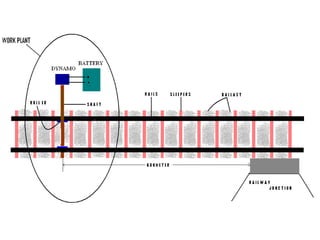
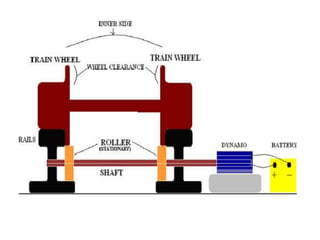
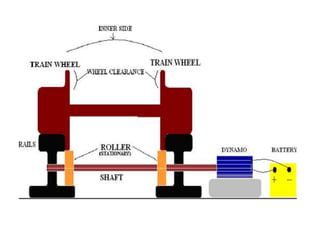
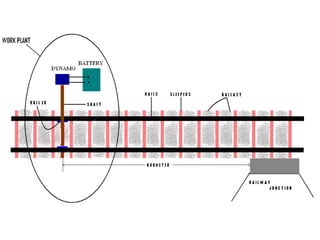
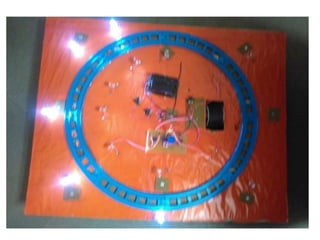
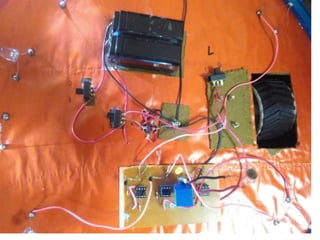
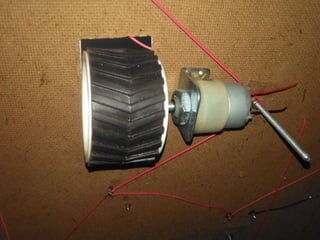
The amount of voltage is depending upon the
number of dynamos. Then the output is given to the
lead acid battery (automobile Exide battery) for
charging. Then the charged battery can use for
various applications. Some times the clearance may
vary, at that time we can go for shaft with disc
drive arrangement.
ADVANTAGES
increasing the gear ratio, we can get high electrical
output. At that time, we can go for generators.
Since we are going to charge the battery, so we do
not worry about the continuous output.
Heavy traffic cities like Chennai, Mumbai, Delhi,
etc., This System can be easily adopted.
Less and simple maintenance is required. Even a
lineman can maintain easily. There is no impact on
environment.
APPLICATION
This electrical energy can be used as free power supply
for railway users such as water supply to charge their
mobile phones, laptops etc.
And it can be used to supply for LCD display for
passenger list, train timings etc.
And it can be used to supply for railway station
equipment's light, fan, signal lights etc.
Heavy traffic cities like Chennai, Mumbai, Delhi, etc.,
This System can be easily adopted. We can implement
this system at both entry and leaving point in the
railway station.
THANK YOU………

Alok ppt new 13 aprl

  • 1.
    PRESENTATION ON POWERGENERATION BY RAILWAY TRACK SUBMITTED BY : GUIDE NAME :- ALOK SINGH SISODIYA (K10510) MR. ADITYA MISHRA SIR SATYANARAYAN RATHOR(K10217) SHAKTI SHARMA(K10210)
  • 2.
    CONTENTS 1 INTRODUCTION 2 OBJECTIVE 3DESIGN 4 ADVANTEGES 5 APPLICATION
  • 3.
    Introduction Rotational energy isthe simplest form of energy, which can be converted into electrical energy. Most of the electrical energy is mainly generated from rotational energy. All the energy resources can be converted into electrical energy from rotational energy since the alternator used for electrical generation is the rotational machine except solar energy. the rotational energy has high efficient methods for producing electricity.
  • 6.
    OBJECTIVE The amount ofvoltage is depending upon the number of dynamos. Then the output is given to the lead acid battery (automobile Exide battery) for charging. Then the charged battery can use for various applications. Some times the clearance may vary, at that time we can go for shaft with disc drive arrangement.
  • 9.
    ADVANTAGES increasing the gearratio, we can get high electrical output. At that time, we can go for generators. Since we are going to charge the battery, so we do not worry about the continuous output. Heavy traffic cities like Chennai, Mumbai, Delhi, etc., This System can be easily adopted. Less and simple maintenance is required. Even a lineman can maintain easily. There is no impact on environment.
  • 13.
    APPLICATION This electrical energycan be used as free power supply for railway users such as water supply to charge their mobile phones, laptops etc. And it can be used to supply for LCD display for passenger list, train timings etc. And it can be used to supply for railway station equipment's light, fan, signal lights etc. Heavy traffic cities like Chennai, Mumbai, Delhi, etc., This System can be easily adopted. We can implement this system at both entry and leaving point in the railway station.
  • 14.

Editor's Notes