Achievement
Motivation
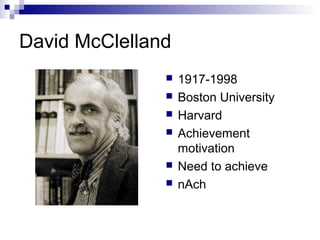
David McClelland
                  1917-1998
                  Boston University
                  Harvard
                  Achievement
                   motivation
                  Need to achieve
                  nAch
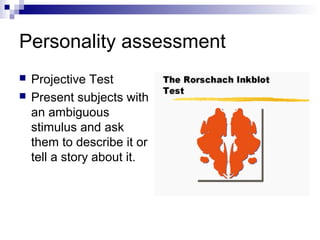
Personality assessment
   Projective Test
   Present subjects with
    an ambiguous
    stimulus and ask
    them to describe it or
    tell a story about it.
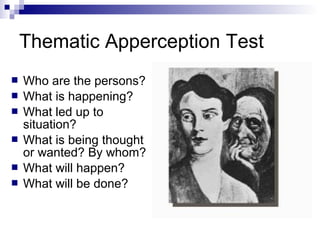
Thematic Apperception Test
   Who are the persons?
   What is happening?
   What led up to
    situation?
   What is being thought
    or wanted? By whom?
   What will happen?
   What will be done?
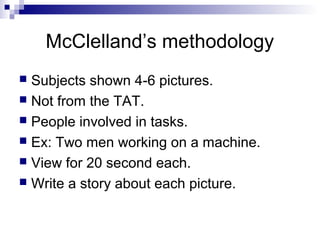
McClelland’s methodology
 Subjects shown 4-6 pictures.
 Not from the TAT.
 People involved in tasks.
 Ex: Two men working on a machine.
 View for 20 second each.
 Write a story about each picture.
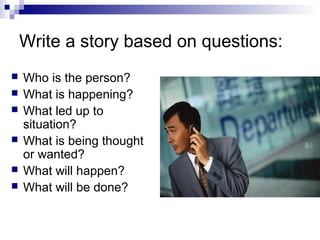
Write a story based on questions:
   Who is the person?
   What is happening?
   What led up to
    situation?
   What is being thought
    or wanted?
   What will happen?
   What will be done?
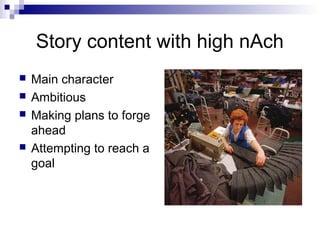
Story content with high nAch
   Main character
   Ambitious
   Making plans to forge
    ahead
   Attempting to reach a
    goal
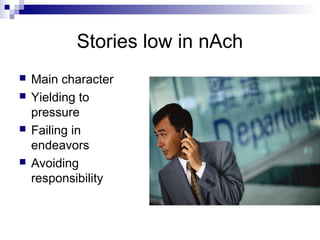
Stories low in nAch
   Main character
   Yielding to
    pressure
   Failing in
    endeavors
   Avoiding
    responsibility
Motivating force
   In people with high nACh
   Pleasure in success
   Confident of abilities
   Experienced success
   Sets realistic goals
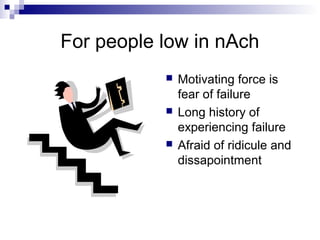
For people low in nAch
              Motivating force is
               fear of failure
              Long history of
               experiencing failure
              Afraid of ridicule and
               dissapointment
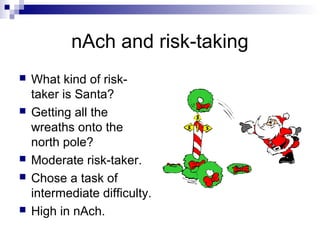
nAch and risk-taking
   What kind of risk-
    taker is Santa?
   Getting all the
    wreaths onto the
    north pole?
   Moderate risk-taker.
   Chose a task of
    intermediate difficulty.
   High in nAch.
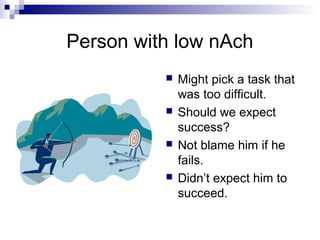
Person with low nAch
             Might pick a task that
              was too difficult.
             Should we expect
              success?
             Not blame him if he
              fails.
             Didn’t expect him to
              succeed.
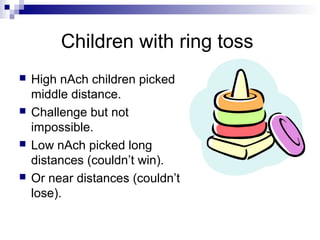
Children with ring toss
   High nAch children picked
    middle distance.
   Challenge but not
    impossible.
   Low nAch picked long
    distances (couldn’t win).
   Or near distances (couldn’t
    lose).
Parenting styles
   Parents who reward
     self-control and
    independence 
     child with high nAch
   Set high standards
   Child works at own level
   Makes mistakes
   Encourage good
    performance
Parents of low achievers
          Set impossibly high standards.
          Punish child when he or she
           doesn’t achieve goal.
          Or jump in and solve the
           problem.
          Parent’s actions don’t
           encourage self-control.
          Child begins to fear failure.
Applications of nAch
 McClelland interested in applications to
  business and global economy.
 Business executives had higher nAch than
  men in other occupations.
 Particularly real estate and investments.
Historical studies
   McClelland in his later
    years extended theory.
   Industrial revolution 
    preceded by surge in
    achievement themes in
    literature.
   Interesting theories but
    not scientific.
Cognitive Choice Theory
 Richard Atkinson
 Based on McClelland’s ideas.
 We all balance need to achieve with fear
  of failure.
 Different aspects of our life.
 Install new motherboard in my computer.
 Build a deck in my backyard.
Prepare for exam
   Need to achieve vs
    fear of Failure.
   nAch > fF approach
    behavior.
   Looking forward to
    success.
   Positive frame.
   Good outlook.
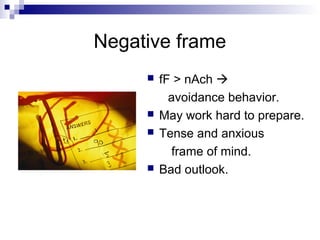
Negative frame
        fF > nAch 
           avoidance behavior.
        May work hard to prepare.
        Tense and anxious
            frame of mind.
        Bad outlook.
Attribution theory
 Bernard Weiner
 Attribution: things happen for a reason.
 What reason do you give for success or
  failure?
 Your frame of mind makes a huge difference.
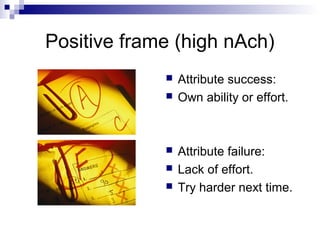
Positive frame (high nAch)
                Attribute success:
                Own ability or effort.


                Attribute failure:
                Lack of effort.
                Try harder next time.
Negative frame (low nAch)
            Attribute success:
            Easy test.
            Lucky break.

            Attribute failure:
            Lack of ability.
            Same outcome next time.
Locus of Control
 Positive frame has internal locus of control.
 Intrinsic motivation.
 Negative frame has external locus of control.
 Extrinsic motivation.
Overcoming negative frame
   Learning optimism.
   Math anxiety.
   Start out with easy task.
   Learn to value success.
   External reward at first.
   Internalize the motivation
    with continued success.

Achievement motivation

  • 1.
  • 2.
    David McClelland  1917-1998  Boston University  Harvard  Achievement motivation  Need to achieve  nAch
  • 3.
    Personality assessment  Projective Test  Present subjects with an ambiguous stimulus and ask them to describe it or tell a story about it.
  • 4.
    Thematic Apperception Test  Who are the persons?  What is happening?  What led up to situation?  What is being thought or wanted? By whom?  What will happen?  What will be done?
  • 5.
    McClelland’s methodology  Subjectsshown 4-6 pictures.  Not from the TAT.  People involved in tasks.  Ex: Two men working on a machine.  View for 20 second each.  Write a story about each picture.
  • 6.
    Write a storybased on questions:  Who is the person?  What is happening?  What led up to situation?  What is being thought or wanted?  What will happen?  What will be done?
  • 7.
    Story content withhigh nAch  Main character  Ambitious  Making plans to forge ahead  Attempting to reach a goal
  • 8.
    Stories low innAch  Main character  Yielding to pressure  Failing in endeavors  Avoiding responsibility
  • 9.
    Motivating force  In people with high nACh  Pleasure in success  Confident of abilities  Experienced success  Sets realistic goals
  • 10.
    For people lowin nAch  Motivating force is fear of failure  Long history of experiencing failure  Afraid of ridicule and dissapointment
  • 11.
    nAch and risk-taking  What kind of risk- taker is Santa?  Getting all the wreaths onto the north pole?  Moderate risk-taker.  Chose a task of intermediate difficulty.  High in nAch.
  • 12.
    Person with lownAch  Might pick a task that was too difficult.  Should we expect success?  Not blame him if he fails.  Didn’t expect him to succeed.
  • 13.
    Children with ringtoss  High nAch children picked middle distance.  Challenge but not impossible.  Low nAch picked long distances (couldn’t win).  Or near distances (couldn’t lose).
  • 14.
    Parenting styles  Parents who reward self-control and independence  child with high nAch  Set high standards  Child works at own level  Makes mistakes  Encourage good performance
  • 15.
    Parents of lowachievers  Set impossibly high standards.  Punish child when he or she doesn’t achieve goal.  Or jump in and solve the problem.  Parent’s actions don’t encourage self-control.  Child begins to fear failure.
  • 16.
    Applications of nAch McClelland interested in applications to business and global economy.  Business executives had higher nAch than men in other occupations.  Particularly real estate and investments.
  • 17.
    Historical studies  McClelland in his later years extended theory.  Industrial revolution  preceded by surge in achievement themes in literature.  Interesting theories but not scientific.
  • 18.
    Cognitive Choice Theory Richard Atkinson  Based on McClelland’s ideas.  We all balance need to achieve with fear of failure.  Different aspects of our life.  Install new motherboard in my computer.  Build a deck in my backyard.
  • 19.
    Prepare for exam  Need to achieve vs fear of Failure.  nAch > fF approach behavior.  Looking forward to success.  Positive frame.  Good outlook.
  • 20.
    Negative frame  fF > nAch  avoidance behavior.  May work hard to prepare.  Tense and anxious frame of mind.  Bad outlook.
  • 21.
    Attribution theory  BernardWeiner  Attribution: things happen for a reason.  What reason do you give for success or failure?  Your frame of mind makes a huge difference.
  • 22.
    Positive frame (highnAch)  Attribute success:  Own ability or effort.  Attribute failure:  Lack of effort.  Try harder next time.
  • 23.
    Negative frame (lownAch)  Attribute success:  Easy test.  Lucky break.  Attribute failure:  Lack of ability.  Same outcome next time.
  • 24.
    Locus of Control Positive frame has internal locus of control.  Intrinsic motivation.  Negative frame has external locus of control.  Extrinsic motivation.
  • 25.
    Overcoming negative frame  Learning optimism.  Math anxiety.  Start out with easy task.  Learn to value success.  External reward at first.  Internalize the motivation with continued success.