PRESENTED BY:-
DIBYANI MISHRA
SANTOSH B. PATTNAIK
SAURAV CHAKRABORTY
A PRESENTATION ON HOW TO
BETTER THE FOOTFALL IN MALLS
WHAT IS A SHOPPING MALL?
 Mall can refer to a shopping mall, which is a place where a
collection of retail stores all adjoin a pedestrian area, or an
exclusively pedestrian street, that allows shoppers to walk
without interference from vehicle traffic.
 A shopping mall is a modern term for a form of shopping
precinct or shopping center, in which one or more buildings
form a complex of shops representing merchandisers with
interconnecting walkways that enable customers to walk from
unit to unit.
WHY SHOPPING MALLS ARE REQUIRED ?
 They encourage family bonding.
 They are the original one-stop-shop.
 They are weatherproof.
 Options, options, options.
 They provide relaxation.
 Social shopping
 Instant gratification
 Great deals
 Personal/Community Connection
PROBLEMS FACED BY SHOPPING MALLS
There are many challenges a shopping mall faces just like any
other business.
 How to bring more footfall.
 How to keep cost low.
 How to ensure there is enough parking lot.
 How to bring quality tenants and customers.
 How to attract talented people to join their organizations.
 How to adapt with Omni Channels purchase behaviour (e.g.
customers see the product in malls, purchase it online)
 How to increase sales for their tenants.
 How to replicate the same business model in country X
WHY SOME SHOPPING MALLS ARE DYING
 Though shopping malls are mushrooming across the length and
breadth of India, only a handful of them are running successfully.
Some of the major factors that have been preventing malls from
sustaining are listed below—
 Disappointing performance;
 Lack of creativity and proper management;
 Unattractive ambiance;
 Poor planning;
 Poor design and layout;
 Bad zoning;
 Incorrect brand mix;
 Accessibility issues; and
 Smaller catchment area.
FACTORS THAT DETERMINE THE
SUCCESS OF SHOPPING MALLS
 Factors such as brand positioning of a mall along with its
layout and design, and ability to cater to the needs of their
customers, play a crucial role in determining the success rate
of a shopping mall.
Some important factors determining the success factor are as
follows:-
 Investing in advanced technology.
 Utilizing data analytics.
 Focusing on design and layout.
 Facilitating easy access and providing adequate parking area.
 Expanding common spaces for entertainment.
 Creating a diversified tenant mix.
 Zoning.
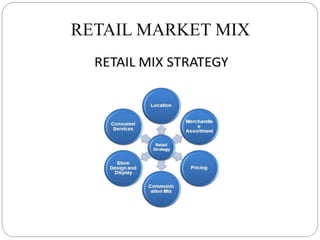
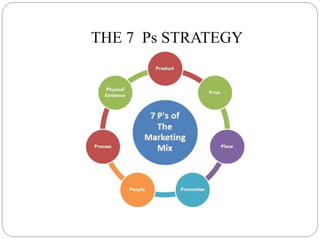
RETAIL MARKET MIX
THE 7 Ps STRATEGY
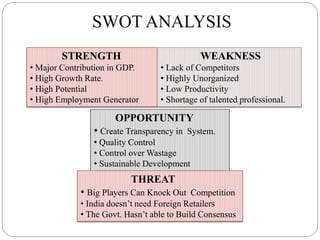
SWOT ANALYSIS
STRENGTH
• Major Contribution in GDP.
• High Growth Rate.
• High Potential
• High Employment Generator
WEAKNESS
• Lack of Competitors
• Highly Unorganized
• Low Productivity
• Shortage of talented professional.
OPPORTUNITY
• Create Transparency in System.
• Quality Control
• Control over Wastage
• Sustainable Development
THREAT
• Big Players Can Knock Out Competition
• India doesn’t need Foreign Retailers
• The Govt. Hasn’t able to Build Consensus
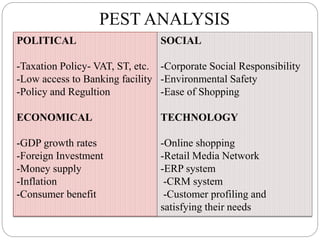
PEST ANALYSIS
POLITICAL
-Taxation Policy- VAT, ST, etc.
-Low access to Banking facility
-Policy and Regultion
ECONOMICAL
-GDP growth rates
-Foreign Investment
-Money supply
-Inflation
-Consumer benefit
SOCIAL
-Corporate Social Responsibility
-Environmental Safety
-Ease of Shopping
TECHNOLOGY
-Online shopping
-Retail Media Network
-ERP system
-CRM system
-Customer profiling and
satisfying their needs
RECOMMENDATIONS
 Easy pay option
 Scratch and Win
 Go online
 EMI options
 Food festivals

A presentation on how to better the footfall.output

  • 1.
    PRESENTED BY:- DIBYANI MISHRA SANTOSHB. PATTNAIK SAURAV CHAKRABORTY A PRESENTATION ON HOW TO BETTER THE FOOTFALL IN MALLS
  • 2.
    WHAT IS ASHOPPING MALL?  Mall can refer to a shopping mall, which is a place where a collection of retail stores all adjoin a pedestrian area, or an exclusively pedestrian street, that allows shoppers to walk without interference from vehicle traffic.  A shopping mall is a modern term for a form of shopping precinct or shopping center, in which one or more buildings form a complex of shops representing merchandisers with interconnecting walkways that enable customers to walk from unit to unit.
  • 3.
    WHY SHOPPING MALLSARE REQUIRED ?  They encourage family bonding.  They are the original one-stop-shop.  They are weatherproof.  Options, options, options.  They provide relaxation.  Social shopping  Instant gratification  Great deals  Personal/Community Connection
  • 4.
    PROBLEMS FACED BYSHOPPING MALLS There are many challenges a shopping mall faces just like any other business.  How to bring more footfall.  How to keep cost low.  How to ensure there is enough parking lot.  How to bring quality tenants and customers.  How to attract talented people to join their organizations.  How to adapt with Omni Channels purchase behaviour (e.g. customers see the product in malls, purchase it online)  How to increase sales for their tenants.  How to replicate the same business model in country X
  • 5.
    WHY SOME SHOPPINGMALLS ARE DYING  Though shopping malls are mushrooming across the length and breadth of India, only a handful of them are running successfully. Some of the major factors that have been preventing malls from sustaining are listed below—  Disappointing performance;  Lack of creativity and proper management;  Unattractive ambiance;  Poor planning;  Poor design and layout;  Bad zoning;  Incorrect brand mix;  Accessibility issues; and  Smaller catchment area.
  • 6.
    FACTORS THAT DETERMINETHE SUCCESS OF SHOPPING MALLS  Factors such as brand positioning of a mall along with its layout and design, and ability to cater to the needs of their customers, play a crucial role in determining the success rate of a shopping mall. Some important factors determining the success factor are as follows:-  Investing in advanced technology.  Utilizing data analytics.  Focusing on design and layout.  Facilitating easy access and providing adequate parking area.  Expanding common spaces for entertainment.  Creating a diversified tenant mix.  Zoning.
  • 7.
  • 8.
    THE 7 PsSTRATEGY
  • 9.
    SWOT ANALYSIS STRENGTH • MajorContribution in GDP. • High Growth Rate. • High Potential • High Employment Generator WEAKNESS • Lack of Competitors • Highly Unorganized • Low Productivity • Shortage of talented professional. OPPORTUNITY • Create Transparency in System. • Quality Control • Control over Wastage • Sustainable Development THREAT • Big Players Can Knock Out Competition • India doesn’t need Foreign Retailers • The Govt. Hasn’t able to Build Consensus
  • 10.
    PEST ANALYSIS POLITICAL -Taxation Policy-VAT, ST, etc. -Low access to Banking facility -Policy and Regultion ECONOMICAL -GDP growth rates -Foreign Investment -Money supply -Inflation -Consumer benefit SOCIAL -Corporate Social Responsibility -Environmental Safety -Ease of Shopping TECHNOLOGY -Online shopping -Retail Media Network -ERP system -CRM system -Customer profiling and satisfying their needs
  • 11.
    RECOMMENDATIONS  Easy payoption  Scratch and Win  Go online  EMI options  Food festivals