Health and
       Safety at
      Workplace
How to Prevent Accidents At
                Workplace?
The Hazards

• Key points
• Must provide a safe and healthy environment for all the
employees
• Also need to take account of their welfare needs
• Things that need to be consider:
• Lighting
• Ventilation
• toilets
Brainstorm!!
• What is the meaning of Hazards?

• What are the:
• Physical Hazards?
• involve accidents or physical trauma (e.g., slipping or tripping hazards, unstable
ladders, using a saw without the guard, getting into altercations with violent
customers)
• Chemical Hazards?
• involve burns, rashes, or illness resulting from exposure to unsafe chemicals,
e.g., chemical spills, improper handling or use of a chemical substance, prolonged
exposure to toxic fume
• Ergonomic Hazards? And
• involve injuries resulting from improper lifting, repetitive motions, overextending
(e.g., spending long periods at the computer, poor set-up of workstation)
• Biological Hazards?
• involve exposure to unhealthy germs, bacteria, and other life forms (e.g., contact
with used needles, contact with bodily fluids, exposure to poisonous plants,
insects, or reptiles)
A Safe Place of Work

• The employer MUST:
• Make sure that the building in a good
conditions
• Put right any dangerous defects immediately
• Have enough space for safe movement and
access
• Have windows that can be opened and
cleaned safely
• Keep outdoor routes safe e.g no obstruction
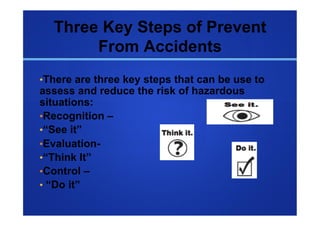
Three Key Steps of Prevent
       From Accidents
• There are three key steps that can be use to
assess and reduce the risk of hazardous
situations:
• Recognition –
• “See it”
• Evaluation-
• “Think It”
• Control –
•  “Do it”
• For three key steps, need to have Questions to ask:
• “See it”
• What is unsafe? How many unsafe acts or conditions are there?
What are the hazards?
• ”Think it”
• Why is it a hazardous situation? What could happen? What is
creating the hazard? What injuries could occur?
• “Do it”
• What could be done to prevent an accident from happening?
What could minimize the risk? What could be done to eliminate or
minimize the hazard?
Slips, Trips and Falls

• These three accidents are the most common accidents
that occur either at work or home, which can lead to
injuries.

• The major injuries are:
• Broken bones
• Serious burns
• Loss consciousness
Basic Requirements for
   preventing Slips, Trips and
              Falls
• Floor must not have holes or slopes, or be uneven or
slippery

• Floors in a work place must be kept free from
obstructions and from any article or substance that
may cause the person to slip
Slips, Trips and Falls

• “see it”
• What to look for:
• If your floor gets contaminated water,
liquid or anything else
• If your floor has a smooth surface, even
for a tiny contamination
• Do mats or floor tiles curled up?
• Are cables and pipes properly trailed?
• “think It”
• Stop the floor getting wet or contaminated:
• Maintain equipment to stop leaks
• Clean floors to a dry finish
• Control and contain processes to prevent
spillages and splashes
• By wearing a non- slip shoes
• “Do it”
• Deal with it:
• Cleans up spillages immediately
• Put a warning sign or barricade the place
• Have procedures for both routine and
‘spillages response’ cleaning
Example of HSE in Brunei
• Brunei Shell Petroleum is the organization that
practices HSE as part of their daily operation.

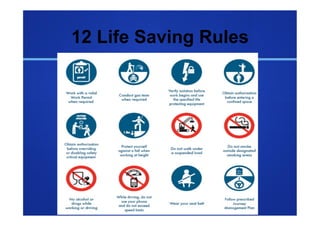
• Shell as a whole implemented 12 life saving rules as
part of their HSE aspect that must be followed.

• Shell has committed that any violation of this rules,
the organization will no longer allowed the employee to
work on their sites/place.

• BSP has enforce their employee to understand and
committed to live and work by the 12’s life saving
rules.
12 Life Saving Rules
• GROUP WORK
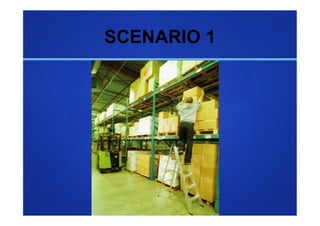
SCENARIO 1
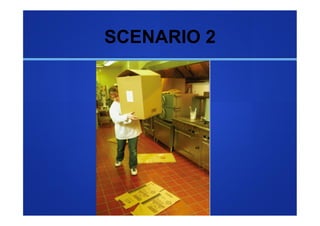
SCENARIO 2
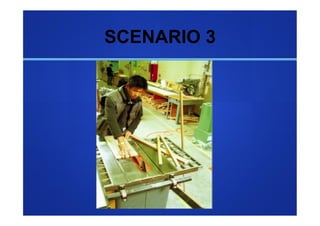
SCENARIO 3

3 prevent hse

  • 1.
    Health and Safety at Workplace How to Prevent Accidents At Workplace?
  • 2.
    The Hazards • Key points • Mustprovide a safe and healthy environment for all the employees • Also need to take account of their welfare needs • Things that need to be consider: • Lighting • Ventilation • toilets
  • 3.
    Brainstorm!! • What is themeaning of Hazards? • What are the: • Physical Hazards? • involve accidents or physical trauma (e.g., slipping or tripping hazards, unstable ladders, using a saw without the guard, getting into altercations with violent customers) • Chemical Hazards? • involve burns, rashes, or illness resulting from exposure to unsafe chemicals, e.g., chemical spills, improper handling or use of a chemical substance, prolonged exposure to toxic fume • Ergonomic Hazards? And • involve injuries resulting from improper lifting, repetitive motions, overextending (e.g., spending long periods at the computer, poor set-up of workstation) • Biological Hazards? • involve exposure to unhealthy germs, bacteria, and other life forms (e.g., contact with used needles, contact with bodily fluids, exposure to poisonous plants, insects, or reptiles)
  • 4.
    A Safe Placeof Work • The employer MUST: • Make sure that the building in a good conditions • Put right any dangerous defects immediately • Have enough space for safe movement and access • Have windows that can be opened and cleaned safely • Keep outdoor routes safe e.g no obstruction
  • 5.
    Three Key Stepsof Prevent From Accidents • There are three key steps that can be use to assess and reduce the risk of hazardous situations: • Recognition – • “See it” • Evaluation- • “Think It” • Control – •  “Do it”
  • 6.
    • For three keysteps, need to have Questions to ask: • “See it” • What is unsafe? How many unsafe acts or conditions are there? What are the hazards? • ”Think it” • Why is it a hazardous situation? What could happen? What is creating the hazard? What injuries could occur? • “Do it” • What could be done to prevent an accident from happening? What could minimize the risk? What could be done to eliminate or minimize the hazard?
  • 8.
    Slips, Trips andFalls • These three accidents are the most common accidents that occur either at work or home, which can lead to injuries. • The major injuries are: • Broken bones • Serious burns • Loss consciousness
  • 9.
    Basic Requirements for preventing Slips, Trips and Falls • Floor must not have holes or slopes, or be uneven or slippery • Floors in a work place must be kept free from obstructions and from any article or substance that may cause the person to slip
  • 10.
    Slips, Trips andFalls • “see it” • What to look for: • If your floor gets contaminated water, liquid or anything else • If your floor has a smooth surface, even for a tiny contamination • Do mats or floor tiles curled up? • Are cables and pipes properly trailed?
  • 11.
    • “think It” • Stop thefloor getting wet or contaminated: • Maintain equipment to stop leaks • Clean floors to a dry finish • Control and contain processes to prevent spillages and splashes • By wearing a non- slip shoes
  • 12.
    • “Do it” • Deal withit: • Cleans up spillages immediately • Put a warning sign or barricade the place • Have procedures for both routine and ‘spillages response’ cleaning
  • 14.
    Example of HSEin Brunei • Brunei Shell Petroleum is the organization that practices HSE as part of their daily operation. • Shell as a whole implemented 12 life saving rules as part of their HSE aspect that must be followed. • Shell has committed that any violation of this rules, the organization will no longer allowed the employee to work on their sites/place. • BSP has enforce their employee to understand and committed to live and work by the 12’s life saving rules.
  • 15.
  • 16.
  • 17.
  • 18.
  • 19.