Types of
Terrestrial
Motion
• How do objects
move?
•
• How do moving
objects stop from
moving?
• The Greek philosophers
sought answers to these
questions about motion.
Their ideas on motion
were significantly
influenced by
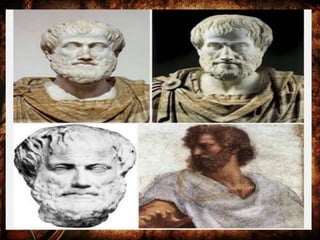
ARISTOTLE
 a Greek philosopher and
astronomer.
His ideas were accepted because
they were based on observations
and made logical sense.

Types of Realms
• Terrestrial Realm -
was unstable and
imperfect, and
there should be a
cause for motion.
•
• Celestial Realm -
the motion of the
objects in the
celestial realm was
perfect and
circular. They all
revolved around
Earth.
Types of Terrestrial Motion
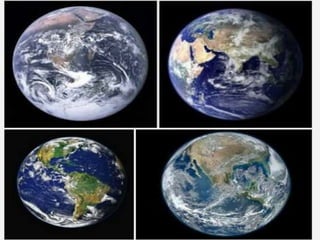
Air
• Atmosphere
Water
• Hydrosphere
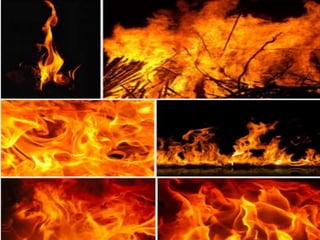
Fire
• Thermosphere
Natural Motion
• Their natural motion is to go
back to their natural state
depending on the element
that composed them.
• Their motion was either
upward or downward.
Voluntary Motion
• According to Aristotle,
voluntary motion was an
innate characteristic of
humans and animals. The
cause of their motion was in
themselves because they
have the will to move.
•
Involuntary Motion
• the characteristic motion of
plants and minerals. They could
not move because they do not
have the will to do so. They
could only move due to
mechanical forces.
• Many years after Aristotle’s time,
an Italian physicist, Galileo
Galilei contradicted Aristotle’s
ideas on motion.
• The three types of terrestrial motion
according to the Aristotelian
mechanics are:
• • natural motion where objects tend to
go back to their natural state, which is
based on the element that composes
them;
• • voluntary motion of humans and
animals due to their innate will to
move; and
• • involuntary motion of minerals and
plants due to mechanical forces.

2. Types of Terrestrial Motion.pptx

  • 1.
  • 2.
    • How doobjects move? • • How do moving objects stop from moving?
  • 3.
    • The Greekphilosophers sought answers to these questions about motion. Their ideas on motion were significantly influenced by
  • 5.
    ARISTOTLE  a Greekphilosopher and astronomer. His ideas were accepted because they were based on observations and made logical sense. 
  • 6.
    Types of Realms •Terrestrial Realm - was unstable and imperfect, and there should be a cause for motion. • • Celestial Realm - the motion of the objects in the celestial realm was perfect and circular. They all revolved around Earth.
  • 7.
  • 9.
  • 10.
  • 11.
  • 12.
    Natural Motion • Theirnatural motion is to go back to their natural state depending on the element that composed them. • Their motion was either upward or downward.
  • 13.
    Voluntary Motion • Accordingto Aristotle, voluntary motion was an innate characteristic of humans and animals. The cause of their motion was in themselves because they have the will to move. •
  • 14.
    Involuntary Motion • thecharacteristic motion of plants and minerals. They could not move because they do not have the will to do so. They could only move due to mechanical forces. • Many years after Aristotle’s time, an Italian physicist, Galileo Galilei contradicted Aristotle’s ideas on motion.
  • 15.
    • The threetypes of terrestrial motion according to the Aristotelian mechanics are: • • natural motion where objects tend to go back to their natural state, which is based on the element that composes them; • • voluntary motion of humans and animals due to their innate will to move; and • • involuntary motion of minerals and plants due to mechanical forces.