Solid tumors Antonio Rivas PA-C February 2009
Case # 1 56 yo real state broker 76 pack-year hx of tobacco use (2 packs per day since age 16) Nl chest x-ray 8 months ago HPI  Hemoptysis x 10 days(blood tinged sputum) Chronic cough  Denies : weight loss Chest pain Bone pain DOE
PE Lungs CTA Bil. No organomegaly No abn.neurologic findings No clubbing  Laboratory Studies NL liver function tests (?) Ca.11.1 mg/dl (?) Albumin 3.9 gm/dl(wnl) CBC- WNL Chest Xray New 2x3cm R hilar mass
Diagnostic tests? Bronchoscopic biopsy of a lung mass Biopsy of a supraclavicular lymph node for histologic study and staging Central location of the lesion  Offer information about histological type  Either Squamous(NSCLC) or SCLC Biopsy needed  for confirmation High Calcium level associated with Squamous cell carcinoma
Staging TNM T2 Nx Mx Tumor 3cm in greatest dimension Nodal status unk. Unk. Metastases CT scan needed for staging, nodules and metastases evaluation
Lung Cancer One of the most malignant disease in the US More than 163,000 death occurs each year  Tobacco smoke accounts for >90 % of all lung cancers  Metabolite of cigarette smoking binds and alter  suppressor gene TP53
Lung cancer Small cell lung cancer SCLC  (15 %)of all lung cancer Non-small cell lung cancer NSCLC Squamous cell carcinomas(25-30 %) Adenocarcinomas (40 %) Large cell tumors (10-15 %) The category of the cancer determines the treatment options
Small cell lung Cancer Aggressive course: grows rapidly and spreads to lymph nodes, bone, brain, adrenal glands, and the liver.  Highly associated with tobacco smoking . Less than 5% incidence in non-smokers Paraneoplastic syndromes Associated to SIADH, and Cushing’s Syndrome Often, large mediastinal mass centrally located  tumor in the mediastinum
Non-Small Cell Lung Cancer Squamous cell carcinoma: highly associated with tobacco smoking  develops in the central region of the lungs, assoc.paraneoplastic-hypercalcemia Adenocarcinoma:   outer region of the lungs,  most common lung cancer, the most often Dx in non smokers Large cell tumors:   the least common, Histologic features of neuro-endocrine tumors
Factors that influence risk of developing lung cancer include: Family History of Lung Cancer Smoking Radon Asbestos Chronic Lung Diseases
Case # 1 CT of the liver showed no mets. Alk.p.WNL - no bone mets. If AP abn- do bone scan  If Neurology consultation PE is WNL CT scan of the head defered T2 N0 M0
Family History of Lung Cancer inherit defective  genes  that lead to the development of a  familial  form of a particular cancer type For example, certain genes influence a person's ability to metabolize some of the  carcinogenic  chemicals in cigarette smoke. An individual with inherited suceptibility that chooses to smoke may be at an increased the risk of developing lung cancer compared to other smokers.
Family History of Lung Cancer Risk is higher if an immediate family member has been diagnosed with lung cancer. The more closely related an individual is to someone with lung cancer, the more likely they are to share the genes that increased the risk of the affected individual. Risk also increases with the number of relatives affected
Smoking Smoking is, by far, the leading risk factor for lung cancer .  In 2004, the United States Surgeon General released a report addressing the harmful effects of smoking on health ( The Health Consequences of Smoking: A Report of the Surgeon General ) Included in the report was the following  "The evidence is sufficient to infer a causal relationship between smoking and lung cancer.
Smoking There are more than 60 molecules in cigarette smoke that are thought to be  carcinogenic  in humans  Two carcinogens highly associated with lung cancer are benzo[a]pyrene and N-nitrosamine NNK. These molecules bind to  DNA  and  proteins , forming  adducts .  The presence of adducts increases the chance of DNA mutation and interferes with the proper function of proteins
Second-Hand Smoke second-hand smoke also greatly increases risk of lung cancer. In 2006, the Surgeon General released a report addressing the harmful effects of second-hand smoke on health According to the report, second-hand smoke contains over 50 cancer-causing chemicals and can lead to many health problems, including lung cancer. The effects of second-hand smoke are especially harmful to the developing lungs of infants and children
Other risk factors for lung cancer Radon is a naturally occuring, colorless, oderless gas, possibly contributing to 10% of all lung cancer cases Asbestos a naturally occurring mineral frequently used in commercial construction throughout the 1950's and 1960's. The long, thin fibers of asbestos are fragile and have a tendency to break down into dust particles Asbestos particles are easily inhaled into the lungs, where they cause damage to lung tissue that can lead to lung cancer
Other risk factors for lung cancer Chronic lung diseases such as asbestosis (scarring of lung tissue caused by asbestos), asthma, chronic bronchitis, emphysema, pneumonia, and tuberculosis have been suggested to increase risk of lung cancer. All of these diseases damage lung tissue and can result in scar tissue on the lungs.
Symptoms no symptoms associated with early stage lung cancer symptoms associated with advanced stage lung cancer Persistent cough Sputum streaked with blood Chest pain Voice change Recurrent pneumonia or bronchitis
Detection At the time diagnosed, majority of lung cancers have progressed to an advanced state.  Lung cancer screening is not currently routine practice sometimes caught in its early stages by tests that are performed for other reasons most common methods of lung cancer detection include chest x-ray, chest CT scan, bronchoscopy ,and sputum cytology
Pathology Report suspicion that a patient may have lung cancer, a sample of tissue (biopsy)is taken Staging of non-small cell lung cancer (NSCLC) follows the TNM criteria. Because small cell lung cancer (SCLC) is often diagnosed at a more advanced state, the T/N/M system is not used
Veterans Administration Lung Study Group System small cell lung cancer (SCLC) usually staged using the  Veterans Administration Lung Study Group System 2-stage system based on location of the cancer Limited-stage:  The cancer is located in only one lung and lymph nodes on the same side of the body Extensive-stage:  The cancer has spread to the other lung and/or other regions of the body
Case # 1 Treatment Stage II NSCLC Surgical excision Lobectomy or Pneumonectomy If ABG, EKG, Past Med.Hx  WNL showing no excess risk for major surgery Surgeon consult Mediastinoscopy : nodes biopsied on both sides If neg.upper lobectomy through lateral thoracotomy Pathologic follow up
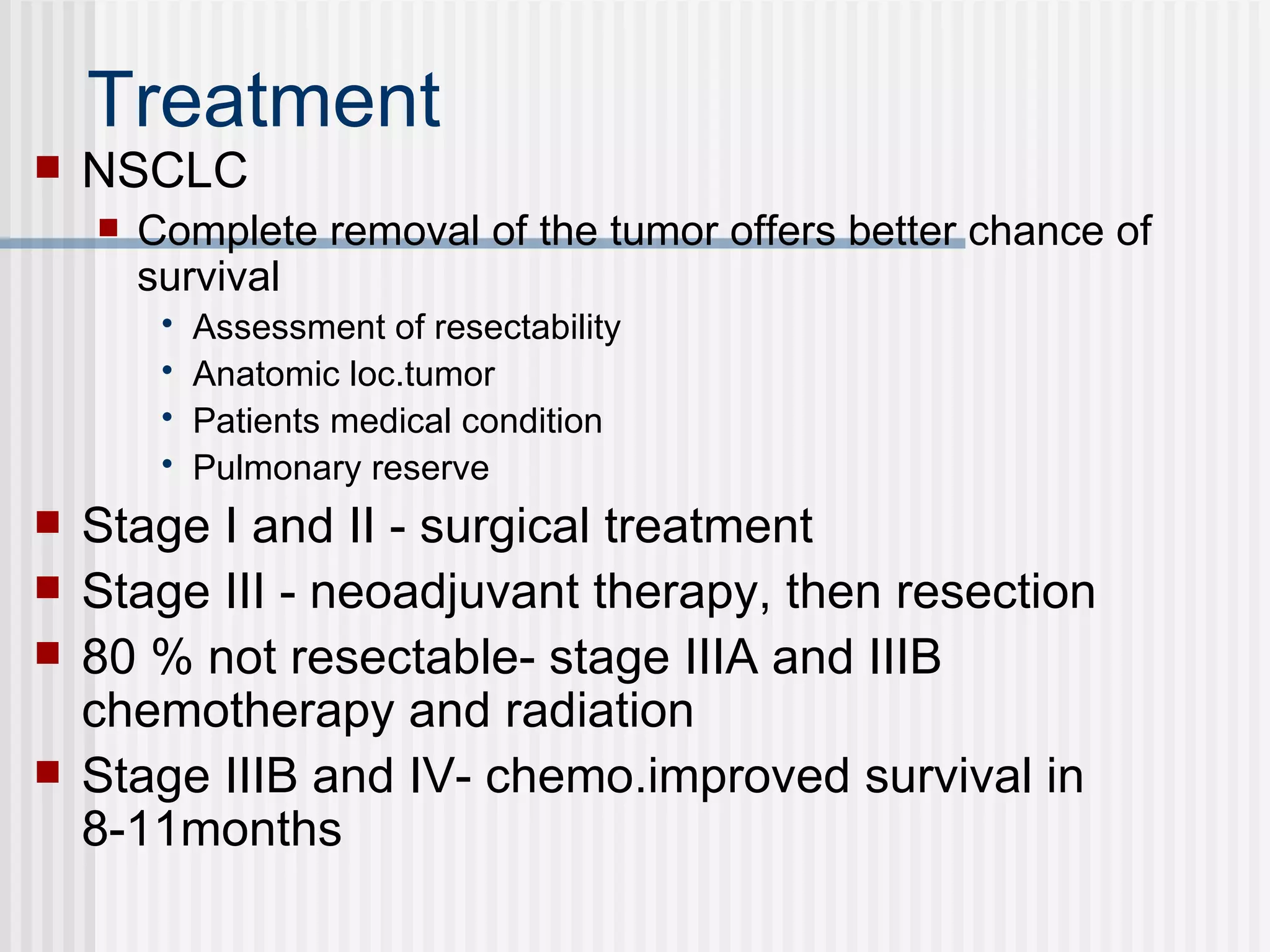
Treatment  NSCLC Complete removal of the tumor offers better chance of survival Assessment of resectability Anatomic loc.tumor Patients medical condition Pulmonary reserve Stage I and II - surgical treatment  Stage III - neoadjuvant therapy, then resection 80 % not resectable- stage IIIA and IIIB chemotherapy and radiation  Stage IIIB and IV- chemo.improved survival in 8-11months
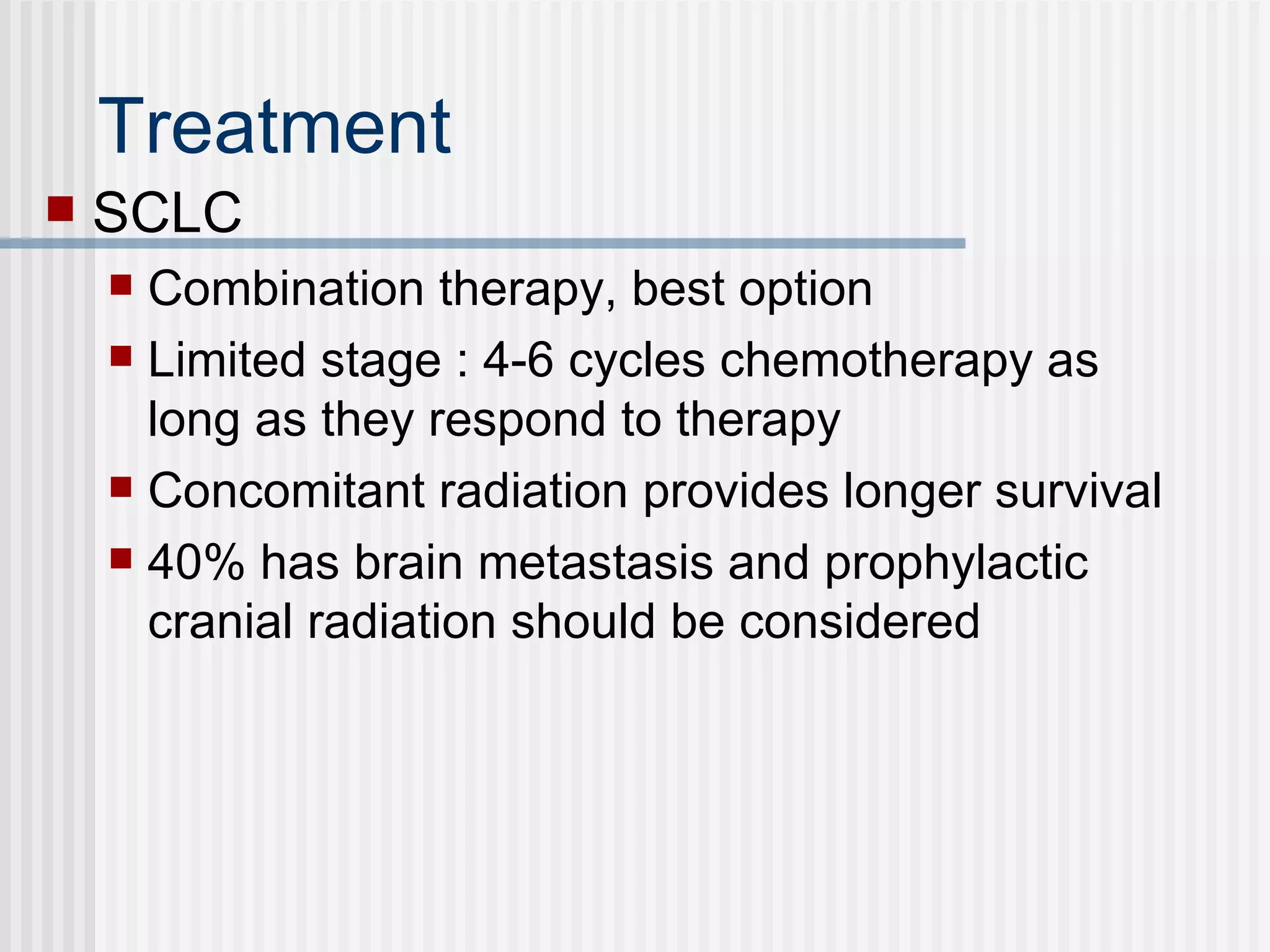
Treatment  SCLC Combination therapy, best option Limited stage : 4-6 cycles chemotherapy as long as they respond to therapy Concomitant radiation provides longer survival 40% has brain metastasis and prophylactic cranial radiation should be considered
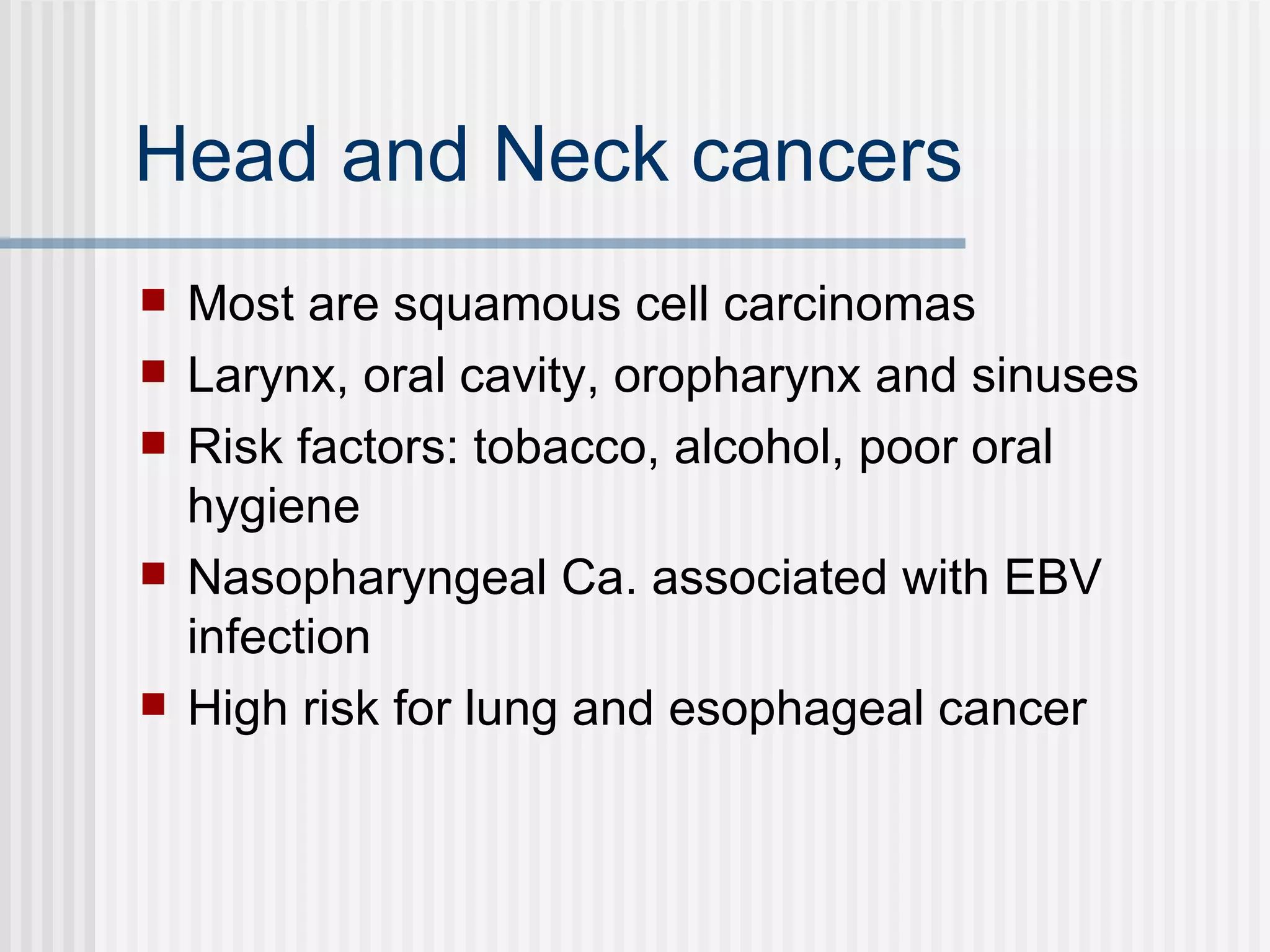
Head and Neck cancers Most are squamous cell carcinomas Larynx, oral cavity, oropharynx and sinuses Risk factors: tobacco, alcohol, poor oral hygiene Nasopharyngeal Ca. associated with EBV infection High risk for lung and esophageal cancer
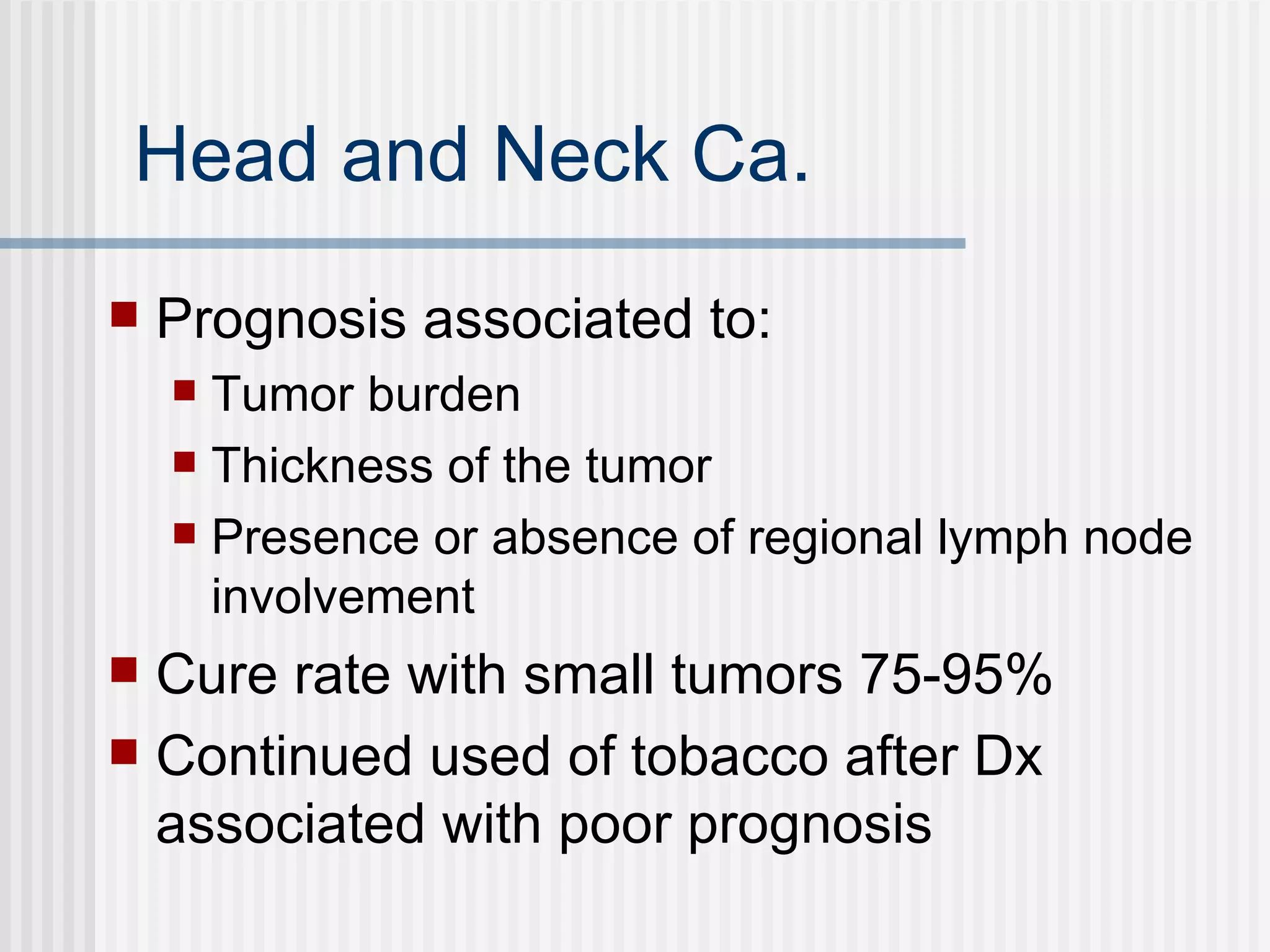
Head and Neck Ca. Prognosis associated to: Tumor burden Thickness of the tumor Presence or absence of regional lymph node involvement  Cure rate with small tumors 75-95% Continued used of tobacco after Dx associated with poor prognosis
Symptoms  Depending on location Pain with swallowing Change in voice Mass under the tongue  Red or white patches in the mouth  Oral bleeding, ill fitting dentures Recurrent or not resolving sinusitis
Diagnosis of Head and Neck Cancers Required confirmation with Biopsy MRI and CT head and neck  to determine extent of the tumor Endoscopy to examine the whole aerodigestive tract Small tumors with no lymph node involvement, treated  With radiation or surgery Locally advanced disease : surgery, radiation and chemotherapy Most recurrence 2-3 years after therapy
GI Cancers Among the most common tumors Improved survival and quality of life for patients with colorectal cancer Cancer of the esophagus, pancreas, liver and stomach less common
 
Esophageal cancer Two types:  Squamous cell - most common in cervical and thoracic esophagus Adenocarcinoma - lower esophagus, related to Barret’s esophagus  More common in African-Americans Smoking Achalasia  Caustic injury Alcohol
Symptoms, Dx and TTo Dysphagia - solid food is “stuck”,main symptom, chest pain Progressive regurgitation-afraid to eat -weight loss Upper GI series-Biopsy Endoscopic US for staging  CT and PET for metastasis to the liver and chest (most common)
Tto. For Esophageal Cancer Surgery more common If surgery not possible radiation and chemotherapy For metastasis: systemic chemotherapy For severe dysphagia endoscopic placement of a metal or plastic stent
Gastric Cancer Higher in poor countries with increased used of smoked meat high in nitrates Assoc.to Pernicious anemia Achlorhydria  Gastric ulcers Prior gastric surgery H . pylori infections
Gastric Cancer Symptoms Abdominal pain Early satiety  Anemia  Hematemesis  Weakness Weight loss
Gastric Cancer Frequently involving local lymph nodes at the time of DX PE: gastric mass Umbilical node (Sister Mary Joseph’s nodes) Left supraclavicular node (Virchow’s node) Adenocarcinoma
Gastric cancer  Incidence has decreased in US , except for Gastroesophageal junction cancers Biopsy - Adenocarcinoma Local or spread to gastric lining (linitis plastica) CT scan and upper endoscopy for staging and to look for metastasis to the liver
Gastric Cancer Treatment Most often surgery If tumor and involved lymph nodes removed 20-60% 5 year survival rate  Most common site of metastasis and recurrence : the liver  Chemotherapy and radiation also improves survival
Colorectal cancer (CRC) 3 rd  most common cancer in both sexes Rare before age 40 yo Most arise from polyps Risk factors: Inflammatory bowel disease (IBD) Ulcerative colitis Personal hx of adenomas family Hx of CRC, 1 st  and 2 nd  degree relative
Other risk factors Sedentary life Obesity Diet rich in red meats Cigarette smoking Alcohol use
Colorectal Cancer Patients with known mutations or family Hx or a disease related with Colon cancer, begin Colonoscopy early Familial adenomatous polyposis start in teenage years  10 years before the age of the age of DX of the youngest family member with colon cancer
Colorectal Cancer symptoms Right sided lesions: Asymptomatic  Anemia  Occult bleeding  Left sided lesions: Signs of abdominal obstruction Abdominal pain, distention, cramping Constipation /Diarrhea Nausea / Vomiting Bowel perforation / peritonitis
Colon Cancer Dx 1 st  choice Colonoscopy- in symptomatic patient (visualize/biopsy) 2 nd  choice Double contrast barium enema  Apple core lesion  Preoperative  CT abd. / pelvis Metastases first to liver
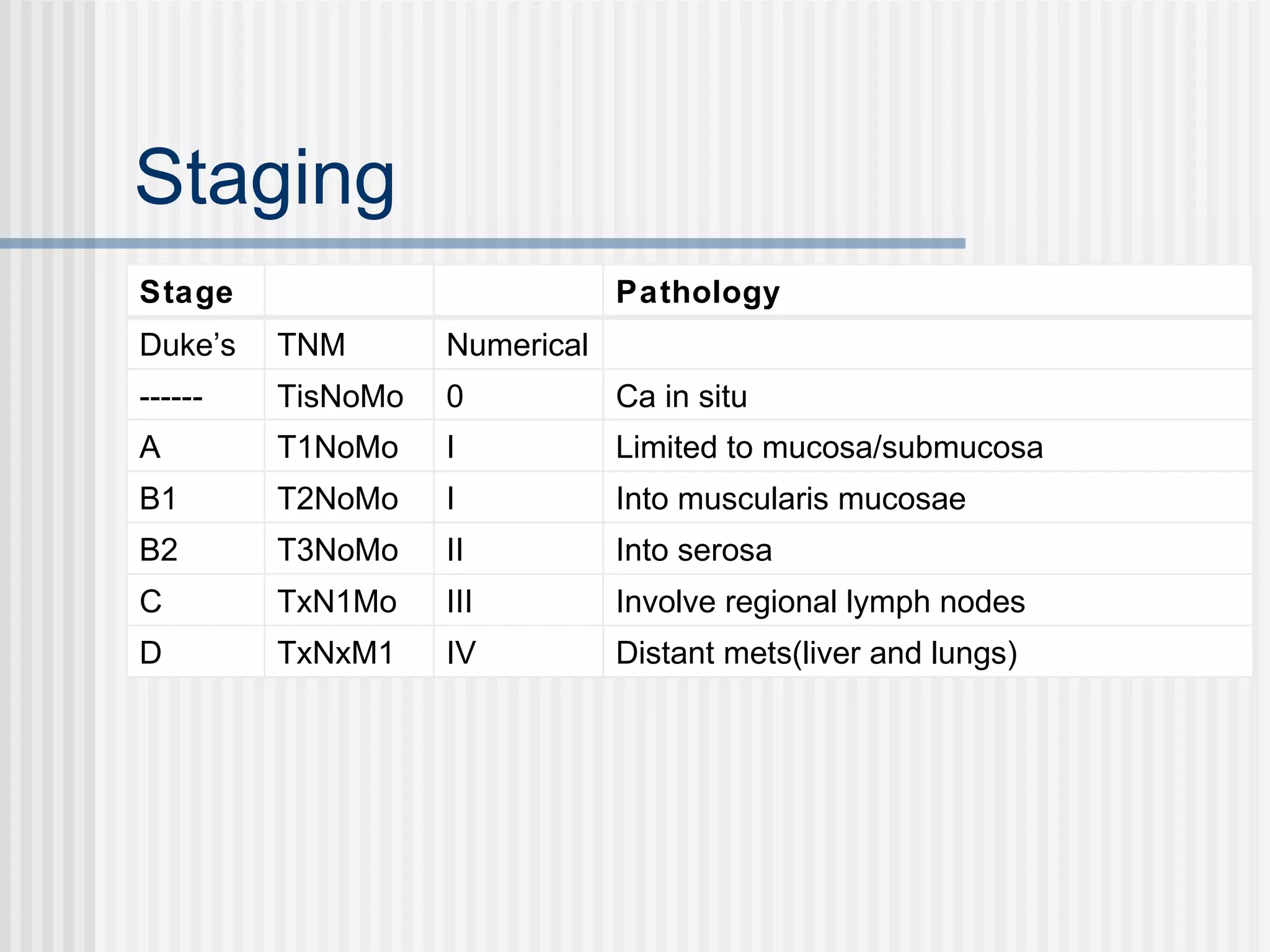
Staging  Stages Pathology Duke’s TNM Numerical ------ TisNoMo 0 Ca in situ A T1NoMo I Limited to mucosa/submucosa B1 T2NoMo I Into muscularis mucosae B2 T3NoMo II Into serosa C TxN1Mo III Involve regional lymph nodes  D TxNxM1 IV Distant mets(liver and lungs)
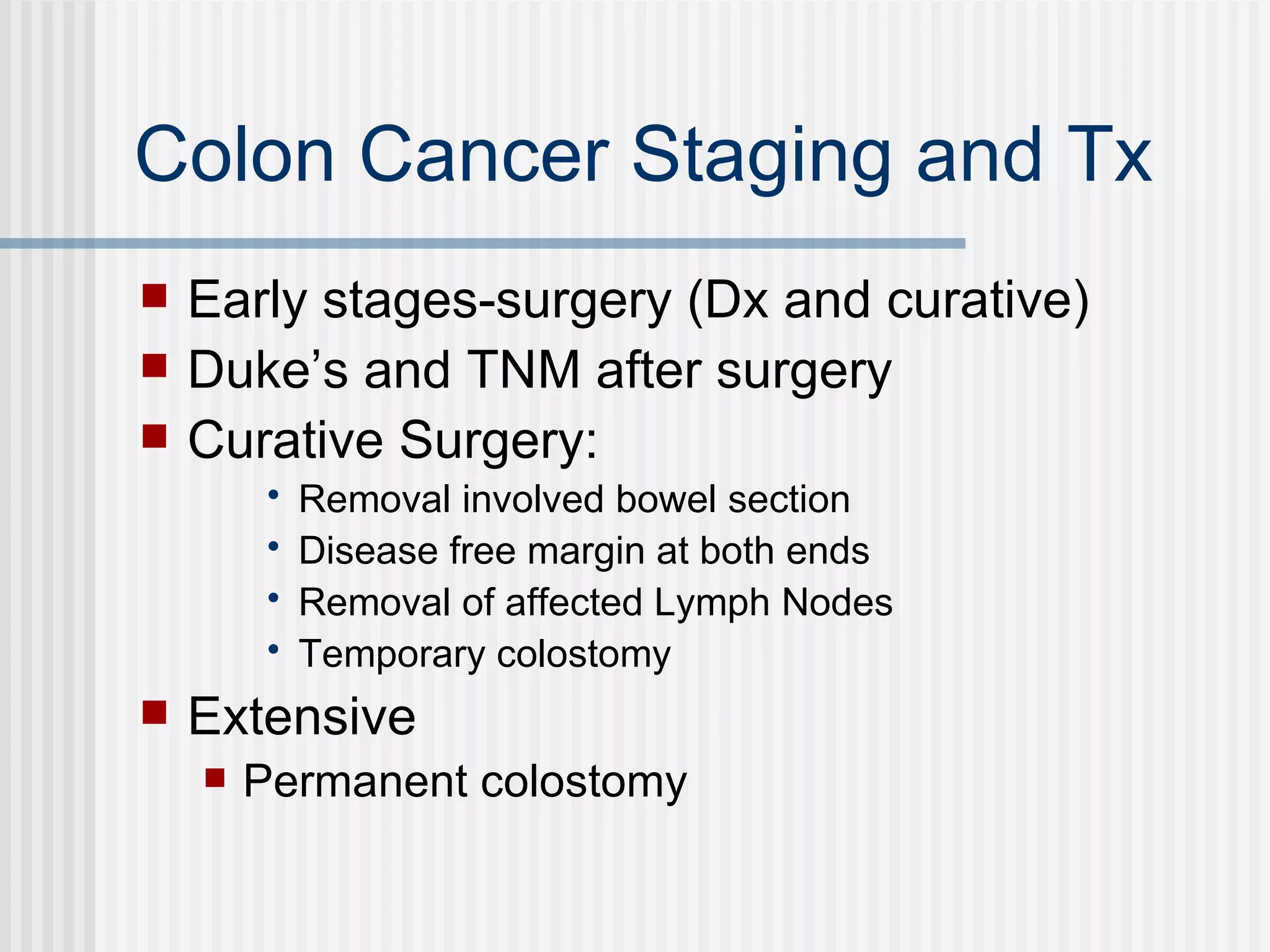
Colon Cancer Staging and Tx Early stages-surgery (Dx and curative) Duke’s and TNM after surgery Curative Surgery: Removal involved bowel section Disease free margin at both ends Removal of affected Lymph Nodes  Temporary colostomy Extensive  Permanent colostomy
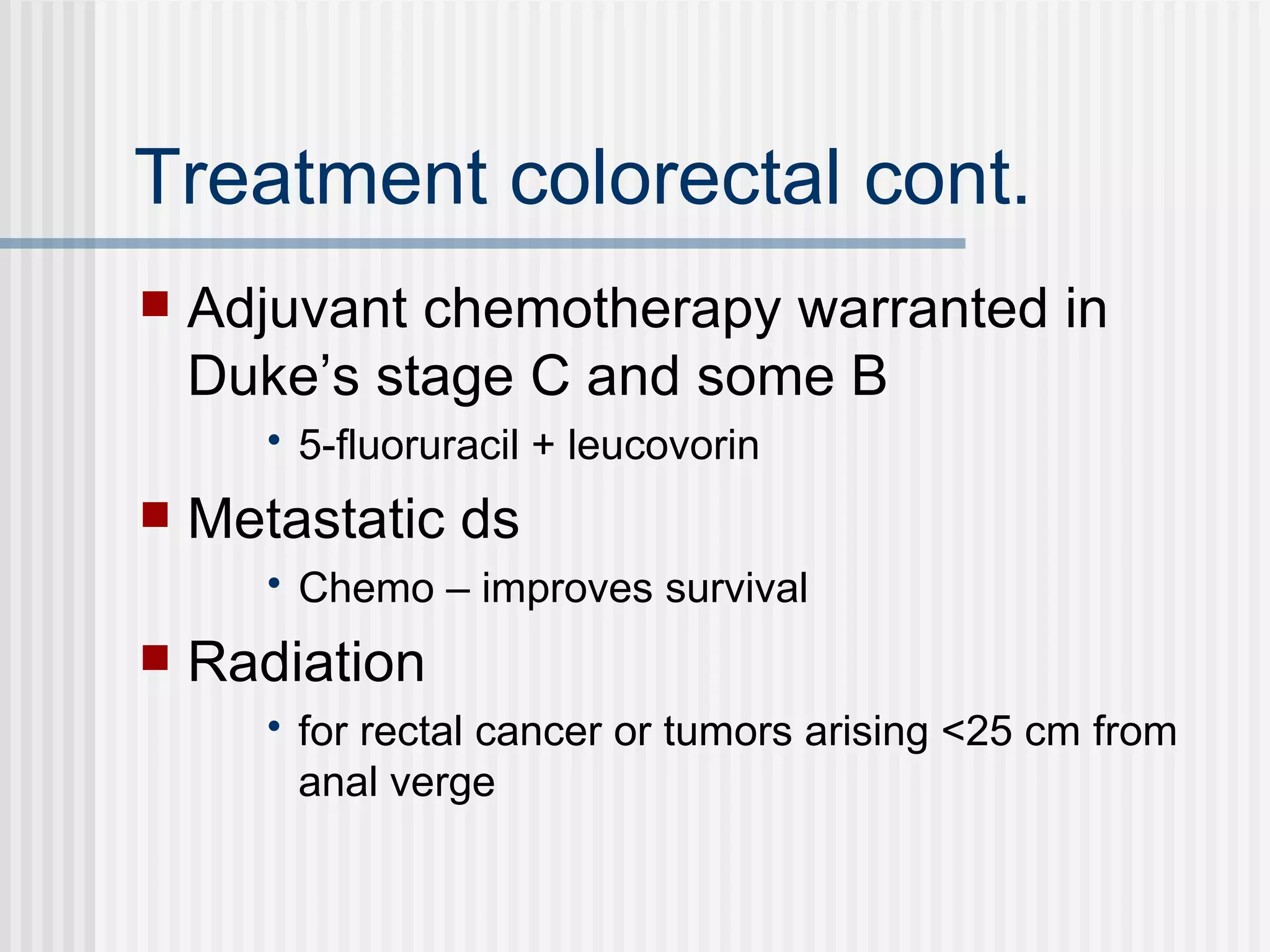
Treatment colorectal cont. Adjuvant chemotherapy warranted in Duke’s stage C and some B 5-fluoruracil + leucovorin Metastatic ds Chemo – improves survival Radiation  for rectal cancer or tumors arising <25 cm from anal verge
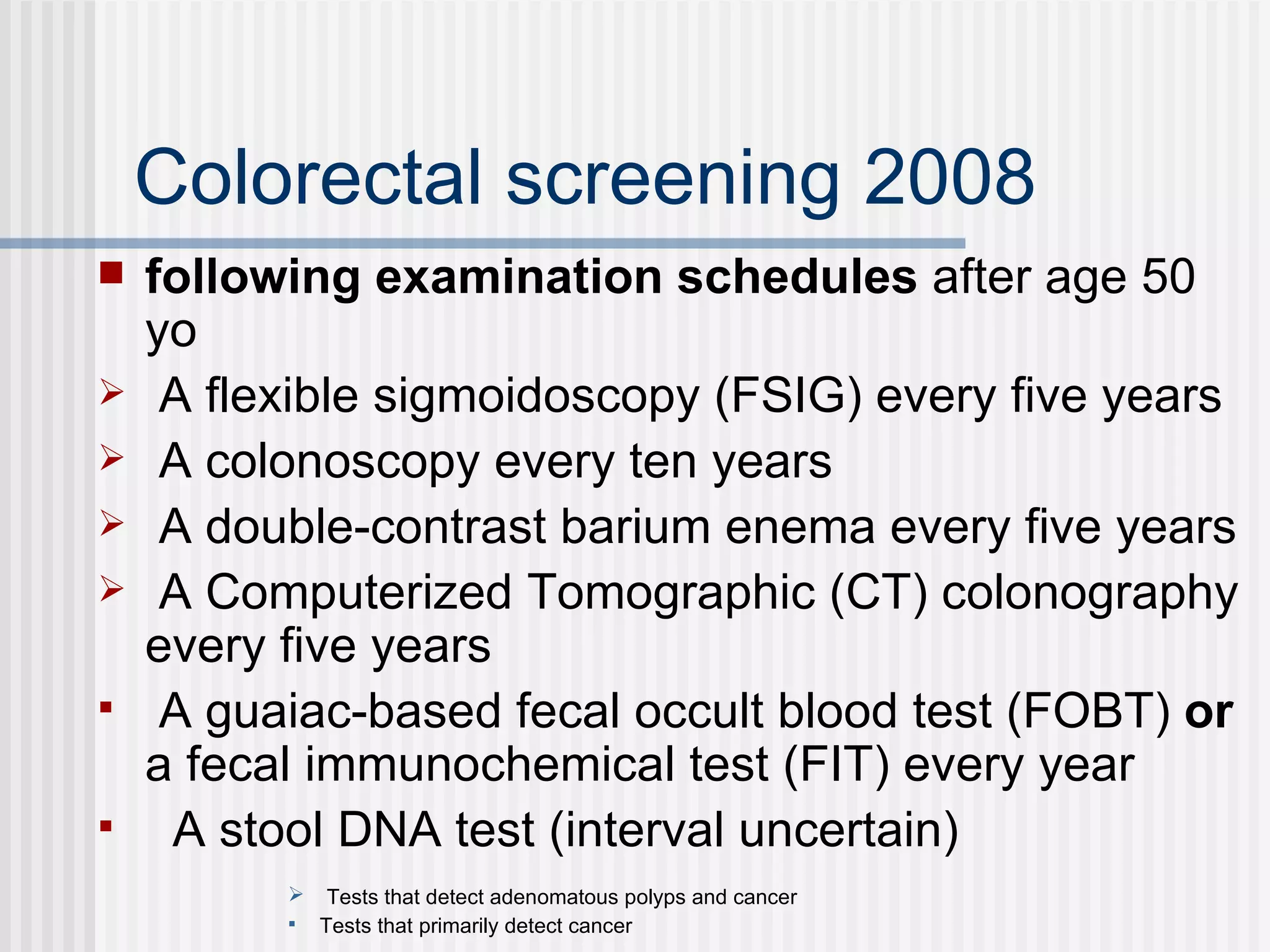
Colorectal screening 2008 following examination schedules  after age 50 yo A flexible sigmoidoscopy (FSIG) every five years A colonoscopy every ten years A double-contrast barium enema every five years A Computerized Tomographic (CT) colonography every five years A guaiac-based fecal occult blood test (FOBT)  or  a fecal immunochemical test (FIT) every year A stool DNA test (interval uncertain) Tests that detect adenomatous polyps and cancer Tests that primarily detect cancer
Tumor Marker CEA – Elevated 1/3 of the pat.early on ds. Present in 90% of metastatic Ds. Not useful screening  Good to detect recurrence after resection Most recurrences within 4years after surgery Better prognosis for stage I tumors
Anal Carcinoma Increased frequency HPV and HIV  Rectal bleeding and fullness  Chemotherapy and radiation for localized lesions Abdomino-perineal resection for failure to chemo.
Pancreatic Cancer Strong association with smoking Adenocarcinoma-high mortality Islet cell carcinoma-less common  Most common symptom: rapid weight loss and abdominal pain Pain in periumbilical area piercing to the back Recent onset of diabetes
Pancreatic  Cancer Palpable gallbladder (Courvoisier’s sign) Jaundice (blockage distal bile duct) Migrating thrombophlebitis (trousseau’s sign) - paraneoplastic complication  Tumor marker  CA-19-9  only elevated in 75 % or less of the patients
Pancreatic  Cancer Treatment  Pancreaticoduodenectomy (Whipple’s procedure) surgery High mortality rate

2 Solid Tumors1

  • 1.
    Solid tumors AntonioRivas PA-C February 2009
  • 2.
    Case # 156 yo real state broker 76 pack-year hx of tobacco use (2 packs per day since age 16) Nl chest x-ray 8 months ago HPI Hemoptysis x 10 days(blood tinged sputum) Chronic cough Denies : weight loss Chest pain Bone pain DOE
  • 3.
    PE Lungs CTABil. No organomegaly No abn.neurologic findings No clubbing Laboratory Studies NL liver function tests (?) Ca.11.1 mg/dl (?) Albumin 3.9 gm/dl(wnl) CBC- WNL Chest Xray New 2x3cm R hilar mass
  • 4.
    Diagnostic tests? Bronchoscopicbiopsy of a lung mass Biopsy of a supraclavicular lymph node for histologic study and staging Central location of the lesion Offer information about histological type Either Squamous(NSCLC) or SCLC Biopsy needed for confirmation High Calcium level associated with Squamous cell carcinoma
  • 5.
    Staging TNM T2Nx Mx Tumor 3cm in greatest dimension Nodal status unk. Unk. Metastases CT scan needed for staging, nodules and metastases evaluation
  • 6.
    Lung Cancer Oneof the most malignant disease in the US More than 163,000 death occurs each year Tobacco smoke accounts for >90 % of all lung cancers Metabolite of cigarette smoking binds and alter suppressor gene TP53
  • 7.
    Lung cancer Smallcell lung cancer SCLC (15 %)of all lung cancer Non-small cell lung cancer NSCLC Squamous cell carcinomas(25-30 %) Adenocarcinomas (40 %) Large cell tumors (10-15 %) The category of the cancer determines the treatment options
  • 8.
    Small cell lungCancer Aggressive course: grows rapidly and spreads to lymph nodes, bone, brain, adrenal glands, and the liver. Highly associated with tobacco smoking . Less than 5% incidence in non-smokers Paraneoplastic syndromes Associated to SIADH, and Cushing’s Syndrome Often, large mediastinal mass centrally located tumor in the mediastinum
  • 9.
    Non-Small Cell LungCancer Squamous cell carcinoma: highly associated with tobacco smoking develops in the central region of the lungs, assoc.paraneoplastic-hypercalcemia Adenocarcinoma: outer region of the lungs, most common lung cancer, the most often Dx in non smokers Large cell tumors: the least common, Histologic features of neuro-endocrine tumors
  • 10.
    Factors that influencerisk of developing lung cancer include: Family History of Lung Cancer Smoking Radon Asbestos Chronic Lung Diseases
  • 11.
    Case # 1CT of the liver showed no mets. Alk.p.WNL - no bone mets. If AP abn- do bone scan If Neurology consultation PE is WNL CT scan of the head defered T2 N0 M0
  • 12.
    Family History ofLung Cancer inherit defective genes that lead to the development of a familial form of a particular cancer type For example, certain genes influence a person's ability to metabolize some of the carcinogenic chemicals in cigarette smoke. An individual with inherited suceptibility that chooses to smoke may be at an increased the risk of developing lung cancer compared to other smokers.
  • 13.
    Family History ofLung Cancer Risk is higher if an immediate family member has been diagnosed with lung cancer. The more closely related an individual is to someone with lung cancer, the more likely they are to share the genes that increased the risk of the affected individual. Risk also increases with the number of relatives affected
  • 14.
    Smoking Smoking is,by far, the leading risk factor for lung cancer . In 2004, the United States Surgeon General released a report addressing the harmful effects of smoking on health ( The Health Consequences of Smoking: A Report of the Surgeon General ) Included in the report was the following &quot;The evidence is sufficient to infer a causal relationship between smoking and lung cancer.
  • 15.
    Smoking There aremore than 60 molecules in cigarette smoke that are thought to be carcinogenic in humans Two carcinogens highly associated with lung cancer are benzo[a]pyrene and N-nitrosamine NNK. These molecules bind to DNA and proteins , forming adducts . The presence of adducts increases the chance of DNA mutation and interferes with the proper function of proteins
  • 16.
    Second-Hand Smoke second-handsmoke also greatly increases risk of lung cancer. In 2006, the Surgeon General released a report addressing the harmful effects of second-hand smoke on health According to the report, second-hand smoke contains over 50 cancer-causing chemicals and can lead to many health problems, including lung cancer. The effects of second-hand smoke are especially harmful to the developing lungs of infants and children
  • 17.
    Other risk factorsfor lung cancer Radon is a naturally occuring, colorless, oderless gas, possibly contributing to 10% of all lung cancer cases Asbestos a naturally occurring mineral frequently used in commercial construction throughout the 1950's and 1960's. The long, thin fibers of asbestos are fragile and have a tendency to break down into dust particles Asbestos particles are easily inhaled into the lungs, where they cause damage to lung tissue that can lead to lung cancer
  • 18.
    Other risk factorsfor lung cancer Chronic lung diseases such as asbestosis (scarring of lung tissue caused by asbestos), asthma, chronic bronchitis, emphysema, pneumonia, and tuberculosis have been suggested to increase risk of lung cancer. All of these diseases damage lung tissue and can result in scar tissue on the lungs.
  • 19.
    Symptoms no symptomsassociated with early stage lung cancer symptoms associated with advanced stage lung cancer Persistent cough Sputum streaked with blood Chest pain Voice change Recurrent pneumonia or bronchitis
  • 20.
    Detection At thetime diagnosed, majority of lung cancers have progressed to an advanced state. Lung cancer screening is not currently routine practice sometimes caught in its early stages by tests that are performed for other reasons most common methods of lung cancer detection include chest x-ray, chest CT scan, bronchoscopy ,and sputum cytology
  • 21.
    Pathology Report suspicionthat a patient may have lung cancer, a sample of tissue (biopsy)is taken Staging of non-small cell lung cancer (NSCLC) follows the TNM criteria. Because small cell lung cancer (SCLC) is often diagnosed at a more advanced state, the T/N/M system is not used
  • 22.
    Veterans Administration LungStudy Group System small cell lung cancer (SCLC) usually staged using the Veterans Administration Lung Study Group System 2-stage system based on location of the cancer Limited-stage: The cancer is located in only one lung and lymph nodes on the same side of the body Extensive-stage: The cancer has spread to the other lung and/or other regions of the body
  • 23.
    Case # 1Treatment Stage II NSCLC Surgical excision Lobectomy or Pneumonectomy If ABG, EKG, Past Med.Hx WNL showing no excess risk for major surgery Surgeon consult Mediastinoscopy : nodes biopsied on both sides If neg.upper lobectomy through lateral thoracotomy Pathologic follow up
  • 24.
    Treatment NSCLCComplete removal of the tumor offers better chance of survival Assessment of resectability Anatomic loc.tumor Patients medical condition Pulmonary reserve Stage I and II - surgical treatment Stage III - neoadjuvant therapy, then resection 80 % not resectable- stage IIIA and IIIB chemotherapy and radiation Stage IIIB and IV- chemo.improved survival in 8-11months
  • 25.
    Treatment SCLCCombination therapy, best option Limited stage : 4-6 cycles chemotherapy as long as they respond to therapy Concomitant radiation provides longer survival 40% has brain metastasis and prophylactic cranial radiation should be considered
  • 26.
    Head and Neckcancers Most are squamous cell carcinomas Larynx, oral cavity, oropharynx and sinuses Risk factors: tobacco, alcohol, poor oral hygiene Nasopharyngeal Ca. associated with EBV infection High risk for lung and esophageal cancer
  • 27.
    Head and NeckCa. Prognosis associated to: Tumor burden Thickness of the tumor Presence or absence of regional lymph node involvement Cure rate with small tumors 75-95% Continued used of tobacco after Dx associated with poor prognosis
  • 28.
    Symptoms Dependingon location Pain with swallowing Change in voice Mass under the tongue Red or white patches in the mouth Oral bleeding, ill fitting dentures Recurrent or not resolving sinusitis
  • 29.
    Diagnosis of Headand Neck Cancers Required confirmation with Biopsy MRI and CT head and neck to determine extent of the tumor Endoscopy to examine the whole aerodigestive tract Small tumors with no lymph node involvement, treated With radiation or surgery Locally advanced disease : surgery, radiation and chemotherapy Most recurrence 2-3 years after therapy
  • 30.
    GI Cancers Amongthe most common tumors Improved survival and quality of life for patients with colorectal cancer Cancer of the esophagus, pancreas, liver and stomach less common
  • 31.
  • 32.
    Esophageal cancer Twotypes: Squamous cell - most common in cervical and thoracic esophagus Adenocarcinoma - lower esophagus, related to Barret’s esophagus More common in African-Americans Smoking Achalasia Caustic injury Alcohol
  • 33.
    Symptoms, Dx andTTo Dysphagia - solid food is “stuck”,main symptom, chest pain Progressive regurgitation-afraid to eat -weight loss Upper GI series-Biopsy Endoscopic US for staging CT and PET for metastasis to the liver and chest (most common)
  • 34.
    Tto. For EsophagealCancer Surgery more common If surgery not possible radiation and chemotherapy For metastasis: systemic chemotherapy For severe dysphagia endoscopic placement of a metal or plastic stent
  • 35.
    Gastric Cancer Higherin poor countries with increased used of smoked meat high in nitrates Assoc.to Pernicious anemia Achlorhydria Gastric ulcers Prior gastric surgery H . pylori infections
  • 36.
    Gastric Cancer SymptomsAbdominal pain Early satiety Anemia Hematemesis Weakness Weight loss
  • 37.
    Gastric Cancer Frequentlyinvolving local lymph nodes at the time of DX PE: gastric mass Umbilical node (Sister Mary Joseph’s nodes) Left supraclavicular node (Virchow’s node) Adenocarcinoma
  • 38.
    Gastric cancer Incidence has decreased in US , except for Gastroesophageal junction cancers Biopsy - Adenocarcinoma Local or spread to gastric lining (linitis plastica) CT scan and upper endoscopy for staging and to look for metastasis to the liver
  • 39.
    Gastric Cancer TreatmentMost often surgery If tumor and involved lymph nodes removed 20-60% 5 year survival rate Most common site of metastasis and recurrence : the liver Chemotherapy and radiation also improves survival
  • 40.
    Colorectal cancer (CRC)3 rd most common cancer in both sexes Rare before age 40 yo Most arise from polyps Risk factors: Inflammatory bowel disease (IBD) Ulcerative colitis Personal hx of adenomas family Hx of CRC, 1 st and 2 nd degree relative
  • 41.
    Other risk factorsSedentary life Obesity Diet rich in red meats Cigarette smoking Alcohol use
  • 42.
    Colorectal Cancer Patientswith known mutations or family Hx or a disease related with Colon cancer, begin Colonoscopy early Familial adenomatous polyposis start in teenage years 10 years before the age of the age of DX of the youngest family member with colon cancer
  • 43.
    Colorectal Cancer symptomsRight sided lesions: Asymptomatic Anemia Occult bleeding Left sided lesions: Signs of abdominal obstruction Abdominal pain, distention, cramping Constipation /Diarrhea Nausea / Vomiting Bowel perforation / peritonitis
  • 44.
    Colon Cancer Dx1 st choice Colonoscopy- in symptomatic patient (visualize/biopsy) 2 nd choice Double contrast barium enema Apple core lesion Preoperative CT abd. / pelvis Metastases first to liver
  • 45.
    Staging StagesPathology Duke’s TNM Numerical ------ TisNoMo 0 Ca in situ A T1NoMo I Limited to mucosa/submucosa B1 T2NoMo I Into muscularis mucosae B2 T3NoMo II Into serosa C TxN1Mo III Involve regional lymph nodes D TxNxM1 IV Distant mets(liver and lungs)
  • 46.
    Colon Cancer Stagingand Tx Early stages-surgery (Dx and curative) Duke’s and TNM after surgery Curative Surgery: Removal involved bowel section Disease free margin at both ends Removal of affected Lymph Nodes Temporary colostomy Extensive Permanent colostomy
  • 47.
    Treatment colorectal cont.Adjuvant chemotherapy warranted in Duke’s stage C and some B 5-fluoruracil + leucovorin Metastatic ds Chemo – improves survival Radiation for rectal cancer or tumors arising <25 cm from anal verge
  • 48.
    Colorectal screening 2008following examination schedules after age 50 yo A flexible sigmoidoscopy (FSIG) every five years A colonoscopy every ten years A double-contrast barium enema every five years A Computerized Tomographic (CT) colonography every five years A guaiac-based fecal occult blood test (FOBT) or a fecal immunochemical test (FIT) every year A stool DNA test (interval uncertain) Tests that detect adenomatous polyps and cancer Tests that primarily detect cancer
  • 49.
    Tumor Marker CEA– Elevated 1/3 of the pat.early on ds. Present in 90% of metastatic Ds. Not useful screening Good to detect recurrence after resection Most recurrences within 4years after surgery Better prognosis for stage I tumors
  • 50.
    Anal Carcinoma Increasedfrequency HPV and HIV Rectal bleeding and fullness Chemotherapy and radiation for localized lesions Abdomino-perineal resection for failure to chemo.
  • 51.
    Pancreatic Cancer Strongassociation with smoking Adenocarcinoma-high mortality Islet cell carcinoma-less common Most common symptom: rapid weight loss and abdominal pain Pain in periumbilical area piercing to the back Recent onset of diabetes
  • 52.
    Pancreatic CancerPalpable gallbladder (Courvoisier’s sign) Jaundice (blockage distal bile duct) Migrating thrombophlebitis (trousseau’s sign) - paraneoplastic complication Tumor marker CA-19-9 only elevated in 75 % or less of the patients
  • 53.
    Pancreatic CancerTreatment Pancreaticoduodenectomy (Whipple’s procedure) surgery High mortality rate