newspapers
lesson objectives
one 
Identify different types of 
newspapers and their 
target audiences.
two 
Understand how audiences 
are targeted and retained 
by media organisations.
three 
Know different codes and 
conventions used by media 
organisations.
four 
Understand the changes in 
media brought by 
technology.
Newspapers and audiences
circulation 
The number of copies of a 
newspapers which are 
sold.
readership 
The number of people who 
read the newspaper. This is 
usually higher than 
circulation.
There are two main types of 
newspapers. They are 
divided into broadsheets 
and tabloids.
This definition was based on 
the the size of the paper they 
used, with broadsheets being 
much larger than tabloids.
Only few papers use the 
largest format. Most 
broadsheets are now a 
compact size. Nevertheless 
the term has stuck.
There are also 
generalisations about who 
reads each sort of paper which 
are based on audience 
research.
broadsheets are associated 
with people in well-paid jobs 
who represent an upmarket 
demographics.
tabloids are associated with 
less well-off readers, or a 
downmarket demographics.
broadsheets 
Newspapers printed in a 
large format. They are 
considered to be more serious 
in content than tabloids.
broadsheets have higher 
news content, usually 
higher prices for each copy 
and lower circulation figures 
than tabloids.
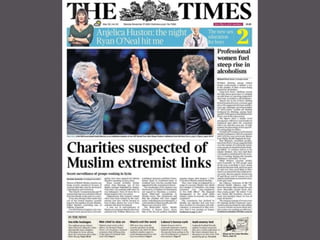
the times 
The oldest of all the dailies. 
It used to have the reputation 
of being the voice of the 
ruling classes.
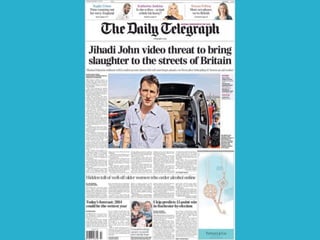
The daily telegraph 
Is the broadsheet with the 
highest circulation. It is a 
supporter of the Conservative 
Party.
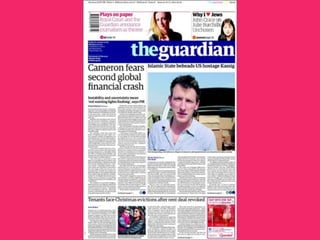
the guardian 
Is usually described as a 
liberal or left-wing paper.
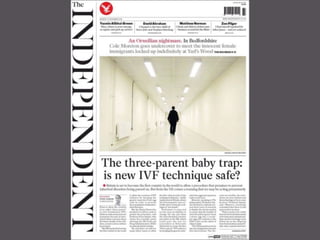
the independent 
Is the newest of all the 
dailies and intended to be 
independent of any one 
political party’s view.
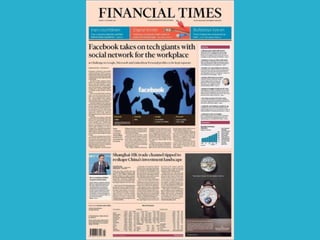
the financial times 
Is the only national daily to be 
printed on pink paper. It 
reports mainly on business 
and economic news.
tabloids 
Newspapers with pages half 
the size of broadsheets. They 
are usually more highly 
illustrated.
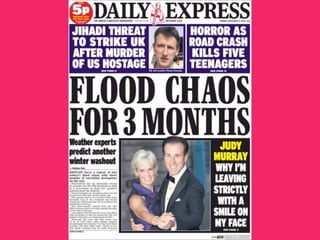
daily express 
One of the first papers to feature 
gossip, sports and women’s 
articles. It was also the first 
newspaper in Britain to have a 
crossword.
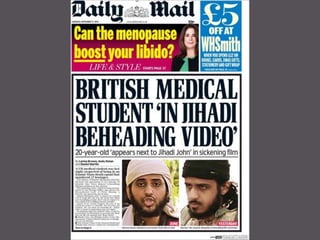
daily mail 
The only British newspaper 
whose female readers 
constitute more than 50% of its 
demographic.
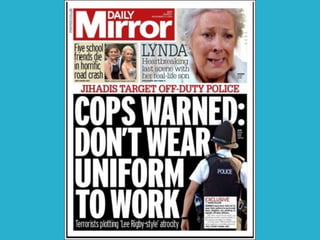
daily mirror 
Originally aimed at the 
middle class reader, it was 
converted into a working 
class newspaper to reach a 
larger audience.
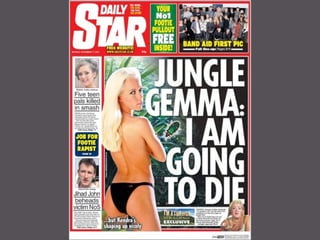
daily star 
Its cover price has declined 
over the years in order to 
compete with its rival the sun.
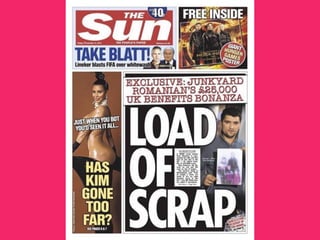
the sun 
Has the largest circulation 
of any daily newspaper in 
the united kingdom.
newspaper language
the language of a 
newspaper is not just words 
that appear in them.
It includes pictures that are 
used, different font styles 
and sizes in text and 
headings, and the layout of 
the page.
the copy 
Is written by journalists 
called reporters. They need 
to get across the maximum 
amount of information in the 
shortest possible time.
the pictures 
Photographs play an 
important part in the whole 
look of a newspaper, 
especially the front page.
captions 
The caption that goes with a 
photograph is also 
important because it can 
anchor the meaning.
captions 
They try to push the reader 
towards one angle by 
providing an interpretation 
for them.
headlines 
It is the headline that will 
draw the reader to 
purchase the newspaper.
layout 
When all the copy is written 
and all photographs have been 
chosen, the final layout of the 
front cover can then be decided.
the news selection process
Every story and item of news 
you read in a paper or on a 
website, hear on the radio or 
see on television, has a 
source.
In an age of 24-hour rolling 
news, it is easy to imagine 
that all news journalists 
rush around the globe, chasing 
action-packed stories.
Most journalists, particularly 
those working on local 
newspapers, will spend their 
time researching news stories 
from behind their desk.
journalists get their 
stories from a variety of 
sources:
news agencies 
such as the press 
association or reuters 
which supply news from all 
over the world.
reporters 
the bbc has the biggest 
range of reporters based 
all over the globe.
reporters 
The smaller the 
organisation, the fewer 
reporters there are to cover 
events.
from each other 
Foreign television, the 
national press and radio all 
provide stories.
freelance journalists 
may approach A newspaper 
with a story, or may be 
commissioned to research 
one.
processed news 
This is gathered from items 
such as press releases, 
police and local 
authorities.
With so many sources of 
news, there are far more 
stories that can be included 
in the papers.
newspaper editors select 
the news by considering 
which audience a news 
story will appeal to.

11. Newspapers

  • 1.
  • 2.
  • 3.
    one Identify differenttypes of newspapers and their target audiences.
  • 4.
    two Understand howaudiences are targeted and retained by media organisations.
  • 5.
    three Know differentcodes and conventions used by media organisations.
  • 6.
    four Understand thechanges in media brought by technology.
  • 7.
  • 8.
    circulation The numberof copies of a newspapers which are sold.
  • 9.
    readership The numberof people who read the newspaper. This is usually higher than circulation.
  • 10.
    There are twomain types of newspapers. They are divided into broadsheets and tabloids.
  • 11.
    This definition wasbased on the the size of the paper they used, with broadsheets being much larger than tabloids.
  • 12.
    Only few papersuse the largest format. Most broadsheets are now a compact size. Nevertheless the term has stuck.
  • 13.
    There are also generalisations about who reads each sort of paper which are based on audience research.
  • 14.
    broadsheets are associated with people in well-paid jobs who represent an upmarket demographics.
  • 15.
    tabloids are associatedwith less well-off readers, or a downmarket demographics.
  • 16.
    broadsheets Newspapers printedin a large format. They are considered to be more serious in content than tabloids.
  • 17.
    broadsheets have higher news content, usually higher prices for each copy and lower circulation figures than tabloids.
  • 18.
    the times Theoldest of all the dailies. It used to have the reputation of being the voice of the ruling classes.
  • 20.
    The daily telegraph Is the broadsheet with the highest circulation. It is a supporter of the Conservative Party.
  • 22.
    the guardian Isusually described as a liberal or left-wing paper.
  • 24.
    the independent Isthe newest of all the dailies and intended to be independent of any one political party’s view.
  • 26.
    the financial times Is the only national daily to be printed on pink paper. It reports mainly on business and economic news.
  • 28.
    tabloids Newspapers withpages half the size of broadsheets. They are usually more highly illustrated.
  • 29.
    daily express Oneof the first papers to feature gossip, sports and women’s articles. It was also the first newspaper in Britain to have a crossword.
  • 31.
    daily mail Theonly British newspaper whose female readers constitute more than 50% of its demographic.
  • 33.
    daily mirror Originallyaimed at the middle class reader, it was converted into a working class newspaper to reach a larger audience.
  • 35.
    daily star Itscover price has declined over the years in order to compete with its rival the sun.
  • 37.
    the sun Hasthe largest circulation of any daily newspaper in the united kingdom.
  • 39.
  • 40.
    the language ofa newspaper is not just words that appear in them.
  • 41.
    It includes picturesthat are used, different font styles and sizes in text and headings, and the layout of the page.
  • 42.
    the copy Iswritten by journalists called reporters. They need to get across the maximum amount of information in the shortest possible time.
  • 43.
    the pictures Photographsplay an important part in the whole look of a newspaper, especially the front page.
  • 44.
    captions The captionthat goes with a photograph is also important because it can anchor the meaning.
  • 45.
    captions They tryto push the reader towards one angle by providing an interpretation for them.
  • 46.
    headlines It isthe headline that will draw the reader to purchase the newspaper.
  • 47.
    layout When allthe copy is written and all photographs have been chosen, the final layout of the front cover can then be decided.
  • 48.
  • 49.
    Every story anditem of news you read in a paper or on a website, hear on the radio or see on television, has a source.
  • 50.
    In an ageof 24-hour rolling news, it is easy to imagine that all news journalists rush around the globe, chasing action-packed stories.
  • 51.
    Most journalists, particularly those working on local newspapers, will spend their time researching news stories from behind their desk.
  • 52.
    journalists get their stories from a variety of sources:
  • 53.
    news agencies suchas the press association or reuters which supply news from all over the world.
  • 54.
    reporters the bbchas the biggest range of reporters based all over the globe.
  • 55.
    reporters The smallerthe organisation, the fewer reporters there are to cover events.
  • 56.
    from each other Foreign television, the national press and radio all provide stories.
  • 57.
    freelance journalists mayapproach A newspaper with a story, or may be commissioned to research one.
  • 58.
    processed news Thisis gathered from items such as press releases, police and local authorities.
  • 59.
    With so manysources of news, there are far more stories that can be included in the papers.
  • 60.
    newspaper editors select the news by considering which audience a news story will appeal to.