Downloaded 138 times

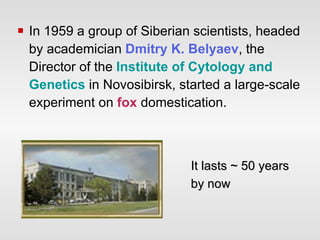


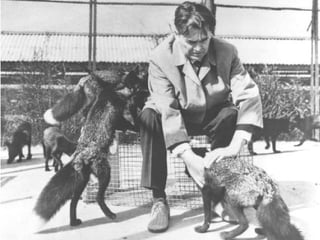


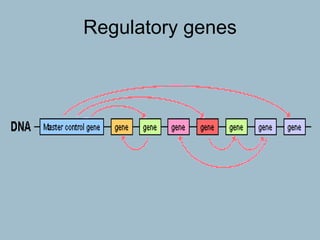
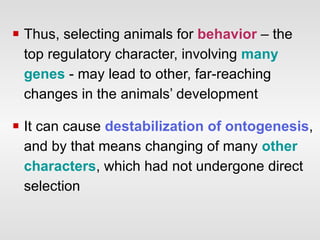
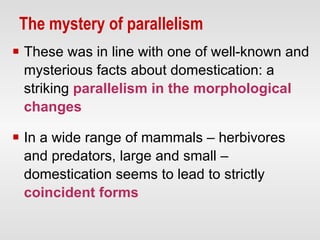
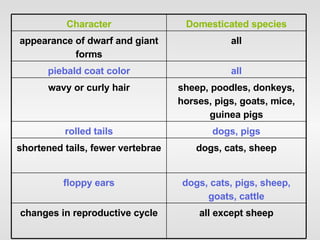
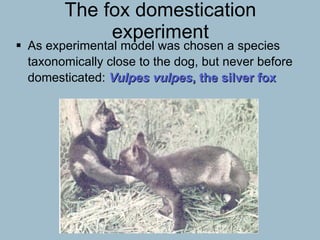
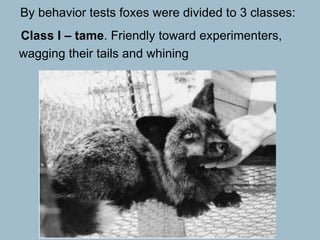
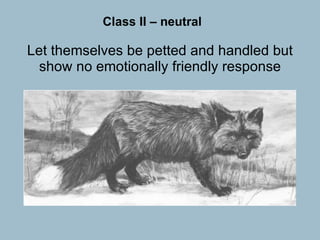
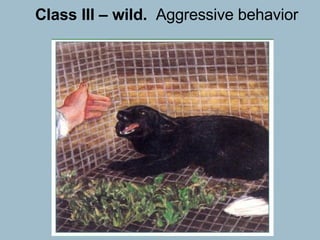
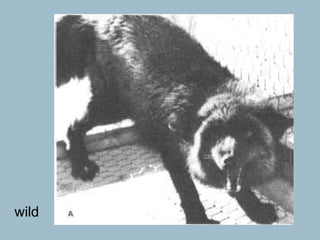
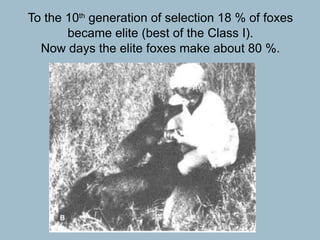
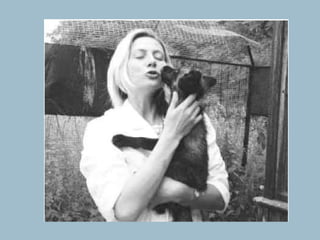
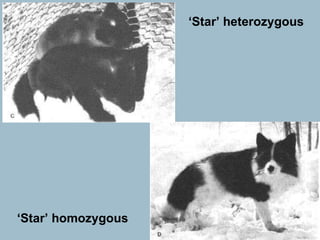
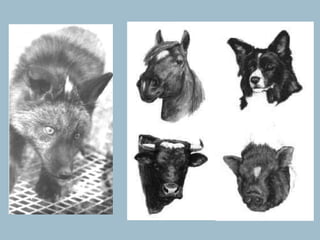
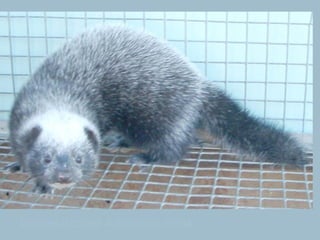
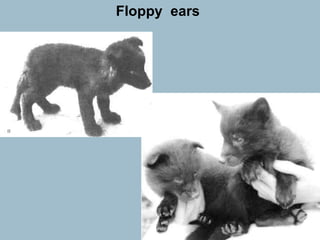
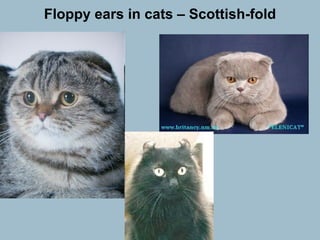
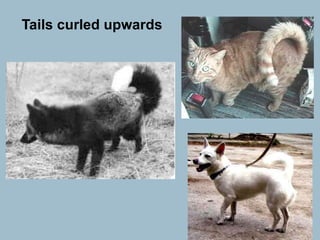
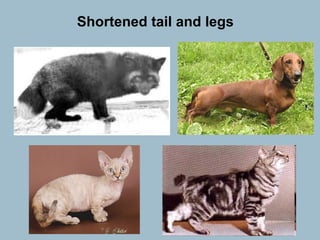
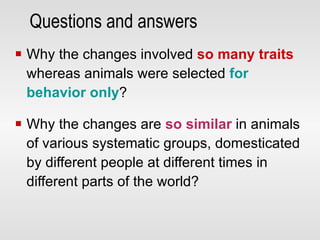
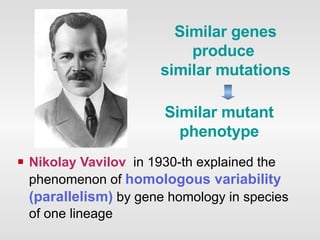
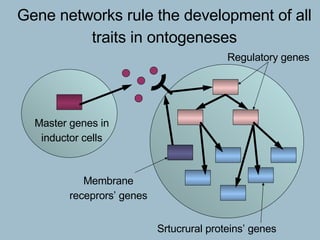

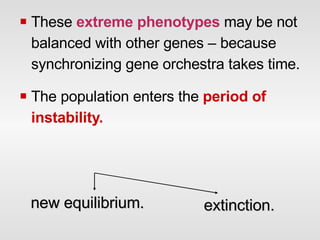

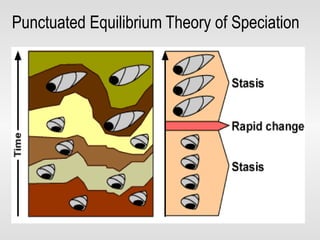
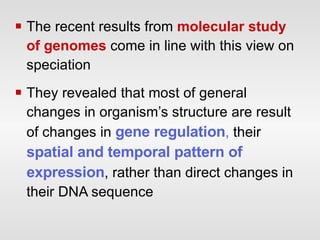
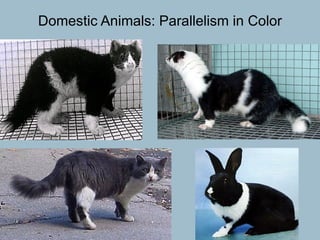
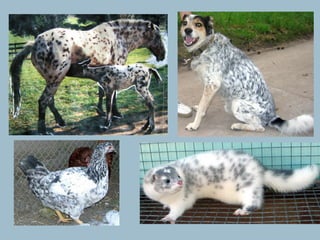
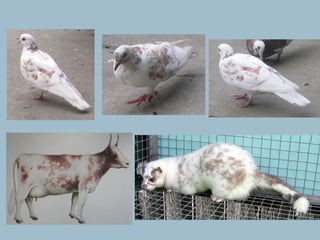
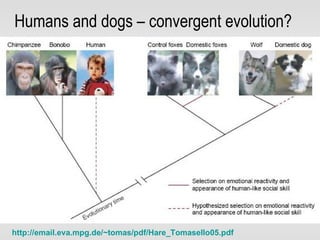

A 50-year experiment on fox domestication was conducted in Novosibirsk, Russia beginning in 1959. The experiment aimed to study the genetic changes underlying animal domestication by selectively breeding foxes for tameness towards humans. Over generations, the foxes selected for friendliness developed morphological traits like floppy ears, curled tails, and spotted coats similar to dogs. The results supported the hypothesis that selection for a single regulatory trait like behavior can induce changes across the genome by destabilizing developmental processes. This provided insights into the genetic mechanisms and parallel changes seen during animal domestication.


