MATHEW VARGHESE V
MSN(RAK),FHNP (CMC Vellore),CPEPC
Nursing officer
AIIMS Delhi
NURSING CARE OF AN
UNCONSCIOUS PATIENT
1 mathewvmaths@yahoo.co.in
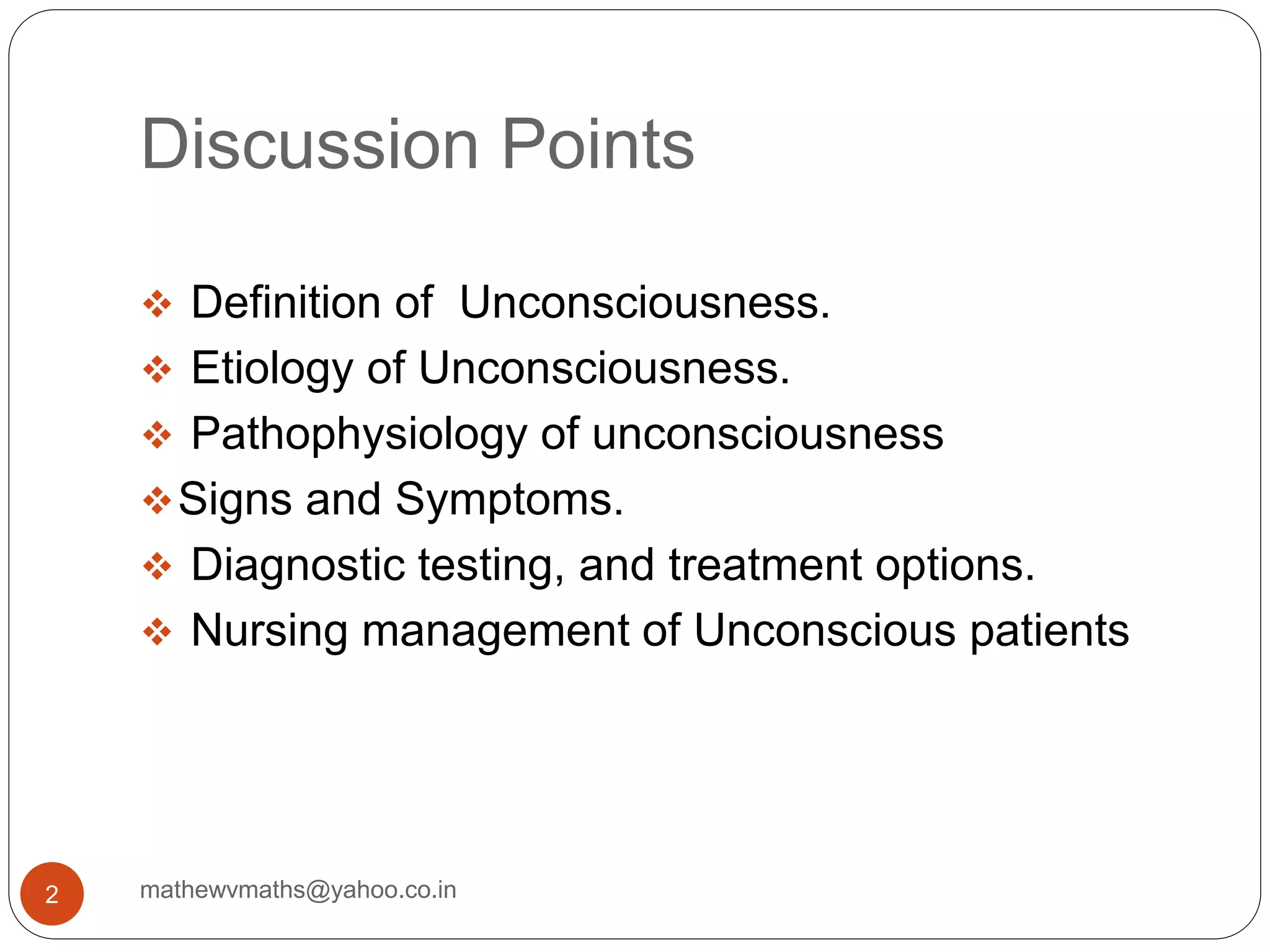
Discussion Points
 Definition of Unconsciousness.
 Etiology of Unconsciousness.
 Pathophysiology of unconsciousness
Signs and Symptoms.
 Diagnostic testing, and treatment options.
 Nursing management of Unconscious patients
2 mathewvmaths@yahoo.co.in
BASICS
3 mathewvmaths@yahoo.co.in
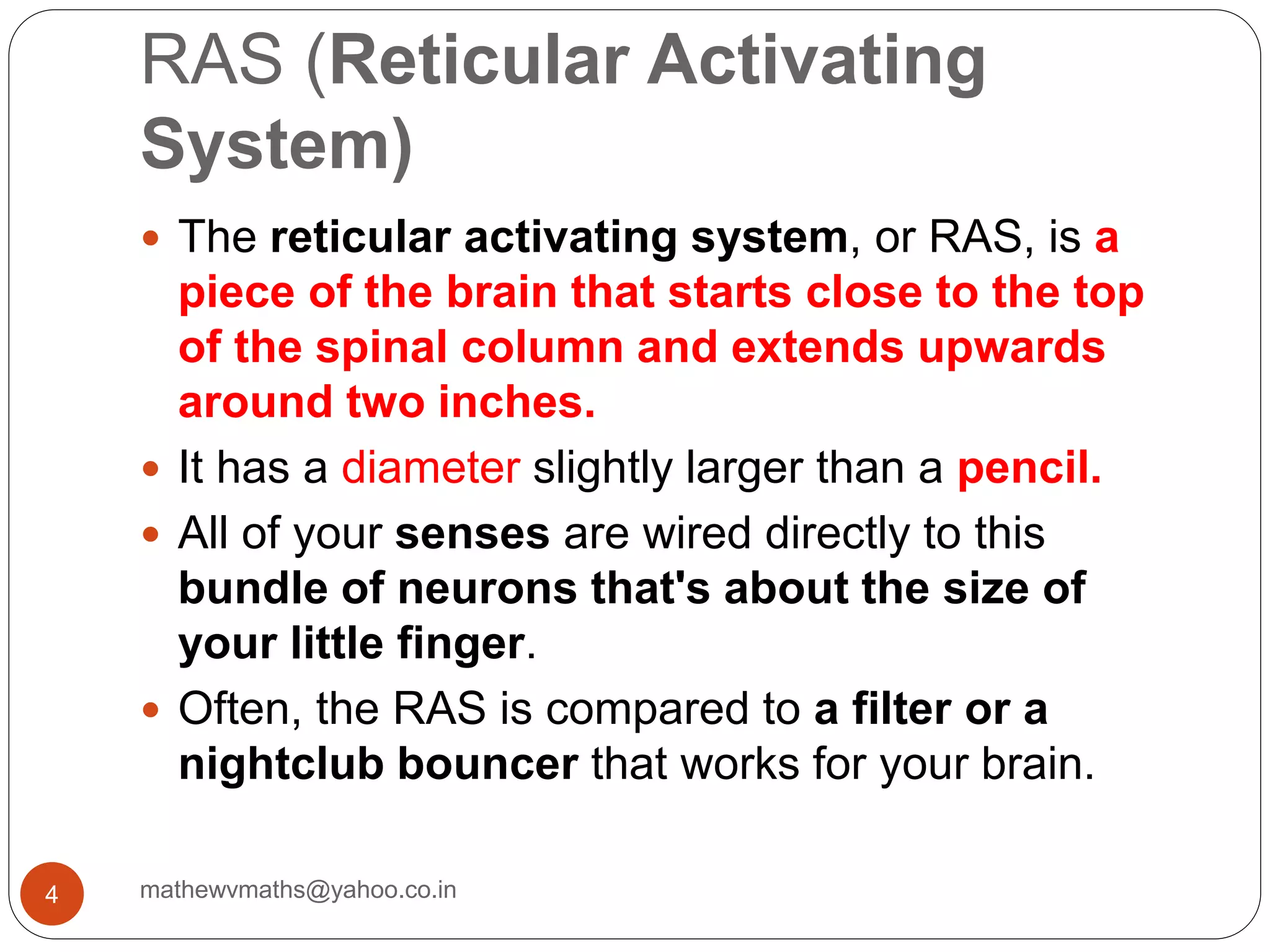
RAS (Reticular Activating
System)
 The reticular activating system, or RAS, is a
piece of the brain that starts close to the top
of the spinal column and extends upwards
around two inches.
 It has a diameter slightly larger than a pencil.
 All of your senses are wired directly to this
bundle of neurons that's about the size of
your little finger.
 Often, the RAS is compared to a filter or a
nightclub bouncer that works for your brain.
4 mathewvmaths@yahoo.co.in
 While it may be a fairly small part of your brain, the
RAS has a very important role: it's the gatekeeper
of information that is let into the conscious mind.
 It makes sure your brain doesn't have to deal with
more information than it can handle. Thus, the
reticular activating system plays a big role in the
sensory information you perceive daily.
5 mathewvmaths@yahoo.co.in
 The brain requires a constant supply of
oxygenated blood and glucose to function.
Interruption of this function will cause loss of
consciousness within few seconds and
permanent brain damage in minutes.
6 mathewvmaths@yahoo.co.in
CONSCIOUSNESS
 A state of awareness of yourself and your
surroundings
 Ability to perceive sensory stimuli and respond
appropriately to them
7 mathewvmaths@yahoo.co.in
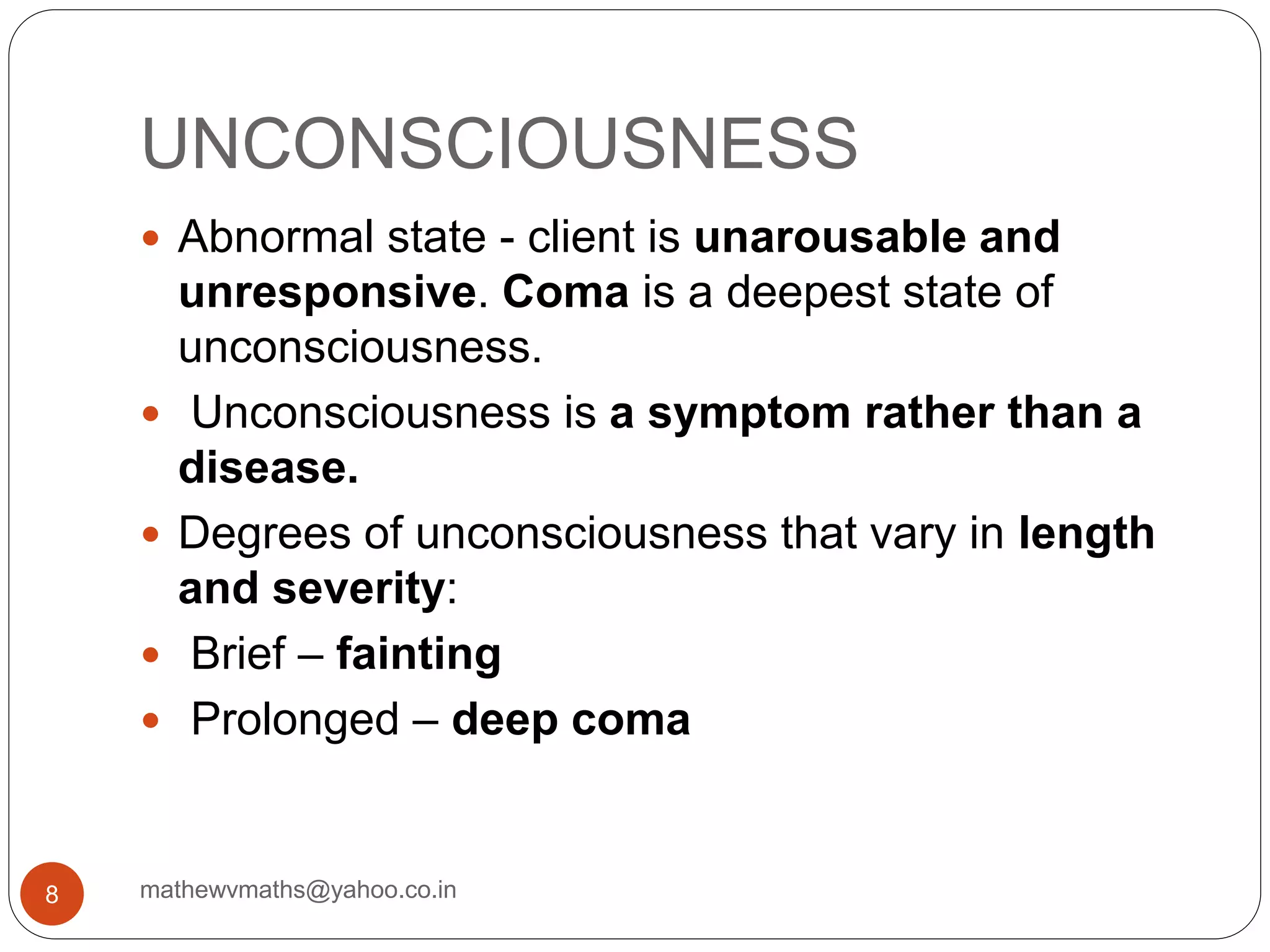
UNCONSCIOUSNESS
 Abnormal state - client is unarousable and
unresponsive. Coma is a deepest state of
unconsciousness.
 Unconsciousness is a symptom rather than a
disease.
 Degrees of unconsciousness that vary in length
and severity:
 Brief – fainting
 Prolonged – deep coma
8 mathewvmaths@yahoo.co.in
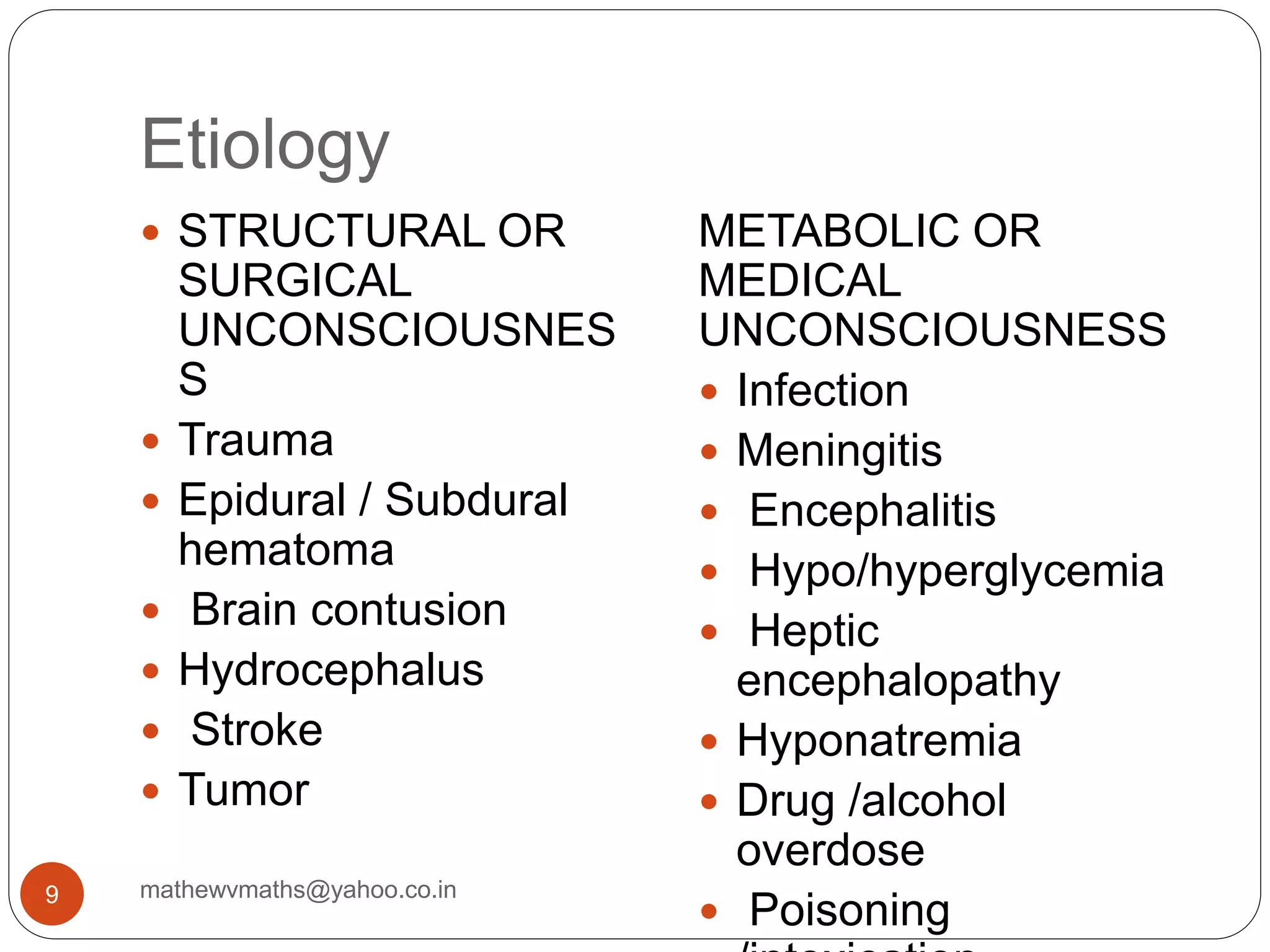
Etiology
 STRUCTURAL OR
SURGICAL
UNCONSCIOUSNES
S
 Trauma
 Epidural / Subdural
hematoma
 Brain contusion
 Hydrocephalus
 Stroke
 Tumor
METABOLIC OR
MEDICAL
UNCONSCIOUSNESS
 Infection
 Meningitis
 Encephalitis
 Hypo/hyperglycemia
 Heptic
encephalopathy
 Hyponatremia
 Drug /alcohol
overdose
 Poisoning9 mathewvmaths@yahoo.co.in
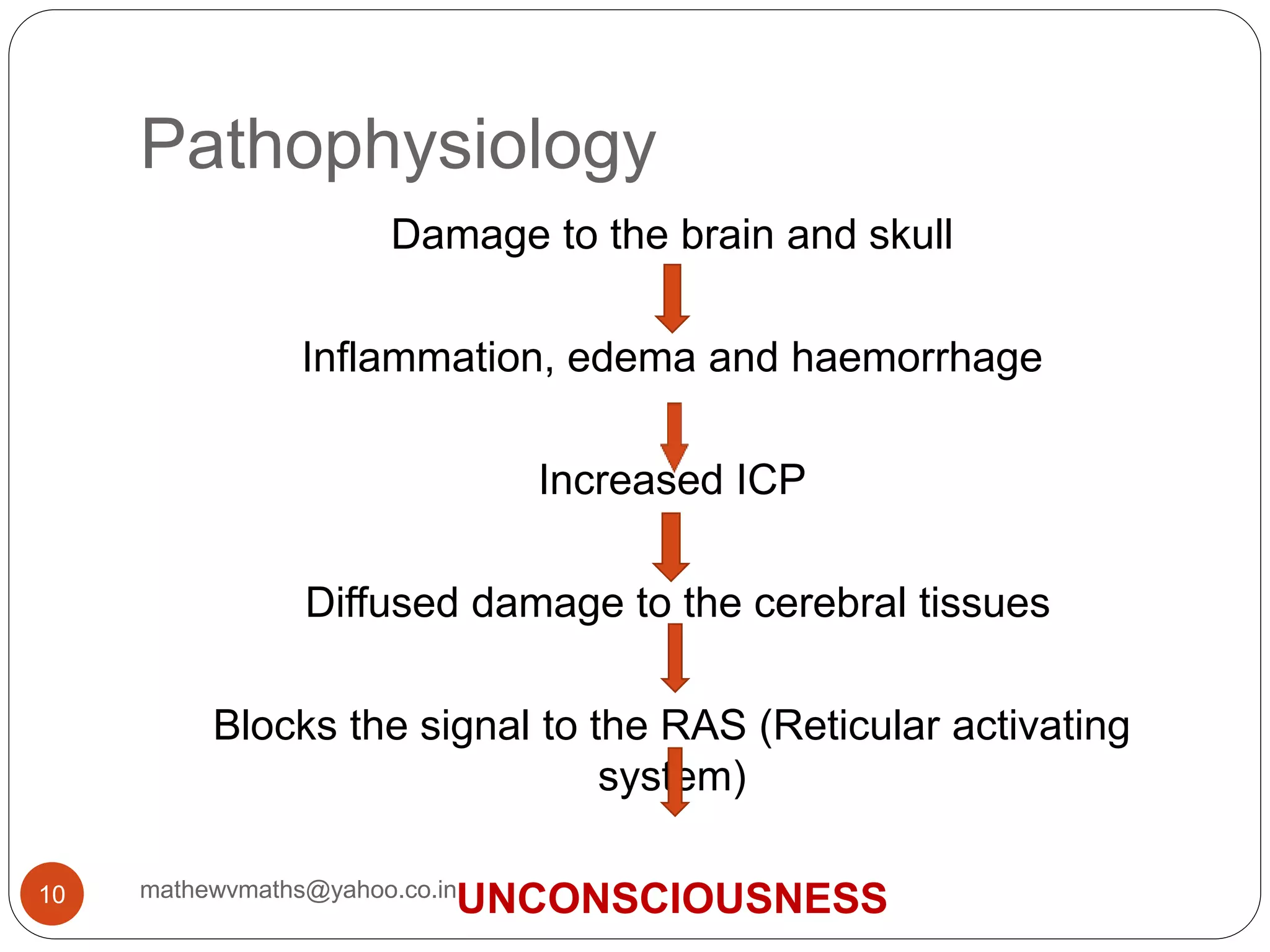
Pathophysiology
Damage to the brain and skull
Inflammation, edema and haemorrhage
Increased ICP
Diffused damage to the cerebral tissues
Blocks the signal to the RAS (Reticular activating
system)
UNCONSCIOUSNESS10 mathewvmaths@yahoo.co.in
Signs and Symptoms
 The person will be unresponsive (does not
respond to activity, touch, sound, or other
stimulation).
11 mathewvmaths@yahoo.co.in
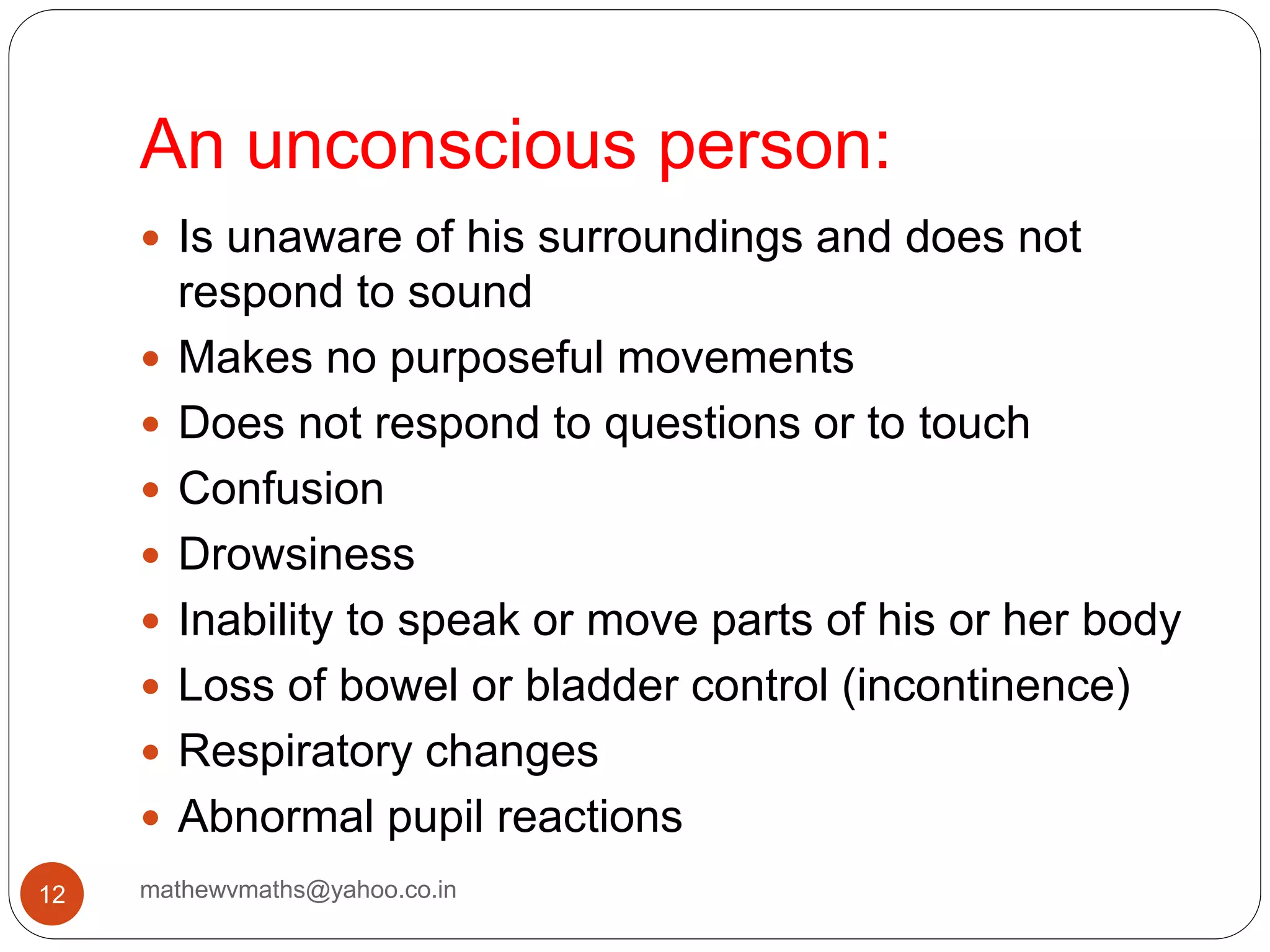
An unconscious person:
 Is unaware of his surroundings and does not
respond to sound
 Makes no purposeful movements
 Does not respond to questions or to touch
 Confusion
 Drowsiness
 Inability to speak or move parts of his or her body
 Loss of bowel or bladder control (incontinence)
 Respiratory changes
 Abnormal pupil reactions
12 mathewvmaths@yahoo.co.in
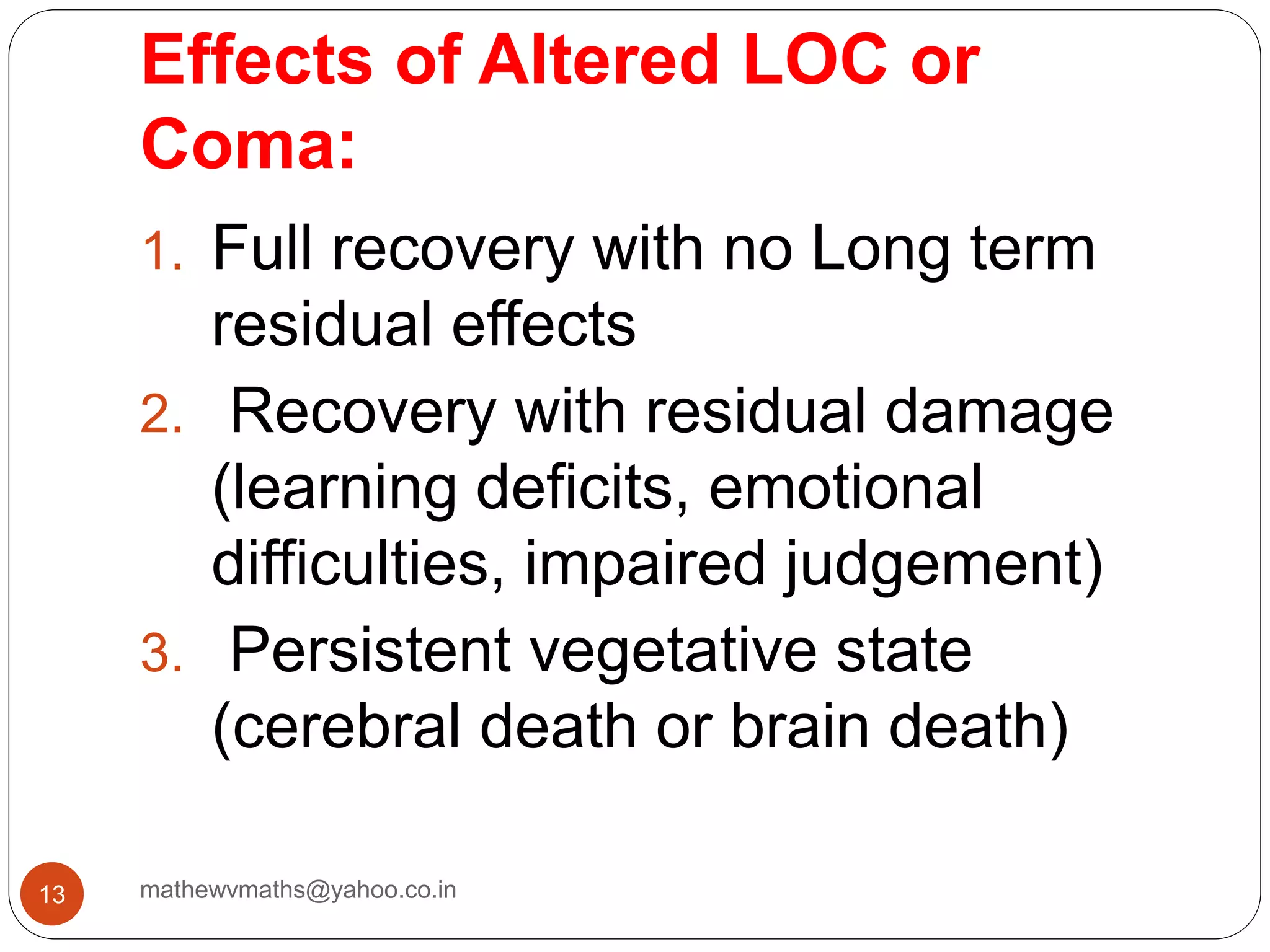
Effects of Altered LOC or
Coma:
1. Full recovery with no Long term
residual effects
2. Recovery with residual damage
(learning deficits, emotional
difficulties, impaired judgement)
3. Persistent vegetative state
(cerebral death or brain death)
13 mathewvmaths@yahoo.co.in
Diagnostic test:
 X-ray -SKULL
 MRI (magnetic resonance imaging) : tumors,
vascular abnormalities, IC bleed
 CT (computerized tomography) : cerebral edema,
infarctions, hydrocephalus, midline shift
 Lumbar puncture : cerebral meningitis, CSF
evaluation
 PET (positron emission tomography)
 EEG: electric activity of cerebral cortex
 Blood test like CBC, LFT, RFT, ABG etc.
14 mathewvmaths@yahoo.co.in
Medical management
The goal of medical management are to preserve
brain function and prevent further damage.
 Ventilator support
 Oxygen therapy
 Management of blood pressure
 Management of fluid balance
 Management of seizures : anti epileptic ,
sedatives, paralytic agents
15 mathewvmaths@yahoo.co.in
 Treating Increased ICP : mannitol, corticosteroids
 Management of temperature regulation (fever):
ice packs, tepid sponging,Antipyretics,NSAIDS
 Management of elimination : laxatives and high
fibre diet
 Management of nutrition: TPN and RT feeds
 DVT prophylaxis
16 mathewvmaths@yahoo.co.in
Surgery if necessary
 Craniotomy : Skull/bone flap is kept in the
abdomen
 Cranioplasty
 Burr-hole
17 mathewvmaths@yahoo.co.in
Nursing Management
GOALS OF NURSING CARE
• Maintain adequate cerebral perfusion
• Remain normothermic
• Be free from pain, discomfort, and infection
• Attain maximal cognitive, motor and sensory
function
18 mathewvmaths@yahoo.co.in
Assessment :
 Nurses frequently need to monitor the conscious
level as impairments may complicate the existing
condition and may cause complications and further
deterioration.
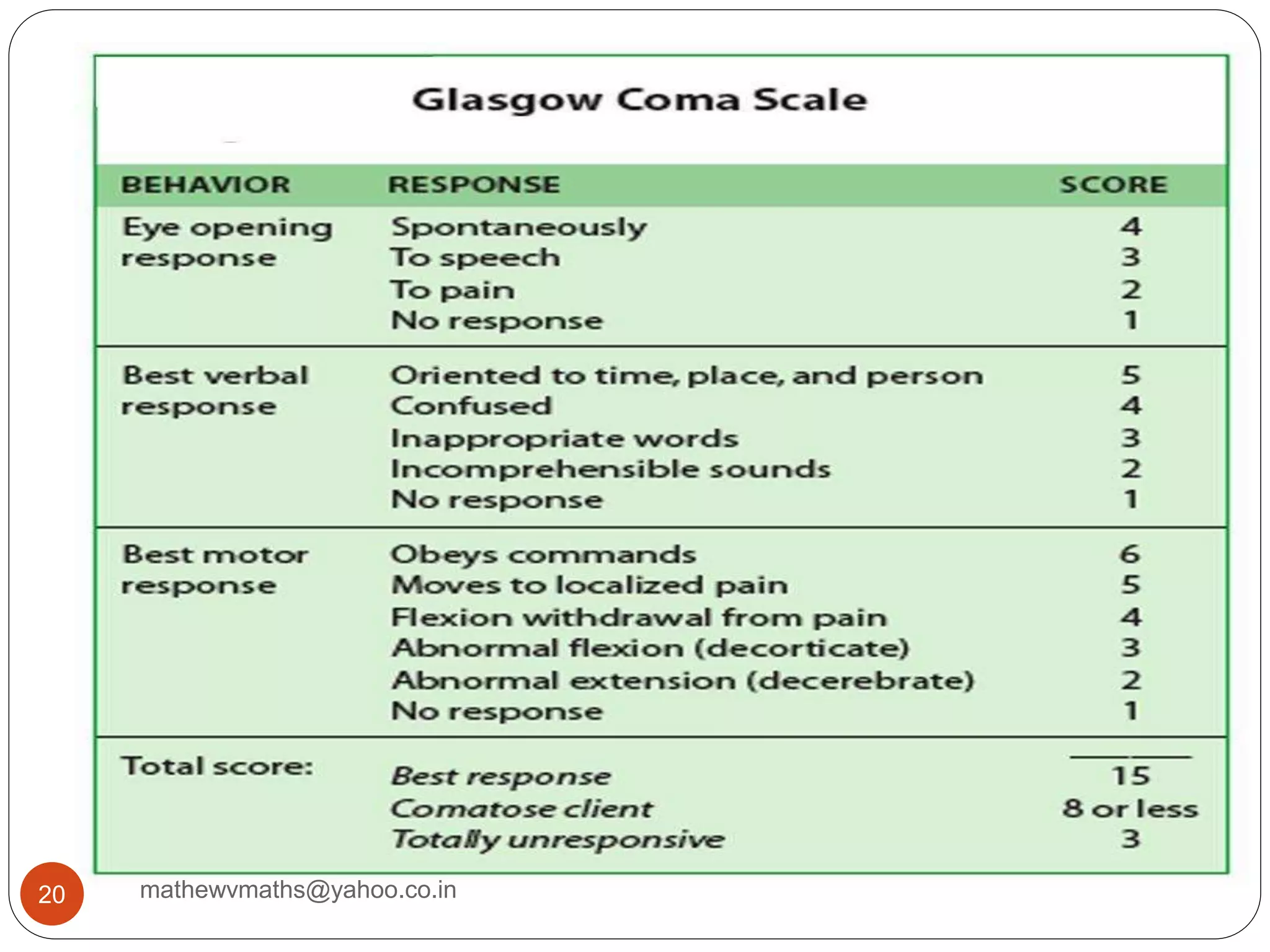
 GLASGOW COMA SCALE.
 The Glasgow Coma Scale is a neurological scale –
Gives a reliable, objective record of the level of
consciousness (LOC) of a person, for initial as well as
continuing assessment.
 The nurse observes and describes three aspects of
the patients behavior:
1. Eye opening
2. Verbal response
3. Motor response.19 mathewvmaths@yahoo.co.in
20 mathewvmaths@yahoo.co.in
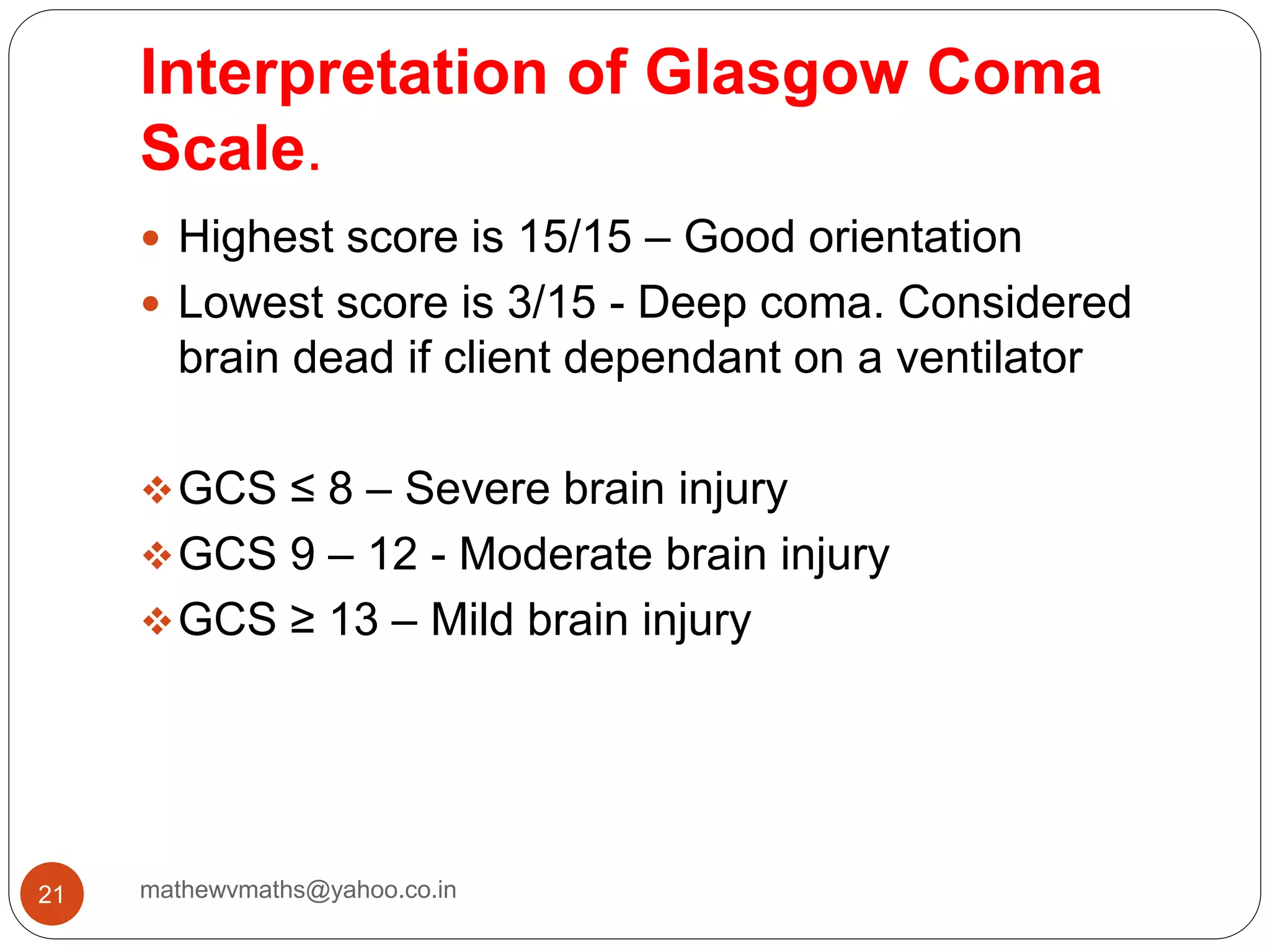
Interpretation of Glasgow Coma
Scale.
 Highest score is 15/15 – Good orientation
 Lowest score is 3/15 - Deep coma. Considered
brain dead if client dependant on a ventilator
GCS ≤ 8 – Severe brain injury
GCS 9 – 12 - Moderate brain injury
GCS ≥ 13 – Mild brain injury
21 mathewvmaths@yahoo.co.in
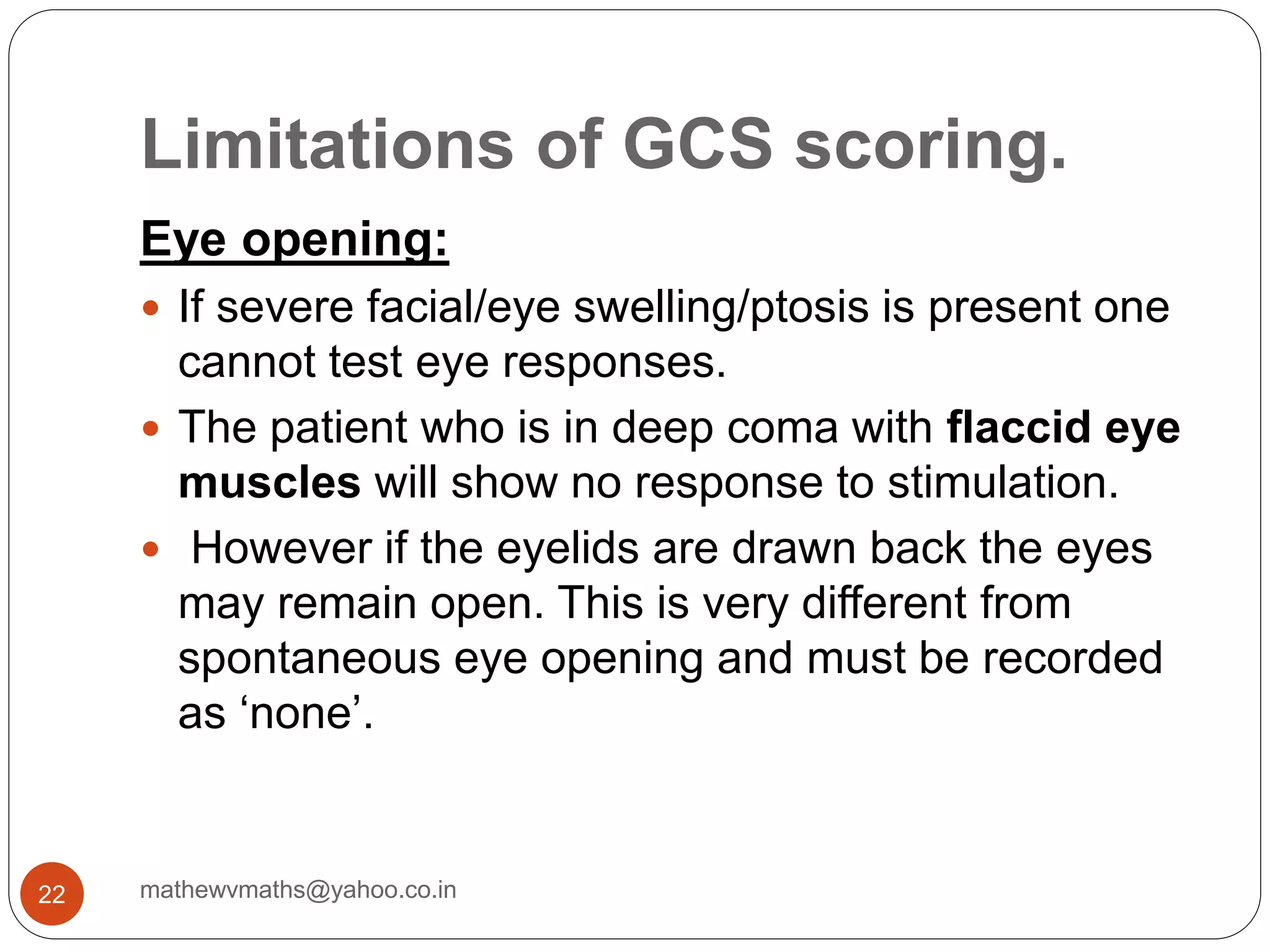
Limitations of GCS scoring.
Eye opening:
 If severe facial/eye swelling/ptosis is present one
cannot test eye responses.
 The patient who is in deep coma with flaccid eye
muscles will show no response to stimulation.
 However if the eyelids are drawn back the eyes
may remain open. This is very different from
spontaneous eye opening and must be recorded
as ‘none’.
22 mathewvmaths@yahoo.co.in
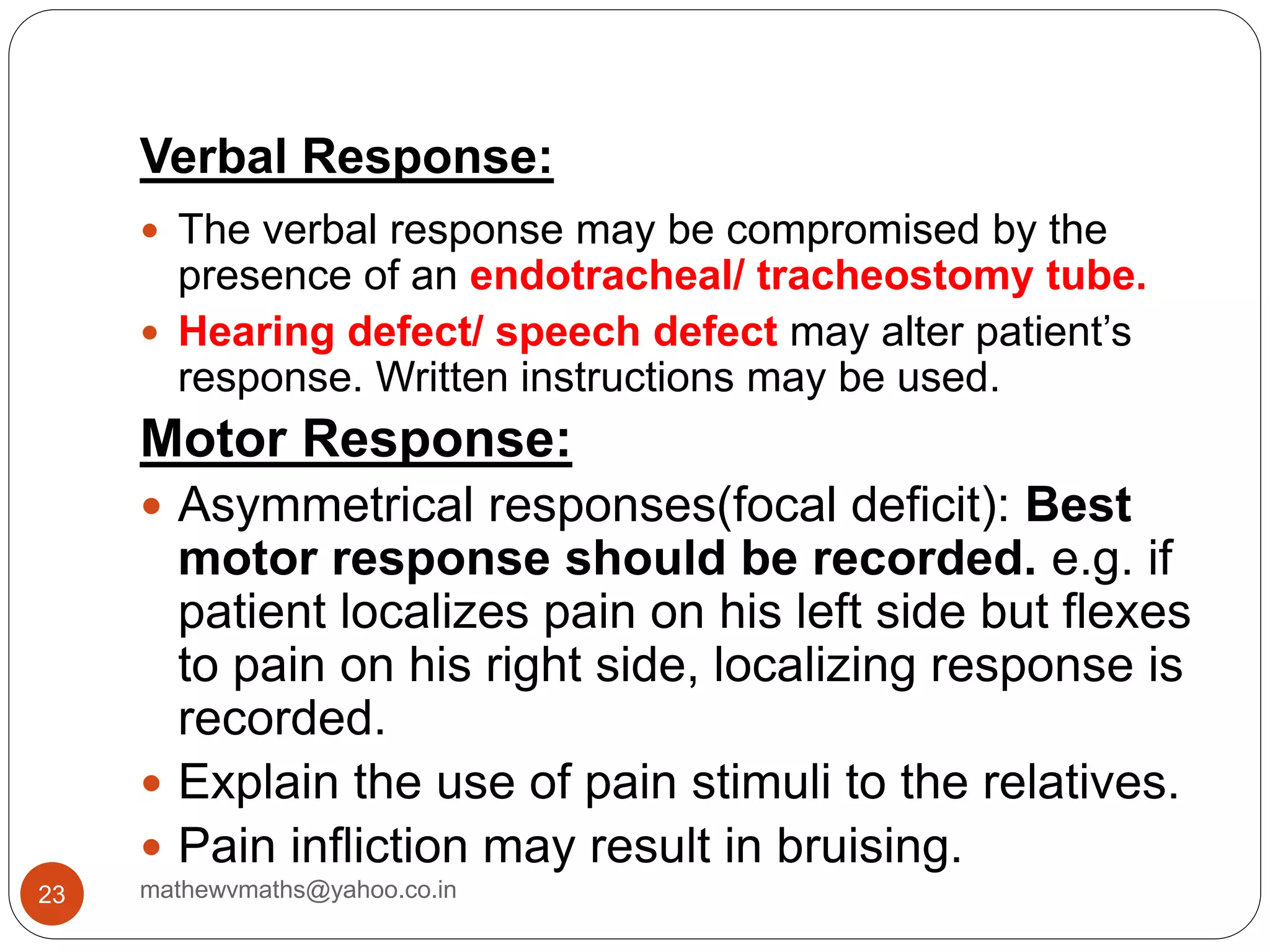
Verbal Response:
 The verbal response may be compromised by the
presence of an endotracheal/ tracheostomy tube.
 Hearing defect/ speech defect may alter patient’s
response. Written instructions may be used.
Motor Response:
 Asymmetrical responses(focal deficit): Best
motor response should be recorded. e.g. if
patient localizes pain on his left side but flexes
to pain on his right side, localizing response is
recorded.
 Explain the use of pain stimuli to the relatives.
 Pain infliction may result in bruising.
23 mathewvmaths@yahoo.co.in
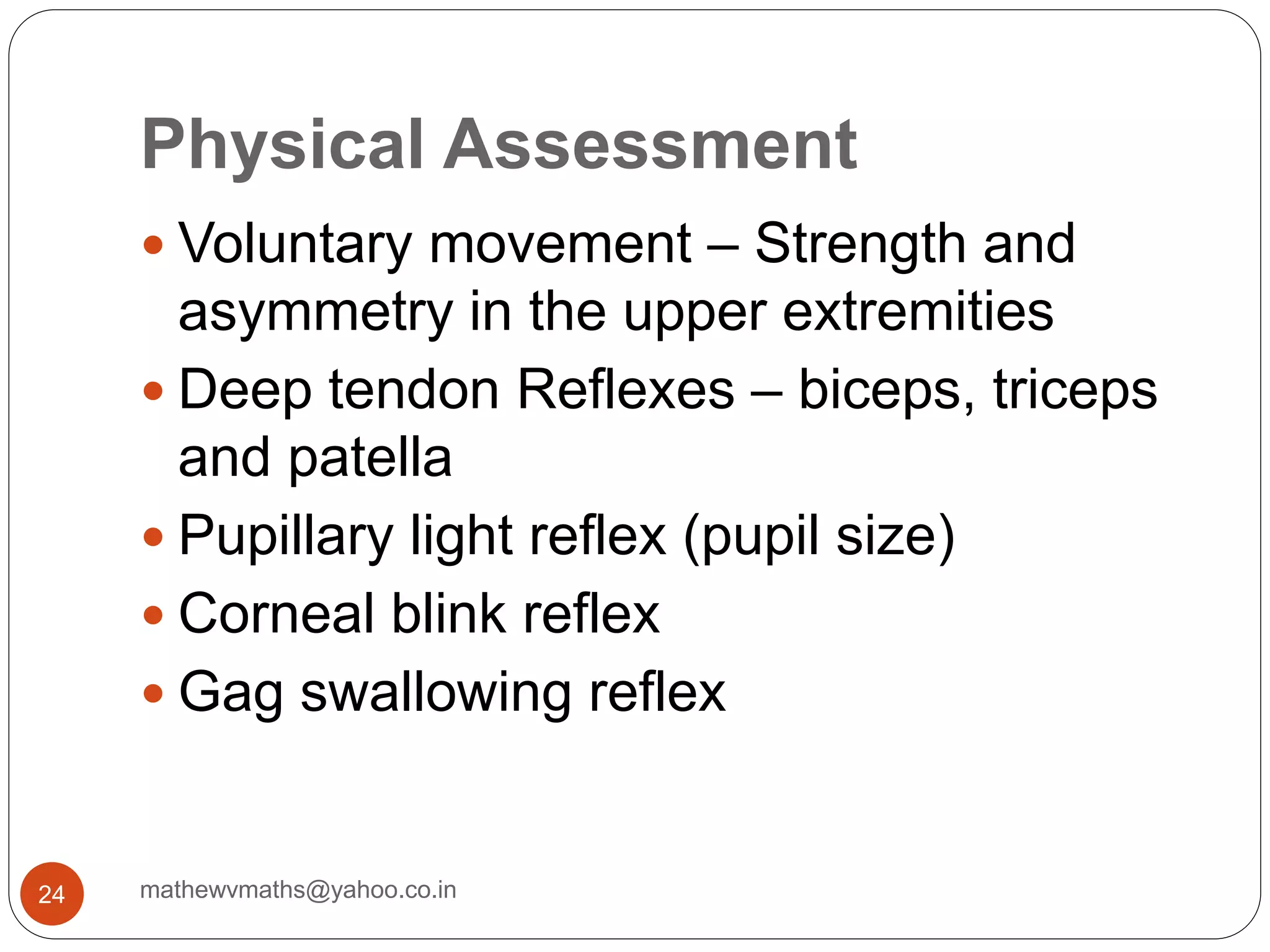
Physical Assessment
 Voluntary movement – Strength and
asymmetry in the upper extremities
 Deep tendon Reflexes – biceps, triceps
and patella
 Pupillary light reflex (pupil size)
 Corneal blink reflex
 Gag swallowing reflex
24 mathewvmaths@yahoo.co.in
25 mathewvmaths@yahoo.co.in
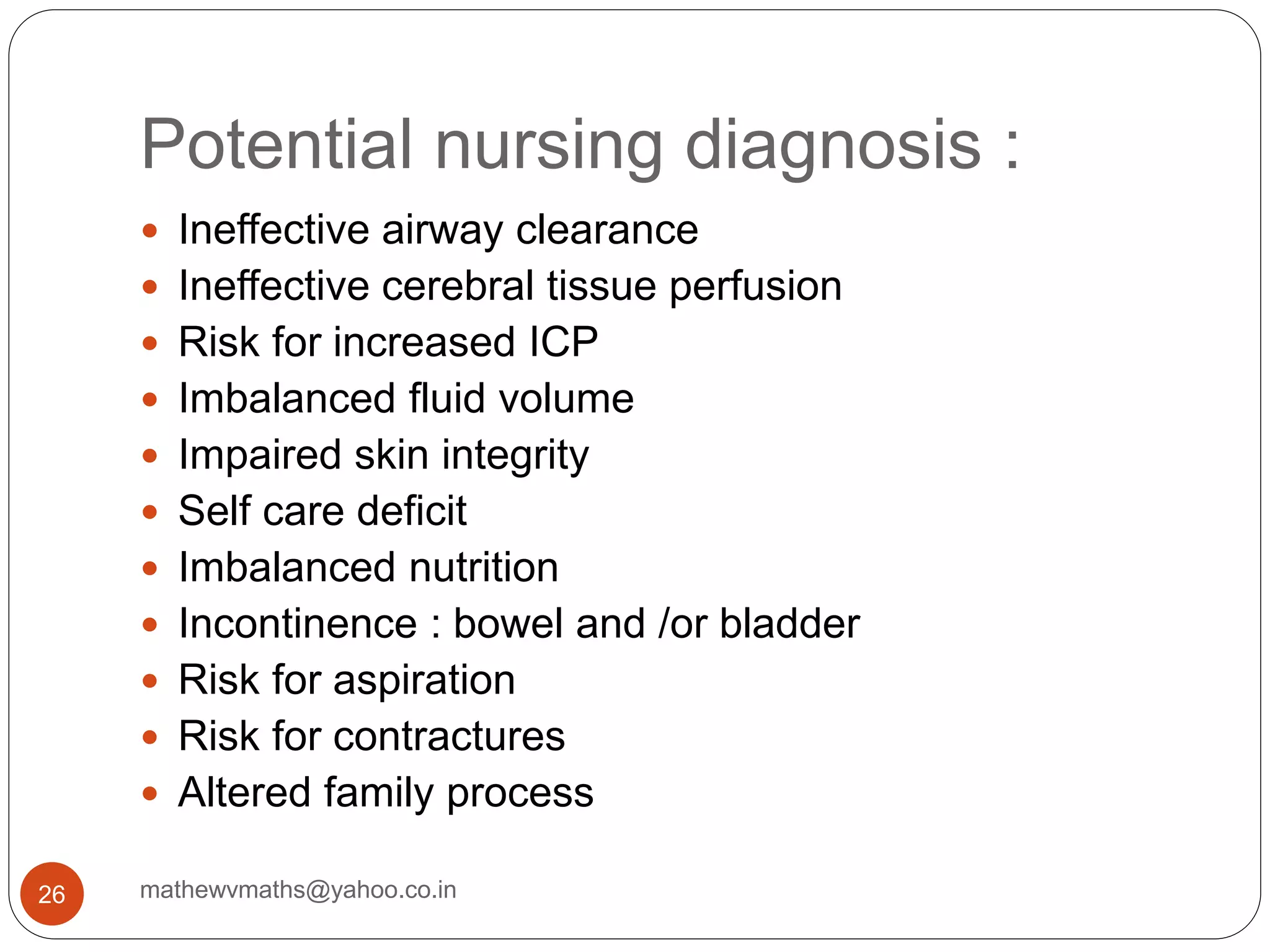
Potential nursing diagnosis :
 Ineffective airway clearance
 Ineffective cerebral tissue perfusion
 Risk for increased ICP
 Imbalanced fluid volume
 Impaired skin integrity
 Self care deficit
 Imbalanced nutrition
 Incontinence : bowel and /or bladder
 Risk for aspiration
 Risk for contractures
 Altered family process
26 mathewvmaths@yahoo.co.in
Maintaining a patent airway
 The breath sounds must be assessed every 2 hourly.
 ABG results must be interpreted to determine the
degree of oxygenation provided by the ventilators or
oxygen.
 Assess for cough and swallow reflexes
 Use an oral artificial airway to maintain patency
 Tracheostomy or endotracheal intubation and
mechanical ventilation maybe necessary
PREVENTING AIRWAY OBSTRUCTION
 Position on alternate sides 2-4 hrs to prevent
secretions accumulating in the airways on one side.
 Maintain the neck in a neutral position
27 mathewvmaths@yahoo.co.in
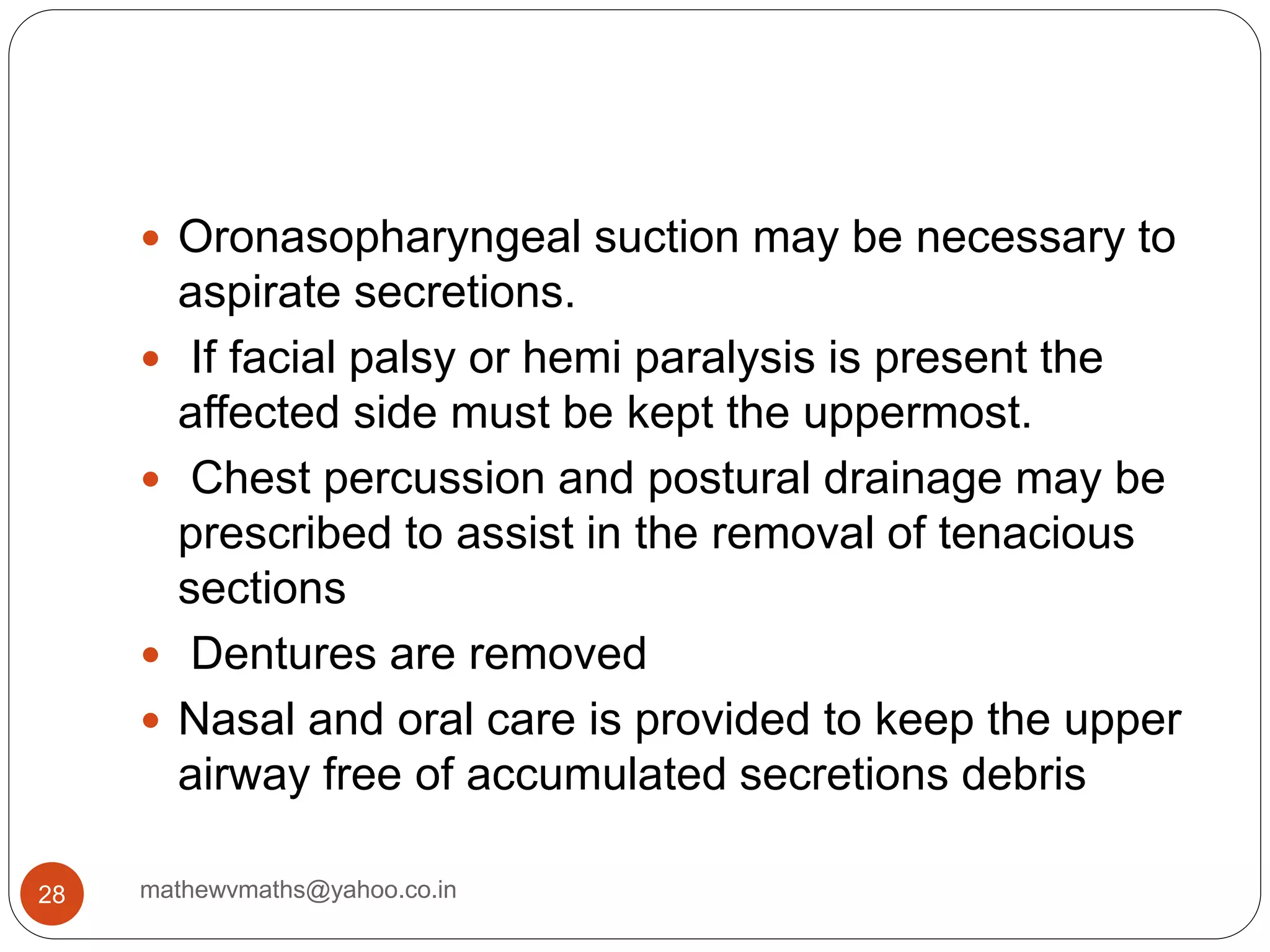
 Oronasopharyngeal suction may be necessary to
aspirate secretions.
 If facial palsy or hemi paralysis is present the
affected side must be kept the uppermost.
 Chest percussion and postural drainage may be
prescribed to assist in the removal of tenacious
sections
 Dentures are removed
 Nasal and oral care is provided to keep the upper
airway free of accumulated secretions debris
28 mathewvmaths@yahoo.co.in
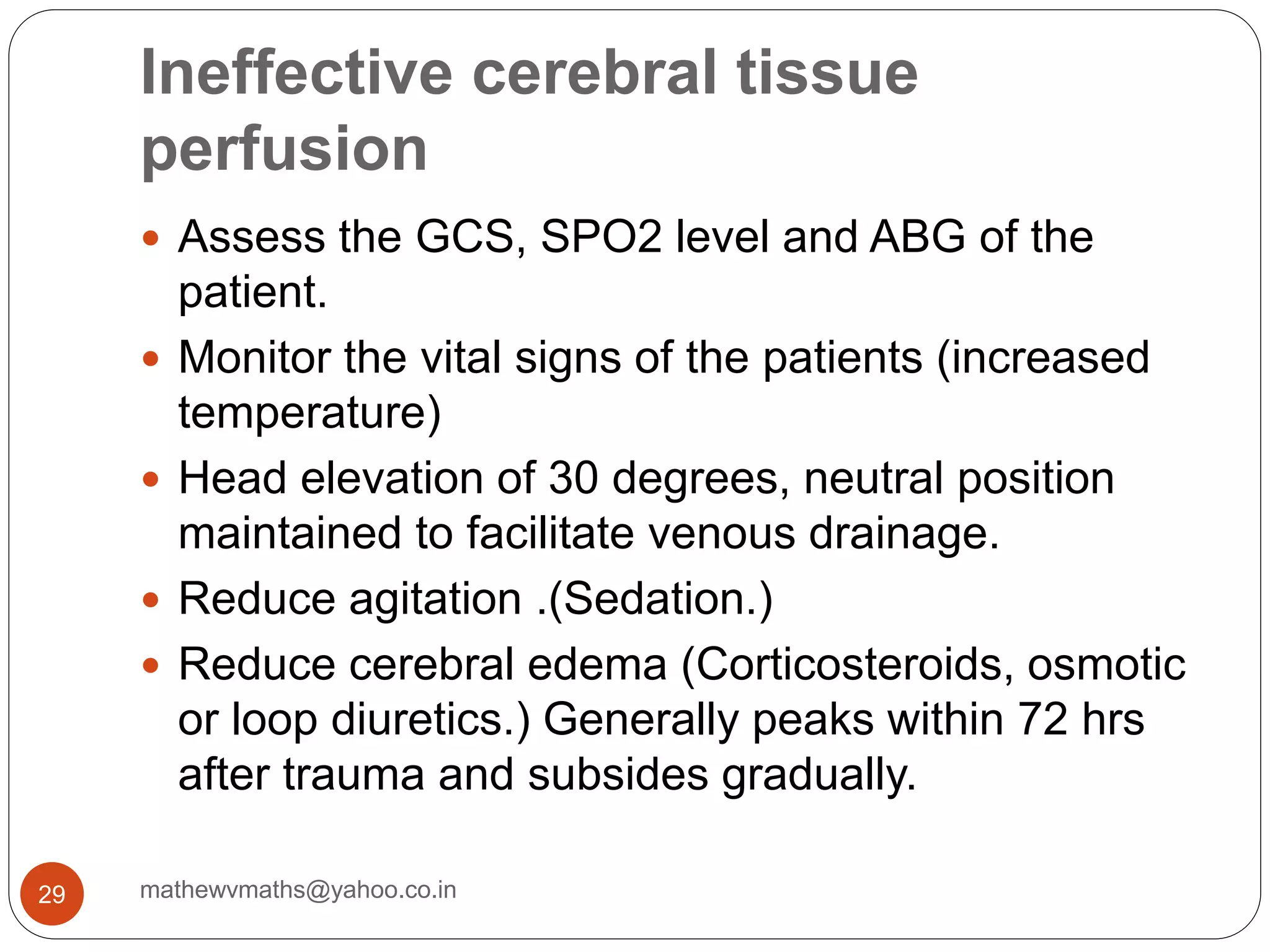
Ineffective cerebral tissue
perfusion
 Assess the GCS, SPO2 level and ABG of the
patient.
 Monitor the vital signs of the patients (increased
temperature)
 Head elevation of 30 degrees, neutral position
maintained to facilitate venous drainage.
 Reduce agitation .(Sedation.)
 Reduce cerebral edema (Corticosteroids, osmotic
or loop diuretics.) Generally peaks within 72 hrs
after trauma and subsides gradually.
29 mathewvmaths@yahoo.co.in
 Schedule care so that harsh activity [suctioning
,bathing, turning] are not grouped together, with
breaks between care for recovery.
 Talk softly and limit touch and stimulation.
 Administer laxatives, antitussives and antiemetics
as ordered
 Manage temperature with antipyretics and cooling
measures.
 Prevent seizure with ordered dilantin.
 Administer mannitol 25-50 g IV bolus if ICP >20,
as prescribed.
30 mathewvmaths@yahoo.co.in
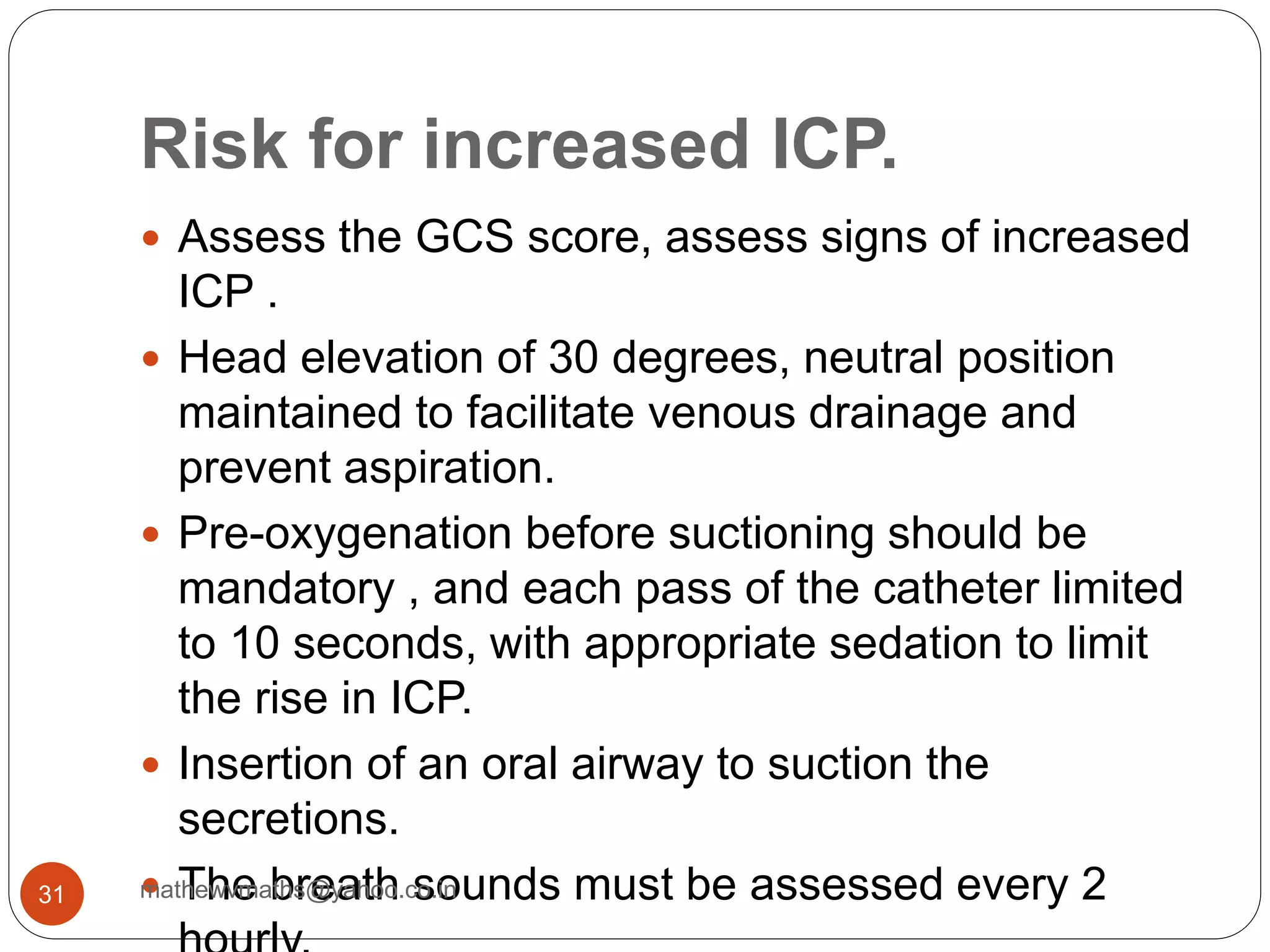
Risk for increased ICP.
 Assess the GCS score, assess signs of increased
ICP .
 Head elevation of 30 degrees, neutral position
maintained to facilitate venous drainage and
prevent aspiration.
 Pre-oxygenation before suctioning should be
mandatory , and each pass of the catheter limited
to 10 seconds, with appropriate sedation to limit
the rise in ICP.
 Insertion of an oral airway to suction the
secretions.
 The breath sounds must be assessed every 231 mathewvmaths@yahoo.co.in
Signs of increased ICP
 Restlessness
 Headache
 Pupillary changes: ASSESS every hourly
 Respiratory irregularity
 Widening pulse pressure, hypertension and
bradycardia. (CUSHING’S TRIAD)
 NORMAL ICP : 5 TO 15 mm of Hg
32 mathewvmaths@yahoo.co.in
Imbalanced fluid and
electrolyte
 Intake-Output chart should be meticulously
maintained.
 Daily weight should be taken.
 Assess and document symptoms that may
indicate fluid
volume overload or deficit.
 Diuretics may be prescribed to correct fluid
overload and reduce edema.
 Over hydration and intravenous fluids with
glucose are always avoided in comatose patients
as cerebral oedema may follow.
33 mathewvmaths@yahoo.co.in
Impaired skin integrity
 The nurse should provide intervention for all self-care
needs including bathing, hair care, skin and nail care.
 Frequent back care should be given.
 Comfort devices should be used.
 Positions should be changed.
 Special mattresses or airbeds to be used.
 Adequate nutritional and hydration status should be
maintained.
 Patient’s nails should be kept trimmed.
 Cornea should be kept moist by instilling methyl
cellulose
0.5% to 1%.34 mathewvmaths@yahoo.co.in
 Protective eye shields can be applied or the
eyelids closed with adhesive strips if the corneal
reflex is absent. These measures prevent corneal
abrasions and irritation.
 Inspect the oral cavity.
 Keep the lips coated with a water-soluble
lubricant to prevent encrustation, drying, cracking.
Inspect the paralyzed cheek.
 Frequent oral hygiene every 4 hourly.
 Nasal passages may get occluded so they may
be cleaned with a cotton tipped applicator.
35 mathewvmaths@yahoo.co.in
 PROPER POSITIONING
 Lateral position on a pillow to maintain head in a
neutral position
 Upper arm positioned on a pillow to maintain shoulder
alignment
 Upper leg supported on a pillow to maintain alignment
of the hip
 Change position to lie on alternate sides every 2-4hrs
 For hemiplegia – position on the affected side for brief
periods,taking care to prevent injury to soft tissue and
nerves, oedema or disruption of the blood supply
 Maintaining correct positioning enables secretions to
drain from the client’s mouth, the tongue does not36 mathewvmaths@yahoo.co.in
Self care deficit
 Attending to the hygiene needs of the
unconscious patient should never become
ritualistic, and despite the patient's perceived lack
of awareness, dignity should not be
compromised.
 Involving the family in self care needs.
 Incontinence, perspiration, poor nutrition, obesity
and old age also contribute to the formation of
pressure ulcers.
 Care should be taken to examine the skin
properly, noting any areas which are red, dry or
broken.
 Fingernails and toenails also need to be
assessed
37 mathewvmaths@yahoo.co.in
Bathing:
 Minimum two nurses should bathe an
unconscious patient as turning the patient may
block the airway.
 Proper assessment of the condition of the skin
must be done when giving a bed bath.
 Hair care should not be neglected.
38 mathewvmaths@yahoo.co.in
Oral Hygiene:
 A chlorhexidine based solution is used.
 Airway should be removed when providing oral
care. It should be cleaned and then reinserted.
 If the patient has an endotracheal tube the tube
should be fixed alternately on each side.
 Minimum of four-hourly oral care to reduce the
potential of infection from micro-organisms.
 Also not to damage the gingiva by using
excessive force
39 mathewvmaths@yahoo.co.in
Eye Care:
 In assessing the eyes, observe for signs of
irritation, corneal drying, abrasions and oedema.
 Gentle cleaning with gauze and 0.9% sodium
chloride should be sufficient to prevent infection.
 Artificial tears can also be applied as drops to
help moisten the eyes.
 Corneal damage can result if the eyes remain
open for a longer time.
 Tape can be used to close the eyes.
40 mathewvmaths@yahoo.co.in
Nasal Care:
 Cleaning of the nasal mucosa with gauze and
water
 Nasogastric tube placement damage to the nasal
mucosa
Ear Care:
 Clean around the aural canal, although care must
be taken not to push anything inside the ear.
41 mathewvmaths@yahoo.co.in
Imbalanced nutrition
 Diet prescribed nutrition based on individuals
requirements specifically to meet energy needs,
tissue repair, replace fluid loss to maintain basic
life functions
42 mathewvmaths@yahoo.co.in
METHODS
 TPN (Total parenteral nutrition)
TPN is considered for prolonged unconsciousness.
 Intravenous fluids are administered for comatose
patients. As fluid intake is restricted and glucose
is avoided to control cerebral oedema and
intravenous infusion cannot be considered as a
nutritional support.
 Enteral feeding via Nasogastric, nasojejunal OR
PEG tube .
43 mathewvmaths@yahoo.co.in
Risk for injury
 Side rails must be kept whenever the patient is
not receiving direct care.
 Seizure precautions must be taken.
 Adequate support to limbs and head must be
given when moving or turning an unconscious
patient. Protect from external sources of heat.
 Over sedation should be avoided – as it impedes
the assessment of the level of consciousness and
impairs respiration.
 Assess the Need for restrain.
44 mathewvmaths@yahoo.co.in
Impaired bowel/ bladder
functions
 Assess for constipation and bladder distention.
 Auscutate bowel sounds.
 Stool softeners or laxatives may be given.
 Bladder catheterization may be done.
 Meticulous catheter care must be provided under
aseptic techniques.
 Monitor the urine output and colour.
 Initiate bladder training as soon as consciousness
has regained.
45 mathewvmaths@yahoo.co.in
Risk for contractures
 Maintain the extremities in functional positions by
providing proper support.
 Remove the support devices every four hours for
passive exercises and skin care.
 Foot support should be provided.
46 mathewvmaths@yahoo.co.in
Sensory stimulation
 Brain needs sensory input
 Widely believed that hearing is the last sense to
go
 Talk, explain to the patient what is going on
 Upon waking many clients remember….. and will
accurately recall events and processes that
happened while they were “sleeping”.
(unconscious)
 Some have reported they longed for someone to
talk to them and not about them
47 mathewvmaths@yahoo.co.in
Nurses must:
 Show respect
 Encourage family to contribute to the care of their
loved ones
 Afford the privacy both the client and family deserve
Encourage stimulation by:
 Massage
 Combing/washing hair
 Playing music/radio/CD/TV
 Reading a book
 Bring in perfumed flowers
 Update them with family news
48 mathewvmaths@yahoo.co.in
Altered family process
 Include the family members in patient’s care.
 Communicate frequently with the family
members.
 The family members should be allowed to stay
with the patient when and where it is possible.
 Use external support systems like professional
counsellors, religious clergy etc.
 Clarifications and questions should be
encouraged.
49 mathewvmaths@yahoo.co.in

Nursing care of unconscious Patient

  • 1.
    MATHEW VARGHESE V MSN(RAK),FHNP(CMC Vellore),CPEPC Nursing officer AIIMS Delhi NURSING CARE OF AN UNCONSCIOUS PATIENT 1 mathewvmaths@yahoo.co.in
  • 2.
    Discussion Points  Definitionof Unconsciousness.  Etiology of Unconsciousness.  Pathophysiology of unconsciousness Signs and Symptoms.  Diagnostic testing, and treatment options.  Nursing management of Unconscious patients 2 mathewvmaths@yahoo.co.in
  • 3.
  • 4.
    RAS (Reticular Activating System) The reticular activating system, or RAS, is a piece of the brain that starts close to the top of the spinal column and extends upwards around two inches.  It has a diameter slightly larger than a pencil.  All of your senses are wired directly to this bundle of neurons that's about the size of your little finger.  Often, the RAS is compared to a filter or a nightclub bouncer that works for your brain. 4 mathewvmaths@yahoo.co.in
  • 5.
     While itmay be a fairly small part of your brain, the RAS has a very important role: it's the gatekeeper of information that is let into the conscious mind.  It makes sure your brain doesn't have to deal with more information than it can handle. Thus, the reticular activating system plays a big role in the sensory information you perceive daily. 5 mathewvmaths@yahoo.co.in
  • 6.
     The brainrequires a constant supply of oxygenated blood and glucose to function. Interruption of this function will cause loss of consciousness within few seconds and permanent brain damage in minutes. 6 mathewvmaths@yahoo.co.in
  • 7.
    CONSCIOUSNESS  A stateof awareness of yourself and your surroundings  Ability to perceive sensory stimuli and respond appropriately to them 7 mathewvmaths@yahoo.co.in
  • 8.
    UNCONSCIOUSNESS  Abnormal state- client is unarousable and unresponsive. Coma is a deepest state of unconsciousness.  Unconsciousness is a symptom rather than a disease.  Degrees of unconsciousness that vary in length and severity:  Brief – fainting  Prolonged – deep coma 8 mathewvmaths@yahoo.co.in
  • 9.
    Etiology  STRUCTURAL OR SURGICAL UNCONSCIOUSNES S Trauma  Epidural / Subdural hematoma  Brain contusion  Hydrocephalus  Stroke  Tumor METABOLIC OR MEDICAL UNCONSCIOUSNESS  Infection  Meningitis  Encephalitis  Hypo/hyperglycemia  Heptic encephalopathy  Hyponatremia  Drug /alcohol overdose  Poisoning9 mathewvmaths@yahoo.co.in
  • 10.
    Pathophysiology Damage to thebrain and skull Inflammation, edema and haemorrhage Increased ICP Diffused damage to the cerebral tissues Blocks the signal to the RAS (Reticular activating system) UNCONSCIOUSNESS10 mathewvmaths@yahoo.co.in
  • 11.
    Signs and Symptoms The person will be unresponsive (does not respond to activity, touch, sound, or other stimulation). 11 mathewvmaths@yahoo.co.in
  • 12.
    An unconscious person: Is unaware of his surroundings and does not respond to sound  Makes no purposeful movements  Does not respond to questions or to touch  Confusion  Drowsiness  Inability to speak or move parts of his or her body  Loss of bowel or bladder control (incontinence)  Respiratory changes  Abnormal pupil reactions 12 mathewvmaths@yahoo.co.in
  • 13.
    Effects of AlteredLOC or Coma: 1. Full recovery with no Long term residual effects 2. Recovery with residual damage (learning deficits, emotional difficulties, impaired judgement) 3. Persistent vegetative state (cerebral death or brain death) 13 mathewvmaths@yahoo.co.in
  • 14.
    Diagnostic test:  X-ray-SKULL  MRI (magnetic resonance imaging) : tumors, vascular abnormalities, IC bleed  CT (computerized tomography) : cerebral edema, infarctions, hydrocephalus, midline shift  Lumbar puncture : cerebral meningitis, CSF evaluation  PET (positron emission tomography)  EEG: electric activity of cerebral cortex  Blood test like CBC, LFT, RFT, ABG etc. 14 mathewvmaths@yahoo.co.in
  • 15.
    Medical management The goalof medical management are to preserve brain function and prevent further damage.  Ventilator support  Oxygen therapy  Management of blood pressure  Management of fluid balance  Management of seizures : anti epileptic , sedatives, paralytic agents 15 mathewvmaths@yahoo.co.in
  • 16.
     Treating IncreasedICP : mannitol, corticosteroids  Management of temperature regulation (fever): ice packs, tepid sponging,Antipyretics,NSAIDS  Management of elimination : laxatives and high fibre diet  Management of nutrition: TPN and RT feeds  DVT prophylaxis 16 mathewvmaths@yahoo.co.in
  • 17.
    Surgery if necessary Craniotomy : Skull/bone flap is kept in the abdomen  Cranioplasty  Burr-hole 17 mathewvmaths@yahoo.co.in
  • 18.
    Nursing Management GOALS OFNURSING CARE • Maintain adequate cerebral perfusion • Remain normothermic • Be free from pain, discomfort, and infection • Attain maximal cognitive, motor and sensory function 18 mathewvmaths@yahoo.co.in
  • 19.
    Assessment :  Nursesfrequently need to monitor the conscious level as impairments may complicate the existing condition and may cause complications and further deterioration.  GLASGOW COMA SCALE.  The Glasgow Coma Scale is a neurological scale – Gives a reliable, objective record of the level of consciousness (LOC) of a person, for initial as well as continuing assessment.  The nurse observes and describes three aspects of the patients behavior: 1. Eye opening 2. Verbal response 3. Motor response.19 mathewvmaths@yahoo.co.in
  • 20.
  • 21.
    Interpretation of GlasgowComa Scale.  Highest score is 15/15 – Good orientation  Lowest score is 3/15 - Deep coma. Considered brain dead if client dependant on a ventilator GCS ≤ 8 – Severe brain injury GCS 9 – 12 - Moderate brain injury GCS ≥ 13 – Mild brain injury 21 mathewvmaths@yahoo.co.in
  • 22.
    Limitations of GCSscoring. Eye opening:  If severe facial/eye swelling/ptosis is present one cannot test eye responses.  The patient who is in deep coma with flaccid eye muscles will show no response to stimulation.  However if the eyelids are drawn back the eyes may remain open. This is very different from spontaneous eye opening and must be recorded as ‘none’. 22 mathewvmaths@yahoo.co.in
  • 23.
    Verbal Response:  Theverbal response may be compromised by the presence of an endotracheal/ tracheostomy tube.  Hearing defect/ speech defect may alter patient’s response. Written instructions may be used. Motor Response:  Asymmetrical responses(focal deficit): Best motor response should be recorded. e.g. if patient localizes pain on his left side but flexes to pain on his right side, localizing response is recorded.  Explain the use of pain stimuli to the relatives.  Pain infliction may result in bruising. 23 mathewvmaths@yahoo.co.in
  • 24.
    Physical Assessment  Voluntarymovement – Strength and asymmetry in the upper extremities  Deep tendon Reflexes – biceps, triceps and patella  Pupillary light reflex (pupil size)  Corneal blink reflex  Gag swallowing reflex 24 mathewvmaths@yahoo.co.in
  • 25.
  • 26.
    Potential nursing diagnosis:  Ineffective airway clearance  Ineffective cerebral tissue perfusion  Risk for increased ICP  Imbalanced fluid volume  Impaired skin integrity  Self care deficit  Imbalanced nutrition  Incontinence : bowel and /or bladder  Risk for aspiration  Risk for contractures  Altered family process 26 mathewvmaths@yahoo.co.in
  • 27.
    Maintaining a patentairway  The breath sounds must be assessed every 2 hourly.  ABG results must be interpreted to determine the degree of oxygenation provided by the ventilators or oxygen.  Assess for cough and swallow reflexes  Use an oral artificial airway to maintain patency  Tracheostomy or endotracheal intubation and mechanical ventilation maybe necessary PREVENTING AIRWAY OBSTRUCTION  Position on alternate sides 2-4 hrs to prevent secretions accumulating in the airways on one side.  Maintain the neck in a neutral position 27 mathewvmaths@yahoo.co.in
  • 28.
     Oronasopharyngeal suctionmay be necessary to aspirate secretions.  If facial palsy or hemi paralysis is present the affected side must be kept the uppermost.  Chest percussion and postural drainage may be prescribed to assist in the removal of tenacious sections  Dentures are removed  Nasal and oral care is provided to keep the upper airway free of accumulated secretions debris 28 mathewvmaths@yahoo.co.in
  • 29.
    Ineffective cerebral tissue perfusion Assess the GCS, SPO2 level and ABG of the patient.  Monitor the vital signs of the patients (increased temperature)  Head elevation of 30 degrees, neutral position maintained to facilitate venous drainage.  Reduce agitation .(Sedation.)  Reduce cerebral edema (Corticosteroids, osmotic or loop diuretics.) Generally peaks within 72 hrs after trauma and subsides gradually. 29 mathewvmaths@yahoo.co.in
  • 30.
     Schedule careso that harsh activity [suctioning ,bathing, turning] are not grouped together, with breaks between care for recovery.  Talk softly and limit touch and stimulation.  Administer laxatives, antitussives and antiemetics as ordered  Manage temperature with antipyretics and cooling measures.  Prevent seizure with ordered dilantin.  Administer mannitol 25-50 g IV bolus if ICP >20, as prescribed. 30 mathewvmaths@yahoo.co.in
  • 31.
    Risk for increasedICP.  Assess the GCS score, assess signs of increased ICP .  Head elevation of 30 degrees, neutral position maintained to facilitate venous drainage and prevent aspiration.  Pre-oxygenation before suctioning should be mandatory , and each pass of the catheter limited to 10 seconds, with appropriate sedation to limit the rise in ICP.  Insertion of an oral airway to suction the secretions.  The breath sounds must be assessed every 231 mathewvmaths@yahoo.co.in
  • 32.
    Signs of increasedICP  Restlessness  Headache  Pupillary changes: ASSESS every hourly  Respiratory irregularity  Widening pulse pressure, hypertension and bradycardia. (CUSHING’S TRIAD)  NORMAL ICP : 5 TO 15 mm of Hg 32 mathewvmaths@yahoo.co.in
  • 33.
    Imbalanced fluid and electrolyte Intake-Output chart should be meticulously maintained.  Daily weight should be taken.  Assess and document symptoms that may indicate fluid volume overload or deficit.  Diuretics may be prescribed to correct fluid overload and reduce edema.  Over hydration and intravenous fluids with glucose are always avoided in comatose patients as cerebral oedema may follow. 33 mathewvmaths@yahoo.co.in
  • 34.
    Impaired skin integrity The nurse should provide intervention for all self-care needs including bathing, hair care, skin and nail care.  Frequent back care should be given.  Comfort devices should be used.  Positions should be changed.  Special mattresses or airbeds to be used.  Adequate nutritional and hydration status should be maintained.  Patient’s nails should be kept trimmed.  Cornea should be kept moist by instilling methyl cellulose 0.5% to 1%.34 mathewvmaths@yahoo.co.in
  • 35.
     Protective eyeshields can be applied or the eyelids closed with adhesive strips if the corneal reflex is absent. These measures prevent corneal abrasions and irritation.  Inspect the oral cavity.  Keep the lips coated with a water-soluble lubricant to prevent encrustation, drying, cracking. Inspect the paralyzed cheek.  Frequent oral hygiene every 4 hourly.  Nasal passages may get occluded so they may be cleaned with a cotton tipped applicator. 35 mathewvmaths@yahoo.co.in
  • 36.
     PROPER POSITIONING Lateral position on a pillow to maintain head in a neutral position  Upper arm positioned on a pillow to maintain shoulder alignment  Upper leg supported on a pillow to maintain alignment of the hip  Change position to lie on alternate sides every 2-4hrs  For hemiplegia – position on the affected side for brief periods,taking care to prevent injury to soft tissue and nerves, oedema or disruption of the blood supply  Maintaining correct positioning enables secretions to drain from the client’s mouth, the tongue does not36 mathewvmaths@yahoo.co.in
  • 37.
    Self care deficit Attending to the hygiene needs of the unconscious patient should never become ritualistic, and despite the patient's perceived lack of awareness, dignity should not be compromised.  Involving the family in self care needs.  Incontinence, perspiration, poor nutrition, obesity and old age also contribute to the formation of pressure ulcers.  Care should be taken to examine the skin properly, noting any areas which are red, dry or broken.  Fingernails and toenails also need to be assessed 37 mathewvmaths@yahoo.co.in
  • 38.
    Bathing:  Minimum twonurses should bathe an unconscious patient as turning the patient may block the airway.  Proper assessment of the condition of the skin must be done when giving a bed bath.  Hair care should not be neglected. 38 mathewvmaths@yahoo.co.in
  • 39.
    Oral Hygiene:  Achlorhexidine based solution is used.  Airway should be removed when providing oral care. It should be cleaned and then reinserted.  If the patient has an endotracheal tube the tube should be fixed alternately on each side.  Minimum of four-hourly oral care to reduce the potential of infection from micro-organisms.  Also not to damage the gingiva by using excessive force 39 mathewvmaths@yahoo.co.in
  • 40.
    Eye Care:  Inassessing the eyes, observe for signs of irritation, corneal drying, abrasions and oedema.  Gentle cleaning with gauze and 0.9% sodium chloride should be sufficient to prevent infection.  Artificial tears can also be applied as drops to help moisten the eyes.  Corneal damage can result if the eyes remain open for a longer time.  Tape can be used to close the eyes. 40 mathewvmaths@yahoo.co.in
  • 41.
    Nasal Care:  Cleaningof the nasal mucosa with gauze and water  Nasogastric tube placement damage to the nasal mucosa Ear Care:  Clean around the aural canal, although care must be taken not to push anything inside the ear. 41 mathewvmaths@yahoo.co.in
  • 42.
    Imbalanced nutrition  Dietprescribed nutrition based on individuals requirements specifically to meet energy needs, tissue repair, replace fluid loss to maintain basic life functions 42 mathewvmaths@yahoo.co.in
  • 43.
    METHODS  TPN (Totalparenteral nutrition) TPN is considered for prolonged unconsciousness.  Intravenous fluids are administered for comatose patients. As fluid intake is restricted and glucose is avoided to control cerebral oedema and intravenous infusion cannot be considered as a nutritional support.  Enteral feeding via Nasogastric, nasojejunal OR PEG tube . 43 mathewvmaths@yahoo.co.in
  • 44.
    Risk for injury Side rails must be kept whenever the patient is not receiving direct care.  Seizure precautions must be taken.  Adequate support to limbs and head must be given when moving or turning an unconscious patient. Protect from external sources of heat.  Over sedation should be avoided – as it impedes the assessment of the level of consciousness and impairs respiration.  Assess the Need for restrain. 44 mathewvmaths@yahoo.co.in
  • 45.
    Impaired bowel/ bladder functions Assess for constipation and bladder distention.  Auscutate bowel sounds.  Stool softeners or laxatives may be given.  Bladder catheterization may be done.  Meticulous catheter care must be provided under aseptic techniques.  Monitor the urine output and colour.  Initiate bladder training as soon as consciousness has regained. 45 mathewvmaths@yahoo.co.in
  • 46.
    Risk for contractures Maintain the extremities in functional positions by providing proper support.  Remove the support devices every four hours for passive exercises and skin care.  Foot support should be provided. 46 mathewvmaths@yahoo.co.in
  • 47.
    Sensory stimulation  Brainneeds sensory input  Widely believed that hearing is the last sense to go  Talk, explain to the patient what is going on  Upon waking many clients remember….. and will accurately recall events and processes that happened while they were “sleeping”. (unconscious)  Some have reported they longed for someone to talk to them and not about them 47 mathewvmaths@yahoo.co.in
  • 48.
    Nurses must:  Showrespect  Encourage family to contribute to the care of their loved ones  Afford the privacy both the client and family deserve Encourage stimulation by:  Massage  Combing/washing hair  Playing music/radio/CD/TV  Reading a book  Bring in perfumed flowers  Update them with family news 48 mathewvmaths@yahoo.co.in
  • 49.
    Altered family process Include the family members in patient’s care.  Communicate frequently with the family members.  The family members should be allowed to stay with the patient when and where it is possible.  Use external support systems like professional counsellors, religious clergy etc.  Clarifications and questions should be encouraged. 49 mathewvmaths@yahoo.co.in