By: JULIUS REY MAHUPIL
 Arturo Rogerio Luz was born on Nov. 20,
 1926, in Manila, He studied painting at the
 School of Fine Arts at the University of Santo
 Tomas in Manila, the Art School of the
 Brooklyn Museum in New York, and the
 Académie Grande Chaumière in Paris and
 received a diploma from the California
 College of Arts and Crafts in Oakland in 1994.
 He married artist Tessie Ojeda Luz.
 masterpieces   that exemplify an
 ideal of sublime austerity in
 expression and form. From the
 Carnival series of the late 1950s to
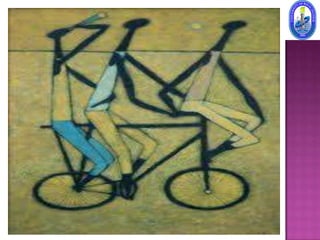
 the recent Cyclist paintings, Luz
 produced works that elevated
 Filipino aesthetic vision to new
 heights of sophisticated simplicity.
 By establishing the Luz Gallery that
 professionalized the art gallery as an
 institution and set a prestigious
 influence Arturo R. Luz, painter,
 sculptor, and designer for more than
 40 years, created over generations
 of Filipino artists, Luz inspired and
 developed      a    Filipino   artistic
 community that nurtures impeccable
 designs.
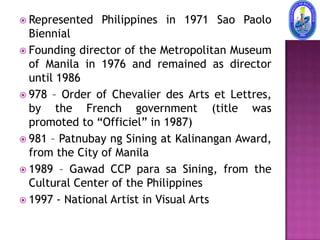
 Among  his other significant paintings
 are Bagong Taon, Vendador de
 Flores,Skipping Rope, Candle Vendors,
 Procession,      Self-Portrait,    Night
 Glows,Grand Finale, Cities of the Past,
 Imaginary Landscapes. His mural
 paintingBlack and White is displayed in
 the lobby of the CCP's Bulwagang
 Carlos V. Francisco (Little Theater). His
 sculpture of a stainless steel cube is
 located in front of the Benguet Mining
 Corporation Building in Pasig.
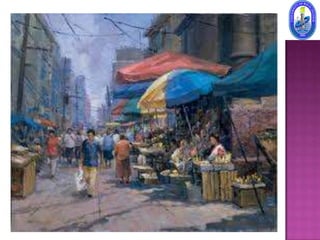
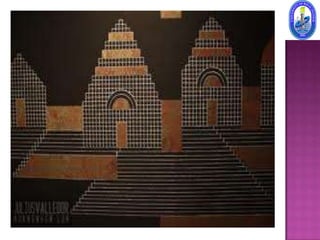
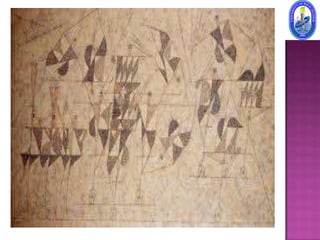
 Arturo  Luz has produced art pieces
 through a disciplined economy of
 means. His early drawings were
 described as "playful linear works"
 influenced by Paul Klee. His best
 masterpieces        are       minimalist,
 geometric abstracts, alluding to the
 modernist "virtues" of competence,
 order and elegance; and were further
 described as evoking universal reality
 and mirrors an aspiration for an acme of
 true Asian modernity.
   Bagong Taon
   Vendador de Flores
   Skipping Rope
   CandleVendors
   Procession
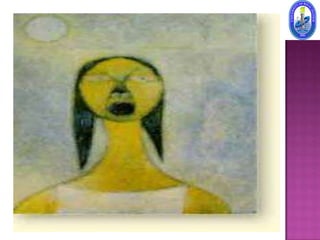
   Self-Portrait
   Night Glows
   Grand Finale
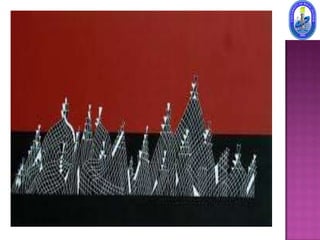
   Cities of the Past
   Imaginary Landscapes
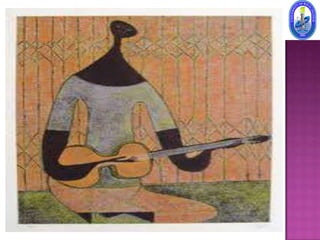
   Man with Guitar
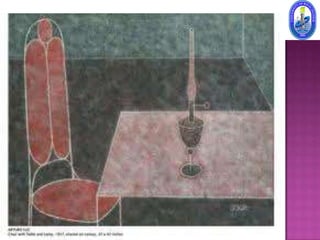
   Chair table ang lamp
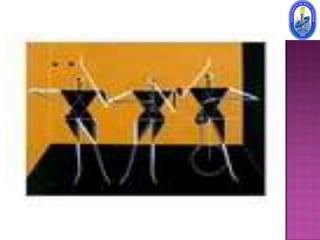
   Trio Performing
   Awit
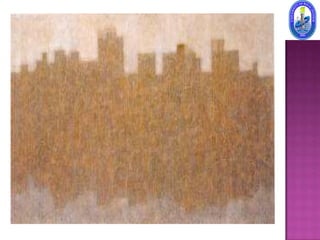
   City
 from     1950's to 1960's - Three 1st Prizes
    Awards at the (AAP) Art Association of the
    Philippines Annual Competition.

 California   Art Association award

 1962    – 1st Prize, First International Art Salon
    in Saigon, Vietnam

 1966    – Republic Cultural Heritage Award for
    Painting
 Represented   Philippines in 1971 Sao Paolo
  Biennial
 Founding director of the Metropolitan Museum
  of Manila in 1976 and remained as director
  until 1986
 978 – Order of Chevalier des Arts et Lettres,
  by the French government (title was
  promoted to “Officiel” in 1987)
 981 – Patnubay ng Sining at Kalinangan Award,
  from the City of Manila
 1989 – Gawad CCP para sa Sining, from the
  Cultural Center of the Philippines
 1997 - National Artist in Visual Arts
Arturo R. Luz
Arturo R. Luz
Arturo R. Luz
Arturo R. Luz
Arturo R. Luz
Arturo R. Luz
Arturo R. Luz
Arturo R. Luz
Arturo R. Luz
Arturo R. Luz
Arturo R. Luz

Arturo R. Luz

  • 1.
  • 2.
     Arturo RogerioLuz was born on Nov. 20, 1926, in Manila, He studied painting at the School of Fine Arts at the University of Santo Tomas in Manila, the Art School of the Brooklyn Museum in New York, and the Académie Grande Chaumière in Paris and received a diploma from the California College of Arts and Crafts in Oakland in 1994. He married artist Tessie Ojeda Luz.
  • 3.
     masterpieces that exemplify an ideal of sublime austerity in expression and form. From the Carnival series of the late 1950s to the recent Cyclist paintings, Luz produced works that elevated Filipino aesthetic vision to new heights of sophisticated simplicity.
  • 4.
     By establishingthe Luz Gallery that professionalized the art gallery as an institution and set a prestigious influence Arturo R. Luz, painter, sculptor, and designer for more than 40 years, created over generations of Filipino artists, Luz inspired and developed a Filipino artistic community that nurtures impeccable designs.
  • 5.
     Among his other significant paintings are Bagong Taon, Vendador de Flores,Skipping Rope, Candle Vendors, Procession, Self-Portrait, Night Glows,Grand Finale, Cities of the Past, Imaginary Landscapes. His mural paintingBlack and White is displayed in the lobby of the CCP's Bulwagang Carlos V. Francisco (Little Theater). His sculpture of a stainless steel cube is located in front of the Benguet Mining Corporation Building in Pasig.
  • 6.
     Arturo Luz has produced art pieces through a disciplined economy of means. His early drawings were described as "playful linear works" influenced by Paul Klee. His best masterpieces are minimalist, geometric abstracts, alluding to the modernist "virtues" of competence, order and elegance; and were further described as evoking universal reality and mirrors an aspiration for an acme of true Asian modernity.
  • 7.
    Bagong Taon  Vendador de Flores  Skipping Rope  CandleVendors  Procession  Self-Portrait  Night Glows  Grand Finale  Cities of the Past  Imaginary Landscapes  Man with Guitar  Chair table ang lamp  Trio Performing  Awit  City
  • 8.
     from 1950's to 1960's - Three 1st Prizes Awards at the (AAP) Art Association of the Philippines Annual Competition.   California Art Association award   1962 – 1st Prize, First International Art Salon in Saigon, Vietnam   1966 – Republic Cultural Heritage Award for Painting
  • 9.
     Represented Philippines in 1971 Sao Paolo Biennial  Founding director of the Metropolitan Museum of Manila in 1976 and remained as director until 1986  978 – Order of Chevalier des Arts et Lettres, by the French government (title was promoted to “Officiel” in 1987)  981 – Patnubay ng Sining at Kalinangan Award, from the City of Manila  1989 – Gawad CCP para sa Sining, from the Cultural Center of the Philippines  1997 - National Artist in Visual Arts