Elements of
Unit 7: Nonfiction
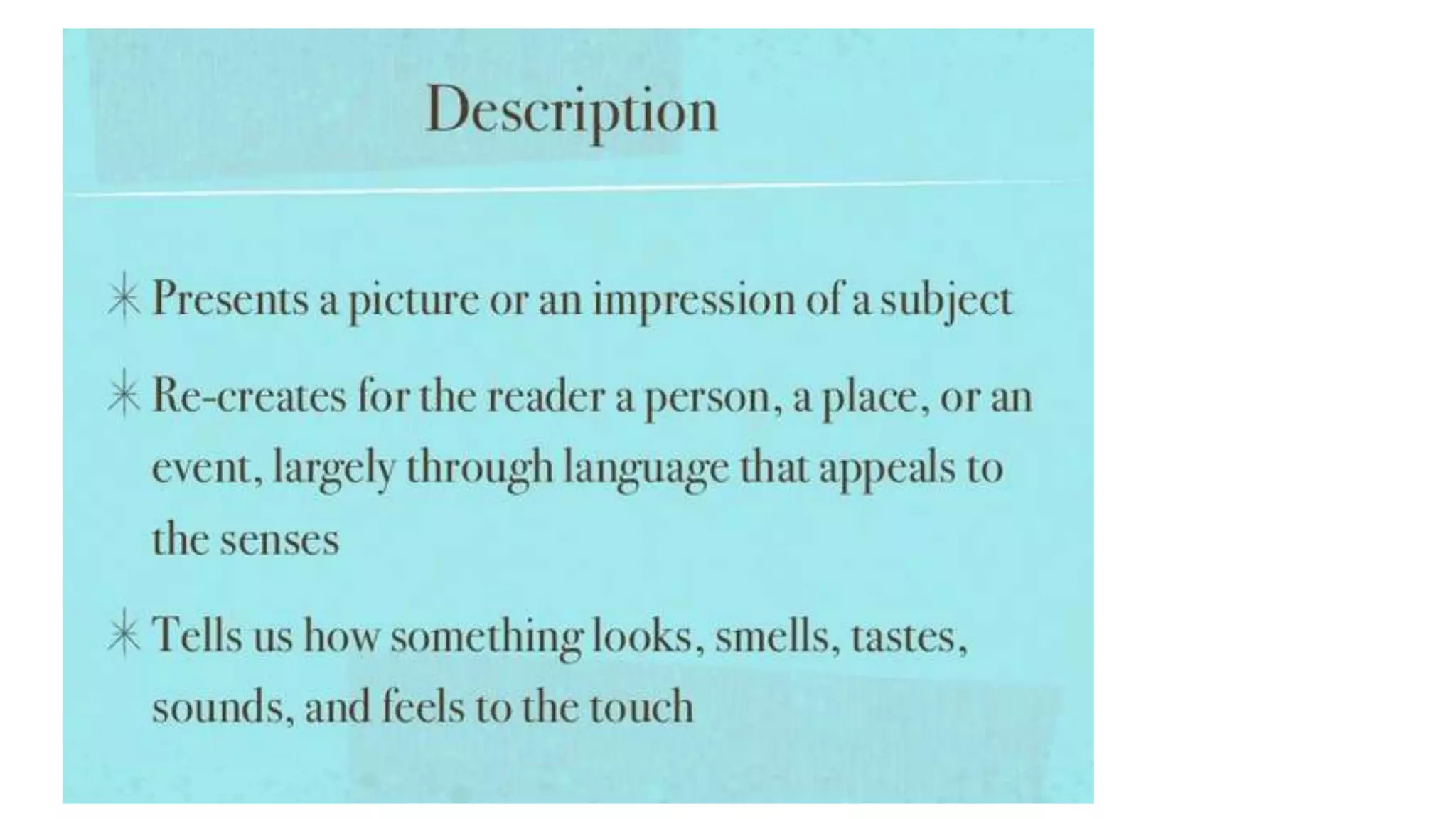
Nonfiction includes true stories about
real people, places, and experiences. It
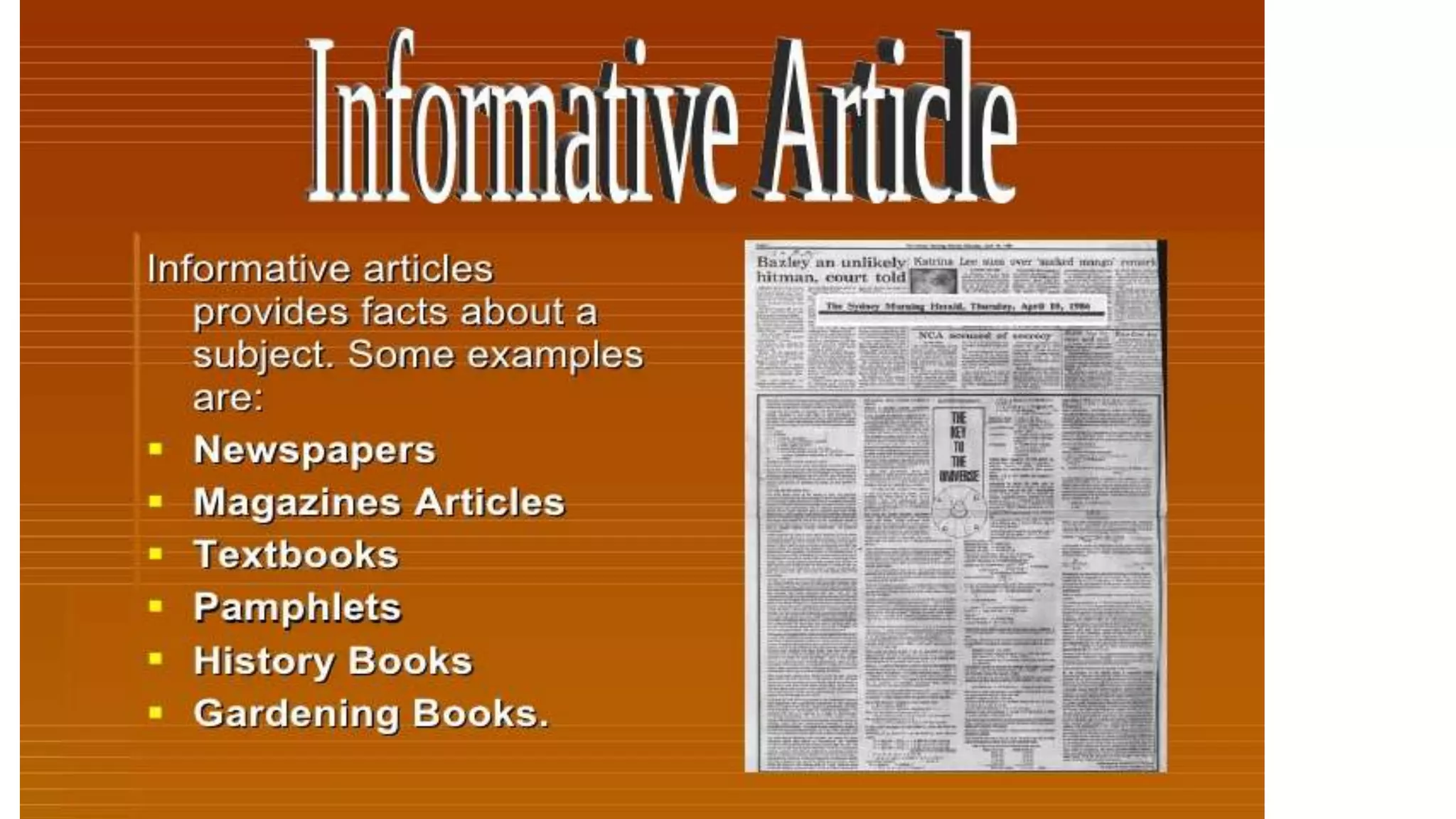
also includes practical writing that
informs you about something and
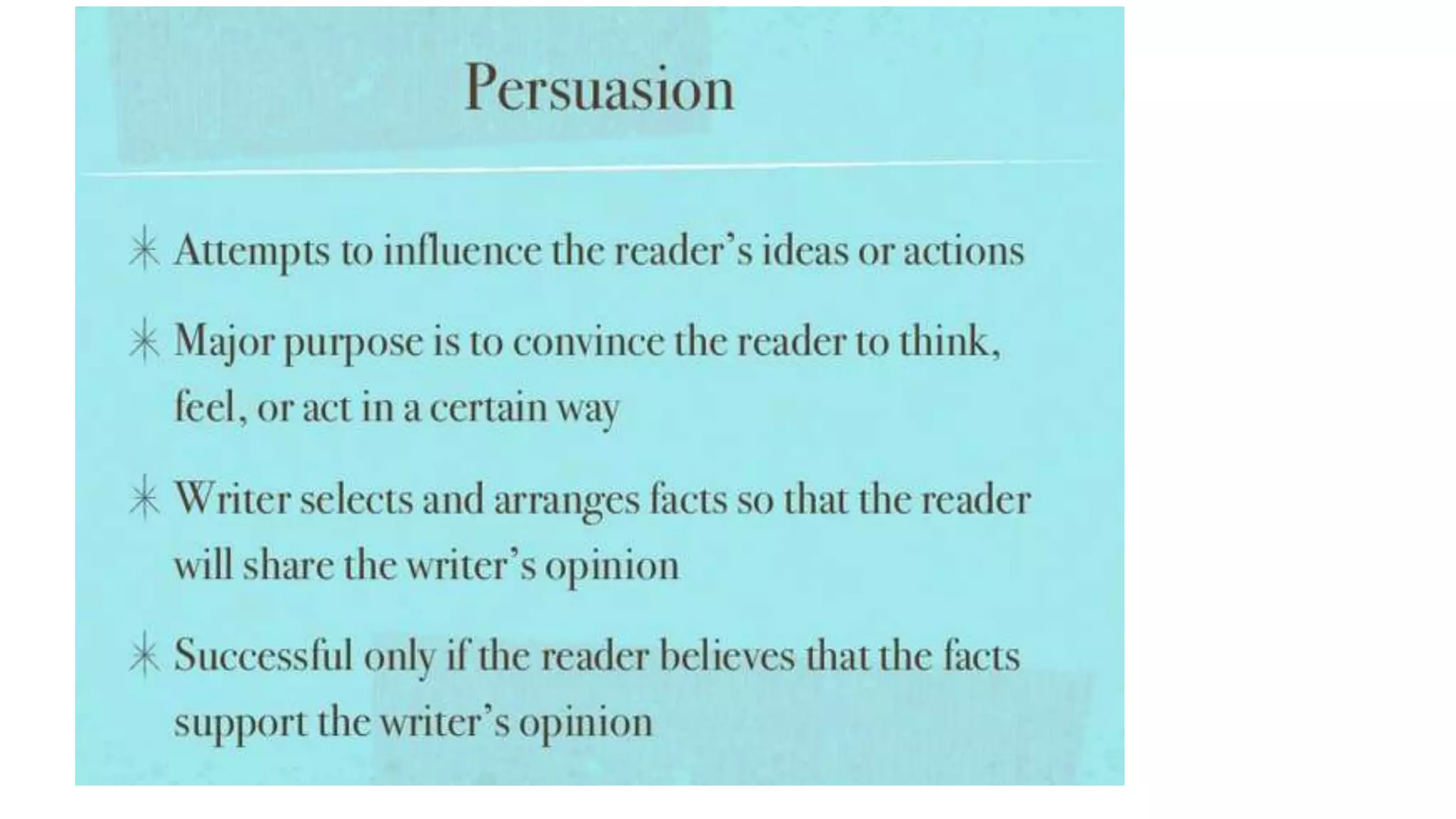
persuasive writing that urges you to
think or act in a certain way. Each of
the nonfiction selections in this unit in
some way reflects real life.
1. Maya Angelou: New Directions p.191
2. Rachel Carson: from Silent Spring p. 491

3. Carl Sandburg: from A Lincoln Preface p. 152
4. Sally Ride: "Single Room, Earth View“ p. 636
5. Jim Lovell and Jeffrey Kluger: From “Lost Moon: The Perilous Voyage of

Apollo 13 p. 1064
6. Rosa Parks w/Jim Haskins: from Rosa Parks: My Story p. 168
7. Martin Luther King, Jr.: from "I Have a Dream“ p. 164
8. Bill Gates: from “The Road Ahead” p. 446
9. Nelson Mandela: “Glory and Hope” p. 506
10. Bill Cosby: Go Deep Into the Sewer” p. 368
10 Questions which must be answered on each of the assigned
nonfiction selections from Gold.
1. Which category of nonfiction is this selection? Which point of view is used? Why?
2. What is the setting of this selection? (Time and place) Is it important/specific to this
selection?
3. Who is the main character of this selection/what is the main topic of this selection?
4. What kind of person is the main character? What seems to be his/her philosophy of
life?
If it is merely a topic, why is the author writing about this topic and what seems to be
his/her opinion of the topic?
5. Give a very brief synopsis of the selection within a few sentences.
6. Is this selection of historical significance?
7. What conflicts are found in this selection? Explain each.
8. Why was this selection written? Was it worthwhile?
9. What is the main theme of this selection? Were there any other reasons behind its
writing?
10. Did you like this selection? Explain why or why not.
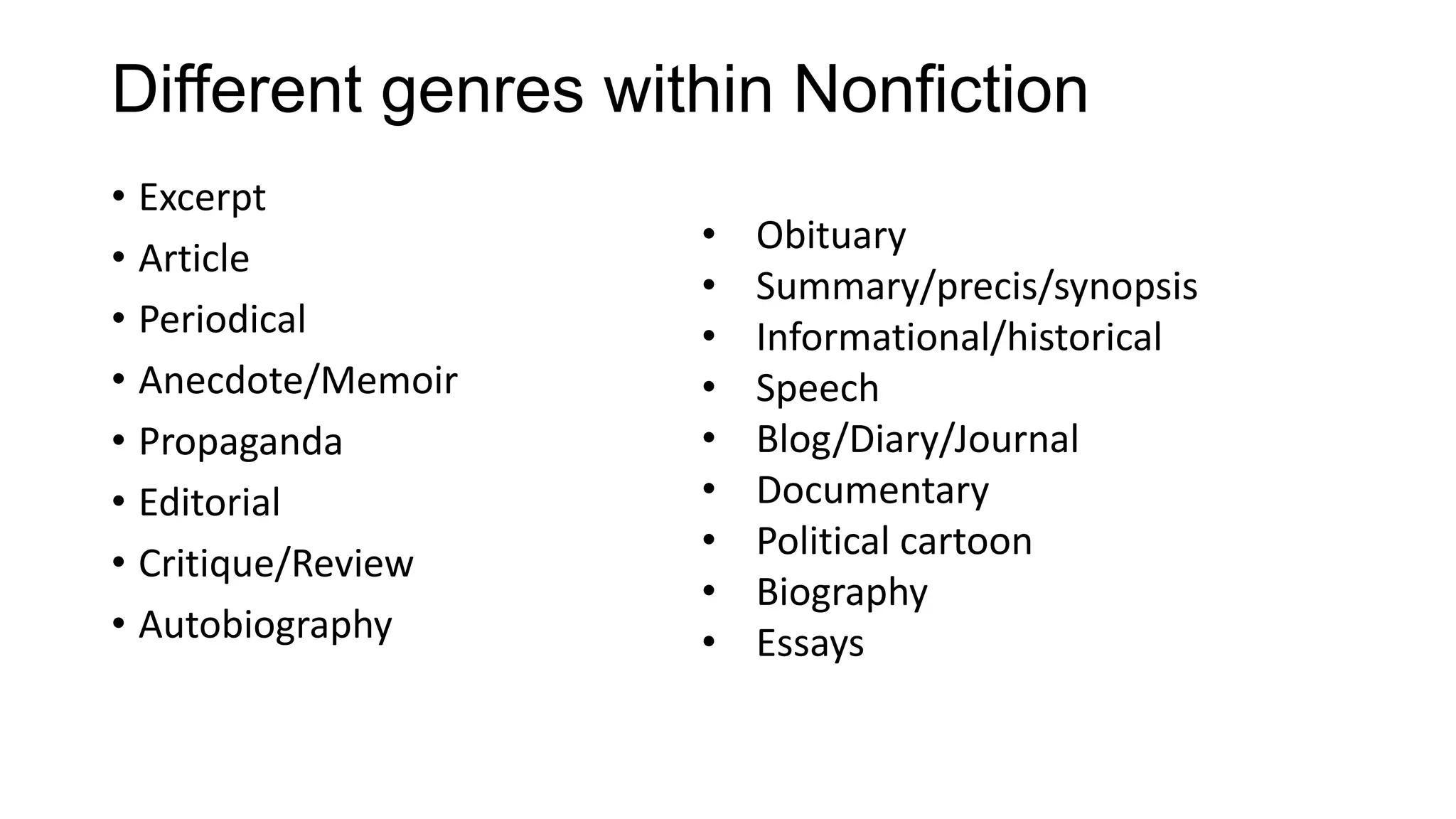
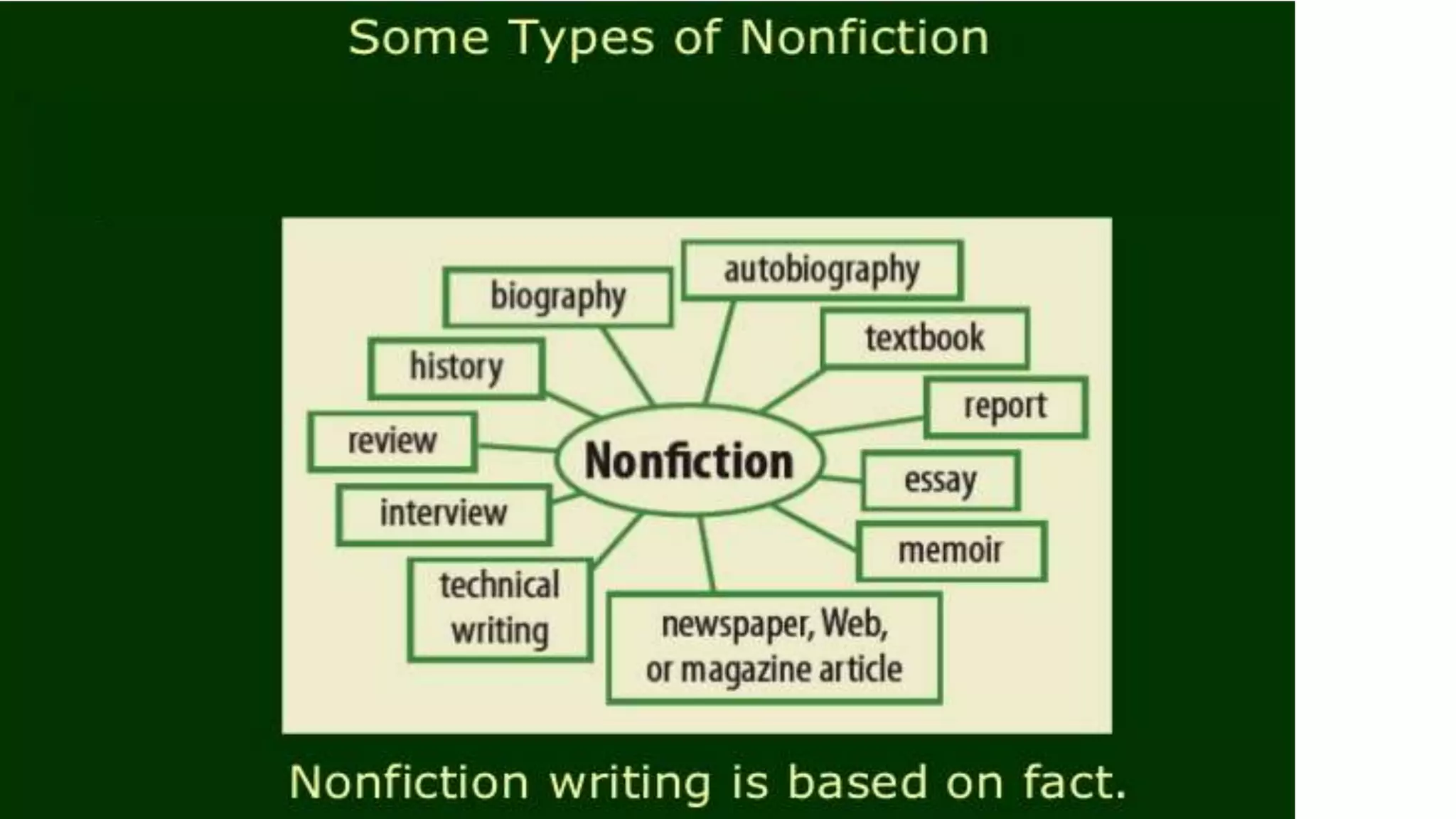
Different genres within Nonfiction
• Excerpt
• Article
• Periodical
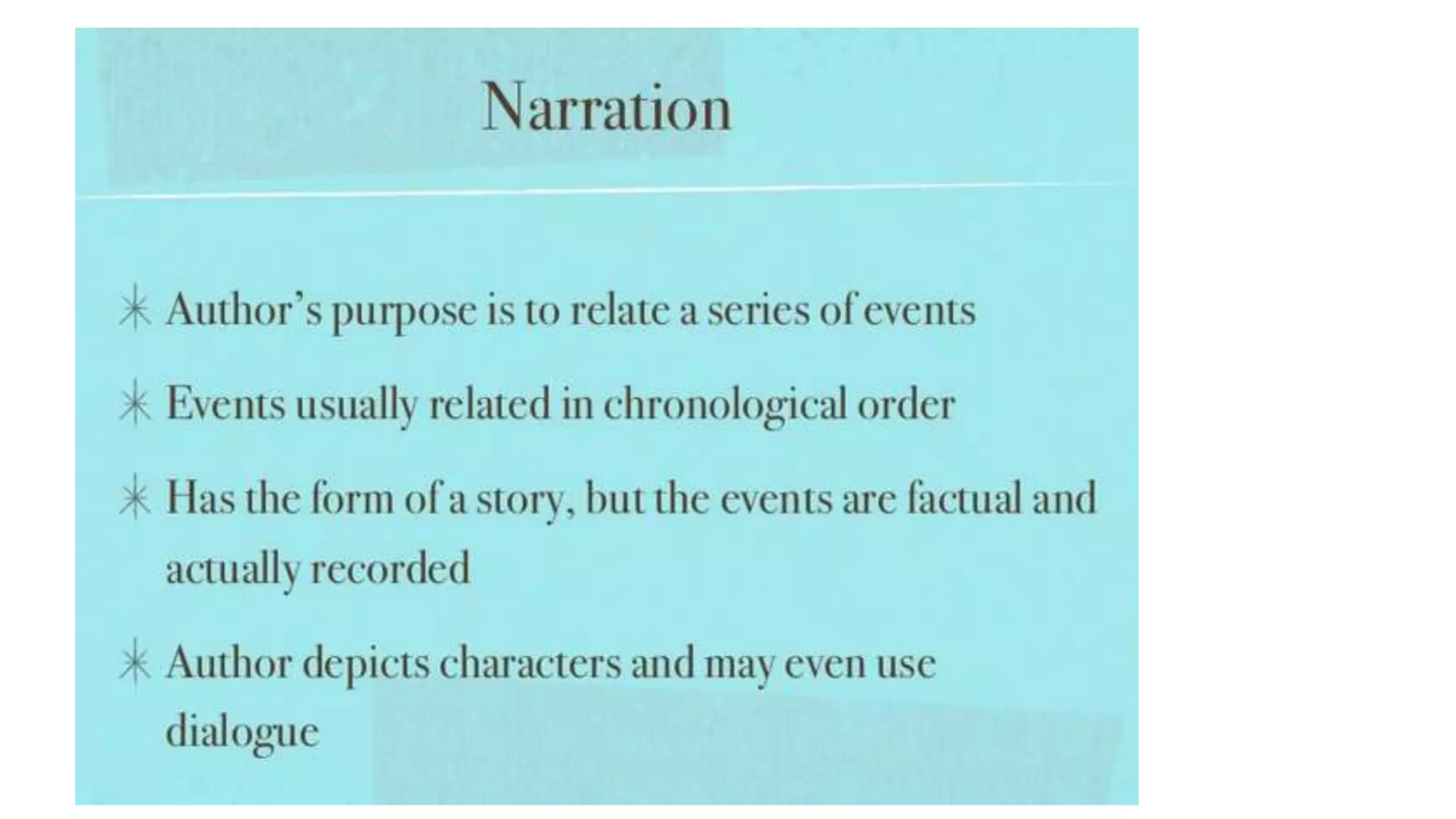
• Anecdote/Memoir
• Propaganda
• Editorial
• Critique/Review
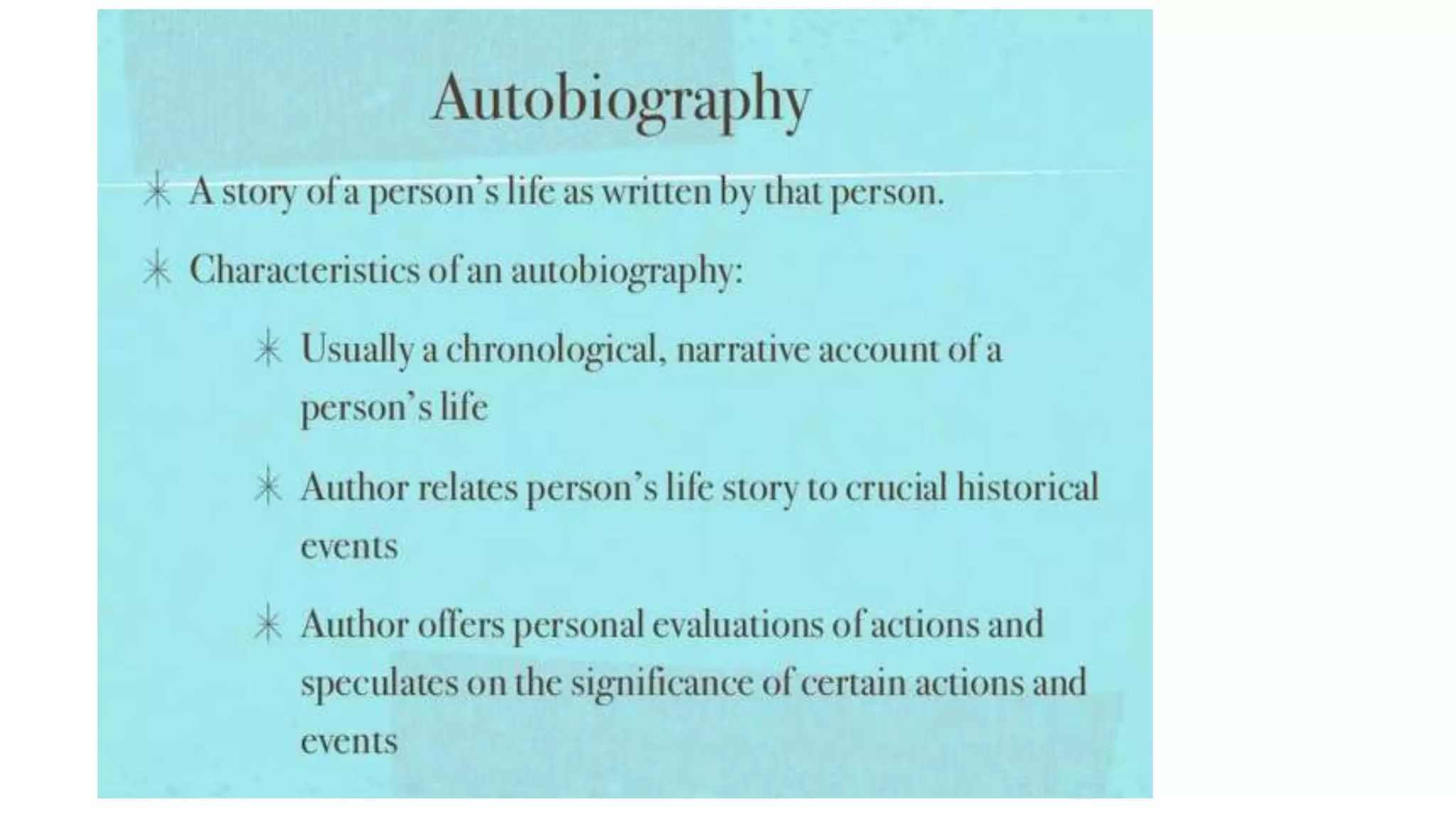
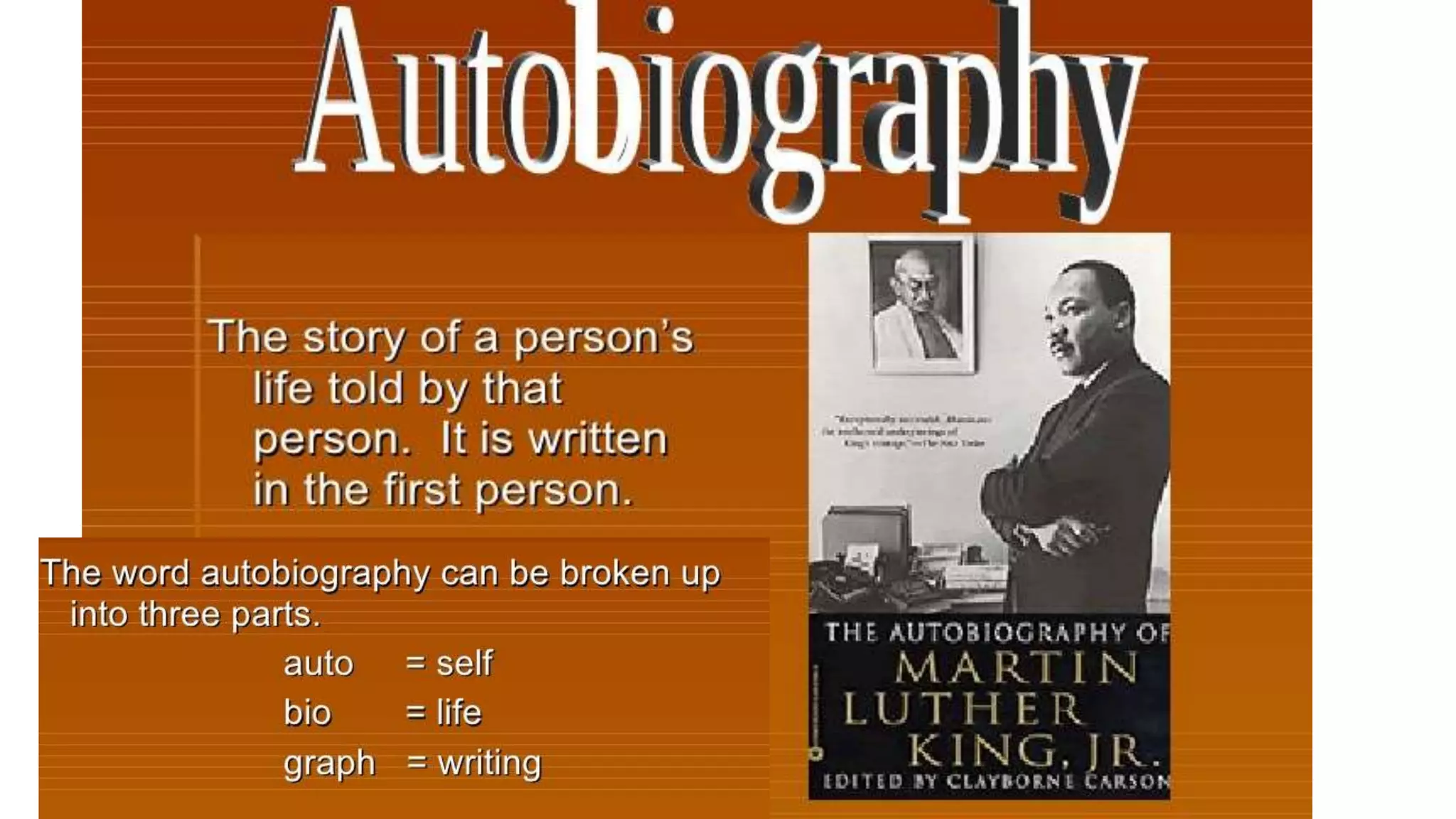
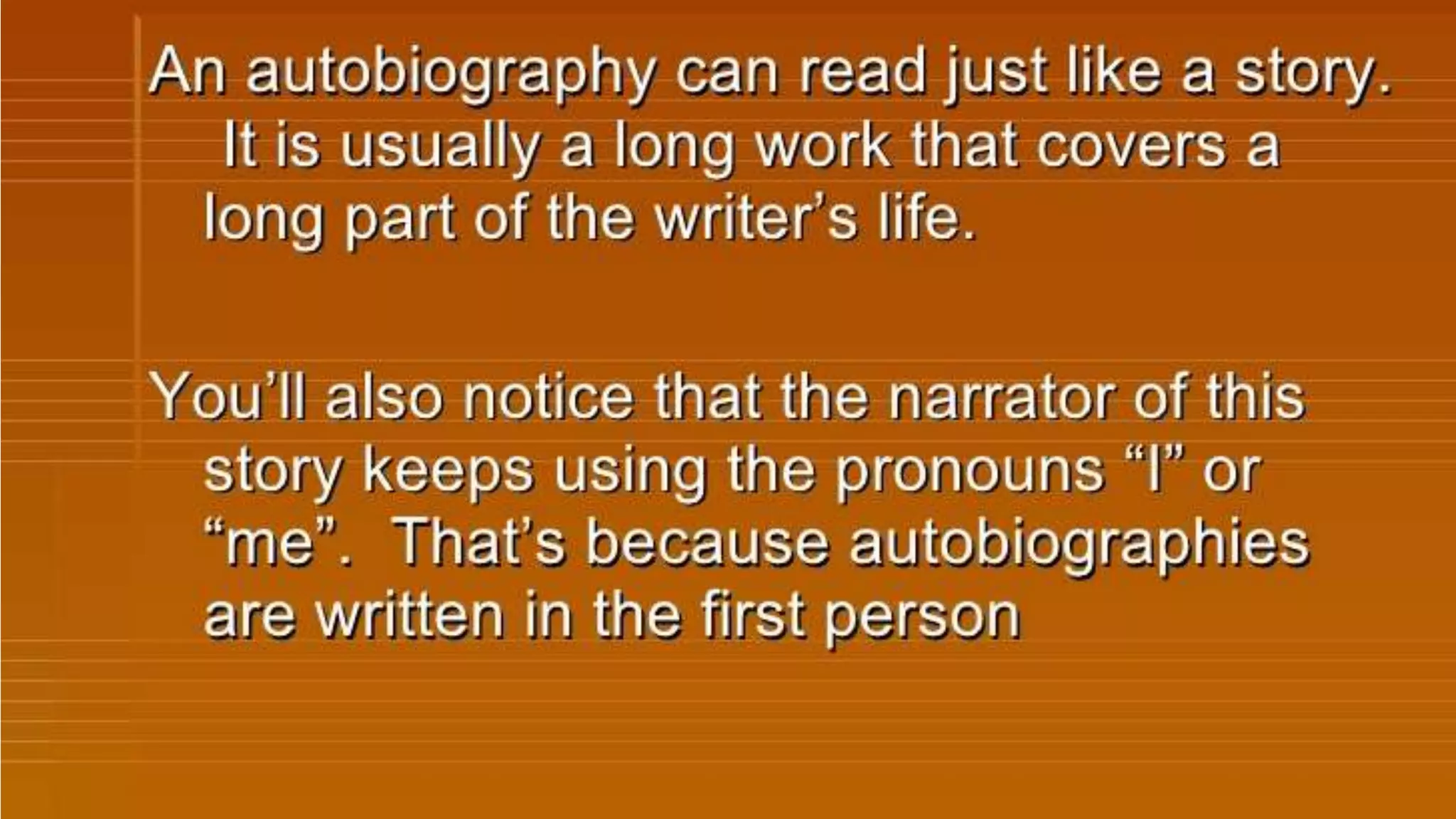
• Autobiography

•
•
•
•
•
•
•
•
•

Obituary
Summary/precis/synopsis
Informational/historical
Speech
Blog/Diary/Journal
Documentary
Political cartoon
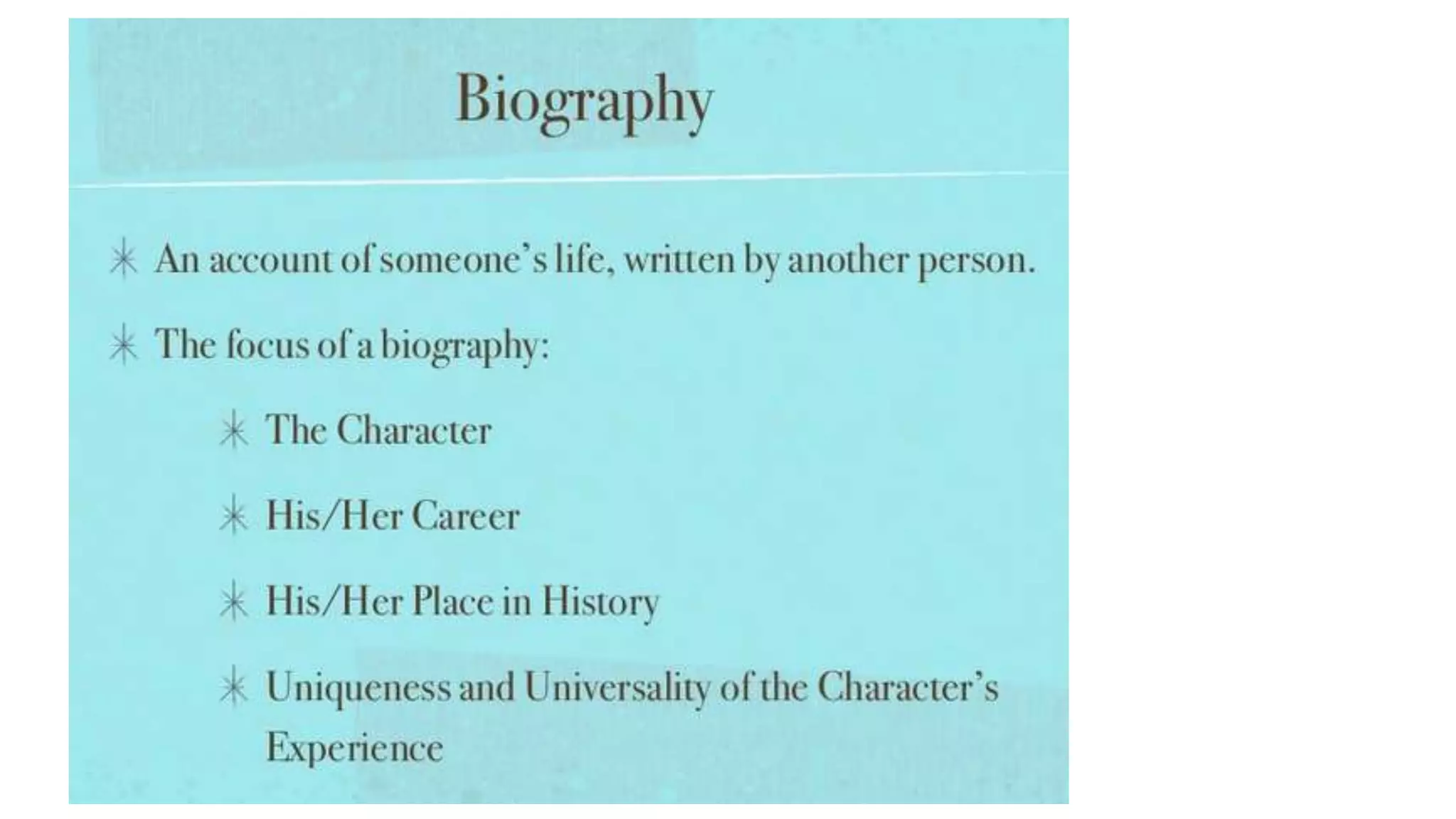
Biography
Essays
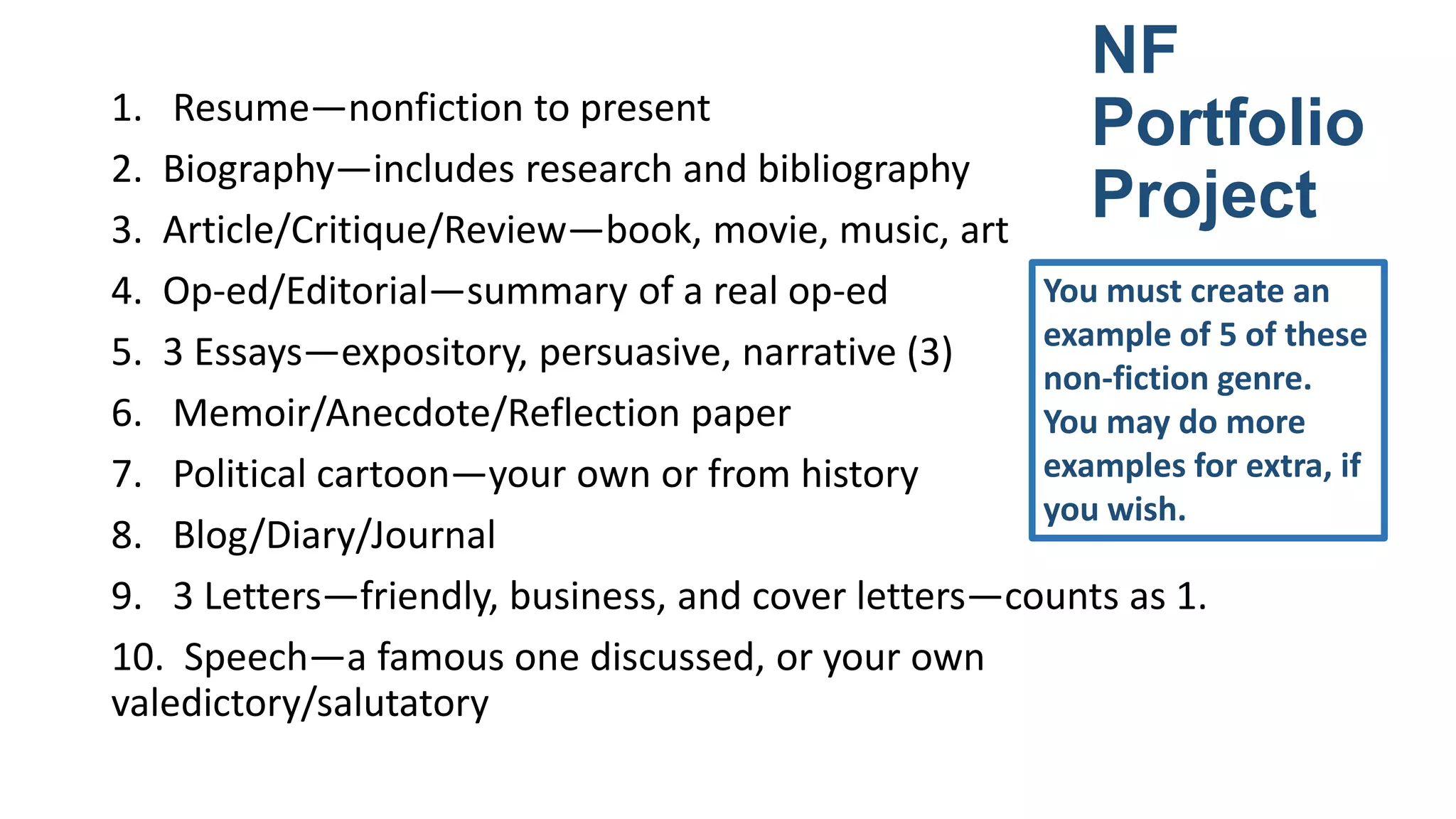
NF
Portfolio
Project

1. Resume—nonfiction to present
2. Biography—includes research and bibliography
3. Article/Critique/Review—book, movie, music, art
You must create an
4. Op-ed/Editorial—summary of a real op-ed
example of 5 of these
5. 3 Essays—expository, persuasive, narrative (3)
non-fiction genre.
6. Memoir/Anecdote/Reflection paper
You may do more
examples for extra, if
7. Political cartoon—your own or from history
you wish.
8. Blog/Diary/Journal
9. 3 Letters—friendly, business, and cover letters—counts as 1.
10. Speech—a famous one discussed, or your own
valedictory/salutatory
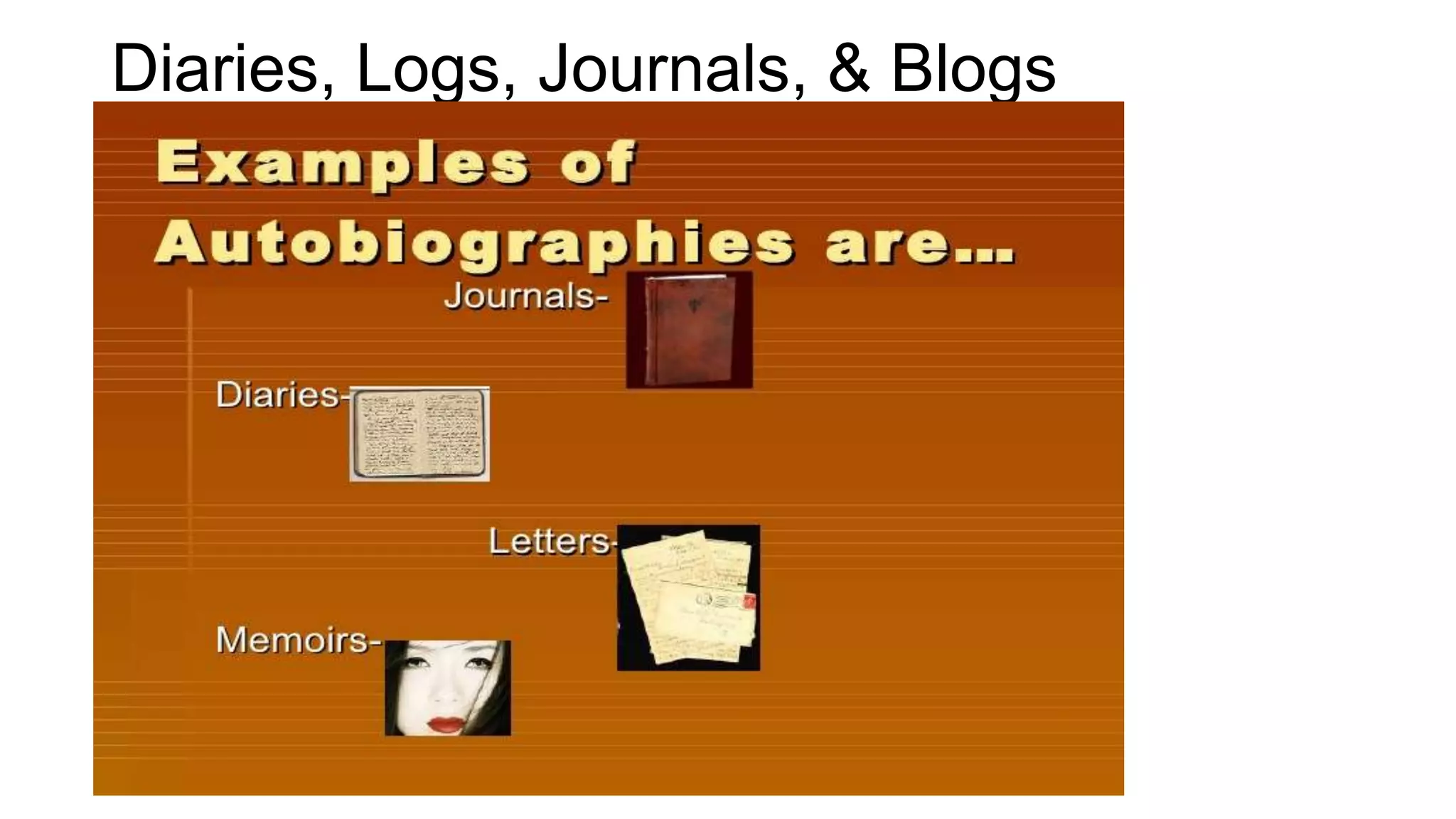
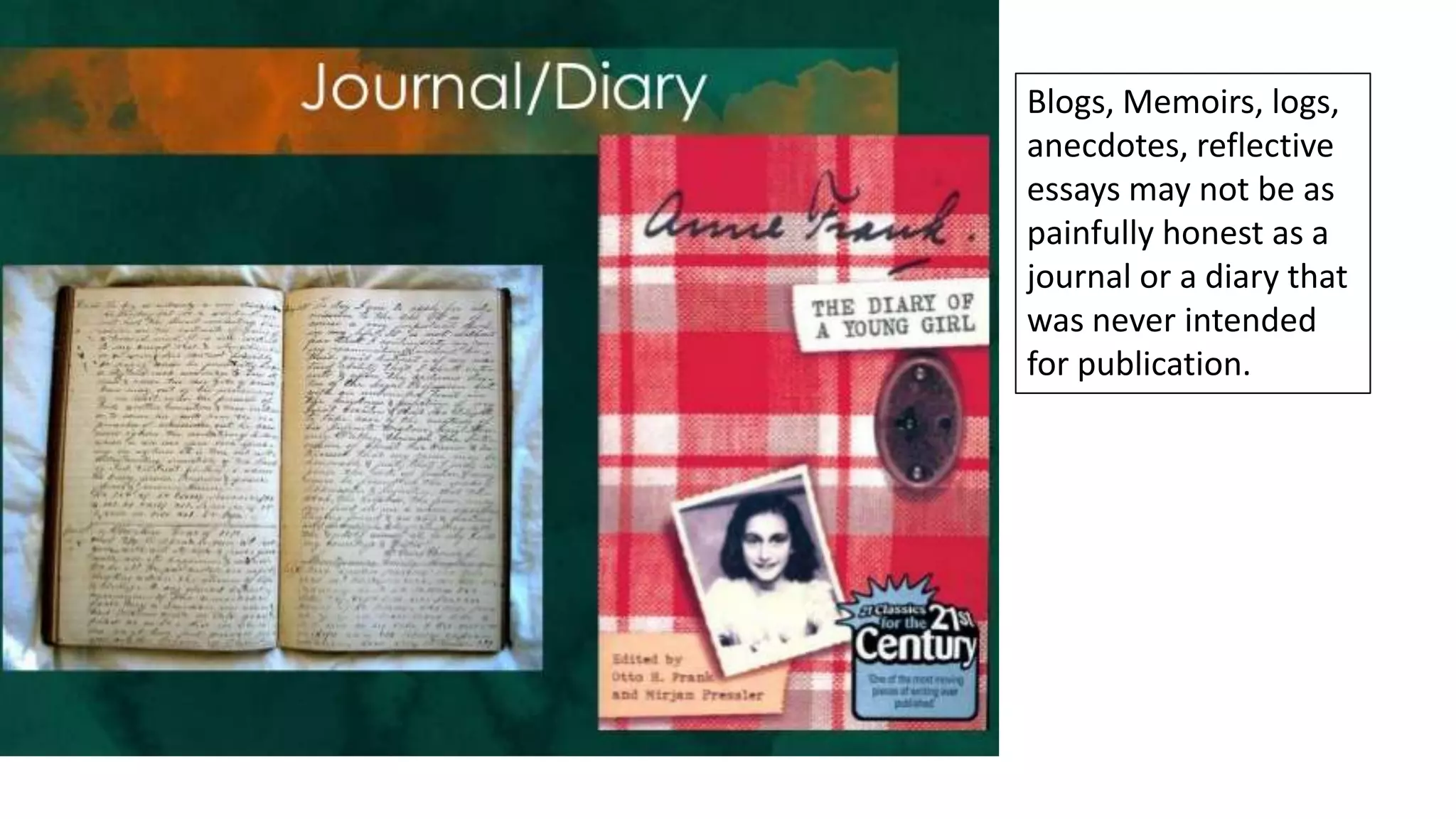
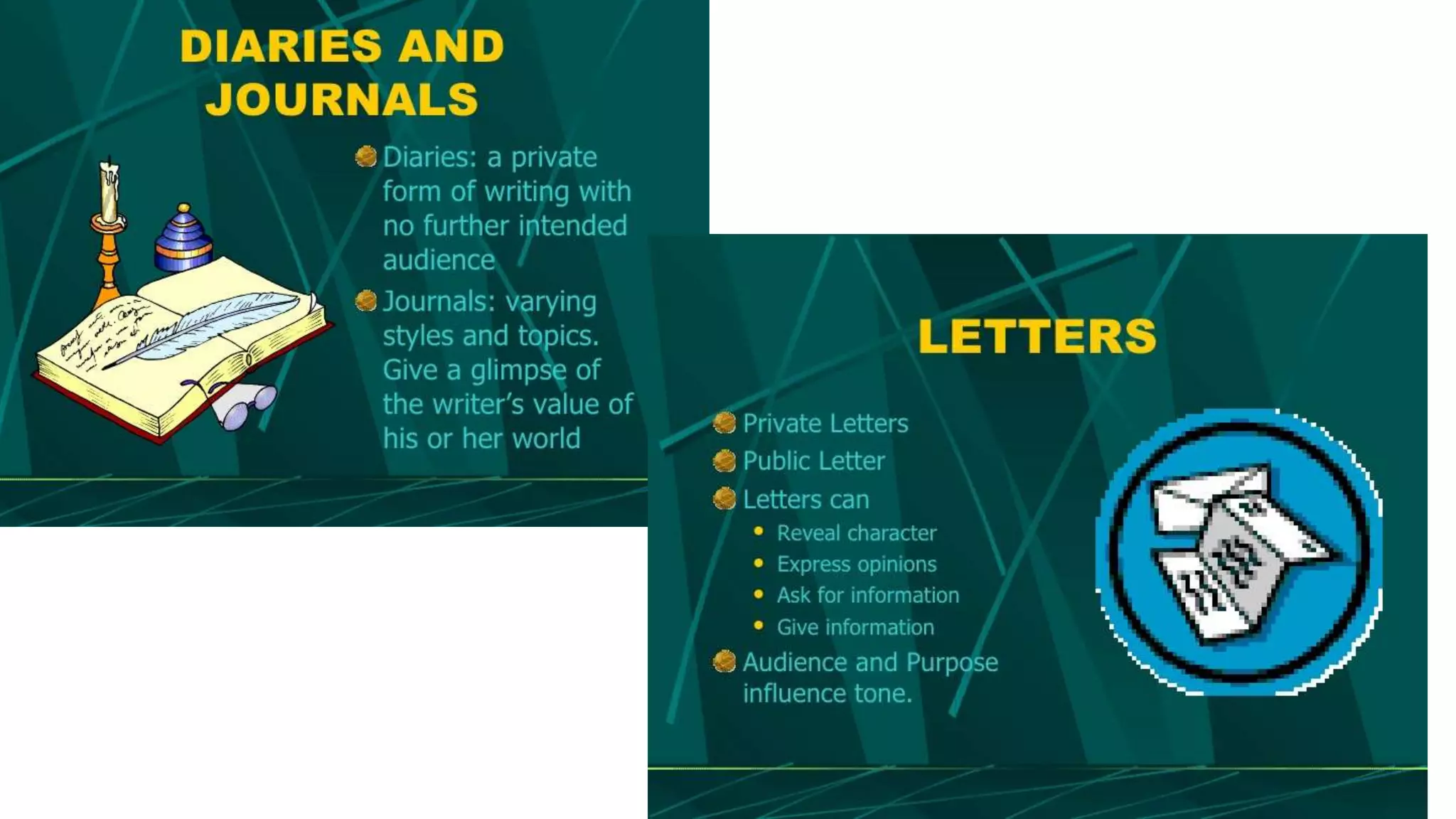
Diaries, Logs, Journals, & Blogs
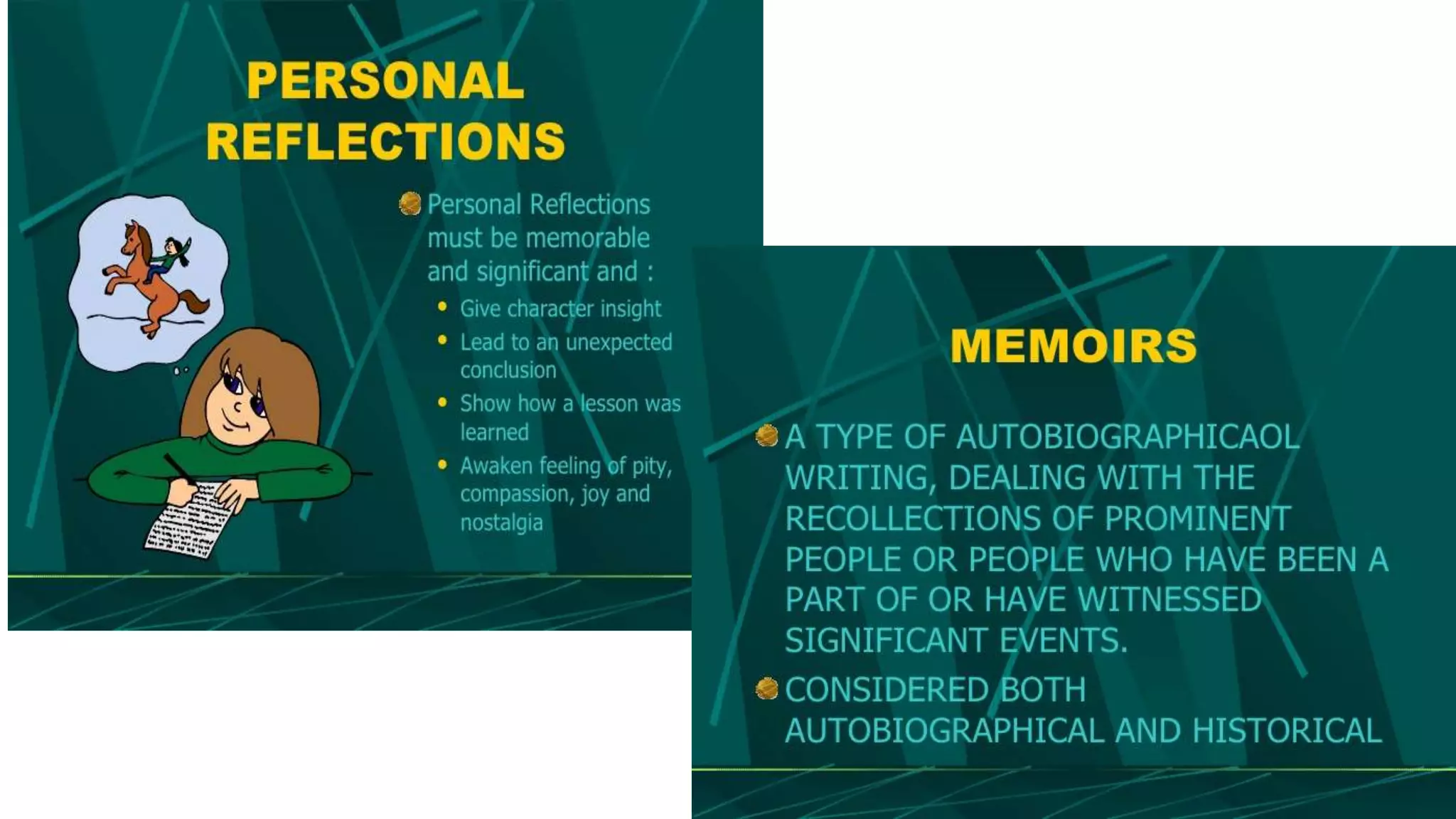
Blogs, Memoirs, logs,
anecdotes, reflective
essays may not be as
painfully honest as a
journal or a diary that
was never intended
for publication.
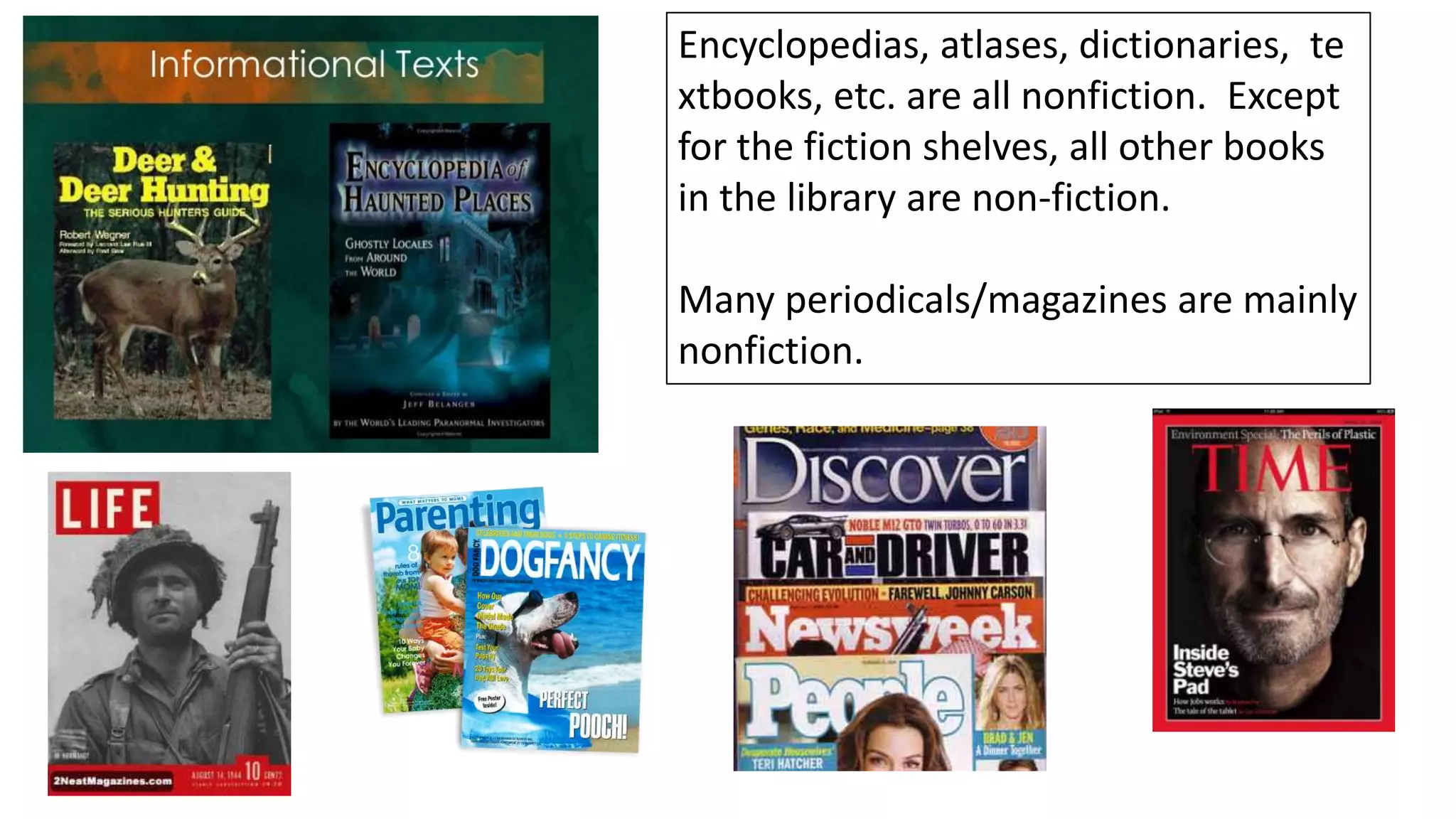
Encyclopedias, atlases, dictionaries, te
xtbooks, etc. are all nonfiction. Except
for the fiction shelves, all other books
in the library are non-fiction.
Many periodicals/magazines are mainly
nonfiction.
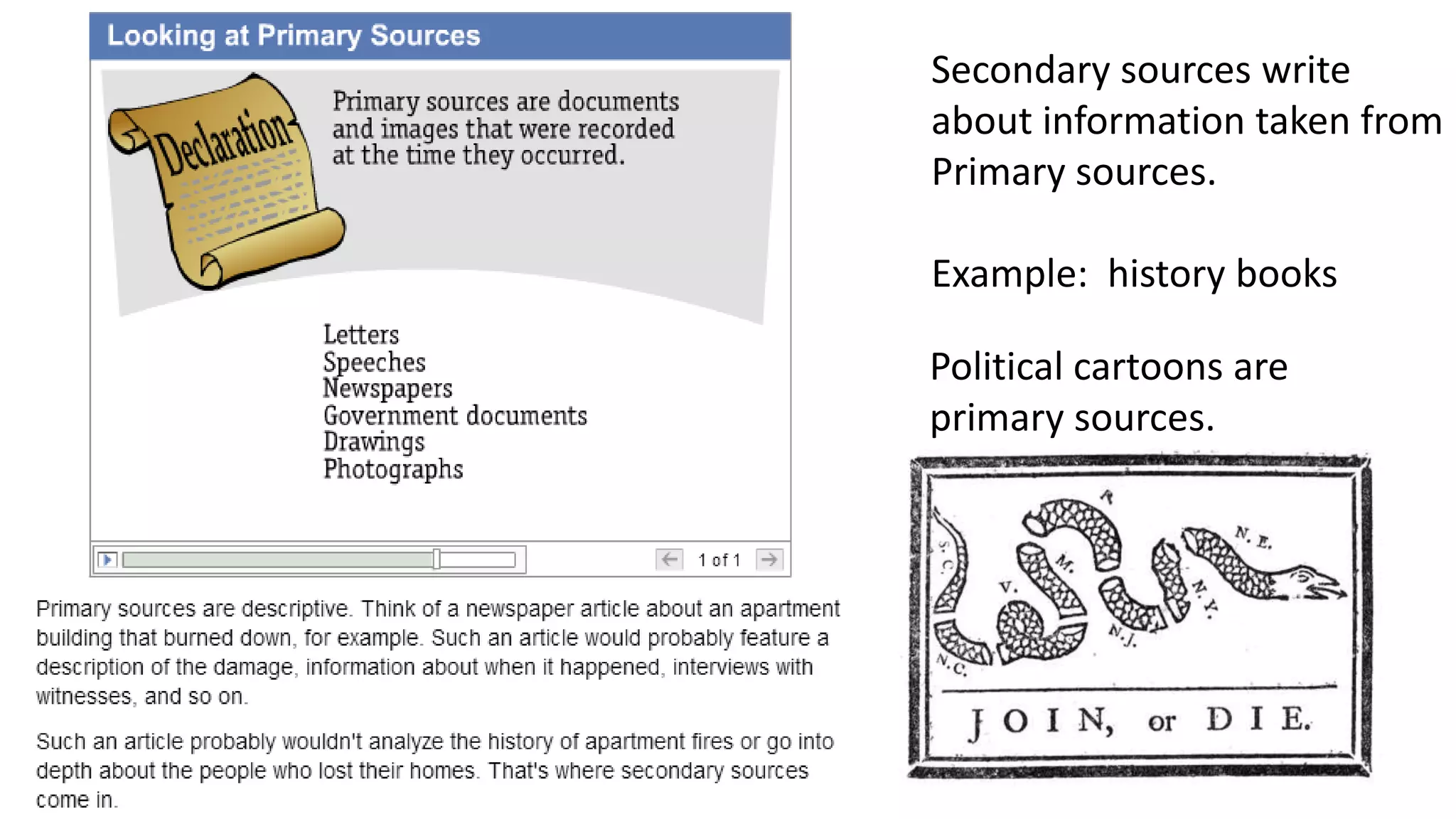
Secondary sources write
about information taken from
Primary sources.
Example: history books
Political cartoons are
primary sources.
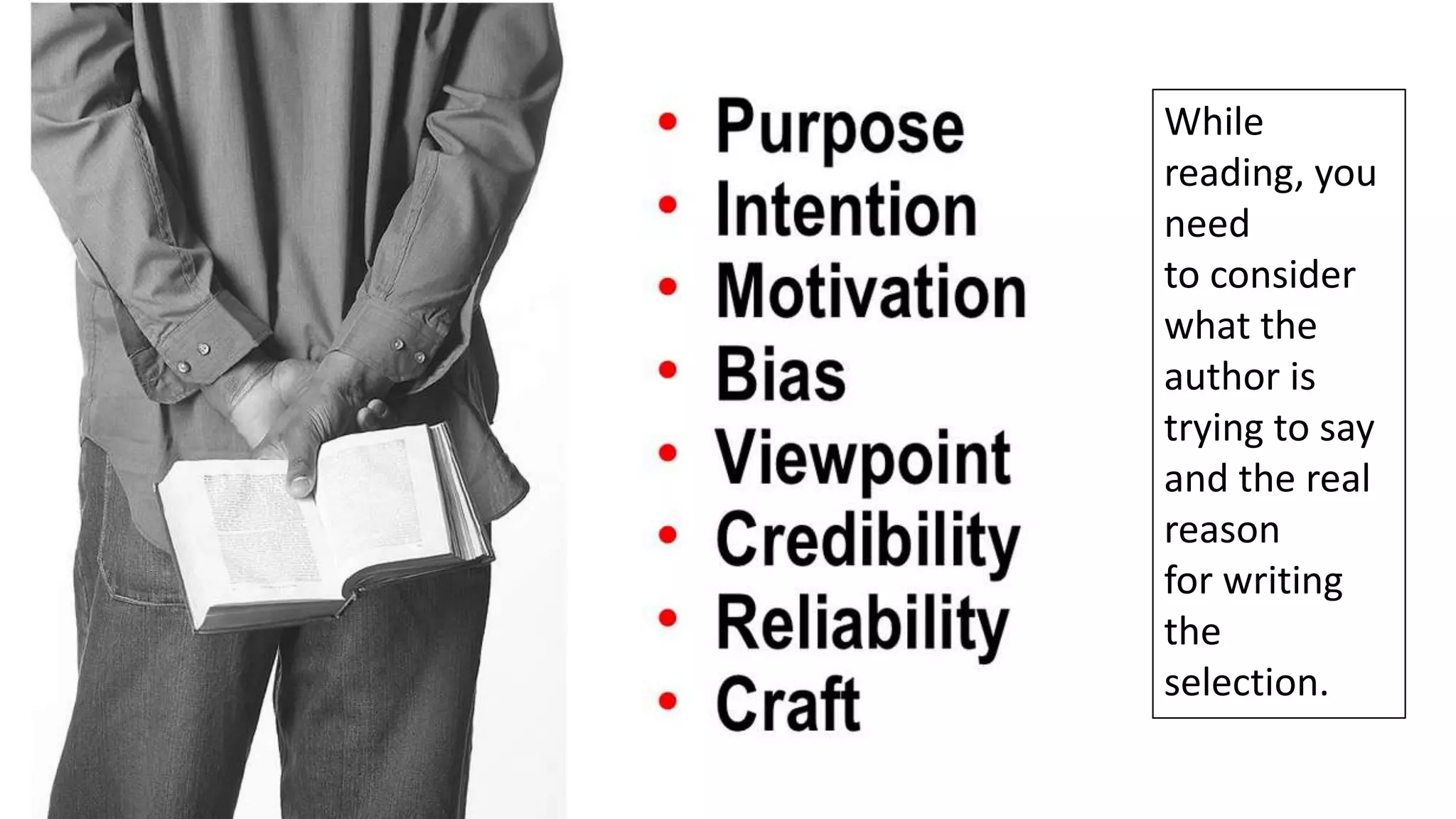
While
reading, you
need
to consider
what the
author is
trying to say
and the real
reason
for writing
the
selection.
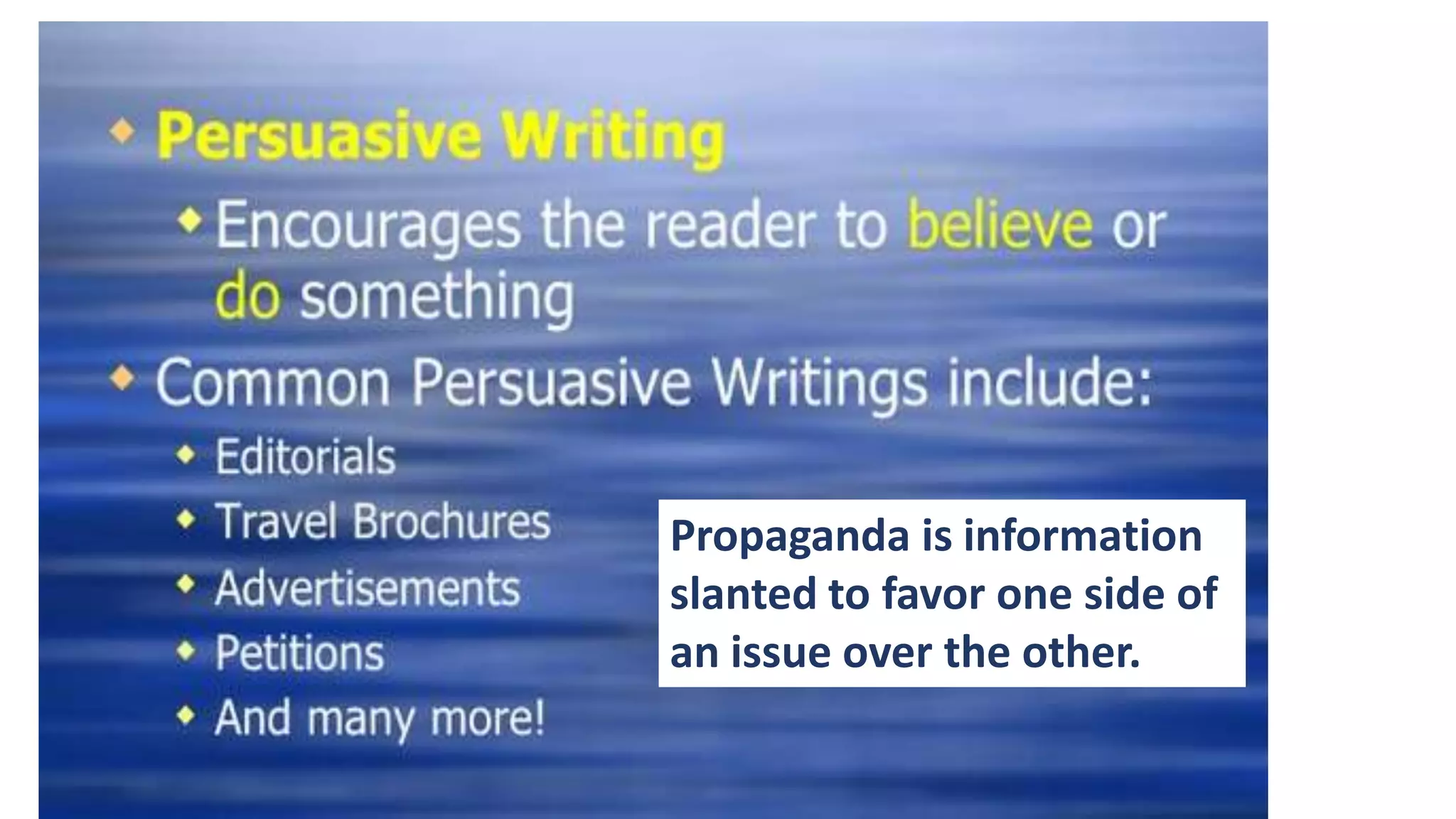
Propaganda is information
slanted to favor one side of
an issue over the other.
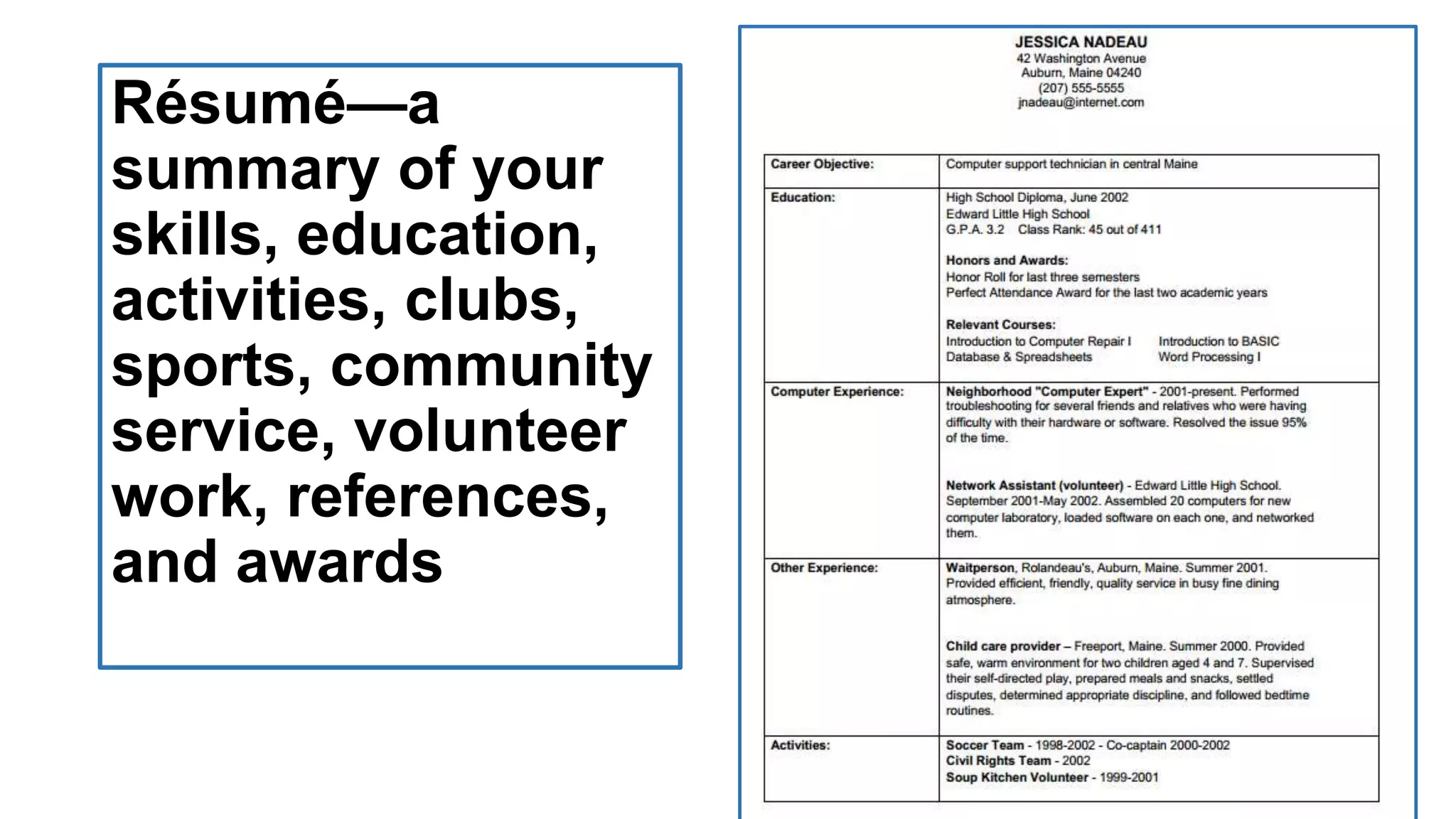
Résumé—a
summary of your
skills, education,
activities, clubs,
sports, community
service, volunteer
work, references,
and awards
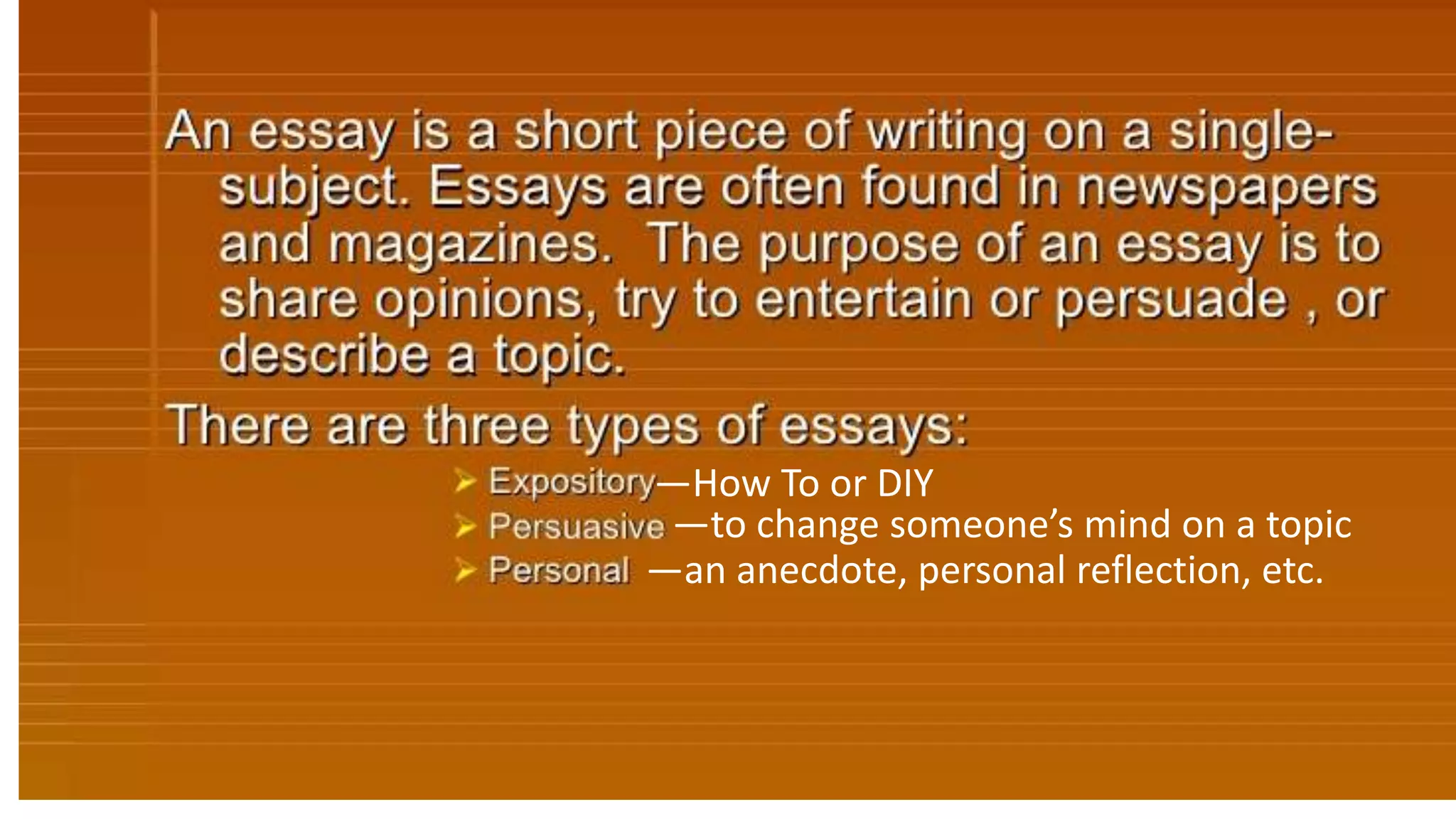
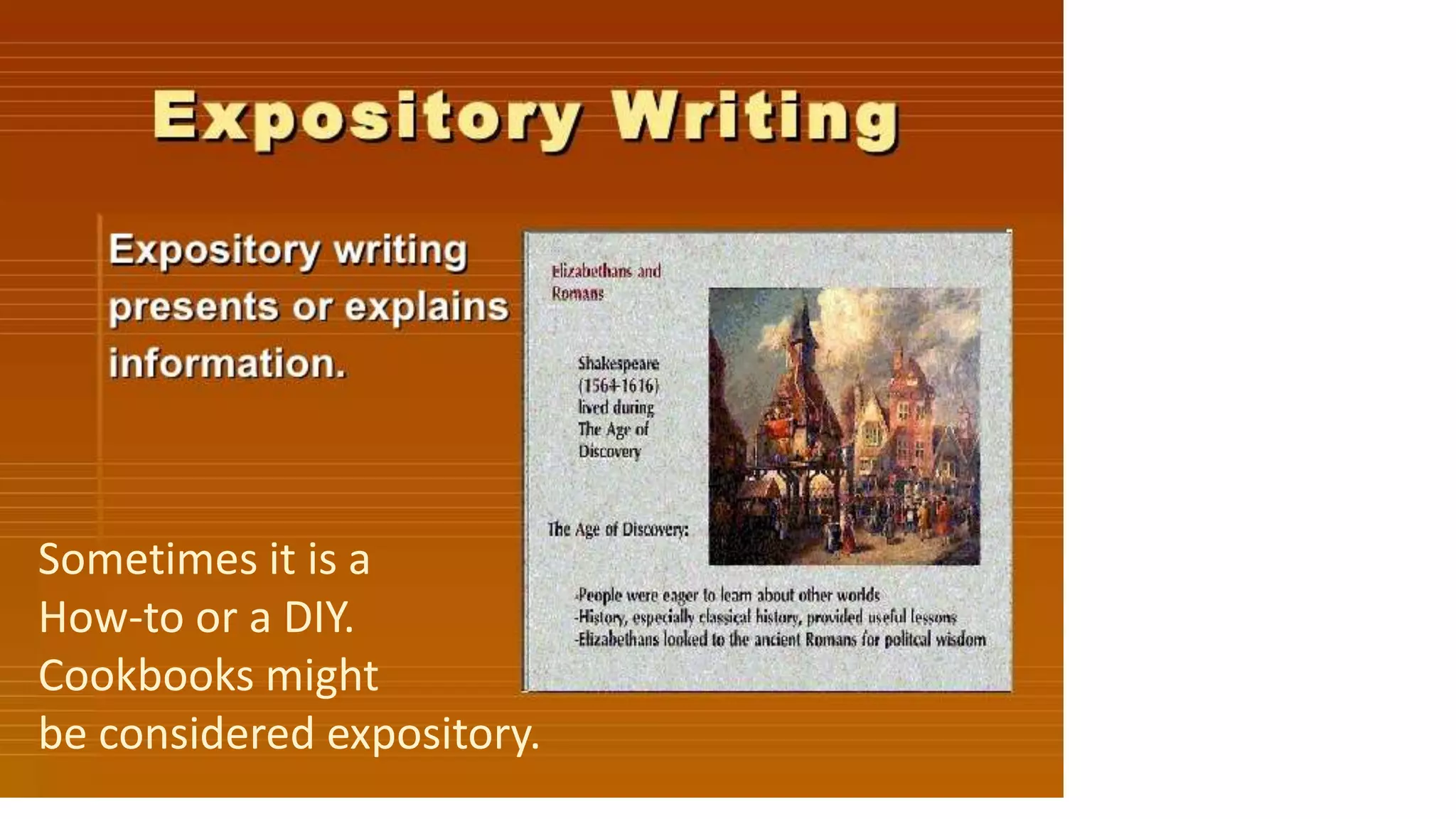
—How To or DIY
—to change someone’s mind on a topic
—an anecdote, personal reflection, etc.
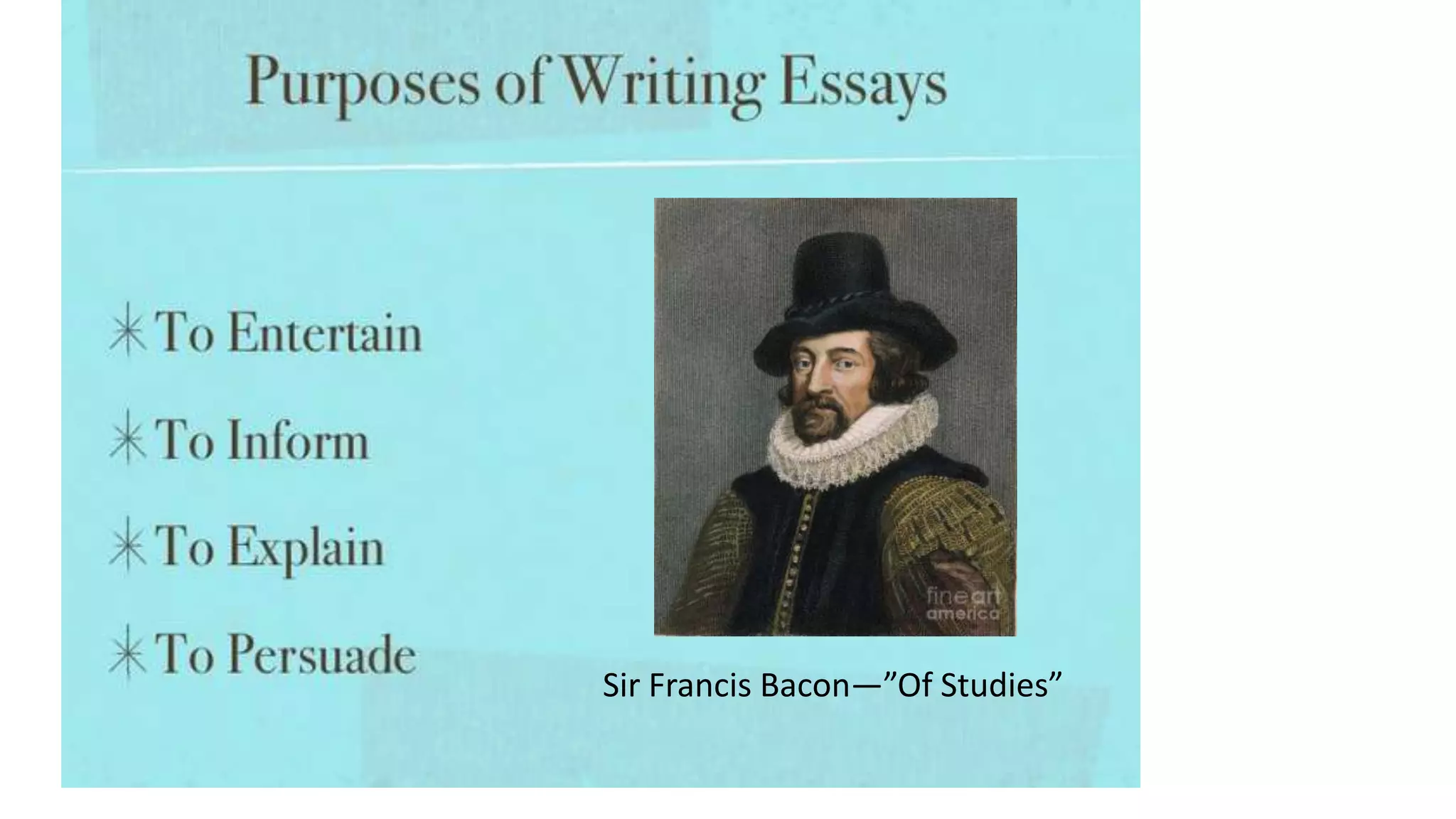
Sir Francis Bacon—”Of Studies”
Sometimes it is a
How-to or a DIY.
Cookbooks might
be considered expository.
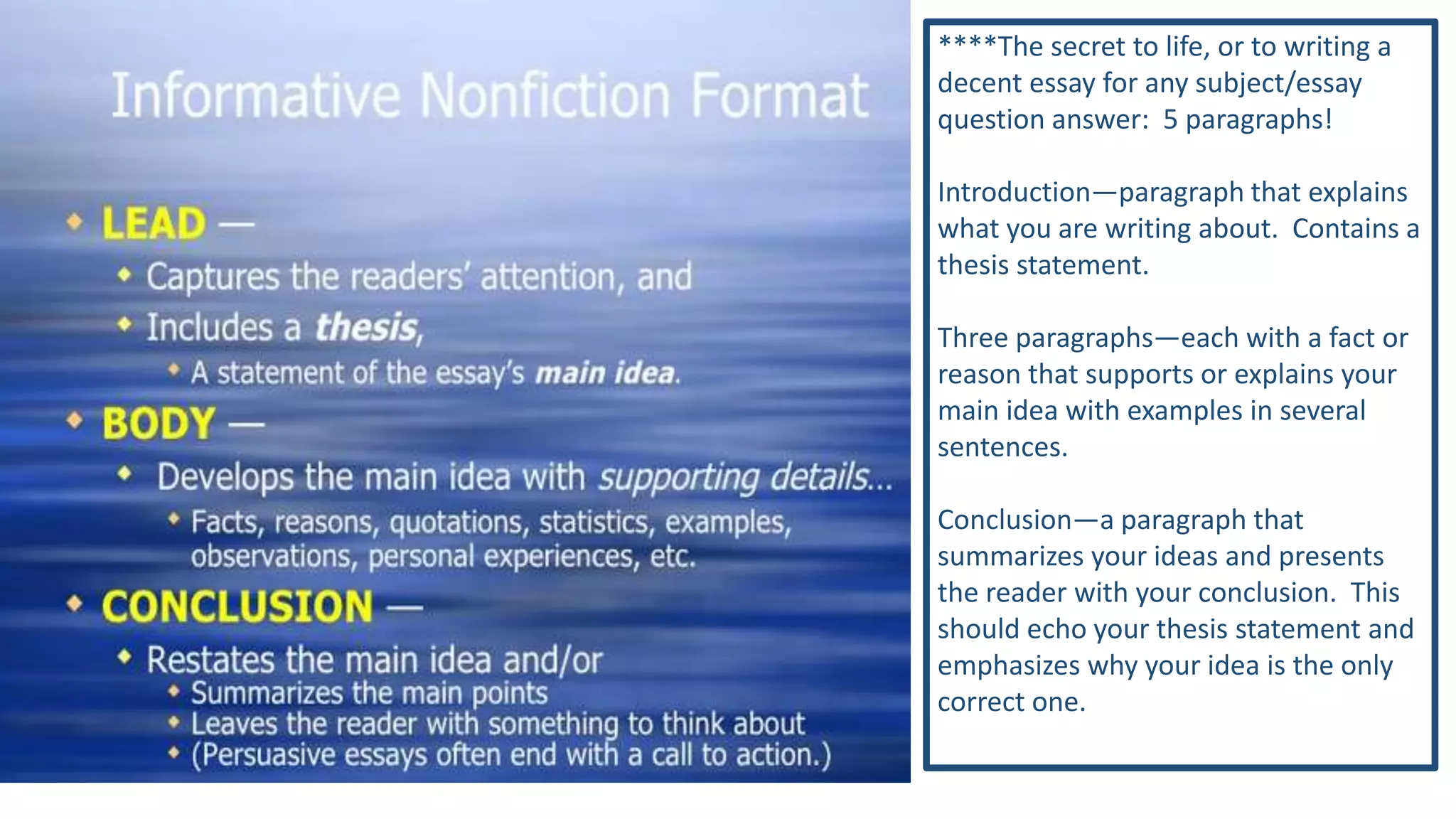
****The secret to life, or to writing a
decent essay for any subject/essay
question answer: 5 paragraphs!
Introduction—paragraph that explains
what you are writing about. Contains a
thesis statement.
Three paragraphs—each with a fact or
reason that supports or explains your
main idea with examples in several
sentences.
Conclusion—a paragraph that
summarizes your ideas and presents
the reader with your conclusion. This
should echo your thesis statement and
emphasizes why your idea is the only
correct one.
Elements of NonFiction

Elements of NonFiction

  • 1.
    Elements of Unit 7:Nonfiction Nonfiction includes true stories about real people, places, and experiences. It also includes practical writing that informs you about something and persuasive writing that urges you to think or act in a certain way. Each of the nonfiction selections in this unit in some way reflects real life.
  • 2.
    1. Maya Angelou:New Directions p.191 2. Rachel Carson: from Silent Spring p. 491 3. Carl Sandburg: from A Lincoln Preface p. 152 4. Sally Ride: "Single Room, Earth View“ p. 636 5. Jim Lovell and Jeffrey Kluger: From “Lost Moon: The Perilous Voyage of Apollo 13 p. 1064 6. Rosa Parks w/Jim Haskins: from Rosa Parks: My Story p. 168 7. Martin Luther King, Jr.: from "I Have a Dream“ p. 164 8. Bill Gates: from “The Road Ahead” p. 446 9. Nelson Mandela: “Glory and Hope” p. 506 10. Bill Cosby: Go Deep Into the Sewer” p. 368
  • 3.
    10 Questions whichmust be answered on each of the assigned nonfiction selections from Gold. 1. Which category of nonfiction is this selection? Which point of view is used? Why? 2. What is the setting of this selection? (Time and place) Is it important/specific to this selection? 3. Who is the main character of this selection/what is the main topic of this selection? 4. What kind of person is the main character? What seems to be his/her philosophy of life? If it is merely a topic, why is the author writing about this topic and what seems to be his/her opinion of the topic? 5. Give a very brief synopsis of the selection within a few sentences. 6. Is this selection of historical significance? 7. What conflicts are found in this selection? Explain each. 8. Why was this selection written? Was it worthwhile? 9. What is the main theme of this selection? Were there any other reasons behind its writing? 10. Did you like this selection? Explain why or why not.
  • 5.
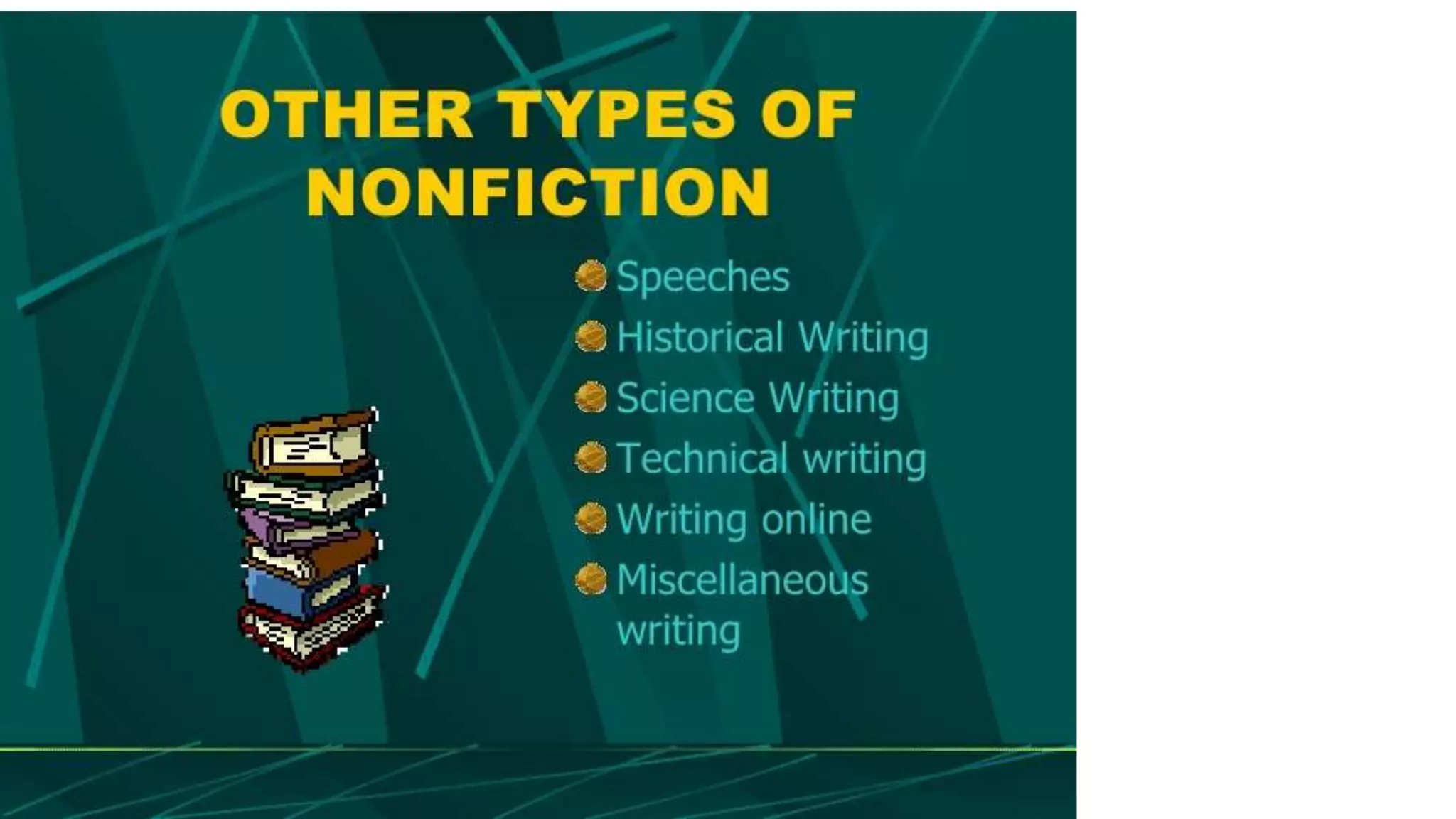
    Different genres withinNonfiction • Excerpt • Article • Periodical • Anecdote/Memoir • Propaganda • Editorial • Critique/Review • Autobiography • • • • • • • • • Obituary Summary/precis/synopsis Informational/historical Speech Blog/Diary/Journal Documentary Political cartoon Biography Essays
  • 6.
    NF Portfolio Project 1. Resume—nonfiction topresent 2. Biography—includes research and bibliography 3. Article/Critique/Review—book, movie, music, art You must create an 4. Op-ed/Editorial—summary of a real op-ed example of 5 of these 5. 3 Essays—expository, persuasive, narrative (3) non-fiction genre. 6. Memoir/Anecdote/Reflection paper You may do more examples for extra, if 7. Political cartoon—your own or from history you wish. 8. Blog/Diary/Journal 9. 3 Letters—friendly, business, and cover letters—counts as 1. 10. Speech—a famous one discussed, or your own valedictory/salutatory
  • 15.
  • 22.
    Blogs, Memoirs, logs, anecdotes,reflective essays may not be as painfully honest as a journal or a diary that was never intended for publication.
  • 23.
    Encyclopedias, atlases, dictionaries,te xtbooks, etc. are all nonfiction. Except for the fiction shelves, all other books in the library are non-fiction. Many periodicals/magazines are mainly nonfiction.
  • 24.
    Secondary sources write aboutinformation taken from Primary sources. Example: history books Political cartoons are primary sources.
  • 26.
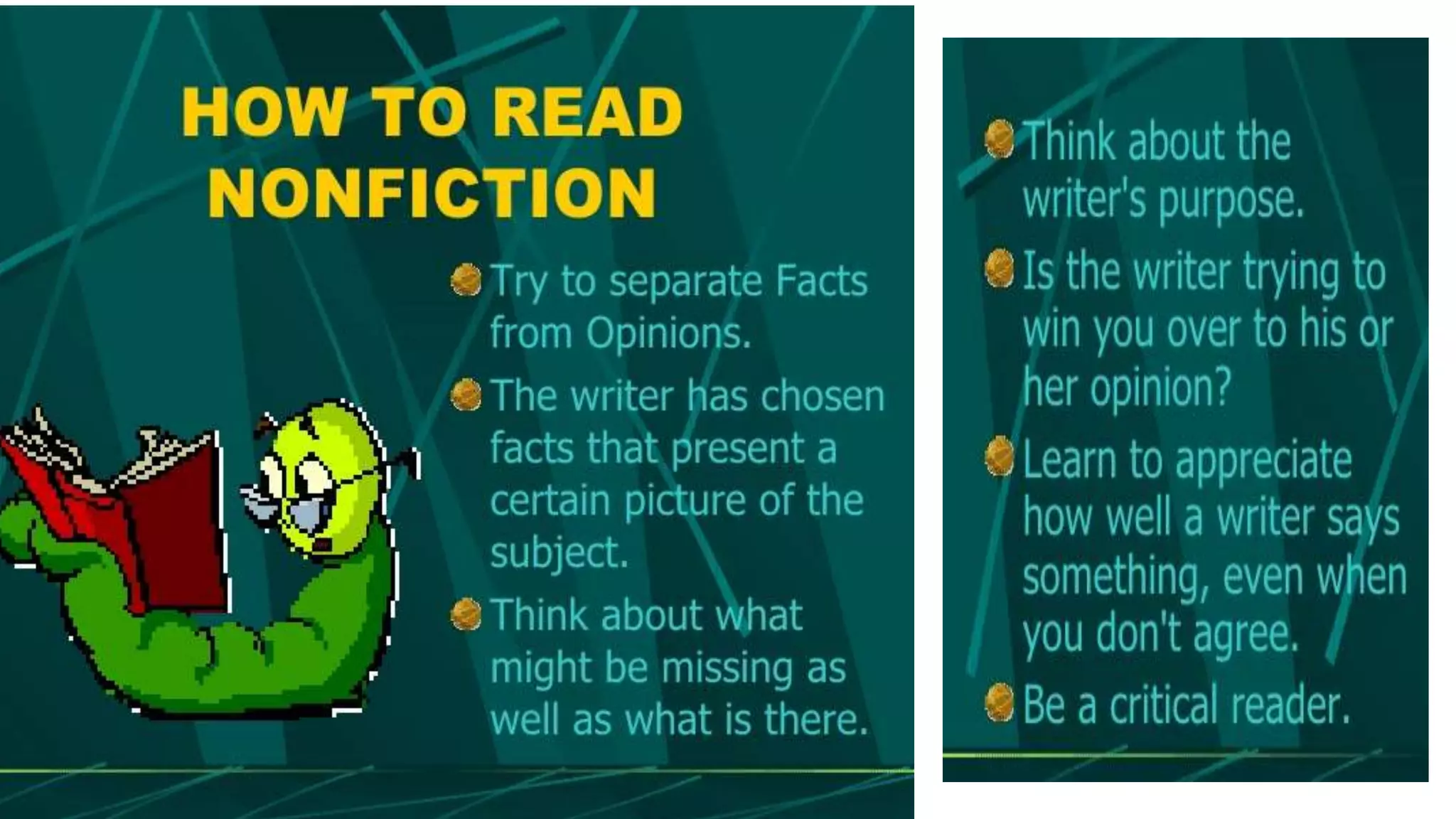
    While reading, you need to consider whatthe author is trying to say and the real reason for writing the selection.
  • 27.
    Propaganda is information slantedto favor one side of an issue over the other.
  • 33.
    Résumé—a summary of your skills,education, activities, clubs, sports, community service, volunteer work, references, and awards
  • 35.
    —How To orDIY —to change someone’s mind on a topic —an anecdote, personal reflection, etc.
  • 36.
  • 37.
    Sometimes it isa How-to or a DIY. Cookbooks might be considered expository.
  • 40.
    ****The secret tolife, or to writing a decent essay for any subject/essay question answer: 5 paragraphs! Introduction—paragraph that explains what you are writing about. Contains a thesis statement. Three paragraphs—each with a fact or reason that supports or explains your main idea with examples in several sentences. Conclusion—a paragraph that summarizes your ideas and presents the reader with your conclusion. This should echo your thesis statement and emphasizes why your idea is the only correct one.