Is MonkeyPox the next
pandemic ?
Dr. Suresh Kumar
Medical Director , Lok Nayak Hospital
Director Professor & Head of Medicine,
Maulana Azad Medical College,
New Delhi.
Monkeypox
• Monkeypox virus is an enveloped
double‐stranded DNA virus with a genome size of
around 190 kb.
• Monkeypox is a viral zoonotic disease that occurs
primarily in tropical rainforest areas of Central and
West Africa and is occasionally exported to other
regions.
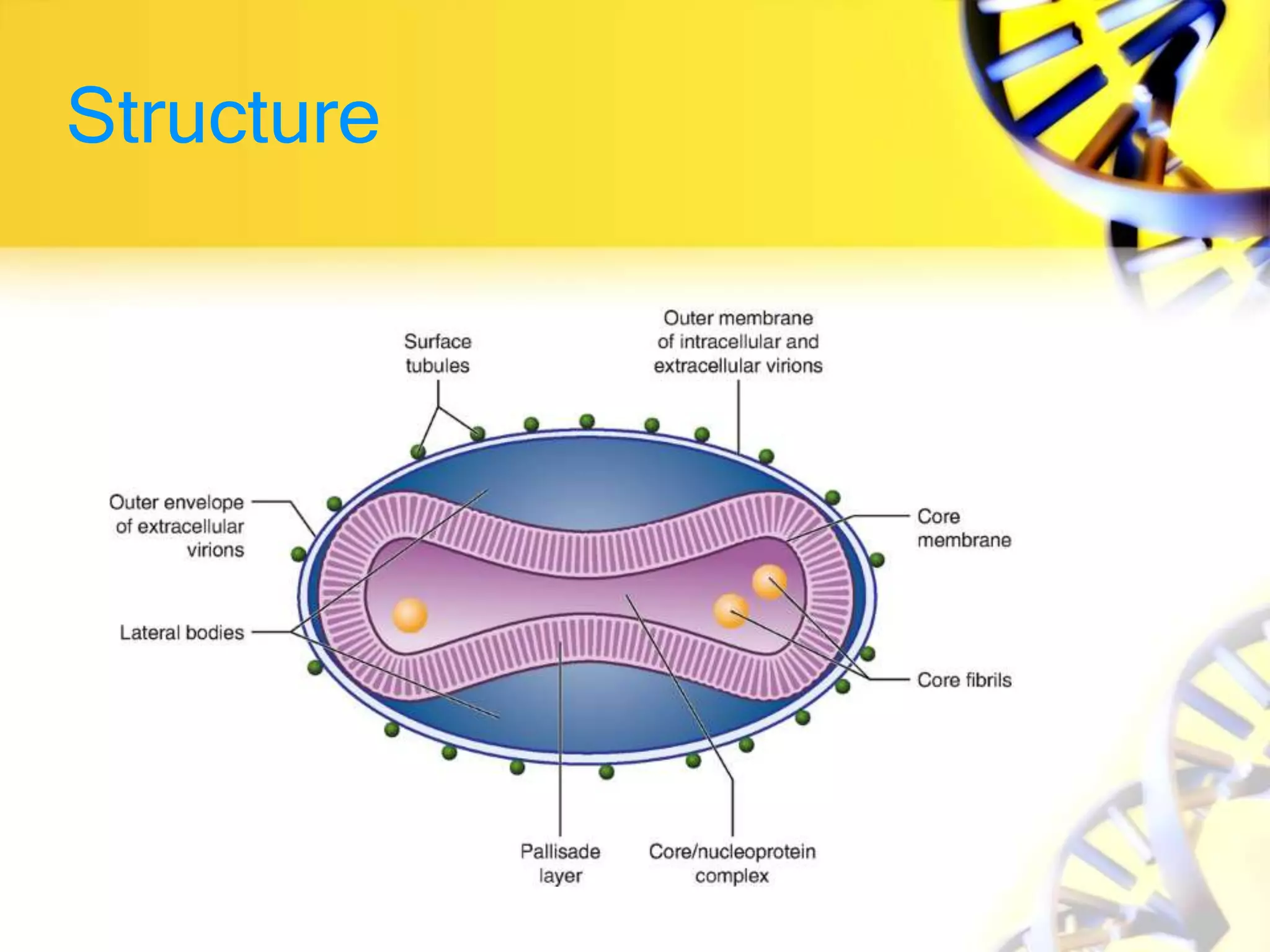
Structure
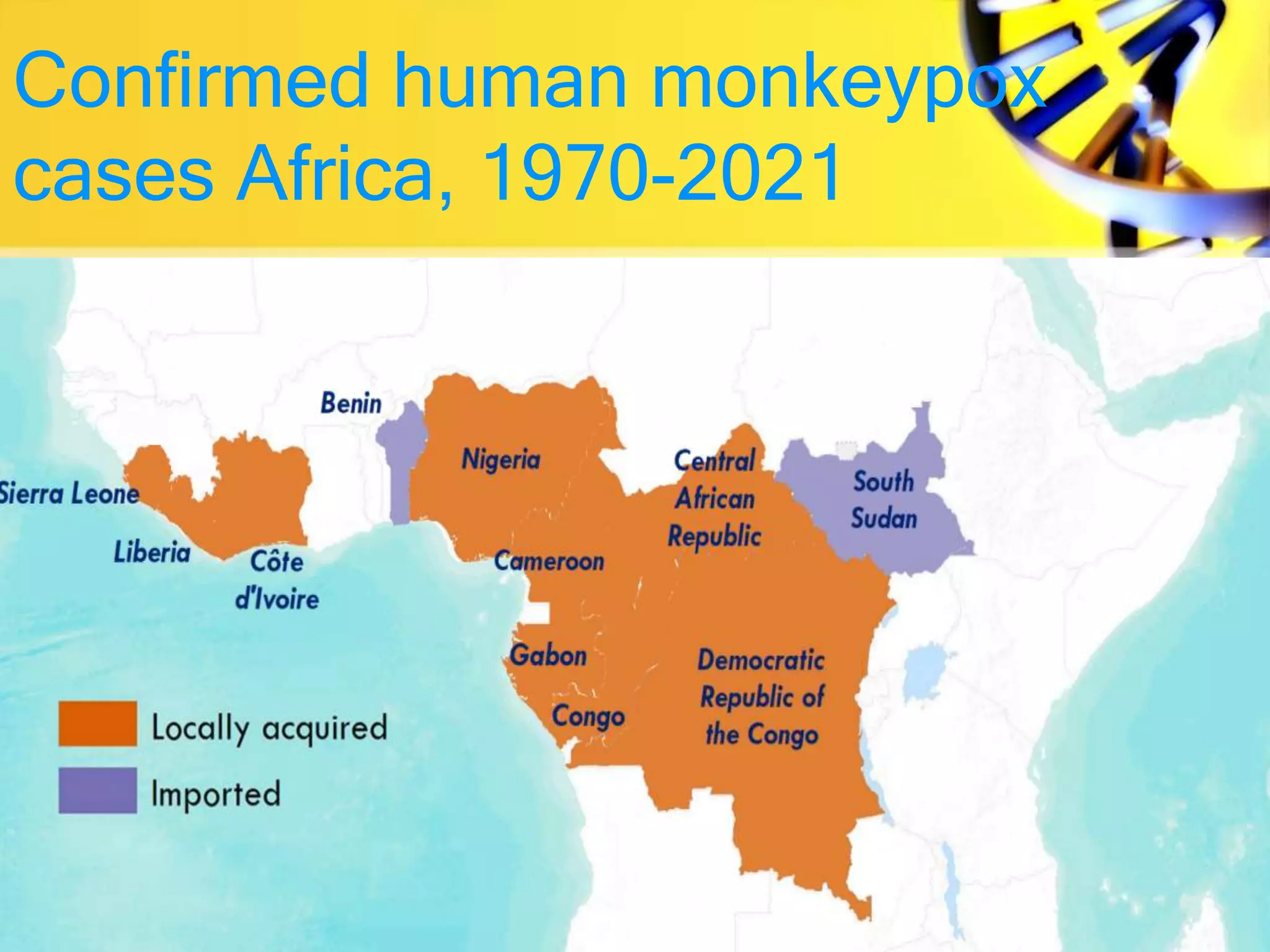
Confirmed human monkeypox
cases Africa, 1970-2021
Confirmed human monkeypox
cases Worldwide,1970-2021
Monkeypox transmission –
an overview
Monkeypox – modes of
transmission
• Unprotected contact with:
• respiratory droplets
• lesion material
• body fluids
• contaminated materials and surfaces The virus
can enter through:
• respiratory tract
• mucous membranes (eyes and mouth)
• broken skin (e.g. animal bites
Disease progression I –
Incubation
• Duration: 5-21 days
• No symptoms
• Virus present in bloodstream
(viremia) at the end of the incubation
period
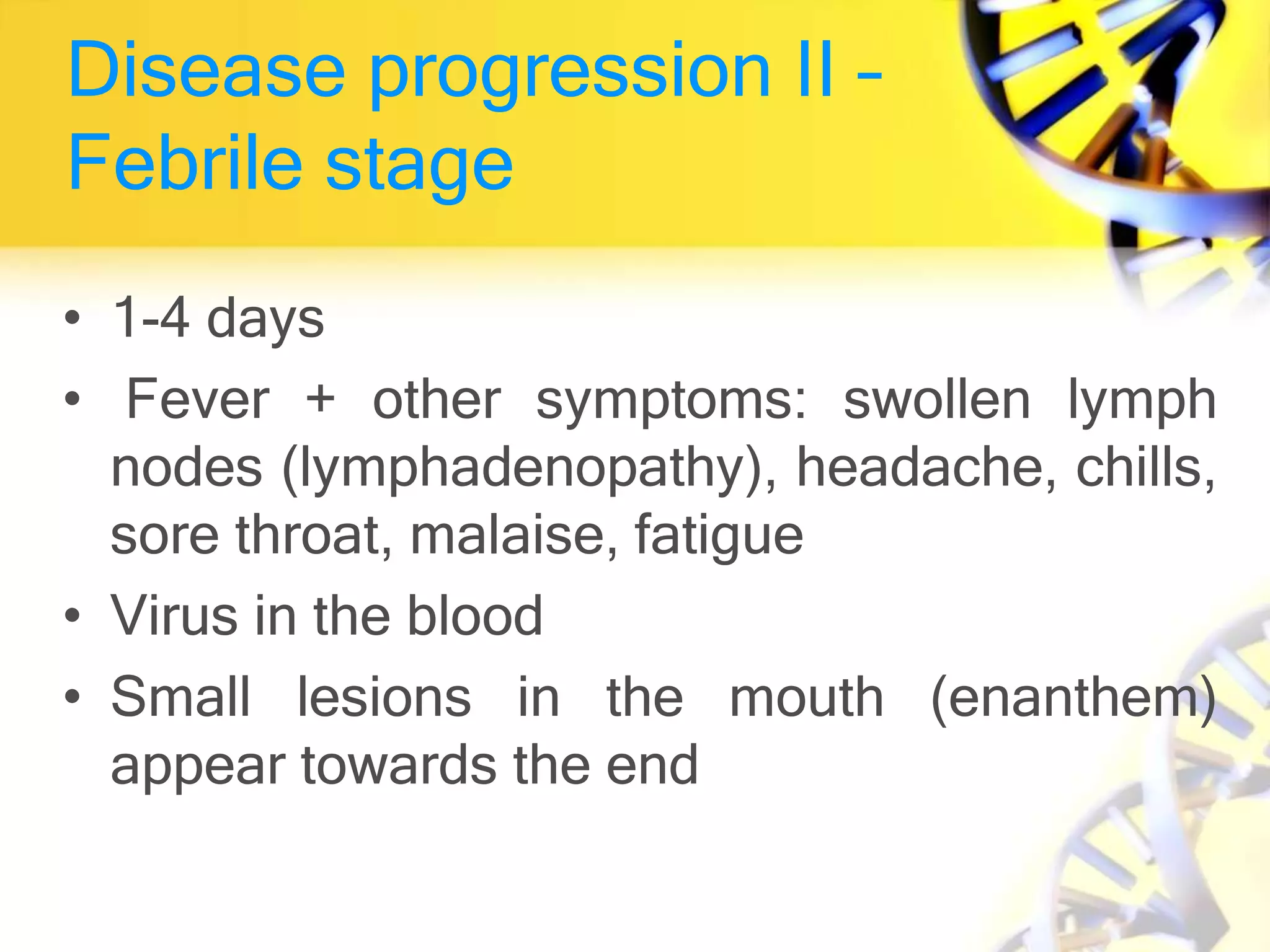
Disease progression II –
Febrile stage
• 1-4 days
• Fever + other symptoms: swollen lymph
nodes (lymphadenopathy), headache, chills,
sore throat, malaise, fatigue
• Virus in the blood
• Small lesions in the mouth (enanthem)
appear towards the end
Disease progression III –
Rash stage
Disease progression III –
Rash stage
• Virus may be in the blood early in this
stage
• Virus is present in skin lesions
• Antibodies are produced and become
detectable
Disease progression IV –
Recovery
• The patient has recovered
• Specific antibodies are present in the
blood
• Scars may remain
Monkeypox symptoms – an
overview
Monkeypox and other common
rash illnesses
Clinical Symptoms
• Monkeypox typically presents clinically with fever, rash and swollen lymph nodes and
may lead to a range of medical complications.
• Monkeypox is usually a self-limited disease with the symptoms lasting from 2 to 4
weeks.
• Severe cases can occur.
• In recent times, the case fatality ratio has been around 3-6%.
• Monkeypox is transmitted to humans through close contact with an infected person or
animal, or with material contaminated with the virus.
• Monkeypox virus is transmitted from one person to another by close contact with
lesions, body fluids, respiratory droplets and contaminated materials such as
bedding.
Monkeypox: Clinical syndromes and possible
treatment options
Prevention
• Raising awareness of risk factors and educating people
about the measures they can take to reduce exposure to the
virus is the main prevention strategy for monkeypox.
• Scientific studies are now underway to assess the feasibility
and appropriateness of vaccination for the prevention and
control of monkeypox.
• Some countries have, or are developing, policies to offer
vaccine to persons who may be at risk such as laboratory
personnel, rapid response teams and health workers.
Treatment
• At this time, there are no specific treatments available for
monkeypox infection, but monkeypox outbreaks can be
controlled.
• Smallpox vaccine, cidofovir, ST-246, and vaccinia immune
globulin (VIG) can be used to control a monkeypox outbreak.
• CDC guidance was developed using the best available
information about the benefits and risks of smallpox vaccination
and drug use for the prevention and management of monkeypox
and other orthopoxvirus infections.
Monkeypox and Smallpox
Vaccine
• One vaccine, JYNNEOSTM (also known as Imvamune or Imvanex), has been
licensed in the United States to prevent monkeypox and smallpox.
• Because monkeypox virus is closely related to the virus that causes smallpox,
smallpox vaccine can also protect people from getting monkeypox.
• Past data from Africa suggests that smallpox vaccine is at least 85% effective in
preventing monkeypox.
• The effectiveness of JYNNEOSTM against monkeypox was concluded from a
clinical study on the immunogenicity of JYNNEOS and efficacy data from animal
studies.
• Experts also believe that vaccination after a monkeypox exposure may help
prevent the disease or make it less severe.
THANK YOU

Monkey Pox Virus

  • 1.
    Is MonkeyPox thenext pandemic ? Dr. Suresh Kumar Medical Director , Lok Nayak Hospital Director Professor & Head of Medicine, Maulana Azad Medical College, New Delhi.
  • 2.
    Monkeypox • Monkeypox virusis an enveloped double‐stranded DNA virus with a genome size of around 190 kb. • Monkeypox is a viral zoonotic disease that occurs primarily in tropical rainforest areas of Central and West Africa and is occasionally exported to other regions.
  • 3.
  • 5.
  • 6.
  • 7.
  • 8.
    Monkeypox – modesof transmission • Unprotected contact with: • respiratory droplets • lesion material • body fluids • contaminated materials and surfaces The virus can enter through: • respiratory tract • mucous membranes (eyes and mouth) • broken skin (e.g. animal bites
  • 9.
    Disease progression I– Incubation • Duration: 5-21 days • No symptoms • Virus present in bloodstream (viremia) at the end of the incubation period
  • 10.
    Disease progression II– Febrile stage • 1-4 days • Fever + other symptoms: swollen lymph nodes (lymphadenopathy), headache, chills, sore throat, malaise, fatigue • Virus in the blood • Small lesions in the mouth (enanthem) appear towards the end
  • 11.
  • 12.
    Disease progression III– Rash stage • Virus may be in the blood early in this stage • Virus is present in skin lesions • Antibodies are produced and become detectable
  • 13.
    Disease progression IV– Recovery • The patient has recovered • Specific antibodies are present in the blood • Scars may remain
  • 14.
  • 15.
    Monkeypox and othercommon rash illnesses
  • 16.
    Clinical Symptoms • Monkeypoxtypically presents clinically with fever, rash and swollen lymph nodes and may lead to a range of medical complications. • Monkeypox is usually a self-limited disease with the symptoms lasting from 2 to 4 weeks. • Severe cases can occur. • In recent times, the case fatality ratio has been around 3-6%. • Monkeypox is transmitted to humans through close contact with an infected person or animal, or with material contaminated with the virus. • Monkeypox virus is transmitted from one person to another by close contact with lesions, body fluids, respiratory droplets and contaminated materials such as bedding.
  • 17.
    Monkeypox: Clinical syndromesand possible treatment options
  • 18.
    Prevention • Raising awarenessof risk factors and educating people about the measures they can take to reduce exposure to the virus is the main prevention strategy for monkeypox. • Scientific studies are now underway to assess the feasibility and appropriateness of vaccination for the prevention and control of monkeypox. • Some countries have, or are developing, policies to offer vaccine to persons who may be at risk such as laboratory personnel, rapid response teams and health workers.
  • 19.
    Treatment • At thistime, there are no specific treatments available for monkeypox infection, but monkeypox outbreaks can be controlled. • Smallpox vaccine, cidofovir, ST-246, and vaccinia immune globulin (VIG) can be used to control a monkeypox outbreak. • CDC guidance was developed using the best available information about the benefits and risks of smallpox vaccination and drug use for the prevention and management of monkeypox and other orthopoxvirus infections.
  • 20.
    Monkeypox and Smallpox Vaccine •One vaccine, JYNNEOSTM (also known as Imvamune or Imvanex), has been licensed in the United States to prevent monkeypox and smallpox. • Because monkeypox virus is closely related to the virus that causes smallpox, smallpox vaccine can also protect people from getting monkeypox. • Past data from Africa suggests that smallpox vaccine is at least 85% effective in preventing monkeypox. • The effectiveness of JYNNEOSTM against monkeypox was concluded from a clinical study on the immunogenicity of JYNNEOS and efficacy data from animal studies. • Experts also believe that vaccination after a monkeypox exposure may help prevent the disease or make it less severe.
  • 21.