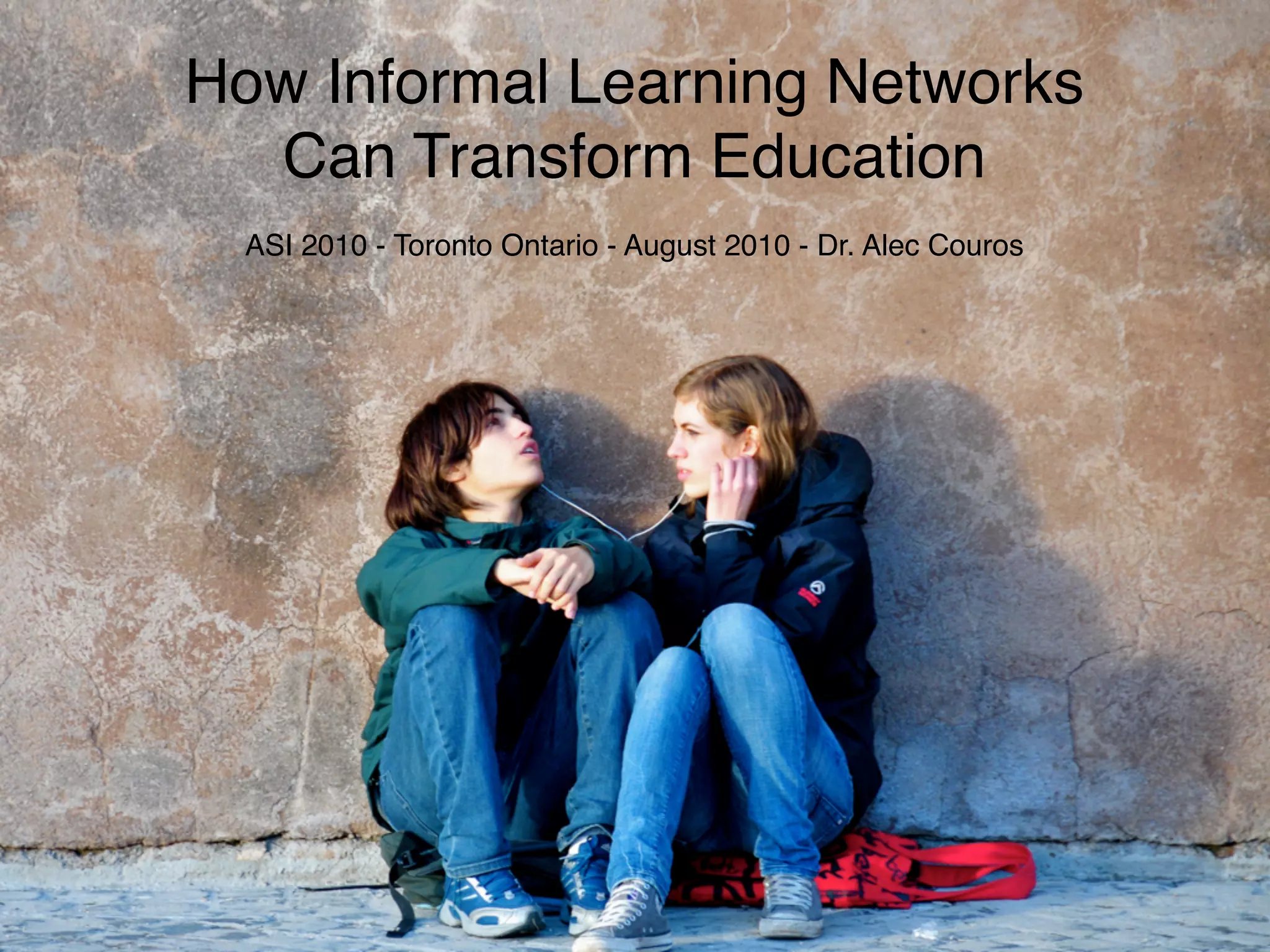
How Informal Learning Networks
  Can Transform Education
  ASI 2010 - Toronto Ontario - August 2010 - Dr. Alec Couros
#asi2010
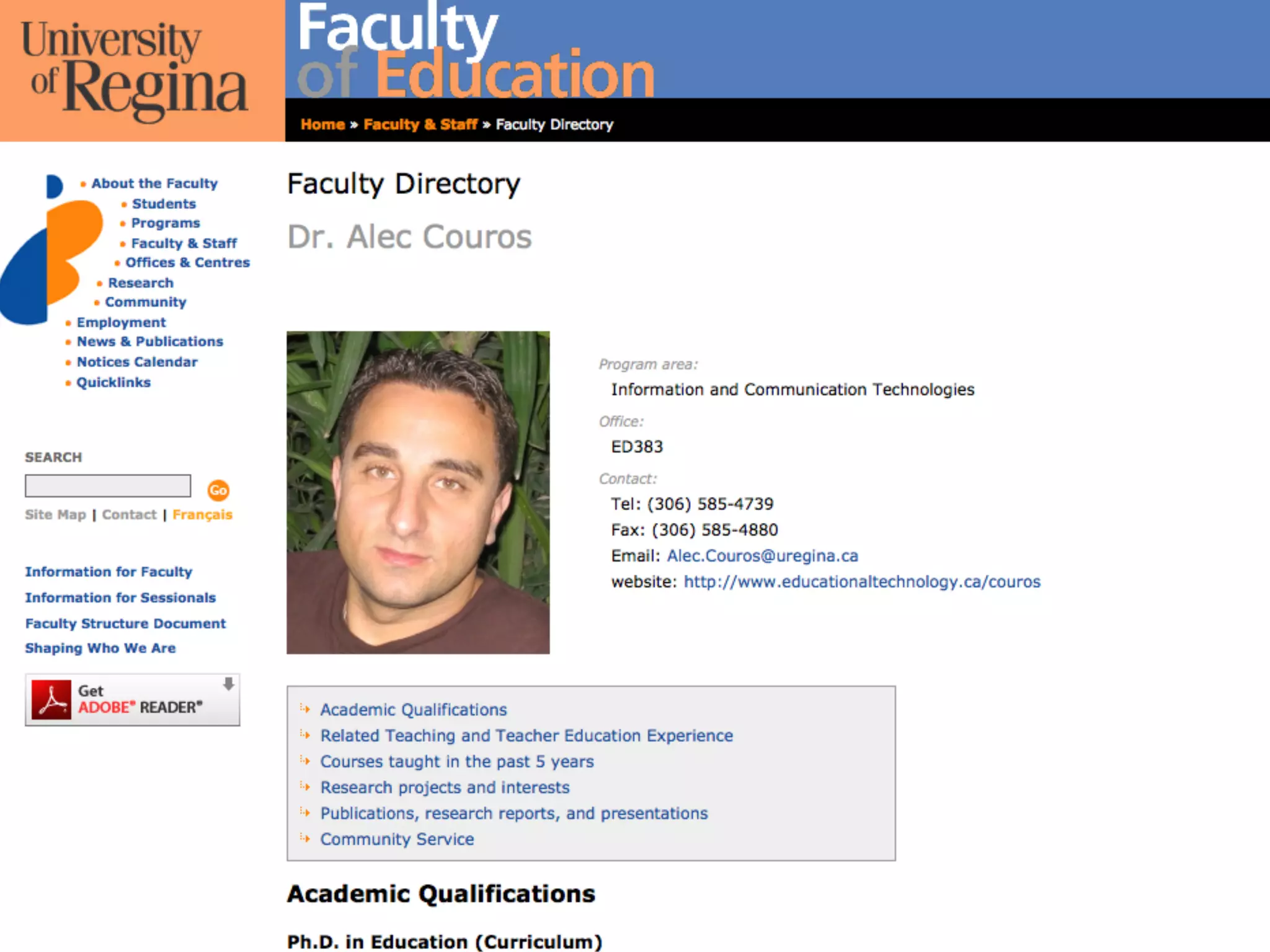
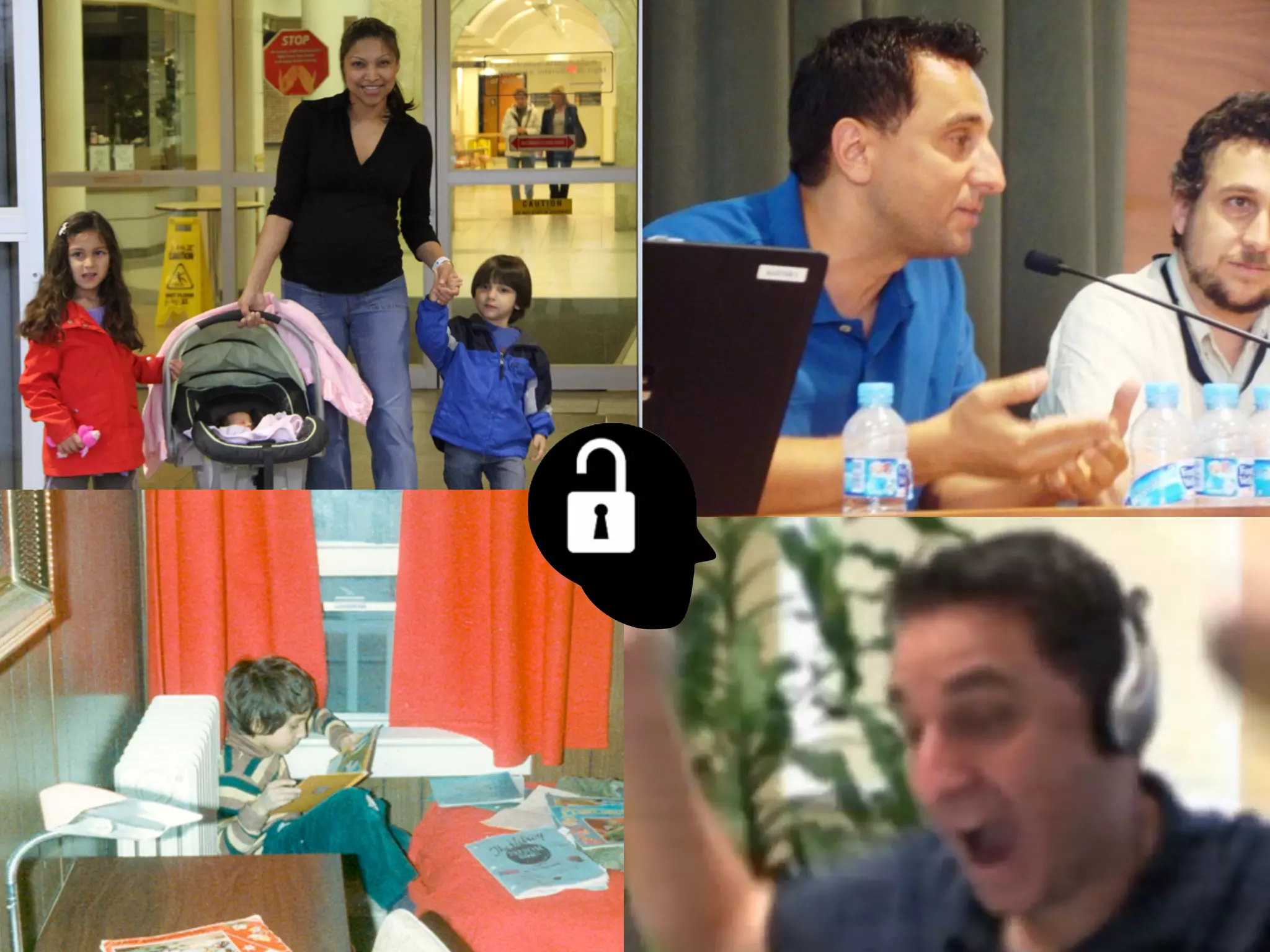
me
The Blur
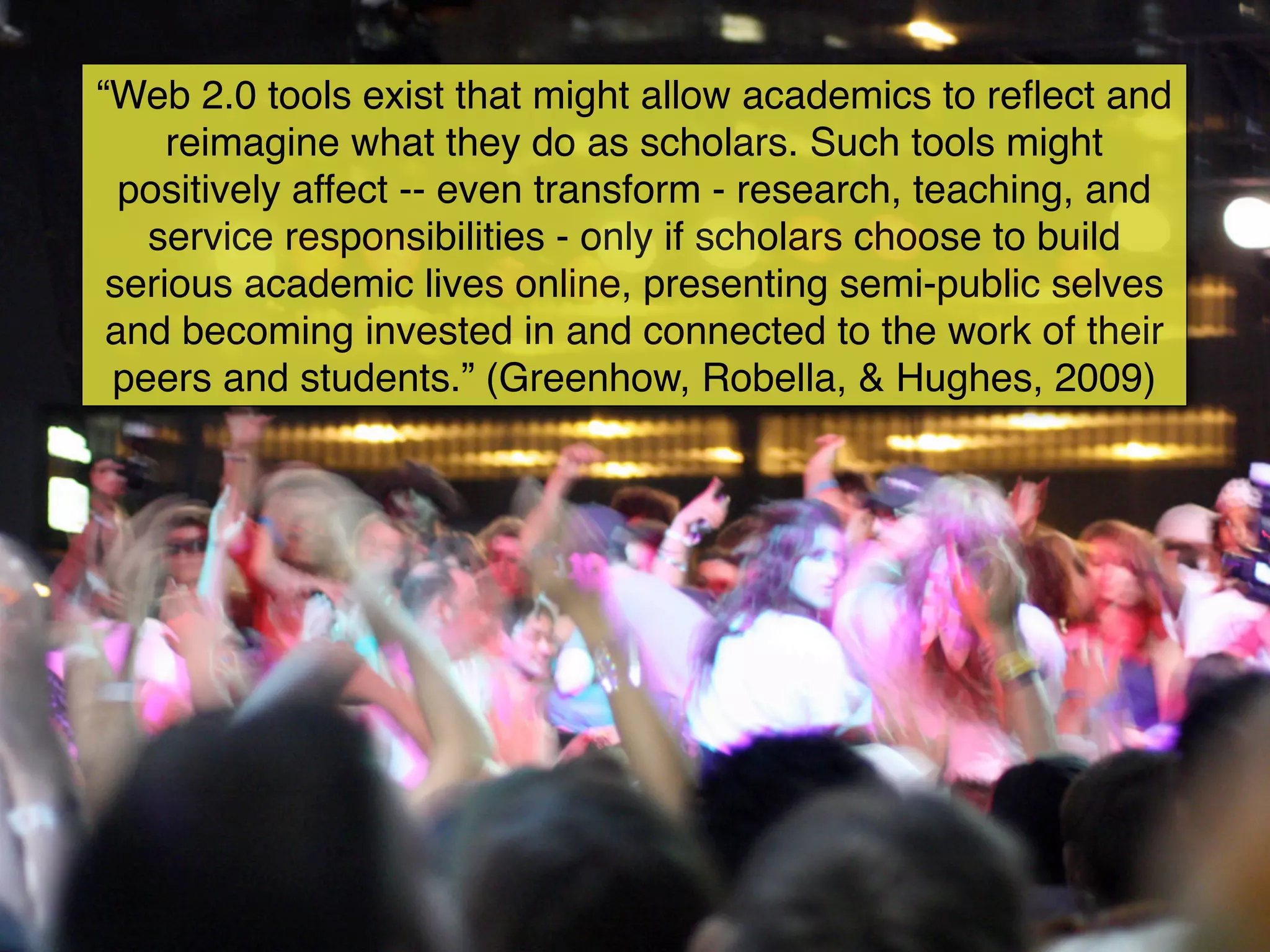
“Web 2.0 tools exist that might allow academics to reflect and
     reimagine what they do as scholars. Such tools might
  positively affect -- even transform - research, teaching, and
   service responsibilities - only if scholars choose to build
 serious academic lives online, presenting semi-public selves
 and becoming invested in and connected to the work of their
 peers and students.” (Greenhow, Robella, & Hughes, 2009)
journey
(short version)
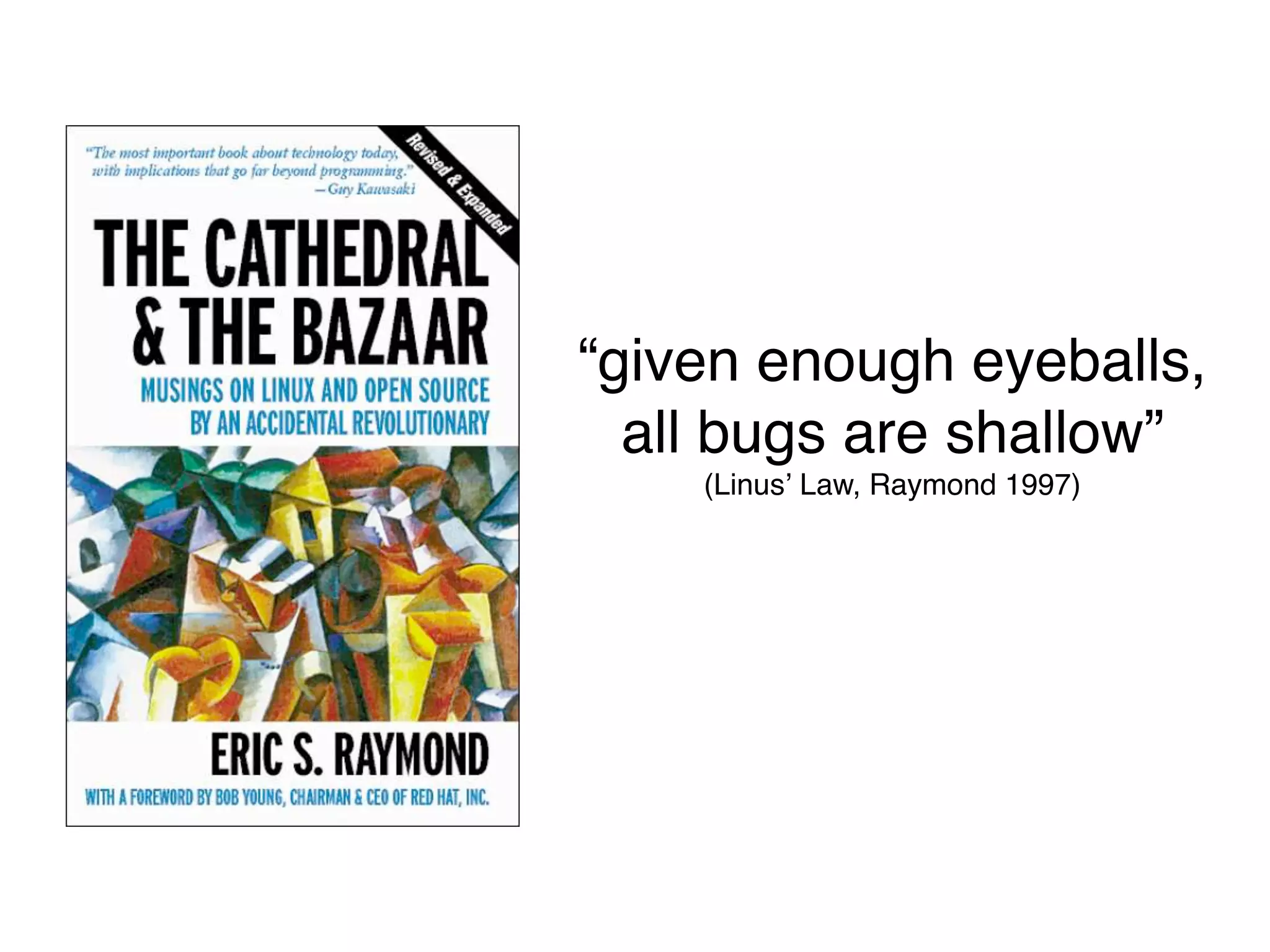
“given enough eyeballs,
  all bugs are shallow”
    (Linusʼ Law, Raymond 1997)
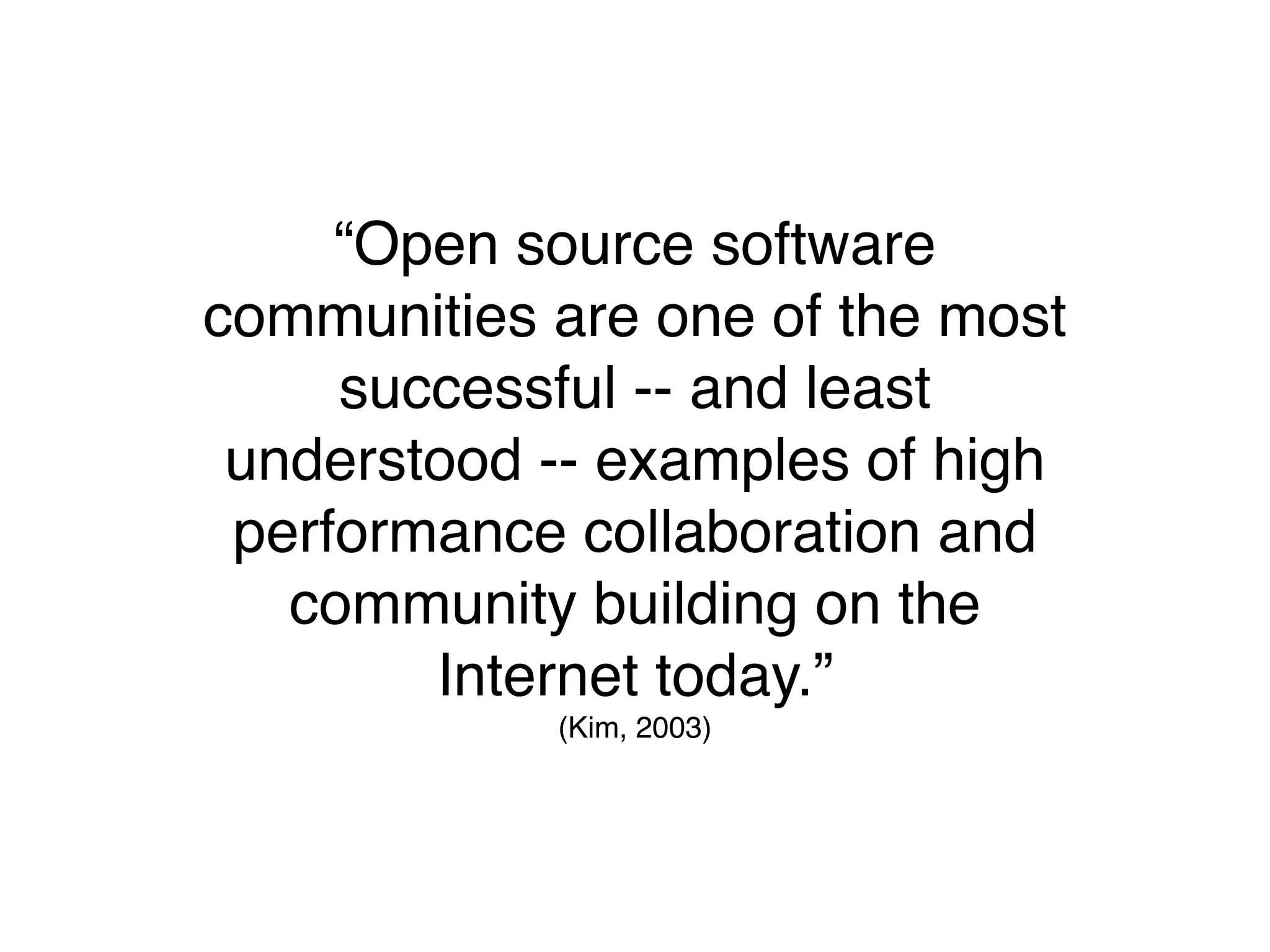
“Open source software
communities are one of the most
     successful -- and least
 understood -- examples of high
 performance collaboration and
   community building on the
        Internet today.”
            (Kim, 2003)
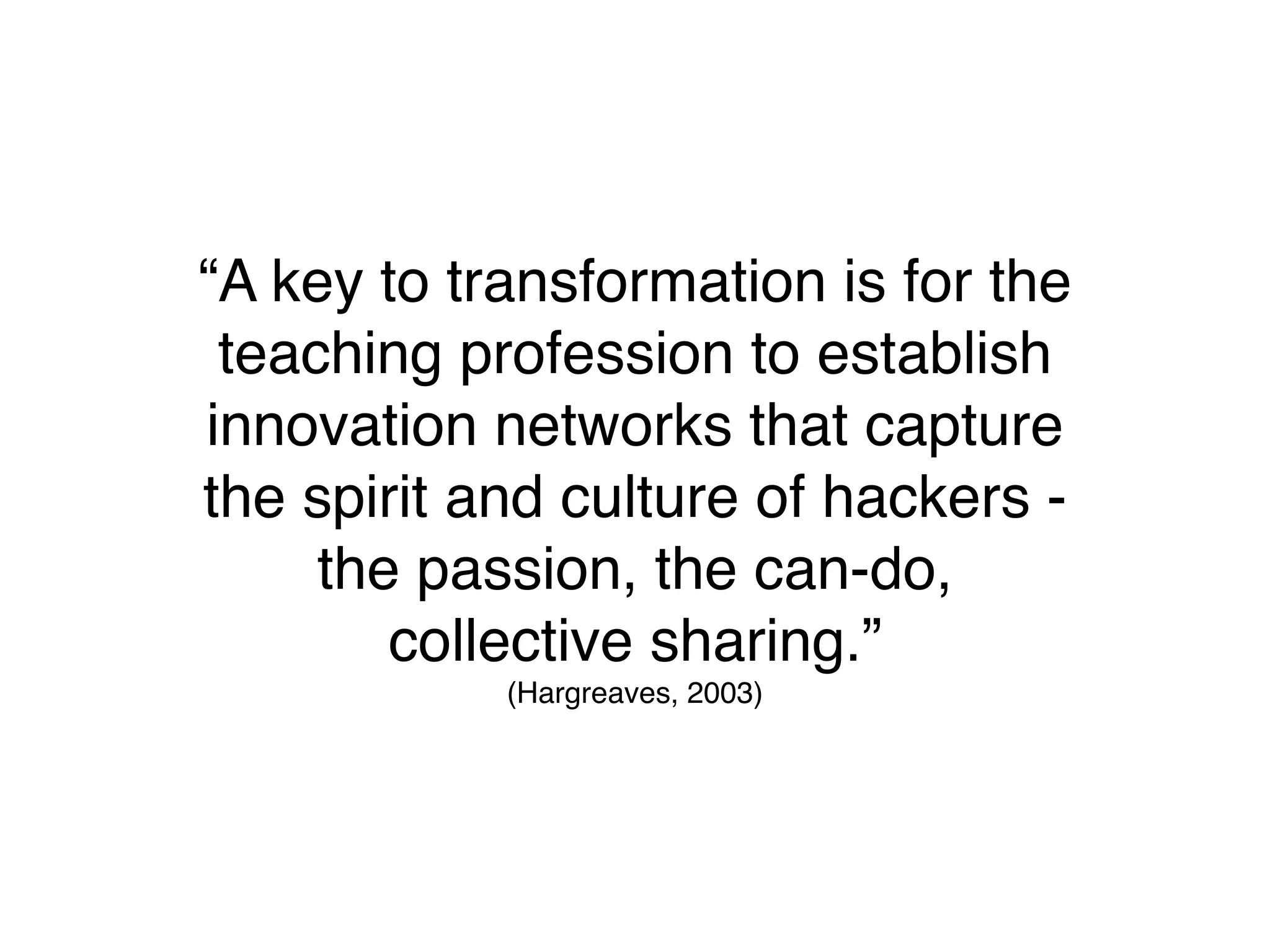
“A key to transformation is for the
 teaching profession to establish
innovation networks that capture
the spirit and culture of hackers -
     the passion, the can-do,
        collective sharing.”
            (Hargreaves, 2003)
open / connected
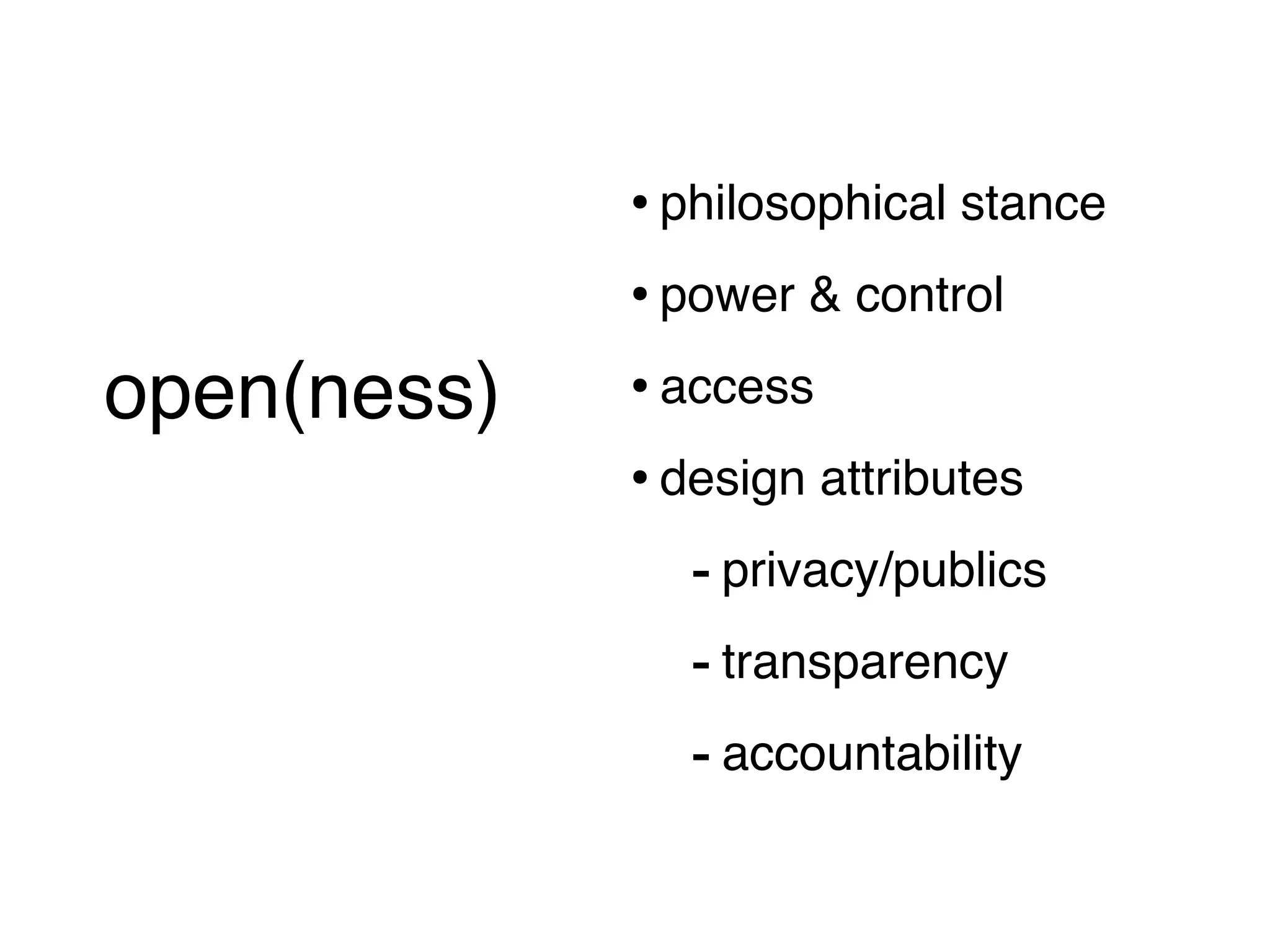
• philosophical stance
                   • power & control
open(ness)         • access
 (short version)
                   • design attributes
                      - privacy/publics
                      - transparency
                      - accountability
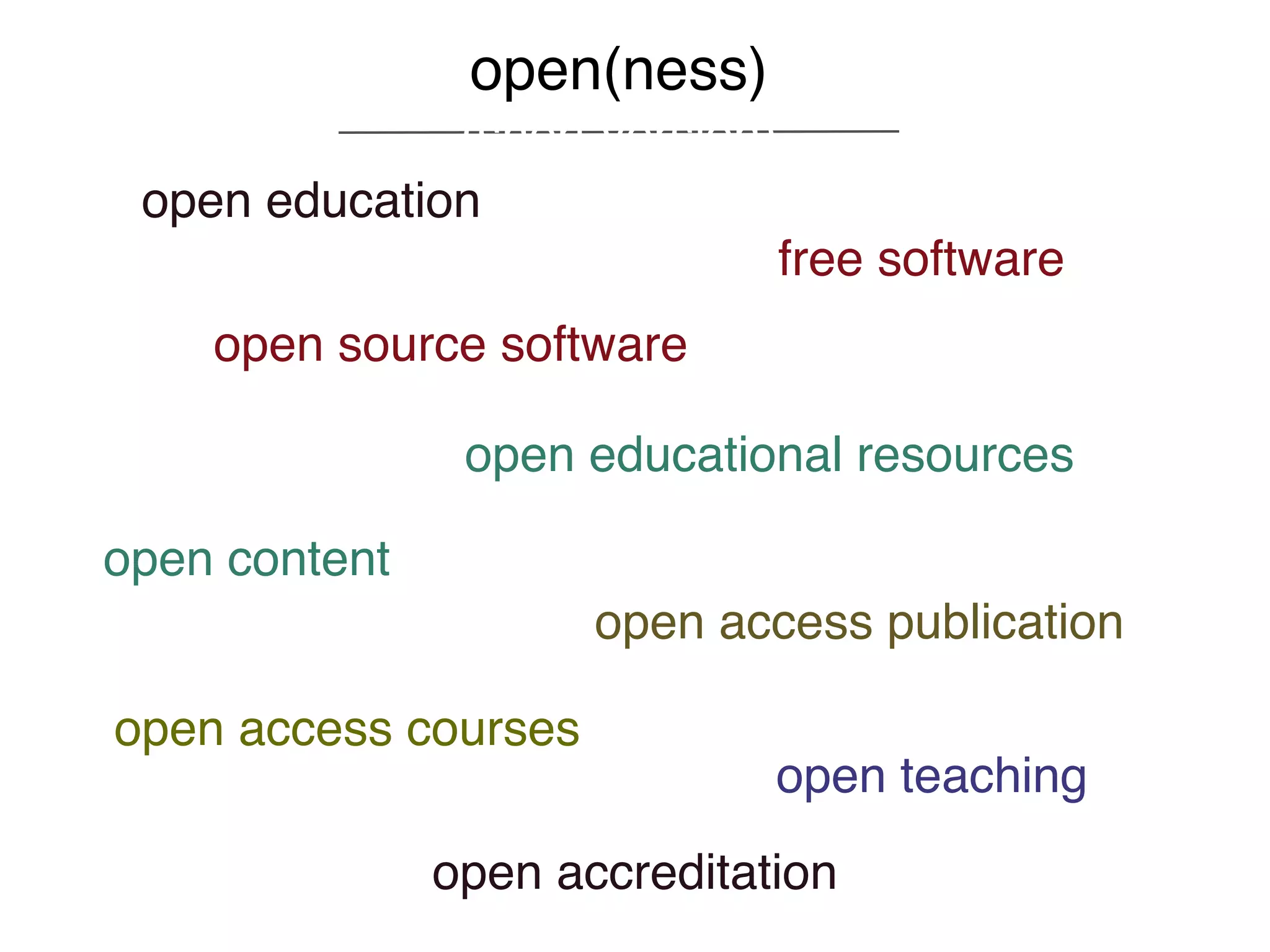
open(ness)
              (short version)
 open education
                                free software
    open source software

                open educational resources

open content
                      open access publication

open access courses
                              open teaching
               open accreditation
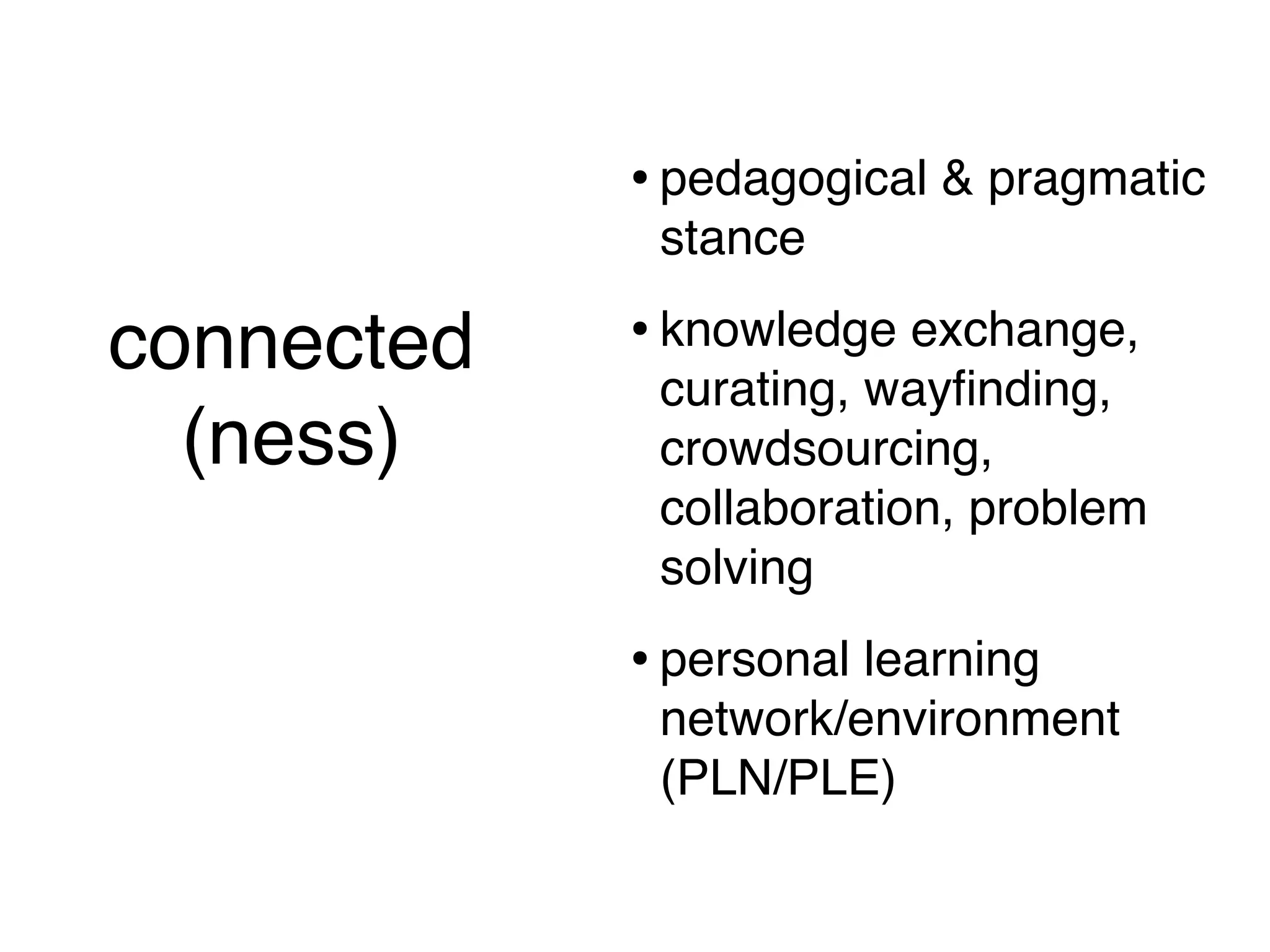
• pedagogical & pragmatic
                     stance

connected           • knowledge exchange,
                     curating, wayfinding,
  (ness)             crowdsourcing,
  (short version)    collaboration, problem
                     solving
                    • personal learning
                     network/environment
                     (PLN/PLE)
shift
“Tell me ... what it is I am
educating and what sort of world
we live in, and I will tell you what I
           am aiming at.”
              (Garforth, 1962)
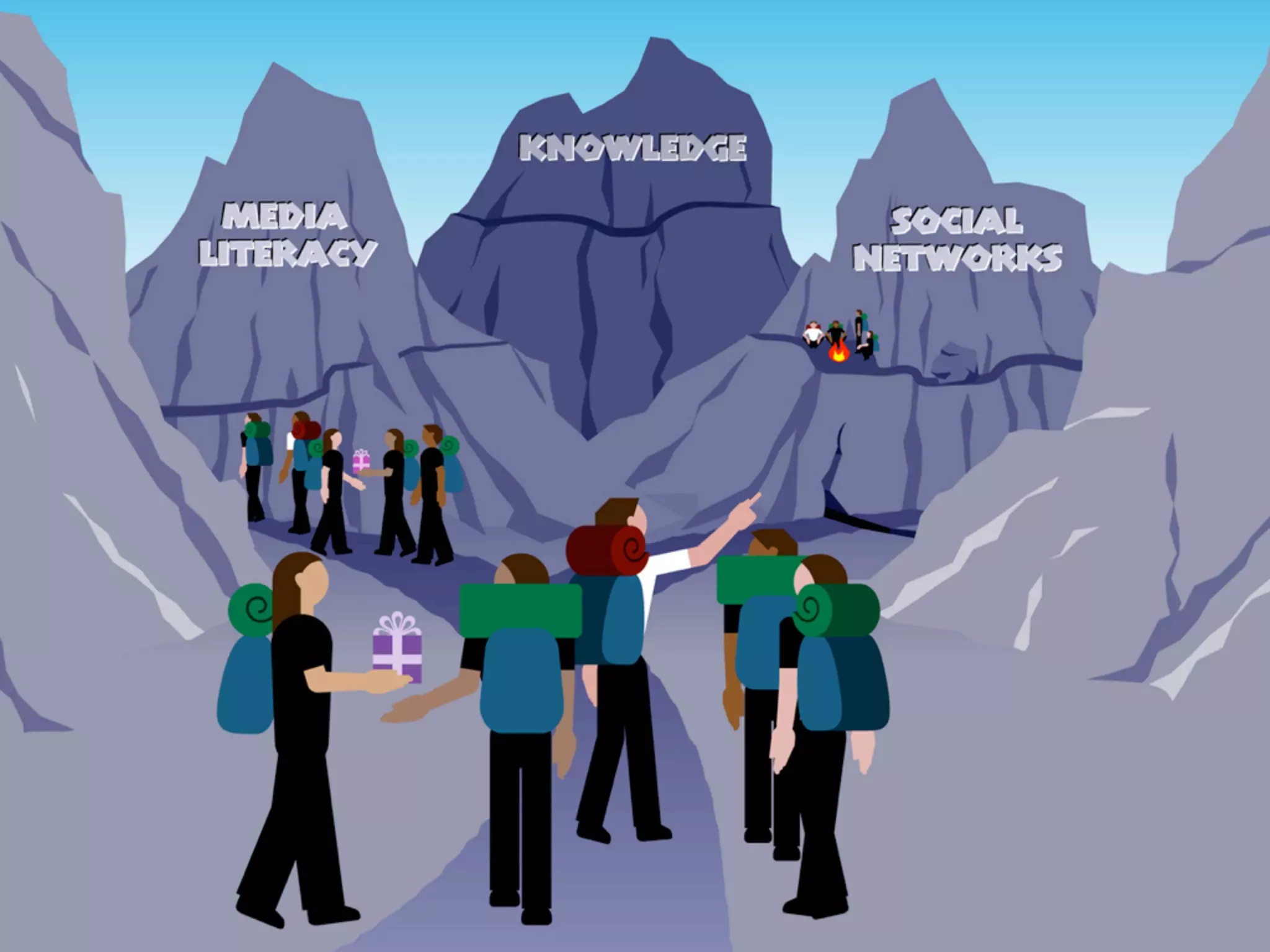
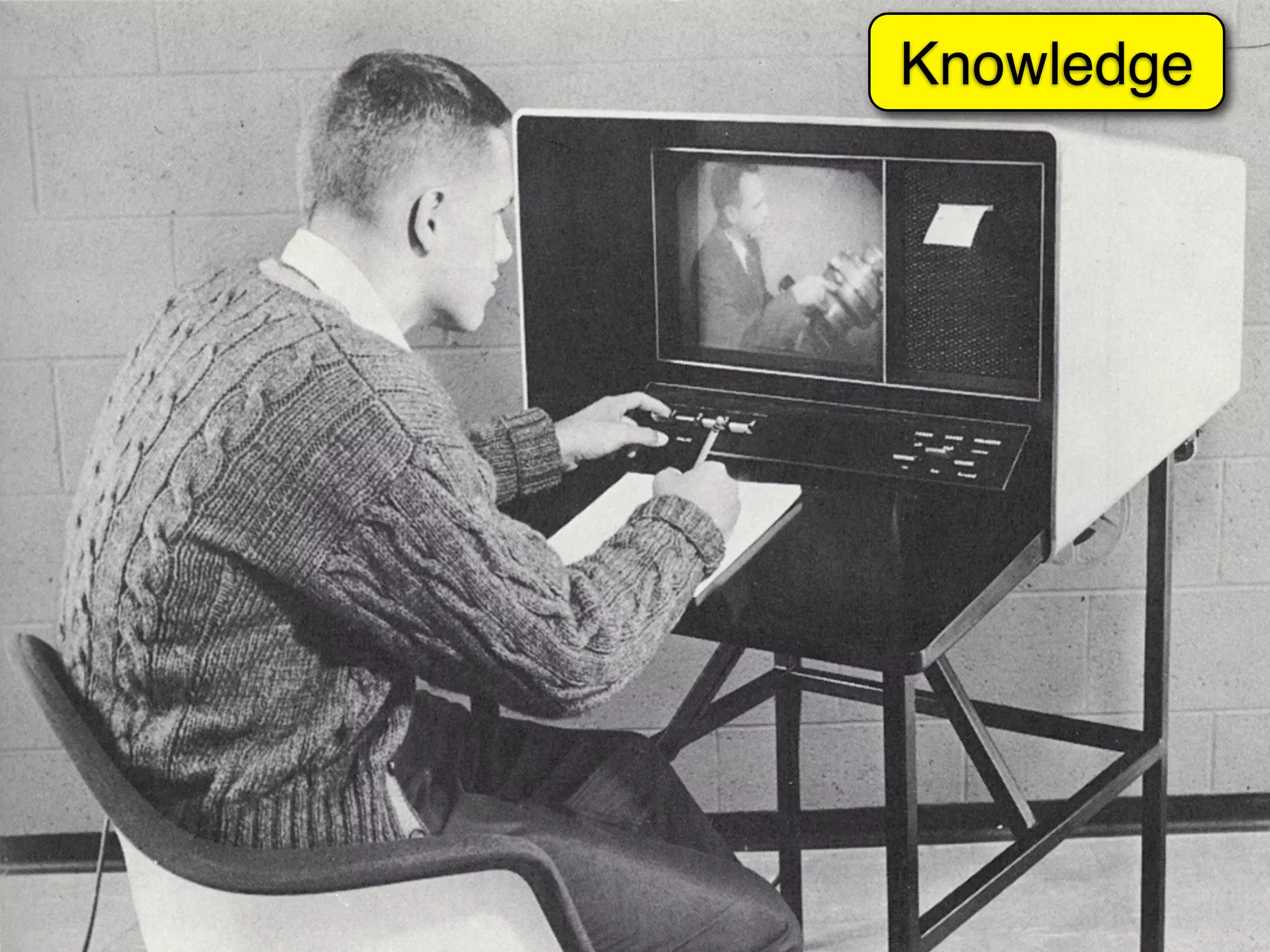
Knowledge
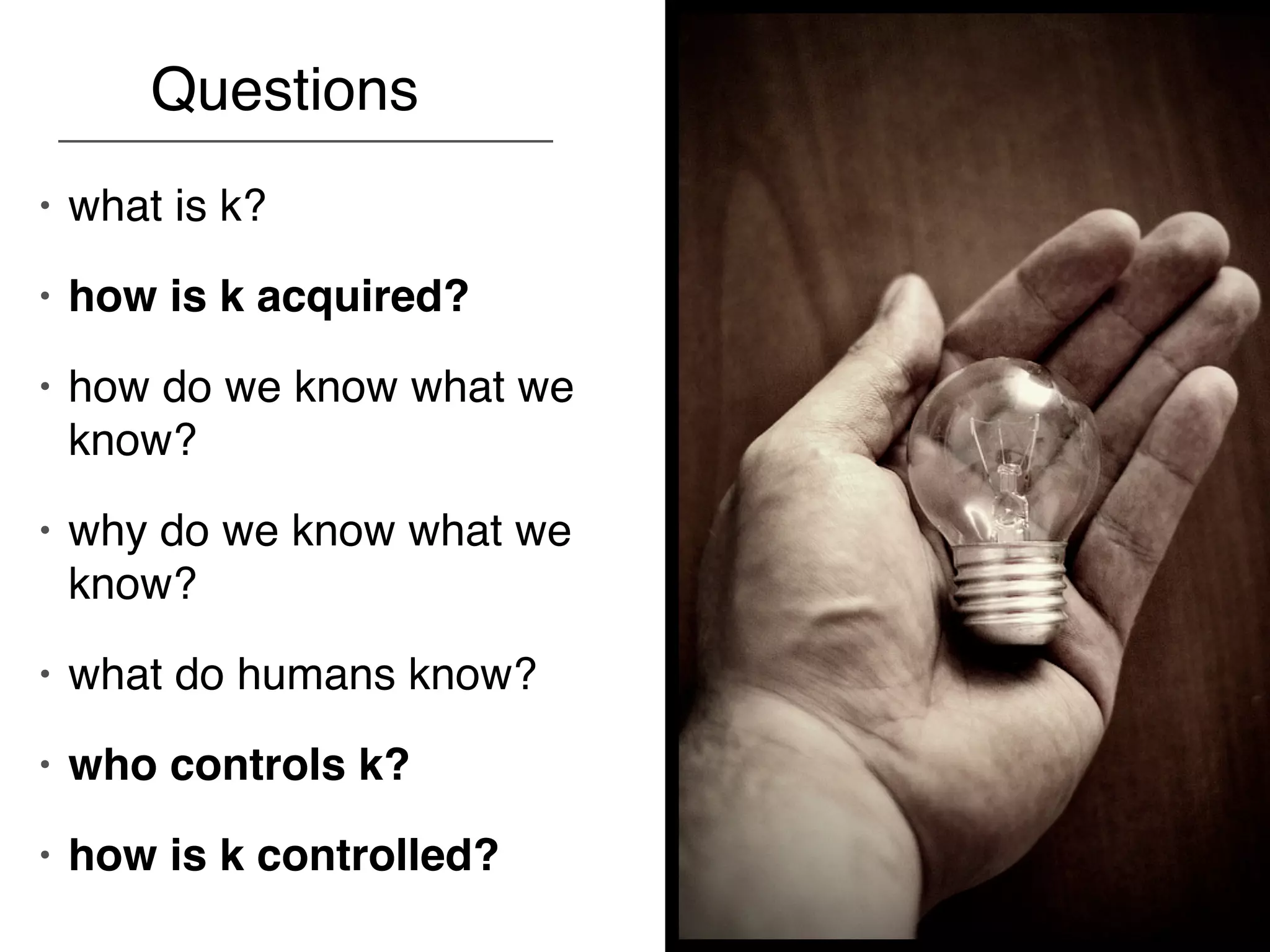
Questions
•   what is k?
•   how is k acquired?
•   how do we know what we
    know?
•   why do we know what we
    know?
•   what do humans know?
•   who controls k?
•   how is k controlled?
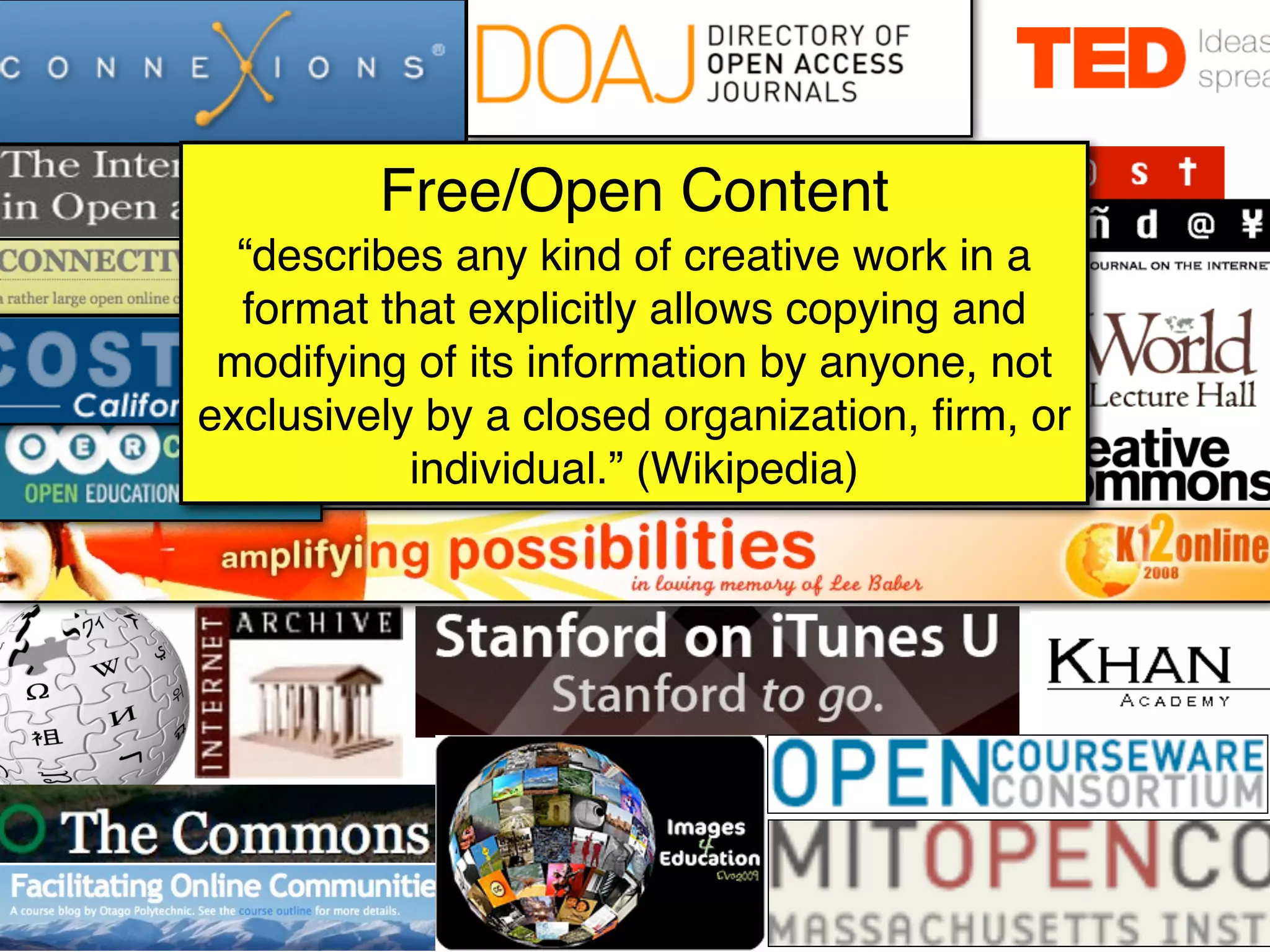
Free/Open Content
  “describes any kind of creative work in a
  format that explicitly allows copying and
 modifying of its information by anyone, not
exclusively by a closed organization, firm, or
           individual.” (Wikipedia)
Media
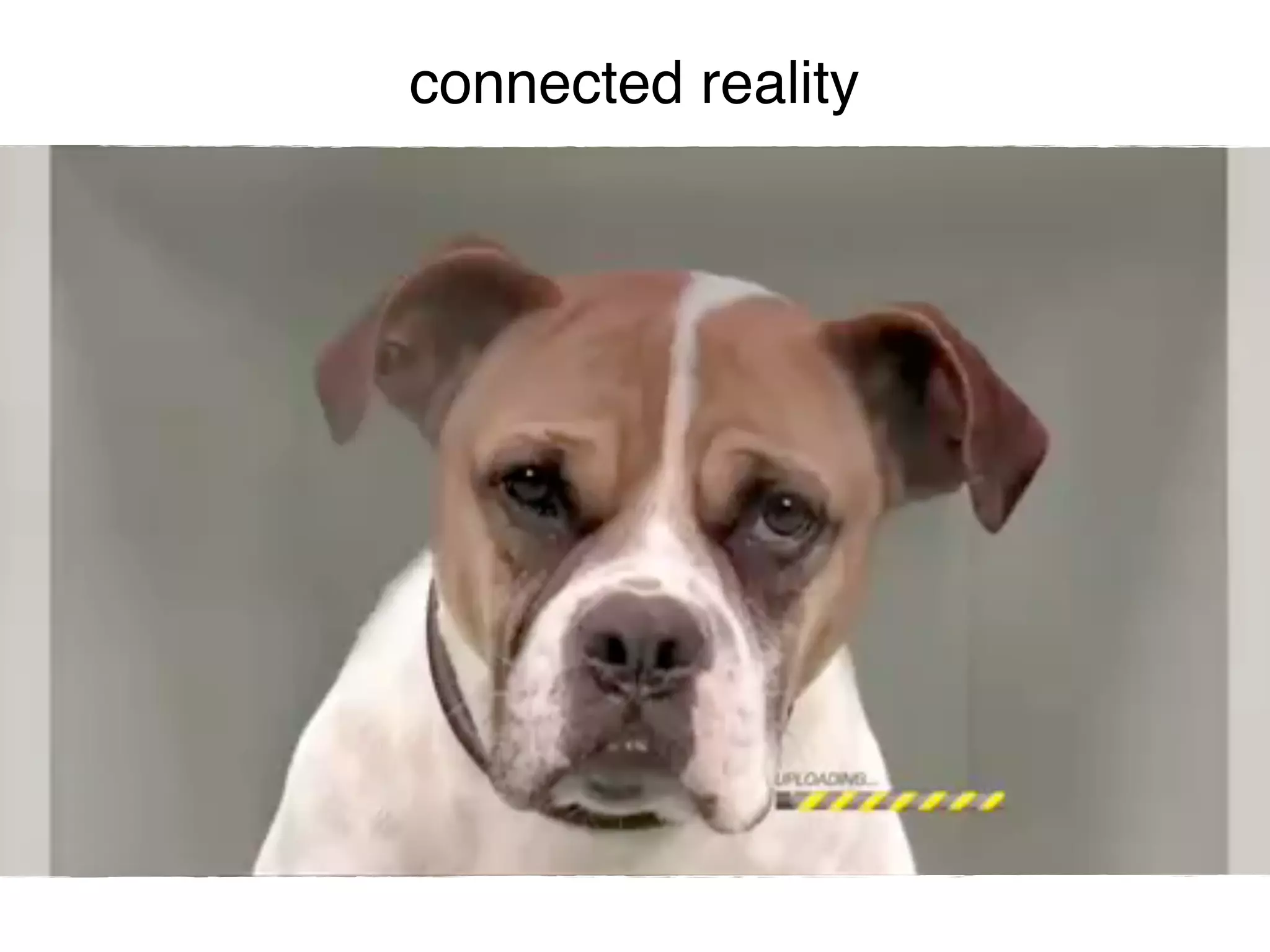
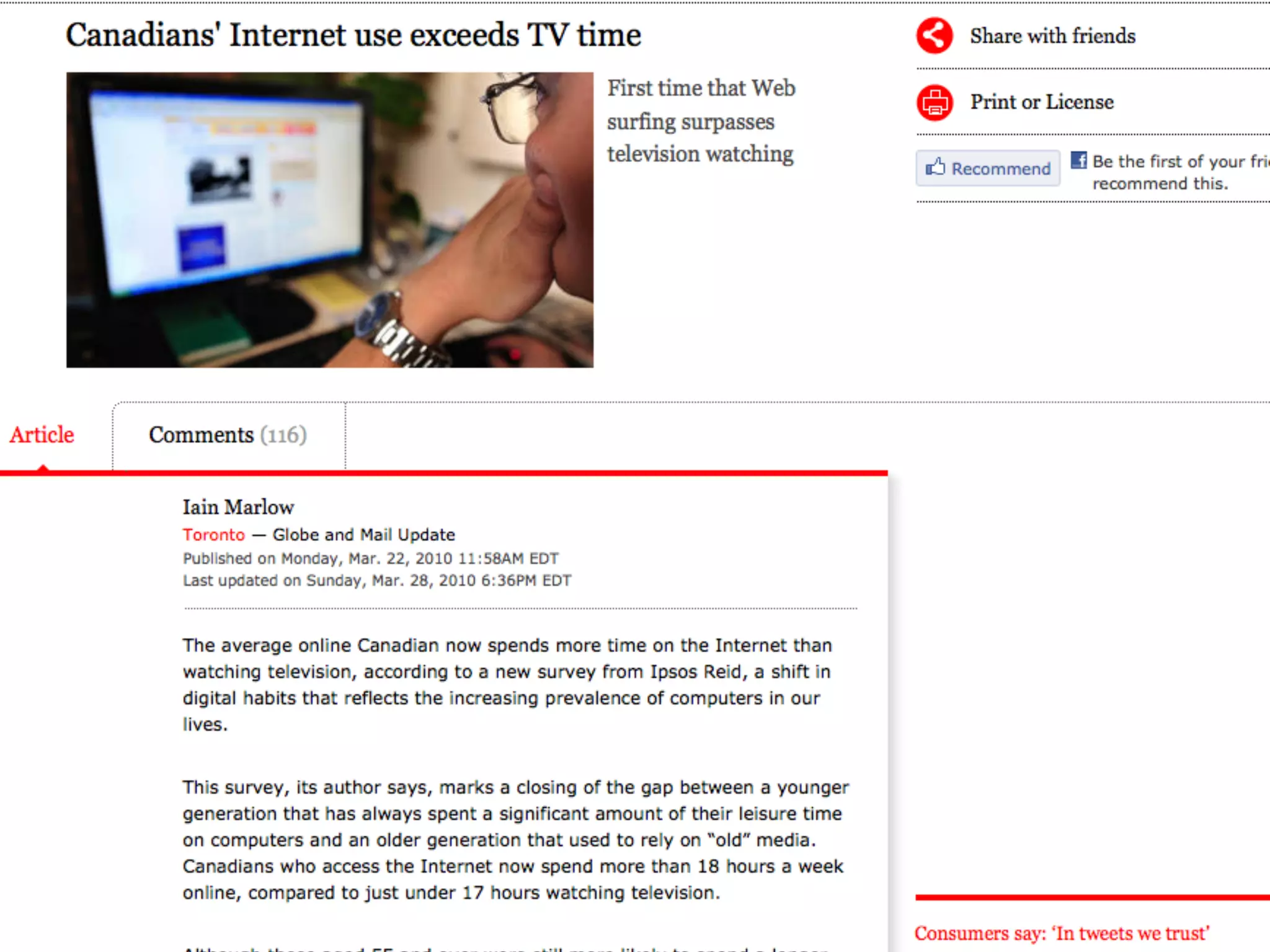
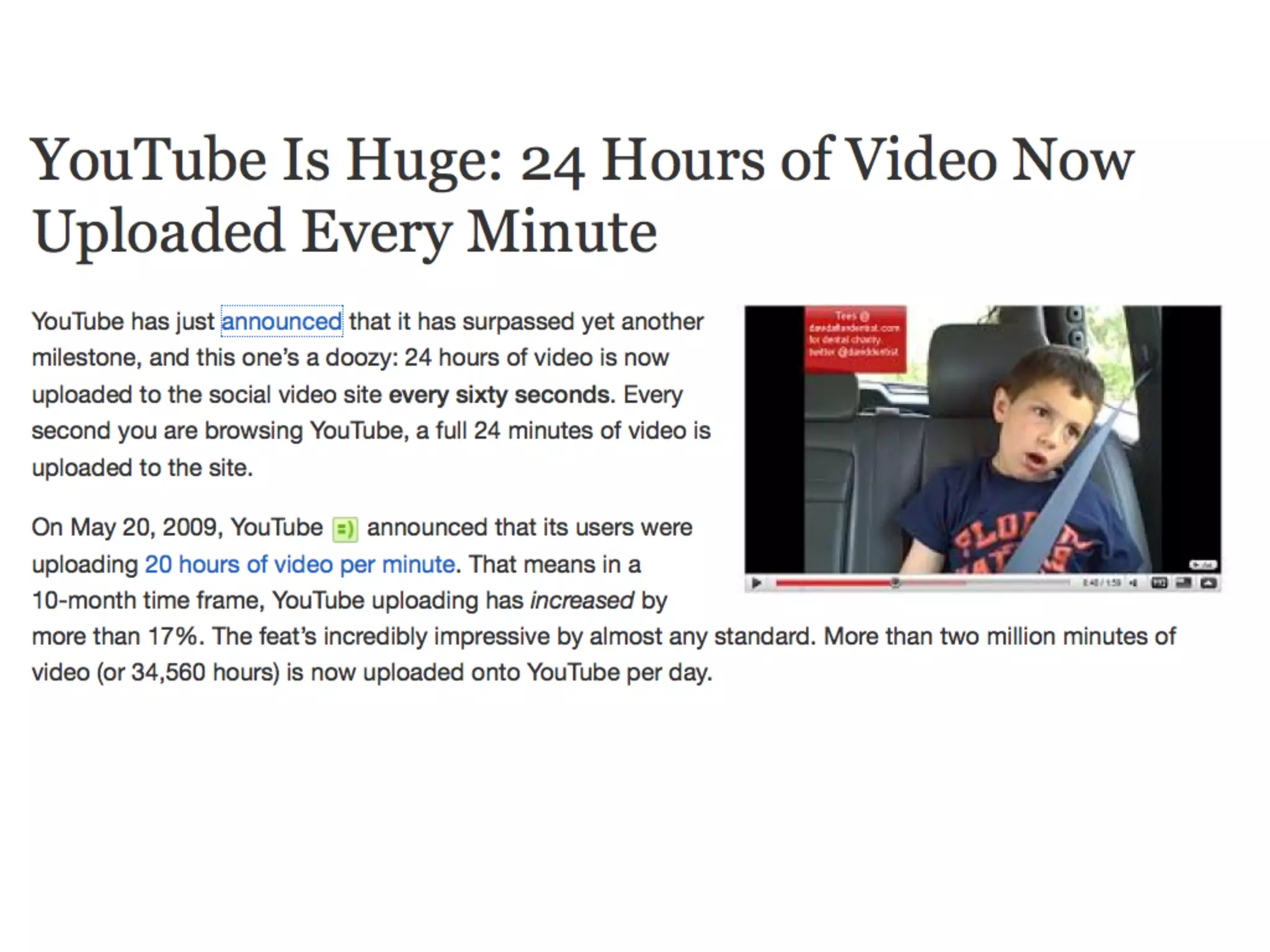
connected reality
Stats as of March 17/10 via Mashable
personalization
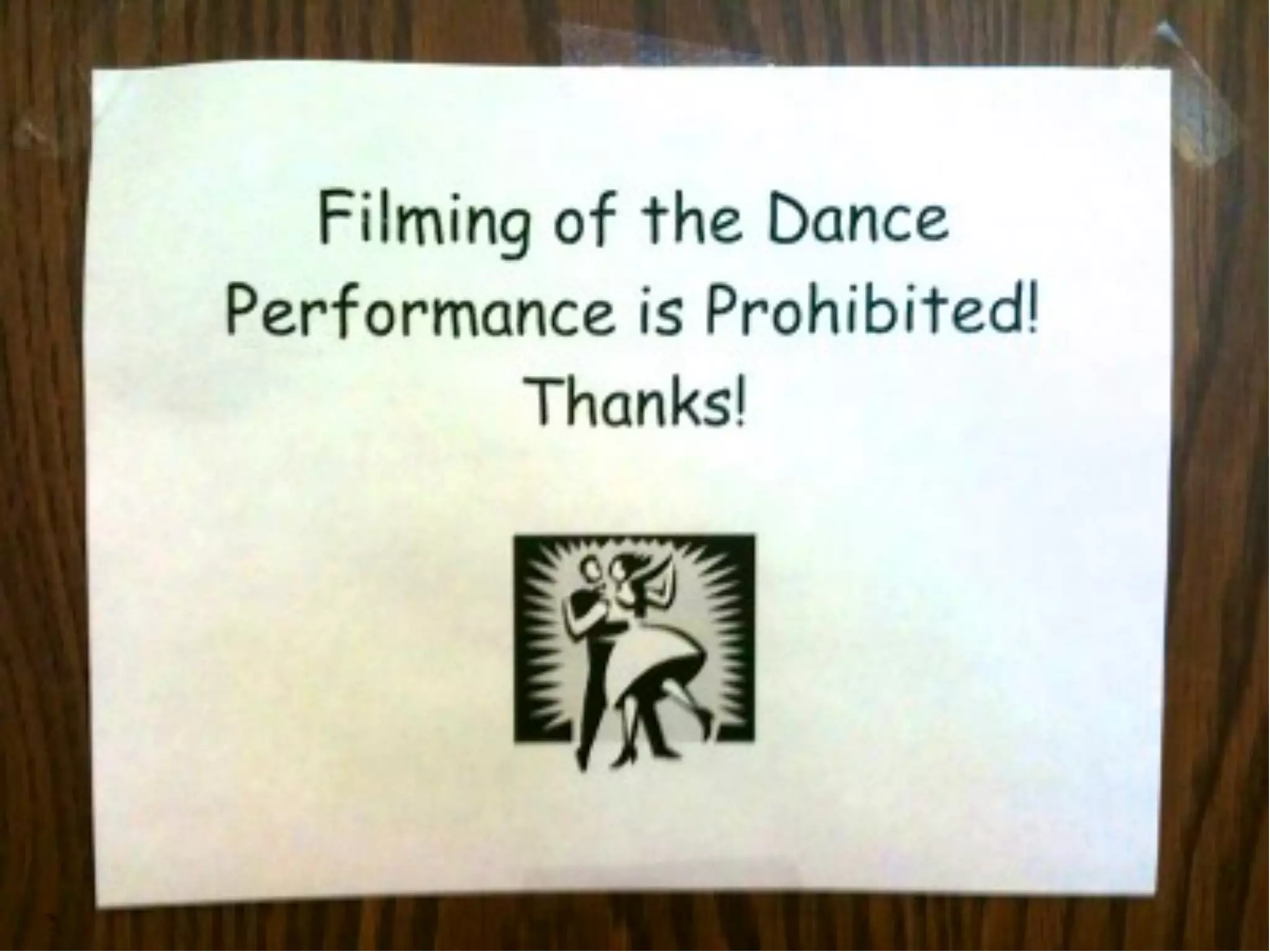
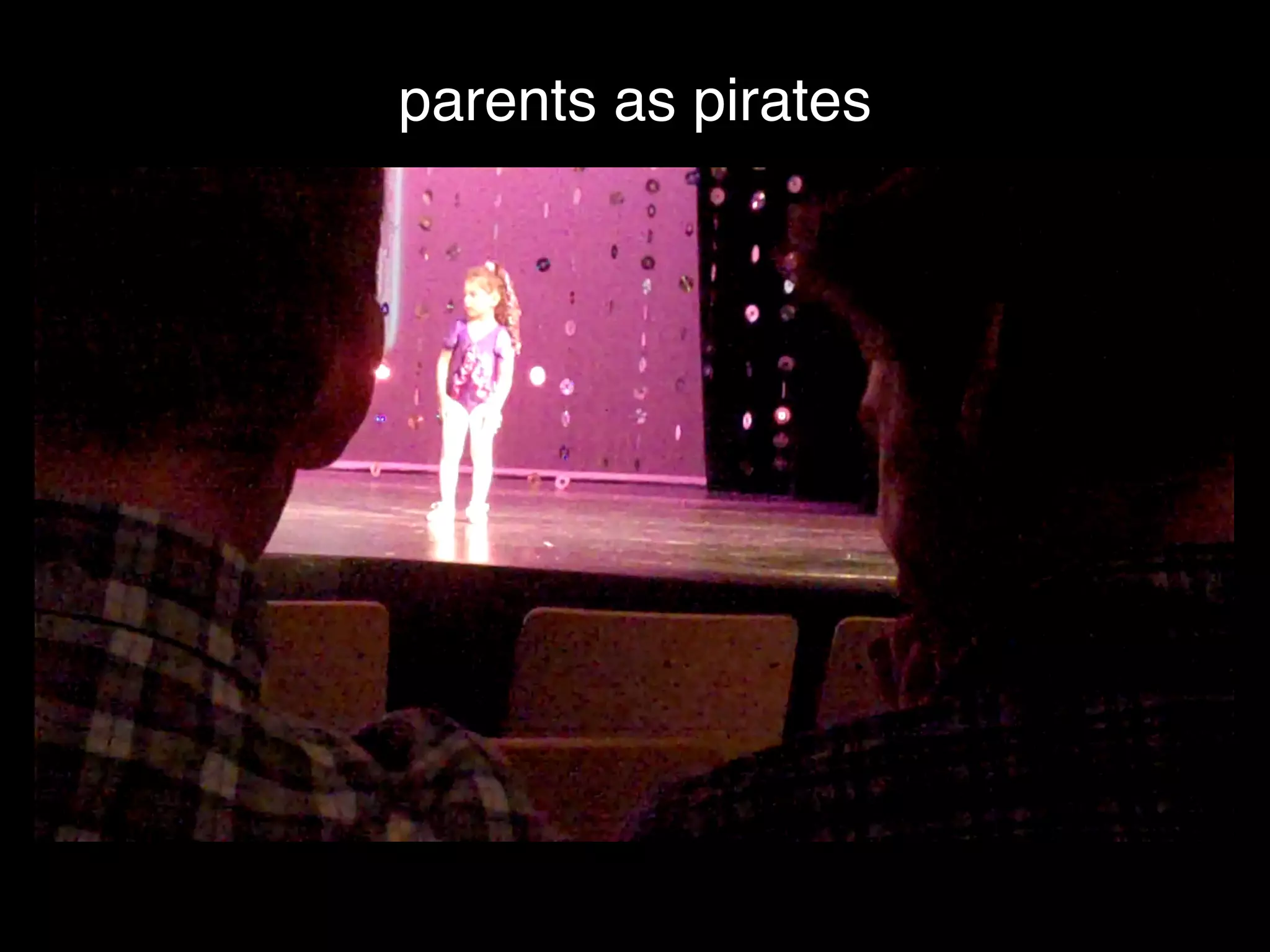
parents as pirates
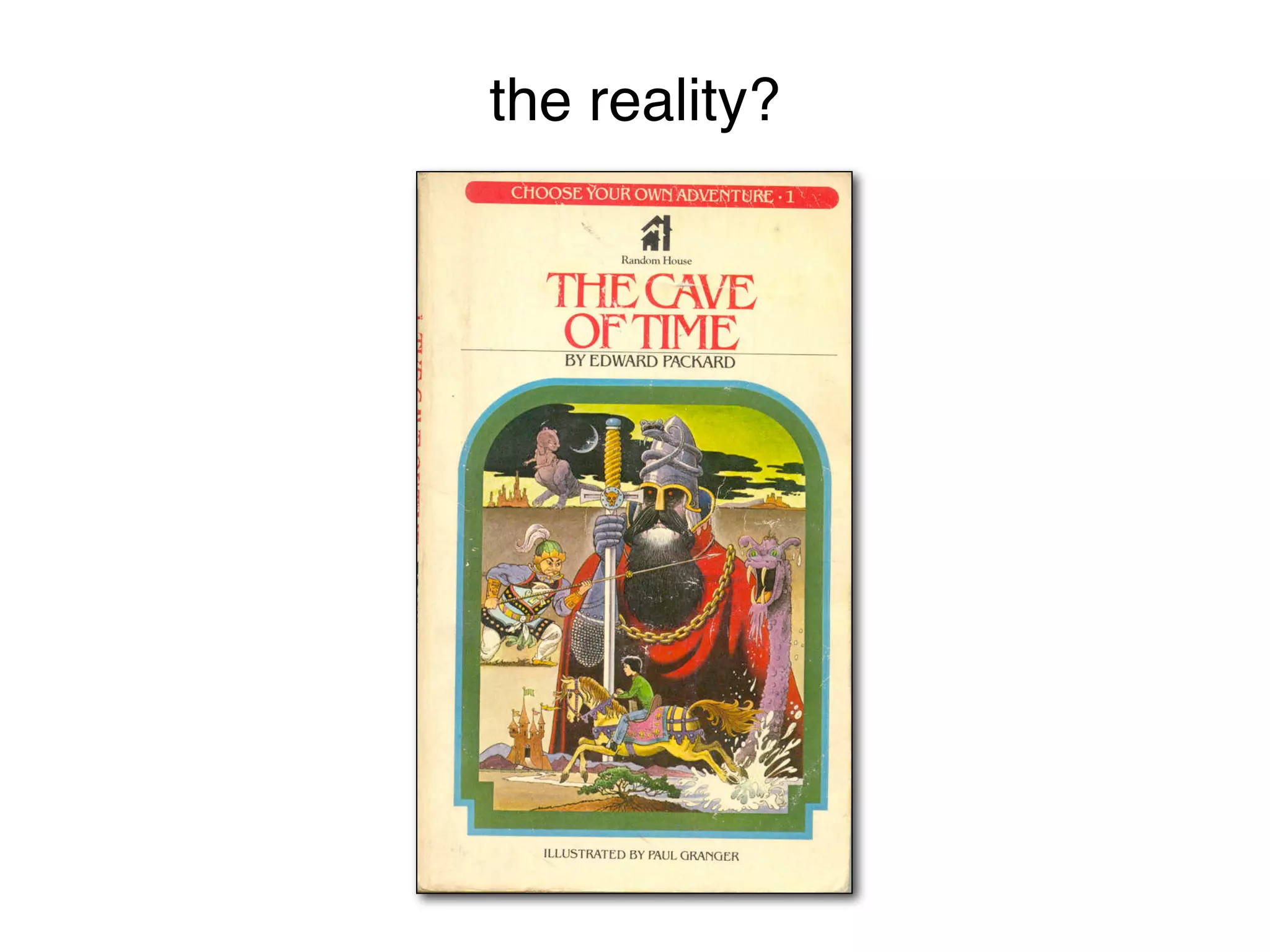
the reality?
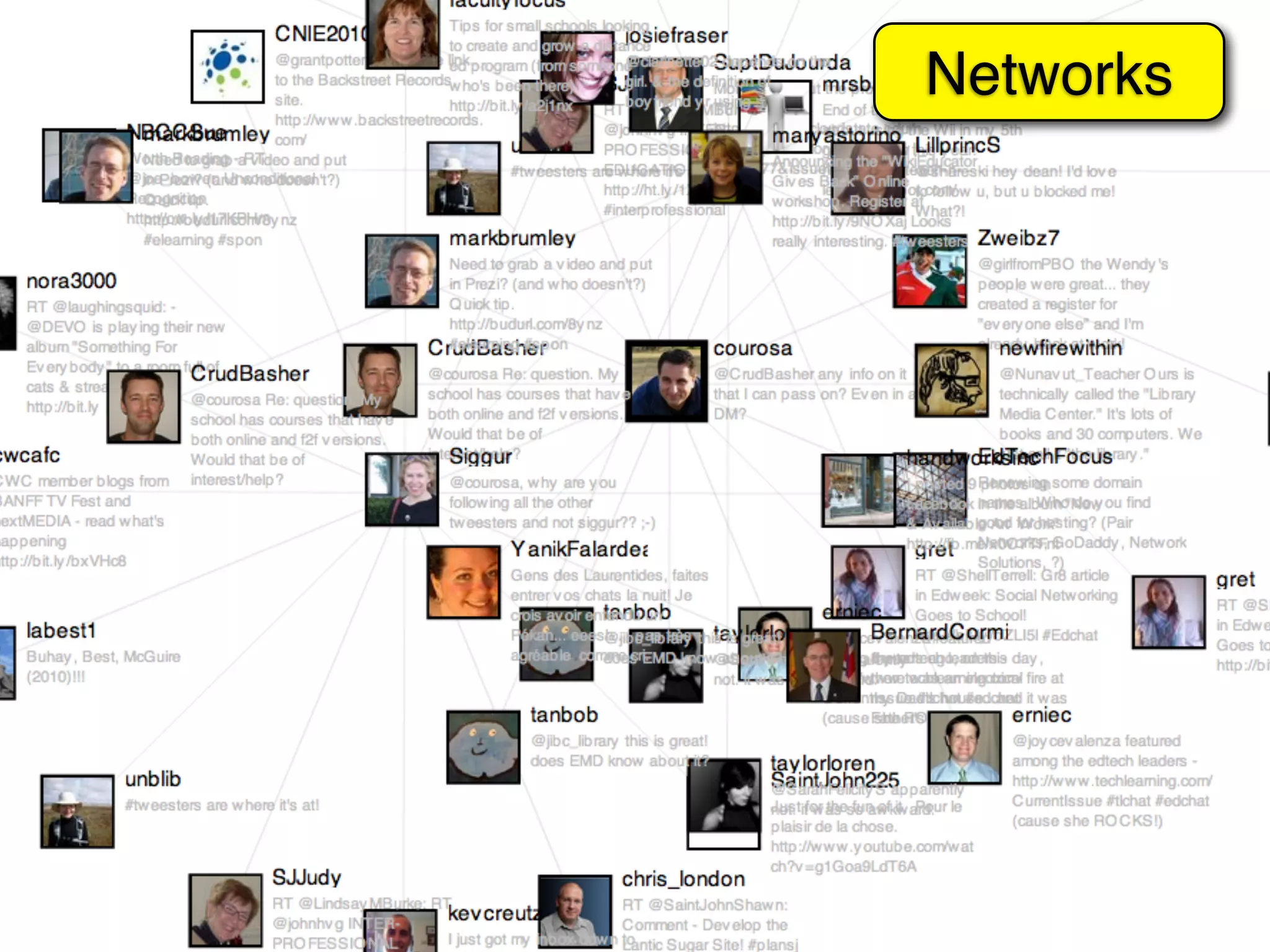
Networks
“Understanding how networks
work is one of the most important
 literacies of the 21st century.”
            (Rheingold, 2010)
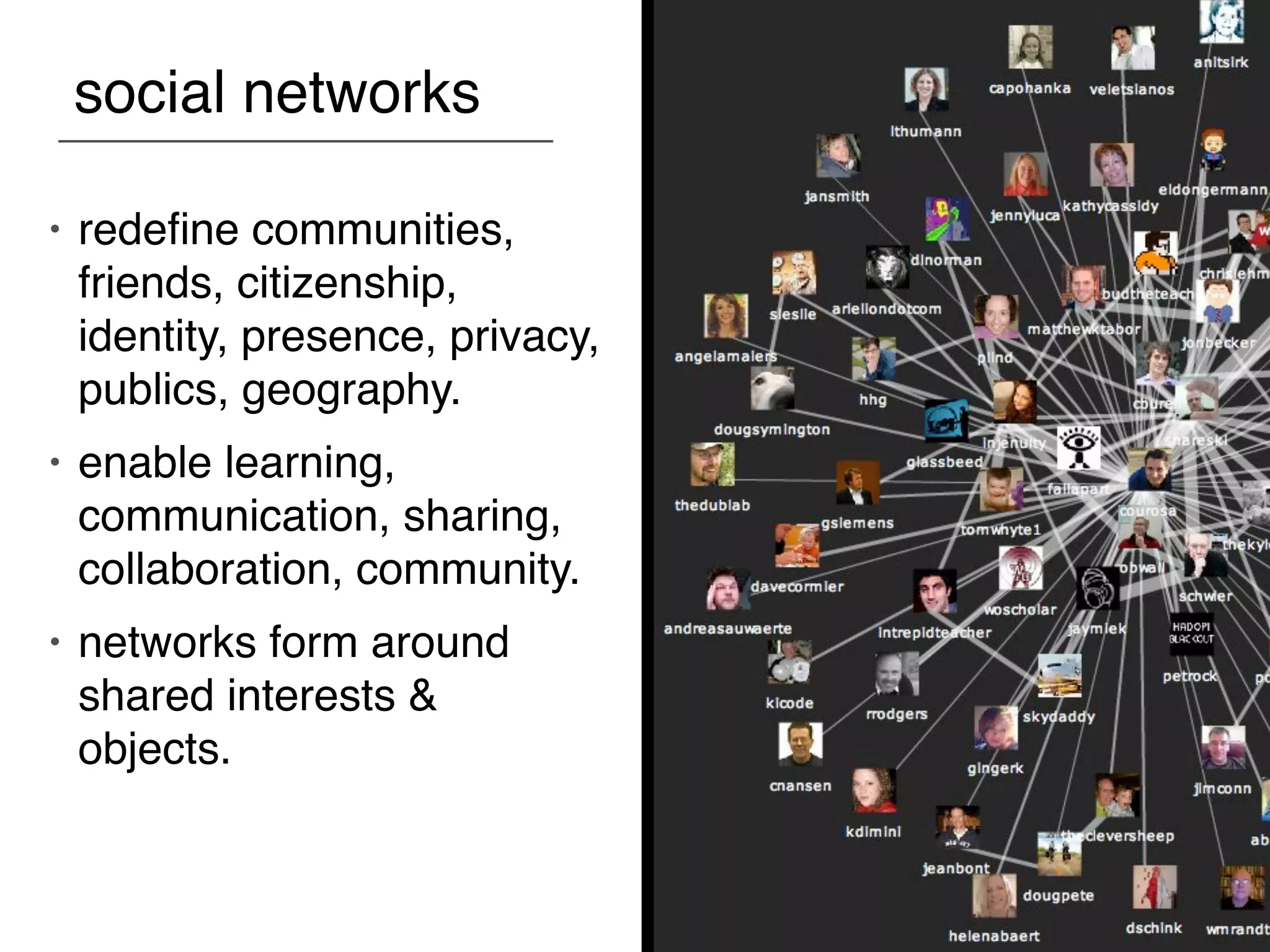
social networks

•   redefine communities,
    friends, citizenship,
    identity, presence, privacy,
    publics, geography.
•   enable learning,
    communication, sharing,
    collaboration, community.
•   networks form around
    shared interests &
    objects.
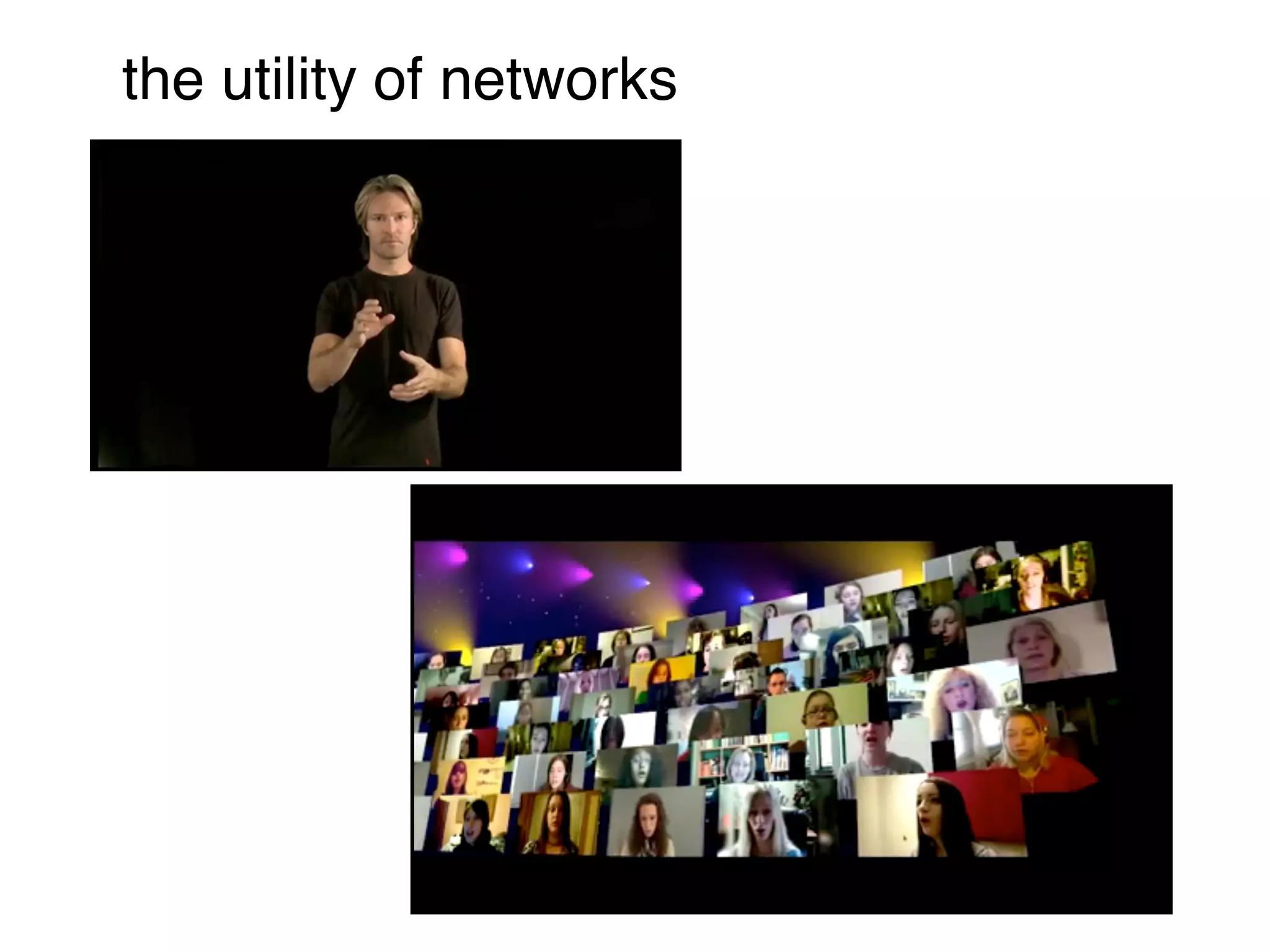
the utility of networks
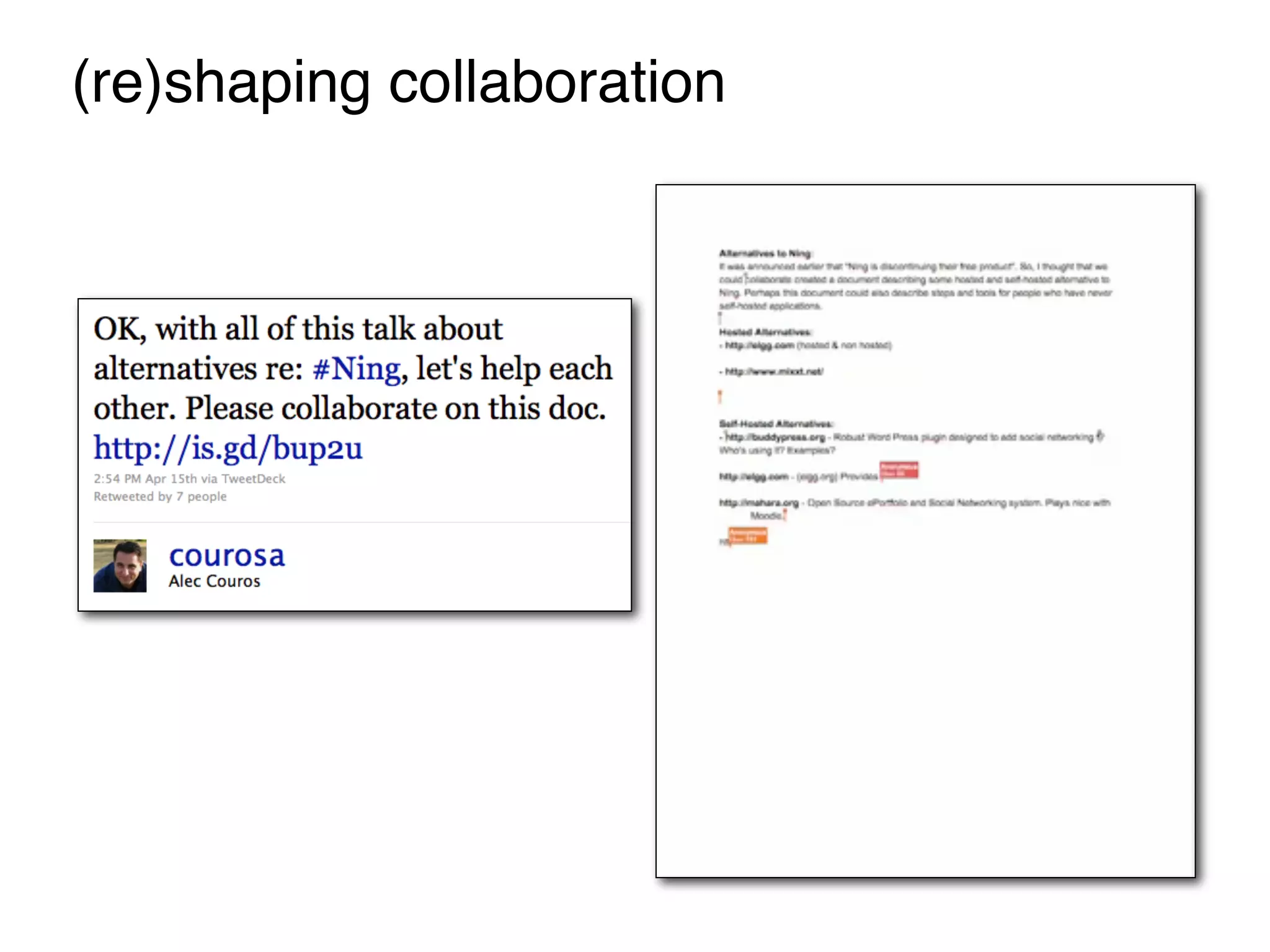
(re)shaping collaboration
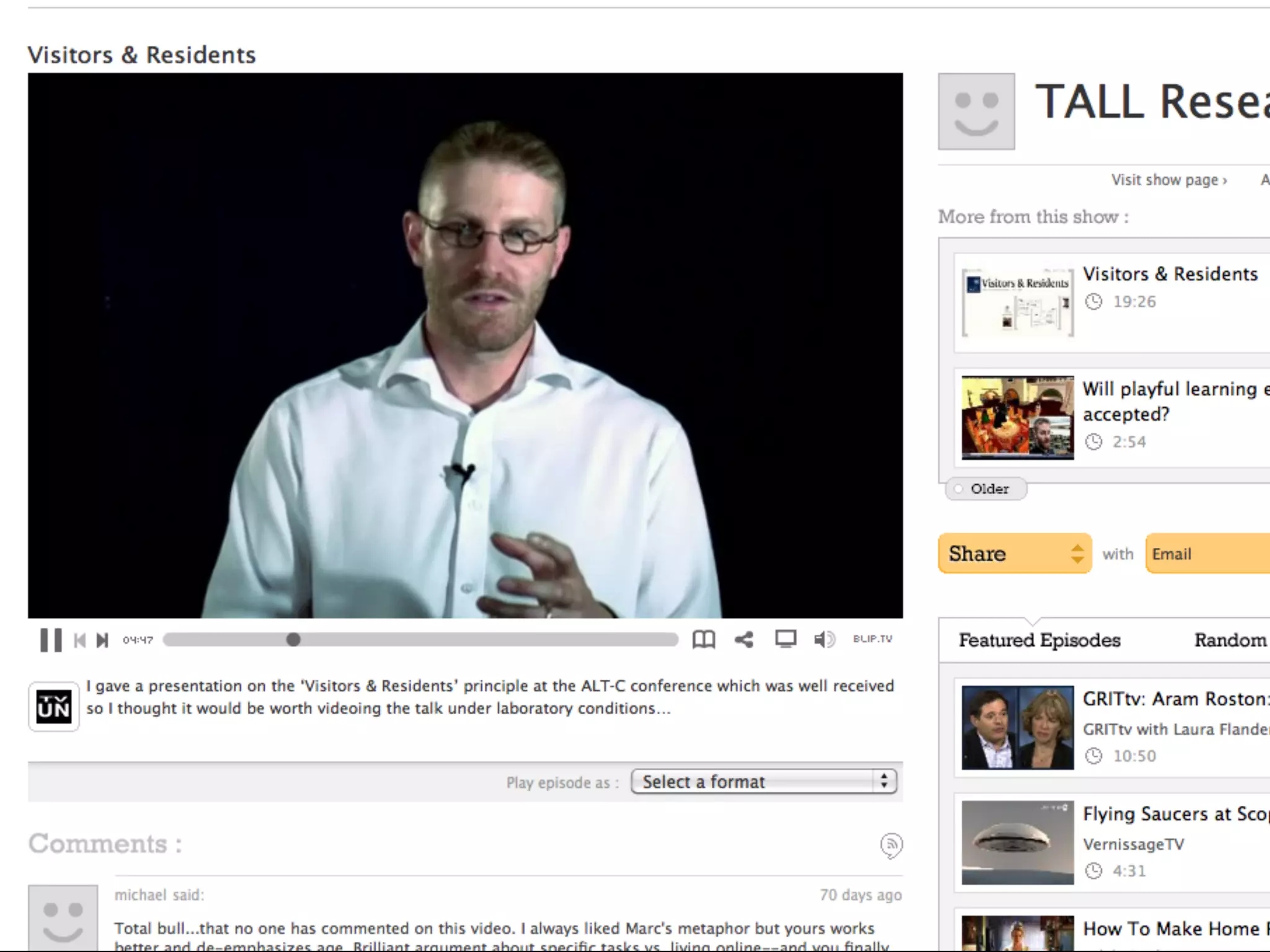
divide
issues
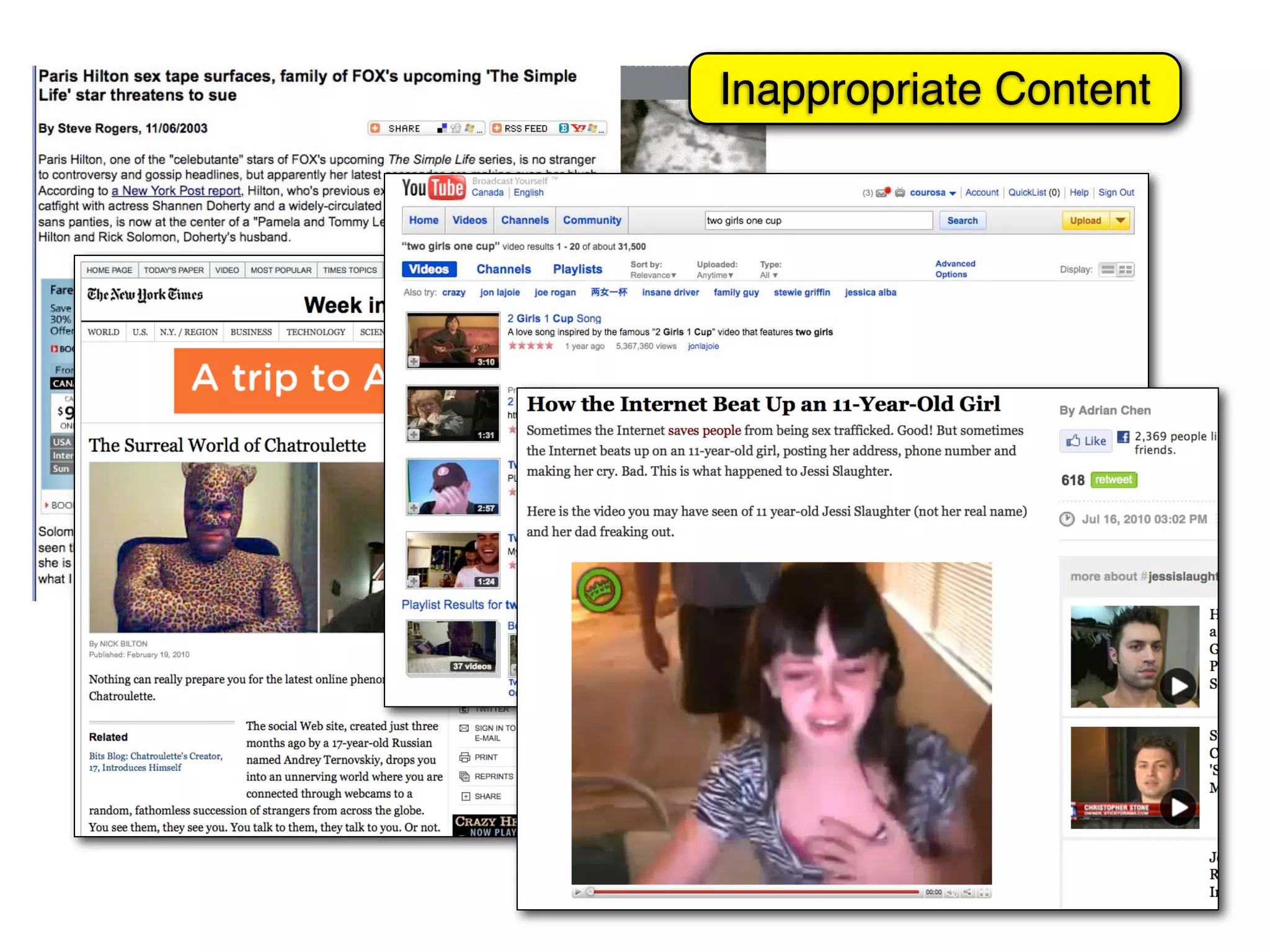
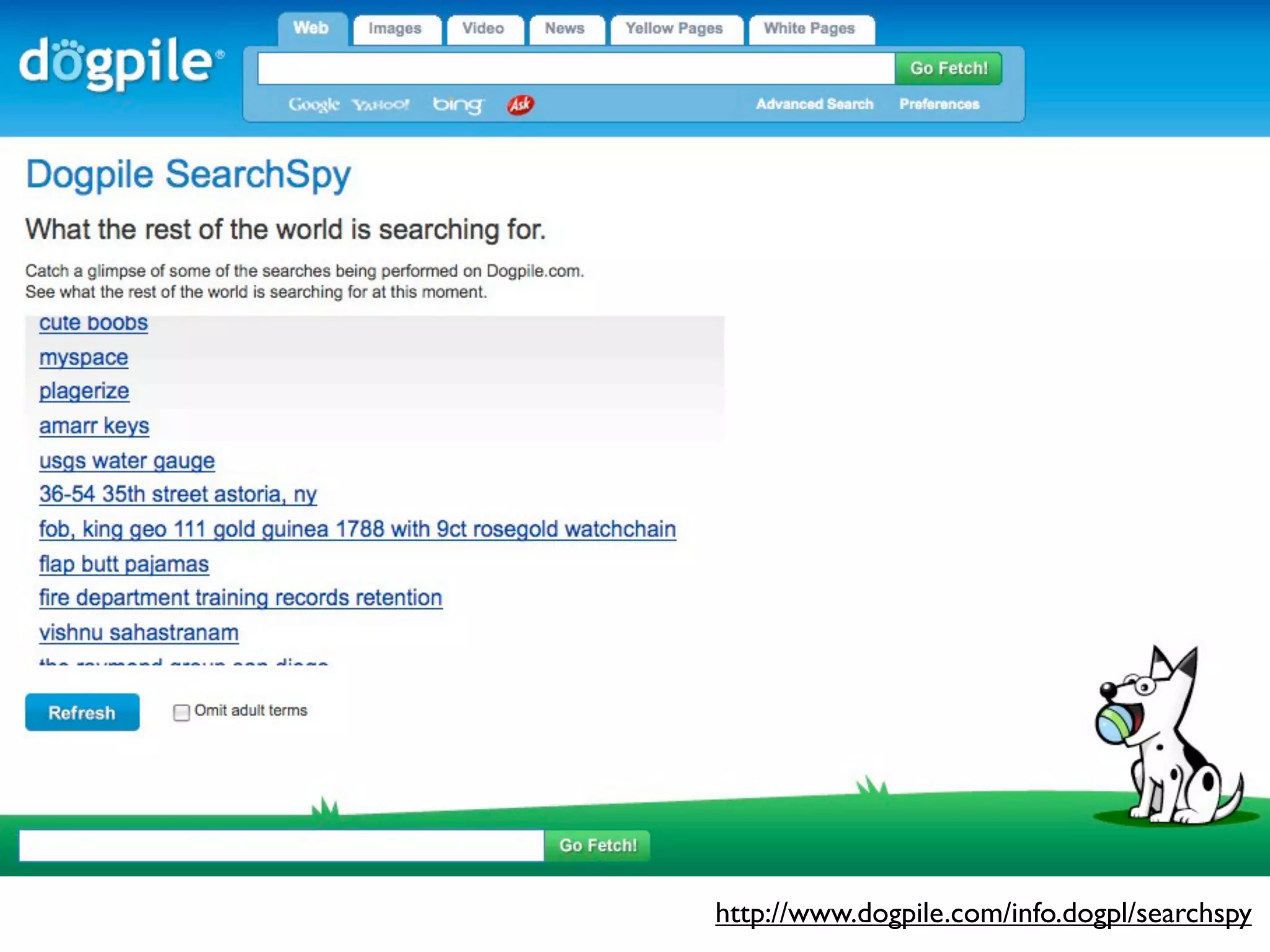
Inappropriate Content
http://www.dogpile.com/info.dogpl/searchspy
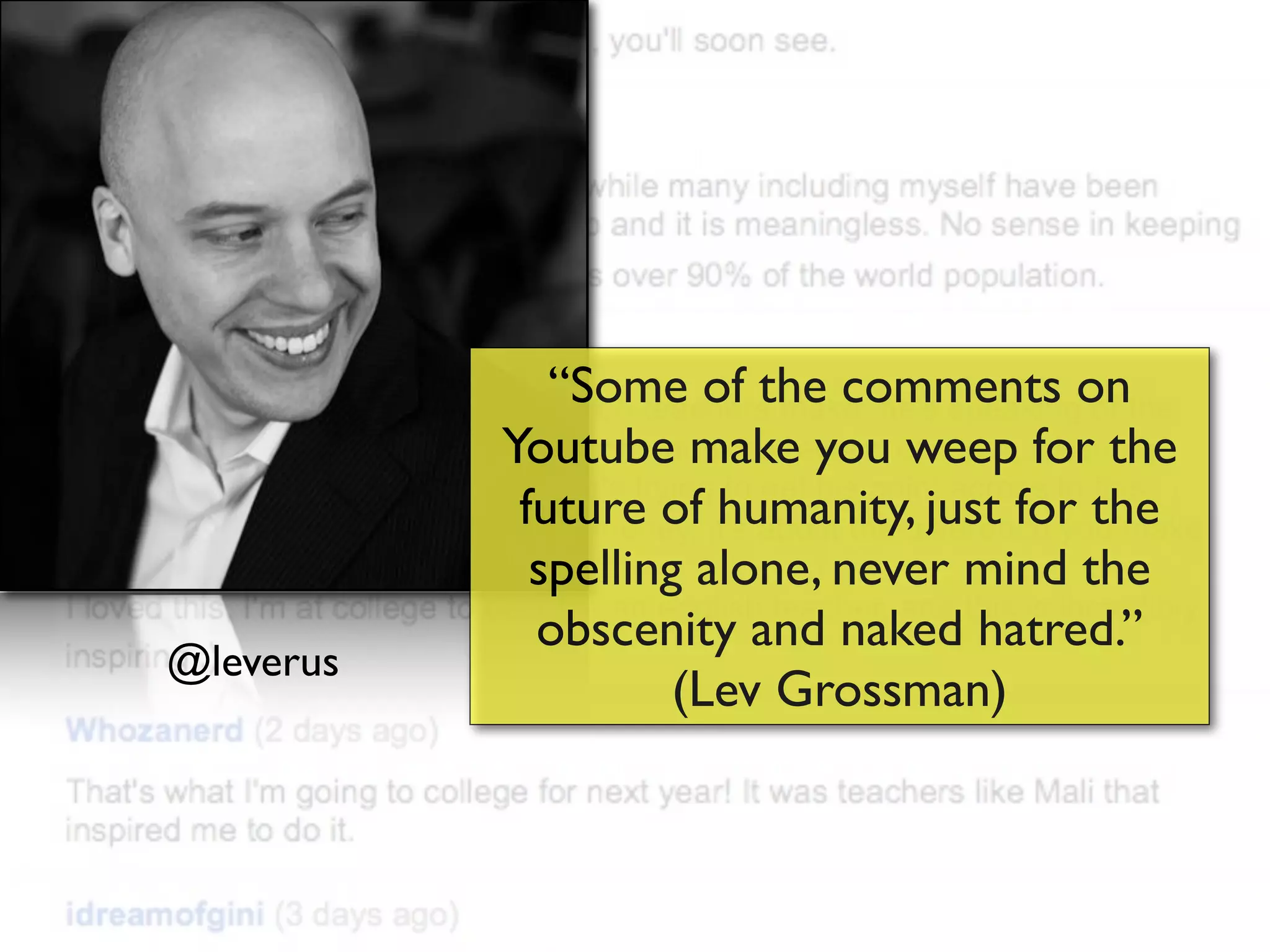
“Some of the comments on
           Youtube make you weep for the
            future of humanity, just for the
             spelling alone, never mind the
             obscenity and naked hatred.”
@leverus
                     (Lev Grossman)
Verifiability
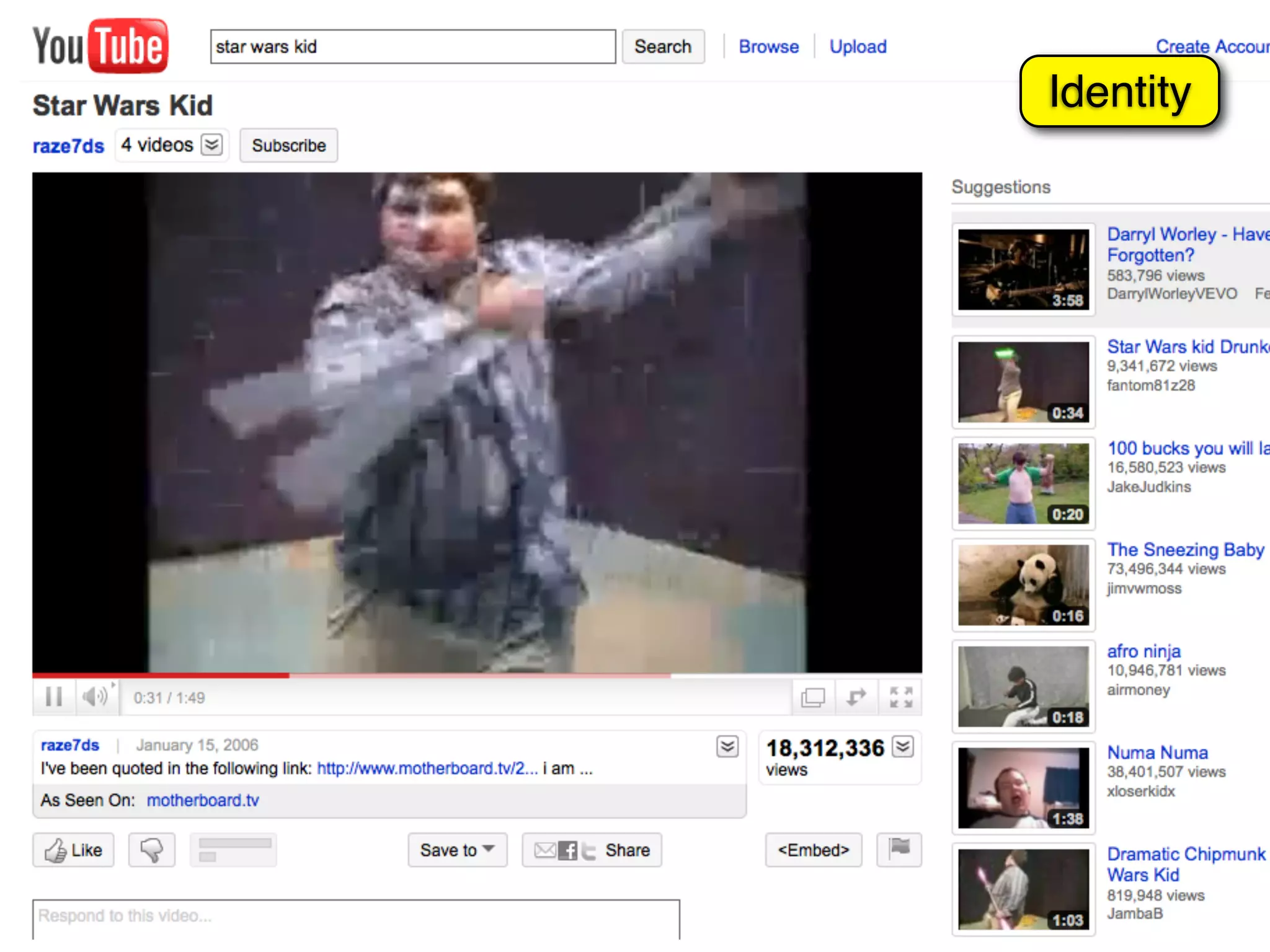
Identity
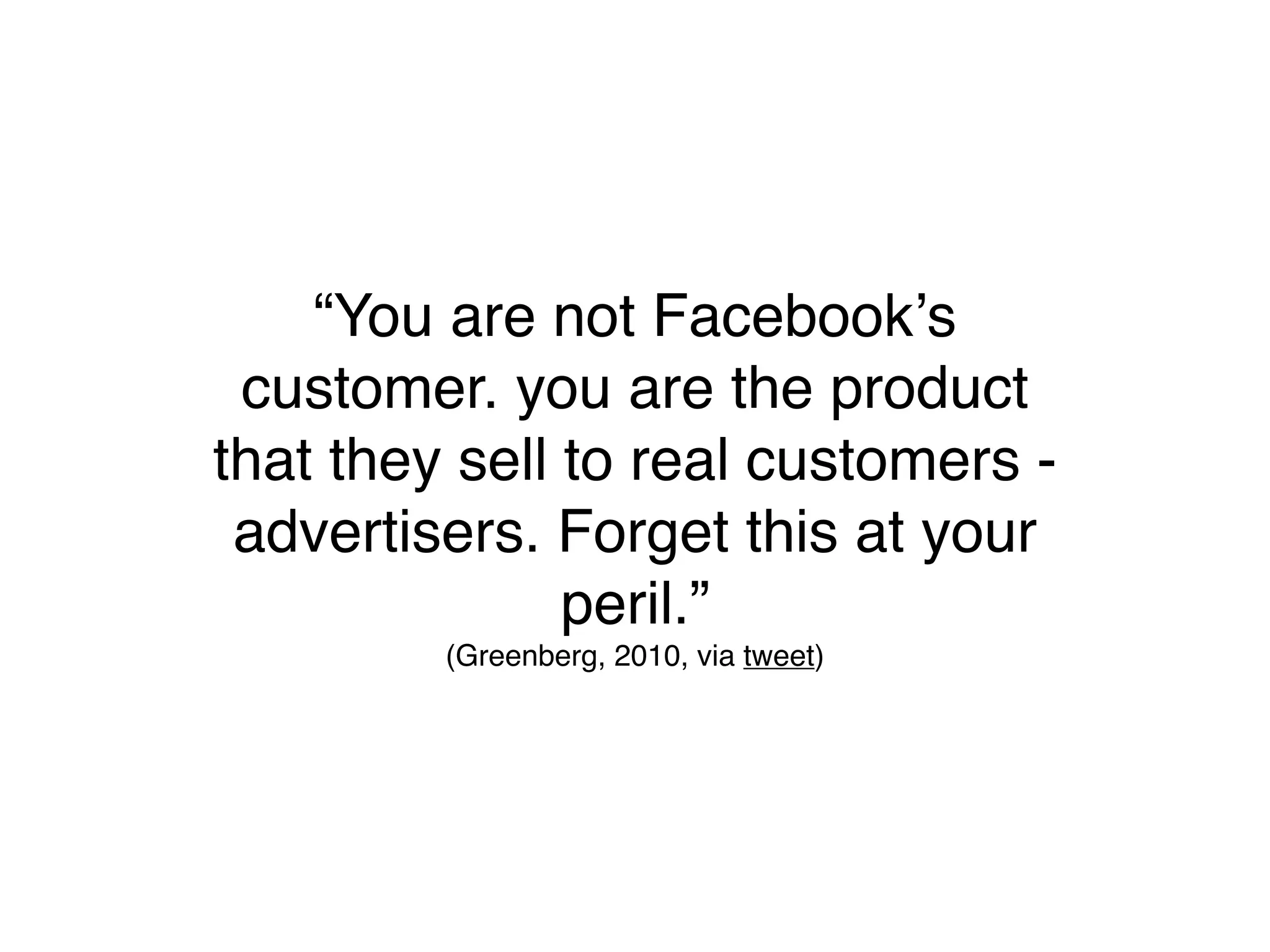
“You are not Facebookʼs
 customer. you are the product
that they sell to real customers -
 advertisers. Forget this at your
               peril.”
         (Greenberg, 2010, via tweet)
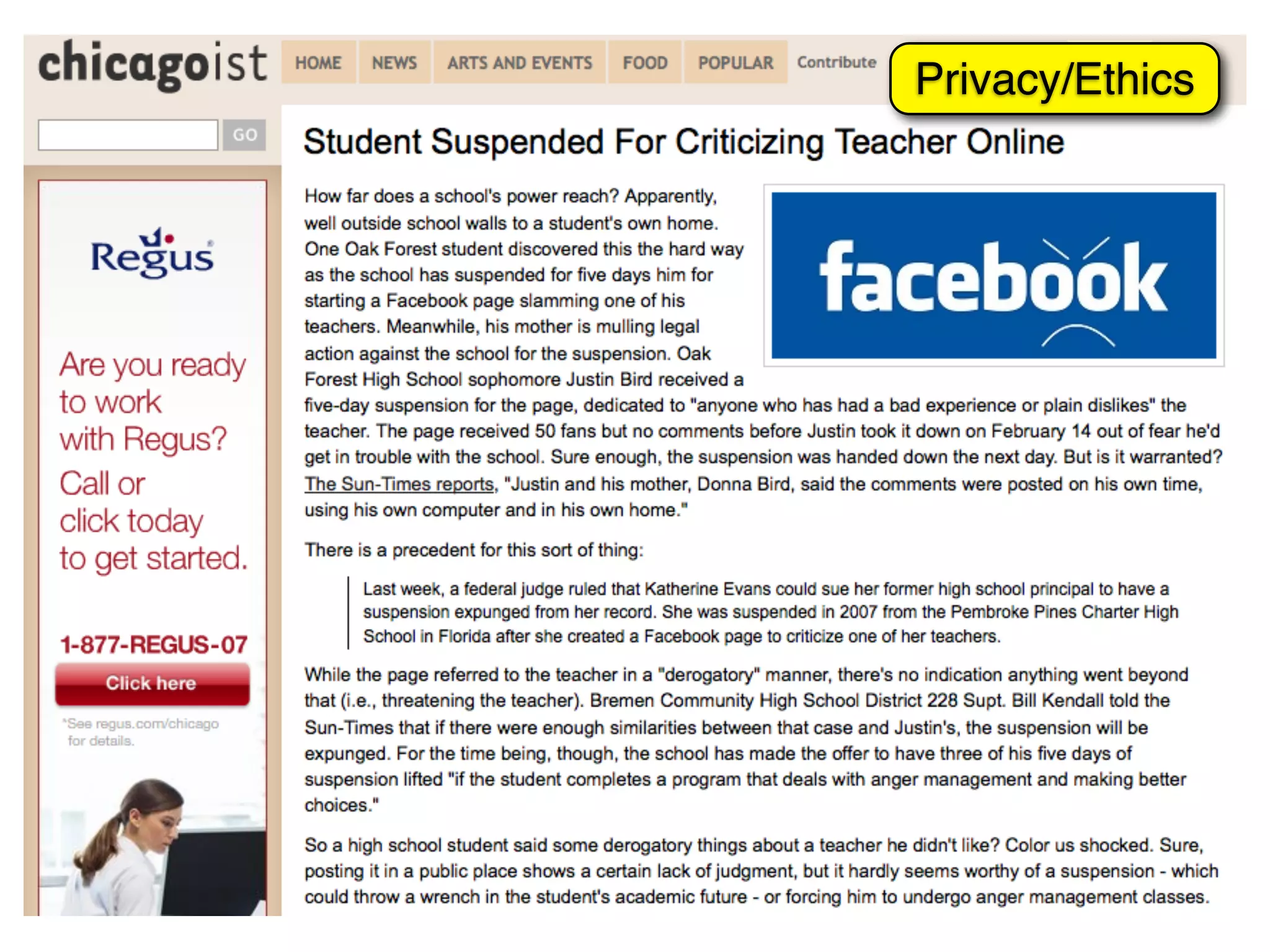
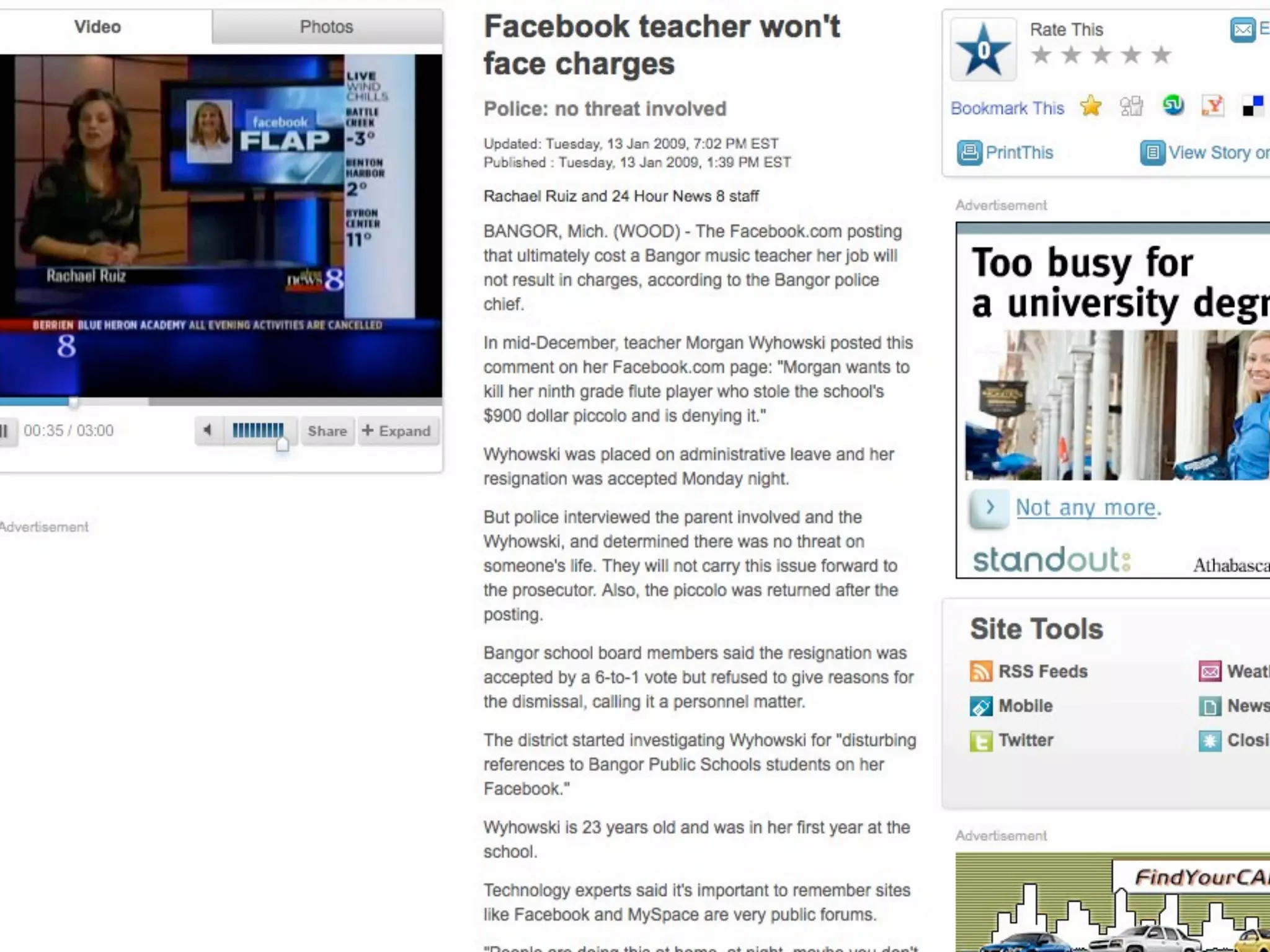
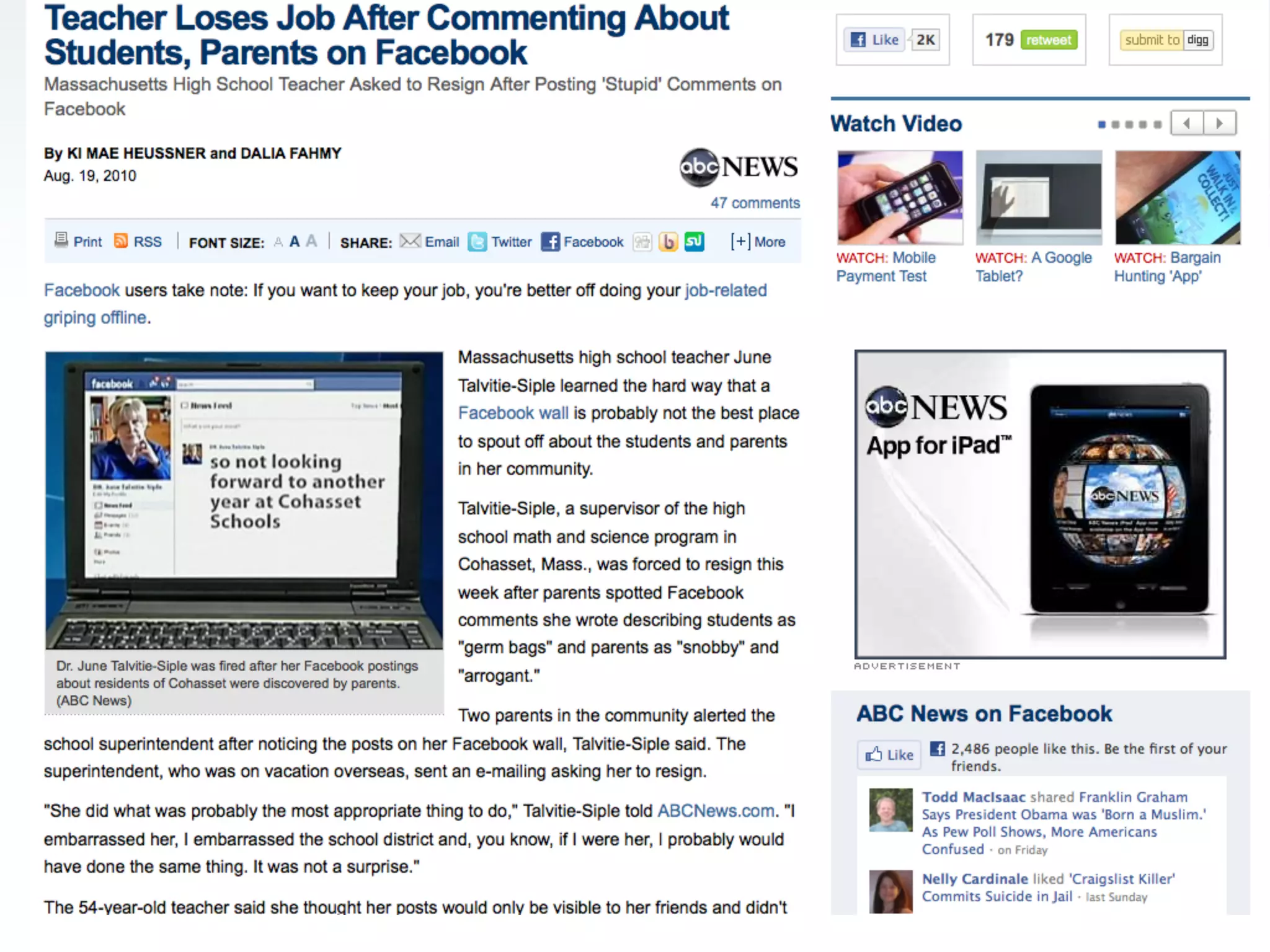
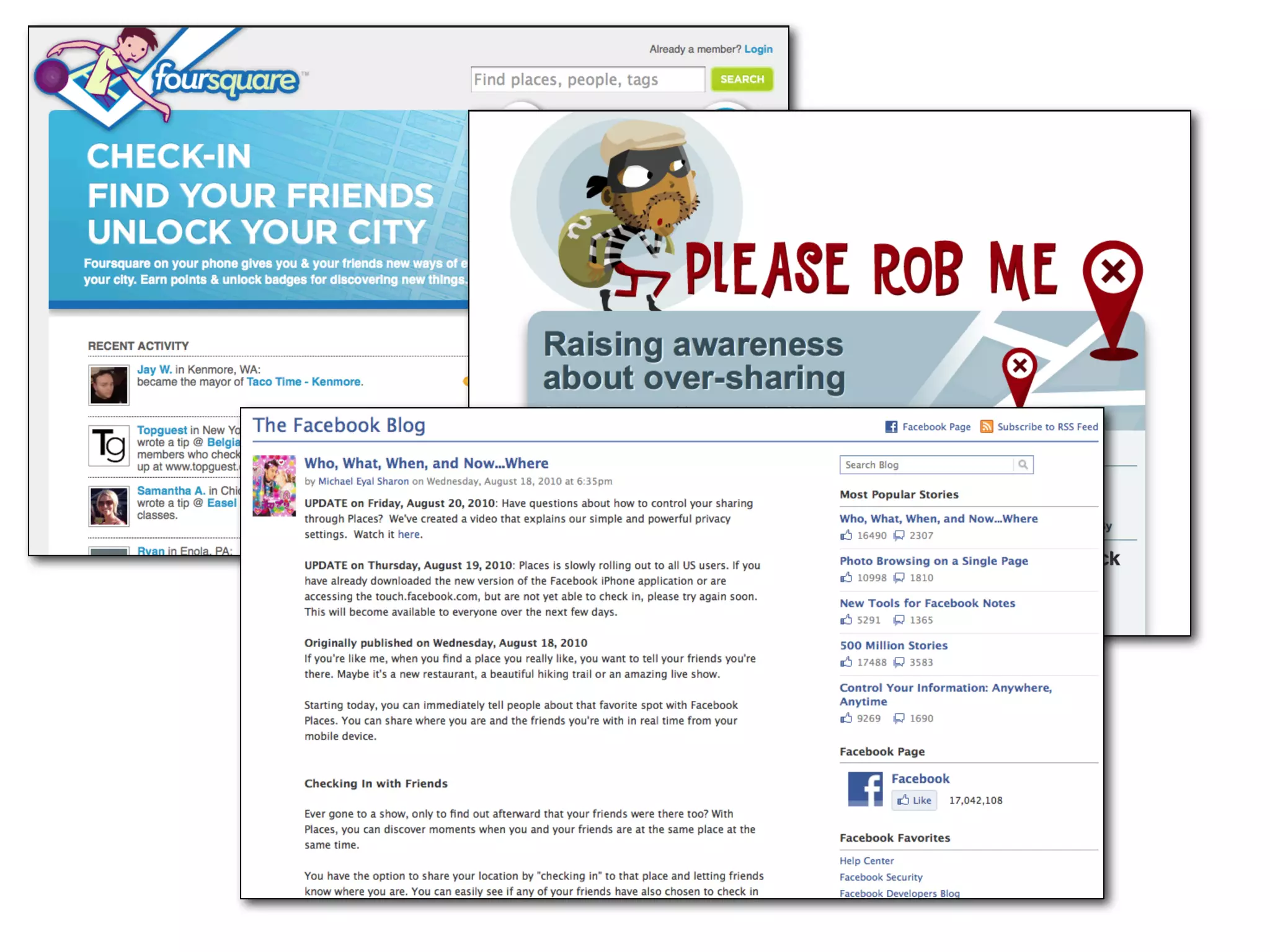
Privacy/Ethics
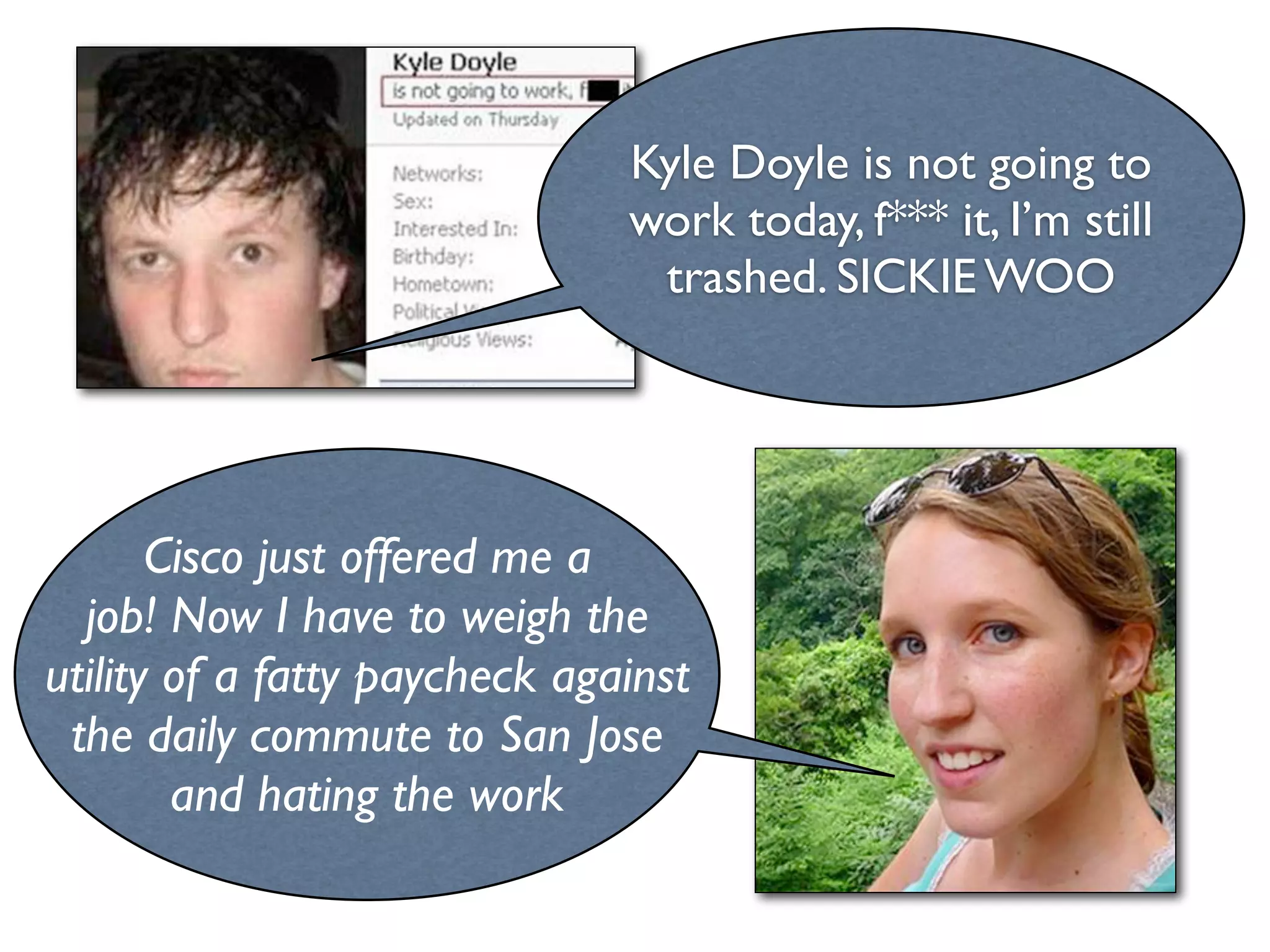
Kyle Doyle is not going to
                               work today, f*** it, I’m still
                                trashed. SICKIE WOO


       Cisco just offered me a
  job! Now I have to weigh the
utility of a fatty paycheck against
 the daily commute to San Jose
        and hating the work
literacies
“...the set of abilities and skills where
  aural, visual, & digital overlap. These
   include the ability to understand the
power of images & sounds, to recognize
    & use that power, to manipulate &
 transform them pervasively, & to easily
           adapt to new forms.”
        (New Media Consortium, 2005, on ʻnew literaciesʼ)
- new media are texts
                   - information is abundant
                   - surge of multimodal/multimedia expression
                   - authorship increasingly complex
assumptions        - social contexts collapsing
 (short version)
                   - potential audience expanding
                   - social connections important
                   - technology tends to be deterministic
                   - digital reputation management vital to citizenry
                   - wayfinding, sensemaking, curation,
                    participation, production vital to literacy
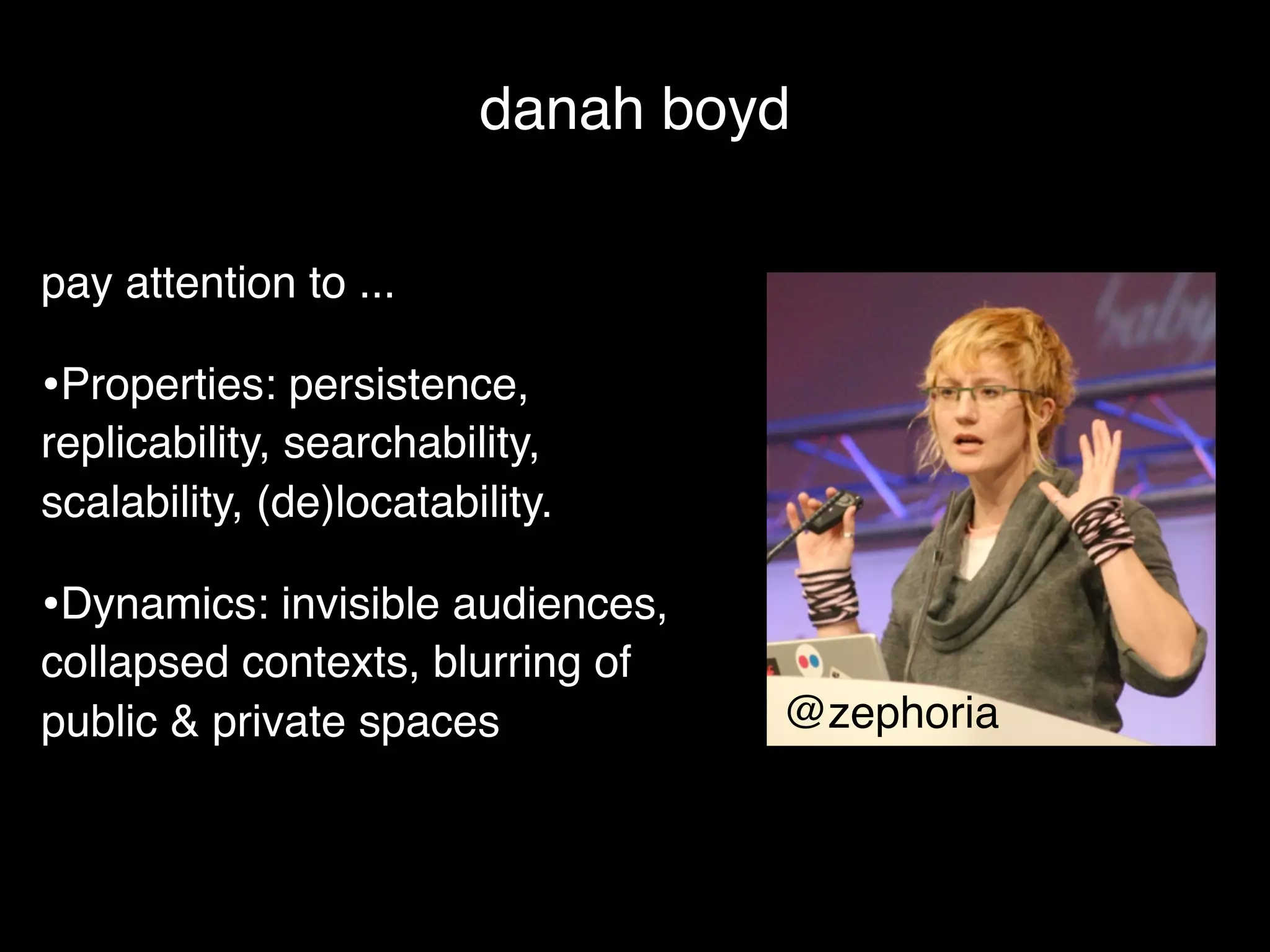
danah boyd

pay attention to ...

•Properties: persistence,
replicability, searchability,
scalability, (de)locatability.

•Dynamics: invisible audiences,
collapsed contexts, blurring of
public & private spaces           @zephoria
1. coding competence
 (the ability to decode texts)


                                 (Adapted from Four Resources Model,
                                      Freebody & Luke, 1990)
2. semantic competence
  (the ability to make meaning)


                                  (Adapted from Four Resources Model,
                                       Freebody & Luke, 1990)
3. pragmatic competence
     (functional literacy)


                             (Adapted from Four Resources Model,
                                  Freebody & Luke, 1990)
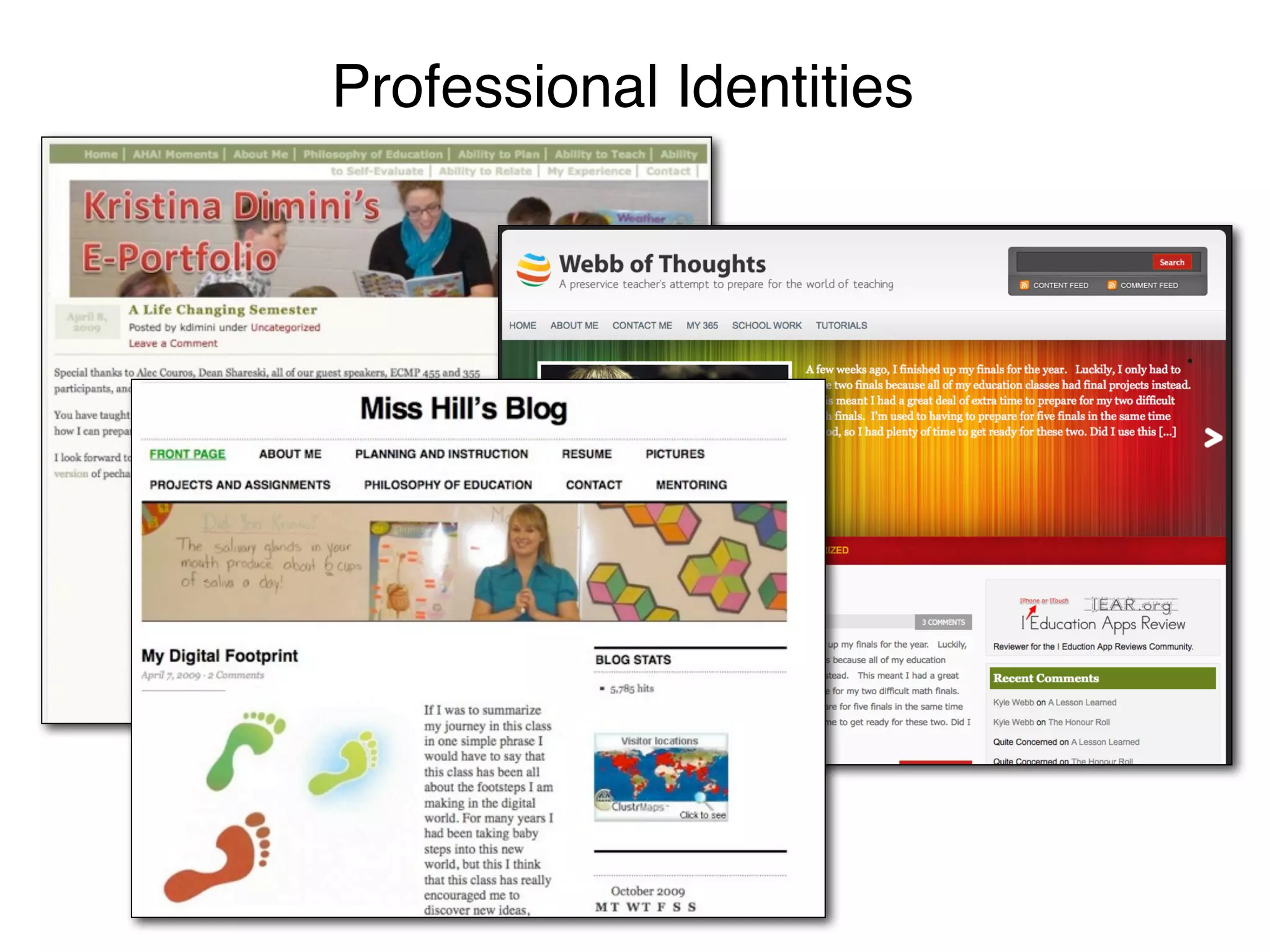
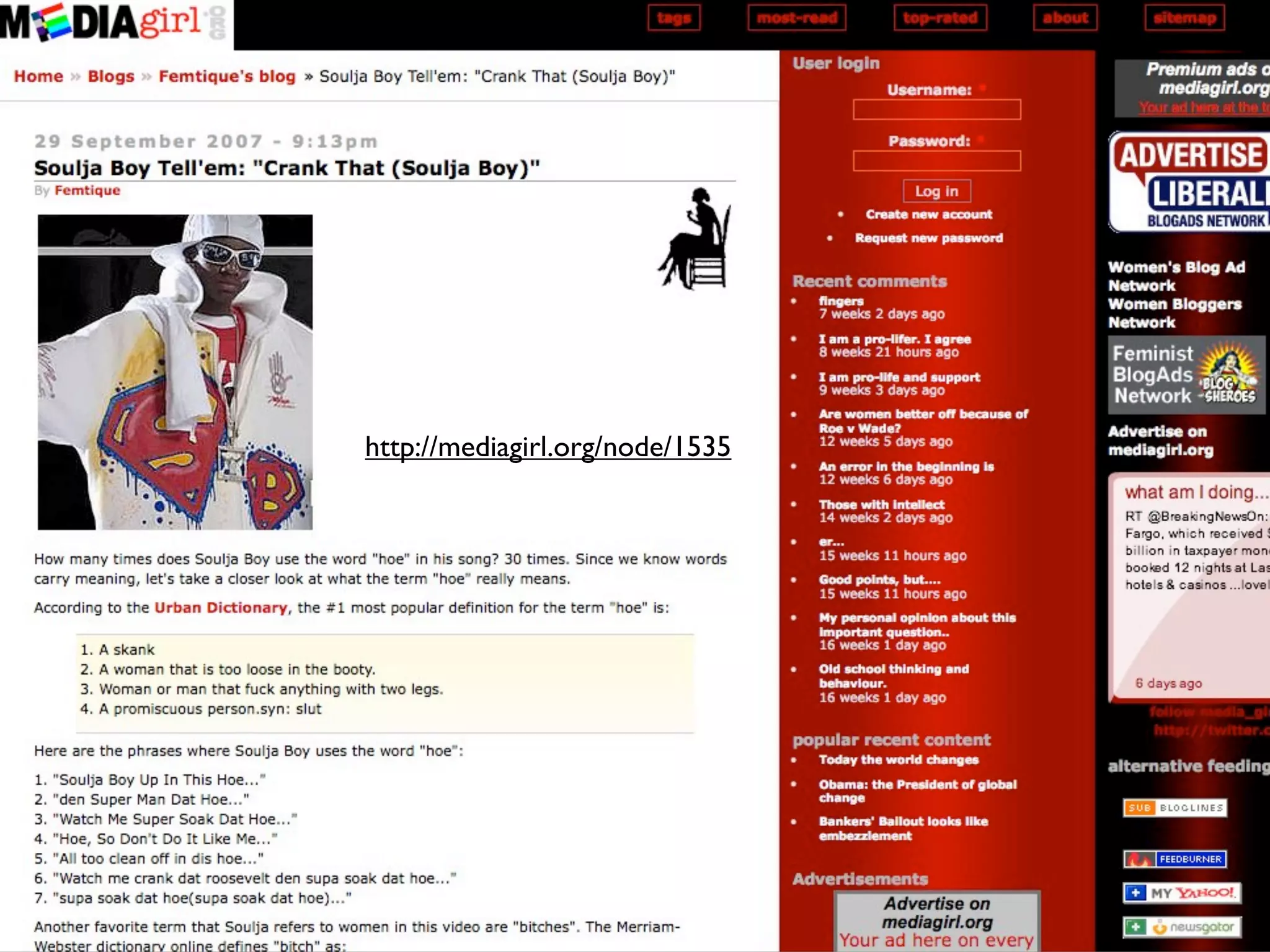
Professional Identities
http://mediagirl.org/node/1535
4. critical competence
(ability to select, analyze & participate in texts)


                                                      (Adapted from Four Resources Model,
                                                           Freebody & Luke, 1990)
finding inspiration
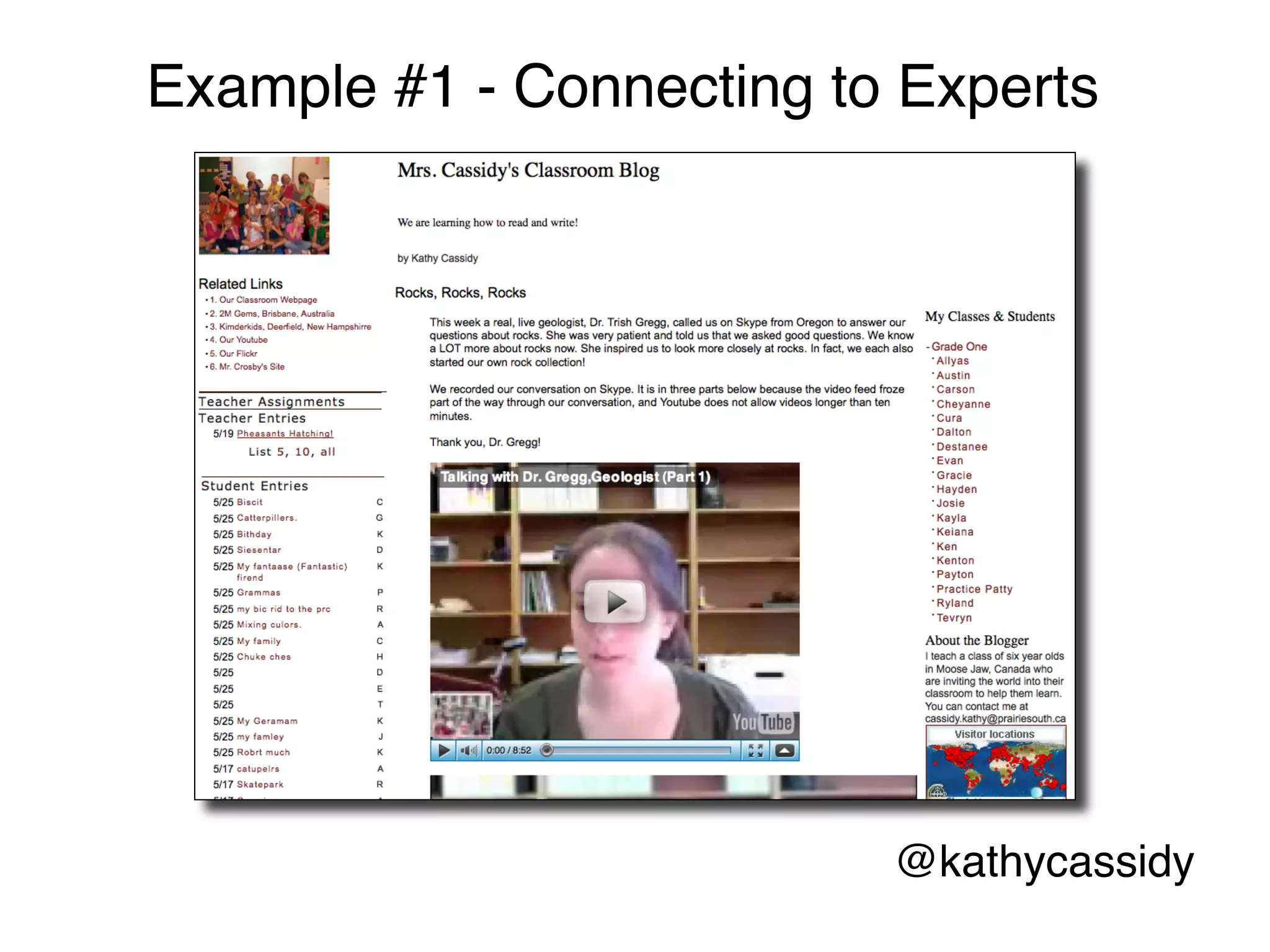
Example #1 - Connecting to Experts


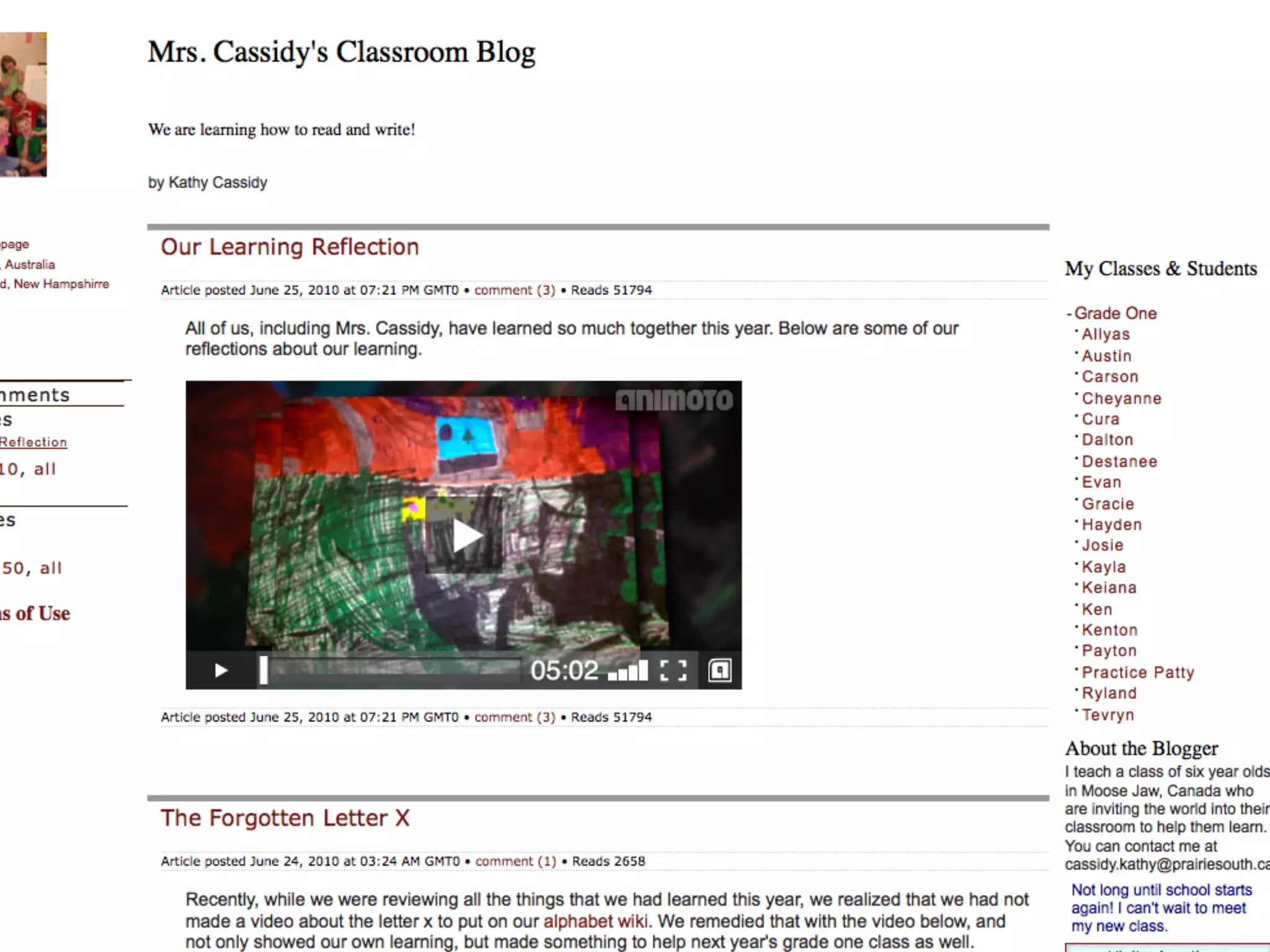
                          @kathycassidy
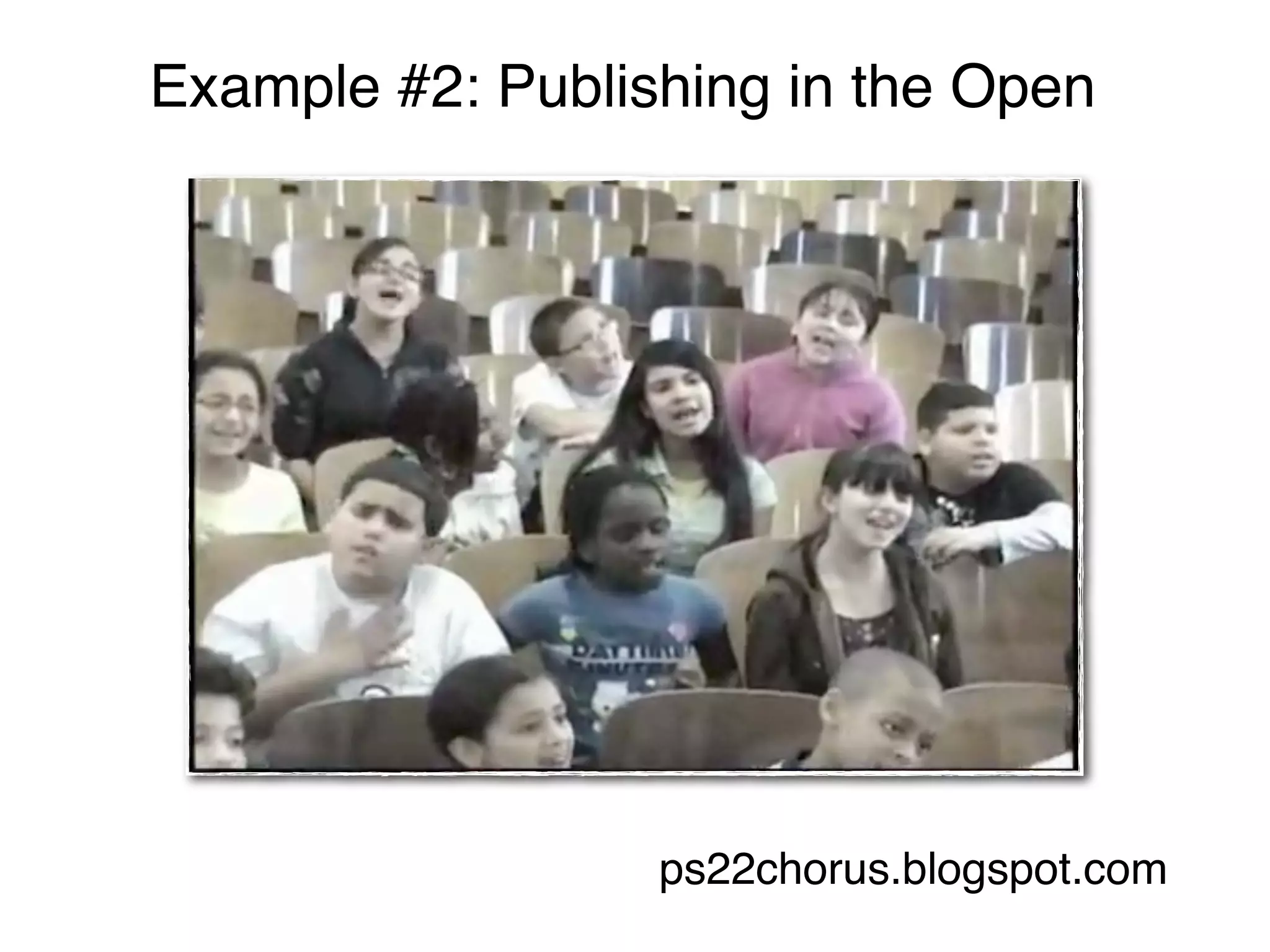
Example #2: Publishing in the Open


                  ps22chorus.blogspot.com
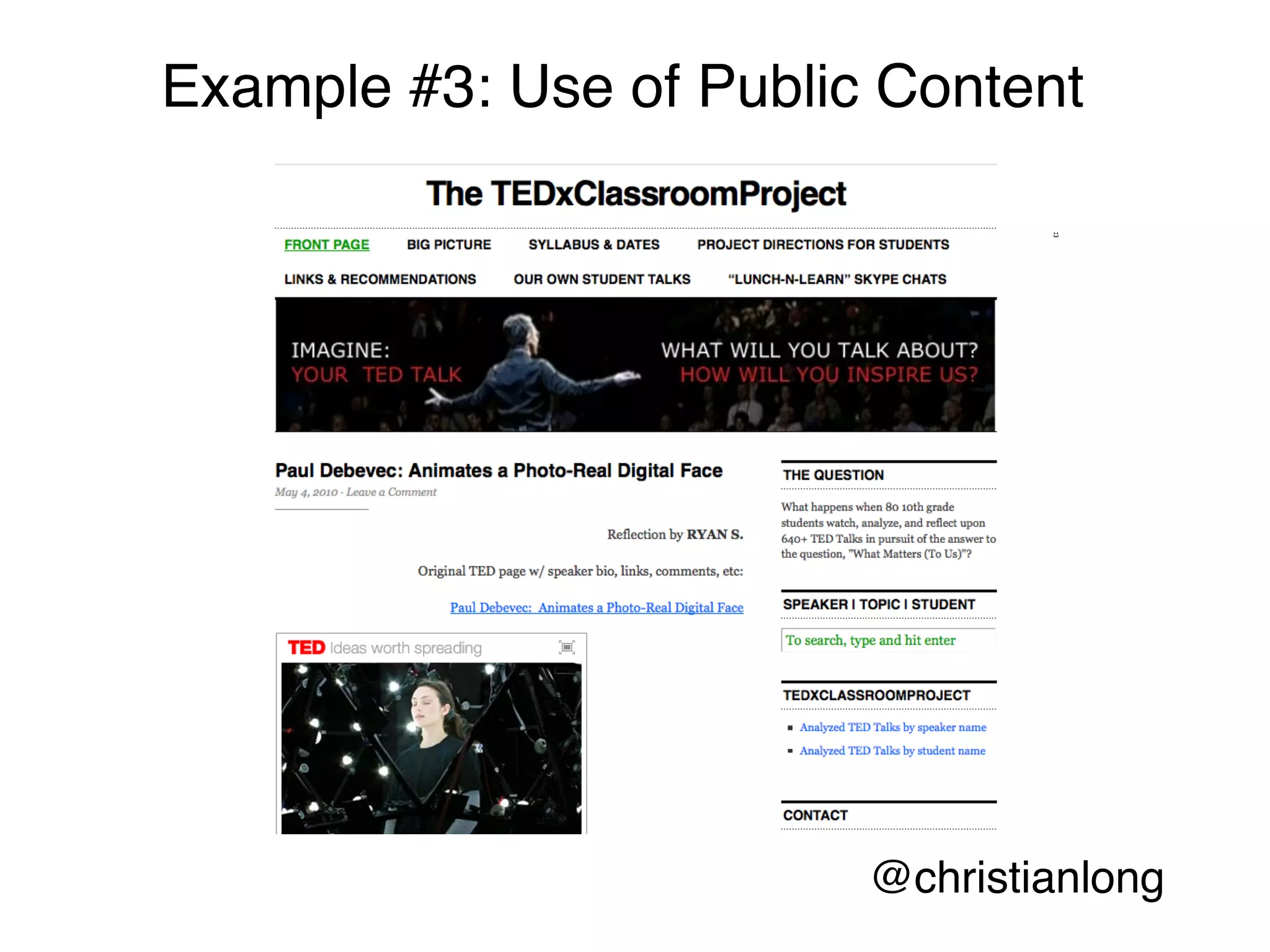
Example #3: Use of Public Content


                         @christianlong
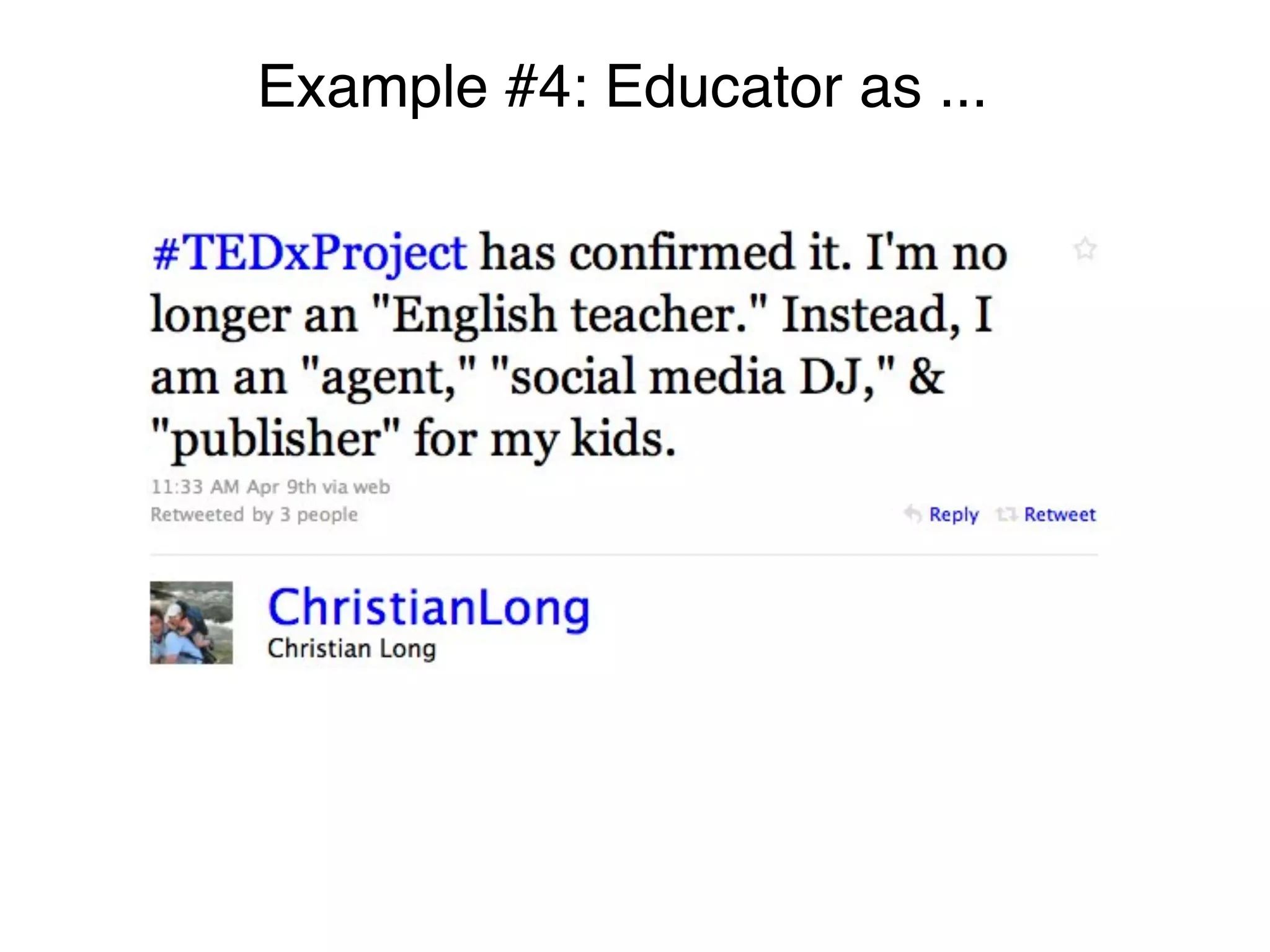
Example #4: Educator as ...
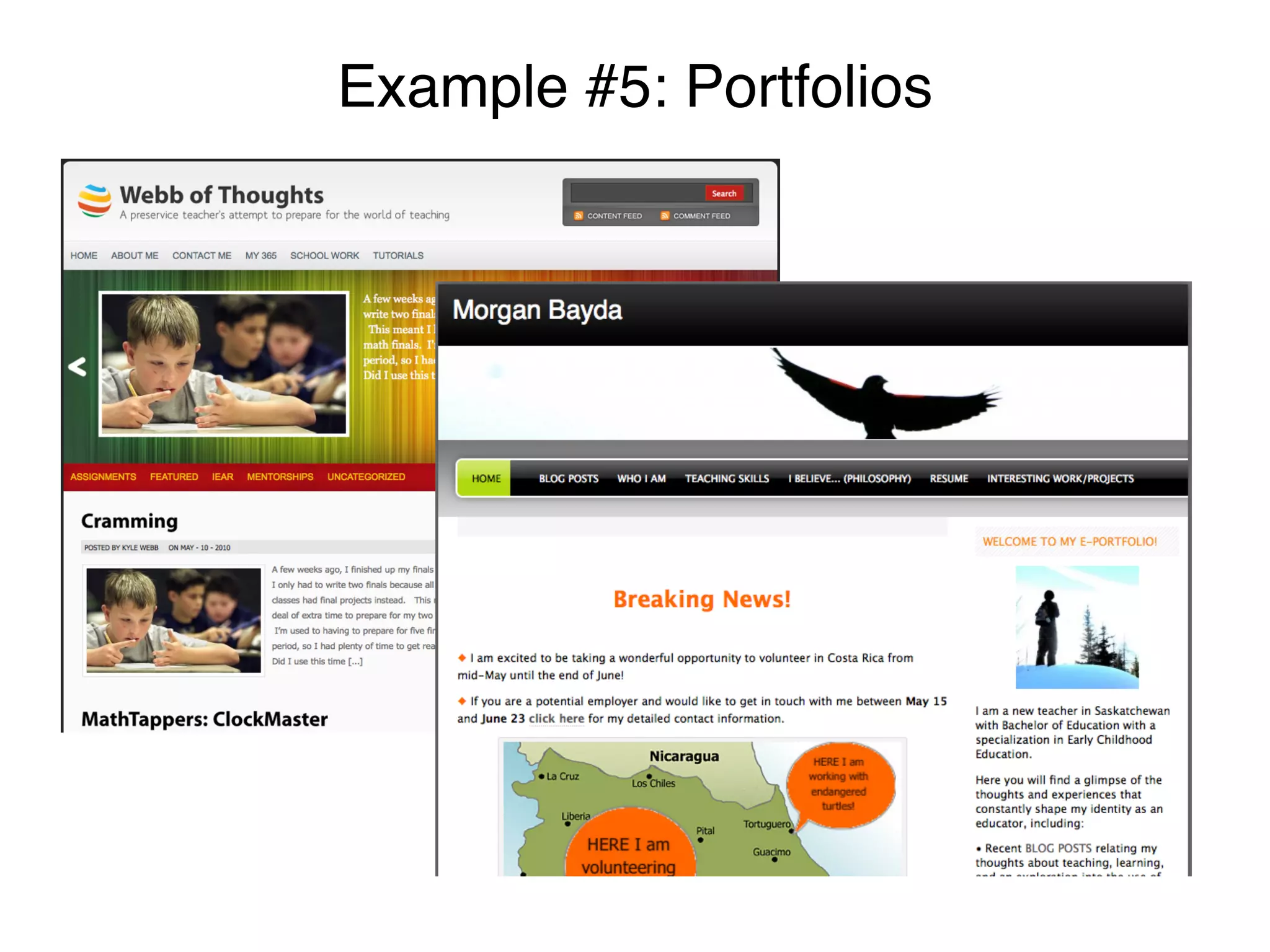
Example #5: Portfolios
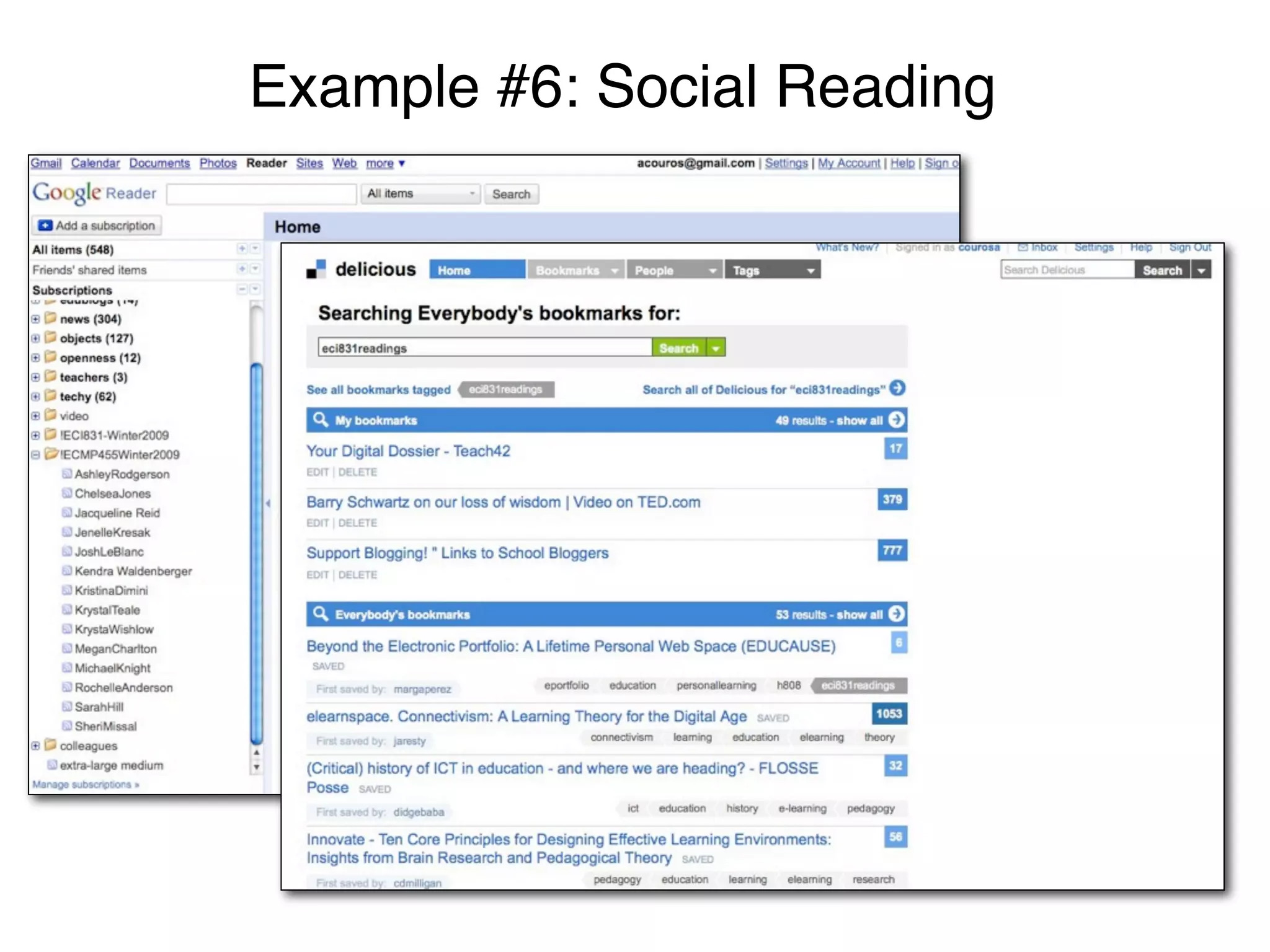
Example #6: Social Reading
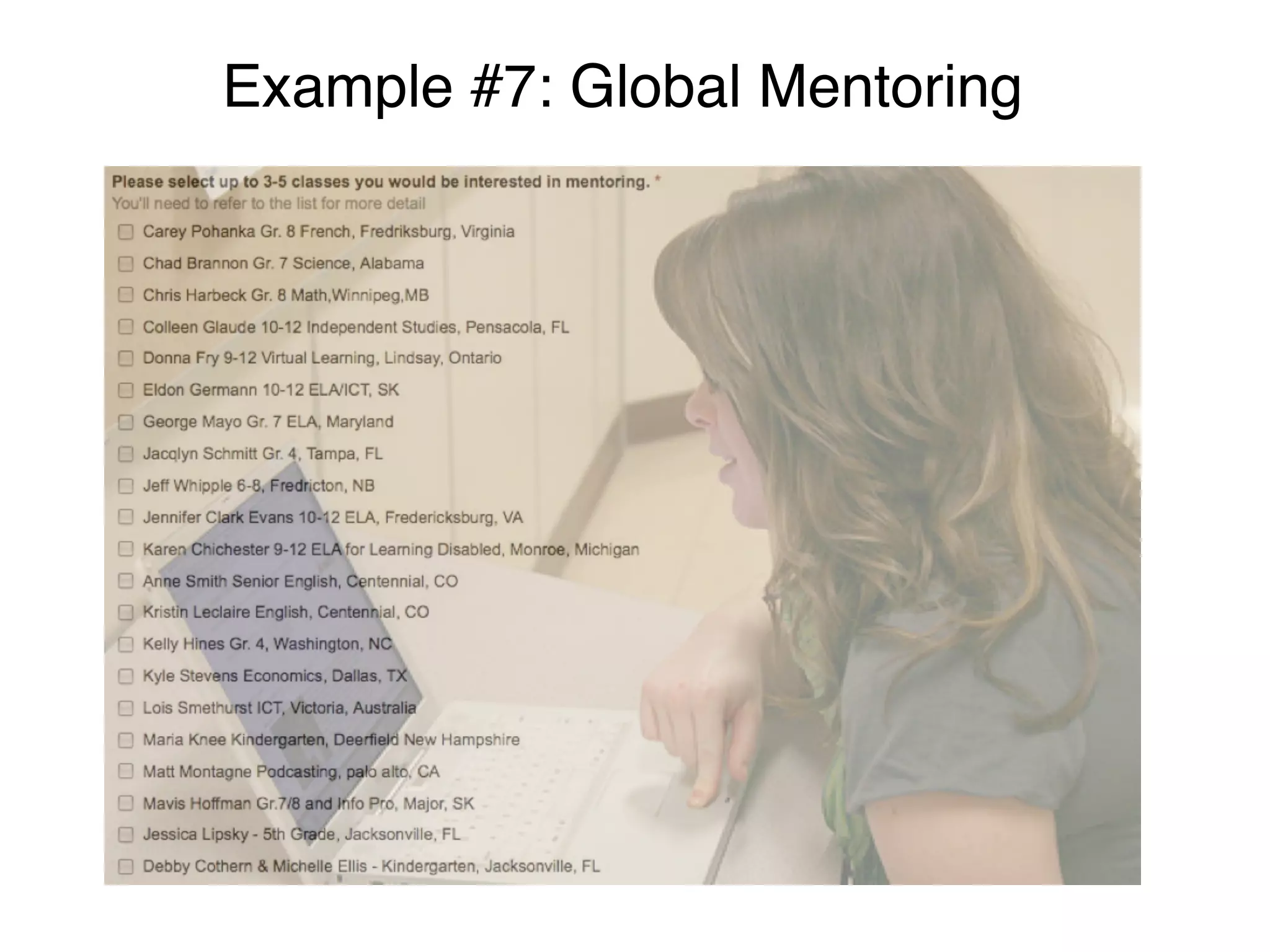
Example #7: Global Mentoring
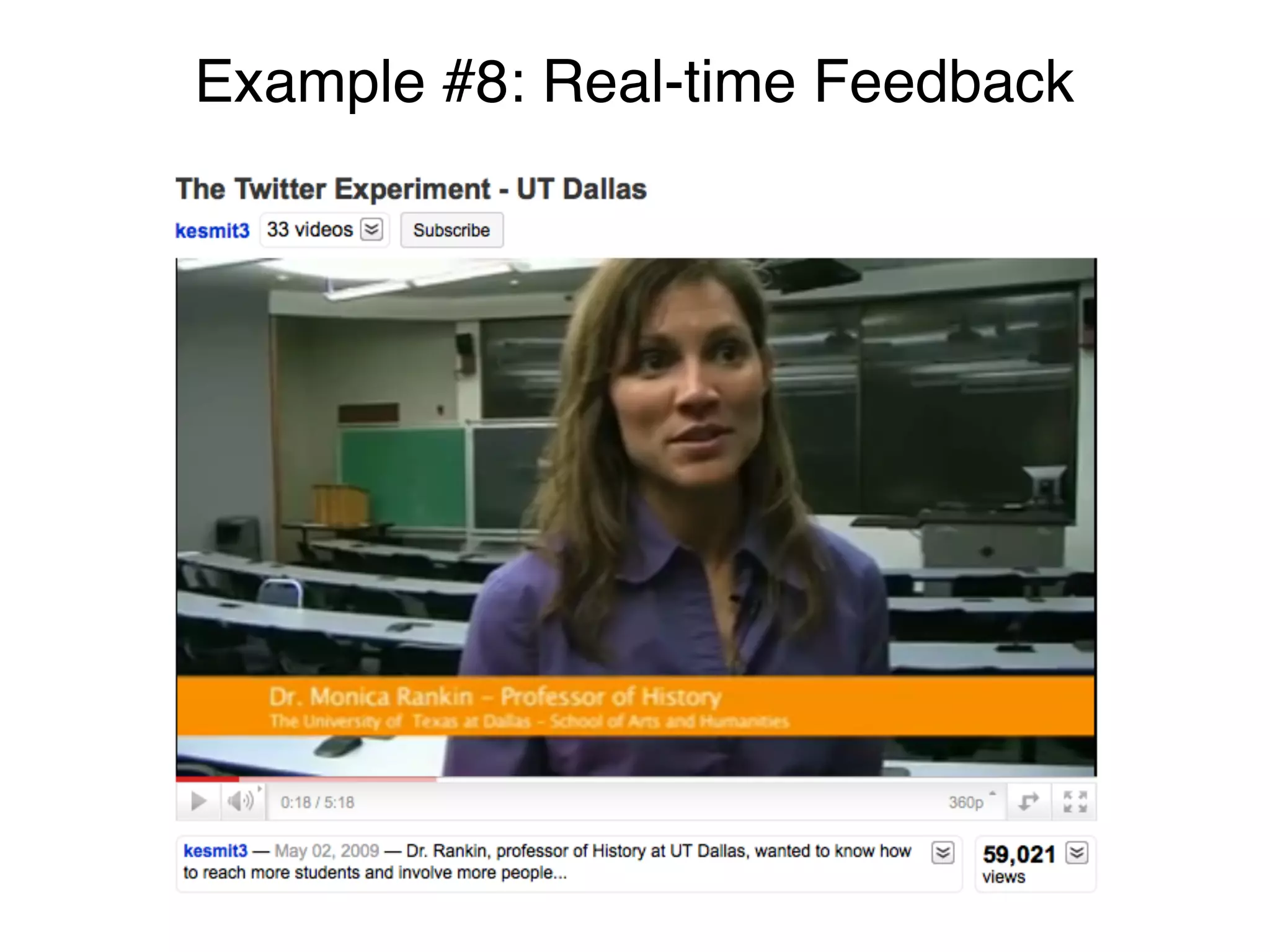
Example #8: Real-time Feedback
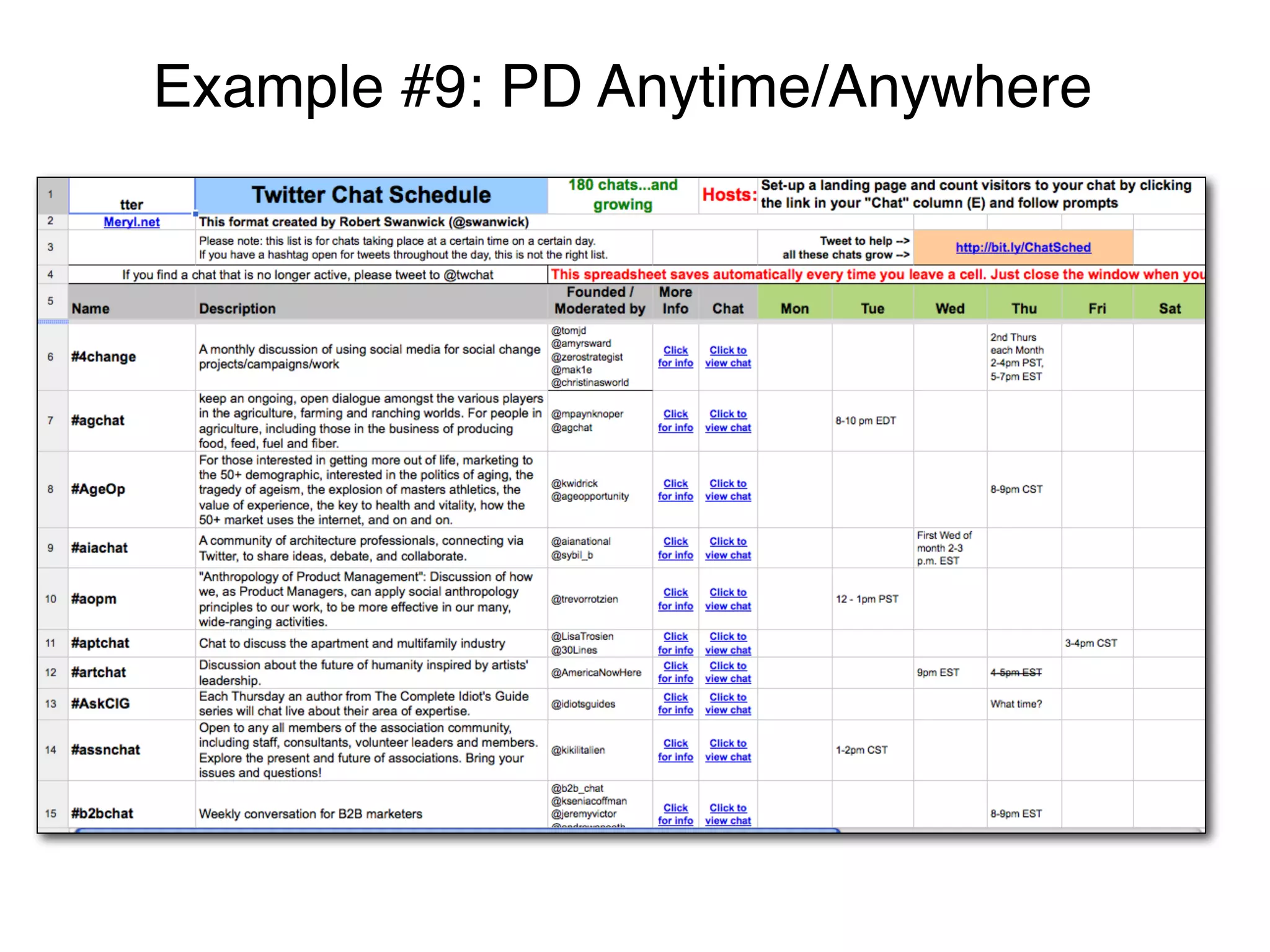
Example #9: PD Anytime/Anywhere
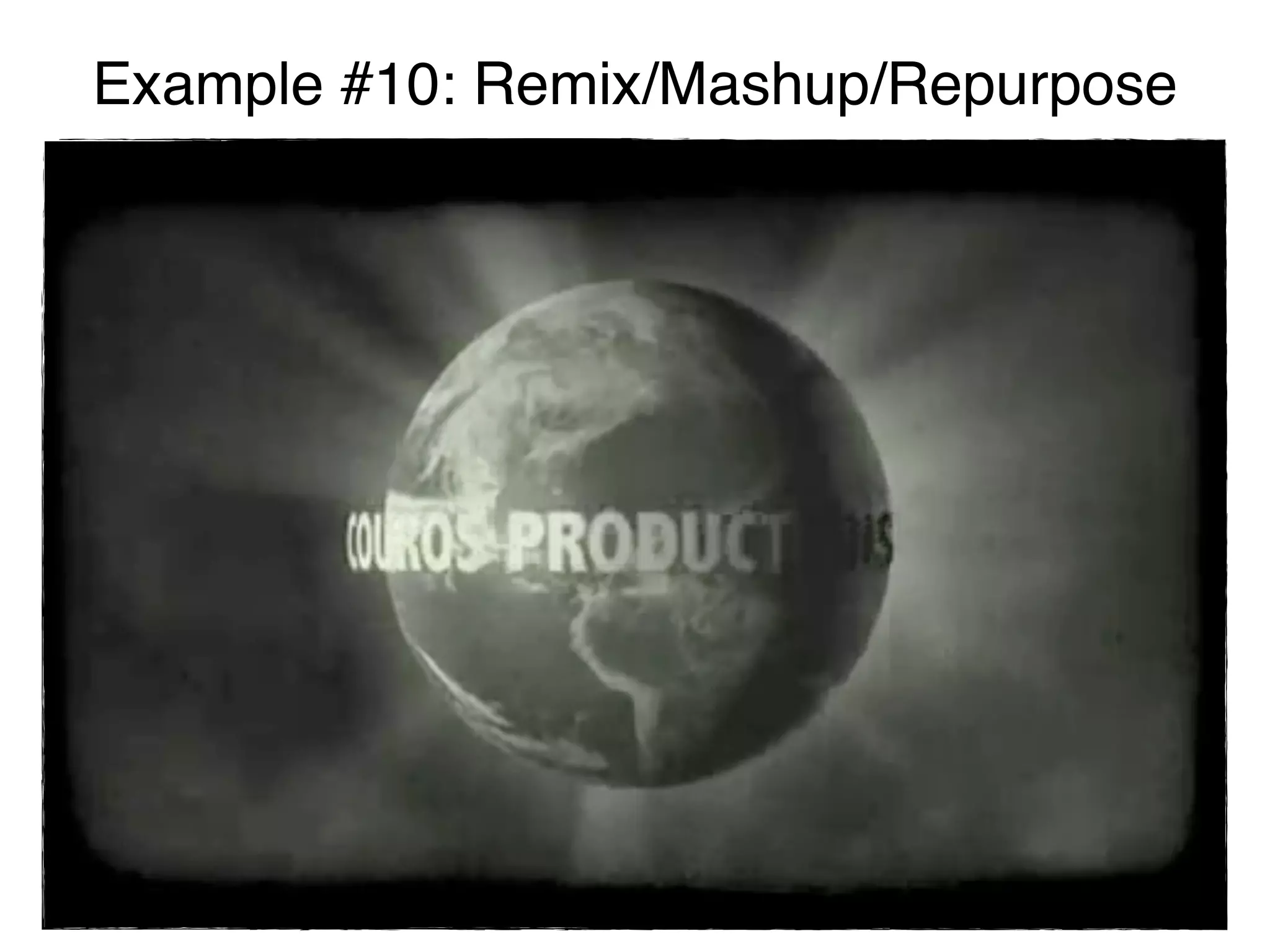
Example #10: Remix/Mashup/Repurpose
The Big Ideas
    • Learning networks redefine
    how knowledge is created,
    distributed & managed.

    • Informal educator networks
    are becoming increasingly
    important and will redefine
    teaching, learning, and ProD.

    • The future of learning is open,
    connected, & social.
Donʼt limit a child to your own
 learning, for he was born in
    another time. ~Tagore


      web: couros.ca
      twitter: courosa
      google: couros
    couros@gmail.com

How Informal Learning Networks Can Transform Education

  • 1.
    How Informal LearningNetworks Can Transform Education ASI 2010 - Toronto Ontario - August 2010 - Dr. Alec Couros
  • 2.
  • 3.
  • 5.
  • 7.
    “Web 2.0 toolsexist that might allow academics to reflect and reimagine what they do as scholars. Such tools might positively affect -- even transform - research, teaching, and service responsibilities - only if scholars choose to build serious academic lives online, presenting semi-public selves and becoming invested in and connected to the work of their peers and students.” (Greenhow, Robella, & Hughes, 2009)
  • 8.
  • 9.
    “given enough eyeballs, all bugs are shallow” (Linusʼ Law, Raymond 1997)
  • 11.
    “Open source software communitiesare one of the most successful -- and least understood -- examples of high performance collaboration and community building on the Internet today.” (Kim, 2003)
  • 12.
    “A key totransformation is for the teaching profession to establish innovation networks that capture the spirit and culture of hackers - the passion, the can-do, collective sharing.” (Hargreaves, 2003)
  • 16.
  • 17.
    • philosophical stance • power & control open(ness) • access (short version) • design attributes - privacy/publics - transparency - accountability
  • 18.
    open(ness) (short version) open education free software open source software open educational resources open content open access publication open access courses open teaching open accreditation
  • 19.
    • pedagogical &pragmatic stance connected • knowledge exchange, curating, wayfinding, (ness) crowdsourcing, (short version) collaboration, problem solving • personal learning network/environment (PLN/PLE)
  • 20.
  • 21.
    “Tell me ...what it is I am educating and what sort of world we live in, and I will tell you what I am aiming at.” (Garforth, 1962)
  • 23.
  • 24.
    Questions • what is k? • how is k acquired? • how do we know what we know? • why do we know what we know? • what do humans know? • who controls k? • how is k controlled?
  • 28.
    Free/Open Content “describes any kind of creative work in a format that explicitly allows copying and modifying of its information by anyone, not exclusively by a closed organization, firm, or individual.” (Wikipedia)
  • 31.
  • 33.
  • 37.
    Stats as ofMarch 17/10 via Mashable
  • 38.
  • 40.
  • 42.
  • 43.
  • 44.
    “Understanding how networks workis one of the most important literacies of the 21st century.” (Rheingold, 2010)
  • 45.
    social networks • redefine communities, friends, citizenship, identity, presence, privacy, publics, geography. • enable learning, communication, sharing, collaboration, community. • networks form around shared interests & objects.
  • 46.
  • 47.
  • 48.
  • 50.
  • 51.
  • 52.
  • 53.
    “Some of thecomments on Youtube make you weep for the future of humanity, just for the spelling alone, never mind the obscenity and naked hatred.” @leverus (Lev Grossman)
  • 54.
  • 56.
  • 60.
    “You are notFacebookʼs customer. you are the product that they sell to real customers - advertisers. Forget this at your peril.” (Greenberg, 2010, via tweet)
  • 61.
  • 64.
    Kyle Doyle isnot going to work today, f*** it, I’m still trashed. SICKIE WOO Cisco just offered me a job! Now I have to weigh the utility of a fatty paycheck against the daily commute to San Jose and hating the work
  • 66.
  • 67.
    “...the set ofabilities and skills where aural, visual, & digital overlap. These include the ability to understand the power of images & sounds, to recognize & use that power, to manipulate & transform them pervasively, & to easily adapt to new forms.” (New Media Consortium, 2005, on ʻnew literaciesʼ)
  • 68.
    - new mediaare texts - information is abundant - surge of multimodal/multimedia expression - authorship increasingly complex assumptions - social contexts collapsing (short version) - potential audience expanding - social connections important - technology tends to be deterministic - digital reputation management vital to citizenry - wayfinding, sensemaking, curation, participation, production vital to literacy
  • 69.
    danah boyd pay attentionto ... •Properties: persistence, replicability, searchability, scalability, (de)locatability. •Dynamics: invisible audiences, collapsed contexts, blurring of public & private spaces @zephoria
  • 70.
    1. coding competence (the ability to decode texts) (Adapted from Four Resources Model, Freebody & Luke, 1990)
  • 74.
    2. semantic competence (the ability to make meaning) (Adapted from Four Resources Model, Freebody & Luke, 1990)
  • 80.
    3. pragmatic competence (functional literacy) (Adapted from Four Resources Model, Freebody & Luke, 1990)
  • 82.
  • 86.
  • 87.
    4. critical competence (abilityto select, analyze & participate in texts) (Adapted from Four Resources Model, Freebody & Luke, 1990)
  • 92.
  • 93.
    Example #1 -Connecting to Experts @kathycassidy
  • 94.
    Example #2: Publishingin the Open ps22chorus.blogspot.com
  • 95.
    Example #3: Useof Public Content @christianlong
  • 96.
  • 97.
  • 98.
  • 99.
  • 100.
  • 101.
    Example #9: PDAnytime/Anywhere
  • 102.
  • 103.
    The Big Ideas • Learning networks redefine how knowledge is created, distributed & managed. • Informal educator networks are becoming increasingly important and will redefine teaching, learning, and ProD. • The future of learning is open, connected, & social.
  • 104.
    Donʼt limit achild to your own learning, for he was born in another time. ~Tagore web: couros.ca twitter: courosa google: couros couros@gmail.com