





Interaction  Design Style  (Part 5 of 5) ASIS&T IA Summit  Monday, March 24, 2007
Methodology Style Methodologies


I don’t know anyone who actually works this way.
Inductive  +  Deductive
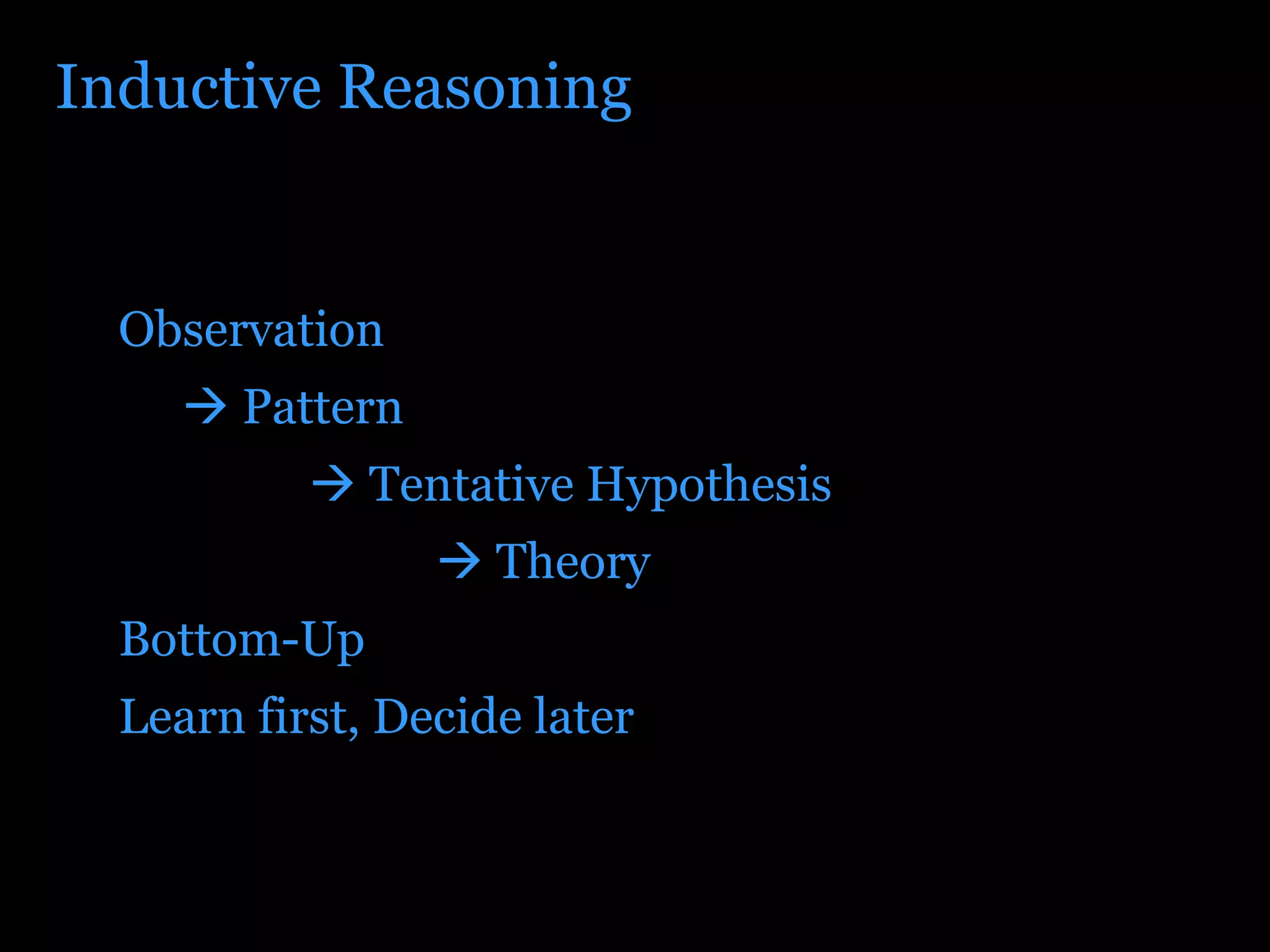
Inductive Reasoning Observation    Pattern    Tentative Hypothesis    Theory Bottom-Up Learn first, Decide later
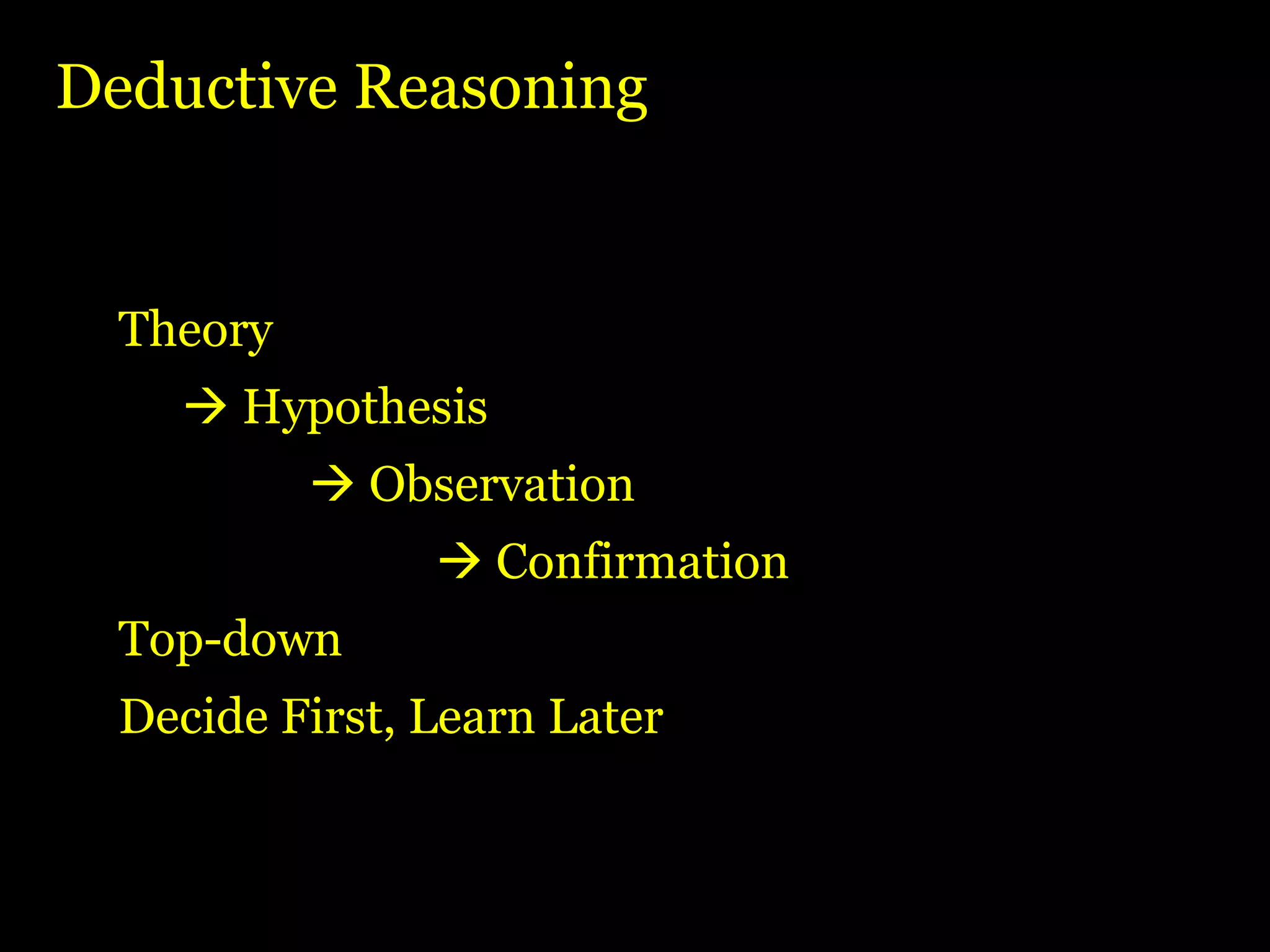
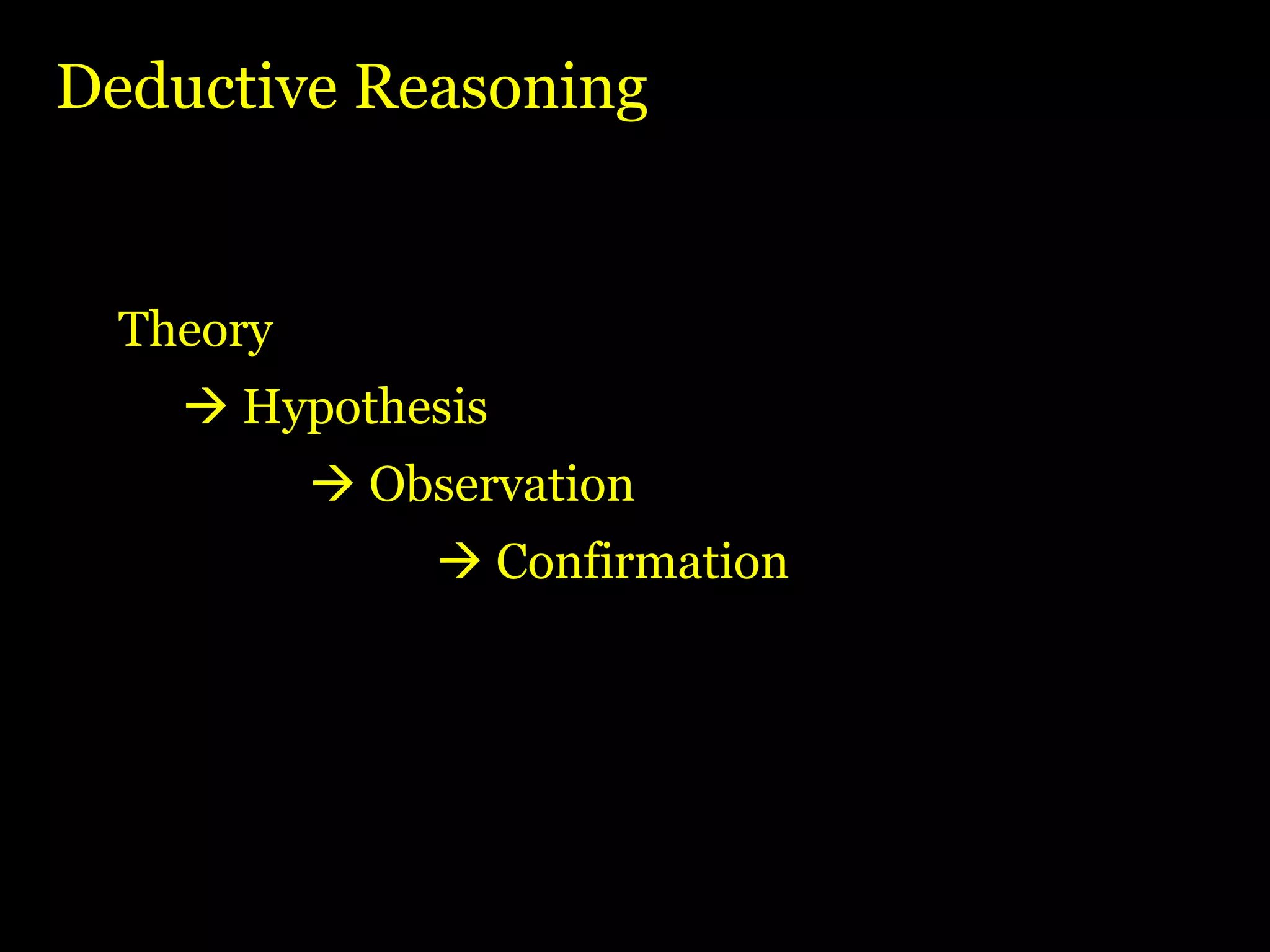
Deductive Reasoning Theory    Hypothesis    Observation    Confirmation Top-down Decide First, Learn Later
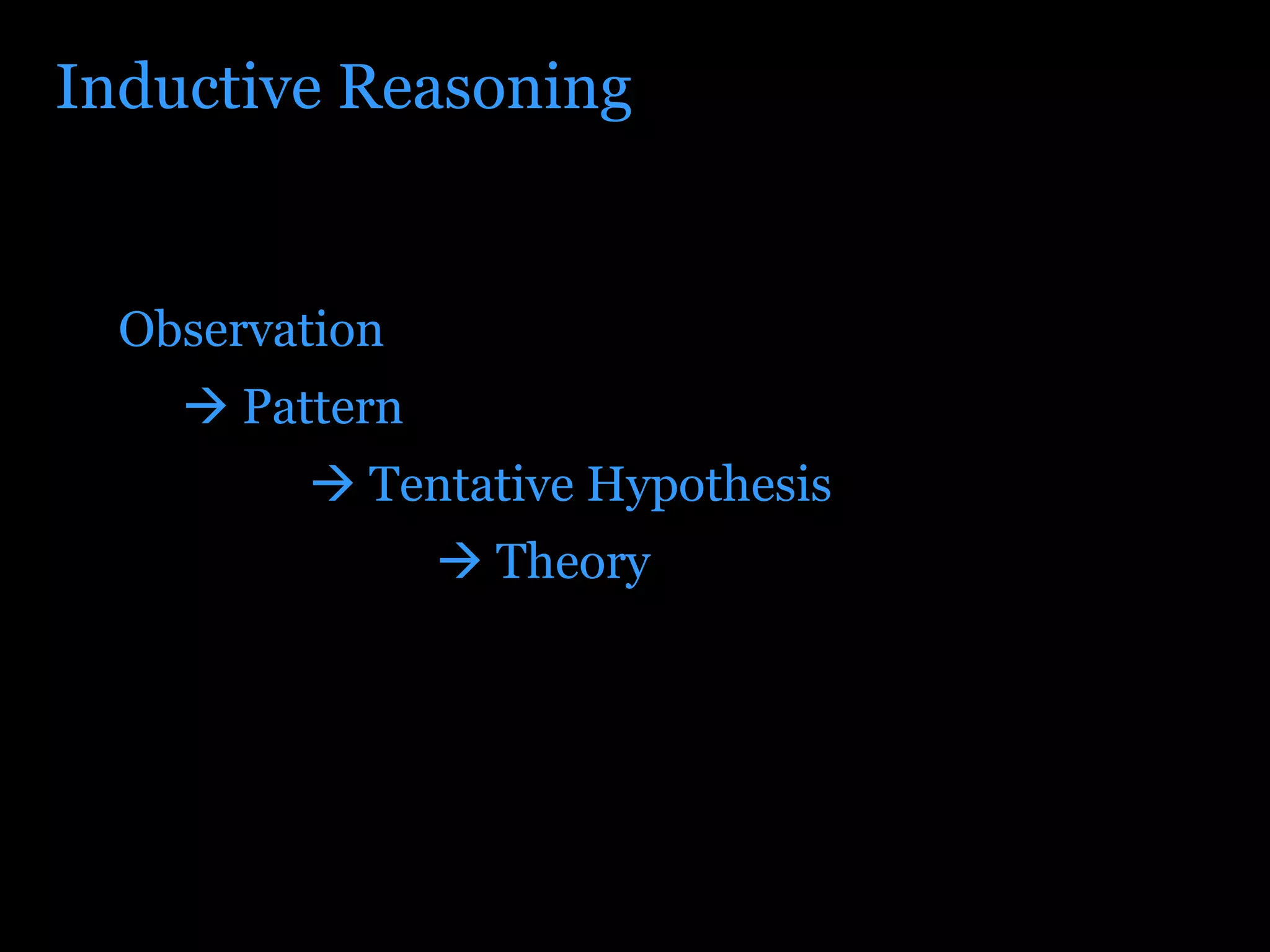
Inductive Reasoning Observation    Pattern    Tentative Hypothesis    Theory
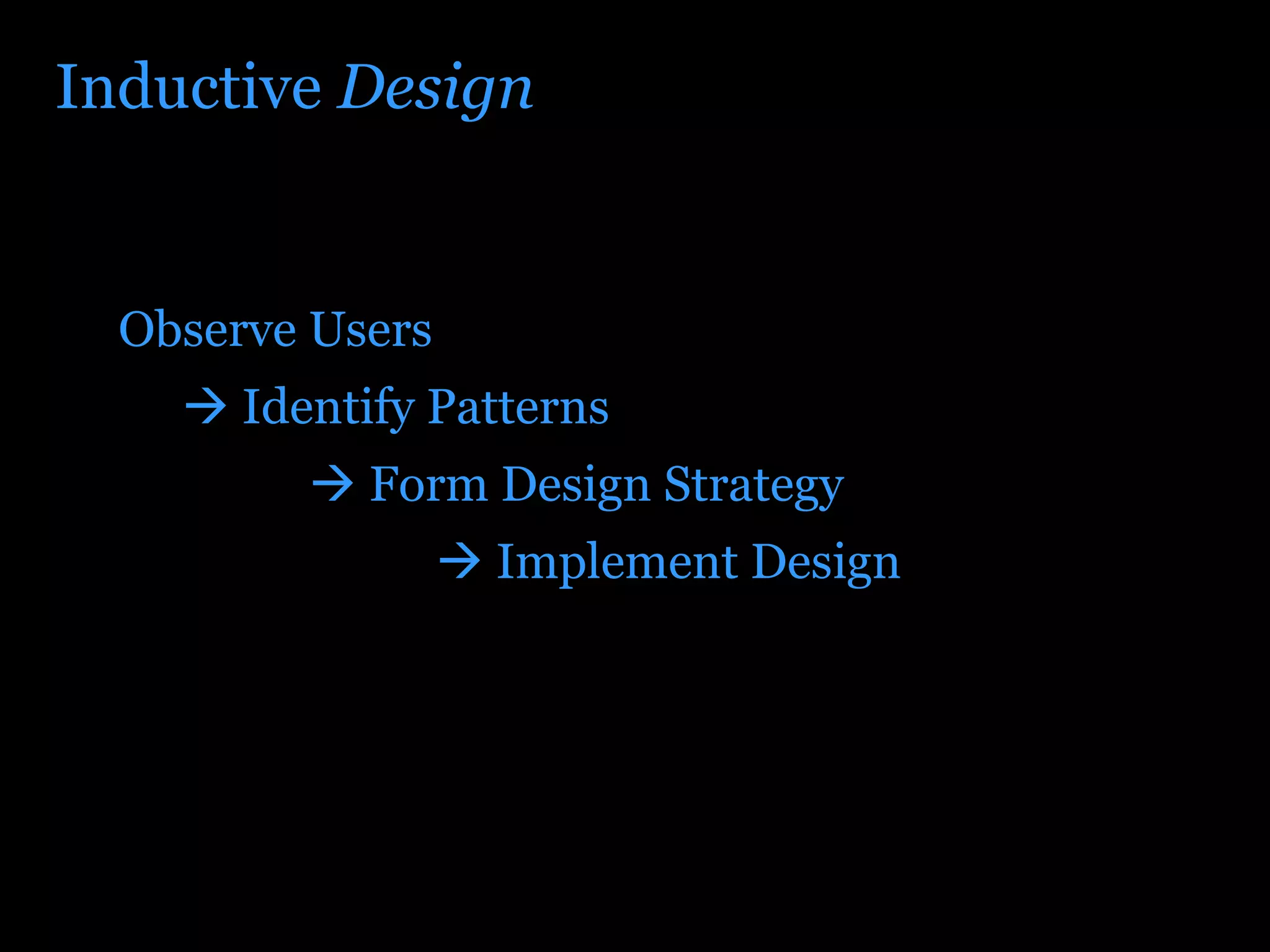
Inductive  Design Observe Users    Identify Patterns    Form Design Strategy    Implement Design
Deductive Reasoning Theory    Hypothesis    Observation    Confirmation
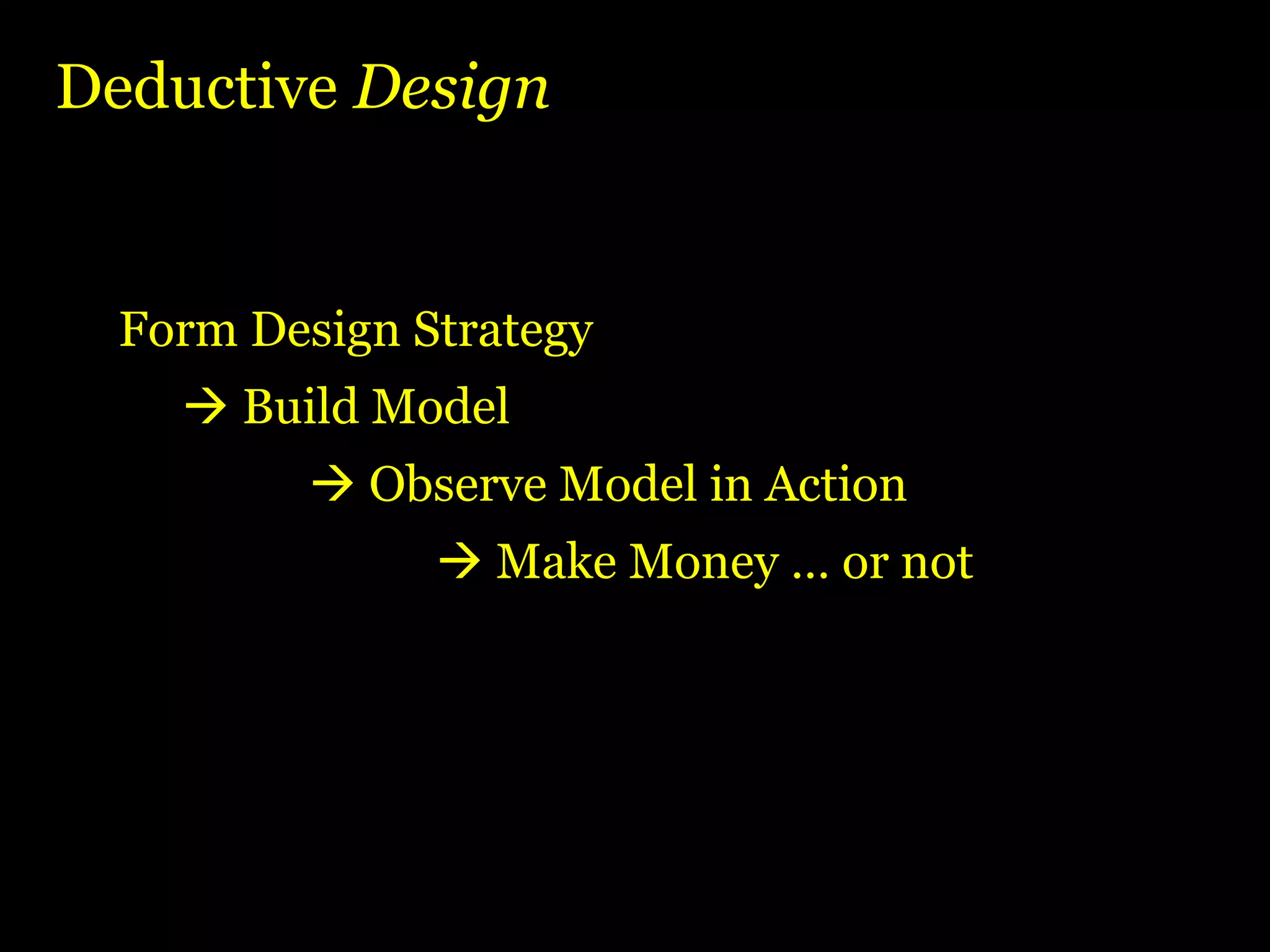
Deductive  Design Form Design Strategy    Build Model    Observe Model in Action    Make Money … or not
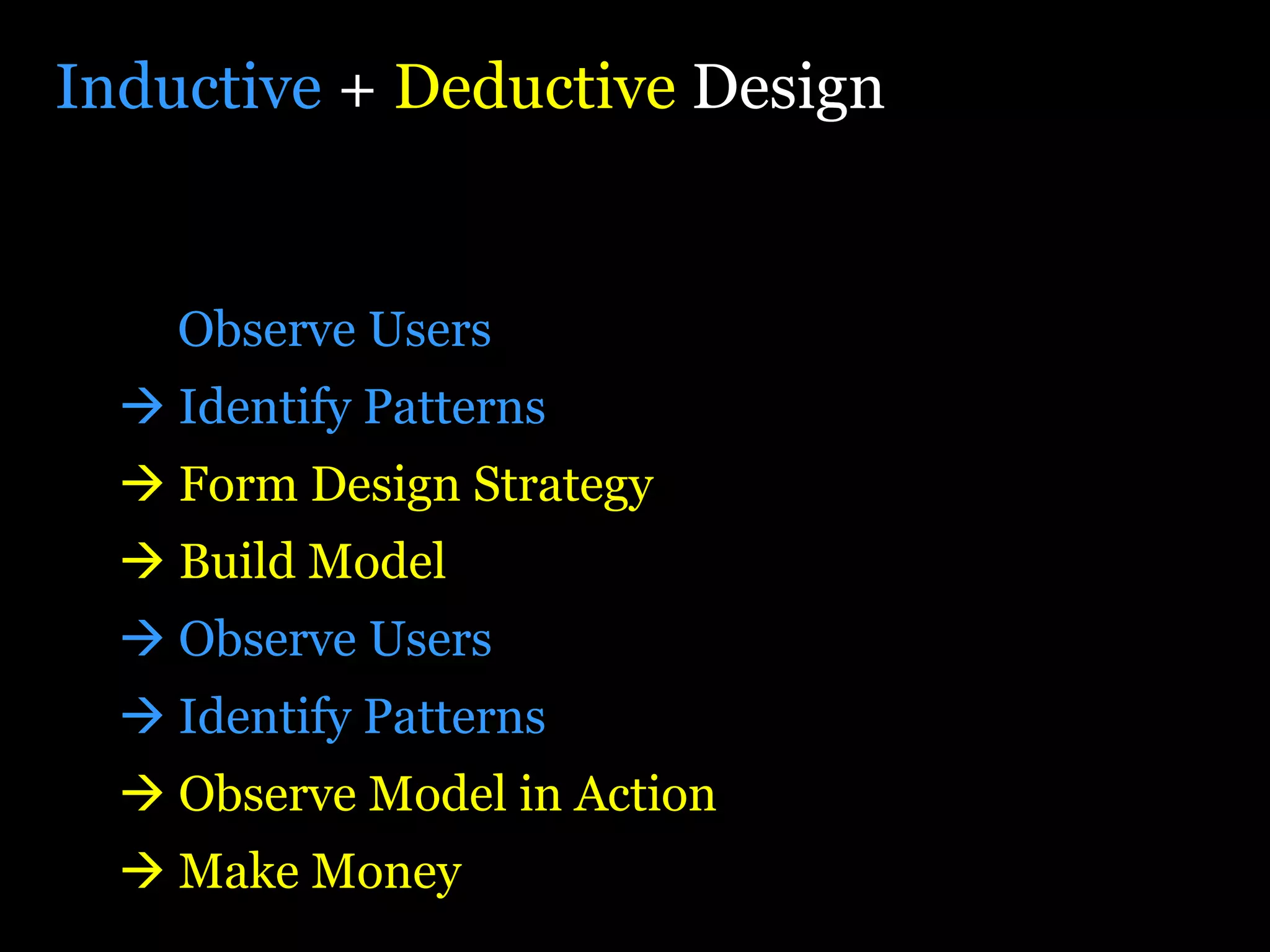
Inductive  +  Deductive  Design Observe Users    Identify Patterns    Form Design Strategy    Build Model    Observe Users    Identify Patterns    Observe Model in Action    Make Money
Induction…
Deduction…
Abduction?
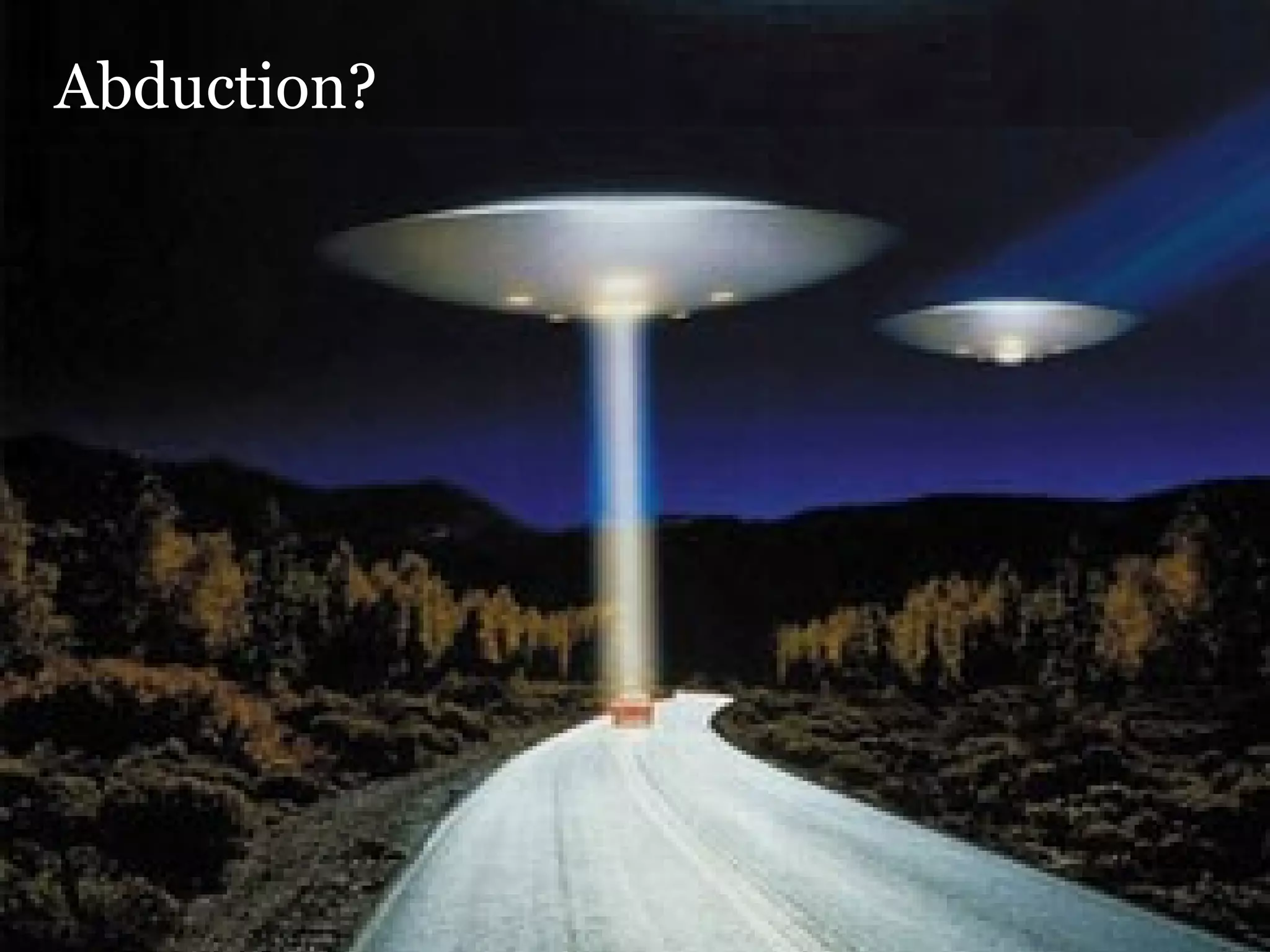
Abduction?
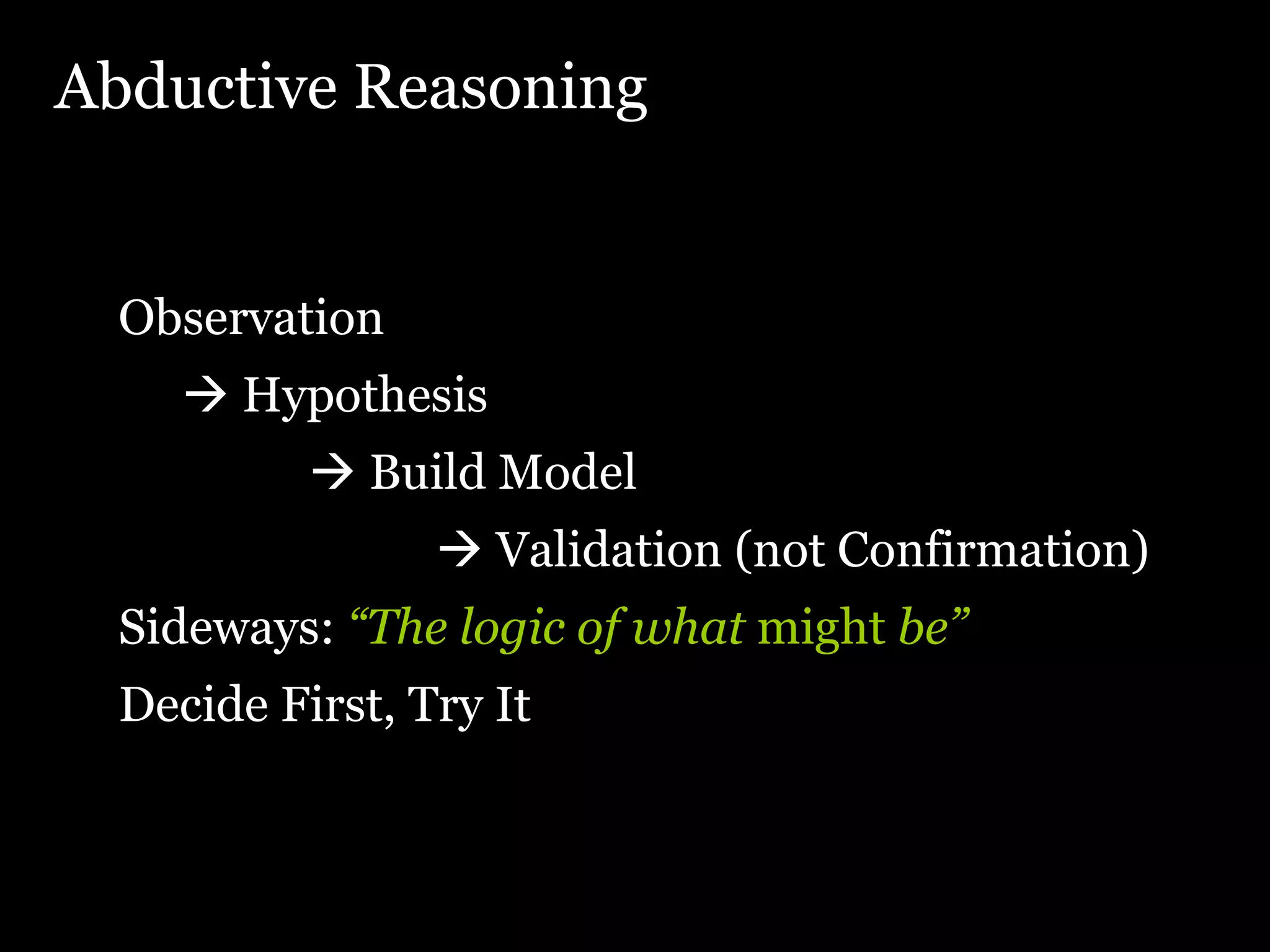
Abductive Reasoning Observation    Hypothesis    Build Model    Validation (not Confirmation) Sideways:  “The logic of what  might  be” Decide First, Try It


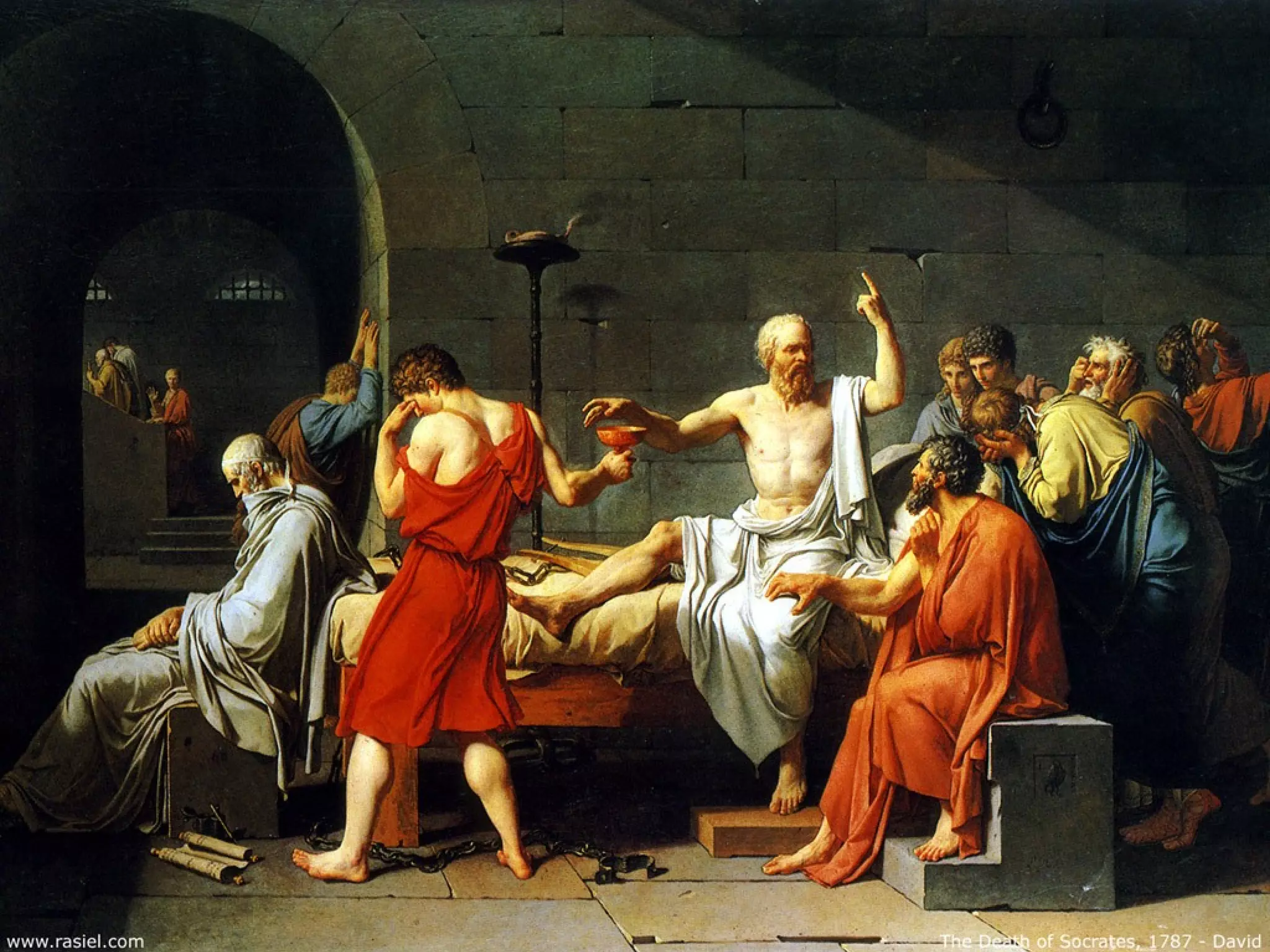
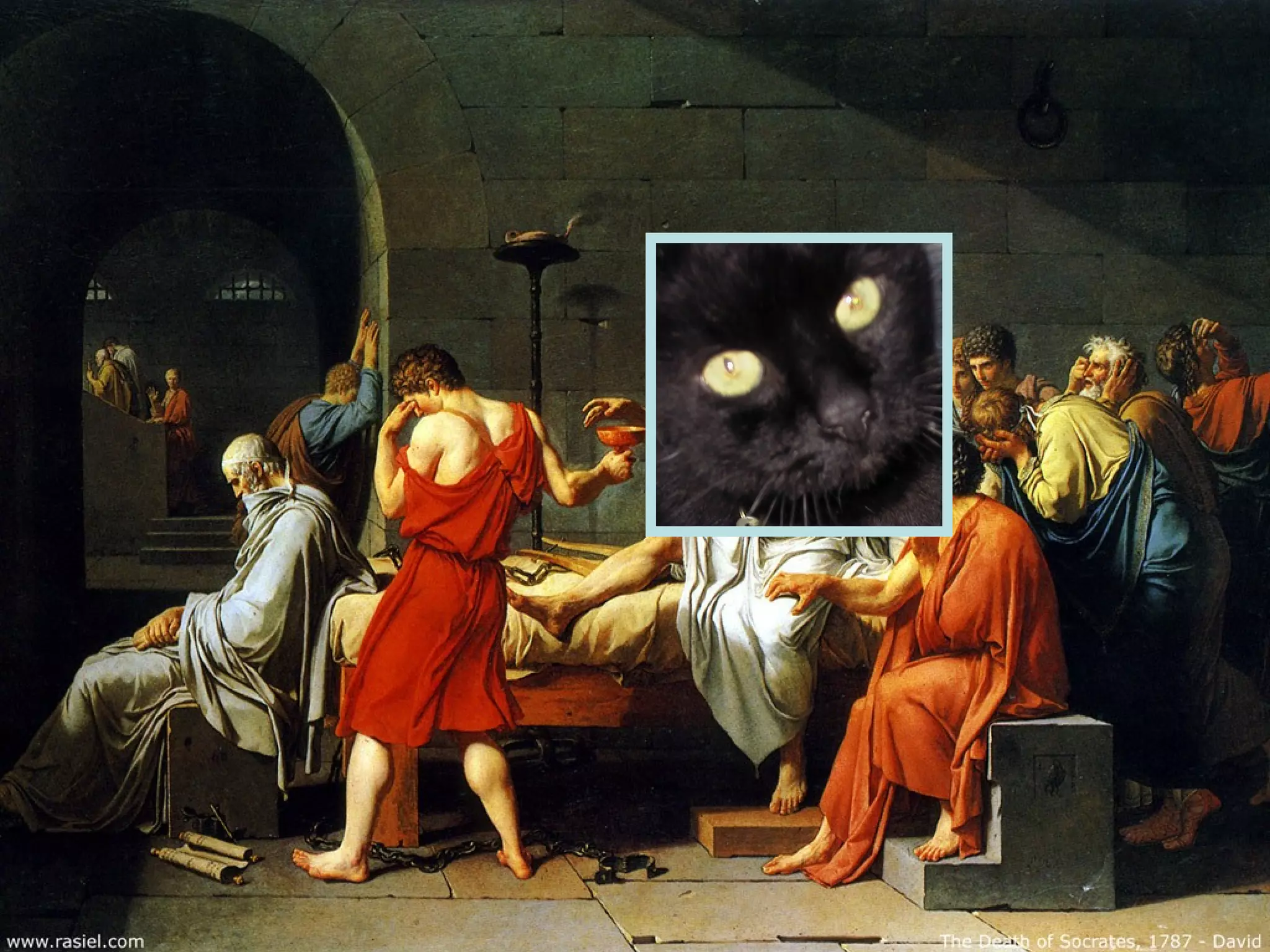
Abductive Reasoning Example: All cats die. Socrates is dead. Therefore, Socrates is a cat.
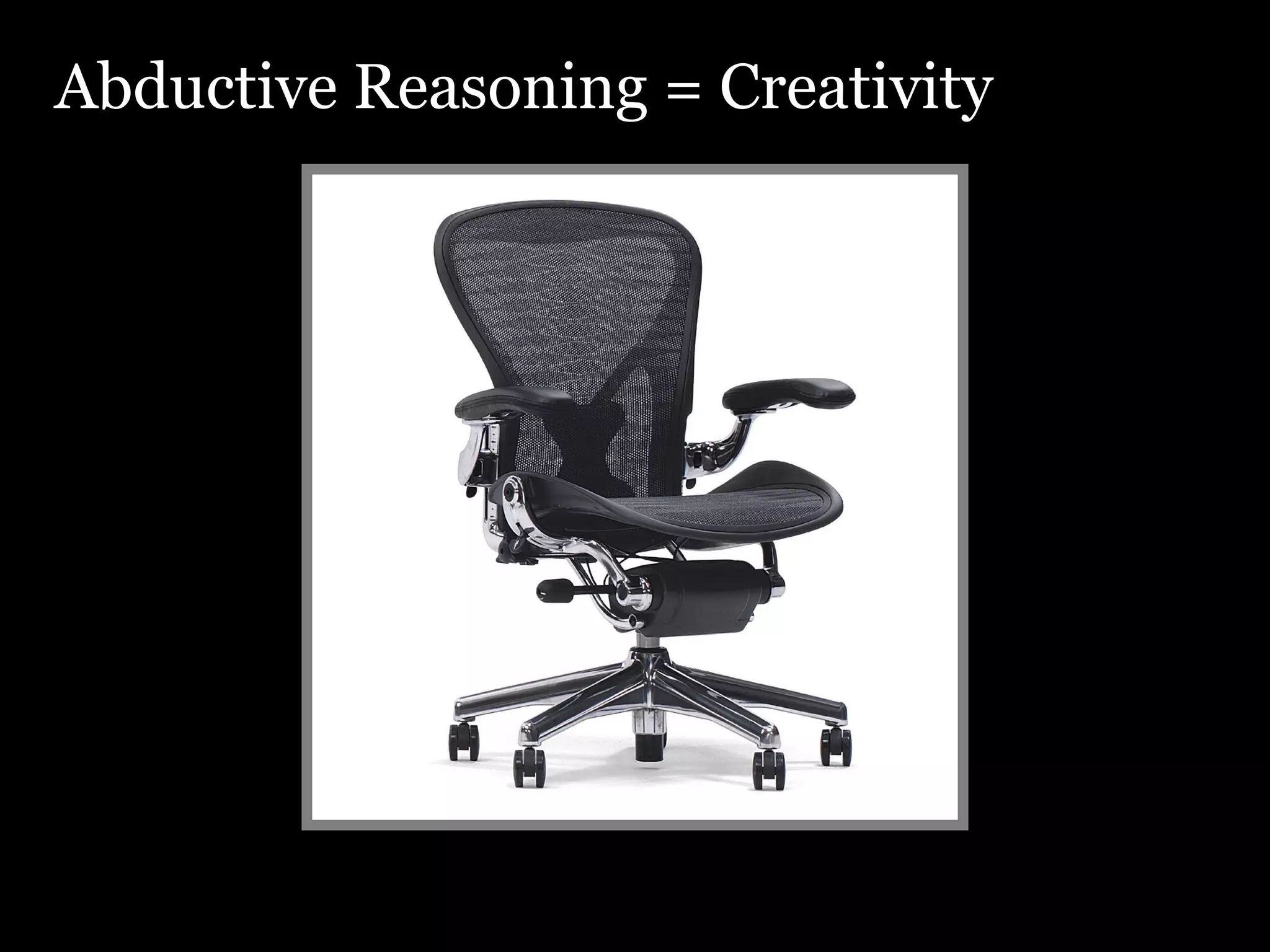
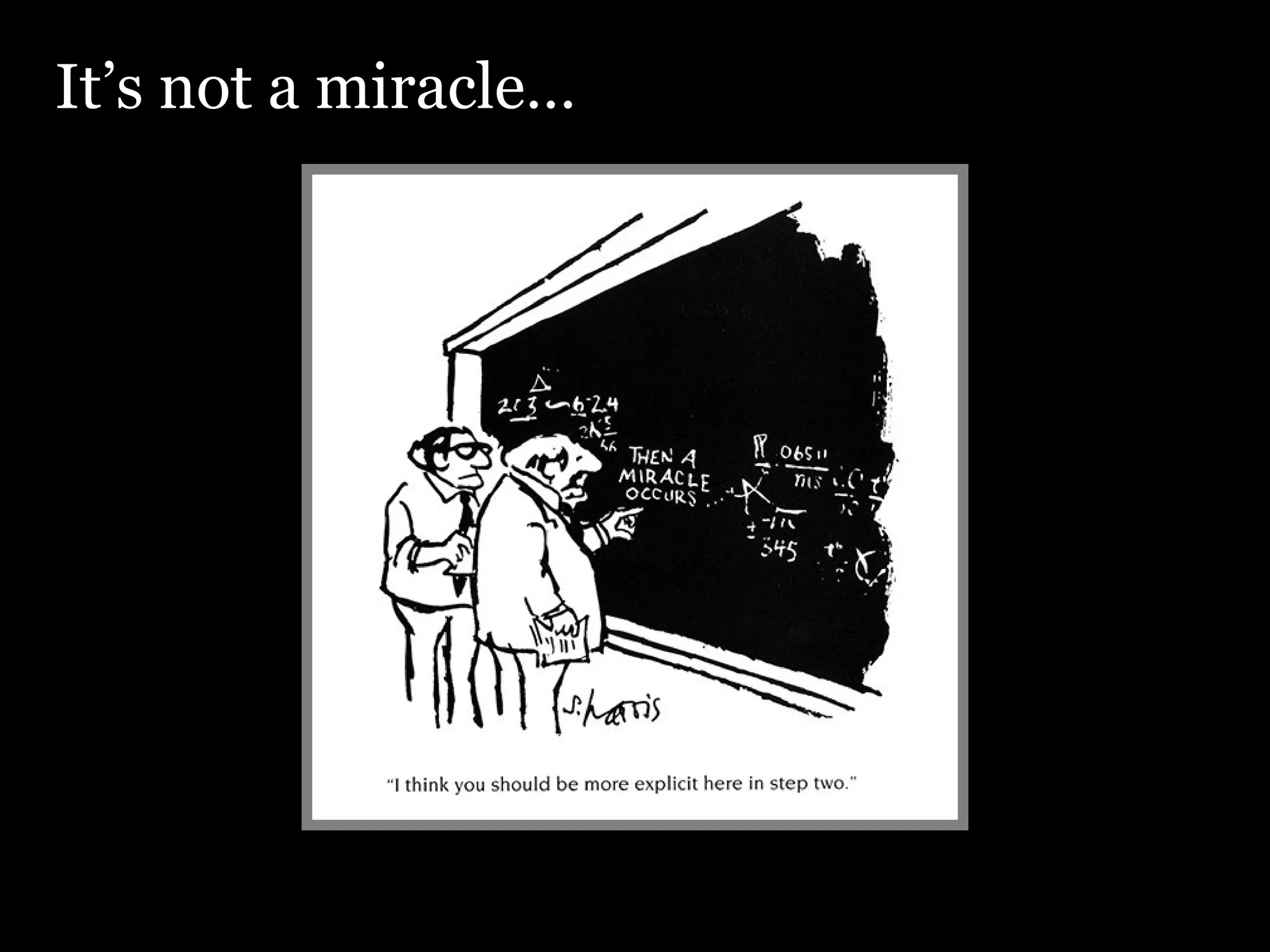
Abductive Reasoning = Creativity
The dirty little secret of innovative design.
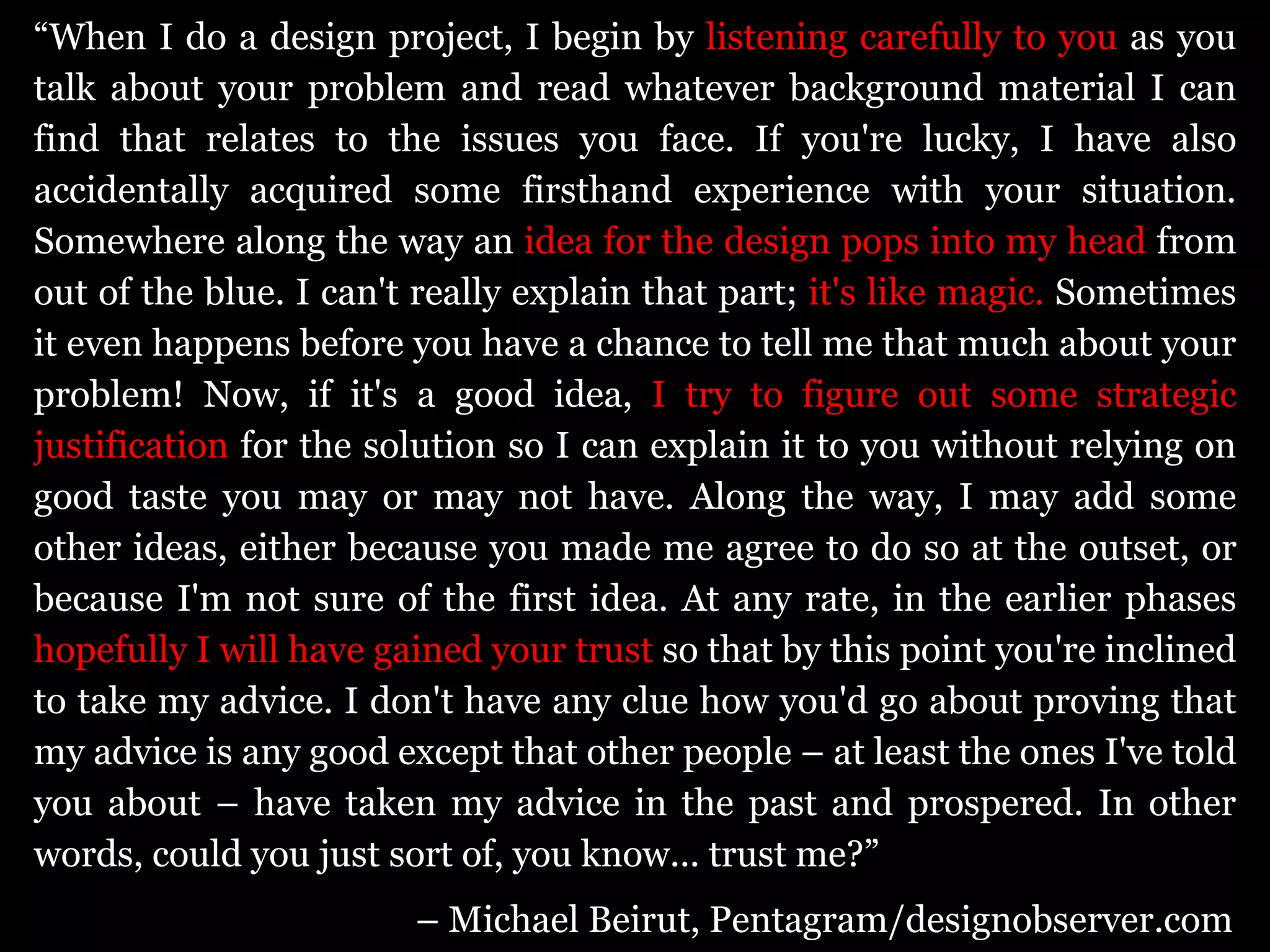
“ When I do a design project, I begin by  listening carefully to you  as you talk about your problem and read whatever background material I can find that relates to the issues you face. If you're lucky, I have also accidentally acquired some firsthand experience with your situation. Somewhere along the way an  idea for the design pops into my head  from out of the blue. I can't really explain that part;  it's like magic.  Sometimes it even happens before you have a chance to tell me that much about your problem! Now, if it's a good idea,  I try to figure out some strategic justification  for the solution so I can explain it to you without relying on good taste you may or may not have. Along the way, I may add some other ideas, either because you made me agree to do so at the outset, or because I'm not sure of the first idea. At any rate, in the earlier phases  hopefully I will have gained your trust  so that by this point you're inclined to take my advice. I don't have any clue how you'd go about proving that my advice is any good except that other people – at least the ones I've told you about – have taken my advice in the past and prospered. In other words, could you just sort of, you know... trust me?”  –  Michael Beirut, Pentagram/designobserver.com
It’s not a miracle…
It’s Design Thinking “ The most fundamental difference between [design and science] is that design thinking deals primarily with  what does not yet exist ; while scientists deal with explaining what is. That scientists discover the laws that govern today's reality, while designers invent a different future is a common theme. Thus, while both methods of thinking are hypothesis-driven, the design hypothesis differs from the scientific hypothesis.” -  Jeanne Liedtka,  Strategy as Design
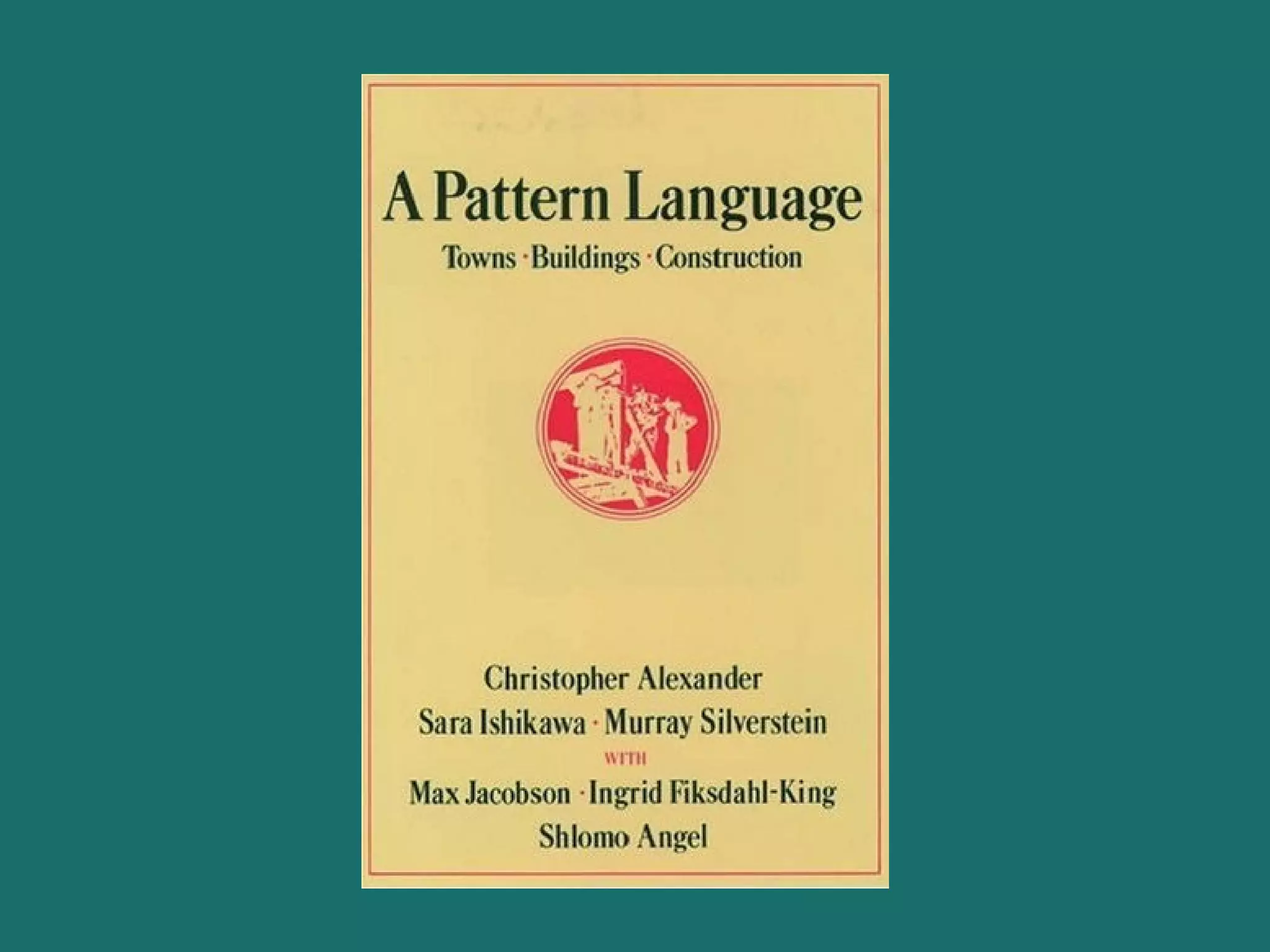
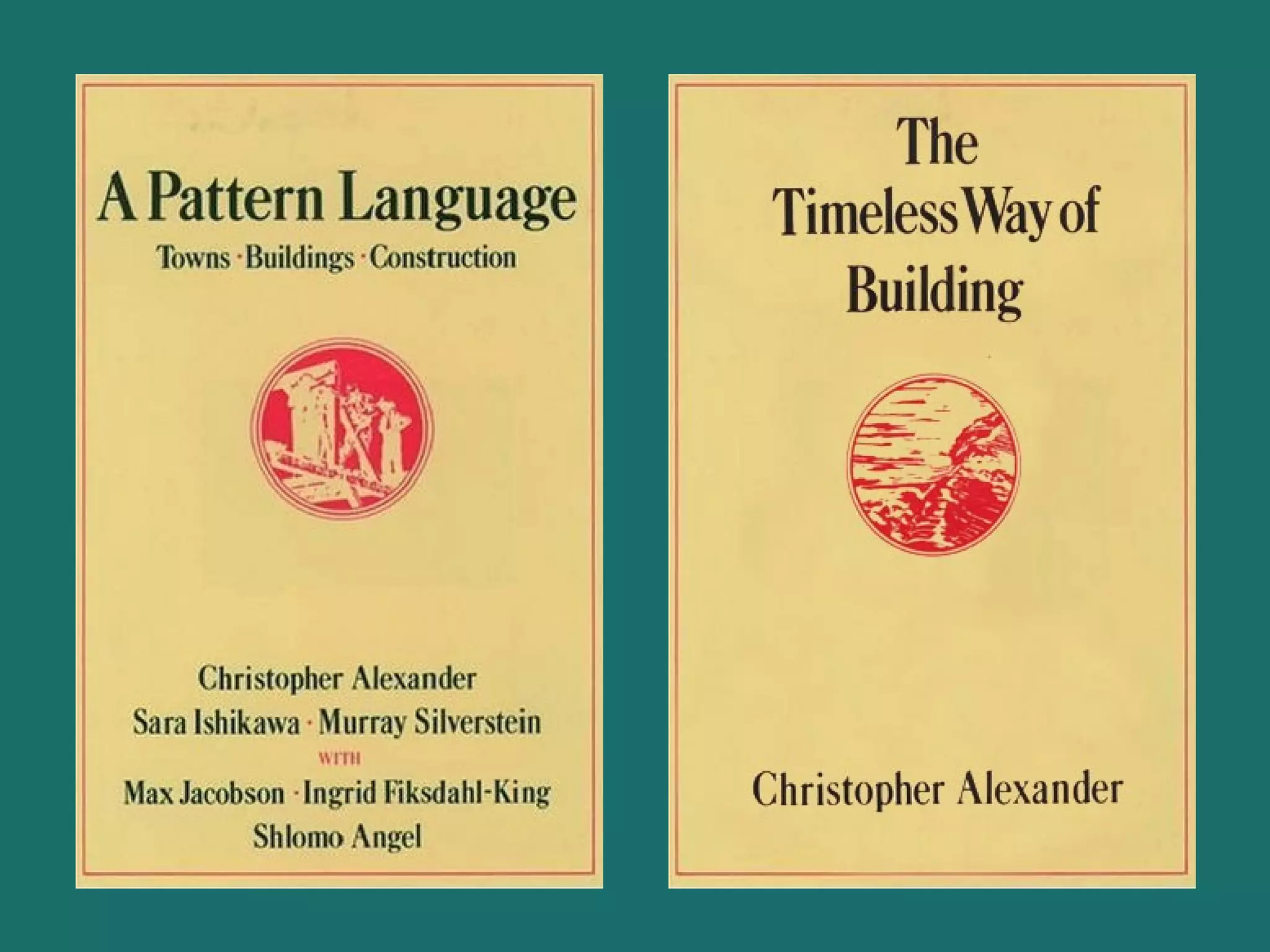
Pattern Languages
 
Pattern Language “ A pattern language is a structured method of describing good design practices within a particular domain.”  –   Wikipedia
Pattern Language: Structure Name Problem Description (often including the Context for the pattern) Pattern for a Solution Discussion and Examples Cross-references (links) for other related patterns
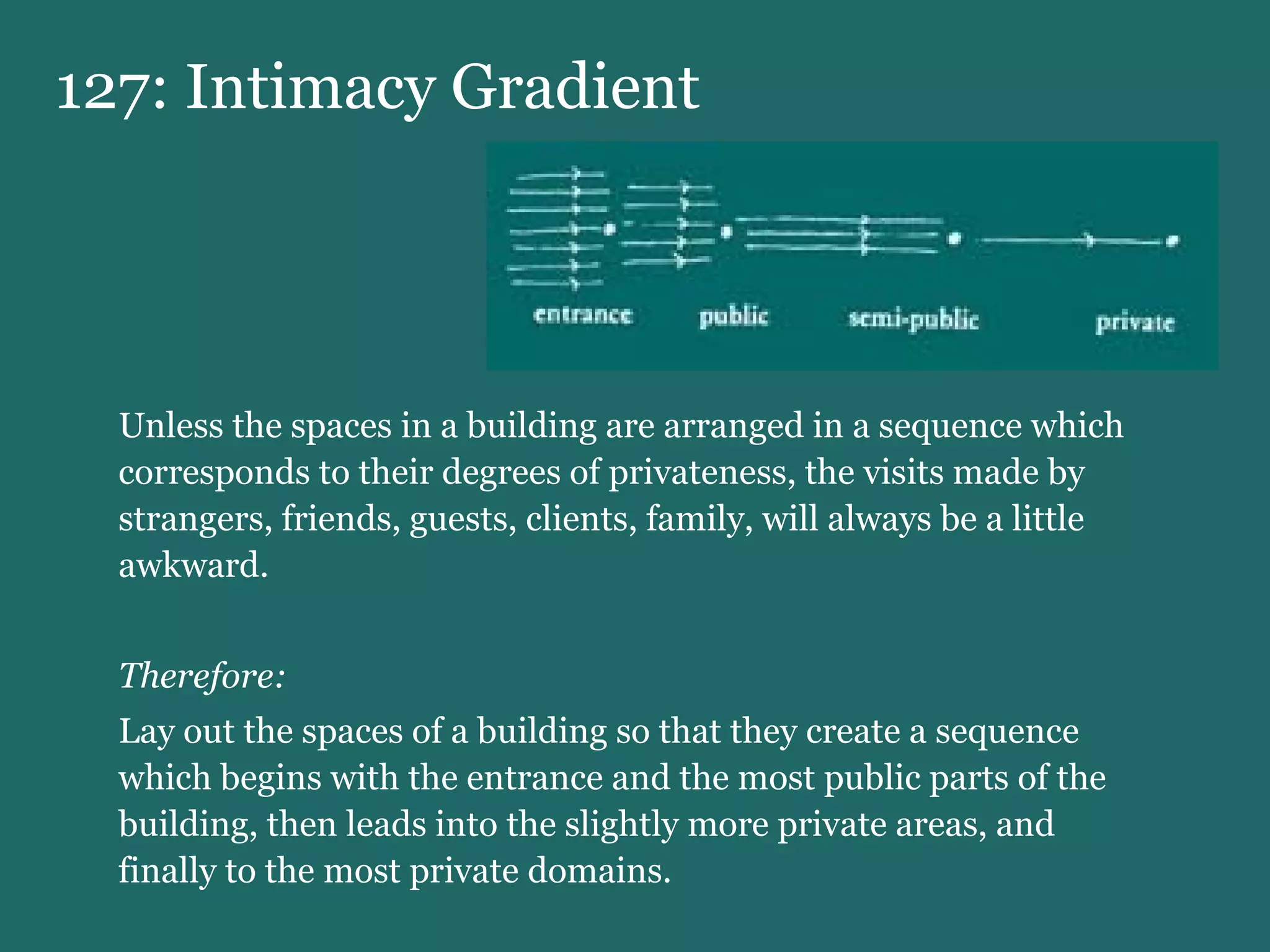
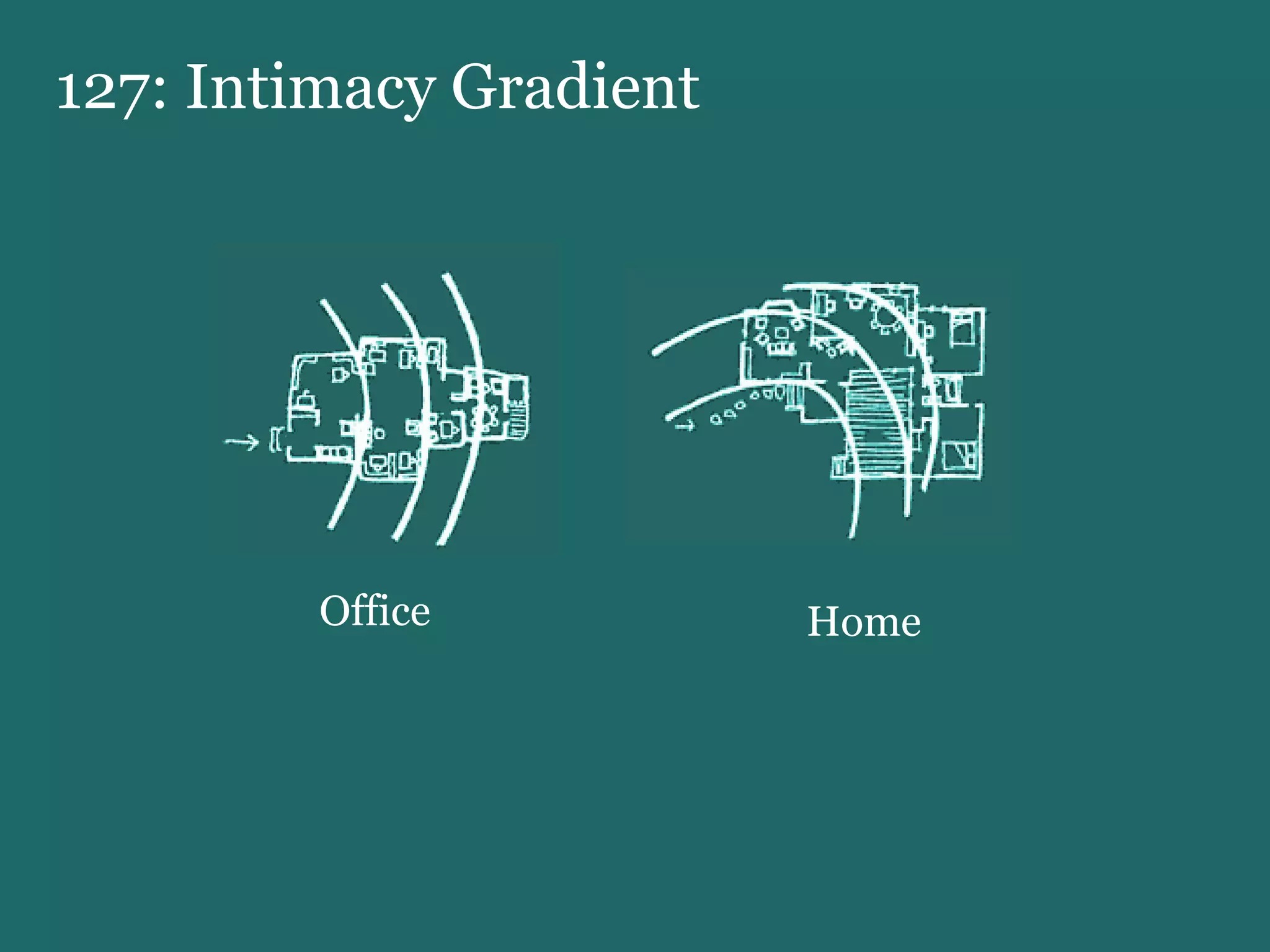
127: Intimacy Gradient Unless the spaces in a building are arranged in a sequence which corresponds to their degrees of privateness, the visits made by strangers, friends, guests, clients, family, will always be a little awkward.  Therefore:   Lay out the spaces of a building so that they create a sequence which begins with the entrance and the most public parts of the building, then leads into the slightly more private areas, and finally to the most private domains.
127: Intimacy Gradient Office Home
 
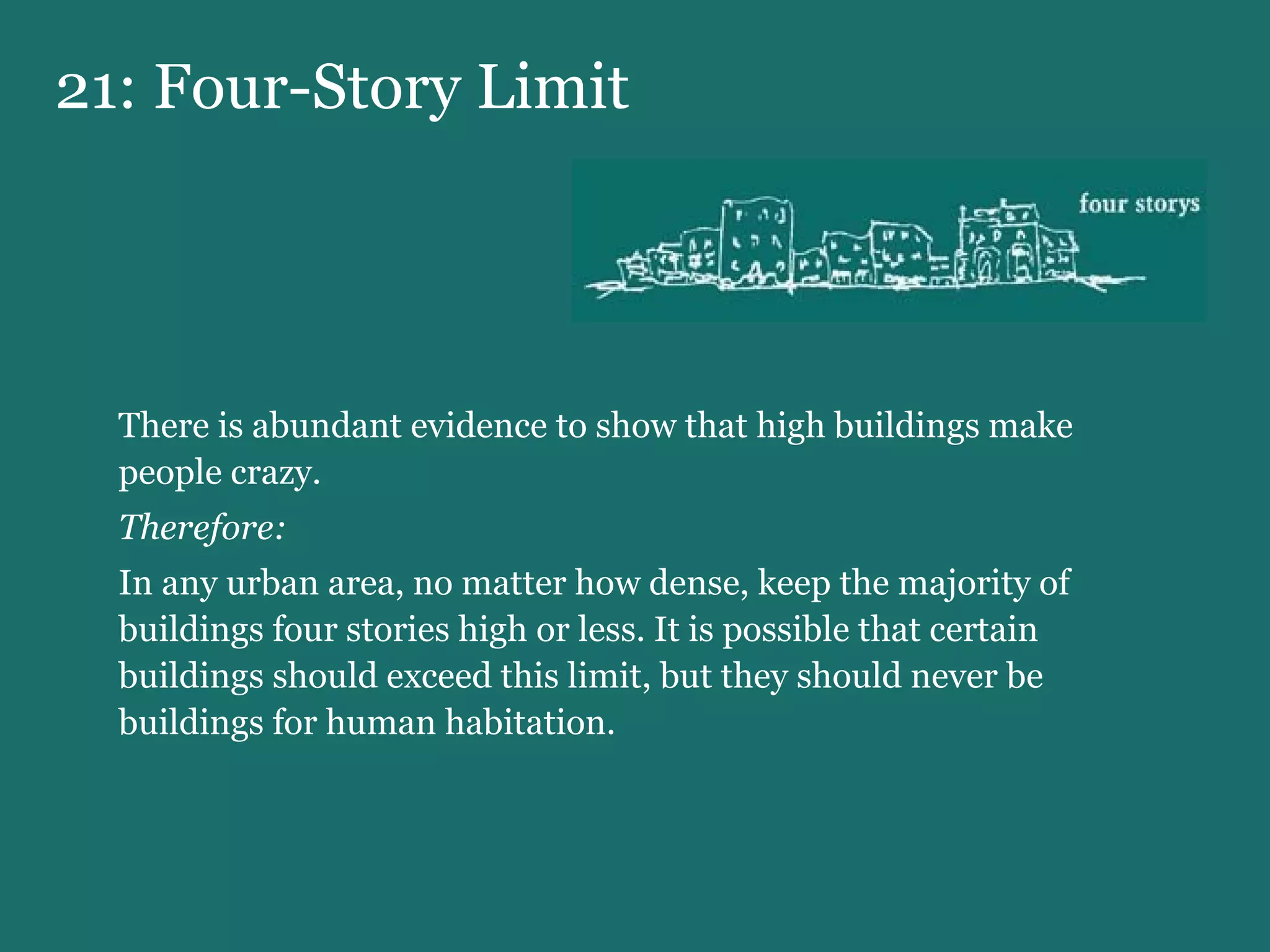
21: Four-Story Limit There is abundant evidence to show that high buildings make people crazy. Therefore:   In any urban area, no matter how dense, keep the majority of buildings four stories high or less. It is possible that certain buildings should exceed this limit, but they should never be buildings for human habitation.
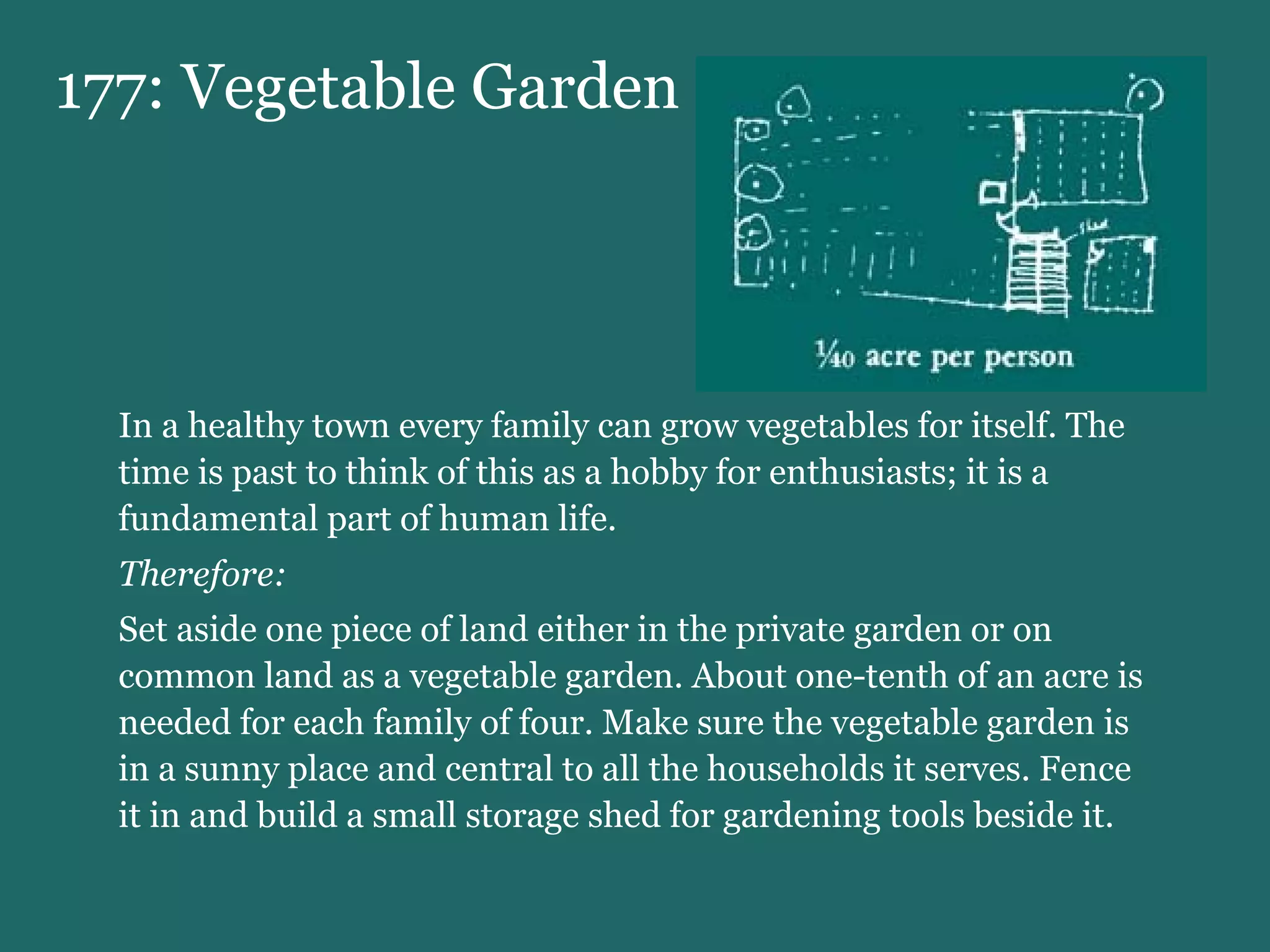
177: Vegetable Garden In a healthy town every family can grow vegetables for itself. The time is past to think of this as a hobby for enthusiasts; it is a fundamental part of human life. Therefore:  Set aside one piece of land either in the private garden or on common land as a vegetable garden. About one-tenth of an acre is needed for each family of four. Make sure the vegetable garden is in a sunny place and central to all the households it serves. Fence it in and build a small storage shed for gardening tools beside it.
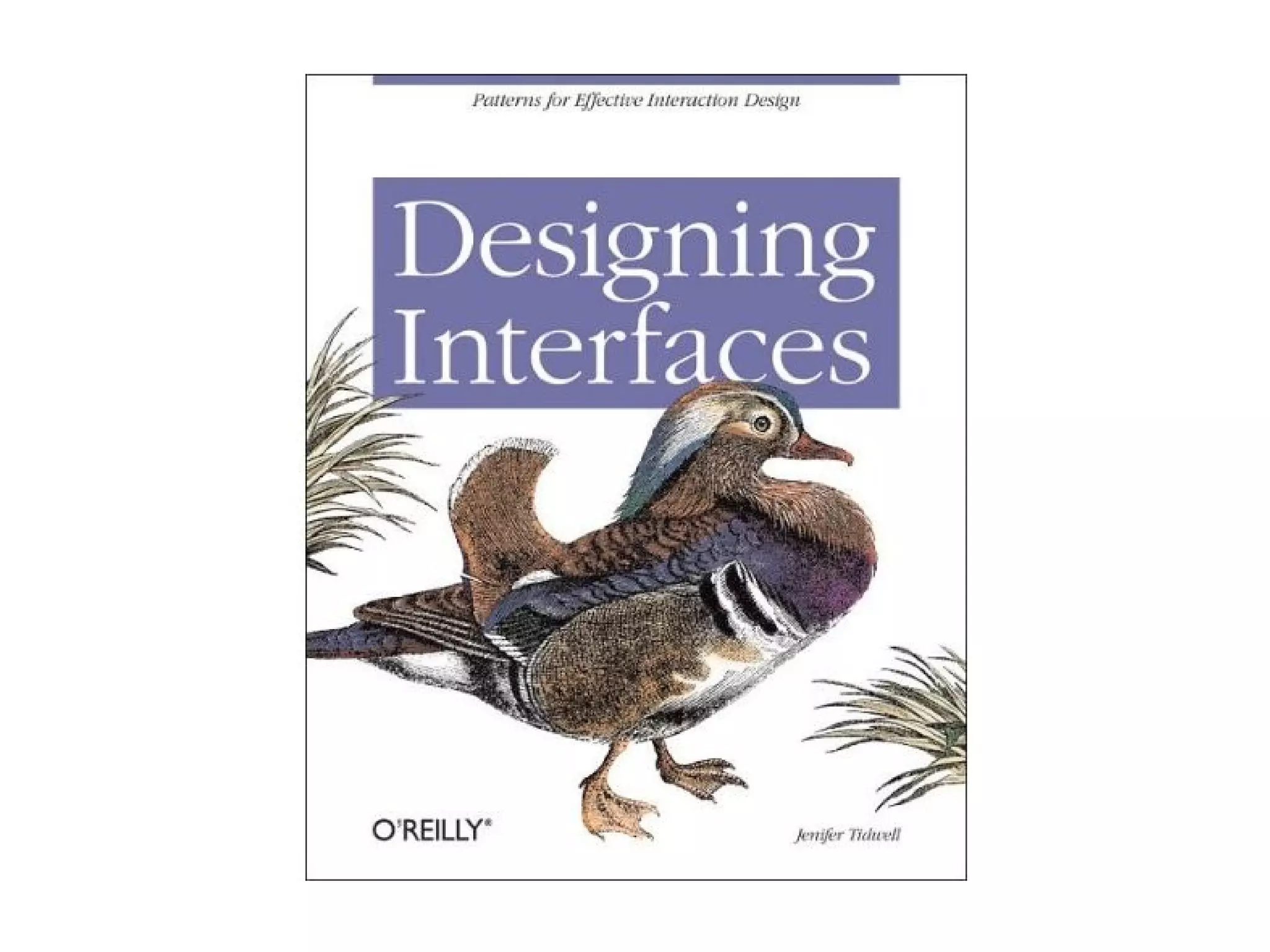
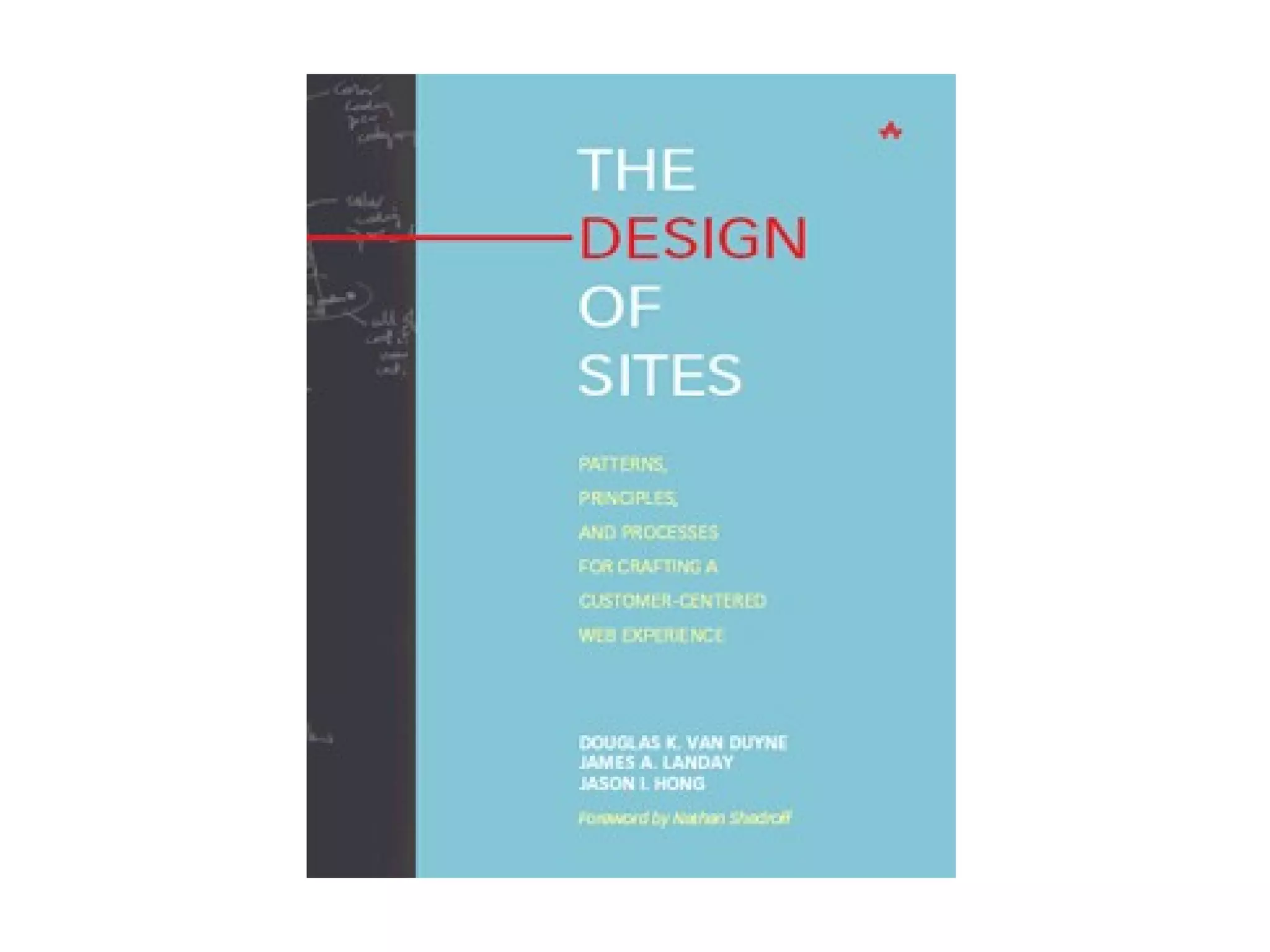
Pattern Languages in Information Architecture
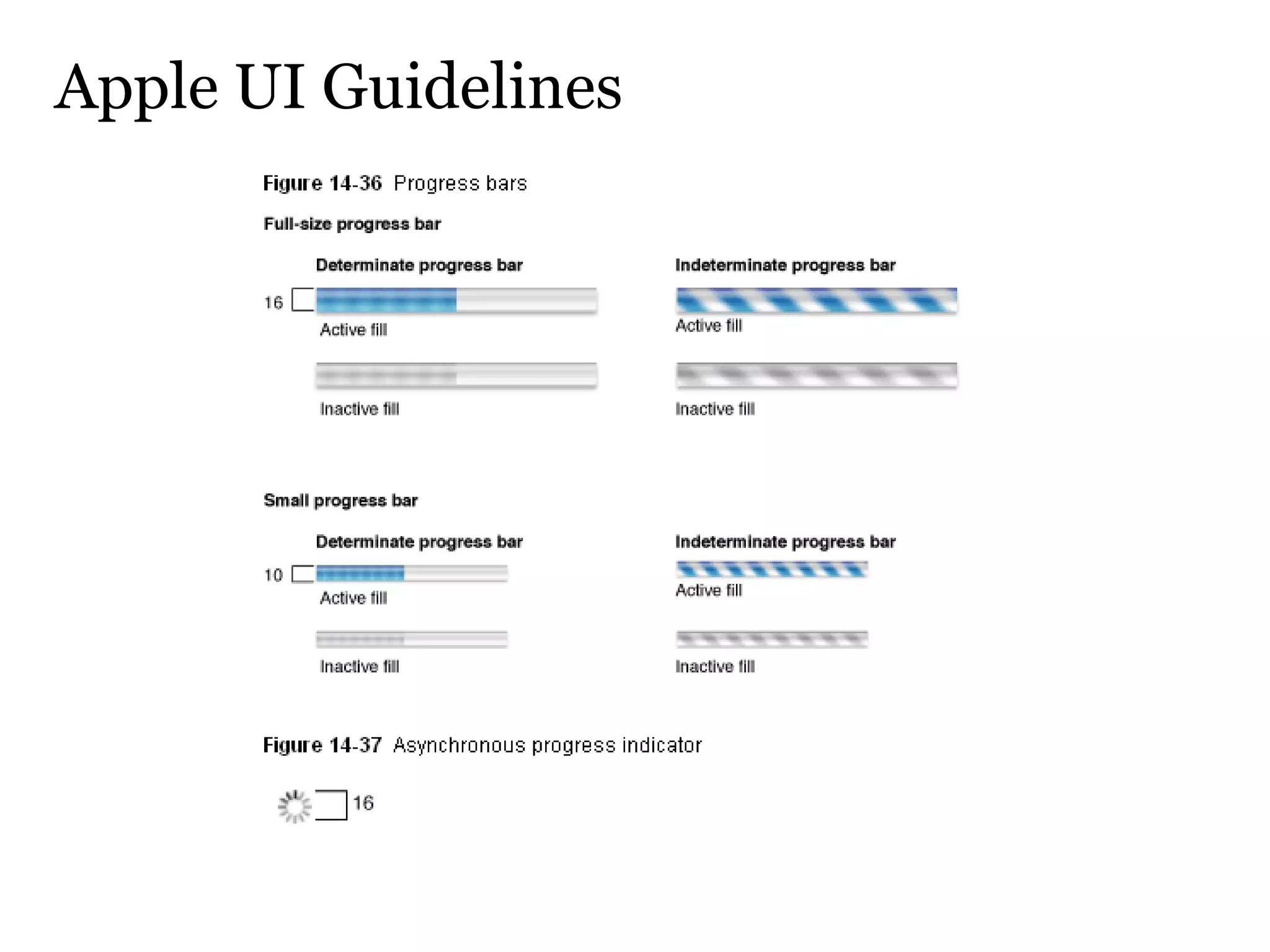
Apple UI Guidelines
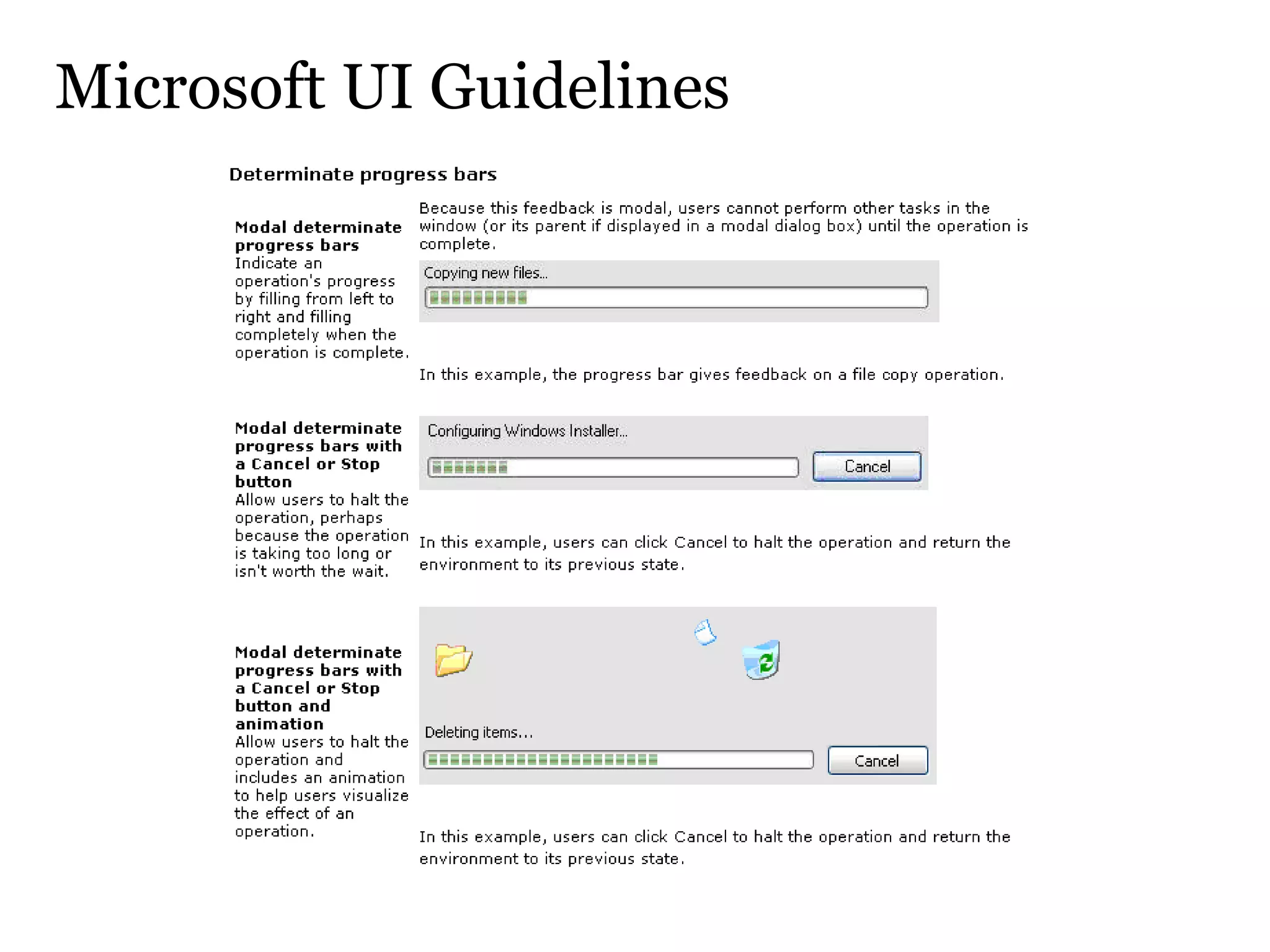
Microsoft UI Guidelines
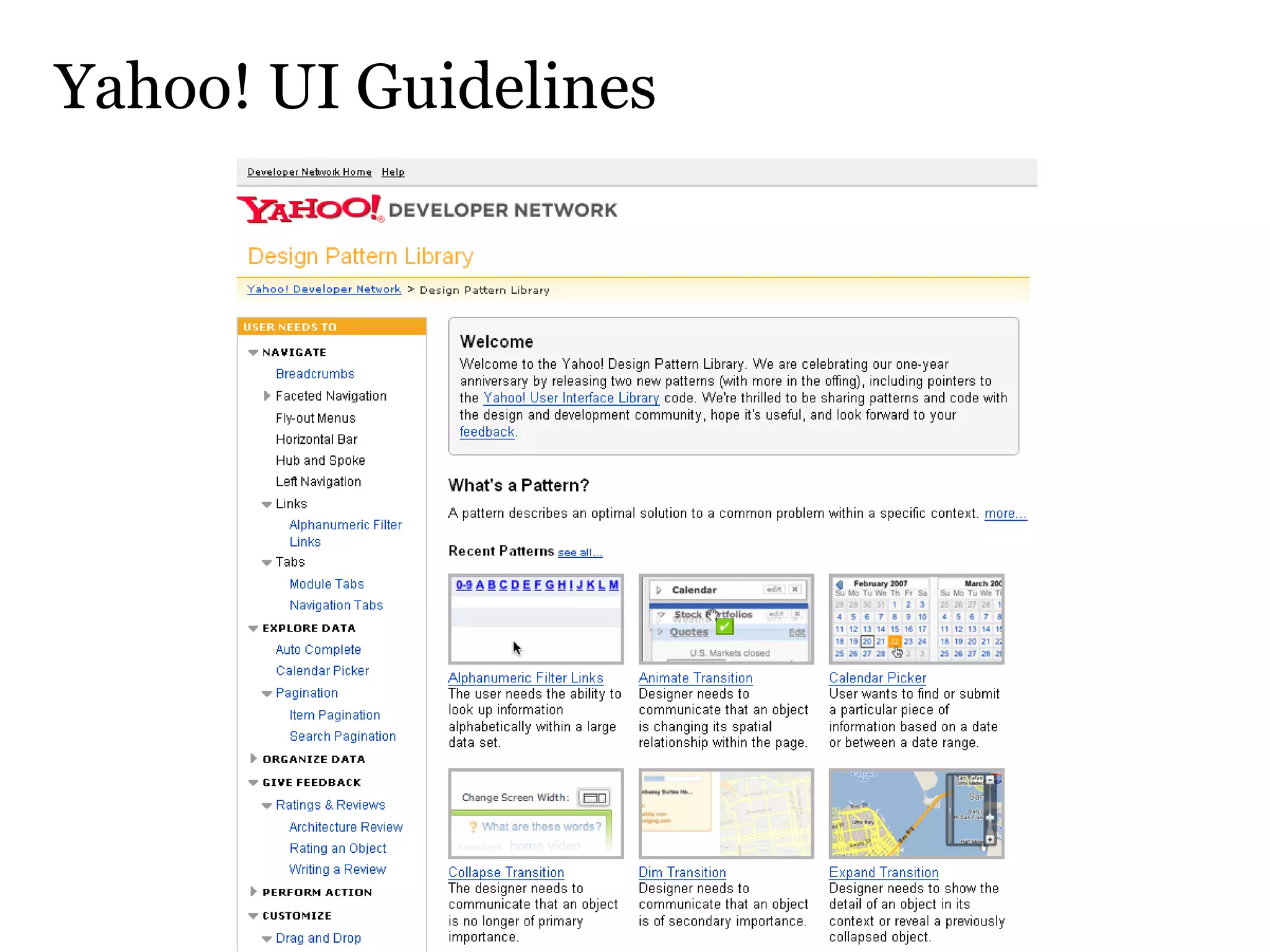
Yahoo! UI Guidelines
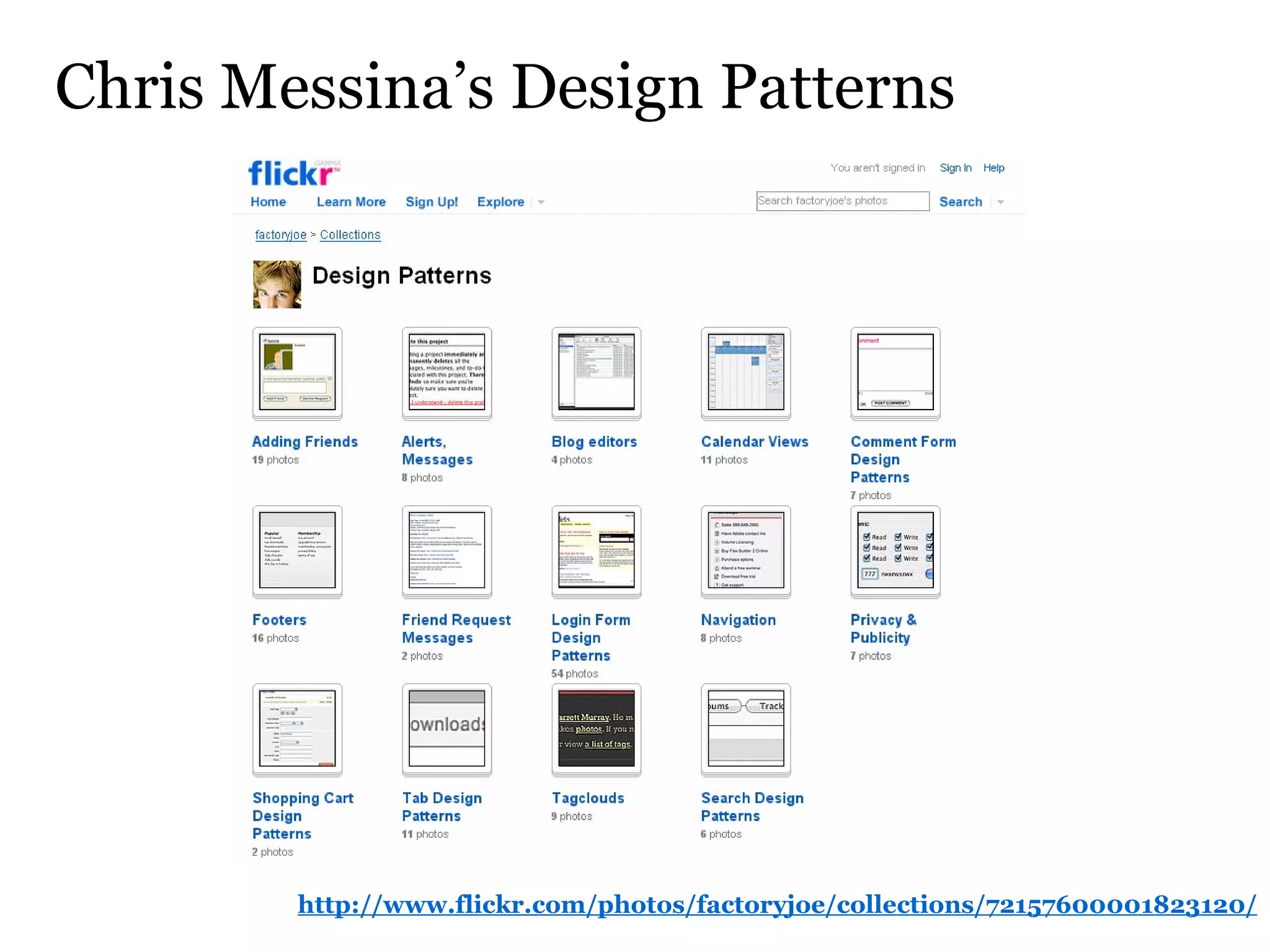
Chris Messina’s Design Patterns http://www.flickr.com/photos/factoryjoe/collections/72157600001823120/
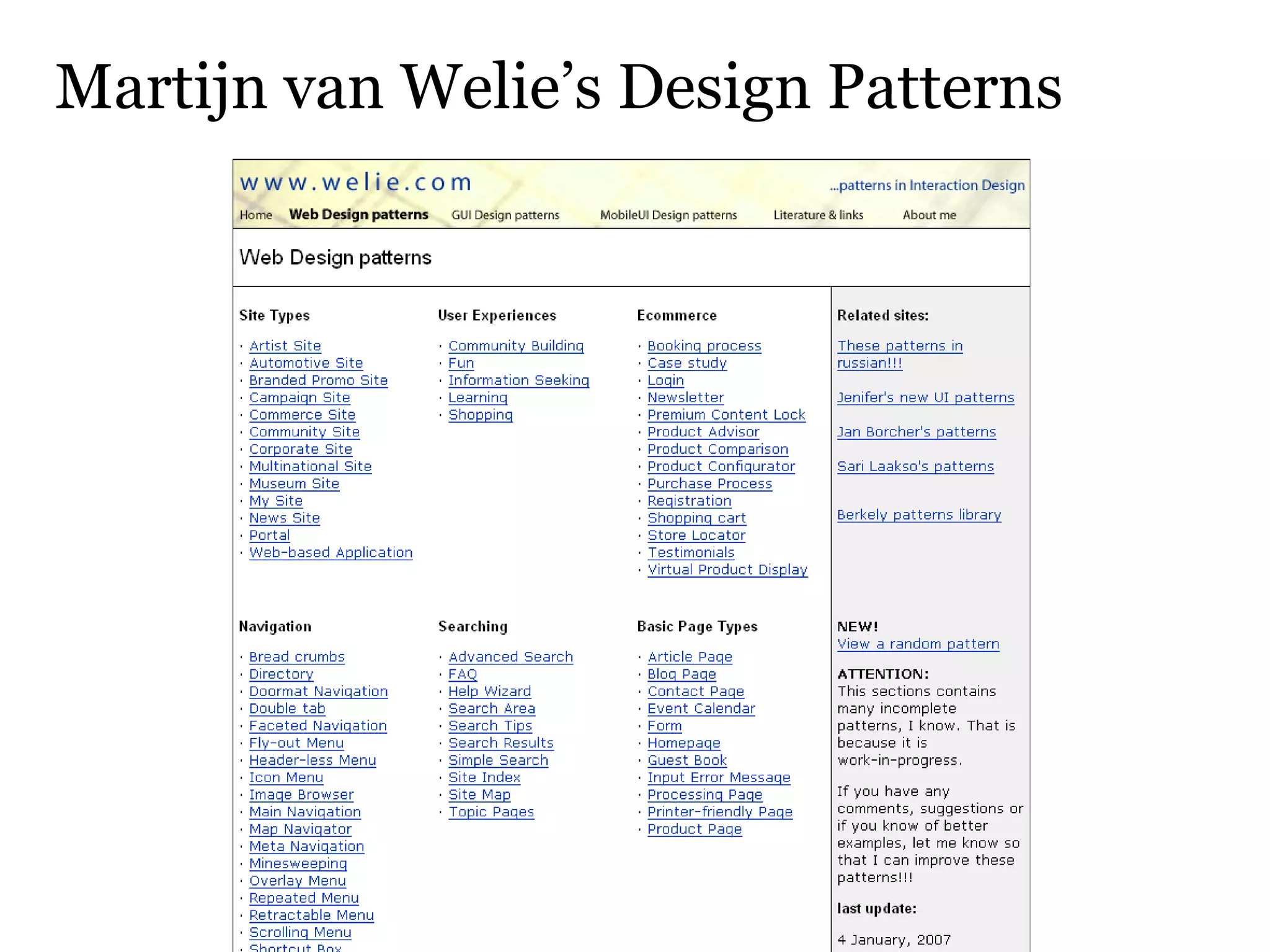
Martijn van Welie’s Design Patterns
 
 
Pattern Languages, Pattern Libraries, and Methodology
Style and the  Design Process
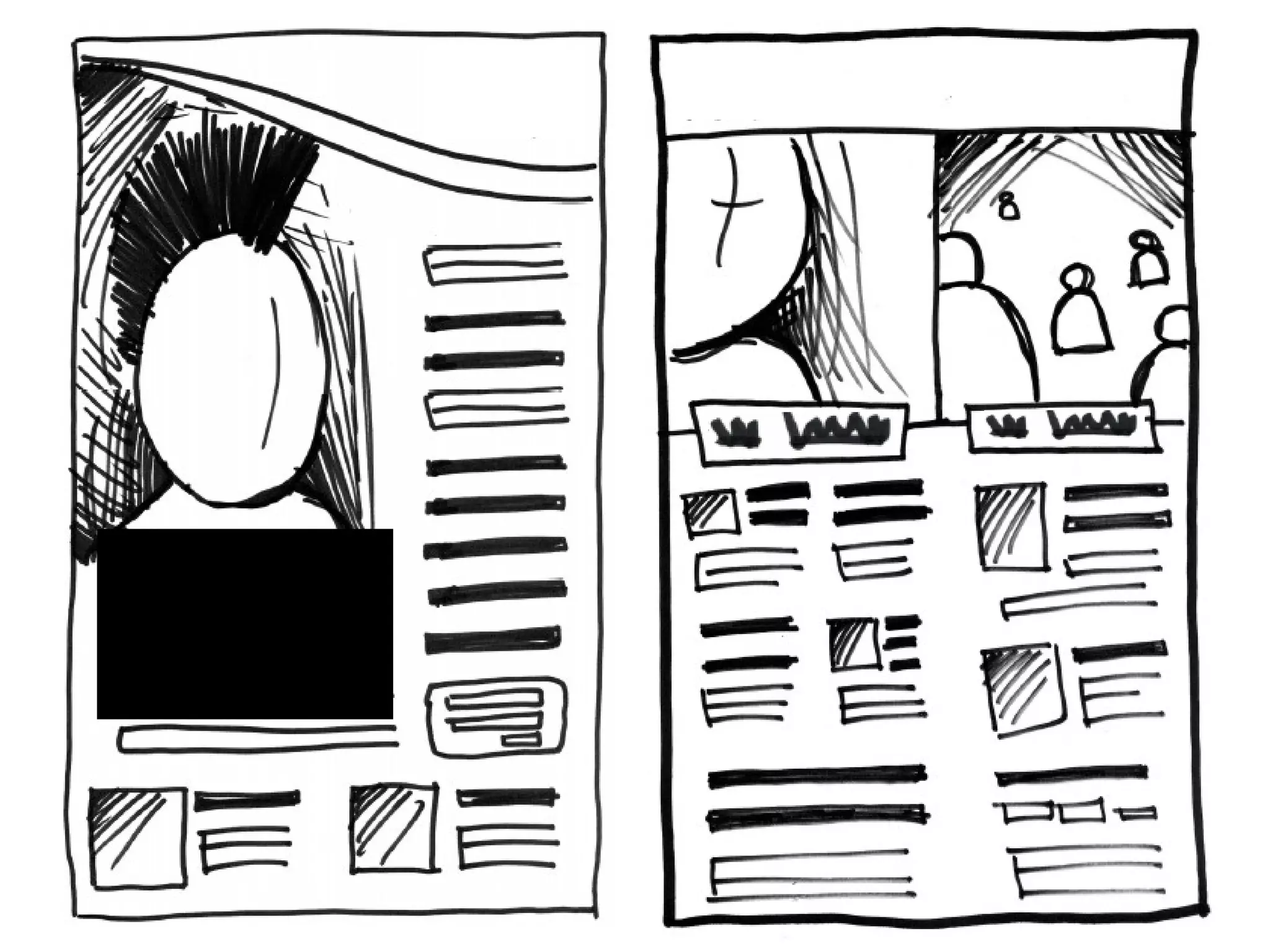
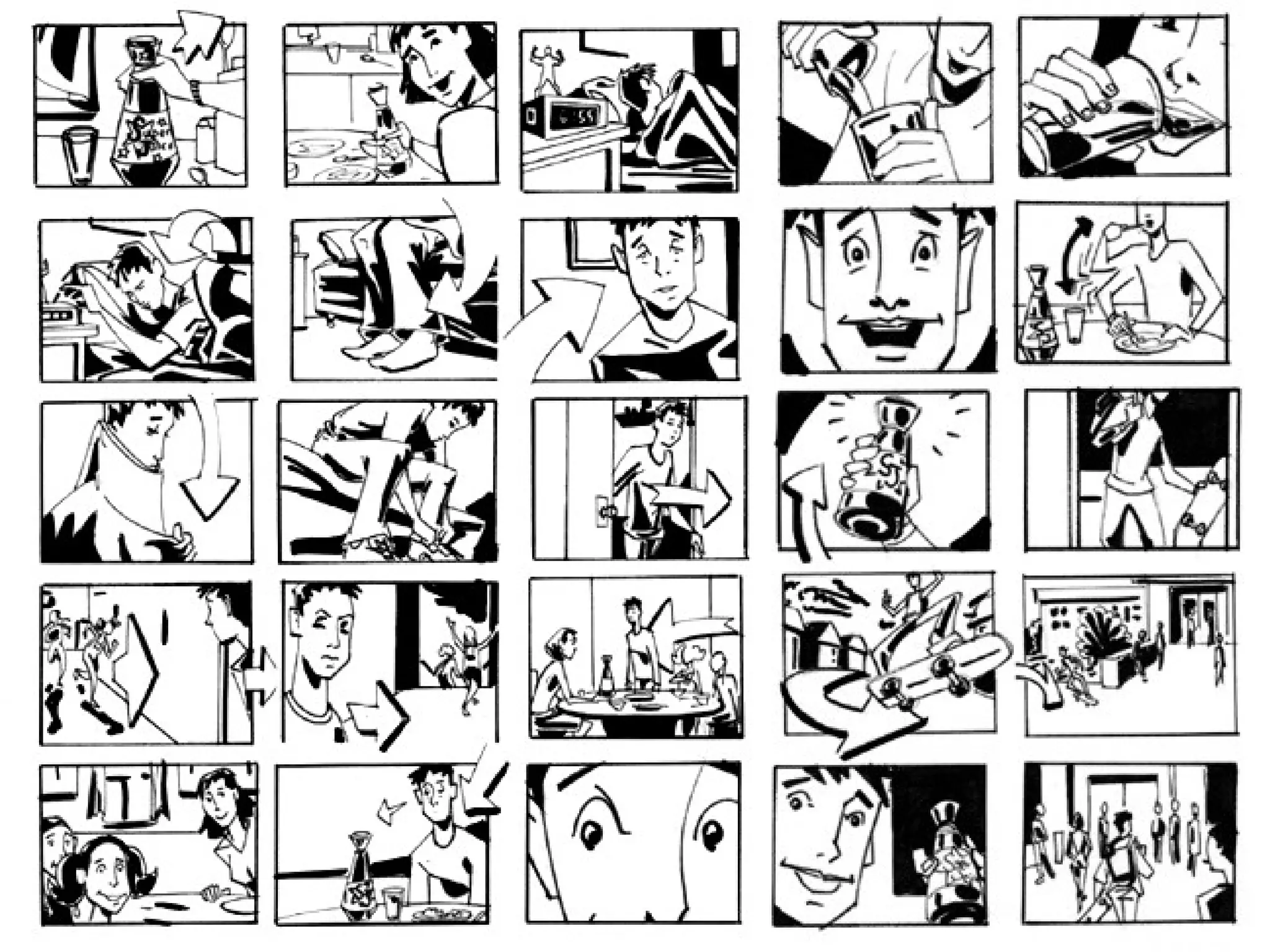
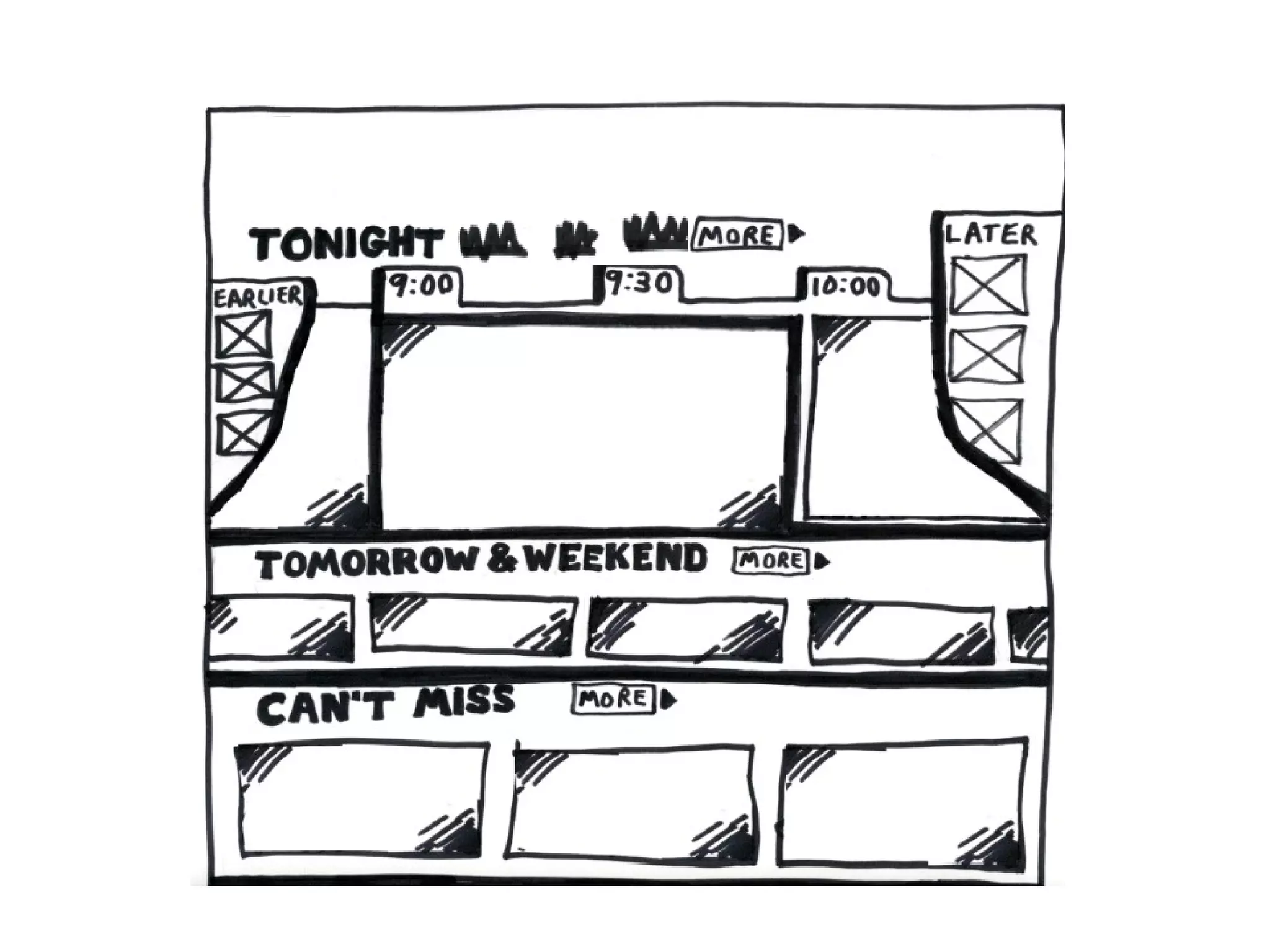
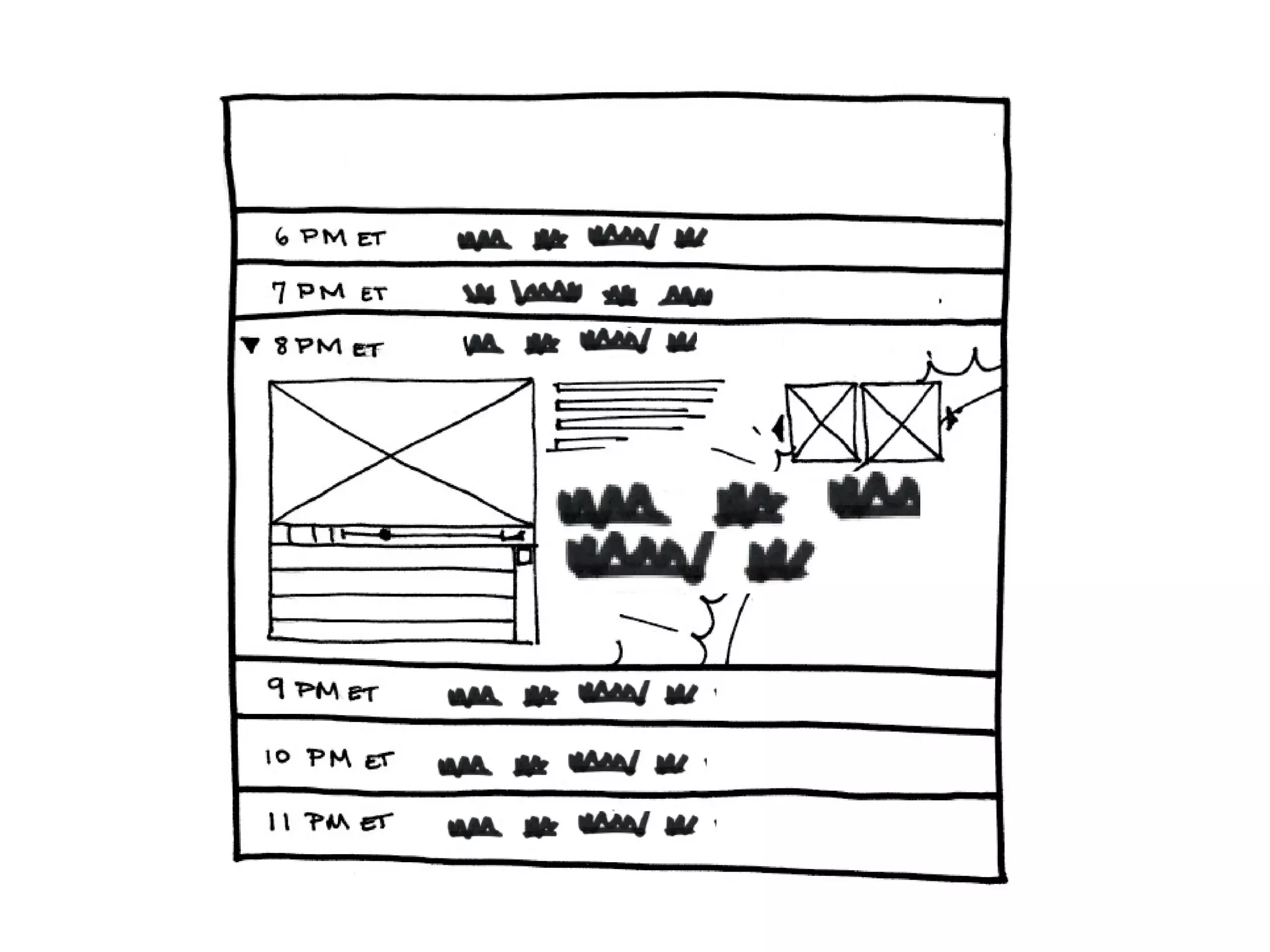
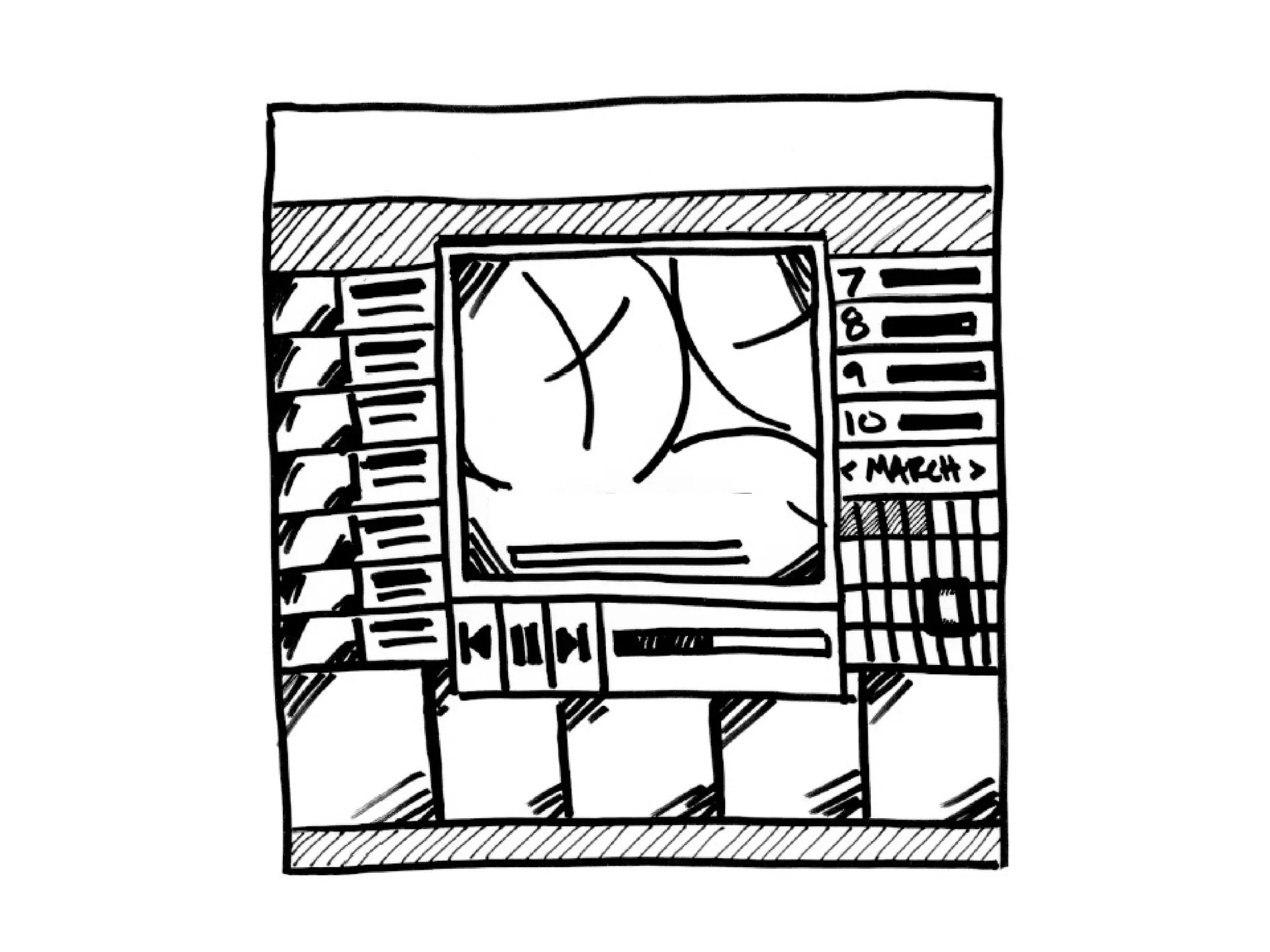
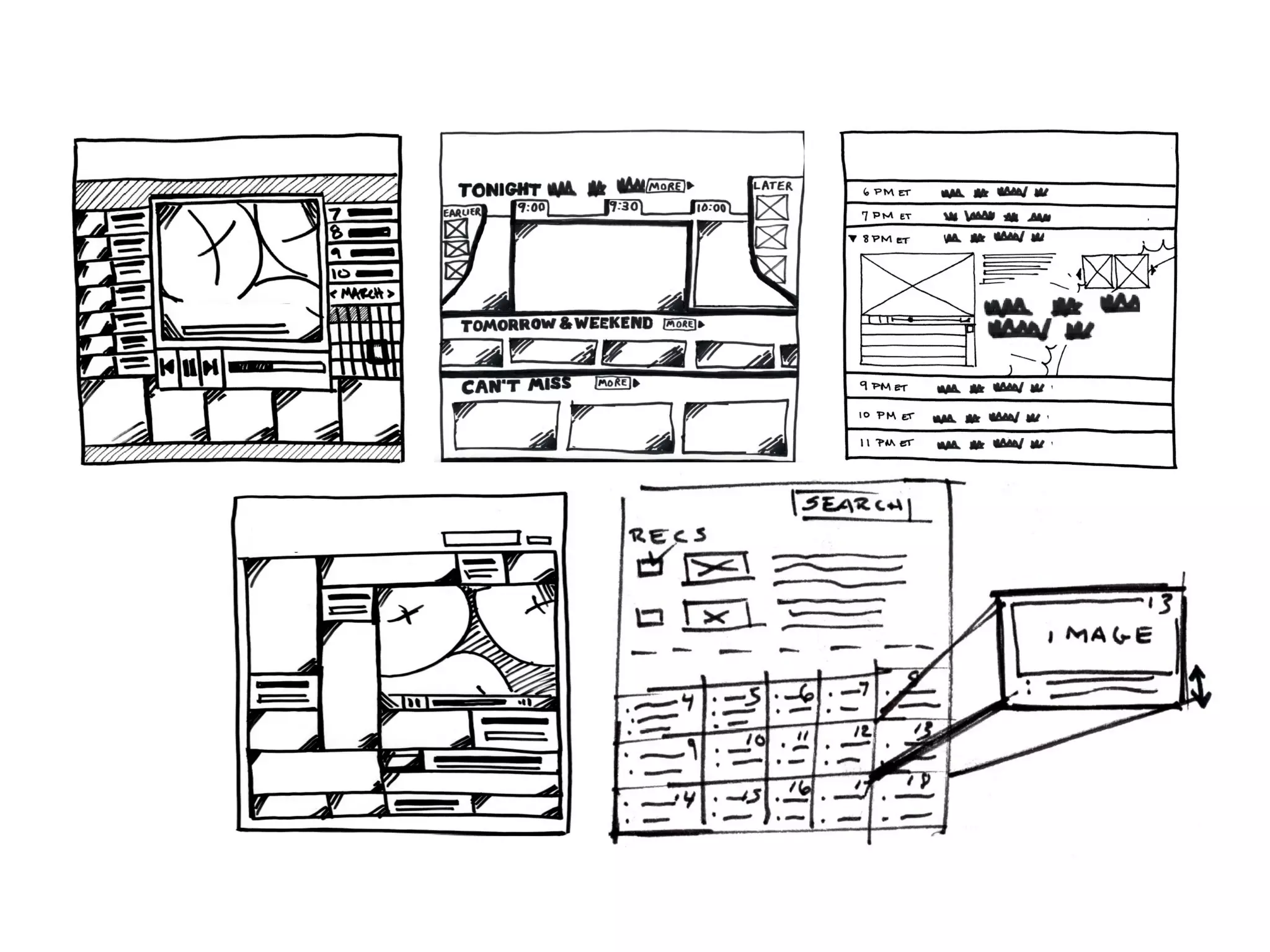
Sharpie Concepts


Design Landscape Analysis Boards (Mood Boards)


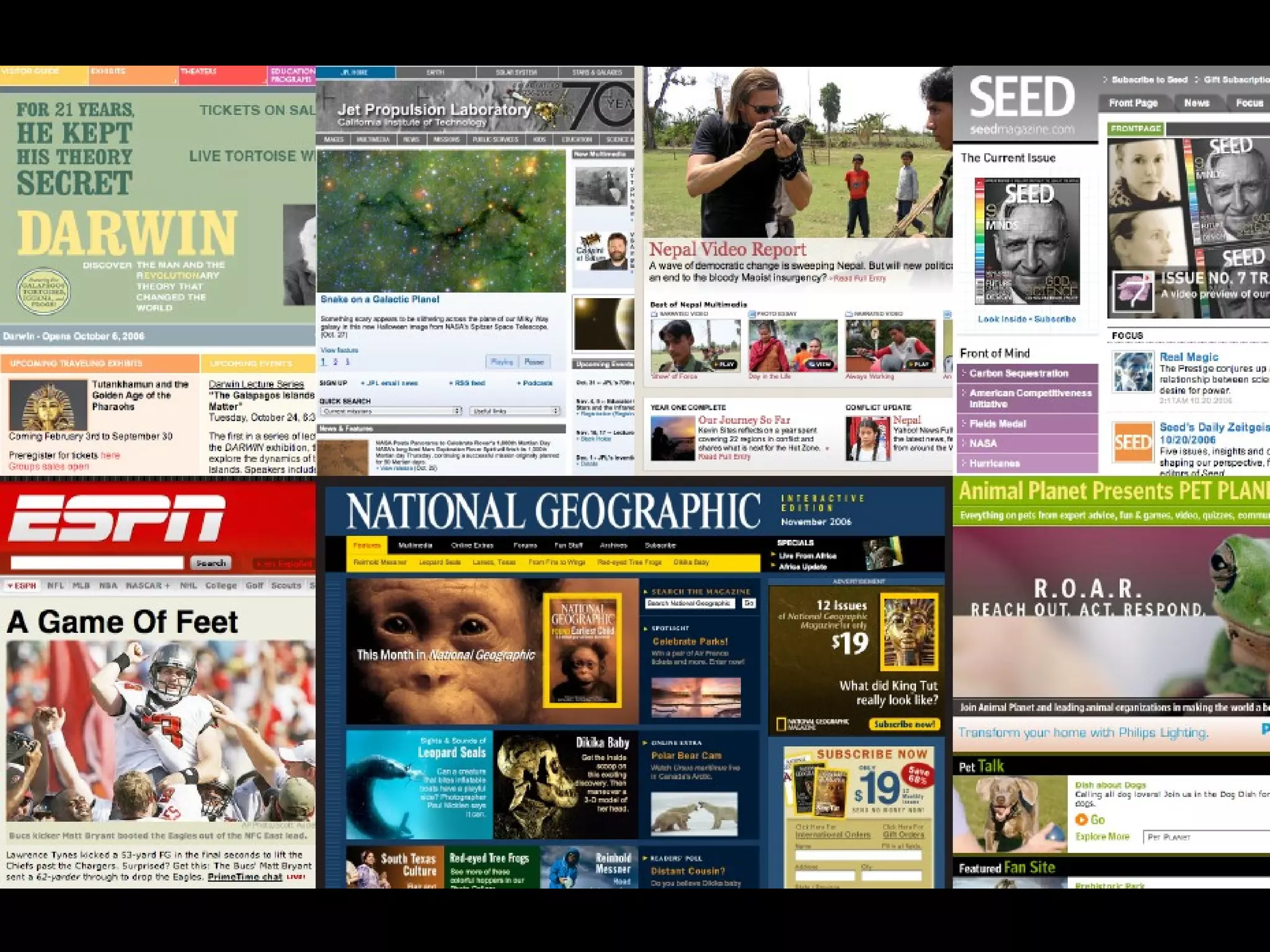
Style Inspiration
 
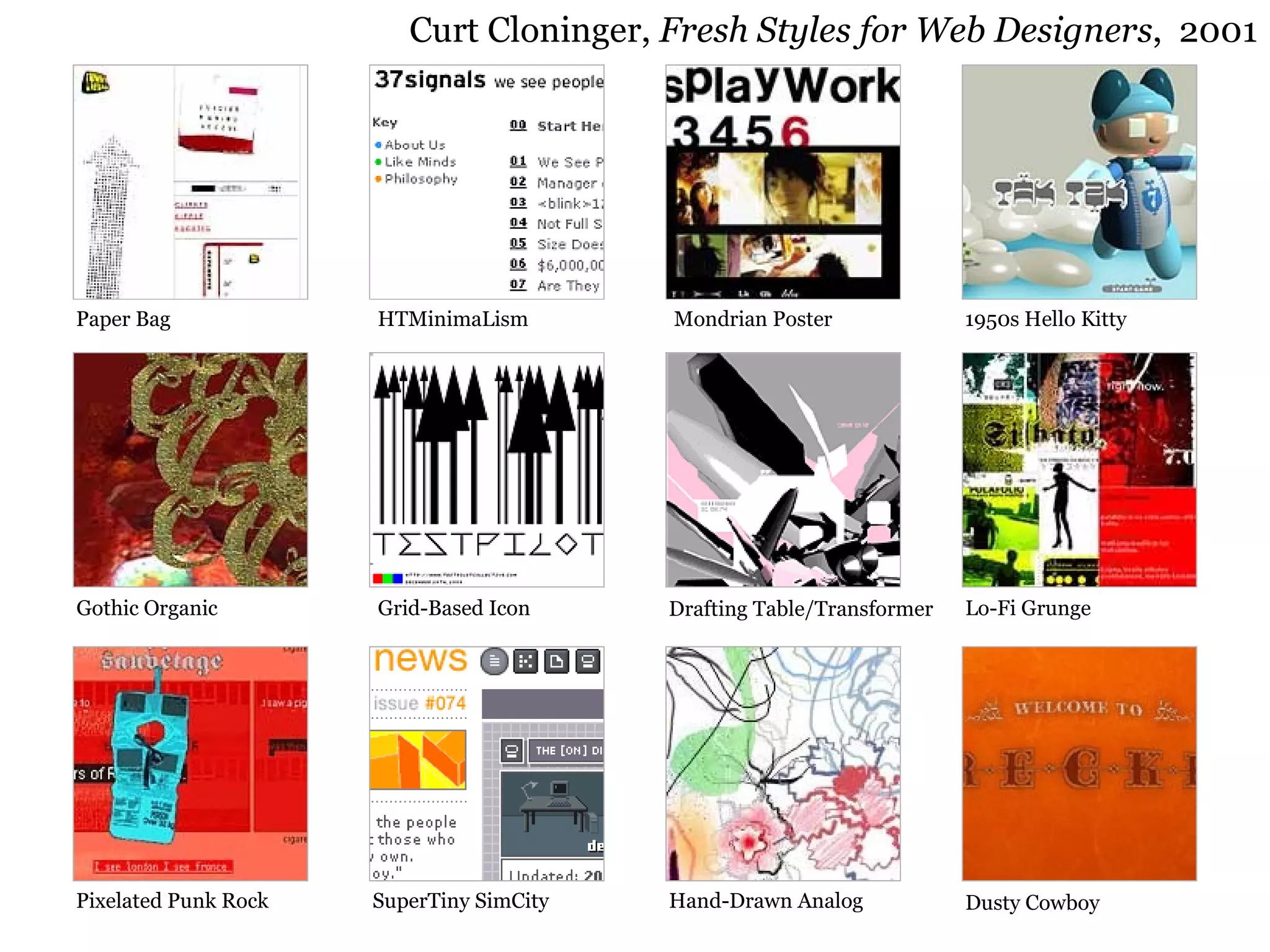
HTMinimaLism Mondrian Poster Grid-Based Icon SuperTiny SimCity Lo-Fi Grunge Paper Bag Gothic Organic Pixelated Punk Rock Drafting Table/Transformer 1950s Hello Kitty Hand-Drawn Analog Dusty Cowboy Curt Cloninger,  Fresh Styles for Web Designers ,  2001


Staying in Style Don’t follow trends – locate genuine stylistic movements Look for things to avoid as much as things you want to emulate Always explore new interaction paradigms, no matter how trendy they seem Voraciously consume aesthetic varieties Don’t be afraid to have style in mind from the beginning
Christopher Fahey graphpaper.com Thank you!

Interaction Design Style (Part 5 of 5)

  • 1.
    Interaction DesignStyle (Part 5 of 5) ASIS&T IA Summit Monday, March 24, 2007
  • 2.
  • 3.
  • 4.
  • 5.
  • 6.
  • 7.
  • 8.
  • 9.
  • 10.
  • 11.
  • 12.
  • 13.
  • 14.
  • 15.
  • 16.
  • 17.
    I don’t knowanyone who actually works this way.
  • 18.
    Inductive + Deductive
  • 19.
    Inductive Reasoning Observation Pattern  Tentative Hypothesis  Theory Bottom-Up Learn first, Decide later
  • 20.
    Deductive Reasoning Theory Hypothesis  Observation  Confirmation Top-down Decide First, Learn Later
  • 21.
    Inductive Reasoning Observation Pattern  Tentative Hypothesis  Theory
  • 22.
    Inductive DesignObserve Users  Identify Patterns  Form Design Strategy  Implement Design
  • 23.
    Deductive Reasoning Theory Hypothesis  Observation  Confirmation
  • 24.
    Deductive DesignForm Design Strategy  Build Model  Observe Model in Action  Make Money … or not
  • 25.
    Inductive + Deductive Design Observe Users  Identify Patterns  Form Design Strategy  Build Model  Observe Users  Identify Patterns  Observe Model in Action  Make Money
  • 26.
  • 27.
  • 28.
  • 29.
  • 30.
    Abductive Reasoning Observation Hypothesis  Build Model  Validation (not Confirmation) Sideways: “The logic of what might be” Decide First, Try It
  • 31.
  • 32.
  • 33.
  • 34.
  • 35.
    Abductive Reasoning Example:All cats die. Socrates is dead. Therefore, Socrates is a cat.
  • 36.
  • 37.
    The dirty littlesecret of innovative design.
  • 38.
    “ When Ido a design project, I begin by listening carefully to you as you talk about your problem and read whatever background material I can find that relates to the issues you face. If you're lucky, I have also accidentally acquired some firsthand experience with your situation. Somewhere along the way an idea for the design pops into my head from out of the blue. I can't really explain that part; it's like magic. Sometimes it even happens before you have a chance to tell me that much about your problem! Now, if it's a good idea, I try to figure out some strategic justification for the solution so I can explain it to you without relying on good taste you may or may not have. Along the way, I may add some other ideas, either because you made me agree to do so at the outset, or because I'm not sure of the first idea. At any rate, in the earlier phases hopefully I will have gained your trust so that by this point you're inclined to take my advice. I don't have any clue how you'd go about proving that my advice is any good except that other people – at least the ones I've told you about – have taken my advice in the past and prospered. In other words, could you just sort of, you know... trust me?” – Michael Beirut, Pentagram/designobserver.com
  • 39.
    It’s not amiracle…
  • 40.
    It’s Design Thinking“ The most fundamental difference between [design and science] is that design thinking deals primarily with what does not yet exist ; while scientists deal with explaining what is. That scientists discover the laws that govern today's reality, while designers invent a different future is a common theme. Thus, while both methods of thinking are hypothesis-driven, the design hypothesis differs from the scientific hypothesis.” - Jeanne Liedtka, Strategy as Design
  • 41.
  • 42.
  • 43.
    Pattern Language “A pattern language is a structured method of describing good design practices within a particular domain.” – Wikipedia
  • 44.
    Pattern Language: StructureName Problem Description (often including the Context for the pattern) Pattern for a Solution Discussion and Examples Cross-references (links) for other related patterns
  • 45.
    127: Intimacy GradientUnless the spaces in a building are arranged in a sequence which corresponds to their degrees of privateness, the visits made by strangers, friends, guests, clients, family, will always be a little awkward. Therefore: Lay out the spaces of a building so that they create a sequence which begins with the entrance and the most public parts of the building, then leads into the slightly more private areas, and finally to the most private domains.
  • 46.
  • 47.
  • 48.
    21: Four-Story LimitThere is abundant evidence to show that high buildings make people crazy. Therefore: In any urban area, no matter how dense, keep the majority of buildings four stories high or less. It is possible that certain buildings should exceed this limit, but they should never be buildings for human habitation.
  • 49.
    177: Vegetable GardenIn a healthy town every family can grow vegetables for itself. The time is past to think of this as a hobby for enthusiasts; it is a fundamental part of human life. Therefore: Set aside one piece of land either in the private garden or on common land as a vegetable garden. About one-tenth of an acre is needed for each family of four. Make sure the vegetable garden is in a sunny place and central to all the households it serves. Fence it in and build a small storage shed for gardening tools beside it.
  • 50.
    Pattern Languages inInformation Architecture
  • 51.
  • 52.
  • 53.
  • 54.
    Chris Messina’s DesignPatterns http://www.flickr.com/photos/factoryjoe/collections/72157600001823120/
  • 55.
    Martijn van Welie’sDesign Patterns
  • 56.
  • 57.
  • 58.
    Pattern Languages, PatternLibraries, and Methodology
  • 59.
    Style and the Design Process
  • 60.
  • 61.
  • 62.
  • 63.
  • 64.
  • 65.
  • 66.
  • 67.
    Design Landscape AnalysisBoards (Mood Boards)
  • 68.
  • 69.
  • 70.
  • 71.
  • 72.
  • 73.
    HTMinimaLism Mondrian PosterGrid-Based Icon SuperTiny SimCity Lo-Fi Grunge Paper Bag Gothic Organic Pixelated Punk Rock Drafting Table/Transformer 1950s Hello Kitty Hand-Drawn Analog Dusty Cowboy Curt Cloninger, Fresh Styles for Web Designers , 2001
  • 74.
  • 75.
  • 76.
  • 77.
  • 78.
    Staying in StyleDon’t follow trends – locate genuine stylistic movements Look for things to avoid as much as things you want to emulate Always explore new interaction paradigms, no matter how trendy they seem Voraciously consume aesthetic varieties Don’t be afraid to have style in mind from the beginning
  • 79.