STRUCTURES 2nd part Types of structures Technologies 1st  year  ESO
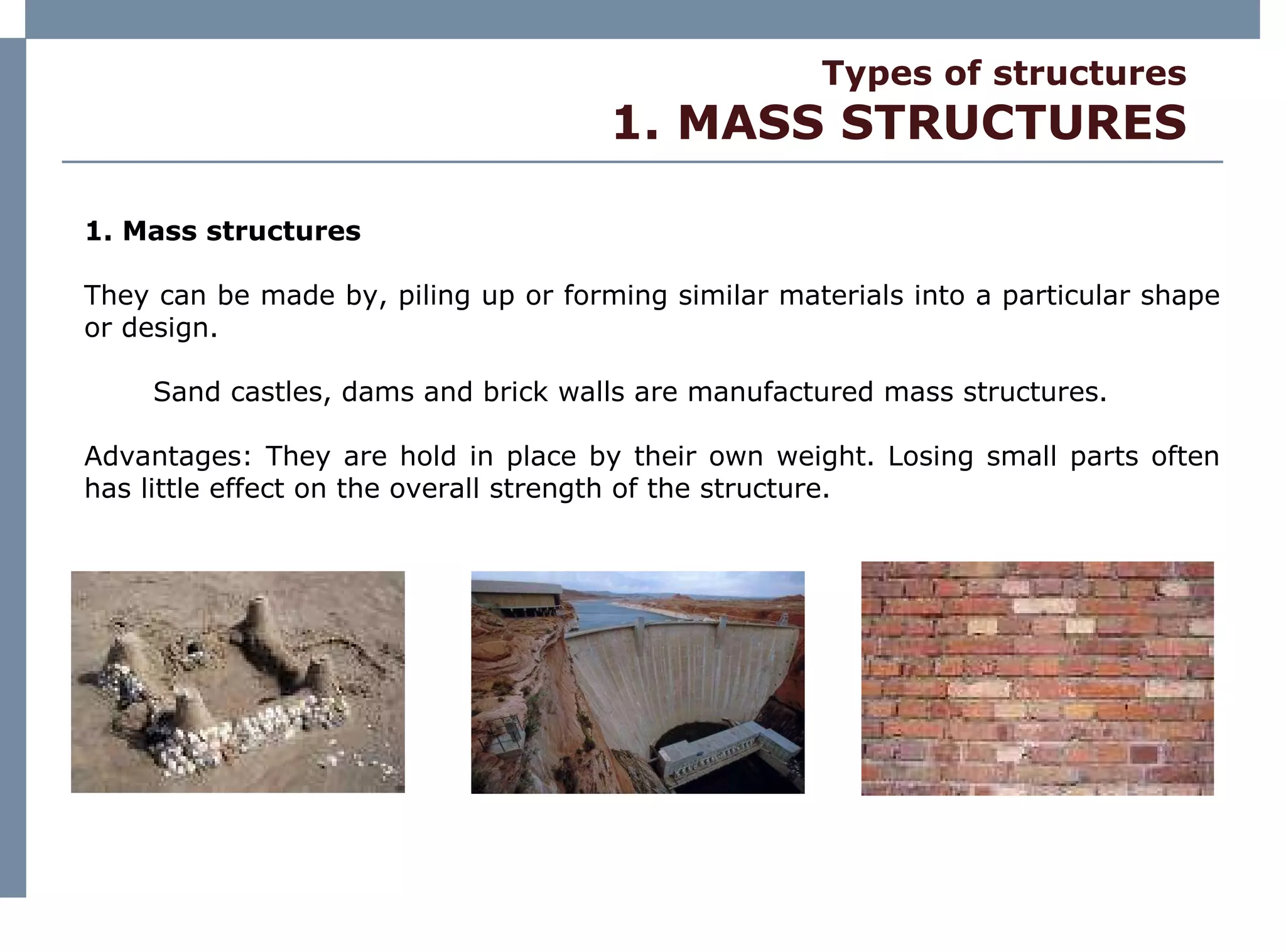
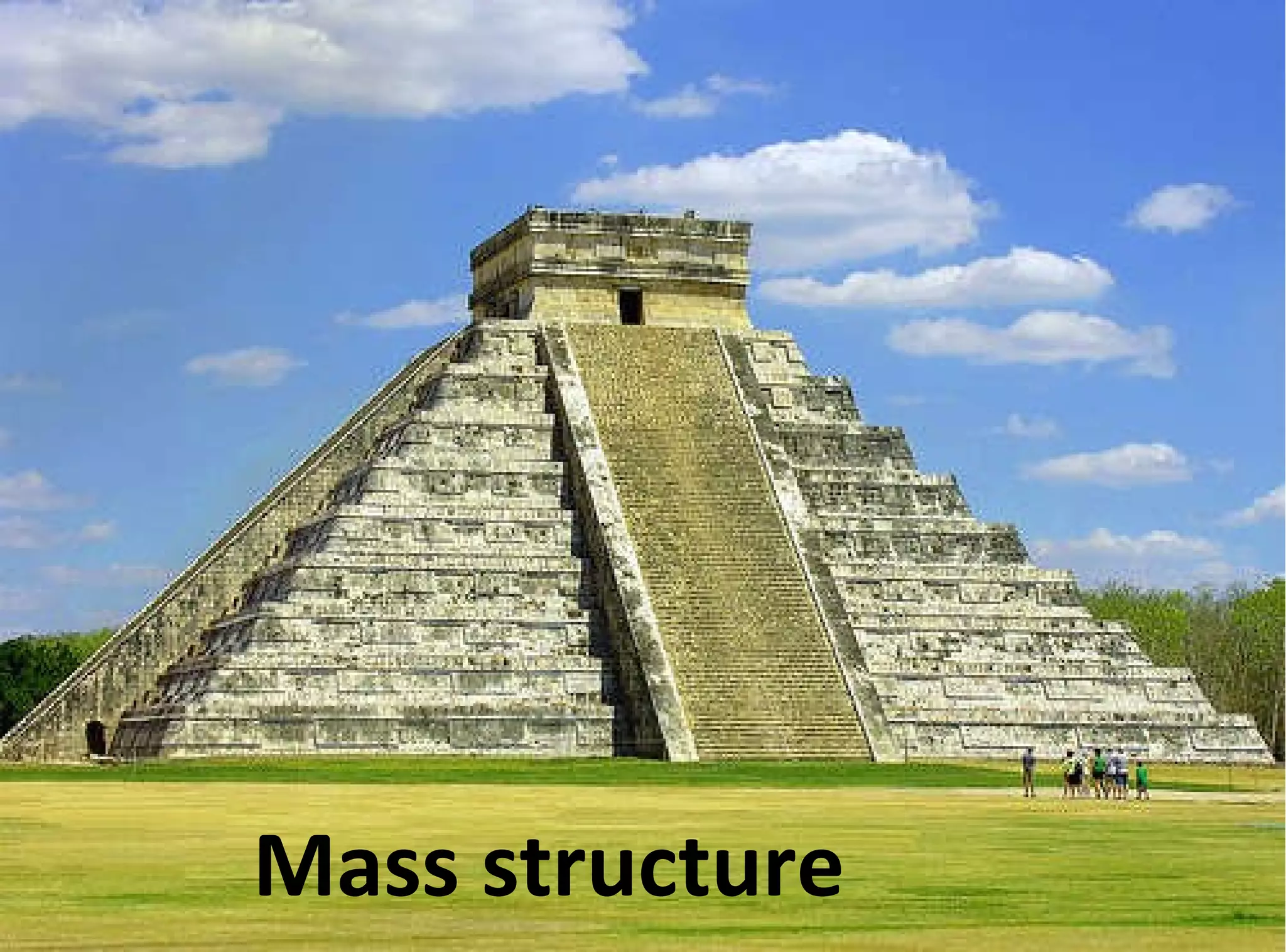
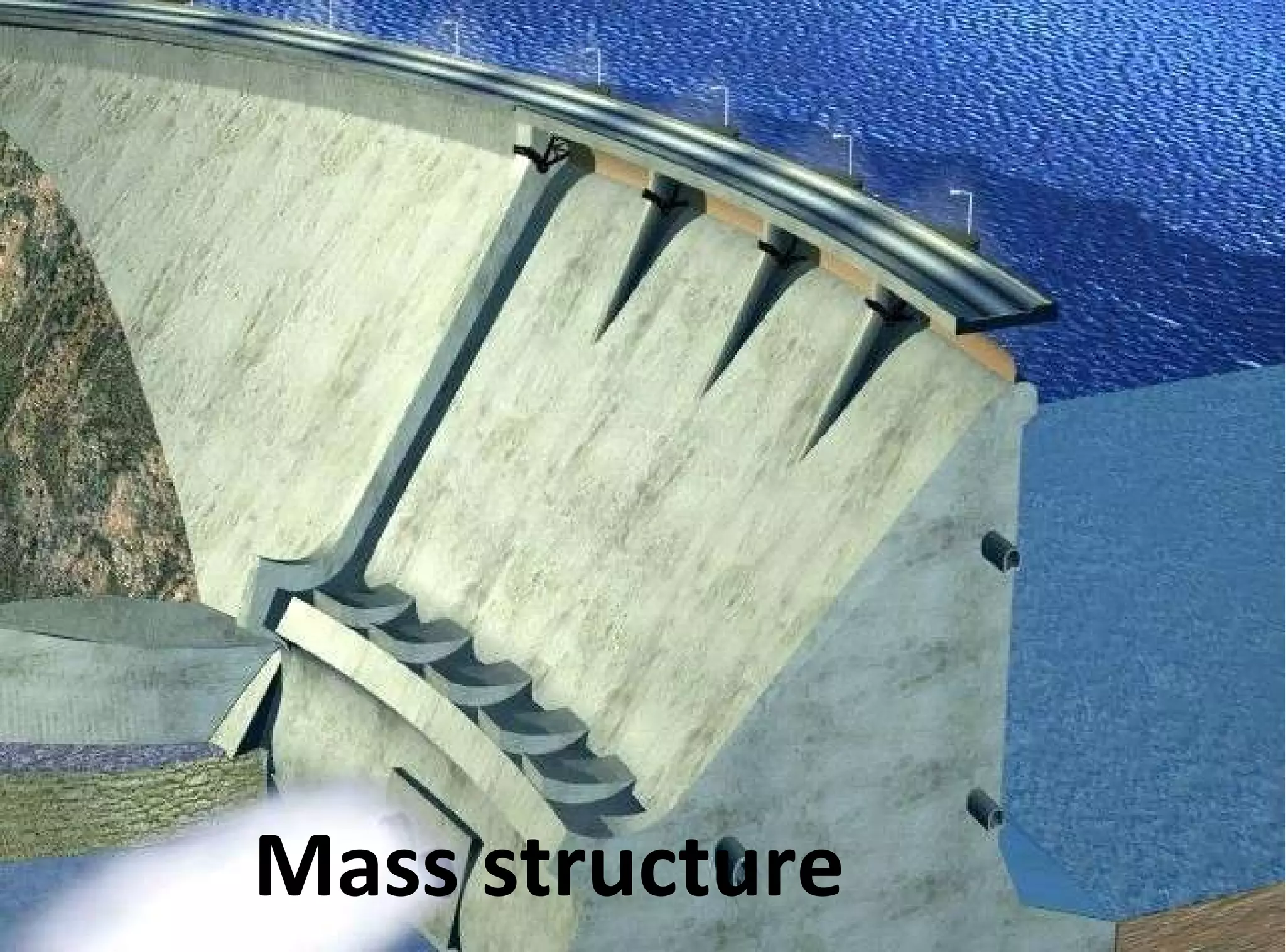
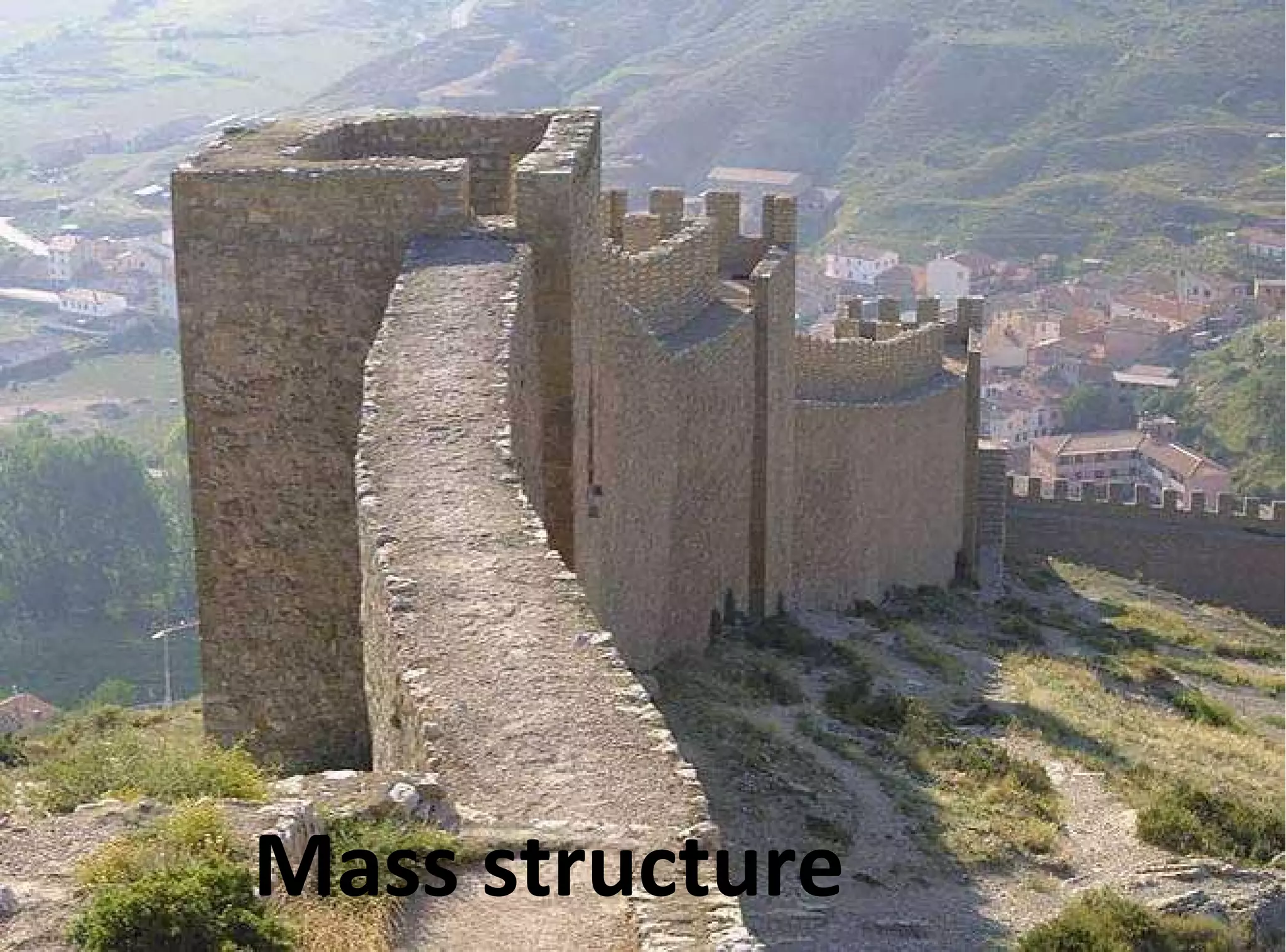
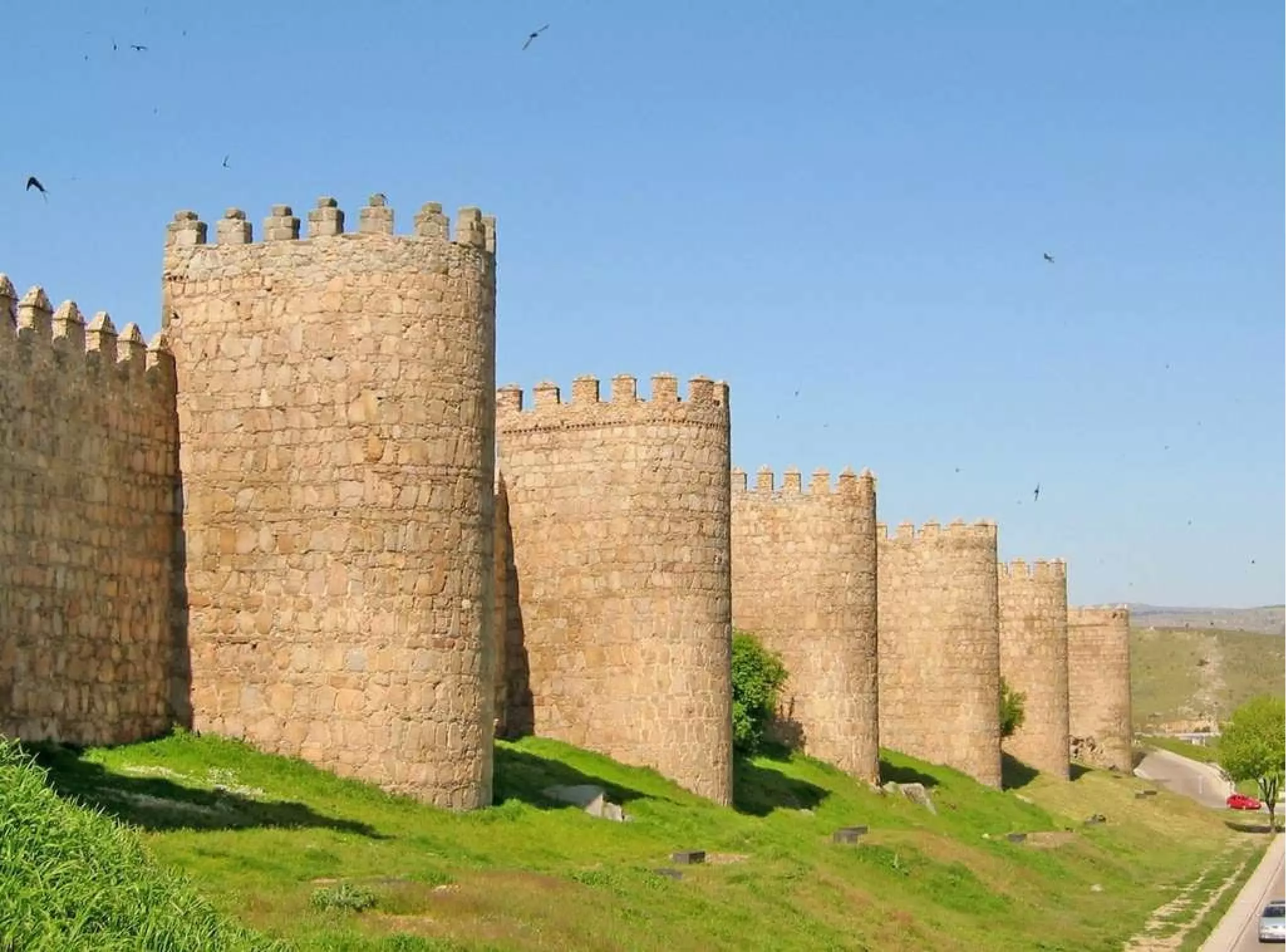
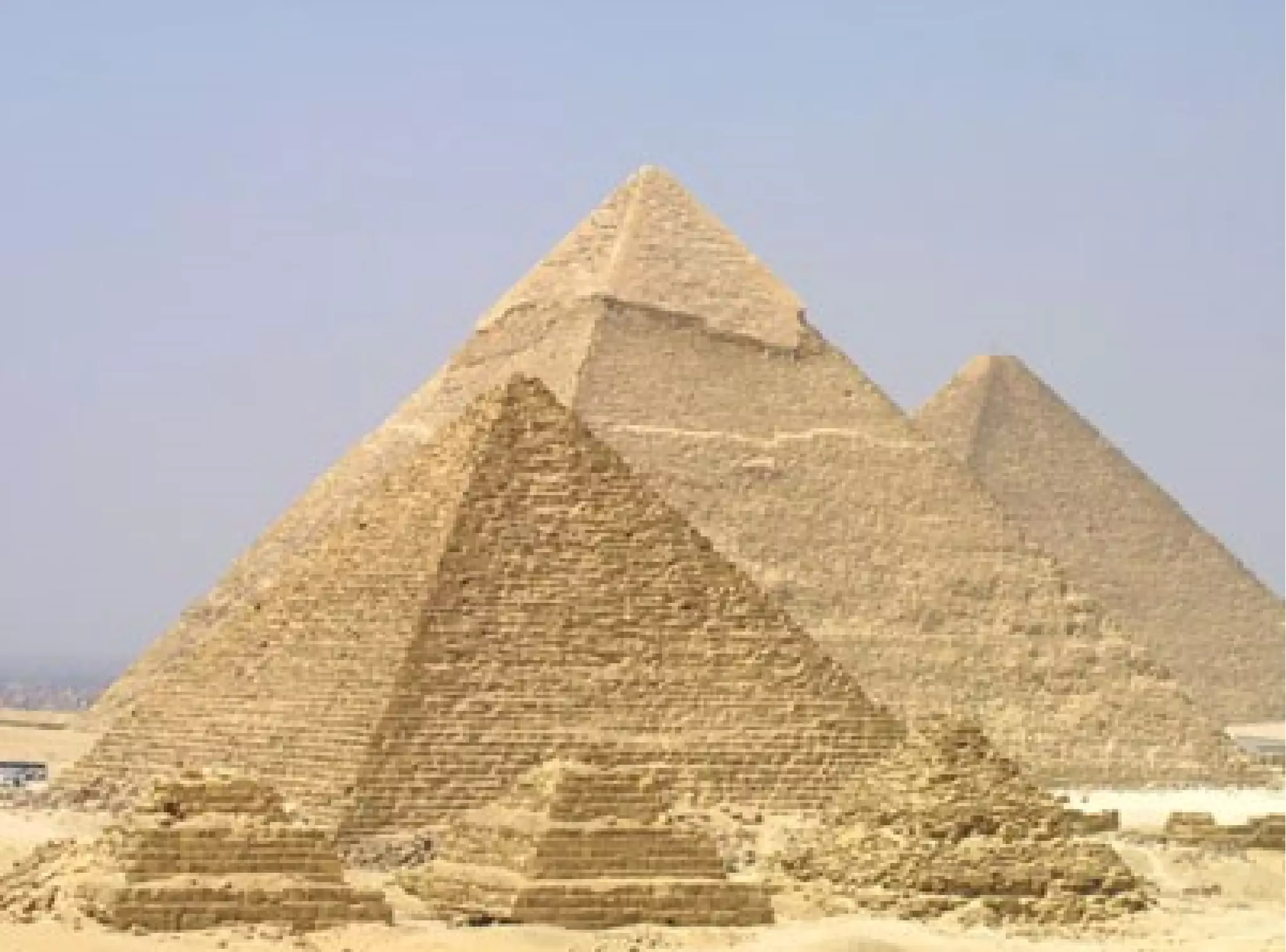
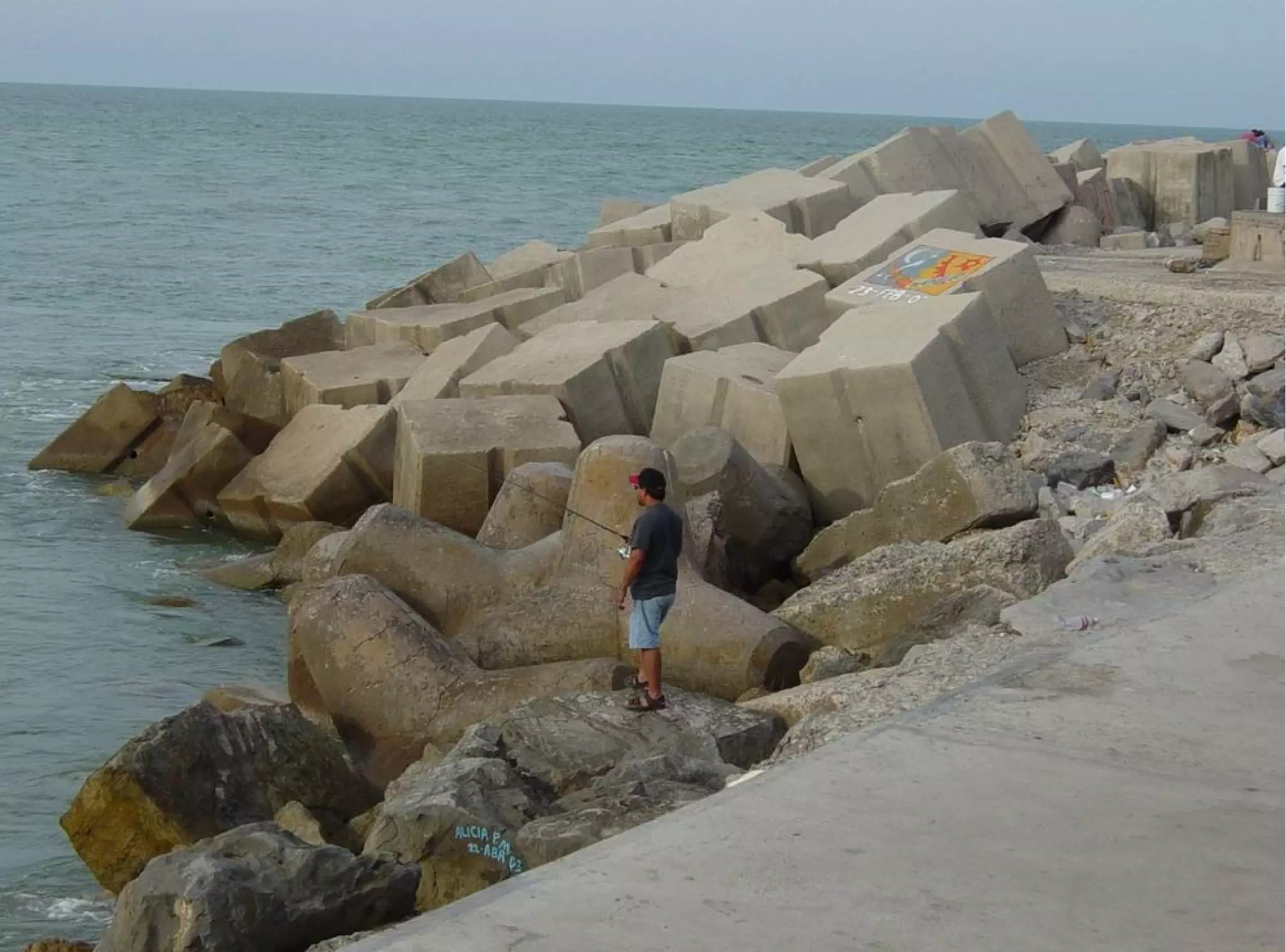
Types of structures 1. MASS STRUCTURES 1. Mass structures They can be made by, piling up or forming similar materials into a particular shape or design. Sand castles, dams and brick walls are manufactured mass structures. Advantages: They are hold in place by their own weight. Losing small parts often has little effect on the overall strength of the structure.
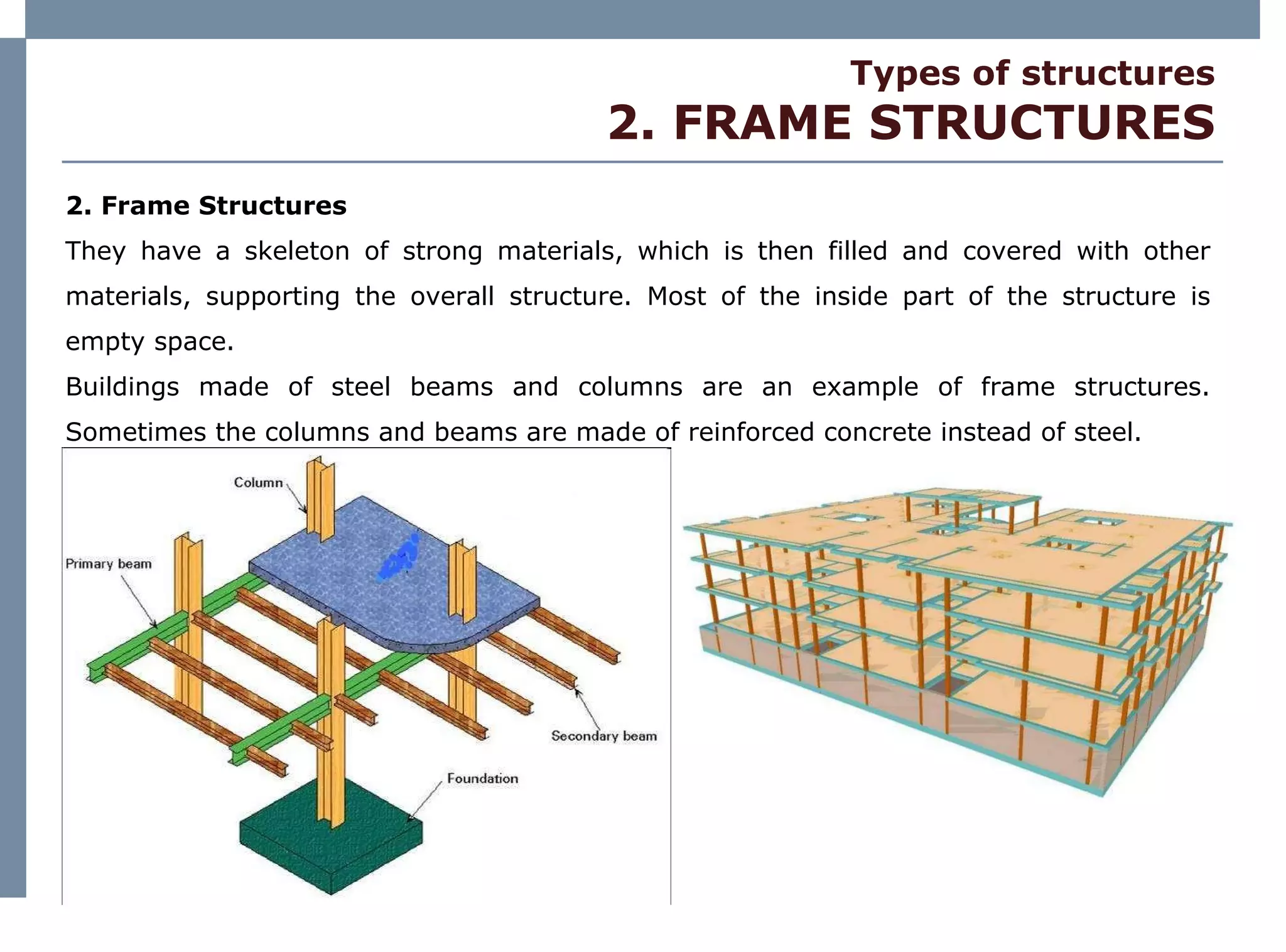
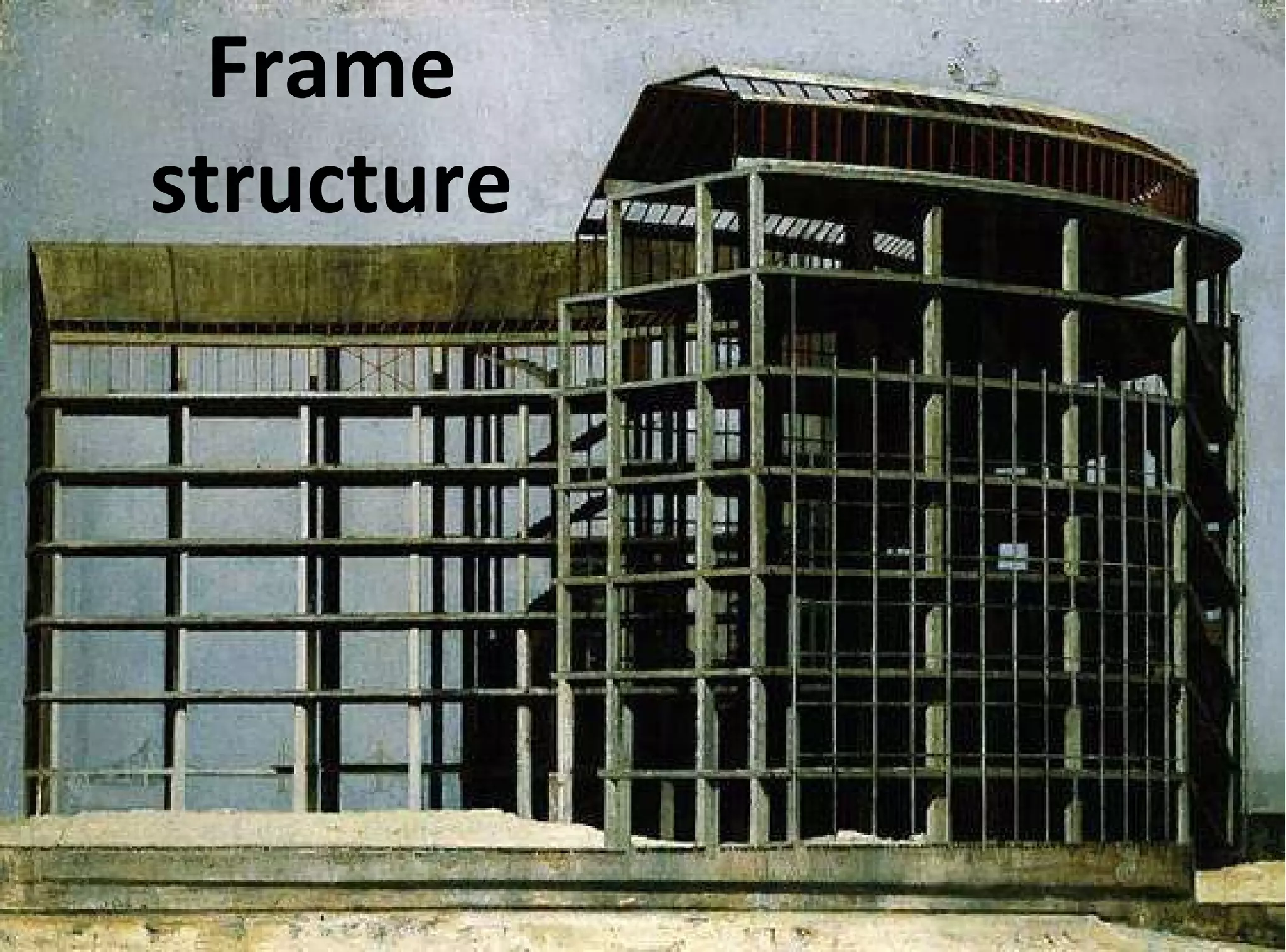
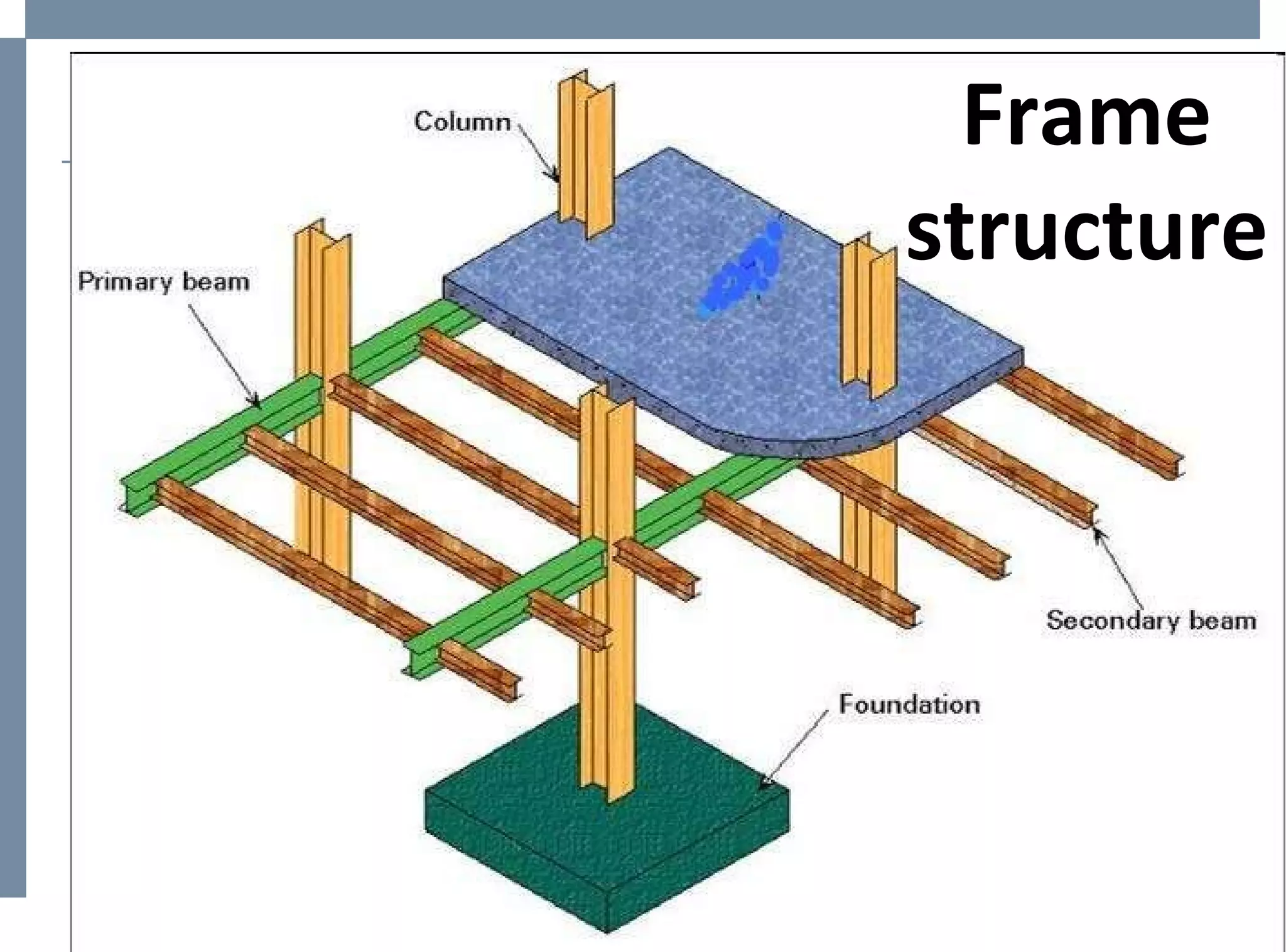
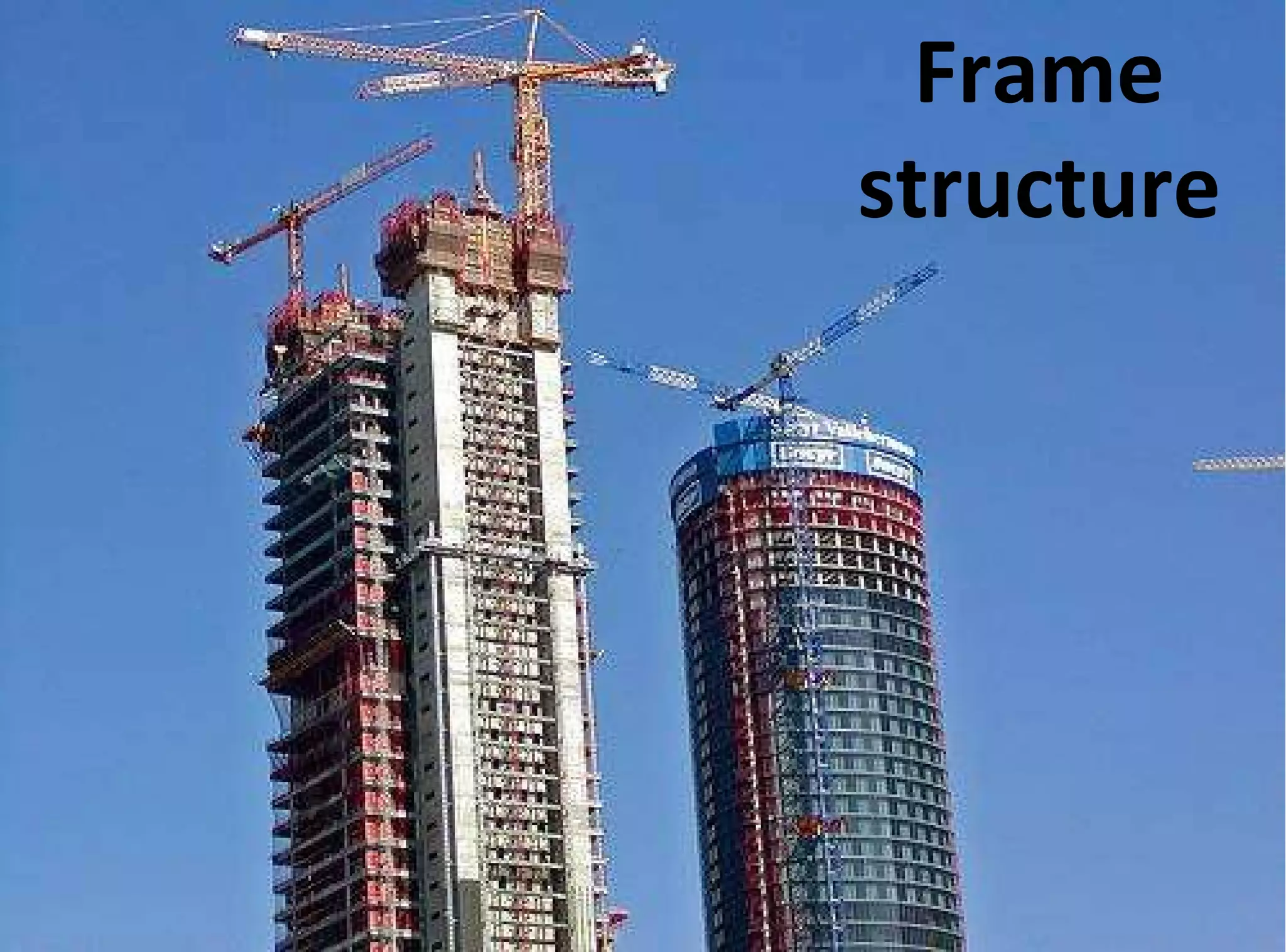
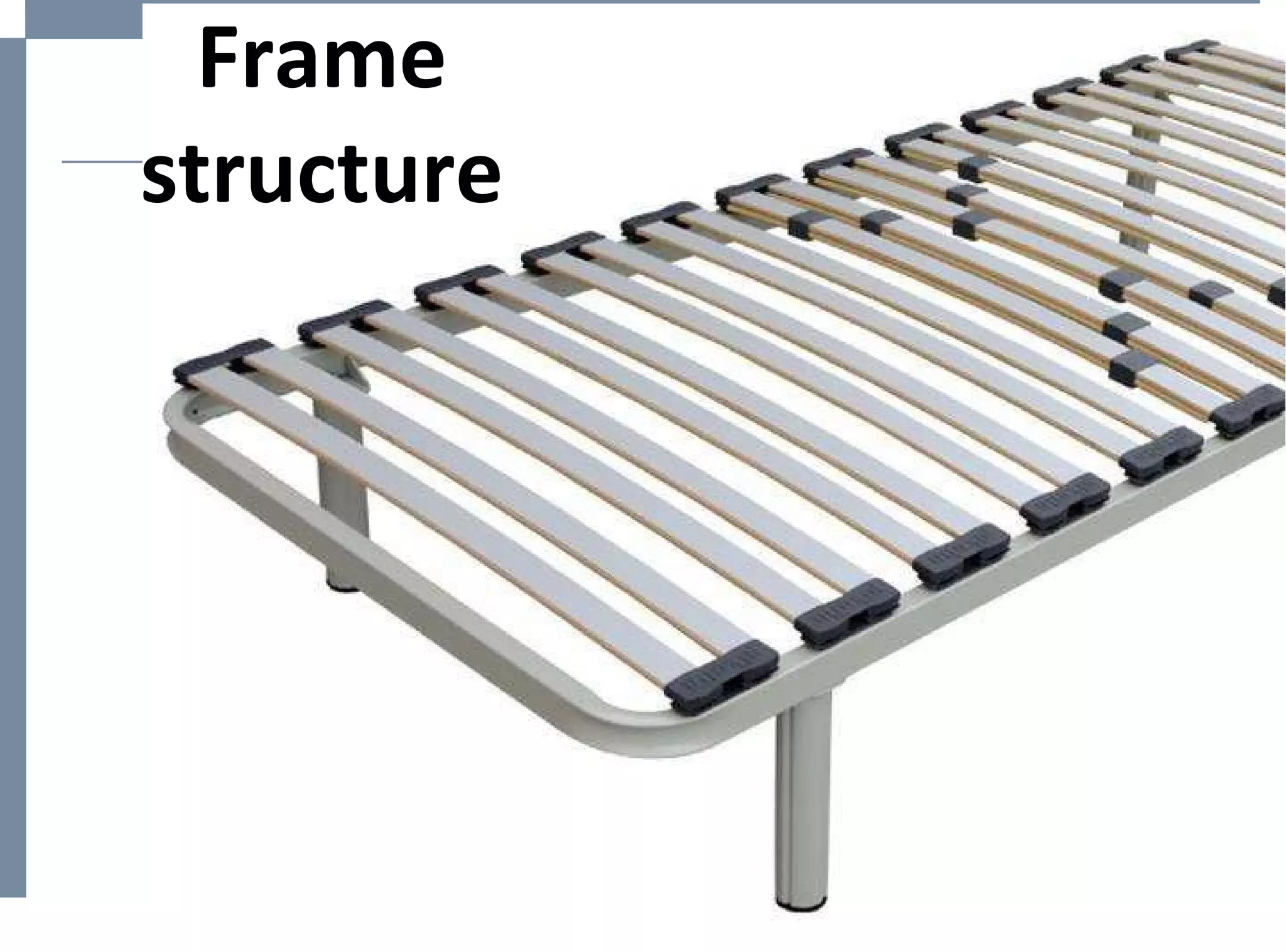
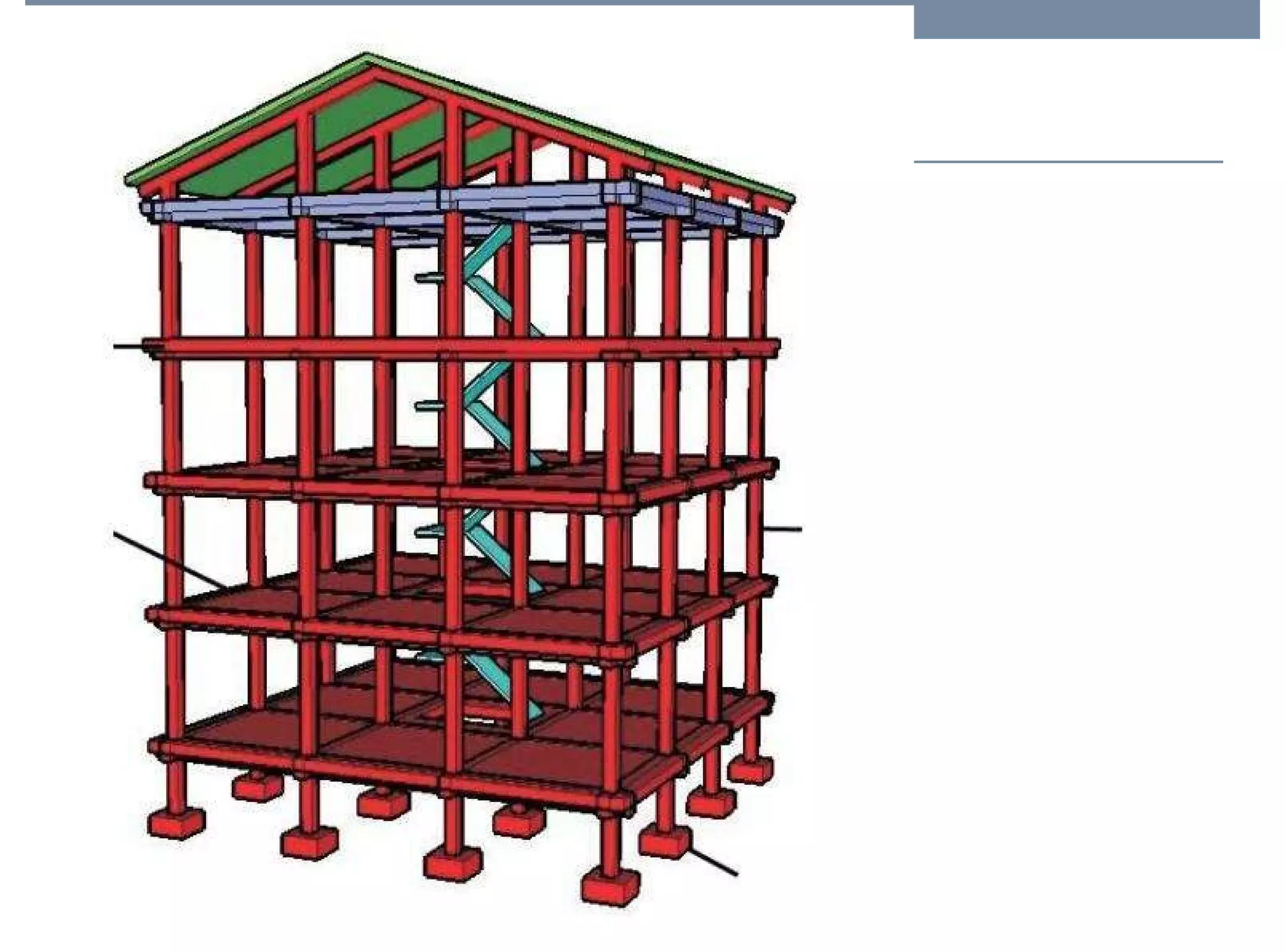
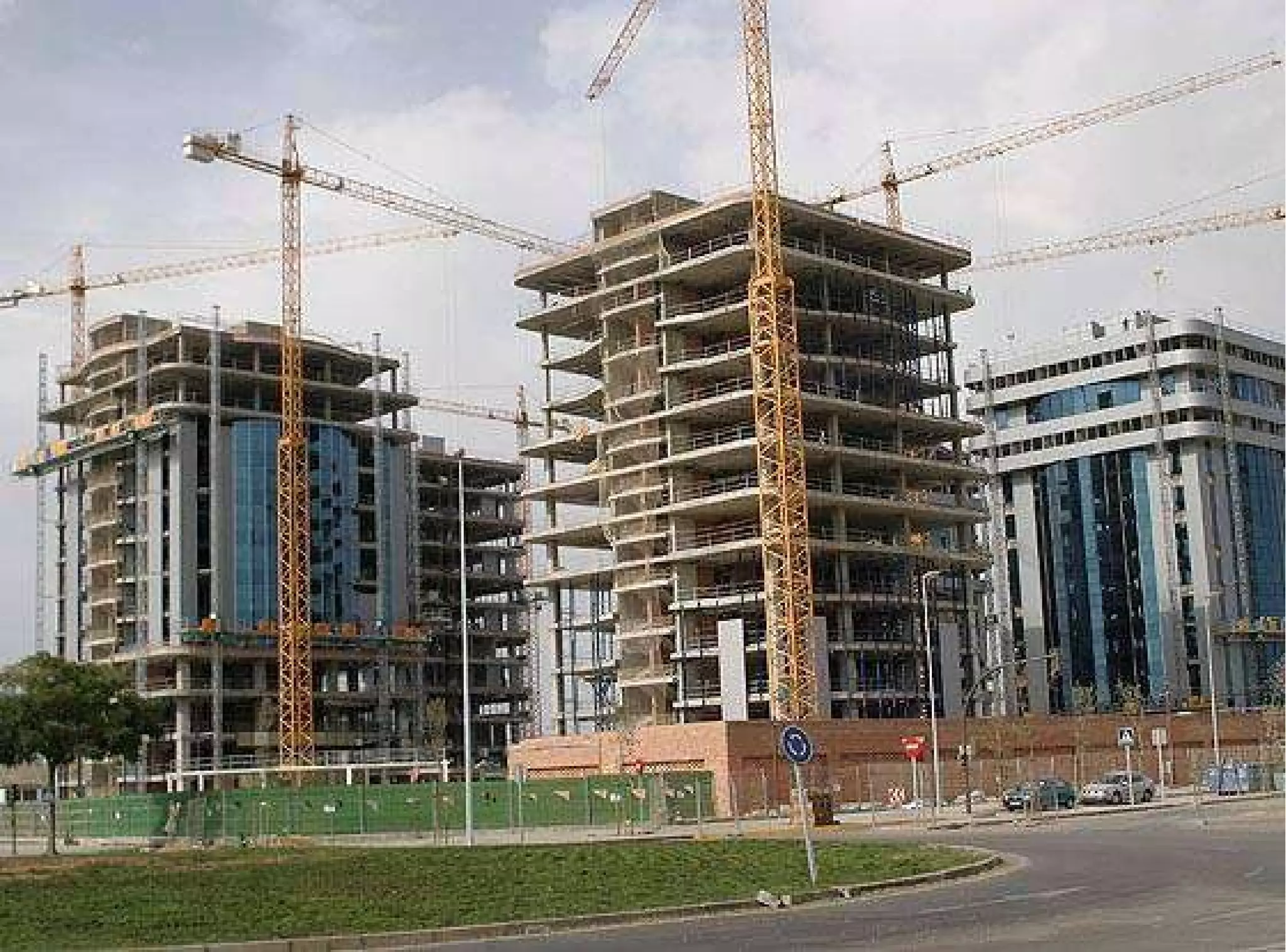
Types of structures 2. FRAME STRUCTURES 2. Frame Structures They have a skeleton of strong materials, which is then filled and covered with other materials, supporting the overall structure. Most of the inside part of the structure is empty space. Buildings made of steel beams and columns are an example of frame structures. Sometimes the columns and beams are made of reinforced concrete instead of steel.
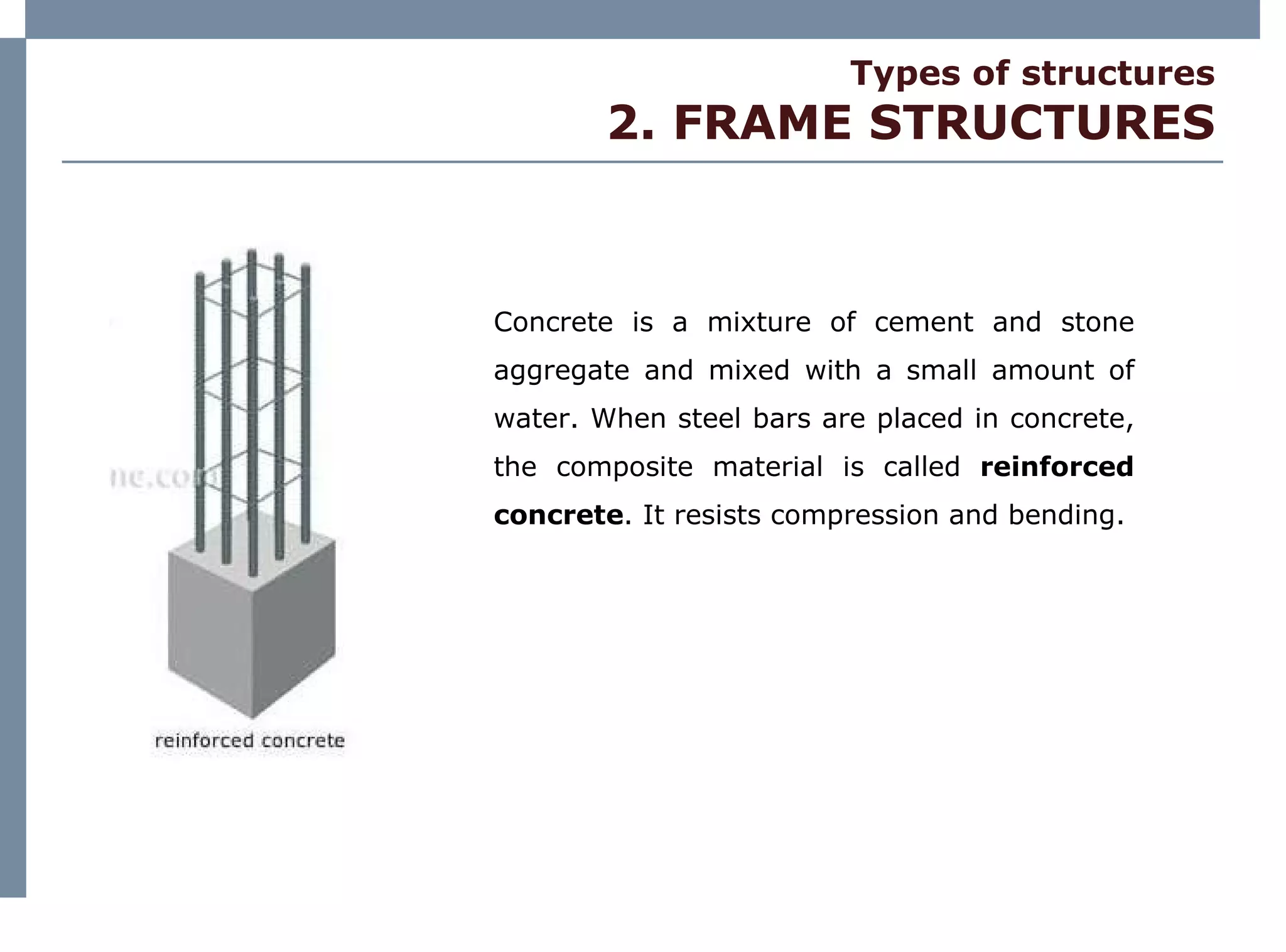
Types of structures 2. FRAME STRUCTURES Concrete is a mixture of cement and stone aggregate and mixed with a small amount of water. When steel bars are placed in concrete, the composite material is called  reinforced concrete . It resists compression and bending.
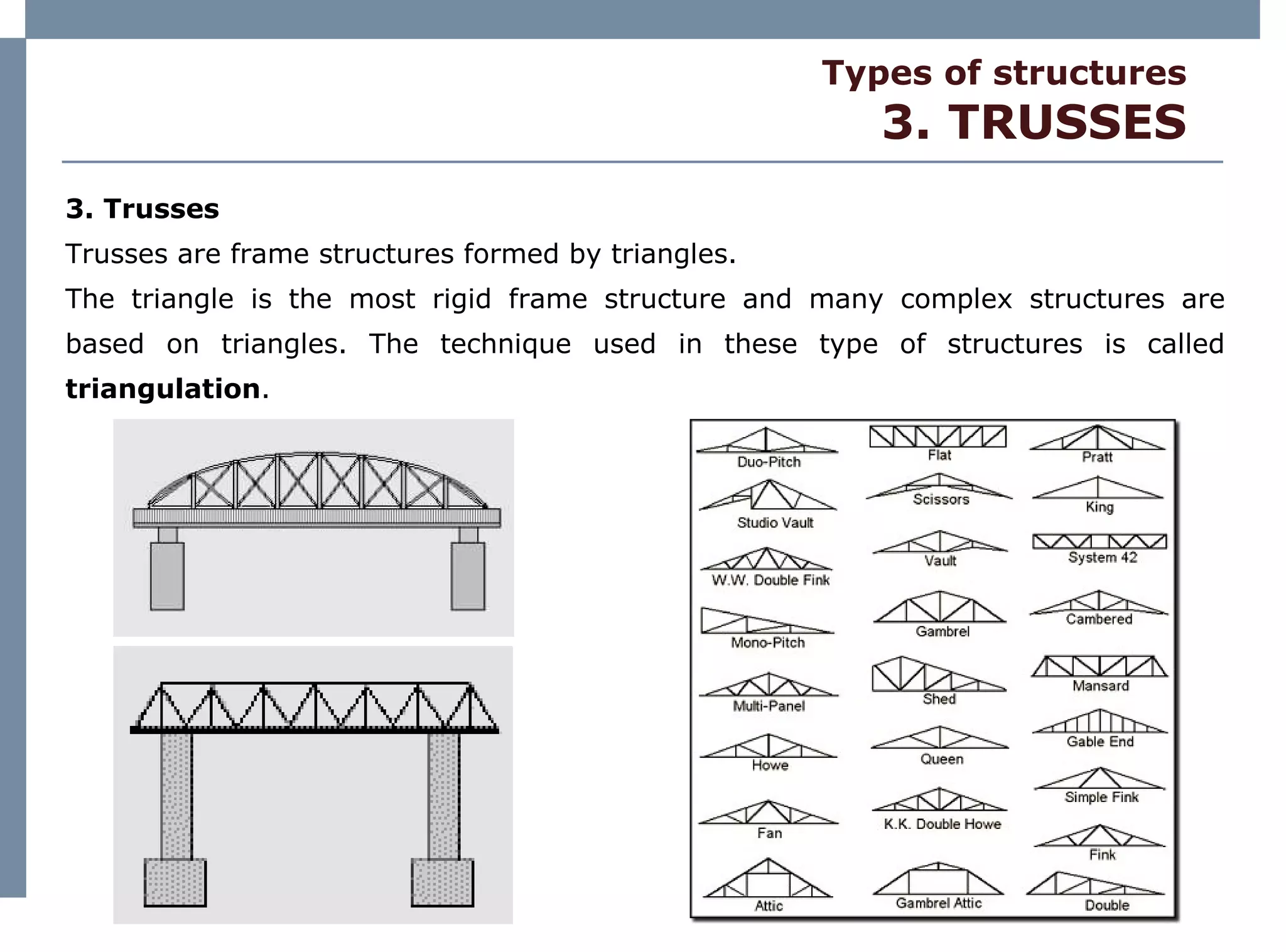
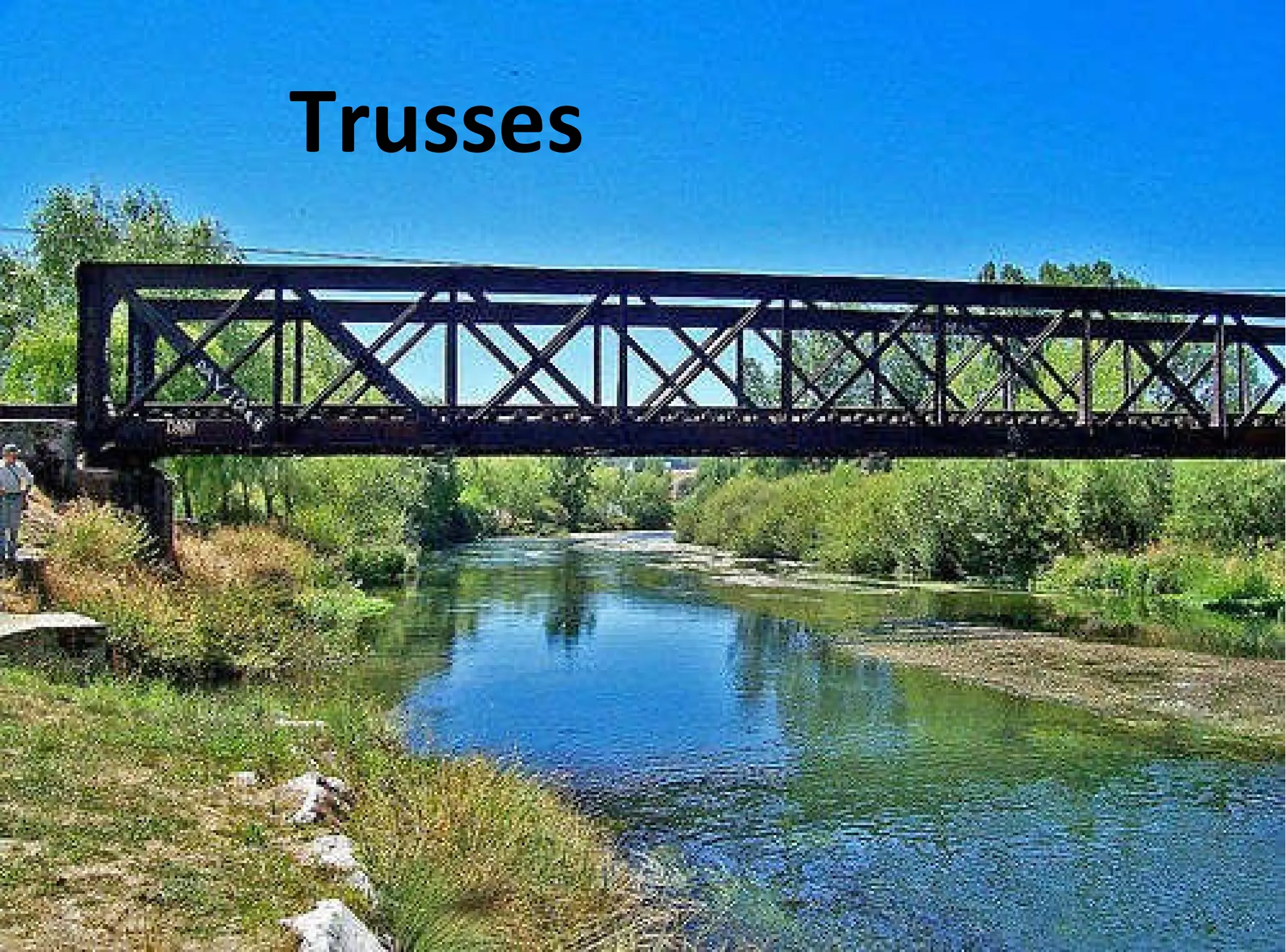
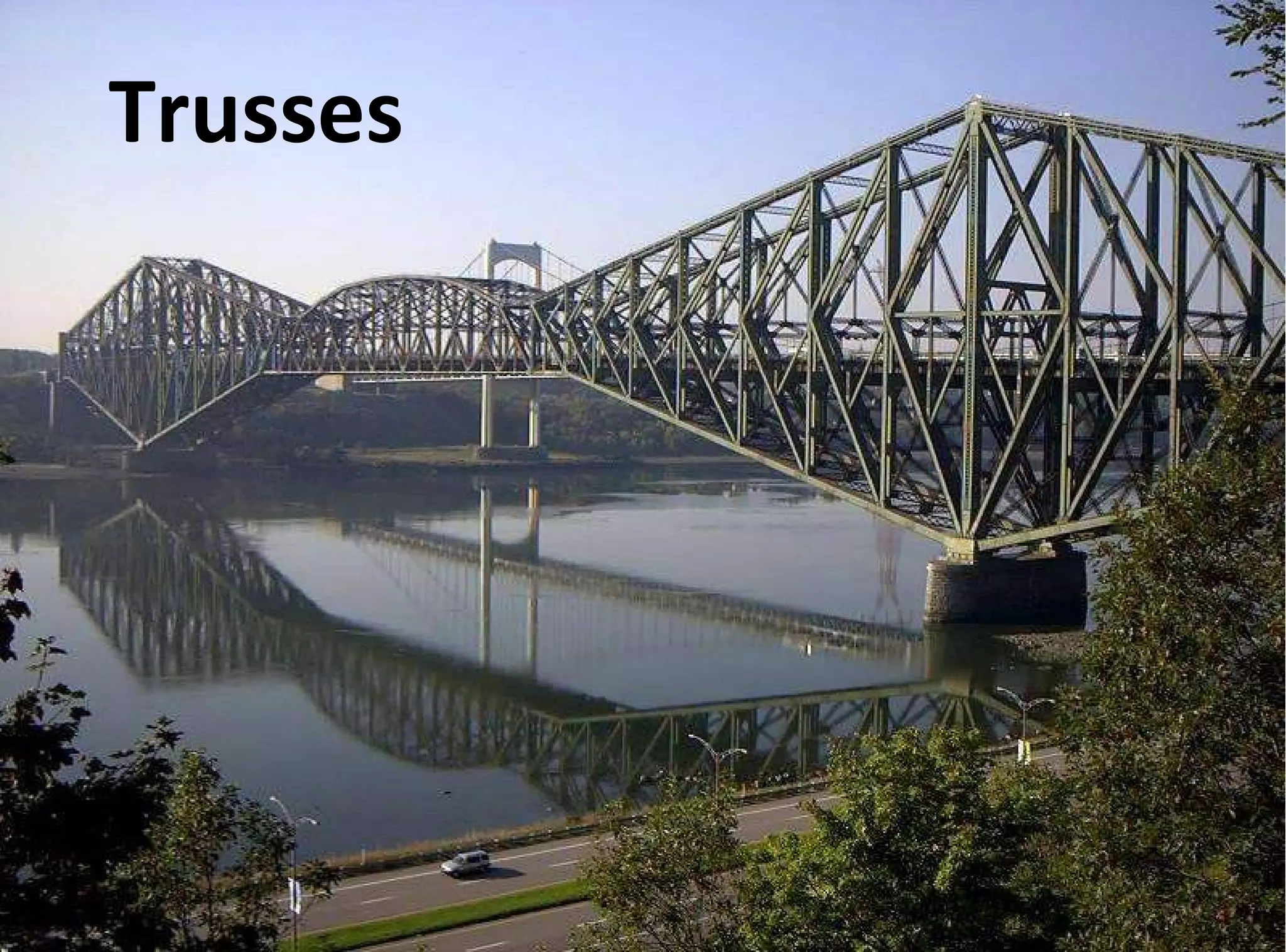
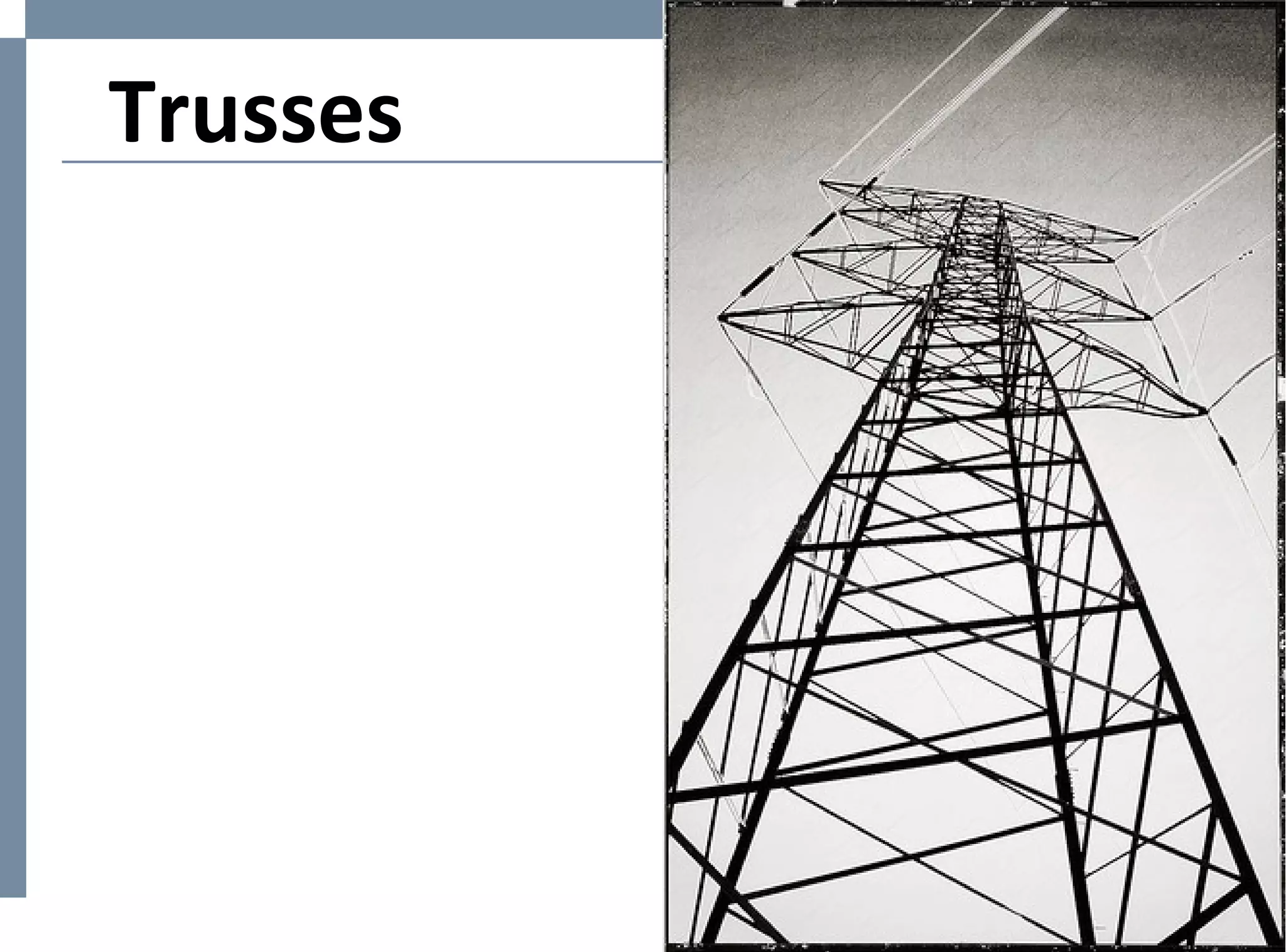
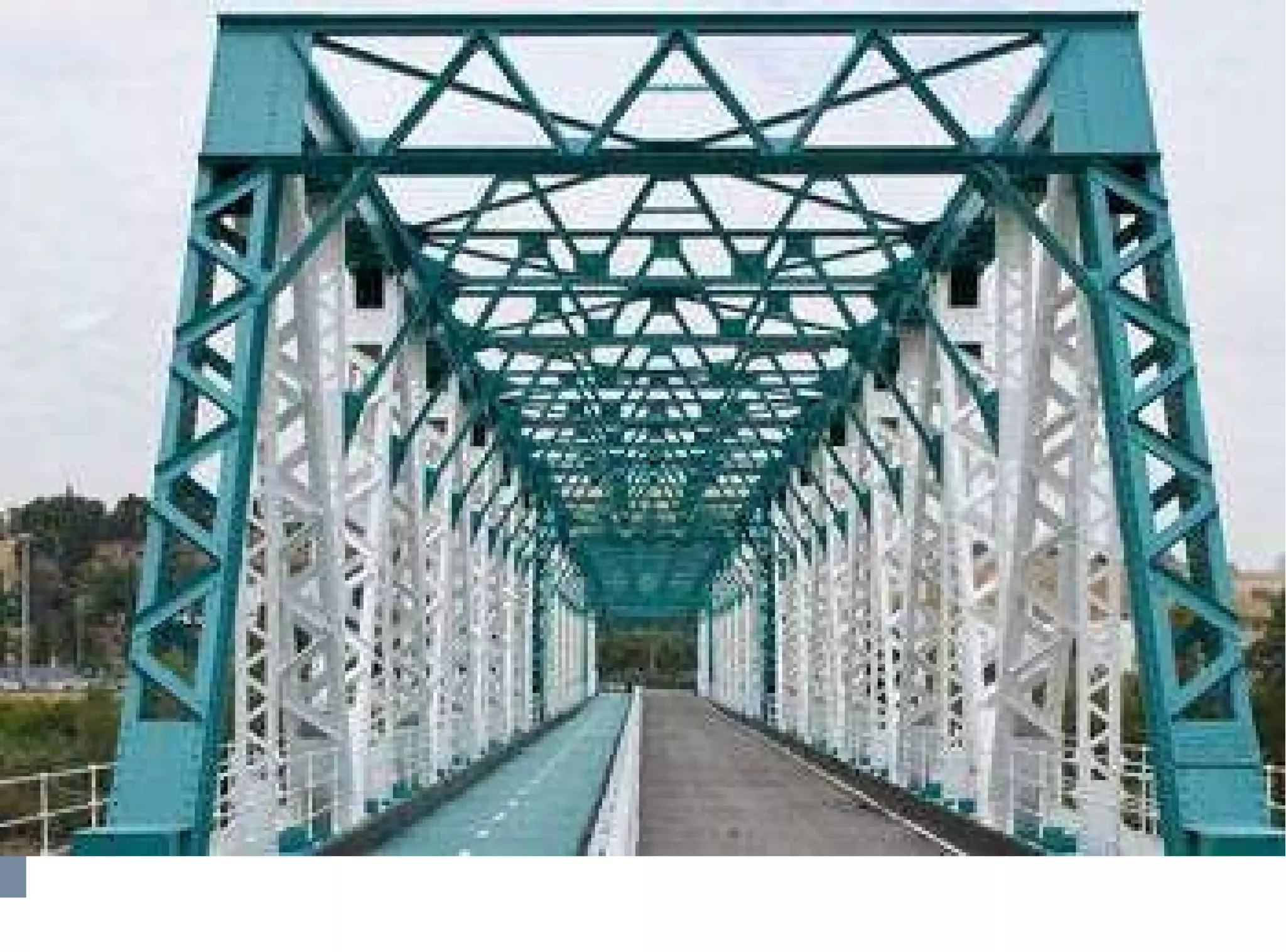
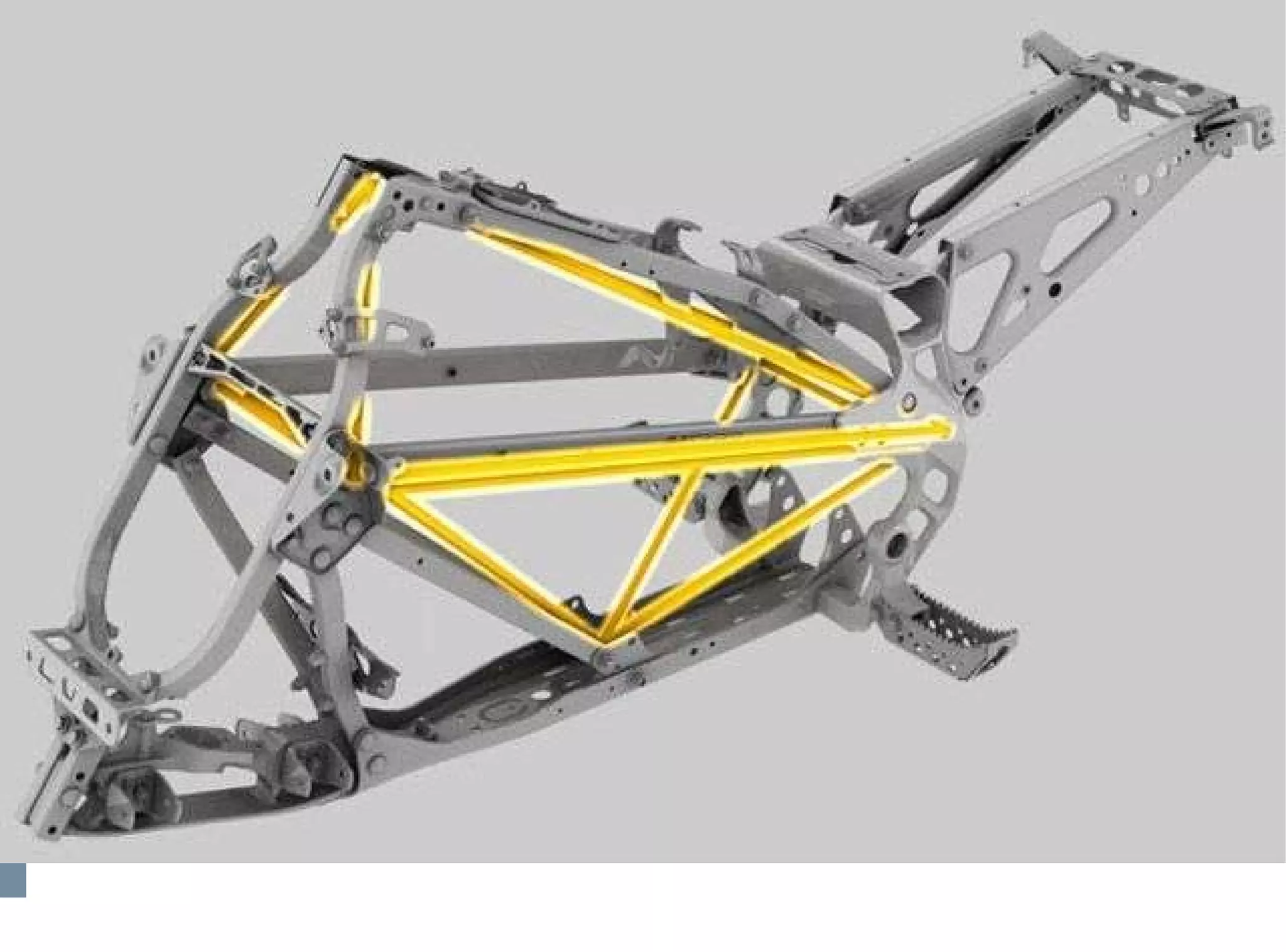
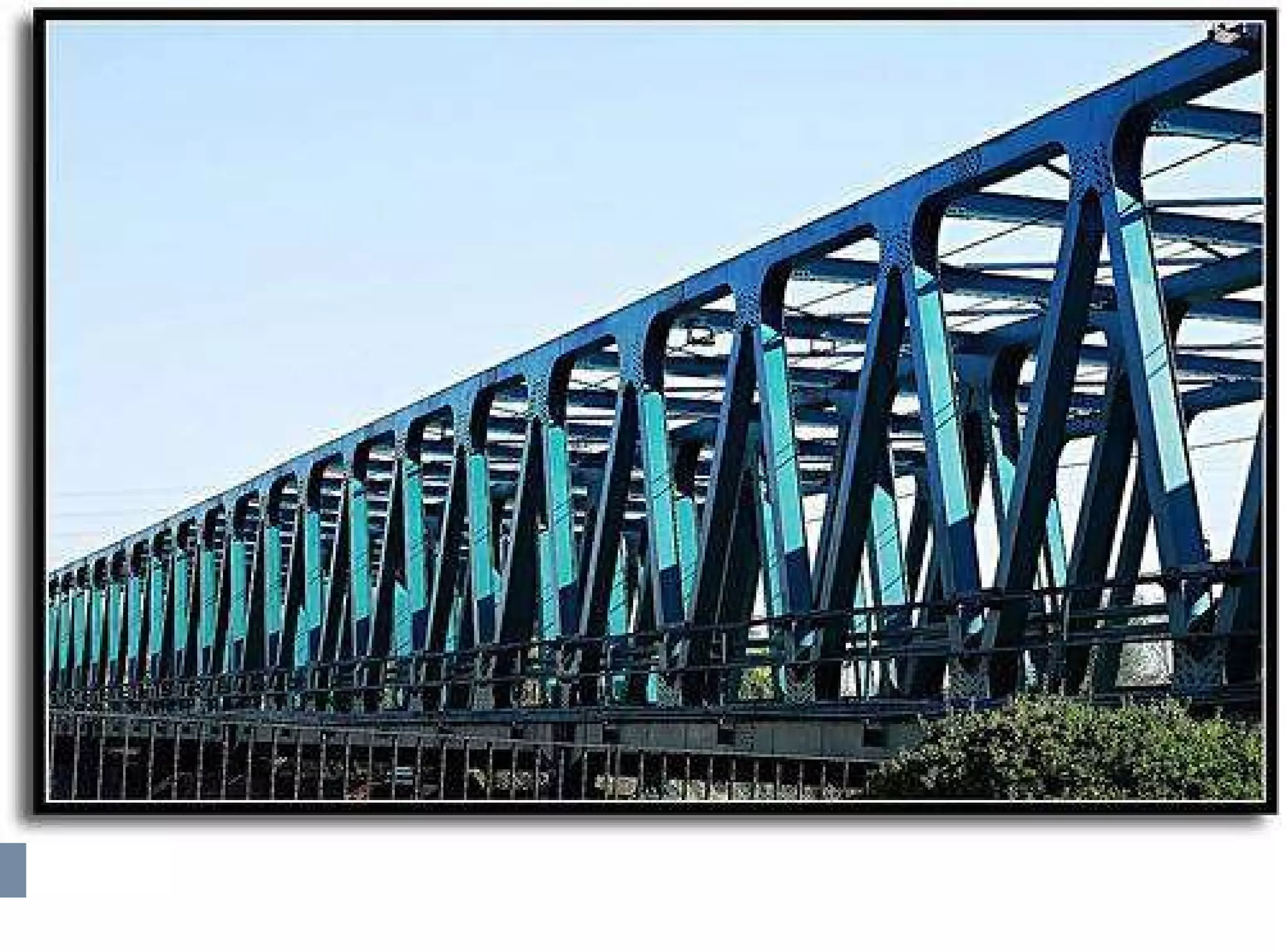
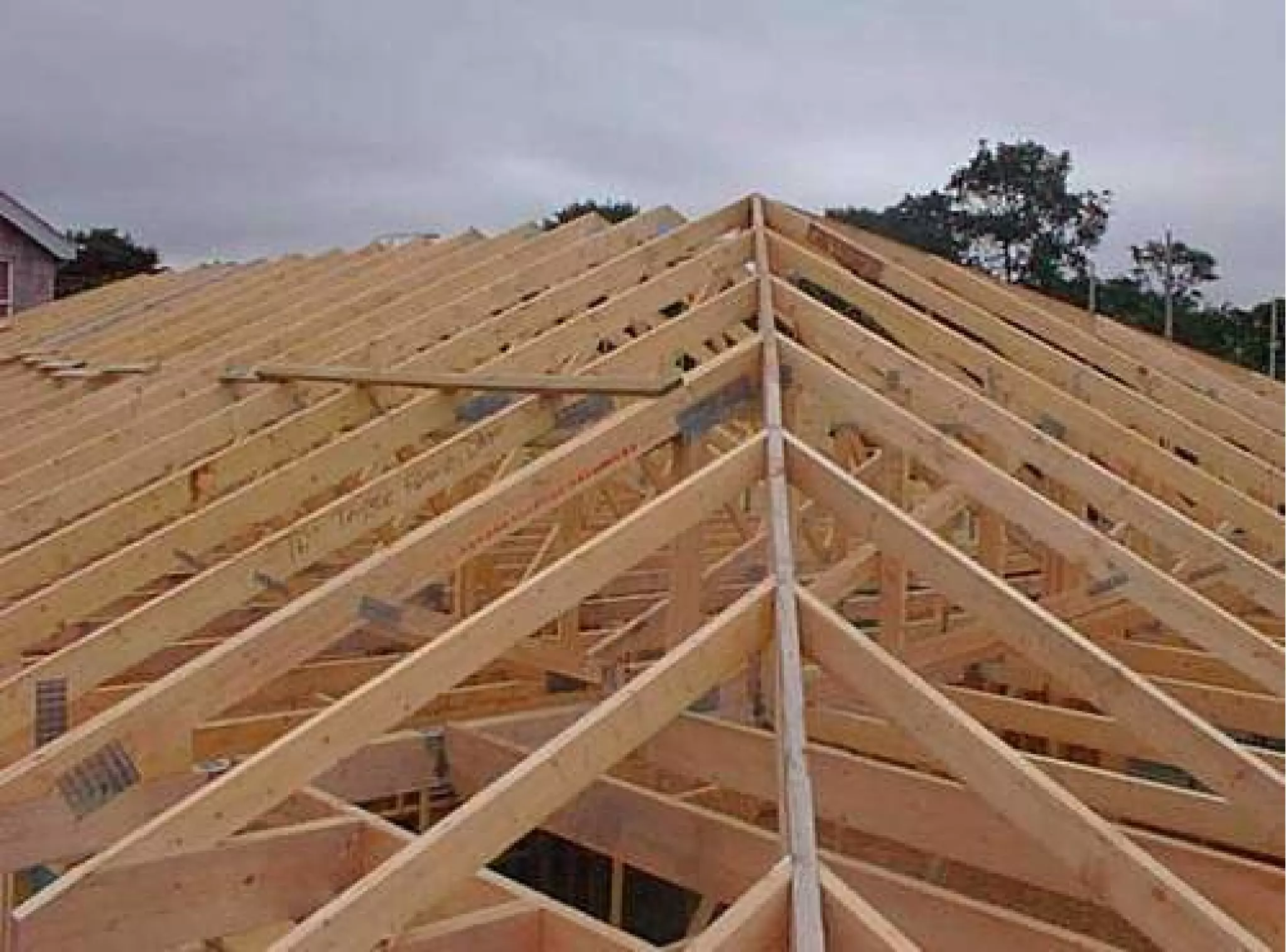
Types of structures 3. TRUSSES 3. Trusses Trusses are frame structures formed by triangles. The triangle is the most rigid frame structure and many complex structures are based on triangles. The technique used in these type of structures is called  triangulation .
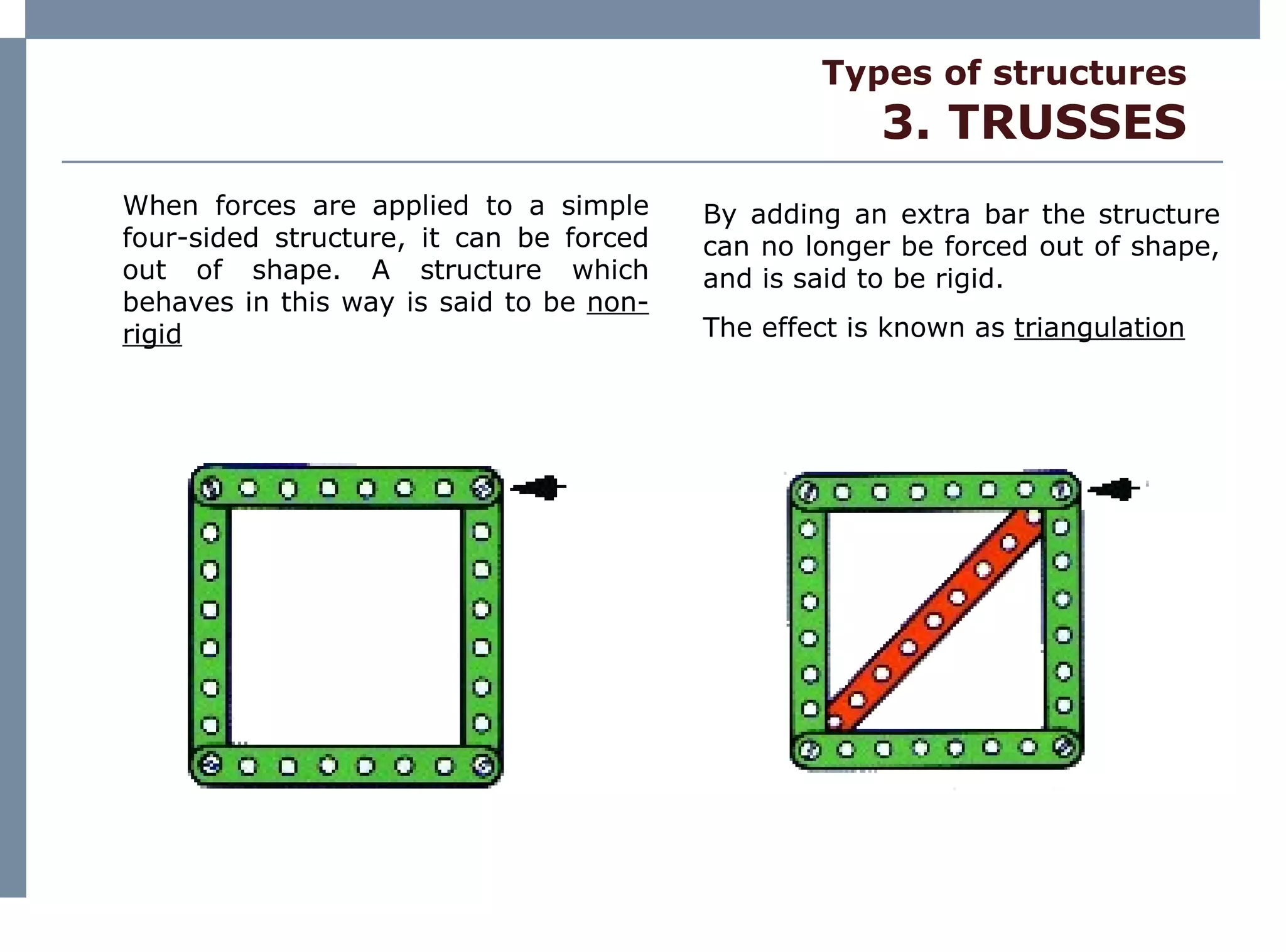
Types of structures 3. TRUSSES When forces are applied to a simple four-sided structure, it can be forced out of shape. A structure which behaves in this way is said to be  non-rigid By adding an extra bar the structure can no longer be forced out of shape, and is said to be rigid. The effect is known as  triangulation
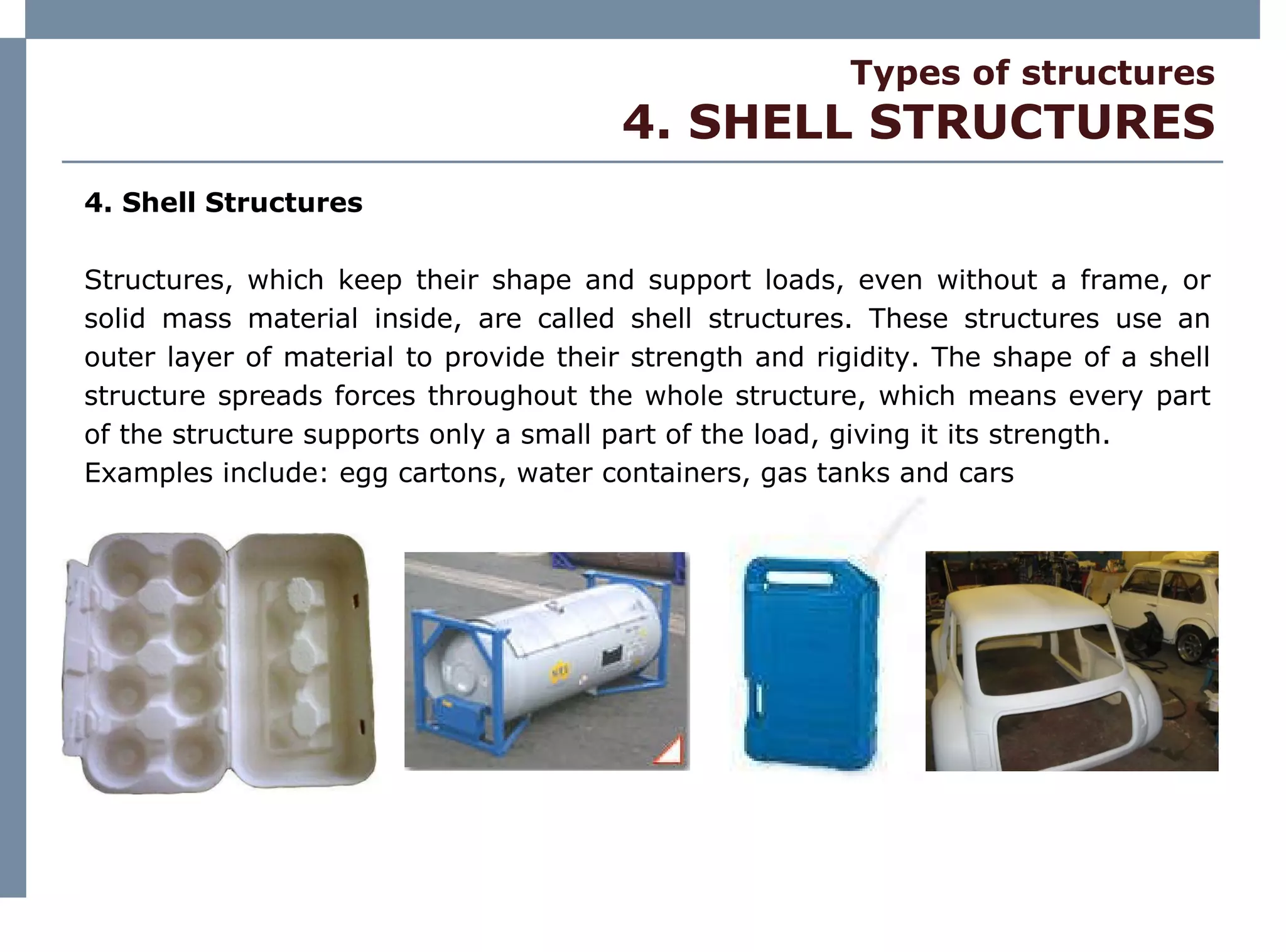
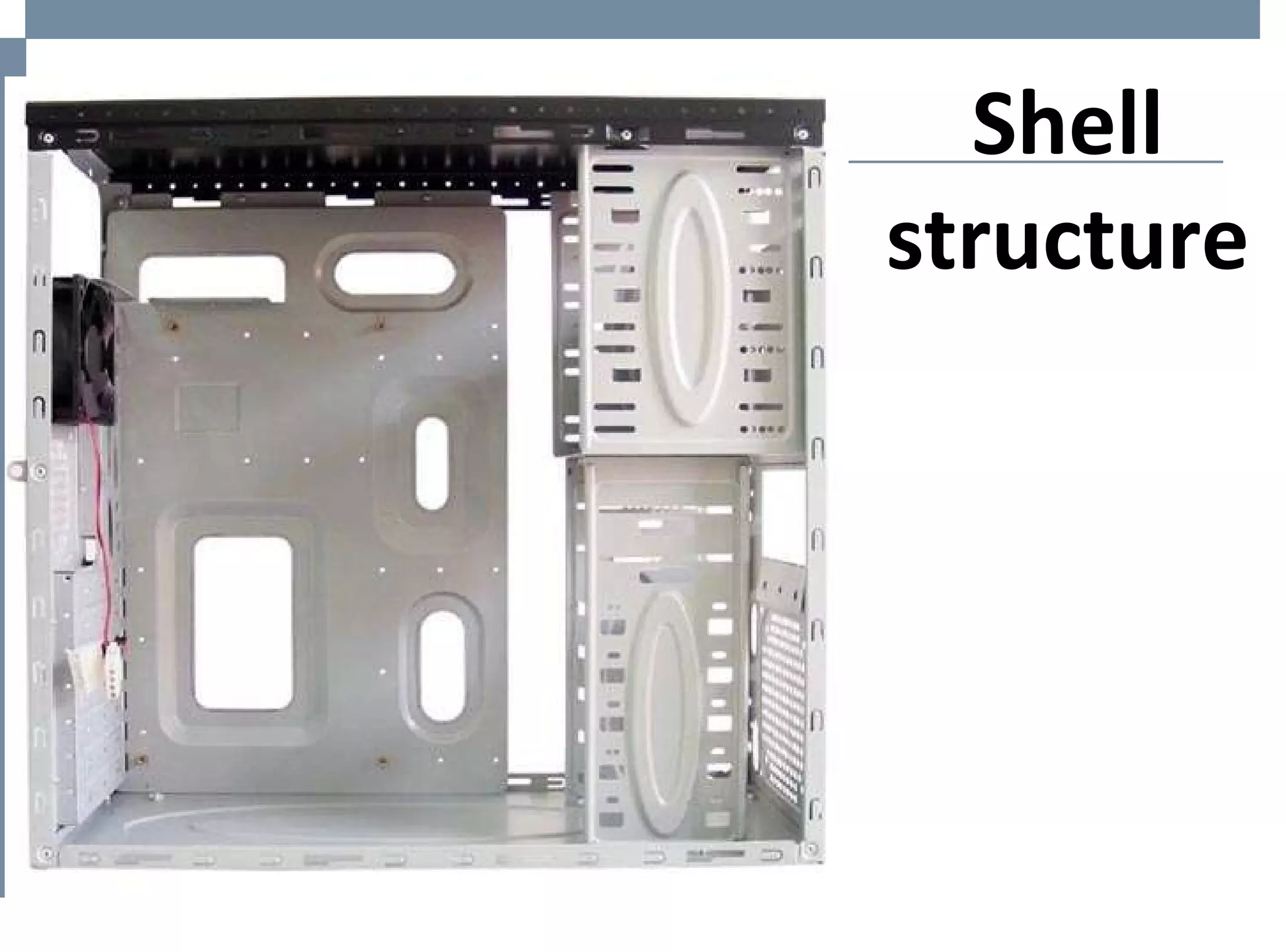
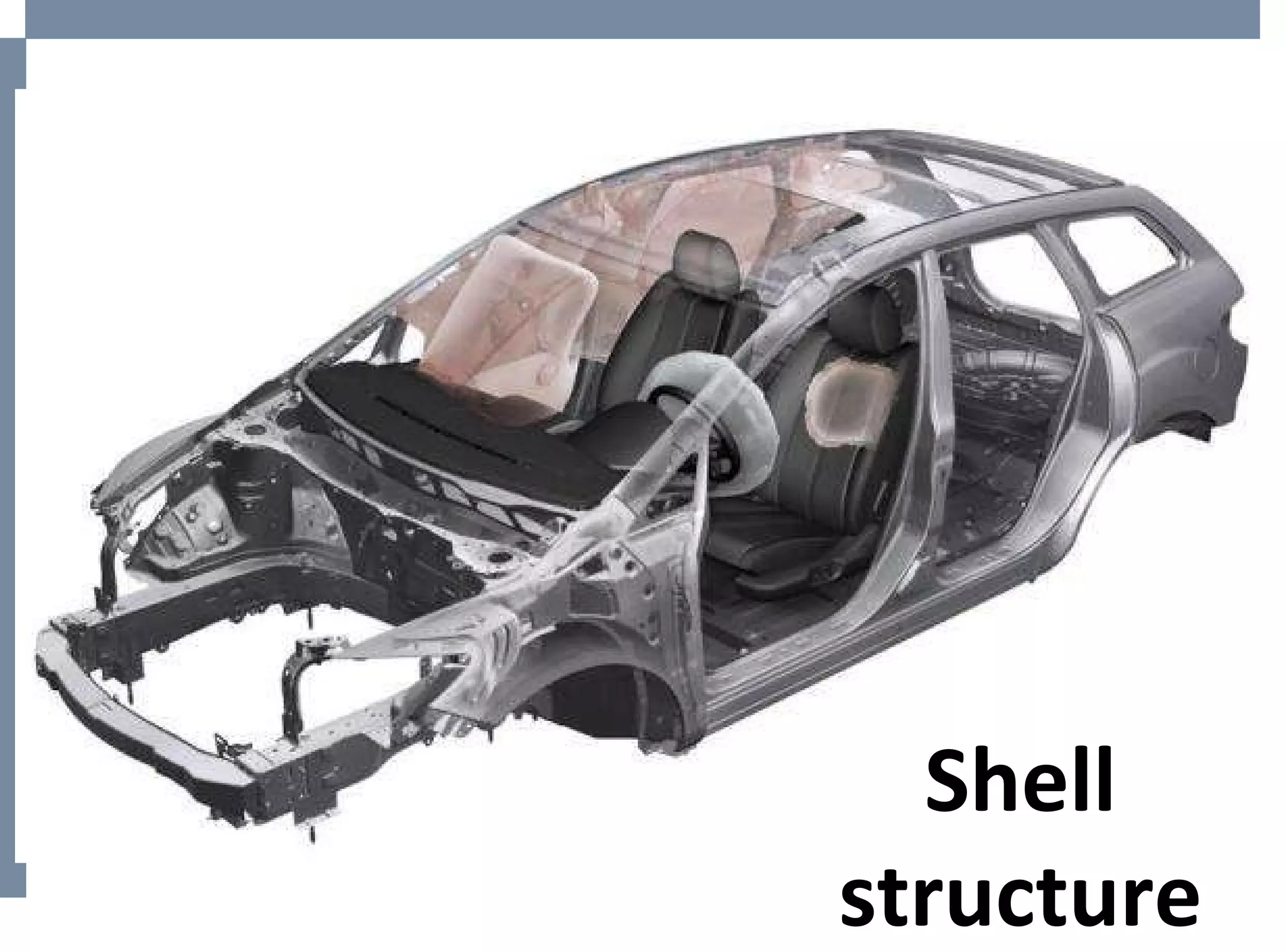
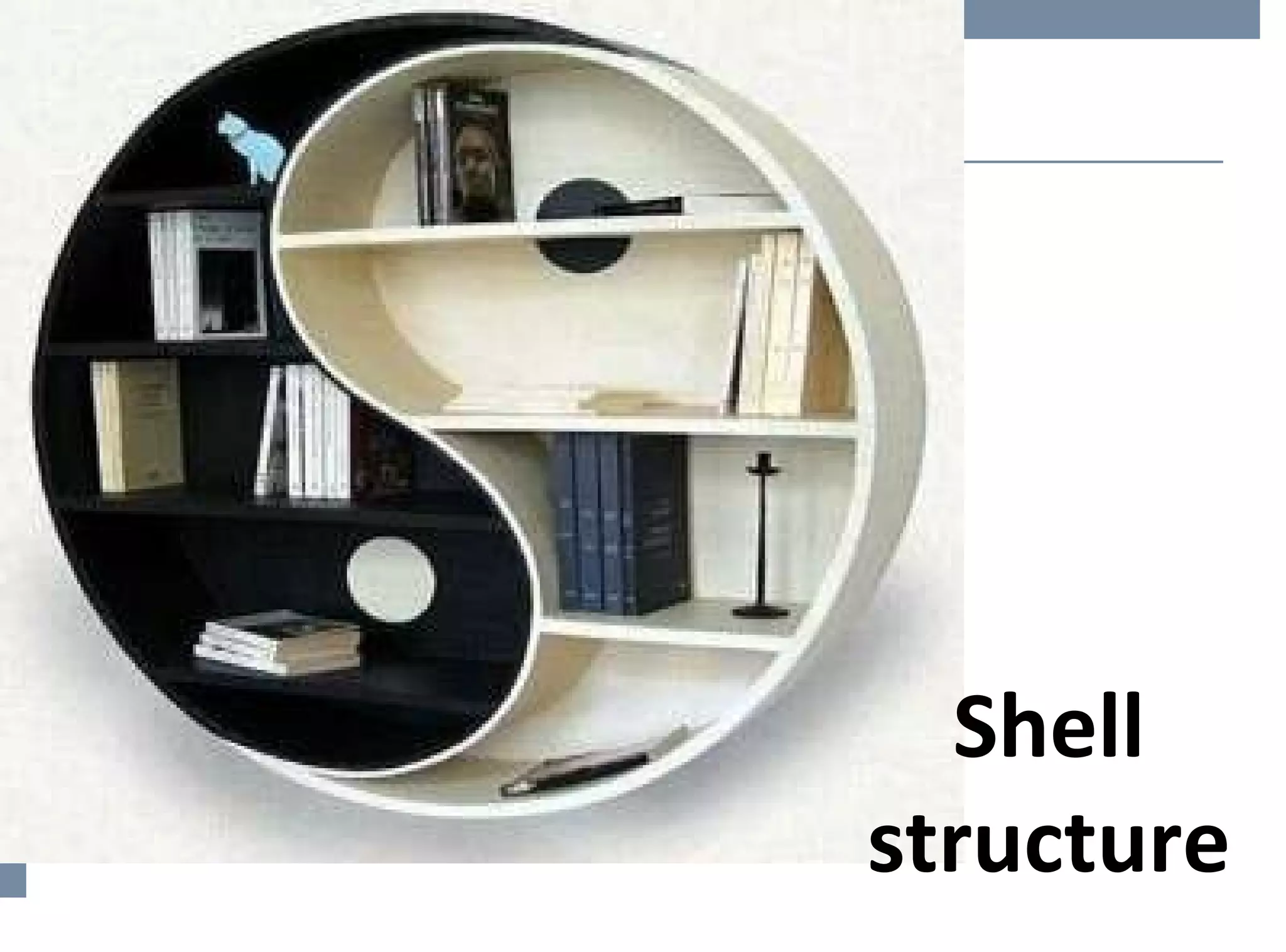
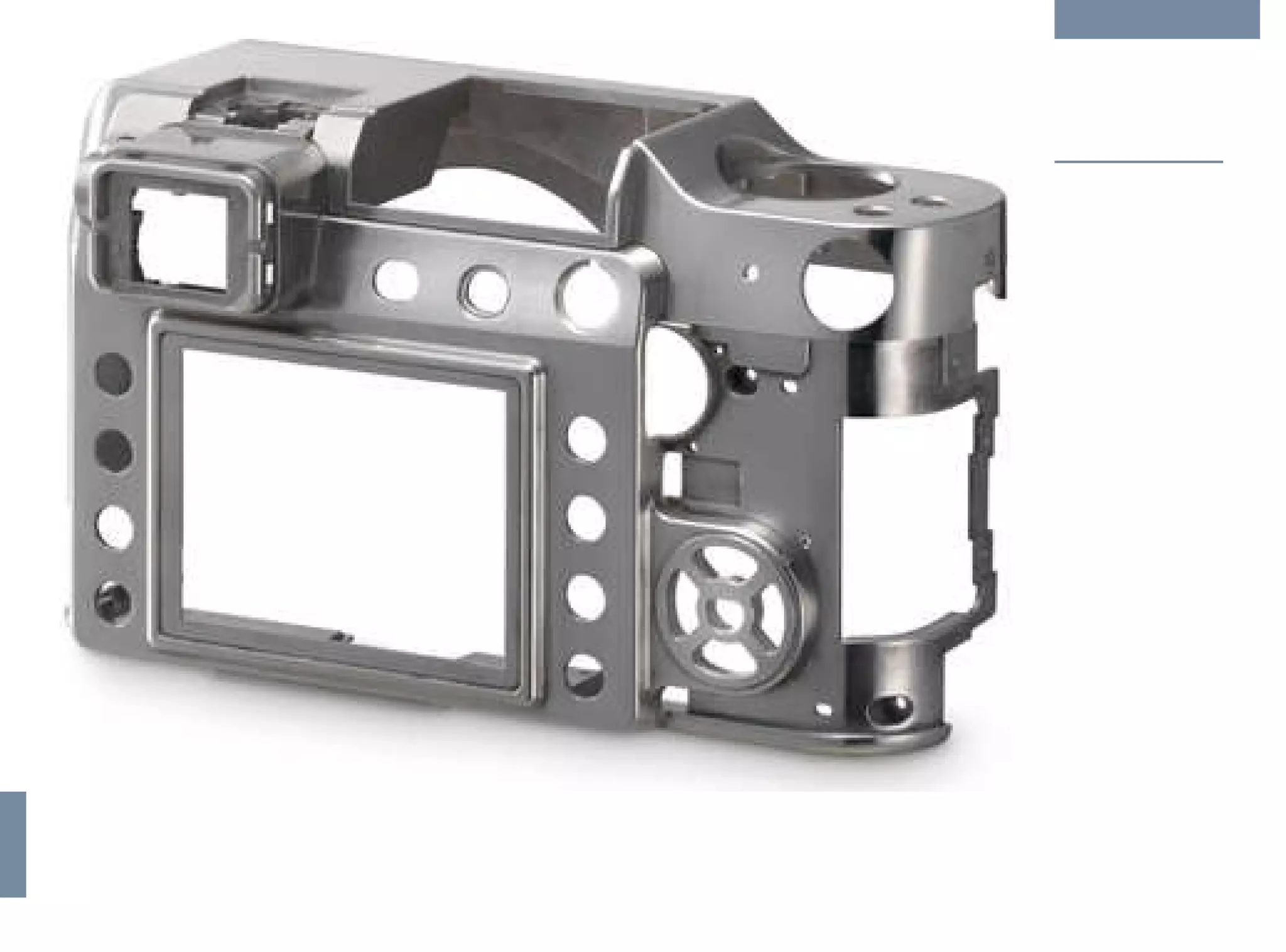
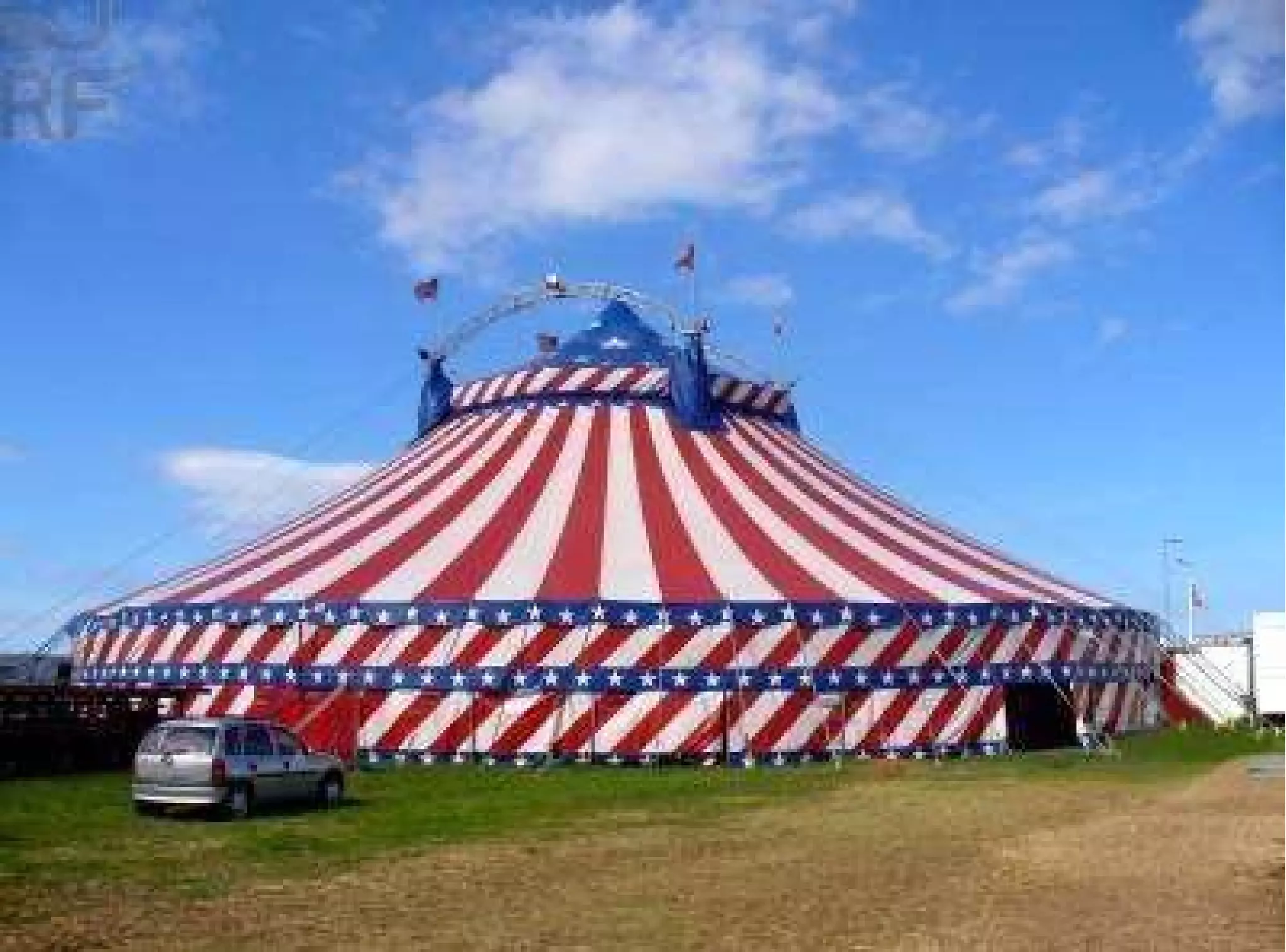
Types of structures 4. SHELL STRUCTURES 4. Shell Structures Structures, which keep their shape and support loads, even without a frame, or solid mass material inside, are called shell structures. These structures use an outer layer of material to provide their strength and rigidity. The shape of a shell structure spreads forces throughout the whole structure, which means every part of the structure supports only a small part of the load, giving it its strength. Examples include: egg cartons, water containers, gas tanks and cars
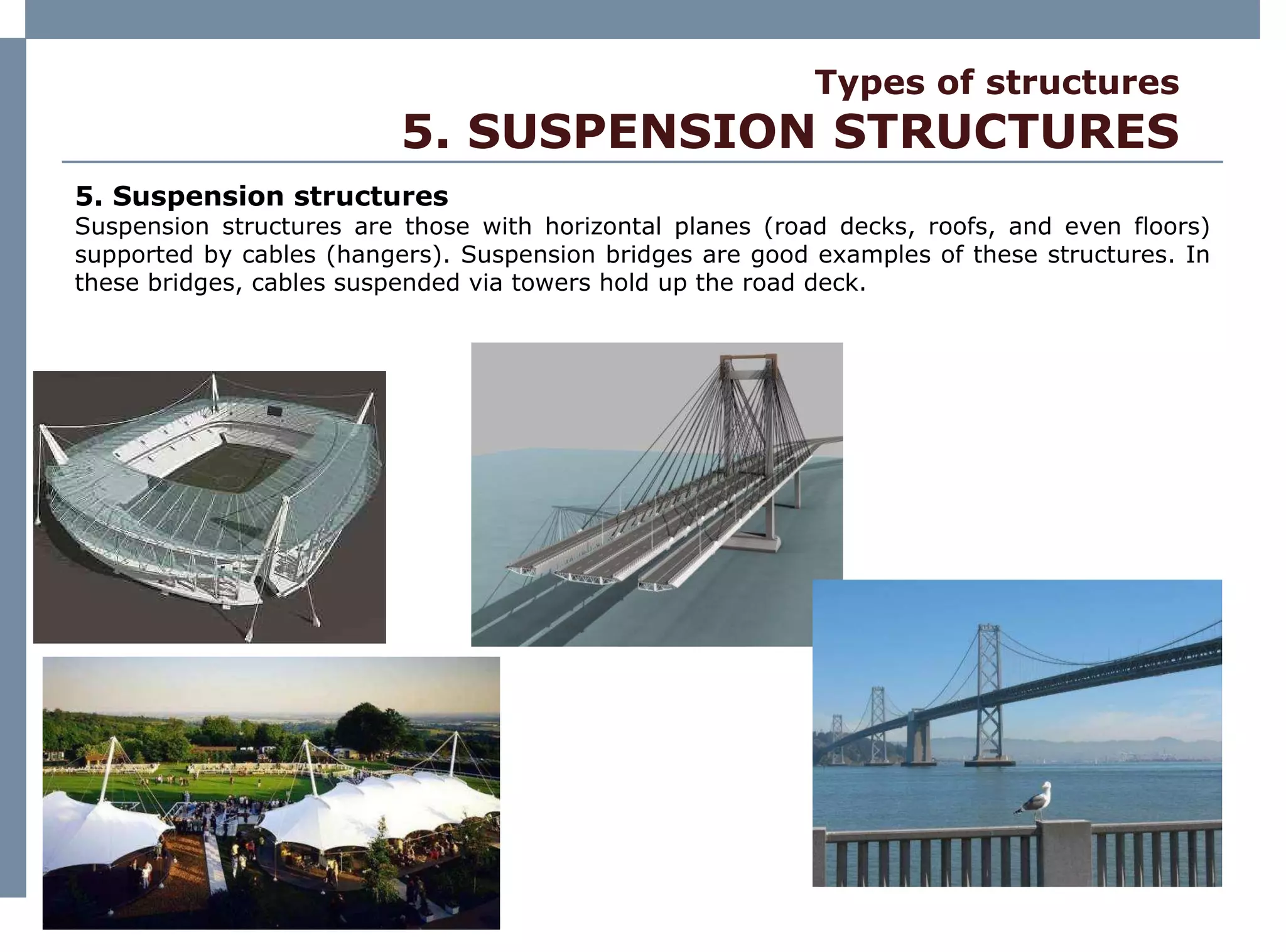
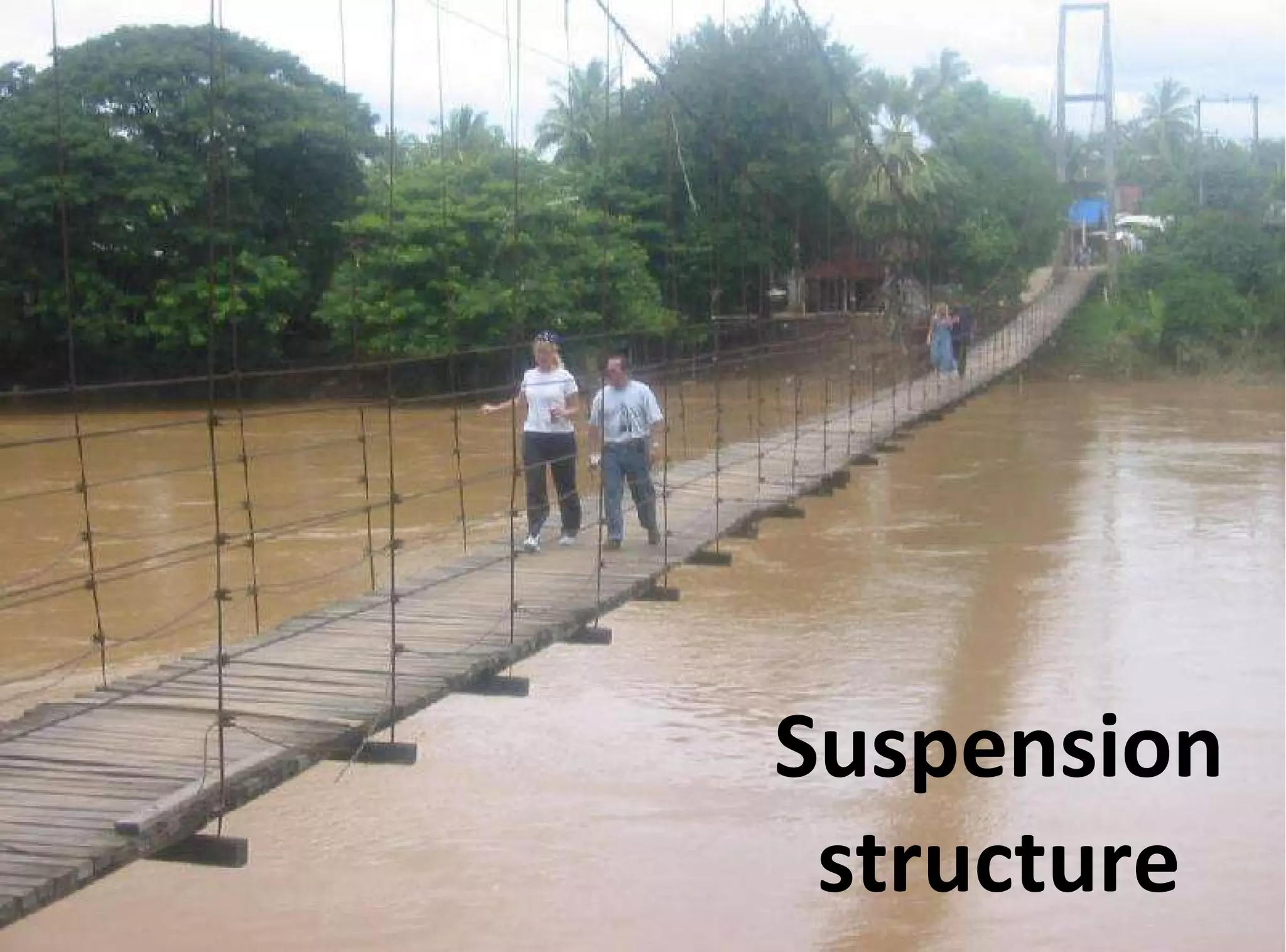
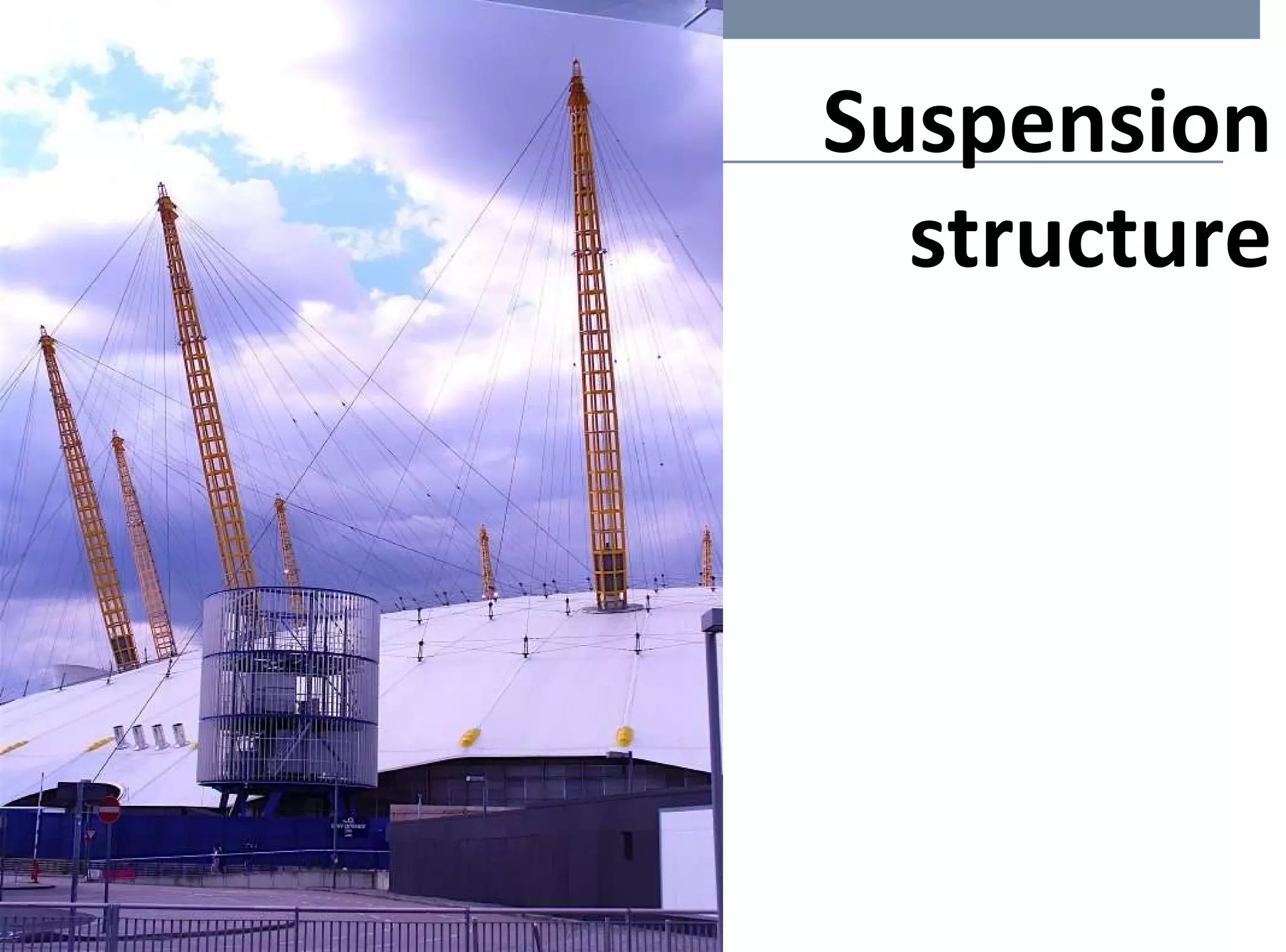
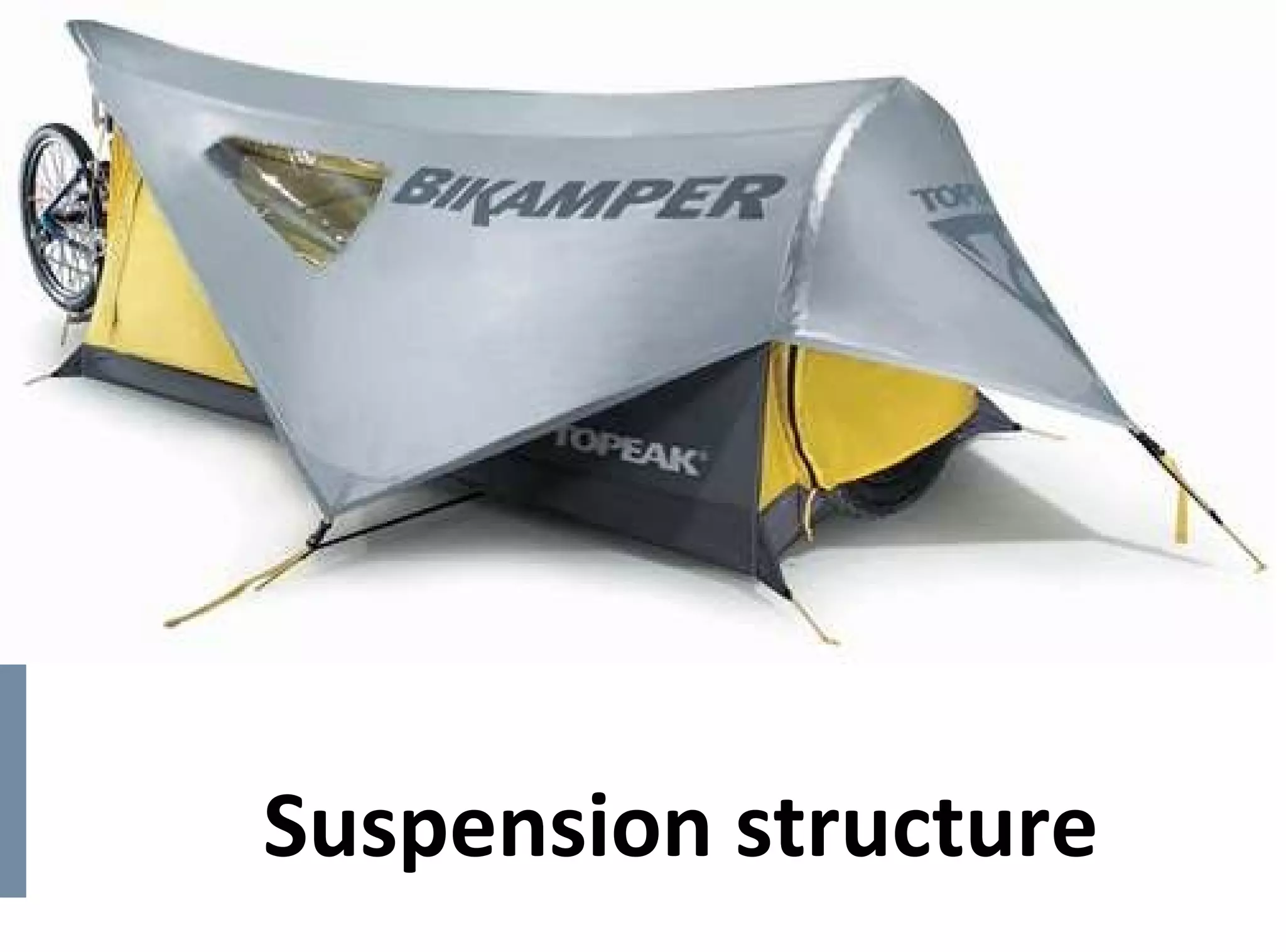
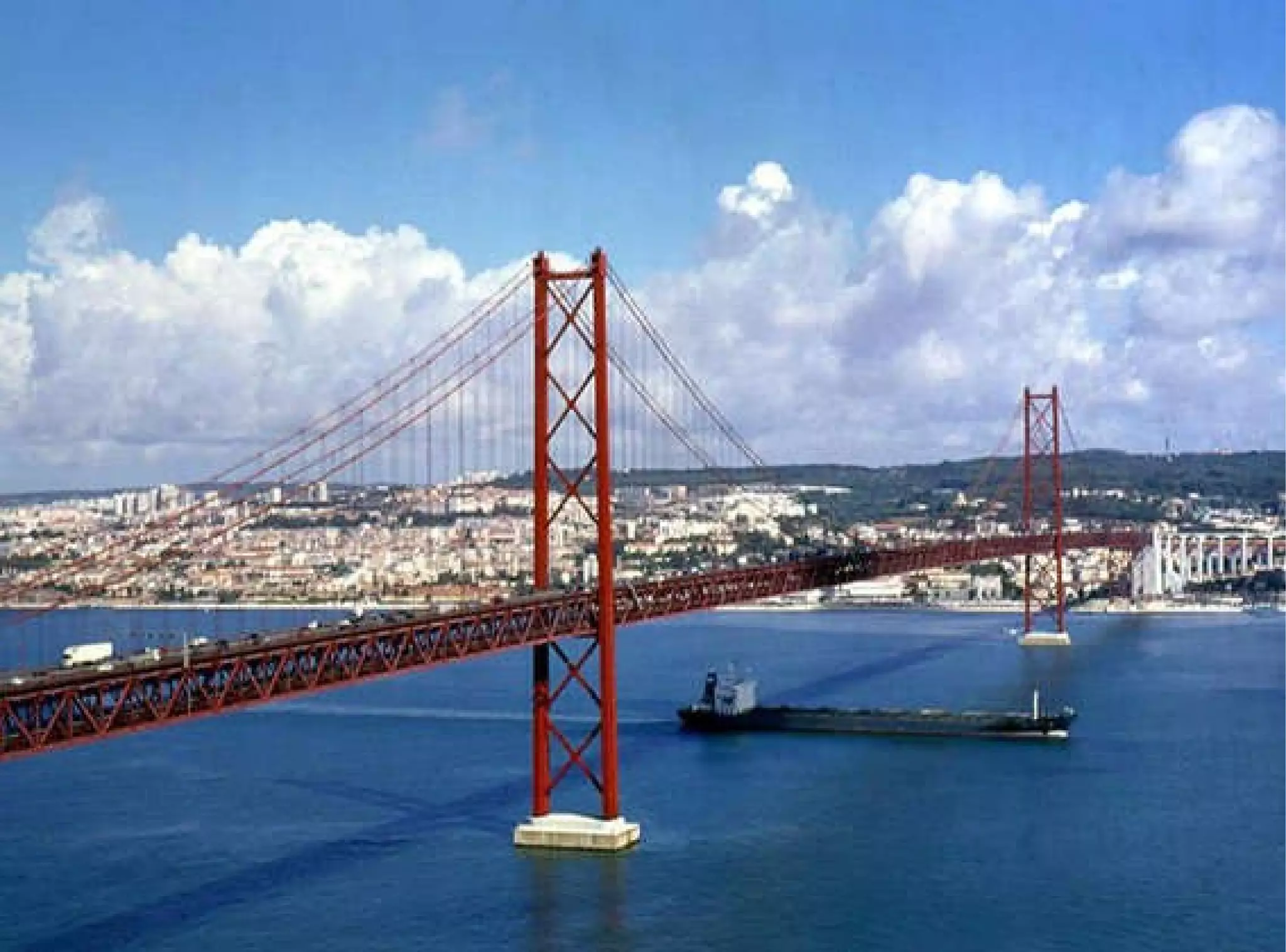
Types of structures 5. SUSPENSION STRUCTURES 5. Suspension structures   Suspension structures are those with horizontal planes (road decks, roofs, and even floors) supported by cables (hangers).  Suspension  bridges are good examples of these structures. In these bridges, cables suspended via towers hold up the road deck.
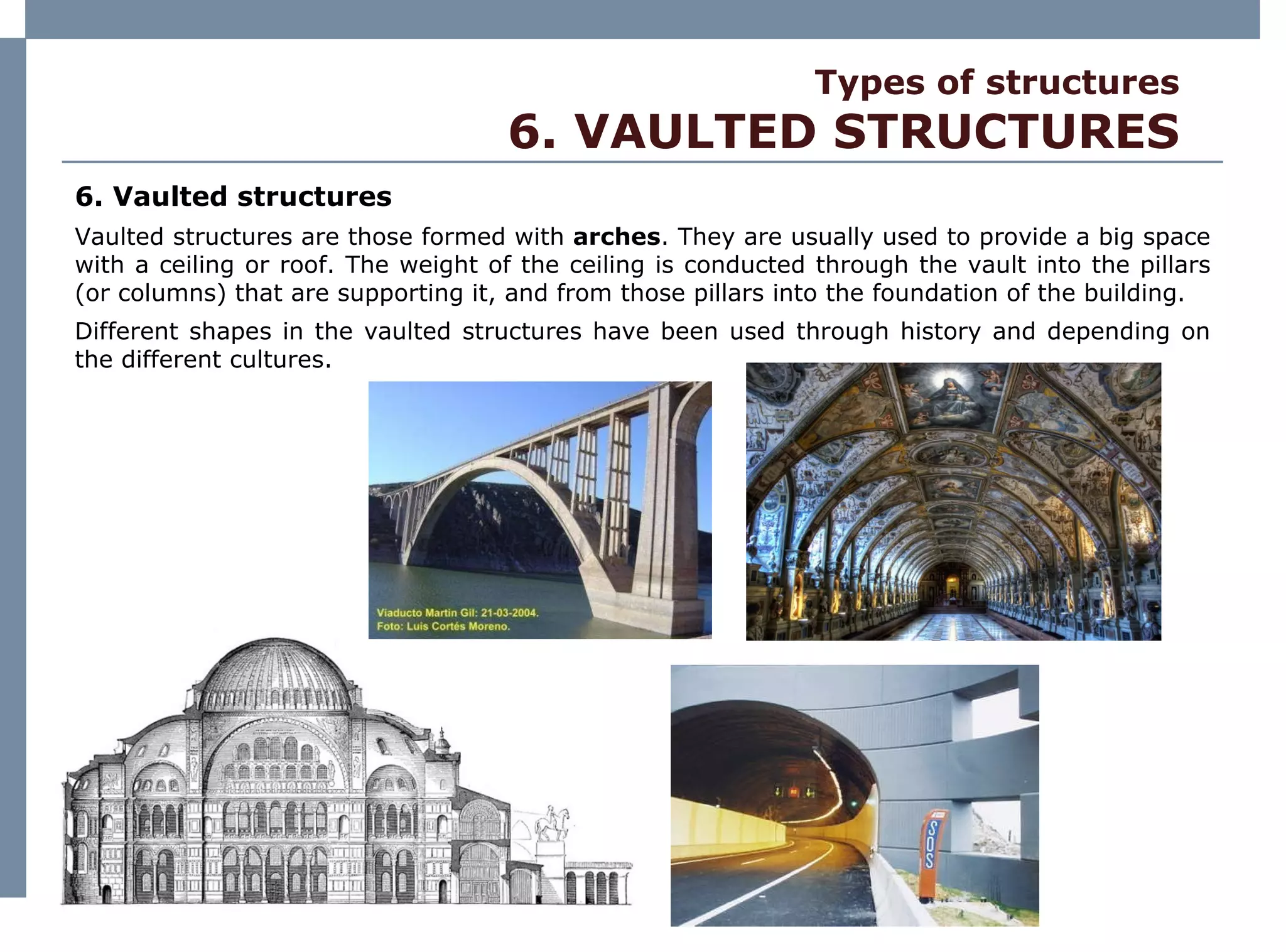
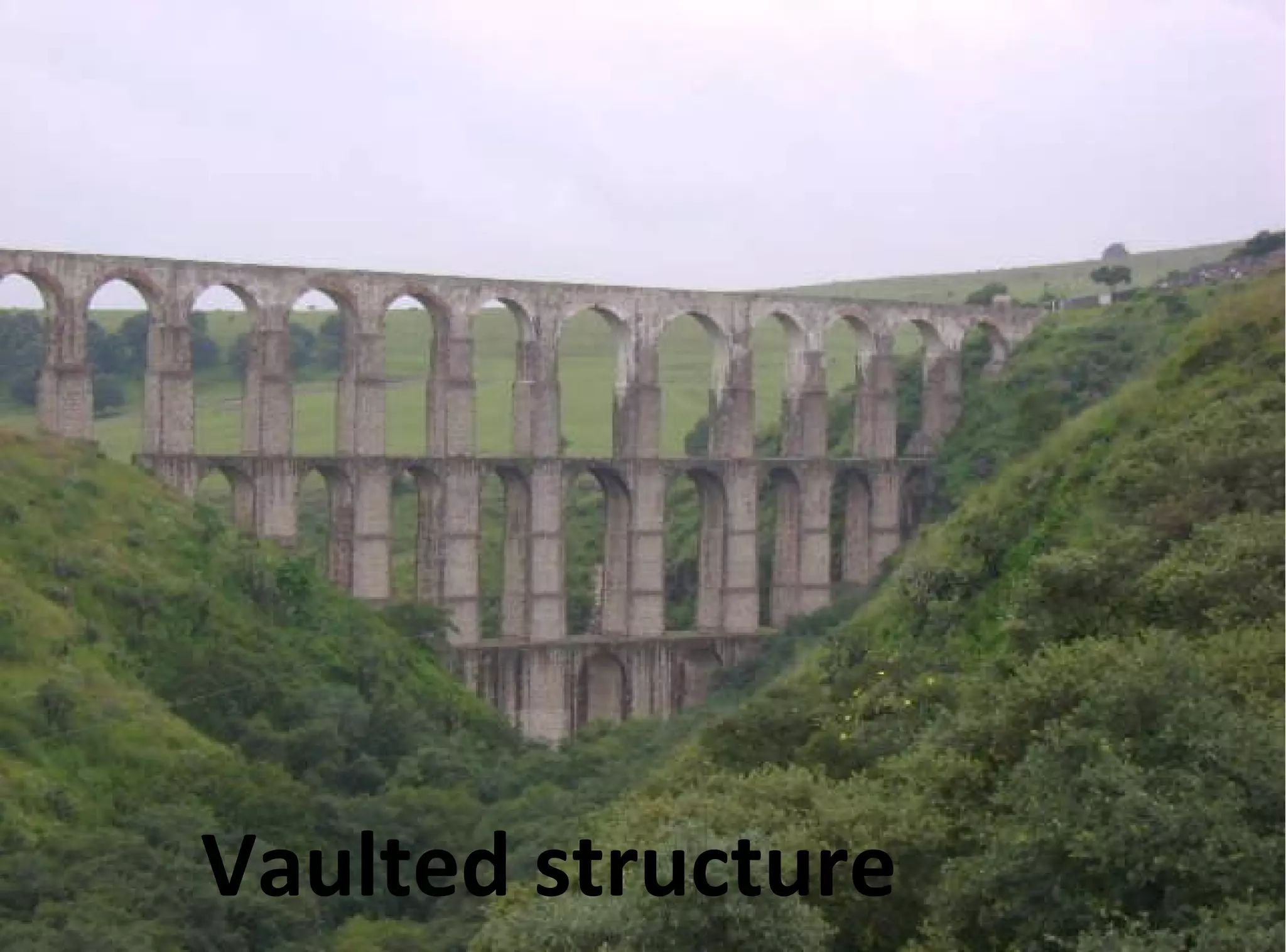
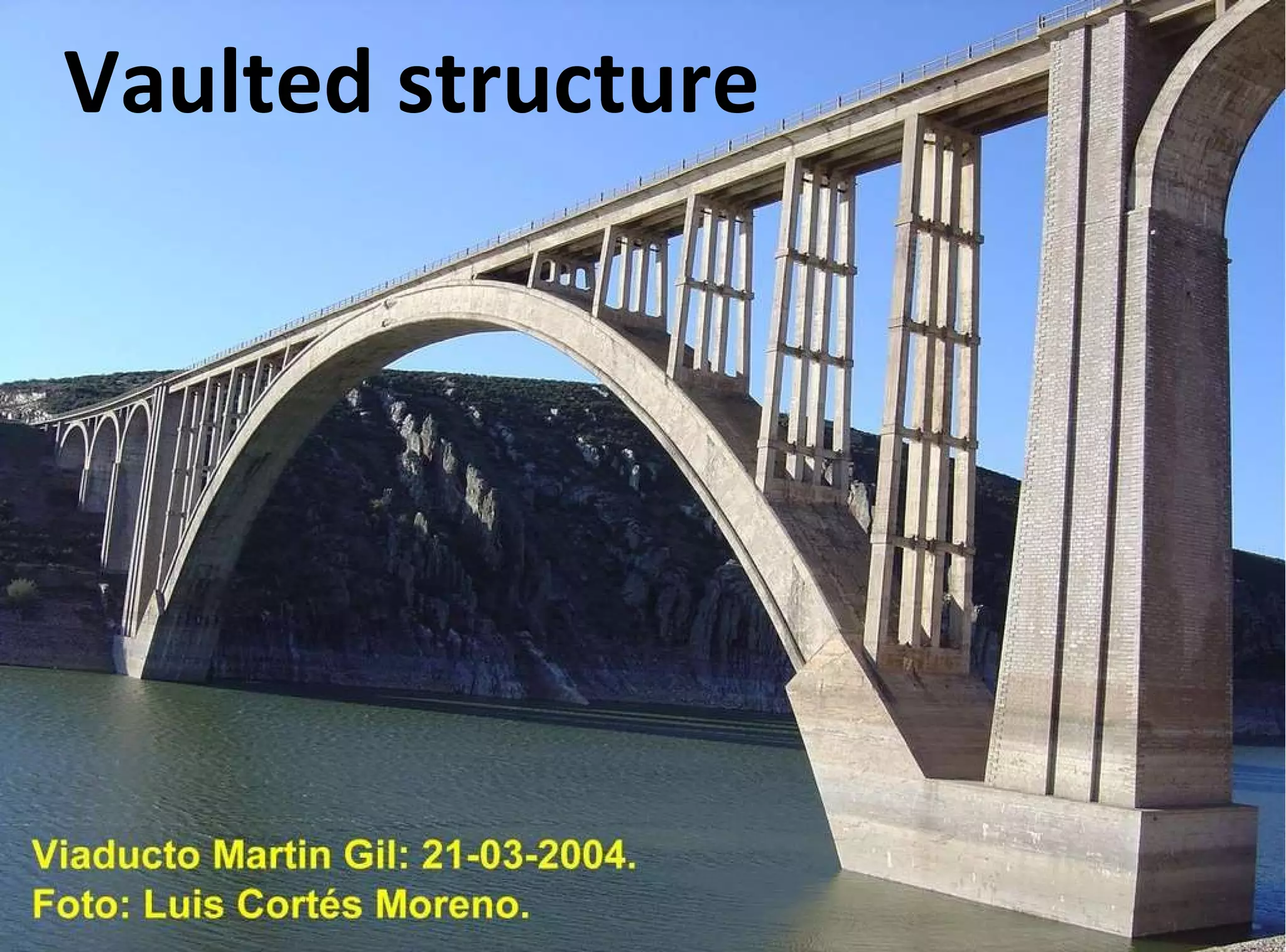
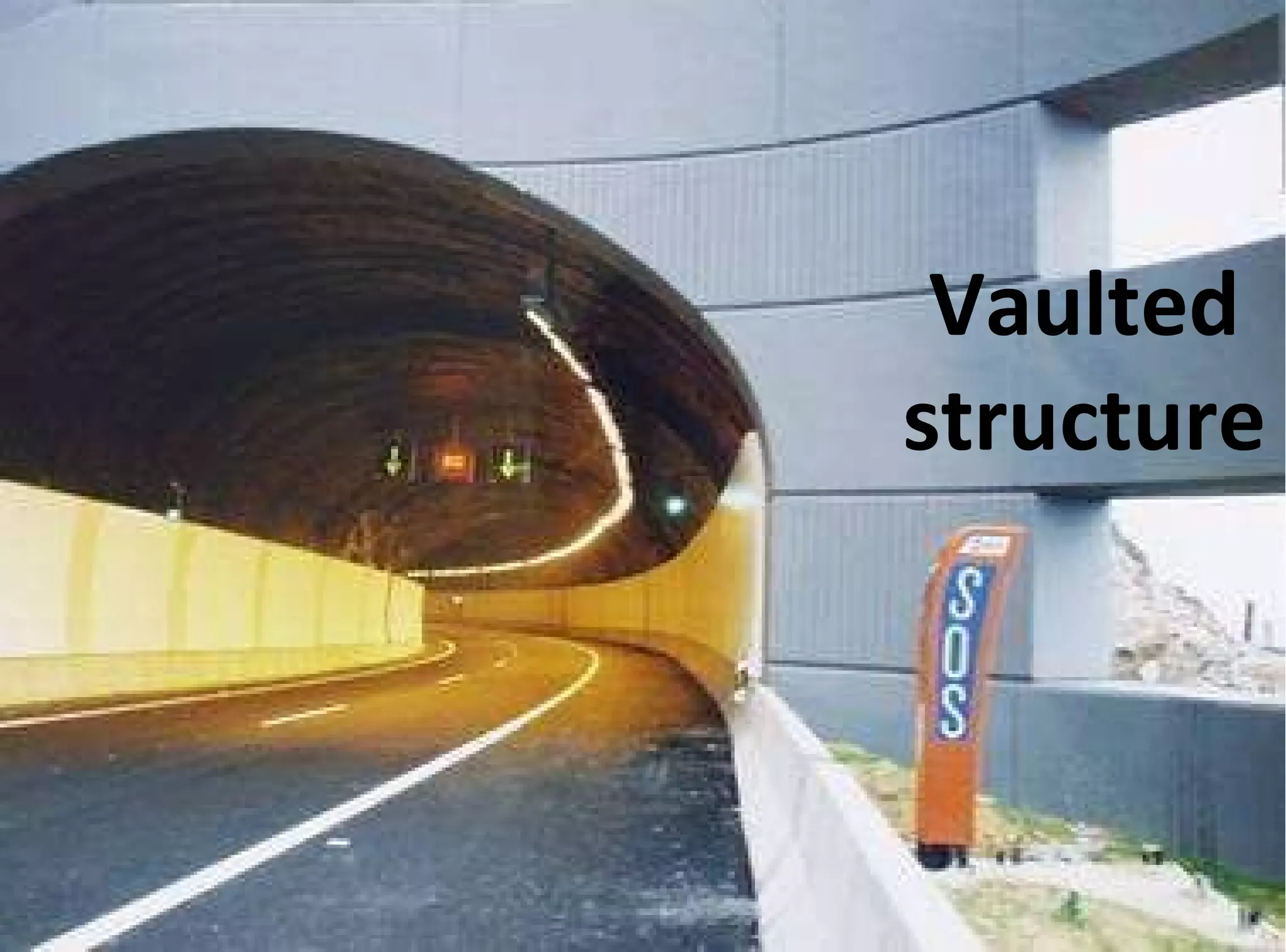
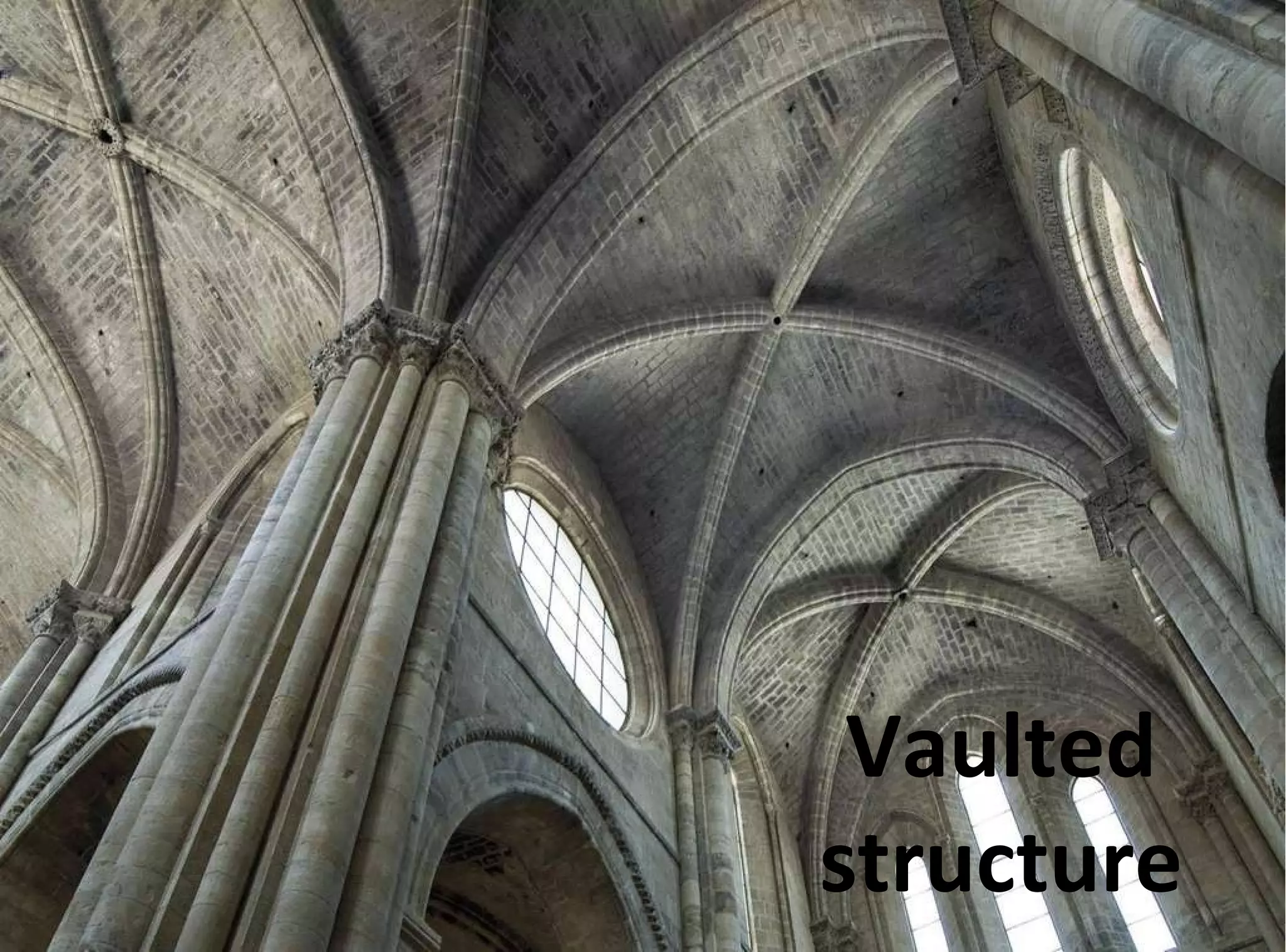
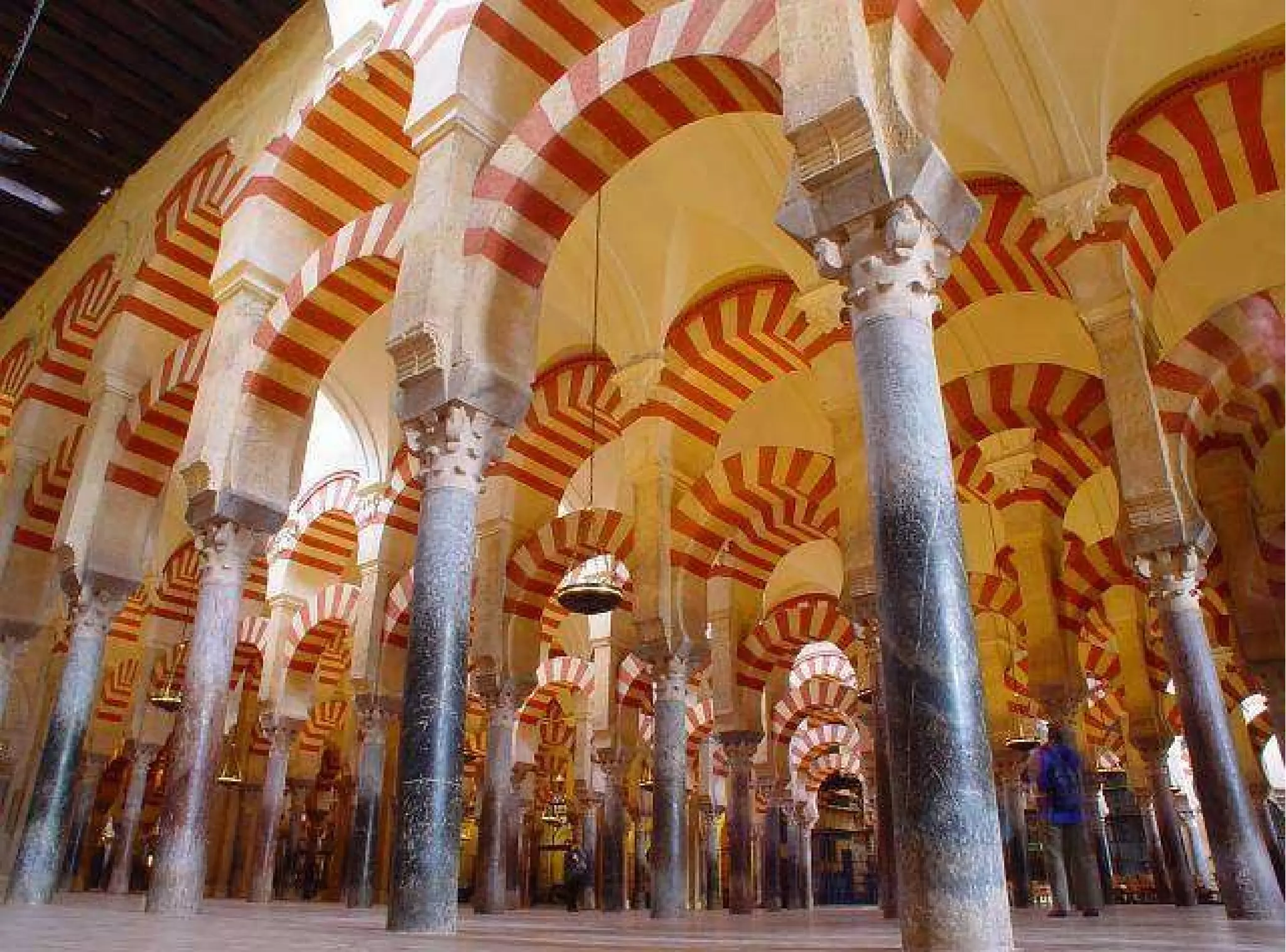
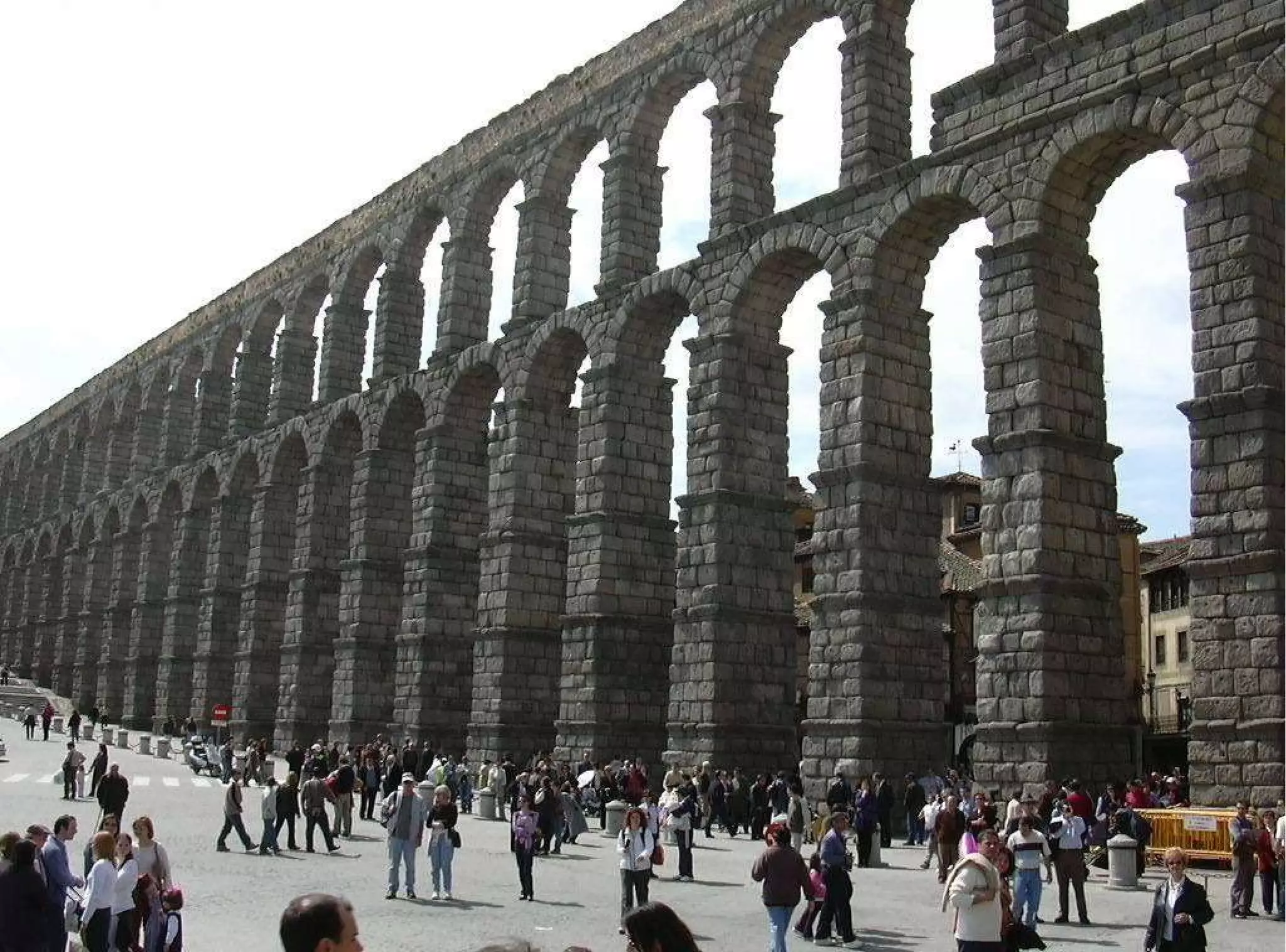
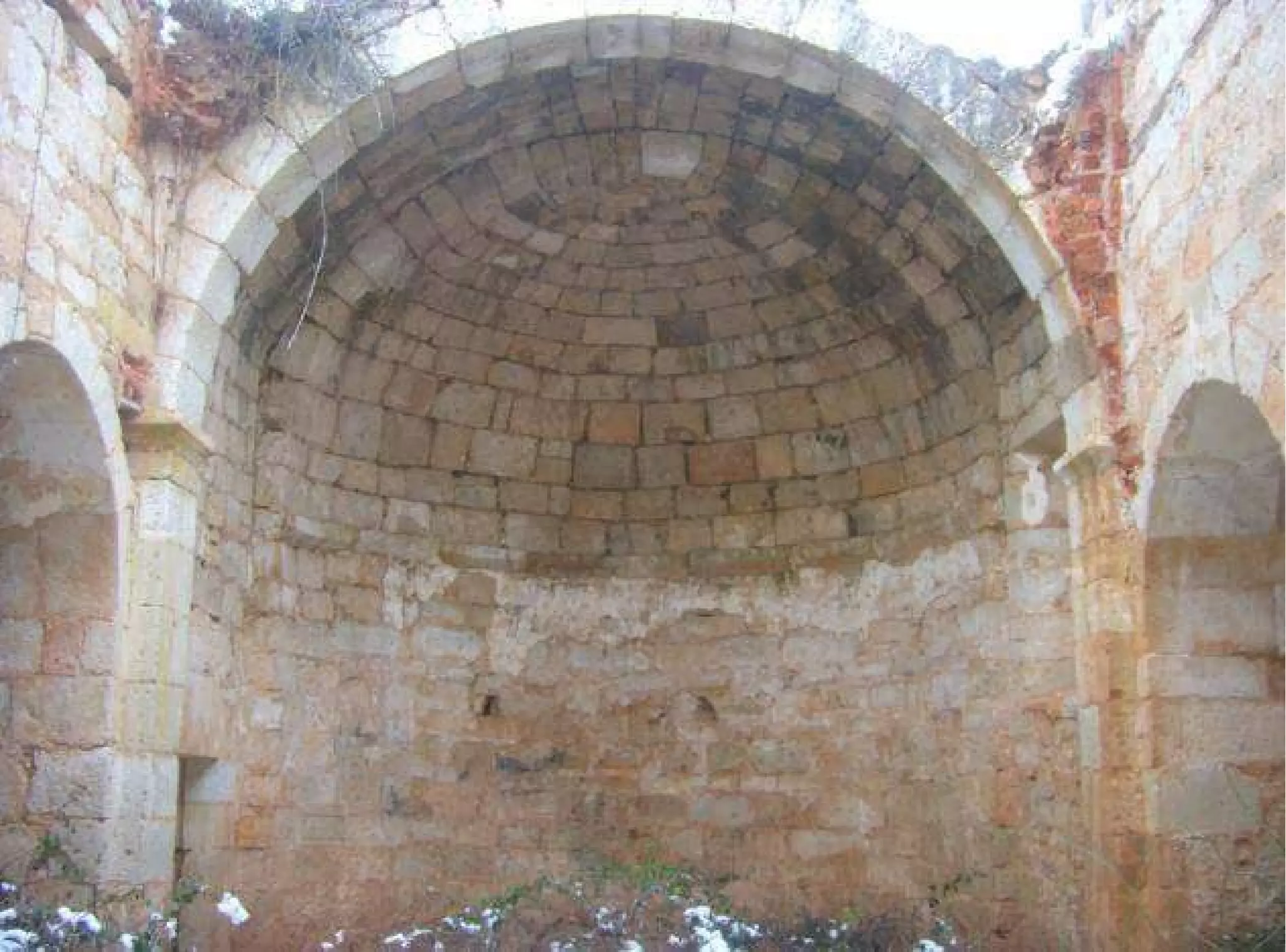
Types of structures 6. VAULTED STRUCTURES 6. Vaulted structures Vaulted structures are those formed with  arches . They are usually used to provide a big space with a ceiling or roof. The weight of the ceiling is conducted through the vault into the pillars (or columns) that are supporting it, and from those pillars into the foundation of the building. Different shapes in the vaulted structures have been used through history and depending on the different cultures.
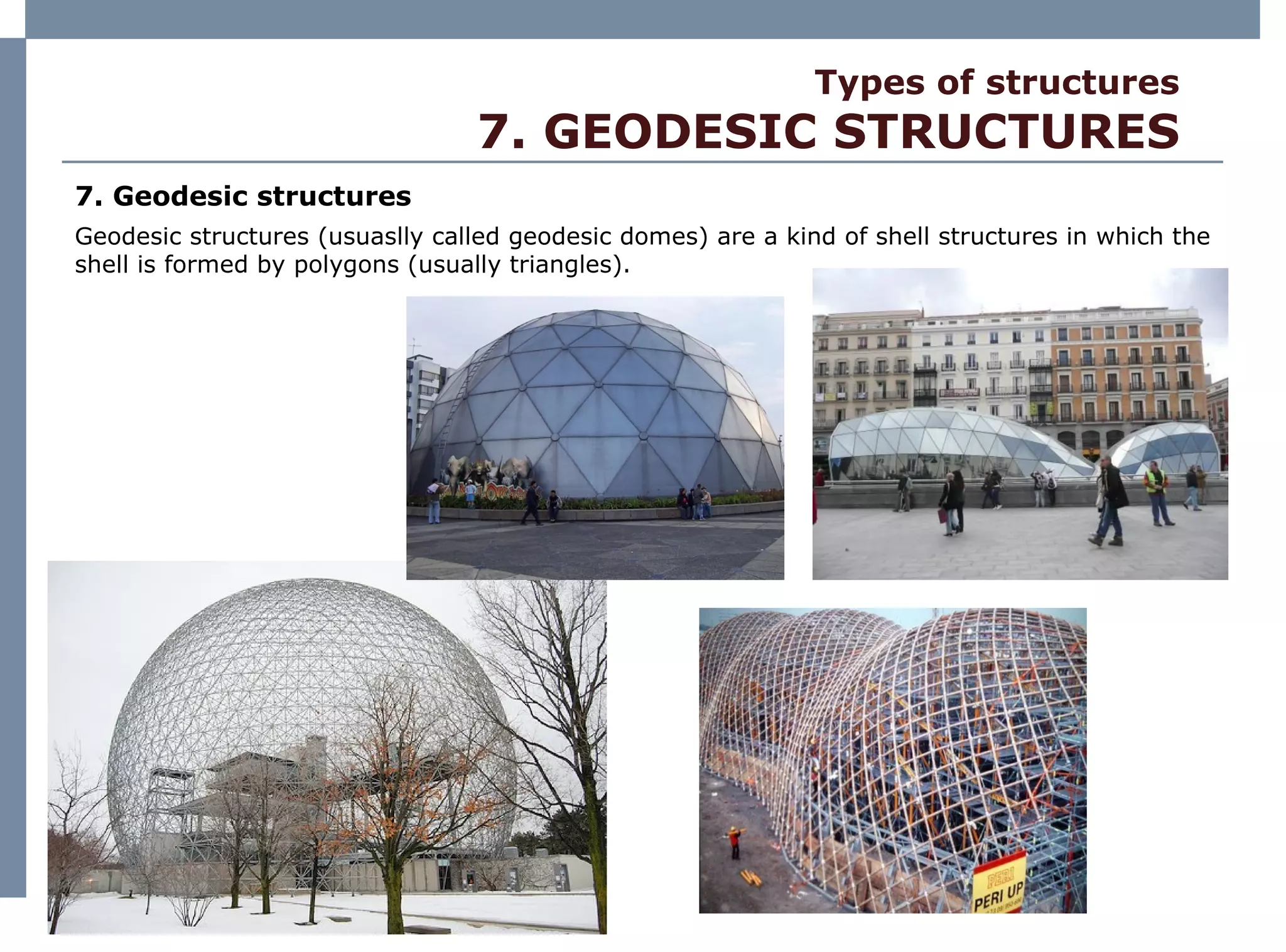
Types of structures 7. GEODESIC STRUCTURES 7. Geodesic structures Geodesic structures (usuaslly called geodesic domes) are a kind of shell structures in which the shell is formed by polygons (usually triangles).
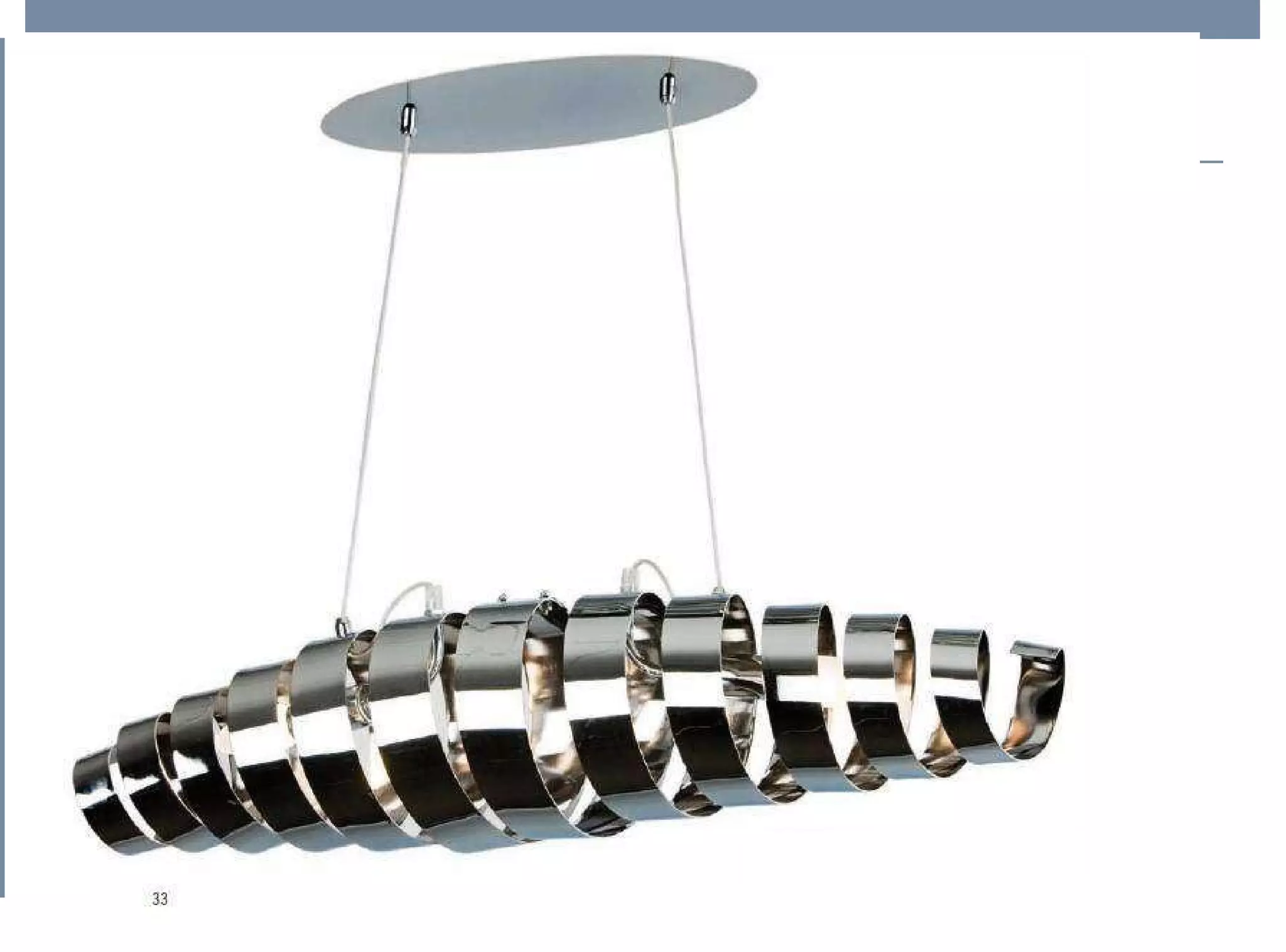
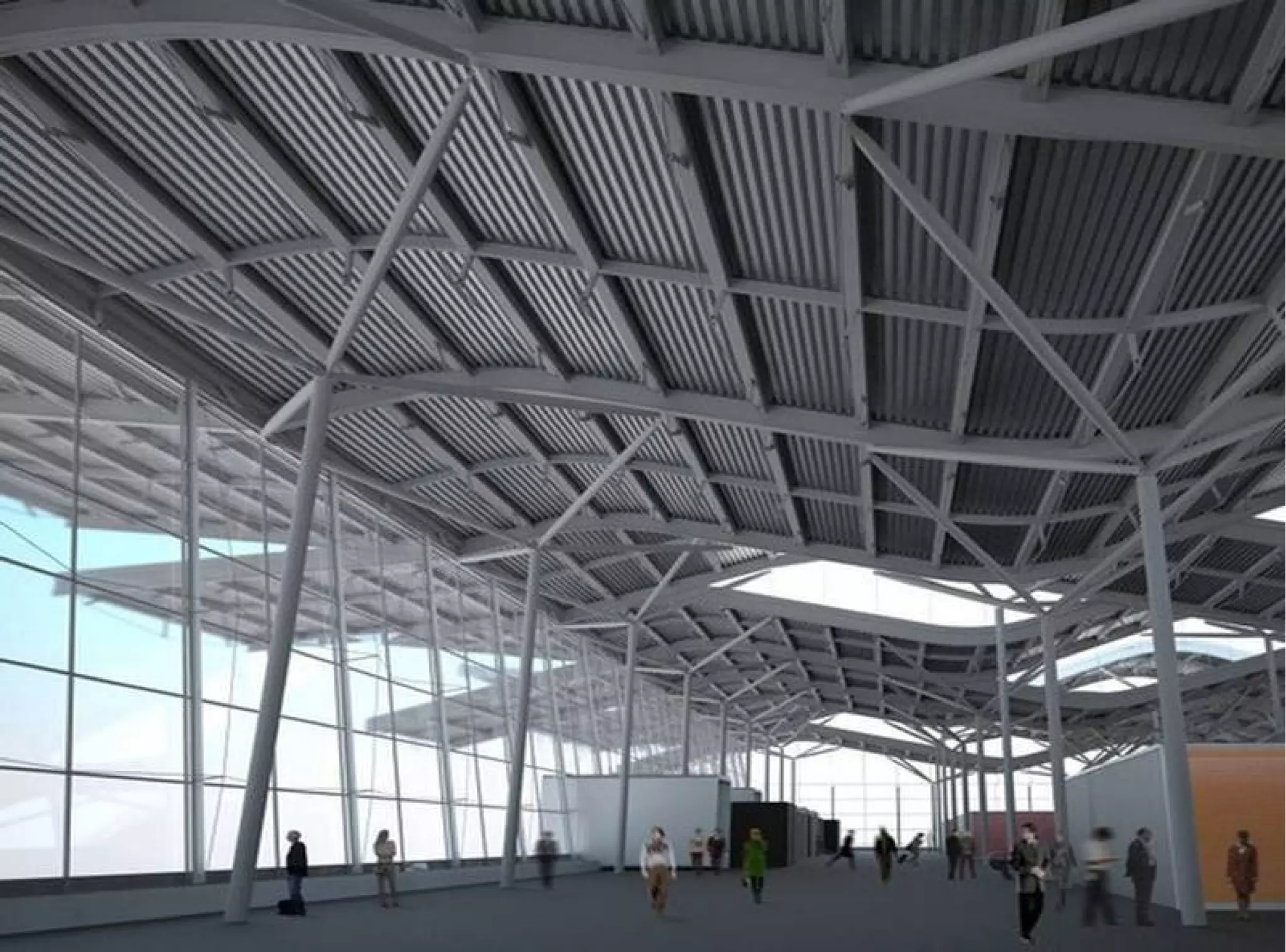
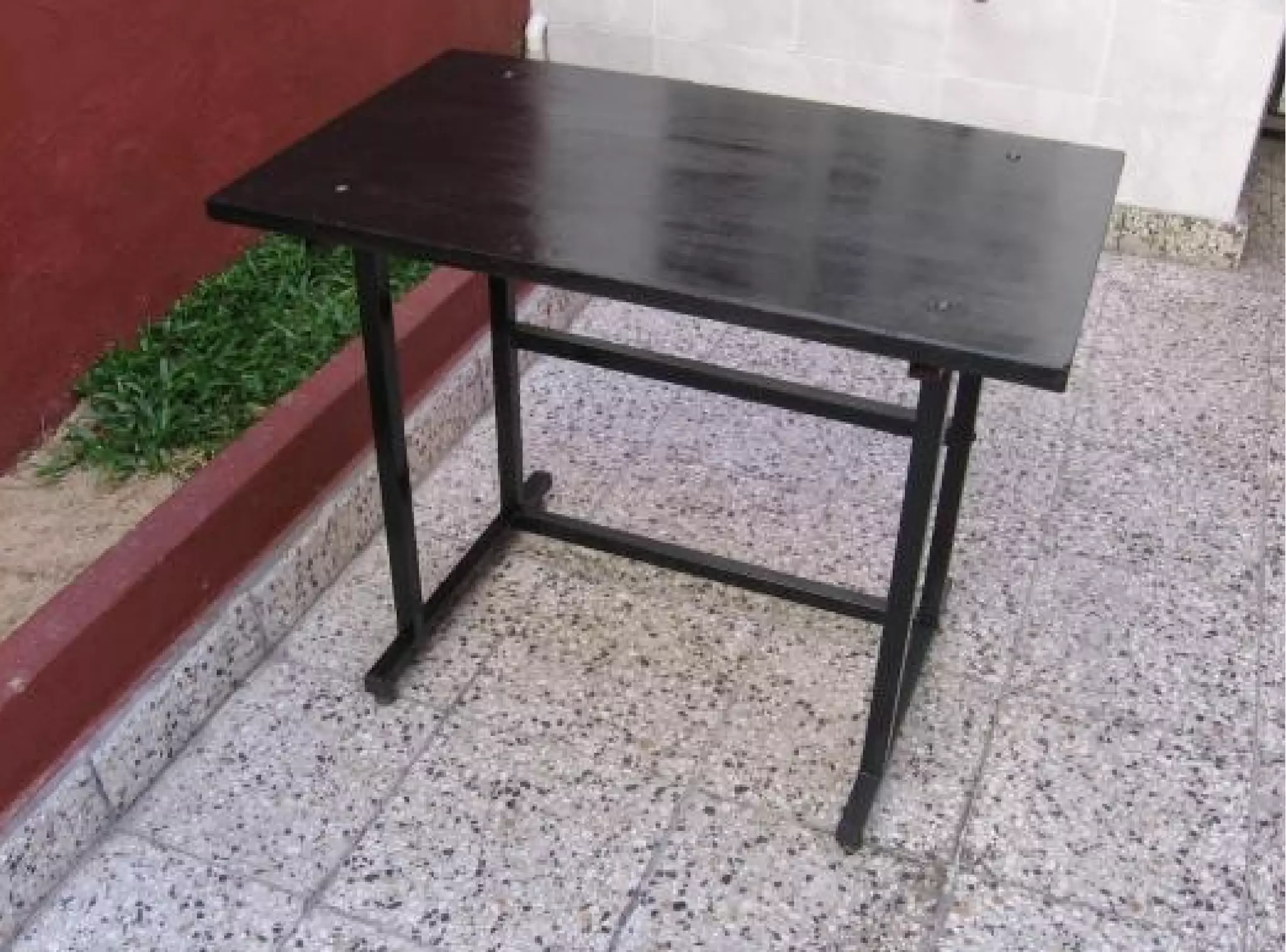
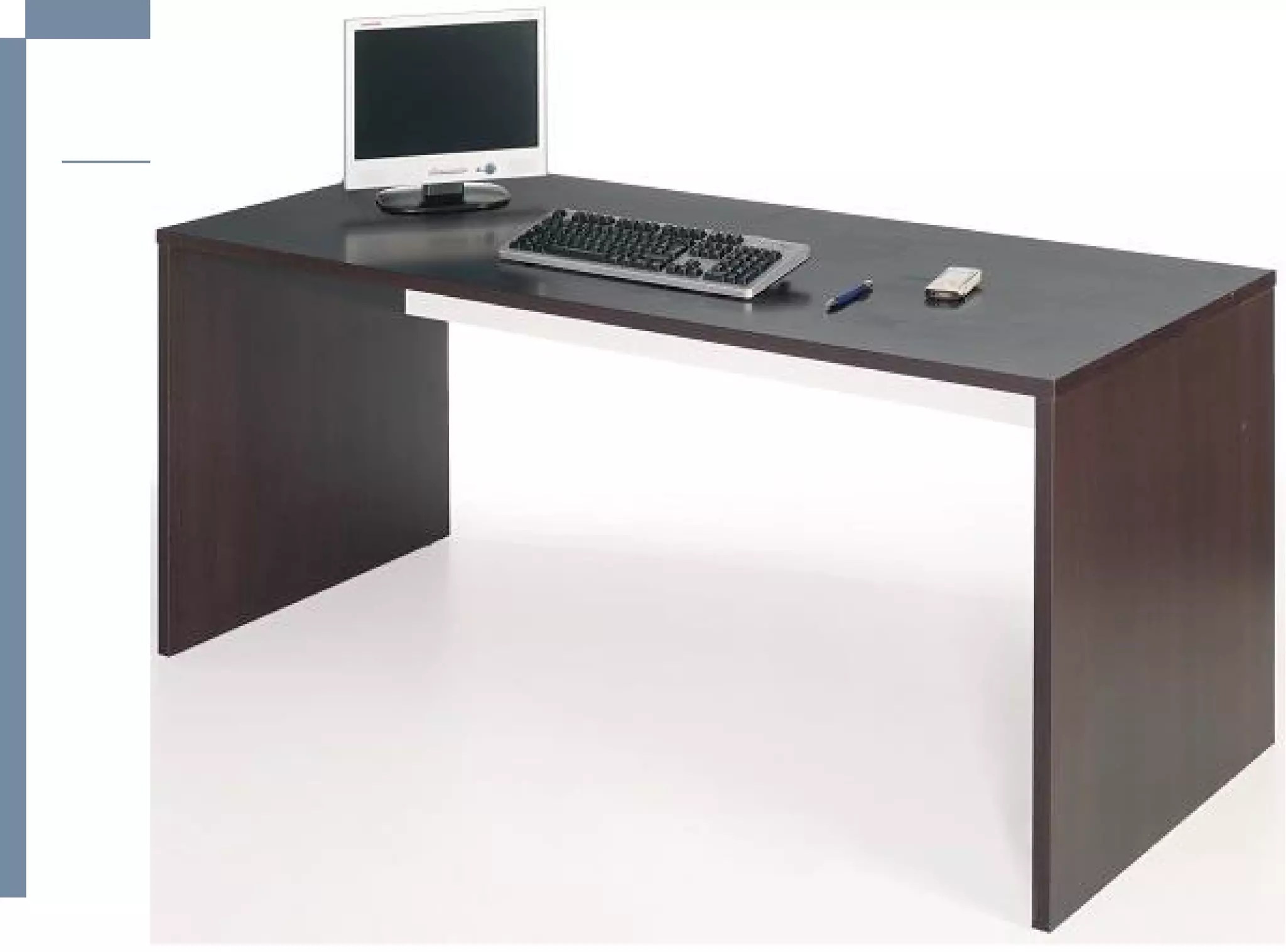
Types of structures Think about the type of the structure of the following buildings/objects and what advantages it has
Mass structure
Mass structure
Mass structure
Vaulted structure
Vaulted structure
Vaulted structure
Vaulted structure
Frame structure
Frame structure
Frame structure
Frame structure
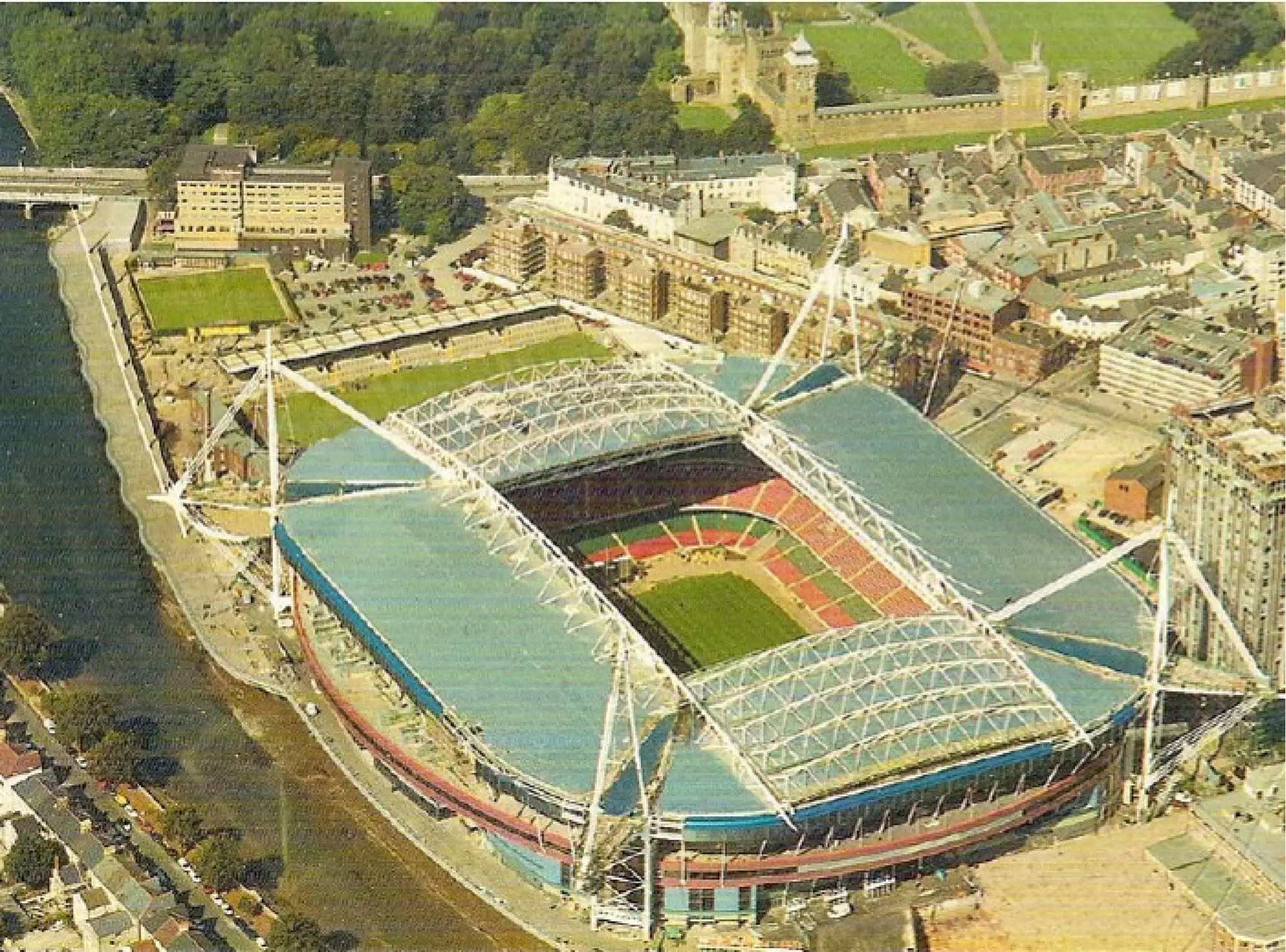
Shell structure
Shell structure
Shell structure
Trusses
Trusses
Trusses
Suspension structure
Which type of structure is each of the following pictures? Take it down in your notebook


1 e bil - structures - 2nd part - types of structures

  • 1.
    STRUCTURES 2nd partTypes of structures Technologies 1st year ESO
  • 2.
    Types of structures1. MASS STRUCTURES 1. Mass structures They can be made by, piling up or forming similar materials into a particular shape or design. Sand castles, dams and brick walls are manufactured mass structures. Advantages: They are hold in place by their own weight. Losing small parts often has little effect on the overall strength of the structure.
  • 3.
    Types of structures2. FRAME STRUCTURES 2. Frame Structures They have a skeleton of strong materials, which is then filled and covered with other materials, supporting the overall structure. Most of the inside part of the structure is empty space. Buildings made of steel beams and columns are an example of frame structures. Sometimes the columns and beams are made of reinforced concrete instead of steel.
  • 4.
    Types of structures2. FRAME STRUCTURES Concrete is a mixture of cement and stone aggregate and mixed with a small amount of water. When steel bars are placed in concrete, the composite material is called reinforced concrete . It resists compression and bending.
  • 5.
    Types of structures3. TRUSSES 3. Trusses Trusses are frame structures formed by triangles. The triangle is the most rigid frame structure and many complex structures are based on triangles. The technique used in these type of structures is called triangulation .
  • 6.
    Types of structures3. TRUSSES When forces are applied to a simple four-sided structure, it can be forced out of shape. A structure which behaves in this way is said to be non-rigid By adding an extra bar the structure can no longer be forced out of shape, and is said to be rigid. The effect is known as triangulation
  • 7.
    Types of structures4. SHELL STRUCTURES 4. Shell Structures Structures, which keep their shape and support loads, even without a frame, or solid mass material inside, are called shell structures. These structures use an outer layer of material to provide their strength and rigidity. The shape of a shell structure spreads forces throughout the whole structure, which means every part of the structure supports only a small part of the load, giving it its strength. Examples include: egg cartons, water containers, gas tanks and cars
  • 8.
    Types of structures5. SUSPENSION STRUCTURES 5. Suspension structures Suspension structures are those with horizontal planes (road decks, roofs, and even floors) supported by cables (hangers). Suspension bridges are good examples of these structures. In these bridges, cables suspended via towers hold up the road deck.
  • 9.
    Types of structures6. VAULTED STRUCTURES 6. Vaulted structures Vaulted structures are those formed with arches . They are usually used to provide a big space with a ceiling or roof. The weight of the ceiling is conducted through the vault into the pillars (or columns) that are supporting it, and from those pillars into the foundation of the building. Different shapes in the vaulted structures have been used through history and depending on the different cultures.
  • 10.
    Types of structures7. GEODESIC STRUCTURES 7. Geodesic structures Geodesic structures (usuaslly called geodesic domes) are a kind of shell structures in which the shell is formed by polygons (usually triangles).
  • 11.
    Types of structuresThink about the type of the structure of the following buildings/objects and what advantages it has
  • 12.
  • 13.
  • 14.
  • 15.
  • 16.
  • 17.
  • 18.
  • 19.
  • 20.
  • 21.
  • 22.
  • 23.
  • 24.
  • 25.
  • 26.
  • 27.
  • 28.
  • 29.
  • 30.
  • 31.
  • 32.
    Which type ofstructure is each of the following pictures? Take it down in your notebook
  • 33.
  • 34.
  • 35.
  • 36.
  • 37.
  • 38.
  • 39.
  • 40.
  • 41.
  • 42.
  • 43.
  • 44.
  • 45.
  • 46.
  • 47.
  • 48.
  • 49.
  • 50.
  • 51.
  • 52.