By- Dr. Armaan Singh
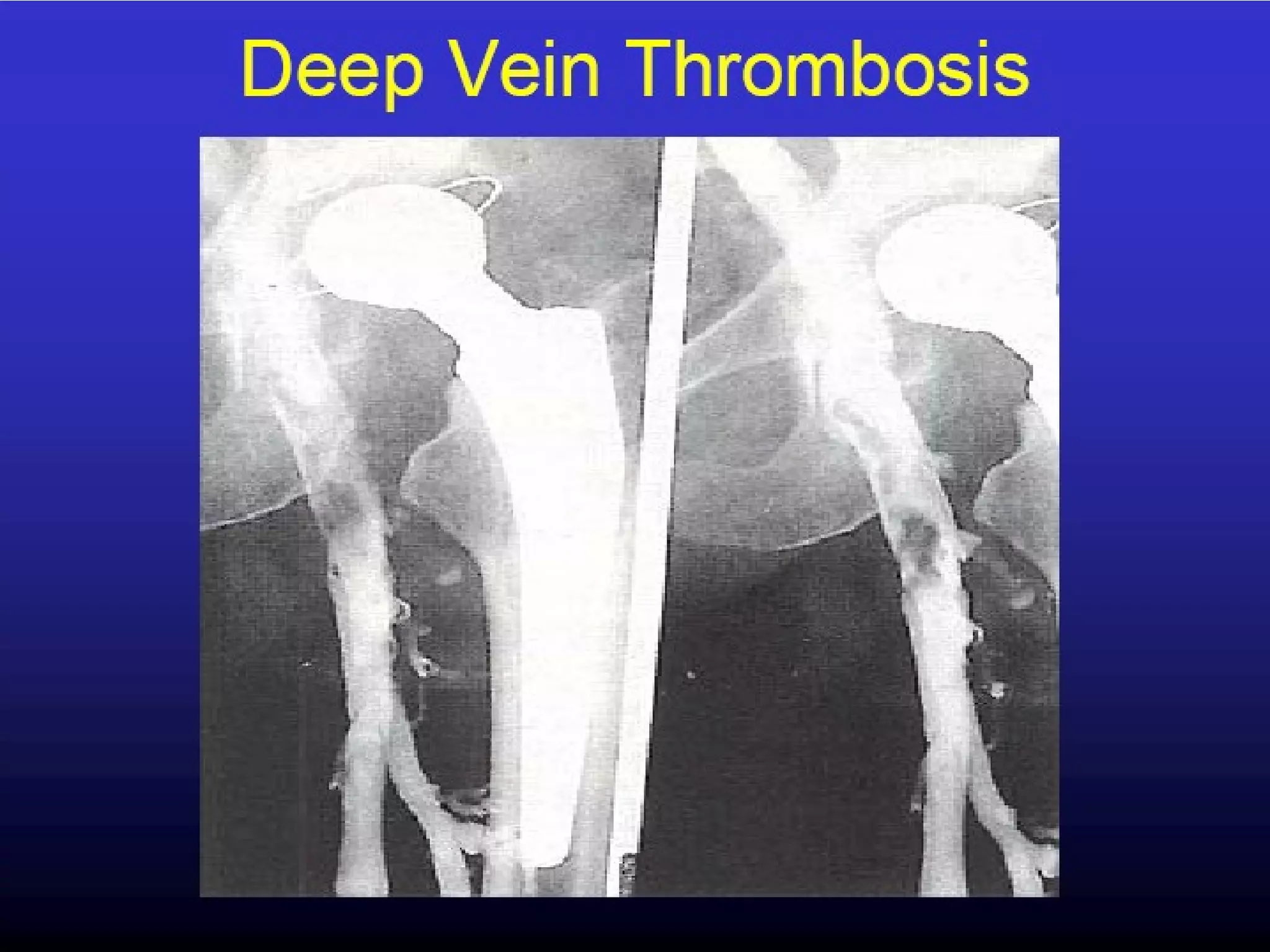
DEEP VEIN THROMBOSIS
(DVT)
Enigmatic
Dilemmatic
Mysterious
Dreadful
Potentially Dangerous
Usually fatal
Incidence
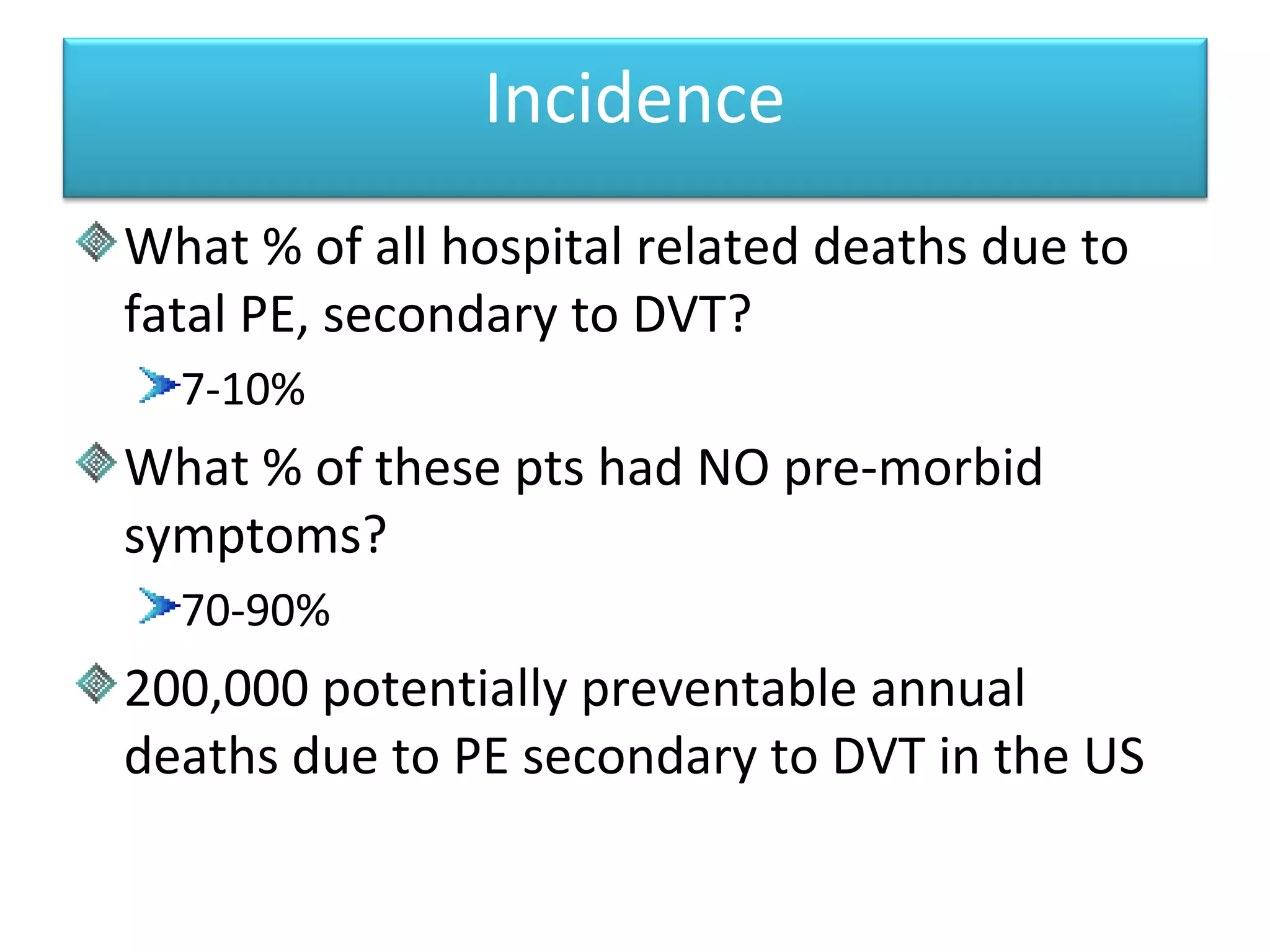
What % of all hospital related deaths due to
fatal PE, secondary to DVT?
7-10%
What % of these pts had NO pre-morbid
symptoms?
70-90%
200,000 potentially preventable annual
deaths due to PE secondary to DVT in the US
Prevalence
3 out of 4 hospital pts dying from PE have NOT
had recent surgery…
2.5% of medical patients immobilized with
multiple clinical problems suffer fatal PE.
National DVT Free Registry
– 60% of patients dx with acute DVT were in the
peri-hospitalization period
– 60% of cases were in non-surgical patients!
Prevalence in Medical Pts
3 large-scale randomized studies (5500
medically ill patients)
– DVT identified w/ screening studies
Patients receiving no prophylaxis:
– VTE 11-15% of patients
– Proximal DVT- 4-5% of patients
Rates similar to moderate-high risk general surgery
patients.
Venous Thromboembolism (VTE)
A venous thromboembolism (VTE) is
a formation, development, or
existence of a blood clot or
thrombus within the venous system.
Venous thromboembolism (VTE) includes
Deep vein thrombosis (DVT) and
 Pulmonary embolism (PE)
VTE is one of the most common
complications of the hospitalized patients
PE is the most common preventable
cause of hospital deaths
Diagnostics
Therapeutics
Secondary
Development
Virchows Triad
Cardiac Echo Spiral CT
Doppler US D-dimer
Angiogram
Warfarin
UF Heparin
LMWH Lepirudin
Argatroban
Thrombolytics
• Hypercoaguable (25%)
• Stasis
• Vessel Damage
Primary
Presentation
Respiratory
Failure
Hemodynamic
Instability
ICU Venous Thromboembolism Overview
Venous Thromboembolism
Pathophysiology of
Thrombosis
Venous Thromboembolism
“ The detachment of larger or smaller fragments from the end
of the softening thrombus are carried along by the current of
blood and driven in remote vessels. This gives rise to the very
frequent process upon which I have bestowed the name
EMBOLIA.”
Vessel Injury Stasis Hyper-coagulability
Virchow 1846
Acquired Inherited
Virchows Triad
Hypercoagulable
Stasis
Vessel Damage
Intensivists General Paradigm
Pipes
Stuff
Flow
= Biologically Active Conduit
Clot Bleed
Stuff
Pipe
Flow
Stuff
Coagulation fibrinolysis
= Biologically Active Conduit
Bleed
Stuff
Pipe
Flow (stasis)
Stuff
Coagulation fibrinolysis
Clot
Pathogenesis of Venous Thromboembolism
Thrombogenic Stimuli
Endothelial Damage
– Exposure of tissue factor/subendothelial matrix
– Hypoxia → receptors for leukocytes
– Activation by inflammatory cytokines (IL-1, TNF)
– Express tissue factor
– Internalize thrombomodulin
– Release PAI-1
Activation of Coagulation
– Inflammation (IL-1, TNF)
• Monocytes → tissue factor and tethered leukocytes
• Internalize thrombomodulin (↓ Protein C activation)
• Shedding endothelial protein C receptor
– Coagulation cascade activation
Clot
Bleed
Adapted from WertzAdapted from Wertz Lung Biology Health DiseaseLung Biology Health Disease 20032003
Pathogenesis of Venous Thromboembolism
Thrombogenic Stimuli
Blood Flow (Stasis)
– Systemic
• Immobilization pools blood in calf venous sinuses
• Increased blood viscosity
– Local
• Hypoxia of valve cusps produces tissue factor and
activates coagulation
• Accumulation of clotting factors in venous sinuses of
calf or valve cusp pockets
Adapted from Wertz Lung Biology Health Disease 2003
Clot
Bleed
Risk Factors for VTE
Surgery
Trauma (major or lower extremity)
Immobility, paresis
Malignancy
Cancer therapy
Previous DVT
Increasing age
Pregnancy and the postpartum
period
Estrogen-containing oral
contraceptives or hormone
replacement therapy
Selective estrogen receptor
modulators
Acute medical illness
Heart or respiratory failure
Inflammatory bowel disease
Nephrotic syndrome
Myeloproliferative disorders
Parxysmal nocturnal
hemoglobinuria
Obesity
Smoking
Varicose veins
Central venous catheterization
Inherited or acquired
thrombophilia
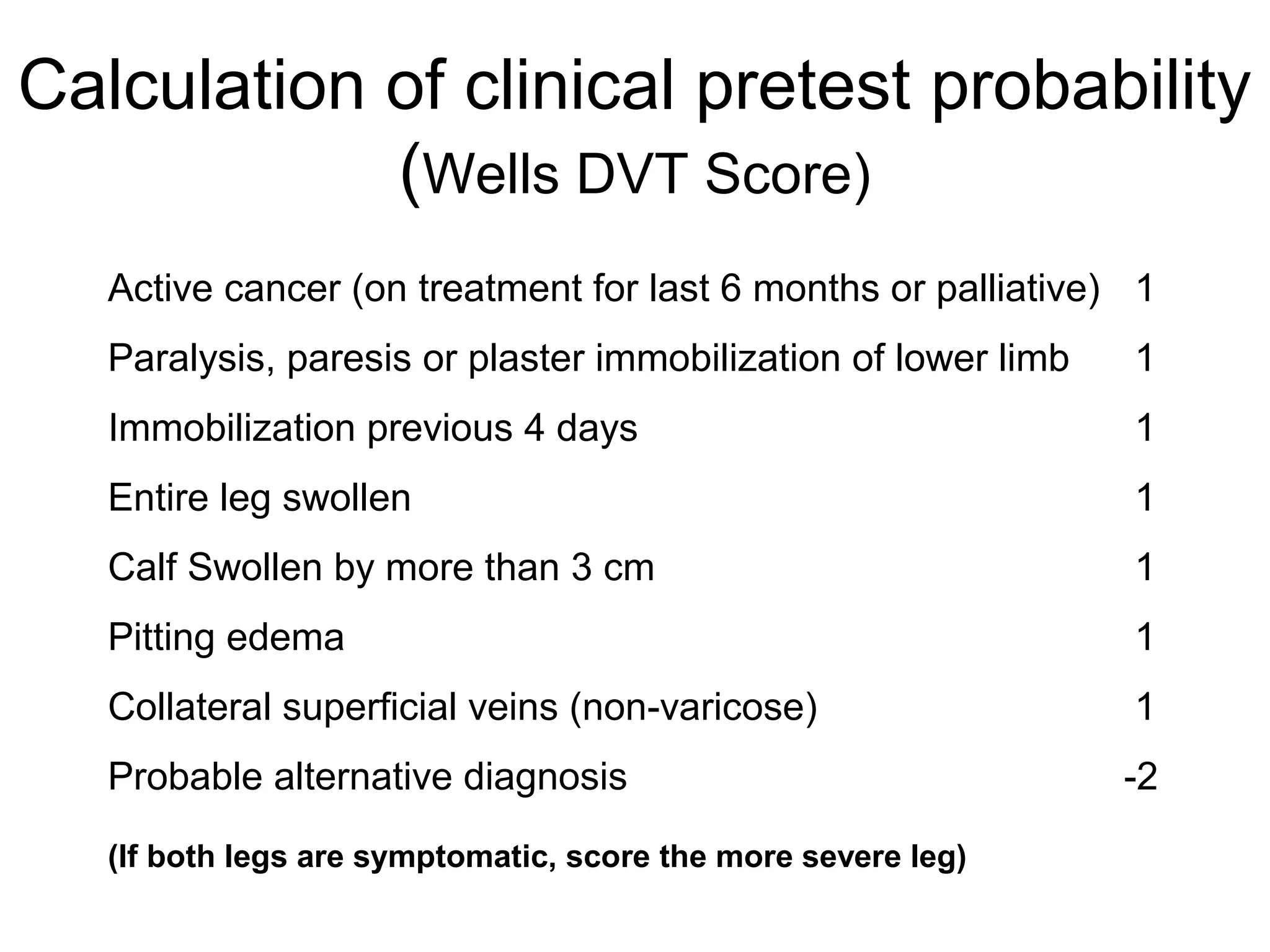
Calculation of clinical pretest probability
(Wells DVT Score)
Active cancer (on treatment for last 6 months or palliative) 1
Paralysis, paresis or plaster immobilization of lower limb 1
Immobilization previous 4 days 1
Entire leg swollen 1
Calf Swollen by more than 3 cm 1
Pitting edema 1
Collateral superficial veins (non-varicose) 1
Probable alternative diagnosis -2
(If both legs are symptomatic, score the more severe leg)
Interpretation of the score
≥ 3 High DVT Risk
1-2 Moderate DVT Risk
<1 Low DVT Risk
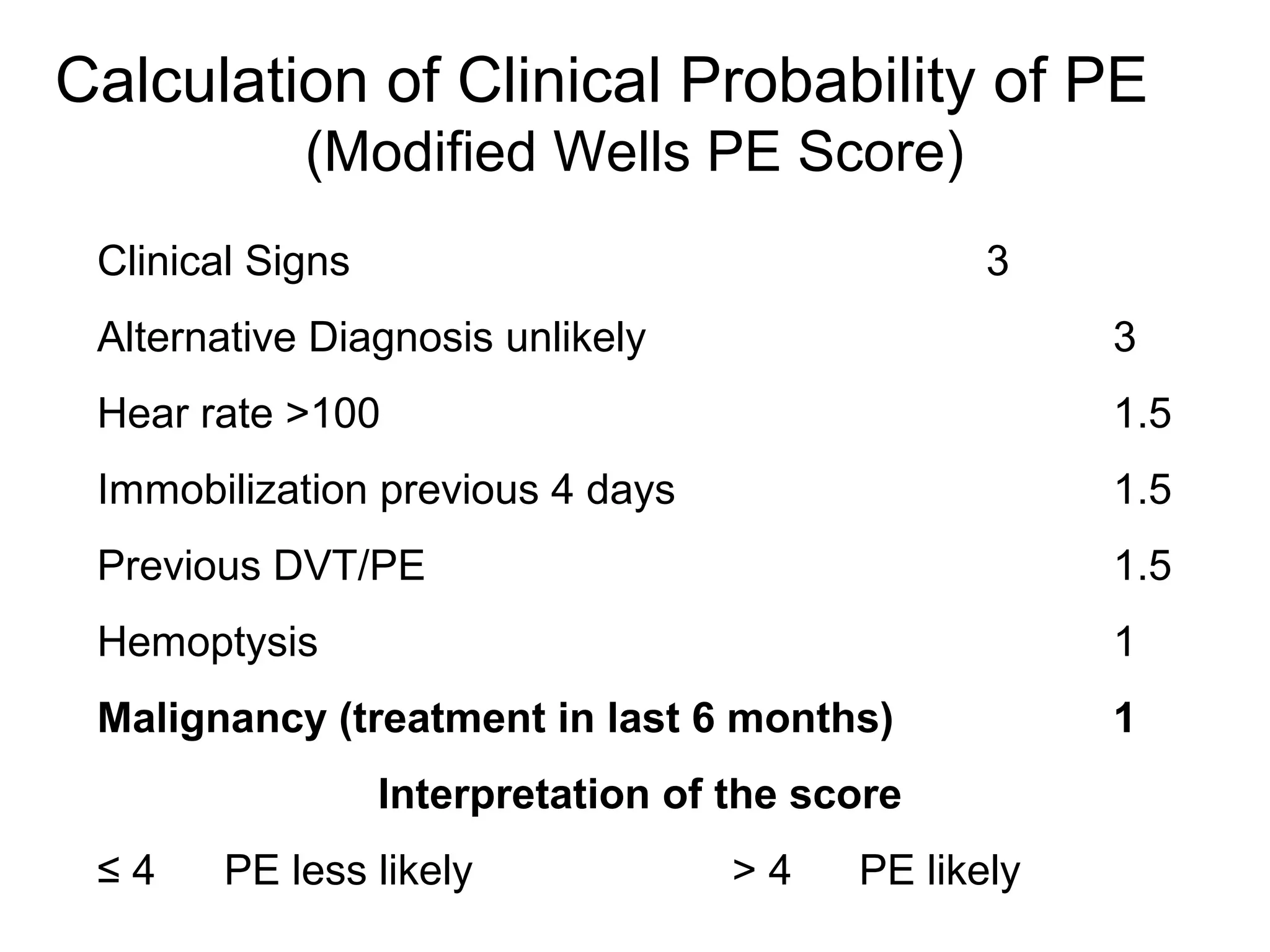
Calculation of Clinical Probability of PE
(Modified Wells PE Score)
Clinical Signs 3
Alternative Diagnosis unlikely 3
Hear rate >100 1.5
Immobilization previous 4 days 1.5
Previous DVT/PE 1.5
Hemoptysis 1
Malignancy (treatment in last 6 months) 1
Interpretation of the score
≤ 4 PE less likely > 4 PE likely
DIAGNOSIS
OF
DVT/ PE
Clinical suspicion of DVT
Determine probability
Low
Moderate/high
D-dimer test
Out of
guidline
Duplex ultra sound
(with compression)
D-dimer test Moderate/high
probability
DVT confirmed
Treatment
Follow-up studies / repeat duplex ultrasound
(3-7 days) or venography
+ ive
+ ive
+ ive
- ive
- ive
- ive
Algorithm for Diagnosis of DVT
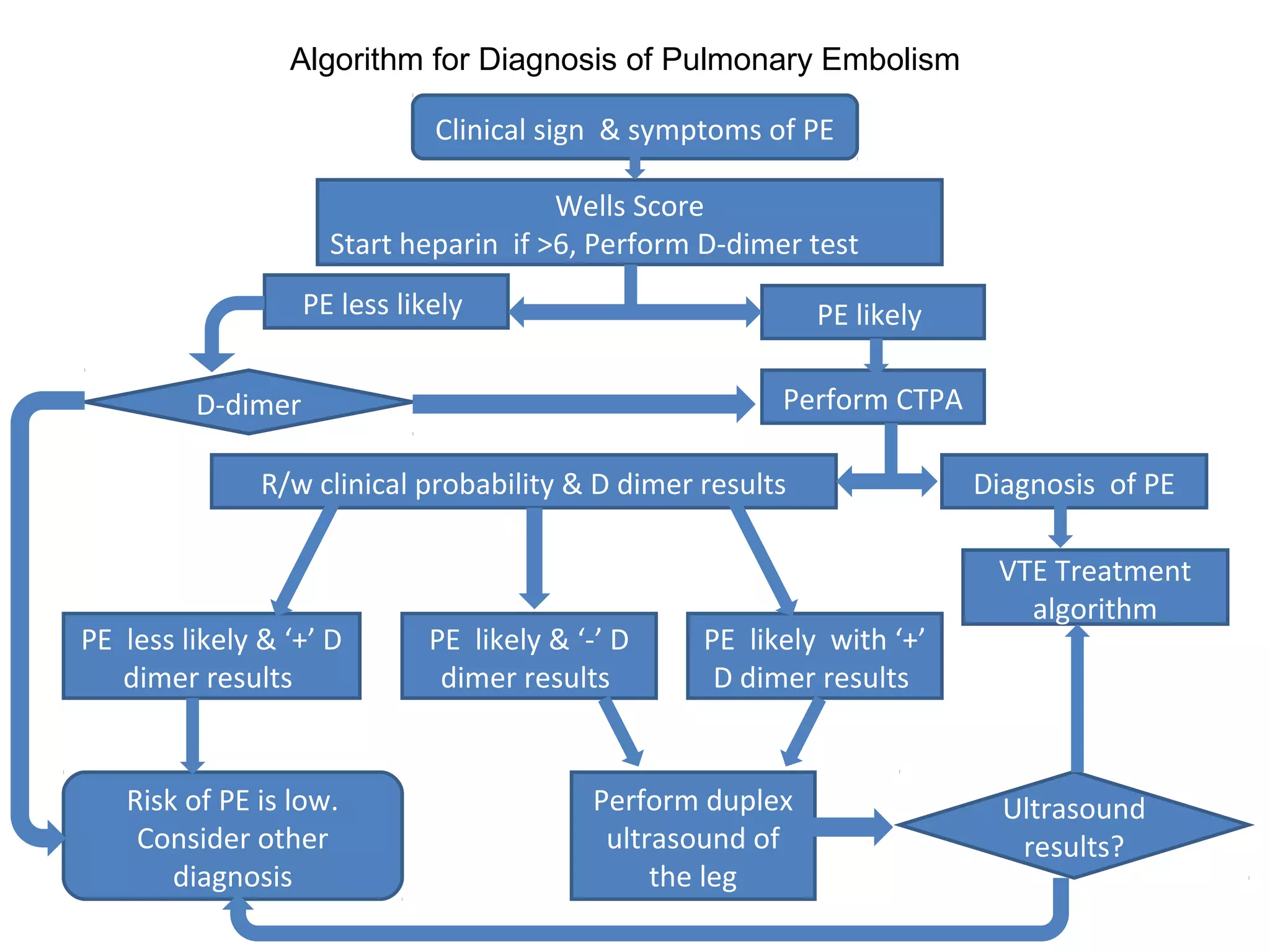
Clinical sign & symptoms of PE
Algorithm for Diagnosis of Pulmonary Embolism
Wells Score
Start heparin if >6, Perform D-dimer test
PE less likely PE likely
D-dimer Perform CTPA
R/w clinical probability & D dimer results Diagnosis of PE
VTE Treatment
algorithm
PE less likely & ‘+’ D
dimer results
PE likely & ‘-’ D
dimer results
PE likely with ‘+’
D dimer results
Perform duplex
ultrasound of
the leg
Ultrasound
results?
Risk of PE is low.
Consider other
diagnosis
Venous Thromboembolism Treatment Algorithm
Diagnosis of DVT/PE
LMWH , UFH/ Fondaparinex
Warfarin
Inpatient treatment
Outpatient protocol
Patient education
Other Therapies
Cnt. Anticoagulation with followup
& secondary prevention
Complicated thromboembolism of comorbidities?
OP treatment appropriate?
Complication during
therapies
Anticoagulation Failure?
No
Importance of DVT
Prophylaxis
Acute DVT/PE
Valvular Damage
Symptomatic proximal DVT can be an extension of distal
DVT that was previously asymptomatic
Significant number of fatal PE’s NOT preceded by
symptomatic DVT
Most preventable cause of hospital associated death in
medical or surgical patients → PE
Recurrence
Post-phlebitic syndrome
DVT
PE
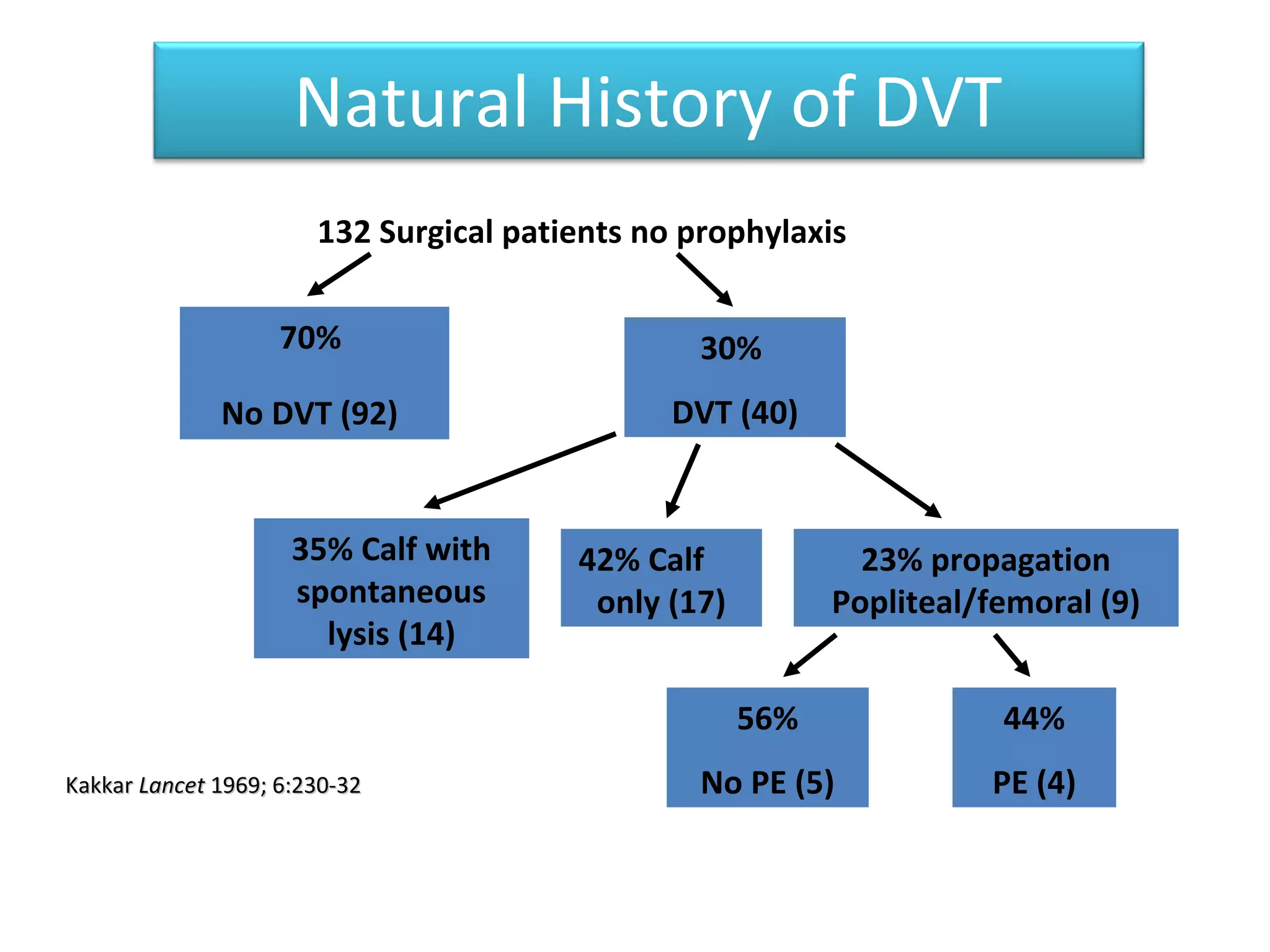
Natural History of DVT
132 Surgical patients no prophylaxis
56%
No PE (5)
44%
PE (4)
42% Calf
only (17)
23% propagation
Popliteal/femoral (9)
35% Calf with
spontaneous
lysis (14)
30%
DVT (40)
70%
No DVT (92)
KakkarKakkar LancetLancet 1969; 6:230-321969; 6:230-32
VTE Prophylaxis
Pharmacologic
Unfractionated
heparin
Low molecular
weight heparin
Vit K
Antagonists
Mechanical
IVC filters Intermittent
Pneumatic
Compression
Devices
Graduated
Compression
stockings
33
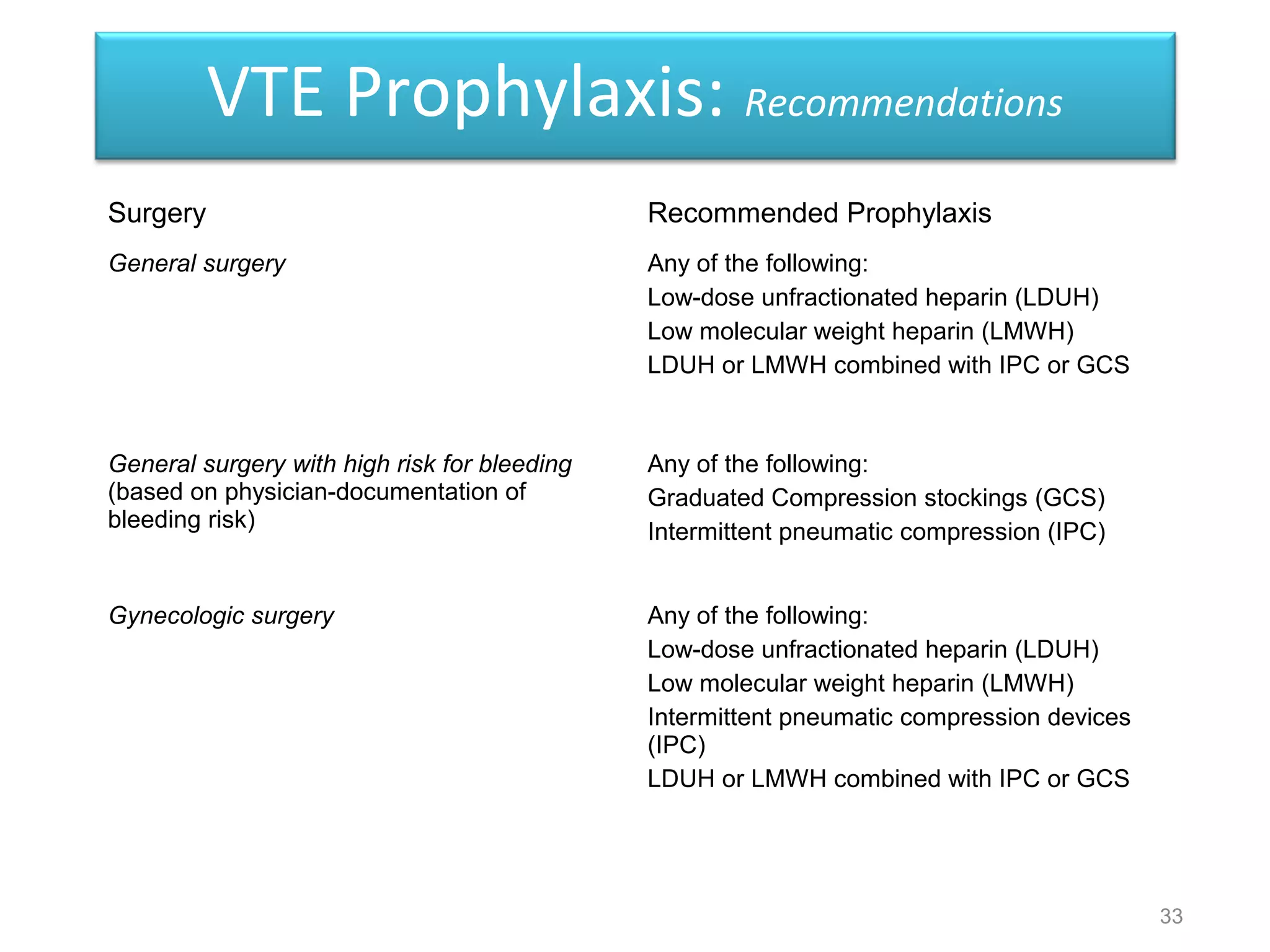
VTE Prophylaxis: Recommendations
Surgery Recommended Prophylaxis
General surgery Any of the following:
Low-dose unfractionated heparin (LDUH)
Low molecular weight heparin (LMWH)
LDUH or LMWH combined with IPC or GCS
General surgery with high risk for bleeding
(based on physician-documentation of
bleeding risk)
Any of the following:
Graduated Compression stockings (GCS)
Intermittent pneumatic compression (IPC)
Gynecologic surgery Any of the following:
Low-dose unfractionated heparin (LDUH)
Low molecular weight heparin (LMWH)
Intermittent pneumatic compression devices
(IPC)
LDUH or LMWH combined with IPC or GCS
34
VTE Prophylaxis: Recommendations
Surgery Recommended Prophylaxis
Urologic surgery Any of the following:
Low-dose unfractionated heparin (LDUH)
Low molecular weight heparin (LMWH)
Intermittent pneumatic compression devices
(IPC)
Graduated compression stockings (GCS)
LDUH or LMWH combined with IPC or GCS
Elective total knee replacement Any of the following:
Low molecular weight heparin (LMWH)
Fondaparinux (Factor Xa Inhibitor)
Warfarin
Intermittent pneumatic compression devices
(IPC)
Elective total hip replacement Any of the following:
Low molecular weight heparin (LMWH)
Fondaparinux (Factor Xa Inhibitor)
Warfarin
35
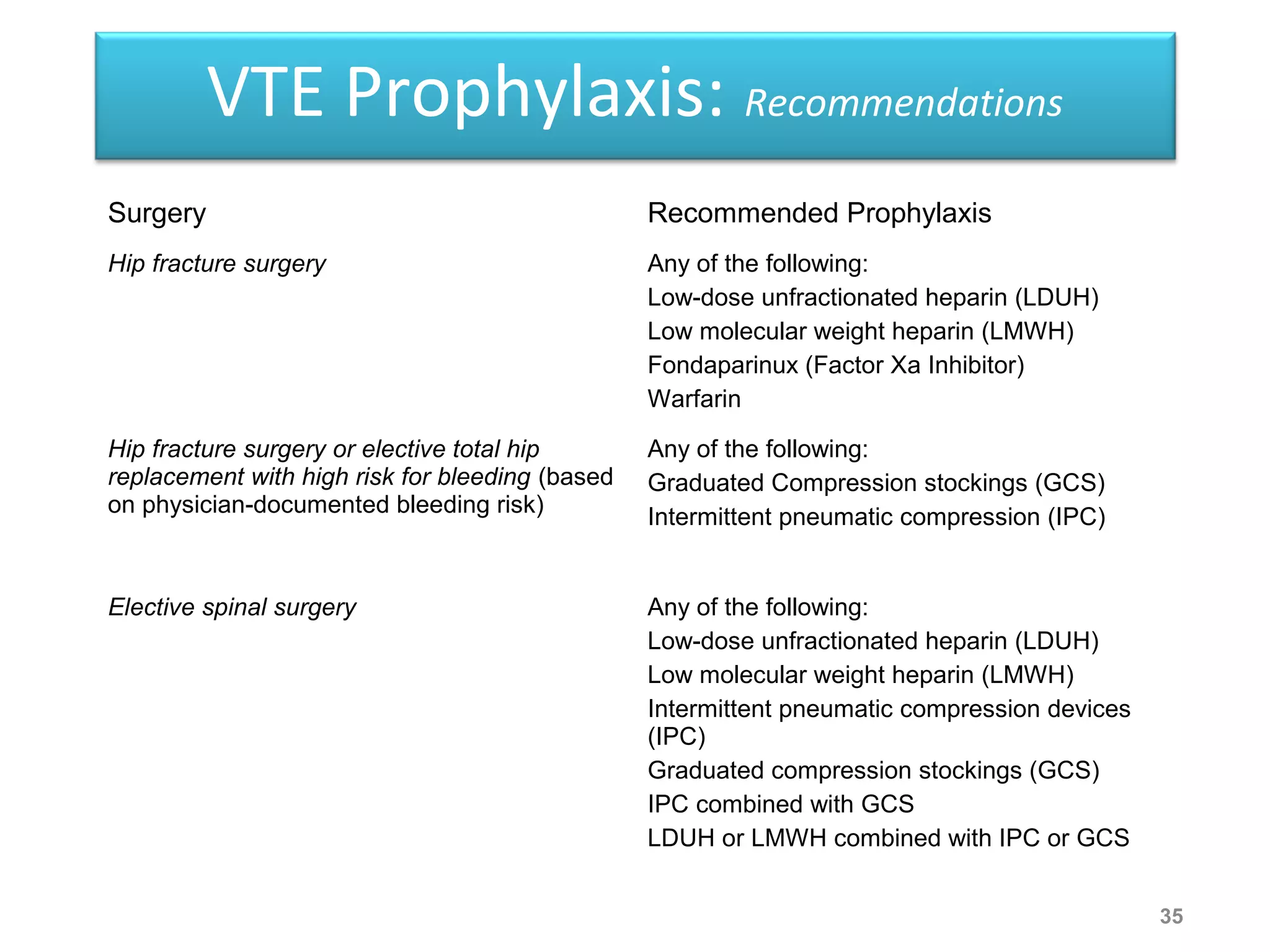
VTE Prophylaxis: Recommendations
Surgery Recommended Prophylaxis
Hip fracture surgery Any of the following:
Low-dose unfractionated heparin (LDUH)
Low molecular weight heparin (LMWH)
Fondaparinux (Factor Xa Inhibitor)
Warfarin
Hip fracture surgery or elective total hip
replacement with high risk for bleeding (based
on physician-documented bleeding risk)
Any of the following:
Graduated Compression stockings (GCS)
Intermittent pneumatic compression (IPC)
Elective spinal surgery Any of the following:
Low-dose unfractionated heparin (LDUH)
Low molecular weight heparin (LMWH)
Intermittent pneumatic compression devices
(IPC)
Graduated compression stockings (GCS)
IPC combined with GCS
LDUH or LMWH combined with IPC or GCS
36
VTE Prophylaxis: Recommendations
Surgery Recommended Prophylaxis
Intracranial neurosurgery Any of the following:
IPC with or without GCS
Low-dose unfractionated heparin (LDUH)
Postoperative low molecular weight heparin
(LMWH)
LDUH or postoperative LMWH combined with
IPC or GCS
Current guidelines recommend postoperative
low molecular weight heparin for Intracranial
Neurosurgery.
KnudsonKnudson Ann SurgAnn Surg 2004; 240:490-4982004; 240:490-498
INJURED PATIENT
High Risk Factors
(Odds ratio for VTE = 2 – 3)
• Age ≥ 40
• Pelvic fx
• Lower extremity fx
• Shock
• Spinal cord injury
• Head Injury (AIS ≥ 3)
Very High Risk Factors
(Odds ratio for VTE = 4 - 10)
• Major operative procedure
• Venous injury
• Ventilator days > 3
• 2 or more high risk factors
Does the patient have contraindication
for Heparin?
Does the patient have contraindication
for Heparin?
Yes No
YesNo
Mechanical
Compression
LMWH*
* Prophylactic dose
LMWH* and
Mechanical
Compression
Mechanical Compression
and serial CFDI
OR
Temporary IVC filter
Stop DVT Without Risk Of Post-Op Bleeding
DVT prophylaxis reduces the incidence of DVT during
the postoperative period by two-thirds, and prevents
death from pulmonary embolism in 1 patient out of
every 200 major operations.
The National Institute of Health recommends more
extensive use of prophylaxis.
Preventable in most cases with simple cost-effective
prophylaxis
Stop DVT Without Risk Of Post-Op Bleeding
Intermittent pneumatic leg compression reduces the
risk of DVT by as much as 59% in general surgery
patients.
It is also virtually free of side effects and is as
effective as low-dose heparin in patients undergoing
abdominal surgery.
Using prophylaxis for DVT is neither complicated nor
expensive.
Production rates of
prostacyclin are twice as
great in cells subjected to
pulsatile shear stress as in
cells exposed to steady shear
stress.
Venodyne's compression
cycle -12 seconds of 40-45
mm Hg pressure followed by
48 seconds of relaxation -
results in complete venous
clearance.
Intermittent compression
also results in an increase in
plasma fibrinolytic activity.
Deep vein thrombosis (dvt)

Deep vein thrombosis (dvt)

  • 1.
  • 2.
  • 4.
    Incidence What % ofall hospital related deaths due to fatal PE, secondary to DVT? 7-10% What % of these pts had NO pre-morbid symptoms? 70-90% 200,000 potentially preventable annual deaths due to PE secondary to DVT in the US
  • 5.
    Prevalence 3 out of4 hospital pts dying from PE have NOT had recent surgery… 2.5% of medical patients immobilized with multiple clinical problems suffer fatal PE. National DVT Free Registry – 60% of patients dx with acute DVT were in the peri-hospitalization period – 60% of cases were in non-surgical patients!
  • 6.
    Prevalence in MedicalPts 3 large-scale randomized studies (5500 medically ill patients) – DVT identified w/ screening studies Patients receiving no prophylaxis: – VTE 11-15% of patients – Proximal DVT- 4-5% of patients Rates similar to moderate-high risk general surgery patients.
  • 7.
    Venous Thromboembolism (VTE) Avenous thromboembolism (VTE) is a formation, development, or existence of a blood clot or thrombus within the venous system.
  • 8.
    Venous thromboembolism (VTE)includes Deep vein thrombosis (DVT) and  Pulmonary embolism (PE) VTE is one of the most common complications of the hospitalized patients PE is the most common preventable cause of hospital deaths
  • 9.
    Diagnostics Therapeutics Secondary Development Virchows Triad Cardiac EchoSpiral CT Doppler US D-dimer Angiogram Warfarin UF Heparin LMWH Lepirudin Argatroban Thrombolytics • Hypercoaguable (25%) • Stasis • Vessel Damage Primary Presentation Respiratory Failure Hemodynamic Instability ICU Venous Thromboembolism Overview
  • 10.
  • 11.
    Venous Thromboembolism “ Thedetachment of larger or smaller fragments from the end of the softening thrombus are carried along by the current of blood and driven in remote vessels. This gives rise to the very frequent process upon which I have bestowed the name EMBOLIA.” Vessel Injury Stasis Hyper-coagulability Virchow 1846 Acquired Inherited
  • 12.
  • 13.
  • 14.
    = Biologically ActiveConduit Clot Bleed Stuff Pipe Flow Stuff Coagulation fibrinolysis
  • 15.
    = Biologically ActiveConduit Bleed Stuff Pipe Flow (stasis) Stuff Coagulation fibrinolysis Clot
  • 16.
    Pathogenesis of VenousThromboembolism Thrombogenic Stimuli Endothelial Damage – Exposure of tissue factor/subendothelial matrix – Hypoxia → receptors for leukocytes – Activation by inflammatory cytokines (IL-1, TNF) – Express tissue factor – Internalize thrombomodulin – Release PAI-1 Activation of Coagulation – Inflammation (IL-1, TNF) • Monocytes → tissue factor and tethered leukocytes • Internalize thrombomodulin (↓ Protein C activation) • Shedding endothelial protein C receptor – Coagulation cascade activation Clot Bleed Adapted from WertzAdapted from Wertz Lung Biology Health DiseaseLung Biology Health Disease 20032003
  • 17.
    Pathogenesis of VenousThromboembolism Thrombogenic Stimuli Blood Flow (Stasis) – Systemic • Immobilization pools blood in calf venous sinuses • Increased blood viscosity – Local • Hypoxia of valve cusps produces tissue factor and activates coagulation • Accumulation of clotting factors in venous sinuses of calf or valve cusp pockets Adapted from Wertz Lung Biology Health Disease 2003 Clot Bleed
  • 19.
    Risk Factors forVTE Surgery Trauma (major or lower extremity) Immobility, paresis Malignancy Cancer therapy Previous DVT Increasing age Pregnancy and the postpartum period Estrogen-containing oral contraceptives or hormone replacement therapy Selective estrogen receptor modulators Acute medical illness Heart or respiratory failure Inflammatory bowel disease Nephrotic syndrome Myeloproliferative disorders Parxysmal nocturnal hemoglobinuria Obesity Smoking Varicose veins Central venous catheterization Inherited or acquired thrombophilia
  • 20.
    Calculation of clinicalpretest probability (Wells DVT Score) Active cancer (on treatment for last 6 months or palliative) 1 Paralysis, paresis or plaster immobilization of lower limb 1 Immobilization previous 4 days 1 Entire leg swollen 1 Calf Swollen by more than 3 cm 1 Pitting edema 1 Collateral superficial veins (non-varicose) 1 Probable alternative diagnosis -2 (If both legs are symptomatic, score the more severe leg)
  • 21.
    Interpretation of thescore ≥ 3 High DVT Risk 1-2 Moderate DVT Risk <1 Low DVT Risk
  • 22.
    Calculation of ClinicalProbability of PE (Modified Wells PE Score) Clinical Signs 3 Alternative Diagnosis unlikely 3 Hear rate >100 1.5 Immobilization previous 4 days 1.5 Previous DVT/PE 1.5 Hemoptysis 1 Malignancy (treatment in last 6 months) 1 Interpretation of the score ≤ 4 PE less likely > 4 PE likely
  • 23.
  • 24.
    Clinical suspicion ofDVT Determine probability Low Moderate/high D-dimer test Out of guidline Duplex ultra sound (with compression) D-dimer test Moderate/high probability DVT confirmed Treatment Follow-up studies / repeat duplex ultrasound (3-7 days) or venography + ive + ive + ive - ive - ive - ive Algorithm for Diagnosis of DVT
  • 25.
    Clinical sign &symptoms of PE Algorithm for Diagnosis of Pulmonary Embolism Wells Score Start heparin if >6, Perform D-dimer test PE less likely PE likely D-dimer Perform CTPA R/w clinical probability & D dimer results Diagnosis of PE VTE Treatment algorithm PE less likely & ‘+’ D dimer results PE likely & ‘-’ D dimer results PE likely with ‘+’ D dimer results Perform duplex ultrasound of the leg Ultrasound results? Risk of PE is low. Consider other diagnosis
  • 26.
    Venous Thromboembolism TreatmentAlgorithm Diagnosis of DVT/PE LMWH , UFH/ Fondaparinex Warfarin Inpatient treatment Outpatient protocol Patient education Other Therapies Cnt. Anticoagulation with followup & secondary prevention Complicated thromboembolism of comorbidities? OP treatment appropriate? Complication during therapies Anticoagulation Failure? No
  • 28.
    Importance of DVT Prophylaxis AcuteDVT/PE Valvular Damage Symptomatic proximal DVT can be an extension of distal DVT that was previously asymptomatic Significant number of fatal PE’s NOT preceded by symptomatic DVT Most preventable cause of hospital associated death in medical or surgical patients → PE Recurrence Post-phlebitic syndrome DVT PE
  • 29.
    Natural History ofDVT 132 Surgical patients no prophylaxis 56% No PE (5) 44% PE (4) 42% Calf only (17) 23% propagation Popliteal/femoral (9) 35% Calf with spontaneous lysis (14) 30% DVT (40) 70% No DVT (92) KakkarKakkar LancetLancet 1969; 6:230-321969; 6:230-32
  • 30.
    VTE Prophylaxis Pharmacologic Unfractionated heparin Low molecular weightheparin Vit K Antagonists Mechanical IVC filters Intermittent Pneumatic Compression Devices Graduated Compression stockings
  • 33.
    33 VTE Prophylaxis: Recommendations SurgeryRecommended Prophylaxis General surgery Any of the following: Low-dose unfractionated heparin (LDUH) Low molecular weight heparin (LMWH) LDUH or LMWH combined with IPC or GCS General surgery with high risk for bleeding (based on physician-documentation of bleeding risk) Any of the following: Graduated Compression stockings (GCS) Intermittent pneumatic compression (IPC) Gynecologic surgery Any of the following: Low-dose unfractionated heparin (LDUH) Low molecular weight heparin (LMWH) Intermittent pneumatic compression devices (IPC) LDUH or LMWH combined with IPC or GCS
  • 34.
    34 VTE Prophylaxis: Recommendations SurgeryRecommended Prophylaxis Urologic surgery Any of the following: Low-dose unfractionated heparin (LDUH) Low molecular weight heparin (LMWH) Intermittent pneumatic compression devices (IPC) Graduated compression stockings (GCS) LDUH or LMWH combined with IPC or GCS Elective total knee replacement Any of the following: Low molecular weight heparin (LMWH) Fondaparinux (Factor Xa Inhibitor) Warfarin Intermittent pneumatic compression devices (IPC) Elective total hip replacement Any of the following: Low molecular weight heparin (LMWH) Fondaparinux (Factor Xa Inhibitor) Warfarin
  • 35.
    35 VTE Prophylaxis: Recommendations SurgeryRecommended Prophylaxis Hip fracture surgery Any of the following: Low-dose unfractionated heparin (LDUH) Low molecular weight heparin (LMWH) Fondaparinux (Factor Xa Inhibitor) Warfarin Hip fracture surgery or elective total hip replacement with high risk for bleeding (based on physician-documented bleeding risk) Any of the following: Graduated Compression stockings (GCS) Intermittent pneumatic compression (IPC) Elective spinal surgery Any of the following: Low-dose unfractionated heparin (LDUH) Low molecular weight heparin (LMWH) Intermittent pneumatic compression devices (IPC) Graduated compression stockings (GCS) IPC combined with GCS LDUH or LMWH combined with IPC or GCS
  • 36.
    36 VTE Prophylaxis: Recommendations SurgeryRecommended Prophylaxis Intracranial neurosurgery Any of the following: IPC with or without GCS Low-dose unfractionated heparin (LDUH) Postoperative low molecular weight heparin (LMWH) LDUH or postoperative LMWH combined with IPC or GCS Current guidelines recommend postoperative low molecular weight heparin for Intracranial Neurosurgery.
  • 37.
    KnudsonKnudson Ann SurgAnnSurg 2004; 240:490-4982004; 240:490-498 INJURED PATIENT High Risk Factors (Odds ratio for VTE = 2 – 3) • Age ≥ 40 • Pelvic fx • Lower extremity fx • Shock • Spinal cord injury • Head Injury (AIS ≥ 3) Very High Risk Factors (Odds ratio for VTE = 4 - 10) • Major operative procedure • Venous injury • Ventilator days > 3 • 2 or more high risk factors Does the patient have contraindication for Heparin? Does the patient have contraindication for Heparin? Yes No YesNo Mechanical Compression LMWH* * Prophylactic dose LMWH* and Mechanical Compression Mechanical Compression and serial CFDI OR Temporary IVC filter
  • 39.
    Stop DVT WithoutRisk Of Post-Op Bleeding DVT prophylaxis reduces the incidence of DVT during the postoperative period by two-thirds, and prevents death from pulmonary embolism in 1 patient out of every 200 major operations. The National Institute of Health recommends more extensive use of prophylaxis. Preventable in most cases with simple cost-effective prophylaxis
  • 40.
    Stop DVT WithoutRisk Of Post-Op Bleeding Intermittent pneumatic leg compression reduces the risk of DVT by as much as 59% in general surgery patients. It is also virtually free of side effects and is as effective as low-dose heparin in patients undergoing abdominal surgery. Using prophylaxis for DVT is neither complicated nor expensive.
  • 41.
    Production rates of prostacyclinare twice as great in cells subjected to pulsatile shear stress as in cells exposed to steady shear stress. Venodyne's compression cycle -12 seconds of 40-45 mm Hg pressure followed by 48 seconds of relaxation - results in complete venous clearance. Intermittent compression also results in an increase in plasma fibrinolytic activity.