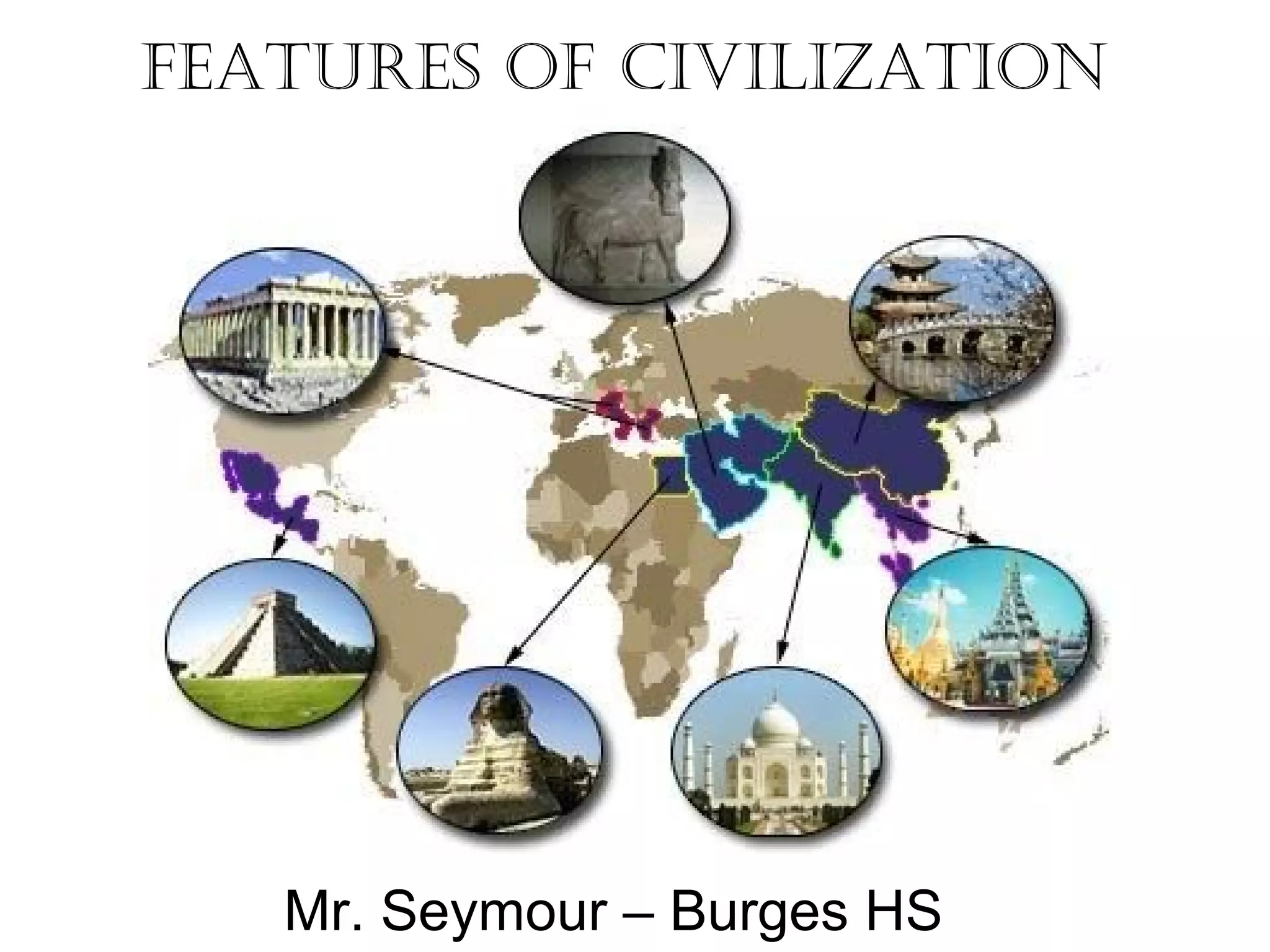
Features oF Civilization 
Mr. Seymour – Burges HS
Aim: What are the basic 
features of a civilization? 
• Do Now: Copy in notes 
• Civilization – A complex highly organized 
social order 
• Cities where the main feature of a 
civilization. The first cities evolved along 
? valleys where fertile land created a food 
surplus. 
• What word is missing here?
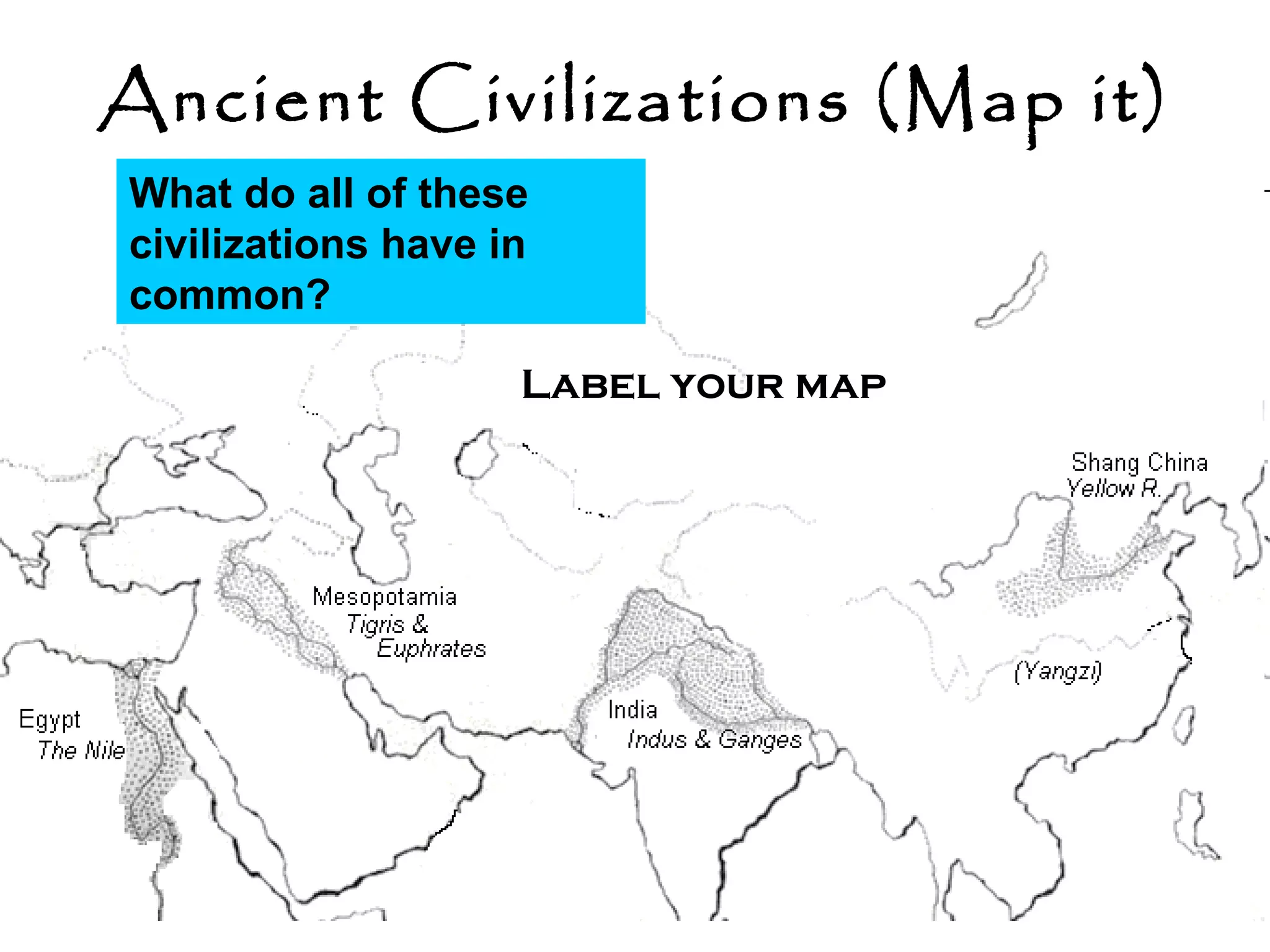
Ancient Civilizations (Map it) 
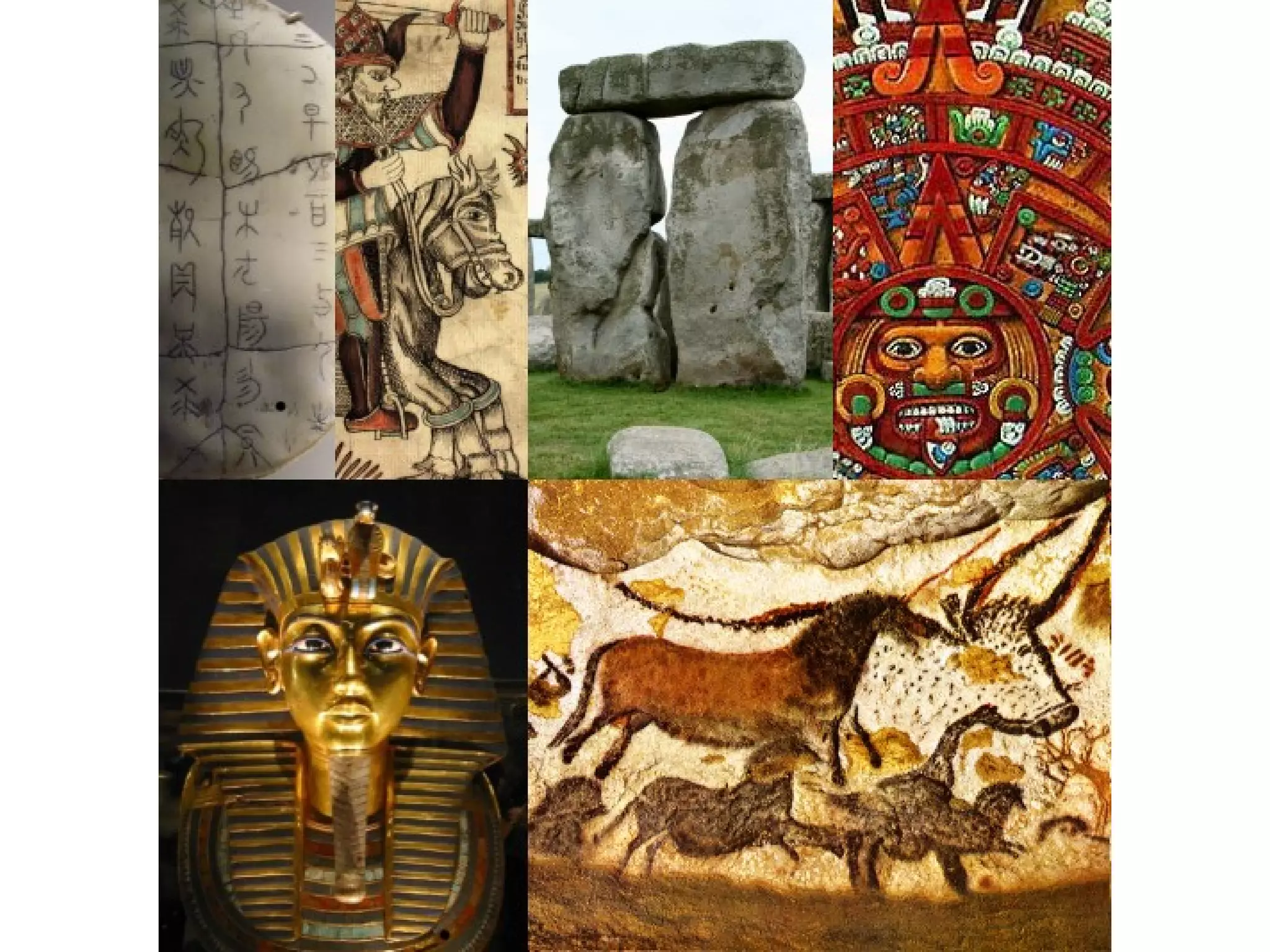
What do all of these 
civilizations have in 
common? 
Label your map
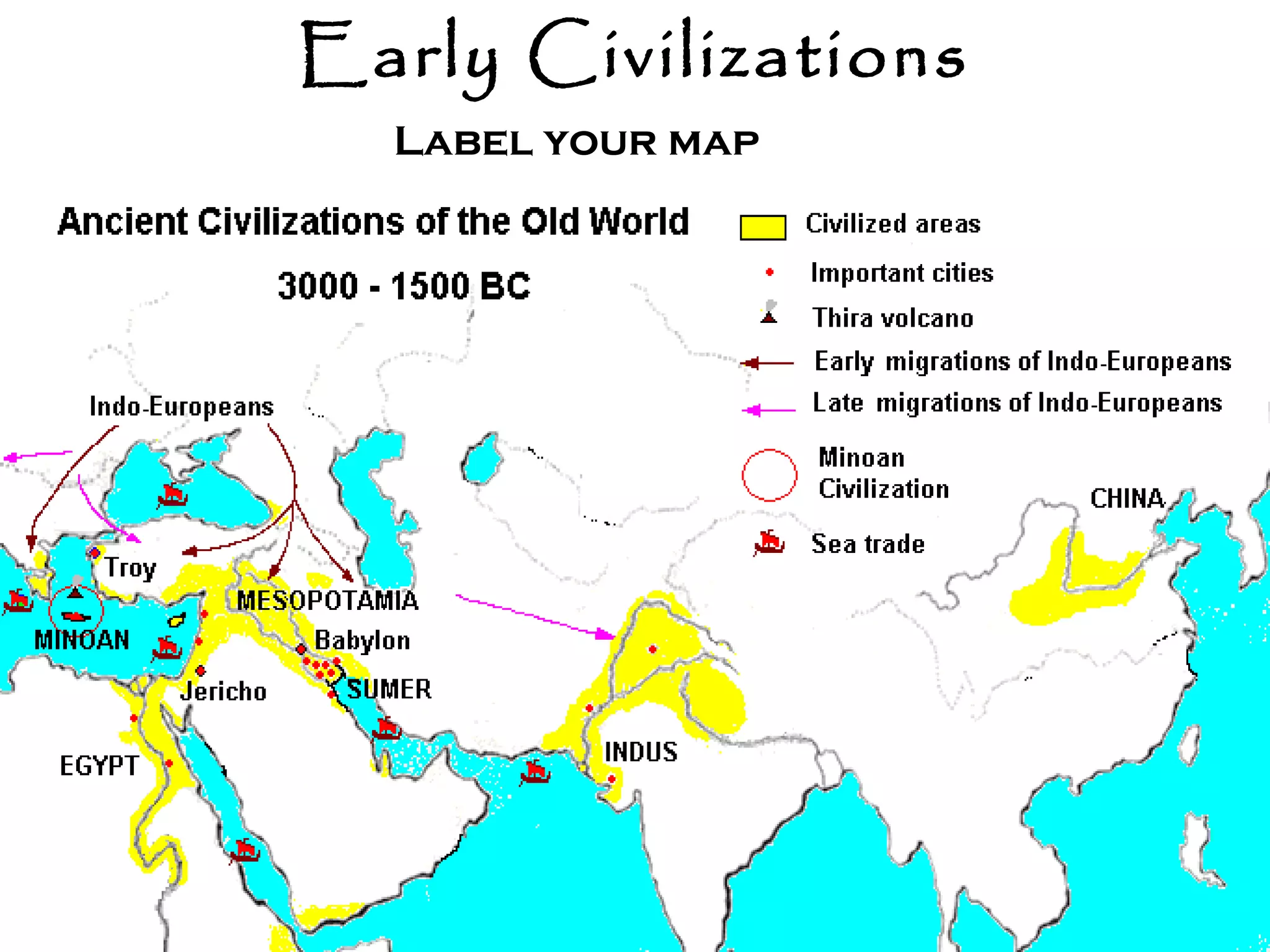
Early Civilizations 
Label your map
Common Features of Civilization 
• Civilizations have certain characteristics in 
common. These include: 
– Advanced Cities and Architecture – Cities are centers of trade. They 
generally have large and diverse populations and advanced forms of architecture 
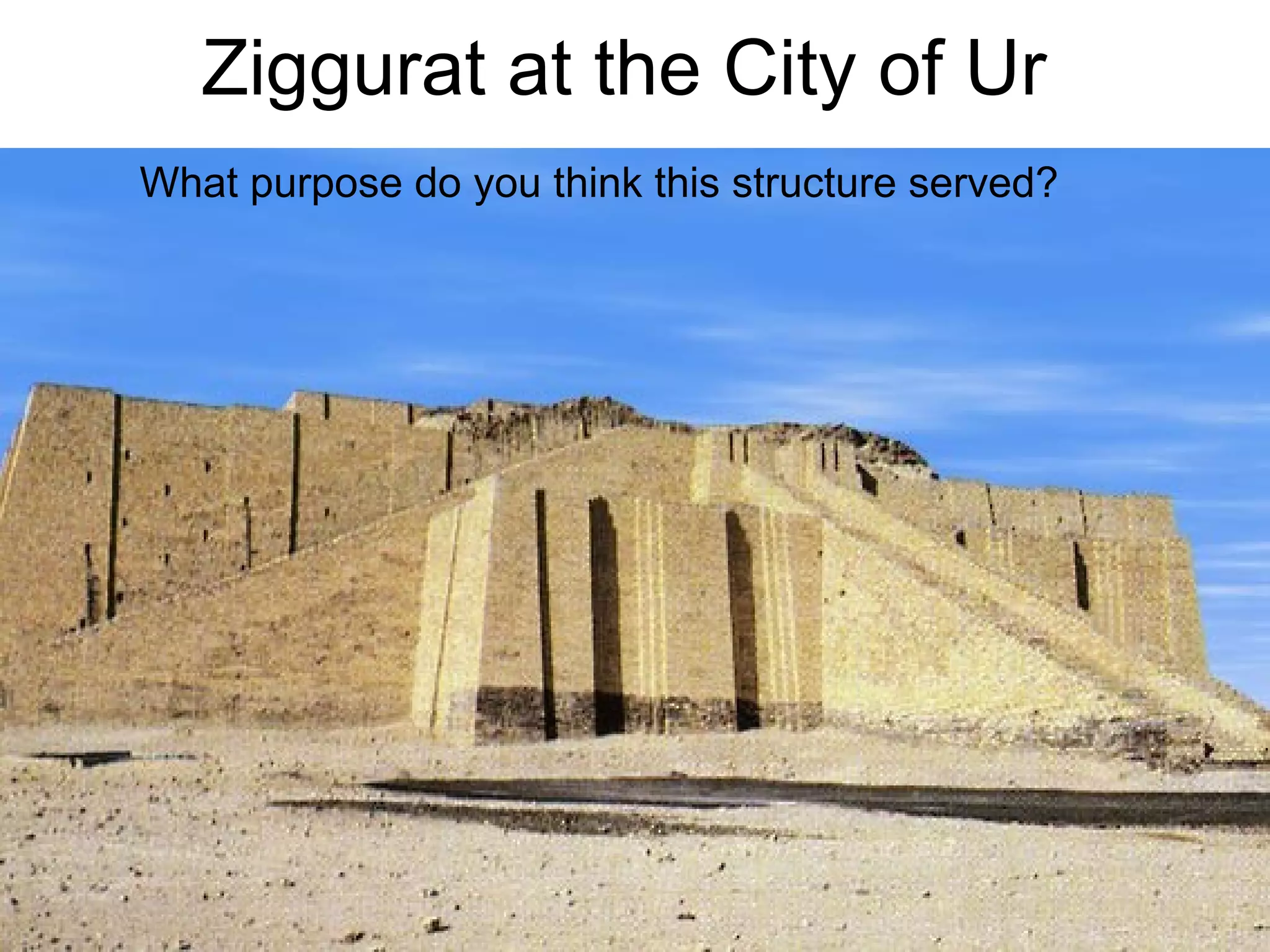
(like the Ziggurat in Babylonia) 
– Advanced Technology – Technology is defined as any tool, invention, or 
discovery that allows humans to work faster or more efficiently. These can be as 
simple as stone tools and farming implements or as advanced as today’s 
computers. 
– Complex Institutions - Including government, religion, and other formal 
institutions. 
– Specialized Workers - People who do one or a few things well. Examples 
include farmers, potters, basket weavers, stone masons, iron workers, priests, 
scribes, government workers, etc. 
– Systems of Recordkeeping – History doesn’t really begin until the first 
written records. Everything before it is considered “pre-history.” Keeping a 
written record of even the simplest things in a society (such as trade) and/or 
forms of literature, personal recollections, diaries, etc. help historians understand 
the collective past. It is how we communicate with future generations.
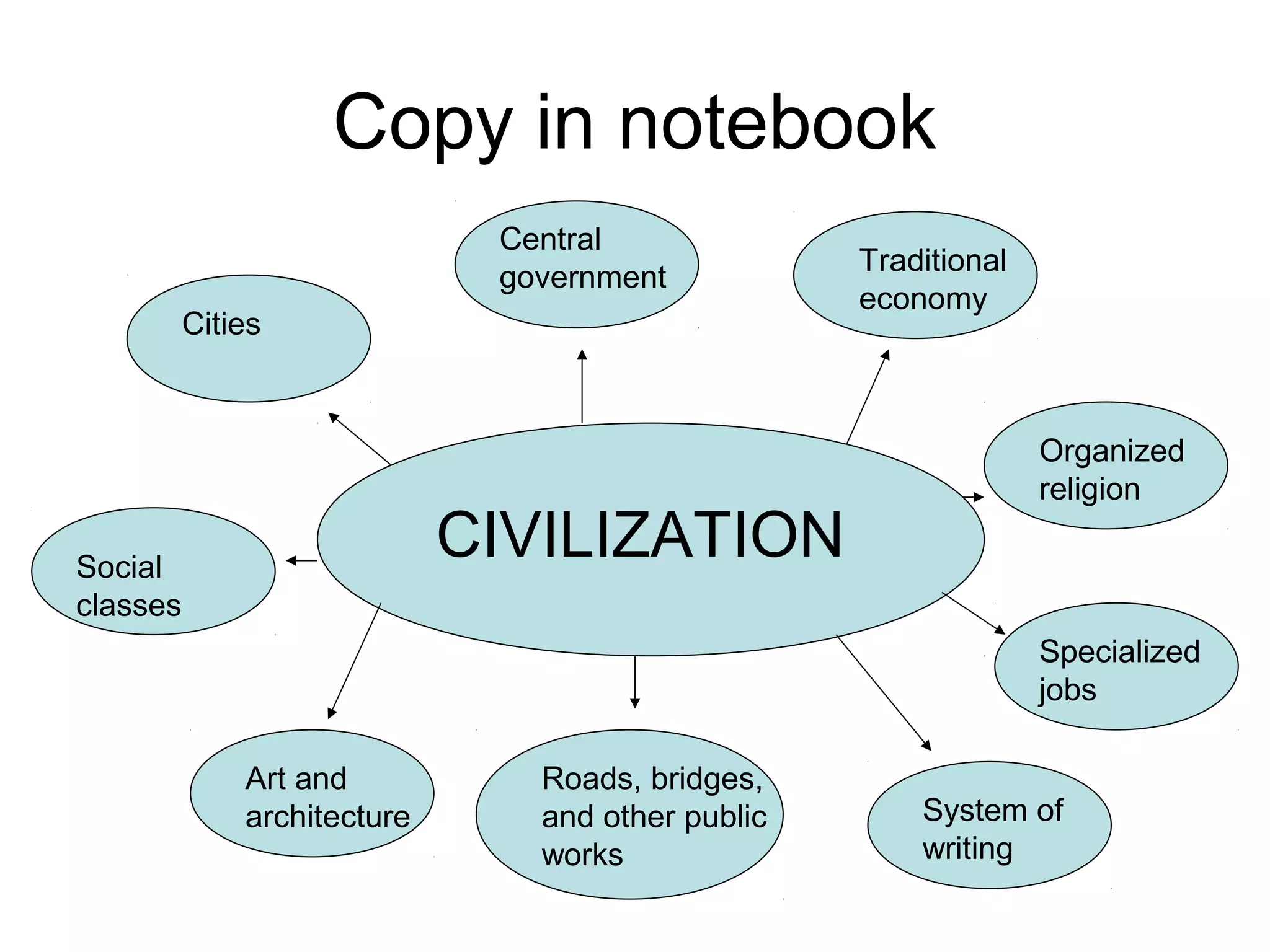
Copy in notebook 
CIVILIZATION 
Cities 
Central 
government Traditional 
economy 
Organized 
religion 
Social 
classes 
Art and 
architecture 
Roads, bridges, 
and other public 
works 
Specialized 
jobs 
System of 
writing
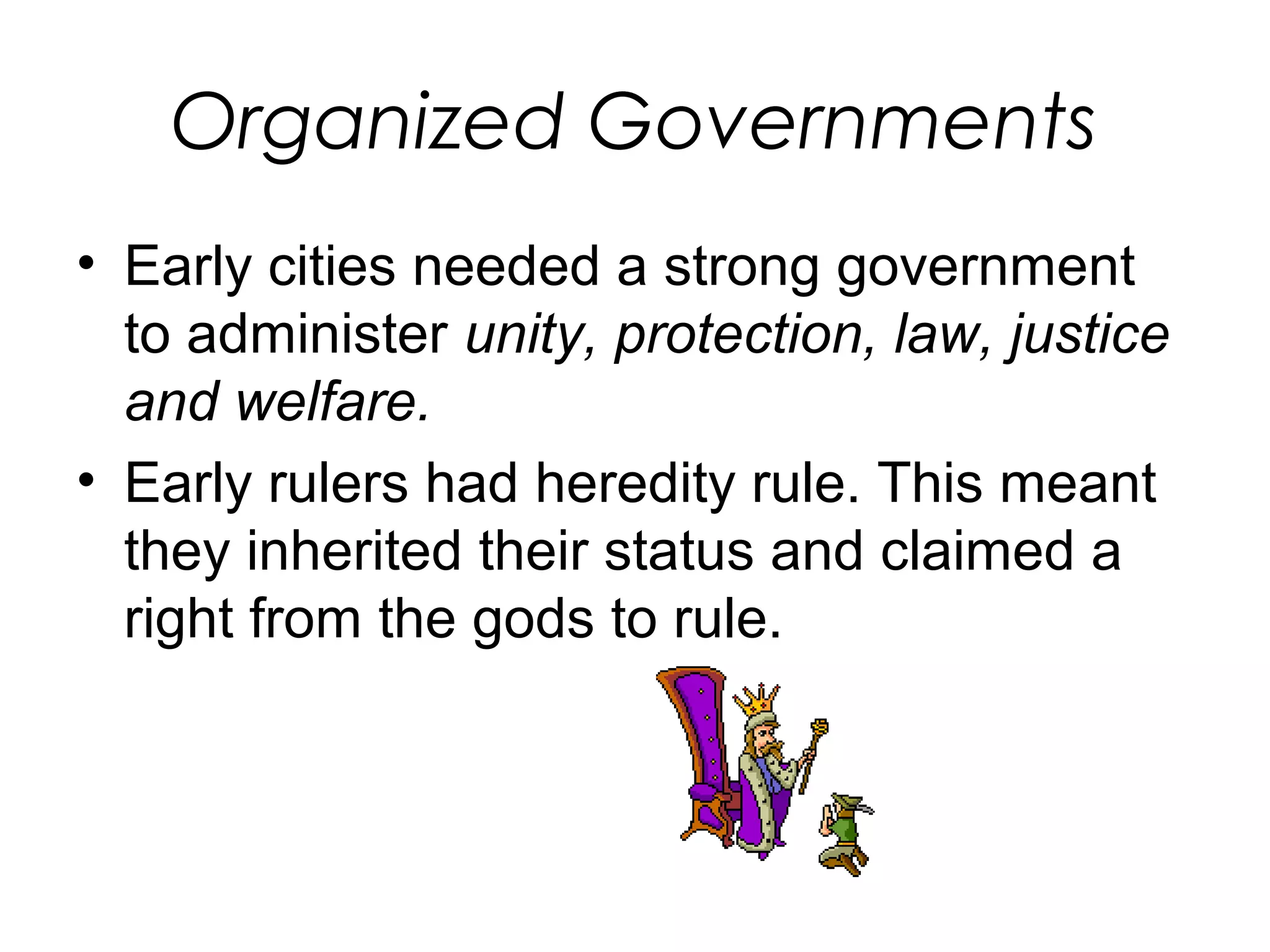
Organized Governments 
• Early cities needed a strong government 
to administer unity, protection, law, justice 
and welfare. 
• Early rulers had heredity rule. This meant 
they inherited their status and claimed a 
right from the gods to rule.
Activity 
• How does our government provide the 
following? Give examples 
– Unity 
– Protection 
– Law 
– Justice 
– Welfare
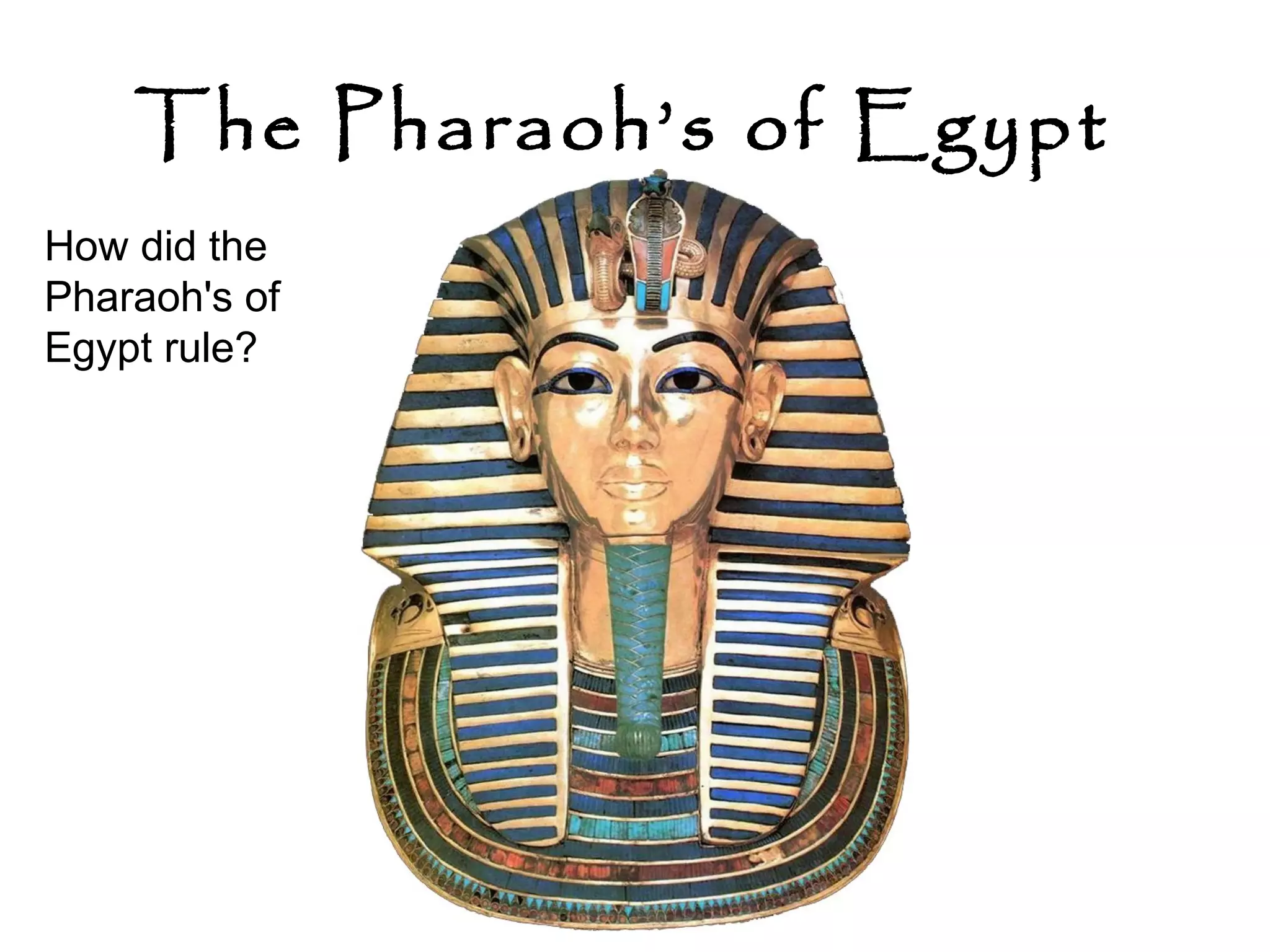
The Pharaoh’s of Egypt 
How did the 
Pharaoh's of 
Egypt rule?
Ziggurat at the City of Ur 
What purpose do you think this structure served?
Complex InstItutIons 
(RelIgIon) 
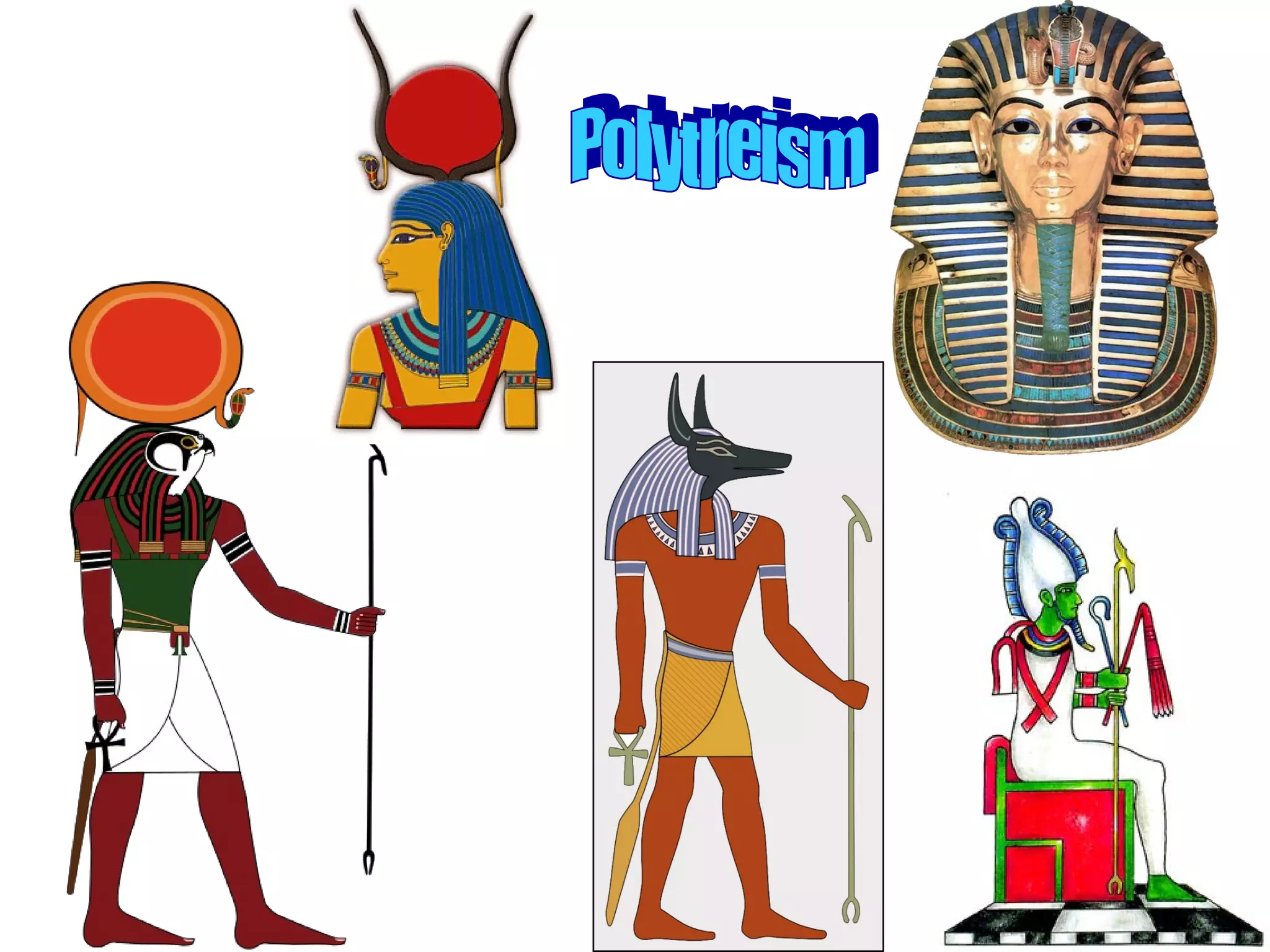
• Most ancient people were polytheistic, 
which means they believed in many gods 
who controlled the forces of nature and 
peoples lives.
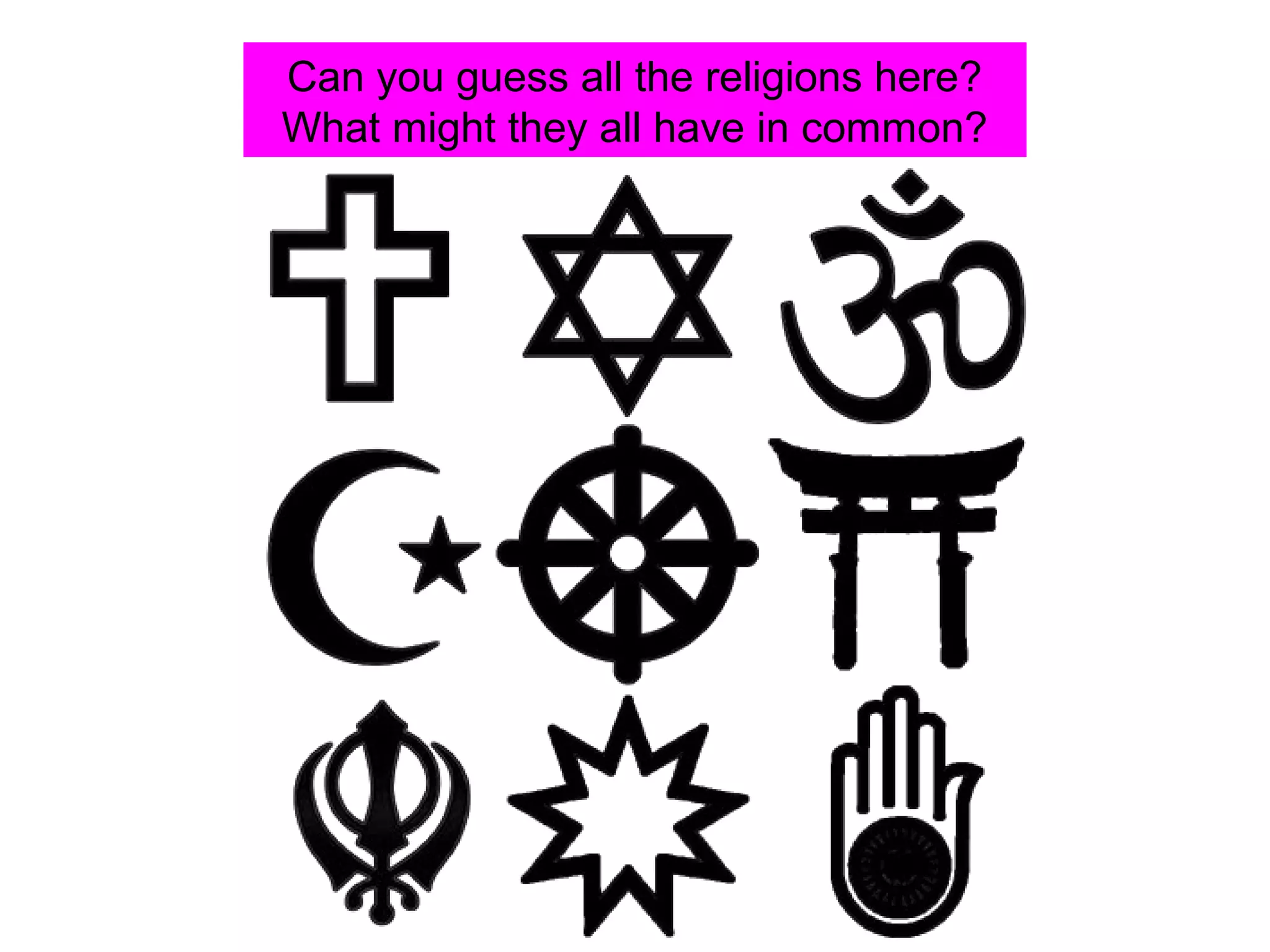
Can you guess all the religions here? 
What might they all have in common?
Job Specialization 
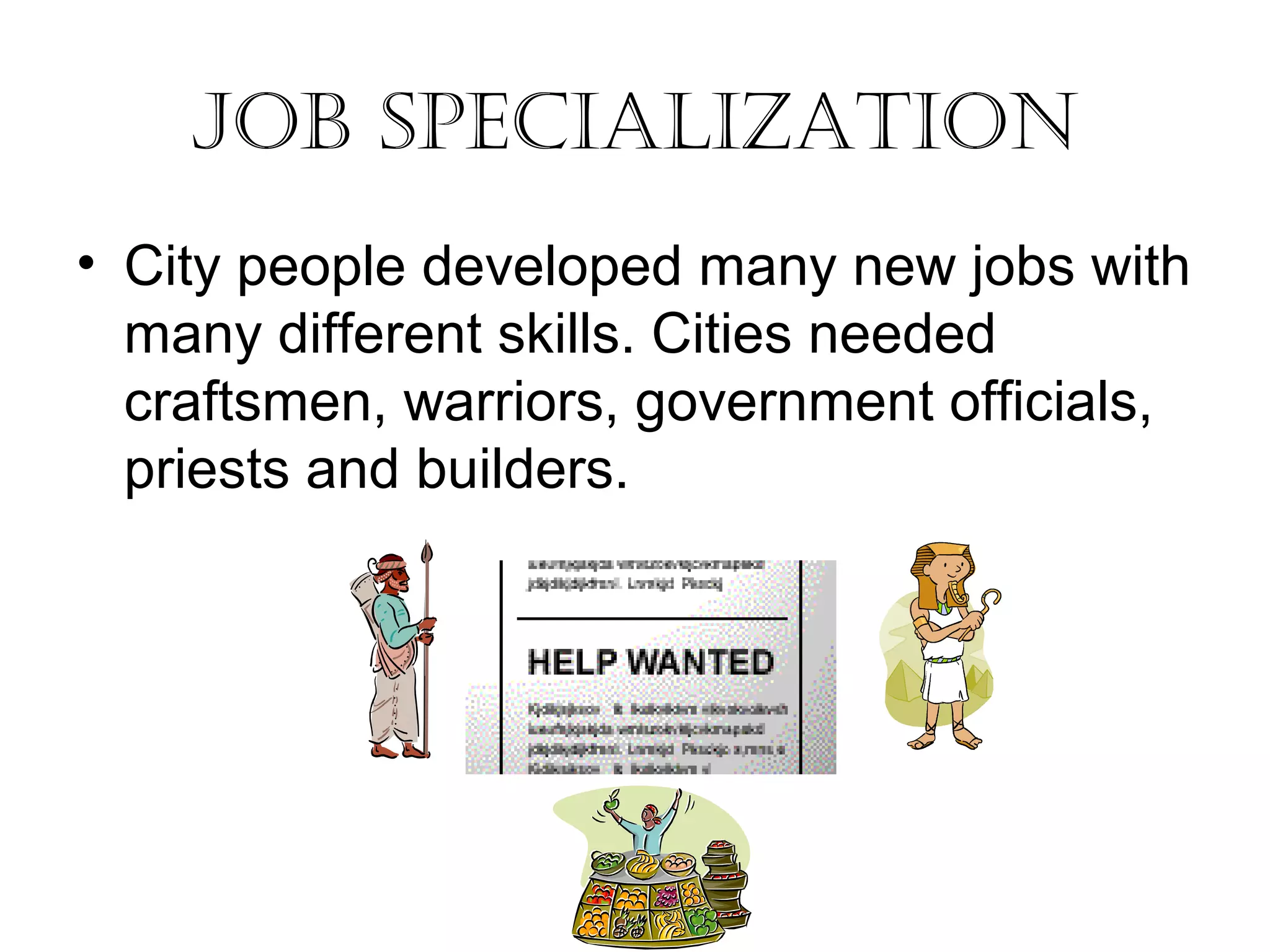
• City people developed many new jobs with 
many different skills. Cities needed 
craftsmen, warriors, government officials, 
priests and builders.
Social claSSeS 
• In cities people were ranked according to 
their jobs. 
• Priests and nobles (top) 
• merchants and artisans (middle) 
• Farmers (near the bottom) 
• Slaves (at the bottom)
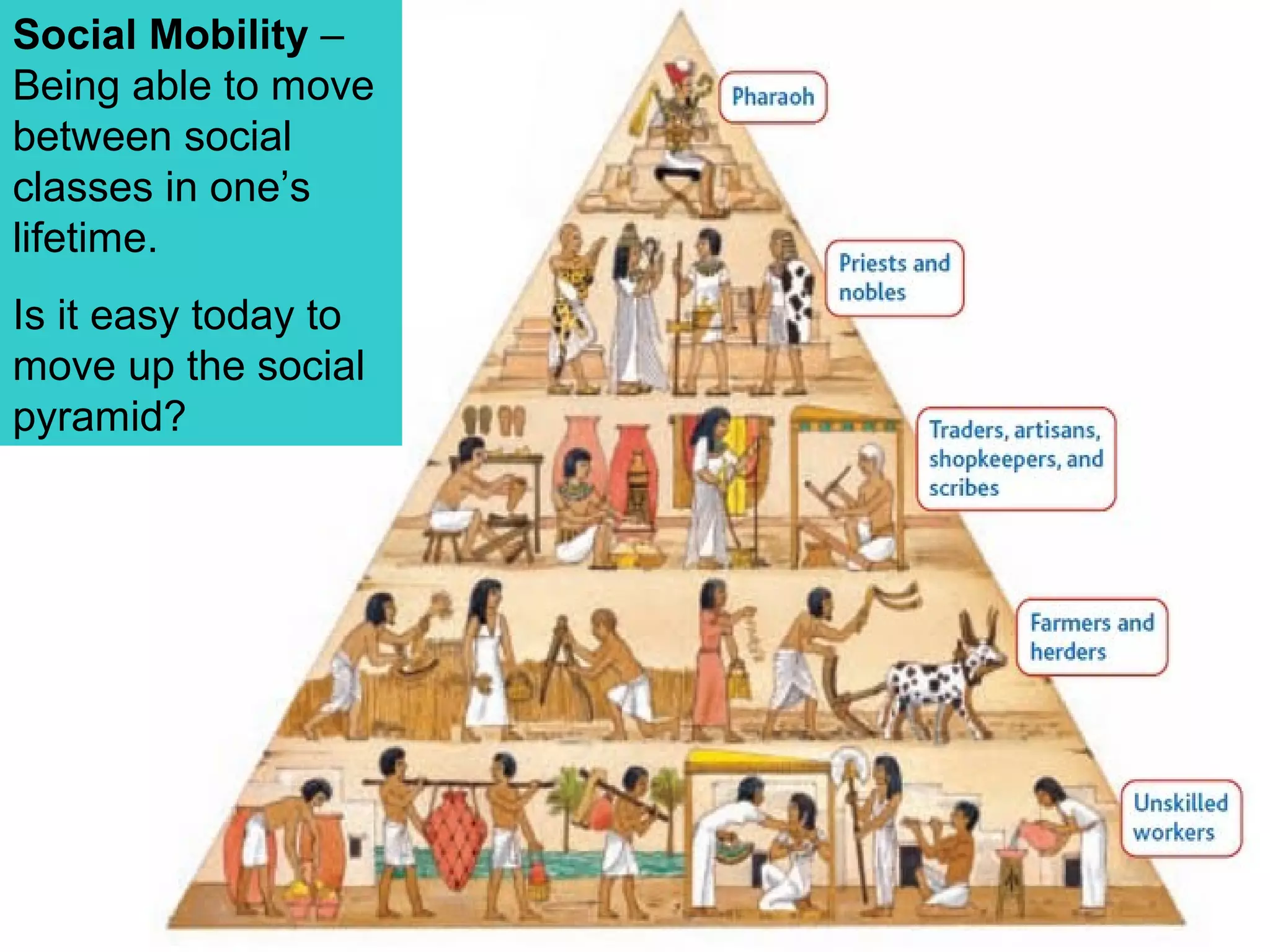
Social Mobility – 
Being able to move 
between social 
classes in one’s 
lifetime. 
Is it easy today to 
move up the social 
pyramid?
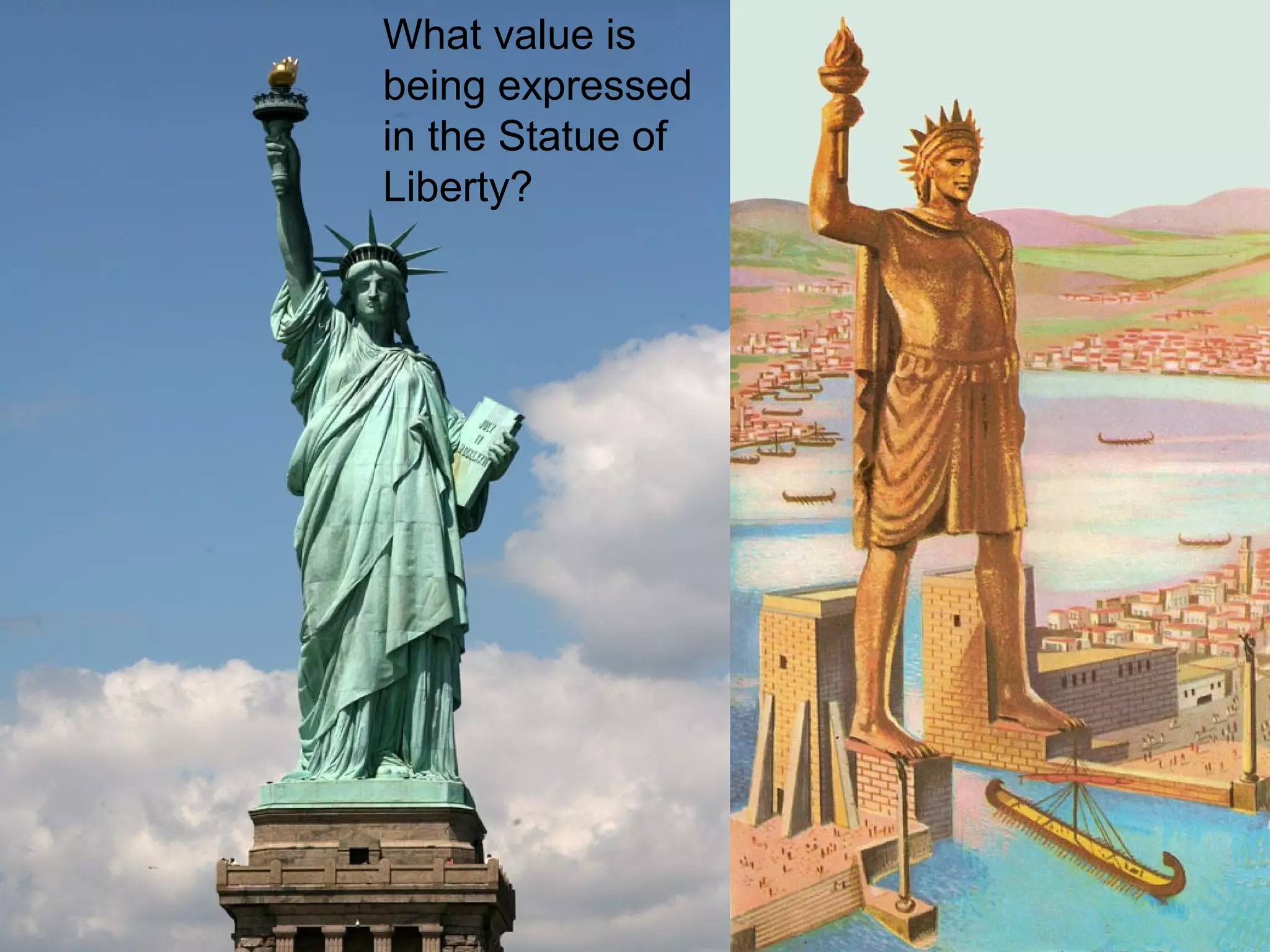
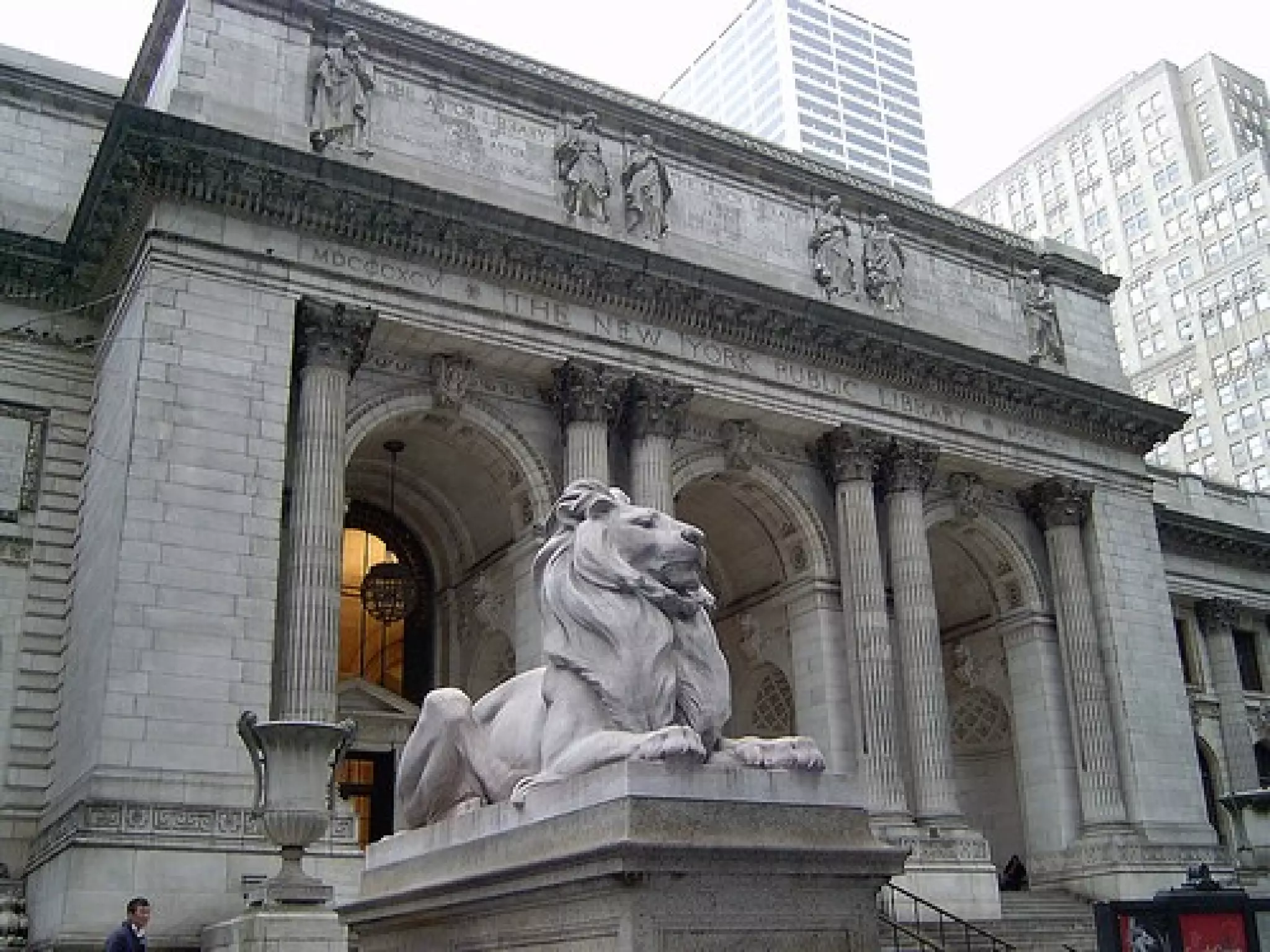
Art and Architecture 
• The art and architecture of a civilization 
expressed the values and beliefs of the 
people that create them. Such monuments 
reassure people of the power of their 
government and religion
What value is 
being expressed 
in the Statue of 
Liberty?
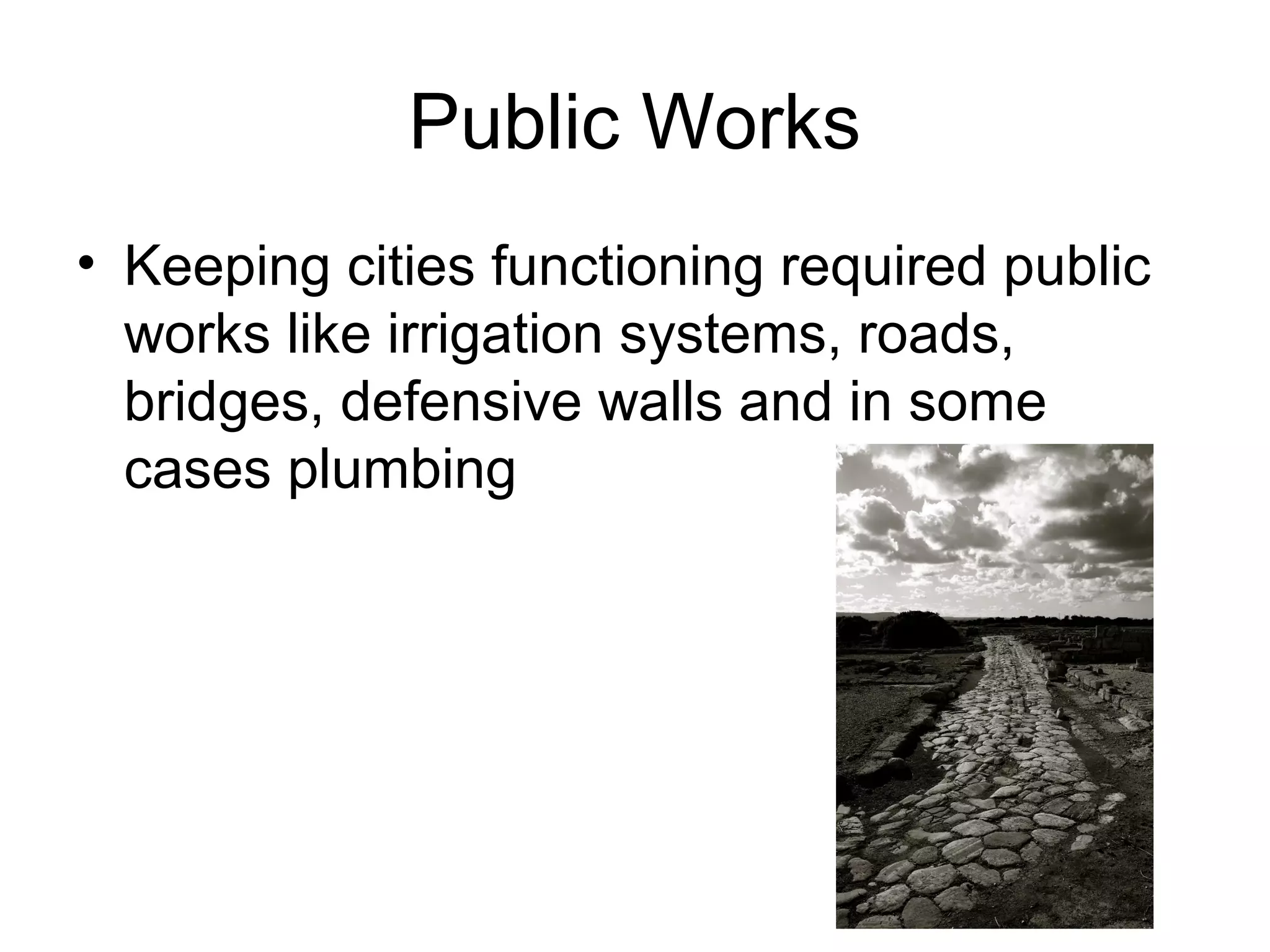
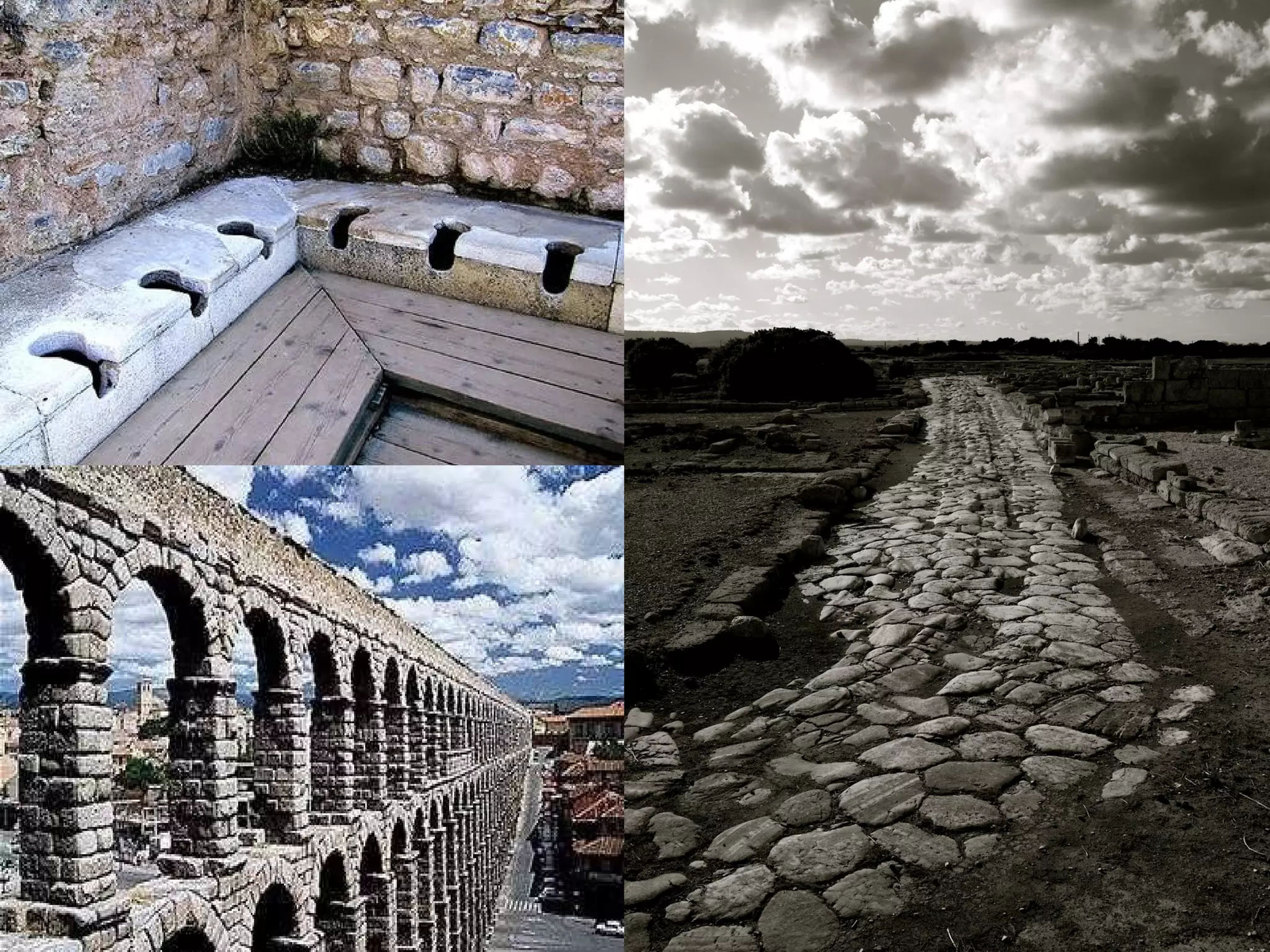
Public Works 
• Keeping cities functioning required public 
works like irrigation systems, roads, 
bridges, defensive walls and in some 
cases plumbing
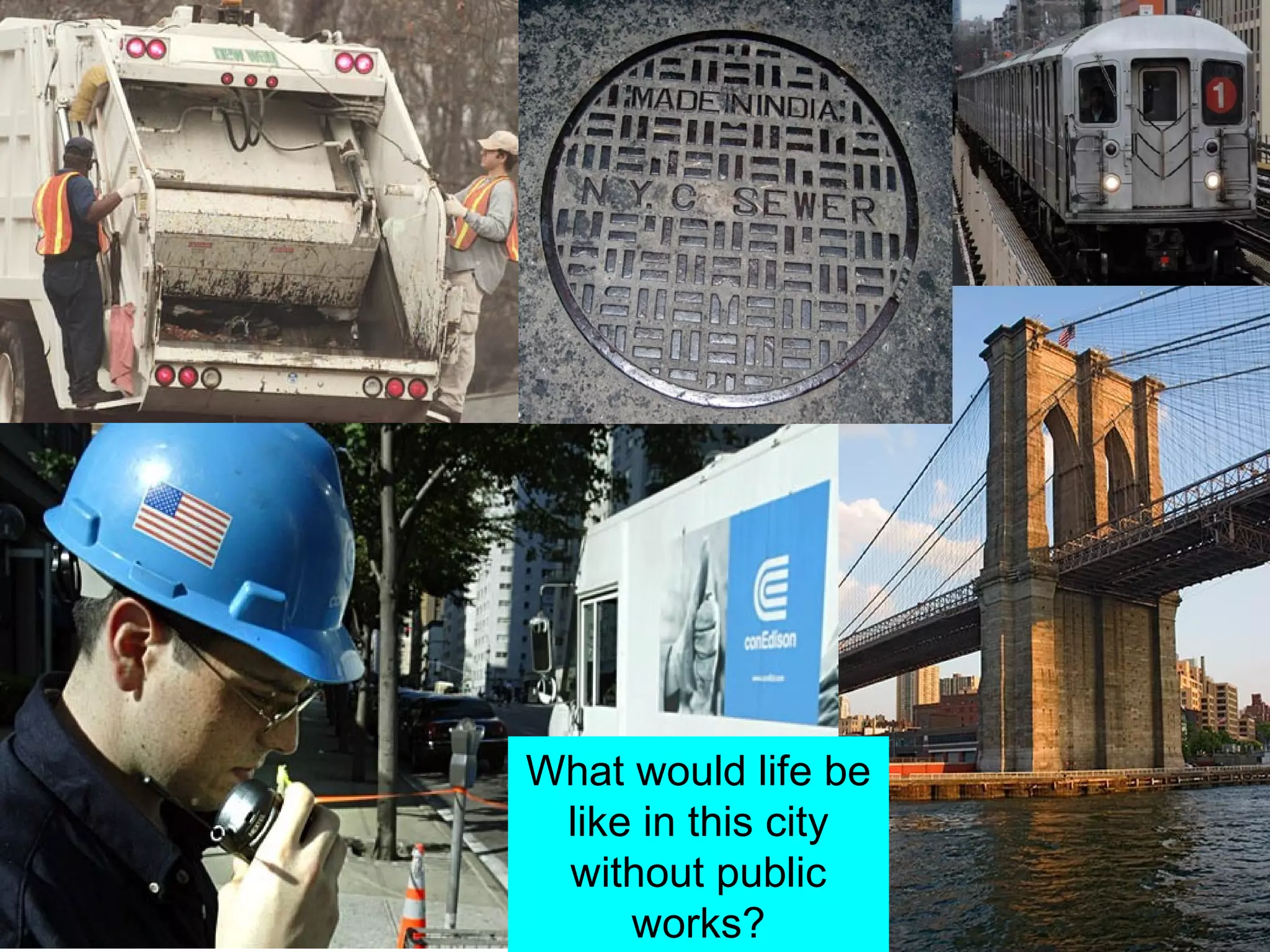
What would life be 
like in this city 
without public 
works?
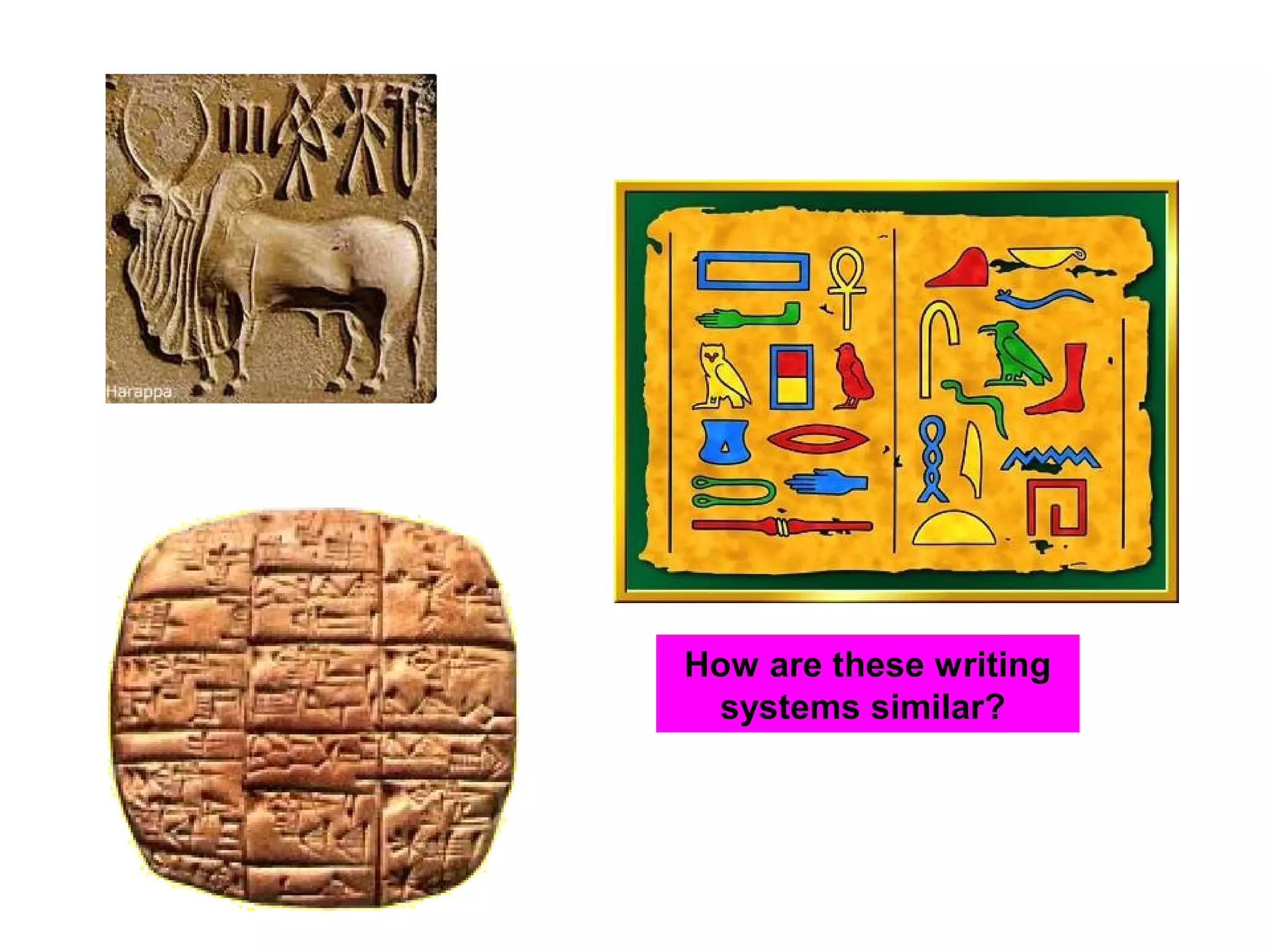
Writing 
• Writing was needed for record keeping 
regarding taxes, trade, written laws and 
calendars. 
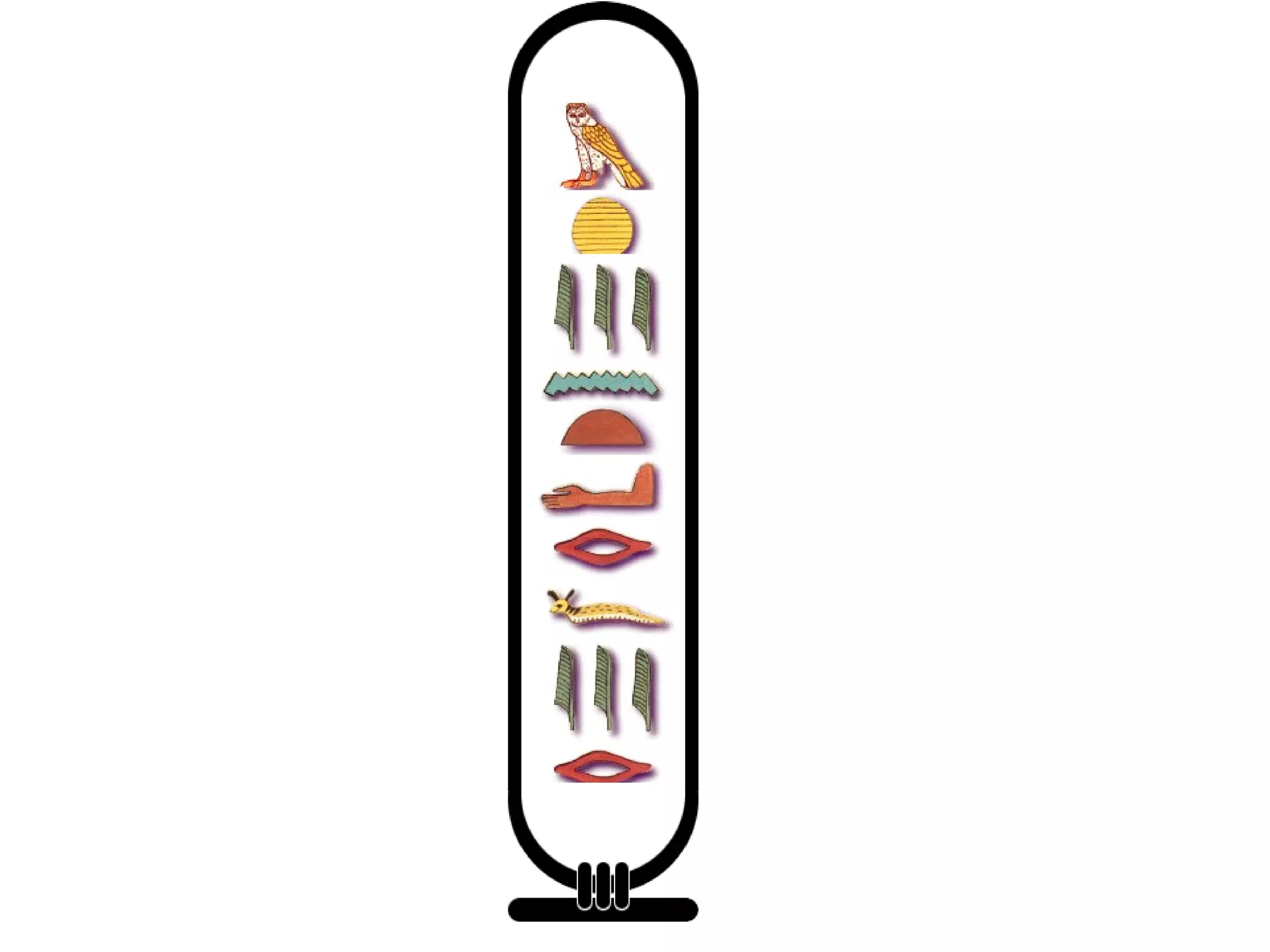
• Early writing was made up of pictograms 
(simple drawings)
How are these writing 
systems similar?
Summary Assessment 
• What purpose does government serve in any organized 
society? 
• Religions around the world have similar beliefs and 
values. How does religion contribute to an orderly 
society? 
• What different kinds of specialized jobs did civilized 
people have? 
• Who occupied the top, middle and lowest social classes 
of ancient cities? 
• What does art and architecture tell us about a society? 
• What public works did ancient cities have? 
• What kind of writing did early people have? What was 
record keeping important?
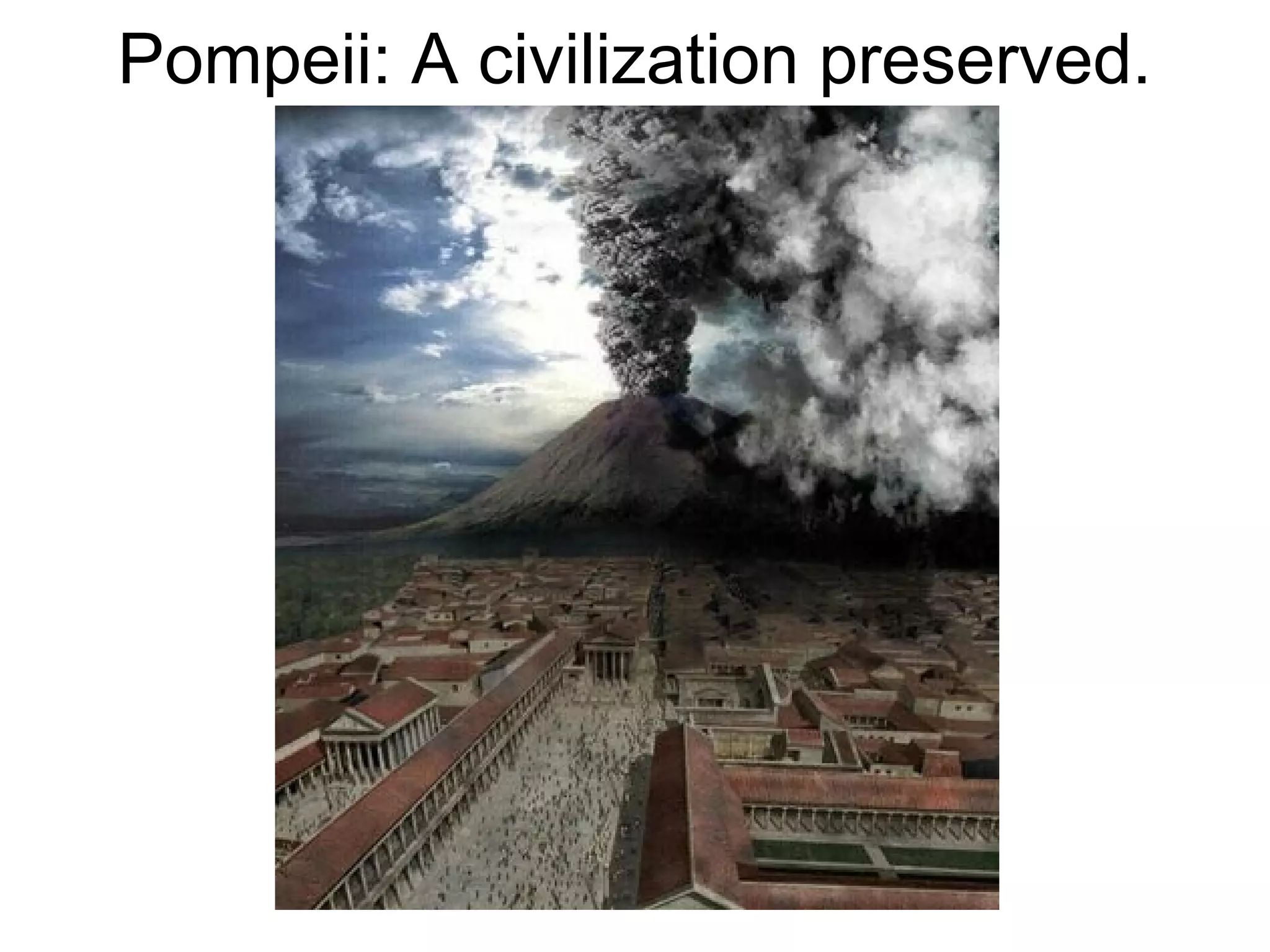
Pompeii: A civilization preserved.
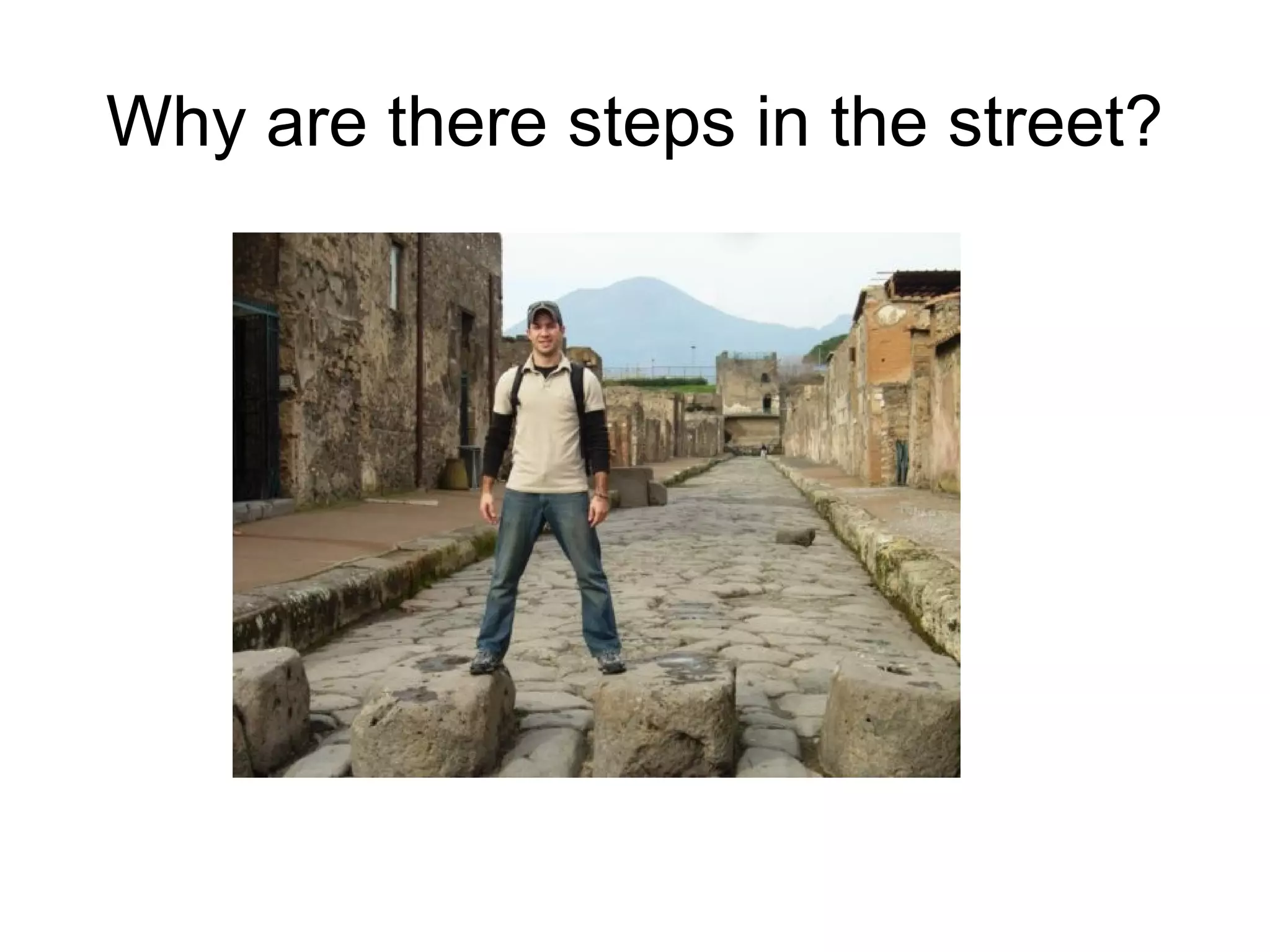
Why are there steps in the street?
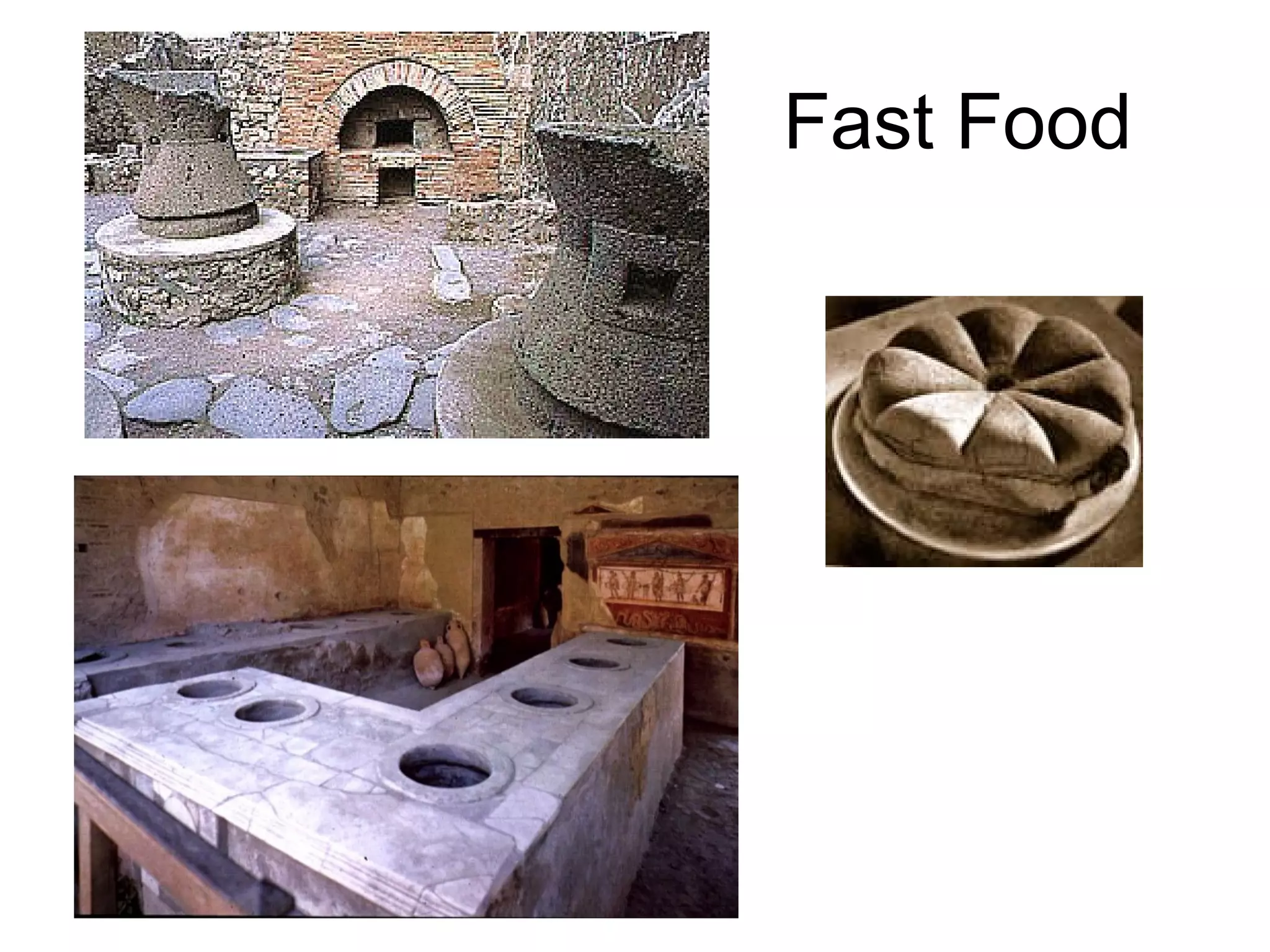
Fast Food
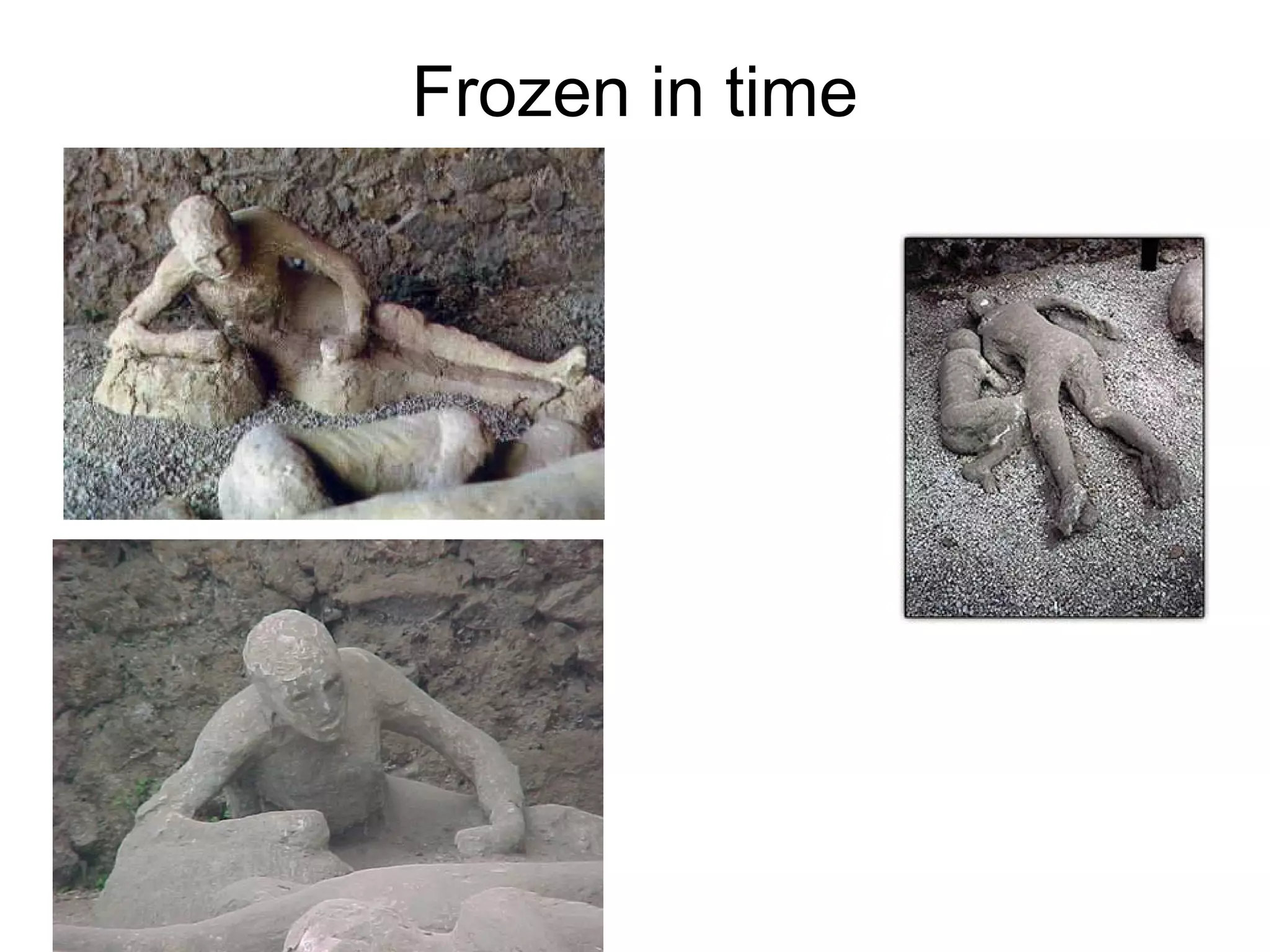
Frozen in time

World History - Characteristics of civilization Module 1

  • 1.
    Features oF Civilization Mr. Seymour – Burges HS
  • 2.
    Aim: What arethe basic features of a civilization? • Do Now: Copy in notes • Civilization – A complex highly organized social order • Cities where the main feature of a civilization. The first cities evolved along ? valleys where fertile land created a food surplus. • What word is missing here?
  • 3.
    Ancient Civilizations (Mapit) What do all of these civilizations have in common? Label your map
  • 4.
  • 6.
    Common Features ofCivilization • Civilizations have certain characteristics in common. These include: – Advanced Cities and Architecture – Cities are centers of trade. They generally have large and diverse populations and advanced forms of architecture (like the Ziggurat in Babylonia) – Advanced Technology – Technology is defined as any tool, invention, or discovery that allows humans to work faster or more efficiently. These can be as simple as stone tools and farming implements or as advanced as today’s computers. – Complex Institutions - Including government, religion, and other formal institutions. – Specialized Workers - People who do one or a few things well. Examples include farmers, potters, basket weavers, stone masons, iron workers, priests, scribes, government workers, etc. – Systems of Recordkeeping – History doesn’t really begin until the first written records. Everything before it is considered “pre-history.” Keeping a written record of even the simplest things in a society (such as trade) and/or forms of literature, personal recollections, diaries, etc. help historians understand the collective past. It is how we communicate with future generations.
  • 7.
    Copy in notebook CIVILIZATION Cities Central government Traditional economy Organized religion Social classes Art and architecture Roads, bridges, and other public works Specialized jobs System of writing
  • 8.
    Organized Governments •Early cities needed a strong government to administer unity, protection, law, justice and welfare. • Early rulers had heredity rule. This meant they inherited their status and claimed a right from the gods to rule.
  • 9.
    Activity • Howdoes our government provide the following? Give examples – Unity – Protection – Law – Justice – Welfare
  • 10.
    The Pharaoh’s ofEgypt How did the Pharaoh's of Egypt rule?
  • 11.
    Ziggurat at theCity of Ur What purpose do you think this structure served?
  • 12.
    Complex InstItutIons (RelIgIon) • Most ancient people were polytheistic, which means they believed in many gods who controlled the forces of nature and peoples lives.
  • 13.
    Can you guessall the religions here? What might they all have in common?
  • 16.
    Job Specialization •City people developed many new jobs with many different skills. Cities needed craftsmen, warriors, government officials, priests and builders.
  • 17.
    Social claSSeS •In cities people were ranked according to their jobs. • Priests and nobles (top) • merchants and artisans (middle) • Farmers (near the bottom) • Slaves (at the bottom)
  • 18.
    Social Mobility – Being able to move between social classes in one’s lifetime. Is it easy today to move up the social pyramid?
  • 19.
    Art and Architecture • The art and architecture of a civilization expressed the values and beliefs of the people that create them. Such monuments reassure people of the power of their government and religion
  • 20.
    What value is being expressed in the Statue of Liberty?
  • 21.
    Public Works •Keeping cities functioning required public works like irrigation systems, roads, bridges, defensive walls and in some cases plumbing
  • 22.
    What would lifebe like in this city without public works?
  • 24.
    Writing • Writingwas needed for record keeping regarding taxes, trade, written laws and calendars. • Early writing was made up of pictograms (simple drawings)
  • 26.
    How are thesewriting systems similar?
  • 28.
    Summary Assessment •What purpose does government serve in any organized society? • Religions around the world have similar beliefs and values. How does religion contribute to an orderly society? • What different kinds of specialized jobs did civilized people have? • Who occupied the top, middle and lowest social classes of ancient cities? • What does art and architecture tell us about a society? • What public works did ancient cities have? • What kind of writing did early people have? What was record keeping important?
  • 29.
  • 30.
    Why are theresteps in the street?
  • 31.
  • 32.