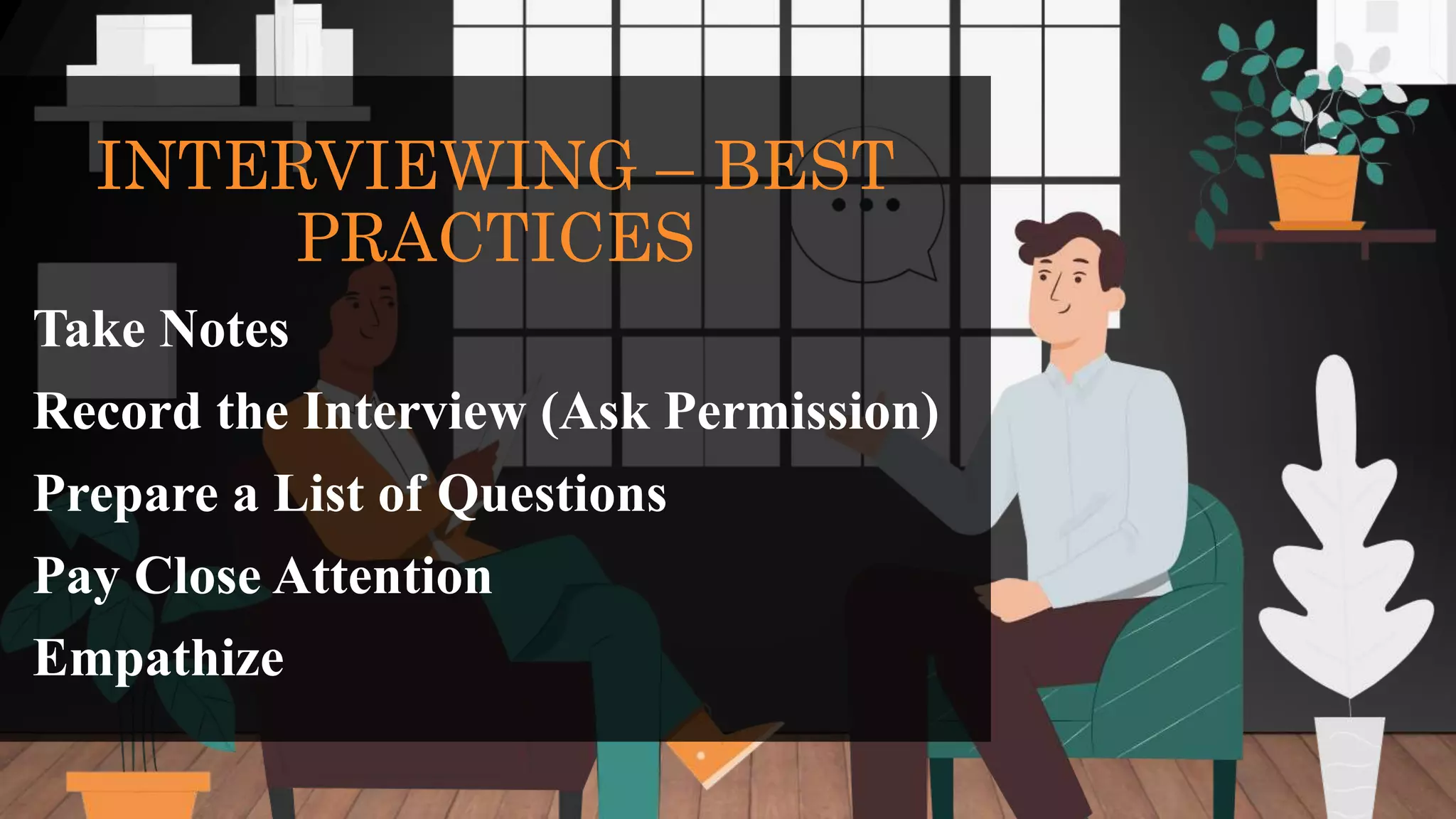
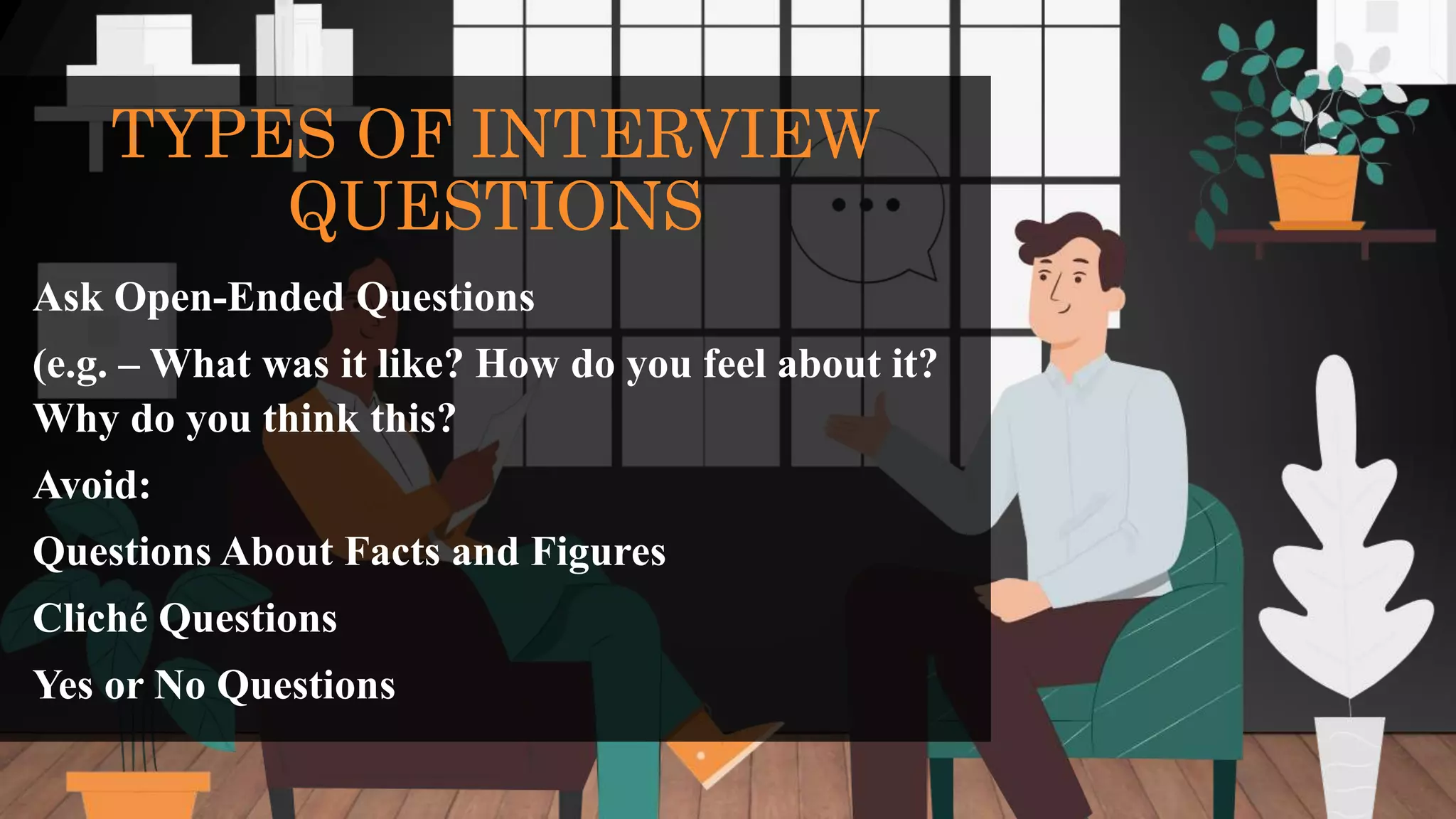
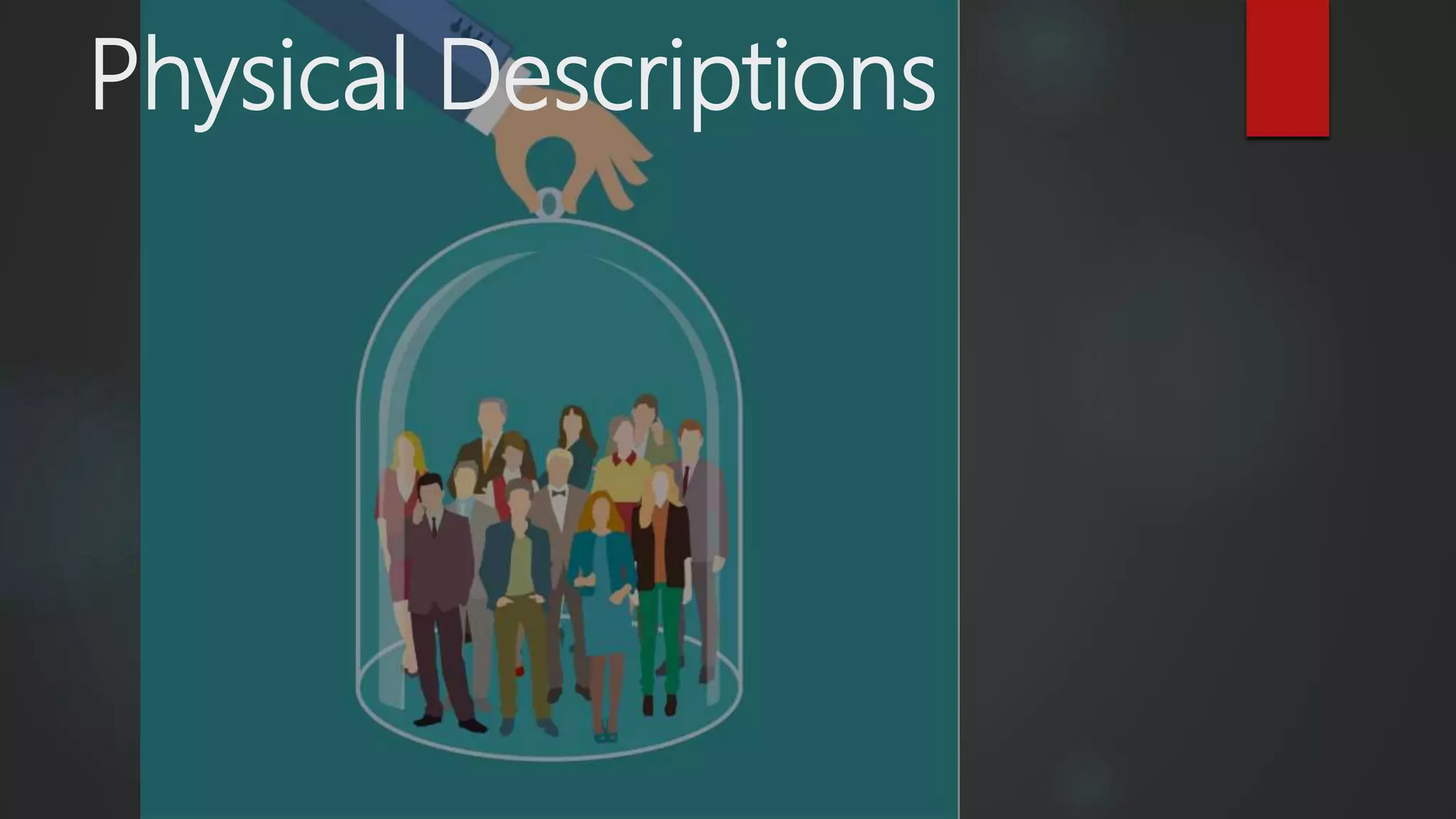
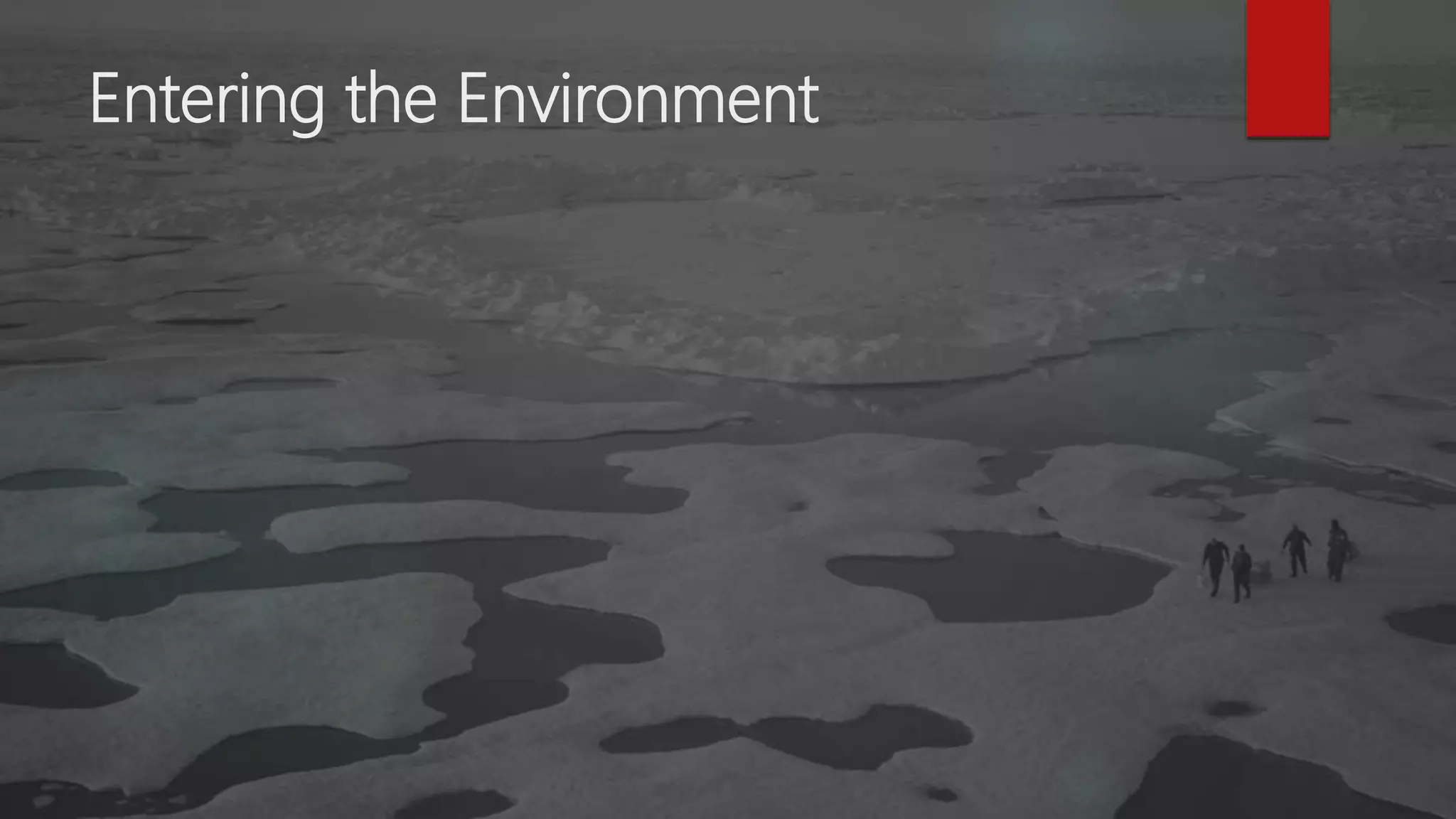
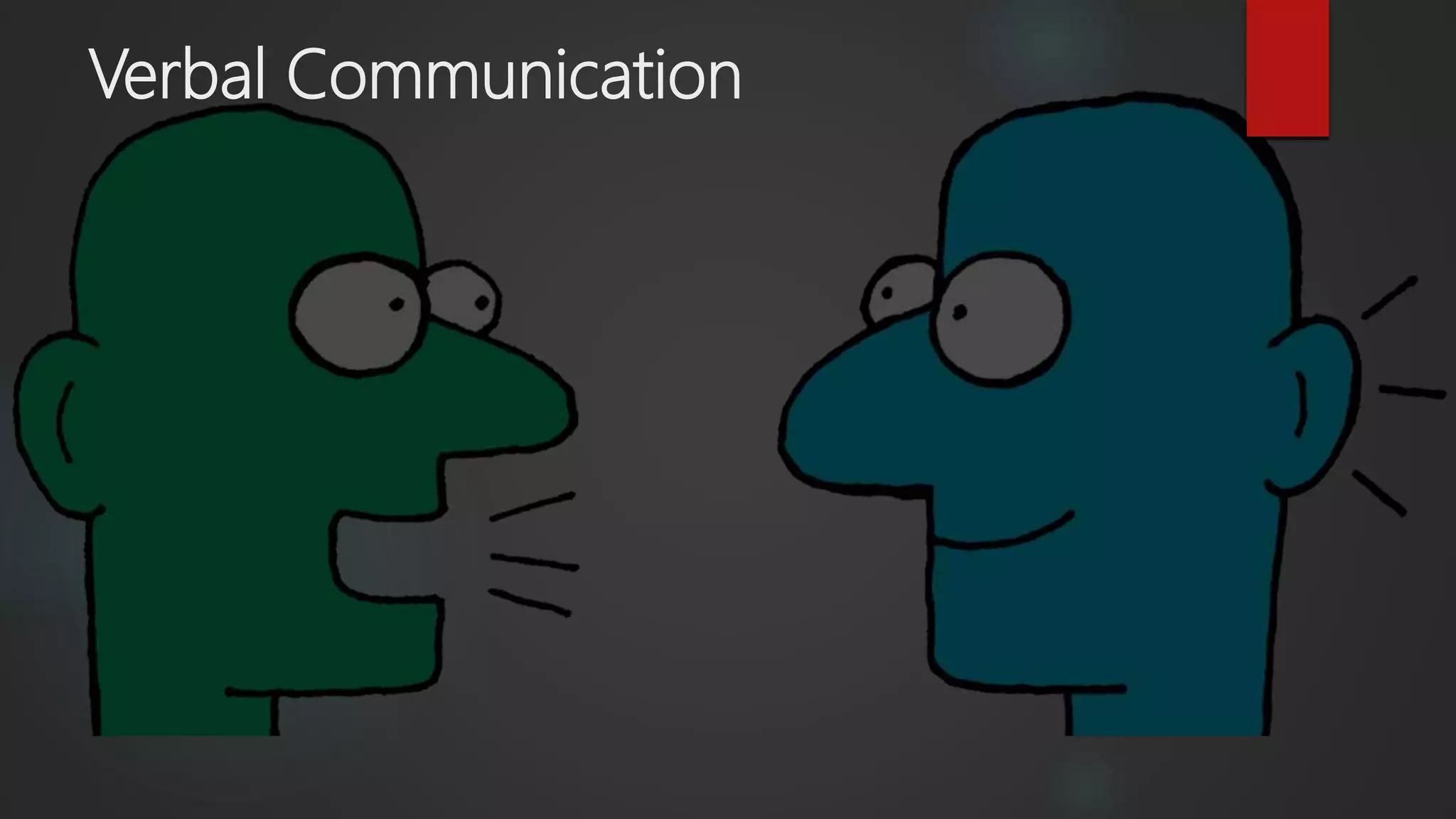
The document provides best practices for conducting interviews including taking notes, recording with permission, preparing questions, and paying close attention. It discusses open-ended questions to avoid yes or no questions. For citations, it explains that personal interviews are cited with the interviewee's name, descriptor, and date in MLA but only with a parenthetical citation in APA. It also discusses elements to include when writing an observation essay such as establishing details through procedures, descriptions, quantities, and communication methods used.
![Personal Interviews in MLA citation
Personal interviews refer to those interviews that
you conduct yourself. List the interview by the
name of the interviewee. Include the descriptor
“Interview,” “Conducted by [your name],” and the
date of the interview.
Ex.: Smith, Jane. Interview. Conducted by John Smith, 19 May 2014.
For the in-text citation, simply include the
Interview subject’s last name in parenthesis:
(Smith)](https://image.slidesharecdn.com/week7highlights-210309040505/75/Week-7-highlights-3-2048.jpg)






![mark [Autosaved].ppt](https://cdn.slidesharecdn.com/ss_thumbnails/markautosaved-230818103222-21644599-thumbnail.jpg?width=640&height=640&fit=bounds)

![Non-Verbal misconception - Copy [Autosaved].pptx](https://cdn.slidesharecdn.com/ss_thumbnails/non-verbalmisconception-copyautosaved-220907033053-6edfedef-thumbnail.jpg?width=640&height=640&fit=bounds)
![mark [Autosaved].ppt](https://cdn.slidesharecdn.com/ss_thumbnails/markautosaved-231014033343-789ae37c-thumbnail.jpg?width=640&height=640&fit=bounds)


