Walmart In China
Agenda

  •Introduction
  •Industry Comparison
  •Key Issues
  •Analysis
  •Conclusion
Introduction

 Walmart Global
    •Founded in US in 1960
    •Fortune 500 company with 8400 units in 15 countries
    •$300+ billion in revenues

 Walmart China
    •First store in 1996 in Shenzhen
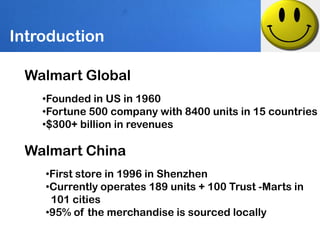
    •Currently operates 189 units + 100 Trust -Marts in
     101 cities
    •95% of the merchandise is sourced locally
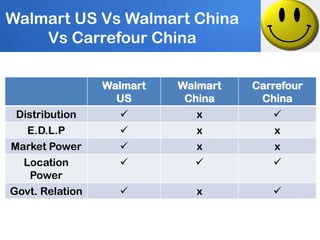
Walmart US Vs Walmart China
    Vs Carrefour China

                 Walmart   Walmart   Carrefour
                   US       China     China
 Distribution                x          
   E.D.L.P                  x          x
Market Power                x          x
  Location                            
   Power
Govt. Relation               x         
Key Issues

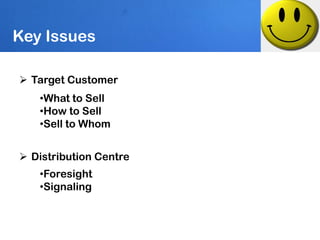
 Target Customer
   •What to Sell
   •How to Sell
   •Sell to Whom


 Distribution Centre
   •Foresight
   •Signaling
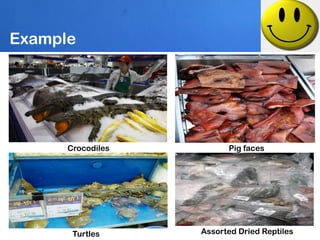
Going local: Why Selling Crocodiles
   is key to Walmart’s success.
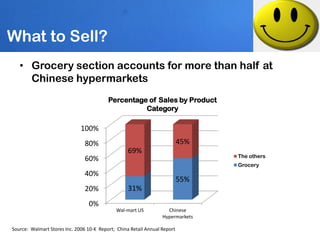
What to Sell?
   • Grocery section accounts for more than half at
     Chinese hypermarkets
                                          Percentage of Sales by Product
                                                    Category

                              100%
                                80%                                        45%
                                                   69%
                                                                                 The others
                                60%
                                                                                 Grocery
                                40%
                                                                           55%
                                20%                31%
                                 0%
                                             Wal-mart US            Chinese
                                                                  Hypermarkets

Source: Walmart Stores Inc. 2006 10-K Report; China Retail Annual Report
Example


      Crocodiles         Pig faces


       Turtles     Assorted Dried Reptiles
Targeting Quality: Why you can
bring Walmart to your wedding in
             China.
How to Sell: Quality over Price

 • Does EDLP work in China?
 • Local community stores have cost advantages
 • Chinese middle-class are willing to pay for quality
    – Better understanding of local market
    – Backed by Deloitte report
    – Food safety crisis in China
  • Multi-national big names mean higher quality
    in Chinese mindset
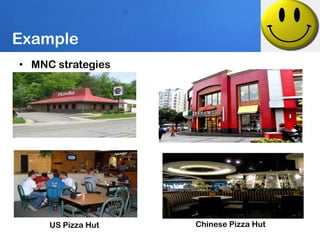
Example
• MNC strategies


     US Pizza Hut   Chinese Pizza Hut
Vertical Differentiation: Where
    would Goldilocks shop?
Sell to Whom
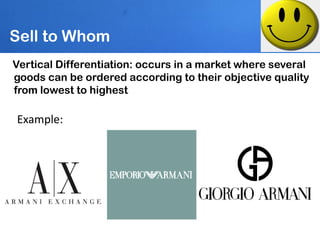
Vertical Differentiation: occurs in a market where several
goods can be ordered according to their objective quality
from lowest to highest

Example:
Vertical Differentiation
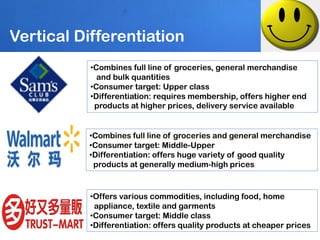
           •Combines full line of groceries, general merchandise
             and bulk quantities
           •Consumer target: Upper class
           •Differentiation: requires membership, offers higher end
            products at higher prices, delivery service available


          •Combines full line of groceries and general merchandise
          •Consumer target: Middle-Upper
          •Differentiation: offers huge variety of good quality
           products at generally medium-high prices


           •Offers various commodities, including food, home
            appliance, textile and garments
           •Consumer target: Middle class
           •Differentiation: offers quality products at cheaper prices
Distribution: Why Walmart
 Planned to Lose Money?
The Problem
Walmart China replicated its US distribution center model
building a center in Shenzhen in 1996 and Tianjin in 2003.

However, Walmart’s distribution centers didn’t keep costs
down compared to decentralized local distribution.

Key problems:
• Road infrastructure in China
• IT systems of suppliers
• Insufficient scale of stores
• Interprovincial ‘corruption’
• Local food distribution still required
Foresight:
Long-Run Success

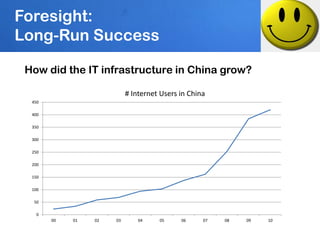
 How did the IT infrastructure in China grow?

                            # Internet Users in China
  450

  400

  350

  300

  250

  200

  150

  100

   50

    0
        00   01   02   03       04    05     06     07   08   09   10
Foresight:
Long-Run Success
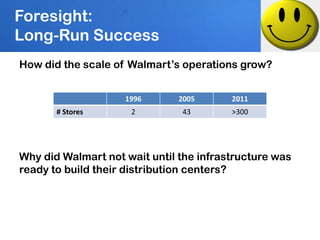
How did the scale of Walmart’s operations grow?


                    1996       2005      2011
       # Stores      2         43        >300


Why did Walmart not wait until the infrastructure was
ready to build their distribution centers?
Signaling:
The Role of Sunk Costs
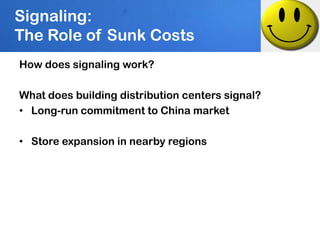
How does signaling work?

What does building distribution centers signal?
• Long-run commitment to China market

• Store expansion in nearby regions
Signaling:
Success vs. Failure
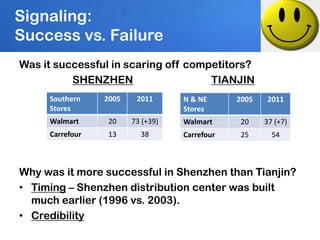
Was it successful in scaring off competitors?
          SHENZHEN                   TIANJIN
     Southern    2005    2011      N & NE      2005    2011
     Stores                        Stores
     Walmart     20     73 (+39)   Walmart     20     37 (+7)
     Carrefour   13       38       Carrefour   25       54


Why was it more successful in Shenzhen than Tianjin?
• Timing – Shenzhen distribution center was built
  much earlier (1996 vs. 2003).
• Credibility
Summary: Why Walmart
Built Distribution Centers
Believed they would be successful in the long-run and
give them competitive advantage.

Signal commitment to store expansion, which could
scare off competitors in that region by changing
payoffs, and China market.
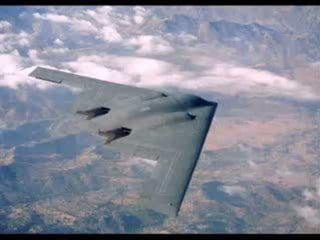
Application: The Role of
Sunk Costs
Conclusion
 • Knowledge is power
 • Position correctly
 • Signaling
 • Distribution network is key for an aggressive growth
   strategy
 • Must anticipate where future demand will be
   greatest when deciding store location
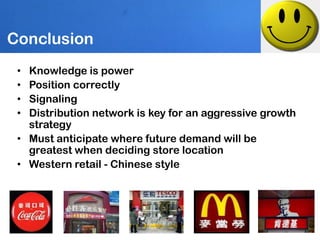
 • Western retail - Chinese style

Walmart China Presentation

  • 1.
  • 2.
    Agenda •Introduction •Industry Comparison •Key Issues •Analysis •Conclusion
  • 3.
    Introduction Walmart Global •Founded in US in 1960 •Fortune 500 company with 8400 units in 15 countries •$300+ billion in revenues Walmart China •First store in 1996 in Shenzhen •Currently operates 189 units + 100 Trust -Marts in 101 cities •95% of the merchandise is sourced locally
  • 4.
    Walmart US VsWalmart China Vs Carrefour China Walmart Walmart Carrefour US China China Distribution  x  E.D.L.P  x x Market Power  x x Location    Power Govt. Relation  x 
  • 5.
    Key Issues  TargetCustomer •What to Sell •How to Sell •Sell to Whom  Distribution Centre •Foresight •Signaling
  • 6.
    Going local: WhySelling Crocodiles is key to Walmart’s success.
  • 7.
    What to Sell? • Grocery section accounts for more than half at Chinese hypermarkets Percentage of Sales by Product Category 100% 80% 45% 69% The others 60% Grocery 40% 55% 20% 31% 0% Wal-mart US Chinese Hypermarkets Source: Walmart Stores Inc. 2006 10-K Report; China Retail Annual Report
  • 8.
    Example Crocodiles Pig faces Turtles Assorted Dried Reptiles
  • 9.
    Targeting Quality: Whyyou can bring Walmart to your wedding in China.
  • 10.
    How to Sell:Quality over Price • Does EDLP work in China? • Local community stores have cost advantages • Chinese middle-class are willing to pay for quality – Better understanding of local market – Backed by Deloitte report – Food safety crisis in China • Multi-national big names mean higher quality in Chinese mindset
  • 12.
    Example • MNC strategies US Pizza Hut Chinese Pizza Hut
  • 13.
    Vertical Differentiation: Where would Goldilocks shop?
  • 14.
    Sell to Whom VerticalDifferentiation: occurs in a market where several goods can be ordered according to their objective quality from lowest to highest Example:
  • 15.
    Vertical Differentiation •Combines full line of groceries, general merchandise and bulk quantities •Consumer target: Upper class •Differentiation: requires membership, offers higher end products at higher prices, delivery service available •Combines full line of groceries and general merchandise •Consumer target: Middle-Upper •Differentiation: offers huge variety of good quality products at generally medium-high prices •Offers various commodities, including food, home appliance, textile and garments •Consumer target: Middle class •Differentiation: offers quality products at cheaper prices
  • 16.
    Distribution: Why Walmart Planned to Lose Money?
  • 17.
    The Problem Walmart Chinareplicated its US distribution center model building a center in Shenzhen in 1996 and Tianjin in 2003. However, Walmart’s distribution centers didn’t keep costs down compared to decentralized local distribution. Key problems: • Road infrastructure in China • IT systems of suppliers • Insufficient scale of stores • Interprovincial ‘corruption’ • Local food distribution still required
  • 18.
    Foresight: Long-Run Success Howdid the IT infrastructure in China grow? # Internet Users in China 450 400 350 300 250 200 150 100 50 0 00 01 02 03 04 05 06 07 08 09 10
  • 19.
    Foresight: Long-Run Success How didthe scale of Walmart’s operations grow? 1996 2005 2011 # Stores 2 43 >300 Why did Walmart not wait until the infrastructure was ready to build their distribution centers?
  • 20.
    Signaling: The Role ofSunk Costs How does signaling work? What does building distribution centers signal? • Long-run commitment to China market • Store expansion in nearby regions
  • 21.
    Signaling: Success vs. Failure Wasit successful in scaring off competitors? SHENZHEN TIANJIN Southern 2005 2011 N & NE 2005 2011 Stores Stores Walmart 20 73 (+39) Walmart 20 37 (+7) Carrefour 13 38 Carrefour 25 54 Why was it more successful in Shenzhen than Tianjin? • Timing – Shenzhen distribution center was built much earlier (1996 vs. 2003). • Credibility
  • 22.
    Summary: Why Walmart BuiltDistribution Centers Believed they would be successful in the long-run and give them competitive advantage. Signal commitment to store expansion, which could scare off competitors in that region by changing payoffs, and China market.
  • 23.
    Application: The Roleof Sunk Costs
  • 25.
    Conclusion • Knowledgeis power • Position correctly • Signaling • Distribution network is key for an aggressive growth strategy • Must anticipate where future demand will be greatest when deciding store location • Western retail - Chinese style