BY
Dr SAI PRIYANKA NERUSU
INTRODUCTION
• Vitamin D is a fat soluble vitamin. It resembles sterols in structure and
functions like a hormone.
• Vitamin D was isolated by Angus (1931) who named it calciferol.
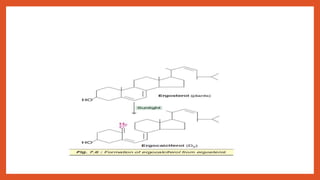
• Ergocalciferol (vitamin D2) is formed from ergosterol and is present in plants
.
• Cholecalciferol (vitamin D3) is found in animals.
• Both the sterols are similar in structure except that ergocalciferol has an
additional methyl group and a double bond.
• Ergocalciferol and cholecalciferol are sources for vitamin D activity and
are referred to as provitamins.
• On exposure to sunlight, 7-dehydrocholesterol is converted to cholecalciferol in the skin .
• Vitamin D is regarded as sun-shine vitamin.
ABSORPTION, TRANSPORT AND STORAGE
•Vitamin D is absorbed in the small intestine for
which bile is essential.
•Through lymph, vitamin D enters the
circulation bound to plasma Alpha 2-globulin
and is distributed throughout the body.
•Liver and other tissues store small amounts of
vitamin D.
METABOLISM AND BIOCHEMICAL FUNCTIONS
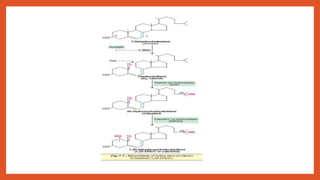
• Cholecalciferol is first hydroxylated at 25th position to 25-
hydroxycholecalciferol (25-OH D3) by a specific hydroxylase present in
liver.
• 25-OH D3 is the major storage and circulatory form of vitamin D.
• Kidney possesses a specific enzyme, 25-hydroxycholecalciferol
(calcidiol) 1-hydroxylase which hydroxylates 25-hydroxycholecalciferol
at position 1 to produce 1,25- dihydroxycholecalciferol (1,25-DHCC).
• 1,25 DHCC contains 3 hydroxyl groups (1,3 and 25 carbon) hence referred
to as calcitriol.
• Both the hydroxylase enzymes (of liver and kidney) require cytochrome
P450, NADPH and O2 for the hydroxylation process.
Regulation of the synthesis of 1,25-
DHCC
• The concentration of 1,25-DHCC is regulated by plasma levels of
calcium and phosphate.
• They control hydroxylation reaction at position 1.
• Low plasma phosphate increases the activity of 25-
hydroxycholecalciferol 1-hydroxylase.
• Low plasma calcium enhances the production of parathyroid
hormone which in turn activates 1-hydroxylase.
• Thus the action of phosphate is direct while that of calcium is indirect
on kidney 1-hydroxylase.
Biochemical functions
Action of calcitriol on the intestine :
• Calcitriol increases the intestinal absorption of calcium and
phosphate.
• In the intestinal cells, calcitriol binds with a cytosolic receptor to form a
calcitriol-receptor complex.
• This complex then approaches the nucleus and interacts with a
specific DNA leading to the synthesis of a specific calcium binding
protein.
• This protein increases the calcium uptake by the intestine.
• The mechanism of action of calcitriol on the target tissue (intestine) is
similar to the action of a steroid hormone.
Action of calcitriol on the bone :
• In the osteoblasts of bone, calcitriol stimulates calcium uptake
for deposition as calcium phosphate.
• Thus calcitriol is essential for bone formation.
• The bone is an important reservoir of calcium and phosphate.
• Calcitriol along with parathyroid hormone increases the
mobilization of calcium and phosphate from the bone.
• This causes elevation in the plasma calcium and phosphate
levels.
• Action of calcitriol on the kidney :
• Calcitriol is also involved in minimizing the excretion of calcium and phosphate through
the kidney, by decreasing their excretion and enhancing reabsorption.
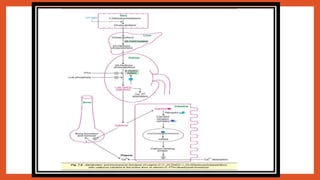
• The sequence of events that take place in response to low plasma calcium
concentration and the action of calcitriol on intestine, kidney and bone, ultimately
leading to the increase in plasma calcium
• 24,25-Dihydroxycholecalciferol (24,25-DHCC) is another metabolite of vitamin D.
• It is also synthesized in the kidney by 24-hydroxylase.
• It is believed that when calcitriol concentration is adequate, 24-hydroxylase acts leading
to the synthesis of a less important compound 24, 25-DHCC.
• In this way, to maintain the homeostasis of calcium, synthesis of 24,25-DHCC is also
important.
RECOMMENDED DIETARY ALLOWANCE (RDA)
•The daily requirement of vitamin D is
400 International Units or 10 mg of
cholecalciferol.
•In countries with good sunlight (like
India), the RDA for vitamin D is 200 IU
(or 5 mg cholecalciferol).
DIETARY SOURCES
• Good sources of vitamin D include fatty fish, fish liver
oils, egg yolk etc.
• Milk is not a good source of vitamin D.
Vitamin D can be provided to the body in three ways
1. Exposure of skin to sunlight for synthesis of vitamin D;
2. Consumption of natural foods;
3. By irradiating foods (like yeast) that contain precursors
of vitamin D and fortification of foods (milk, butter etc.).
DEFICIENCY SYMPTOMS
• Vitamin D deficiency is relatively less common, since this vitamin
can be synthesized in the body.
• However, insufficient exposure to sunlight and consumption
of diet lacking vitamin D results in its deficiency.
• Vitamin D deficiency occurs in strict vegetarians, chronic
alcoholics, individuals with liver and kidney diseases or fat
malabsorption syndromes.
• In some people, who cover the entire body (purdah) for religious
customs, vitamin D deficiency is also observed, if the
requirement is not met through diet.
RICKETS
• Deficiency of vitamin D causes rickets in children and osteomalacia in adults.
• Rickets in children is characterized by bone deformities due to incomplete mineralization,
resulting in soft and pliable bones and delay in teeth formation.
• The weight-bearing bones are bent to form bow-legs.
• In rickets, the plasma level of calcitriol is decreased and alkaline phosphatase activity is
elevated.
• Alkaline phosphatase is concerned with the process of bone formation.
• There is an overproduction of alkaline phosphatase related to more cellular activity of the
bone.
• It is believed to be due to a vain attempt to result in bone formation.
• In case of osteomalacia (adult rickets) demineralization of the bones occurs (bones become
softer), increasing their susceptibility to fractures.
RENAL RICKETS
(RENAL OSTEODYSTROPHY)
•This is seen in patients with chronic
renal failure. Renal rickets is mainly
due to decreased synthesis of
calcitriol in kidney.
•It can be treated by administration of
calcitriol.
HYPERVITAMINOSIS D
• Vitamin D is stored mostly in liver and slowly metabolised.
• Among the vitamins, vitamin D is the most toxic in overdoses (10-100
times RDA).
• Toxic effects of hypervitaminosis D include demineralization of bone
(resorption) and increased calcium absorption from the intestine, leading to
elevated calcium in plasma (hypercalcemia).
• Prolonged hypercalcemia is associated with deposition of calcium in many
soft tissues such as kidney and arteries.
• Hypervitaminosis D may lead to formation of stones in kidneys (renal
calculi).
• High consumption of vitamin D is associated with loss of appetite, nausea,
increased thirst, loss of weight etc.
THANKYOU

VITAMIN D.pptx

  • 1.
  • 2.
    INTRODUCTION • Vitamin Dis a fat soluble vitamin. It resembles sterols in structure and functions like a hormone. • Vitamin D was isolated by Angus (1931) who named it calciferol. • Ergocalciferol (vitamin D2) is formed from ergosterol and is present in plants . • Cholecalciferol (vitamin D3) is found in animals. • Both the sterols are similar in structure except that ergocalciferol has an additional methyl group and a double bond. • Ergocalciferol and cholecalciferol are sources for vitamin D activity and are referred to as provitamins. • On exposure to sunlight, 7-dehydrocholesterol is converted to cholecalciferol in the skin . • Vitamin D is regarded as sun-shine vitamin.
  • 4.
    ABSORPTION, TRANSPORT ANDSTORAGE •Vitamin D is absorbed in the small intestine for which bile is essential. •Through lymph, vitamin D enters the circulation bound to plasma Alpha 2-globulin and is distributed throughout the body. •Liver and other tissues store small amounts of vitamin D.
  • 5.
    METABOLISM AND BIOCHEMICALFUNCTIONS • Cholecalciferol is first hydroxylated at 25th position to 25- hydroxycholecalciferol (25-OH D3) by a specific hydroxylase present in liver. • 25-OH D3 is the major storage and circulatory form of vitamin D. • Kidney possesses a specific enzyme, 25-hydroxycholecalciferol (calcidiol) 1-hydroxylase which hydroxylates 25-hydroxycholecalciferol at position 1 to produce 1,25- dihydroxycholecalciferol (1,25-DHCC). • 1,25 DHCC contains 3 hydroxyl groups (1,3 and 25 carbon) hence referred to as calcitriol. • Both the hydroxylase enzymes (of liver and kidney) require cytochrome P450, NADPH and O2 for the hydroxylation process.
  • 6.
    Regulation of thesynthesis of 1,25- DHCC • The concentration of 1,25-DHCC is regulated by plasma levels of calcium and phosphate. • They control hydroxylation reaction at position 1. • Low plasma phosphate increases the activity of 25- hydroxycholecalciferol 1-hydroxylase. • Low plasma calcium enhances the production of parathyroid hormone which in turn activates 1-hydroxylase. • Thus the action of phosphate is direct while that of calcium is indirect on kidney 1-hydroxylase.
  • 8.
    Biochemical functions Action ofcalcitriol on the intestine : • Calcitriol increases the intestinal absorption of calcium and phosphate. • In the intestinal cells, calcitriol binds with a cytosolic receptor to form a calcitriol-receptor complex. • This complex then approaches the nucleus and interacts with a specific DNA leading to the synthesis of a specific calcium binding protein. • This protein increases the calcium uptake by the intestine. • The mechanism of action of calcitriol on the target tissue (intestine) is similar to the action of a steroid hormone.
  • 9.
    Action of calcitriolon the bone : • In the osteoblasts of bone, calcitriol stimulates calcium uptake for deposition as calcium phosphate. • Thus calcitriol is essential for bone formation. • The bone is an important reservoir of calcium and phosphate. • Calcitriol along with parathyroid hormone increases the mobilization of calcium and phosphate from the bone. • This causes elevation in the plasma calcium and phosphate levels.
  • 10.
    • Action ofcalcitriol on the kidney : • Calcitriol is also involved in minimizing the excretion of calcium and phosphate through the kidney, by decreasing their excretion and enhancing reabsorption. • The sequence of events that take place in response to low plasma calcium concentration and the action of calcitriol on intestine, kidney and bone, ultimately leading to the increase in plasma calcium • 24,25-Dihydroxycholecalciferol (24,25-DHCC) is another metabolite of vitamin D. • It is also synthesized in the kidney by 24-hydroxylase. • It is believed that when calcitriol concentration is adequate, 24-hydroxylase acts leading to the synthesis of a less important compound 24, 25-DHCC. • In this way, to maintain the homeostasis of calcium, synthesis of 24,25-DHCC is also important.
  • 12.
    RECOMMENDED DIETARY ALLOWANCE(RDA) •The daily requirement of vitamin D is 400 International Units or 10 mg of cholecalciferol. •In countries with good sunlight (like India), the RDA for vitamin D is 200 IU (or 5 mg cholecalciferol).
  • 13.
    DIETARY SOURCES • Goodsources of vitamin D include fatty fish, fish liver oils, egg yolk etc. • Milk is not a good source of vitamin D. Vitamin D can be provided to the body in three ways 1. Exposure of skin to sunlight for synthesis of vitamin D; 2. Consumption of natural foods; 3. By irradiating foods (like yeast) that contain precursors of vitamin D and fortification of foods (milk, butter etc.).
  • 14.
    DEFICIENCY SYMPTOMS • VitaminD deficiency is relatively less common, since this vitamin can be synthesized in the body. • However, insufficient exposure to sunlight and consumption of diet lacking vitamin D results in its deficiency. • Vitamin D deficiency occurs in strict vegetarians, chronic alcoholics, individuals with liver and kidney diseases or fat malabsorption syndromes. • In some people, who cover the entire body (purdah) for religious customs, vitamin D deficiency is also observed, if the requirement is not met through diet.
  • 15.
    RICKETS • Deficiency ofvitamin D causes rickets in children and osteomalacia in adults. • Rickets in children is characterized by bone deformities due to incomplete mineralization, resulting in soft and pliable bones and delay in teeth formation. • The weight-bearing bones are bent to form bow-legs. • In rickets, the plasma level of calcitriol is decreased and alkaline phosphatase activity is elevated. • Alkaline phosphatase is concerned with the process of bone formation. • There is an overproduction of alkaline phosphatase related to more cellular activity of the bone. • It is believed to be due to a vain attempt to result in bone formation. • In case of osteomalacia (adult rickets) demineralization of the bones occurs (bones become softer), increasing their susceptibility to fractures.
  • 16.
    RENAL RICKETS (RENAL OSTEODYSTROPHY) •Thisis seen in patients with chronic renal failure. Renal rickets is mainly due to decreased synthesis of calcitriol in kidney. •It can be treated by administration of calcitriol.
  • 17.
    HYPERVITAMINOSIS D • VitaminD is stored mostly in liver and slowly metabolised. • Among the vitamins, vitamin D is the most toxic in overdoses (10-100 times RDA). • Toxic effects of hypervitaminosis D include demineralization of bone (resorption) and increased calcium absorption from the intestine, leading to elevated calcium in plasma (hypercalcemia). • Prolonged hypercalcemia is associated with deposition of calcium in many soft tissues such as kidney and arteries. • Hypervitaminosis D may lead to formation of stones in kidneys (renal calculi). • High consumption of vitamin D is associated with loss of appetite, nausea, increased thirst, loss of weight etc.
  • 18.