VICTORIAN TIMES  Good and evil… Scientific discoveries… Technological development… Mystery… Power… Poverty… Hipocrisy… A traditional society full of contrasts and contradictions…
Queen Victoria 1837-1901
 
Prince Albert  She married her cousin Prince Albert 1840.  Albert died in 1861.  They had nine children.
The British Empire at its highest
The Industrial Revolution Steam-powered engines… Factories… The train… Growth of cities… Creation of universities in different towns…
 
 
The Great Exhibition of 1851 in Hyde Park (London)
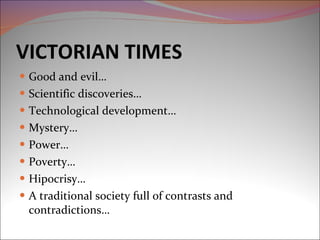
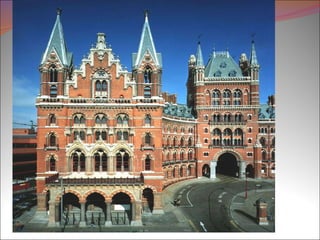
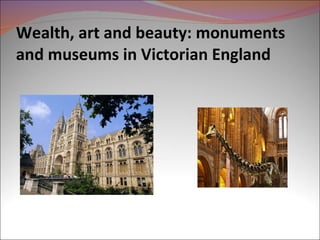
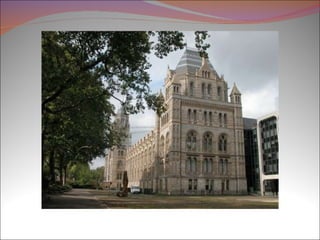
Wealth, art and beauty: monuments and museums in Victorian England


Great English and Irish writers Charles Dickens Oscar Wilde George Eliot (Mary Ann Evans) Elizabeth Gaskell Charlotte Brontë Emily Brontë Anne Brontë Sir Arthur Conan Doyle
Bram Stoker Robert Louis Stevenson Thomas Hardy Lewis Carroll
Great artists John William Waterhouse
Dante Gabriel Rosetti
William Turner
 
Scientific and medical advances Vaccinations against smallpox Discovery of aneasthesia Advances in surgery New hospitals and modern nursing (improved by women such as Florence Nightingale)
 
The Irish Famine (1845-1850)
Social classes and life conditions Aristocracy and owners of the land Factory owners The peasants, servants and factory workers The Workhouse
 
Learning conditions Public schools Ragged schools
Working conditions
Housing conditions
 
 
Women condition The “angel” of the house… the weak, fragile lady…
The poor and destitute women: the servants, the factory workers, the mine workers, the peasants, the prostitutes, the “mad” women…
Women advances Elizabeth Garret, first woman doctor in England
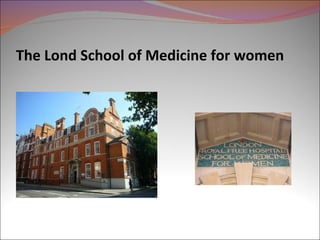
The Lond School of Medicine for women
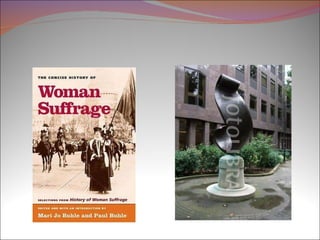
The Suffrage movement
 

Victorian times