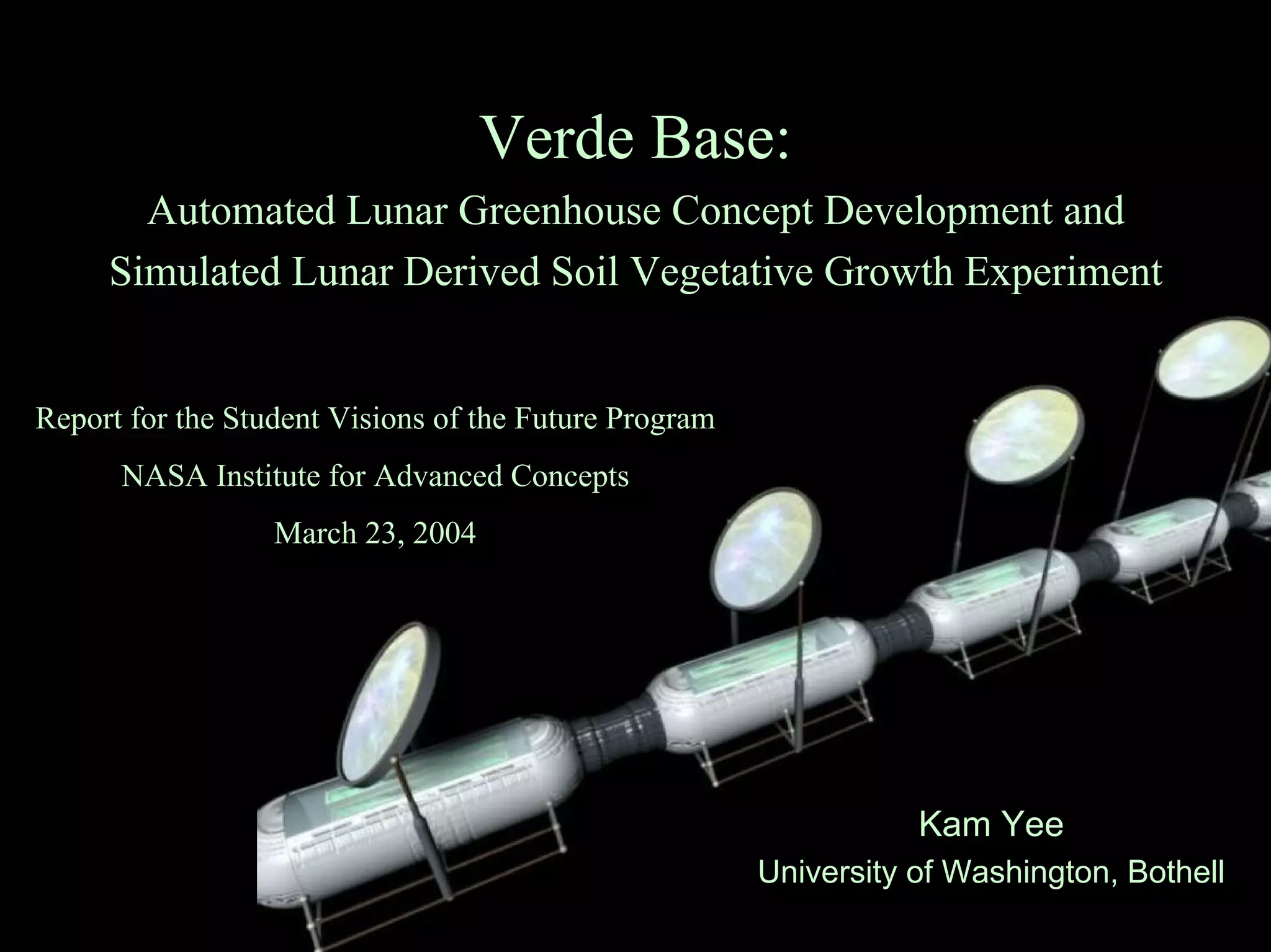
Verde Base: Automated Lunar Greenhouse Concept Development andSimulated Lunar Derived Soil Vegetative Growth Experiment Kam YeeUniversity of Washington, BothellReport for the Student Visions of the Future ProgramNASA Institute for Advanced ConceptsMarch 23, 2004
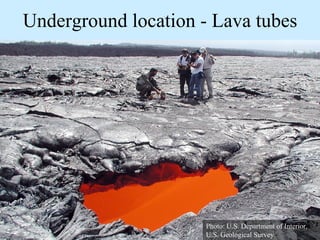
Underground location-Lava tubes Photo: U.S. Department of Interior, U.S. Geological Survey
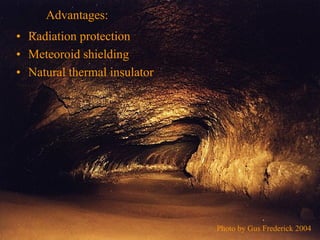
Advantages: •Radiation protection•Meteoroid shielding•Natural thermal insulatorPhoto by Gus Frederick 2004
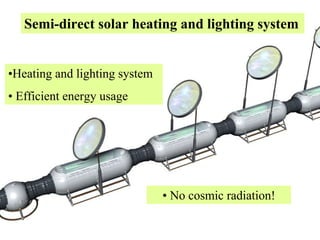
•Heating and lighting system•Efficient energy usage•No cosmic radiation! Semi-direct solar heating and lighting system
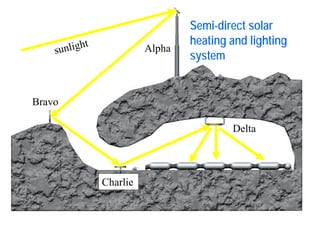
Semi-direct solar heating and lighting system sunlight AlphaBravoCharlieDelta
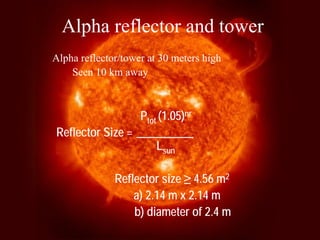
Alpha reflector and towerAlpha reflector/tower at 30 meters high Seen 10 km awayPtot(1.05)nr Reflector Size =__________ LsunReflector size ≥4.56 m2a) 2.14 m x 2.14 m b) diameter of 2.4 m
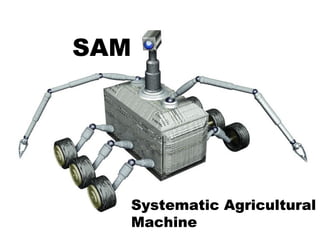
Systematic Agricultural MachineSAM
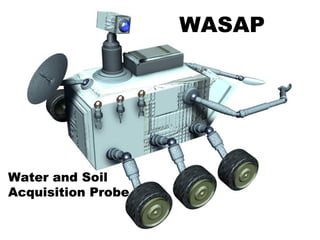
WASAPWater and Soil Acquisition Probe
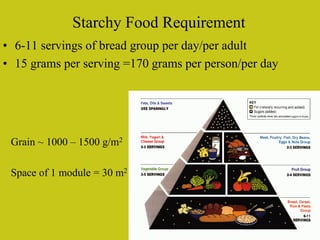
•6-11 servings of bread group per day/per adult•15 grams per serving =170 grams per person/per dayGrain ~ 1000 –1500 g/m2Space of 1 module = 30 m2Starchy Food Requirement
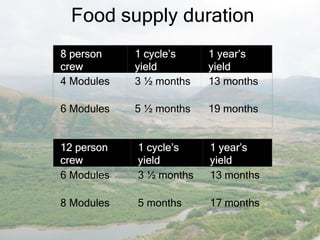
Food supply duration 8 person crew1 cycle’s yield1 year’s yield4 Modules3 ½ months13 months6 Modules5 ½ months19 months12 person crew1 cycle’s yield1 year’s yield6 Modules3 ½ months13 months8 Modules5 months17 months
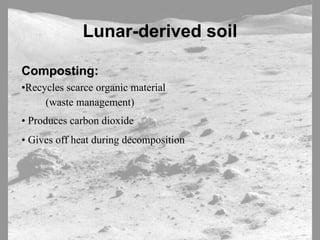
Lunar-derived soilComposting: •Recycles scarce organic material(waste management) •Produces carbon dioxide •Gives off heat during decomposition
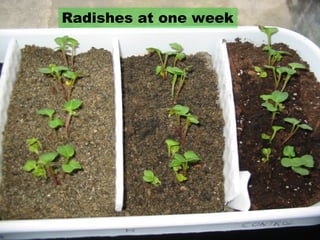
Radishes at one week
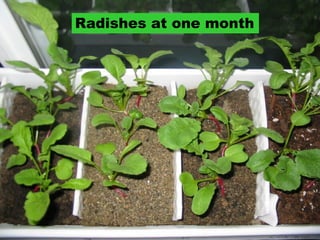
Radishes at one month
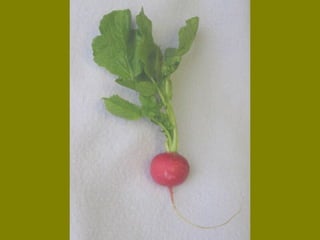
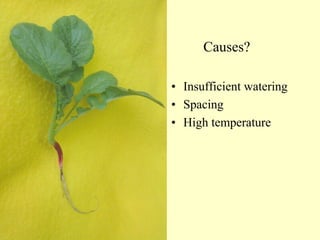
“Results May Vary” Causes? •Insufficient watering•Spacing•High temperature
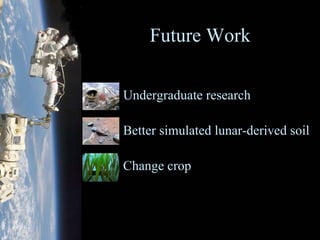
•Undergraduateresearch •Better simulated lunar-derived soil •Change cropFuture Work
Special thanks to: NASA Institute for Advanced Concepts University of Washington, BothellThe Museum of FlightSouth Seattle Community CollegePaul Unwin, Gus Posey, Meredith Hale, Dr. Colin Danby, MarjieVittum-Jones, Marty Hale-Evans, Jay Unwin, and my family. 3-D Rendering: Gus PoseyNASA Institute for Advanced ConceptsStudent Visions of the Future ProgramMarch 23, 2004

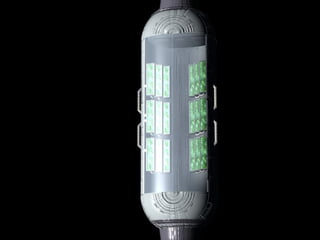
Verde base

  • 1.
    Verde Base: AutomatedLunar Greenhouse Concept Development andSimulated Lunar Derived Soil Vegetative Growth Experiment Kam YeeUniversity of Washington, BothellReport for the Student Visions of the Future ProgramNASA Institute for Advanced ConceptsMarch 23, 2004
  • 2.
    Underground location-Lava tubesPhoto: U.S. Department of Interior, U.S. Geological Survey
  • 3.
    Advantages: •Radiation protection•Meteoroidshielding•Natural thermal insulatorPhoto by Gus Frederick 2004
  • 6.
    •Heating and lightingsystem•Efficient energy usage•No cosmic radiation! Semi-direct solar heating and lighting system
  • 7.
    Semi-direct solar heatingand lighting system sunlight AlphaBravoCharlieDelta
  • 8.
    Alpha reflector andtowerAlpha reflector/tower at 30 meters high Seen 10 km awayPtot(1.05)nr Reflector Size =__________ LsunReflector size ≥4.56 m2a) 2.14 m x 2.14 m b) diameter of 2.4 m
  • 9.
  • 10.
    WASAPWater and SoilAcquisition Probe
  • 13.
    •6-11 servings ofbread group per day/per adult•15 grams per serving =170 grams per person/per dayGrain ~ 1000 –1500 g/m2Space of 1 module = 30 m2Starchy Food Requirement
  • 14.
    Food supply duration8 person crew1 cycle’s yield1 year’s yield4 Modules3 ½ months13 months6 Modules5 ½ months19 months12 person crew1 cycle’s yield1 year’s yield6 Modules3 ½ months13 months8 Modules5 months17 months
  • 15.
    Lunar-derived soilComposting: •Recyclesscarce organic material(waste management) •Produces carbon dioxide •Gives off heat during decomposition
  • 16.
  • 17.
  • 19.
    “Results May Vary”Causes? •Insufficient watering•Spacing•High temperature
  • 21.
    •Undergraduateresearch •Better simulatedlunar-derived soil •Change cropFuture Work
  • 22.
    Special thanks to:NASA Institute for Advanced Concepts University of Washington, BothellThe Museum of FlightSouth Seattle Community CollegePaul Unwin, Gus Posey, Meredith Hale, Dr. Colin Danby, MarjieVittum-Jones, Marty Hale-Evans, Jay Unwin, and my family. 3-D Rendering: Gus PoseyNASA Institute for Advanced ConceptsStudent Visions of the Future ProgramMarch 23, 2004